Author: Henry

Partial Dentures for Back Teeth: Types, Benefits, Care Tips & Alternatives

Maintaining oral health is crucial for overall well-being; missing teeth can significantly impact this balance. Partial dentures present a practical and effective solution for those who have lost their back teeth. This comprehensive guide will explore benefits, types, care, and alternatives of partial dentures for back teeth to help you make an informed decision.

What Are Partial Dentures?

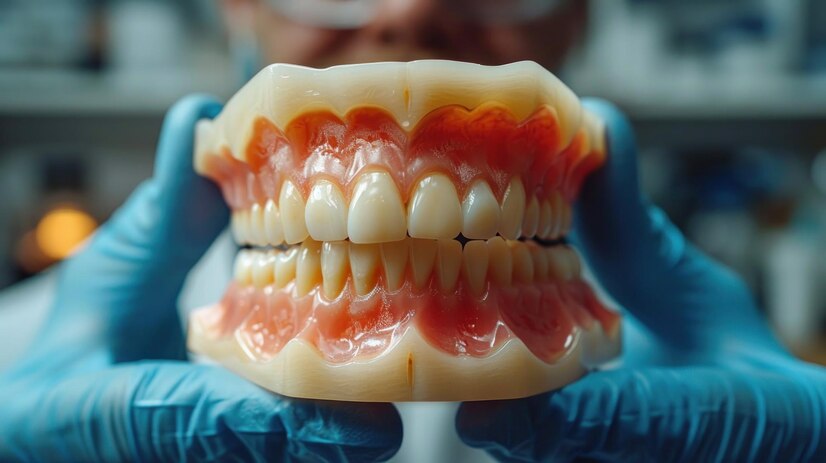
Partial dentures are removable dental appliances that are designed to replace more missing teeth. They are particularly beneficial for individuals who have lost their back teeth, known as molars and premolars, which are vital for chewing and maintaining facial structure.

Partial Dentures for Back TeethImportance of Replacing Teeth

Back teeth play an essential role in:

  • Chewing and Digestion: Molars grind food into smaller particles, aiding proper digestion.
  • Speech and Pronunciation: Missing teeth can affect clarity in speech.
  • Preventing Dental Shifting: When back teeth are missing, nearby teeth may shift out of alignment, leading to misalignment and additional issues.
  • Jawbone Health: Back teeth roots stimulate the jawbone, maintaining density and preventing facial structure changes.

Types of Partial Dentures for Back Teeth

Different types of partial dentures cater to varying needs and preferences:

Acrylic Partial Dentures

  • Description: Made with a pink acrylic base mimicking gum tissue and artificial teeth.
  • Advantages: Affordable and easy to adjust.
  • Limitations: Less durable, often considered a temporary solution.

Cast Metal Partial Dentures

  • Description: Constructed with a durable metal framework supporting acrylic and artificial teeth.
  • Advantages: Long-lasting, secure fit, and excellent stability.
  • Limitations: Higher cost and may feel heavier.

Flexible Partial Dentures

  • Description: Made of thin, lightweight materials that flex for a natural fit.
  • Advantages: Comfortable, aesthetic, and less likely to irritate.
  • Limitations: Less durable compared to metal dentures.

Benefits of Partial Dentures for Back Teeth

Partial dentures provide numerous advantages:

  • Restored Chewing Function: Regain the ability to enjoy a varied diet.
  • Improved Speech: Fill gaps to support more precise pronunciation.
  • Enhanced Aesthetics: Prevent sunken cheeks and maintain facial structure.
  • Cost-Effective: Affordable compared to implants and bridges.
  • Prevention of Shifting: Keeps remaining teeth in proper alignment.

How Partial Dentures Work

Partial dentures are custom-made to fit your mouth and attach to natural teeth for stability. Here’s a brief overview of their design and functionality:

Design and Fit

Dentists take impressions of your mouth to make dentures that match your natural teeth in both color and size.

Retention and Stability

Metal clasps or precision attachments anchor the dentures securely, allowing comfortable daily use.

Adjustments

Initial discomfort is normal but resolves as your mouth adapts. Regular dental check-ups ensure proper fit and function.

Caring for Partial Dentures

Proper maintenance is essential for longevity and effectiveness:

  • Daily Cleaning: Use a soft-bristled brush and denture cleanser. Avoid abrasive toothpaste.
  • Overnight Soaking: Store in water or a cleaning solution to prevent warping.
  • Handle with Care: Clean dentures over a soft surface to avoid damage if dropped.
  • Regular Check-Ups: Visit your dentist to assess fit and address any issues.

Potential Challenges and Solutions

Wearing partial dentures may involve some challenges:

  • Discomfort: Initial soreness is common; adjustments can help.
  • Eating: Start with soft foods and gradually reintroduce more complex items.
  • Speech Issues: Practice speaking aloud to adapt faster.

Alternatives to Partial Dentures

If partial dentures aren’t suitable, consider these alternatives:

Dental Bridges

Anchored to adjacent teeth, bridges offer a more permanent solution.

Dental Implants

A durable, long-term option involving titanium posts inserted into the jawbone.

Implant-Supported Dentures

Combines the stability of implants with affordability of dentures.

Conclusion

Partial dentures for back teeth are an excellent option for restoring oral health, functionality, and aesthetics and understanding the types, benefits, and care requirements. It is key to achieving optimal oral health. Whether opting for traditional dentures or exploring alternatives, consulting with your dentist is key.

Tags:

The Episcopal Diocese Food Allergy Guidelines

[vc_row][vc_column][vc_column_text]Food allergies are a growing concern today, affecting millions worldwide. Within the Episcopal Diocese Food Allergy Guidelines, creating a safe and inclusive environment for all members, including those with food allergies, is crucial. This blog will delve into the Episcopal Diocese food allergy guidelines, providing comprehensive information on managing and accommodating food allergies effectively. By following these guidelines, churches and organizations within the Diocese can foster a welcoming atmosphere where everyone can participate fully and safely.

Understanding Food Allergies

What Are Food Allergies?

Food allergies are an abnormal response by the body’s immune system to certain foods. Usually, the immune system helps protect the body from harmful substances, like bacteria and viruses. However, in the case of food allergies, immune system mistakenly identifies harmless food proteins as a threat and reacts against them. This immune response triggers various symptoms, ranging from mild to severe.

How Food Allergies Develop?

Food allergies often develop at any age but are most found in children. Exact cause of food allergies are not fully understood. Still, they are thought to arise from genetic and environmental factors. If one or both parents have allergies (not necessarily food allergies), their children are more likely to develop them.

Common Food Allergens

Several foods are commonly known to cause allergic reactions. These include:

  • Peanuts
  • Tree nuts (such as almonds, walnuts, cashews)
  • Eggs
  • Milk
  • Wheat
  • Soy
  • Fish
  • Shellfish (such as shrimp, lobster, crab).

These foods account for most allergic reactions, but people can be allergic to virtually any food.

Episcopal Diocese food allergy guidelines

Immune System Response

Immune system is the body’s defense mechanism against harmful substances like bacteria, viruses, and toxins. It comprises various cells and proteins that work together to identify and neutralize threats. In the case of food allergies, however, the immune system mistakenly identifies specific proteins in food as dangerous, even though they are harmless that will help us understand Episcopal Diocese Food Allergy Guidelines.

The Role of Immunoglobulin E (IgE)

The central player in the immune response to food allergens is an antibody called immunoglobulin E (IgE). Here’s how the process typically unfolds:

Sensitization Phase

When a person with a genetic predisposition to allergies is first exposed to an allergenic food, their immune system may become sensitized to it. During this phase, the immune system mistakenly identifies a specific protein in the food as harmful.
Immune system responds by producing IgE antibodies specific to that food protein. These IgE antibodies circulate in the blood and attach to the surface of particular cells, including mast cells and basophils.

Mast Cells and Basophils:

Mast cells and the basophils are white blood cells crucial in allergic reactions. They are found in various tissues throughout the body, including the skin, lungs, gastrointestinal tract, and blood.
Once sensitized, these cells have IgE antibodies bound to their surfaces, effectively “priming” them for a future encounter with the allergen.

Subsequent Exposure

When the person is exposed to the same food again, the allergenic protein binds to IgE antibodies on surface of the mast cells and basophils.
This binding triggers the mast cells and basophils to release many chemical mediators, the most notable of which is histamine what we should know for Episcopal Diocese Food Allergy Guidelines.

Chemical Mediators and Their Effects

Release of histamine and other chemical mediators like leukotrienes and prostaglandins leads to the symptoms of an allergic reaction. Here’s how these chemicals affect the body:

Histamine

  • Blood vessels: Histamine causes blood vessels to dilate (expand) and become more permeable, leading to symptoms like redness, swelling, and itching. This is why hives (urticaria) and localized swelling are common in allergic reactions.
  • Skin: Histamine contributes to the itchy sensation associated with allergic reactions.
  • Lungs: In the respiratory system, histamine can cause muscles around airways to contract, leading to bronchoconstriction. This can result in wheezing, coughing, and difficulty breathing, symptoms often seen in anaphylaxis.

Leukotrienes and Prostaglandins

These chemical mediators further amplify the inflammatory response, contributing to the severity of symptoms. They can cause additional constriction of airways, increased mucus production, and more intense swelling and pain.

Systemic Reactions and Anaphylaxis

Sometimes, the immune system response is not localized to a specific area. Still, it becomes systemic, meaning it affects the entire body. This can lead to anaphylaxis, a severe, rapid-onset allergic reaction that is life-threatening if not treated immediately.

  • Cardiovascular system: Histamine and other mediators cause quick reduce in blood pressure, which can lead to shock.
  • Respiratory system: The combination of airway constriction, swelling, and mucus production can lead to respiratory failure.
  • Gastrointestinal system: Abdominal pain, vomiting, and diarrhea can occur as part of the body’s systemic response to the allergen.

Regulation of the Immune Response

The immune system is usually tightly regulated to avoid such overreactions. Regulatory T cells (Tregs) and other immune mechanisms help tolerate harmless substances, including food proteins. However, in people with food allergies, this tolerance is lost, leading to the inappropriate activation of the immune response.

Genetic and Environmental Factors

The likelihood of developing food allergies is influenced by both genetic and environmental factors:

  • Genetics: Individuals with a family history of allergies (atopy) are more likely to develop food allergies. Specific genes may influence how the immune system responds to allergens.
  • Environmental factors: Early exposure to potential allergens, the timing of introducing certain foods, and other environmental factors like pollution or diet can also impact the development of food allergies.

Current Research

Research into food allergies continues to explore the mechanisms of immune system response, aiming to understand why certain people develop food allergies while others do not. This research is crucial for developing new treatments and interventions, such as immunotherapy, to help “retrain” the immune system to tolerate specific allergens.

In summary, the immune system’s response to food allergies is a highly orchestrated process that relates to Episcopal Diocese Food Allergy Guidelines, when triggered, leads to a range of symptoms. Understanding this process is essential for managing food allergies and developing future treatments.

Symptoms of Food Allergies

Food allergy symptoms can vary widely and affect different body parts. Common symptoms include:

  • Skin reactions: Hives (urticaria), itching, eczema, and swelling, particularly of face, lips, tongue, or throat.
  • Gastrointestinal symptoms: Nausea, vomiting, diarrhea, stomach pain, and cramping.
  • Respiratory symptoms: include wheezing, coughing, nasal congestion, shortness of breath, and, in severe cases, anaphylaxis.
  • Cardiovascular symptoms: A drop in blood pressure, dizziness, fainting, or loss of consciousness.
  • Anaphylaxis: Anaphylaxis is a potentially life threatening allergic reaction that occur within minutes in exposure to the allergen.

Which help us learn about Episcopal Diocese Food Allergy Guidelines.

Symptoms of anaphylaxis include:

  • Difficulty breathing due to swelling of airways
  • A rapid drop in blood pressure
  • Weak or rapid pulse
  • Dizziness or fainting
  • Loss of consciousness

Anaphylaxis requires immediate treatment with an epinephrine auto injector (such as an EpiPen) and emergency medical care.

Diagnosis of Food Allergies

Diagnosing food allergies typically involves a combination of medical history, physical examination, and testing.

Common tests include:

  • Skin prick test: A small amount of suspected allergen is placed on skin and then lightly pricked. A positive reaction (red, itchy bump) suggests an allergy.
  • Blood test: Measures level of IgE antibodies to specific foods.
  • Oral food challenge: Conducted under medical supervision, it involves consuming small amounts of suspected allergen to observe any reaction.

Management and Treatment

Treatment for food allergies is avoidance of offending food. It includes reading food labels carefully and being aware of potential cross-contamination in food preparation. In cases of accidental exposure, antihistamines can help relieve mild symptoms, while severe reactions require immediate administration of epinephrine.

People with food allergies should carry an epinephrine auto injector at all times and wear medical identification that notes their allergy. It’s also essential for those around them—family, friends, teachers, and caregivers—to be aware of the allergy and know how to respond in an emergency.

Living with Food Allergies

Living with food allergies can be challenging, in social situations like dining out, attending parties, or traveling. Education and communication are vital to managing food allergies effectively. Many restaurants and food manufacturers increasingly know the need to accommodate food allergies, offering allergen-free options and clear labeling.

For children with food allergies, schools and daycare centers often have specific protocols in place to prevent accidental exposure and respond quickly in the event of a reaction.

Future Directions

Research is ongoing to find new treatments for food allergies, including oral immunotherapy (OIT), which involves gradually increasing the allergen intake under medical supervision to build tolerance. However, these treatments still need to be studied and are not widely available.

The Importance of Food Allergy Guidelines

Creating a Safe Environment

The primary goal of the Episcopal Diocese food allergy guidelines is to create a safe environment for all participants. By adhering to these guidelines, churches and organizations can reduce risk of accidental exposure to allergens and prevent severe allergic reactions.

Promoting Inclusivity

Inclusivity is a core value within the Episcopal Diocese. The food allergy guidelines promote inclusivity by ensuring that individuals with food allergies can participate fully in all activities, events, and services without fear of exposure to allergens.

Educating the Community

Education is a vital component of the Episcopal Diocese food allergy guidelines. By raising awareness and providing information about food allergies, the Diocese can help foster a culture of understanding and support within the community.

Episcopal Diocese Food Allergy Guidelines: Key Components

Policy Development

Establishing a Food Allergy Policy

Every church and organization within the Episcopal Diocese should establish a comprehensive food allergy policy. This policy should outline the procedures for managing food allergies, including identification, communication, prevention, and response to allergic reactions.

Regular Policy Review

The food allergy policy should be reviewed and updated uaually to reflect current best practices and address emerging issues. This approach helps maintain a standard of safety and inclusivity.

Communication and Awareness

Informing the Community

Effective communication is crucial for implementing the Episcopal Diocese’s food allergy guidelines. Churches and organizations should inform all members about the policy and the importance of adhering to it. This can be achieved through announcements, newsletters, and informational sessions connects to Episcopal Diocese Food Allergy Guidelines.

Clear Labeling

Clear labeling of food items is essential to prevent accidental exposure to allergens. All food served at church events, including potlucks and communal meals, should be labeled with a list of ingredients. This practice allows individuals with food allergies to make decisions about what they can safely consume.

Food Preparation and Handling

Allergen-Free Zones

Designating allergen-free zones within the church premises is a crucial aspect of the Episcopal Diocese food allergy guidelines. These zones should be clearly marked and strictly enforced to minimize the risk of cross-contamination.

Safe Food Handling Practices

Safe food handling practices are critical to preventing cross-contamination. Volunteers and staff involved in food preparation should receive training on proper food handling techniques, including washing hands thoroughly, using separate utensils and equipment for allergen-free foods, and avoiding mixing allergenic and non-allergenic foods.

Emergency Preparedness

Emergency Action Plan

Every church and organization should have an emergency action plan for dealing with allergic reactions. This plan should include procedures for recognizing symptoms, administering medication (such as epinephrine auto-injectors), and contacting emergency services.

Training and Drills

Regular training sessions and drills should be done to ensure that all staff and volunteers are familiar with the emergency action plan. This prepared-ness can make a significant difference in effectively managing an allergic reaction and ensuring the safety of the affected individual.

Implementing Episcopal Diocese Food Allergy Guidelines

Assessing the Current Environment

Conducting a Risk Assessment

Before implementing the Episcopal Diocese food allergy guidelines, conducting a risk assessment of current environment is essential. This assessment should identify potential sources of allergens, areas where cross-contamination could occur, and gaps in existing policies or procedures.

Gathering Input from the Community

Gathering input from individuals with food allergies and their families can provide valuable insights into their needs and concerns. This feedback can help tailor the guidelines to meet the community’s needs better.

Developing an Action Plan

Setting Clear Goals

Setting clear goals for implementing the Episcopal Diocese’s food allergy guidelines is crucial for success. These goals should be achievable, specific, measurable, relevant, and time bound.

Assigning Responsibilities

Assigning responsibilities to specific individuals or teams ensures the implementation process is well-organized and efficient. Each person should clearly understand their role and the tasks they need to complete.

Training and Education

Providing Training for Staff and Volunteers

Training is a vital component of the Episcopal Diocese food allergy guidelines. All staff and volunteers should receive comprehensive training on food allergies, safe food handling practices, and emergency response procedures.

Educating the Congregation

Educating the congregation about food allergies and the importance of following the guidelines helps create a supportive and inclusive community. This education can be provided through sermons, workshops, and informational materials.

Monitoring and Evaluation

Regular Monitoring

Regular monitoring of the implementation process helps ensure that the Episcopal Diocese food allergy guidelines are followed consistently. This can be achieved through periodic inspections, feedback from the community, and reviewing incident reports.

Evaluating Effectiveness

Evaluating the effectiveness of the guidelines is essential for continuous improvement. This evaluation must consider factors such as the number of allergic reactions reported, feedback from individuals with food allergies, and any areas where the guidelines must be adjusted.

Case Studies

St. Andrew’s Episcopal Church

St. Andrew’s Episcopal Church successfully implemented the Episcopal Diocese food allergy guidelines. The church significantly reduced the risk of allergic reactions by establishing a clear food allergy policy, providing training for staff and volunteers, and creating allergen-free zones. The congregation embraced the guidelines, fostering a culture of inclusivity and support.

Grace Episcopal Church

Grace Episcopal Church faced challenges in accommodating members with food allergies but succeeded by involving the entire community in the implementation process. Regular educational sessions and clear communication about the guidelines helped raise awareness and ensure adherence. The church also established a food allergy committee to oversee the implementation and provide ongoing support.

Conclusion

The Episcopal Diocese food allergy guidelines are vital in creating a safe and environment for all community members. By understanding the importance of these guidelines, developing a comprehensive policy, and implementing practical steps, churches and organizations within the Diocese can effectively manage food allergies and ensure everyone can participate fully and safely. Through education, communication, and a commitment to inclusivity, Episcopal Diocese food allergy guidelines can continue to be a welcoming place for all, again and again, fostering a sense of belonging and safety for those with food allergies.[/vc_column_text][/vc_column][/vc_row][vc_row][vc_column width=”1/1″][us_separator size=”small”][/vc_column][/vc_row][vc_row][vc_column width=”1/1″][us_text text=”Frequently Asked Questions (FAQ)” link=”%7B%22url%22%3A%22%22%7D” tag=”h2″][/vc_column][/vc_row][vc_row][vc_column width=”1/1″][us_separator size=”small”][/vc_column][/vc_row][vc_row][vc_column width=”1/1″][vc_tta_accordion][vc_tta_section title=”What are Food Allergy Guidelines, 2023″ tab_link=”%7B%22url%22%3A%22%22%7D”][us_text text=”The 2023 Food Allergy Guidelines provide the latest recommendations for diagnosing, managing, and preventing food allergies. These guidelines are typically developed by experts in the field and are based on the most current research. They offer updated advice on best practices for healthcare providers, including diagnostic tools, treatment options, and strategies for managing patients with food allergies.” link=”%7B%22url%22%3A%22%22%7D”][/vc_tta_section][vc_tta_section title=”What are EAACI Food Allergy Guidelines” tab_link=”%7B%22url%22%3A%22%22%7D”][us_text text=”European Academy of Allergy and Clinical Immunology (EAACI) Food Allergy Guidelines offer evidence-based recommendations for managing food allergies in adults and children. These guidelines cover various aspects, including diagnosis, prevention, and treatment, and are widely recognized in Europe and globally. The EAACI guidelines are periodically updated to reflect new research findings and emerging best practices.” link=”%7B%22url%22%3A%22%22%7D”][/vc_tta_section][vc_tta_section title=”what is EAACI Guidelines, Anaphylaxis (2021 Update)” tab_link=”%7B%22url%22%3A%22%22%7D”][us_text text=”This update to the EAACI Guidelines on Anaphylaxis, published in 2021, provides detailed recommendations for recognizing, treating, and managing anaphylaxis—a severe and potentially life-threatening allergic reaction. The guidelines emphasize early recognition, prompt treatment with epinephrine, and the importance of having a comprehensive management plan for patients at risk of anaphylaxis.” link=”%7B%22url%22%3A%22%22%7D”][/vc_tta_section][vc_tta_section title=”What is GA2LEN Guidelines” tab_link=”%7B%22url%22%3A%22%22%7D”][us_text text=”Global Allergy and Asthma European Network (GA2LEN) Guidelines focus on managing allergies and asthma, including food allergies. They result from collaborative efforts by European experts and are designed to provide healthcare professionals with practical, evidence-based recommendations for managing these conditions.” link=”%7B%22url%22%3A%22%22%7D”][/vc_tta_section][vc_tta_section title=”EAACI Food Allergy and Anaphylaxis Guidelines” tab_link=”%7B%22url%22%3A%22%22%7D”][us_text text=”The EAACI Food Allergy and Anaphylaxis Guidelines offer a comprehensive approach to managing food allergies and anaphylaxis. These guidelines provide diagnosis, risk assessment, prevention, and emergency management strategies. They are intended to guide clinicians in providing the best care for patients with these conditions.” link=”%7B%22url%22%3A%22%22%7D”][/vc_tta_section][vc_tta_section title=”What is Episcopal Diocese Food Allergy Guidelines” tab_link=”%7B%22url%22%3A%22%22%7D”][us_text text=”The Episcopal Diocese Food Allergy Guidelines ensure the safety and inclusion of individuals with food allergies during church events. They emphasize clear labeling of food, avoidance of common allergens, and preparedness to handle allergic reactions, including having emergency medications like epinephrine on hand.” link=”%7B%22url%22%3A%22%22%7D”][/vc_tta_section][/vc_tta_accordion][/vc_column][/vc_row]

Tags: , , , , , ,

Pros and Cons of Laser Treatment for Toenail Fungus

[vc_row][vc_column][vc_column_text]Before exploring the pros and cons of laser treatment for toenail fungus and why it can be so challenging to treat, it is essential to understand what toenail fungus. Laser treatment for toenail fungus offers high efficacy, minimal side effects, and improved cosmetic results, but it can be costly and may not be available everywhere. Success rates can vary, and there’s a potential for recurrence. Patients should weigh these factors to decide if it’s the right option for them.

Contents Overview

What is Laser Treatment for Toenail Fungus?

Understanding Onychomycosis

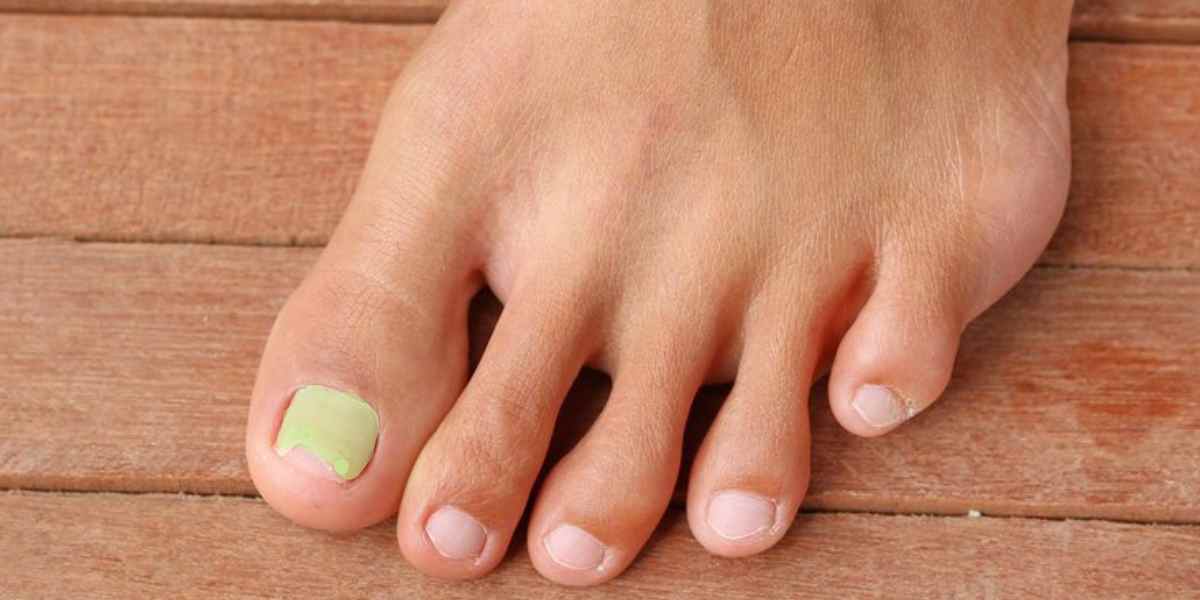
Before exploring the pros and cons of laser treatment for toenail fungus and why it can be so challenging to treat, it is essential to understand what toenail fungus is. Onychomycosis is a fungal infection that explicitly impacts the nails, often caused by dermatophytes, yeasts, or molds. It usually begins as a white or yellow spot underneath the end of the toenail. It can spread deeper into the nail, causing it to thicken, discolor, and crumble at the edges for Pros and Cons of Laser Treatment for Toenail Fungus.

How Laser Treatment Works

Laser treatment uses focused light energy to target specific body areas for various medical or cosmetic purposes and destroy the fungus in and under the toenail. The laser emits pulses of energy that generate heat, effectively killing the fungal cells without damaging the surrounding tissue. There are different types of lasers used in the treatment, such as Nd lasers, diode lasers, and CO2 lasers, each with its specific mechanism of action for understanding Pros and Cons of Laser Treatment for Toenail Fungus.

Pros of Laser Treatment for Toenail Fungus

High Efficacy Rate

One of the basic advantages of laser treatment for toenail fungus is its high efficacy rate. Studies have shown that laser therapy can achieve a significant reduction in fungal infection and improve the appearance of the affected nails. Patients often experience noticeable improvements after just a few sessions.

Non-Invasive Procedure

Laser treatment is a noninvasive procedure, meaning it does’t require any surgical incisions or injections. This makes it an attractive option for individuals who prefer to avoid risks and downtime associated with invasive treatments.

Minimal Side Effects

Unlike oral antifungal medications, which can have severe effects such as liver damage and gastrointestinal issues, laser treatment has minimal side effects. The most common side effect reported is a mild warming sensation during the procedure, which is generally well-tolerated by patients to know Pros and Cons of Laser Treatment for Toenail Fungus.

Quick and Convenient

Laser treatment sessions are relatively quick, typically lasting between 20 to 30 minutes. Most patients require three to four sessions several weeks apart to achieve optimal results. This convenience allows patients to fit the treatment into their busy schedules without significant disruption to diffentiate Pros and Cons of Laser Treatment for Toenail Fungus.

No Drug Interactions

Laser treatment does not involve the use of any medications, making it an ideal choice for individuals who may have contraindications or are already taking multiple medications. This eliminates the risk of drug interactions and the need for monitoring liver function, which is necessary with oral antifungal treatments.

Cosmetic Benefits

In addition to eliminating fungus, laser treatment can also improve the cosmetic appearance of the nails. Patients often report their nails becoming clearer, smoother, and less thickened after treatment. This can boost self-esteem and confidence, especially for those who feel self-conscious about the appearance of their toenails.

Cons of Laser Treatment for Toenail Fungus

Cost

One of the most significant drawbacks of laser treatment for toenail fungus is the cost. Laser therapy can be expensive, with each session ranging from $250 to $550, depending on location and provider. Since multiple sessions are typically required, the total cost can add up quickly. Moreover, many insurance plans do not cover laser treatment for toenail fungus, considering it a cosmetic procedure.

Limited Availability

Laser treatment for toenail fungus is not available in all medical facilities. Patients may need to travel to specialized clinics or dermatology centers that offer this service. This can be inconvenient, particularly for those living in rural or remote areas.

Variable Success Rates

While laser treatment has a high efficacy rate, success can vary depending on the severity of infection, the type of fungus involved, and the individual patient’s response to the treatment. Some patients may require additional sessions or alternative treatments if the infection persists or recurs.

Potential for Recurrence

Toenail fungus has a notorious reputation for recurring, even after successful treatment. While laser therapy can significantly reduce the fungal load, it does not guarantee complete eradication. Patients must take preventive measures, such as maintaining good foot hygiene and avoiding environments conducive to fungal growth, to minimize the risk of recurrence.

Lack of Long-Term Data

Laser treatment for toenail fungus is a relatively new modality, and long-term data on its effectiveness and safety is still being collected. While short-term studies have shown promising results, more research is required to know pros and cons of laser treatment for toenail fungus for Toenail fungus determine the long-term outcomes and potential risks associated with this treatment.

Comparing Laser Treatment with Other Options

Topical Antifungal Treatments

Topical antifungal treatments, such as creams, ointments, and nail lacquers, are often the first defense against toenail fungus. These treatments are easy to apply and have minimal side effects. However, they require consistent application over several months and may not penetrate deeply enough into the nail to reach the infection to check Pros and Cons of Laser Treatment for Toenail Fungus.

Oral Antifungal Medications

Oral antifungal medications, like terbinafine and itraconazole, are more potent than topical treatments and can effectively treat toenail fungus. However, they come with a risk of severe side effects, including liver damage and interactions with other medications. Oral antifungals also require a prolonged treatment duration, usually several months.

Home Remedies

Home remedies, like tea tree oil and essential oils, are popular alternatives for treating toenail fungus. While some people report success with these methods, there is limited evidence to support their efficacy. Home remedies may be worth trying for mild cases, but they are unlikely to be effective for severe infections for Pros and Cons of Laser Treatment for Toenail Fungus.

What to Expect During and After Laser Treatment

During the Procedure

During the laser treatment session, the patient is seated comfortably while the clinician directs the laser device at the affected toenails. The laser emits pulses of light energy, which penetrate the nail and target the fungal cells. Patients may feel a mild warming or tingling sensation, but the procedure is generally painless.

After the Procedure

After the laser treatment, there is no downtime, and patients can resume their usual activities immediately. Following the clinician’s post-treatment care instructions is essential, including keeping the feet clean and dry, avoiding tight-fitting shoes, and applying antifungal creams or sprays to prevent reinfection to understand pros and cons of laser treatment for toenail fungus for Toenail fungus.

Results and Follow-Up

Patients typically start to see improvements in the appearance of their toenails within a few weeks to months after the initial treatment. However, the toenail may take up to a year to grow out entirely and reveal the full results. Follow-up sessions may be necessary to ensure the infection is wholly eradicated and to monitor for any signs of recurrence.

Preventing Toenail Fungus Recurrence

Proper Foot Hygiene

Proper foot hygiene is crucial in preventing toenail fungus recurrence. This includes washing the feet regularly, drying them thoroughly, and trimming and cleaning the toenails. Wearing breathable socks and shoes that allow air circulation can also help prevent fungal growth.

Pros and Cons of Laser Treatment for Toenail Fungus
Hygiene Laser Treatment for Toenail Fungus

Avoiding Fungal Hotspots

It is essential to avoid environments conducive to fungal growth, such as public swimming pools, locker rooms, and communal showers. If you must use these facilities, wearing flip-flops or shower shoes can help protect your feet from exposure to fungi.

Using Antifungal Products

Antifungal sprays, powders, or creams applied to the feet and inside shoes can help prevent reinfection. These products create an inhospitable environment for fungi, reducing the risk of recurrence.

Regular Monitoring

Pros and Cons of Laser Treatment for Toenail Fungus
Get checked Treatment for Toenail Fungus

Regular monitoring of your toenails for any signs of infection is vital. If you notice any changes in your nails’ color, texture, or thickness, seek medical advice promptly. Early detection can prevent the infection from becoming severe and reduce the need for extensive treatment to know pros and cons of laser treatment for toenail fungus for Toenail fungus.

Conclusion

Pros and cons of laser treatment for toenail fungus offers a promising alternative to traditional treatments. It offers numerous advantages, such as high efficacy, minimal side effects, and improved cosmetic outcomes. However, it also comes with drawbacks, including cost, limited availability, and the potential for recurrence. By weighing the pros and cons and considering individual circumstances, patients can make an informed decision about whether laser treatment is the right choice for them.

Laser treatment may not be a one-size-fits-all solution in the fight against toenail fungus, but it represents a significant advancement in the options available for those suffering from this persistent condition. Patients can enjoy healthier, clearer nails, reducing the impact of toenail fungus on their lives.[/vc_column_text][/vc_column][/vc_row][vc_row][vc_column width=”1/1″][us_separator size=”small”][/vc_column][/vc_row][vc_row][vc_column width=”1/1″][us_text text=”frequently asked questions (FAQ)” link=”%7B%22url%22%3A%22%22%7D” tag=”h2″][/vc_column][/vc_row][vc_row][vc_column width=”1/1″][us_separator size=”small”][vc_tta_accordion][vc_tta_section title=”Is it helpful to know pros and cons of laser treatment for toenail fungus for Toenail fungus?” tab_link=”%7B%22url%22%3A%22%22%7D”][us_text text=”Laser treatment for toenail fungus has a high efficacy rate. Studies have shown that it can significantly reduce fungal infection and improve the appearance of affected nails. Most patients see noticeable improvements after just a few sessions.” link=”%7B%22url%22%3A%22%22%7D”][/vc_tta_section][vc_tta_section title=”What are the side effects of laser treatment for toenail fungus?” tab_link=”%7B%22url%22%3A%22%22%7D”][us_text text=”Laser treatment for toenail fungus has minimal side effects. The most common side effect reported is a mild warming sensation during the procedure, which is generally well-tolerated by patients. Unlike oral antifungal medications, laser treatment does not carry risks such as liver damage or gastrointestinal issues.” link=”%7B%22url%22%3A%22%22%7D”][/vc_tta_section][vc_tta_section title=”How many laser treatment sessions are typically needed?” tab_link=”%7B%22url%22%3A%22%22%7D”][us_text text=”Most patients require three to four laser treatment sessions, spaced several weeks apart, to achieve optimal results. Each session typically lasts between 20 to 30 minutes, making it a convenient option for those with busy schedules.” link=”%7B%22url%22%3A%22%22%7D”][/vc_tta_section][vc_tta_section title=”Is laser treatment for toenail fungus covered by insurance?” tab_link=”%7B%22url%22%3A%22%22%7D”][us_text text=”Laser treatment for toenail fungus can be expensive, with each session costing between $250 to $550. Since multiple sessions are typically needed, the total cost can add up quickly. Many insurance plans do not cover laser treatment for toenail fungus, as it is often considered a cosmetic procedure. Patients should check with their insurance provider to confirm coverage details.” link=”%7B%22url%22%3A%22%22%7D”][/vc_tta_section][/vc_tta_accordion][/vc_column][/vc_row]

Tags: , , , ,

Breast Milk Lotion Recipe: An Easy Guide

[vc_row][vc_column][vc_column_text]Breast milk lotion has long been recognized for its many health benefits for babies, but did you know it can also be transformed into a nourishing lotion for your skin? Breast milk lotion is a natural, chemical-free moisturizer that will help soothe and heal various skin conditions. We’ll guide you through the steps to make your breast milk lotion at home.

Contents Overview

Why Choose Breast Milk Lotion?

Breast milk lotion is packed with natural antibodies, vitamins, and minerals that benefit the skin. Here are some of the key benefits:

  • Moisturizes the Skin: Breast milk lotion is a fantastic moisturizer keeps our skin hydrated and soft.
  • Soothes Skin Conditions: It can help with eczema, diaper rash, and minor cuts or scrapes.
  • Natural and Chemical Free: Unlike many store-bought lotions, breast milk lotions contain no artificial ingredients or preservatives.

Nutrients and Beneficial Ingredients in Breast Milk Lotion

Breast milk lotion is renowned for its natural and nourishing properties, derived from the rich composition of breast milk and other beneficial ingredients. Here’s a breakdown of the critical vitamins and ingredients found in breast milk lotion and their benefits for the skin:

Vitamins in Breast Milk

  • Vitamin A: Important for skin maintenance, vitamin A cell turnover, helping to keep skin smooth and healthy. It also has anti-inflammatory properties that can help with redness and inflammation in the skin.
  • Vitamin D: Helps skin cell growth, repair, and metabolism. It enhances the skin’s immune system and destroys free radicals that can cause premature aging.
  • Vitamin E: Known for antioxidant properties, vitamin E helps skin from damage caused by free UV exposure. It also has moisturizing and healing benefits, making it great for dry and damaged skin.
  • Vitamin K: This vitamin is essential for healing wounds and bruises. It also helps decrease the stretch marks, and dark circles.
  • Vitamins (B6, B12, and Folate): These vitamins are crucial for skin health, promoting cell growth and repair. They also help maintain the overall health of the skin, reduce dryness, and improve texture.

Ingredients and Supplies

To make breast milk lotion, you’ll need the following ingredients and supplies:

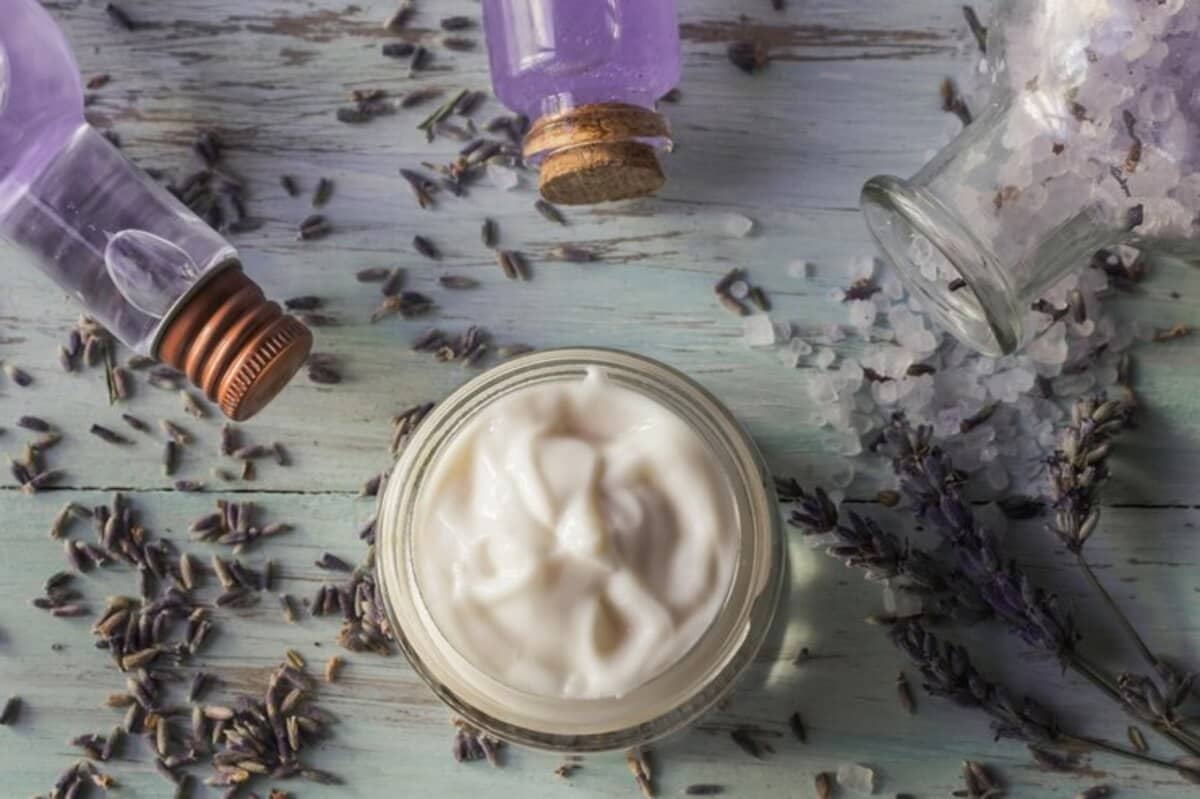
  • 1/2 cup breast milk: Fresh or frozen breast milk that has been thawed.
  • 1/2 cup coconut oil: Provides additional moisturizing properties.
  • One tablespoon beeswax: This helps to solidify the lotion.
  • One tablespoon of shea butter: Adds extra nourishment to the skin.
  • Essential oils (optional): For fragrance and additional skin benefits.
  • Microwave safe bowl: For melting the ingredients.
  • Whisk or hand blender: Mix the ingredients thoroughly.
  • Sterilized container: For storing the lotion.

Step-by-Step Guide to Making Breast Milk Lotion

Creating your breast milk lotion at home is rewarding and straightforward. Following these detailed steps can produce a nourishing and effective moisturizer.

Prepare Your Ingredients

Gather all the necessary ingredients before making breast milk lotion, and ensure your tools are clean and sterilized. This step is important to prevent any impurities that could spoil the lotion. You’ll need 1/2 cup of breast milk, which can be fresh or previously frozen and thawed to room temperature. Coconut oil (1/2 cup) is chosen for its excellent moisturizing properties, while one tablespoon of beeswax acts as a natural thickener.

Additionally, one tablespoon of shea butter adds a rich, nourishing quality to the lotion. Optional essential oils like lavender can be included for fragrance and extra skin benefits. Equip yourself with a double boiler or a microwave-safe bowl, a whisk or hand blender, and sterilized containers for storing the finished lotion.

Melt the Oils and Beeswax

Mix coconut oil, beeswax, and shea butter in a double boiler or a microwave-safe bowl. Place the ingredients in the top section of the double boiler and gently heat over simmering water, stirring occasionally until thoroughly melted and blended. Heat the ingredients for 15-20 seconds for the microwave method, stirring between intervals until everything is completely melted. Be careful not to overheat, which can degrade the ingredients’ beneficial properties.

Combine the Breast Milk

Once the oils and beeswax mixture is melted and well combined, remove it from the heat source. Allow it to cool slightly to avoid scalding the breast milk, but ensure it remains warm enough to mix smoothly. Slowly add the room-temperature breast milk to the mixture, whisking continuously. This step is important to prevent the mixture from separating. If separation occurs, keep whisking until the ingredients blend uniformly.

Add Essential Oils (Optional)

If you wish to incorporate essential oils for added fragrance and skin benefits, now is the time. A few drops of oils like chamomile can enhance the soothing properties of your breast milk lotion. Stir the essential oils into the mixture thoroughly to ensure even distribution.

Blend Until Smooth

Use a hand blender to mix the ingredients for a smoother consistency. This blending process helps emulsify the mixture, ensuring that the breast milk lotion remains well combined and does not separate over time. Continue blending until you achieve a creamy, homogeneous texture.

Pour into Containers

Once your breast milk lotion is well-mixed and smooth, carefully pour it into sterilized containers. Allow the lotion to cool completely before sealing the containers with their lids. Proper storage is essential to maintain the lotion’s quality and extend its shelf life.

Storage and Shelf Life

Store your breast milk lotion in the refrigerator to prolong its freshness and effectiveness. When refrigerated, homemade breast milk lotion can last about two weeks. For more extended storage, consider freezing the lotion in small, single-use portions that can be thawed as needed.

Usage Tips

Breast milk lotion can be used as a daily moisturizer to keep skin hydrated and soft. It’s also practical for soothing eczema, diaper rash, or minor cuts, promoting healing with its natural properties. Additionally, breast milk lotion makes a thoughtful and personal gift for new mothers, showcasing the versatility and benefits of breast milk beyond breastfeeding.

Troubleshooting Common Issues with Breast Milk Lotion

Making breast milk lotion at home can be a rewarding experience, but some common issues might arise. Here’s how to troubleshoot and resolve them:

Separation of Ingredients

One frequent problem is the separation of ingredients. If your lotion isn’t combining well, ensure that the melted oils and breast milk are at similar temperatures. Let the melted oils cool slightly, but stay warm enough to blend smoothly with the breast milk. Whisk continuously and vigorously during mixing, or use a hand blender to achieve a smoother, more stable emulsion. Ensure you’re using the correct amount of beeswax, which helps bind the ingredients together. If separation persists, try adding more beeswax and re-melting the mixture.

Grainy Texture

If the shea butter or beeswax does not melt properly, the lotion can have a grainy texture. To avoid this, ensure all ingredients are completely melted and thoroughly mixed. Let the mixture cool slowly at room temperature before placing it in the refrigerator, as rapid cooling can cause the fats to crystallize, resulting in a grainy texture.

Odor Issues

Since breast milk has a distinct smell, the lotion can sometimes carry this odor, which might be unpleasant for some. Add a few drops of essential oils like lavender, chamomile, or citrus to mask the natural scent. These not only improve the fragrance but also offer additional skin benefits. Additionally, ensure the breast milk you use is fresh and properly stored. Using old or improperly stored milk can result in an unpleasant odor.

Short Shelf Life

Breast milk lotion has a shorter shelf life than commercial lotions because it lacks preservatives. To extend its shelf life, always store the lotion in the refrigerator, which can last up to two weeks. For extended storage, freeze the cream in small, single-use portions to thaw as needed. Ensure all tools and containers are thoroughly sterilized before use to prevent contaminants that could cause the lotion to spoil faster.

Inconsistent Consistency

If your breast milk lotion is inconsistent in consistency, being too thick or too runny, you can adjust the ingredients accordingly. If the lotion is too thick, reduce the amount of beeswax slightly. If it’s too runny, add a bit more beeswax to thicken it. After making these adjustments, melt and mix the ingredients thoroughly again. A hand blender can help achieve a more consistent texture by thoroughly blending the mixture until smooth and uniform.

Conclusion

Making your breast milk lotion is a beautiful way to utilize the nourishing properties of breast milk beyond breastfeeding. You can create a natural, effective lotion that benefits you and your baby’s skin with just a few simple ingredients and steps. Enjoy the soothing effects of this homemade breast milk lotion, and share the love with friends and family.

[/vc_column_text][us_separator size=”small”][vc_row_inner][vc_column_inner width=”1/1″][us_text text=”Frequently Asked Questions” link=”%7B%22url%22%3A%22%22%7D” tag=”h2″][/vc_column_inner][/vc_row_inner][vc_tta_accordion][vc_tta_section title=”How long does breast milk lotion last?” tab_link=”%7B%22url%22%3A%22%22%7D”][us_text text=” Homemade breast milk lotion can last about two weeks when stored in the refrigerator. For more extended storage, consider freezing the lotion in small, single-use portions that can be thawed.” link=”%7B%22url%22%3A%22%22%7D”][/vc_tta_section][vc_tta_section title=”Can I use any breast milk to make the lotion?” tab_link=”%7B%22url%22%3A%22%22%7D”][us_text text=” You can use fresh or frozen and thawed breast milk to make the lotion. Ensure the breast milk is stored at room temperature before mixing it with the melted oils and beeswax.” link=”%7B%22url%22%3A%22%22%7D”][/vc_tta_section][vc_tta_section title=”What should I do if my lotion has a grainy texture?” tab_link=”%7B%22url%22%3A%22%22%7D”][us_text text=” If the lotion has a grainy texture, it may be due to the shea butter or beeswax not melting correctly. Ensure all ingredients are completely melted and thoroughly mixed. Allow the mixture to cool slowly at room temperature before placing it in the refrigerator to prevent the fats from crystallizing.” link=”%7B%22url%22%3A%22%22%7D”][/vc_tta_section][vc_tta_section title=”Can I add essential oils to my breast milk lotion?” tab_link=”%7B%22url%22%3A%22%22%7D”][us_text text=”You can add essential oils for added fragrance and skin benefits. A few drops of oils like lavender, chamomile, or citrus can enhance the lotion’s soothing properties and mask the natural scent of breast milk.” link=”%7B%22url%22%3A%22%22%7D”][/vc_tta_section][/vc_tta_accordion][/vc_column][/vc_row]

Can I Eat Rice After Wisdom Teeth Removal? A Quick Guide

Getting well from wisdom teeth removal can be challenging, especially regarding dietary choices. One common question arises: Can I eat rice after wisdom teeth removal?, This blog will address this question in detail, providing clear guidance on when and how to incorporate rice into your post surgery diet.

Content Overview

Understanding Wisdom Teeth Removal

What is Removal of Wisdom Teeth?

Wisdom teeth removal is a common dental procedure to extract the third set of molars at the back of your mouth. These teeth often cause problems such as pain, infection, and crowding, necessitating their removal.

Recovery Process

The recovery process following wisdom teeth removal involves a careful approach to the diet to avoid complications and promote healing. Soft foods are generally recommended to minimize irritation and ensure comfort.

Immediate Post Surgery Diet

In the initial 24-48 hours following surgery, sticking to very soft or liquid foods is crucial. During this period, the surgical sites are susceptible, and any solid food can cause irritation or dislodge blood clots, leading to complications like dry sockets.

Introducing Rice into Your Diet

So, can I eat rice after wisdom teeth removal? Yes, but with some considerations. After the first few days, you can gradually introduce soft, easy-to-chew foods like well-cooked rice. Here are some key points to keep in mind:

Consistency Matters

Ensure the rice is cooked well, making it soft and easy to engulf without much chewing. Avoid too sticky or clumpy rice as it can get lodged in the surgical sites.

Monitor Your Healing

Pay attention to how your mouth feels after eating rice. If you experience discomfort or notice food particles getting stuck, wait a few more days before trying again.

Combine with Other Soft Foods

Pair rice with other soft foods, such as mashed potatoes, steamed vegetables, or scrambled eggs, to create a balanced meal that is gentle on your healing gums.

Tips for Eating Rice Safely

Preparation Tips

  • Cook Thoroughly: Cook the rice until it is very soft and mushy to reduce the effort needed to chew.
  • Avoid Spices: Keep the seasoning mild to avoid any irritation to the surgical sites.
  • Small Bites: Take small bites and chew gently to prevent disturbing the healing process.

Oral Hygiene After Eating

  • Rinse Carefully: After eating rice, gently clean your mouth with warm water and salt to remove any food pieces that may have gotten stuck.
  • Avoid Straws: Do not use straws, as the suction can dislodge blood clots and impede healing.

Alternative Food Options

While answering the question, “Can I eat rice after wisdom teeth removal?” it is also helpful to consider other soft food options to diversify your diet and ensure adequate nutrition during recovery.

  • Smoothies and Milkshakes
  • Yogurt and Pudding
  • Mashed Potatoes and Soft Vegetables
  • Scrambled Eggs and Soft Cheeses
  • Oatmeal and Cream of Wheat

Conclusion

In conclusion, the answer to “Can I eat rice after wisdom teeth removal?” is yes, but it is essential to ensure the rice is cooked well and consumed carefully. By following the guidelines provided in this blog, you can enjoy rice and other soft foods while promoting a smooth and comfortable recovery process. Always contact your dentist for personal advice based on your condition and healing progress.

Tags: , , , , , , , , ,

Acibadem Health Point Knee Replacement: A Quick Guide

Table of Contents

Acibadem Health Point Knee Replacement is a cutting-edge medical service offered by Acibadem Healthcare Group, a leading healthcare provider known for its state-of-the-art medical technologies and expert healthcare professionals. This article delves into what Acibadem Health Point Knee Replacement entails, its benefits, the procedure, and why it stands out in the field of orthopedic surgery.

ACIBADEM Health Point is a comprehensive health assistance service provided by the Acibadem Healthcare Group. ACIBADEM Health Point offers a range of services aimed at facilitating access to high-quality medical care for both local and international patients.

Key Services of ACIBADEM Health Point

Medical Coordination and Consultation

ACIBADEM Health Point provides seamless medical coordination and consultation services. Patients can receive expert medical opinions and personalized plans tailored to their specific health needs.

Appointment Scheduling

The service assists patients in scheduling appointments with specialist doctors and ensures timely access to medical care. This includes organizing consultations, diagnostic tests, and follow-up visits.

Medical Travel Assistance

For international patients, ACIBADEM Health Point offers comprehensive medical travel assistance. This includes help with travel arrangements, accommodation, airport transfers, and translation services, ensuring a smooth and stress-free medical journey.
Patient Guidance and Support

The service provides continuous patient guidance and support throughout the treatment process. Dedicated patient coordinators assist with navigating the healthcare system, managing medical records, and ensuring that patients receive the best possible care.

Health Check-up Programs

Post-treatment follow-up is a crucial component of ACIBADEM Health Point. The service ensures that patients receive ongoing support and monitoring after their initial treatment, facilitating a comprehensive recovery process.

Why Choose ACIBADEM Health Point?

Expertise and Excellence

ACIBADEM Healthcare Group is known for its medical excellence and advanced healthcare services. ACIBADEM Health Point leverages this expertise to provide top-tier medical assistance and coordination.

Comprehensive Care

ACIBADEM Health Point offers a holistic approach to patient care, addressing both medical and logistical needs. This ensures that patients receive not only high-quality medical treatment but also comprehensive support throughout their healthcare journey.

Accessibility

The service is designed to make high-quality medical care accessible to a wider population, including international patients. ACIBADEM Health Point removes barriers to accessing specialized medical treatments and consultations.

Patient Centered Approach

ACIBADEM Health Point is committed to a patient-centered approach, prioritizing the comfort, convenience, and overall well-being of patients. The service is tailored to meet individual patient needs, providing personalized care and attention.

What is Acibadem Health Point Knee Replacement?

Acibadem Health Point Knee Replacement refers to a specialized medical procedure aimed at replacing a damaged knee joint with an artificial implant. This procedure is designed to relieve pains, helpful in imobility, and restore function to the knee joint. The team at Acibadem utilizes advanced surgical techniques and high-quality prosthetics to ensure optimal patient outcomes.

Benefits of Acibadem Health Point Knee Replacement

Pain Relief

One of the primary benefits of Acibadem Health Point Knee Replacement is significant pain relief. Patients suffering from severe knee arthritis or injury often experience chronic pain that can be debilitating. Knee replacement surgery effectively alleviates this pain, enhancing the quality of life for patients.

Improved Mobility

Acibadem Health Point Knee Replacement helps patients regain their mobility. Post-surgery, patients can perform daily activities with greater ease and comfort, which were previously hindered by knee pain and stiffness.

Enhanced Joint Function

The procedure not only reduces pain but also improves the function of the knee joint. This improvement allows patients to return to an active lifestyle, including walking, exercising, and participating in sports.

Long lasting Results

With advancements in surgical techniques and high-quality implants, Acibadem Health Point Knee Replacement offers durable results. Patients can expect their new knee joint to function effectively for many years, providing long-term relief and mobility.

The Acibadem Health Point Knee Replacement Procedure

Pre Surgical Assessment

The process begins with a pre-surgical assessment, including a medical history review, physical examination, and imaging studies. In this comprehensive evaluation ensures that the patient is a apt candidate for knee replacement surgery.

Customized Surgical Plan

Based on the assessment, the orthopedic surgeon creates a customized surgical plan tailored to the patient’s specific needs. This plan includes selecting the appropriate type and size of the implant and determining the surgical approach.

Surgical Procedure

Acibadem Health Point Knee Replacement is performed using minimal invasive techniques to reduce damage and promote faster recovery. During the surgery, damaged knee joint is carefully removed and replaced with a prosthetic implant. The implant is securely positioned to mimic the natural movement of the knee joint.

Post Surgical Care

Post surgery, patients receive comprehensive care to ensure a smooth recovery. This includes pain management, physical therapy, and follow up visits to monitor the progress of the knee joint. The healthcare team at Acibadem provides continuous support to facilitate optimal healing and rehabilitation.

Why Choose Acibadem Health Point Knee Replacement?

Expertise and Experience

Acibadem Healthcare Group is renowned for its expertise and experience in performing knee replacement surgeries. The orthopedic surgeons at Acibadem are highly skilled and have proven track record of successful outcomes.

State of the Art Facilities

Acibadem Health Point Knee Replacement is conducted in state-of-the-art facilities equipped with the mordern medical technologies. These advanced facilities ensure the highest standards of safety and precision during the surgical procedure.

Patient Centered Care

At Acibadem, patient care is the top priority. The team is dedicates to providing personalized care and support throughout the entire treatment journey. From pre surgical assessment to post surgical rehabilitation, patients receive comprehensive care tailored to their individual needs.

Holistic Approach

Acibadem Health Point Knee Replacement adopts a holistic approach to patient care. This includes addressing not only physical aspects of knee replacement but also the emotional and psychological wellbeing of the patient. The aim is to ensure a complete and successful recovery.

Conclusion

Acibadem Health Point Knee Replacement is a leading edge solution for people suffering from severe knee pain and impaired mobility. With its focus on advanced surgical techniques, high quality implants, and patient-centered care, Acibadem stands out as a top choice for knee replacement surgery. By choosing Acibadem Health Point Knee Replacement, patients can look forward to a pain free, active, and fulfilling life.


Tags: , , , , , , , , , , , , , , , , , ,

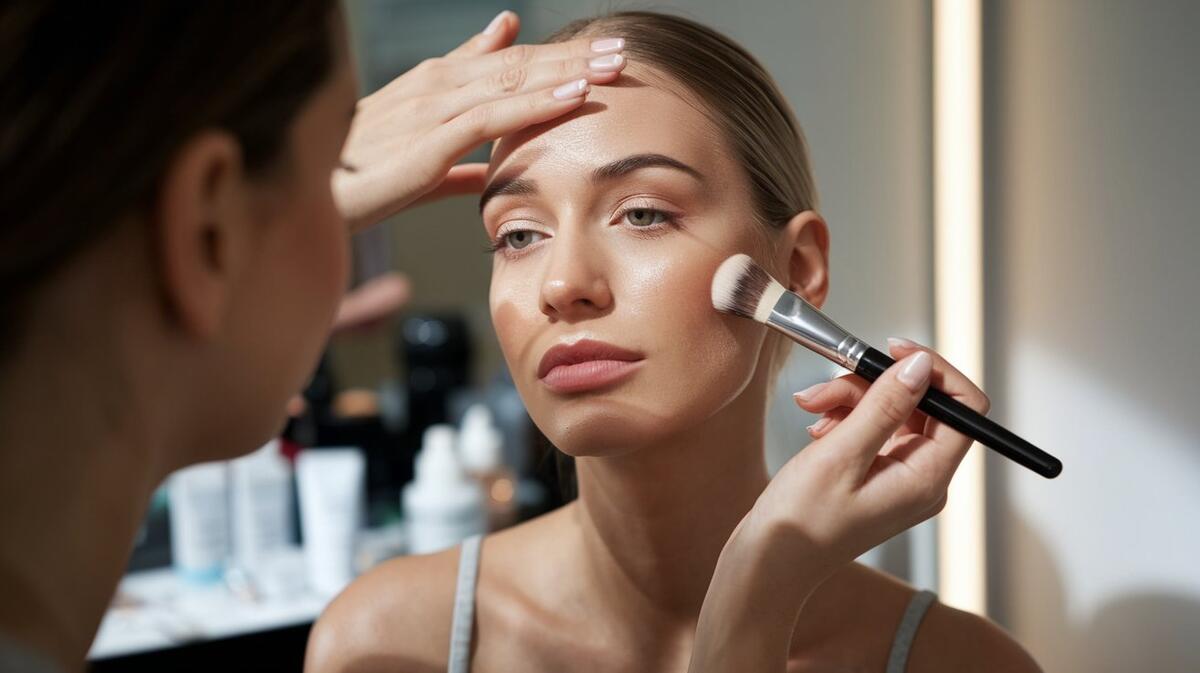
Can You Wear Makeup After Botox? Essential Things You Should Know

Botox, a widely popular cosmetic treatment, has transformed how many people maintain a youthful appearance. It effectively smooths wrinkles delicate and frown lines, giving a rejuvenated look. However, after receiving Botox injections, it’s essential to understand the aftercare, including whether you can wear makeup immediately. This article provides essential information on makeup use after Botox, helping you protect your skin while enjoying a refreshed look.

What is Botox, and How Does It Affect Your Skin?

Botox, also known as botulinum toxin, is a medical treatment used to reduce the appearance of fine lines and wrinkles. Botox smooths out the overlying skin by temporarily paralyzing muscles under the skin and reducing visible wrinkles. This procedure is highly effective for areas like the forehead, crow’s feet around the eyes, and frown lines between the eyebrows.

While Botox works wonders for rejuvenating your skin, it does come with a recovery period. Your skin will need time to adjust as the Botox begins to take effect, and this is where makeup considerations come into play.

Why is Aftercare So Important After Botox?

Immediately following Botox injections, your skin may be slightly red, swollen, or tender. These are typical, temporary side effects that should subside within hours to a couple of days. However, the muscles in the treated area will continue to relax and settle over the next few days. During this time, avoiding anything that could disrupt Botox, including makeup, is essential.

The primary concern with makeup post-Botox is that certain products or makeup application methods can interfere with the Botox settling in, potentially affecting the results. Additionally, makeup application too soon can irritate the skin, leading to possible side effects such as increased swelling or redness.

Can You Wear Makeup Right After Botox?

The short answer is that wearing makeup immediately after Botox is generally not recommended. Medical professionals typically advise waiting at least 24 hours before applying makeup to allow the Botox to settle into the targeted muscles.

Why Wait 24 Hours?

  • Botox needs time to settle: Immediately after your Botox treatment, the toxin needs to bind with the targeted muscles. Rubbing or pressing on the skin (such as applying foundation) can shift Botox away from the intended area.
  • Reduced risk of irritation: After Botox, your skin is more sensitive than usual. Applying makeup too soon could irritate the treated areas, leading to redness or a delayed recovery.
  • Ensure better results: By waiting, you help maintain Botox’s effectiveness and prevent any unwanted side effects or asymmetry from occurring.

Popular Makeup Brands: What to Use After Botox

Once you’ve passed the initial 24-hour window and are ready to apply makeup, you may wonder which makeup brands are safe to use. For post-Botox makeup, it’s best to use gentle, lightweight products that won’t irritate the skin or require too much rubbing or pulling. Here are some popular makeup brands that offer safe, dermatologist-tested options for sensitive skin after Botox treatments:

  • Maybelline Fit Me: Known for its extensive line of foundations, concealers, and powders, Maybelline Fit Me products are designed to suit all skin tones while being lightweight enough for sensitive skin.
  • Clinique: Clinique offers dermatologist-tested makeup products ideal for post-treatment skincare, such as their Even Better Makeup and Superbalanced foundations.
  • Tarte Cosmetics: Tarte’s products are formulated without harsh chemicals, and their foundations and concealers are lightweight, perfect for skin recovering from Botox.

Best Practices for Applying Makeup After Botox

Even once you’ve passed the 24-hour waiting period, applying makeup carefully is essential to avoid disturbing the Botox treatment. Here are some best practices to follow:

  1. Be gentle with your skin: Refrain from rubbing or pulling on your skin.Instead, lightly pat makeup into place or use soft brushes to apply it.
  2. Use light layers: Apply thin layers of foundation and concealer. This ensures you don’t overwhelm the skin with heavy makeup and keeps the treated area looking natural.
  3. Avoid applying makeup directly to the injection sites: Focus on surrounding areas and use a light hand near the treated zones to avoid disrupting the Botox.
  4. Opt for non-comedogenic makeup: Use makeup products labeled “non-comedogenic,” meaning they won’t clog pores and potentially cause irritation or breakouts on sensitive skin.
  5. Choose breathable formulations: Look for foundations or powders that allow your skin to breathe. Heavy makeup can sometimes lead to a breakdown of the Botox treatment or result in irritation.

What to Avoid When Wearing Makeup After Botox

To make sure optimal results from your Botox treatment, there are certain types of makeup products you should avoid during the healing phase:

  • Heavy foundations and powders: Thick or cakey makeup can pressure the skin and may negatively affect the Botox results.
  • Exfoliating or harsh products: Avoid exfoliating acids or scrubs, as they can irritate sensitive skin and disrupt healing.
  • Shimmering makeup: While shimmer and highlighters are famous, they can draw attention to areas of swelling or redness that may still be present post-botox.
  • Scented products: Products with solid fragrances may irritate and should be avoided on sensitive, post-Botox skin.

Can You Wear Makeup After Botox?

In summary, while wearing makeup after Botox is generally safe, following specific guidelines is essential to make sure that your skin heals properly and the Botox treatment produces the best results.

  • Wait at least 24 hours to applying makeup to prevent disturbing the Botox.
  • Choose gentle, lightweight makeup from popular brands like Maybelline Fit Me, Clinique, BareMinerals, and Tarte, which are suitable for sensitive skin.
  • Be gentle when applying makeup, and avoid rubbing or pressing on the treated areas.

With these tips in mind, you can confidently wear makeup after Botox while ensuring that your skin remains healthy and the Botox treatment is effective.

Ready to Explore More?

Want to learn more about makeup products that are safe and effective for post-Botox skincare? Check out How to Safely Wear Makeup After Botox: Expert Tips & Product Recommendations to discover the best foundations and skincare routines complement Botox treatments!