Author: Julia

Top 5 Mistakes to Avoid After Knee Replacement Surgery for a Faster Recovery

Knee replacement surgery, or knee arthroplasty, significantly enhances mobility & quality of life for those suffering from chronic knee pain or joint degeneration. However, while the surgery is a crucial step toward better health, the recovery process is equally vital in ensuring long-term success. Unfortunately, many patients make common mistakes during their recovery that can slow progress or lead to complications. This article explores the top 5 mistakes after knee replacement surgery and offers essential tips for avoiding them for a smoother, more successful recovery.

Doing Too Much Too Soon

The Risks of Overexertion

After knee replacement surgery, feeling eager to return to normal activities is natural. Whether it’s resuming work, exercising, or engaging in daily hobbies, the desire to regain independence is common. However, overdoing it too soon can have serious consequences. Pushing your body too hard can lead to increased pain, swelling, & even damage to the newly placed knee joint.

Understanding the Recovery Timeline

The recovery process after knee replacement surgery is gradual.Your body needs time to heal, and it’s essential not to rush the process. According to most healthcare providers, you should follow specific activity guidelines to avoid overexertion. Doing too much too soon can increase your risk of complications, such as blood clots, joint instability, or prolonged recovery periods.

How to Avoid This Mistake

  • Listen to your body: How your knee feels after physical activities. If pain or swelling persists, reduce activity levels and give your body time to rest.
  • Follow your surgeon’s advice: Stick to the recommended recovery timeline, which includes gradual increases in activity. Avoid high-impact activities until you receive clearance from your doctor.
  • Be patient: Recovery is a long journey that requires patience and persistence; it’s not something that happens quickly. It’s crucial to pace yourself and avoid pushing beyond your limits too early.

Skipping Physical Therapy

The Importance of Physical Therapy

Physical therapy plays vital role in achieving a successful recovery following knee replacement surgery. It helps restore the strength, flexibility, and range of motion of your new knee joint. Skipping physical therapy or neglecting to follow your therapist’s prescribed exercises can lead to stiffness, reduced mobility, and a more extended recovery period.

Why Patients Skip Therapy

There are several reasons patients may skip physical therapy. Some may experience discomfort or pain during sessions, while others might feel that their knee is improving and that treatment is no longer necessary. However, physical therapy is critical for regaining full function and preventing complications, so it should never be skipped.

How to Avoid This Mistake

  • Commit to attending all sessions: Dedicate time to attend every scheduled therapy session and perform the prescribed exercises at home.
  • Communicate with your therapist: If you feel any pain or discomfort during therapy, please inform your therapist. They can modify your exercises to reduce discomfort while providing the necessary rehabilitation.
  • Stay consistent: Regular participation in physical therapy sessions, combined with diligent home exercises, is essential for improving mobility and reducing the risk of long-term complications.

Avoiding Prescribed Medication

The Role of Pain Management

Effective pain management is vital part of recovery after knee replacement surgery. Pain can interfere with your capacity to participate in physical therapy and complete necessary daily activities. While some patients may avoid prescribed medications out of fear of dependency or side effects, failing to manage pain can slow down recovery and hinder rehabilitation.

The Consequences of Avoiding Medication

Not taking pain medication as prescribed can lead to unnecessary discomfort, which may make it harder to perform key recovery activities like physical therapy. Inadequate pain management can also increase stress levels, anxiety, and discomfort, further delaying recovery.

How to Avoid This Mistake

  • Follow your healthcare provider’s instructions: Take your pain medication as prescribed. If you have concerns about side effects or dependency, discuss them with your doctor.
  • Don’t “tough it out”: Proper pain management will allow you to remain active, engage in therapy, and recover more comfortably, leading to a better long-term outcome.
  • Adjust as necessary: If you experience side effects or pain decreases over time, consult your doctor to adjust your medication plan accordingly.

Ignoring Pain & Discomfort

The Dangers of Neglecting Pain Signals

Pain & discomfort are common after knee replacement surgery; however, it is essential not to ignore these signals, particularly if the pain is severe or persists. While mild pain can be expected as part of the healing process, unchecked pain could indicate a more serious issue, such as an infection, blood clot, or problem with the implant.

Common Reasons for Ignoring Pain

Some patients may have a high pain tolerance and assume that the pain is simply part of recovery. Others might avoid reporting pain due to fear of additional medical interventions or tests. However, neglecting severe or persistent pain can lead to complications that may require further treatment or even revision surgery.

How to Avoid This Mistake

  • Monitor your pain: Pay attention to changes in pain intensity, swelling, redness, or warmth around the knee.
  • Seek medical advice promptly: If you have severe pain, fever, or other concerning symptoms, please contact your healthcare provider immediately for further evaluation.
  • Early detection is key: Addressing pain and complications early can prevent more serious issues & help maintain the success of your knee replacement.

Driving Too Soon After Surgery

The Risks of Driving Too Early

While driving is essential to regaining independence, getting behind the wheel too soon after knee replacement surgery can be risky. Your reaction time may be slower than usual, and your knee may not yet be strong enough to control the pedals safely. This can increase the risk of accidents and further injury to the knee joint.

Understanding When It’s Safe to Drive

The timeline for resuming driving varies for each patient. Typically, patients are advised to wait 4-6 weeks before driving, though this depends on factors like the type of surgery and individual recovery progress. Always consult your surgeon to confirm when it’s safe for you to return to driving.

How to Avoid This Mistake

  • Get clearance from your surgeon: Ensure your knee is strong enough and your reaction time has returned to normal before driving again.
  • Practice in a safe environment: If given the green light to drive, practice in a controlled environment, similar as an empty parking lot, before venturing onto busy roads.
  • Consider alternatives: Arrange for transportation assistance if you’re not yet ready to drive, as attempting to drive too soon can put you and others at risk.

Conclusion

Knee replacement surgery is transformative procedure that can significantly improve your quality of life. However, success of the surgery largely depends on how well you manage recovery process. By avoiding the common mistakes of overexertion, skipping physical therapy, avoiding prescribed medication, ignoring pain, and driving too soon, you can set yourself up for a smoother recovery and ensure the long-term success of your knee replacement.

Remember, every patient’s recovery journey is unique. It’s essential to follow guidance of your healthcare team and be patient with yourself throughout the recovery process. By taking a proactive approach & listening to your body, you can look forward to a future of improved mobility and pain-free life.

Tags: ,

Kill Tooth Pain Nerve in 3 Seconds Permanently

Tooth pain is a prevalent issue that affects many people, ranging from mild unease to severe pain that interferes with daily activities. The allure of a quick fix—such as permanently killing tooth pain nerves in just three seconds—can be tempting, but it’s essential to understand the realities of tooth pain management. This comprehensive guide will delve into the feasibility of such immediate solutions, explore professional treatments, and offer practical approaches for effectively managing and alleviating tooth pain.

Is It Possible to Kill Tooth Pain Nerve in 3 Seconds?

The concept of permanently killing tooth pain nerves in 3 seconds is more fantasy than reality. Tooth pain is typically a symptom of deeper issues such as cavities, infections, or nerve damage. While the promise of instant relief is appealing, no method can achieve permanent nerve elimination in such a brief timeframe. The reality is that addressing tooth pain requires thorough treatment rather than a rapid fix. Misleading claims about quick relief often ignore the complexity of dental health and can delay necessary professional care.

Understanding Tooth Pain Nerves

Tooth pain can manifest in various ways, each indicating different underlying problems. Common sensations include:

  • Throbbing Pain: This type of pain often comes and goes in waves, sometimes making it almost unbearable. It is frequently triggered by biting down, consuming hot or cold foods, or temperature changes. This throbbing pain can significantly disrupt daily activities and sleep.
  • Pounding Sensation: Sometimes, tooth pain feels like a constant pounding in time with your heartbeat. This type of pain can be specifically distressing & persistent, making it challenging to focus on anything else.
  • Dull Ache: A constant, dull ache can linger, making it difficult to find a comfortable position and concentrate on tasks. Although this type of pain may not be as intense as sharp pain, it can be equally debilitating due to its persistence.
  • Sharp Pain: Sudden, sharp pain can strike without warning, often taking your breath away. This type of pain is usually severe and may be associated with conditions like exposed nerves or dental trauma.
  • Temperature Sensitivity: Sensitivity to hot and cold temperatures can result in a jolt of pain when consuming hot or cold foods and beverages. This sensitivity often indicates that the tooth’s protective enamel has been compromised.

Understanding these sensations is crucial for diagnosing the source of the pain and determining the most appropriate course of action for relief.

Common Causes of Tooth Pain

Several factors can contribute to tooth pain, including:

  • Cavities: Tooth decay erodes the enamel and can expose nerves, leading to pain. Cavities are one of the most common causes of toothache and require prompt treatment to prevent further damage.
  • Gum Disease: Gum inflammation or infection may cause pain and discomfort. If not addressed, gum disease can worsen and might even compromise the underlying structure of the bones.
  • Tooth Sensitivity: Thinning enamel or exposed dentin can cause increased sensitivity to temperature or certain foods. Desensitizing treatments or dental products can manage this sensitivity.
  • Dental Trauma: A tooth injury can damage the nerve, leading to pain. Trauma can result from accidents, sports injuries, or even aggressive brushing.
  • Abscessed Tooth: An infection at the tooth’s root can cause severe pain and swelling. An abscessed tooth requires immediate professional treatment to address the infection and alleviate pain.

Immediate Relief Techniques

Home Remedies for Quick Relief

Although no method can permanently eliminate tooth pain nerves in seconds, several home remedies can provide temporary relief:

  • Cold Compress: Applying a cold compress to the outside of the cheek can help numb the area and reduce swelling. Wrap a bag of ice or icy peas in a cloth and apply it for 15-20 minutes. This can help manage pain until you can get professional care.
  • Saltwater Rinse: A saltwater rinse can help cleanse the affected area and reduce inflammation. Mix 1 teaspoon of salt into a mug of warm water and use it as a mouthwash several times daily. This remedy can help alleviate discomfort and keep the area clean.
  • Clove Oil: Clove oil includes eugenol, which has natural anesthetic properties. Apply a few decreases of clove oil to a cotton ball & gently place it on the affected tooth. Be cautious with the quantity, as clove oil can be potent & may cause irritation if used excessively.
  • Garlic Paste: Garlic has antiseptic properties that can provide pain relief. Crush a garlic clove into a paste & apply it to the affected area. Garlic can help battle infection and reduce pain, though it should be used cautiously to avoid irritation.

Over-the-Counter Pain Relievers

For immediate, though temporary, relief, over-the-counter pain medications can be effective:

  • Ibuprofen: An NSAID (non-steroidal anti-inflammatory drug), ibuprofen helps alleviate pain and inflammation. Due to its dual action, it is a preferred choice for managing toothache. Follow the dosage instructions cautiously to avoid potential side effects.
  • Acetaminophen: Acetaminophen blocks pain signals to the brain and is an excellent alternative for those who cannot take NSAIDs. Using it according to the recommended dosage and avoiding exceeding the daily limit is essential.
  • Topical Anesthetics: Products containing benzocaine can temporarily numb the area. Apply them according to the package guidelines. These anesthetics can provide short-term relief but do not address the underneath cause of the pain.

Professional Dental Treatments

Restorative Procedures for Long-Term Relief

Professional dental treatments are necessary for a lasting solution to tooth pain. These treatments address the root reason of the pain and provide practical, long-term relief:

  • Fillings: Fillings repair cavities by removing decayed material and sealing the tooth. This helps prevent further damage and alleviates pain associated with cavities. A filling can restore the tooth’s function and prevent additional discomfort.
  • Crowns: Crowns are used to cover & protect severely worn or damaged teeth. They help preserve the tooth’s structure and shield the nerve from pain triggers. Crowns can also improve the tooth’s appearance and functionality.
  • Root Canal: A root canal process removes the affected nerve tissue inside the tooth. The tooth is then sealed and, often, crowned to prevent future pain and complications. This procedure is typically considered the definitive solution for severe nerve pain and can provide long-term relief.
  • Extractions: For teeth that are beyond repair, extraction may be necessary. Removing a severely damaged or decayed tooth helps prevent further oral health issues and alleviates pain. Extraction is often a last resort but can be crucial for preserving oral health.

Dental Nerve Desensitization

Desensitization methods can help manage nerve pain by reducing sensitivity to pain triggers:

  • Topical Fluoride Gels: High-fluoride gels or varnishes applied to the teeth can help reduce nerve sensitivity. These treatments strengthen the tooth enamel and provide a protective barrier against pain triggers.
  • Laser Therapy: Laser therapy uses focused light to target specific areas and modify pain receptors. This technique can offer long-lasting relief by addressing the root cause of nerve pain and is increasingly used in modern dental practice.

Realistic Expectations for Pain Relief

Managing Pain Effectively

When feeling tooth pain, it is essential to set realistic expectations. Instant and permanent relief is not achievable with current methods, but several strategies can help manage pain effectively:

  • Cold Compress: Applying a cold compress reduces swelling and provides temporary numbness. It can help manage pain until you can seek professional dental care.
  • Elevation: Keeping your head elevated above your heart can minimize throbbing sensations. This helps reduce blood flow to the affected area and alleviate discomfort.
  • Saltwater Rinse: Saltwater rinse cleanses the area and offers short-term relief. It is a simple and effective way to manage pain and keep the affected area free of debris.
  • Clove Oil: Clove oil can temporarily numb the pain. However, it should be used cautiously and in moderation to avoid potential irritation.

These techniques are meant for temporary relief and should be used while awaiting professional dental treatment. Consulting a dentist is crucial for a safe and permanent solution to tooth nerve pain.

Advanced Pain Relief Techniques

Laser Therapy

Laser therapy represents an advanced approach to managing tooth nerve pain. This technique utilizes precise laser energy to target specific areas and desensitize pain sources. By modifying pain receptors and addressing the underlying cause, laser therapy can offer both immediate and long-term relief. It is a valuable tool for treating nerve pain and is often used with other treatments for optimal results.

Electrical Nerve Stimulation

Electrical nerve stimulation involves using electrical impulses to disrupt pain signals. This technique can significantly relieve nerve-related pain by blocking the transmission of pain signals to the brain. While less common in dental practice, it represents an innovative approach to managing severe pain and can be effective in some instances.

Natural Relief Methods

Saltwater Rinse

A saltwater rinse is a straightforward and effective remedy for managing tooth pain. Saltwater acts as a natural disinfectant, aiding in removing debris and food particles that might be lodged in your teeth. Additionally, it lessens inflammation, which may help with pain management. For optimal effects, use a solution of 1/2 teaspoon salt and warm water many times a day as a mouthwash.

Clove Oil

Clove oil, obtained from the clove plant, contains eugenol, a compound with natural anesthetic and anti-inflammatory properties. This makes it an effective remedy for temporary pain relief. A cotton ball should be soaked in a few drops of clove oil & utilized to the affected tooth. Be cautious with the quantity to avoid irritation, and consult a dentist for further treatment.

Cold Compress

Applying a cold compress to the external of your cheek can help alleviate pain and reduce swelling. The freezing temperature numbs the affected area and decreases inflammation. Wrap ice or frozen peas in a cloth to prevent straightforward contact with your skin, and apply it for 15 minutes at a time. This method can provide temporary relief and complement other treatments.

Peppermint Tea Bags

Peppermint has mild numbing properties that can help soothe tooth pain. For temporary relief, hold a cooled peppermint tea bag against the affected tooth. Peppermint tea also has antiseptic properties that can help with minor infections and discomfort.

Hydrogen Peroxide Rinse

One common household item that can help lessen oral irritation and plaque is hydrogen peroxide. Use equal parts water and 3% hydrogen peroxide as a mouthwash. Do not drink the fluid, and then correctly rinse your mouth with water. This remedy can help with pain and maintain oral hygiene.

Garlic Paste

Garlic has long been known for its antibacterial and anti-inflammatory properties. Crushing a garlic clove into a paste and applying it to the affected area can help relieve pain and fight infection. Be sure to use garlic paste cautiously to avoid irritation, and consult a dental professional for a comprehensive treatment plan.

Most Effective Painkillers for Toothache

Ibuprofen

Ibuprofen is an NSAID (non-steroidal anti-inflammatory drug) that is highly effective for managing tooth pain. It reduces pain and inflammation, making it a preferred choice for toothache individuals. Follow the dosage guidelines on the label to avoid potential side effects, and consult a healthcare provider if you have any concerns.

Acetaminophen

Acetaminophen is another typically used pain reliever that blocks pain signals to the brain. It is beneficial for those who cannot consider NSAIDs due to allergies or other health conditions. Acetaminophen can be used alone or in combination with ibuprofen for enhanced relief. Always adhere to the suggested dosage to avoid potential liver damage.

Combination Therapy

Combining ibuprofen and acetaminophen can improve pain management for toothaches. This approach leverages each medication’s different mechanisms of action, offering more comprehensive relief. Consult your healthcare provider to ascertain the appropriate dosages and ensure safe usage.

Conclusion

The idea of permanently killing tooth pain nerves in three seconds is more myth than reality. Effective tooth pain management requires a multifaceted approach, including temporary relief methods, professional dental treatments, and realistic expectations. Over-the-counter drugs or home cures cannot replace professional dental treatment, even though they may provide momentary relief.

Addressing the underlying cause of tooth pain through professional treatments is essential for lasting relief. If you experience tenacious or severe tooth pain, consult a dental professional to receive appropriate care and ensure optimal oral health. By combining effective pain management strategies with professional treatment, you can achieve relief and improve your overall quality of life.

Frequently Asked Questions (FAQ)

What stops tooth nerve pain immediately?

Applying a cold compress and taking over-the-counter pain relievers like ibuprofen can stop tooth nerve pain immediately, providing temporary relief until you see a dentist.

Will salt kill a tooth nerve?

Salt won’t kill a tooth nerve, but rinsing with saltwater can help reduce inflammation and pain temporarily, providing some relief from tooth discomfort.

How do I stop nerve pain asap?

To stop nerve pain ASAP, apply a cold compress to numb the area and take an over-the-counter painkiller like ibuprofen for quick relief.

What can I do if tooth pain is unbearable?

If tooth pain is unbearable, take a strong painkiller like ibuprofen and apply a cold compress, then contact a dentist immediately for urgent treatment.

Tags: , ,

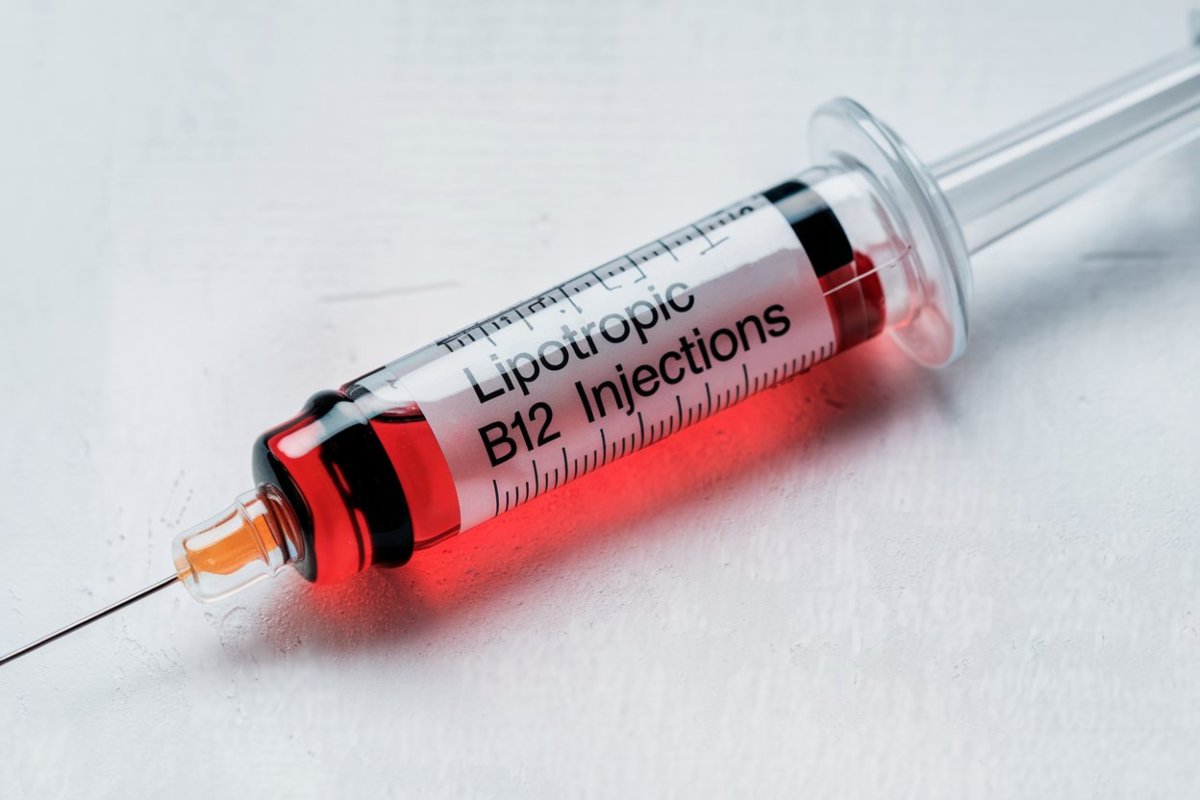
Lipotropic B12 Injections | Benefits, Risks And Side Effects

Lipotropic B12 injections have become increasingly popular in the health and wellness community, particularly among those looking for effective weight loss solutions. These injections combine the power of Vitamin B12 with lipotropic agents, compounds that help break down fat during metabolism. This guide will explore everything you need about lipotropic B12 injections, including their benefits, uses and potential risks. Whether you are curious about how these injections work or consider them part of your health regimen, this comprehensive overview will provide valuable insights.

What Are Lipotropic B12 Injections?

Lipotropic B12 injections blend Vitamin B12 and lipotropic compounds designed to enhance fat metabolism and boost energy levels. Vitamin B12 is a water-soluble vitamin important for various bodily functions, such as DNA synthesis, red blood cell formation, and nerve function. The lipotropic agents in these injections—typically including methionine, inositol, and choline—support the liver in processing and eliminating fats from the body. Together, these elements create a stronge tool for weight management and overall health improvement.

Key Ingredient of Lipotropic B12 Injections

  • Vitamin B12: Recognized for its ability to increase energy, Vitamin B12 also supports red blood cell production and neurological function. It is essential for all in all health and well-being.
  • Lipotropic Agents: These include methionine, inositol, and choline. They help break down fats, promote liver health, and aid in weight loss.
  • Additional Nutrients: Some formulations may include other vitamins and minerals such as Vitamin B6, L-carnitine, and magnesium to enhance the overall effectiveness of the injections.

How Do Lipotropic B12 Injections Work?

Lipotropic B12 injections boost the body’s ability to metabolize fats and convert them into energy. The lipotropic agents target fat deposits in the liver, assisting in their breakdown and removal from the body. At the same time, Vitamin B12 plays a important role in converting food into energy, which helps combat fatigue and improves overall energy levels. This dual action makes lipotropic B12 injections a practical option for those looking to enhance their weight loss efforts and maintain high energy levels throughout the day.

Mechanism of Action

  • Fat Metabolism: Lipotropic agents stimulate the liver to process and remove excess fats from the body. This helps reduce fat deposits and promote weight loss.
  • Energy Boost: Vitamin B12 is vital in converting carbohydrates into glucose, which the body produces as energy. This leads to increased energy levels & improved metabolism.
  • Detoxification: The combination of lipotropic agents and Vitamin B12 supports liver health, aids in the detoxification process, and enhances overall well-being.

Benefits of Lipotropic B12 Injections

Lipotropic B12 injections offer a range of benefits, particularly for those aiming to lose weight, increase energy levels, and improve overall health. Among the primary advantages is weight loss support. The lipotropic agents in these injections help break down and remove fats from the body, making it easier to shed excess weight, especially when combined with a healthy diet & regular exercise. Another significant benefit is the increase in energy levels from Vitamin B12, which combats fatigue and supports overall vitality. Improved metabolism is another critical benefit, as these injections enhance the body’s ability to process fats and convert them into energy efficiently and detaile is:

Weight Loss Support

Many people turn to lipotropic B12 injections primarily for their weight loss benefits. The lipotropic agents in the injections help break down and remove fat from the body, particularly in stubborn areas like the abdomen, thighs, and hips. Combined with a balanced diet & regular exercise, these injections can significantly enhance weight loss efforts. Over time, users may notice a reduction in overall body fat, leading to a leaner, healthier physique. This fat-burning effect is especially beneficial for those who have fought with losing weight through traditional methods alone.

Increased Energy Levels

Vitamin B12 is renowned for boosting energy levels, making lipotropic B12 injections a popular choice for those who frequently feel tired or sluggish. The vitamin plays a important role in producing red blood cells & converting food into usable energy. As a result, individuals who receive these injections often experience a noticeable increase in their energy levels. This boost in energy can control to more physical activity, further supporting weight loss and improving overall health. The increased vitality also enhances mental clarity and focus, contributing to a better quality of life.

Improved Metabolism

Lipotropic B12 injections are also known for improving metabolism, which is how your body transitions food into energy. The lipotropic agents in these injections help the liver process and eliminate fats more efficiently, leading to a faster metabolism. A boosted metabolism means that your body can burn calories more effectively, even at rest, which can contribute to sustained weight loss. Additionally, an improved metabolism can enhance your energy levels, making staying active & maintaining a healthy lifestyle easier. This metabolic support is precious for individuals with a slower metabolism due to age or other factors.

Enhanced Liver Function

The liver is a important organ responsible for detoxifying the body and processing fats, and lipotropic B12 injections play a crucial role in supporting liver function. The lipotropic agents in these injections help the liver break down and remove fats, improving its efficiency. By promoting better liver health, these injections can also aid in detoxification, eliminating harmful substances from the body more effectively. Improved liver function is essential for maintaining overall health and can lead to better digestion, increased energy levels, and reduced fat accumulation, particularly in the abdominal area.

Mood and Mental Clarity

In addition to physical benefits, lipotropic B12 injections can positively impact mood and mental clarity. Vitamin B12 is important for neurological function and the production of neurotransmitters that regulate mood. Adequate levels of B12 can help reduce symptoms of depression, anxiety, and brain fog, leading to improved mental clarity and focus. After receiving these injections, many users report feeling more motivated, clear-headed, and emotionally balanced. This boost in mental well-being can contribute to a more positive outlook on life, making it easier to stay committed to healthy habits and weight loss goals.

1 Month Lipotropic B12 Injections Results

After one month of consistent use, many people begin to notice significant results from lipotropic B12 injections. One of the most common outcomes is weight loss progress. Users often report losing 2 to 4 pounds per week, particularly when the injections are combined with a balanced diet and regular exercise. Over a month, this can result in a weight loss of 8 to 16 pounds. Another noticeable benefit is an increase in energy levels. Vitamin B12 helps convert food into energy, leading to less fatigue and more daily vitality. This increase in energy often encourages more physical activity, which further supports weight loss and detaile is:

Weight Loss Progress

By the end of the first month, many individuals observe a reduction in fat deposits, particularly in stubborn areas like the abdomen, thighs, and hips. This fat loss is usually gradual but noticeable, making it easier to achieve a leaner body. The combination of lipotropic agents and Vitamin B12 promotes the breakdown of fats and their removal from the body. This process can lead to significant modifications in body composition, with a reduce in fat mass and, in some cases, an increase in lean muscle mass. Regular exercise, particularly strength training, can enhance these results, leading to a more refined physique.

Increased Energy Levels

One of the most significant effects within the first month is a noticeable boost in energy levels. Many users report feeling more energetic and less tired, which can positively impact their overall lifestyle. This increase in energy is primarily attributed to the role of Vitamin B12 in supporting red blood cell production and converting food into usable energy. With higher energy levels, individuals are more likely to engage in physical activities, further promoting weight loss and improving overall health. This newfound vitality also contributes to better mental clarity, making staying focused and motivated throughout the day easier.

Improved Mood and Mental Clarity

Another apparent benefit within the first month is improved mood and mental clarity. Vitamin B12 is essential for maintaining neurological function and producing neurotransmitters that regulate mood. As B12 levels increase, many individuals experience a reduction in symptoms of depression, anxiety, and brain fog. This leads to better mental clarity, focus, and overall well-being. Feeling more mentally sharp and emotionally balanced can positively impact various features of life, from work performance to personal relationships. This mental boost makes staying committed to healthy habits, like regular exercise & a balanced diet, easier.

Enhanced Metabolism

Within the first month of using lipotropic B12 injections, many users notice a boost in metabolism, leading to more efficient fat burning. The lipotropic agents in the injections support the liver in breaking down fats and converting them into energy. This metabolic enhancement can result in noticeable changes in body composition, like a reduction in fat mass and an intensify in lean muscle mass, especially when combined with regular physical activity. As metabolism improves, it becomes easier to maintain a healthy

weight, and individuals often find themselves more capable of sustaining their energy levels throughout the day. This boost in metabolism can also help prevent weight regain, making it easier to maintain weight loss results in the long term.

Who Should Consider Lipotropic B12 Injections?

Lipotropic B12 injections may benefit a wide range of individuals, particularly those struggling with weight loss, low energy levels, or Vitamin B12 deficiency. Here are some groups of people who may consider these injections:

Individuals Looking to Lose Weight

For those struggling with weight loss despite efforts through diet and exercise, lipotropic B12 injections can offer an additional boost. These injections help target and reduce stubborn fat deposits that are resistant to customary weight loss methods. By enhancing fat metabolism, they can support more effective weight loss, making them a suitable option for individuals seeking to increase their weight management efforts.

People with Vitamin B12 Deficiency

Vitamin B12 deficiency is common, especially among older adults, vegetarians, and individuals with specific medical conditions. Symptoms like fatigue, weakness, and cognitive issues often accompany this deficiency. Lipotropic B12 injections can effectively replenish B12 levels, helping to alleviate these symptoms. This treatment is particularly beneficial for those who struggle to get enough B12 through their diet alone.

Those Experiencing Low Energy Levels

If you frequently feel tired or sluggish despite adequate sleep, lipotropic B12 injections might be beneficial. These injections can provide a much-needed energy boost, enhancing your overall vitality. This makes them an excellent option for individuals with persistent low energy levels. The increased energy can also improve daily functioning and overall well-being.

Individuals with Liver Health Concerns

Supporting liver health is crucial, as the liver plays a key role in fat processing and detoxification. Lipotropic B12 injections can help enhance liver function, promoting better fat metabolism. This, in turn, supports overall well-being and may prevent liver-related health issues. Individuals with liver concerns may find these injections particularly beneficial.

Risks and Side Effects of Lipotropic B12 Injections

While lipotropic B12 injections offer numerous benefits, they are not without risks. Before starting any new treatment, it is essential to be aware of potential side effects and consult with a healthcare provider.

Allergic Reactions

Some individuals may experience allergic reactions to the components in lipotropic B12 injections, such as methionine, inositol, or choline. Symptoms of an allergic reaction possibly include itching, swelling, hives, or difficulty breathing. These reactions require immediate medical attention to prevent complications. It’s crucial to monitor your body’s response carefully. Always consult your healthcare provider if any allergic symptoms occur during treatment.

Injection Site Reactions

Pain, redness, or expanding at the injection site is a common side effect of lipotropic B12 injections. These reactions are generally mild and resolve independently without intervention within a few days. However, if you experience severe or persistent pain, it’s essential to consult your healthcare provider. They can assess the situation & recommend appropriate care. Proper injection techniques and rotating injection sites can also help minimize these reactions.

Gastrointestinal Issues

Some people may experience mild gastrointestinal side effects after receiving lipotropic B12 injections, such as nausea, diarrhea, or stomach cramps. These symptoms are usually temporary & tend to subside on their own as their body adjusts to the treatment. If these side effects persist or worsen, it’s advisable to seek medical counsel from their healthcare provider. Staying hydrated & eating small, frequent meals can help alleviate discomfort. Your provider might also suggest adjusting the dosage if necessary.

Overdose Concerns

While Vitamin B12 is water-soluble and excess amounts are typically excreted by the body, there is still a risk of overdose from the lipotropic agents included in these injections. Symptoms of an overdose may include anxiety, restlessness, or even heart palpitations, which can be concerning. Following the recommended dosage and not exceeding the prescribed amount is essential. If you suspect an excess dosage, seek immediate medical attention. Regular control by a healthcare provider can help prevent these risks.

Potential Interactions with Medications

Lipotropic B12 injections may interact with certain medications, including antibiotics and diabetes medications, potentially altering their effectiveness. It’s crucial to discuss your all medical history and any current pharmaceuticals with your healthcare provider before starting lipotropic B12 injections. This ensures that the treatment is safe and effective for your specific situation. Your healthcare provider may need to adjust your medication dosages or monitor you more closely during treatment. Taking these precautions helps prevent adverse interactions and ensures optimal health outcomes.

B12 Lipo shots before and after

B12 Lipo shots before and after
B12 Lipo shots before and after | ©(Ideogram)

Lifestyle Changes to Maximize the Benefits of Lipotropic B12 Injections

While lipotropic B12 injections can support weight loss and boost energy levels, they work best with healthy lifestyle changes. Here are some tips to maximize the benefits of your injections:

Follow a Balanced Diet

Maintaining a balanced diet is important to maximizing the benefits of lipotropic B12 injections. A diet rich in entire foods, lean proteins, healthy fats, & complex carbohydrates backs weight loss and overall health. concentrate on nutrient-dense foods such as fruits, vegetables, entire grains, and lean meats to provide essential vitamins and minerals. Avoid compiled foods high in sugar & unhealthy fats, which can undermine your health goals. Combining a healthy diet with lipotropic injections enhances their effectiveness in promoting fat metabolism and overall well-being.

Stay Hydrated

Proper hydration plays a important role in optimizing the benefits of lipotropic B12 injections. Drinking plenty of water all during the day supports your body’s natural detoxification processes and helps maintain efficient metabolism. Adequate hydration also aids in digestion and can help prevent issues such as bloating and fatigue. Aim to drink ideally eight glasses of water daily, & consider increasing your intake if you are bodily active or live in a hot climate. Staying hydrated guarantees that your body functions optimally and supports the effectiveness of the injections.

Incorporate Regular Exercise

Regular physical activity is important for achieving the best results from lipotropic B12 injections. Aim for ideally 150 minutes of moderate-intensity exercise each week, incorporating cardiovascular activities, strength training, and flexibility exercises. Exercise helps with weight loss and improves overall metabolic function and energy levels. Activities such as walking, jogging, cycling, and resistance training can complement the fat-burning effects of the injections. Consistent exercise helps build muscle, boost metabolism, and enhance overall health.

Get Enough Sleep

Adequate sleep is fundamental for maximizing the benefits of lipotropic B12 injections and maintaining overall health. Aim for 7-9 hours of excellence sleep every one night to support your body’s natural recovery processes and keep your energy levels high. Poor sleep can negatively impact metabolism, mood, and cognitive function, making it harder to achieve your health goals. Establish a dialy sleep routine, create a restful environment, and avert stimulants like caffeine before bedtime. Good sleep hygiene supports the effectiveness of the injections and contributes to overall well-being.

Manage Stress

Chronic stress can hinder the effectiveness of lipotropic B12 injections and negatively impact your overall health. Managing stress through meditation, deep breathing exercises, or yoga can improve your mental & physical well-being. Stress management helps regulate hormones that affect metabolism and can prevent emotional eating or other unhealthy behaviors. Incorporating techniques for relaxing into your daily routine can enhance the benefits of the injections and support a balanced, healthy lifestyle. Reducing stress improves your ability to achieve and maintain your health goals.

How to Get Lipotropic B12 Injections

If you are intrigued in trying lipotropic B12 injections, it is essential to consult with a healthcare provider to determine if they are right for you. Here is what you need to know about getting started:

Consultation with a Healthcare Provider

Before starting lipotropic B12 injections, schedule a consultation with a healthcare provider. They will review your medical history, health status, and weight loss objectives. This evaluation helps determine if the injections are suitable for you. Your provider will also discuss potential benefits and risks. This initial consultation ensures the treatment aligns with your health needs.

Choosing a Reputable Provider

Choosing a reputable provider for lipotropic B12 injections is essential. Ensure that a licensed healthcare professional administers the injections in a clinical setting. This ensures both safety and effectiveness. Avoid providers who are not adequately certified or lack a professional medical background. A reputable provider will help ensure you receive high-quality and safe treatment.

Developing a Treatment Plan

Your healthcare provider will assist in developing a personalized treatment plan. This plan will outline the frequency of injections, dietary recommendations, and exercise guidelines. Following this plan can maximize the effectiveness of the injections. The tailored approach ensures the treatment aligns with your weight loss and health goals. Adhering to the plan is key to achieving optimal results.

Conclusion

Lipotropic B12 injections offer a promising option for those seeking to enhance their weight loss journey, boost energy levels, and improve overall health. With their ability to support fat metabolism, liver health, and energy production, these injections can be valuable in achieving your health goals. However, it’s essential to approach this treatment with caution and under the direction of a qualified healthcare professional to minimize potential risks & side effects.

For those considering lipotropic B12 injections, consulting with a healthcare provider is important to ascertain if this treatment is suitable for you. Additionally, adopting a wholesome way of living that includes a balanced diet, daily exercise, and adequate hydration will help maximize the benefits of the injections. By combining these efforts, you can achieve better health, greater vitality, and more successful weight management outcomes.[/vc_column_text][/vc_column][/vc_row][vc_row][vc_column width=”1/1″][us_separator][vc_column_text]

Frequently Asked Questions (FAQ)

[/vc_column_text][us_separator][vc_tta_accordion title_size=”1.2rem” title_tag=”h3″][vc_tta_section title=”Where to inject lipotropic B12 injections?” tab_link=”%7B%22url%22%3A%22%22%7D”][vc_column_text]

Lipotropic B12 injections are typically administered in the upper arm or thigh. They can also be given in the buttocks for better absorption.

[/vc_column_text][/vc_tta_section][vc_tta_section title=”How much weight can I lose in a week with lipotropic injections?” tab_link=”%7B%22url%22%3A%22%22%7D”][vc_column_text]

Weight loss with lipotropic injections varies, but some people may see a reduction of 1-2 pounds per week. Results depend on factors like diet, exercise, and individual metabolism.

[/vc_column_text][/vc_tta_section][vc_tta_section title=”What is the difference between B12 and Lipo B12 injections?” tab_link=”%7B%22url%22%3A%22%22%7D”][vc_column_text]

B12 injections provide vitamin B12, which supports energy and red blood cell production. Lipo B12 injections combine B12 with lipotropic agents, which help with fat metabolism and weight loss.

[/vc_column_text][/vc_tta_section][vc_tta_section title=”How long do Lipo B12 shots last?” tab_link=”%7B%22url%22%3A%22%22%7D”][vc_column_text]

Lipo B12 shots typically last for about 1-2 weeks in your system. However, their effects on metabolism and energy levels can extend beyond this period.

[/vc_column_text][/vc_tta_section][vc_tta_section title=”Where is the best place to inject lipotropic B12 injections?” tab_link=”%7B%22url%22%3A%22%22%7D”][vc_column_text]

The best places to inject lipotropic B12 injections are typically the upper arm, thigh, or buttocks. These areas have sufficient muscle and tissue for effective absorption.


[/vc_column_text][/vc_tta_section][vc_tta_section title=”Is Lipo B12 injections safe?” tab_link=”%7B%22url%22%3A%22%22%7D”][vc_column_text]

Lipo B12 injections are generally considered safe when administered by a healthcare professional. However, potential side effects may include soreness at the injection site or allergic reactions. Always consult with a doctor before starting any new treatment.

[/vc_column_text][/vc_tta_section][vc_tta_section title=”Does lipotropic B12 injections burn fat?” tab_link=”%7B%22url%22%3A%22%22%7D”][vc_column_text]

Lipotropic B12 injections may help support fat metabolism, but they don’t directly burn fat. They work by enhancing liver function and energy levels, which can aid in weight loss when combined with a healthy diet and exercise.

[/vc_column_text][/vc_tta_section][/vc_tta_accordion][/vc_column][/vc_row]

5 Stages of Palliative Care: Benefits, and Myths for Improved Quality of Life

Palliative care is an important part of modern healthcare, aimed at providing comprehensive support for individuals with serious or chronic illnesses. Often misunderstood as synonymous with end-of-life care, palliative care is far more encompassing, focusing on improving the quality of life for patients & their families at any stage of a serious illness. This blog explores the stages of palliative care, its benefits, and common misconceptions.

What Is Palliative Care?

Palliative care is specialized medical approach that prioritizes the physical, emotional, psychological, & spiritual well-being of individuals with chronic or severe illnesses. It can be provided alongside curative treatments, ensuring holistic support for patients as they navigate their healthcare journey.

Unlike hospice care, which typically begins in the final stages of life, palliative care can start immediately after a diagnosis and continue throughout an illness. This distinction underscores its role as an integral part of long-term healthcare.

Stages of Palliative Care

Palliative care encompasses several stages tailored to the patient’s evolving needs.

Initial Assessment and Diagnosis

  • Purpose: Establish a baseline for care by evaluating the patient’s medical condition, lifestyle, and personal preferences.
  • Key Elements:
    • Detailed medical history review.
    • Collaborative discussions with patients and families.
    • Setting realistic goals for treatment and quality of life.

Symptom Management and Comfort Care

  • Purpose: Alleviate physical discomfort and improve the patient’s daily life.
  • Common Interventions:
    • Pain relief through medications or therapies.
    • Management of symptoms like fatigue, nausea, or breathlessness.
    • Incorporation of complementary treatments, such as massage or aromatherapy.

Emotional and Psychological Support

  • Purpose: Address the emotional toll of chronic illness on patients and their families.
  • Support Strategies:
    • Counseling sessions to cope with anxiety or depression.
    • Providing tools to improve mental resilience.
    • Family support services to help loved ones navigate their caregiving roles.

Advanced Care Planning

  • Purpose: Prepare for future healthcare decisions and establish a clear care trajectory.
  • Key Benefits:
    • Clarification of treatment preferences.
    • Reduced stress for families during critical moments.
    • Enhanced communication among patients, families, and medical teams.

End-of-Life Transition (if applicable)

  • Purpose: Ensure comfort, dignity, and peace during the final stages of life.
  • Focus Areas:
    • Pain management.
    • Emotional closure for patients and families.
    • Spiritual care is tailored to the patient’s beliefs.

Benefits of Palliative Care

Palliative care offers range of benefits that extend beyond physical symptom relief:

  • Enhanced Quality of Life: Patients experience improved comfort and reduced stress through personalized care plans.
  • Emotional Support: Comprehensive counseling helps address fear, anxiety, or sadness.
  • Family Involvement: Families receive guidance and support, fostering a collaborative care environment.
  • Improved Communication: Clear discussions about medical goals help align expectations and reduce confusion.
  • Holistic Well-being: Spiritual and psychological care ensures patients feel valued and supported throughout their journey.

Myths and Misconceptions About Palliative Care

Despite its numerous benefits, palliative care is often misunderstood. Here are some common myths debunked:

  • Myth: Palliative care is only for the terminally ill.
  • Fact: Palliative care can be initiated at any stage of serious illness and is not limited to end-of-life care.
  • Myth: It replaces curative treatments.
  • Fact: Palliative care works alongside curative therapies, enhancing overall treatment outcomes.
  • Myth: It’s only about pain management.
  • Fact: While pain relief is a core component, palliative care also addresses emotional, psychological, and spiritual needs.

How Palliative Care Transforms Lives

Palliative care is more than a medical intervention; it’s a philosophy of care that prioritizes dignity, comfort, and support. Addressing the full spectrum of a patient’s needs empowers individuals to live their lives to fullest, even in the face of significant health challenges. Families, too, benefit from its comprehensive approach, finding solace in the guidance and resources provided.

Final Thoughts

Palliative care is a testament to the healthcare system’s commitment to compassionate, patient-centered care. Patients & families can make informed decisions about incorporating palliative care into their healthcare plans by understanding its stages and benefits. Whether dealing with the early stages of a chronic condition or navigating the complexities of advanced illness, palliative care ensures that every individual receives the support they deserve.

Tags: , , , , ,

Emervuy Surgery: Revolutionizing Medical Procedures with Precision and Minimally Techniques

Emervuy Surgery represents an exciting breakthrough in the field of medical surgery, combining cutting-edge technologies and innovative techniques to improve patient outcomes. This advanced approach is revolutionizing how surgical procedures are performed, offering less invasive solutions, faster recovery times, and higher precision. This blog delves into what Emervuy Surgery entails, its applications, benefits, risks, and future directions, offering readers an insightful and thorough understanding of this emerging field.

What Is Emervuy Surgery?

Emervuy Surgery is a state-of-the-art medical procedure that focuses on delivering high precision with minimal invasiveness. By integrating advanced technologies similar as robotics, artificial intelligence (AI), and high-definition imaging, this surgical technique significantly enhances the accuracy of operations. The core aim is to reduce trauma to surrounding tissues, which speeds up the recovery process and minimizes post-surgical discomfort.

Through advanced tools and methodologies, Emervuy Surgery targets complex medical conditions with unmatched precision, making it a leap forward from traditional surgical approaches. Its focus on reducing the impact on healthy tissues promotes quicker healing and less postoperative suffering, making it an ideal choice for patients and medical professionals.

History and Evolution of Emervuy Surgery

The rapid advancements in medical technology have been a key factor in the development of Emervuy Surgery. The foundation of this new surgical technique is built on innovations in robotics, artificial intelligence, and nanotechnology. Initially, experimental procedures were conducted to explore how these technologies could be applied to surgery.

Over time, Emervuy Surgery gained widespread recognition as these technologies demonstrated their effectiveness in clinical settings. Today, the method is a testament to the progress made in medical science, showing a shift toward more precise and less intrusive surgical practices. Emervuy Surgery marks a new era in healthcare, pushing the boundaries of what is possible with technology.

Applications of Emervuy Surgery

Emervuy Surgery is transforming the landscape of various medical fields, enabling more accurate and less invasive treatments for patients. Below are some of its most significant applications:

Neurological Disorders

Emervuy Surgery has proven highly beneficial in treating neurological disorders. For instance, in patients with Parkinson’s, it allows for precise placement of deep brain stimulation electrodes, offering symptom relief and improved quality of life. Similarly, patients with epilepsy who do not respond to medication can benefit from the surgery, which involves the removal of epileptic foci to reduce seizure frequency and severity.

Moreover, Emervuy Surgery has shown promising results in brain tumour removal, with minimal damage to healthy brain tissue. This precision is critical in preserving neurological function while promoting faster recovery.

Cardiovascular Procedures

In cardiovascular surgery, Emervuy Surgery provides minimally invasive alternatives to traditional techniques. This is particularly evident in coronary artery bypass grafting (CABG), where smaller incisions lead to less pain and quicker recovery times. Additionally, the technique enhances the accuracy of heart valve repairs and replacements, improving patient outcomes and extending the longevity of prosthetic valves. Emervuy Surgery provides a less intrusive approach for aortic aneurysm repairs, reducing the risk of complications and shortening hospital stays.

Orthopaedic Surgery

Orthopaedic surgery has also benefited dramatically from Emervuy techniques. Surgeons can now perform joint replacements with greater accuracy, ensuring optimal implant placement and reducing the risk of complications. Spinal surgeries such as decompression and fusion can now be executed with less disruption to surrounding tissues, leading to faster recovery & reduced postoperative pain.

Oncology

In oncology, Emervuy Surgery is making strides in tumour removal from sensitive organs such as the prostate, pancreas, and liver. The precision of this method allows for the effective removal of tumours with minimal damage to healthy tissue, reducing the likelihood of recurrence and improving long-term outcomes. Additionally, Emervuy’s ability to deliver targeted therapies with high accuracy increases the efficacy of cancer treatments while reducing side effects.

What to Expect During Emervuy Surgery

Preoperative Preparations

Before undergoing Emervuy Surgery, patients must undergo a comprehensive medical evaluation. This includes reviewing their medical history, a physical examination, and diagnostic tests like CT or MRI scans, which help create a detailed map of the surgical site. Patients will also be counselled on the procedure, its benefits, risks, and expected recovery, with informed consent obtained before surgery.

The Surgical Process

The surgery itself typically involves general or regional anaesthesia. Surgeons utilize robotic systems equipped with high-definition cameras and specialized instruments to perform the surgery precisely. These robotic arms allow for detailed manipulation of tissues, ensuring minimal damage and promoting better outcomes. The use of small incisions further reduces trauma to surrounding tissues, which contributes to faster recovery.

Postoperative Care and Recovery

One of the significant advantages of Emervuy Surgery is the shorter and less painful recovery period. Postoperative pain is managed effectively through medication, and physical therapy may be recommended to aid recovery & restore function. Follow-up appointments are crucial to monitor patient’s progress & address potential complications early on.

Benefits of Emervuy Surgery

  • Minimally Invasive: Emervuy Surgery uses smaller incisions, which reduces tissue damage and leads to quicker recovery.
  • Enhanced Precision: Robotic systems and advanced imaging techniques allow surgeons to perform highly accurate operations.
  • Reduced Pain and Discomfort: The minimal invasiveness of the procedure results in less pain & faster healing.
  • Faster Recovery: Patients typically experience shorter hospital stays & can return to normal activities much sooner.
  • Lower Risk of Complications: The precision of the procedure reduces the chances of infections, bleeding, and other common surgical complications.

Potential Risks and Complications

While Emervuy Surgery offers numerous benefits, there are some risks to consider. As with any surgical procedure, complications such as bleeding, infection, and anaesthesia-related issues may arise. Additionally, the reliance on robotic systems introduces the possibility of technical failures, although these occurrences are rare and typically managed quickly by the surgical team.

Who Is a Candidate for Emervuy Surgery?

Candidates for Emervuy Surgery are typically patients with complex medical conditions that may not be easily treatable with traditional methods. Eligibility is determined based on factors similar as age, overall health, & severity of the condition. A thorough consultation and evaluation are required to assess whether this innovative approach is appropriate.

The Cost of Emervuy Surgery

The cost of Emervuy Surgery can range from $20,000 to $50,000 in the United States, depending on factors such as the complexity of the procedure and geographical location. While the technology used in Emervuy Surgery may make it more expensive than traditional surgical methods, the benefits of faster recovery and reduced complications make it a worthwhile investment for many patients.

Future Directions of Emervuy Surgery

As medical technology advances, Emervuy Surgery is expected to evolve further. Developing more sophisticated robotic systems and imaging technologies will enhance the precision of procedures, making them even more effective. Additionally, Emervuy Surgery’s applications will likely expand, with new conditions and diseases becoming treatable using this advanced technique. Continued training for surgeons and the proliferation of specialized medical centres will make Emervuy Surgery more accessible to a broader range of patients.

Conclusion

Emervuy Surgery represents a monumental leap forward in the field of surgery, offering unparalleled precision and a less invasive approach to treating a wide range of medical conditions. With its benefits, including faster recovery times, reduced pain, and lower complication rates, it is quickly becoming a key tool in modern healthcare. As technology continues to improve, potential for Emervuy Surgery to transform patient care and surgical outcomes is immense.

If you are considering Emervuy Surgery, consult a healthcare provider to explore whether this innovative technique is proper. With its blend of advanced technology and expert surgical skills, Emervuy Surgery promises a brighter future for patients needing complex medical treatments.

Tags: , , , ,

Non-Surgical Knee Pain Treatments Arizona

[vc_row][vc_column][vc_column_text]Knee pain is a common issue that impacts people of all ages and can significantly influence your quality of life. Whether due to injury, arthritis, or overuse, knee pain can limit your daily activities and make even simple tasks challenging. While surgical options are available, many individuals prefer non-surgical treatments to avoid the risks and extended recovery time associated with surgery. Arizona offers a variety of non-surgical knee pain treatments Arizona that can help manage pain, improve mobility, and enhance overall well-being. This article will examine these options in detail, along with their benefits.

Understanding Knee Pain: Causes and Symptoms

Common Causes of Knee Pain

Knee pain can be resulting from a number of causes, including:

  • Osteoarthritis: The most common form of arthritis, where the cartilage in the knee joint wears down over time.
  • Injuries: Ligament tears (such as ACL or MCL), meniscus tears, & fractures can lead to knee pain.
  • Tendinitis: Inflammation of the tendons, often due to overuse or repetitive motion.
  • Bursitis: Inflammation of the fluid-filled sacs (bursae) that pad the knee joint.
  • Patellar Tendonitis: Also known as “jumper’s knee,” affects athletes and active individuals.

Symptoms of Knee Pain

Knee pain symptoms can vary depending on the cause but may include:

  • Swelling and stiffness
  • Redness and warmth to the touch
  • Weakness or instability
  • Popping or crunching noises
  • Inability to fully straighten the knee

Best Non-Surgical Knee Pain Treatments Arizona

Arizona offers a range of non-surgical knee pain treatments to relieve and improve function. These treatments are tailored to Every patient’s specific needs, ensuring a personalized approach to managing knee pain. Below are some of the most effective options available in Arizona, which have been developed through years of medical research and clinical practice.

Physical Therapy

Physical therapy is a foundation of non-surgical knee pain treatment and is often the first line of defence against chronic knee pain. A licensed physical therapist in Arizona can design a personalized exercise program to bolster the muscles around the knee, improve flexibility, & reduce pain. These programs typically include strengthening exercises for the quadriceps, hamstrings, and calf muscles, which help stabilize the knee and decrease strain on the joint. Additionally, stretching routines enhance flexibility and reduce stiffness, allowing for a greater range of motion. Balance and stability training are also essential, as they help prevent falls and further injury, which can exacerbate knee pain.

Anti-Inflammatory Medications

Nonsteroidal anti-inflammatory drugs (NSAIDs) like ibuprofen or naproxen can help reduce inflammation & relieve pain, making them a common choice for managing knee pain. These medications work by blocking the production of substances in the body that cause inflammation, providing pain relief and reducing swelling. In some cases, doctors in Arizona may prescribe stronger medications if over-the-counter options are ineffective or if the pain is more severe. Patients should follow their healthcare provider’s guidance when using these medications to avoid potential side effects or interactions with other treatments they may be undergoing.

Corticosteroid Injections

Corticosteroid injections are a common treatment for reducing inflammation & pain in the knee joint, especially in cases where other treatments have not given adequate relief. These injections contain powerful anti-inflammatory medications that quickly reduce swelling & pain in the affected area. A healthcare professional typically administers them in a controlled setting and can provide relief for several weeks to months, depending on the severity of the condition. While effective, corticosteroid injections are usually limited to a few treatments per year to avoid potential side effects, such as waning of the tendons or cartilage.

Hyaluronic Acid Injections

Hyaluronic acid is a substance naturally found in the knee joint fluid, which helps lubricate and cushion the joint, allowing for smooth and pain-free movement. In Arizona, doctors may offer hyaluronic acid injections to patients with osteoarthritis to reduce pain and improve mobility, especially when other treatments have not been successful. These injections help restore the natural viscosity of the joint fluid, improving shock absorption and reducing friction between the bones. This treatment is particularly beneficial for those with mild to moderate osteoarthritis, as it can delay the need for more invasive methods like joint replacement surgery.

Platelet-Rich Plasma (PRP) Therapy

PRP therapy involves:

  • Drawing a small amount of the patient’s blood.
  • Processing it to concentrate the platelets.
  • Injecting it into the knee joint.

This treatment can promote healing and reduce pain by utilizing the body’s natural healing mechanisms, making it a popular option in Arizona for those seeking non-surgical solutions. The growth factors in PRP help repair damaged tissues, reduce inflammation, and stimulate cartilage regeneration. PRP therapy is especially effective for treating conditions like tendonitis, ligament injuries, and mild osteoarthritis, offering a promising alternative to surgery for many patients.

Regenerative Medicine: Stem Cell Therapy

Stem cell therapy is an arising treatment that uses the body’s stem cells to repair damaged tissues in the knee, offering a cutting-edge solution for knee pain. This innovative approach is available in Arizona and has shown promise in treating conditions like osteoarthritis and tendon injuries, providing a less invasive alternative to surgery. The stem cells are Usually harvested from the patient’s bone marrow or fat tissue and then injected into the knee joint. Once there, they can differentiate into the specific types of cells required to repair the damaged tissues, promoting healing and reducing pain.

Acupuncture

Acupuncture, a traditional Chinese medicine practice, involves inserting thin needles into specific points to relieve pain & restore balance within the body’s energy systems. Many patients in Arizona have found relief from knee pain through regular acupuncture sessions, which can help reduce inflammation, improve circulation, and enhance overall well-being. Acupuncture is often used as a complementary treatment alongside other therapies, providing a holistic approach to pain management. It is particularly efficient for managing chronic pain conditions and is well-tolerated by most patients, making it a valuable addition to a comprehensive knee pain treatment plan.

Chiropractic Care

Chiropractors in Arizona offer knee pain treatments that focus on aligning the spine & improving the function of the musculoskeletal system, which can indirectly affect knee health. Techniques may include spinal adjustments, massage therapy, and specific exercises to reduce knee pain and improve overall joint function. Chiropractic care aims to address the root cause of pain by improving alignment and reducing stress on the knee joint, This may result in to long-term relief. This treatment is often combined with other therapies, like physical therapy or acupuncture, to provide a well-rounded approach to managing knee pain.

Benefits of Non-Surgical Knee Pain Treatments

Non-surgical knee pain treatments offer numerous advantages, making them an attractive choice for many people seeking relief from knee pain. These benefits extend beyond pain relief, as they contribute to overall health and well-being.

Minimally Invasive

Non-surgical treatments avoid the need for incisions, which reduces the risk of difficulties like infections and scarring. This also means less pain and discomfort during and after the procedure, allowing patients to recover more quickly. The minimally invasive nature of these treatments makes them appropriate for a wider range of patients, including those who may not be candidates for surgery due to age or other health conditions.

Faster Recovery Time

Compared to surgical options, non-surgical treatments typically involve shortened recuperation times, allowing patients to return to normal activities much sooner. This is particularly beneficial for individuals who need to maintain an active lifestyle, as non-surgical treatments do not require prolonged rest or rehabilitation. The quicker recovery time also means that patients can experience the benefits of treatment sooner, leading to improved quality of life & greater overall satisfaction.

Cost-Effective

Non-surgical treatments are generally more affordable than surgery, especially when considering the costs associated with hospital stays, anesthesia, and postoperative care. This makes them a more accessible option for many people, particularly those without comprehensive health insurance. Additionally, the lower cost of non-surgical treatments allows patients to explore multiple possibilities or combine treatments to achieve the best possible outcome without the financial burden often associated with surgical procedures.

Personalized Treatment Plans

Non-surgical treatments allow for more tailored approaches, with healthcare providers able to adjust treatments based on the patient’s specific condition, pain level, and response to therapy. This ensures that each patient receives the best possible treatment for their needs, leading to better outcomes. Personalized treatment plans also allow for ongoing adjustments, ensuring the treatment remains effective as the patient’s condition evolves or improves.

Reduced Risk of Complications

Surgical procedures carry inherent risks, like blood clots, anesthesia complications, and prolonged recovery times, which can be daunting for many patients. Non-surgical treatments significantly reduce these risks, providing safer alternatives for knee pain management. By avoiding the potential complications associated with surgery, patients can focus on their recovery & rehabilitation with greater peace of mind, knowing that their treatment is safe and effective.

Preservation of Joint Function

Non-surgical treatments aim to preserve as much of the natural knee function as possible, which is particularly important for maintaining long-term mobility and quality of life. These treatments focus on strengthening the surrounding muscles, reducing inflammation, & promoting healing, all of which contribute to maintaining joint function. This approach allows patients to continue engaging in their favourite activities without the limitations often imposed by surgical interventions.

How to Find Non-Surgical Knee Pain Treatment Near You

Search Online for Local Providers

A good starting point is to search online for non-surgical knee pain treatment options. Use search terms like “non-surgical knee pain treatment near me,” “physical therapy clinics near me, or “knee pain specialists in [your city]. Online reviews, ratings, and testimonials can provide insights into the quality of care provided by local providers and help you make an informed choice.

Consult Your Primary Care Physician

Your primary care physician can be priceless in finding the right non-surgical treatment for your knee pain. They can refer you to specialists like physical therapists, orthopedic doctors, or pain management clinics that offer non-surgical treatments. Your physician’s recommendations are based on your specific condition and medical history, ensuring personalized care.

Check with Local Hospitals and Medical Centers

Many hospitals and medical centres have dedicated orthopedic and pain management departments. Contacting these facilities can help you find non-surgical treatment options like physical therapy, injections, and advanced therapies like PRP or stem cell treatments. These institutions often have experienced specialists who can provide comprehensive care.

Explore Specialized Clinics

Look for specialized clinics that focus on non-surgical treatments for musculoskeletal conditions. These clinics offer various services, including physical therapy, chiropractic care, and regenerative medicine. They may have experienced practitioners who can provide targeted and effective treatment for your knee pain.

Ask for Recommendations

Speak with friends, family, or colleagues who have undergone non-surgical treatments for knee pain. Their personal experiences & recommendations can lead you to reputable practitioners and facilities in your area. Additionally, asking for referrals from local fitness trainers or sports coaches can be beneficial for finding trusted providers.

Utilize Professional Associations

Online lists of qualified practitioners and clinics are available through professional bodies like the American Academy of Orthopaedic Surgeons (AAOS) and the American Physical Therapy Association (APTA). You may locate skilled practitioners in your area that provide non-surgical knee pain treatments with the use of these sites. Utilizing these directories ensures that you are accessing reliable and vetted services.

What to Consider When Choosing a Treatment Provider

Qualifications and Experience

Ensure the treatment provider has the appropriate qualifications and experience in managing knee pain. Check their credentials, certifications, and any specialized training they may have in non-surgical treatments. A provider with extensive experience in knee pain management can offer more effective and tailored care.

Treatment Options Offered

Choose a provider offering a range of non-surgical treatments, allowing for a comprehensive approach to managing knee pain. This can include physical therapy, injections, and advanced therapies. Access to multiple treatment options enables you to find the most effective solution for your condition.

Reputation and Reviews

Look for providers with positive reviews and a good reputation in the community. Online testimonies and reviews can offer insightful information about patient satisfaction and the standard of care. A reputable supplier is more likely to give trustworthy and high-quality care.

Insurance and Costs

Verify whether the supplier accepts your health insurance and understand the costs associated with the treatments. Some supplier offer payment plans or financial assistance, which can help manage expenses. Knowing the financial aspects beforehand helps you make an informed decision without unexpected costs.

Location and Accessibility

Consider the location of the treatment provider and the convenience of scheduling appointments. Choose a supplier that is easily accessible and provides a range of the meeting times to suit your needs. The treatment process may be easier to handle and less disturbing to your daily schedule if it is close by and easily accessible.

Conclusion

When managing knee pain, non-surgical Knee Pain treatments Arizona offer many effective options to relieve and improve quality of life. Whether you’re dealing with arthritis, an injury, or chronic overuse, Arizona’s healthcare providers offer a variety of treatments that can be tailored to your particular needs. There are numerous ways to address knee pain without surgery, from physical therapy and medications to innovative treatments like PRP and stem cell therapy. Consulting with a healthcare professional in Arizona specializing in knee pain is the first step toward finding the best treatment plan for you.[/vc_column_text][/vc_column][/vc_row][vc_row][vc_column width=”1/1″][us_separator][vc_column_text]

Frequently Asked Questions (FAQ)

[/vc_column_text][us_separator][vc_tta_accordion title_size=”1.2rem” title_tag=”h3″][vc_tta_section title=”How can I fix my knee pain without surgery?” tab_link=”%7B%22url%22%3A%22%22%7D”][vc_column_text]To fix knee pain without surgery, try physical therapy to strengthen and stabilize the knee, and use anti-inflammatory medications or injections to reduce pain and swelling. Consider additional treatments like PRP or stem cell therapy for further relief.[/vc_column_text][vc_column_text]

I am text block. Click edit button to change this text. Lorem ipsum dolor sit amet, consectetur adipiscing elit. Ut elit tellus, luctus nec ullamcorper mattis, pulvinar dapibus leo.

[/vc_column_text][/vc_tta_section][vc_tta_section title=”What is the newest treatment for knee pain?” tab_link=”%7B%22url%22%3A%22%22%7D”][vc_column_text]

The newest treatments for knee pain include stem cell therapy, which promotes healing by using the body’s own cells, and Platelet-Rich Plasma (PRP) therapy, which uses growth factors to accelerate recovery. These innovative options aim to reduce pain and improve joint function.

[/vc_column_text][/vc_tta_section][vc_tta_section title=”How can I fix my knee pain permanently?” tab_link=”%7B%22url%22%3A%22%22%7D”][vc_column_text]

Fixing knee pain permanently often requires a combination of physical therapy to strengthen the joint and lifestyle changes to reduce stress on the knee. In some cases, advanced treatments like stem cell therapy or PRP may offer long-term relief.

[/vc_column_text][/vc_tta_section][vc_tta_section title=”What is the best painkiller for knee pain?” tab_link=”%7B%22url%22%3A%22%22%7D”][vc_column_text]

The best painkiller for knee pain often depends on individual needs, but NSAIDs like ibuprofen or naproxen are commonly effective for reducing pain and inflammation. For severe cases, consult a doctor for prescription options or alternative treatments.

[/vc_column_text][/vc_tta_section][vc_tta_section title=”What is the purpose of corticosteroid injections for knee pain?” tab_link=”%7B%22url%22%3A%22%22%7D”][vc_column_text]Corticosteroid injections are used to directly deliver anti-inflammatory medication into the knee joint. The purpose is to reduce inflammation and pain, providing temporary relief that can last for several weeks or months. These injections are often used for conditions like arthritis or bursitis.

[/vc_column_text][/vc_tta_section][vc_tta_section title=”What are non-surgical treatments for knee pain?” tab_link=”%7B%22url%22%3A%22%22%7D”][vc_column_text]Non-surgical treatments for knee pain include a variety of approaches designed to relieve pain, reduce inflammation, and improve joint function without the need for surgery. Common non-surgical treatments include physical therapy, anti-inflammatory medications, corticosteroid injections, hyaluronic acid injections, platelet-rich plasma (PRP) therapy, stem cell therapy, acupuncture, and chiropractic care.

[/vc_column_text][/vc_tta_section][/vc_tta_accordion][/vc_column][/vc_row]

Tags: , , , , , , , , ,

Is Vitamin Water Good for You? The Surprising Truth You Need to Know

You’ve probably seen it on store shelves: a brightly colored bottle of vitamin water promising hydration, added vitamins, and electrolytes to support your health. It’s marketed as a healthier alternative to sugary sodas, but is it as good for you as it seems? Is vitamin water a great way to stay hydrated, or could it do more harm than good?

This article will explore what’s inside vitamin water, its potential benefits, and the hidden risks you might not be aware of. By the end, you’ll have a clearer understanding of whether vitamin water belongs in your daily routine—or if there’s something better for you.

What’s Inside Vitamin Water? The Truth Behind the Ingredients

At first glance, vitamin water seems bright: water with a twist. But the reality is a bit more complicated. Most vitamin waters, including popular options like Propel, contain more than just water and flavor. Here’s what you’ll typically find:

  • Vitamins and Minerals: Essential nutrients like Vitamin C and Vitamin B12, as well as electrolytes like potassium and sodium, are often added. But do these added vitamins make a difference in your health? Is it enough to replace a balanced diet?
  • Sweeteners: Here’s the tricky part. Some versions are sweetened with artificial sweeteners like stevia or sucralose, while others contain added sugars. The sweetener you choose can drastically affect your drink’s calorie count and overall healthfulness. So, are you making a healthy choice?
  • Electrolytes: For those who are active, electrolytes are a great addition to replenishment. But could consuming too many electrolytes through vitamin water cause more harm than good? The truth may surprise you.

Are these ingredients genuinely beneficial, or could they be masking hidden risks?

The Benefits of Vitamin Water: What’s the Catch?

Vitamin water provides several key benefits that make it an attractive choice for many individuals, particularly those seeking to stay hydrated while enhancing their nutrient intake. But are these benefits all they’re cracked up to be?

  1. Convenient Hydration: Let’s face it—plain water can sometimes feel a bit… boring. Vitamin water offers an easy way to stay hydrated, especially on the go. But is it the best option for everyone, or are there more effective, natural ways to hydrate?
  2. Added Nutrients: From Vitamin C to magnesium and calcium, the added nutrients in vitamin water are a draw for people looking to supplement their diet. But can a bottle of flavored water replace the benefits of fresh fruits and vegetables, or are you better off getting these nutrients from whole foods?
  3. Zero-Calorie Options: Many vitamin waters, like Propel, offer a zero-calorie or low-calorie version, making it an appealing option for those looking to stay hydrated without consuming extra calories. But does the absence of calories and sugar mean you’re sacrificing taste or health benefits?

So, while vitamin water has several health benefits, is it the best solution for your hydration needs? Or are there hidden concerns you should know about before making it a regular diet?

Why You Should Be Cautious

Before you make vitamin water your go-to beverage, it’s essential to understand the risks & potential downsides that come with it. Is these seemingly healthy drinks possibly doing more harm than good?

  1. Excessive Sugar Content: Even if you opt for the “healthier” versions, some vitamin waters still contain a surprising amount of sugar. Did you know that some bottles contain more sugar than a can of soda? This excess sugar could be contributing to weight gain, spikes in blood sugar, or an increased risk of chronic conditions like diabetes.
  2. Artificial Sweeteners: You’ll likely encounter artificial sweeteners if you choose the sugar-free or low-calorie versions. While generally considered safe, the long-term health effects of these sweeteners are still debated. Do they help with weight loss, or could they have unintended consequences?
  3. Overconsumption of Certain Nutrients: Vitamin water may give you a quick boost of vitamins and electrolytes, but could consuming too many of these added nutrients lead to adverse effects? Overdosing vitamins and minerals, especially when combined with a diet already rich in nutrients, can cause unwanted side effects. Could you be overdoing it without even realizing it?
  4. Not a Replacement for Whole Foods: While relying on vitamin water for your nutrient fix may be tempting, it’s crucial to remember that no beverage can replace the benefits of a well-rounded diet. Are you using vitamin water as a quick fix or neglecting the whole foods your body needs?

Who Should Consider Vitamin Water?

If you’re constantly on the move, struggling to stay hydrated, or looking for a little extra nutritional boost, vitamin water may offer some benefits. But before you grab that bottle, it’s worth considering whether it’s the best option for your lifestyle. Should you reach for a flavored beverage when plain water might be just as adequate?

Is Vitamin Water Right for You?

At this stage, the question remains: Is vitamin water good for you? The answer isn’t as simple as it might seem. It depends on your health needs, dietary goals, and personal preferences. While vitamin water offers hydration and some added nutrients, it comes with its considerations.

So, is vitamin water the solution to your hydration needs? Or are there better, more natural ways to hydrate and supplement your diet? Let’s move to the next stage to find out how to optimize your hydration and nutrition.

Ready to Explore Your Options?

If you’re intrigued by the potential benefits of vitamin water but unsure about which option is best for you, stay tuned for Finding Solutions with Vitamin Water: Benefits, Features & Top Picks. We’ll dive deeper into practical solutions and help you navigate the different types of available vitamin water and hydration options. Whether you’re looking for a low-calorie option or something more nutrient-dense, we’ll guide you through your choices to find the best fit for your needs.

Key Players in the Vitamin Water Industry

As you explore your hydration options, you may encounter several key players in the market. One of the most recognized names is Propel, known for offering zero-calorie, electrolyte-infused hydration drinks designed to support active lifestyles. While Propel is one of the most well-known brands, there are other choices on the market, each with unique offerings.

While we won’t dive into specific product recommendations yet, it’s helpful to know that brands like Propel are widely regarded for their focus on fitness and hydration, making them a popular choice for those seeking electrolyte-rich beverages. But before committing, you must understand which options best suit your health goals and preferences.

Tags: , , , , , , , , , , , , ,

Can Dehydration Cause Lower Back Pain? Exploring the Connection

Dehydration is a condition many overlook, but it can significantly affect the body, contributing to lower back pain. While most people associate back pain with factors like poor posture, muscle strain, or injury, dehydration can also play a key part in causing or exacerbating lower back discomfort. This article will explore how dehydration can affect your back, why it might lead to pain, and how to prevent or alleviate this issue.

What Is Dehydration and How Does It Affect the Body?

Dehydration happens when your body loses more fluids than it takes in, resulting in water deficiency. Since water is crucial for various bodily functions, including temperature regulation, nutrient transport, and waste elimination, dehydration can affect almost every system in the body.

When you’re dehydrated, your body begins to conserve water, which can lead to symptoms like:

  • Fatigue
  • Dizziness or lightheadedness
  • Dry mouth and skin
  • Headaches
  • Muscle cramps

However, one of the often overlooked consequences of dehydration is its impact on the spine and lower back. The discs between your vertebrae, which provide cushioning and support, rely heavily on hydration to maintain their structure and function. Let’s explore how dehydration can cause Lower Back Pain.

Can Dehydration Cause Lower Back Pain?

Yes, dehydration can contribute to lower back pain. To understand why, we need to examine the role hydration plays in spinal health.

1. Impact on Spinal Discs

The spinal discs are made up of about 80% water. These discs act as cushions between the vertebrae, stopping them from irritating together and causing friction. When your body is dehydrated, the discs lose their ability to retain water and begin to shrink. As the discs lose hydration, they become less effective at absorbing shocks and maintaining the necessary space between vertebrae. This can cause tension on the spinal nerves, leading to pain, immobility, and distress in the lower back.

2. Dehydration and Muscle Function

Muscles, including those in the back, rely on hydration to function optimally. When dehydrated, your muscles become more prone to cramping, tension, and spasms. This can directly affect the muscles in the lower back, leading to pain and discomfort. Additionally, dehydrated muscles may be more prone to strain, which can contribute to chronic or acute back pain.

3. Dehydration and Inflammation

Dehydration can also lead to increased inflammation in the body. Inflammation in the spine’s muscles, joints, or discs can exacerbate lower back pain. Chronic dehydration can contribute to ongoing inflammation, making it more difficult for the body to heal from injuries or wear-and-tear damage.

4. Dehydration and Joint Lubrication

Your joints rely on synovial fluid to stay lubricated. Dehydration can reduce the display of this fluid, affecting the joints in your spine and lower back. The joints can become stiff and painful without sufficient lubrication, leading to increased discomfort and mobility issues in the lower back area.

The Relationship Between Hydration and Chronic Back Pain

Chronic back pain is a condition that affects millions of people worldwide. While there are many causes, dehydration is often an overlooked factor. Over time, if you consistently fail to hydrate adequately, the spine’s discs and muscles may weaken, increasing the risk of long-term back pain. This is especially true for individuals who are already prone to back problems due to factors like poor posture, sedentary lifestyles, or previous injuries.

How Dehydration Worsens Existing Back Conditions

If you already suffer from conditions like a herniated disc, sciatica, or spinal stenosis, dehydration can make these conditions worse. When the discs between the vertebrae become dehydrated and lose their cushioning effect, pressure can be placed on nerves and surrounding tissues, exacerbating pain and discomfort. Dehydration may also slow down the healing process of any existing injuries to the back, making recovery more complex.

How to Prevent Dehydration-Related Back Pain

The good news is that dehydration-related lower back pain is preventable. Staying adequately hydrated can significantly reduce your risk of developing or worsening back pain. Here are a few tips to ensure you’re getting the hydration you need to keep your back healthy:

1. Drink Plenty of Water

Drinking enough water throughout the day is the most straightforward way to prevent dehydration. A general approach is to drink at small eight 8-ounce glasses of water daily, but this can vary depending on your workout station, environment, and overall health. If you are experiencing back pain, aim to drink more water to help restore hydration levels in your spine and muscles.

2. Eat Hydrating Foods

In addition to drinking water, eating hydrating foods can help keep your hydration levels. Cucumbers, watermelon, strawberries, and celery contain high amounts of water and can contribute to your daily hydration intake. Adding these meals to your diet can complement your water consumption and help maintain healthy hydration levels.

3. Avoid Dehydrating Substances

Certain substances can dehydrate the body, so limiting their consumption is essential. Alcohol, caffeinated beverages, and sugary drinks can all lead to fluid loss and raise the risk of dehydration. If you’re experiencing back pain, minimizing these drinks in favor of water and hydrating beverages like herbal tea is best.

4. Practice Good Posture

In addition to staying hydrated, practicing good posture can help alleviate lower back pain. Poor posture puts undue strain on the spine, which dehydration can exacerbate. Be mindful of your posture when sitting, standing, and lifting objects to lower the risk of strain on your back.

5. Stay Active and Stretch Regularly

Regular physical activity and extension help maintain spinal health and prevent back pain. Walking, swimming, or yoga can promote circulation, strengthen muscles, and keep your back flexible. Stretching can also help relieve tension and reduce the risk of muscle cramps, which dehydration can exacerbate.

The Importance of Staying Hydrated for Back Health

Dehydration is a common cause of lower back pain that is often overlooked. The health of your backbone, muscles, and joints all depends on adequate hydration to function optimally. Dehydration can lead to the shrinking of spinal discs, muscle cramps, inflammation, and joint stiffness, all contributing to back pain.

If you’re experiencing lower back pain, consider evaluating your hydration levels as part of your overall treatment strategy. Drinking plenty of water, eating hydrating foods, and staying active can go a long way in preventing and managing dehydration-related back pain.

By understanding the connection between dehydration and lower back pain, you can proactively protect your spine and improve your general health. Remember, remaining hydrated is a simple yet powerful way to keep your back pain-free and functioning at its best.

Tags: , , , , , , , , , , , , , , ,

Ketamine Therapy for Mental Health: Benefits, Side Effects, and Who Should Avoid It

Ketamine therapy has gained significant attention as an innovative and promising treatment for mental health conditions, including depression, anxiety, PTSD, and chronic pain. While ketamine therapy provides quick symptom relief and benefits many, it is important to recognize that it may not be appropriate for everyone. In this blog, we will explore the key aspects of ketamine therapy, its potential benefits, who is most likely to benefit, and who may not be an ideal candidate for this treatment.

What Is Ketamine Therapy?

Ketamine therapy involves administering a low-dose ketamine infusion in a medical setting, typically lasting around 40 minutes per session. It is delivered intravenously, ensuring precise dosing and immediate effects. During treatment, trained professionals closely monitor patients to ensure their safety and comfort.

The primary goal of ketamine therapy is to provide rapid relief from mental health conditions, particularly those that are resistant to conventional treatments like antidepressants and psychotherapy. Ketamine’s mechanism of action, which involves modulating glutamate, a neurotransmitter critical to mood and emotional regulation, offers an alternative approach to managing conditions like depression, anxiety, and PTSD.

Who is not a good candidate for ketamine therapyHow Does Ketamine Therapy Work?

While exact mechanism of ketamine therapy is still being studied, it is believed to work by promoting formation of new neural connections in the brain. This process enhances mood and helps to alleviate symptoms of mental health conditions. The drug’s interaction with the NMDA receptor helps regulate glutamate levels associated with mood regulation and cognitive function.

Additionally, ketamine has anti-inflammatory properties, which could play a role in treating conditions that involve chronic inflammation, such as depression and PTSD. While more research is needed to fully understand ketamine’s effects, its ability to offer rapid symptom relief sets it apart from traditional treatments.

Who Is Good Candidate for Ketamine Therapy?

Ketamine therapy is particularly beneficial for those with treatment-water-resistant depression who have not responded to conventional antidepressants. People with acute depression or suicidal thoughts can also benefit from the rapid relief that ketamine provides. Other conditions that ketamine therapy has been found effective in treating include anxiety disorders, obsessive-compulsive disorder (OCD), and chronic pain conditions like neuropathic pain.

However, for ketamine therapy to be effective, candidates must meet specific health criteria. Good candidates typically:

  • Have treatment-resistant depression or anxiety: They have not responded to traditional treatments similar as antidepressants or psychotherapy.
  • Are physically healthy: Since ketamine can increase heart rate and blood pressure, candidates should be in good cardiovascular health.
  • Are well-informed: Candidates should understand the therapy process, its potential benefits, and risks.
  • Have a strong support system: Having emotional and logistical support is essential for those undergoing ketamine therapy.

Who Should Avoid Ketamine Therapy?

Ketamine therapy is not suitable for everyone. Certain conditions and personal histories can make it a less appropriate treatment option. People who may not be good candidates for ketamine therapy include those who:

  • Cardiovascular issues: Since ketamine can elevate heart rate and blood pressure, those with uncontrolled hypertension or heart disease need to be carefully assessed.
  • Have a history of substance abuse: Ketamine has the potential for misuse, so individuals with a past of substance abuse should undergo thorough evaluation before treatment.
  • Have certain psychiatric conditions: Ketamine may worsen symptoms in individuals with schizophrenia, schizoaffective disorder, or other psychotic disorders.
  • Are pregnant or breastfeeding: The safety of ketamine during pregnancy or breastfeeding has not been well-established, and it is generally avoided in these cases.
  • Have liver or kidney disease: Ketamine may pose risks to individuals with liver or kidney conditions due to potential complications.

A thorough consultation with healthcare provider is necessary to assess whether ketamine therapy is appropriate for each individual.

Benefits of Ketamine Therapy

  1. : One of the most prominent advantages of ketamine therapy is its power to provide quick relief from symptoms. In contrast to traditional antidepressants, which may take weeks to show results, ketamine can significantly improve mood and alleviate symptoms in a matter of hours or days. This makes it especially beneficial for people experiencing acute depressive episodes or suicidal thoughts.
  2. Adequate Treatment-Resistant Conditions: Ketamine has shown considerable promise for individuals with treatment-resistant depression, providing an other pathway for those who have not found relief with SSRIs, psychotherapy, or other conventional treatments.
  3. Potential for Long-Term Benefits: Although research is ongoing, some studies suggest that multiple rounds of ketamine treatment can lead to sustained improvements in mood and functioning. Additionally, ketamine may enhance the effectiveness of other therapies, such as psychotherapy.
  4. Improved Quality of Life: Reducing symptoms of depression, anxiety, and chronic pain, ketamine therapy can significantly enhance a patient’s quality of life, authorize to engage fully in daily activities, social interactions.
  5. Versatility in Treatment Applications: Beyond depression, ketamine has shown promise for treating variety of conditions, including anxiety, PTSD, and chronic pain. Its versatility makes it a valuable treatment choice for people with complex or multiple conditions.

Who is not a good candidate for ketamine therapyPotential Side Effects of Ketamine Therapy

While ketamine therapy can be very effective, it is not without risks. Some potential side effects include:

  1. Common Side Effects: These may include dizziness, nausea, headaches, and temporary dissociative symptoms (such as feeling detached from one’s surroundings). These effects are usually mild & subside shortly after the session.
  2. Psychological Effects: Some patients may experience anxiety, agitation, or vivid dreams during or after treatment. Although these effects are temporary, they can be distressing for some individuals.
  3. Cardiovascular Effects: Ketamine can increase blood pressure & heart rate, which can be risky for individuals with pre-existing heart conditions.
  4. Risk of Dependency and Abuse: While ketamine is not highly addictive, individuals with a history of substance abuse may be at tall risk of misuse. Careful evaluation and monitoring are necessary to minimize this risk.
  5. Long-Term Effects: The long-term impact of ketamine therapy is still under investigation. More research is needed to understand its potential long-term effects on mental and physical health.

Managing Side Effects

Close monitoring by healthcare professionals is important for managing side effects effectively. If side effects arise, the treatment protocol may be adjusted to ensure patient safety. Open communication between patients & their healthcare providers is crucial for addressing concerns and ensuring optimal results.

Conclusion

Ketamine therapy has shown notable promise in treating conditions similar as depression, anxiety, PTSD, and chronic pain. Its ability to provide rapid symptom relief & its potential for long-term benefits make it a compelling treatment option, particularly for those with treatment-resistant conditions. It is important to note that ketamine therapy may not be acceptable for everyone. A consultation with healthcare provider is essential to determine if ketamine therapy is right choice for you.

If you are considering ketamine therapy, it is essential to be fully informed about the process, potential benefits, and risks. A comprehensive evaluation will help ensure that the treatment is tailored to your needs and is safe and effective in treating your condition.

Tags:

Andrigolitis | Key Causes, Symptoms, Diagnosis And Treatment

[vc_row][vc_column][vc_column_text]Andrigolitis is a medical condition affecting various systems within the body, leading to various symptoms and complications. This blog will dive into the causes, symptoms, and treatment options for andrigolitis to comprehensively understand this condition.

What is Andrigolitis?

Andrigolitis is a relatively rare condition characterized by Inflammation of multiple organs and tissues within the body. It can affect various systems, including the digestive, respiratory, and musculoskeletal systems. The exact cause of andrigolitis is not always clear, but it often involves a combination of genetic, environmental, and autoimmune factors.

Causes of Andrigolitis

The causes of andrigolitis are complex and multifaceted, involving a combination of genetic, environmental & immune system factors. Understanding these underlying causes can help diagnose and manage the condition effectively. Here’s a more detailed exploration of the potential causes of andrigolitis:

Genetic Predisposition

  • Inherited Factors: Genetic predisposition refers to individuals’ likelihood of inheriting specific genes or genetic variations that increase their susceptibility to andrigolitis. A family history of similar inflammatory or autoimmune conditions can be a significant indicator.
  • Gene-Environment Interactions: Genetic factors may converse with environmental exposures to trigger the onset of andrigolitis. For example, individuals with a genetic predisposition may develop the condition when exposed to specific environmental triggers.
  • Research Insights: Ongoing research is exploring specific genetic markers associated with andrigolitis. Identifying these markers can improve understanding of the condition and lead to personalized treatment approaches.

Autoimmune Responses

  • Immune System Dysfunction: In some cases, andrigolitis may be triggered by an autoimmune react where the body’s immune system erroneously targets and attacks its tissues. This can lead to chronic Inflammation & damage to various organs.
  • Autoimmune Disorders: Individuals with other autoimmune illnesses, such as rheumatoid arthritis or lupus, may have an grew risk of developing andrigolitis due to the shared mechanisms of immune system dysregulation.
  • Mechanism of Action: The autoimmune response in andrigolitis typically involves the production of autoantibodies and the activation of inflammatory cells that contribute to tissue damage and Inflammation.

Environmental Factors

  • Toxin Exposure: Exposure to environmental toxins like heavy metals, pollutants, or chemical irritants, can contribute to developing andrigolitis. These toxins may induce inflammatory responses or exacerbate existing Inflammation.
  • Lifestyle Factors: Lifestyle factors, including diet, smoking, and alcohol consumption, can furthermore play a role in the development of andrigolitis. Poor lifestyle choices may influence Inflammation and overall immune system health.
  • Preventive Measures: Reducing exposure to environmental toxins and adopting a healthier lifestyle can help lessen the risk of developing andrigolitis and other inflammatory conditions.

Infections

  • Infectious Agents: Certain infections, whether bacterial, viral, or fungal, may trigger or worsen Inflammation associated with andrigolitis. Infections can turn on the immune system & lead to chronic Inflammation.
  • Infection Mechanisms: The mechanism by which infections contribute to andrigolitis involves activating the immune response, which may result in persistent Inflammation even after the infection is resolved.
  • Preventive Actions: Preventing infections through vaccination, proper hygiene, and timely medical treatment can help reduce the risk of infections that might contribute to andrigolitis.

Symptoms of Andrigolitis

 
Symptom Description
Fever Elevated body temperature is a common response to inflammation.
Fatigue Persistent tiredness or weakness can be experienced due to the body’s ongoing inflammatory processes.
Pain Individuals may experience pain in various parts of the body, including joints, muscles, or the abdomen.
Swelling Inflammation can lead to swelling in affected areas.
Digestive Issues Symptoms such as nausea, vomiting, or diarrhea may occur if the digestive system is involved.
Respiratory Problems Shortness of breath or persistent cough may be present if the respiratory system is affected.

Diagnosis of Andrigolitis

Diagnosing andrigolitis involves a combination of medical history review, physical examination, and diagnostic tests, like:

  • Blood Tests: Blood tests are essential for identifying inflammation markers like C-reactive protein (CRP) & erythrocyte sedimentation rate (ESR), which help assess the inflammatory response and rule out other conditions.
  • Imaging Studies: Imaging studies, including X-rays, CT scans, or MRIs, are used to visualize affected organs and determine the extent of Inflammation. These imaging techniques give crucial insights into the severity and distribution of Inflammation, aiding in accurate diagnosis and treatment planning.
  • Biopsy: In some cases, a biopsy possibly necessary to obtain a tissue sample for microscopic analysis. This procedure helps confirm the diagnosis of andrigolitis by revealing detailed information about tissue inflammation and distinguishing it from other similar conditions.

Treatment Options for Andrigolitis

Treatment for andrigolitis focuses on managing symptoms, reducing Inflammation, and addressing any underlying causes. Here are some common treatment approaches:

Medications

  • Anti-Inflammatory Drugs: Nonsteroidal anti-inflammatory drugs (NSAIDs) are often prescribed to lessen Inflammation and relieve pain associated with andrigolitis. These medications help manage the inflammatory process and improve comfort.
  • Pain Relievers and Corticosteroids: Over-the-counter pain relievers can temporarily relieve pain, while corticosteroids may be used for more severe Inflammation. Corticosteroids work by suppressing the immune response & reducing swelling in affected areas.

Lifestyle Modifications

  • Healthy Diet: Adopting a balanced diet rich in anti-inflammatory foods can support overall health and help manage symptoms. Incorporating fruits, vegetables, lean proteins & whole grains while averting processed foods can make a significant difference.
  • Regular Exercise: Regular physical activity helps maintain joint mobility and reduce muscle stiffness. Low-impact exercises, like swimming or walking, can be particularly beneficial for managing symptoms without exacerbating Inflammation.

Physical Therapy

  • Improving Mobility: Physical therapy can be essential for individuals experiencing joint or muscle pain. Through tailored exercises and stretches, physical therapy aims to enhance mobility, strengthen muscles, and reduce discomfort.
  • Pain Reduction: Therapists may use manual or heat/cold treatments to alleviate pain and improve function. Customized physical therapy plans can address specific needs related to andrigolitis.

Managing Underlying Conditions

  • Treating Infections: If andrigolitis is linked to an underlying infection, appropriate antibiotics or antiviral medications may be necessary. Addressing the root cause of the infection can help alleviate symptoms and prevent complications.
  • Autoimmune Disorder Management: For individuals with autoimmune disorders contributing to andrigolitis, targeted treatments for the autoimmune condition can help control Inflammation and improve overall symptom management. This may include immunosuppressive drugs or other specific therapies.

Prognosis and Outlook

The prognosis for individuals with andrigolitis varies depending on the severity of the condition and the effectiveness of treatment. With appropriate management, many individuals experience significant improvement in symptoms and overall quality of life.

Strategies for Preventing Andrigolitis

Preventing andrigolitis involves adopting a proactive approach to minimize risk factors and manage potential triggers. Here’s how you can help reduce the likelihood of developing andrigolitis and support your overall health:

Maintain a Healthy Lifestyle

A balanced diet, regular exercise & sufficient sleep are foundational to reducing Inflammation and supporting immune function. Eating a diet rich in anti-inflammatory foods like fruits, vegetables, and lean proteins, combined with regular physical activity, helps keep up a healthy weight and improves circulation. Make Ensure you get 7-9 hours of restful sleep each night to support your body’s ability to manage Inflammation and recover from daily stresses.

Manage Stress Effectively

Chronic stress can exacerbate Inflammation and potentially contribute to andrigolitis. Incorporate stress-reducing techniques like mindfulness meditation, deep breathing exercises, or yoga, into your daily routine. Managing time effectively by prioritizing tasks and setting realistic goals can also help lessen stress levels and prevent burnout.

Avoid Environmental Triggers

Reducing exposure to environmental toxins & pollutants is crucial for preventing Inflammation. Avoid smoking and minimize contact with secondhand smoke to limit exposure to chemicals and toxins. Use natural cleaning products and protective clothing when exposed to harsh chemicals to protect your skin from potential irritants.

Regular Health Screenings

Routine check-ups are important for early detection of Inflammation or underlying conditions that could contribute to andrigolitis. Examine any symptoms or concerns with your healthcare provider during regular health visits. If you have chronic conditions such as diabetes or autoimmune illnesses, work with your healthcare provider to manage them effectively and prevent complications.

Vaccinations and Preventive Care

Keeping up-to-date with recommended vaccinations helps prevent infections that could trigger inflammatory responses. This includes vaccines for influenza, pneumococcal disease, and other preventable infections. Follow recommended guidelines for preventive care, including screenings and vaccinations, to reduce the risk of infections and other health issues.

Healthy Eating Habits

Minimize the consumption of processed foods high in sugars, unhealthy fats, and artificial additives, as these can promote Inflammation. Focus on consuming whole, nutrient-dense foods that support overall health. Staying hydrated by drinking minimum 8 glasses of water daily supports the body’s natural detoxification process.

Early Intervention

Seek medical guidance promptly if you experience symptoms that could be related to andrigolitis or other inflammatory conditions. Early intervention can help control symptoms and prevent the progression of the condition. Staying informed about the latest research and developments related to andrigolitis can help you make informed decisions about prevention and management.

The Impact of Nutrition on Andrigolitis Management

Nutrition plays a crucial role in managing andrigolitis, a condition characterized by widespread Inflammation. Dietary choices can significantly influence inflammation levels and overall health, offering a pathway to better symptom management and improved quality of life. This guide explores how different aspects of diet can affect andrigolitis and provides practical recommendations for dietary management.

How Nutrition Affects Andrigolitis

Dietary choices directly impact inflammation levels in the body. Foods rich in anti-inflammatory properties like fruits, vegetables, nuts, and fatty fish, help lower systemic Inflammation. These foods are abundant in antioxidants and omega-3 fatty acids, which are vital in reducing Inflammation and supporting the immune system. Conversely, highly processed foods, high sugar intake, and trans fats can exacerbate Inflammation, making it essential to limit these inflammatory foods.

Maintaining a balanced diet with suitable proportions of proteins, fats, and carbohydrates supports overall health and immune function. Adequate protein intake is essential for maintaining muscle mass and managing fatigue. Staying well-hydrated also contributes to better symptom management by supporting the body’s ability to process nutrients and eliminate toxins.

Recommended Dietary Approaches

Several dietary strategies can help manage andrigolitis. The Mediterranean diet, which emphasizes fruits, vegetables, whole grains, lean proteins, & healthy fats, is known for its anti-inflammatory effects. This diet can be particularly advantageous for individuals with andrigolitis. Similarly, an anti-inflammatory diet that includes turmeric, ginger, green tea, and berries may help reduce Inflammation and alleviate symptoms.

A low FODMAP diet can be efficient for those with digestive issues related to andrigolitis. This diet focuses on reducing foods that are difficult to digest, potentially alleviating symptoms such as bloating and gas. An elimination diet can also help identify specific food triggers that worsen symptoms, allowing for dietary adjustments tailored to individual needs.

Supplements and Nutritional Aids

In addition to dietary changes, definite supplements can support the management of andrigolitis. Omega-3 fatty acids, discovered in fish oil supplements, are known for their anti-inflammatory properties & can help reduce Inflammation. Vitamin D is another crucial nutritional for immune function; supplements may be beneficial, especially for individuals with limited sun exposure.

Probiotics may also be helpful, particularly for those experiencing digestive issues. These supplements support gut health and can reduce Inflammation. Incorporating these supplements and a balanced diet can enhance the overall management of andrigolitis.

Practical Tips for Incorporating a Healthy Diet

Planning and practical strategies are essential to effectively managing andrigolitis through diet. Meal planning ensures that meals are balanced and include anti-inflammatory foods. Reading food labels carefully helps avoid hidden sugars, trans fats, and additives that could trigger Inflammation. Cooking at home improves control over ingredients and cooking methods, which can benefit symptom management.

Consultation with a registered dietitian or nutritionist can offer personalized dietary recommendations and support. These professionals can help tailor dietary strategies to individual needs, optimizing the management of andrigolitis through nutrition.

Living with Andrigolitis

Living with andrigolitis requires a proactive and informed approach to managing the condition effectively. Understanding your condition is crucial; educate yourself about its symptoms, triggers, and treatment options. Adhering to your prescribed treatment plan, monitoring symptoms, and managing pain are essential steps in controlling Inflammation and maintaining daily functionality. A healthy diet, regular exercise & stress management significantly alleviate symptoms and improve overall well-being.

Building a support network & seeking professional help can significantly enhance your quality of life. Surround yourself with supportive friends, family, & healthcare providers, and consider joining aid groups to connect with others facing similar challenges. Regular check-ups with your healthcare vendor will ensure that your treatment plan remains effective and can be adjusted as needed. By Including these tactics into your routine, you can better navigate the complexities of living with andrigolitis and work towards a more manageable and fulfilling life.

Managing Symptoms with Alternative Therapies

Alternative therapies can offer complementary support for managing andrigolitis. These approaches help alleviate symptoms and improve overall well-being alongside conventional medical treatments.

Acupuncture

Acupuncture include placing thin needles into specific points on the body to excite energy flow and reduce Inflammation. Some studies suggest that needles may help alleviate pain and Inflammation associated with andrigolitis. Acupuncture can also promote relaxation and improve overall quality of life.

Herbal Supplements

Certain herbal supplements have anti-inflammatory properties and may provide relief for individuals with andrigolitis. Examples include turmeric, ginger, and boswellia. However, it is essential to consult with a healthcare supplier before beginning any herbal supplements, as they may converse with medications or have side effects.

Mind-Body Practices

Mind-body practices like yoga, tai chi, & meditation can help manage stress and improve physical function. These practices promote relaxation, reduce muscle tension, and enhance overall well-being. Including mind-body techniques into your daily routine can relieve symptoms & improve your quality of life.

Massage Therapy

Massage therapy can help lessen muscle pain and improve circulation, providing relief for individuals with andrigolitis. Gentle, therapeutic massage techniques can promote relaxation and alleviate discomfort. Ensure the massage therapist knows your condition and can tailor the treatment to your needs.

Essential Oils

Essential oils like lavender, peppermint, and eucalyptus may relieve symptoms such as pain and Inflammation. These oils can be used in aromatherapy or diluted for topical application. Always consult a healthcare provider before using important oils, in particular if you have sensitive skin or other health concerns.

Hydrotherapy

Hydrotherapy include using water to promote healing and reduce Inflammation. Warm baths, steam baths, and cold compresses can relieve sore muscles and joints. Hydrotherapy can be a soothing addition to your self-care routine and support overall symptom management.

Consultation with Alternative Medicine Practitioners

If you are considering substitute therapies, consult with practitioners who have experience treating inflammatory conditions. They can guide safe and effective treatments and ensure that these approaches complement conventional medical care.

Conclusion

Andrigolitis is a complex condition requiring a comprehensive diagnosis and treatment approach. By understanding its causes, symptoms, and available treatments, people can work with healthcare professionals to manage and improve their condition effectively. If you suspect you may have andrigolitis or are experiencing connected symptoms, it is important to seek medical guidance for proper evaluation and care.[/vc_column_text][/vc_column][/vc_row][vc_row][vc_column width=”1/1″][us_separator][vc_column_text]

Frequently Asked Questions (FAQ)

[/vc_column_text][us_separator][vc_tta_accordion title_size=”1.2rem” title_tag=”h3″][vc_tta_section title=”Can Andrigolitis be treated?” tab_link=”%7B%22url%22%3A%22%22%7D”][vc_column_text]Yes, andrigolitis can be treated, though it currently lacks a cure. Treatment focuses on managing symptoms, reducing inflammation, and addressing any underlying causes. Medications, lifestyle changes, and supportive therapies can help improve quality of life and control the condition.[/vc_column_text][/vc_tta_section][vc_tta_section title=”How Long Does Andrigolitis Treatment Take?” tab_link=”%7B%22url%22%3A%22%22%7D”][vc_column_text]The duration of treatment for andrigolitis varies depending on the severity of the condition and individual response to therapy. It typically involves ongoing management rather than a set timeframe, with adjustments made based on symptom control and effectiveness of the prescribed treatments.[/vc_column_text][/vc_tta_section][vc_tta_section title=”What role does diet play in managing andrigolitis?” tab_link=”%7B%22url%22%3A%22%22%7D”][vc_column_text]Diet is a key component in managing andrigolitis. Consuming anti-inflammatory foods, such as fatty fish, fruits, and vegetables, can help lower systemic inflammation. Avoiding foods high in sugars and unhealthy fats is equally important. Staying hydrated and considering supplements like omega-3 fatty acids and vitamin D can further support management efforts.[/vc_column_text][/vc_tta_section][vc_tta_section title=”How can I lower my risk of developing andrigolitis?” tab_link=”%7B%22url%22%3A%22%22%7D”][vc_column_text]Prevention strategies focus on maintaining a healthy lifestyle. This includes eating a balanced diet, managing stress, avoiding environmental toxins, and keeping up with regular health screenings and vaccinations. Proactive measures, like reducing exposure to potential irritants and staying informed about health, can mitigate risk.[/vc_column_text][/vc_tta_section][vc_tta_section title=”How do doctors diagnose andrigolitis?” tab_link=”%7B%22url%22%3A%22%22%7D”][vc_column_text]Diagnosis involves a detailed approach. Medical professionals review your history and conduct physical examinations, alongside diagnostic tests. Blood tests reveal inflammation markers, imaging studies like X-rays or MRIs visualize the extent of inflammation, and sometimes a biopsy is necessary to analyze tissue samples for definitive insights.[/vc_column_text][/vc_tta_section][/vc_tta_accordion][/vc_column][/vc_row]

Tags: , , , , , ,