[vc_row][vc_column][vc_column_text]Lip neutralization is a transformative cosmetic procedure for individuals with relaxed or dark toned lips. Whether caused by genetics, hyperpigmentation, or environmental factors, dark lips can sometimes make people feel self-conscious, especially when they want to be makeup-free. Lip neutralization offers a solution by enhancing the natural color and symmetry of the lips, providing a more balanced and even appearance. This blog will explore everything you need about lip neutralization, including its benefits, process, and what to expect.
What is Lip Neutralization?
Lip neutralization is a specialized treatment that targets cool, dark, or unevenly toned lips. The procedure involves injecting neutralizing pigments into the lip area to balance out darker tones and enhance the natural color. Unlike traditional lip tattooing, which aims for more vibrant results, lip neutralization focuses on creating a natural look that complements your skin tone. Lip neutralization is viral among individuals with darker skin tones or those whose lips have darkened due to sun exposure, smoking, or hormonal changes.
Causes of Lip Darkening
Lip darkening can occur for various reasons, including lifestyle habits and medical conditions. Understanding the causes can help prevent further darkening and explore appropriate treatments. Here are some of the common causes of lip darkening:
Sun Exposure
Prolonged exposure to sun ultraviolet (UV) rays can cause hyperpigmentation, leading to the darkening of the lips. Like the skin, the lips can become darker when exposed to the sun without protection. Using the lip balm with SPF can help prevent this.
Smoking
Smoking is one of the leading causes of lip-darkening. Nicotine and tar in cigarettes can stain lips and cause them to darken over time. Smoking also reduces blood flow, making the lips appear dull and discolored.
Lip Neutralization smoking
Caffeine Consumption
Excessive consumption of caffeinated the beverages like coffee and tea can lead to lip-darkening. These drinks contain substances that can stain the lips and teeth, especially when consumed frequently.
Allergic Reactions
Allergic reactions to certain lip products, such as lipsticks, lip balms, or even toothpaste, can irritate and lead to darkening of the lips. Ingredients like fragrances, dyes, and preservatives are common culprits.
Hormonal Imbalances
Hormonal changes, especially during pregnancy, menstruation, or due to certain medical conditions, can lead to hyperpigmentation, including on the lips. This condition is often called melasma and can cause dark patches on the skin and lips.
Dehydration
Dehydration can cause the lips to dry, chapped, and darken. To prevent this, it’s essential to stay hydrated and keep the lips moisturized.
Vitamin Deficiency
A deficiency in specific vitamins, particularly B vitamins, can lead to lip darkening. Vitamin B12, in particular, is essential for the maintaining healthy skin and lips. A lack of this vitamin can result in dark, discolored lips.
Medications
Certain medications can cause lip darkening as a side effect. This includes some chemotherapy drugs, antimalarial medications, and others that can increase skin sensitivity to the sun or cause pigmentation changes.
Hyperpigmentation
Some individuals naturally have higher levels of melanin, the pigment responsible for skin color, in their lips. This can lead to naturally darker lips, especially in darker skin tones.
Trauma or Injury
Injury or trauma to the lips, such as biting, cutting, or burns, can lead to scarring and pigmentation changes that cause the lips to darken. This includes repeated friction or pressure on the lips.
Why Do People Opt for Lip Neutralization?
There are several reasons why someone might choose to undergo lip neutralization. One of the most common reasons is to address naturally dark or two-toned lips, which are often a result of genetics. Another reason could be external factors, such as trauma to the lips, smoking, excessive caffeine consumption, or certain medications that cause lip discoloration. Lip neutralization not only helps to restore a more uniform lip color but also boosts confidence by enhancing natural beauty of lips.
Lip Neutralization Process
The lip neutralization process typically involves multiple sessions, depending on the severity of the lip discoloration and the desired outcome. Here’s what you can expect during the treatment:
Initial Consultation: During the first visit, the technician will assess your lip color and determine the appropriate pigment for neutralization. This step is crucial as it ensures the final result looks natural and complements your overall appearance.
Pigment Application: The technician will apply the pigment to your lips using a fine needle. Depending on the complexity of the case, this process may take one to two hours.
Healing and Follow-Up: After the initial session, your lips will heal, which typically takes about six weeks. The pigment’s color will emerge during this time, and you may require additional sessions to achieve the desired look.
Touch-Up Sessions: Depending on the results of the first session, one or two touch-up sessions may be necessary to perfect the lip color and ensure long-lasting results.
Lip Neutralization vs. Lip Blushing
While lip neutralization and blushing are cosmetic procedures aimed at enhancing the lips, they serve different purposes. Lip neutralization is specifically designed for individuals with dark or cool-toned lips, focusing on correcting and balancing the lip color. Lip blushing, on the other hand, is more about adding a soft tint of color to the lips, similar to a natural lip stain. If you have dark or unevenly toned lips, lip neutralization is usually the recommended first step before considering lip blushing.
Who is a Good Candidate for Lip Neutralization?
Only some people are suitable candidates for lip neutralization. Those with excessive lip hyperpigmentation may not achieve desired results, and in some cases, lips may even darken further after treatment. Therefore, it’s essential to consult a highly trained and experienced technician who can assess your lips and determine if lip neutralization suits you.
Lip Neutralization Before and After: What to Expect
Lip neutralization is cosmetic procedure designed to even out the color of the lips, particularly for those with darker or uneven pigmentation. If you’re considering this treatment, understanding what to expect before and after procedure is crucial for a successful and satisfying outcome. Here’s a comprehensive guide on what to anticipate throughout the process.
Before Lip Neutralization
Consultation and Assessment
Before undergoing lip neutralization, you’ll have an initial consultation with a trained technician or artist. During this session, the technician will assess lip color, discuss your goals, and determine whether you are a good candidate for the procedure. They may also take before photos to track your progress.
Pre-Treatment Guidelines
You’ll receive pre-treatment instructions to prepare your lips for the procedure. These may include avoiding certain medications, supplements, or skincare products that can affect your skin’s sensitivity or healing ability. Staying hydrated and keeping your the lips moisturized are also essential steps in preparation.
Setting Realistic Expectations
Your technician will discuss the expected results, including the sessions required to achieve the desired outcome. Lip neutralization often requires multiple sessions, especially for those with intensely pigmented lips, so it’s essential to have realistic expectations about the process.
During the Lip Neutralization Procedure
Numbing and Preparation
On the day of the procedure, the applying cream is applied to lips to reduce ache. Once your lips are adequately numbed, the technician will begin the neutralization process using a specialized pigment that balances out the dark tones in your lips.
Application of Pigment
The technician will carefully apply the pigment to your lips, working to neutralize the darker areas and create an even, natural-looking lip color. Procedure often takes 1 to 3 hours, depends on complexity and the desired outcome.
Immediate Aftermath
After the procedure, your lips may appear slightly swollen and darker than the intended color. This is normal and part of the healing process. The initial darkness will fade as your lips heal, revealing the final color over the next few weeks.
After Lip Neutralization
Healing Process
The healing process is a crucial phase of lip neutralization. In the first few days, you may experience swelling, tenderness, and dryness. It’s essential to follow aftercare instructions provided by your the technician, which may include applying a healing balm, avoiding sun exposure, and steering clear of certain foods and beverages.
Color Development
As your lips heal, the color will gradually settle and lighten. Initially, your lips may appear darker or uneven, but this is temporary. The color will emerge over 4 to 6 weeks, revealing a more even and natural lip tone.
Touch-Up Sessions
Most clients will require at least one touch-up session to perfect the results. The first touch-up is typically scheduled 6 to 8 weeks after the initial procedure, allowing the technician to make any necessary adjustments to ensure the final result meets your expectations.
Long-Term Maintenance
The results of lip neutralization can last anywhere from 2 to 3 years, depending on our skin type, lifestyle, and how well you care for your lips. Over time, the pigment may fade, and you may need occasional touch-ups to maintain the desired color.
What to Expect from the Results
Enhanced Lip Color
After the healing process is complete, your lips will be more balanced and even in color. Lip neutralization aims to achieve a natural look that enhances your natural lip color, making them appear healthier and more uniform.
Improved Confidence
Many clients find that lip neutralization boosts their confidence, especially if they were previously self conscious about their lip color. The subtle enhancement can significantly affect your overall appearance, allowing you to feel more comfortable going makeup-free.
Minimal Maintenance
Unlike daily makeup applications, lip neutralization offers a long-lasting solution to uneven lip color with minimal maintenance. Once healed, your lips will require less daily effort to look their best
Dark Lip Neutralization Healing Process
Dark lip neutralization is a cosmetic procedure designed to lighten and even out the color of lips with hyperpigmentation or dark tones. Understanding the healing process is essential for achieving the best results and knowing what to expect after the treatment. Here’s a detailed guide on the dark lip neutralization healing process:
Immediate Aftercare: The First 24 Hours
Initial Appearance
Right after the procedure, your lips will likely appear darker than expected. This is normal and a part of the healing process. The pigment may seem more intense, and your lips may be slightly swollen. Don’t worry—this is a temporary stage.
Swelling and Tenderness
Swelling and tenderness are common in the first 24 hours. The lips are sensitive, and the procedure can cause mild irritation. A cold compress (wrapped in a cloth) can help reduce swelling. Avoid applying ice directly to your lips.
Avoid Touching or Licking
It’s crucial to avoid touching or licking your lips during the first day. Your lips need time to start healing, and introducing bacteria or saliva can increase the risk of infection and affect the healing process.
Days 1-3: Initial Healing Phase
Color Intensity
During the first few days, your lips will still appear darker than the final result. The pigment is fresh, and the skin is in the early stages of healing, which can make the color look more intense. The swelling should start to subside during this period.
Dryness and Flaking
As the healing progresses, you may notice your lips becoming dry and flaking or peeling. This is a normal part of the healing process as the skin regenerates. Avoid picking or peeling the flaking skin, leading to uneven healing and affecting the final results.
Moisturization
Your technician will likely recommend a specific aftercare balm or ointment to moisturize your lips. Apply this as directed to help keep your lips hydrated and promote smooth healing. This also helps reduce discomfort associated with dryness.
Days 4-7: Peeling and Color Changes
Peeling
By the fourth day, your lips will begin to peel more noticeably. This is when the darker outer layer of pigment sheds, revealing the lighter color underneath. Peeling can last for a few days and is a critical phase in the healing process.
Uneven Color
As your lips peel, you might notice some unevenness in color. This is temporary, as the healing process is still underway. The final color will gradually emerge as your lips heal and regenerate.
Continued Moisturization
Continue applying the recommended aftercare product to help with the peeling process and maintain hydration. Keeping your lips moisturized will also help minimize discomfort and prevent excessive peeling.
Weeks 2-4: Settling and Color Development
Final Peeling
By the second week, most of the peeling should be complete. Your lips will start to settle into a more natural state, with the color becoming less intense and more even.
Color Development
During this period, the color of your lip neutralization will begin to emerge. The initial darkness will have faded, revealing a softer, more natural lip color. This stage is crucial for assessing how well the pigment has settled.
Touch-Up Consideration
Depending on the results, your technician may recommend a touch-up session to refine the color and evenness. Touch-ups are typically scheduled 6-8 weeks after the initial treatment, allowing enough time for your lips to heal fully and for the color to stabilize.
After 4 Weeks: Final Results
Fully Healed Lips
Your lips should fully heal by the fourth week, with the final color and texture visible. The lips should feel smooth, and the color should be even and natural-looking.
Long-Term Care
Following any long-term care instructions your technician provides is essential to maintain the results. This may include using SPF on your lips to prevent sun damage, staying hydrated, and avoiding habits that could darken the lips again, such as smoking.
Periodic Touch-Ups
Although the results of dark lip neutralization can last 2-3 years, periodic touch-ups may be needed to maintain the desired color, especially if your lips start to darken again over time.
Choosing the Right Shade for Lip Neutralization
Selecting the right pigment shade for lip neutralization is a critical step that requires expertise. The technician will assess the natural undertones of your lips—whether they are greyish, purplish, or brownish—and choose a neutralizing color accordingly. The goal is to create a natural and harmonious shade with your overall complexion. Typically, the final color is a soft pinkish or peachy tone that enhances natural beauty without looking overly done.
Lip Neutralization Near Me: Finding a Qualified Technician
If you’re considering lip neutralization, finding a qualified technician who specializes in this procedure is essential. Look for professionals with extensive experience treating dark or cool-toned lips and a portfolio of successful before-and-after photos. You can start by searching for “lip neutralization near me” and reading reviews from past clients to find a reputable technician in your area.
Choosing the Right Salon for Lip Neutralization
Selecting the right salon for your lip neutralization treatment is a important decision that can significantly impact quality of your results. Given the specialized nature of this procedure, it’s essential to ensure that you choose a salon with experienced technicians who deeply understand lip pigmentation and the intricacies of working with dark or cool-toned lips. Here are new some key factors to consider when choosing the right salon:
Research and Reviews
You can start by researching salons in your area that offer lip neutralization services. Look for salons with strong reputations and read customer reviews to get an idea of past clients’ experiences. Positive reviews and testimonial can give you confidence in the salon’s expertise, while negative reviews may indicate potential red flags.
Portfolio and Before-and-After Photos
A reputable salon should have a portfolio of before-and-after photos showcasing its work, particularly with lip neutralization. These photos can give you a clear sense of the salon’s skill level and the quality of its results. Pay close attention to cases similar to yours, as this will help you gauge how well the salon can address your specific needs.
Technician Qualifications
The experience and qualifications of the technician performing the lip neutralization are paramount. Look for salons that employ certified technicians with specialized training in permanent makeup and lip neutralization. The technician must thoroughly understand color theory, skin undertones, and the nuances of working with darker lip pigments.
Consultation Process
A good salon offers a thorough consultation before the treatment. During this consultation, the technician should assess your lip color, discuss your goals, and explain the procedure in detail. This is also the time for you to ask any question and address any concerns you may have. The consultation should leave you feeling informed and confident in the technician’s abilities.
Hygiene and Safety Standards
Hygiene and safety are non-negotiable when it comes to any cosmetic procedure. Ensure the salon follows strict sanitation protocols, uses high-quality, sterile equipment, and meets safety standards. The treatment area should be clean, and the tools should be properly sterilized to prevent any risk of infection.
Pricing and Packages
While cost should not be sole deciding factor and it’s complementary to consider the pricing of the treatment. Compare prices among different salons, but be cautious of significantly lower prices, as this could indicate a compromise in quality. Some salons offer packages that include initial treatment and follow-up sessions, which can be more cost-effective in the long run.
Location and Convenience
The salon’s location is also worth considering, especially since lip neutralization may require multiple sessions. Choose a conveniently located salon to minimize travel time and make it easier for you to attend all necessary appointments.
Post-Treatment Care
A reputable salon will provide detailed aftercare instructions and support following your lip neutralization treatment. This is important for ensuring proper healing and optimal results. Make sure the salon offers clear guidance on how to care for your lips post-treatment and is available to answer any follow-up questions.
How Much Does a Dark Lips Session Cost?
The cost of a dark lips neutralization session can vary depending on salon, location, and technician’s expertise. An average session may range from $200 to $600. Some salons offer packages deals that include multiple sessions and touch-ups, which can be more cost-effective if you need additional treatments to achieve your desired results. It’s essential to consult with the salon to understand the pricing before committing to the procedure.
Is the Dark Lips Procedure Painful?
The pain level associated with dark lips neutralization can vary depending on person pain tolerance and techniques used by the technician. Generally, most clients report feeling some discomfort, similar to a mild scratching or tingling sensation, rather than intense pain. Many technicians apply a numbing cream to lips to minimize discomfort before starting the procedure. This helps to ensure that the experience is as comfortable as possible.
Does the Dark Lips Procedure Need Touching Up?
Yes, touch-ups are often necessary after the initial dark lips neutralization session. The healing process can affect how the pigment settles, and additional sessions may be needed to achieve the desired evenness and color. A touch-up session is typically scheduled about 6 to 8 weeks after first treatment to refine the results. In some cases, multiple touch-ups may be required, depending on the depth of the pigmentation and how your lips respond to the treatment.
Does the Dark Lips Procedure Look Natural?
When performed by a skilled technician, the dark lips neutralization procedure can result in a natural look. The goal is to subtly balance and enhance the natural lip color, creating a uniform and even tone. The pigments used are carefully selected to complement your natural lip color and skin tone, ensuring that final result looks soft and natural rather than overly dramatic. Proper aftercare is also crucial to a natural appearance as the lips heal.
How Long Does Dark Lips Neutralization Last?
The longevity of dark lips neutralization results can vary depending on skin type, lifestyle, and how well the aftercare instructions are followed. Generally, the results can last from 2 to 3 years. Over time, the pigment may gradually fade, and a touch-up may be required to maintain the desired color and evenness. Regular touch-ups can prolong the results and keep your lips looking their best.
Conclusion
Lip neutralization is a highly effective procedure for correcting dark or unevenly toned lips. Whether due to genetics, lifestyle factors, or environmental conditions, lip neutralization can help restore a balanced and natural lip color, boosting confidence and enhancing overall appearance. If you’re considering this treatment, consult a skilled technician who can guide you through the process and ensure the best possible results.[/vc_column_text][us_separator size=”small”][/vc_column][/vc_row][vc_row][vc_column width=”1/1″][us_text text=”Frequently Asked Questions (FAQS)” link=”%7B%22url%22%3A%22%22%7D” tag=”h2″][/vc_column][/vc_row][vc_row][vc_column width=”1/1″][us_separator size=”small”][/vc_column][/vc_row][vc_row][vc_column width=”1/1″][vc_tta_accordion][vc_tta_section title=”Lip Neutralization Near Me” tab_link=”%7B%22url%22%3A%22%22%7D”][us_text text=”Finding a reputable salon or specialist for lip neutralization near you is key to achieving the best results. It’s important to search for certified professionals with experience in this specific procedure. You can use online directories and search engines or ask for recommendations from friends or local beauty communities. Look for reviews and before-and-after photos to ensure you choose a skilled technician who understands the intricacies of lip neutralization.” link=”%7B%22url%22%3A%22%22%7D”][/vc_tta_section][vc_tta_section title=”Lip Neutralization Before and After” tab_link=”%7B%22url%22%3A%22%22%7D”][us_text text=”Before undergoing lip neutralization, lips may appear uneven, dark, or have hyperpigmentation. After the procedure and the healing process, the lips will generally appear more balanced in color, with a natural-looking tone that complements your complexion. Many clients report an enhanced, fuller lip appearance as a result of the procedure. Before and after photos are a great way to assess the potential outcomes and set realistic expectations.” link=”%7B%22url%22%3A%22%22%7D”][/vc_tta_section][vc_tta_section title=”Lip Neutralization at Home” tab_link=”%7B%22url%22%3A%22%22%7D”][us_text text=”While there are products marketed for at-home lip neutralization, it is not recommended to attempt this procedure on your own. Lip neutralization requires precise techniques and professional-grade pigments that should only be handled by a trained technician. At-home attempts can lead to unsatisfactory results or even harm your lips. For safe and effective results, it’s best to visit a certified professional.” link=”%7B%22url%22%3A%22%22%7D”][/vc_tta_section][/vc_tta_accordion][/vc_column][/vc_row]
[vc_row][vc_column][vc_column_text]Bologna, known for its rich history and vibrant culture, is equally famous for its great food. “Bologna food” is a catchall phrase that applies to many dishes and ingredients from the city’s deep culinary background. From filling pasta dishes to internationally known cured meats, Bologna food will tease the taste buds of every person who loves Italian cuisine.
Bologna Food History
The history of Bologna food is as rich and complex as the city itself. This strategic positioning as a medieval trading hub in Italy allowed Bologna to infuse tastes and techniques from other parts of the peninsula. This melting pot created the base for developing a culinary tradition—local ingredients and time-honored cooking techniques blended to create dishes that are at once comforting and sophisticated.
Bologna food origin
The origination of food in Bologna can be traced back to its Roman roots, where rich lands spawned early agriculture. Medieval trade brought varied spices and ingredients that enriched local gastronomy. This was further refined with the Renaissance’s sophisticated and delicate dishes and ingredients that improved the nutritional habits of the city and its surroundings, building the famous food culture of Bologna.
What’s the difference between bologna and baloney?
Aspect
Bologna
Baloney
Origin
Italian city of Bologna
Americanized pronunciation of “bologna”
Usage
Refers to the Italian-style cured meat product, often enjoyed as deli meat
Refers to the processed, often less expensive version commonly found in U.S. supermarkets
Appearance
Typically served as a traditional Italian sausage, sliced thinly for sandwiches or dishes
Pre-sliced deli meat, usually characterized by its smooth texture and mild flavor
Connotation
Denotes a more authentic and traditional Italian sausage
Can imply a lower-quality or industrially processed product
While both terms refer to a similar product, “bologna” tends to denote the traditional Italian sausage, whereas “baloney” is more commonly used in the U.S. to describe the processed lunch meat variant.
Bologna Food Recipes
Bologna Sandwich
Ingredients
Instructions
– 2 slices of bread
– 4-6 slices of Bologna
– 1-2 slices of cheese
– Lettuce leaves
– Tomato slices
– Pickles (optional)
– Mayonnaise or mustard
1. Spread mayonnaise or mustard on one side of each bread slice.
2. Layer the Bologna slices evenly over one slice of bread.
3. Add cheese, lettuce, tomato slices, and pickles.
4. Top with the second slice of bread.
5. Cut in half and serve.
Bologna Pasta Salad
Ingredients
Instructions
– 2 cups cooked pasta
– 1 cup diced Bologna
– 1/2 cup diced bell peppers
– 1/2 cup sliced black olives
– 1/2 cup shredded cheese
– 1/4 cup chopped fresh parsley
– 1/4 cup Italian dressing
1. Combine cooked pasta, diced Bologna, bell peppers, olives, cheese, and parsley in a large bowl.
2. Pour Italian dressing over the mixture and toss to coat evenly.
3. Chill in the refrigerator for at least 30 minutes before serving.
Bologna and Cheese Roll-Ups
Ingredients
Instructions
– 8 slices of Bologna
– 4 slices of cheese
– 1 tablespoon Dijon mustard (optional)
– Toothpicks
1. Place a slice of cheese on each Bologna slice.
2. Roll up each Bologna slice tightly with the cheese inside.
3. Secure with a toothpick.
4. If desired, spread Dijon mustard on the inside of the Bologna before rolling.
5. Serve as an appetizer or snack.
1. Heat vegetable oil in a large skillet or wok over medium-high heat.
2. Add onions and garlic, and sauté until fragrant.
3. Add bell peppers and broccoli, and stir-fry until vegetables are tender-crisp.
4. Add sliced Bologna and cook until heated through.
5. Stir in soy sauce and hoisin sauce, and cook for an additional 2-3 minutes.
6. Serve over rice or noodles.
Tagliatelle al Ragù, commonly known as Bolognese sauce, maybe the most famous dish associated with Bologna food. This iconic Italian pasta dish calls for tagliatelle—a pasta characterized by ribbon-like ribbons, quite ideal for carrying rich, meaty sauces. The ragù combines the finest quality minced beef and pork, slow-cooked with onions, carrots, and celery, right down to a tangy tomato and red wine base.
The very long cooking time allows the melding of flavors into a profoundly savory and aromatic sauce. This means that the dish is traditionally finished with a generous sprinkle of Parmigiano-Reggiano cheese to add a sharp, nutty flavor that offsets the richness of the ragù. In a nutshell, Tagliatelle al Ragù identifies the heart of Bolognese cuisine, bringing out the city’s dedication to creating comforting, flavorful dishes.
Lasagna alla Bolognese is another classic dish that puts forward the complexity and richness of Bologna food. This lasagna features layers of wide flat pasta sheets, ragù sauce, and creamy béchamel sauce, with grated Parmesan cheese on the top. The ragù sauce, rich with minced meat, onions, and tomatoes, is slow-cooked to develop a deep flavor that perfuses the lasagna. There is also béchamel—a smooth, velvety white sauce—that balances the richness of the ragù, lending it creaminess.
As the lasagna cooks, various layers bubble to the top, becoming a vibrant golden color, and it is a dish that would be most pleasing for special events or loved family gatherings. The judgment in representing the Bolognese culinary tradition is correct in that the simple ingredients combined in such a complex dish are characteristic of the tradition’s taste.
Another typical food heritage from Bolognese cuisine is Tortellini in Brodo; this dish reflects the subtlest but tastier eating. It is a traditional dish with small pasta forms in a little loop, filled with a mixture of different meats like pork and ham, and served in clear and specially flavored broth. The broth is prepared in a long process of simmering the beef or chicken bones flavored additionally by aromatic herbs and vegetables, from which the richness and saltness of the base stem.
These tortellini are well-designed to keep this savory filling inside, and the meal itself is often taken as a warming opening food during the colder seasons of the year or essential celebrations. This blending of tender pasta and the aromatic broth creates a balance so that the flavors come together harmoniously, reflecting the city’s tradition of using finer ingredients and taking time to prepare.
These are larger siblings of tortellini, usually filled with ricotta cheese mixed with spinach. Contrary to the tiny ones that are largely served in broth, the tortelloni are more liberally accompanied by a light sauce or even just sautéed with butter and sage. The addition of ricotta cheese made a slightly tangy creamy flavor, attaining notes of freshness and earthiness from the spinach.
Tortelloni can be dressed with many sauces- from the most classic to the most straightforward melted butter to a light tomato sauce. Tortelloni serves more than any other first course to highlight delicately flavorful fillings—lighter Bolognese fare in a vegetarian option that will satisfy and delight.
Mortadella di Bologna is a renowned cured meat of Italy, separated from Bologna food. This large and cylindrical sausage is made of finely ground pork spiced and studded inside with small dice of pork fat. The result brings smoothness, a distinct texture, and a slightly sweet, savory taste.
It’s usually sliced thin and served in various ways—sandwiches and Charcuterie. Its rich, full, aromatic taste is suitable for everyday and formal dining. Mortadella di Bologna represents a sort of badge for Carracci’s gastronomical inheritance, resulting from an enormous classic from Italian cured meats.
Crescentine (Tigelle)
Crescentine (Tigelle): savory Italian flatbreads perfect for stacking with your favorite fillings.
Crescentine, or Tigelle, are small, round bread rolls and one of the typical features of Bolognese cuisine. This bread is typically baked in a special cast-iron pan that promotes a crispy exterior and a soft, airy interior. These crescents are usually served warm, accompanied by various accompaniments, including cured meats, cheeses, and spreads.
This is all-purpose, and perfectly suitable bread for informal parties; it really makes a beautiful snack and even an appetizer. The simple but great flavor of Crescentine highlights a Bolognese tradition for fresh and suitable materials to make highly satisfactory and good food.
A type of flatbread born in Emilia-Romagna, piadina is distinguished by the versatility and simplicity of its preparation. It is a rolled-out thin dough cooked on a dry griddle until crispy and slightly charred. Piadina is usually filled with various fillings, including ham, cheese, arugula, and tomatoes, then folded or rolled into a sandwich.
The piadina is portable and an utterly contextual bread; it is a favorite street food in Bologna because it is quick and delightful to indulge in while savoring the traditional flavors. Simple but flavored, it mirrors the city’s love of food that fits everybody’s taste and whelm.
Bollito Misto is a classic Italian dish in which mixed meats—beef, pork, and sometimes chicken or veal—are simmered together to make flavorful beef broth. These meats are poached with vegetables and herbs to tender, tasty bits, often served with the most diverse sauces, like horseradish or green sauce. Mostly, the dish is cherished at special occasions and festive meetings.
The tender meats combined with the tasty sauces make Bollito Misto quite a meal and very satisfying, as well as part of the vibrant culinary heritage of Bologna.
A breaded and fried cutlet of veal to which ham and melted cheese have been added and baked until golden brown. This dish could be matched by the crunch of breaded veal with good ham and cheese; it’s hard to resist for a pleaser. Cotoletta alla Bolognese is a dish versatile enough to be usually accompanied by either a vegetable serving or a fresh salad; therefore, it can well serve as a light meal by itself or be part of a heavy meal. This dish shows the heritage of this town by cooking something flavored and fair with humble ingredients.
Anolini is the term for the small pasta stuffed in the same way as tortellini but with various fillings. Traditionally, they are filled and prepared with a combination of meats and cheeses and cooked in enriched broth or even in some sauce. The pasta is delicate, meant to balance the flavors most gently, and soon becomes a customary dish on festive occasions.
Anolini expresses the Bolognese commitment to preserving traditional recipes and methods, a win-glimpse into a city’s culinary heritage—the association of soft pasta with a tasty filling rendered this dish the most famous in Bolognese cuisine.
Cotechino con Lenticchie is typically associated with New Year’s Eve. It comprises cotechino, the large pork sausage simmered with lentils. The lentils symbolize prosperity and good luck in the New Year, while the cotechino provides a rich, meaty taste.
This luscious mix is palatable and full of meaning, which is why it is included in the festive courses. This is the epitome of the Bolognese way, infusing rich and decadent ingredients in the making of a particular course that stirs feelings.
Salame di Felino is a famous preserved sausage made in Emilia-Romagna territory, and its name is taken from Felino town. This salame is made from a coarsely ground pork base, spiced with aromatic spices, and then dry-aged until it develops its deep, umami flavor.
In this way, the Salame di Felino is a prime example of highly praised Bolognese food, focusing on the much-celebrated ability of the city to deliver exquisite charcuterie items. It has texture and flavor are considered a precious part of Bolognese gastronomy. This salami is another of the boons from Bologna’s bounty of Charcuterie.
The gnocchi Fritto is small square pieces of deep-fried dough until golden brown outside and puffed soft inside. This is a popular snack, ordinarily warm, and served with other charcuterie bites of cold cuts of meats, cheese, and many spreads. The light and airy texture of the gnocco fritto allows it to be accompanied by an overwhelming majority of savory foods accompaniments, thus making it popular and suitable for all foods. Simplicity in preparation describes the Bolognese way of making nutrient-palatable and delicious foods, combining high-quality, readily available inputs and low efforts during meal preparation.
Friggione is a slow-cooked mixture of onions and tomatoes that characterizes a traditional recipe of Bolognese. It’s meant as a garnish or as an accompaniment to other dishes. Caramelizing the onions gives the onions a very intense, sweet taste and marries this with the tomatoes to proffer a luscious, savory sauce. The mixture is then allowed to simmer to a low heat.
Hence, the flavors have time to blend and not overpower each other, resulting in an aromatic, simple, and strong-flavored dish typical of Bolognese cooking. Friggione is an excellent example of the city’s slow, meticulous cooking style, which allows the natural tastes of the ingredients to shine.
Zampone
Zampone: Italian pork masterpiece with tender, flavorful meat in every bite.
Zampone is a classic dish of Bologna and is made with cooked and stuffed lining of a pig’s leg. Inside the skin is ground pork, pork fat, and seasonings, and finally cooks gradually until it turns into a dark, rich taste. Zampone is more commonly consumed on festive occasions and served with lentils or other accompaniments.
Its delicious, tender meat and spiced filling form a unique and unforgettable dish typical in Bolognese cuisine. In this dish, one can see the city’s great care in preserving traditional recipes—a way to unveil how rich its culinary heritage is.
The pasticcio di carne, going for a very beefy pie, is a staple among all Bolognese recipes. This rich beef stew is baked in a light, flaky crust—tender pieces of savory meat cooked in a seasoned, spicy sauce. The pastry gives a crispy texture to the rich filling, making this a satiating, almost decadent dish. A few local people would mainly have Pasticcio di Carne as a primo piatto, typical of a city tradition of strongly flavored and rustic dishes showcasing the best local produce.
Bologna food menu
Category
Dish
Description
Antipasti (Starters)
Mortadella di Bologna
A finely ground pork sausage with small cubes of pork fat, seasoned with spices.
Antipasti (Starters)
Crostini with Lardo
Toasted bread topped with seasoned pork fat.
Primi (First Courses)
Tagliatelle al Ragù
Ribbon-like pasta served with a rich meat sauce made from minced beef and pork, tomatoes, and wine.
Primi (First Courses)
Tortellini in Brodo
Small, stuffed pasta served in a savory broth.
Primi (First Courses)
Lasagna alla Bolognese
Layered pasta with ragù, béchamel sauce, and Parmesan cheese.
Secondi (Main Courses)
Cotoletta alla Bolognese
Breaded veal cutlet topped with a rich Bolognese sauce and melted cheese.
Secondi (Main Courses)
Arrosto di Maiale
Roasted pork, often served with seasonal vegetables.
Contorni (Side Dishes)
Purea di Patate
Creamy mashed potatoes.
Contorni (Side Dishes)
Verdure Grigliate
Grilled seasonal vegetables.
Dolci (Desserts)
Torta di Riso
Rice cake flavored with lemon and vanilla.
Dolci (Desserts)
Zuppa Inglese
Italian trifle made with layers of sponge cake, custard, and liqueur.
Formaggi (Cheeses)
Parmigiano-Reggiano
A hard, aged cheese with a nutty flavor, often grated over dishes.
Nutrition Facts of Bologna Food
Bologna Food is a type of processed meat, often used in sandwiches and other dishes. Its nutritional content can vary depending on the brand and specific formulation, but here are general nutrition facts for a standard 2-ounce (56 grams) serving of Bologna:
Nutrient
Amount per 2 oz (56 g)
% Daily Value (DV)
Calories
150
8%
Total Fat
12 g
18%
– Saturated Fat
4 g
20%
– Trans Fat
0 g
–
Cholesterol
30 mg
10%
Sodium
480 mg
21%
Total Carbohydrates
1 g
0%
– Dietary Fiber
0 g
0%
– Sugars
1 g
–
Protein
6 g
12%
Vitamin D
0 IU
0%
Calcium
8 mg
1%
Iron
0.8 mg
4%
Key Points
Calories: A moderate amount of calories, contributing to daily energy intake.
Total Fat: High in fat, especially saturated fat, which should be consumed in moderation.
Cholesterol: Contains cholesterol, which can impact heart health if consumed excessively.
Sodium: High in sodium, which can contribute to high blood pressure if eaten in large quantities.
Protein: Provides a good source of protein, essential for muscle repair and growth.
Carbohydrates: Very low in carbohydrates, including fiber and sugars.
Note: The values can vary by brand, so it’s always a good idea to check the specific nutrition label of the Bologna you purchase.
What type of food is Bologna?
Bologna is famous for its savory Italian food, which is characterized by fresh, high-quality ingredients and prepared using traditional techniques. Some typical foods of the Bologna region include:
Meat-Based Dishes: Meat is the primary ingredient in Bolognese dishes, especially the most famous ones, such as tagliatelle al ragù. This dish is more famously known outside of Italy as Bolognese sauce, a long-cooked meat sauce containing ground beef and pork.
Stuffed Pastas: Tortellini and tortelloni are the two traditional types of stuffed pasta. Usually, meat fills them, cheese, or vegetables and served in broth or light sauces.
Cured Meats: Mortadella di Bologna is a symbol of cured sausage made from finely ground pork, spiced with spices and small cubes of fat.
Rich Sauces and Bakes: Lasagna alla Bolognese and other pasta bakes are very popular. They feature layers of pasta, meat sauce, béchamel, and cheese.
Bologna’s history and geography are deeply rooted in its cuisine, which is similar to a flavorful and satisfying dining experience.
Which meat is Bologna?
Bologna is the name of a cooked luncheon meat made from pork. Specifically, it refers to sausages made of finely ground or even minced pork meat, optionally mixed with pork fat and a myriad of seasonings. The mixture is then stuffed in a casing and cooked or cured. Normally, it is a smooth, cylindrical sausage with typical cooked sausage flavor and texture. It is delicious when thinly sliced as part of sandwiches or charcuterie boards.
What is so special about Bologna?
Bologna, sometimes known as Mortadella di Bologna, is special for various reasons.
Historical Significance: Bearing the name of the city from which this style of sausage first originated, Bologna, Italy, this product has a history of many centuries, with its undeclared origin dating back to at least Roman times.
Special Ingredients: Traditional Bologna comprises finely crushed pork and pork fat, spiced uniquely by a seasoning blend. Based on some recipes, pistachios are added, which provide even a further unique taste to the meat.
Safe Status: The European Union has awarded Mortadella di Bologna a PGI (Protected Geographical Indication); therefore, the branding of Bologna products is only allowed if the meat is traditionally made in Bologna.
Handcraft: The making of Bologna is a very delicate process. The meat mixture is slowly and caringly salted, spiced, and then put into casings. Slow cooking or curing takes place to develop the typically smooth texture and rich taste.
Culinary Versatility: Bologna is versatile and used in many recipes, from sandwiches to Charcuterie. It can also be used in salads and pasta recipes. Since the flavor can range from mild to savory, it has become a favorite among most people to use in all these culinary recipes.
These make Bologna one of the grandest and most distinctive products ever offered by Italian and global cuisine.
Key Components of Bologna Food
The very soul of Bologna food lies in the high basic quality of its components:
Parmigiano-Reggiano: Equally important in the Bologna cuisine is this hard cheese with nutty and umami flavors, notably used in Tagliatelle al Ragù and Lasagna alla Bolognese.
Pancetta: Cured pork belly gives a smoky saltiness to much of the food, from ragù to stew.
Balsamic Vinegar: Original Balsamic Vinegar from Modena, in particular, has a sweet and tart taste that goes perfectly against many savory dishes and has a variety of uses in cooking.
Conclusion
Bologna food is a living tapestry of a city’s taste, product, and food traditions committed to quality and authenticity. From the famous Tagliatelle al Ragù to the little-known Friggione, each dish sampled here says much about Bologna’s food culture and tradition of guarding old recipes. Exploring the food of Bologna means getting to the meat, or should I say the vast chunk, of the city’s culinary history. Therefore, it is one place a true food lover in the Italian tradition really can’t miss.[/vc_column_text][/vc_column][/vc_row][vc_row][vc_column width=”1/1″][us_separator][vc_column_text]
Frequently Asked Questions (FAQ)
[/vc_column_text][us_separator][vc_tta_accordion][vc_tta_section title=”Is it bologna or baloney? ” tab_link=”%7B%22url%22%3A%22%22%7D”][vc_column_text]“Bologna” refers to the Italian city known for its cuisine, while “baloney” is a term for a type of processed meat or slang for nonsense.[/vc_column_text][/vc_tta_section][vc_tta_section title=”Why is it called bologna? ” tab_link=”%7B%22url%22%3A%22%22%7D”][vc_column_text]The term “Bologna” refers to the city in Italy where the sausage originated. The name is derived from the Italian city Bologna, known for its rich culinary traditions.[/vc_column_text][/vc_tta_section][vc_tta_section title=”Which meat is bologna food?” tab_link=”%7B%22url%22%3A%22%22%7D”][vc_column_text]Bologna food, or mortadella, is a type of Italian cured meat made from finely ground pork. It includes fat cubes and often seasoned with spices and herbs.[/vc_column_text][/vc_tta_section][vc_tta_section title=”What do you eat with bologna?” tab_link=”%7B%22url%22%3A%22%22%7D”][vc_column_text]Bologna pairs well with fresh bread or rolls, often enjoyed as a sandwich. It also complements pasta dishes, salads, and charcuterie boards.[/vc_column_text][/vc_tta_section][vc_tta_section title=”What foods are famous in Bologna? ” tab_link=”%7B%22url%22%3A%22%22%7D”][vc_column_text]Bologna is renowned for its rich cuisine, especially tagliatelle al ragù (often called Bolognese sauce) and tortellini. The city is also famous for its cured meats, such as mortadella.[/vc_column_text][/vc_tta_section][vc_tta_section title=”Is bologna food good to eat? ” tab_link=”%7B%22url%22%3A%22%22%7D”][vc_column_text]Yes, Bologna’s food is widely praised for its rich, authentic flavors and high quality. The city’s culinary traditions, such as tagliatelle al ragù and mortadella, are celebrated for their deliciousness and depth.[/vc_column_text][/vc_tta_section][/vc_tta_accordion][/vc_column][/vc_row]
[vc_row][vc_column][vc_column_text]When you’re short on time but still want a meal that fits your Macro Friendly Fast Food options can be surprisingly friendly. Grilled chicken sandwiches (hold the mayo) from places like Chick-fil-A or McDonald’s are high in protein and lower in fat. Chipotle’s burrito bowls can also be customized with lean protein, veggies, and light on the cheese or sour cream, making them Macro Friendly Fast Food Subway’s salads with double meat and lots of veggies are another quick option that aligns with macro goals. Just be mindful of portion sizes and added dressings!
Understanding Macros: The Building Blocks of Nutrition
Macronutrients, often referred to simply as “macros,” are the essential nutrients that your body needs in large amounts to function properly. These include proteins, carbohydrates, and fat. Each of these macronutrients play a crucial role in your overall health:
Proteins are vital for building or repairing tissues and play a role in producing enzymes and hormones.
Carbohydrates provide the body with energy and are primary fuel source for your brain and muscle.
Fat are essential for hormone production, nutrient absorption, and organ protection.
The Concept of Macro Friendly Fast Food
Macro Friendly Fast Food refers to meals specifically designed or chosen to provide a balanced amount of these macronutrients. Those who track their macros aim to consume right proportions of proteins, carbs, and fats to support their health and fitness goals.
Macro Friendly Fast Food applies this principle to the fast food industry, offering quick, convenient, and nutritionally balanced meals. This could mean a meal high in protein, moderate in healthy fats, and complex carbohydrates—all within a fast food setting.
The Appeal of Macro Friendly Fast Food
Macro Friendly Fast Food appeals to busy people who want to maintain their nutritional goals. Whether you’re a fitness enthusiast, trying to lose weight, or wanting to eat healthier, macro-friendly fast food allows you to make quick, convenient choices without derailing your diet. This type of fast food is designed to help you stay on track, offering meals that simultaneously satisfy hunger and nutritional needs.
The Rise of Health-Conscious Fast Food
Changing Consumer Preferences
In recent years, there has been a significant shift in consumer behavior towards healthier eating. More people are becoming aware of impact of their diet on their overall health and are looking for ways to make better food choices. This shift is evident in growing popularity of organic foods, plant-based diets, and Macro Friendly Fast Food.
Consumers are still looking for more than fast food that is merely quick and tasty; they want meals that are also nutritious. This has led to a growing demand for macro-friendly fast food options that cater to the needs of health-conscious individuals.
The Role of Social Media and Fitness Culture
Social media has played pivotal role in rise of macro-friendly fast food. Fitness influencers, nutritionists, and dietitians often share content about tracking macros and how they can help achieve specific fitness goals. This has increased awareness and interest in Macro Friendly Fast Food eating among a broader audience.
As a result, many fast food chains have adapted by offering meals tailored to specific macronutrient needs. Some even provide detailed nutritional information on their menus, allowing customers to make informed food choices.
The Industry’s Response: Healthier Fast Food Options
Recognizing this trend, the fast food industry has started to embrace the concept of macro-friendly fast food. Many fast food chains now offer healthier option low in unhealthy fats and sugars and higher in protein and complex carbs. Some even offer customization options, allowing customers to tailor their meals to meet their macro goals.
For example, a macro-friendly fast food menu might include options like grilled chicken wraps, salads with lean protein, or whole grain bowls with balanced portions of carbs, proteins, and fats. These option cater to a wide range of dietary needs, from low-carb to high-protein diets, making it easier for people to stick to their nutritional goals while enjoying the convenience of fast food.
The Future of Macro Friendly Fast Food
The trend towards Macro Friendly Fast Food shows no signs of slowing down. As more people become educated about the importance of nutrition and macros’ role in a healthy diet, the demand for these types of fast food options will likely continue growing.
In the future, we can expect to see even more innovation in this space, with new products, menus, and restaurants dedicated entirely to macro-friendly fast food. This represents a significant shift in the fast food industry, one that prioritizes health and nutrition alongside convenience and taste.
Macro Friendly Fast Food Options
Popular Fast Food Chains with Macro Friendly Fast Food Choices
As consumers become more health-conscious, many fast food chains have introduced macro-friendly options. These meals are designed to be convenient, nutritionally balanced, and supportive of various health goals. Here are some popular chains with macro-friendly choices:
Chipotle: Chipotle is a favorite for those looking to customize their meals. A burrito bowl with grilled chicken, brown rice, black beans, and fajita veggies can provide a balanced combination of protein, carbohydrates, and healthy fats. Adding guacamole further boosts the healthy fat content.
Subway: Subway’s customizable menu makes it easy to create macro-friendly meals. Opt for lean protein options like turkey or chicken breast, add plenty of vegetables, and choose whole-grain bread. For a lower-carb option, try a salad instead of a sandwich.
Starbucks: Starbucks offers more than just coffee; their protein boxes are great for a quick, balanced meal. Options like the Chicken & Quinoa Protein Bowl or the Egg & Cheese Protein Box provide a good mix of protein, fiber, and healthy fats.
Panera Bread: Panera Bread is known for fresh ingredients and healthier options. For example, the Mediterranean Grain Bowl with Chicken offers a balanced meal with protein, fiber, and healthy fats. Their salads can also be customized to fit your macros.
McDonald’s: While not typically associated with healthy eating, McDonald’s does have macro-friendly options if you customize your order. The Artisan Grilled Chicken Sandwich or a salad with grilled chicken can be a good choice, especially if you opt for apple slices instead of fries.
Customizing Your Order: Customizing your fast food order is critical to ensuring it fits your macro goals. Here are some strategies to help you stay on track:
Prioritize Protein: Choose a protein-rich option such as grilled chicken, lean beef, or plant-based proteins like beans or tofu. Protein is important for muscle maintenance and satiety, making it a cornerstone of any macro-friendly meal.
Be Smart with Carbs: Carbohydrates are essential for energy, but it’s easy to overconsume them in fast food settings. Opt for complex carbs like brown rice, whole grain bread, or quinoa. You can also reduce carbs by choosing a salad or a bowl instead of a sandwich or wrap.
Incorporate Healthy Fats: Fast food often contains unhealthy fats, but you can make better choices by adding healthy fat like avocado, nuts, or seeds. Avoid fried foods and opt for items that are grilled or baked. Request dressings and sauces on the side to control fat intake.
Mind Your Portions: Fast food portion are often larger than necessary. Consider ordering a smaller size or sharing meal to keep portions in check. You can also ask for half the amount of certain ingredients, such as cheese or sauce, to better fit your macro targets.
Hidden Gems: Lesser-Known Macro Friendly Fast Food Restaurants
While popular chains are starting to offer more Macro Friendly Fast Food options, lesser-known restaurants also cater specifically to this dietary approach. These hidden gems are worth seeking out if you’re serious about sticking to your macros:
Freshii: Freshii is a health-focused chain that offers a wide variety of bowls, salads, and wraps that can be customized to fit your macros. Their menu features plenty of fresh vegetables, lean proteins, and whole grains.
Snap Kitchen: Snap Kitchen offers pre-prepared meals designed with specific dietary goals, including macro balance. Their meals are labeled with macronutrient information, making choosing options that fit your needs easy.
Everytable: Everytable is a unique concept that offers healthy, affordable meals priced according to the neighborhood. Its menu comprises macro-friendly options such as grain bowls, salads with lean proteins, and plenty of vegetables.
Muscle Maker Grill: This chain focuses on healthy eating and offers a menu of macro-friendly options. Their dishes are high in protein, low in fat, and designed to support fitness goals, making them an excellent choice for those serious about their macros.
Meal Planning for a Busy Lifestyle
Meal Prepping vs. Eating Out: Which is Better?
Regarding sticking to a macro-friendly diet, meal prepping and eating out have pros and cons, especially for those with busy lifestyles. Understanding benefits and drawbacks of each can help you decide which approach works best for you.
Benefits of Meal Prepping
Control Over Ingredients: Meal prepping gives you complete control over ingredients, ensuring your meals are macro-friendly. You can measure your protein, carbs, and fats precisely, making sticking to your nutritional goals easier.
Consistency: By preparing meals in advance, you reduce temptation to make unhealthy food choices when hungry and pressed for time. Having ready-to-eat, macro-friendly meals on hand helps maintain consistency in your diet.
Cost-Effective: Cooking in bulk can save money compared to eating out frequently. You can buy ingredient in larger quantities and reduce waste, making meal-prepping a more economical option in the long run.
Benefits of Eating Out
Convenience: Eating out, especially at restaurants that offer macro-friendly options, saves time and effort. For those with hectic schedules, this can be a more feasible way to stay on track without the time commitment of meal prepping.
Variety: Eating out allows you to enjoy wider variety of foods and flavors, which can prevent diet fatigue. Many fast food and restaurant chain now offer customized, macro-friendly meals catering to different dietary preferences.
Social Flexibility: Eating out provides social benefits, allowing you to enjoy meals with friends and family without compromising your diet. Many restaurants now make it easier to stick to your macros by providing detailed nutritional information.
Balancing Both Approaches
For many people, meal prepping and eating out work best. You might meal prep for most of the week and then treat yourself to a macro-friendly restaurant meal when you’re short on time or craving something different. The key is to find a balance that fits your lifestyle and supports your nutritional goals.
Quick Macro Friendly Fast Food Recipes to Try at Home
For those days when you’re home and need a quick, balanced meal, having a few go-to macro-friendly recipes can be a lifesaver. These recipes are designed to be easy to prepare, nutritionally balanced, and delicious:
Instructions: Combine grilled chicken, quinoa, broccoli, and cherry tomatoes in a bowl. Top with sliced avocado and a drizzle of olive oil. This bowl is high in protein, with healthy fats from avocado and complex carbs from the quinoa.
Turkey and Sweet Potato Skillet
Ingredients: Ground turkey, diced sweet potatoes, bell peppers, onions, and spinach.
Instructions: Sauté ground turkey in a skillet until browned. Add diced sweet potatoes, bell peppers, and onions. Cook until vegetable are tender, then stir in spinach until wilted. This dish is an excellent source lean protein, fiber, and complex carbs.
Greek Yogurt Parfait
Ingredients: Non-fat Greek yogurt, mixed berries, granola, and honey.
Instructions: Layer Greek yogurt, mixed berries, and granola in a glass. Drizzle with honey as sweetness. This parfait is a quick, high-protein breakfast or snack with a good balance of carbs and fats.
Veggie Omelette
Ingredients: Egg whites or whole eggs, spinach, mushrooms, bell peppers, and feta cheese.
Instructions: Egg whites and pour into heated skillet.
Add spinach, mushrooms and bell peppers.
Cook until the eggs are set, then sprinkle with feta cheese.
This omelet is high in protein and packed with vegetables, making it a nutrient-dense meal.
Salmon and Brown Rice
Ingredients: Salmon fillet, brown rice, asparagus, and lemon.
Instructions: Bake or grill salmon until cooked through. Serve with cooked brown rice and steamed asparagus, garnished with a slice of lemon. This meal provides an outstanding balance of protein, healthy fats, and complex carbohydrates.
Top 5 Grab-and-Go Macro Meals
Having grab-and-go Macro Friendly Fast Foods is essential for those days when you’re constantly moving. These meals are portable, balanced, and perfect for a busy lifestyle:
Protein Bars
Protein bars are the quick and easy way to get your macros in on the go. Look for bars high in protein, moderate in carbs, and low in sugar. They’re perfect for a post-workout snack or a quick breakfast.
Pre-Packaged Salad Kits
Many grocery stores offer pre-packaged salad kits that include lean protein, veggies, and a small amount of dressing. These kits are a convenient way to enjoy a balanced meal without needing preparation.
Hard-Boiled Eggs and Fruit
A couple of hard-boiled eggs paired with an apple or a handful of berries make for a simple, macro-friendly snack. Eggs provide protein and healthy fats, while fruit offers natural carbohydrates.
Greek Yogurt with Nuts
Single-serving Greek yogurt cups and a small bag of mixed nuts make for a great on-the-go meal. This combination offers good balance of protein, fats, and carbs and is easy to pack in your bag.
Pre-Made Protein Shakes
Pre-made protein shakes are ideal for quick meal replacements. Choose shakes high protein and low in sugar, and pair them with piece of fruit.
Navigating Social Situations
Staying Macro-Friendly While Dining Out with Friends
Eating out with friends can be one of the most challenging situations when sticking to your macro goals. However, with a bit of planning and wise decision-making, you can enjoy a meal without derailing your diet.
Research the Menu Ahead of Time
Before heading out to a restaurant, look at the menu online for a few minutes. Many restaurants provide nutritional information, making finding dishes that align with your macros easier. Look for meals with lean proteins, whole grains, and plenty of vegetables. If the menu needs to provide nutritional details, aim for simple dishes like grilled meats, salads, and steamed veggies.
Customize Your Order
Feel free to customize your meal to fit your dietary needs. Ask for dressings and sauces on the side, request grilled instead of fried options, and swap out starchy sides like fries for a salad or steamed vegetables. Most restaurants are happy accommodating special requests, so don’t hesitate to ask.
Practice Portion Control
Restaurant portions are often larger than necessary, so consider splitting a dish with a friend or taking half of your meal home for later. You can also order a smaller appetizer or a side salad as your main meal to help control portions while still enjoying the dining experience.
How to Handle Office Lunches and Social Gatherings
Navigating office lunches and social gatherings can be tricky, especially when the food options are only sometimes macro-friendly. However, you can stay on track with a few strategies without feeling left out.
Bring Your Meal
One of the best ways to ensure you stay on track is to bring your macro-friendly meal. Prepare something that you enjoy, and that fits your macros so less healthy options do not tempt you. If getting your food isn’t an option, eat a small, balanced meal before the event to avoid overindulging.
Make Smart Choices
If you’re eating food provided at the event, try to make the healthiest choices available. Look for lean proteins like good chicken and turkey. Choose whole grain options, and load up on vegetables. Avoid dishes heavy on sauces or fried foods, which can add unnecessary fats and carbs.
Stay Hydrated and Mindful
Drink plenty of water throughout the event, which can help keep you feeling full and prevent overeating. Practice mindful eating by savoring your food and paying attention to hunger cues rather than eating out of social obligation or stress.
Tips for Traveling and Sticking to Your Macros
Traveling presents its challenges when it comes to sticking to a macro-friendly diet. Whether on a road trip or flying to a new destination, these tips can help you stay on track.
Pack Macro Friendly Fast Food Snacks
Before you hit the road or board your flight, pack Macro Friendly Fast Food like protein bars, nuts, dried fruit, or pre-made protein shakes. Having these on hand can prevent you from reaching for less healthy options when hunger strikes.
Choose Macro Friendly Fast Food Options on the Go
When eating out while traveling, look for restaurants or fast-food chains that offer customizable, macro-friendly meals. Opt for grilled instead of fried. Salads with lean proteins or grain bowls can also be great choices when you’re on the go.
Stay Active and Hydrated
Traveling often involves extended periods of sitting, whether in a car, plane, or train. Make an effort to stay active by taking breaks to walk or stretch. Staying hydrated is also crucial; drink plenty of water to keep your metabolism active and to help control hunger.
Plan Ahead
If you’re staying at a hotel, consider booking a room with a mini-fridge or kitchenette to store healthy snacks or prepare simple meals. Look for near-by grocery stores where you can pick up fresh produce, lean proteins, and other macro-friendly items.
Success Stories and Testimonials
Real-Life Examples of Macro-Friendly Transformations
One of the most powerful ways to inspire others to follow a Macro Friendly Fast Food is by sharing real-life success stories. These transformations showcase how individuals have achieved their health and fitness goals by carefully managing their macronutrient intake. Here are a few examples:
Jane’s Journey to Better Health
Jane, a busy working mom, struggled with her weight for years. After discovering macro-friendly eating, she started tracking her protein, carbs, and fats. By sticking to her macros and incorporating more balanced meals, Jane lost 30 pounds over a year and gained a new sense of confidence. She now enjoys more energy, better sleep, and a healthier relationship with food.
Mike’s Muscle-Building Success
Mike had been working out consistently as a fitness enthusiast but needed to see the desired muscle gains. After learning about macro-friendly eating, he began focusing on getting enough protein and balancing his carbs and fats to fuel his workouts. Over the next six months, Mike added 15 pounds of lean muscle and significantly improved his strength. He credits his success to understanding and applying the principles of macronutrient balance.
Macro Friendly Fast Food
Sarah’s Sustainable Weight Loss
Sarah had tried countless diets over the years but always found herself regaining the weight. She finally found a sustainable way to lose and keep weight off when she switched to a Macro Friendly Fast Food approach. By tracking her macros and enjoying various foods without deprivation, Sarah lost 50 pounds in a year. She now maintains her weight while enjoying her favorite foods in moderation.
Interviews with Fitness Influencers Who Swear by Macros
Hearing from fitness influencers who have successfully integrated macros into their lifestyle can provide additional motivation and insight. These influencers often share their personal experiences, tips, and advice on how to make macro-friendly eating work for you.
Interview with Alex, a Certified Personal Trainer
Alex, a certified personal trainer and fitness influencer, shares how tracking macros transformed his approach to nutrition. In the interview, Alex discusses how he used macros to tailor his diet for different fitness goals, whether cutting, bulking, or maintaining. He offers practical advice on how to stay consistent with macro tracking, even with a busy schedule, and highlights the importance of flexibility and balance. Chat with Emma, a Fitness Model and Nutrition Coach
Emma, a fitness model and nutrition coach, explains how a Macro Friendly Fast Food helped her achieve and maintain a lean physique. In her interview, Emma talks about the challenges she faced with restrictive diets and how adopting a macro-based approach allowed her to enjoy a wider variety of foods while still reaching her goals. She also shares her favorite Macro Friendly Fast Food meals and tips for staying motivated.
Q&A with Jordan, a Bodybuilder and Macro Advocate
Jordan, a competitive bodybuilder, credits much of his success to understanding and manipulating his macros. In this Q&A, Jordan discusses how he adjusts his macronutrient intake during different training phases, such as pre-competition cutting and off-season bulking. He also offers insights into the mental aspect of macro tracking and how it has helped him maintain discipline in his diet.
Community Spotlight: Sharing Reader Success Stories
The success of a Macro Friendly Fast Food lifestyle isn’t limited to fitness influencers or celebrities. Every day, people can achieve incredible results by following the principles of macronutrient balance. This section highlights stories from readers who have embraced a macro-friendly approach and seen positive changes in their health and fitness.
Reader Spotlight: Lisa’s Transformation
Lisa, a reader from Texas, shares her story of how tracking macros helped her lose 40 pounds and overcome her unhealthy relationship with food. Lisa explains how she discovered the blog, started tracking her macros, and gradually transformed her diet. She now enjoys more energy, better health, and the confidence that comes with achieving her goals.
Reader Spotlight: John’s Journey to Fitness
John, a reader from California, was new to fitness and nutrition when he stumbled upon the concept of Macro Friendly Fast Food. With the help of the blog’s resources, John began tracking his macros and working out regularly. Over the next year, he lost 25 pounds of fat, gained muscle, and significantly improved his overall fitness. John’s story is a testament to the power of consistency and the effectiveness of a macro-friendly approach.
Emily, a reader from New York, shares how a Macro Friendly Fast Food diet helped her maintain her weight after years of yo-yo dieting. Emily found that she could enjoy her favorite foods without guilt by focusing on balanced meals and flexible dieting. Her story highlights the importance of sustainability and the long-term benefits of a macro-focused approach.
Conclusion
Embracing a Macro Friendly Fast Food lifestyle can enhance both your health and convenience. By choosing wisely at fast food chains, balancing meal prepping with eating out, and making intelligent choices in social situations. Whether traveling or navigating daily life, practical strategies and inspiration from real success stories can guide you. Stay adaptable and consistent, and enjoy the journey toward a healthier you.[/vc_column_text][us_separator size=”small”][/vc_column][/vc_row][vc_row][vc_column width=”1/1″][us_text text=”Frequently Asked Questions (FAQS)” link=”%7B%22url%22%3A%22%22%7D” tag=”h2″][us_separator size=”small”][/vc_column][/vc_row][vc_row][vc_column width=”1/1″][vc_tta_accordion][vc_tta_section title=”Can You Eat Fast Food if It Fits Your Macros?” tab_link=”%7B%22url%22%3A%22%22%7D”][us_text text=”Yes, you can eat fast food if it fits within your macronutrient goals, following the “If It Fits Your Macros“ (IIFYM) approach. This method allows flexibility in your diet, meaning you can include fast food as long as it meets your daily targets for protein, carbohydrates, and fats. However, while it’s possible to hit your macros with fast food, it’s important to also consider the overall nutritional value, as many fast food options may lack essential vitamins, minerals, and fiber.” link=”%7B%22url%22%3A%22%22%7D”][/vc_tta_section][vc_tta_section title=”What Foods Are Macro-Friendly?” tab_link=”%7B%22url%22%3A%22%22%7D”][us_text text=”Macro-friendly foods are those that help you easily meet your specific macronutrient targets. For protein, options like chicken breast, lean beef, Greek yogurt, eggs, and tofu are ideal. Carbohydrate-rich choices include oats, brown rice, sweet potatoes, and whole-grain bread, while healthy fats can be found in avocados, nuts, seeds, and olive oil. These foods are generally nutrient-dense and support a balanced diet.” link=”%7B%22url%22%3A%22%22%7D”][/vc_tta_section][vc_tta_section title=”What Is the Healthiest Fast Food?” tab_link=”%7B%22url%22%3A%22%22%7D”][us_text text=”The healthiest fast food options are typically those that are low in calories, saturated fats, and added sugars while still providing good nutritional value. Grilled chicken sandwiches, salad with lean protein, and items that include whole grains and vegetables are generally better choices. Additionally, customizing your order, such as opting for grilled instead of fried items and holding off on high-calorie dressings and sauces, can make your fast food meal healthier.” link=”%7B%22url%22%3A%22%22%7D”][/vc_tta_section][vc_tta_section title=”What Is the Best Macro Ratio for Food?” tab_link=”%7B%22url%22%3A%22%22%7D”][us_text text=”The best macro ratio for food varies depending on individual goal, such as weight loss, muscle gain, or maintenance. A common starting point for many is a balanced ratio of 40% carbohydrates, 30% protein, and 30% fat, but this can be adjusted based on personal needs and activity levels. It’s important to tailor your macro ratio to align with our specific health and fitness goals.” link=”%7B%22url%22%3A%22%22%7D”][/vc_tta_section][/vc_tta_accordion][/vc_column][/vc_row]
Teeth and bones share a few similarities that often lead people to wonder if teeth are bones. Both are solid, rigid structures in the body, composed of minerals like calcium and play essential roles in maintaining our overall health. However, despite these similarities, teeth are not bones. This blog post will explore differences between teeth and bones, why they are classified differently, and what that means for your oral health.
Are Teeth Bones?
No, teeth are not bones. Although teeth and bones contain calcium, they are distinct structures with different compositions, functions, and regenerative abilities.
While bones are dynamic living tissues capable of continuous growth and repair, teeth are specialized structures with specific layers such as enamel, dentin, and pulp. Unlike bones, teeth do not naturally regenerate or repair themselves. Once enamel, the hardest substance in the human body, is damaged, it cannot heal independently.
What Are Teeth Made Of?
Teeth have several components that give them their unique properties:
Enamel: The outermost layer is made primarily of calcium phosphate. It is incredibly tough, making it the hardest substance in the body. However, it lacks living tissue and cannot regenerate.
Dentin: Beneath enamel lies dentin, which forms the bulk of the tooth. Dentin is softer & more vulnerable to decay but strengthens and supports the tooth structure.
Pulp: The centre of the tooth contains the pulp, which comprises living tissue, including nerves, blood vessels, and connective tissue. The pulp nourishes the tooth and provides sensation.
The unique composition of teeth—especially enamel—distinguishes them from bones, which contain collagen fibres and hydroxyapatite crystals, making them strong but flexible.
What Are Bones Made Of?
Unlike teeth, bones are living tissues that continuously remodel themselves. The composition of bones includes:
Collagen fibres – These provide flexibility and resilience.
Hydroxyapatite crystals – A form of calcium phosphate that gives rigidity and strength.
Bones are not static; they constantly undergo remodelling, where old bone tissue is broken down & replaced by new tissue. This regenerative process is a critical feature that helps bones heal after fractures and adapt to mechanical stresses.
Key Differences Between Teeth and Bones
While teeth and bones have some structural similarities, their functions and regenerative abilities differ vastly. Here’s a quick comparison:
Feature
Teeth
Bones
Composition
Enamel, dentin, pulp
Collagen fibers, hydroxyapatite
Growth and Repair
Limited; cannot regenerate naturally
Dynamic; continuously remodel and heal
Function
Chewing, speech, appearance
Structural support, protection, movement
Hardness
Enamel (hardest substance in the body)
Strong but flexible
Are Teeth Made of Calcium?
Yes, teeth are primarily made of calcium phosphate, which gives them their strength. The enamel on the outside of the tooth has about 96% mineral content, including calcium phosphate. Dentin and cementum, though less mineralized, also contain calcium phosphate, but they are more sensitive and vulnerable to damage.
Are Teeth Rocks or Bones?
Teeth are neither rocks nor bones, though they may appear similar in specific ways. Teeth are biological tissues, while rocks are inorganic substances with no living tissue. Unlike bones, teeth do not have living cells in their outer layers (like enamel), and unlike rocks, they are dynamic, evolving structures made up of different tissues with specialized functions.
What are teeth classified as if they are not bones?
Teeth are often classified as calcified structures rather than bones. Their rugged, mineral-rich nature makes them similar to bones, but their structure and inability to regenerate differentiate them from bones. Teeth are specialized organs essential for breaking down food, contributing to speech, and enhancing facial appearance. They perform specific roles vital to our health but cannot repair themselves naturally.
Are Teeth Organs?
Yes, teeth can be considered organs. An organ typically comprises multiple tissues working together to perform a specific function. Since teeth are composed of enamel, dentin, cementum, and pulp, all of which serve different functions, they qualify as organs. They perform vital roles in digestion, speech, and facial structure, further supporting their organ classification.
Key Takeaways:
Teeth are not bones. While both contain calcium and are vital to your body’s function, they differ in composition, growth, and regenerative abilities.
Teeth consist of enamel, dentin, and pulp, whereas bones are made of collagen and hydroxyapatite and are constantly remodelled.
Teeth are specialized organs in the digestive system, essential for breaking down food and aiding speech.
Teeth cannot regenerate like bones. Damage to enamel, for instance, cannot be repaired by the body and requires dental intervention.
Tips for Protecting Your Teeth
To maintain healthy teeth, it’s essential to incorporate good habits into your daily routine:
Brush regularly: Use fluoride toothpaste and brush at least twice a day.
Floss daily: Flossing removes plaque & food particles between your teeth and below the gumline.
Limit sugary foods: Sugary snacks & drinks can lead to cavities and enamel erosion.
Stay hydrated: Drink plenty of water to help wash away food particles and bacteria.
Visit your dentist regularly: Regular check-ups help detect and prevent potential dental problems early.
Use a mouthguard if needed: For teeth grinding or contact sports, a mouthguard can help protect your teeth from damage.
Conclusion
Understanding the differences between teeth and bones is crucial for maintaining good oral health. Although both are mineralized structures in the body, teeth have distinct characteristics that make them specialized organs. Their ability to function in chewing, speech, & appearance is unparalleled, but they require consistent care to stay healthy, as they cannot regenerate like bones. Regular brushing, flossing, and dental check-ups ensure your teeth remain in optimal condition.
Dehydration is a condition many overlook, but it can significantly affect the body, contributing to lower back pain. While most people associate back pain with factors like poor posture, muscle strain, or injury, dehydration can also play a key part in causing or exacerbating lower back discomfort. This article will explore how dehydration can affect your back, why it might lead to pain, and how to prevent or alleviate this issue.
What Is Dehydration and How Does It Affect the Body?
Dehydration happens when your body loses more fluids than it takes in, resulting in water deficiency. Since water is crucial for various bodily functions, including temperature regulation, nutrient transport, and waste elimination, dehydration can affect almost every system in the body.
When you’re dehydrated, your body begins to conserve water, which can lead to symptoms like:
Fatigue
Dizziness or lightheadedness
Dry mouth and skin
Headaches
Muscle cramps
However, one of the often overlooked consequences of dehydration is its impact on the spine and lower back. The discs between your vertebrae, which provide cushioning and support, rely heavily on hydration to maintain their structure and function. Let’s explore how dehydration can cause Lower Back Pain.
Can Dehydration Cause Lower Back Pain?
Yes, dehydration can contribute to lower back pain. To understand why, we need to examine the role hydration plays in spinal health.
1. Impact on Spinal Discs
The spinal discs are made up of about 80% water. These discs act as cushions between the vertebrae, stopping them from irritating together and causing friction. When your body is dehydrated, the discs lose their ability to retain water and begin to shrink. As the discs lose hydration, they become less effective at absorbing shocks and maintaining the necessary space between vertebrae. This can cause tension on the spinal nerves, leading to pain, immobility, and distress in the lower back.
2. Dehydration and Muscle Function
Muscles, including those in the back, rely on hydration to function optimally. When dehydrated, your muscles become more prone to cramping, tension, and spasms. This can directly affect the muscles in the lower back, leading to pain and discomfort. Additionally, dehydrated muscles may be more prone to strain, which can contribute to chronic or acute back pain.
3. Dehydration and Inflammation
Dehydration can also lead to increased inflammation in the body. Inflammation in the spine’s muscles, joints, or discs can exacerbate lower back pain. Chronic dehydration can contribute to ongoing inflammation, making it more difficult for the body to heal from injuries or wear-and-tear damage.
4. Dehydration and Joint Lubrication
Your joints rely on synovial fluid to stay lubricated. Dehydration can reduce the display of this fluid, affecting the joints in your spine and lower back. The joints can become stiff and painful without sufficient lubrication, leading to increased discomfort and mobility issues in the lower back area.
The Relationship Between Hydration and Chronic Back Pain
Chronic back pain is a condition that affects millions of people worldwide. While there are many causes, dehydration is often an overlooked factor. Over time, if you consistently fail to hydrate adequately, the spine’s discs and muscles may weaken, increasing the risk of long-term back pain. This is especially true for individuals who are already prone to back problems due to factors like poor posture, sedentary lifestyles, or previous injuries.
How Dehydration Worsens Existing Back Conditions
If you already suffer from conditions like a herniated disc, sciatica, or spinal stenosis, dehydration can make these conditions worse. When the discs between the vertebrae become dehydrated and lose their cushioning effect, pressure can be placed on nerves and surrounding tissues, exacerbating pain and discomfort. Dehydration may also slow down the healing process of any existing injuries to the back, making recovery more complex.
How to Prevent Dehydration-Related Back Pain
The good news is that dehydration-related lower back pain is preventable. Staying adequately hydrated can significantly reduce your risk of developing or worsening back pain. Here are a few tips to ensure you’re getting the hydration you need to keep your back healthy:
1. Drink Plenty of Water
Drinking enough water throughout the day is the most straightforward way to prevent dehydration. A general approach is to drink at small eight 8-ounce glasses of water daily, but this can vary depending on your workout station, environment, and overall health. If you are experiencing back pain, aim to drink more water to help restore hydration levels in your spine and muscles.
2. Eat Hydrating Foods
In addition to drinking water, eating hydrating foods can help keep your hydration levels. Cucumbers, watermelon, strawberries, and celery contain high amounts of water and can contribute to your daily hydration intake. Adding these meals to your diet can complement your water consumption and help maintain healthy hydration levels.
3. Avoid Dehydrating Substances
Certain substances can dehydrate the body, so limiting their consumption is essential. Alcohol, caffeinated beverages, and sugary drinks can all lead to fluid loss and raise the risk of dehydration. If you’re experiencing back pain, minimizing these drinks in favor of water and hydrating beverages like herbal tea is best.
4. Practice Good Posture
In addition to staying hydrated, practicing good posture can help alleviate lower back pain. Poor posture puts undue strain on the spine, which dehydration can exacerbate. Be mindful of your posture when sitting, standing, and lifting objects to lower the risk of strain on your back.
5. Stay Active and Stretch Regularly
Regular physical activity and extension help maintain spinal health and prevent back pain. Walking, swimming, or yoga can promote circulation, strengthen muscles, and keep your back flexible. Stretching can also help relieve tension and reduce the risk of muscle cramps, which dehydration can exacerbate.
The Importance of Staying Hydrated for Back Health
Dehydration is a common cause of lower back pain that is often overlooked. The health of your backbone, muscles, and joints all depends on adequate hydration to function optimally. Dehydration can lead to the shrinking of spinal discs, muscle cramps, inflammation, and joint stiffness, all contributing to back pain.
If you’re experiencing lower back pain, consider evaluating your hydration levels as part of your overall treatment strategy. Drinking plenty of water, eating hydrating foods, and staying active can go a long way in preventing and managing dehydration-related back pain.
By understanding the connection between dehydration and lower back pain, you can proactively protect your spine and improve your general health. Remember, remaining hydrated is a simple yet powerful way to keep your back pain-free and functioning at its best.
Every June, Men’s Mental Health Month is observed to bring attention to men’s unique mental health challenges. While mental health awareness has been growing globally, men often experience specific barriers that prevent them from seeking help or discussing their struggles openly. Men’s Mental Health Month aims to break these barriers by fostering dialogue, offering resources, and reducing stigma around men’s mental well-being.
In this blog, we’ll explore the significance of Men’s Mental Health Month, why it’s often overlooked, the issues men face, and how we can all contribute to a healthier future for men’s mental health.
What is Men’s Mental Health Month?
Men’s Mental Health Month is a time dedicated to raising awareness about mental health struggles that men experience. The observance not only highlights the importance of mental health care but also encourages men to be open about their emotional struggles, fostering an environment where seeking help becomes easier.
Despite increasing awareness of mental health, men are often subject to societal norms that pressure them to remain stoic, making it challenging to talk openly about their emotions or seek help. This campaign works to break down these traditional gender roles and provide men with the resources and support they need.
The Historical Context and Purpose of Men’s Mental Health Month
Men’s Mental Health Month emerged from the growing recognition of the need for gender-specific mental health awareness. Historically, societal expectations placed pressure on men to be emotionally reserved and self-reliant, which often led to mental health issues going unnoticed or untreated.
The month-long observance aims to address these issues by:
Raising awareness: Educating the public about the specific mental health needs of men.
Challenging stigma: Reducing the stigma that prevents men from seeking help.
Providing resources: Offering guidance on how men can seek help and support for their mental well-being.
Why Is Men’s Mental Health Month Overlooked?
Men’s Mental Health Month is often overshadowed by a combination of factors that hinder attention toward men’s mental health:
Stigma and societal expectations: Traditional views often suggest that men should be strong and resilient and avoid showing vulnerability. This creates a toxic culture where men feel ashamed to express their emotions or ask for help.
Lack of awareness: Mental health campaigns typically focus on general issues or women’s mental health, while men’s unique challenges remain underrepresented in public discourse.
Misconceptions about mental health: Mental health are often misperceived as being more common in women, overshadowing the reality that men also experience significant mental health challenges.
Insufficient advocacy: Men’s mental health is less publicly advocated for, which results in fewer resources and less public discussion surrounding mental health concerns specific to men.
Breaking these barriers is essential to ensure that men feel encouraged to seek support and adopt healthier mental health practices.
The Origins of Men’s Mental Health Month
Men’s Health Month, which focuses on mental health, was founded in June 1994 following a bill introduced by Kansas Senator Bob Dole. Congress passed the bill to increase awareness around early detection and treatment for various health conditions affecting men. Although physical health issues like heart disease are often discussed during this month, mental health remains a significant yet frequently overlooked topic.
Why June Is Men’s Health Month
June was chosen for Men’s Health Month because it is strategically placed before Father’s Day and marks the beginning of the summer season. These factors provide an ideal opportunity for health-related activities and public events focusing on the importance of physical and mental health for men.
Men’s Mental Health Month is part of this broader initiative, emphasising the importance of proactive health management, prevention, and early intervention.
Critical Issues Addressed During Men’s Mental Health Month
The campaign focuses on several key areas directly affecting men’s mental health. These include:
Stigma and Societal Expectations
Men are often expected to suppress emotions, which can lead to serious mental health struggles. Men’s Mental Health Month aims to challenge these traditional gender norms by creating space for men to open up, seek support, and receive proper treatment.
Mental Health Disorders in Men
Conditions like depression, anxiety, and substance abuse disproportionately affect men. However, these issues often manifest in ways that are different from how they appear in women, such as irritability, aggression, or withdrawal. Misunderstanding these symptoms can lead to misdiagnosis and inadequate treatment.
Suicide Rates and Men’s Mental Health
Men are likely to die by suicide compared to women. This alarming statistic highlights urgency of addressing mental health issues head-on. Men’s reluctance to seek help, coupled with untreated mental health conditions, increases the risk of suicide.
Promoting Awareness and Support
Men’s Mental Health Month encourages individuals and organizations to engage in initiatives promoting mental well-being. Some ways to do this include:
Educational Campaigns
These campaigns focus on:
Raising awareness about mental health issues in men.
Educating on recognizing signs of mental health struggles.
Dispelling myths and misconceptions about mental health.
Encouraging Open Dialogue
Establishing safe spaces for men to discuss their mental health challenges can help bring into line these discussions. Support groups and workshops provide valuable resources to help men communicate their struggles and seek guidance from others.
Accessing Mental Health Resources
Offering accessible mental health resources such as counselling services, hotlines, and online platforms ensures that men know where to turn when they need help.
Strategies for Improving Men’s Mental Health
To improve mental health outcomes for men, it’s essential to focus on healthy coping mechanisms, strong support networks, and regular mental health assessments.
Promote Healthy Coping Mechanisms
Men’s Mental Health Month encourages activities such as:
Regular exercise
Mindfulness practices
Hobbies that reduce stress and build emotional resilience
Strengthen Support Networks
Encouraging men to build strong relationships with family, friends, and community groups is critical for providing emotional and social support.
Integrate Mental Health into Routine Health Care
Healthcare providers should regularly assess mental health to ensure men receive timely interventions and support.
Tips for Supporting Men’s Mental Health
Here are several ways you can support the mental well-being of men, especially during Men’s Mental Health Month:
Practice Self-Care: Encourage activities like adequate sleep, balanced nutrition, and regular physical exercise.
Seek Professional Help: If you are struggling with mental health issues, seeing a therapist or counsellor can provide essential support.
Build a Support System: Cultivate strong relationships with friends, family, and community groups for emotional support.
Engage in Mindfulness: Practices like meditation can help manage stress & enhance emotional well-being.
Avoid Substance Abuse: Discourage the use of alcohol or drugs as coping mechanisms and promote healthier alternatives.
Conclusion
Men’s Mental Health Month is an essential observance that highlights the often-overlooked mental health struggles of men. Addressing stigma, raising awareness, and providing resources, this month serves as reminder of the importance of mental well-being for all men. It is crucial to create spaces where men feel comfortable discussing their mental health & seeking the help they need. Through collective effort and ongoing support, we can foster a more inclusive & supportive environment for men’s mental health.
Back pain is one of the most widespread and debilitating health issues globally, affecting millions every year. Back pain can significantly affect one’s quality of life, causing everything from sharp, sudden pain to dull, chronic discomfort. It can hinder the ability to perform even the most basic daily activities. Traditional treatments such as painkillers, physical therapy, & surgery offer temporary relief but often come with significant drawbacks, including long recovery times, potential complications, and high chances of recurrence.
In recent years, stem cell therapy has emerged as a revolutionary treatment for back pain, offering hope for those seeking option to invasive procedures. This article delves into the science behind stem cell therapy for back pain, how it works, and what patients can expect regarding results.
Understanding Stem Cell Therapy for Back Pain
What Are Stem Cells?
Stem cells are the body’s foundational cells with the unique power to differentiate into various types of cells, including bone, muscle, cartilage, and nerve cells. These versatile cells are the body’s natural repair system, capable of regenerating damaged tissues. Stem cells can be sourced from other locations within a patient’s body, making them ideal candidates for regenerative treatments.
Types of Stem Cells Used in Therapy
There are several types of stem cells used in regenerative medicine, each offering unique properties:
Embryonic Stem Cells (ESCs): These cells can differentiate into any cell in the body, making them highly versatile. However, their use is controversial & heavily regulated.
Adult Stem Cells: Found in adult tissues such as bone marrow & fat, adult stem cells have a more limited ability to differentiate but are less controversial. They are often harvested from the patient’s body, reducing the risk of rejection.
Mesenchymal Stem Cells (MSCs) are adult stem cell normally sourced from bone marrow or adipose tissue, which can differentiate into bone, cartilage, & fat cells. MSCs are most commonly used in stem cell therapy for back pain due to their ability to target spinal tissues effectively.
How Stem Cell Therapy Work for Back Pain
Back pain often arises from degenerative diseases such as degenerative disc disease, herniated discs, spinal stenosis, and facet joint arthritis. These conditions result in the breakdown of spinal tissues, leading to inflammation, nerve compression, and persistent pain. Traditional treatments focus on alleviating symptoms rather than addressing the underlying causes of pain, whereas stem cell therapy targets the root cause by promoting the regeneration of damaged tissues.
The Procedure: From Harvesting to Healing
Harvesting Stem Cells: The first step involves harvesting stem cells from the patient’s body. This is typically done through minimally encroaching procedures, similar as extracting fat (adipose tissue) or bone marrow, most commonly from the pelvis. The choice of tissue depends on factors such as the patient’s condition and overall health.
Processing and Concentration: Harvested stem cells are processed in a laboratory to concentrate and prepare them for injection. In some cases, additional substances like platelet-rich plasma (PRP) are added to enhance the stem cells’ regenerative potential.
Injection into the Affected Area: The concentrated stem cells are injected directly into the damaged spine area. This is usually done under imaging guidance, such as fluoroscopy or ultrasound, to ensure accurate placement.
Healing and Regeneration: After the injection, the stem cells begin to work by releasing growth factors and other molecules that stimulate the body’s natural healing processes. Over time, this can lead to the regeneration of damaged tissues, reduced inflammation, and pain relief.
Back Pain Conditions Treated with Stem Cell Therapy
Stem cell therapy is utilized to treat various spinal conditions that lead to chronic back pain, including:
Degenerative Disc Disease (DDD): This condition occurs when the intervertebral discs in spine wear down, causing pain, stiffness, and limited mobility. Stem cell therapy helps repair damaged disc tissue, potentially reducing pain and restoring movement.
Herniated Discs: When soft inner core of spinal disc pushes through crack in its outer shell, it can irritate nearby nerves & cause pain. Stem cell therapy can help decrease inflammation and promote healing in damaged discs.
Spinal Stenosis: This condition causes spinal canal to narrow, putting pressure on spinal cord & nerves. Stem cell therapy may help regenerate spinal tissues, alleviating symptoms such as pain, numbness, & weakness.
Facet Joint Arthritis: The facet joints in spine can become inflamed & painful due to arthritis. Stem cell therapy can reduce inflammation and help regenerate joint tissues, relieving the pain associated with facet joint arthritis.
Advantages of Stem Cell Therapy Compared to Conventional Treatments
Stem cell therapy offers several key advantages over traditional back pain treatments:
Minimally Invasive: Unlike surgery requiring large incisions and lengthy recovery times, stem cell therapy is minimally invasive. The procedures typically involve small punctures; many patients can return home the same day.
Reduced Recovery Time: Due to minimally invasive nature of stem cell therapy, recovery is typically faster than surgery. Most patients experience mild soreness at the injection site, which resolves within a few days.
Long-Term Relief Potential: Stem cell therapy addresses the underlying cause of pain by promoting tissue regeneration. This could result in more lasting relief than pain medications or traditional treatments that only temporarily relieve symptoms.
Lower Risk of Complications: Stem cell therapy is generally considered safer than surgery, with fewer risks such as infection, blood clots, or anaesthesia complications. Since the stem cells are sourced from the patient’s own body, the risk of rejection is minimal.
Case Studies: Success Stories
Real-world examples of patients benefiting from stem cell therapy for back pain show promising results:
Case Study 1: Degenerative Disc Disease: A 45-year-old woman with chronic lower back pain from degenerative disc disease underwent stem cell therapy after years of unsuccessful treatments. Within six months, she reported significant pain relief, improved mobility, and a return to her normal activities without the need for medication.
Case Study 2: Herniated Disc: A 50-year-old man with a herniated disc causing severe sciatica opted for stem cell therapy to avoid surgery. After the procedure, he experienced substantial pain reduction and could resume carpentry work without restrictions.
Expert Opinions on Stem Cell Therapy for Back Pain
Medical professionals are increasingly recognizing stem cell therapy as a valuable treatment option for chronic back pain. An orthopaedic surgeon, Dr. John Smith, says, “Stem cell therapy is a significant advancement in the treatment of chronic back pain. It provides a less invasive alternative to surgery and has the potential for long-lasting relief.”
Dr. Jane Doe, a specialist in regenerative medicine, adds, “Early results from stem cell therapy are promising. While more research is needed, many patients who were once facing invasive surgery are now experiencing relief through this innovative, minimally invasive treatment.”
What to Expect During the Patient Journey
For those considering stem cell therapy for back pain, the patient experience typically follows these steps:
Consultation: Patients meet with a specialist who assesses their condition and determines whether they are a suitable candidate for stem cell therapy.
Preparation: Certain medications, especially those that affect blood clotting, may need to be paused before the procedure.
Procedure: The harvesting and injection process is performed under local anaesthesia, usually taking a few hours.
Recovery: Most patients experience mild soreness at the injection site, with full recovery often occurring in few days. Patients are normally advised to abstain from strenuous plan during this period.
Follow-Up: Regular follow-up appointments help monitor progress, with many patients reporting gradual improvements in pain and function over the coming months.
Conclusion
Stem cell therapy for back pain is groundbreaking treatment that offers a promising alternative to traditional methods like surgery and pain management. By targeting root causes of pain & promoting tissue regeneration, stem cell therapy provides the potential for long-lasting relief. With ongoing research into its effectiveness, stem cell therapy may become a widely recognized solution for individuals suffering from chronic back pain, helping them regain their quality of life.
[vc_row][vc_column][vc_column_text]The carnivore diet is a restrictive plan that exclusively includes animal-based foods and eliminates all plant-based items. This guide provides beginners with a comprehensive carnivore diet meal plan, including various meals to help you transition smoothly into this all-meat regimen.
What Is the Carnivore Diet?
The carnivore diet, known as the all-meat diet, emphasizes eating exclusively animal-based foods. It is a zero-carb, high-protein, high-fat diet designed to shift the body into ketosis, where it burns fat for fuel instead of carbohydrates.
Core Principles of the Carnivore Diet
Exclusivity of Animal Products: The diet strictly prohibits all plant-based foods, focusing on meat, fish, eggs, and some dairy.
High Fat and Protein Intake: This diet emphasizes consuming high-fat cuts of meat and fatty fish to provide sustained energy and satiety.
Eliminating Carbohydrates: It ultimately aims to eliminate carbohydrates from the diet to induce ketosis.
Benefits of the Carnivore Diet
Improved Weight Management
The carnivore diet, high in protein & fat but without carbohydrates, can enhance feelings of fullness and satiety. This can lead to decrease overall calorie intake, making weight management more effortless. By stabilizing blood sugar levels & minimizing insulin spikes, the diet helps maintain consistent energy levels and curb cravings, which can further support weight loss and control.
Support for Mental Health
Many followers of the carnivore diet report improvements in mental health, including decrease symptoms of depression and anxiety. This is attributed to lower levels of inflammation and better nutrient intake, particularly from omega-3 fatty acids found in fatty fish. Additionally, the diet may boost cognitive function by providing a steady source of ketones, which the brain uses as an alternative energy source when carbohydrates are restricted.
Digestive Health Benefits
The carnivore diet can be favorable for individuals with digestive issues by reducing symptoms like bloating and gas. Excluding fiber and certain plant compounds eliminates common irritants, improving digestive comfort. This simplified diet can also alleviate symptoms of conditions such as irritable bowel syndrome (IBS) for some individuals.
Enhanced Muscle Mass and Strength
The carnivore diet provides a high protein intake, which is important for muscle repair and growth. This is particularly advantageous for athletes seeking to increase muscle mass or improve physical performance. Thanks to its focus on nutrient-dense animal products, the diet supports muscle recovery and reduces soreness from intense exercise.
Potential Autoimmune and Allergy Relief
By eliminating plant-based foods, the carnivore diet removes common allergens and irritants that can exacerbate autoimmune conditions and food sensitivities. Some individuals with autoimmune disorders report significant relief from symptoms on this diet, possibly due to reduced inflammation and the elimination of dietary triggers that aggravate autoimmune responses.
7-Day Carnivore Diet Meal Plan for Beginners
This carnivore diet meal plan provides a week’s worth of meals to help beginners start their journey quickly.
Day 1: Initial Steps
Breakfast: Beef liver sautéed in butter and scrambled eggs. The liver provides essential vitamins, and eggs offer protein and fat.
Lunch: Grilled chicken thighs with cheddar cheese. Chicken thighs are rich in fat, and cheddar adds flavor.
Dinner: Ribeye steak with a side of homemade bone broth. Ribeye is flavorful and fatty, while bone broth provides additional nutrients.
Day 2: Varied Choices
Breakfast: Bacon and eggs with a splash of heavy cream in coffee. This combination offers a high-fat start to the day.
Lunch: Baked salmon fillet with a side of beef broth. Salmon is high in omega-3s, and beef broth adds extra nutrients.
Dinner: Pork chops with crispy pork belly cracklings. Pork provides protein and fat, while cracklings add texture.
Day 3: Flavorful Options
Breakfast: Eggs Benedict with a hollandaise sauce made from butter and egg yolks. This rich breakfast is high in fat and protein.
Lunch: Beef burgers with a side of pickles (optional). Beef burgers are versatile and satisfying.
Dinner: Herb-seasoned roast lamb. Lamb provides a rich source of fat and flavor.
Day 4: Rich Meals
Breakfast: Cheese omelet with bone broth. Eggs and cheese offer protein and fat, while bone broth supports digestion.
Lunch: Shrimp skewers with beef broth. Shrimp adds protein and beef broth enhances the meal.
Dinner: Braised beef short ribs. Short ribs are tender and rich in fat.
Day 5: Incorporating Organ Meats
Breakfast: Full-fat Greek yogurt (if tolerated) with bone broth. Greek yogurt provides protein and fat.
Lunch: Chicken liver pâté with a side of bone broth. Chicken liver is nutrient-dense and can support health.
Dinner: Prime rib, slow-roasted for tenderness. Prime rib is flavorful and satisfying.
Day 6: Seafood Focus
Breakfast: Salmon roe with scrambled eggs. Salmon roe is rich in omega-3s and nutrients.
Lunch: Grilled pork ribs with a side of bone broth. Pork ribs are fatty and flavorful.
Dinner: T-Bone steak with beef broth. The T-Bone provides a mix of tenderloin and strip steak.
Day 7: Wrapping Up
Breakfast: Egg and cheese muffins with bone broth. These muffins offer a balanced breakfast of protein and fat.
Lunch: Thinly sliced roast beef with beef broth. Roast meat is rich and nutrient-dense.
The carnivore diet is an extremely restrictive eating plan that focuses solely on animal-based foods. To adhere to this diet, it’s essential to avoid all plant-based foods and substances that don’t fit the animal-based criteria. Here’s a detailed list of foods to avoid on the carnivore diet:
Milk, yogurt, cheese (except very low-carb cheeses)
Sugary Foods
Table sugar, honey, maple syrup, agave nectar, sweetened sauces
Processed Foods
Packaged snacks (chips, cookies), processed meats with added sugars or fillers, fast food items with breading
Beverages with Additives
Soft drinks, fruit juices, energy drinks, alcoholic beverages with mixers
Condiments and Sauces
Ketchup, mustard (check for sugars), salad dressings, soy sauce
Legume-Based Products
Hummus, lentil-based soups, bean salads
Can the Carnivore Diet Help You Lose Weight?
The carnivore diet can help with weight loss by leveraging several mechanisms. Its high protein and fat content promotes satiety, which helps reduce overall calorie intake and curb frequent snacking. By eliminating carbohydrates, the diet stabilizes insulin levels and induces ketosis, where the body burns fat for energy instead of carbohydrates.
This process can accelerate fat loss and reduce body weight. Additionally, the restrictive diet simplifies food choices, minimizing the risk of overeating and consuming processed high-calorie foods. However, individual results can vary, so consulting with a healthcare provider is advisable before making dietary changes.
Best Tips for Success on the Carnivore Diet
Plan and Prepare Your Meals
Meal preparation is essential to following the carnivore diet successfully. Batch cooking permits you to prepare large quantities of meat and animal products in advance, making it easier to adhere to the diet throughout the week. Incorporate a variety of meats, such as beef, pork, poultry, and seafood, to prevent dietary monotony and ensure a range of nutrients. By planning your meals in advance, you can avoid the temptation of non-compliant foods.
Stay Hydrated
Proper hydration is essential for the carnivore diet. Drinking plenty of water all through the day helps maintain hydration and supports overall bodily functions. Bone broth is a valuable addition, providing essential electrolytes and nutrients that aid in fluid balance and digestion. Adequate hydration also helps alleviate common symptoms of dietary transition, such as headaches and fatigue.
Monitor Your Health
Regularly monitoring your health is essential to ensure the carnivore diet benefits you. Keeping a journal to track physical or mental changes helps identify positive outcomes or potential issues early. Routine check-ups with your healthcare provider permits for assessing key health metrics such as cholesterol levels and kidney function. This proactive approach helps you achieve your health goals safely and effectively.
Ease Into the Diet
Gradually transitioning to the carnivore diet helps your body adjust more smoothly. Start by slowly reducing carbohydrate intake while progressively increasing animal products. This gradual approach minimizes potential digestive discomfort and allows your body to adapt to the new regimen. Listening to your body and making adjustments as needed supports a more comfortable transition.
Ensure Nutritional Adequacy
To avoid nutrient deficiencies, include various nutrient-dense animal products in your diet. Organ meats, like liver & kidney, are rich in essential vitamins & minerals that may be lacking in a restrictive diet. Consulting with a dietitian specializing in carnivore or low-carb diets ensures you meet all your nutritional needs. This expert guidance helps optimize your diet for overall health and well-being.
Potential Challenges and Solutions on the Carnivore Diet
Adopting the carnivore diet can present various challenges, particularly for those new to such a restrictive eating plan. Understanding these challenges and implementing solutions can help you navigate the diet more effectively and achieve your health goals. Here are some common challenges along with practical solutions:
Nutritional Deficiencies
Challenge: The carnivore diet eliminates all plant-based foods, rich sources of vitamins, minerals, and fiber. This restriction can lead to nutritional deficiencies, particularly in vitamins C and E, fiber, and certain antioxidants.
Solution: To address potential deficiencies, include various nutrient-dense animal products in your diet. Organ meats rich in essential nutrients, such as liver and kidney, should be incorporated. Regularly consult a healthcare provider or dietitian to monitor your nutrient levels and consider appropriate supplements.
Digestive Issues
Challenge: Transitioning to a diet that excludes fiber-rich foods can cause digestive issues, like bloating or diarrhea, especially in the initial stages. The lack of fiber can disrupt regular bowel movements for some individuals.
Solution: Gradually transition to the carnivore diet to allow your digestive system to adjust. Stay hydrated and consider incorporating bone broth to help digestion and gut health. If constipation occurs, ensure you consume enough fat to help regulate bowel movements.
Social and Lifestyle Adjustments
Challenge: Following a restrictive diet such as the carnivore diet can pose challenges in social settings, where meal options may be limited. This can lead to difficulties when dining out or attending social events.
Solution: Plan by preparing and bringing your meals to social gatherings. Communicate your dietary preferences to friends & family to foster understanding and support. When dining out, choose restaurants with flexible menus and meals that align with your nutritional needs, such as steak or grilled meat.
Initial Adjustment Period
Challenge: Transitioning to a carnivore diet can come with an adjustment period marked by symptoms such as fatigue, headaches, or irritability. These symptoms are frequently referred to as the “keto flu,” which is common when shifting to a low-carb, high-fat diet.
Solution: Gradually reduce carbohydrate intake rather than making an abrupt switch to ease the transition. Include foods rich in sodium, potassium, and magnesium to ensure you are consuming enough electrolytes, or consider supplements. Staying hydrated & getting adequate rest can also help mitigate initial discomfort.
Monotony and Meal Boredom
Challenge: Eating exclusively animal products can lead to meal monotony and boredom, potentially making it harder to stick with the diet over the long term.
Solution: Introduce variety into your diet by experimenting with different cuts of meat and preparation methods. To keep meals interesting, incorporate various animal products, such as eggs, fatty fish, and organ meats. Explore new recipes and cooking techniques to add diversity to your meals and maintain motivation.
Conclusion
The carnivore diet meal plan offers a structured approach to eating exclusively animal products, providing a diverse range of nutrient-dense meals. This detailed plan helps beginners start the carnivore diet smoothly while ensuring they meet their nutritional needs. Remember to monitor your health and consult a healthcare professional for personalized advice.[/vc_column_text][/vc_column][/vc_row][vc_row][vc_column width=”1/1″][us_separator][vc_column_text]
Frequently Asked Questions (FAQ)
[/vc_column_text][us_separator][vc_tta_accordion title_tag=”h3″][vc_tta_section title=”How do I start a Carnivore Diet Meal Plan?” tab_link=”%7B%22url%22%3A%22%22%7D”][vc_column_text]Begin by planning meals that include a variety of meats, fish, eggs, and high-fat dairy. Gradually transition by reducing carbohydrate intake and increasing animal-based foods. Use a meal plan to guide your choices for balanced nutrition.[/vc_column_text][/vc_tta_section][vc_tta_section title=”What are the benefits of following a Carnivore Diet Meal Plan?” tab_link=”%7B%22url%22%3A%22%22%7D”][vc_column_text]Benefits can include improved weight management, enhanced mental clarity, better digestive health, increased muscle mass, and potential relief from autoimmune symptoms. It stabilizes blood sugar levels and promotes ketosis.[/vc_column_text][/vc_tta_section][vc_tta_section title=”Can I eat vegetables on the Carnivore Diet?” tab_link=”%7B%22url%22%3A%22%22%7D”][vc_column_text]No, the Carnivore Diet excludes all plant-based foods, including vegetables, fruits, grains, and legumes. The focus is solely on animal products.[/vc_column_text][/vc_tta_section][vc_tta_section title=”Are there any risks associated with the Carnivore Diet?” tab_link=”%7B%22url%22%3A%22%22%7D”][vc_column_text]Potential risks include nutrient deficiencies (e.g., vitamins C and E), digestive issues, and social or lifestyle challenges. It’s important to monitor your health and consult with a healthcare provider before starting.[/vc_column_text][/vc_tta_section][vc_tta_section title=”Can I drink beverages other than water on the Carnivore Diet?” tab_link=”%7B%22url%22%3A%22%22%7D”][vc_column_text]You can drink animal-based beverages like bone broth and, if tolerated, dairy products like cream. Water should be your primary beverage, and it’s best to avoid sugary or plant-based drinks.[/vc_column_text][/vc_tta_section][vc_tta_section title=”How long should I follow a Carnivore Diet Meal Plan?” tab_link=”%7B%22url%22%3A%22%22%7D”][vc_column_text]The duration depends on individual goals and health conditions. Some may follow it for a few weeks to see initial benefits, while others might maintain it long-term. Regular health check-ups are advised to ensure it suits your needs.[/vc_column_text][/vc_tta_section][vc_tta_section title=”What is the 7 day carnivore diet?” tab_link=”%7B%22url%22%3A%22%22%7D”][vc_column_text]The 7-day carnivore diet is a one-week meal plan focused exclusively on consuming animal-based foods, including various meats, fish, eggs, and limited dairy. It aims to provide a structured approach to transitioning into or maintaining a carnivore lifestyle.[/vc_column_text][/vc_tta_section][vc_tta_section title=”How many meals a day on a carnivore diet?” tab_link=”%7B%22url%22%3A%22%22%7D”][vc_column_text]On a carnivore diet, most people typically eat 2 to 3 meals a day. Some individuals may also incorporate intermittent fasting or adjust meal frequency based on personal hunger cues and goals.[/vc_column_text][/vc_tta_section][/vc_tta_accordion][/vc_column][/vc_row]
Maintaining oral health is crucial for overall well-being; missing teeth can significantly impact this balance. Partial dentures present a practical and effective solution for those who have lost their back teeth. This comprehensive guide will explore benefits, types, care, and alternatives of partial dentures for back teeth to help you make an informed decision.
What Are Partial Dentures?
Partial dentures are removable dental appliances that are designed to replace more missing teeth. They are particularly beneficial for individuals who have lost their back teeth, known as molars and premolars, which are vital for chewing and maintaining facial structure.
Importance of Replacing Teeth
Back teeth play an essential role in:
Chewing and Digestion: Molars grind food into smaller particles, aiding proper digestion.
Speech and Pronunciation: Missing teeth can affect clarity in speech.
Preventing Dental Shifting: When back teeth are missing, nearby teeth may shift out of alignment, leading to misalignment and additional issues.
Jawbone Health: Back teeth roots stimulate the jawbone, maintaining density and preventing facial structure changes.
Types of Partial Dentures for Back Teeth
Different types of partial dentures cater to varying needs and preferences:
Acrylic Partial Dentures
Description: Made with a pink acrylic base mimicking gum tissue and artificial teeth.
Advantages: Affordable and easy to adjust.
Limitations: Less durable, often considered a temporary solution.
Cast Metal Partial Dentures
Description: Constructed with a durable metal framework supporting acrylic and artificial teeth.
Advantages: Long-lasting, secure fit, and excellent stability.
Limitations: Higher cost and may feel heavier.
Flexible Partial Dentures
Description: Made of thin, lightweight materials that flex for a natural fit.
Advantages: Comfortable, aesthetic, and less likely to irritate.
Limitations: Less durable compared to metal dentures.
Benefits of Partial Dentures for Back Teeth
Partial dentures provide numerous advantages:
Restored Chewing Function: Regain the ability to enjoy a varied diet.
Improved Speech: Fill gaps to support more precise pronunciation.
Enhanced Aesthetics: Prevent sunken cheeks and maintain facial structure.
Cost-Effective: Affordable compared to implants and bridges.
Prevention of Shifting: Keeps remaining teeth in proper alignment.
How Partial Dentures Work
Partial dentures are custom-made to fit your mouth and attach to natural teeth for stability. Here’s a brief overview of their design and functionality:
Design and Fit
Dentists take impressions of your mouth to make dentures that match your natural teeth in both color and size.
Retention and Stability
Metal clasps or precision attachments anchor the dentures securely, allowing comfortable daily use.
Adjustments
Initial discomfort is normal but resolves as your mouth adapts. Regular dental check-ups ensure proper fit and function.
Caring for Partial Dentures
Proper maintenance is essential for longevity and effectiveness:
Daily Cleaning: Use a soft-bristled brush and denture cleanser. Avoid abrasive toothpaste.
Overnight Soaking: Store in water or a cleaning solution to prevent warping.
Handle with Care: Clean dentures over a soft surface to avoid damage if dropped.
Regular Check-Ups: Visit your dentist to assess fit and address any issues.
Potential Challenges and Solutions
Wearing partial dentures may involve some challenges:
Discomfort: Initial soreness is common; adjustments can help.
Eating: Start with soft foods and gradually reintroduce more complex items.
Speech Issues: Practice speaking aloud to adapt faster.
Alternatives to Partial Dentures
If partial dentures aren’t suitable, consider these alternatives:
Dental Bridges
Anchored to adjacent teeth, bridges offer a more permanent solution.
Dental Implants
A durable, long-term option involving titanium posts inserted into the jawbone.
Implant-Supported Dentures
Combines the stability of implants with affordability of dentures.
Conclusion
Partial dentures for back teeth are an excellent option for restoring oral health, functionality, and aesthetics and understanding the types, benefits, and care requirements. It is key to achieving optimal oral health. Whether opting for traditional dentures or exploring alternatives, consulting with your dentist is key.
Ketamine therapy has gained significant attention as an innovative and promising treatment for mental health conditions, including depression, anxiety, PTSD, and chronic pain. While ketamine therapy provides quick symptom relief and benefits many, it is important to recognize that it may not be appropriate for everyone. In this blog, we will explore the key aspects of ketamine therapy, its potential benefits, who is most likely to benefit, and who may not be an ideal candidate for this treatment.
What Is Ketamine Therapy?
Ketamine therapy involves administering a low-dose ketamine infusion in a medical setting, typically lasting around 40 minutes per session. It is delivered intravenously, ensuring precise dosing and immediate effects. During treatment, trained professionals closely monitor patients to ensure their safety and comfort.
The primary goal of ketamine therapy is to provide rapid relief from mental health conditions, particularly those that are resistant to conventional treatments like antidepressants and psychotherapy. Ketamine’s mechanism of action, which involves modulating glutamate, a neurotransmitter critical to mood and emotional regulation, offers an alternative approach to managing conditions like depression, anxiety, and PTSD.
How Does Ketamine Therapy Work?
While exact mechanism of ketamine therapy is still being studied, it is believed to work by promoting formation of new neural connections in the brain. This process enhances mood and helps to alleviate symptoms of mental health conditions. The drug’s interaction with the NMDA receptor helps regulate glutamate levels associated with mood regulation and cognitive function.
Additionally, ketamine has anti-inflammatory properties, which could play a role in treating conditions that involve chronic inflammation, such as depression and PTSD. While more research is needed to fully understand ketamine’s effects, its ability to offer rapid symptom relief sets it apart from traditional treatments.
Who Is Good Candidate for Ketamine Therapy?
Ketamine therapy is particularly beneficial for those with treatment-water-resistant depression who have not responded to conventional antidepressants. People with acute depression or suicidal thoughts can also benefit from the rapid relief that ketamine provides. Other conditions that ketamine therapy has been found effective in treating include anxiety disorders, obsessive-compulsive disorder (OCD), and chronic pain conditions like neuropathic pain.
However, for ketamine therapy to be effective, candidates must meet specific health criteria. Good candidates typically:
Have treatment-resistant depression or anxiety: They have not responded to traditional treatments similar as antidepressants or psychotherapy.
Are physically healthy: Since ketamine can increase heart rate and blood pressure, candidates should be in good cardiovascular health.
Are well-informed: Candidates should understand the therapy process, its potential benefits, and risks.
Have a strong support system: Having emotional and logistical support is essential for those undergoing ketamine therapy.
Who Should Avoid Ketamine Therapy?
Ketamine therapy is not suitable for everyone. Certain conditions and personal histories can make it a less appropriate treatment option. People who may not be good candidates for ketamine therapy include those who:
Cardiovascular issues: Since ketamine can elevate heart rate and blood pressure, those with uncontrolled hypertension or heart disease need to be carefully assessed.
Have a history of substance abuse: Ketamine has the potential for misuse, so individuals with a past of substance abuse should undergo thorough evaluation before treatment.
Have certain psychiatric conditions: Ketamine may worsen symptoms in individuals with schizophrenia, schizoaffective disorder, or other psychotic disorders.
Are pregnant or breastfeeding: The safety of ketamine during pregnancy or breastfeeding has not been well-established, and it is generally avoided in these cases.
Have liver or kidney disease: Ketamine may pose risks to individuals with liver or kidney conditions due to potential complications.
A thorough consultation with healthcare provider is necessary to assess whether ketamine therapy is appropriate for each individual.
Benefits of Ketamine Therapy
: One of the most prominent advantages of ketamine therapy is its power to provide quick relief from symptoms. In contrast to traditional antidepressants, which may take weeks to show results, ketamine can significantly improve mood and alleviate symptoms in a matter of hours or days. This makes it especially beneficial for people experiencing acute depressive episodes or suicidal thoughts.
Adequate Treatment-Resistant Conditions: Ketamine has shown considerable promise for individuals with treatment-resistant depression, providing an other pathway for those who have not found relief with SSRIs, psychotherapy, or other conventional treatments.
Potential for Long-Term Benefits: Although research is ongoing, some studies suggest that multiple rounds of ketamine treatment can lead to sustained improvements in mood and functioning. Additionally, ketamine may enhance the effectiveness of other therapies, such as psychotherapy.
Improved Quality of Life: Reducing symptoms of depression, anxiety, and chronic pain, ketamine therapy can significantly enhance a patient’s quality of life, authorize to engage fully in daily activities, social interactions.
Versatility in Treatment Applications: Beyond depression, ketamine has shown promise for treating variety of conditions, including anxiety, PTSD, and chronic pain. Its versatility makes it a valuable treatment choice for people with complex or multiple conditions.
Potential Side Effects of Ketamine Therapy
While ketamine therapy can be very effective, it is not without risks. Some potential side effects include:
Common Side Effects: These may include dizziness, nausea, headaches, and temporary dissociative symptoms (such as feeling detached from one’s surroundings). These effects are usually mild & subside shortly after the session.
Psychological Effects: Some patients may experience anxiety, agitation, or vivid dreams during or after treatment. Although these effects are temporary, they can be distressing for some individuals.
Cardiovascular Effects: Ketamine can increase blood pressure & heart rate, which can be risky for individuals with pre-existing heart conditions.
Risk of Dependency and Abuse: While ketamine is not highly addictive, individuals with a history of substance abuse may be at tall risk of misuse. Careful evaluation and monitoring are necessary to minimize this risk.
Long-Term Effects: The long-term impact of ketamine therapy is still under investigation. More research is needed to understand its potential long-term effects on mental and physical health.
Managing Side Effects
Close monitoring by healthcare professionals is important for managing side effects effectively. If side effects arise, the treatment protocol may be adjusted to ensure patient safety. Open communication between patients & their healthcare providers is crucial for addressing concerns and ensuring optimal results.
Conclusion
Ketamine therapy has shown notable promise in treating conditions similar as depression, anxiety, PTSD, and chronic pain. Its ability to provide rapid symptom relief & its potential for long-term benefits make it a compelling treatment option, particularly for those with treatment-resistant conditions. It is important to note that ketamine therapy may not be acceptable for everyone. A consultation with healthcare provider is essential to determine if ketamine therapy is right choice for you.
If you are considering ketamine therapy, it is essential to be fully informed about the process, potential benefits, and risks. A comprehensive evaluation will help ensure that the treatment is tailored to your needs and is safe and effective in treating your condition.



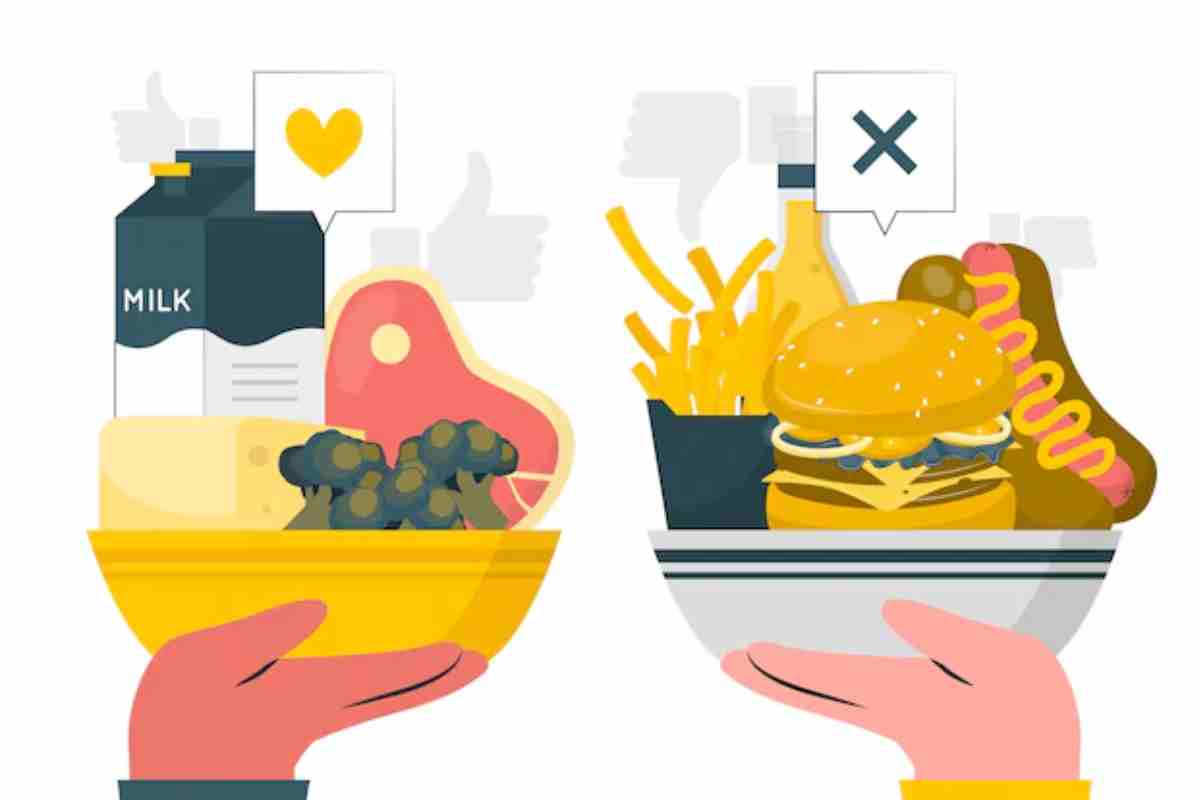
 The Procedure: From Harvesting to Healing
 Advantages of Stem Cell Therapy Compared to Conventional Treatments
 Importance of Replacing Teeth
 How Does Ketamine Therapy Work?
 Potential Side Effects of Ketamine Therapy