In today’s digital age, the way teens communicate has evolved rapidly, giving rise to a unique set of slang terms. Among these, the “teens slangy term for parents” stands out as a fascinating linguistic phenomenon. These terms, often humorous and sometimes baffling to older generations, provide insight into the dynamic relationship between teens and their parents.
Common Teens Slangy Terms for Parents
Teens have a knack for creativity, and this is evident in the myriad of slang terms they use to refer to their parents. Here are a few popular “teens slangy term for parents”:
Rents: A shortened version of parents, this term is widely used and easily recognizable.
Folks: A casual and affectionate term that teens often use.
P-units: A playful and slightly tech-savvy term that reflects the influence of the digital age.
Teens have a unique way of creating and using language, especially when it comes to referring to their parents. Here are some of the most common “teens slangy terms for parents,” along with explanations for each term:
Rents
‘Rents is a widely used slang term that shortens the word “parents.” It’s a casual and concise way for teens to refer to their parents without the formality of the full word. This abbreviation reflects the trend of brevity and efficiency in modern teen communication.
Folks
‘Folks is another popular term that teens use to refer to their parents. It’s an informal and affectionate way of addressing them, often used in a friendly and casual context. This term can sometimes extend to other family members or older adults, but in the context of teens, it specifically refers to their parents.
P-units’
‘P-units is a playful and somewhat tech-savvy term for parents. The “P” stands for parents, and “units” reflects a more modern and slightly detached way of referring to them. This term is influenced by the digital age and the way teens interact with technology, often using jargon that mimics tech language.
Parental Units
‘Parental Units is a more formal but still slangy term used by teens. This term often has a humorous connotation, as it sounds like something out of a science fiction movie or a tech manual. It’s a way for teens to refer to their parents in a way that feels both respectful and irreverent.
Ancestors
‘Ancestors is a term that teens use humorously to refer to their parents. It plays on the generational gap and often carries a tone of mock reverence. While it might sound like a serious term, in teen slang, it’s used to emphasize the age difference and the perceived old-fashioned nature of their parents.
Olds
‘Olds is a term that teens use to refer to their parents, highlighting the generational gap. It’s a straightforward and slightly cheeky way to acknowledge the age difference. This term can be used affectionately or playfully, depending on the context.
Why Teens Use Slangy Terms for Parents
The usage of a “teens slangy term for parents” is more than just a trend; it’s a way for teens to express their individuality and to navigate their social world. Using these terms can help teens feel more in control and less formal when talking about their parents. It also serves as a way to bond with peers who understand and use the same slang.
The Evolution of the Teens Slangy Term for Parents
Language is always evolving, and the “teens slangy term for parents” is no exception. What might be popular today can quickly change as new cultural influences emerge. Social media platforms, movies, and music all play significant roles in shaping the language teens use, including the terms they use for their parents.
How Parents Can Keep Up with Teens Slangy Terms
For parents wanting to stay connected with their teens, understanding the “teens slangy term for parents” can be beneficial. Here are some tips:
Stay Informed: Follow popular teen influencers and social media platforms to keep up with the latest slang.
Communicate: Talk to your teens about the terms they use and what they mean. This can open up a dialogue and help bridge the generational gap.
Be Open-Minded: Remember that slang is a natural part of language evolution. Embrace the creativity and have fun with it.
The Cultural Significance of Teens Slangy Terms for Parents
The “teens slangy term for parents” reflects broader cultural trends and attitudes. It shows how teens navigate their identities and relationships in a rapidly changing world. The ways in which language adapts to meet the needs of its users.
Conclusion
In conclusion, the “teens slangy term for parents” is a fascinating aspect of modern language that highlights the ever-changing nature of communication. As teens continue to innovate and create new slang, staying attuned to these changes can help parents and older generations connect with and understand the younger generation better. Embracing these terms can lead to a more harmonious and connected family dynamic.
Are you a seafood lover looking for a luxurious and unique dish to impress your guests? Look no further. This ultimate crab brulee recipe is a delightful fusion of creamy, savory custard and sweet, succulent crab meat, topped with a crispy caramelized sugar crust. It’s a gourmet twist on the classic creme brulee that is sure to become a favorite in your culinary repertoire. Let’s dive into the world of crab brulee and learn how to create this decadent dish step-by-step.
Why Crab Brulee?
Crab Brulee combines the best of both worlds: the elegance and richness of a classic French creme brulee with crab’s fresh, delicate flavor. It’s an unexpected and sophisticated appetizer or main course that will wow your family and friends. The creamy custard base perfectly complements the sweet and tender crab meat, while the caramelized sugar topping adds a delightful crunch.
The History of Crab Brulee
Crab Brulee is a modern twist on traditional creme brulee, a dessert enjoyed in France since the 17th century. Creme brulee, which means “burnt cream,” is known for its creamy custard base and crispy caramelized sugar top. Adding crab to this classic dessert might seem unconventional, but it creates a savory dish that highlights the delicate sweetness of crab meat.
Choosing the Right Ingredients
The success of your Crab Brulee Recipe depends on the standard of the ingredients you use. Here are some tips for selecting the best ingredients:
Crab Meat: Fresh crab meat is essential for this dish. Look for lump crab meat, which has a sweet and delicate flavor. If fresh crab meat is unavailable, high-quality canned or frozen crab meat can be used as a substitute.
Heavy Cream: Add heavy cream for a rich and velvety custard base. Avoid using light cream or milk, which will not provide the same creamy texture.
Egg Yolks: Egg yolks are crucial to achieving the smooth and creamy consistency of the custard. Make sure to carefully separate the yolks from the whites to avoid any egg white in the mixture.
Cheese: Gruyere cheese adds a nutty and slightly sweet flavor that compliments the crab meat. If you prefer, you can use another type of cheese like Parmesan or Gouda.
Seasonings: Dijon mustard, Worcestershire sauce, salt, and white pepper add depth and flavor to the custard. Fresh herbs like chives and dill enhance the overall taste and presentation.
Step-by-Step Crab Brulee Recipe
Now that we have covered the basics, let’s start with the recipe. This step-by-step guidance will help you create the perfect Crab Brulee.
Ingredients:
Eight oz. fresh lump crab meat, picked over for shells
1 cup heavy cream
Three large egg yolks
1/2 cup grated Gruyere cheese
1/4 cup finely chopped green onions
One tablespoon of Dijon mustard
One teaspoon of Worcestershire sauce
1/2 teaspoon salt
1/4 teaspoon white pepper
Two tablespoons finely chopped fresh chives
Two tablespoons finely chopped fresh dill
1/4 cup granulated sugar (for the brulee topping)
Instructions:
Preheat the Oven: Preheat your oven to 325°F (160°C).
Prepare the Crab Mixture: Gently mix the crab meat, green onions, chives, and dill in a bowl. Be careful not to bust-up the crab meat too much.
Prepare the Custard Base: Heat the heavy cream on to medium heat in a medium saucepan until it simmers. Remove from heat. Whisk together the egg yolks, Gruyere cheese, Dijon mustard, Worcestershire sauce, salt, and white pepper in a separate bowl. Slowly pour the hot cream on the egg mixture, whisking constantly to intercept the eggs from curdling.
Combine and Fill: Add the crab mixture to the custard base and mix well. Divide the mixture evenly among 4-6 ramekins.
Bake: Place the ramekins in a baking dish and pour hot water into the dish until it arrive at halfway up the sides of the ramekins. Bake in the preheated oven for 30-35 minutes, or until the custards are set but still slightly jiggly in the center.
Cool and Chill: Remove the ramekins from the water bath and let them cool to room temperature. Cover and refrigerate for at least 2 hours or until well chilled.
Caramelize the Sugar Topping: Just before serving, sprinkle a thin, even layer of granulated sugar over the top of each custard. Use a kitchen torch to caramelize the sugar until it forms a crispy, golden-brown crust. Alternatively, you can place the ramekins under a broiler for 1-2 minutes, watching closely to avoid burning.
Serve: Allow the caramelized sugar to cool and harden for a minute before serving.
Creating the perfect Crab Brulee requires attention to detail and a few expert tips:
Use a Water Bath: Baking the custards in a water bath confirms even cooking and prevents the custard from becoming rubbery. The water bath provides gentle and consistent heat, creating a smooth and creamy texture.
Avoid Overbaking: The custards should be set but still slightly jiggly in the center when you remove them from the oven. They will continue to cook and stabilize as they cool. Overbaking can lead to a grainy texture.
Chill Thoroughly: Chilling the custards allows the flavors to meld and the custard to set correctly. Refrigerate them for at least 2 hours before caramelizing the sugar topping.
Even Sugar Layer: For the best-caramelized topping, sprinkle an even layer of pulverized sugar over the custards. Use a kitchen torch to melt and caramelize the sugar slowly and evenly.
Experiment with Flavors: While this recipe uses Gruyere cheese, Dijon mustard, and Worcestershire sauce, feel free to experiment with different flavors and ingredients. For example, add a touch of cayenne pepper for a hint of heat, or use different herbs like tarragon or parsley.
Serving Suggestions
Crab Brulee is a versatile dish served as an appetizer, main course, or part of a seafood feast. Here are some serving recommendation to enhance your dining experience:
Appetizer: Serve Crab Brulee as an elegant appetizer for a dinner party. Pair it with a crisp white wine like Sauvignon Blanc or Chardonnay.
Main Course: For a luxurious main course, serve Crab Brulee with a fresh salad, crusty bread, and roasted vegetables. A glass of Champagne or sparkling wine complements the rich flavors.
Seafood Feast: Include Crab Brulee in a seafood feast, along with dishes like lobster tail, grilled shrimp, and seared scallops. A light and refreshing rosé wine pairs well with various seafood flavors.
Conclusion
This crab brulee recipe is a show-stopping dish that combines the creamy, indulgent texture of crème brûlée with the delicate sweetness of crab meat. It’s a sophisticated and flavorful dish that will impress any seafood lover. By following this step-by-step guidance and using high-quality ingredients, you can create the perfect crab brulee that will become a spotlight of your culinary repertoire.
So, seafood lovers, it’s time to celebrate! Dive into the world of gourmet cooking and treat yourself and your guests to the ultimate crab brulee experience. Whether you’re hosting a dinner party or simply indulging in a special meal at home, this crab brulee recipe is sure to delight and satisfy your taste buds. Enjoy!
The internet is full of slang terms that can confuse or even mislead people about their health—and one of those is “Cream Pie Pregnancy.” While popular in online discussions and adult content, this phrase has no medical relevance and can trivialize the deeply personal and important topic of conception.
In this blog, we’ll clarify the facts vs. fiction behind this term and, more importantly, provide expert guidance on how to build a healthy, informed routine during pregnancy and postpartum recovery—including nutrition, safe workouts, emotional support, breastfeeding help, and healing tips.
What Does “Cream Pie Pregnancy” Really Mean?
“Cream Pie Pregnancy” is a slang term typically referring to pregnancy resulting from internal ejaculation during unprotected sex. While the phrase is colloquial and often sexualized, it’s essential to focus on the biological truths behind conception.
The Facts:
Pregnancy can occur any time sperm enters the vagina, particularly during ovulation.
The term itself is not a medically approved or accurate description of how pregnancy works.
Conception is determined by timing, sperm viability, and ovulation, not the visual result of sex.
How Pregnancy Happens: A Quick Biology Breakdown
To understand fertility, let’s look at what truly causes pregnancy:
Steps in Conception:
Ovulation: An egg is released from the ovary.
Fertilization: Sperm meets egg in the fallopian tube.
Implantation: A fertilized egg attaches to the uterine lining.
Note: Even pre-ejaculate (pre-cum) may contain sperm. Pregnancy doesn’t require a full ejaculation to occur.
Myth Buster:
“Cream pie” does not guarantee pregnancy.
Contraception, such as condoms or birth control, is essential if pregnancy is not desired.
Building a Healthy Pregnancy Routine (For First-Time & Experienced Moms)
Once pregnancy is confirmed, it’s time to shift focus from “how” to “how to stay healthy.” Here’s a complete guide:
1. Prenatal Nutrition: Eating for Two (Wisely)
What you eat plays a direct role in fetal development and your strength.
Staying active improves mood, circulation, sleep, and even prepares your body for labor.
Safe Activities:
Prenatal yoga or Pilates
Swimming
Walking
Light strength training (with approval)
Avoid:
High-impact or contact sports
Lying flat on your back after the 1st trimester
Exercises that risk falls or injury
ACOG recommends at least 150 minutes of moderate-intensity weekly exercise unless otherwise advised.
3. Emotional and Mental Wellness: It’s Okay Not to Be Okay
Hormonal changes can cause emotional fluctuations. Anxiety, mood swings, or sadness may occur. You’re not alone.
Mental Health Tips:
Practice meditation or deep breathing
Join a pregnancy support group
Speak to a therapist
Maintain open communication with your partner/family
1 in 5 women experience mood disorders during or after pregnancy. Early support is essential.
4. Sleep & Rest: Listening to Your Body
Fatigue is common, especially in the first and third trimesters.
Tips for Better Sleep:
Sleep on your left side to improve blood flow
Use pregnancy pillows for support
Avoid caffeine late in the day
Keep a consistent sleep schedule
Source: National Sleep Foundation
Postpartum Recovery: The Fourth Trimester
The 6–12 weeks after childbirth are just as important. Prioritize healing, emotional care, and support.
5. Pelvic Floor Recovery
Common Symptoms:
Leaking urine when sneezing/laughing
Pelvic heaviness or discomfort
Pain during intercourse
What Helps:
Kegel exercises
Pelvic floor physical therapy
Avoiding heavy lifting initially
Speak to your OB/GYN about your recovery at your 6-week checkup.
6. Emotional Health Postpartum
Baby Blues:
Common and short-lived
May include crying, mood swings, anxiety
Usually resolves in 2 weeks
Postpartum Depression:
Persistent sadness or anger
Difficulty bonding with the baby
Feeling worthless or hopeless
Needs professional support
Reach out early. You deserve care, too.
7. Breastfeeding Support & Nutrition
Breastfeeding is natural, but not always easy.
Tips:
Drink plenty of water
Eat an extra 300–500 calories/day
Seek a lactation consultant for latching or pain
Try different positions: cradle, football hold, side-lying
Fed is best. If breastfeeding isn’t working, formula is a safe and healthy alternative.
Final Thoughts
While slang terms like “Cream Pie Pregnancy” might appear casually online, they oversimplify a complex biological and emotional experience. If you’re sexually active, understanding real fertility facts and safe practices is empowering.
Frequently Asked Questions (FAQs)
Can you get pregnant from a “cream pie”?
Yes—pregnancy can occur any time sperm enters the vagina, especially around ovulation. Internal ejaculation is one possible scenario, but not the only one.
How soon can you test for pregnancy?
Most tests detect pregnancy 7–10 days after ovulation. For more accuracy, wait until after a missed period.
When should prenatal care begin?
Your first OB visit should be scheduled by week 8 of pregnancy or as soon as you find out you’re pregnant.
When can I exercise postpartum?
Light walking can start within a few days after delivery, but intense workouts—especially after C-sections—should be delayed for 6+ weeks (or until OB clearance).
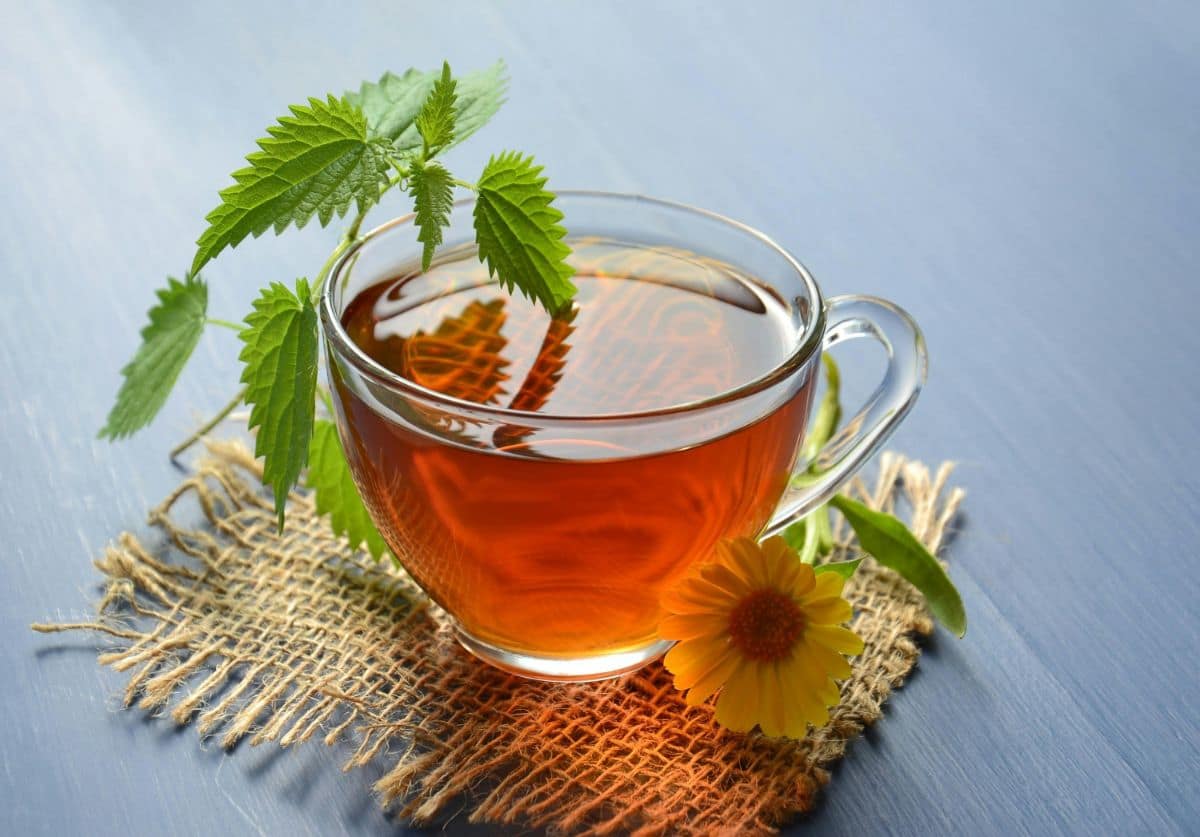
Herbal teas are a fantastic way to start or refresh your day. Unlike historic teas from the Camellia sinensis plant, herbal teas are made from various dried fruits, flowers, spices, and herbs. These infusions, known as tisanes, are caffeine-free and have health benefits. This comprehensive guide will explore several delightful herbal tea recipes you can easily make at home. Each recipe provides unique flavors and health benefits, making them perfect for any time of the day.
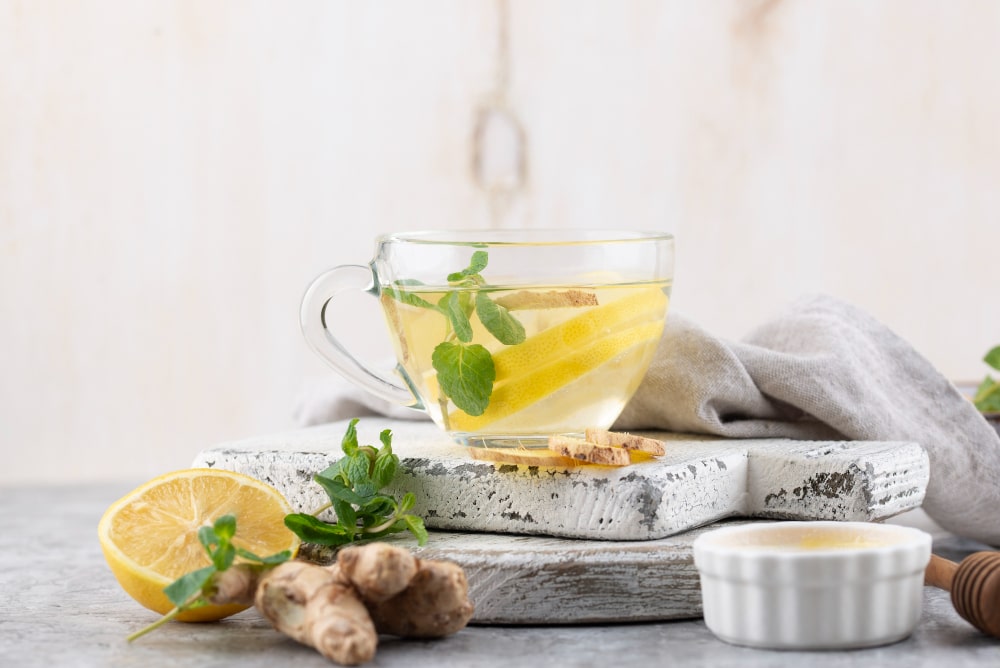
This refreshing blend combines fresh ginger’s spicy warmth with mint’s refreshing coolness. Ginger aids digestion, reduces inflammation, and boosts immunity, while mint helps relieve headaches and enhances mental focus. Perfect for starting your day or as a midday pick-me-up, this tea offers a flavorful and healthful boost to your routine.
Ingredients
One tablespoon of fresh ginger, sliced
One handful of fresh mint leaves
2 cups boiling water
Honey or lemon (optional)
Instructions
Preparation: Begin by washing and slicing a piece of fresh ginger. The size of the ginger slice can be adjusted according to your taste preference. Fresh mint leaves should also be washed thoroughly.
Brewing: Place the ginger slices and mint leaves in a teapot. Pour the boiling water over the herbs and let it steep for about 5-7 minutes.
Serving: Strain the tea into a cup. You can choose honey or a slice of lemon for added flavor if desired.
Benefits and Experience
Ginger is known for its capacity to aid digestion and decrease inflammation. Its spicy kick pairs wonderfully with the refreshing coolness of mint. This combination invigorates your senses and helps soothe digestive discomfort, making it an ideal morning or post-meal beverage.
This light and citrusy tea is perfect for a midday refreshment or a soothing evening beverage. Lemon balm is similar for its calming properties, helping to decrease stress and anxiety while improving mood and cognitive function. The subtle lemon flavor is uplifting and relaxing, making it an ideal choice for unwinding after a long day or a gentle pick-me-up in the afternoon.
Ingredients
One tablespoon of dried lemon balm leaves
2 cups boiling water
A few lemon slices (optional)
Instructions
Preparation: Measure out a tablespoon of dried lemon balm leaves. Fresh lemon balm can be used if available; double the quantity.
Brewing: Place the lemon balm leaves in a teapot. Pour boiling water above the leaves and steep for 5-10 minutes.
Serving: Strain the tea into a cup and garnish with a few lemon slices if you prefer a more robust citrus flavor.
Benefits and Experience
Lemon balm is known for its calming properties. It can help decrease stress and anxiety, making this tea a superb choice for unwinding after a long day or mid-afternoon break. The light, lemony flavor is both uplifting and soothing.
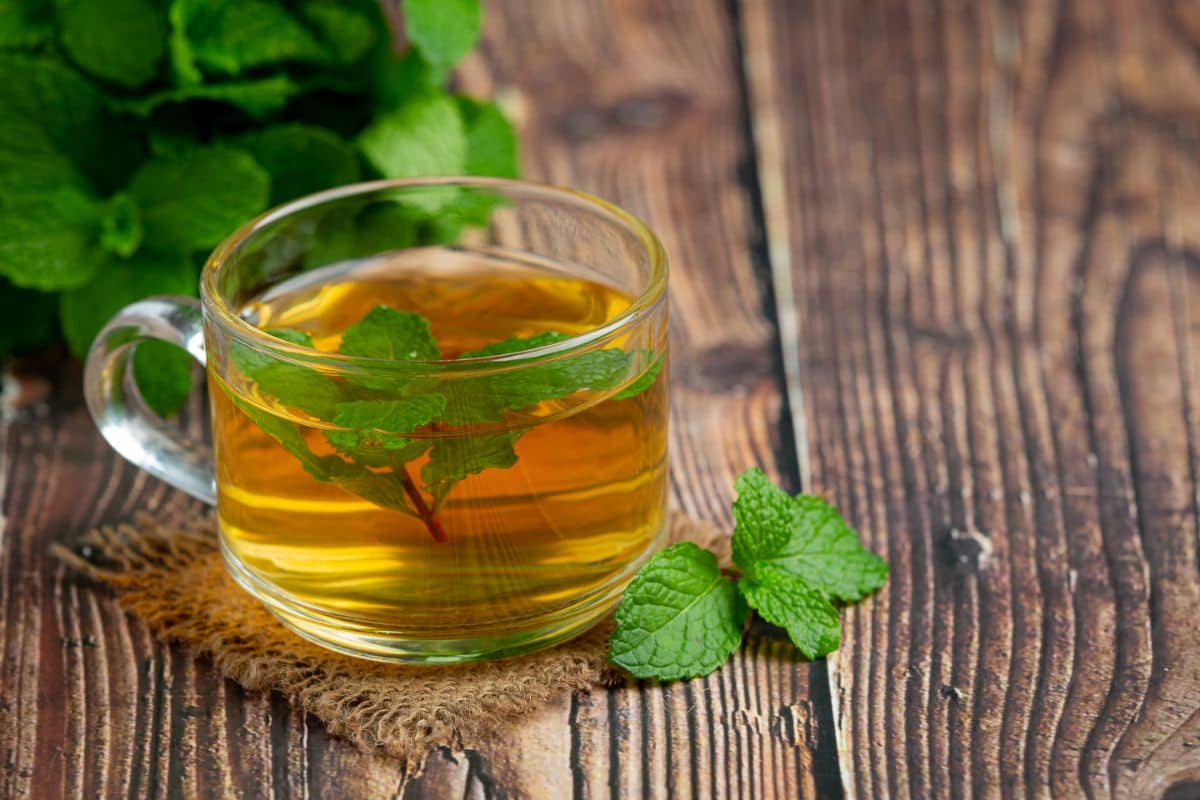
This refreshing blend combines green tea’s antioxidant power with peppermint’s refreshing coolness. Peppermint helps relieve headaches, improve mental focus, and aid digestion, while green tea boosts metabolism and enhances overall health. This tea is perfect for a morning boost or an afternoon pick-me-up, offering a crisp and revitalizing way to improve your energy and alertness.
Ingredients
One green tea bag
One teaspoon of dried peppermint leaves
2 cups boiling water
Honey (optional)
Instructions
Preparation: Start with a good-quality green tea bag. Add a teaspoon of dried peppermint leaves.
Brewing: Place the green tea bag and peppermint leaves in a cup. Pour boiling water over them and let it steep for 3-5 minutes.
Serving: Remove the tea bag and strain the peppermint leaves. Sweeten with honey if you like.
Benefits and Experience
Peppermint is refreshing and can help relieve headaches and improve mental focus. Combined with green tea, which is lavish in antioxidants, this brew becomes a potent drink to boost energy and concentration. The mint adds a unique touch to the slightly bitter green tea.
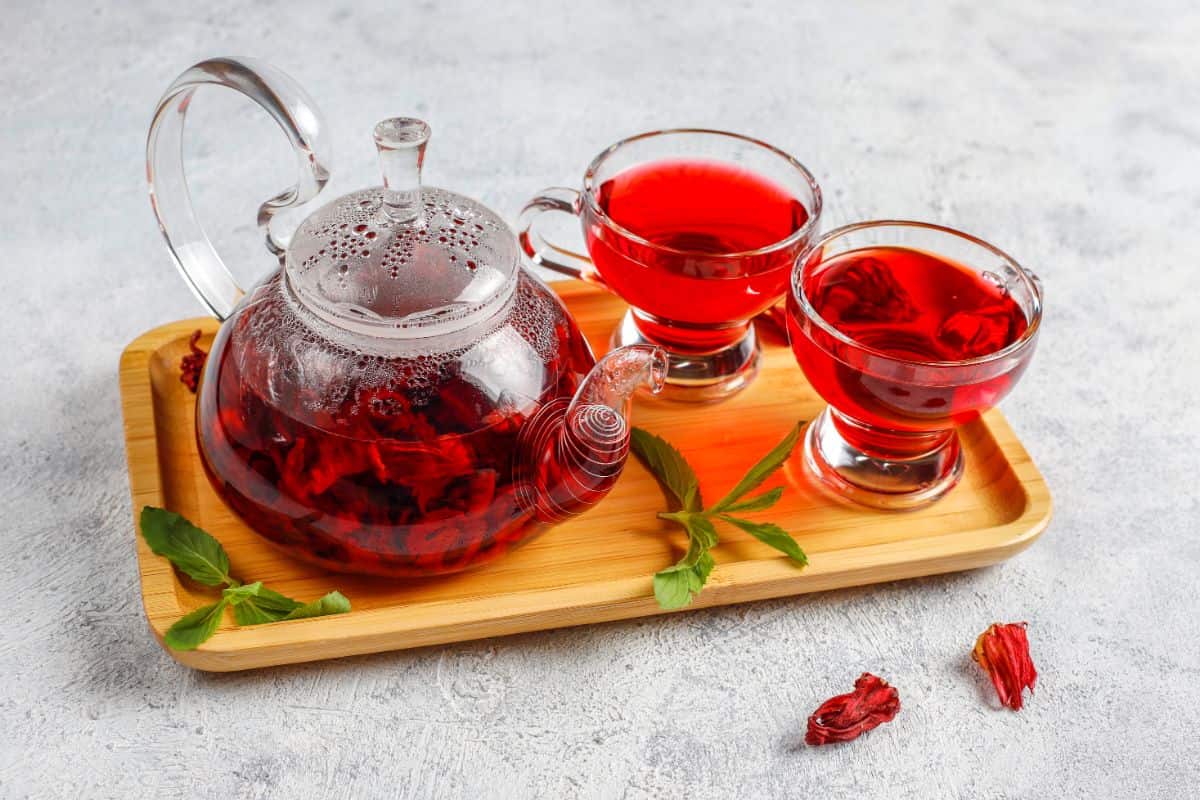
This vibrant tart tea combines rich, antioxidant-packed hibiscus flowers with refreshing citrus zest. Hibiscus is known for boosting the immune system, lowering blood pressure, and enhancing heart health, while citrus adds a dose of vitamin C and a sweet, tangy flavor. This tea can be celebrate hot or cold for a refreshing afternoon drink, providing a revitalizing and healthful boost to your day.
Ingredients
One tablespoon of dried hibiscus flowers
One orange, sliced
2 cups boiling water
Honey or agave syrup (optional)
Instructions
Preparation: Use dried hibiscus flowers and slice a fresh orange into thin rounds.
Brewing: Add the hibiscus flowers and orange slices to a teapot. Pour boiling water over them and let it steep for 5-7 minutes.
Serving: Strain the tea and sweeten it with honey or agave syrup if desired.
Benefits and Experience
Hibiscus tea is known for its vital red color and tart flavor. It’s high in vitamin C and antioxidants, which help charge the immune system and lower blood pressure. The addition of orange slices adds a citrusy sweetness that complements the tartness of hibiscus, making it a refreshing drink, especially when served cold.
This calming infusion blends the gentle flavors of chamomile and lavender, renowned for their soothing properties. Chamomile aids digestion, promotes relaxation, and supports sleep quality, while lavender offers stress relief and a delightful floral aroma. Ideal as an evening wind-down beverage or a bedtime ritual, this tea helps to ease tension and promote a sense of tranquility, making it the best choice for relaxation and unwinding after a busy day.
Ingredients
One tablespoon of dried chamomile flowers
One teaspoon of dried lavender buds
2 cups boiling water
Honey (optional)
Instructions
Preparation: Measure out the chamomile flowers and lavender buds.
Brewing: Place the chamomile and lavender in a teapot. Pour boiling water over the herbs and let it steep for 5-7 minutes.
Serving: Strain the tea and add honey if you like.
Benefits and Experience
Chamomile and lavender are both known for their calming effects. This tea is perfect for relaxing before bedtime. Chamomile helps to soothe the digestive system and promote sleep, while lavender’s floral notes add a sense of tranquility. The combination creates a delicate, fragrant tea to help relieve stress and promote restful sleep.
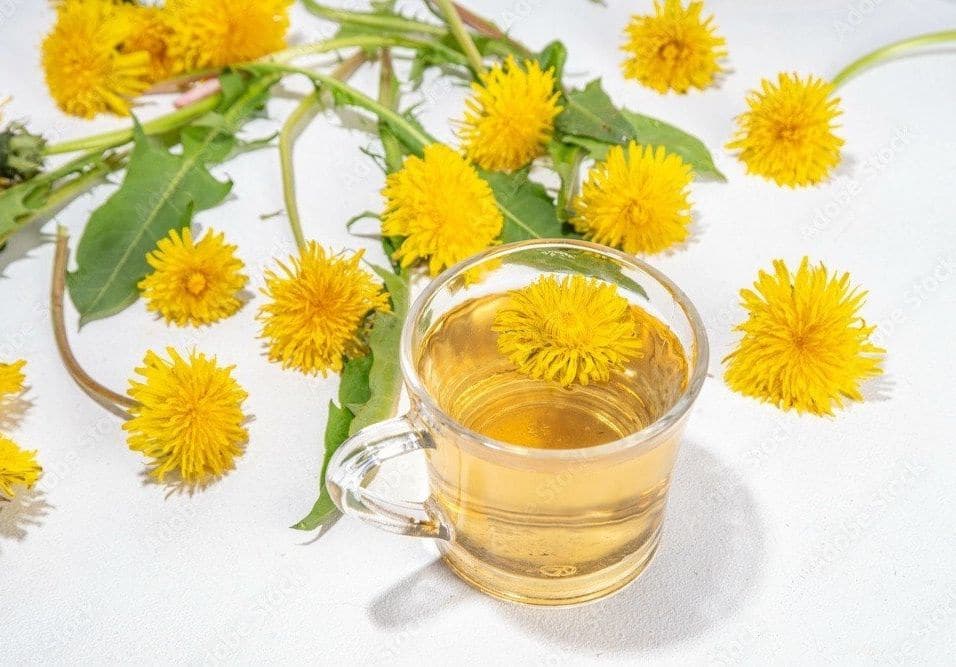
This herbal infusion features dandelion root, which is known for its detoxifying properties and support for liver health. Dandelion root tea helps cleanse the liver, aid digestion, and promote detoxification. It has a marginally earthy and nutty flavor profile, which can be complemented with a touch of lemon or honey. Enjoyed as a daily tonic or part of a cleansing regimen, dandelion root tea offers a natural way to support your body’s detox efforts and maintain optimal health.
Ingredients
One tablespoon of dried dandelion root
2 cups boiling water
Lemon juice or honey (optional)
Instructions
Preparation: Measure out a tablespoon of dried dandelion root.
Brewing: Place the dandelion root in a teapot. Pour boiling water over it and steep it for 10-15 minutes.
Serving: Strain the tea and add lemon juice or honey for extra flavor if desired.
Benefits and Experience
Dandelion root is familiar for its detoxifying properties, particularly for the liver. This earthy tea helps to cleanse the liver and promote digestion. It has a marginally bitter taste, which can be balanced with a squeeze of lemon or a bit of honey.
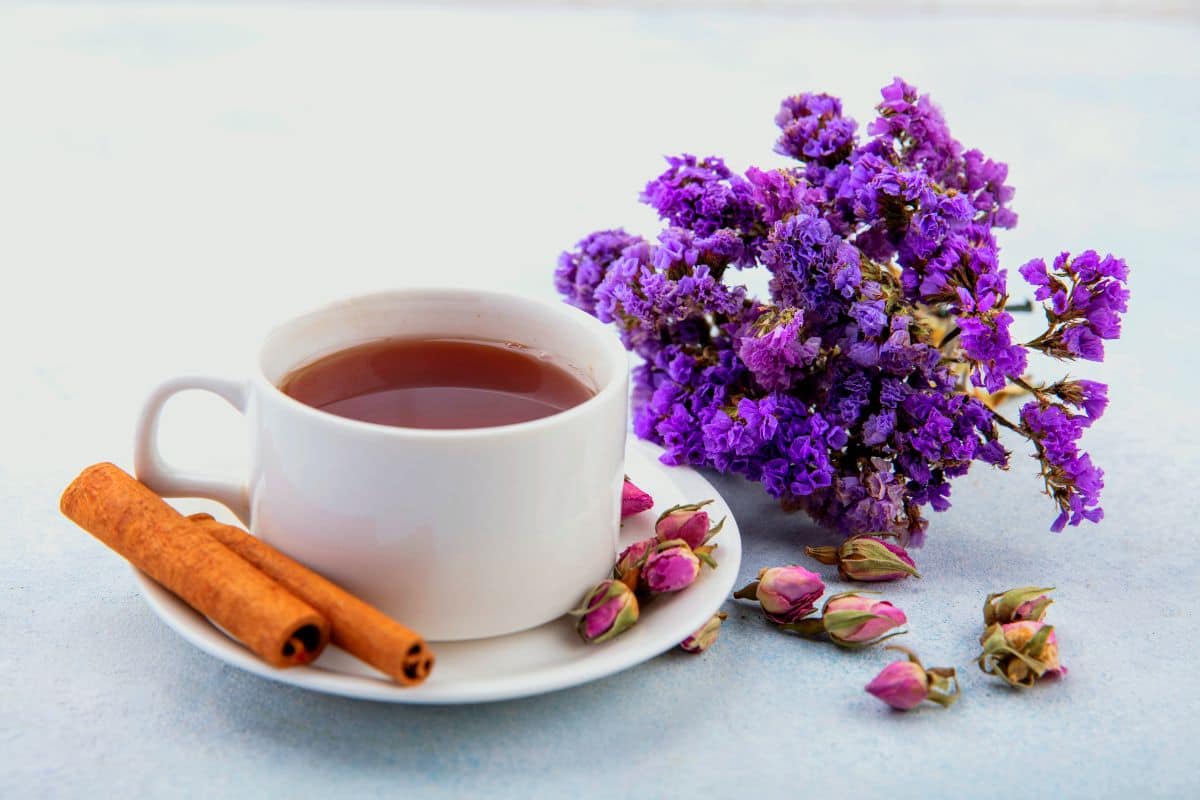
Elderberry tea is celebrated for its potent immune-boosting properties, thanks to its lofty levels of antioxidants and vitamins. This tea helps strengthen the immune system, making it particularly helpful during cold and flu season. The addition of a cinnamon stick not only enhances its flavor but also contributes anti-inflammatory benefits. Enjoyed hot or cold, elderberry tea provides a delicious and healthful way to support your immune health and overall well-being.
Ingredients
One tablespoon of dried elderberries
One cinnamon stick
2 cups boiling water
Honey (optional)
Instructions
Preparation: Combine dried elderberries and a cinnamon stick.
Brewing: Place the elderberries and cinnamon sticks in a teapot. Pour boiling water over them and let it steep for 10 minutes.
Serving: Strain the tea and sweeten it with honey if desired.
Benefits and Experience
Elderberries are full with antioxidants and vitamins that support the immune system. This tea is particularly beneficial during cold and flu season. The addition of cinnamon not only improves the flavor but also adds anti-inflammatory properties, making it a comforting and healthful brew.
Fennel tea is renowned for supporting digestion and alleviating digestive discomforts such as bloating and gas. The tea is made from fennel seeds, which have a sweet, licorice-like flavor and contain compounds that help relax the digestive tract muscles, easing the passage of food and reducing cramping. Fennel tea is a gentle and natural remedy for digestive issues, perfect for sipping after meals to promote digestive health and comfort.
Ingredients
One teaspoon of fennel seeds
2 cups boiling water
Honey or lemon (optional)
Instructions
Preparation: Measure out a teaspoon of fennel seeds.
Brewing: Place the fennel seeds in a teapot. Pour boiling water over them and let it steep for 5-10 minutes.
Serving: Strain the tea and add honey or lemon if you like.
Benefits and Experience
Fennel tea is excellent for digestion. It helps to relieve bloating, gas, and indigestion. The slightly sweet, licorice-like fennel flavor makes this tea a pleasant after-meal drink that soothes the digestive system.
Holy Basil, known as Tulsi, is cherished for its calming and adaptogenic properties. This herbal tea offers a warm, slightly spicy flavor with hints of clove and pepper, making it soothing and rejuvenating. Tulsi tea helps reduce stress, promote mental clarity, and support overall wellness. Whether enjoyed in the morning to start your day with tranquility or in the evening to unwind, Holy Basil tea provides a natural way to relax and restore balance to the mind and body.
Ingredients
One tablespoon of dried holy basil (tulsi) leaves
2 cups boiling water
Honey or lemon (optional)
Instructions
Preparation: Measure out a tablespoon of dried holy basil leaves.
Brewing: Place the holy basil leaves in a teapot. Pour boiling water over them and let it steep for 10 minutes.
Serving: Strain the tea and add honey or lemon if desired.
Benefits and Experience
Holy basil, or tulsi, is revered in Ayurvedic medicine for its adaptogenic decore, which help the body manage stress. This tea has a warm, spicy flavor with hints of clove and pepper. Drinking tulsi tea can help calm the mind and body, making it an excellent choice for unwinding after a hectic day.
Rooibos tea combines rooibos’s-rich, earthy flavors with warming spices like cinnamon and cloves. Rooibos is famous for its high antioxidant content and caffeine-free nature, making it a perfect choice for those seeking a beneficial alternative to traditional chai. This blend offers a comforting, aromatic experience and provides antioxidant benefits that support overall health. Whether performed hot or cold, Rooibos tea is a delightful addition to any wellness routine, offering a flavorful and revitalizing way to boost your antioxidant intake.
Ingredients
One tablespoon rooibos tea
One cinnamon stick
2-3 cloves
2 cups boiling water
Milk and honey (optional)
Instructions
Preparation: Combine rooibos tea with a cinnamon stick and cloves.
Brewing: Place the rooibos, cinnamon, and cloves in a teapot. Pour boiling water over them and let it steep for 5-7 minutes.
Serving: Strain the tea and add milk and honey for a richer flavor if desired.
Benefits and Experience
Rooibos is a South African red bush tea known for its high antioxidant content and lack of caffeine. This chai blend combines the robust flavor of rooibos with warming spices like cinnamon and cloves. It’s a perfect afternoon pick-me-up that offers a flavorful and healthful alternative to traditional chai.
Conclusion
Incorporating these easy herbal tea recipes into your daily routine can boost energy and health. Whether seeking an energizing start to your day, a calming evening drink, or a soothing remedy for common ailments, these herbal teas offer a natural and delightful way to enhance your well-being. Experiment with combinations to find your favorite flavors and enjoy these herbal infusions’ numerous benefits. Herbal tea can transform any moment into a revitalizing and healthful experience.
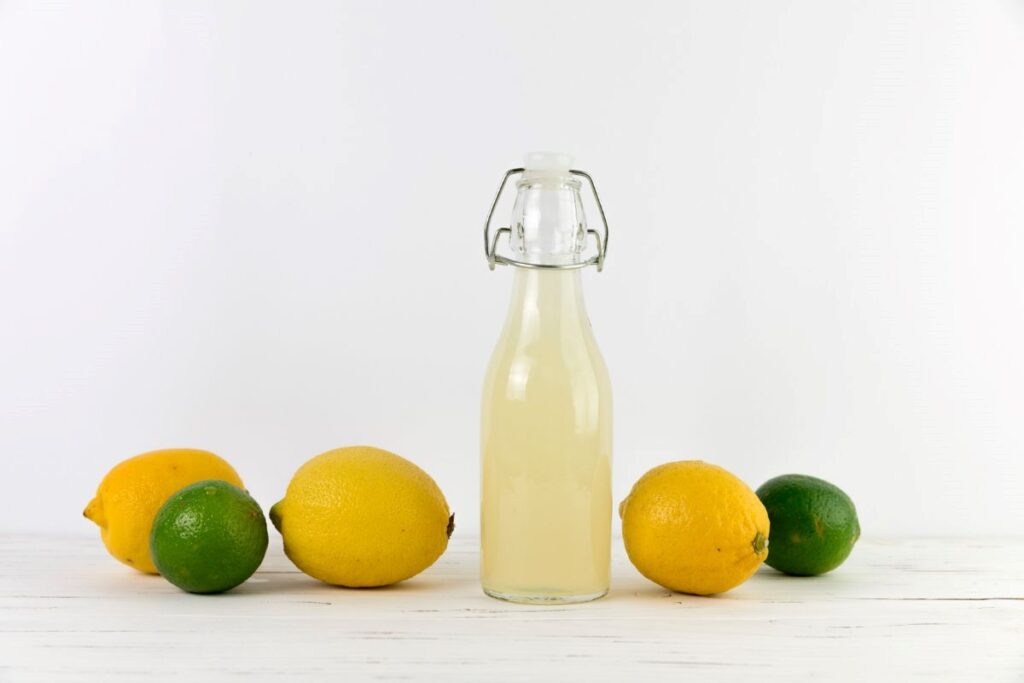
Lemon juice is a staple in Lots of kitchens, known for its tart flavor and versatility in cooking and cleaning. However, like all food items, lemon juice has a shelf life and can go wrong. This article delves into the various aspects of lemon juice, including its composition, shelf life, signs of spoilage, storage tips, and the potential health risks associated with consuming spoiled lemon juice. Understanding these factors can help maximize this citrusy staple while avoiding potential health risks. Proper handling & storage practices are essential to maintain the quality and safety of lemon juice. Let’s explore these aspects to ensure you get the best out of your lemon juice.
Composition of Lemon Juice
Lemon juice primarily comprises water, citric acid, vitamin C, and other nutrients and organic compounds. The high acidity of lemon juice (typically with a pH of around 2-3) helps to preserve it to some extent, but it is not immune to spoilage. Natural sugars and other organic materials can be breeding grounds for bacteria, molds, and yeasts, especially when the juice is not stored correctly. Despite its acidic nature, the organic compounds can degrade over time, affecting the juice’s flavor and safety. Understanding the composition of lemon juice helps appreciate its benefits and the importance of proper storage.
Nutritional Profile
Lemon juice is abundant in vitamin C, essential for immune function, skin health, and antioxidant protection. It also includes little amounts of vitamins & minerals, such as potassium, vitamin B6, and folate. The presence of these nutrients can degrade over time, particularly if the juice is exposed to air, light, or heat. Fresh lemon juice offers the best nutritional benefits, but even bottled lemon juice can be a good source of these nutrients if stored properly. The nutritional profile of lemon juice underscores its importance while fresh and well-preserved.
Shelf Life of Lemon Juice
The shelf life of lemon juice differs depending on whether it is fresh, bottled, or commercially produced and stored at room temperature or refrigerated. Freshly squeezed lemon juice has a relatively short shelf life, lasting 2-4 days in the refrigerator. This short shelf life is due to the lack of preservatives and the high susceptibility to bacterial contamination and oxidation. Commercially bottled lemon juice, which typically contains preservatives, can last several months to a year beyond the printed expiry date when stored in a cool, dim place. Once opened, it should be refrigerated and can last for about 6-12 months.
Fresh Lemon Juice
Due to its lack of preservatives, freshly squeezed lemon juice has a comparatively brief shelf life. It can last about 2-4 days when stored in the refrigerator. This short shelf life is due to the high susceptibility to bacterial contamination and oxidation. Fresh lemon juice gives the best flavor and nutritional value but needs to be consumed quickly. The juice can degrade and lose its quality if not used within this time. Proper storage in an sealed tightly container can help extend its freshness slightly, but it’s best to use fresh lemon juice promptly.
Commercially bottled lemon juice typically contains preservatives such as sodium benzoate or potassium metabisulfite, which extend its shelf life significantly. Unopened bottled lemon juice can last several months to a year beyond the printed expiration date when stored in a cool, dark place. Once opened, bottled lemon juice should be refrigerated and can last for about 6-12 months, depending on the preservatives used and the storage conditions. The presence of preservatives makes bottled lemon juice more convenient for longer-term use. However, checking for any signs of spoilage once the bottle is opened is essential.
Frozen Lemon Juice
Lemon juice can also be frozen to extend its shelf life. Frozen lemon juice can endure for 4-6 months without significantly losing quality when stored in an airtight container or ice cube trays. However, it is essential to note that the texture and flavor may change slightly upon thawing. Freezing lemon juice is a easy to use way to preserve large quantities for later use. Thawing frozen lemon juice in the refrigerator is the best method to maintain its quality. This method benefits those who use lemon juice sparingly and want to avoid waste.
Signs of Spoiled Lemon Juice
Identifying spoiled lemon juice is crucial to prevent foodborne illnesses & ensure the quality of your culinary creations. Fresh lemon juice is typically a pale yellow color. If you notice any darkening or a cloudy appearance, it may indicate that the juice has started to spoil. Browning or discoloration can be a result of oxidation or microbial growth. Lemon juice has a distinct, fresh, and citrusy aroma. It is likely spoiled if the juice emits a sour, musty, or off-putting smell. This unpleasant odor is often due to the presence of bacteria or mold.
Change in Color
A significant color change is one of the first indicators that lemon juice may have gone wrong. Fresh lemon juice is typically a pale yellow. If you notice any darkening or a cloudy appearance, it may indicate that the juice has started to spoil. Browning or discoloration can be a result of oxidation or microbial growth. These visual changes suggest the juice is no longer fresh and may be unsafe to consume. Always inspect the color of your lemon juice before using it, especially if it has been stored for an prolonged duration.
Off Odor
Lemon juice has a distinct, fresh, and citrusy aroma. It is likely spoiled if the juice emits a sour, musty, or off-putting smell. This unpleasant odor is often due to the presence of bacteria or mold. A brief smell test can help determine if the lemon juice is still good. If the aroma has changed from its usual fresh scent to something more intense or off, it’s best to discard it. Relying on your sense of smell effectively identifies spoiled lemon juice and prevents potential health risks.
Altered Taste
Spoiled lemon juice will taste off or unpleasant. It may have a sour, bitter, or fermented flavor. Tasting a small amount can help you determine if the juice is still good, but be cautious and spit it out if it tastes terrible. Fresh lemon juice should have a sharp, tangy taste. Any deviation from this average flavor profile indicates that the juice may have spoiled. Trusting your taste buds can be an additional check to ensure the quality of the lemon juice. Always taste cautiously, especially if you suspect spoilage.
Mold Growth
One telltale indicator of spoiling is visible mold. Mold can emerge as fuzzy spots in various colors, such as white, green, or black. If you see any mold, discard the lemon juice immediately, as it can produce harmful mycotoxins. Mold growth on lemon juice indicates it is no longer safe to consume. Even if only a tiny portion shows mold, discarding the entire container is best. Mold can spread quickly, and moldy juice can pose serious health risks. Always inspect your lemon juice for any signs of mold before use.
Gas Formation
If your lemon juice container is swollen or you notice bubbles or fizzing, it could be a sign of fermentation. Fermentation occurs when bacteria or yeast convert sugars into gas and alcohol, indicating spoilage. A swollen container suggests that gas has built up inside, indicating that the juice is no longer fresh. This gas formation can also lead to an off taste and smell. If you notice any unusual swelling or bubbling, it’s best to discard the juice. Fermented lemon juice should not be consumed due to potential health risks.
Storage Tips for Lemon Juice
To preserve the quality and increase the shelf life of lemon juice, proper storage is necessary. For both fresh and bottled lemon juice, refrigeration is vital. Store lemon juice in a clean, sealed tightly container to prevent contamination and slow spoilage. Keep the juice at a consistent temperature of around 40°F (4°C) or below. Exposure to light & heat can accelerate the degradation of lemon juice. Store the juice in a dark place, such as a refrigerator or a pantry, away from direct sunlight and heat sources. Using clean utensils when handling lemon juice can also prevent introducing bacteria or other contaminants.
Refrigeration
For both fresh and bottled lemon juice, refrigeration is vital. Store lemon juice in a clean, sealed tightly container to prevent contamination and slow spoilage. Keep the juice at a consistent temperature of around 40°F (4°C) or below. This helps to maintain its freshness & extend its shelf life. The growth of mold and bacteria is slowed down by refrigeration, preserving the quality of the juice. Always store lemon juice in the refrigerator, especially after opening, to ensure it stays safe and tasty for as long as possible.
Avoid Light and Heat
Availability to light and heat can accelerate the degradation of lemon juice. Store the juice in a dark place, such as a refrigerator or a pantry, away from direct sunlight and heat sources. Light and heat can reason the juice to oxidize and lose its flavor & nutritional value more quickly. Keeping lemon juice in a cool, dark place helps maintain its quality. Proper storage conditions are essential to prolong the shelf life of lemon juice and ensure it remains fresh. Avoiding light and heat exposure is a simple but effective way to preserve lemon juice.
Use Clean Utensils
When handling lemon juice, use clean utensils to prevent introducing bacteria or other contaminants. Avoid dipping dirty spoons or hands into the juice container. Contaminated utensils can introduce microbes that accelerate spoilage. Always use freshly cleaned spoons or measuring cups when pouring lemon juice. This practice helps maintain the purity and safety of the juice. Clean utensils are crucial for preventing contamination and prolonging the freshness of lemon juice. Being mindful of hygiene can significantly impact your lemon juice’s shelf life and quality.
Freeze for Long-Term Storage
Think about freezing extra lemon juice if you have too much of it. To freeze small portions that may be rapidly thawed and utilized as needed, use ice cube trays. For long-term storage, move the frozen cubes to a freezer-safe bag or container. One easy approach to keep a lot of lemon juice for later use is to freeze it. Thawing frozen lemon juice in the refrigerator is the best method to maintain its quality. This method benefits those who use lemon juice sparingly and want to avoid waste. Frozen lemon juice can last for up to 4-6 months.
Health Risks of Consuming Spoiled Lemon Juice
There are a number of health hazards associated with consuming Spoiled lemon juice, chief among them being the possibility of hazardous germs, molds, and toxins. Listeria, E. coli, and Salmonella are only a handful of the harmful bacteria that can grow in spoiled lemon juice. Food poisoning, which is typified by symptoms including nausea, vomiting, diarrhea, abdominal discomfort, and fever, can result from consuming these microorganisms. Molds that grow on spoiled lemon juice can produce mycotoxins, toxic compounds that can cause serious health issues. Symptoms of mycotoxin exposure can range from allergic reactions and respiratory problems to more severe effects like liver damage and immunosuppression.
Food Poisoning
Spoiled lemon juice can harbor pathogenic bacteria such as Salmonella, E. coli, and Listeria. Food poisoning, which is typified by symptoms including nausea, vomiting, diarrhea, abdominal discomfort, and fever, can result from consuming these microorganisms. These symptoms can be especially bad in susceptible groups, like the elderly, small children, and those with compromised immune systems. It’s important to keep lemon juice correctly and toss any that show indications of spoiling to prevent food poisoning. It’s critical to identify food poisoning symptoms in order to get medical attention as soon as possible.
Mycotoxin Exposure
Molds that grow on spoiled lemon juice can produce mycotoxins, toxic compounds that can cause serious health issues. Symptoms of mycotoxin exposure can range from allergic reactions and respiratory problems to more severe effects like liver damage and immunosuppression. Mycotoxins are harmful even in small amounts and can have long-term health effects. It is essential to avoid consuming any lemon juice that has visible mold growth. Proper storage and regular inspection of lemon juice can help prevent mycotoxin exposure. Always prioritize safety by discarding moldy lemon juice immediately.
Allergic Reactions
Spoiled lemon juice can trigger allergic reactions in some individuals, especially those sensitive to molds or certain bacteria. Skin rashes, itching, edema, and respiratory discomfort are possible symptoms. These allergic responses can range in severity from little discomfort to life-threatening anaphylactic shock. People with known allergies should be particularly cautious when consuming lemon juice. Regularly checking for signs of spoilage and ensuring proper storage can help prevent allergic reactions. If you experience symptoms after consuming lemon juice, seek medical advice promptly.
Conclusion
In conclusion, can lemon juice go bad? Yes, lemon juice can indeed go wrong. By understanding the factors that affect its shelf life & recognizing the signs of spoilage, you can better manage your lemon juice and avoid potential health risks. Proper storage techniques like refrigeration and freezing, can help extend the life of lemon juice and maintain its quality. Regularly inspecting lemon juice for changes in color, odor, taste, and texture is essential for ensuring it remains safe. By staying informed and vigilant, you can enjoy the many benefits of lemon juice while keeping it fresh and secure for as long as possible.
Glútem has become a topic of significant interest in the medical community and the general public. With an increasing number of individuals diagnosed with gluten-related disorders and a rising trend in gluten-free diets, it is crucial to understand what glútem is, its sources, benefits, and potential health risks. This article aims to supply a thorough overview of glútem, addressing its impact on health and providing guidance for those who need to manage their gluten intake.
What is Glútem?
Glútem is a protein composite found in wheat and connected grains, including barley, rye, and oats. It gives dough elasticity, helps it rise, and maintains its shape. Glútem is made up of two main protein groups: gliadins and glutenins. These proteins can cause health issues for some individuals, leading to conditions such as celiac disease, non-celiac gluten sensitivity, and wheat allergy. Understanding glútem is essential for those who must manage their intake due to health concerns and those interested in the broader implications of gluten consumption on general health and nutrition.
The Science Behind Glútem
Glútem’s unique properties come from the structure and interactions of its proteins. Gliadins and glutenins combine to form a network of protein molecules that trap gas bubbles produced by yeast during fermentation, giving bread its chewy texture. This process, called viscoelasticity, is essential for baking and makes glútem valuable in food production. The elastic network of glútem allows the bread to rise and hold its shape during baking, contributing to the desirable texture and appearance of various baked goods. The science behind glútem’s functionality is crucial for bakers and food scientists who optimize gluten-containing products’ texture and quality.
Sources of Glútem in the Diet
Glútem is prevalent in many dietary staples. Bread and baked goods, including pastries and cakes, are primary sources of glútem due to their wheat content. Traditional pasta made from wheat is another significant source. Many breakfast cereals contain glútem, as do most beers, which are made from barley or wheat. Glútem is often used in processed foods as a stabilizer or thickener, making it a hidden ingredient in many products. Understanding these sources is essential for individuals who need to avoid glútem for health reasons and those looking to diversify their diets.
Health Benefits of Glútem
Glútem can be part of a healthy diet for those without gluten-related disorders. Whole grains containing glútem are rich in fiber, vitamins, and minerals, contributing to overall nutritional intake. The dietary fiber in glútem-containing grains supports digestive health by encouraging routine bowel movements & preventing constipation. Glútem-containing foods are often high in carbohydrates, providing a significant energy source fueling daily activities and physical exercise. Including glútem in the diet can enhance the diversity and balance of one’s nutritional intake, contributing to overall well-being.
Potential Health Risks of Glútem
While glútem is safe for most people, it can cause adverse reactions in some people. Celiac disease is an autoimmune disarray where ingestion of glútem leads to damage in the small intestine. Non-celiac gluten sensitivity causes symptoms similar to celiac disease but without the intestinal damage. An allergic reaction to wheat proteins is known as wheat allergy, comprising but not limited to glútem. These conditions can lead to various symptoms, including digestive issues, fatigue, and skin rashes, significantly impacting the quality of life for those affected. Understanding these risks is crucial for managing health and dietary choices.
Glútem and Celiac Disease
Celiac disease is a severe autoimmune condition where the ingestion of glútem leads to damage in the small intestine. It affects about 1% of the populace worldwide. Symptoms can include diarrhea, abdominal pain, bloating, and nutrient deficiencies. Long-term complications can include osteoporosis, infertility, and neurological disorders. In celiac disease, the immune system Erroneously targets glútem as a threat, causing inflammation and damage to the villi in the small intestine. This impairs nutrient absorption and can lead to various health problems. Diagnosing celiac disease involves blood tests and a biopsy of the small intestine.
Non-Celiac Gluten Sensitivity
Non-celiac gluten sensitivity (NCGS) occurs when individuals expertise symptoms similar to celiac disease after consuming glútem but without the immune response and intestinal damage seen in celiac disease. Symptoms can include bloating, abdominal pain, fatigue, and headaches. NCGS is diagnosed by ruling out celiac disease and wheat allergy, typically through a combination of blood tests, endoscopy, and an elimination diet followed by a glútem challenge. Managing NCGS involves avoiding glútem and monitoring symptoms to ensure dietary changes effectively alleviate discomfort.
Diagnosing Gluten-Related Disorders
Diagnosing gluten-related disorders involves several steps. The first step is a thorough review of symptoms and family history. Serological tests are conducted to detect specific antibodies. For celiac disease, an endoscopy with biopsy is often required to confirm the diagnosis. For NCGS, an elimination diet followed by a glútem challenge can help diagnose the condition. Reliable diagnosis is vital for developing an effective management plan and ensuring that individuals receive appropriate treatment and dietary guidance to address their health needs.
Gluten-Free Diets
A gluten-free diet is crucial for people with celiac disease and NCGS. It involves eliminating all sources of glútem from the diet, including wheat, barley, rye, and any products made from these grains. Avoiding bread and pastries unless labeled gluten-free, traditional pasta made from wheat, and most breakfast cereals is necessary. Beer and many processed foods also contain hidden sources of glútem. Gluten-free alternatives include grains such as rice, quinoa, and corn, flours such as almond flour and coconut flour, and pasta made from rice or corn. Ensuring a balanced diet with adequate nutrients is essential when following a gluten-free diet.
Tips for Living a Gluten-Free Lifestyle
Living gluten-free can be manageable and enjoyable with some planning and knowledge. Here are five essential tips to help you navigate this lifestyle successfully:
Educate Yourself on Gluten-Containing Foods
Understanding which foods contain gluten is the foundation of a gluten-free lifestyle. Gluten is found in wheat, barley, rye & their derivatives. Typical foods with gluten include bread, pasta, cereals, baked goods, and many processed foods. Familiarize yourself with ingredients containing hidden gluten, such as malt, dextrin, and some sauces and seasonings.
Read Food Labels Carefully
Always read ingredient labels on packaged foods. Manufacturers must list gluten-containing ingredients, but gluten can hide in additives, thickeners, and flavorings. Look for certified gluten-free products to ensure they meet strict standards for gluten content. Learning to decipher labels quickly will become second nature over time.
Plan Your Meals
Planning your meals ensures you have gluten-free options and reduces the temptation to consume gluten-containing foods. Focus on obviously gluten-free foods like fruits, vegetables, lean proteins, and gluten-free grains like rice, quinoa, and corn. Preparing a weekly menu and grocery list can streamline your shopping and cooking process.
Avoid Cross-Contamination
Cross-contamination can transpire when gluten-free foods come into contact with gluten. Use separate utensils, cutting boards, and toasters for gluten-free foods. Be vigilant in shared kitchens and when dining out. Communicate your dietary needs clearly to avoid accidental gluten exposure. At home, establish designated gluten-free areas and utensils to minimize risk.
Find Gluten-Free Alternatives
There are many gluten-free substitutes available for popular gluten-containing foods. Look for baking mixes, pasta, bread, and snacks that are gluten-free. Finding safe options is now made easier by the presence of dedicated gluten-free departments in many supermarket stores. Try using gluten-free flours such as chickpea flour, almond flour, & coconut flour for baking and cooking.
Future Research and Development
Research into glútem and gluten-related disorders is ongoing. Future developments may include better diagnostic tools for diagnosing celiac disease and NCGS more accurately. Alternative therapies that allow individuals to consume glútem without adverse effects are being explored. Genetic research aims to understand the genetic factors involved in gluten-related disorders, potentially leading to personalized treatments and preventive measures. Advances in food technology may also lead to the development of new gluten-free products that better mimic the taste & texture of traditional gluten-containing foods.
Conclusion
Glútem plays a significant role in our diet, offering benefits and potential risks. For those with gluten-related disorders, managing glútem intake is crucial for maintaining health and well-being. Understanding glútem, its sources, and its impact on health can help individuals make informed dietary choices. Ongoing research promises to provide new insights and potential treatments, further improving the quality of life for those affected by gluten-related disorders. Embracing a balanced and informed approach to glútem consumption can support overall health and nutrition for individuals with and without gluten-related health concerns.
Creating a gray and green living room is a fantastic way to bring modern sophistication and natural serenity into your home. This color combination is versatile and stylish, making it a famous choice for homeowners and interior designers. This blog will explore various aspects of designing a stunning gray and green living room , from color schemes to decor ideas.
The Appeal of a Gray and Green Living Room
A gray and green living room perfectly blends neutrality and vibrancy. Gray tones provide a sleek, modern foundation, while green adds a refreshing touch of nature. This combination can work in any home style, from contemporary to traditional.
Choosing the Right Shades
When planning your gray and green living room, select the proper shades. Gray comes in various tones, from light silver to deep charcoal, while green ranges from soft sage to bold emerald.
Balancing Gray and Green
Achieving the perfect balance in your gray and green living room is critical. You can opt for gray walls with green accents or vice versa. For example, gray walls paired with a green sofa can create a stunning focal point. Alternatively, green walls with gray furniture offer a serene and calming atmosphere.
A harmonious balance in a gray and green living room is important for creating a cohesive and visually appealing space. Here are some tips and ideas to help you master the art of balancing these two colors in your living room:
Proportion of Colors
Start by deciding the proportion of gray and green you want in your living room. A common approach is to use one color as the dominant hue and the other as an accent. For instance, you might choose gray must be the important color for your walls and larger furniture pieces while using green for smaller accents like cushions, throws, and artwork. Alternatively, you could flip this and have green as the dominant color with gray accents.
Layering Shades
Layering shades of gray and green can add depth and interest to your living room. For example, you could use light gray for the walls, medium gray for the sofa, and dark gray for smaller accessories like lamps or picture frames. Similarly, you can layer shades of green, such as soft sage green for the curtains, medium green for the rug, and bold emerald green for accent pillows.
Textures and Patterns
Incorporate various textures and patterns to enhance the balance between gray and green. A plush gray velvet sofa can be paired with green linen cushions, or a green wool throw can be draped over a sleek gray leather chair. Patterns, such as a gray and green geometric rug or floral curtains, can add visual interest and tie the color scheme together.
Complementary Decor
Use complementary decor elements to further balance the gray and green in your living room. Wooden furniture or natural materials can soften the look and bring warmth to the space. Add a few statement pieces, like a green ceramic vase or a gray stone sculpture, to enhance the overall aesthetic.
Lighting
Proper lighting can significantly impact the balance of gray and green in your living room. Natural light will improve the vibrancy of the green elements and highlight the subtle nuances of the gray tones. For example, a green glass pendant light or a sleek gray floor lamp can add functionality and style.
Experiment and Adjust
Balancing gray and green in your living room may require some experimentation. Don’t be afraid to try different combinations and adjust until you achieve the desired look. Move furniture around, swap out accessories, and play with different shades and textures.
Incorporating Furniture
Furniture plays a important role in the overall look of your gray and green living room. Consider a gray sectional sofa paired with green throw pillows or a green armchair against a gray accent wall. Mixing and matching these colors in your furniture will help create a amazing and stylish look.
Adding Decorative Elements
gray and green living room combines modern sophistication with natural serenity, creating a stylish and inviting space.
Decorative elements are essential in tying together your gray and green living room. Think about incorporating green plants, which add color and bring life and freshness to the space. Gray and green artwork, rugs, and curtains can enhance the aesthetic.
Lighting Your Gray and Green Living Room
Lighting is another crucial aspect to consider. Natural light improves the colors in your gray and green living room, making the space feel brighter and more inviting. For artificial lighting, opt for fixtures that complement your color scheme, such as silver or matte black.
Gray and Green Living Room Ideas
Modern Minimalism: Keep it simple with sleek gray furniture and a few green accents. Use clean lines and minimal decor for a modern, sophisticated look.
Nature-Inspired: Incorporate natural materials like wood and stone to complement the green and gray palette. Add plenty of plants for a lush, organic feel.
Luxurious Touches: Add luxury elements with velvet green cushions and metallic gray accessories. A statement chandelier can also elevate the look of your gray and green living room.
Conclusion
Designing a gray and green living room is a fantastic way to create a stylish, modern space with a touch of nature. You can have a stunning and cohesive look by carefully selecting the proper shades, balancing the colors, and incorporating the right furniture and decor. Whether you use a minimalist, natural, or luxurious style, a gray and green living room space.
When it comes to detoxing your body, one of the most frequently searched terms is “detox weed.” Whether you’re gearing up for a drug test or just aiming to cleanse your system, knowing how to detox weed effectively is essential. This detailed guide’ll delve into various methods and tips for detoxing weed, ensuring you have all the necessary information for a successful detox process.
What is Marijuana?
Marijuana, also known as weed, is a drug derived from the cannabis plant. It is widely recognized for its mind-altering effects, primarily due to the use of THC (tetrahydrocannabinol). As the most commonly used illegal drug in the United States, marijuana has a significant impact on society and public health.
Prevalence of Marijuana Use
It is also one of the most widely used substances in the world, second only to alcohol. The rate of marijuana use among people aged 12 and older has seen a notable increase, growing from 11% to 17.5%. This rise in usage highlights the importance of understanding the effects and implications of marijuana consumption.
Effects of Marijuana
The effects of marijuana are felt when THC enters the bloodstream and makes its way to the brain. These effects can varly depending on the individual and the method of consumption. Some common symptoms of a marijuana high include:
Increased senses: Users may experience heightened sensory perception.
Different sense of time: Time may appear to slow down or speed up.
Feeling humorous: Many users find things more amusing while under the influence.
Relaxation: Marijuana often induces a state of calm and relaxation.
Mood changes: Users can experience shifts in mood, ranging from euphoria to anxiety.
Decreased body movement: Physical activity and coordination may be impaired.
Impaired thinking and memory: Cognitive functions can be negatively affected.
In cases of excessive consumption, individuals may experience more severe effects such as hallucinations, delusions, and even psychosis. The effects of marijuana set in within 35 minutes to an hour after ingestion and can last for several hours.
Long-Term Effects of Marijuana Use
Long-term marijuana use, especially when started in adolescence, can have negative impacts on cognitive functions. NIDA has highlighted concerns about the potential for chronic marijuana use to impair thinking, memory, and learning. Researchers are still investigating the extent of long-term damage caused by marijuana misuse. Still, there are already observations of lowered IQ in adults who use marijuana from a young age.
Marijuana Dependence
Contrary to the common perception that marijuana is harmless, it is possible to develop an addiction to weed. Both physical and psychological dependence can result from regular use. Physical symptoms of marijuana dependence may include breathing problems, increased heart rate, nausea, and vomiting. Psychologically, users may experience hallucinations, paranoia, disorganized thinking, depression, anxiety, and suicidal ideation.
Risks for Pregnant Women
Marijuana use during pregnancy is hazardous. It has been linked to low birth weight, early birth, and other adverse effects on the developing fetus. Pregnant women are strongly advised to avoid marijuana to ensure the health and well-being of their babies.
Marijuana Overdose
While a dangerous overdose of marijuana has never been reported, it is possible to consume enough to experience extreme symptoms such as severe anxiety and paranoia. In some cases, individuals may require emergency medical treatment due to psychotic reactions or extreme dizziness, leading to nausea and vomiting.
Seeking Help for Marijuana Addiction
For those struggling with marijuana addiction, professional help is available. American Addiction Centers offers medical detox . If you or someone you know is battling an active addiction to weed, reaching out to a professional can provide the necessary guidance and support.
Insurance Coverage for Treatment
American Addiction Centers is in-network with many private companies, making it easier for peoples to verify their insurance coverage for treatment quickly and easily. Asking help is a crucial step towards recovery and achieving a healthier lifestyle.
When it comes to detoxing your body, one of the most searched terms is “detox weed.” Whether you’re preparing for a drug test or simply looking to cleanse your system, understanding how to detox weed effectively is crucial. In this comprehensive guide, we’ll explore various methods and tips for detox weed, ensuring you have all the information you need for a successful detox.
Why Detox Weed?
Understanding the Need to Detox Weed:
Detoxing from weed, or THC, the active ingredient in cannabis, is necessary for several reasons. It can help you pass a weed test, improve your overall health, and give your body a much-needed break from regular cannabis use. Many people also detox weed to reduce tolerance and enhance the effects of cannabis when they resume usage.
How Long Does It Take to Detox Weed?
The time it takes to detox weed from your system depends on several factors, including the frequency of use, metabolism, body fat percentage, and overall health. Generally, occasional users can detox weed in a few days, while regular users might take several weeks.
Natural Methods to Detox Weed
Hydration
Drinking plenty of water is essential when you want to detox weed. Water helps flush out toxins from your system and keeps you hydrated. Aim to drink at least 8-10 glasses of water daily.
Healthy Diet
A healthy diet of fruits and lean proteins can support your body’s natural detoxification process. Foods high in fiber, such as leafy greens and whole grains, can help eliminate toxins and detox weed more efficiently.
Exercise
Regular exercise can speed up the detox weed process by burning fat cells where THC is stored. Cardiovascular activities like running, cycling, swimming, and strength training can be beneficial.
Detox Weed Products
Detox Drinks
Detox drinks are popular among those looking to detox weed quickly. These drinks contain vitamins and herbs that claim to cleanse your system of THC. While results can vary, some users find them helpful for passing drug tests.
Detox Pills
Detox pills are another option for those wanting to detox weed. These supplements often haves a mixture of natural ingredients designed to accelerate the detoxification process. Be sure to research and choose reputable brands.
Home Remedies
Several home remedies claim to help detox weed, such as apple cider vinegar and activated charcoal. While these methods lack scientific backing, some users report positive results.
Tips for a Successful Detox Weed: Stay Consistent with Your Detox Weed Plan
Consistency is critical when you’re trying to detox weed. Please stick to your plan, whether it involves natural methods, detox products, or a combination of both. Patience and persistence will pay off.
Monitor Your Progress
Keep track of your detox weed progress by using home drug test kits. These kits can help you determine whether THC levels in your body are decreasing over time.
Seek Professional Advice
If you’re struggling to detox weed or need personalized advice, consider consulting a healthcare professional. They can provide tailored recommendations and support your detox weed journey.
Conclusion
Detoxing from weed can be a challenging but rewarding process. Whether your goal is to improve your overall health, or reset your tolerance levels, understanding the various methods to detox weed effectively is essential.
By incorporating natural methods such as hydration, regular healthy diet, and uaual regular exercise, you can support your body’s natural detoxification processes and accelerate the removal of THC from your system.Detox weed products like detox drinks and pills can provide additional support, especially if you need to cleanse your system quickly.
Botox, a widely popular cosmetic treatment, has transformed how many people maintain a youthful appearance. It effectively smooths wrinkles delicate and frown lines, giving a rejuvenated look. However, after receiving Botox injections, it’s essential to understand the aftercare, including whether you can wear makeup immediately. This article provides essential information on makeup use after Botox, helping you protect your skin while enjoying a refreshed look.
What is Botox, and How Does It Affect Your Skin?
Botox, also known as botulinum toxin, is a medical treatment used to reduce the appearance of fine lines and wrinkles. Botox smooths out the overlying skin by temporarily paralyzing muscles under the skin and reducing visible wrinkles. This procedure is highly effective for areas like the forehead, crow’s feet around the eyes, and frown lines between the eyebrows.
While Botox works wonders for rejuvenating your skin, it does come with a recovery period. Your skin will need time to adjust as the Botox begins to take effect, and this is where makeup considerations come into play.
Why is Aftercare So Important After Botox?
Immediately following Botox injections, your skin may be slightly red, swollen, or tender. These are typical, temporary side effects that should subside within hours to a couple of days. However, the muscles in the treated area will continue to relax and settle over the next few days. During this time, avoiding anything that could disrupt Botox, including makeup, is essential.
The primary concern with makeup post-Botox is that certain products or makeup application methods can interfere with the Botox settling in, potentially affecting the results. Additionally, makeup application too soon can irritate the skin, leading to possible side effects such as increased swelling or redness.
Can You Wear Makeup Right After Botox?
The short answer is that wearing makeup immediately after Botox is generally not recommended. Medical professionals typically advise waiting at least 24 hours before applying makeup to allow the Botox to settle into the targeted muscles.
Why Wait 24 Hours?
Botox needs time to settle: Immediately after your Botox treatment, the toxin needs to bind with the targeted muscles. Rubbing or pressing on the skin (such as applying foundation) can shift Botox away from the intended area.
Reduced risk of irritation: After Botox, your skin is more sensitive than usual. Applying makeup too soon could irritate the treated areas, leading to redness or a delayed recovery.
Ensure better results: By waiting, you help maintain Botox’s effectiveness and prevent any unwanted side effects or asymmetry from occurring.
Popular Makeup Brands: What to Use After Botox
Once you’ve passed the initial 24-hour window and are ready to apply makeup, you may wonder which makeup brands are safe to use. For post-Botox makeup, it’s best to use gentle, lightweight products that won’t irritate the skin or require too much rubbing or pulling. Here are some popular makeup brands that offer safe, dermatologist-tested options for sensitive skin after Botox treatments:
Maybelline Fit Me: Known for its extensive line of foundations, concealers, and powders, Maybelline Fit Me products are designed to suit all skin tones while being lightweight enough for sensitive skin.
Clinique: Clinique offers dermatologist-tested makeup products ideal for post-treatment skincare, such as their Even Better Makeup and Superbalanced foundations.
Tarte Cosmetics: Tarte’s products are formulated without harsh chemicals, and their foundations and concealers are lightweight, perfect for skin recovering from Botox.
Best Practices for Applying Makeup After Botox
Even once you’ve passed the 24-hour waiting period, applying makeup carefully is essential to avoid disturbing the Botox treatment. Here are some best practices to follow:
Be gentle with your skin: Refrain from rubbing or pulling on your skin.Instead, lightly pat makeup into place or use soft brushes to apply it.
Use light layers: Apply thin layers of foundation and concealer. This ensures you don’t overwhelm the skin with heavy makeup and keeps the treated area looking natural.
Avoid applying makeup directly to the injection sites: Focus on surrounding areas and use a light hand near the treated zones to avoid disrupting the Botox.
Opt for non-comedogenic makeup: Use makeup products labeled “non-comedogenic,” meaning they won’t clog pores and potentially cause irritation or breakouts on sensitive skin.
Choose breathable formulations: Look for foundations or powders that allow your skin to breathe. Heavy makeup can sometimes lead to a breakdown of the Botox treatment or result in irritation.
What to Avoid When Wearing Makeup After Botox
To make sure optimal results from your Botox treatment, there are certain types of makeup products you should avoid during the healing phase:
Heavy foundations and powders: Thick or cakey makeup can pressure the skin and may negatively affect the Botox results.
Exfoliating or harsh products: Avoid exfoliating acids or scrubs, as they can irritate sensitive skin and disrupt healing.
Shimmering makeup: While shimmer and highlighters are famous, they can draw attention to areas of swelling or redness that may still be present post-botox.
Scented products: Products with solid fragrances may irritate and should be avoided on sensitive, post-Botox skin.
Can You Wear Makeup After Botox?
In summary, while wearing makeup after Botox is generally safe, following specific guidelines is essential to make sure that your skin heals properly and the Botox treatment produces the best results.
Wait at least 24 hours to applying makeup to prevent disturbing the Botox.
Choose gentle, lightweight makeup from popular brands like Maybelline Fit Me, Clinique, BareMinerals, and Tarte, which are suitable for sensitive skin.
Be gentle when applying makeup, and avoid rubbing or pressing on the treated areas.
With these tips in mind, you can confidently wear makeup after Botox while ensuring that your skin remains healthy and the Botox treatment is effective.
Now that you’ve explored the various eyelash extension styles and their benefits, it’s time to make a decision. Whether you’re looking for a natural enhancement or a dramatic volume boost, selecting the right eyelash extension product is crucial for achieving the best results. This stage focuses on guiding you toward the ideal products that align with your style, providing you with the right tools to create flawless lashes with ease.
Why Choose Eyelash Extensions?
Eyelash extensions offer numerous benefits over traditional mascara or falsies. They save you time in your beauty routine, provide long-lasting results, and give your lashes a natural or enhanced look, depending on your choice. Whether you’re a busy professional, a beauty enthusiast, or someone preparing for a special occasion, eyelash extensions are a reliable and flexible solution.
Here are a few reasons why eyelash extensions have become a popular beauty trend:
Time-Saving: No more applying layers of mascara daily or dealing with false lashes that fall off.
Customizable Look: Tailor your lashes to match your desired style, from soft and natural to bold and voluminous.
Long-Lasting: With proper application and care, eyelash extensions can last for several weeks, offering a convenient, low-maintenance beauty solution.
Improved Confidence: The right eyelash extensions can enhance your natural beauty & provide a confidence boost every time you look in the mirror.
The Best Eyelash Extension Products for Every Style
For Natural Volume and Soft Enhancement
If you prefer a natural, subtle enhancement that mimics the look of naturally full lashes, Lankiz Lash Clusters provide an excellent solution. These individual lash clusters are perfect for DIY enthusiasts, allowing you to apply them at home with ease. The natural look of these lashes allows them to blend effortlessly with your own for a sophisticated and elegant appearance.
These lash clusters are lightweight, comfortable, and easy to apply, making them a great option for beginners or those looking for a low-maintenance lash solution. With a range of lengths and curl types, you can create a customized look tailored to your eye shape and desired style.
Why Choose This Product:
Ideal for beginners or those looking for a quick, easy lash solution.
Customizable application, allowing for natural volume and length.
Comfortable and lightweight for all-day wear.
Perfect for creating a seamless, natural look.
For Full-Volume Glamour and Bold Eyes
For those looking to make a statement with their lashes, Lankiz Manga Lashes offer a dramatic, voluminous style that’s perfect for special events, photoshoots, or evenings out. Inspired by the bold, exaggerated lashes often seen in anime characters, these lashes create a doll-like effect that’s both captivating and fun.
The Manga Lashes are designed to give maximum volume while maintaining a natural curve, ensuring that they are not too heavy or uncomfortable. With various lengths and volumes available, you can easily explore different styles to achieve the ideal dramatic lash look.
Why Choose This Product:
Provides maximum volume and drama for bold eye looks.
Perfect for special occasions or creating a unique style.
Lightweight and easy to apply at home.
Offers a fun, anime-inspired aesthetic that stands out.
Comprehensive Lash Extension Kit for Total Control
If you want the full experience of eyelash extensions, investing in a complete Lankiz Eyelash Extension Kit is an excellent choice. This kit contains everything you need to achieve a professional-looking lash extension application at home. It includes multiple lash types, including classic and volume lashes, along with high-quality adhesive and essential tools for precise application.
A complete kit offers the flexibility to experiment with different styles, whether you’re looking for subtle, natural lashes or dramatic, voluminous extensions. The kit also comes with aftercare products to ensure that your lashes last longer and stay in perfect condition.
Why Choose This Product:
Includes everything you need to create flawless lash extensions at home.
Offers a variety of lash types for complete customization.
Professional-grade tools and adhesive ensure a secure, long-lasting result.
Great for both beginners and experienced users who want full control.
The Ultimate Lash Extension Kit for Professional Results
For those who want to elevate their lash game even further, the Lankiz 440Pcs Lash Extension Kit is the ultimate choice. This kit includes a wide range of lashes, adhesives, and tools designed for professional results. Whether you’re applying lashes for yourself or starting your lash business, this kit has everything you need to achieve long-lasting, stunning lashes.
With 440 individual pieces, this kit allows for complete customization. You can mix and match lash lengths, volumes, and styles to suit your needs, making it ideal for creating unique, personalized looks.
Why Choose This Product:
Provides professional results for those who want the best.
Perfect for both personal and business use.
Comprehensive kit with 440 pieces, offering ample choice and variety.
High-quality tools and adhesives for secure, comfortable application.
Tips for Achieving Perfect Eyelash Extensions
Regardless of which product you choose, the key to achieving perfect eyelash extensions is in the application and aftercare. Here are some helpful tips to ensure your lashes look fabulous and last as long as possible:
Application Tips
Apply a lash primer before putting on extensions to eliminate any oils or residue.
Always work in small sections to ensure precise application.
Apply a thin layer of adhesive for better hold, avoiding excess glue.
Aftercare Tips
Avoid getting your lashes wet for first 24-48 hours after application.
Clean your lashes regularly using a gentle, oil-free cleanser to prevent buildup.
Brush your eyelashes daily to keep them neat and well-separated.
Avoid rubbing your eyes, this can lead to premature eyelash loss.
Ready to Make the Change?
Choosing the right eyelash extension style and product is the first step toward achieving stunning, customized lashes. Whether you want a soft, natural look or bold, voluminous lashes, there’s a solution for every need. By selecting a quality product and following proper application and aftercare steps, you can enjoy beautiful lashes that elevate your appearance and boost your confidence.
Get started today and discover the perfect eyelash extensions for your unique style!

 How Pregnancy Happens: A Quick Biology Breakdown