In the fitness world, trends come, but some workouts have stood the test of time. Among these, Pilates has gained significant attention in recent years, especially with social media platforms fueling the rise of what’s been coined “Pilates arms.” While getting caught up in these trends is easy, it’s essential to take a step back and focus on the broader landscape of workouts that can help you build strength, enhance flexibility, and improve overall fitness. In this blog, we’ll look deeper at Pilates while exploring other highly effective Types of Workouts, from yoga and strength training to high-intensity interval training (HIIT) and cardio exercises.
What Is Pilates and Why Has It Gained Popularity?
Pilates is a low-impact, resistance-based exercise routine that builds core strength, flexibility, and body awareness. It uses controlled movements and breathwork to engage the muscles, particularly the trunk and limbs. As seen in the case of celebrities like Miley Cyrus, Pilates can contribute to arm strength and muscle toning. However, it’s important to note that no single workout type will “target” specific body parts in the way many social media trends suggest. Much like strength training, Pilates helps build muscle and increase flexibility, but achieving visible results in any body area also requires a combination of fat loss and overall muscle growth.
Complementing Pilates with Other Types of Workouts
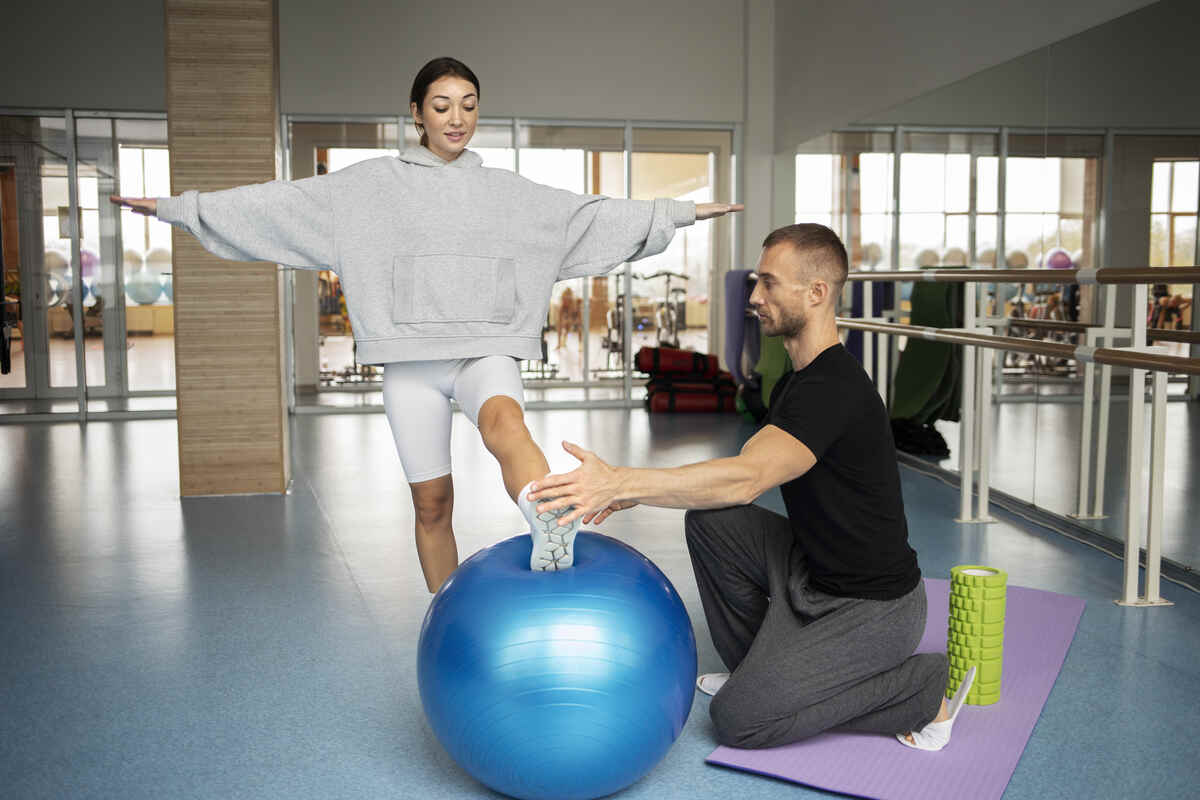
While Pilates is beneficial for improving flexibility and strength, it’s even more effective when combined with other forms of exercise. Whether you aim to improve cardiovascular fitness, increase muscle mass, or boost overall endurance, incorporating a variety of workouts into your fitness routine is key to reaching your goals. Let’s dive into other popular types of workouts you can try alongside Pilates:
High-Intensity Interval Training (HIIT)
HIIT is workout method that alternates short bursts of intense exercise with periods of low-intensity exercises. It’s known for improving cardiovascular health, burning fat, and boosting endurance. When combined with Pilates, HIIT can provide a balanced fitness routine that improves strength and cardiovascular fitness. You can even incorporate HIIT intervals into Pilates routines for an added challenge.
Yoga
Yoga is ancient practice focusing on strength, mindfulness. Much like Pilates, yoga enhances flexibility, balance, and mental clarity. Incorporating yoga into your routine will complement Pilates’s flexibility benefits, improving your range of motion and helping to prevent injury. In addition, yoga’s focus on breathwork can enhance Pilates performance by teaching you to control your breath while performing movements.
Strength Training
Strength training aims to build muscle mass by using resistance exercises.While Pilates involves some resistance-based movements, incorporating more targeted strength training, such as weightlifting or resistance bands, can help you build stronger muscles, including those in your arms. Combining Pilates with strength training exercises will give you a well-rounded approach to toning your body and increasing muscle strength.
Cardio Workouts
Cardio exercises like running, cycling, swimming, and brisk walking are essential for improving heart health & burning calories. Though Pilates provides an excellent foundation for muscle development and flexibility, incorporating cardiovascular exercises into your routine will ensure you build muscle and burn fat, leading to a leaner physique. Cardio is an excellent addition to your Pilates regimen to help with fat loss and overall fitness.
Dance Workouts
Dance-based exercises, such as Zumba or other forms of dance fitness, are fun and incredibly effective for improving coordination, cardiovascular endurance, and flexibility. Many Pilates enthusiasts also enjoy dance to keep workouts fresh and exciting while working out to music. Adding dance to your routine can also help improve balance and coordination, which are crucial components of Pilates exercises.
Functional Training
Functional training focus on exercises that mimic everyday movements & enhance your body’s ability to perform daily tasks. These exercises, such as squats, lunges, and kettlebell swings, can complement Pilates by improving strength and balance. Functional training helps build overall muscle stability, making your Pilates workouts even more effective.
Aqua Aerobics
For those who prefer low-impact exercises, aqua aerobics can be a fantastic complement to Pilates. The water provides resistance, making it easier on the joints while providing a full-body workout. Aqua aerobics enhances cardiovascular health, flexibility, and muscle endurance without the high risk of injury that some other workouts may have.
Comprehensive Fitness: A well-rounded routine that includes Pilates, cardio, strength training, & flexibility exercises helps improve all aspects of fitness, from strength to endurance.
Variety and Enjoyment: Switching up your workout routine with different exercises keeps things exciting & prevents boredom, making it easier to stick to your goals.
Balanced Muscle Development: While Pilates builds muscle strength and flexibility, other workouts like strength training and HIIT focus on increasing muscle mass, improving fat loss, and boosting endurance.
Conclusion
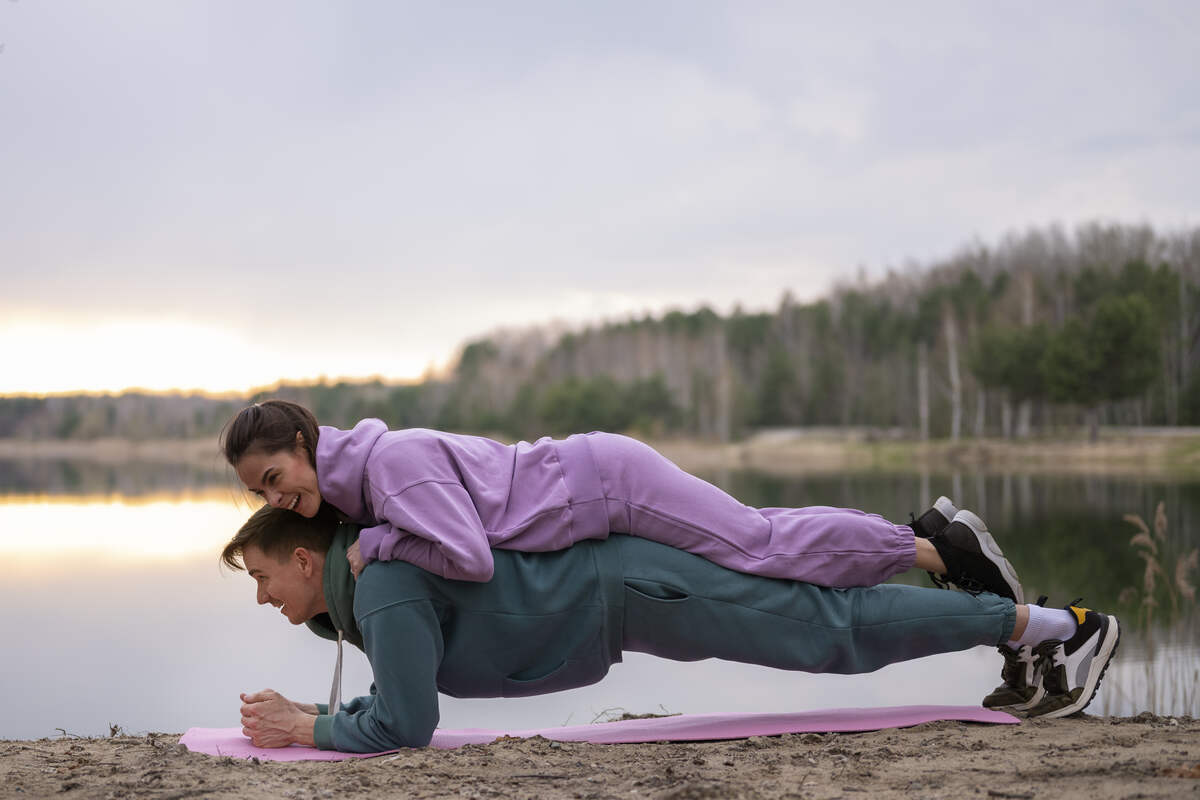
No matter your fitness goal, embracing various types of workouts, including Pilates, will help you achieve a balanced, functional, and healthy body. While the concept of “Pilates arms” may seem appealing, it’s important to remember that the ideal body is unique to each person. Pilates can help you build strength & flexibility. Still, for a holistic approach to fitness, it’s essential to complement it with other forms of exercise like HIIT, cardio, strength training, and dance. With consistency and the right approach, you’ll be well on your way to achieving your fitness goals.
Are you seeking a fun, unique, and highly effective way to spice up your fitness routine? Look no further than chandelier exercise! No, it’s not about hanging from an actual chandelier but instead performing a dynamic, full-body move that tones muscles, improves coordination, and boosts cardiovascular endurance. Let’s explore everything you need to know about the chandelier exercise, its benefits, and how to incorporate it into your workout routine.
What is the Chandelier Exercise?
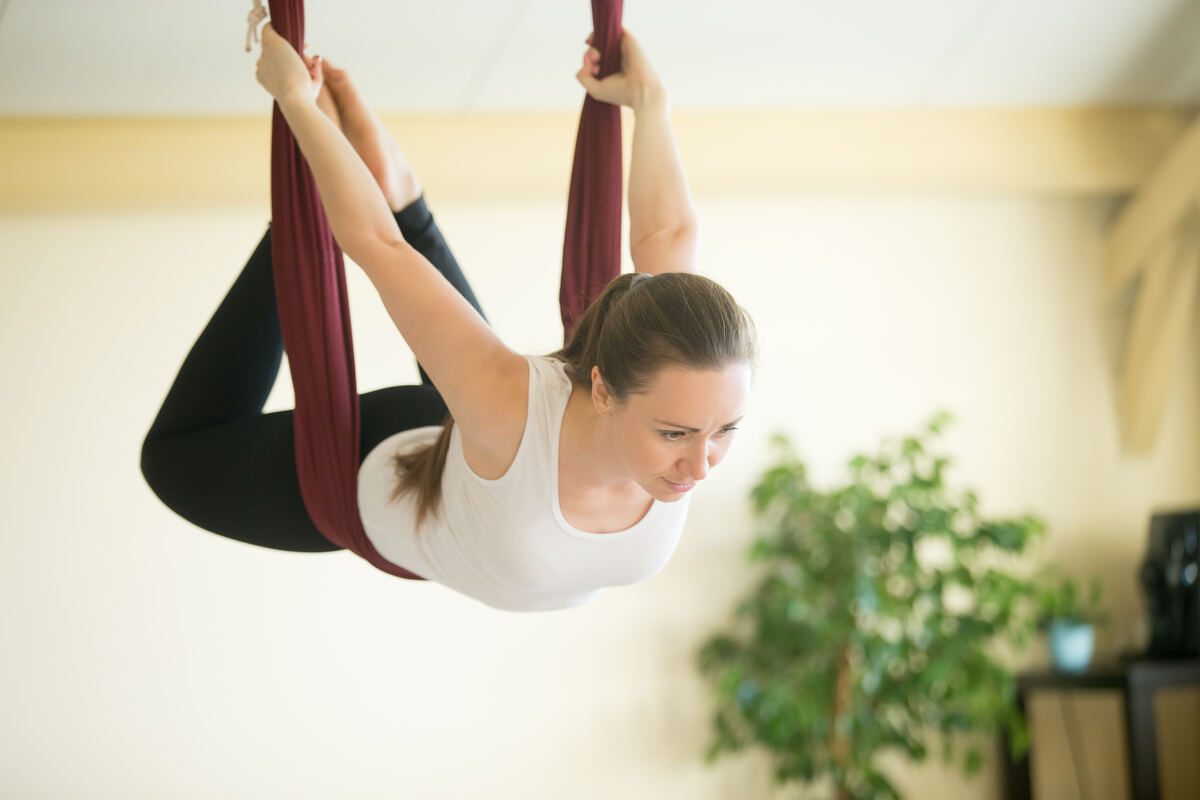
The chandelier exercise is a simple yet powerful move that targets multiple muscle groups in one fluid motion. It’s commonly used in functional training programs emphasizing core strength, flexibility, and full-body engagement. By mimicking a chandelier’s graceful, swaying motion, this exercise involves coordinated arm swings and body pivots that engage your core, arms, legs, and shoulders.
Why Should You Add the Chandelier Exercise to Your Routine?
You might wonder, “Why should I bother with the chandelier exercise?” The answer is simple: it offers a full-body workout with numerous benefits. Here are a few reasons why you should consider adding this exercise to your fitness regime:
Full-Body Engagement: The chandelier exercise engages multiple muscle groups, including your arms, legs, shoulders, and core. This makes it efficient to work your entire body in one move.
Improved Coordination: The exercise involves fluid, controlled movements, so it’s perfect for improving your coordination and balance over time.
Boosted Endurance: This dynamic move gets your heart pumping, helping you build cardiovascular endurance while enhancing your stamina.
Low Impact: Unlike high-impact exercises such as jumping or running, the chandelier exercise is gentle on your joints, making it an good option for individuals looking for a low-impact full-body workout.
How to Perform the Chandelier Exercise
Ready to give the chandelier exercise a try? Follow these easy-to-follow steps to perform this dynamic move:
Step 1: Start in a Standing Position
Start by standing straight with your feet positioned shoulder-width apart. Extend your arms before you, keeping your posture straight and your core engaged.
Step 2: Swing Your Arms
Reach both arms overhead as if trying to touch a chandelier. Slowly and with control, bring your arms down, leading with your hands, lowering them to shoulder height.
Step 3: Pivot and Move Your Feet
As you lower your arms, pivot your feet and rotate your body in a smooth, circular motion. Your movement should feel fluid and graceful like a chandelier gently swaying in the wind.
Step 4: Repeat the Motion
Continue moving your arms and body in a circular, fluid pattern. Coordinate your arm and leg movements while maintaining good posture & engaging your core throughout the exercise.
Step 5: Increase Intensity (Optional)
You can add weights or increase your speed to intensify the chandelier exercise. This will help you build more strength & endurance over time.
Tips for Getting the Most Out of Your Chandelier Exercise
For the best results, here are a few tips to keep in mind as you practice the chandelier exercise:
Focus on Control: Instead of rushing through the movement, focus on controlled, deliberate motions. This will ensure you’re correctly engaging the target muscles.
Engage Your Core: Make sure your core remains active throughout the exercise. This will improve balance and help you maintain proper posture.
Start Slow: If you’re new to this exercise, start at a slow pace. Gradually increase speed & intensity as you become more comfortable with the movement.
Combine with Other Moves: To create a more challenging workout, combine the chandelier exercise with squats, lunges, or push-ups.
Benefits of the Chandelier Exercise
The chandelier exercise is more than just a fun move—it has various benefits for your fitness journey. Here’s why you should consider adding it to your routine:
Strengthens Key Muscle Groups: By engaging the upper and lower body, the chandelier exercise helps strengthen essential muscles, including your arms, legs, and core.
Improves Balance and Flexibility: The flowing, circular movements promote better balance and flexibility over time, making this exercise an excellent choice for individuals looking to improve their overall body control.
Boosts Cardiovascular Health: As a dynamic, full-body exercise, the chandelier move helps get your heart rate up, improving your cardiovascular endurance.
Low-Impact Alternative: If you’re seeking a low-impact exercise that still delivers great results, the chandelier exercise is an excellent option that puts less stress on your joints.
Conclusion
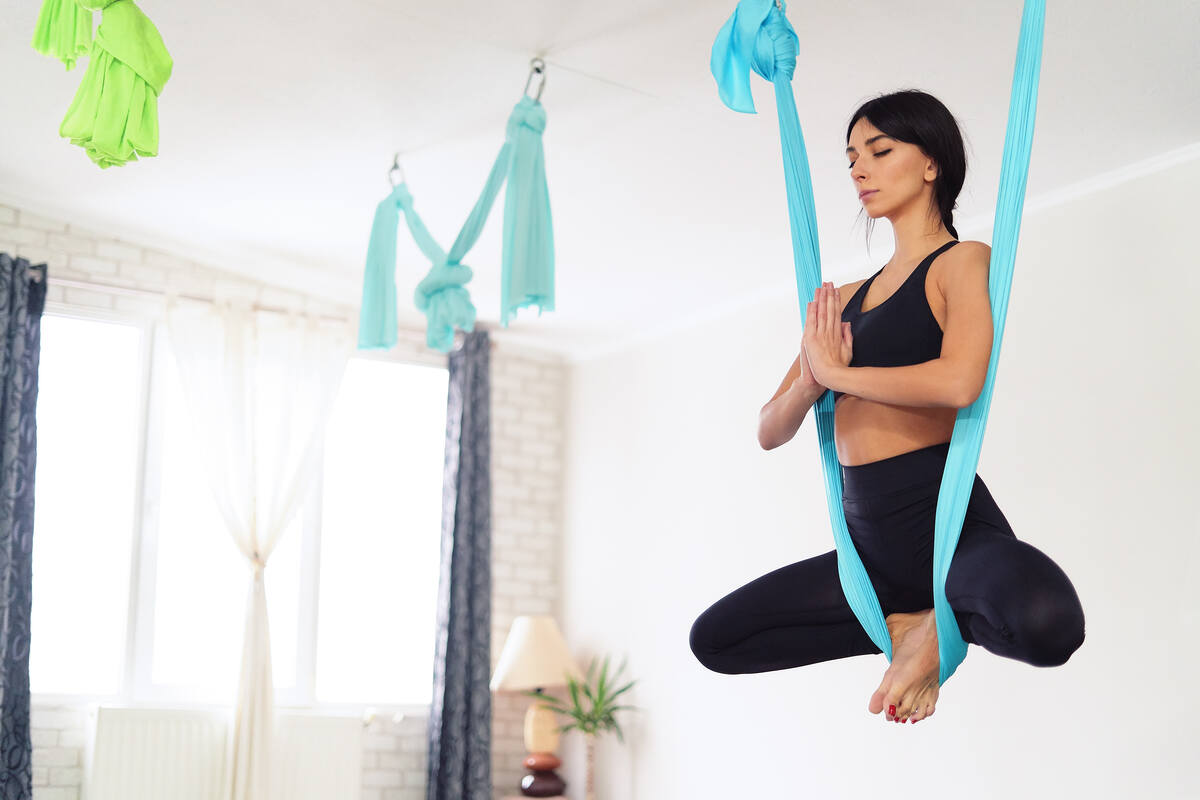
The chandelier exercise is a fun and effective full-body workout that provides many benefits, from improved coordination and balance to strengthened muscles and increased cardiovascular endurance. Whether you’re beginner or seasoned fitness enthusiast, this exercise can be modified to suit your needs.
So why not give it a try? Add the chandelier exercise to your workout routine today and start enjoying the benefits of this dynamic, low-impact move. You’ll be amazed at how it challenges your body and leaves you feeling more potent than ever!
If you’ve ever struggled to achieve the perfect curl or wave with your hair, you’re not alone. Finding the right hair styling tool that complements your unique hair type is crucial for achieving flawless results while minimizing heat damage. Whether you have fine, thick, or curly hair, a hair curler is essential for creating versatile and stunning styles. In this guide, we’ll walk you through the different hair types and help you choose the best curler for your needs.
Understanding Different Hair Types
Before diving into the specifics of hair curlers, it’s essential to understand different hair types & how they affect the styling process. Each hair type has unique characteristics that can influence the effectiveness of various styling tools.
Fine Hair: Fine hair is typically softer and thinner, which can make curls difficult to hold. To avoid excessive damage, it’s essential to use a hair curler that offers adjustable heat settings and is gentler on the hair.
Thick Hair: Thick hair minister to be stronger & more resilient, but due to its density, it can be harder to curl. You’ll need a curler that heats up quickly and offers high heat for long-lasting curls.
Curly Hair: If you have curly hair, use a curler to enhance and define your natural curls. Look for a curler with features that can create uniform curls that help you control the shape and volume.
Coarse Hair: Coarse hair is more resistant to styling and requires a curler with higher heat settings to achieve smooth, defined curls. Ceramic or tourmaline-coated curlers are often the best option to prevent frizz and breakage.
Now that we have a basic understanding of hair types let’s explore the top hair curlers on the market and how they cater to different hair types.
Top Hair Curlers for Different Hair Types
Vega I-Curl Hair Curler
Best For: Fine to medium hair types
Why It’s Great: The Vega I-Curl is perfect for those with finer hair, as it features a ceramic-coated barrel that ensures even heat distribution and minimizes heat damage. With adjustable heat settings, this curler can be customized for your hair type, allowing you to achieve everything from soft waves to tight curls without worrying about damaging your delicate strands.
Key Features:
Adjustable temperature settings up to 200°C, ideal for fine hair.
Ceramic coating is designed to protect hair from heat damage.
Quick heat-up time for convenience.
AGARO HC6001 Hair Curler
Best For: Medium to thick hair types
Why It’s Great: The AGARO HC6001 hair curler is an excellent option for those with thicker or medium-textured hair. Its 25mm ceramic-coated barrel works well to smooth and curl the hair. It reaches 200°C, making it hot enough to handle denser hair while maintaining safety and performance.
Key Features:
Heats up to 200°C, perfect for thick hair.
Ceramic coating infused with tourmaline to reduce frizz.
Cool touch tip for added safety during styling.
Tash Hair Twirl-Automatic Cordless Hair Curler
Best For: Curly or coarse hair types
Why It’s Great: If you already have curly hair and want to enhance or define your curls, the Tash Hair Twirl Automatic Cordless Hair Curler is a game-changer. This cordless curler offers six adjustable temperature settings, permitting you to tailor the heat to your hair type for consistent and flawless curls.
Key Features:
It is cordless and rechargeable, making it convenient for travel.
Automatic curling function for easy styling.
Adjustable temperature to suit different hair types.
Urban Yog MakeMeeBold Automatic Hair Curler
Best For: Coarse to very thick hair types
Why It’s Great: The Urban Yog MakeMeeBold Automatic Hair Curler is designed for coarse or thick hair. With adjustable temperature settings & a ceramic coating, this curler provides smooth, shiny curls without frizz. The dual-direction control also helps create a variety of curls, whether you want tight ringlets or loose waves.
Key Features:
Adjustable temperature from 160°C to 220°C, perfect for coarse hair.
Anti-stick function to ensure smooth curls without tangling.
360° swivel cord for added flexibility.
Choosing the Right Curler Based on Your Hair Type
When selecting a hair curler, it’s essential to match the tool with your specific hair type. Here are a few tips:
Fine Hair: Look for a curler with adjustable temperature settings and a ceramic or tourmaline barrel to minimize damage and add shine.
Thick Hair: Opt for a curler that heats up quickly and offers high heat settings to handle the density of your hair.
Curly Hair: Consider an automatic curler or a curling iron with a smaller barrel to enhance and define your natural curls.
Coarse Hair: Choose a curler with high heat capabilities and a coating that prevents frizz, such as ceramic or titanium.
Why Hair Curlers are Essential for Every Hair Type
Hair curlers are versatile tools that can cater to any hair type. Whether you want to add volume, define your natural curls, or create waves, the proper curler can transform your hair and give you the confidence to rock various looks. With features like adjustable heat, ceramic coatings, and easy-to-use designs, these curlers help you easily style your hair and minimize risk of damage.
In conclusion, selecting the proper curler for your hair type is key to achieving the best results. Whether you’re looking to enhance your waves, create bouncy curls, or tame frizz, a curler is perfect for your unique hair type. Choose one that caters to your needs, and enjoy styling your hair like a pro!
Maintaining a balanced diet can challenge many individuals in today’s fast-paced world. Busy schedules, limited access to healthy food, & the pressures of modern life make it challenging to meet all nutritional needs. Supplements like Chamagnga Multivitamins Dominican Republic offer an easy and effective solution to fill those nutritional gaps. Chamagnga has become a trusted brand in the Dominican Republic, catering to diverse health needs across its population.
What Are Chamagnga Multivitamins?
Chamagnga Multivitamins are a comprehensive blend of essential vitamins & minerals that help promote overall health & wellness. These supplements are designed to bridge the gaps in daily nutrition, supporting everything from immune function to energy levels. Champagne is a versatile and practical multivitamin that can meet the unique needs of individuals in the Dominican Republic with tailored formulas for different age groups, including adults, seniors, and children.
Chamagnga stands out in the crowded multivitamin market due to its dedication to quality and its commitment to addressing the specific health needs of people in the Dominican Republic. Here’s why this brand has garnered significant attention:
Tailored Nutritional Support for All Ages Chamagnga Multivitamins Dominican Republic offer formulations catering to different life stages. For adults, the focus is on boosting energy and enhancing immune function. The multivitamins support bone health and cognitive function for seniors, ensuring they age gracefully and stay active. Meanwhile, Chamagnga offers a range of products for children that promote healthy growth and development.
High-Quality Ingredients One of the reasons Chamagnga has become a household name in the Dominican Republic is its commitment to quality. The brand uses high-grade, bioavailable ingredients that ensure maximum absorption and effectiveness. Using the best raw materials, Chamagnga ensures that every tablet or capsule delivers the nutrients needed to support daily health.
Trusted by Dominican Consumers Over the years, Chamagnga has earned the trust of many in the Dominican Republic. Its dedication to quality and ingredient transparency has made it a go-to multivitamin for individuals looking to improve their nutritional intake. Whether you’re looking to boost your immunity, support your energy levels, or enhance cognitive function, Chamagnga provides a reliable solution.
Enhanced Immune Function Chamagnga Multivitamins are rich in Vitamin C and Zinc, two crucial nutrients that help support the immune system. By strengthening your body’s natural defenses, Chamagnga enables you to ward off common illnesses, such as colds and flu, ensuring you stay healthy & active throughout the year.
Increased Energy Levels The B-complex vitamins found in Chamagnga Multivitamins are essential for converting food into energy. By boosting your metabolism and reducing fatigue, these vitamins help keep your energy levels high throughout day, making it easy to tackle daily tasks & stay productive.
Support for Healthy Skin, Hair, and Nails Nutrients such as Biotin, Vitamin E, and Zinc contribute to maintaining healthy, glowing skin and strong hair and nails. Regular use of Chamagnga can help improve your appearance and boost your confidence.
Bone and Joint Health Chamagnga Multivitamins include essential nutrients such as Calcium, Vitamin D, and Magnesium, which are particularly beneficial for seniors. These ingredients help maintain bone density, improve joint function, and reduce the risk of osteoporosis.
Cognitive Benefits For those looking to boost mental performance, Chamagnga Multivitamins Dominican Republic include ingredients that enhance brain function. These nutrients support memory, focus, and cognitive clarity, helping you stay sharp and mentally alert.
How to Incorporate Chamagnga Multivitamins Dominican Republic into Your Daily Routine
To maximize the benefits of Chamagnga Multivitamins Dominican Republic, it’s essential to incorporate them into your routine correctly:
Follow the recommended dosage. Always adhere to dosage instructions on packaging. If you’re unsure about the right amount, consider consulting a healthcare professional to personalize the dosage based on your health needs.
Take Them Consistently Consistency is key. Take your Chamagnga Multivitamin simultaneously each day, preferably with a meal. This will help increase the absorption of nutrients and prevent any potential stomach discomfort.
Complement with a Balanced Diet While Chamagnga Multivitamins Dominican Republic are an excellent supplement, they should not replace a balanced diet. Ensure your daily meals are rich in fruits, vegetables, lean proteins, & whole grains for optimal health.
Potential Side Effects and Precautions
While Chamagnga Multivitamins are generally safe, it’s important to note that taking them on an empty stomach may cause mild gastrointestinal discomfort. If you have any underlying health conditions, are pregnant, or nursing, it’s advisable to consult with healthcare provider before starting any supplement regimen.
Conclusion
Chamagnga Multivitamins have quickly become a staple in the Dominican Republic for those looking to improve their health and well-being. With wide range of formulations tailored to different age groups and health needs, these multivitamins provide a simple yet effective solution to nutritional gaps. Whether you’re seeking to increase your immune function, increase your energy, or promote healthy skin and bones, Chamagnga Multivitamins Dominican Republic offer a comprehensive solution for anyone looking to maintain optimal health in today’s busy world.
When the winter chill sets in, there’s nothing better than a hearty, comforting dish to warm you up. If you’re in the mood for a creamy, flavorful meal that will satisfy everyone at the table, look no further than this Garlic Parmesan Chicken Pasta. This dish perfectly fuses rich Parmesan cheese, savory garlic, and tender chicken—ideal for cozying up after a long day.
What Makes Garlic Parmesan Chicken Pasta So Special?
Garlic Parmesan Chicken Pasta offers a delightful combination of creamy, savory flavors that are rich yet balanced. The garlic-infused cream sauce is the heart of the dish, providing a comforting, velvety texture that clings perfectly to the pasta. The Parmesan cheese adds a nutty, umami depth, while the chicken ensures the dish is filling and satisfying.
This dish is even better because it can be easily made in one pot, saving time on cleanup without sacrificing flavor. Whether you’re cooking for busy weeknight dinner or preparing for a special family gathering, this pasta will never disappoint.
The Key Ingredients
Chicken: Tender, juicy chicken breasts or thighs provide protein and texture to the dish. For quicker prep, you can use boneless, skinless chicken.
Garlic: Fresh garlic is sautéed to release its aromatic flavor, forming the base for the creamy sauce.
Parmesan: Freshly grated Parmesan adds a sharp, nutty flavor that enhances the sauce’s richness.
Cream: Heavy cream creates that luscious, velvety sauce that pairs perfectly with the pasta.
Pasta: A sturdy pasta like penne or rotini works best, as it can hold the sauce without getting soggy.
Step-by-Step Recipe: Creamy Garlic Parmesan Chicken Pasta
Ingredients:
2 chicken breasts, cubed
4 cloves garlic, minced
1 cup heavy cream
1 cup grated Parmesan cheese
1 lb pasta (penne, fusilli, or rotini)
2 tablespoons olive oil
Salt and pepper to taste
Fresh parsley for garnish
Instructions:
Cook the Pasta: Bring pot of salted water to boil. Cook pasta according to instructions till al dente. Drain & set aside.
Cook Chicken: Heat olive oil in large skillet over medium-high heat. Season chicken cubes with salt & pepper, cook until golden brown & cooked through about 6-8 minutes. Remove chicken from the skillet & set aside.
Prepare the Garlic Parmesan Sauce: In the same skillet, add the minced garlic and sauté for 1-2 minutes until fragrant. Be careful not to burn the garlic. Pour in heavy cream, stirring to combine. Let it simmer for 3-5 minutes, allowing it to thicken slightly.
Add Parmesan and Chicken: Stir in the grated cheese, allowing it to melt into cream. Add cooked chicken back into skillet and mix well. Taste and adjust seasoning with salt & pepper.
Combine with Pasta: Add cooked pasta to skillet, tossing everything together until pasta is well-coated with the creamy garlic Parmesan sauce. Garnish with fresh parsley for pop of color.
Serve and Enjoy: Serve your creamy garlic Parmesan chicken pasta warm with a side salad or some crusty bread for dipping.
Tips to Elevate Your Garlic Parmesan Chicken Pasta
Add Veggies: While the classic recipe is delicious, you can boost its nutritional value by add on vegetables spinach, broccoli, or peas. These will not only add color but also complement creamy sauce perfectly.
Customize the Chicken: If you prefer a different chicken cut, try using thighs for a juicier bite or even grilled chicken for a smoky flavor.
Make it Spicy: For bit of heat, add pinch of red pepper flakes to sauce. This adds a subtle kick without overpowering the dish.
Cheese Variations: While Parmesan is the star, mix in other cheeses, such as Asiago or mozzarella, for a richer flavor profile.
Use Fresh Garlic: This dish has a fragrant, savory base. Avoid using garlic powder, as it won’t provide the same depth of flavor.
Why You’ll Love This Garlic Parmesan Chicken Pasta
Quick & Easy: This recipe is ready in under 30 minutes, making it the perfect option for busy weeknights when you still want a flavorful, satisfying meal.
Creamy Comfort: The rich, creamy sauce makes this dish a comfort food classic that everyone will love, even picky eaters!
Whether you make it for a family dinner or serve it at a cozy winter gathering, Garlic Parmesan Chicken Pasta will surely be a hit. It’s easy to prepare, versatile, and comforting—a perfect dish to enjoy all season long.
As you enjoy this flavorful dish, get creative and experiment with different add-ins or seasonings. The creamy garlic Parmesan sauce is a base that allows for endless variations, so feel free to adapt it to your tastes. Happy cooking!
Few cuts of beef rival the versatility and richness of the chuck roast when it comes to hearty, flavorful meals. Commonly referred to as pot roast or chuck roll, this budget-friendly cut is a favorite among home cooks and professional chefs. Whether you’re slow-cooking it to tender perfection or experimenting with bold flavors, Chuck Roast Recipes offer endless possibilities for satisfying dishes.
What is Chuck Roast?
Chuck roast comes from the back shoulder of the steer, a long section of meat located between the ribs and backbone. This large, marbled cut typically weighs around 20 pounds and is prized for its rich flavor and tender texture when cooked properly. Its affordability and adaptability make it a staple for comforting family meals and impressive dinner party dishes.
The Difference Between Chuck Roast and Clod Roast
While the chuck roast is known for its marbling, the clod roast—its leaner counterpart—comes from the outer shoulder. Clod roast is tougher due to its muscle composition and is often used for stews or ground beef. Both cuts shine in recipes that call for slow cooking, but chuck roast is especially well-suited for dishes requiring a balance of tenderness and flavor.
Key Comparison:
Feature
Chuck Roast
Clod Roast
Location
Back shoulder
Outer shoulder
Texture
Marbled, tender
Lean, tougher
Ideal Cooking Method
Braising, slow cooking
Stewing, braising
Price Per Pound
$6.21 (average)
$4.49 (average)
How to Cook Chuck Roast
Cooking chuck roast low & slow is the key to unlocking its tender, juicy potential. Below are some tried-and-true methods:
Slow Cooker Chuck Roast Recipe
Combine chuck roast with onions, carrots, potatoes, and beef broth in a slow cooker.
Add seasoning like garlic, rosemary, thyme, and a splash of red wine.
Cook on low for 8-10 hours until meat falls apart.
Oven-Braised Chuck Roast
Sear the roast in a Dutch oven with olive oil to lock in the flavors.
Add broth, tomatoes, and herbs before covering and cooking at 325°F for 3-4 hours.
Serve with mashed potatoes for classic comfort meal.
Tender Chuck Roast Variations
Try a chuck roast recipe inspired by international flavors for a unique twist. Add soy sauce, ginger, & sesame oil to an Asian-inspired dish, or use chipotle peppers for a smoky, southwestern flair.
Why Choose Chuck Roast?
Chuck roast recipes are ideal for budget-conscious cooks who don’t want to compromise on flavor. Its marbling ensures a juicy result, while its versatility allows for countless meal ideas, from hearty pot roasts to shredded beef tacos.
Tips for Maximum Tenderness:
Always sear the roast before slow cooking to enhance its flavor.
Permit roast to rest for 15 minutes before slicing to help retain its juices.
Use meat thermometer to ensure internal temperature reaches at least 190°F for shreddable tenderness.
Best Chuck Roast Recipes for Every Occasion
If you’re searching for crowd-pleasing dishes, these chuck roast recipes are must-tries:
Classic Pot Roast: Simmered with root vegetables for a comforting meal.
Italian Beef Sandwiches: Shredded chuck roast with Italian spices and peppers.
Beef Stroganoff: Tender chuck roast chunks in a creamy mushroom sauce.
Conclusion
Whether cooking for a weeknight dinner or a special gathering, chuck roast recipes are a foolproof way to deliver big flavors on a budget. From slow-cooker classics to innovative international dishes, the possibilities are endless. Embrace the versatility of this affordable cut, and let your culinary creativity shine!
Gastroesophageal Reflux Disease (GERD) influence millions worldwide, causing discomfort & interrupting daily life with symptoms like heartburn, acid regurgitation, and indigestion. A carefully designed diet can be pivotal in managing GERD, reducing symptoms, and improving overall health. This 7 day GERD diet plan is tailored to help alleviate symptoms while promoting balanced nutrition.
Why a GERD Diet Plan Works
A GERD-friendly diet reduces triggers like high-fat, acidic, and spicy foods while incorporating low-fat, alkaline, and nutrient-rich options. Key principles include eating smaller, more frequent meals, avoiding lying down after eating, and maintaining hydration.
Post-Meal Habits: Avoid lying down for at least 2-3 hours after eating.
Cooking Methods: Opt for baking, grilling, and steaming over frying.
Portion Control: Small, frequent meals are better than large portions.
Conclusion
This 7 day GERD diet plan offers a practical guide to managing symptoms while enjoying flavorful and nutritious meals. Choosing the right foods and avoiding triggers can significantly improve your digestive health & quality of life. Start implementing this plan today and experience the benefits of a GERD-friendly lifestyle!
The term “tech neck” has become increasingly common in our technology-driven world. This modern ailment refers to the strain and premature aging of the neck caused by prolonged use of devices like smartphones, tablets, and laptops. If you look down at screens for hours each day, it’s time to pay attention to your posture and consider Tech Neck Exercises as part of your daily routine.
What is Tech Neck?
Tech neck, or text neck, occurs when you spend extended periods looking down at electronic devices. This repetitive strain can lead to:
Muscle stiffness and discomfort.
Premature skin aging, including fine lines and sagging.
A forward head posture puts additional stress on the cervical spine.
Fortunately, addressing tech neck doesn’t require invasive treatments or expensive gadgets. Regularly practicing tech neck exercises can alleviate discomfort and improve neck posture.
Top 5 Tech Neck Exercises to Restore Your Neck’s Health
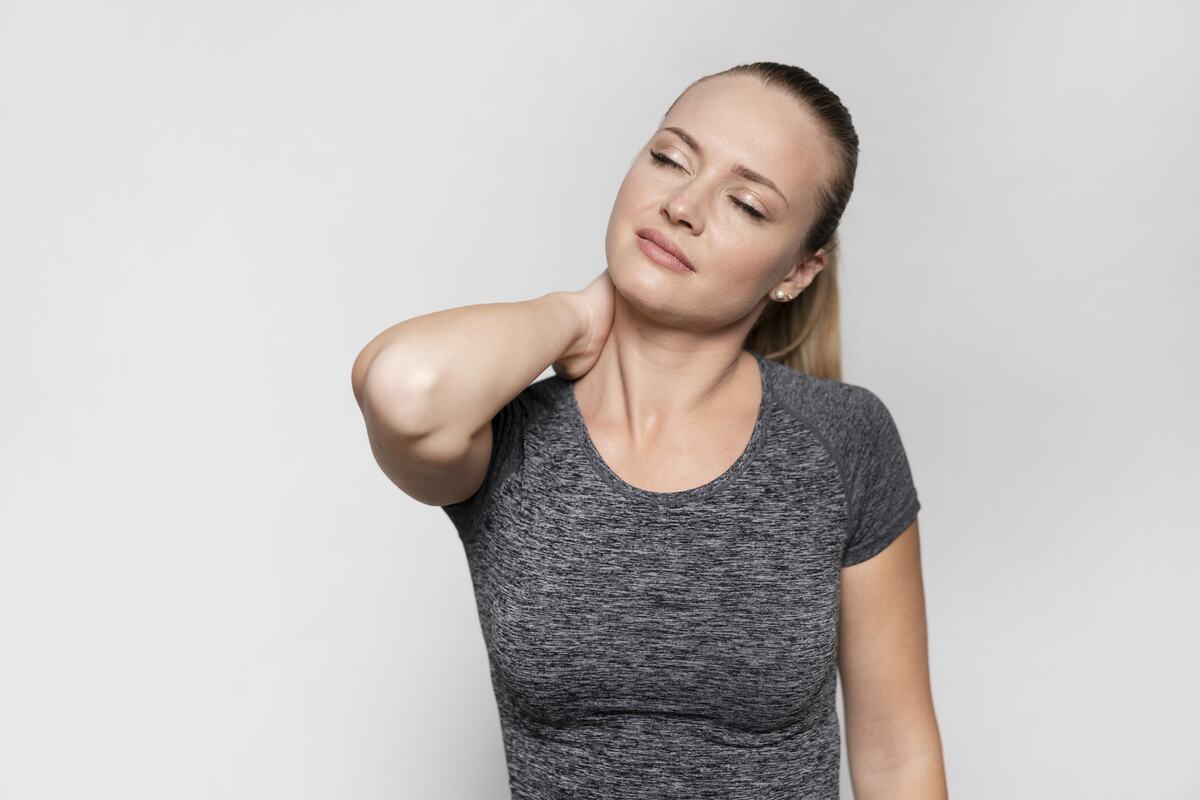
Pucker your lips as if you’re trying to kiss the sky.
Hold for 5 seconds and relax.
Perform 10 repetitions daily.
Side Neck Stretch
This exercise alleviates tension caused by poor posture.
Sit upright and tilt your head to one side, bringing your ear toward your shoulder.
Hold for 15-20 seconds, feeling the stretch on the opposite side of your neck.
Repeat on the other side, completing three sets per side.
Screen Eye Level Adjustment
Although not an exercise, adjusting the position of your devices can prevent tech neck from worsening. Ensure your screen is at eye level, and take regular breaks every 20 minutes to reset your posture.
The Importance of Prevention and Ergonomics
In addition to practicing tech neck exercises, preventive measures play a crucial role:
Ergonomic Workstations: Set up your desk with an adjustable chair, monitor stand, and external keyboard.
Frequent Breaks: Practice the 20-20-20 rule: every 20 minutes, look at something 20 feet away for 20 seconds.
Supportive Sleep Position: Use a pillow that supports the natural curve of your neck.
Enhance Results with Neck Care and Lifestyle Changes
Combining exercises with a holistic neck care routine ensures the best results:
Hydration: Keep your skin supple and hydrated to reduce the appearance of fine lines.
Skincare: Use serums with peptides or retinol to boost collagen production in the neck area.
Massage: Incorporate gentle neck massages to improve circulation and relax strained muscles.
Why You Should Start Today
Ignoring tech neck can lead to chronic discomfort, decreased mobility, and early signs of aging. The good news? Incorporating tech neck exercises and making ergonomic adjustments can reverse the damage and strengthen your neck muscles. You can protect your posture and maintain a youthful, pain-free neckline in just a few minutes a day.
Staying active is essential for overall well-being, and finding ways to make exercise regular part of your life can have significant mental and physical health benefits. Whether you’re a beginner or an experienced athlete, creating workout routine that fits your lifestyle & goals is crucial. In this post, we’ll discuss some of the best 7 exercises to do everyday, how to build workout routine that works for you, & how exercise can improve your mental health.
7 Best Exercises for Beginners
Embarking on a fitness journey can feel overwhelming, but starting with simple and accessible exercises is key to building a strong foundation. Here are seven great exercises for beginners that will help you improve your overall fitness:
Brisk Walking
Walking is one of the easiest and most effective exercises to start with. It requires no special equipment and can be done virtually anywhere. Aim for 30 minutes of brisk walking. This exercise helps improve cardiovascular health, increases stamina, and is gentle on the joints.
Cycling
Cycling outdoors or on stationary bike is a fantastic low-impact workout. It strengthens the leg muscles, improves endurance, and is a great cardiovascular exercise. Cycling is ideal for beginners because adjusting the intensity to match your fitness level is easy.
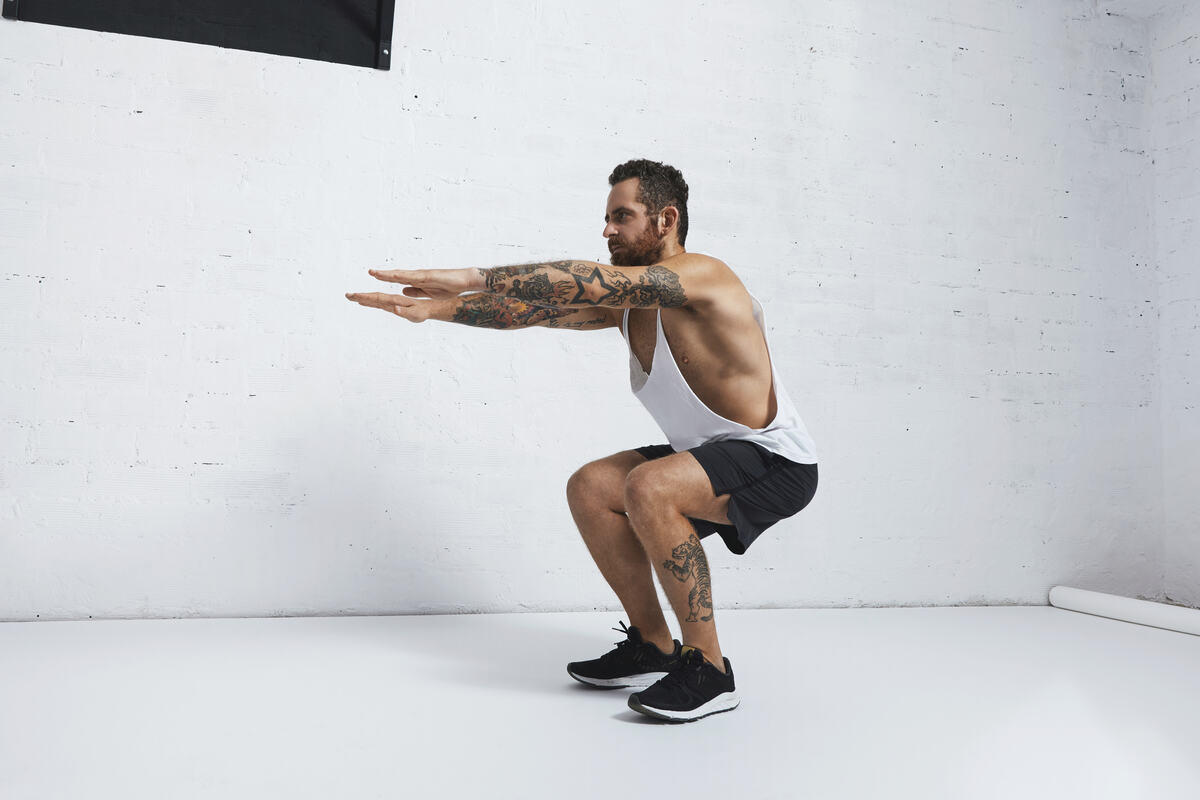
Bodyweight Squats
Squats are a great bodyweight exercise that targets your lower body, particularly the quadriceps, hamstrings, and glutes. Start with basic squats and ensure proper form. As you build strength, you can increase number of repetitions or add variations like squat pulses.
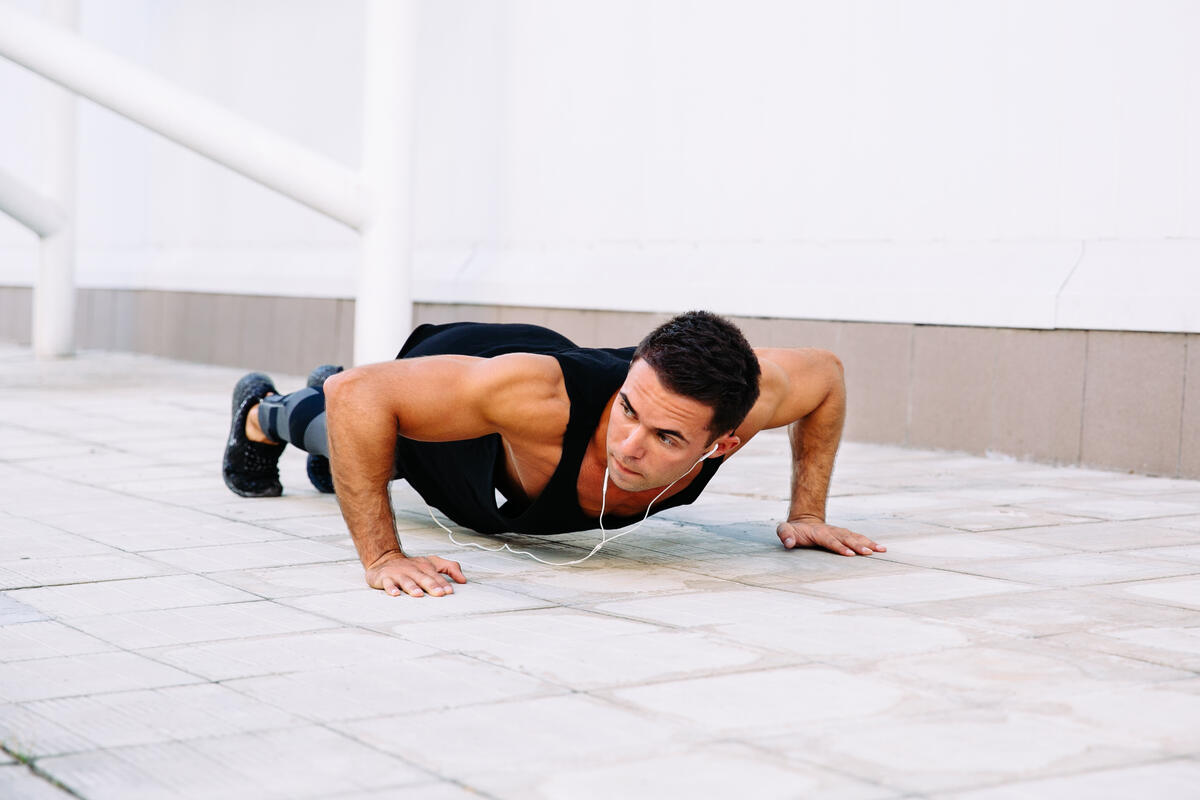
Push-Ups
Push-ups are a fundamental bodyweight exercise that engages your upper body, including the chest, shoulders, and triceps. If regular push-ups feel challenging, modify them by performing them on your knees or against wall. Start with a few reps and gradually increase the number as you get stronger.
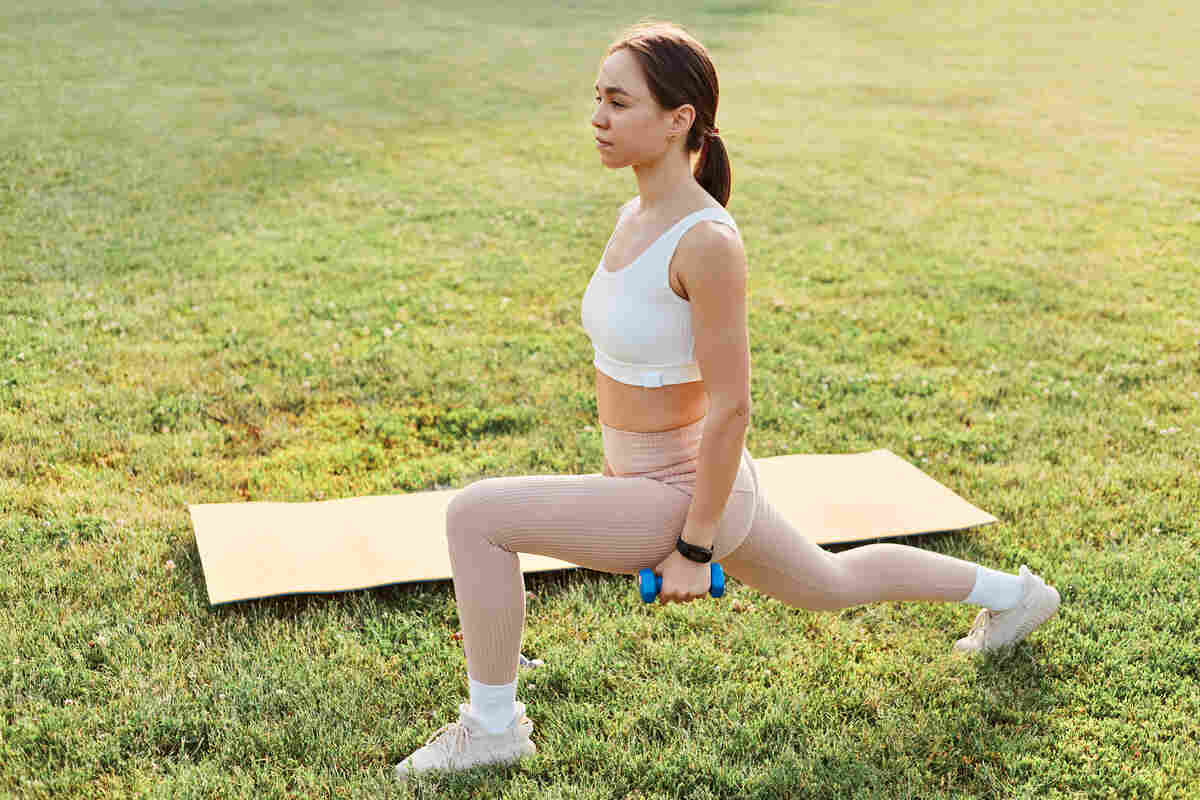
Lunges
Lunges target the lower body, especially the thighs, and glutes while improving balance and coordination. Start with bodyweight lunges and ensure your knees do not extend beyond your toes. As you gain strength & confidence, you can add weights or increase the number of sets.
Plank
The plank is good exercise for building core strength & stability. Hold the position for 10-20 seconds & gradually increase the duration as you build endurance. A strong core is vital for supporting your daily movements and overall fitness.
How to Build a Workout Routine
Building a workout routine that suits your needs is key to achieving your fitness goals. Start by setting small, goals that can gradually increase. Here’s a step-by-step guide on how to build a workout routine:
Step 1: Determine Your Goals
Are you aiming to lose weight, enhance strength, or increase endurance? Determine your fitness goals for more effective workouts.
Step 2: Choose a Mix of Exercises
A balanced routine should include both cardio exercises and strength training. For example, you can alternate between walking or running for cardio and weightlifting or bodyweight exercises for strength.
Step 3: Start Small
Don’t overwhelm yourself by trying to do too much too soon. Start with 20-30 minutes of daily exercise and gradually increase the duration and intensity.
Step 4: Stay Consistent
Consistency is key to seeing results. To start building a habit, try sticking to your routine for at least a few weeks.
Quick Exercises for Weight Loss
If weight loss is your goal, centring on exercises that boost your metabolism & burn calories quickly is essential. Here are some quick exercises that are effective for weight loss:
High-Intensity Interval Training (HIIT) involves alternating between short bursts of intense activity and rest periods. HIIT can be done with bodyweight exercises like jumping jacks, burpees, and mountain climbers.
Jump Rope: Great cardio workout that can burn many calories in 10-15 minutes.
Running or Brisk Walking: Both exercises are simple and effective for burning calories. You can vary your pace to increase the intensity and burn more calories.
Incorporating these quick exercises into your routine a few times a week will help you lose weight and improve cardiovascular health.
Best Exercises for Mental Health
Exercise doesn’t just benefit your body; it’s also essential for your mental health. Regular physical activity can reduce stress, anxiety, & symptoms of depression. Here are some of the best exercises for mental health:
Yoga: This ancient practice helps improve flexibility, reduce stress, and enhance mental clarity. Many studies show that yoga can be an effective tool for managing anxiety and depression.
Walking: A simple walk in nature can help clear your mind, reduce stress, & elevate your mood.
Tai Chi: Known for its slow, flowing movements, Tai Chi can help reduce anxiety & improve mindfulness.
These exercises are practical for improving mental health and gentle on the body, making them suitable for people of all fitness levels.
Exercises to Do Every Day
To experience the full benefits of regular exercise, aim to include some form of daily physical activity. Even if it’s just 15-30 minutes, a daily routine will improve your mood, energy levels, and overall health. Here are some examples of exercises to do every day:
Stretching: Start and end your day with stretches to increase flexibility and reduce muscle tension.
Core Workouts: Planks, sit-ups, and leg raises will help strengthen your core muscles.
Low-Impact Cardio: If you’re short on time, try low-impact cardio, like cycling or walking, to stay active without straining your joints.
Remember, the goal is to make exercise a part of your daily routine. Consistency is key to seeing long-term results.
Conclusion
Building a workout routine and incorporating the best exercises into daily life can significantly improve your mental and physical health. Start small, choose exercises that fit your fitness level, and stay consistent. Whether you aim to lose weight, reduce stress, or improve overall health, a balanced routine that includes cardio and strength exercises is essential.
By making exercise a daily habit, you’ll feel stronger physically and experience a boost in mental well-being. Don’t forget to listen to your body and adjust your routine as needed. Consistency is key to building long-term fitness and achieving your personal health goals.
As the new year approaches, many of us are setting fitness goals for 2025. Whether your goal is to lose weight or gain muscle, you may have heard of body recomposition. Unlike traditional approaches focusing solely on fat loss or muscle gain, body recomposition reduces body fat while increasing lean muscle mass. Achieving this balance requires thoughtful planning and specific body composition exercises to ensure you’re on the right track. In this blog, we’ll guide you through the fundamentals of body recomposition and highlight some essential exercises that will help you transform your physique in the new year.
What is Body Composition?
Body composition refers to the fat-mass ratio to lean mass. Lean mass includes everything that isn’t fat—muscles, bones, organs, and tissues. Understanding your body composition helps you get a clearer picture of your health beyond the number on the scale. Instead of focusing on weight loss, body composition exercises aim to decrease fat while increasing lean muscle, leading to a more toned and sculpted appearance.
The Challenge of Body Recomposition
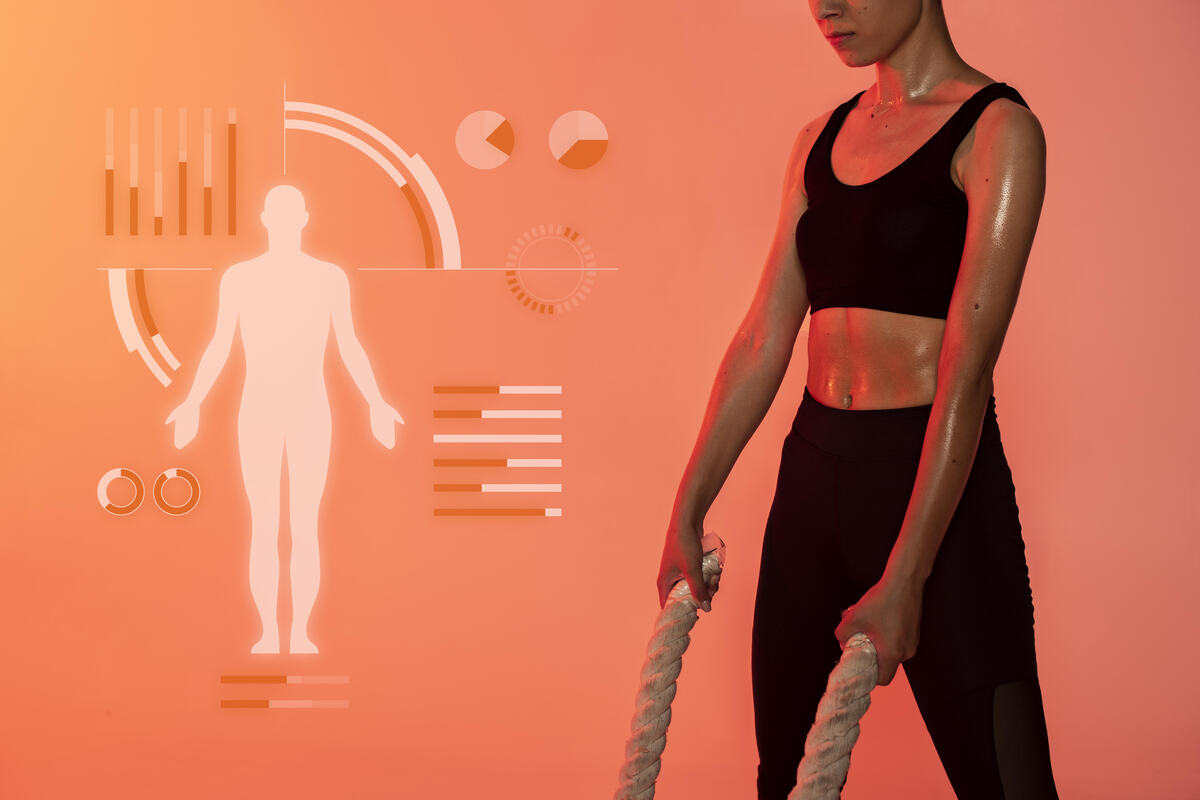
Achieving body recomposition isn’t easy. It involves two opposing goals: losing fat and gaining muscle. Fat loss requires a caloric deficit (burning more calories than you consume), while muscle gain requires caloric surplus (eating more calories than you burn). Balancing these can be tricky, but with the right approach, it’s entirely possible.
Key Components for Success:
Cardiovascular exercise: Helps burn fat and improve overall fitness.
Resistance (weight) training: Essential for building muscle and increasing strength.
Protein intake: Crucial for repairing & building muscle after strength training.
Why Weight Loss Isn’t the Goal—Fat Loss Is
When aiming for body recomposition, focusing on fat loss rather than weight loss is essential. This means you may gain some weight, but the goal is to reduce fat while building lean muscle. Muscle is denser than fat, meaning you could be physically more petite and toned while maintaining or increasing your weight. This is why the scale can be misleading—your body composition will change even if the number doesn’t shift significantly.
How Body Recomposition Works
Body recomposition is a gradual process that requires consistent effort. While traditional weight loss methods may involve extreme calorie deficits or long periods of cardio, body recomposition requires a balanced approach. Here’s how to achieve it:
Cardiovascular Exercise for Fat Loss: Engaging in regular cardiovascular exercise, similar as running, cycling, or HIIT, helps burn calories and accelerate fat loss. Aim for 3–5 weekly cardio sessions to support your fat loss goals.
Resistance Training to Build Muscle: Incorporating weight training into your routine is non-negotiable. Focus on compound movements similar as squats, deadlifts, and bench presses. These exercises target multiple muscle groups, ensuring maximum muscle growth.
Protein Intake: Protein is essential for the recovery and growth of muscles. Aim to consume high-quality protein sources similar as chicken, fish, legumes, or protein powder to support muscle gain while losing fat. Aim to consume between 1.6 & 2.2 grams of protein per kilogram of body weight daily.
The Best Body Composition Exercises
While diet is crucial in body recomposition, exercise is just as important. Here are some effective body composition exercises to achieve your fitness goals:
Squats
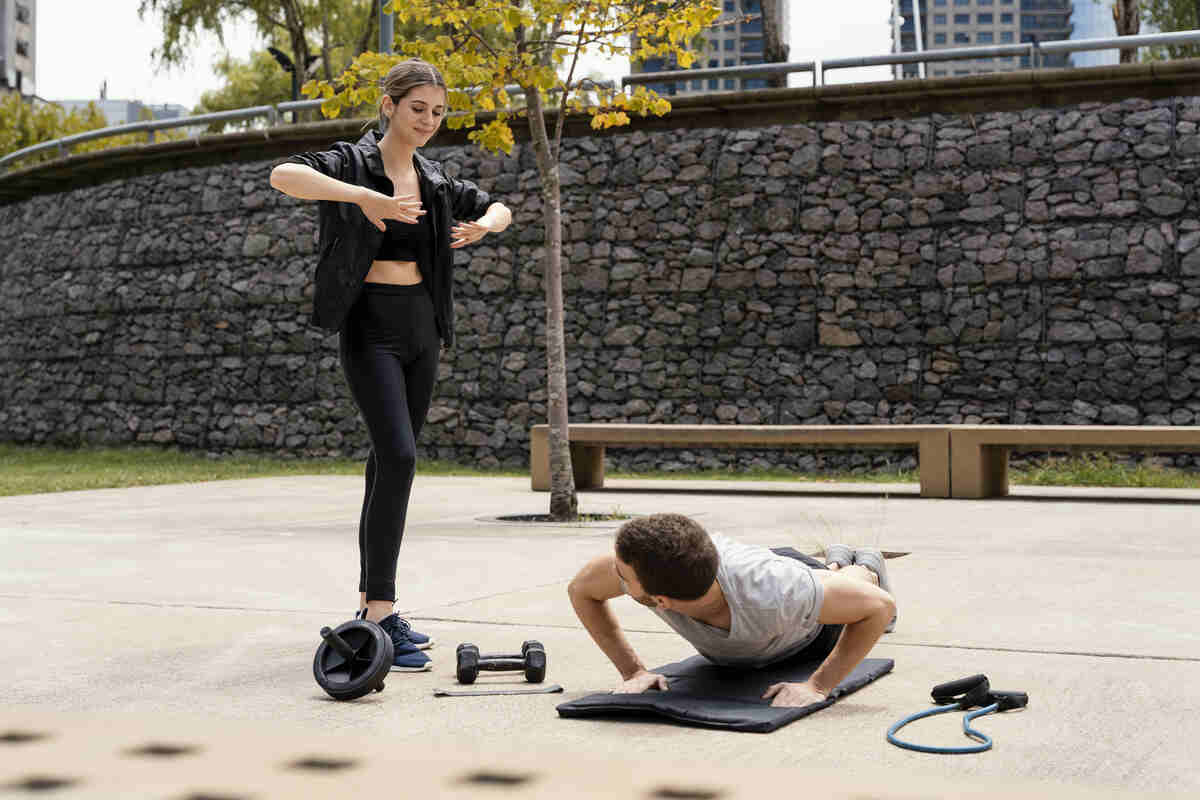
Squats are a fundamental body composition exercise. They engage your lower body and core while also increasing overall strength. They target glutes, quadriceps, hamstrings, and lower back muscles. By adding weights, you challenge your muscles and stimulate muscle growth.
Deadlifts
Deadlifts are one of most effective exercises for building strength and muscle. They engage multiple muscle groups, legs, back, and core, and help to increase overall muscle mass. This compound movement will give you maximum fat loss and muscle gain benefits.
Push-Ups
Push-ups are great bodyweight exercise that targets the chest, shoulders, arms. Adding variations, similar as incline or decline push-ups, can increase the difficulty and challenge different muscle groups, making them a valuable part of any body composition plan.
Pull-Ups
Pull-ups are excellent for strengthening your back & arms. They work the latissimus dorsi, biceps, and forearms, helping to build lean muscle and increase upper body strength.
Lunges
Lunges help sculpt the legs and glutes, contributing to fat loss in the lower body while simultaneously building muscle. To increase the difficulty, add dumbbells for more resistance.
HIIT (High-Intensity Interval Training)
HIIT is a good way to burn fat while preserving muscle. This cardio-intensive workout combines short bursts of high-intensity exercise and brief rest periods. HIIT improves cardiovascular health, burns fat, and keeps your metabolism elevated after the workout.
Calorie Cycling: A Strategy for Body Recomposition
To successfully achieve body recomposition, you’ll need to implement calorie cycling, which involves adjusting your calorie intake based on your training and rest days. Here’s a breakdown:
Cardio Days: Consume maintenance-level calories to maintain a slight calorie deficit and promote fat loss.
Weight Training Days: Eat slightly above maintenance calories (5–15% more) to fuel muscle growth. Focus on increasing protein intake.
Body recomposition is a long-term process that requires patience, consistency, and dedication. By focusing on body composition exercises such as squats, deadlifts, pull-ups, proper nutrition, and calorie cycling, you’ll be on your way to achieving your fitness goals in 2025. Remember, it’s not about the number on the scale; it’s about how your body changes and transforms over time.
 Complementing Pilates with Other Types of Workouts
 Conclusion
 Why Should You Add the Chandelier Exercise to Your Routine?
 Conclusion
 Top Hair Curlers for Different Hair Types
 Why Hair Curlers are Essential for Every Hair Type
 Why Choose Chamagnga Multivitamins Dominican Republic?
 Follow the recommended dosage. Always adhere to dosage instructions on packaging. If you’re unsure about the right amount, consider consulting a healthcare professional to personalize the dosage based on your health needs.
 The Key Ingredients
 Final Thoughts
 The Difference Between Chuck Roast and Clod Roast
 Tips for Maximum Tenderness:
 Foods to Include in GERD Diet Plan
 Day 1
Day 1 Top 5 Tech Neck Exercises to Restore Your Neck’s Health
 Neck Flexor Stretch
 The “Kiss the Sky” Stretch
 Side Neck Stretch
 Screen Eye Level Adjustment
 The Importance of Prevention and Ergonomics
 Cycling
 Bodyweight Squats
 Push-Ups
 Lunges
 Plank
Plank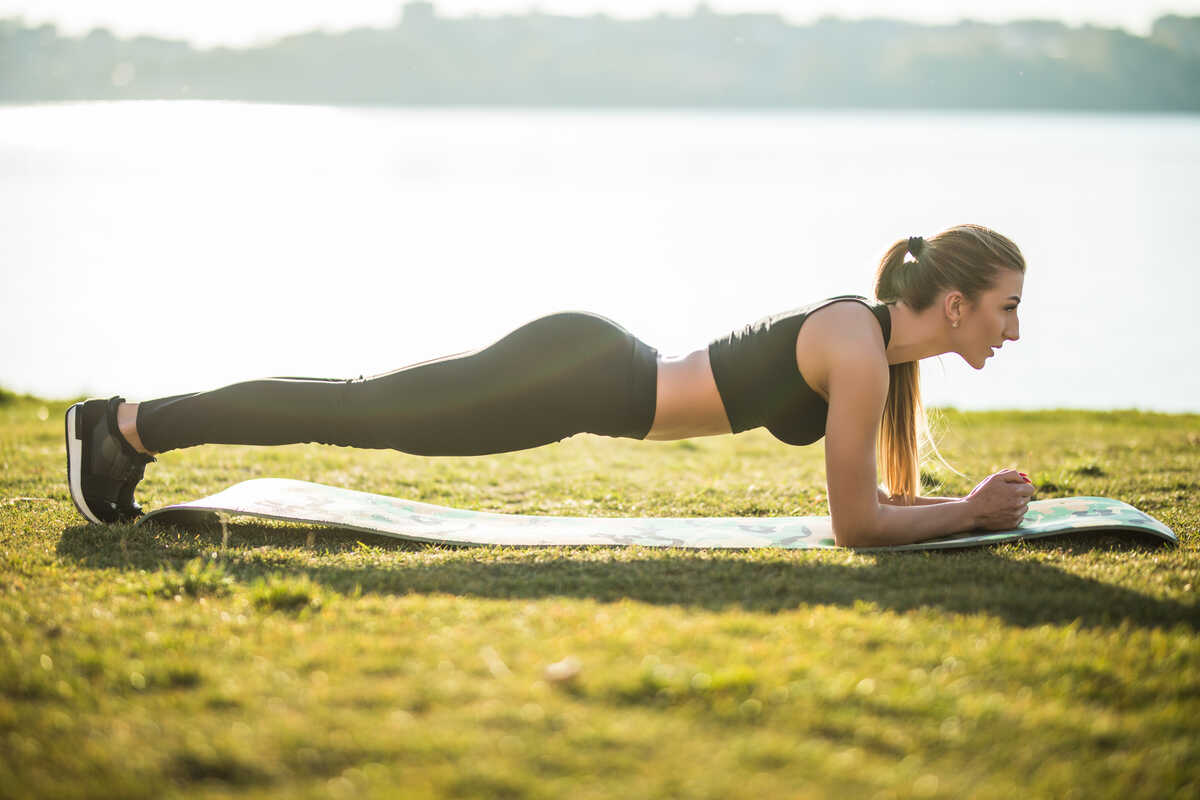
 The Challenge of Body Recomposition
 Squats