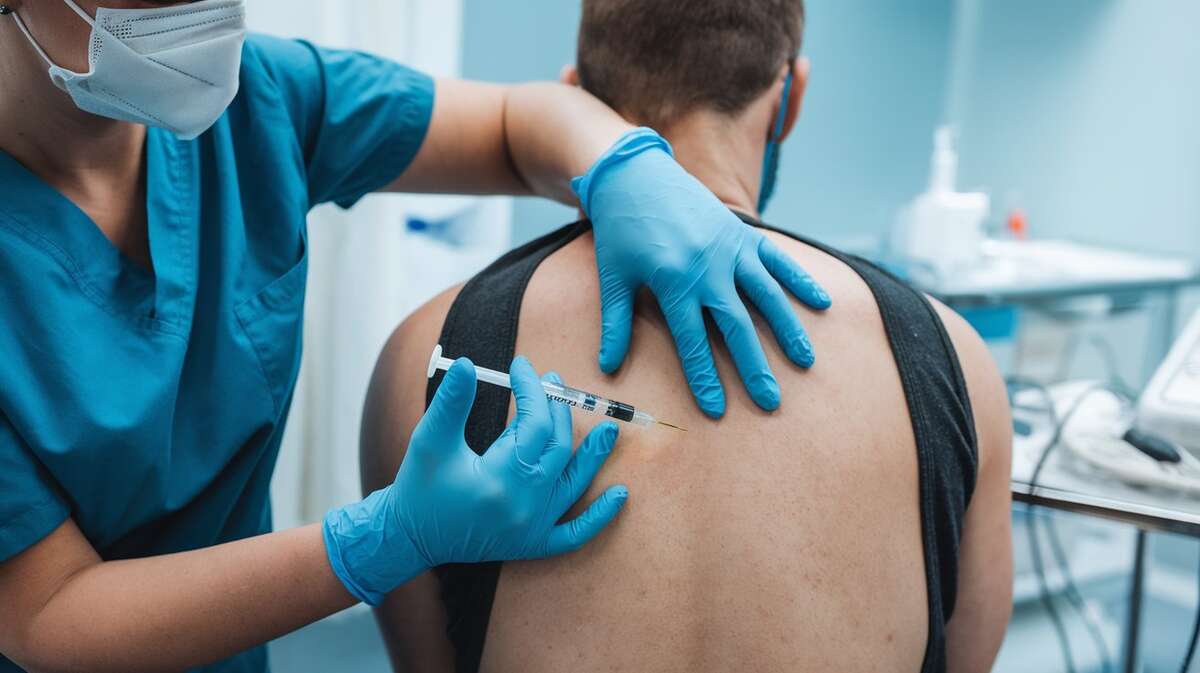
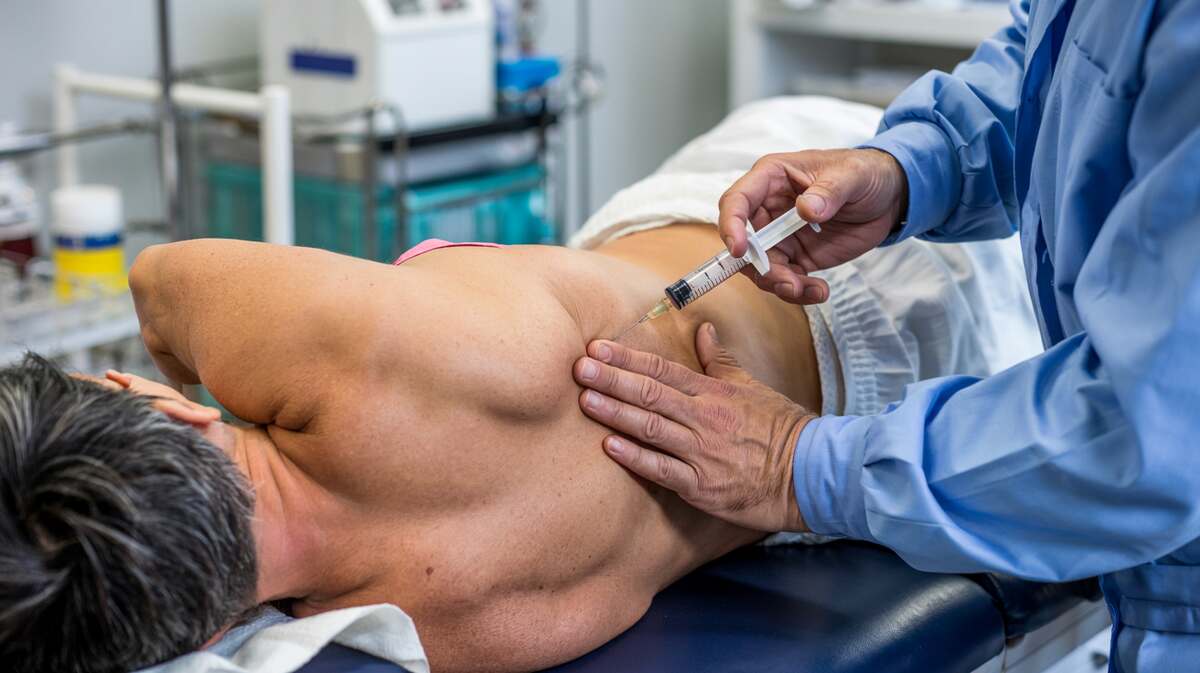
Back pain, whether acute or chronic, can be debilitating and significantly affect daily life. When conservative treatments such as physical therapy, oral medications, or lifestyle modifications fail to provide sufficient relief, doctors may recommend targeted injections to manage the pain effectively. This article explores most commonly used types of injections for back pain, their purposes, benefits, risks, and what patients can expect.
Understanding the Role of Injections in Back Pain Management
Injections for back pain are not a one-size-fits-all solution. They are typically used for both diagnostic and therapeutic purposes. Different types of injections may be recommended depending on the root cause of pain—such as nerve compression, inflammation, or joint dysfunction.
Common Types of Injections for Back Pain
Below is a comprehensive overview of the most frequently administered injections to relieve various forms of spinal pain.
Injection Type
Primary Use
Duration of Relief
Epidural Steroid Injections
Nerve root inflammation, herniated discs
Weeks to several months
Facet Joint Injections
Arthritic or mechanical back pain
Temporary, diagnostic too
Nerve Blocks
Localized pain, diagnostic clarity
Short-term relief
Sacroiliac Joint Injections
Pain from sacroiliac joint dysfunction
Few days to weeks
Trigger Point Injections
Muscle-related back pain, myofascial pain
Varies by individual
Radiofrequency Ablation (RFA)
Long-term relief by disabling pain signals
6 months to 2 years
1. Epidural Steroid Injections (ESIs)
Among the most common types of injections for back pain, epidural steroid injections involve delivering corticosteroids into the epidural space around the spinal cord. These reduce inflammation of nerve roots caused by conditions like:
Herniated discs
Spinal stenosis
Sciatica
Pros:
Minimally invasive
Quick procedure
Reduces swelling and irritation
Cons:
Temporary relief
Potential side effects with repeated use
2. Facet Joint Injections
Facet joints are small stabilizing joints in spine. Injections here usually include a local anaesthetic and steroid to diagnose and relieve pain stemming from spinal arthritis or joint degeneration.
Key benefit: They help confirm whether a specific joint is the source of pain.
3. Nerve Blocks
This injection temporarily interrupts pain signals being sent to the brain. It’s commonly used as both a diagnostic tool and for short-term pain relief in patients with:
Radiculopathy
Complex regional pain syndrome (CRPS)
Persistent lower back pain
4. Sacroiliac (SI) Joint Injections
When pain originates at the base of the spine, SI joint injections can help relieve inflammation in the sacroiliac joint. These are especially useful in cases where walking, sitting, or standing causes discomfort.
5. Trigger Point Injections
These target muscle knots that cause localized pain or refer pain to other areas. Trigger point injections often involve saline, local anaesthetic, or corticosteroids and are highly effective for muscular causes of back pain.
6. Radiofrequency Ablation (RFA)
While technically not an injection, RFA involves inserting a probe through a needle to heat and turn off pain-causing nerves. It’s often recommended for patients who have had successful diagnostic nerve blocks.
Essential Considerations Before Receiving Injections
Although injections can be effective, they should not be viewed as a cure. They are usually one component of a broader treatment plan, which may include:
Physical therapy
Anti-inflammatory medications
Weight management
Core-strengthening exercises
Risks may include infection, allergic reaction, nerve damage, or temporary pain flare-ups. Therefore, it is critical to consult with a board-certified pain specialist or spine doctor before proceeding.
When Are Injections Recommended?
Doctors typically suggest injections when:
Pain is moderate to severe and persistent
Conservative treatments have failed
Imaging confirms a specific source of pain
Diagnostic clarity is needed before surgery
Conclusion
Choosing among the various types of injections for back pain depends mainly on the underlying condition, pain severity, and individual response to treatment. From epidural steroids to nerve blocks, these interventions offer targeted relief and can significantly enhance quality of life when used judiciously. Always seek medical advice before pursuing any injection therapy, and ensure the procedure is performed under image guidance for accuracy and safety.
Back pain is leading cause of disability, affecting millions of people and often disrupting daily life. When conservative treatments like rest, physical therapy, or oral medications fail to bring relief, many turn to more focused solutions. Among the most effective and minimally invasive therapies are injections for back pain. This guide provides an in-depth look at the types of injections for back pain, their purposes, procedures, and how they may fit into a comprehensive pain management plan.
Why Injections Are Used for Back Pain
Before diving into the types of injections for back pain, it’s essential to understand why these treatments are commonly recommended:
Precision: Medication is delivered directly to the source of pain.
Reduced inflammation: Corticosteroids and anaesthetics minimize nerve and joint irritation.
Diagnosis: Some injections help pinpoint the exact cause of pain.
Quick relief: Most procedures are done on an outpatient basis and offer relatively fast symptom reduction.
Detailed Overview of the Most Common Types of Injections for Back Pain
Here are the seven most widely used types of injections for back pain, categorized by the source of discomfort they target.
1. Epidural Steroid Injections (ESIs)
Purpose: To reduce inflammation around spinal nerves.
Before undergoing any of the types of injections for back pain, ensure the following:
Accurate Diagnosis: MRI, CT scans, or X-rays should be used to confirm the pain source.
Qualified Provider: Only trained pain specialists or spine experts should perform these procedures.
Possible Side Effects: Though rare, risks may include infection, bleeding, or nerve damage.
Complementary Treatment: Injections should be paired with physical therapy, core strengthening, and lifestyle changes for best results.
Final Thoughts
Understanding types of injections for back pain empowers individuals to make informed decisions about their treatment options. While injections are not a permanent cure, they can be powerful tool in managing symptoms, restoring mobility, and improving quality of life. Consult your healthcare provider to determine which type of injection best fits your diagnosis and long-term recovery plan.
Back pain is one of the most common health issues, affecting millions of people worldwide. While there are numerous treatments available, one option that many turn to for relief is spinal injections. These injections can help to reduce inflammation, alleviate pain, and improve mobility, especially when other treatments, such as physical therapy or medications, are insufficient. In this guide, we’ll explore the different types of injections forback pain, how they work, and their potential benefits and risks.
Epidural Steroid Injections (ESI)
What it is
Epidural steroid injections are one of the most common types of injections used to treat back pain, especially when conditions like herniated discs or spinal stenosis cause it. This injection delivers a corticosteroid, a powerful anti-inflammatory medication, directly into epidural space surrounding the spinal cord.
How it works
The corticosteroid helps reduce inflammation around the nerves, providing relief from pain, numbness, and tingling. This type of injection is typically recommended when back pain is accompanied by sciatica, a condition where pain radiates down leg due to nerve irritation.
Benefits
Quick pain relief, often within a few days.
Long-lasting relief (up to several months for some patients).
Minimally invasive procedure.
Risks
Temporary increase in pain post-injection.
Risk of infection, bleeding, or nerve damage (rare).
Side effects similar as weight gain, high blood sugar, or mood changes from the steroids.
Facet Joint Injections
What it is
Facet joint injections alleviate pain from the small joints between vertebrae in the spine. These joints, called facet joints, can become irritated or inflamed due to osteoarthritis, causing significant pain and stiffness.
How it works
A local anesthetic and corticosteroid combination is injected directly into the facet joint. The anesthetic helps numb the pain immediately, while the corticosteroid reduces inflammation and provides longer-lasting relief.
Benefits
Effective for treating localized back pain, especially in the lower back or neck.
It can help diagnose the exact cause of pain (as patients may feel immediate relief after the injection).
Provides both short- and long-term pain relief.
Risks
Mild soreness at the injection site.
Infection, bleeding, or allergic reaction (rare).
Temporary relief—sometimes, additional injections are needed for long-term relief.
Nerve Block Injections
What it is
Nerve block injections target specific nerves that cause pain. This treatment is suitable for patients experiencing nerve-related back pain, similar as that resulting from herniated disc or degenerative disc disease.
How it works
The injection involves the administration of a local anesthetic and corticosteroids near the specific nerve causing pain. The anesthetic numbs the area, while the corticosteroid reduces inflammation.
Benefits
Immediate pain relief for patients with nerve-related back pain.
It helps identify the nerve causing pain, aiding in further treatment decisions.
It can provide long-term relief if the corticosteroid reduces inflammation effectively.
Risks
You may experience temporary soreness or bruising at the site of the injection..
Infection, bleeding, or nerve injury (rare).
Multiple injections may be needed for long-term relief.
Sacroiliac (SI) Joint Injections
What it is
Sacroiliac joint injections help relieve pain from the sacroiliac joints, located at the base of the spine, connecting the sacrum—the triangular bone at the spine’s bottom—to the pelvis.
How it works
Like facet joint injections, a local anesthetic and corticosteroid are injected into the sacroiliac joint. The anesthetic provides immediate relief, while the steroid reduces inflammation over time.
Benefits
Effective for treating lower back and hip pain from the sacroiliac joint.
Relieves pain and inflammation in patients with conditions like sacroiliitis or arthritis of the sacroiliac joint.
It can provide significant long-term pain relief for some patients.
Risks
Temporary pain flare-up after the injection.
Infection, bleeding, or allergic reactions (rare).
Effectiveness varies; it may require multiple injections for prolonged relief.
Platelet-Rich Plasma (PRP) Injections
What it is
Platelet-rich plasma injections are a newer treatment option for back pain, particularly for conditions like degenerative disc disease or ligament injuries. This treatment involves using a patient’s blood, which is processed to concentrate the platelets before being injected back into the affected area.
How it works
PRP contains growth factor that promote tissue repair & help reduce inflammation.When injected into the spine or surrounding tissues, PRP promotes healing and naturally relieves pain.
Benefits
Uses the body’s healing properties, reducing the risk of allergic reactions or complications.
It can promote tissue regeneration and long-term pain relief.
It is often used for patients who do not respond to other forms of treatment.
Risks
There may be mild pain or swelling at the site of the injection.
Temporary increase in pain before improvement occurs.
PRP injections can be costly, and insurance may not cover the procedure.
Which Injection is Right for You?
The choice of injection depends on the underlying cause of your back pain, severity of the condition, and your overall health. For example, if inflammation is the primary issue, epidural steroid injections may be best option. If nerve irritation is the main problem, nerve blocks offer more targeted relief.
It’s essential to consult with healthcare professional who specializes in pain management or orthopedics to determine the most appropriate treatment for your condition. A comprehensive assessment of your medical history, diagnostic tests (like MRIs or X-rays), and physical examinations will help inform the decision.
Choosing the Right Injection for Back Pain Relief
Spinal injections can provide significant relief for patients suffering from chronic or acute back pain. While each injection type has unique advantages and risks, understanding your condition and discussing your options with your doctor will help you make the best choice for your treatment. Spinal injections are usually part of comprehensive treatment plan, which may also include physical therapy, lifestyle changes, and medications for optimal results.
If you’re dealing with persistent back pain, explore the various types of injections for back pain and talk to a specialist to see if they could be part of your recovery plan.
[vc_row][vc_column][vc_column_text]Lip neutralization is a transformative cosmetic procedure for individuals with relaxed or dark toned lips. Whether caused by genetics, hyperpigmentation, or environmental factors, dark lips can sometimes make people feel self-conscious, especially when they want to be makeup-free. Lip neutralization offers a solution by enhancing the natural color and symmetry of the lips, providing a more balanced and even appearance. This blog will explore everything you need about lip neutralization, including its benefits, process, and what to expect.
What is Lip Neutralization?
Lip neutralization is a specialized treatment that targets cool, dark, or unevenly toned lips. The procedure involves injecting neutralizing pigments into the lip area to balance out darker tones and enhance the natural color. Unlike traditional lip tattooing, which aims for more vibrant results, lip neutralization focuses on creating a natural look that complements your skin tone. Lip neutralization is viral among individuals with darker skin tones or those whose lips have darkened due to sun exposure, smoking, or hormonal changes.
Causes of Lip Darkening
Lip darkening can occur for various reasons, including lifestyle habits and medical conditions. Understanding the causes can help prevent further darkening and explore appropriate treatments. Here are some of the common causes of lip darkening:
Sun Exposure
Prolonged exposure to sun ultraviolet (UV) rays can cause hyperpigmentation, leading to the darkening of the lips. Like the skin, the lips can become darker when exposed to the sun without protection. Using the lip balm with SPF can help prevent this.
Smoking
Smoking is one of the leading causes of lip-darkening. Nicotine and tar in cigarettes can stain lips and cause them to darken over time. Smoking also reduces blood flow, making the lips appear dull and discolored.
Lip Neutralization smoking
Caffeine Consumption
Excessive consumption of caffeinated the beverages like coffee and tea can lead to lip-darkening. These drinks contain substances that can stain the lips and teeth, especially when consumed frequently.
Allergic Reactions
Allergic reactions to certain lip products, such as lipsticks, lip balms, or even toothpaste, can irritate and lead to darkening of the lips. Ingredients like fragrances, dyes, and preservatives are common culprits.
Hormonal Imbalances
Hormonal changes, especially during pregnancy, menstruation, or due to certain medical conditions, can lead to hyperpigmentation, including on the lips. This condition is often called melasma and can cause dark patches on the skin and lips.
Dehydration
Dehydration can cause the lips to dry, chapped, and darken. To prevent this, it’s essential to stay hydrated and keep the lips moisturized.
Vitamin Deficiency
A deficiency in specific vitamins, particularly B vitamins, can lead to lip darkening. Vitamin B12, in particular, is essential for the maintaining healthy skin and lips. A lack of this vitamin can result in dark, discolored lips.
Medications
Certain medications can cause lip darkening as a side effect. This includes some chemotherapy drugs, antimalarial medications, and others that can increase skin sensitivity to the sun or cause pigmentation changes.
Hyperpigmentation
Some individuals naturally have higher levels of melanin, the pigment responsible for skin color, in their lips. This can lead to naturally darker lips, especially in darker skin tones.
Trauma or Injury
Injury or trauma to the lips, such as biting, cutting, or burns, can lead to scarring and pigmentation changes that cause the lips to darken. This includes repeated friction or pressure on the lips.
Why Do People Opt for Lip Neutralization?
There are several reasons why someone might choose to undergo lip neutralization. One of the most common reasons is to address naturally dark or two-toned lips, which are often a result of genetics. Another reason could be external factors, such as trauma to the lips, smoking, excessive caffeine consumption, or certain medications that cause lip discoloration. Lip neutralization not only helps to restore a more uniform lip color but also boosts confidence by enhancing natural beauty of lips.
Lip Neutralization Process
The lip neutralization process typically involves multiple sessions, depending on the severity of the lip discoloration and the desired outcome. Here’s what you can expect during the treatment:
Initial Consultation: During the first visit, the technician will assess your lip color and determine the appropriate pigment for neutralization. This step is crucial as it ensures the final result looks natural and complements your overall appearance.
Pigment Application: The technician will apply the pigment to your lips using a fine needle. Depending on the complexity of the case, this process may take one to two hours.
Healing and Follow-Up: After the initial session, your lips will heal, which typically takes about six weeks. The pigment’s color will emerge during this time, and you may require additional sessions to achieve the desired look.
Touch-Up Sessions: Depending on the results of the first session, one or two touch-up sessions may be necessary to perfect the lip color and ensure long-lasting results.
Lip Neutralization vs. Lip Blushing
While lip neutralization and blushing are cosmetic procedures aimed at enhancing the lips, they serve different purposes. Lip neutralization is specifically designed for individuals with dark or cool-toned lips, focusing on correcting and balancing the lip color. Lip blushing, on the other hand, is more about adding a soft tint of color to the lips, similar to a natural lip stain. If you have dark or unevenly toned lips, lip neutralization is usually the recommended first step before considering lip blushing.
Who is a Good Candidate for Lip Neutralization?
Only some people are suitable candidates for lip neutralization. Those with excessive lip hyperpigmentation may not achieve desired results, and in some cases, lips may even darken further after treatment. Therefore, it’s essential to consult a highly trained and experienced technician who can assess your lips and determine if lip neutralization suits you.
Lip Neutralization Before and After: What to Expect
Lip neutralization is cosmetic procedure designed to even out the color of the lips, particularly for those with darker or uneven pigmentation. If you’re considering this treatment, understanding what to expect before and after procedure is crucial for a successful and satisfying outcome. Here’s a comprehensive guide on what to anticipate throughout the process.
Before Lip Neutralization
Consultation and Assessment
Before undergoing lip neutralization, you’ll have an initial consultation with a trained technician or artist. During this session, the technician will assess lip color, discuss your goals, and determine whether you are a good candidate for the procedure. They may also take before photos to track your progress.
Pre-Treatment Guidelines
You’ll receive pre-treatment instructions to prepare your lips for the procedure. These may include avoiding certain medications, supplements, or skincare products that can affect your skin’s sensitivity or healing ability. Staying hydrated and keeping your the lips moisturized are also essential steps in preparation.
Setting Realistic Expectations
Your technician will discuss the expected results, including the sessions required to achieve the desired outcome. Lip neutralization often requires multiple sessions, especially for those with intensely pigmented lips, so it’s essential to have realistic expectations about the process.
During the Lip Neutralization Procedure
Numbing and Preparation
On the day of the procedure, the applying cream is applied to lips to reduce ache. Once your lips are adequately numbed, the technician will begin the neutralization process using a specialized pigment that balances out the dark tones in your lips.
Application of Pigment
The technician will carefully apply the pigment to your lips, working to neutralize the darker areas and create an even, natural-looking lip color. Procedure often takes 1 to 3 hours, depends on complexity and the desired outcome.
Immediate Aftermath
After the procedure, your lips may appear slightly swollen and darker than the intended color. This is normal and part of the healing process. The initial darkness will fade as your lips heal, revealing the final color over the next few weeks.
After Lip Neutralization
Healing Process
The healing process is a crucial phase of lip neutralization. In the first few days, you may experience swelling, tenderness, and dryness. It’s essential to follow aftercare instructions provided by your the technician, which may include applying a healing balm, avoiding sun exposure, and steering clear of certain foods and beverages.
Color Development
As your lips heal, the color will gradually settle and lighten. Initially, your lips may appear darker or uneven, but this is temporary. The color will emerge over 4 to 6 weeks, revealing a more even and natural lip tone.
Touch-Up Sessions
Most clients will require at least one touch-up session to perfect the results. The first touch-up is typically scheduled 6 to 8 weeks after the initial procedure, allowing the technician to make any necessary adjustments to ensure the final result meets your expectations.
Long-Term Maintenance
The results of lip neutralization can last anywhere from 2 to 3 years, depending on our skin type, lifestyle, and how well you care for your lips. Over time, the pigment may fade, and you may need occasional touch-ups to maintain the desired color.
What to Expect from the Results
Enhanced Lip Color
After the healing process is complete, your lips will be more balanced and even in color. Lip neutralization aims to achieve a natural look that enhances your natural lip color, making them appear healthier and more uniform.
Improved Confidence
Many clients find that lip neutralization boosts their confidence, especially if they were previously self conscious about their lip color. The subtle enhancement can significantly affect your overall appearance, allowing you to feel more comfortable going makeup-free.
Minimal Maintenance
Unlike daily makeup applications, lip neutralization offers a long-lasting solution to uneven lip color with minimal maintenance. Once healed, your lips will require less daily effort to look their best
Dark Lip Neutralization Healing Process
Dark lip neutralization is a cosmetic procedure designed to lighten and even out the color of lips with hyperpigmentation or dark tones. Understanding the healing process is essential for achieving the best results and knowing what to expect after the treatment. Here’s a detailed guide on the dark lip neutralization healing process:
Immediate Aftercare: The First 24 Hours
Initial Appearance
Right after the procedure, your lips will likely appear darker than expected. This is normal and a part of the healing process. The pigment may seem more intense, and your lips may be slightly swollen. Don’t worry—this is a temporary stage.
Swelling and Tenderness
Swelling and tenderness are common in the first 24 hours. The lips are sensitive, and the procedure can cause mild irritation. A cold compress (wrapped in a cloth) can help reduce swelling. Avoid applying ice directly to your lips.
Avoid Touching or Licking
It’s crucial to avoid touching or licking your lips during the first day. Your lips need time to start healing, and introducing bacteria or saliva can increase the risk of infection and affect the healing process.
Days 1-3: Initial Healing Phase
Color Intensity
During the first few days, your lips will still appear darker than the final result. The pigment is fresh, and the skin is in the early stages of healing, which can make the color look more intense. The swelling should start to subside during this period.
Dryness and Flaking
As the healing progresses, you may notice your lips becoming dry and flaking or peeling. This is a normal part of the healing process as the skin regenerates. Avoid picking or peeling the flaking skin, leading to uneven healing and affecting the final results.
Moisturization
Your technician will likely recommend a specific aftercare balm or ointment to moisturize your lips. Apply this as directed to help keep your lips hydrated and promote smooth healing. This also helps reduce discomfort associated with dryness.
Days 4-7: Peeling and Color Changes
Peeling
By the fourth day, your lips will begin to peel more noticeably. This is when the darker outer layer of pigment sheds, revealing the lighter color underneath. Peeling can last for a few days and is a critical phase in the healing process.
Uneven Color
As your lips peel, you might notice some unevenness in color. This is temporary, as the healing process is still underway. The final color will gradually emerge as your lips heal and regenerate.
Continued Moisturization
Continue applying the recommended aftercare product to help with the peeling process and maintain hydration. Keeping your lips moisturized will also help minimize discomfort and prevent excessive peeling.
Weeks 2-4: Settling and Color Development
Final Peeling
By the second week, most of the peeling should be complete. Your lips will start to settle into a more natural state, with the color becoming less intense and more even.
Color Development
During this period, the color of your lip neutralization will begin to emerge. The initial darkness will have faded, revealing a softer, more natural lip color. This stage is crucial for assessing how well the pigment has settled.
Touch-Up Consideration
Depending on the results, your technician may recommend a touch-up session to refine the color and evenness. Touch-ups are typically scheduled 6-8 weeks after the initial treatment, allowing enough time for your lips to heal fully and for the color to stabilize.
After 4 Weeks: Final Results
Fully Healed Lips
Your lips should fully heal by the fourth week, with the final color and texture visible. The lips should feel smooth, and the color should be even and natural-looking.
Long-Term Care
Following any long-term care instructions your technician provides is essential to maintain the results. This may include using SPF on your lips to prevent sun damage, staying hydrated, and avoiding habits that could darken the lips again, such as smoking.
Periodic Touch-Ups
Although the results of dark lip neutralization can last 2-3 years, periodic touch-ups may be needed to maintain the desired color, especially if your lips start to darken again over time.
Choosing the Right Shade for Lip Neutralization
Selecting the right pigment shade for lip neutralization is a critical step that requires expertise. The technician will assess the natural undertones of your lips—whether they are greyish, purplish, or brownish—and choose a neutralizing color accordingly. The goal is to create a natural and harmonious shade with your overall complexion. Typically, the final color is a soft pinkish or peachy tone that enhances natural beauty without looking overly done.
Lip Neutralization Near Me: Finding a Qualified Technician
If you’re considering lip neutralization, finding a qualified technician who specializes in this procedure is essential. Look for professionals with extensive experience treating dark or cool-toned lips and a portfolio of successful before-and-after photos. You can start by searching for “lip neutralization near me” and reading reviews from past clients to find a reputable technician in your area.
Choosing the Right Salon for Lip Neutralization
Selecting the right salon for your lip neutralization treatment is a important decision that can significantly impact quality of your results. Given the specialized nature of this procedure, it’s essential to ensure that you choose a salon with experienced technicians who deeply understand lip pigmentation and the intricacies of working with dark or cool-toned lips. Here are new some key factors to consider when choosing the right salon:
Research and Reviews
You can start by researching salons in your area that offer lip neutralization services. Look for salons with strong reputations and read customer reviews to get an idea of past clients’ experiences. Positive reviews and testimonial can give you confidence in the salon’s expertise, while negative reviews may indicate potential red flags.
Portfolio and Before-and-After Photos
A reputable salon should have a portfolio of before-and-after photos showcasing its work, particularly with lip neutralization. These photos can give you a clear sense of the salon’s skill level and the quality of its results. Pay close attention to cases similar to yours, as this will help you gauge how well the salon can address your specific needs.
Technician Qualifications
The experience and qualifications of the technician performing the lip neutralization are paramount. Look for salons that employ certified technicians with specialized training in permanent makeup and lip neutralization. The technician must thoroughly understand color theory, skin undertones, and the nuances of working with darker lip pigments.
Consultation Process
A good salon offers a thorough consultation before the treatment. During this consultation, the technician should assess your lip color, discuss your goals, and explain the procedure in detail. This is also the time for you to ask any question and address any concerns you may have. The consultation should leave you feeling informed and confident in the technician’s abilities.
Hygiene and Safety Standards
Hygiene and safety are non-negotiable when it comes to any cosmetic procedure. Ensure the salon follows strict sanitation protocols, uses high-quality, sterile equipment, and meets safety standards. The treatment area should be clean, and the tools should be properly sterilized to prevent any risk of infection.
Pricing and Packages
While cost should not be sole deciding factor and it’s complementary to consider the pricing of the treatment. Compare prices among different salons, but be cautious of significantly lower prices, as this could indicate a compromise in quality. Some salons offer packages that include initial treatment and follow-up sessions, which can be more cost-effective in the long run.
Location and Convenience
The salon’s location is also worth considering, especially since lip neutralization may require multiple sessions. Choose a conveniently located salon to minimize travel time and make it easier for you to attend all necessary appointments.
Post-Treatment Care
A reputable salon will provide detailed aftercare instructions and support following your lip neutralization treatment. This is important for ensuring proper healing and optimal results. Make sure the salon offers clear guidance on how to care for your lips post-treatment and is available to answer any follow-up questions.
How Much Does a Dark Lips Session Cost?
The cost of a dark lips neutralization session can vary depending on salon, location, and technician’s expertise. An average session may range from $200 to $600. Some salons offer packages deals that include multiple sessions and touch-ups, which can be more cost-effective if you need additional treatments to achieve your desired results. It’s essential to consult with the salon to understand the pricing before committing to the procedure.
Is the Dark Lips Procedure Painful?
The pain level associated with dark lips neutralization can vary depending on person pain tolerance and techniques used by the technician. Generally, most clients report feeling some discomfort, similar to a mild scratching or tingling sensation, rather than intense pain. Many technicians apply a numbing cream to lips to minimize discomfort before starting the procedure. This helps to ensure that the experience is as comfortable as possible.
Does the Dark Lips Procedure Need Touching Up?
Yes, touch-ups are often necessary after the initial dark lips neutralization session. The healing process can affect how the pigment settles, and additional sessions may be needed to achieve the desired evenness and color. A touch-up session is typically scheduled about 6 to 8 weeks after first treatment to refine the results. In some cases, multiple touch-ups may be required, depending on the depth of the pigmentation and how your lips respond to the treatment.
Does the Dark Lips Procedure Look Natural?
When performed by a skilled technician, the dark lips neutralization procedure can result in a natural look. The goal is to subtly balance and enhance the natural lip color, creating a uniform and even tone. The pigments used are carefully selected to complement your natural lip color and skin tone, ensuring that final result looks soft and natural rather than overly dramatic. Proper aftercare is also crucial to a natural appearance as the lips heal.
How Long Does Dark Lips Neutralization Last?
The longevity of dark lips neutralization results can vary depending on skin type, lifestyle, and how well the aftercare instructions are followed. Generally, the results can last from 2 to 3 years. Over time, the pigment may gradually fade, and a touch-up may be required to maintain the desired color and evenness. Regular touch-ups can prolong the results and keep your lips looking their best.
Conclusion
Lip neutralization is a highly effective procedure for correcting dark or unevenly toned lips. Whether due to genetics, lifestyle factors, or environmental conditions, lip neutralization can help restore a balanced and natural lip color, boosting confidence and enhancing overall appearance. If you’re considering this treatment, consult a skilled technician who can guide you through the process and ensure the best possible results.[/vc_column_text][us_separator size=”small”][/vc_column][/vc_row][vc_row][vc_column width=”1/1″][us_text text=”Frequently Asked Questions (FAQS)” link=”%7B%22url%22%3A%22%22%7D” tag=”h2″][/vc_column][/vc_row][vc_row][vc_column width=”1/1″][us_separator size=”small”][/vc_column][/vc_row][vc_row][vc_column width=”1/1″][vc_tta_accordion][vc_tta_section title=”Lip Neutralization Near Me” tab_link=”%7B%22url%22%3A%22%22%7D”][us_text text=”Finding a reputable salon or specialist for lip neutralization near you is key to achieving the best results. It’s important to search for certified professionals with experience in this specific procedure. You can use online directories and search engines or ask for recommendations from friends or local beauty communities. Look for reviews and before-and-after photos to ensure you choose a skilled technician who understands the intricacies of lip neutralization.” link=”%7B%22url%22%3A%22%22%7D”][/vc_tta_section][vc_tta_section title=”Lip Neutralization Before and After” tab_link=”%7B%22url%22%3A%22%22%7D”][us_text text=”Before undergoing lip neutralization, lips may appear uneven, dark, or have hyperpigmentation. After the procedure and the healing process, the lips will generally appear more balanced in color, with a natural-looking tone that complements your complexion. Many clients report an enhanced, fuller lip appearance as a result of the procedure. Before and after photos are a great way to assess the potential outcomes and set realistic expectations.” link=”%7B%22url%22%3A%22%22%7D”][/vc_tta_section][vc_tta_section title=”Lip Neutralization at Home” tab_link=”%7B%22url%22%3A%22%22%7D”][us_text text=”While there are products marketed for at-home lip neutralization, it is not recommended to attempt this procedure on your own. Lip neutralization requires precise techniques and professional-grade pigments that should only be handled by a trained technician. At-home attempts can lead to unsatisfactory results or even harm your lips. For safe and effective results, it’s best to visit a certified professional.” link=”%7B%22url%22%3A%22%22%7D”][/vc_tta_section][/vc_tta_accordion][/vc_column][/vc_row]
Back pain is one of the most widespread and debilitating health issues globally, affecting millions every year. Back pain can significantly affect one’s quality of life, causing everything from sharp, sudden pain to dull, chronic discomfort. It can hinder the ability to perform even the most basic daily activities. Traditional treatments such as painkillers, physical therapy, & surgery offer temporary relief but often come with significant drawbacks, including long recovery times, potential complications, and high chances of recurrence.
In recent years, stem cell therapy has emerged as a revolutionary treatment for back pain, offering hope for those seeking option to invasive procedures. This article delves into the science behind stem cell therapy for back pain, how it works, and what patients can expect regarding results.
Understanding Stem Cell Therapy for Back Pain
What Are Stem Cells?
Stem cells are the body’s foundational cells with the unique power to differentiate into various types of cells, including bone, muscle, cartilage, and nerve cells. These versatile cells are the body’s natural repair system, capable of regenerating damaged tissues. Stem cells can be sourced from other locations within a patient’s body, making them ideal candidates for regenerative treatments.
Types of Stem Cells Used in Therapy
There are several types of stem cells used in regenerative medicine, each offering unique properties:
Embryonic Stem Cells (ESCs): These cells can differentiate into any cell in the body, making them highly versatile. However, their use is controversial & heavily regulated.
Adult Stem Cells: Found in adult tissues such as bone marrow & fat, adult stem cells have a more limited ability to differentiate but are less controversial. They are often harvested from the patient’s body, reducing the risk of rejection.
Mesenchymal Stem Cells (MSCs) are adult stem cell normally sourced from bone marrow or adipose tissue, which can differentiate into bone, cartilage, & fat cells. MSCs are most commonly used in stem cell therapy for back pain due to their ability to target spinal tissues effectively.
How Stem Cell Therapy Work for Back Pain
Back pain often arises from degenerative diseases such as degenerative disc disease, herniated discs, spinal stenosis, and facet joint arthritis. These conditions result in the breakdown of spinal tissues, leading to inflammation, nerve compression, and persistent pain. Traditional treatments focus on alleviating symptoms rather than addressing the underlying causes of pain, whereas stem cell therapy targets the root cause by promoting the regeneration of damaged tissues.
The Procedure: From Harvesting to Healing
Harvesting Stem Cells: The first step involves harvesting stem cells from the patient’s body. This is typically done through minimally encroaching procedures, similar as extracting fat (adipose tissue) or bone marrow, most commonly from the pelvis. The choice of tissue depends on factors such as the patient’s condition and overall health.
Processing and Concentration: Harvested stem cells are processed in a laboratory to concentrate and prepare them for injection. In some cases, additional substances like platelet-rich plasma (PRP) are added to enhance the stem cells’ regenerative potential.
Injection into the Affected Area: The concentrated stem cells are injected directly into the damaged spine area. This is usually done under imaging guidance, such as fluoroscopy or ultrasound, to ensure accurate placement.
Healing and Regeneration: After the injection, the stem cells begin to work by releasing growth factors and other molecules that stimulate the body’s natural healing processes. Over time, this can lead to the regeneration of damaged tissues, reduced inflammation, and pain relief.
Back Pain Conditions Treated with Stem Cell Therapy
Stem cell therapy is utilized to treat various spinal conditions that lead to chronic back pain, including:
Degenerative Disc Disease (DDD): This condition occurs when the intervertebral discs in spine wear down, causing pain, stiffness, and limited mobility. Stem cell therapy helps repair damaged disc tissue, potentially reducing pain and restoring movement.
Herniated Discs: When soft inner core of spinal disc pushes through crack in its outer shell, it can irritate nearby nerves & cause pain. Stem cell therapy can help decrease inflammation and promote healing in damaged discs.
Spinal Stenosis: This condition causes spinal canal to narrow, putting pressure on spinal cord & nerves. Stem cell therapy may help regenerate spinal tissues, alleviating symptoms such as pain, numbness, & weakness.
Facet Joint Arthritis: The facet joints in spine can become inflamed & painful due to arthritis. Stem cell therapy can reduce inflammation and help regenerate joint tissues, relieving the pain associated with facet joint arthritis.
Advantages of Stem Cell Therapy Compared to Conventional Treatments
Stem cell therapy offers several key advantages over traditional back pain treatments:
Minimally Invasive: Unlike surgery requiring large incisions and lengthy recovery times, stem cell therapy is minimally invasive. The procedures typically involve small punctures; many patients can return home the same day.
Reduced Recovery Time: Due to minimally invasive nature of stem cell therapy, recovery is typically faster than surgery. Most patients experience mild soreness at the injection site, which resolves within a few days.
Long-Term Relief Potential: Stem cell therapy addresses the underlying cause of pain by promoting tissue regeneration. This could result in more lasting relief than pain medications or traditional treatments that only temporarily relieve symptoms.
Lower Risk of Complications: Stem cell therapy is generally considered safer than surgery, with fewer risks such as infection, blood clots, or anaesthesia complications. Since the stem cells are sourced from the patient’s own body, the risk of rejection is minimal.
Case Studies: Success Stories
Real-world examples of patients benefiting from stem cell therapy for back pain show promising results:
Case Study 1: Degenerative Disc Disease: A 45-year-old woman with chronic lower back pain from degenerative disc disease underwent stem cell therapy after years of unsuccessful treatments. Within six months, she reported significant pain relief, improved mobility, and a return to her normal activities without the need for medication.
Case Study 2: Herniated Disc: A 50-year-old man with a herniated disc causing severe sciatica opted for stem cell therapy to avoid surgery. After the procedure, he experienced substantial pain reduction and could resume carpentry work without restrictions.
Expert Opinions on Stem Cell Therapy for Back Pain
Medical professionals are increasingly recognizing stem cell therapy as a valuable treatment option for chronic back pain. An orthopaedic surgeon, Dr. John Smith, says, “Stem cell therapy is a significant advancement in the treatment of chronic back pain. It provides a less invasive alternative to surgery and has the potential for long-lasting relief.”
Dr. Jane Doe, a specialist in regenerative medicine, adds, “Early results from stem cell therapy are promising. While more research is needed, many patients who were once facing invasive surgery are now experiencing relief through this innovative, minimally invasive treatment.”
What to Expect During the Patient Journey
For those considering stem cell therapy for back pain, the patient experience typically follows these steps:
Consultation: Patients meet with a specialist who assesses their condition and determines whether they are a suitable candidate for stem cell therapy.
Preparation: Certain medications, especially those that affect blood clotting, may need to be paused before the procedure.
Procedure: The harvesting and injection process is performed under local anaesthesia, usually taking a few hours.
Recovery: Most patients experience mild soreness at the injection site, with full recovery often occurring in few days. Patients are normally advised to abstain from strenuous plan during this period.
Follow-Up: Regular follow-up appointments help monitor progress, with many patients reporting gradual improvements in pain and function over the coming months.
Conclusion
Stem cell therapy for back pain is groundbreaking treatment that offers a promising alternative to traditional methods like surgery and pain management. By targeting root causes of pain & promoting tissue regeneration, stem cell therapy provides the potential for long-lasting relief. With ongoing research into its effectiveness, stem cell therapy may become a widely recognized solution for individuals suffering from chronic back pain, helping them regain their quality of life.
[vc_row][vc_column][vc_column_text]Before exploring the pros and cons of laser treatment for toenail fungus and why it can be so challenging to treat, it is essential to understand what toenail fungus. Laser treatment for toenail fungus offers high efficacy, minimal side effects, and improved cosmetic results, but it can be costly and may not be available everywhere. Success rates can vary, and there’s a potential for recurrence. Patients should weigh these factors to decide if it’s the right option for them.
Before exploring the pros and cons of laser treatment for toenail fungus and why it can be so challenging to treat, it is essential to understand what toenail fungus is. Onychomycosis is a fungal infection that explicitly impacts the nails, often caused by dermatophytes, yeasts, or molds. It usually begins as a white or yellow spot underneath the end of the toenail. It can spread deeper into the nail, causing it to thicken, discolor, and crumble at the edges for Pros and Cons of Laser Treatment for Toenail Fungus.
How Laser Treatment Works
Laser treatment uses focused light energy to target specific body areas for various medical or cosmetic purposes and destroy the fungus in and under the toenail. The laser emits pulses of energy that generate heat, effectively killing the fungal cells without damaging the surrounding tissue. There are different types of lasers used in the treatment, such as Nd lasers, diode lasers, and CO2 lasers, each with its specific mechanism of action for understanding Pros and Cons of Laser Treatment for Toenail Fungus.
Pros of Laser Treatment for Toenail Fungus
High Efficacy Rate
One of the basic advantages of laser treatment for toenail fungus is its high efficacy rate. Studies have shown that laser therapy can achieve a significant reduction in fungal infection and improve the appearance of the affected nails. Patients often experience noticeable improvements after just a few sessions.
Non-Invasive Procedure
Laser treatment is a noninvasive procedure, meaning it does’t require any surgical incisions or injections. This makes it an attractive option for individuals who prefer to avoid risks and downtime associated with invasive treatments.
Minimal Side Effects
Unlike oral antifungal medications, which can have severe effects such as liver damage and gastrointestinal issues, laser treatment has minimal side effects. The most common side effect reported is a mild warming sensation during the procedure, which is generally well-tolerated by patients to know Pros and Cons of Laser Treatment for Toenail Fungus.
Quick and Convenient
Laser treatment sessions are relatively quick, typically lasting between 20 to 30 minutes. Most patients require three to four sessions several weeks apart to achieve optimal results. This convenience allows patients to fit the treatment into their busy schedules without significant disruption to diffentiate Pros and Cons of Laser Treatment for Toenail Fungus.
No Drug Interactions
Laser treatment does not involve the use of any medications, making it an ideal choice for individuals who may have contraindications or are already taking multiple medications. This eliminates the risk of drug interactions and the need for monitoring liver function, which is necessary with oral antifungal treatments.
Cosmetic Benefits
In addition to eliminating fungus, laser treatment can also improve the cosmetic appearance of the nails. Patients often report their nails becoming clearer, smoother, and less thickened after treatment. This can boost self-esteem and confidence, especially for those who feel self-conscious about the appearance of their toenails.
Cons of Laser Treatment for Toenail Fungus
Cost
One of the most significant drawbacks of laser treatment for toenail fungus is the cost. Laser therapy can be expensive, with each session ranging from $250 to $550, depending on location and provider. Since multiple sessions are typically required, the total cost can add up quickly. Moreover, many insurance plans do not cover laser treatment for toenail fungus, considering it a cosmetic procedure.
Limited Availability
Laser treatment for toenail fungus is not available in all medical facilities. Patients may need to travel to specialized clinics or dermatology centers that offer this service. This can be inconvenient, particularly for those living in rural or remote areas.
Variable Success Rates
While laser treatment has a high efficacy rate, success can vary depending on the severity of infection, the type of fungus involved, and the individual patient’s response to the treatment. Some patients may require additional sessions or alternative treatments if the infection persists or recurs.
Potential for Recurrence
Toenail fungus has a notorious reputation for recurring, even after successful treatment. While laser therapy can significantly reduce the fungal load, it does not guarantee complete eradication. Patients must take preventive measures, such as maintaining good foot hygiene and avoiding environments conducive to fungal growth, to minimize the risk of recurrence.
Lack of Long-Term Data
Laser treatment for toenail fungus is a relatively new modality, and long-term data on its effectiveness and safety is still being collected. While short-term studies have shown promising results, more research is required to know pros and cons of laser treatment for toenail fungus for Toenail fungus determine the long-term outcomes and potential risks associated with this treatment.
Comparing Laser Treatment with Other Options
Topical Antifungal Treatments
Topical antifungal treatments, such as creams, ointments, and nail lacquers, are often the first defense against toenail fungus. These treatments are easy to apply and have minimal side effects. However, they require consistent application over several months and may not penetrate deeply enough into the nail to reach the infection to check Pros and Cons of Laser Treatment for Toenail Fungus.
Oral Antifungal Medications
Oral antifungal medications, like terbinafine and itraconazole, are more potent than topical treatments and can effectively treat toenail fungus. However, they come with a risk of severe side effects, including liver damage and interactions with other medications. Oral antifungals also require a prolonged treatment duration, usually several months.
Home Remedies
Home remedies, like tea tree oil and essential oils, are popular alternatives for treating toenail fungus. While some people report success with these methods, there is limited evidence to support their efficacy. Home remedies may be worth trying for mild cases, but they are unlikely to be effective for severe infections for Pros and Cons of Laser Treatment for Toenail Fungus.
What to Expect During and After Laser Treatment
During the Procedure
During the laser treatment session, the patient is seated comfortably while the clinician directs the laser device at the affected toenails. The laser emits pulses of light energy, which penetrate the nail and target the fungal cells. Patients may feel a mild warming or tingling sensation, but the procedure is generally painless.
After the Procedure
After the laser treatment, there is no downtime, and patients can resume their usual activities immediately. Following the clinician’s post-treatment care instructions is essential, including keeping the feet clean and dry, avoiding tight-fitting shoes, and applying antifungal creams or sprays to prevent reinfection to understand pros and cons of laser treatment for toenail fungus for Toenail fungus.
Results and Follow-Up
Patients typically start to see improvements in the appearance of their toenails within a few weeks to months after the initial treatment. However, the toenail may take up to a year to grow out entirely and reveal the full results. Follow-up sessions may be necessary to ensure the infection is wholly eradicated and to monitor for any signs of recurrence.
Preventing Toenail Fungus Recurrence
Proper Foot Hygiene
Proper foot hygiene is crucial in preventing toenail fungus recurrence. This includes washing the feet regularly, drying them thoroughly, and trimming and cleaning the toenails. Wearing breathable socks and shoes that allow air circulation can also help prevent fungal growth.
Hygiene Laser Treatment for Toenail Fungus
Avoiding Fungal Hotspots
It is essential to avoid environments conducive to fungal growth, such as public swimming pools, locker rooms, and communal showers. If you must use these facilities, wearing flip-flops or shower shoes can help protect your feet from exposure to fungi.
Using Antifungal Products
Antifungal sprays, powders, or creams applied to the feet and inside shoes can help prevent reinfection. These products create an inhospitable environment for fungi, reducing the risk of recurrence.
Regular Monitoring
Get checked Treatment for Toenail Fungus
Regular monitoring of your toenails for any signs of infection is vital. If you notice any changes in your nails’ color, texture, or thickness, seek medical advice promptly. Early detection can prevent the infection from becoming severe and reduce the need for extensive treatment to know pros and cons of laser treatment for toenail fungus for Toenail fungus.
Conclusion
Pros and cons of laser treatment for toenail fungus offers a promising alternative to traditional treatments. It offers numerous advantages, such as high efficacy, minimal side effects, and improved cosmetic outcomes. However, it also comes with drawbacks, including cost, limited availability, and the potential for recurrence. By weighing the pros and cons and considering individual circumstances, patients can make an informed decision about whether laser treatment is the right choice for them.
Laser treatment may not be a one-size-fits-all solution in the fight against toenail fungus, but it represents a significant advancement in the options available for those suffering from this persistent condition. Patients can enjoy healthier, clearer nails, reducing the impact of toenail fungus on their lives.[/vc_column_text][/vc_column][/vc_row][vc_row][vc_column width=”1/1″][us_separator size=”small”][/vc_column][/vc_row][vc_row][vc_column width=”1/1″][us_text text=”frequently asked questions (FAQ)” link=”%7B%22url%22%3A%22%22%7D” tag=”h2″][/vc_column][/vc_row][vc_row][vc_column width=”1/1″][us_separator size=”small”][vc_tta_accordion][vc_tta_section title=”Is it helpful to know pros and cons of laser treatment for toenail fungus for Toenail fungus?” tab_link=”%7B%22url%22%3A%22%22%7D”][us_text text=”Laser treatment for toenail fungus has a high efficacy rate. Studies have shown that it can significantly reduce fungal infection and improve the appearance of affected nails. Most patients see noticeable improvements after just a few sessions.” link=”%7B%22url%22%3A%22%22%7D”][/vc_tta_section][vc_tta_section title=”What are the side effects of laser treatment for toenail fungus?” tab_link=”%7B%22url%22%3A%22%22%7D”][us_text text=”Laser treatment for toenail fungus has minimal side effects. The most common side effect reported is a mild warming sensation during the procedure, which is generally well-tolerated by patients. Unlike oral antifungal medications, laser treatment does not carry risks such as liver damage or gastrointestinal issues.” link=”%7B%22url%22%3A%22%22%7D”][/vc_tta_section][vc_tta_section title=”How many laser treatment sessions are typically needed?” tab_link=”%7B%22url%22%3A%22%22%7D”][us_text text=”Most patients require three to four laser treatment sessions, spaced several weeks apart, to achieve optimal results. Each session typically lasts between 20 to 30 minutes, making it a convenient option for those with busy schedules.” link=”%7B%22url%22%3A%22%22%7D”][/vc_tta_section][vc_tta_section title=”Is laser treatment for toenail fungus covered by insurance?” tab_link=”%7B%22url%22%3A%22%22%7D”][us_text text=”Laser treatment for toenail fungus can be expensive, with each session costing between $250 to $550. Since multiple sessions are typically needed, the total cost can add up quickly. Many insurance plans do not cover laser treatment for toenail fungus, as it is often considered a cosmetic procedure. Patients should check with their insurance provider to confirm coverage details.” link=”%7B%22url%22%3A%22%22%7D”][/vc_tta_section][/vc_tta_accordion][/vc_column][/vc_row]
[vc_row][vc_column][vc_column_text]Dental crowns can become loose for various reasons, and understanding these is the first step in effective loose crown treatment. A dental crown may become loose due to underlying decay, trauma to the tooth or crown, or general wear and tear over time. Loose crown treatment involves identifying the root cause, securely reattaching the crown, and ensuring the underlying tooth remains healthy.
Effective loose crown treatment requires a comprehensive approach. More than simply reattaching a loose crown without addressing the issues can lead to further complications. Therefore, it’s essential to seek professional help to diagnose and treat the problem’s cause accurately. Loose crown treatment isn’t just about fixing the crown; it’s about ensuring the overall health of your tooth and mouth.
Symptoms of a Loose Crown
Recognizing the symptoms of a loose crown is crucial for timely treatment. Symptoms can vary, but some common signs indicate a crown is loose. One of the primary symptoms is sensitivity or pain in the crowned tooth. This discomfort may occur when biting down, eating, or even exposure to hot or cold temperatures.
Another symptom to watch for is the physical movement or wobbling of the crown. If you can feel the crown shift when you touch it with your tongue or fingers, it’s a clear sign that the crown is not secure. Additionally, visible gaps between the crown and the gum line can indicate a loose crown. This gap can be a breeding ground for bacteria, leading to further dental issues if not addressed promptly.
An unusual taste in your mouth can also be a symptom of a loose crown. This taste often results in food particles trapped under the crown, leading to bacterial growth. If you experience any of these symptoms, it’s essential to seek loose crown treatment as soon as possible to prevent further damage to your tooth and crown.
Immediate Steps
When you notice a loose crown, taking immediate steps can protect your tooth and crown from further damage. These initial steps can help mitigate potential issues until you can see your dentist. First and foremost, if the crown is exceptionally loose, gently remove it to prevent the risk of swallowing or inhaling it. Store the crown in a safe place until your dental appointment.
Next, clean both the crown and the tooth area thoroughly. Rinse the crown and mouth with warm water to remove debris or food particles. This step prevents further infection or decay around the loose crown. Additionally, avoid chewing on the affected tooth until you see your dentist. Chewing with a loose crown can cause additional damage to the tooth or crown, complicating loose crown treatment.
While these immediate steps can provide temporary relief, they are not a substitute for professional loose crown treatment. Seeing your dentist as soon as possible is vital to properly secure the crown and address issues that may have caused it to become loose in the first place.
Professional Loose Crown Treatment
Consulting a dentist is the most effective way to treat loose crowns. Professional intervention ensures that the crown is securely reattached and any underlying dental issues are addressed. Here’s what to expect during your visit:
Examination and Diagnosis
The first step in professional loose crown treatment is a thorough examination and diagnosis by your dentist. The dentist will examine the loose crown and the underlying tooth to determine the cause of the problem. This examination may involve X-rays to check for decay, damage, or other issues that may not be visible to the naked eye. Identifying the main cause is crucial for effective, addressing the problem comprehensively, and preventing future recurrence.
Cleaning and Preparation
The dentist will thoroughly clean the crown and tooth for effective treatment. This cleaning process involves removing debris, old cement, or bacteria from the crown and tooth surface. Proper cleaning is essential for a strong bond when reattaching the crown. The dentist may also prepare the tooth surface by smoothing it or making minor adjustments to ensure the crown fits properly and securely.
Recementing the Crown
In many cases, loose crown treatment involves receiving the crown. The dentist will use a unique dental adhesive to secure the crown. This process is quick and usually painless. The dentist will ensure the crown is correctly aligned and fits comfortably with your bite. Properly receiving the crown is crucial for its long-term stability and function. Once the crown is in place, the dentist will remove any excess adhesive and polish it to ensure it looks and feels natural.
Addressing Underlying Issues
Suppose decay or damage is found under the crown during the examination. In that case, the dentist will need to address these issues before securing the crown. This step is essential for successful loose crown treatment. Depending on the severity of the problem, addressing underlying issues may involve filling cavities or performing a root canal. Properly treating these issues ensures that the tooth remains healthy and robust, providing a stable foundation for the crown.
Preventing Future Issues
After receiving loose crown treatment, it’s essential to take preventive measures to avoid future problems. Maintaining good oral hygiene is one of the most effective ways to prevent crowns from becoming loose.
It is also crucial to avoid habits that can damage your crown. Chewing on hard foods or objects can put unnecessary stress on your crown and cause it to become loose. If you grind your teeth at night, consider using a mouthguard to protect your crowns and natural teeth from excessive wear.
Regular dental check ups are essential for monitoring the condition of your crowns and overall dental health. After these visits, your dentist can identify potential issues early and provide timely loose crown treatment if necessary. By following these measures, you can ensure your dental crown’s longevity and avoid frequent loose crown treatment.
The Importance of Loose Crown Treatment
Addressing a loose crown promptly is crucial for several reasons. First and foremost, if not treated in time, a loose crown can lead to further dental issues. Food particles can get trapped under loose crown, leading to decay, infection, and gum disease. These issues can compromise the underlying tooth’s and surrounding teeth’ health, making loose crown treatment more complicated.
Additionally, a loose crown can affect your ability to eat and speak comfortably. The discomfort and sensitivity associated with a loose crown can impact your quality of life. By seeking prompt loose crown treatment, you can restore the function and comfort of your dental restoration, allowing you to eat and speak without pain or difficulty.
Finally, addressing a loose crown promptly can prevent need for more costly dental procedures. If a loose crown is left untreated, the underlying tooth may become severely damaged, requiring more treatments such as tooth extractions. Timely loose crown treatment can save you time, money, and discomfort in the long run.
Common Questions and Concerns
Patients often have questions and concerns about loose crown treatment. Understanding these common queries can help you feel more informed and prepared for treatment. Here are some frequently asked questions about loose crown treatment:
Is Loose Crown Treatment Painful?
It is typically not painful. Cleaning, preparing, and recementing the crown is usually quick and involves minimal discomfort. If there is underlying decay or damage, remain comfortable during necessary treatments.
How Long Does Take?
The duration of loose crown treatment can vary depending on the case’s complexity. Recementing a crown usually takes about 30 minutes to an hour. If additional treatments, such as filling cavities or performing a root canal, are required, the appointment may take longer. Your dentist will provide an estimate of the treatment time during your consultation.
Can I Eat Normally After?
After loose crown treatment, you should avoid eating for at least an hour to allow the adhesive to set correctly. Once the adhesive has fully set, you can start regular eating habits. However, it’s a good idea to avoid very hard or sticky foods that could stress the newly secured crown.
How Long Will My Crown Last After Loose Crown Treatment?
With proper care, dental crown can last many years after loose crown treatment. Maintaining good oral hygiene, avoiding habits that can damage the crown, and scheduling regular dental check ups are essential for the longevity of your crown.
Conclusion
Dealing with a loose crown can be concerning, but prompt and effective loose crown treatment can save your crown and protect your tooth. Recognizing the symptoms of a loose crown, taking immediate protective steps, and consulting your dentist for professional treatment are crucial steps in addressing this issue. It can prevent future problems and ensure your dental crowns remain secure and functional.
Loose crown treatment is not just about fixing the crown; it’s about ensuring the overall health of your tooth and mouth. If you have any questions or need further information on loose crown treatment, don’t hesitate to contact your dental professional. Taking care of dental health today can save you from more significant issues tomorrow.[/vc_column_text][us_separator size=”small”][vc_row_inner][vc_column_inner width=”1/1″][us_text text=”frequently asked question (FAQs)” link=”%7B%22url%22%3A%22%22%7D” tag=”h2″][/vc_column_inner][/vc_row_inner][us_separator size=”small”][/vc_column][/vc_row][vc_row][vc_column width=”1/1″][vc_tta_accordion][vc_tta_section title=”What are the symptoms of a loose crown?” tab_link=”%7B%22url%22%3A%22%22%7D”][us_text text=”A loose crown often feels wobbly or shifts when touched. You might experience sensitivity or pain, especially when eating or drinking hot or cold items. A visible gap between the crown and the gum line can trap food particles and bacteria, sometimes leading to an unpleasant odor in your mouth.” link=”%7B%22url%22%3A%22%22%7D”][/vc_tta_section][vc_tta_section title=”Should I pull out a loose crown myself?” tab_link=”%7B%22url%22%3A%22%22%7D”][us_text text=”It’s best not to pull out a loose crown on your own. Doing so could damage the underlying tooth and make things worse. If the crown is very loose, you can gently remove it to avoid swallowing it. Make sure to rinse your mouth with warm water to keep the area clean, and contact your dentist for proper treatment.” link=”%7B%22url%22%3A%22%22%7D”][/vc_tta_section][vc_tta_section title=”What should I do if my crown is loose but won’t come off?” tab_link=”%7B%22url%22%3A%22%22%7D”][us_text text=”If your crown is loose but won’t come off, avoid chewing with that tooth to prevent further damage. Rinse your mouth with warm water and stay away from sticky or hard foods. Make an appointment with your dentist to have the crown properly assessed and fixed.” link=”%7B%22url%22%3A%22%22%7D”][/vc_tta_section][vc_tta_section title=”What if my crown is loose on a root canal tooth?” tab_link=”%7B%22url%22%3A%22%22%7D”][us_text text=”If the crown on a root canal tooth becomes loose, it’s important not to use the affected tooth for chewing. Contact your dentist right away. They will check the tooth, address any issues, and securely reattach or replace the crown as needed.” link=”%7B%22url%22%3A%22%22%7D”][/vc_tta_section][/vc_tta_accordion][/vc_column][/vc_row]
Acibadem Health Point Knee Replacement is a cutting-edge medical service offered by Acibadem Healthcare Group, a leading healthcare provider known for its state-of-the-art medical technologies and expert healthcare professionals. This article delves into what Acibadem Health Point Knee Replacement entails, its benefits, the procedure, and why it stands out in the field of orthopedic surgery.
ACIBADEM Health Point is a comprehensive health assistance service provided by the Acibadem Healthcare Group. ACIBADEM Health Point offers a range of services aimed at facilitating access to high-quality medical care for both local and international patients.
Key Services of ACIBADEM Health Point
Medical Coordination and Consultation
ACIBADEM Health Point provides seamless medical coordination and consultation services. Patients can receive expert medical opinions and personalized plans tailored to their specific health needs.
Appointment Scheduling
The service assists patients in scheduling appointments with specialist doctors and ensures timely access to medical care. This includes organizing consultations, diagnostic tests, and follow-up visits.
Medical Travel Assistance
For international patients, ACIBADEM Health Point offers comprehensive medical travel assistance. This includes help with travel arrangements, accommodation, airport transfers, and translation services, ensuring a smooth and stress-free medical journey.
Patient Guidance and Support
The service provides continuous patient guidance and support throughout the treatment process. Dedicated patient coordinators assist with navigating the healthcare system, managing medical records, and ensuring that patients receive the best possible care.
Health Check-up Programs
Post-treatment follow-up is a crucial component of ACIBADEM Health Point. The service ensures that patients receive ongoing support and monitoring after their initial treatment, facilitating a comprehensive recovery process.
Why Choose ACIBADEM Health Point?
Expertise and Excellence
ACIBADEM Healthcare Group is known for its medical excellence and advanced healthcare services. ACIBADEM Health Point leverages this expertise to provide top-tier medical assistance and coordination.
Comprehensive Care
ACIBADEM Health Point offers a holistic approach to patient care, addressing both medical and logistical needs. This ensures that patients receive not only high-quality medical treatment but also comprehensive support throughout their healthcare journey.
Accessibility
The service is designed to make high-quality medical care accessible to a wider population, including international patients. ACIBADEM Health Point removes barriers to accessing specialized medical treatments and consultations.
Patient Centered Approach
ACIBADEM Health Point is committed to a patient-centered approach, prioritizing the comfort, convenience, and overall well-being of patients. The service is tailored to meet individual patient needs, providing personalized care and attention.
What is Acibadem Health Point Knee Replacement?
Acibadem Health Point Knee Replacement refers to a specialized medical procedure aimed at replacing a damaged knee joint with an artificial implant. This procedure is designed to relieve pains, helpful in imobility, and restore function to the knee joint. The team at Acibadem utilizes advanced surgical techniques and high-quality prosthetics to ensure optimal patient outcomes.
Benefits of Acibadem Health Point Knee Replacement
Pain Relief
One of the primary benefits of Acibadem Health Point Knee Replacement is significant pain relief. Patients suffering from severe knee arthritis or injury often experience chronic pain that can be debilitating. Knee replacement surgery effectively alleviates this pain, enhancing the quality of life for patients.
Improved Mobility
Acibadem Health Point Knee Replacement helps patients regain their mobility. Post-surgery, patients can perform daily activities with greater ease and comfort, which were previously hindered by knee pain and stiffness.
Enhanced Joint Function
The procedure not only reduces pain but also improves the function of the knee joint. This improvement allows patients to return to an active lifestyle, including walking, exercising, and participating in sports.
Long lasting Results
With advancements in surgical techniques and high-quality implants, Acibadem Health Point Knee Replacement offers durable results. Patients can expect their new knee joint to function effectively for many years, providing long-term relief and mobility.
The Acibadem Health Point Knee Replacement Procedure
Pre Surgical Assessment
The process begins with a pre-surgical assessment, including a medical history review, physical examination, and imaging studies. In this comprehensive evaluation ensures that the patient is a apt candidate for knee replacement surgery.
Customized Surgical Plan
Based on the assessment, the orthopedic surgeon creates a customized surgical plan tailored to the patient’s specific needs. This plan includes selecting the appropriate type and size of the implant and determining the surgical approach.
Surgical Procedure
Acibadem Health Point Knee Replacement is performed using minimal invasive techniques to reduce damage and promote faster recovery. During the surgery, damaged knee joint is carefully removed and replaced with a prosthetic implant. The implant is securely positioned to mimic the natural movement of the knee joint.
Post Surgical Care
Post surgery, patients receive comprehensive care to ensure a smooth recovery. This includes pain management, physical therapy, and follow up visits to monitor the progress of the knee joint. The healthcare team at Acibadem provides continuous support to facilitate optimal healing and rehabilitation.
Why Choose Acibadem Health Point Knee Replacement?
Expertise and Experience
Acibadem Healthcare Group is renowned for its expertise and experience in performing knee replacement surgeries. The orthopedic surgeons at Acibadem are highly skilled and have proven track record of successful outcomes.
State of the Art Facilities
Acibadem Health Point Knee Replacement is conducted in state-of-the-art facilities equipped with the mordern medical technologies. These advanced facilities ensure the highest standards of safety and precision during the surgical procedure.
Patient Centered Care
At Acibadem, patient care is the top priority. The team is dedicates to providing personalized care and support throughout the entire treatment journey. From pre surgical assessment to post surgical rehabilitation, patients receive comprehensive care tailored to their individual needs.
Holistic Approach
Acibadem Health Point Knee Replacement adopts a holistic approach to patient care. This includes addressing not only physical aspects of knee replacement but also the emotional and psychological wellbeing of the patient. The aim is to ensure a complete and successful recovery.
Conclusion
Acibadem Health Point Knee Replacement is a leading edge solution for people suffering from severe knee pain and impaired mobility. With its focus on advanced surgical techniques, high quality implants, and patient-centered care, Acibadem stands out as a top choice for knee replacement surgery. By choosing Acibadem Health Point Knee Replacement, patients can look forward to a pain free, active, and fulfilling life.