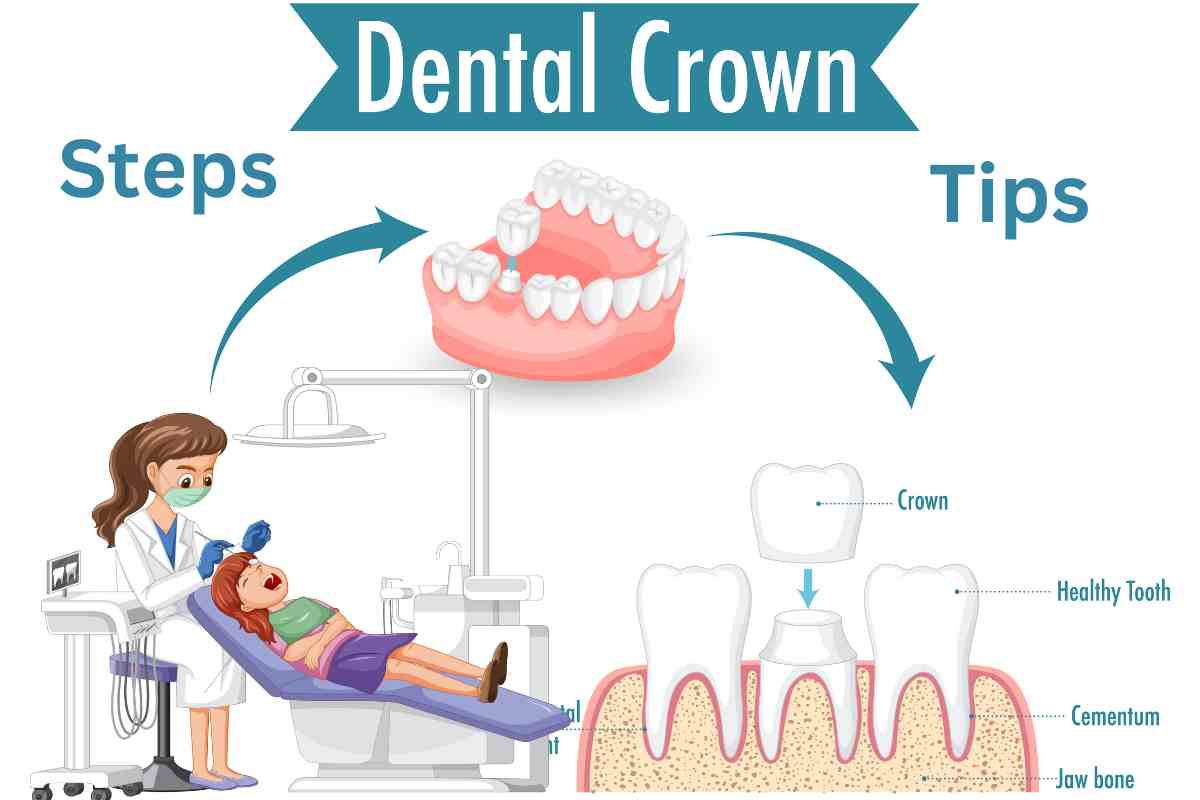
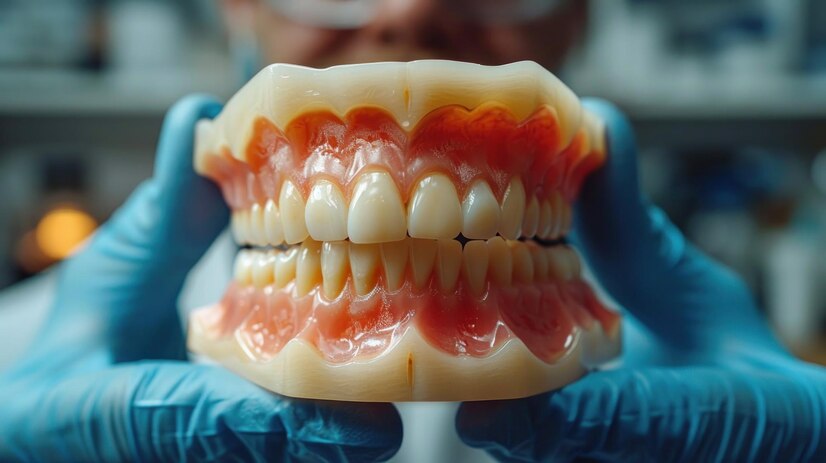
Maintaining oral health is crucial for overall well-being; missing teeth can significantly impact this balance. Partial dentures present a practical and effective solution for those who have lost their back teeth. This comprehensive guide will explore benefits, types, care, and alternatives of partial dentures for back teeth to help you make an informed decision.
What Are Partial Dentures?
Partial dentures are removable dental appliances that are designed to replace more missing teeth. They are particularly beneficial for individuals who have lost their back teeth, known as molars and premolars, which are vital for chewing and maintaining facial structure.
Importance of Replacing Teeth
Back teeth play an essential role in:
Chewing and Digestion: Molars grind food into smaller particles, aiding proper digestion.
Speech and Pronunciation: Missing teeth can affect clarity in speech.
Preventing Dental Shifting: When back teeth are missing, nearby teeth may shift out of alignment, leading to misalignment and additional issues.
Jawbone Health: Back teeth roots stimulate the jawbone, maintaining density and preventing facial structure changes.
Types of Partial Dentures for Back Teeth
Different types of partial dentures cater to varying needs and preferences:
Acrylic Partial Dentures
Description: Made with a pink acrylic base mimicking gum tissue and artificial teeth.
Advantages: Affordable and easy to adjust.
Limitations: Less durable, often considered a temporary solution.
Cast Metal Partial Dentures
Description: Constructed with a durable metal framework supporting acrylic and artificial teeth.
Advantages: Long-lasting, secure fit, and excellent stability.
Limitations: Higher cost and may feel heavier.
Flexible Partial Dentures
Description: Made of thin, lightweight materials that flex for a natural fit.
Advantages: Comfortable, aesthetic, and less likely to irritate.
Limitations: Less durable compared to metal dentures.
Benefits of Partial Dentures for Back Teeth
Partial dentures provide numerous advantages:
Restored Chewing Function: Regain the ability to enjoy a varied diet.
Improved Speech: Fill gaps to support more precise pronunciation.
Enhanced Aesthetics: Prevent sunken cheeks and maintain facial structure.
Cost-Effective: Affordable compared to implants and bridges.
Prevention of Shifting: Keeps remaining teeth in proper alignment.
How Partial Dentures Work
Partial dentures are custom-made to fit your mouth and attach to natural teeth for stability. Here’s a brief overview of their design and functionality:
Design and Fit
Dentists take impressions of your mouth to make dentures that match your natural teeth in both color and size.
Retention and Stability
Metal clasps or precision attachments anchor the dentures securely, allowing comfortable daily use.
Adjustments
Initial discomfort is normal but resolves as your mouth adapts. Regular dental check-ups ensure proper fit and function.
Caring for Partial Dentures
Proper maintenance is essential for longevity and effectiveness:
Daily Cleaning: Use a soft-bristled brush and denture cleanser. Avoid abrasive toothpaste.
Overnight Soaking: Store in water or a cleaning solution to prevent warping.
Handle with Care: Clean dentures over a soft surface to avoid damage if dropped.
Regular Check-Ups: Visit your dentist to assess fit and address any issues.
Potential Challenges and Solutions
Wearing partial dentures may involve some challenges:
Discomfort: Initial soreness is common; adjustments can help.
Eating: Start with soft foods and gradually reintroduce more complex items.
Speech Issues: Practice speaking aloud to adapt faster.
Alternatives to Partial Dentures
If partial dentures aren’t suitable, consider these alternatives:
Dental Bridges
Anchored to adjacent teeth, bridges offer a more permanent solution.
Dental Implants
A durable, long-term option involving titanium posts inserted into the jawbone.
Implant-Supported Dentures
Combines the stability of implants with affordability of dentures.
Conclusion
Partial dentures for back teeth are an excellent option for restoring oral health, functionality, and aesthetics and understanding the types, benefits, and care requirements. It is key to achieving optimal oral health. Whether opting for traditional dentures or exploring alternatives, consulting with your dentist is key.
[vc_row][vc_column][vc_column_text]Before exploring the pros and cons of laser treatment for toenail fungus and why it can be so challenging to treat, it is essential to understand what toenail fungus. Laser treatment for toenail fungus offers high efficacy, minimal side effects, and improved cosmetic results, but it can be costly and may not be available everywhere. Success rates can vary, and there’s a potential for recurrence. Patients should weigh these factors to decide if it’s the right option for them.
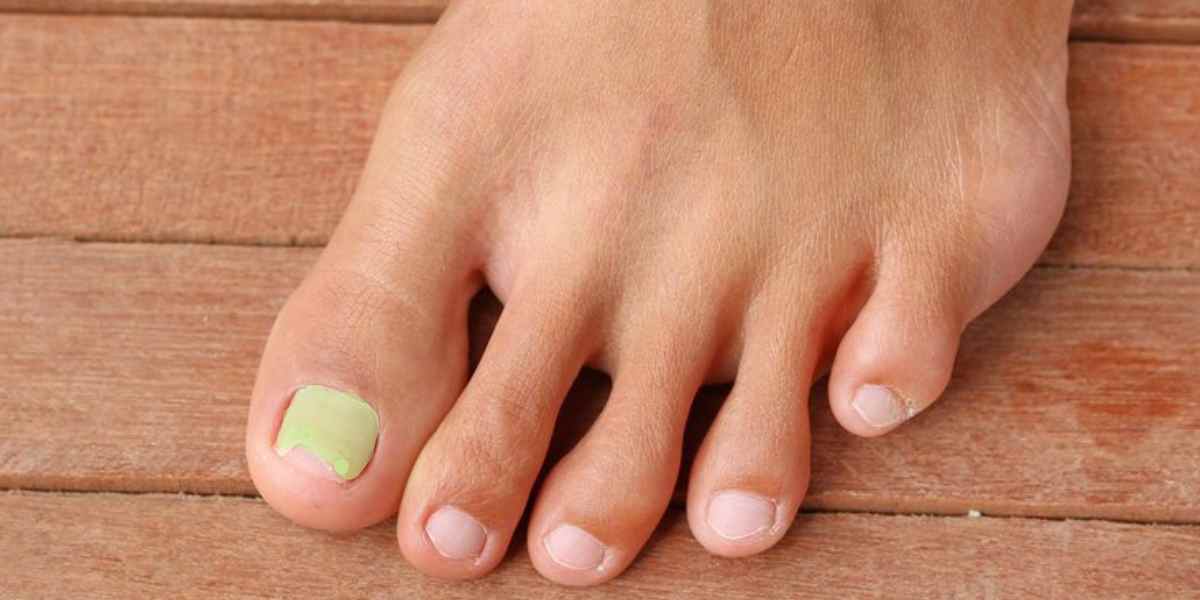
Before exploring the pros and cons of laser treatment for toenail fungus and why it can be so challenging to treat, it is essential to understand what toenail fungus is. Onychomycosis is a fungal infection that explicitly impacts the nails, often caused by dermatophytes, yeasts, or molds. It usually begins as a white or yellow spot underneath the end of the toenail. It can spread deeper into the nail, causing it to thicken, discolor, and crumble at the edges for Pros and Cons of Laser Treatment for Toenail Fungus.
How Laser Treatment Works
Laser treatment uses focused light energy to target specific body areas for various medical or cosmetic purposes and destroy the fungus in and under the toenail. The laser emits pulses of energy that generate heat, effectively killing the fungal cells without damaging the surrounding tissue. There are different types of lasers used in the treatment, such as Nd lasers, diode lasers, and CO2 lasers, each with its specific mechanism of action for understanding Pros and Cons of Laser Treatment for Toenail Fungus.
Pros of Laser Treatment for Toenail Fungus
High Efficacy Rate
One of the basic advantages of laser treatment for toenail fungus is its high efficacy rate. Studies have shown that laser therapy can achieve a significant reduction in fungal infection and improve the appearance of the affected nails. Patients often experience noticeable improvements after just a few sessions.
Non-Invasive Procedure
Laser treatment is a noninvasive procedure, meaning it does’t require any surgical incisions or injections. This makes it an attractive option for individuals who prefer to avoid risks and downtime associated with invasive treatments.
Minimal Side Effects
Unlike oral antifungal medications, which can have severe effects such as liver damage and gastrointestinal issues, laser treatment has minimal side effects. The most common side effect reported is a mild warming sensation during the procedure, which is generally well-tolerated by patients to know Pros and Cons of Laser Treatment for Toenail Fungus.
Quick and Convenient
Laser treatment sessions are relatively quick, typically lasting between 20 to 30 minutes. Most patients require three to four sessions several weeks apart to achieve optimal results. This convenience allows patients to fit the treatment into their busy schedules without significant disruption to diffentiate Pros and Cons of Laser Treatment for Toenail Fungus.
No Drug Interactions
Laser treatment does not involve the use of any medications, making it an ideal choice for individuals who may have contraindications or are already taking multiple medications. This eliminates the risk of drug interactions and the need for monitoring liver function, which is necessary with oral antifungal treatments.
Cosmetic Benefits
In addition to eliminating fungus, laser treatment can also improve the cosmetic appearance of the nails. Patients often report their nails becoming clearer, smoother, and less thickened after treatment. This can boost self-esteem and confidence, especially for those who feel self-conscious about the appearance of their toenails.
Cons of Laser Treatment for Toenail Fungus
Cost
One of the most significant drawbacks of laser treatment for toenail fungus is the cost. Laser therapy can be expensive, with each session ranging from $250 to $550, depending on location and provider. Since multiple sessions are typically required, the total cost can add up quickly. Moreover, many insurance plans do not cover laser treatment for toenail fungus, considering it a cosmetic procedure.
Limited Availability
Laser treatment for toenail fungus is not available in all medical facilities. Patients may need to travel to specialized clinics or dermatology centers that offer this service. This can be inconvenient, particularly for those living in rural or remote areas.
Variable Success Rates
While laser treatment has a high efficacy rate, success can vary depending on the severity of infection, the type of fungus involved, and the individual patient’s response to the treatment. Some patients may require additional sessions or alternative treatments if the infection persists or recurs.
Potential for Recurrence
Toenail fungus has a notorious reputation for recurring, even after successful treatment. While laser therapy can significantly reduce the fungal load, it does not guarantee complete eradication. Patients must take preventive measures, such as maintaining good foot hygiene and avoiding environments conducive to fungal growth, to minimize the risk of recurrence.
Lack of Long-Term Data
Laser treatment for toenail fungus is a relatively new modality, and long-term data on its effectiveness and safety is still being collected. While short-term studies have shown promising results, more research is required to know pros and cons of laser treatment for toenail fungus for Toenail fungus determine the long-term outcomes and potential risks associated with this treatment.
Comparing Laser Treatment with Other Options
Topical Antifungal Treatments
Topical antifungal treatments, such as creams, ointments, and nail lacquers, are often the first defense against toenail fungus. These treatments are easy to apply and have minimal side effects. However, they require consistent application over several months and may not penetrate deeply enough into the nail to reach the infection to check Pros and Cons of Laser Treatment for Toenail Fungus.
Oral Antifungal Medications
Oral antifungal medications, like terbinafine and itraconazole, are more potent than topical treatments and can effectively treat toenail fungus. However, they come with a risk of severe side effects, including liver damage and interactions with other medications. Oral antifungals also require a prolonged treatment duration, usually several months.
Home Remedies
Home remedies, like tea tree oil and essential oils, are popular alternatives for treating toenail fungus. While some people report success with these methods, there is limited evidence to support their efficacy. Home remedies may be worth trying for mild cases, but they are unlikely to be effective for severe infections for Pros and Cons of Laser Treatment for Toenail Fungus.
What to Expect During and After Laser Treatment
During the Procedure
During the laser treatment session, the patient is seated comfortably while the clinician directs the laser device at the affected toenails. The laser emits pulses of light energy, which penetrate the nail and target the fungal cells. Patients may feel a mild warming or tingling sensation, but the procedure is generally painless.
After the Procedure
After the laser treatment, there is no downtime, and patients can resume their usual activities immediately. Following the clinician’s post-treatment care instructions is essential, including keeping the feet clean and dry, avoiding tight-fitting shoes, and applying antifungal creams or sprays to prevent reinfection to understand pros and cons of laser treatment for toenail fungus for Toenail fungus.
Results and Follow-Up
Patients typically start to see improvements in the appearance of their toenails within a few weeks to months after the initial treatment. However, the toenail may take up to a year to grow out entirely and reveal the full results. Follow-up sessions may be necessary to ensure the infection is wholly eradicated and to monitor for any signs of recurrence.
Preventing Toenail Fungus Recurrence
Proper Foot Hygiene
Proper foot hygiene is crucial in preventing toenail fungus recurrence. This includes washing the feet regularly, drying them thoroughly, and trimming and cleaning the toenails. Wearing breathable socks and shoes that allow air circulation can also help prevent fungal growth.
Hygiene Laser Treatment for Toenail Fungus
Avoiding Fungal Hotspots
It is essential to avoid environments conducive to fungal growth, such as public swimming pools, locker rooms, and communal showers. If you must use these facilities, wearing flip-flops or shower shoes can help protect your feet from exposure to fungi.
Using Antifungal Products
Antifungal sprays, powders, or creams applied to the feet and inside shoes can help prevent reinfection. These products create an inhospitable environment for fungi, reducing the risk of recurrence.
Regular Monitoring
Get checked Treatment for Toenail Fungus
Regular monitoring of your toenails for any signs of infection is vital. If you notice any changes in your nails’ color, texture, or thickness, seek medical advice promptly. Early detection can prevent the infection from becoming severe and reduce the need for extensive treatment to know pros and cons of laser treatment for toenail fungus for Toenail fungus.
Conclusion
Pros and cons of laser treatment for toenail fungus offers a promising alternative to traditional treatments. It offers numerous advantages, such as high efficacy, minimal side effects, and improved cosmetic outcomes. However, it also comes with drawbacks, including cost, limited availability, and the potential for recurrence. By weighing the pros and cons and considering individual circumstances, patients can make an informed decision about whether laser treatment is the right choice for them.
Laser treatment may not be a one-size-fits-all solution in the fight against toenail fungus, but it represents a significant advancement in the options available for those suffering from this persistent condition. Patients can enjoy healthier, clearer nails, reducing the impact of toenail fungus on their lives.[/vc_column_text][/vc_column][/vc_row][vc_row][vc_column width=”1/1″][us_separator size=”small”][/vc_column][/vc_row][vc_row][vc_column width=”1/1″][us_text text=”frequently asked questions (FAQ)” link=”%7B%22url%22%3A%22%22%7D” tag=”h2″][/vc_column][/vc_row][vc_row][vc_column width=”1/1″][us_separator size=”small”][vc_tta_accordion][vc_tta_section title=”Is it helpful to know pros and cons of laser treatment for toenail fungus for Toenail fungus?” tab_link=”%7B%22url%22%3A%22%22%7D”][us_text text=”Laser treatment for toenail fungus has a high efficacy rate. Studies have shown that it can significantly reduce fungal infection and improve the appearance of affected nails. Most patients see noticeable improvements after just a few sessions.” link=”%7B%22url%22%3A%22%22%7D”][/vc_tta_section][vc_tta_section title=”What are the side effects of laser treatment for toenail fungus?” tab_link=”%7B%22url%22%3A%22%22%7D”][us_text text=”Laser treatment for toenail fungus has minimal side effects. The most common side effect reported is a mild warming sensation during the procedure, which is generally well-tolerated by patients. Unlike oral antifungal medications, laser treatment does not carry risks such as liver damage or gastrointestinal issues.” link=”%7B%22url%22%3A%22%22%7D”][/vc_tta_section][vc_tta_section title=”How many laser treatment sessions are typically needed?” tab_link=”%7B%22url%22%3A%22%22%7D”][us_text text=”Most patients require three to four laser treatment sessions, spaced several weeks apart, to achieve optimal results. Each session typically lasts between 20 to 30 minutes, making it a convenient option for those with busy schedules.” link=”%7B%22url%22%3A%22%22%7D”][/vc_tta_section][vc_tta_section title=”Is laser treatment for toenail fungus covered by insurance?” tab_link=”%7B%22url%22%3A%22%22%7D”][us_text text=”Laser treatment for toenail fungus can be expensive, with each session costing between $250 to $550. Since multiple sessions are typically needed, the total cost can add up quickly. Many insurance plans do not cover laser treatment for toenail fungus, as it is often considered a cosmetic procedure. Patients should check with their insurance provider to confirm coverage details.” link=”%7B%22url%22%3A%22%22%7D”][/vc_tta_section][/vc_tta_accordion][/vc_column][/vc_row]
[vc_row][vc_column][vc_column_text]Dental crowns can become loose for various reasons, and understanding these is the first step in effective loose crown treatment. A dental crown may become loose due to underlying decay, trauma to the tooth or crown, or general wear and tear over time. Loose crown treatment involves identifying the root cause, securely reattaching the crown, and ensuring the underlying tooth remains healthy.
Effective loose crown treatment requires a comprehensive approach. More than simply reattaching a loose crown without addressing the issues can lead to further complications. Therefore, it’s essential to seek professional help to diagnose and treat the problem’s cause accurately. Loose crown treatment isn’t just about fixing the crown; it’s about ensuring the overall health of your tooth and mouth.
Symptoms of a Loose Crown
Recognizing the symptoms of a loose crown is crucial for timely treatment. Symptoms can vary, but some common signs indicate a crown is loose. One of the primary symptoms is sensitivity or pain in the crowned tooth. This discomfort may occur when biting down, eating, or even exposure to hot or cold temperatures.
Another symptom to watch for is the physical movement or wobbling of the crown. If you can feel the crown shift when you touch it with your tongue or fingers, it’s a clear sign that the crown is not secure. Additionally, visible gaps between the crown and the gum line can indicate a loose crown. This gap can be a breeding ground for bacteria, leading to further dental issues if not addressed promptly.
An unusual taste in your mouth can also be a symptom of a loose crown. This taste often results in food particles trapped under the crown, leading to bacterial growth. If you experience any of these symptoms, it’s essential to seek loose crown treatment as soon as possible to prevent further damage to your tooth and crown.
Immediate Steps
When you notice a loose crown, taking immediate steps can protect your tooth and crown from further damage. These initial steps can help mitigate potential issues until you can see your dentist. First and foremost, if the crown is exceptionally loose, gently remove it to prevent the risk of swallowing or inhaling it. Store the crown in a safe place until your dental appointment.
Next, clean both the crown and the tooth area thoroughly. Rinse the crown and mouth with warm water to remove debris or food particles. This step prevents further infection or decay around the loose crown. Additionally, avoid chewing on the affected tooth until you see your dentist. Chewing with a loose crown can cause additional damage to the tooth or crown, complicating loose crown treatment.
While these immediate steps can provide temporary relief, they are not a substitute for professional loose crown treatment. Seeing your dentist as soon as possible is vital to properly secure the crown and address issues that may have caused it to become loose in the first place.
Professional Loose Crown Treatment
Consulting a dentist is the most effective way to treat loose crowns. Professional intervention ensures that the crown is securely reattached and any underlying dental issues are addressed. Here’s what to expect during your visit:
Examination and Diagnosis
The first step in professional loose crown treatment is a thorough examination and diagnosis by your dentist. The dentist will examine the loose crown and the underlying tooth to determine the cause of the problem. This examination may involve X-rays to check for decay, damage, or other issues that may not be visible to the naked eye. Identifying the main cause is crucial for effective, addressing the problem comprehensively, and preventing future recurrence.
Cleaning and Preparation
The dentist will thoroughly clean the crown and tooth for effective treatment. This cleaning process involves removing debris, old cement, or bacteria from the crown and tooth surface. Proper cleaning is essential for a strong bond when reattaching the crown. The dentist may also prepare the tooth surface by smoothing it or making minor adjustments to ensure the crown fits properly and securely.
Recementing the Crown
In many cases, loose crown treatment involves receiving the crown. The dentist will use a unique dental adhesive to secure the crown. This process is quick and usually painless. The dentist will ensure the crown is correctly aligned and fits comfortably with your bite. Properly receiving the crown is crucial for its long-term stability and function. Once the crown is in place, the dentist will remove any excess adhesive and polish it to ensure it looks and feels natural.
Addressing Underlying Issues
Suppose decay or damage is found under the crown during the examination. In that case, the dentist will need to address these issues before securing the crown. This step is essential for successful loose crown treatment. Depending on the severity of the problem, addressing underlying issues may involve filling cavities or performing a root canal. Properly treating these issues ensures that the tooth remains healthy and robust, providing a stable foundation for the crown.
Preventing Future Issues
After receiving loose crown treatment, it’s essential to take preventive measures to avoid future problems. Maintaining good oral hygiene is one of the most effective ways to prevent crowns from becoming loose.
It is also crucial to avoid habits that can damage your crown. Chewing on hard foods or objects can put unnecessary stress on your crown and cause it to become loose. If you grind your teeth at night, consider using a mouthguard to protect your crowns and natural teeth from excessive wear.
Regular dental check ups are essential for monitoring the condition of your crowns and overall dental health. After these visits, your dentist can identify potential issues early and provide timely loose crown treatment if necessary. By following these measures, you can ensure your dental crown’s longevity and avoid frequent loose crown treatment.
The Importance of Loose Crown Treatment
Addressing a loose crown promptly is crucial for several reasons. First and foremost, if not treated in time, a loose crown can lead to further dental issues. Food particles can get trapped under loose crown, leading to decay, infection, and gum disease. These issues can compromise the underlying tooth’s and surrounding teeth’ health, making loose crown treatment more complicated.
Additionally, a loose crown can affect your ability to eat and speak comfortably. The discomfort and sensitivity associated with a loose crown can impact your quality of life. By seeking prompt loose crown treatment, you can restore the function and comfort of your dental restoration, allowing you to eat and speak without pain or difficulty.
Finally, addressing a loose crown promptly can prevent need for more costly dental procedures. If a loose crown is left untreated, the underlying tooth may become severely damaged, requiring more treatments such as tooth extractions. Timely loose crown treatment can save you time, money, and discomfort in the long run.
Common Questions and Concerns
Patients often have questions and concerns about loose crown treatment. Understanding these common queries can help you feel more informed and prepared for treatment. Here are some frequently asked questions about loose crown treatment:
Is Loose Crown Treatment Painful?
It is typically not painful. Cleaning, preparing, and recementing the crown is usually quick and involves minimal discomfort. If there is underlying decay or damage, remain comfortable during necessary treatments.
How Long Does Take?
The duration of loose crown treatment can vary depending on the case’s complexity. Recementing a crown usually takes about 30 minutes to an hour. If additional treatments, such as filling cavities or performing a root canal, are required, the appointment may take longer. Your dentist will provide an estimate of the treatment time during your consultation.
Can I Eat Normally After?
After loose crown treatment, you should avoid eating for at least an hour to allow the adhesive to set correctly. Once the adhesive has fully set, you can start regular eating habits. However, it’s a good idea to avoid very hard or sticky foods that could stress the newly secured crown.
How Long Will My Crown Last After Loose Crown Treatment?
With proper care, dental crown can last many years after loose crown treatment. Maintaining good oral hygiene, avoiding habits that can damage the crown, and scheduling regular dental check ups are essential for the longevity of your crown.
Conclusion
Dealing with a loose crown can be concerning, but prompt and effective loose crown treatment can save your crown and protect your tooth. Recognizing the symptoms of a loose crown, taking immediate protective steps, and consulting your dentist for professional treatment are crucial steps in addressing this issue. It can prevent future problems and ensure your dental crowns remain secure and functional.
Loose crown treatment is not just about fixing the crown; it’s about ensuring the overall health of your tooth and mouth. If you have any questions or need further information on loose crown treatment, don’t hesitate to contact your dental professional. Taking care of dental health today can save you from more significant issues tomorrow.[/vc_column_text][us_separator size=”small”][vc_row_inner][vc_column_inner width=”1/1″][us_text text=”frequently asked question (FAQs)” link=”%7B%22url%22%3A%22%22%7D” tag=”h2″][/vc_column_inner][/vc_row_inner][us_separator size=”small”][/vc_column][/vc_row][vc_row][vc_column width=”1/1″][vc_tta_accordion][vc_tta_section title=”What are the symptoms of a loose crown?” tab_link=”%7B%22url%22%3A%22%22%7D”][us_text text=”A loose crown often feels wobbly or shifts when touched. You might experience sensitivity or pain, especially when eating or drinking hot or cold items. A visible gap between the crown and the gum line can trap food particles and bacteria, sometimes leading to an unpleasant odor in your mouth.” link=”%7B%22url%22%3A%22%22%7D”][/vc_tta_section][vc_tta_section title=”Should I pull out a loose crown myself?” tab_link=”%7B%22url%22%3A%22%22%7D”][us_text text=”It’s best not to pull out a loose crown on your own. Doing so could damage the underlying tooth and make things worse. If the crown is very loose, you can gently remove it to avoid swallowing it. Make sure to rinse your mouth with warm water to keep the area clean, and contact your dentist for proper treatment.” link=”%7B%22url%22%3A%22%22%7D”][/vc_tta_section][vc_tta_section title=”What should I do if my crown is loose but won’t come off?” tab_link=”%7B%22url%22%3A%22%22%7D”][us_text text=”If your crown is loose but won’t come off, avoid chewing with that tooth to prevent further damage. Rinse your mouth with warm water and stay away from sticky or hard foods. Make an appointment with your dentist to have the crown properly assessed and fixed.” link=”%7B%22url%22%3A%22%22%7D”][/vc_tta_section][vc_tta_section title=”What if my crown is loose on a root canal tooth?” tab_link=”%7B%22url%22%3A%22%22%7D”][us_text text=”If the crown on a root canal tooth becomes loose, it’s important not to use the affected tooth for chewing. Contact your dentist right away. They will check the tooth, address any issues, and securely reattach or replace the crown as needed.” link=”%7B%22url%22%3A%22%22%7D”][/vc_tta_section][/vc_tta_accordion][/vc_column][/vc_row]
Getting well from wisdom teeth removal can be challenging, especially regarding dietary choices. One common question arises: Can I eat rice after wisdom teeth removal?, This blog will address this question in detail, providing clear guidance on when and how to incorporate rice into your post surgery diet.
Wisdom teeth removal is a common dental procedure to extract the third set of molars at the back of your mouth. These teeth often cause problems such as pain, infection, and crowding, necessitating their removal.
Recovery Process
The recovery process following wisdom teeth removal involves a careful approach to the diet to avoid complications and promote healing. Soft foods are generally recommended to minimize irritation and ensure comfort.
Immediate Post Surgery Diet
In the initial 24-48 hours following surgery, sticking to very soft or liquid foods is crucial. During this period, the surgical sites are susceptible, and any solid food can cause irritation or dislodge blood clots, leading to complications like dry sockets.
Introducing Rice into Your Diet
So, can I eat rice after wisdom teeth removal? Yes, but with some considerations. After the first few days, you can gradually introduce soft, easy-to-chew foods like well-cooked rice. Here are some key points to keep in mind:
Consistency Matters
Ensure the rice is cooked well, making it soft and easy to engulf without much chewing. Avoid too sticky or clumpy rice as it can get lodged in the surgical sites.
Monitor Your Healing
Pay attention to how your mouth feels after eating rice. If you experience discomfort or notice food particles getting stuck, wait a few more days before trying again.
Combine with Other Soft Foods
Pair rice with other soft foods, such as mashed potatoes, steamed vegetables, or scrambled eggs, to create a balanced meal that is gentle on your healing gums.
Tips for Eating Rice Safely
Preparation Tips
Cook Thoroughly: Cook the rice until it is very soft and mushy to reduce the effort needed to chew.
Avoid Spices: Keep the seasoning mild to avoid any irritation to the surgical sites.
Small Bites: Take small bites and chew gently to prevent disturbing the healing process.
Oral Hygiene After Eating
Rinse Carefully: After eating rice, gently clean your mouth with warm water and salt to remove any food pieces that may have gotten stuck.
Avoid Straws: Do not use straws, as the suction can dislodge blood clots and impede healing.
Alternative Food Options
While answering the question, “Can I eat rice after wisdom teeth removal?” it is also helpful to consider other soft food options to diversify your diet and ensure adequate nutrition during recovery.
Recommended Soft Foods
Smoothies and Milkshakes
Yogurt and Pudding
Mashed Potatoes and Soft Vegetables
Scrambled Eggs and Soft Cheeses
Oatmeal and Cream of Wheat
Conclusion
In conclusion, the answer to “Can I eat rice after wisdom teeth removal?” is yes, but it is essential to ensure the rice is cooked well and consumed carefully. By following the guidelines provided in this blog, you can enjoy rice and other soft foods while promoting a smooth and comfortable recovery process. Always contact your dentist for personal advice based on your condition and healing progress.
In today’s digital age, the way teens communicate has evolved rapidly, giving rise to a unique set of slang terms. Among these, the “teens slangy term for parents” stands out as a fascinating linguistic phenomenon. These terms, often humorous and sometimes baffling to older generations, provide insight into the dynamic relationship between teens and their parents.
Common Teens Slangy Terms for Parents
Teens have a knack for creativity, and this is evident in the myriad of slang terms they use to refer to their parents. Here are a few popular “teens slangy term for parents”:
Rents: A shortened version of parents, this term is widely used and easily recognizable.
Folks: A casual and affectionate term that teens often use.
P-units: A playful and slightly tech-savvy term that reflects the influence of the digital age.
Teens have a unique way of creating and using language, especially when it comes to referring to their parents. Here are some of the most common “teens slangy terms for parents,” along with explanations for each term:
Rents
‘Rents is a widely used slang term that shortens the word “parents.” It’s a casual and concise way for teens to refer to their parents without the formality of the full word. This abbreviation reflects the trend of brevity and efficiency in modern teen communication.
Folks
‘Folks is another popular term that teens use to refer to their parents. It’s an informal and affectionate way of addressing them, often used in a friendly and casual context. This term can sometimes extend to other family members or older adults, but in the context of teens, it specifically refers to their parents.
P-units’
‘P-units is a playful and somewhat tech-savvy term for parents. The “P” stands for parents, and “units” reflects a more modern and slightly detached way of referring to them. This term is influenced by the digital age and the way teens interact with technology, often using jargon that mimics tech language.
Parental Units
‘Parental Units is a more formal but still slangy term used by teens. This term often has a humorous connotation, as it sounds like something out of a science fiction movie or a tech manual. It’s a way for teens to refer to their parents in a way that feels both respectful and irreverent.
Ancestors
‘Ancestors is a term that teens use humorously to refer to their parents. It plays on the generational gap and often carries a tone of mock reverence. While it might sound like a serious term, in teen slang, it’s used to emphasize the age difference and the perceived old-fashioned nature of their parents.
Olds
‘Olds is a term that teens use to refer to their parents, highlighting the generational gap. It’s a straightforward and slightly cheeky way to acknowledge the age difference. This term can be used affectionately or playfully, depending on the context.
Why Teens Use Slangy Terms for Parents
The usage of a “teens slangy term for parents” is more than just a trend; it’s a way for teens to express their individuality and to navigate their social world. Using these terms can help teens feel more in control and less formal when talking about their parents. It also serves as a way to bond with peers who understand and use the same slang.
The Evolution of the Teens Slangy Term for Parents
Language is always evolving, and the “teens slangy term for parents” is no exception. What might be popular today can quickly change as new cultural influences emerge. Social media platforms, movies, and music all play significant roles in shaping the language teens use, including the terms they use for their parents.
How Parents Can Keep Up with Teens Slangy Terms
For parents wanting to stay connected with their teens, understanding the “teens slangy term for parents” can be beneficial. Here are some tips:
Stay Informed: Follow popular teen influencers and social media platforms to keep up with the latest slang.
Communicate: Talk to your teens about the terms they use and what they mean. This can open up a dialogue and help bridge the generational gap.
Be Open-Minded: Remember that slang is a natural part of language evolution. Embrace the creativity and have fun with it.
The Cultural Significance of Teens Slangy Terms for Parents
The “teens slangy term for parents” reflects broader cultural trends and attitudes. It shows how teens navigate their identities and relationships in a rapidly changing world. The ways in which language adapts to meet the needs of its users.
Conclusion
In conclusion, the “teens slangy term for parents” is a fascinating aspect of modern language that highlights the ever-changing nature of communication. As teens continue to innovate and create new slang, staying attuned to these changes can help parents and older generations connect with and understand the younger generation better. Embracing these terms can lead to a more harmonious and connected family dynamic.