Category: Yoga and Pilates

20 Different Types of Exercises to Boost Strength, Endurance, and Flexibility

Staying active is important for preserving good health, improving cardiovascular endurance, building muscle strength, and enhancing flexibility. Whether you prefer bodyweight exercises, weightlifting, or outdoor activities, incorporating a variety of movements into your routine ensures balanced fitness.

Below, we explore 20 Different Types of Exercises categorized into cardiovascular endurance, strength training, and flexibility workouts. Each exercise targets specific muscle groups & contributes to overall fitness.

20 Different Types of Exercises

Cardiovascular Endurance Workouts

Cardio exercises improve heart health, stamina, and lung capacity while burning calories. These workouts are great for weight loss and boosting endurance.

1. Jumping Rope

A classic and effective aerobic exercise, jumping rope strengthens the heart, improves coordination, and enhances agility. This high-intensity workout also aids in weight loss and increases bone density.

20 Different Types of Exercises2. Cycling

One of the best low-impact cardiovascular exercises, cycling strengthens the legs, improves joint mobility, and enhances endurance. Whether outdoors or on a stationary bike, it’s an excellent calorie-burning workout.

20 Different Types of Exercises3. Brisk Walking

Unlike casual strolling, brisk walking (around 3-4.5 mph) raises the heart rate, burns fat, and strengthens the lower body. It’s a tremendous beginner-friendly alternative to running.

20 Different Types of Exercises4. Stair Climbing

Taking the stairs makes it easy to engage multiple muscle groups while improving cardiovascular health. It enhances leg strength, glute activation, and endurance while reducing the risk of heart disease.

20 Different Types of Exercises5. Aerobics

High-energy aerobics workouts—like Zumba or step aerobics—improve cardiovascular fitness, flexibility, and balance while making exercise fun and engaging.

20 Different Types of Exercises6. Dancing

Whether salsa, hip-hop, or ballet, dancing improves coordination, burns calories, and enhances flexibility. It’s also a stress-relieving and enjoyable way to stay active.

20 Different Types of Exercises7. Swimming

Swimming is a full-body, low-impact cardio exercise that increases lung capacity, builds endurance, and strengthens muscles. It’s ideal for individuals with joint pain or arthritis.

20 Different Types of Exercises8. Mountain Climbers

This high-intensity bodyweight exercise mimics the movement of climbing and is excellent for cardio conditioning, core strength, and fat burning.

20 Different Types of Exercises9. Burpees

A staple in circuit training, burpees combine strength and endurance by incorporating squats, push-ups, and jumps into one explosive movement.

20 Different Types of Exercises10. Rowing

Using a rowing machine or engaging in water rowing provides a full-body workout, building endurance while strengthening the core, arms, and legs.

20 Different Types of ExercisesStrength Training Exercises

Building muscle is essential for boosting metabolism, enhancing bone density, and preventing injuries. Strength exercises can be done using bodyweight movements or lifting weights.

11. Chair Squat

Chair squats are a beginner-friendly squat variation that targets the glutes, hamstrings, and quadriceps while improving balance and mobility.

20 Different Types of Exercises12. Push-ups

Push-ups are among the best upper-body exercises, working the chest, shoulders, triceps, and core. Beginners can modify with knee push-ups.

20 Different Types of Exercises13. Bridge Exercise

The bridge exercise strengthens your glutes, hamstrings, and lower back. It also improves posture and core stability.

20 Different Types of Exercises14. Jumping Lunges

Adding a jump to traditional lunges increases intensity, improving lower-body power, balance, and agility.

20 Different Types of Exercises15. Squat Jumps

This explosive plyometric exercise builds lower-body strength, enhances speed, and boosts cardiovascular endurance.

20 Different Types of Exercises16. Lifting Weights

Weightlifting helps build muscle mass, increases metabolism, and strengthens bones. Beginners can start with dumbbells or resistance bands.

20 Different Types of Exercises17. Bird Dog Exercise

This core and stability exercise enhances coordination, strengthens the lower back, and improves posture.

20 Different Types of Exercises18. Dead Bug Exercise

A popular core-strengthening movement, the dead bug exercise improves stability and strengthens the abdominal muscles and lower back.

20 Different Types of Exercises19. The Contralateral Limb Raises

This full-body exercise improves balance and strengthens the core, back, and legs by engaging opposite limbs.

20 Different Types of ExercisesFlexibility and Balance Workouts

Improving flexibility prevents injuries and enhances overall movement. Balance exercises also help with coordination and stability.

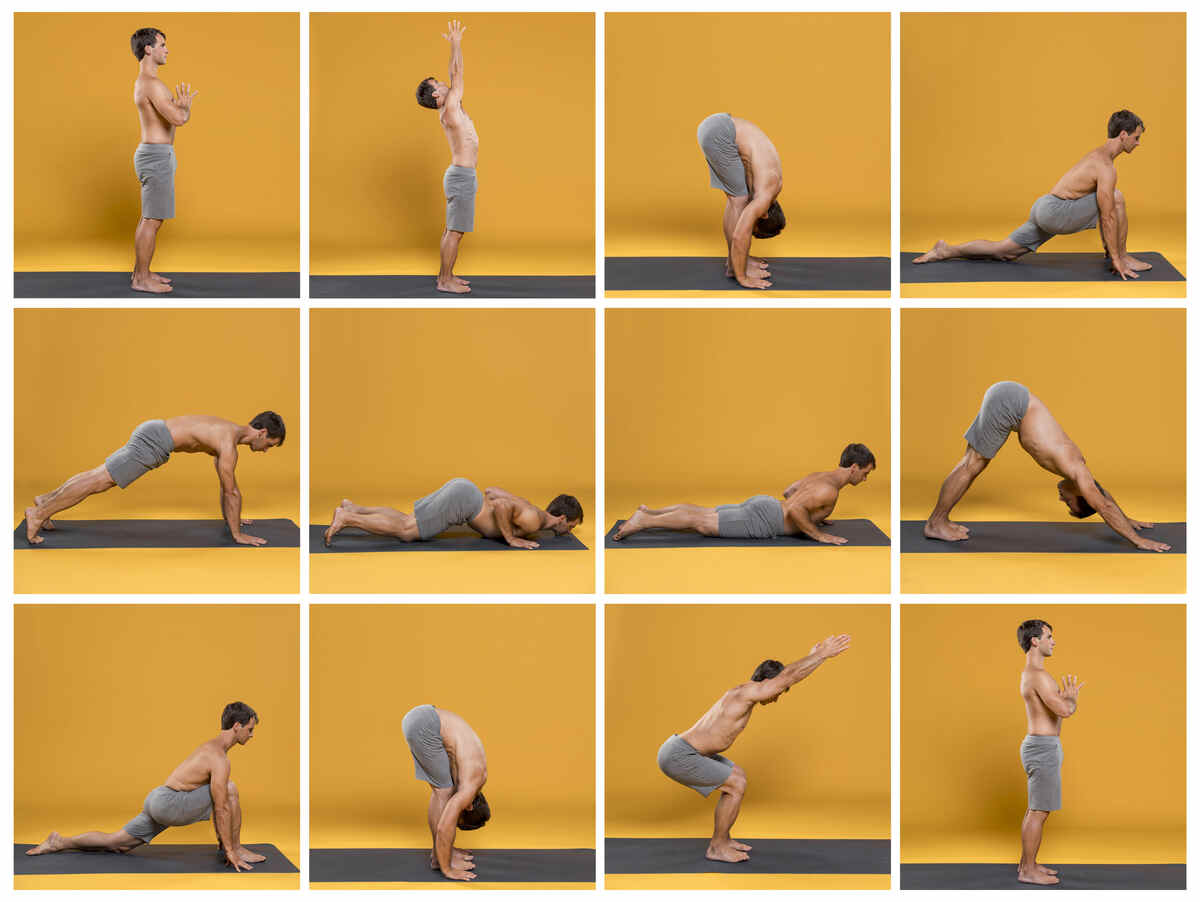
20. Yoga

Yoga combines breath control, strength, and stretching to enhance flexibility and reduce stress. Poses like the plank to downward dog improve core strength and mobility.

20 Different Types of ExercisesHow to Incorporate These Exercises into Your Routine

For best results, combine different types of exercises throughout the week:

  • Cardio workouts (e.g., cycling, swimming, jumping rope) 3-5 times per week
  • Strength training (e.g., push-ups, squats, lifting weights) 2-3 times per week
  • Flexibility & balance exercises (e.g., yoga, Pilates) at least 2 times per week

Final Thoughts

Regular exercise improves physical and mental well-being, reduces the risk of chronic diseases, & enhances overall fitness. Whether you prefer circuit training, weightlifting, or outdoor activities, the key is staying consistent and choosing exercises that you enjoy.

Tags: , , , ,

2 Person Yoga Poses for Flexibility, Balance and Connection

Yoga has long been celebrated for its ability to harmonize the body and mind, but practicing yoga with a partner takes this ancient discipline to a new level. 2-person yoga poses are fun and engaging and strengthen trust, communication, and synchronization between participants. Whether you’re a beginner or an experienced yogi, partner yoga offers an enriching experience that blends fitness with bonding.

In this guide, we’ll explore a variety of 2 person yoga poses, highlighting the steps and benefits of each.

Why Practice 2 Person Yoga Poses?

Practicing yoga with a partner deepens physical and emotional connections while promoting mutual support. It requires participants to rely on each other for balance and alignment, fostering trust and teamwork.

Key benefits include:

  • Improved Flexibility: Leveraging a partner’s assistance helps achieve deeper stretches.
  • Enhanced Balance: Coordination with another person refines your equilibrium.
  • Strengthened Relationships: This practice builds communication and understanding.
  • Boosted Energy: The shared experience creates a sense of joy and motivation.

2 Person Yoga PosesBeginner-Friendly 2 Person Yoga Poses

Double Downward Dog

This pose is an excellent partner starting point, requiring cooperation and core strength.

Steps

  1. Partner 1 begins in a traditional downward dog position.
  2. Partner 2 places their hands on Partner 1’s lower back and carefully steps onto their hips to assume an inverted V-shape, aligning feet on their partner’s back.
  3. Both partners hold for 5–7 breaths before gently dismounting.

Benefits

  • Opens the shoulders and chest.
  • Strengthens the core and legs of both participants.

2 Person Yoga PosesSeated Forward Fold with Partner

This calming pose is ideal for stretching the hamstrings and lower back.

Steps

  1. Sit facing each other with your legs extended straight out in front of you and your feet touching.
  2. Hold hands and take turns leaning forward, gently pulling your partner into a deeper stretch.
  3. Switch roles after 5–7 breaths.

Benefits

  • Enhances flexibility in the hamstrings and spine.
  • Promotes relaxation and mindfulness.

2 Person Yoga PosesIntermediate 2 Person Yoga Poses

Partner Boat Pose

A playful pose that engages the core and improves balance.

Steps

  1. Sit facing each other, knees bent, with your toes touching.
  2. Hold hands and slowly lift your feet, bringing the soles together while extending your legs upward.
  3. Balance on your sit bones, maintaining the pose for 3–5 breaths.

Benefits

  • Strengthens the core and hip flexors.
  • Improves focus and synchronization.

2 Person Yoga PosesDouble Plank Pose

This poses challenges to strength and balance for both partners.

Steps

  1. Partner 1 assumes a standard plank position.
  2. Partner 2 carefully places their hands on Partner 1’s ankles and steps their feet onto Partner 1’s shoulders, forming an elevated plank.
  3. Hold the pose for 10 seconds before dismounting.

Benefits

  • Builds upper-body strength.
  • Enhances coordination and stability.

2 Person Yoga PosesAdvanced 2 Person Yoga Poses

Flying Bow Pose

An acrobatic pose requiring trust and precision.

Steps

  1. Partner 1 (the base) lies on their back and lifts their legs perpendicular to the floor.
  2. Partner 2 (the flyer) leans forward, placing their hips on Partner 1’s feet and extending their arms backward.
  3. The base supports the flyer’s weight while it lifts its chest and legs, resembling a bow shape.

Benefits

  • Enhances full-body strength.
  • Builds confidence and trust.

2 Person Yoga PosesDouble Warrior Pose

This standing pose emphasizes balance and symmetry.

Steps

  1. Stand side by side, facing the same direction, and hold each other’s wrists.
  2. Step forward with one leg into lunge position, making sure to keep your back leg straight.
  3. Extend your free arm overhead and gaze forward, maintaining the pose for five breaths before switching sides.

Benefits

  • Strengthens legs and arms.
  • Improves posture and coordination.

2 Person Yoga PosesTips to Enhance Your Partner Yoga Practice

  • Communication is Key: Talk through each movement to ensure mutual understanding.
  • Focus on Breathing: Synchronized breathing enhances flow and connection.
  • Practice Patience: Mastering partner poses takes time; enjoy the process.

Embrace Connection Through Partner Yoga

2 person yoga poses are more than just physical exercises—they’re opportunities to build deeper connections with a partner while enhancing strength, balance, and flexibility. From beginner-friendly stretches to advanced acrobatics, partner yoga offers something for everyone. Whether you’re practicing with a friend, family member, or significant other, these poses create a harmonious blend of fitness and fun.

Tags: , ,

Top 10 Yoga Poses for 4 People: Fostering Unity and Health

In today’s fast-paced world, connecting with loved ones or colleagues can be challenging due to time constraints. Group yoga offers a unique way to strengthen physical health while fostering deeper emotional bonds. Practicing yoga in a group of four enhances physical fitness and builds trust and unity, making it an ideal practice for friends, family, or coworkers. In this blog, we’ll explore the top 10 Yoga Poses for 4 People designed to boost flexibility, promote teamwork, and encourage emotional well-being.

The Benefits of Group Yoga

Yoga Poses for 4 People Physical Benefits

Group yoga isn’t just about doing poses together but enhancing each participant’s physical health. When practicing in a group of four, individuals can benefit from increased flexibility, improved strength, and better balance. Working together to achieve challenging poses helps increase muscle tone, improves cardiovascular health, and encourages pushing physical limits in a supportive environment.

Emotional Benefits

Yoga has long been known to help reduce stress and promote relaxation. When practiced in a group, these benefits are magnified. The shared experience builds emotional resilience and fosters a sense of trust, empathy, and support among participants. Whether you’re practicing with friends, family, or coworkers, group yoga helps create a deeper connection and emotional bonding.

Social Benefits

One of most significant benefits of practicing yoga in a group is the sense of community it cultivates. In group yoga, participants work together to achieve common goals. Whether performing synchronized poses or supporting each other’s balance, teamwork is key. This strengthens physical health and social connections, leading to more profound relationships and stronger bonds.

Preparation and Safety

Preparing the space and ensuring all participants ‘ safety is essential before diving into group yoga. Here’s how:

Space and Environment

Select a spacious, quiet environment where all participants can move freely. The room should have enough space to stretch and perform poses without obstruction. A serene, peaceful setting enhances relaxation and focus during practice, making the experience more fulfilling.

Warm-Up Exercises

Warm-up exercises are essential for preventing injuries & preparing the body for the session. Light stretches or simple yoga flows, such as Sun Salutations, help loosen muscles, increase circulation, and prepare the body for more intense movements.

Communication and Trust

Clear communication is key in any group setting, especially in yoga. Encourage participants to express any discomfort or limitations before starting. Building trust through mutual respect and consistent practice will create a more positive, supportive environment for everyone involved.

Top 10 Yoga Poses for 4 People

Here are ten group yoga poses that promote physical strength, trust, and connection:

Double Downward Dog

  • How to Perform: Two pairs of partners perform Downward Dog while supporting each other’s lower backs. One person from each pair starts in Downward Dog and places their feet on their partner’s lower back to complete the pose.
  • Benefits: This pose enhances arm, leg, and core strength, stretches the spine, and improves coordination and balance. It also fosters communication and trust between participants.

Quadruple Boat Pose

  • How to Perform: All four participants sit in a circle, holding hands. Each person lifts their legs and leans back slightly to form a shared Boat Pose.
  • Benefits: This pose strengthens the core, improves balance, and fosters participant cooperation and unity.

Circle Warrior

  • How to Perform: Participants form a circle, performing Warrior II while holding hands. Each person extends their arms and legs, creating a strong, balanced stance.
  • Benefits: Circle Warrior builds leg strength, opens the hips, and improves focus. Holding hands strengthens the emotional bond between participants, enhancing teamwork.

Four-Way Plank

  • How to Perform: All four participants lie on their stomachs, creating a cross by resting their feet on one another’s shoulders. This creates a stable plank position.
  • Benefits: The Four-Way Plank strengthens core and shoulder muscles, improves balance, and enhances teamwork and communication.

Partner Tree Pose

  • How to Perform: Two pairs of participants perform Tree Pose while supporting each other’s shoulders for balance. Each person stands on one leg, placing the sole of the other foot against the inner thigh of the standing leg.
  • Benefits: This pose improves balance, strengthens the legs, and fosters trust between participants.

Yoga Poses for 4 People Quad Bridge Pose

  • How to Perform: All four participants lie on their backs in a circle with their feet resting on one another’s hips. They then lift their hips to create a shared bridge.
  • Benefits: Quad Bridge Pose strengthens the back, glutes, and legs while promoting coordination and teamwork.

Circle Cat-Cow

  • How to Perform: Participants form a circle on all fours and move through the Cat and Cow poses together, synchronizing their movements.
  • Benefits: This pose increases spine flexibility, enhances breath synchronization, and promotes participant unity and connection.

Group Child’s Pose

  • How to Perform: Participants kneel in a circle and perform a Child’s Pose with their hands touching the center, creating a shared position.
  • Benefits: Group Child’s Pose stretches the back, promotes relaxation, and creates a sense of comfort and connection.

Standing Quad Stretch

  • How to Perform: Participants stand in a circle, holding each other’s shoulders while performing a quad stretch. Each person bends one knee, bringing the heel toward the buttocks, and holds the ankle with one hand.
  • Benefits: This stretch increases flexibility in the thighs, improves balance, and promotes mutual trust and support among participants.

Human Mandala

  • How to Perform: All four participants lie on their backs with their feet touching the group’s center, forming a mandala shape. They extend their arms outward, creating a star-like pattern.
  • Benefits: The Human Mandala promotes relaxation, stretches the back and legs, and enhances the sense of interconnectedness and unity.

Tips for a Successful Group Yoga Session

Clear Communication

Encourage open dialogue & ensure everyone feels heard. Communicate any discomfort, needs, or modifications needed during the session.

Patience and Peace

Yoga is about progressing at your own pace. Moving at a speed accommodating everyone ensures no one feels rushed or pressured. Patience fosters a positive environment where everyone can enjoy the practice entirely.

Mindfulness and Respect

Respect each participant’s abilities and boundaries. Being mindful of others promotes a safe & inclusive environment where everyone can feel comfortable & supported.

Yoga Poses for 4 People Conclusion

Practicing yoga in a group of four offers a unique opportunity to strengthen physical and emotional bonds. The top 10 poses outlined above are designed to help participants develop trust, communication, and a sense of unity. Whether you’re practicing with friends, family, or coworkers, group yoga can create lasting memories and foster stronger relationships. Try these poses in your next group session and experience the many benefits that shared practice brings.

Tags: , , ,

Effective 4 Person Yoga Poses for Strength, Flexibility, and Teamwork

Yoga is often a solo practice focused on mindfulness, flexibility, and physical health. But have you ever considered transforming your yoga session into a group experience? Practicing yoga with others, particularly in groups of four, can significantly enhance individual connection while improving flexibility and strength. Whether it’s with family, friends, or even a group of colleagues, 4 person yoga poses are a fun and powerful way to deepen relationships, enhance physical well-being, and experience yoga in a completely new way.

Why 4-Person Yoga Poses Are a Great Idea

Yoga has long been known for its ability to help individuals relax, improve flexibility, and build strength. However, when practiced in a group, yoga becomes more than just physical exercise—a bonding experience.

Strengthening Relationships

Practicing yoga in a group requires trust, communication, and collaboration. This fosters a unique bond as you work together toward a common goal—executing poses successfully. When practicing 4 person yoga poses, every individual is both a participant and a supporter, which builds a sense of unity and shared accomplishment.

Enhanced Support and Motivation

Some yoga poses can be challenging, especially when done individually. However, having three other people around to lend a hand or provide moral support makes even the most challenging poses more achievable. This collective effort encourages a sense of support and camaraderie among group members, making the experience fun and motivating.

Improved Flexibility and Strength

4-person yoga poses are designed to stretch and strengthen muscles while focusing on coordination and balance. These poses challenge individuals to trust not only their own body but also the strength and stability of their group members.

Building Trust and Inclusivity

In 4-person yoga, each person’s role is crucial. Each participant contributes to the success of the pose, and this shared responsibility fosters inclusivity and mutual respect. It’s an opportunity to practice mindfulness together and develop stronger social connections through trust and teamwork.

Warm-Up Exercises for Group Yoga

Before diving into complex poses, it’s essential to warm up properly. This helps prevent injuries, enhances performance, and ensures your muscles are prepared for workout. Here are some warm up exercises that you can do with your group:

Shoulder and Neck Warm-Ups

Start by standing in a circle and rolling your shoulders backward and forward for 30 seconds each. Next, gently turn your head from side to side for 1 minute to loosen your neck muscles.

Leg and Full-Body Warm-Ups

In a line, bend forward at your waist & reach for your toes, holding for 20 seconds to warm up your hamstrings and lower back. Follow this up with a group jumping jack routine for 2 minutes to get your blood flowing.

Spine and Arm Warm-Ups

Stand back-to-back with a partner and gently twist from side to side for 15 seconds to warm up your spine. Extend your arms outward and rotate them in small circles forward for 30 seconds, then reverse the direction for another 30 seconds to activate your shoulders and arms.

4 Person Yoga Poses to Try

These poses are perfect for groups of four, fostering a supportive environment and enhancing physical fitness while promoting trust, flexibility, and connection.

Four-Legged Table Pose

  • How to Do It: Sit on the floor facing each other. Place your hands behind you and lift your hips, forming a “table” shape with your body. Link arms with the person across from you to form a stable base.
  • Benefits: Strengthens the core, arms, and back while promoting teamwork.

Group Tree Pose

  • How to Do It: Stand in a circle and hold hands. Lift one leg, placing the sole against the inner thigh of your supporting leg. Balance as a group, breathing together. Switch legs and repeat.
  • Benefits: Improves balance, coordination, and group harmony.

Quadruple Downward Dog

  • How to Do It: Form a square with your bodies in a downward dog position. Walk your feet toward the center, creating a stable pyramid shape.
  • Benefits: Enhances flexibility in the back and legs while strengthening the arms.

Circle of Trust Pose

  • How to Do It: Sit in a circle, extend your legs, and lean back into a V-shape. Hold hands with the person across from you to form a stable circle.
  • Benefits: Builds core strength, trust, and unity.

Synchronized Seated Forward Bend

  • How to Do It: Sit in a row, legs extended forward. Reach for the toes of the person in front of you while they reach for yours.
  • Benefits: Increases flexibility in the hamstrings and lower back.

Quad Chair Pose

  • How to Do It: Stand facing each other in a squat position, with thighs parallel to the ground. Lean back and link arms to create a stable, connected “chair.”
  • Benefits: Strengthens the legs & core and improves balance.

Group Cobra Pose

  • How to Do It: Lie down in a line, hands under your shoulders. As a group, lift your chest off the ground, creating a backbend.
  • Benefits: Stretches the chest and abdomen while strengthening the back.

Partner Plank Tower

  • How to Do It: One person is in a plank position on the floor, two people form the middle layer, and one person lies on top.
  • Benefits: Strengthens the core and upper body.

Common Mistakes to Avoid

When practicing 4 person yoga poses, keep these tips in mind to ensure a smooth and safe experience:

  1. Lack of Communication: Always discuss poses with your group before starting. Clear communication is key to make suring everyone is on the same page.
  2. Skipping Warm-Ups: Never skip the warm-up! Warming up prepares your muscles and joints, preventing injuries and improving performance.
  3. Ignoring Abilities: Choose poses that everyone in the group can comfortably perform. Adapt as needed for flexibility and fitness levels.
  4. Neglecting Support: Always support one another during poses to ensure stability and prevent injuries.
  5. Rushing Between Poses: Sit between poses to maintain balance and control.
  6. Forgetting to Breathe: Remember to breathe deeply throughout the practice to promote relaxation and focus.
  7. Lack of Fun: Don’t forget to enjoy the experience! Yoga should be a fun and rewarding practice for everyone involved.

Conclusion

Practicing 4 person yoga poses is more than just a workout; it’s an opportunity to connect, support one another, and strengthen your relationships. Whether you want to improve flexibility, build trust, or have fun with your group, these dynamic poses can elevate your yoga experience. You can ensure a successful & enjoyable group yoga session by incorporating the proper warm-ups, being mindful of your team’s abilities, and avoiding common mistakes. So, gather your friends or family, step onto your mats, and start building strength, flexibility, and connection together!

Tags: , , , , , , , ,