When we think of health, our minds often jump to physical well-being. We envision regular exercise, eating healthy, and avoiding harmful habits. However, wellness is a much more holistic concept. Proper health encompasses several key dimensions to create a balanced and fulfilling life. These dimensions include physical, mental, emotional, social, spiritual, and environmental health, all interconnected and contribute to overall wellness.
In this blog, we will explore how each component of health relates to wellness and why maintaining balance across these areas is crucial for living a healthier and more fulfilling life.
Understanding the Components of Health and Wellness
Physical Health
Physical health is often the first thing that comes to mind when discussing wellness. It requires taking care of your body through regular exercise, good nutrition, adequate sleep, & avoiding harmful behaviors similar as smoking or excessive alcohol consumption. Maintaining physical health improves your body’s function and supports other aspects of wellness.
For example, regular physical activity strengthens muscles, improves cardiovascular health, and enhances flexibility. It also promotes mental clarity & emotional stability by reducing stress and anxiety. On other hand, poor physical health can negatively affect mood, cognitive function, and social interactions, creating a ripple effect across different dimensions of health.
Key Aspects of Physical Health:
Regular exercise and physical activity
A balanced, nutritious diet
Adequate sleep and rest
Preventive care, including regular check-ups
Mental Health
Mental health focuses on our cognitive functioning, emotional regulation, and the way we process information. It is strongly linked to physical health because the mind and body are closely intertwined. Stress and anxiety can physically manifest as headaches, stomach problems, or high blood pressure. Conversely, maintaining a healthy body can lead to improved mental clarity and better cognitive function.
Mental health influences emotional stability and decision-making, affecting our overall well-being. By nurturing mental health, we can build resilience, enhance coping skills, and create positive interactions in our social and personal lives.
Key Strategies for Mental Health:
Stress management through mindfulness or relaxation techniques
Building Resilience Through Positive Thinking
Seeking professional help when needed (therapy, counseling)
Emotional Health
Emotional health involves understanding, managing, and expressing our emotions healthily and productively. This includes dealing with positive and negative emotions like joy, sadness, anger, and empathy. Emotional well-being is crucial for resilience, enabling us to cope with life’s challenges and build strong relationships.
Our emotional health can significantly impact our physical well-being. For instance, chronic emotional distress can weaken immune system, making us more susceptible to illness. On the other hand, positive emotions like gratitude and love can lower stress levels, improve mood, and enhance immune function.
Tips for Enhancing Emotional Well-being:
Express your emotions in healthy ways (e.g., journaling or talking to a friend)
Build emotional resilience by practicing gratitude or seeking therapy
Maintain a positive mindset & focus on the present moment
Social Health
Humans are inherently social creatures, and our social connections are crucial to our overall health. Social health involves communicating effectively, building and maintaining meaningful relationships, and engaging with a community. A strong social network provides emotional support, reduces stress, and extends your lifespan.
When emotional or mental health suffers, our social interactions may become strained, leading to isolation or conflict. Conversely, strong social bonds promote emotional and mental well-being, creating a positive feedback loop supporting all health aspects.
Ways to Foster Social Health:
Build strong, supportive relationships with family & friends
Engage in your community through volunteering or social groups
Improve communication and conflict resolution skills
Spiritual Health
Spiritual health is about finding purpose, meaning, and connection in life through religion, meditation, nature, or personal values. It doesn’t necessarily mean being religious; it’s more about nurturing your soul and connecting to something larger than yourself. Spirituality provides stability and peace, especially in times of challenge, and helps promote emotional and mental well-being.
Having a sense of purpose and aligning your actions with your values can improve motivation, clarity, and well-being. When we feel spiritually fulfilled, we are more likely to have healthy relationships and engage in practices that benefit our physical and emotional health.
Spiritual Practices for Wellness:
Meditation or mindfulness practices
Reflecting on personal values and beliefs
Engaging in activities that promote inner peace (e.g., spending time in nature, volunteer work)
Environmental Health
Environmental health focuses on the influence of our surroundings on our well-being. Clean air, safe drinking water, & a healthy environment are essential for physical health. However, environmental health goes beyond the physical and includes mental and emotional well-being. A cluttered, chaotic environment can increase stress, while a peaceful, organized space can promote relaxation and clarity.
Taking care of your environment through recycling, reducing pollution, or simply keeping your living space tidy contributes to both physical and mental wellness.
Aspects of Environmental Health:
Clean air and water
Safe, healthy living and working spaces
Access to green spaces or nature
The Interconnectedness of Health and Wellness
Each component of health is interlinked, creating a complex web of well-being. When one area suffers, it often impacts others. For example, neglecting physical health can contribute to mental health problems like anxiety or depression. Similarly, emotional struggles can strain social relationships, creating a cycle of stress and isolation. Achieving true wellness requires maintaining balance and nurturing each of these dimensions of health.
How to Maintain a Balanced State of Wellness
Establish a Regular Exercise Routine: Just a 30-minute walk a day can boost physical health and reduce stress.
Prioritize Mental Health: Practice mindfulness and meditation or seek support when needed.
Build Emotional Resilience: Journaling or therapy can help you process and manage emotions effectively.
Foster Strong Relationships: Make time for family, friends, and community, and communicate openly.
Cultivate Spiritual Practices: Reflect on your purpose and engage in activities that bring peace and clarity.
Create a Healthy Environment: Keep your surroundings clean, reduce your environmental footprint, and spend time outdoors.
Conclusion
Wellness encompasses more than simply the absence of illness. It is an ongoing process of growth and transformation in multiple areas of life. By nurturing each component of health—physical, mental, emotional, social, spiritual, and environmental—we create a balanced foundation for a fulfilling and vibrant life. Striving for balance in these areas will help us achieve true wellness and live our lives to the fullest.
By prioritizing holistic health, we set ourselves toward a healthier, more connected, and meaningful life. Embrace each aspect of wellness, and watch how it transforms your life from the inside out.
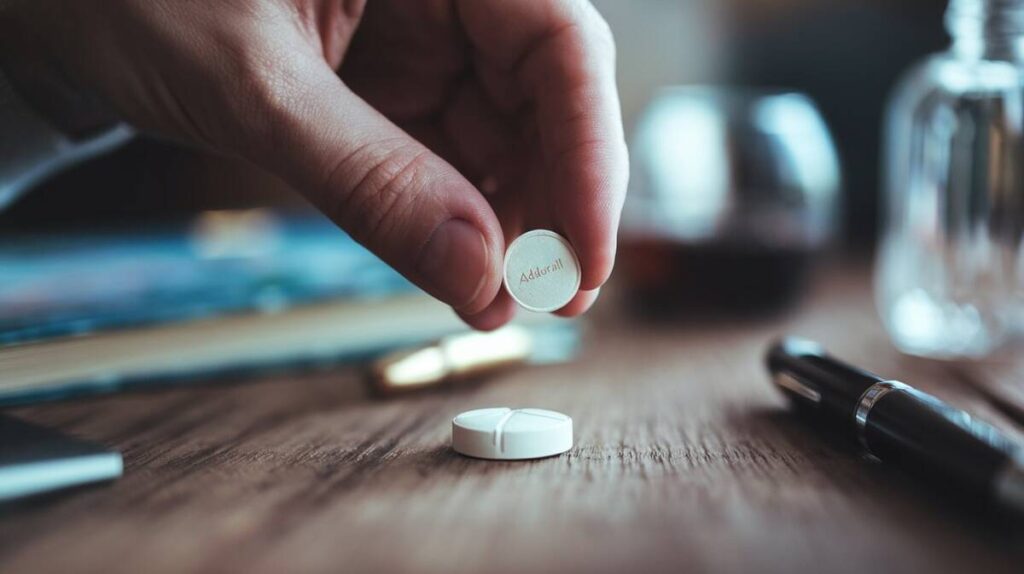
Adderall is a pharmaceutical medication commonly used to treat Attention Deficit Hyperactivity Disorder and narcolepsy. It’s a stimulant composed of amphetamine salts that affect the brain’s neurotransmitters to improve focus, attention, and impulse control. Despite its therapeutic benefits, Adderall is also a substance that can be misused, leading to addiction and various health issues. One of the critical concerns for users, both prescribed and recreational, is how long dose Adderall stays in the system. In this article, we’ll discuss the factors affecting Adde,rall’s duration in the body, detection windows in various tests, and how it metabolizes.
What is Adderall?
Adderall combines two active ingredients amphetamine and dextroamphetamine. These ingredients work by increasing dopamine and norepinephrine levels in the brain. Available in immediate-release (IR) and extended-release (XR) formulations, Adderall is prescribed in various doses depending on the patient’s needs. Immediate-release versions take effect quickly but wear off faster, while extended-release forms release the medication gradually throughout the day.
How Adderall is Metabolized
Once taken, Adderall is interested in the gastrointestinal tract, enters the bloodstream, and then travels to the brain. The liver metabolizes the drug, converting it into several metabolites excreted primarily through urine.
The half-life of Adderall is the time it takes for half of the drug to be eliminated from the bloodstream. For immediate-release Adderall, the half-life is about 9 to 14 hours. The extended-release version’s half-life can extend up to 15 to 18 hours.
How Long Does Adderall Stay in the System?
Adderall’s duration in your system depends on several factors, including dosage, frequency of use, metabolism, and age. The drug is detectable in various parts of the body for different lengths of time:
Blood: Adderall can typically be detected within hours after ingestion and may remain detectable for up to 2–3 days after use.
Urine: In urine, Adderall can be detected for approximately 1–2 days after use. In some cases, it may be detectable for longer, especially in heavy or frequent users.
Saliva: Saliva testing can detect Adderall for a shorter window, usually within 24–48 hours after use.
Hair: Like many drugs, Adderall can be found in hair follicles for up to three months after the last dose. However, hair tests are not commonly used to detect Adderall.
Factors Influencing How Long Adderall Stays in Your System
Several factors can affect how long Adderall remains in the body:
Dosage and Frequency: Higher doses and regular use will naturally increase the drug’s duration in the system.
Metabolism: People with faster metabolisms will clear Adderall more quickly. Metabolism is influenced by age, weight, and genetics.
PH Levels: Your body’s urine pH can impact how quickly Adderall is excreted. Alkaline urine may prolong the presence of Adderall, while acidic urine speeds up excretion.
Liver and Kidney Function: Since Adderall is processed by the liver and excreted by the kidneys, any impairment in these organs can delay the drug’s elimination.
Age: Older adults may metabolize Adderall more slowly than younger people due to changes in liver function with age.
Adderall Detection in Drug Tests
Drug tests may be required in various contexts, from employment to legal situations, and can test for the presence of Adderall through different methods:
Urine Tests: The most common drug test for amphetamines. Adderall can be detected in urine for 1 to 4 days after use, depending on the user’s metabolism, dosage, and how frequently it was taken.
Blood Tests: Blood tests are slightly familiar but may be used to detect Adderall for up to 24 hours after the last dose.
Saliva Tests: Adderall can be found in saliva for about 48 hours.
Hair Tests: While not common, hair follicle tests can detect amphetamines up to 90 days behind the previous use.
How to Eliminate Adderall from Your System Faster
If you need to clear Adderall from your body more quickly, the only practical way is to stop taking the medication and allow your body to metabolize and eliminate it naturally. Here are a few tips to speed up the process:
Hydration: Drinking water helps your kidneys flush out toxins more efficiently. While it won’t drastically reduce the detection time, staying hydrated can support overall metabolism.
Exercise: Physical activity increases metabolism, helping to speed up the elimination process. However, this should be done carefully if you’re experiencing any side effects from Adderall.
PH Balance: As mentioned earlier, acidic urine can help flush Adderall from your system faster. Consuming vitamin C or cranberry juice may help acidify urine.
Healthy Diet: Eating a nutritious, balanced diet supports liver and kidney health, which can improve the elimination of Adderall and other substances from the body.
Risks of Misuse and Overuse
While Adderall is effective for treating ADHD and narcolepsy, misuse can lead to a range of adverse side effects. Taking Adderall without a prescription, using it to enhance academic or work performance, or taking higher doses than prescribed can result in:
Insomnia
Anxiety
Heart palpitations
Increased blood pressure
Dependence and addiction
Prolonged misuse can lead to more severe health outcomes, including cardiovascular issues and mental health issues like paranoia or hallucinations.
Conclusion
Adderall stays in the system for varying lengths depending on the formulation, dosage, and individual factors such as metabolism and urine pH. While urine tests can catch the pill for 1 to 4 days, blood and saliva tests have shorter detection windows, and hair tests can show traces for up to 3 months. If you are taking Adderall as prescribed, it’s essential to follow your doctor’s guidance and discuss any concerns about its duration in your system. Misusing Adderall can result in serious health risks, including dependence and addiction.
For those required to take a drug test, knowing how long Adderall stays in the body is crucial. Always ensure that any use of Adderall is within legal and medical guidelines.
Worldwide, millions of people suffer from depression, a prevalent mental health problem. An individual’s capacity to operate is severely hampered by depression, which is characterized by intense feelings of melancholy, pessimism, and disinterest in everyday tasks. Because of their advanced education and clinical experience, advanced practice nurses (APNs) play a more and more important role in addressing depression. This comprehensive overview explores how APNs contribute to the treatment of depression, their responsibilities, treatment methodologies, and the unique benefits they offer in mental health care.
What is Depression?
Depression, recognized clinically as Major Depressive Disorder (MDD), is a severe mood disorder that disrupts daily life. It’s more than just feeling down or having a bad day; it is a persistent state of emotional turmoil that affects various aspects of life, including work, relationships, and self-esteem. The impact of depression can be profound, often leading to challenges in performing daily tasks and a decreased quality of life.
Symptoms and Diagnosis of Depression
Symptoms
Depression manifests utilizing a range of symptoms, including persistent feelings of sadness, loss of interest or pleasure in daily activities, significant changes in appetite or weight, disrupted sleep patterns, and chronic fatigue. Individuals may also experience feelings of worthlessness or excessive guilt, difficulty concentrating, and, in severe cases, suicidal thoughts. Recognizing these symptoms is important for accurate diagnosis and effective treatment.
Diagnostic Process
Advanced Practice Nurses (APNs) play a vital role in the diagnostic process for depression. They conduct comprehensive assessments that include detailed interviews and standardized questionnaires, to gauge the intensity of depression symptoms, use a tool like the Patient Health Questionnaire-9 (PHQ-9). Examining the patient’s medical history in detail aids in determining any underlying issues or risk factors, leading to a well-informed diagnosis and tailored treatment plan.
The Role of Advanced Practice Nurses in Depression Treatment APN
Who Are APNs?
Advanced Practice Nurses (APNs) are registered nurses who have pursued advanced education and training, typically holding Master’s or Doctoral degrees. They are equipped to provide a wide range of healthcare services, comprising the diagnosis and treatment of mental health conditions such as depression. Their advanced training allows them to offer comprehensive care, combining pharmacological and therapeutic approaches.
Types of APNs and Their Roles in Depression Treatment
Nurse Practitioners (NPs)
Nurse Practitioners (NPs) specializing in psychiatric and mental health are instrumental in treating depression. They perform thorough assessments to diagnose depression and determine its severity. NPs have the authority to prescribe antidepressants and manage medication regimens, adjusting treatments as necessary based on patient response. They also provide various forms of psychotherapy, including Cognitive-Behavioral Therapy (CBT) and Interpersonal Therapy (IPT), to help patients manage their symptoms effectively.
Clinical Nurse Specialists (CNSs)
Clinical Nurse Specialists with a focus on psychiatric-mental health provide advanced care and consultation for managing depression. They develop individualized treatment plans and offer specialized care for complex cases. CNSs also play a critical role in educating patients and their families about depression and its management, helping them understand treatment options and coping strategies.
Psychiatric Nurse Practitioners
The focus of psychiatric nurse practitioners is mental health treatment, managing complex cases of depression with a combination of pharmacological and therapeutic interventions. They work collaboratively with psychiatrists, psychologists, and other healthcare professionals to ensure a comprehensive & integrated approach to treatment.
Responsibilities of APNs in Depression Treatment
Comprehensive Assessment
One of the primary responsibilities of APNs is to conduct comprehensive assessments of patients with depression. This process involves gathering detailed information about the patient’s emotional state, behavior, and medical history. APNs use various assessment tools and methods to evaluate the severity of symptoms, identify contributing factors, and develop personalized treatment plans.
Medication Management
APNs play a crucial role in medication management for depression. They prescribe antidepressants and monitor their effectiveness and side effects. This entails scheduling routine follow-up visits to evaluate the patient’s reaction to medicine, adjust dosages, or switch medications if necessary. Effective medication management is essential for achieving optimal treatment outcomes and minimizing adverse effects.
Therapeutic Interventions
In addition to medication management, APNs provide various forms of psychotherapy to help patients manage depression. Cognitive-behavioral Therapy (CBT) is used to help patients identify and change negative idea patterns & behaviors that contribute to their depression. Interpersonal Therapy (IPT) focuses on enhancing interpersonal relationships and communication skills. Psychodynamic Therapy explores unconscious processes and past experiences that may influence current depressive symptoms. Each of these therapeutic approaches offers valuable tools for managing and overcoming depression.
Patient Education
An APN’s responsibility includes educating patients about their disease and available treatments. APNs offer information about the causes of depression, its treatments, and symptom management techniques. They help patients understand their diagnosis, make informed decisions about their care, and adopt coping strategies to improve their overall well-being.
Collaborative Care
APNs work as part of a multidisciplinary team to provide thorough care for patients with depression. They collaborate with psychiatrists, psychologists, social workers, and additional medical specialists to handle every facet of the patients’ health. Patients will receive comprehensive care that addresses their physical, emotional, and social needs thanks to this joint technique.
Crisis Intervention
In cases of severe depression or crises, APNs provide immediate intervention and stabilization. This includes assessing the risk of self-harm or suicide, developing safety plans, and coordinating with emergency services or hospitalization if needed. Effective crisis intervention is crucial for ensuring the safety & well-being of patients in critical situations.
Treatment Approaches for Depression by APNs
Pharmacological Treatments
Antidepressants are a cornerstone of depression treatment APN. APNs prescribe various classes of antidepressants based on the patient’s specific symptoms and history.
Selective Serotonin Reuptake Inhibitors (SSRIs), like fluoxetine (Prozac) and sertraline (Zoloft), are commonly prescribed due to their favorable side effect profile. These medications work by growing serotonin levels in the brain, which helps alleviate depressive symptoms.
Serotonin-norepinephrine reuptake Inhibitors (SNRIs), including venlafaxine (Effexor) and duloxetine (Cymbalta), affect both serotonin and norepinephrine. They are used to treat a range of depressive symptoms and can be particularly effective for patients who do not respond to SSRIs.
Tricyclic Antidepressants (TCAs), like amitriptyline and nortriptyline (Pamelor), are often reserved for cases that are resistant to other treatments. While effective, TCAs can have more side effects and require careful monitoring.
Monoamine Oxidase Inhibitors (MAOIs), including phenelzine (Nardil) and tranylcypromine (Parnate), are typically used for severe cases of depression or when other medications have failed. MAOIs require dietary restrictions to avoid potentially dangerous interactions.
Psychotherapy
Cognitive-Behavioral Therapy (CBT): APNs use CBT to help patients address and change negative thought patterns and behaviors. This evidence-based Therapy is effective in treating depression by assisting individuals to develop healthier thinking and coping strategies.
Interpersonal Therapy (IPT): This Therapy focuses on improving interpersonal relationships and communication skills. APNs use IPT to help patients address relationship issues and life transitions that may contribute to their depression.
Psychodynamic Therapy: By exploring unconscious processes and past experiences, psychodynamic Therapy helps patients understand how these factors influence their current emotional state. APNs use this approach to increase self-awareness and address underlying issues contributing to depression.
Lifestyle and Complementary Therapies
Exercise: Regular physical activity is an essential adjunct to depression treatment. APNs may recommend exercise as it has been shown to improve mood and overall well-being, enhancing the effectiveness of other therapies.
Nutrition: A balanced diet supports mental health and can impact mood and energy levels. APNs may provide nutritional counseling to help patients adopt healthy eating habits that complement their depression treatment.
Mindfulness and Relaxation Techniques: Techniques such as mindfulness meditation, yoga, & deep breathing exercises can help control your stress and improve emotional regulation. APNs often incorporate these techniques into treatment plans to support overall mental health.
Support Groups: Support groups provide a sense of community and reduce feelings of isolation. APNs may refer patients to groups where they can connect with others experiencing comparable challenges and receive mutual support.
Benefits of APN-Led Depression Treatment
Personalized Care
APNs provide personalized care that is tailored to each patient’s unique needs. By conducting comprehensive assessments and developing individualized treatment plans, APNs ensure that care is specific to the patient’s symptoms, history, and preferences.
Enhanced Accessibility
APNs enhance accessibility to mental health services, particularly in underserved areas where mental health professionals may be scarce. Their ability to offer medication management and psychotherapy helps bridge gaps in care and improve patient access.
Continuity of Care
APNs build long-term relationships with their patients, providing continuity of care that is crucial for managing chronic conditions like depression. This ongoing support helps improve treatment adherence, track progress, and make essential adjustments to treatment plans.
Collaborative Approach
APNs work within multidisciplinary teams, contributing to a holistic approach to depression treatment. Their collaboration with other healthcare professionals ensures that all aspects of the patient’s health are addressed, leading to better overall outcomes.
Challenges and Considerations
Addressing Mental Health Stigma
The stigma surrounding mental illness may discourage people from getting depression treatment. APNs are essential in lowering stigma because they encourage candid conversations about mental health and offer sympathetic, non-judgmental care. APNs encourage patients to seek and continue treatment by fostering a supportive environment.
Training and Competency
To deliver effective depression treatment, APNs must stay informed about the latest research & advancements in mental health care. Ongoing education and professional development are essential to maintaining competency and ensuring the provision of high-quality care.
Insurance and Access Issues
Insurance coverage and healthcare policies can impact access to mental health services. APNs may encounter challenges related to insurance limitations and reimbursement rates, which can affect the availability of care for some patients. Advocacy for mental health parity and improved insurance coverage is necessary to address these issues and ensure equitable access to treatment.
Conclusion
Advanced Practice Nurses (APNs) play a crucial role in Depression Treatment APN, offering a comprehensive approach that includes assessment, medication management, therapy, and patient education. Their expertise and dedication contribute significantly to managing depression, ensuring that patients receive personalized, effective care. As mental health services evolve, APNs remain integral in improving patient outcomes and advancing the overall quality of depression treatment. Their commitment to providing compassionate and informed care is essential for helping individuals manage and overcome depression, ultimately enhancing their quality of life.
Frequently Asked Questions (FAQ)
Why am I depressed?
Depression can result from a combination of factors, including genetic predisposition, brain chemistry imbalances, life events, and chronic stress. Personal experiences and underlying mental health conditions also play a role.
What is Depression Treatment APN?
Depression Treatment APN involves care provided by an Advanced Practice Nurse specializing in managing depression through assessment, medication, therapy, and education.
How does Depression Treatment APN work?
Depression Treatment APN offers personalized care plans, including medication management, therapy sessions, and patient education tailored to individual needs.
What is TMS treatment for depression?
Transcranial Magnetic Stimulation (TMS) is a non-invasive treatment for depression that uses magnetic fields to stimulate nerve cells in the brain. It is used when other treatments, like medication and therapy, are ineffective.
How do you stop feeling so depressed?
To stop feeling so depressed, consider seeking professional help through therapy or medication and engage in regular exercise, a balanced diet, and healthy sleep habits. Building a support network and practicing mindfulness or relaxation techniques can also be beneficial.
How to control anxiety and depression?
Control anxiety and depression by seeking professional help, engaging in therapy or medication, and practicing stress-reduction techniques like mindfulness and exercise. Maintaining a healthy lifestyle and a supportive network also plays a key role.
A strong stimulant that has an impact on the body and mind is cocaine, and its presence in the system can be a critical concern for individuals undergoing drug testing or managing addiction. If you’re wondering, “How long does cocaine stay in your system” Understanding the factors that influence its detection can be essential for various reasons, from drug testing to health management.
What Is Cocaine?
Cocaine is a powerful stimulant derived from the coca plant, affecting the central nervous system by increasing neurotransmitter levels. It induces intense euphoria and energy but poses severe healthrisks, including cardiovascular problems and addiction. Cocaine is commonly used in forms such as powder and crack, each with varying effects. The drug’s short-lived high can lead to severe physical and psychological issues. Addiction treatment typically includes detoxification, therapy, and support.
How Long Does Cocaine Stay in Your System?
Cocaine generally stays in your system for 2 to 4 days when detected by urine tests, though heavy use can extend this to up to 12 days. Blood tests usually detect cocaine for about 1 to 2 days. Saliva tests can identify it for up to 2 days, while hair follicle tests can reveal use for up to 90 days. Detection times vary based on metabolism, frequency of use, and overall health.
How Cocaine Metabolizes in the Body
Cocaine is rapidly absorbed into the bloodstream once ingested, leading to almost immediate effects. The drug is metabolized above all in the liver, where it is broken down into multiple metabolites, including benzoylecgonine. This metabolite is commonly tested for in drug screenings. The speed at which cocaine leaves your system depends on various factors, including the drug’s metabolism and individual health characteristics.
Factors Influencing How Long Cocaine Stays in Your System
Several individual and external factors affect how long cocaine remains detectable in the body:
Dosage and Frequency of Use
The amount of cocaine used and the frequency of use are critical in determining how long the drug stays in your system. Excessive dosages and frequent application may result in an extended detection window. For instance, a single use of cocaine might be detectable for a shorter period compared to chronic use, which can extend the detection time significantly.
Metabolic Rate
Metabolism varies from person to person. Those with faster metabolic rates may process and eliminate cocaine more quickly than those with slower metabolisms. Factors influencing metabolic rate include age, gender, body mass, and overall health. For example, younger individuals and those with higher muscle mass typically have faster metabolisms.
Body Fat Percentage
Due to its lipophilic nature, cocaine is drawn to and stored in fat cells. Cocaine may stay in the bloodstream longer in people with higher body fat percentages than in people with lower body fat percentages. Since the medication is kept in fat cells, it can be gradually released into the bloodstream, extending the detection window.
Hydration and Diet
The rate at which cocaine is metabolized and eliminated can be influenced by diet and hydration. Staying well-hydrated helps maintain optimal kidney function, which aids in the elimination of toxins from the body. A balanced diet supports overall health and can influence metabolic processes, potentially affecting drug metabolism.
Overall Health
For the metabolism and excretion of drugs, the condition of your kidneys and liver is essential. Cocaine detection times may be prolonged in people with impaired liver or renal function. Diseases like liver illness or kidney impairment can make it more difficult for the body to effectively absorb and get rid of the medication.
Detection Times for Different Drug Tests
Drug testing methods vary in their ability to detect cocaine, each with its detection window. Here’s a breakdown of how long cocaine can be detected utilizing different types of drug tests:
Urine Tests
The most widely utilized technique for identifying cocaine usage is urine testing. Usually, two to four days following consumption is the window of opportunity for the detection of cocaine in urine. However, in cases of heavy or chronic use, cocaine and its metabolites can be detectable for up to 12 days. Urine tests are favored for their ease of use and reliability in detecting recent drug use.
Blood Tests
Blood tests are less typically used for routine drug testing but can be employed in certain situations, such as medical emergencies or legal cases. Cocaine is detectable in blood for a relatively short period, usually 1 to 2 days. Blood tests help detect recent use but may not provide information on past drug use.
Saliva Tests
Saliva tests offer a non-invasive method for drug detection and can typically detect cocaine for up to 1 to 2 days after use. These tests are less intrusive than urine or blood tests and can provide quick results, making them useful for on-site testing or screening.
Hair Tests
Hair follicle tests have the most extended detection window among drug testing methods. Depending on how long the hair sample is, it is possible to detect cocaine in hair for up to 90 days or more. Hair testing offers a history of drug use, making them practical for identifying long-term patterns of cocaine use.
Side Effects of Cocaine Use
While understanding how extended cocaine stays in your system is essential for drug testing, it’s equally crucial to recognize the broader health implications associated with cocaine use:
Cardiovascular Issues
Cocaine use can lead to significant cardiovascular problems, including increased heart rate, elevated blood pressure, and a heightened risk of heart attack. The stimulant effects of cocaine can strain the heart and blood vessels, leading to potential long-term cardiovascular damage.
Neurological Effects
Cocaine can have serious neurological effects, including seizures, strokes, and cognitive impairments. The drug’s impact on the brain’s neurotransmitter systems can disrupt normal brain function, leading to potential long-term neurological issues.
Psychological Impact
The psychological effects of cocaine use can include severe anxiety, paranoia, and hallucinations. Chronic use can lead to mental health disorders and exacerbate pre-existing conditions. Cocaine use can cause extreme exhilaration, which can also result in addiction, further complicating psychological well-being.
Conclusion
If you’re asking, “How long does cocaine stay in your system” It’s essential to consider factors like dosage, metabolism, and testing methods. Cocaine’s presence can be detected through various tests for different periods, with urine tests providing the most common detection window. Understanding these factors can help manage drug testing situations and address health concerns related to cocaine use.
For those struggling with cocaine use, seeking professional help and support is important for recovery and health improvement. Understanding the duration cocaine stays in your system is just one aspect of managing its impact on your life and well-being.
The experience of welcoming a new baby into the family is transformative, and having the appropriate gear makes the adjustment more accessible for both the parents and the infant. With the myriad of products marketed to new parents, it can be daunting to sift through options. Focusing on essential baby and toddler equipment Lumolog is a brilliant starting point. This guide will walk you through the crucial baby gear, covering everything from safety and travel gear to sleep and eating essentials, ensuring you feel confident in your choices.
Safe Sleep Environment for Your Baby
Establishing a safe sleeping environment is one of the top priorities for newborn care. The proper sleep setup ensures your baby gets restful, uninterrupted sleep, which is crucial for their development and well-being.
Cribs
When selecting a crib, prioritize safety and comfort. Choose cribs that either fulfill or above safety requirements established by agencies like the Consumer Product Safety Commission (CPSC). When your baby develops and becomes more mobile, look for features like adjustable mattress heights that let you lower the mattress. Convertible cribs that can transition into toddler beds are also a wise investment, as they provide long-term usability.
Mattresses
Choose a firm, flat mattress that fits snugly in the crib without any gaps. A mattress that is far too soft can pose a risk of suffocation, while gaps can cause entrapment. Ensure the mattress is made from non-toxic materials and is easy to clean.
Bassinets
Bassinets are ideal for babies in their first few months when they are smaller and need frequent nighttime feedings. Many bassinets have features like a rocking motion or soothing sounds to help serene your baby. Ensure the bassinet meets current safety standards with a firm mattress and no soft bedding.
Sleep Safety Tips
Back to Sleep: If you want to lower your baby’s risk of SIDS, always put them to sleep on their back.
Keep it Clear: Keep the sleep area free from pillows, blankets, and stuffed animals. Use a fitted sheet on the mattress and avoid any loose bedding.
Room Sharing: Consider placing the crib or bassinet in your room for the first six months to facilitate nighttime feedings and reduce the risk of SIDS.
Travel Necessities: Car Seats and Strollers
Traveling with your baby requires careful consideration of safety and convenience. The right car seat and stroller will ensure that your baby is safe and comfortable on the go.
Car Seats
Selecting the appropriate car seat is crucial for your baby’s safety. Infant car seats are created to be rear-facing, which is the safest position for newborns. Look for car seats with a 5-point harness system and a base, allowing easy installation and removal. Some models come with an adjustable canopy for sun protection and additional padding for comfort.
Convertible Car Seats
Convertible car seats offer long-term value by transitioning from rear-facing to forward-facing as your child grows. Many models also include a booster seat function, making them a cost-effective choice. Look for seats with multiple recline positions, easy-to-adjust harness systems, and machine-washable covers.
Strollers
Strollers come in various styles, each catering to different needs. When choosing a stroller, consider factors such as size, weight, and ease of maneuverability. Travel systems that consist of an infant car seat and stroller are convenient for parents who frequently move their baby between the car and stroller. If you need a stroller for jogging or rough terrain, a jogging stroller with suspension and larger wheels might be the best option.
Travel Accessories
Car Seat Protectors: These can help protect your car’s upholstery from spills and stains.
Stroller Organizer: A stroller organizer or caddy can keep essential items like diapers, bottles, and wipes within easy reach.
Feeding Equipment for Growing Babies
Feeding your baby is a central part of early parenting, and having the right tools can make the process more enjoyable and less stressful.
Bottles and Nipples
When choosing bottles, select BPA-free ones made from materials like glass or high-quality plastic. Different nipples are designed to mimic the natural flow of breast milk and accommodate your baby’s feeding preferences. Some bottles are created to reduce colic and gas with unique anti-colic systems.
Breast Pumps
A breast pump is a useful instrument for breastfeeding mothers. Electric pumps are often preferred for their efficiency and speed. Consider features like adjustable suction levels, ease of cleaning, and portability. Manual pumps are also a good option for occasional use or travel.
High Chairs
As soon as your child begins solid food, a high chair becomes essential. Look for a high chair with a sturdy frame, adjustable height, and an easy-to-clean tray. Features like a reclining seat and removable dishwasher-safe tray can make mealtimes more convenient. Some high chairs also convert into booster seats for later use.
Feeding Accessories
Bottle Warmers: These can heat breast milk or formula to the optimal temperature.
Baby Food Makers: If you plan to make your baby food, a baby food maker can simplify the process of pureeing fruits, vegetables, and other foods.
Diapering and Hygiene Essentials
Diapering is a frequent task in early parenthood, so having the right supplies can make it more manageable.
Diapers
Choosing between disposable & cloth diapers depends on your preferences and lifestyle. Disposable diapers are convenient and come in a range of sizes and absorbencies. Cloth diapers are eco-friendly and cost-effective but require regular washing and maintenance.
Baby Wipes and Diaper Cream
Select hypoallergenic baby wipes free of fragrances to prevent skin irritation. Diaper cream helps prevent & treat diaper rash; look for creams with natural ingredients, and consult your pediatrician if you have concerns about your baby’s skin.
Changing Tables
A changing table provides a devoted space for diaper changes and helps keep essential items organized. Choose a table with safety features like raised sides to prevent falls, and ensure it has ample storage for diapers, wipes, & other necessities.
Additional Diapering Tips
Changing Pad Covers: Have several covers on hand to make cleaning easier.
Diaper Disposal System: Consider a diaper pail with an odor-control system to manage diaper waste effectively.
Monitoring Your Baby’s Safety
A baby monitor offers tranquility of mind by allowing you to monitor your baby’s safety from another room.
Audio Monitors
Basic audio monitors allow you to hear when your baby wakes up or cries. Look for models with adjustable volume controls and a reliable range. Some audio monitors also have features like a built-in nightlight or soothing sounds.
Video Monitors
Video monitors provide a picture connection to your baby’s sleeping area. Features to look for include vision at night, two-way communication, and temperature monitoring. Smart video monitors can connect to your smartphone, offering real-time updates and additional functionalities like motion detection alerts.
Additional Monitoring Tips
Camera Placement: Ensure the camera is placed in a safe spot where your baby won’t easily reach it.
Regular Checks: Even with a monitor, periodically check on your baby to make certain their safety and comfort.
Comfort and Mobility: Baby Carriers
Baby carriers are a practical solution for keeping your baby close while managing other tasks. They offer various benefits, including comfort and convenience.
Types of Baby Carriers
Wrap Carriers: These carriers wrap a long fabric around your body and baby. They are versatile and can be adjusted to fit different carrying positions.
Structured Carriers: These carriers have padded straps and a supportive frame, making them easier to use and adjust. They often offer multiple carrying positions, including front, hip, and back carries.
Slings: Slings are adjustable and quick to use, making them ideal for shorter periods of babywearing.
Choosing a Carrier
Ensure the carrier supports proper hip development and comforts you and your baby. Follow the manufacturer’s rules for safe use and make adjustments to ensure a snug fit.
Conclusion
Preparing for your baby’s arrival requires thoughtful planning and attention to detail, particularly when it comes to choosing the right equipment. From creating a safe sleep environment with a crib or bassinet to managing daily tasks like feeding, traveling, and diapering, having the right gear ensures both safety and convenience. Focusing on essential baby and toddler equipment Lumolog helps support your baby’s growth and development while making parenting more manageable. Each item plays a crucial role in creating a nurturing and well-organized environment that benefits you and your child.
Frequently Asked Questions (FAQ)
What are the most important items for a newborn?
Key items include a crib or bassinet for safe sleeping, a car seat for travel, and diapers and wipes for hygiene. Feeding supplies like bottles and a breast pump are also essential.
How do I choose the right crib for my baby?
Look for a crib that meets safety standards with no sharp edges. Choose one with adjustable mattress heights and consider convertible designs for long-term use.
What should I look for in a baby car seat?
Ensure the car seat is rear-facing for newborns and easy to install with a base or LATCH system. Convertible options that grow with your child offer extended use.
What are the benefits of a travel system stroller?
Travel system strollers integrate a car seat and stroller, allowing for easy transitions. They are convenient and cost-effective compared to separate purchases.
When should I start using a high chair?
Start using a high chair when your baby begins eating solids, around 6 months old. Look for one with adjustable heights and easy-to-clean features.
Are cloth diapers a good option compared to disposable diapers?
Cloth diapers are eco-friendly and cost-effective over time, but they require more maintenance. Disposable diapers offer convenience and ease of use.
How do baby carriers benefit both the parent and the baby?
Baby carriers allow for close bonding while keeping your hands free. They offer comfort for the baby and convenience for the parent during daily activities.
Knee replacement surgery, or knee arthroplasty, significantly enhances mobility & quality of life for those suffering from chronic knee pain or joint degeneration. However, while the surgery is a crucial step toward better health, the recovery process is equally vital in ensuring long-term success. Unfortunately, many patients make common mistakes during their recovery that can slow progress or lead to complications. This article explores the top 5 mistakes after knee replacement surgery and offers essential tips for avoiding them for a smoother, more successful recovery.
Doing Too Much Too Soon
The Risks of Overexertion
After knee replacement surgery, feeling eager to return to normal activities is natural. Whether it’s resuming work, exercising, or engaging in daily hobbies, the desire to regain independence is common. However, overdoing it too soon can have serious consequences. Pushing your body too hard can lead to increased pain, swelling, & even damage to the newly placed knee joint.
Understanding the Recovery Timeline
The recovery process after knee replacement surgery is gradual.Your body needs time to heal, and it’s essential not to rush the process. According to most healthcare providers, you should follow specific activity guidelines to avoid overexertion. Doing too much too soon can increase your risk of complications, such as blood clots, joint instability, or prolonged recovery periods.
How to Avoid This Mistake
Listen to your body: How your knee feels after physical activities. If pain or swelling persists, reduce activity levels and give your body time to rest.
Follow your surgeon’s advice: Stick to the recommended recovery timeline, which includes gradual increases in activity. Avoid high-impact activities until you receive clearance from your doctor.
Be patient: Recovery is a long journey that requires patience and persistence; it’s not something that happens quickly. It’s crucial to pace yourself and avoid pushing beyond your limits too early.
Skipping Physical Therapy
The Importance of Physical Therapy
Physical therapy plays vital role in achieving a successful recovery following knee replacement surgery. It helps restore the strength, flexibility, and range of motion of your new knee joint. Skipping physical therapy or neglecting to follow your therapist’s prescribed exercises can lead to stiffness, reduced mobility, and a more extended recovery period.
Why Patients Skip Therapy
There are several reasons patients may skip physical therapy. Some may experience discomfort or pain during sessions, while others might feel that their knee is improving and that treatment is no longer necessary. However, physical therapy is critical for regaining full function and preventing complications, so it should never be skipped.
How to Avoid This Mistake
Commit to attending all sessions: Dedicate time to attend every scheduled therapy session and perform the prescribed exercises at home.
Communicate with your therapist: If you feel any pain or discomfort during therapy, please inform your therapist. They can modify your exercises to reduce discomfort while providing the necessary rehabilitation.
Stay consistent: Regular participation in physical therapy sessions, combined with diligent home exercises, is essential for improving mobility and reducing the risk of long-term complications.
Avoiding Prescribed Medication
The Role of Pain Management
Effective pain management is vital part of recovery after knee replacement surgery. Pain can interfere with your capacity to participate in physical therapy and complete necessary daily activities. While some patients may avoid prescribed medications out of fear of dependency or side effects, failing to manage pain can slow down recovery and hinder rehabilitation.
The Consequences of Avoiding Medication
Not taking pain medication as prescribed can lead to unnecessary discomfort, which may make it harder to perform key recovery activities like physical therapy. Inadequate pain management can also increase stress levels, anxiety, and discomfort, further delaying recovery.
How to Avoid This Mistake
Follow your healthcare provider’s instructions: Take your pain medication as prescribed. If you have concerns about side effects or dependency, discuss them with your doctor.
Don’t “tough it out”: Proper pain management will allow you to remain active, engage in therapy, and recover more comfortably, leading to a better long-term outcome.
Adjust as necessary: If you experience side effects or pain decreases over time, consult your doctor to adjust your medication plan accordingly.
Ignoring Pain & Discomfort
The Dangers of Neglecting Pain Signals
Pain & discomfort are common after knee replacement surgery; however, it is essential not to ignore these signals, particularly if the pain is severe or persists. While mild pain can be expected as part of the healing process, unchecked pain could indicate a more serious issue, such as an infection, blood clot, or problem with the implant.
Common Reasons for Ignoring Pain
Some patients may have a high pain tolerance and assume that the pain is simply part of recovery. Others might avoid reporting pain due to fear of additional medical interventions or tests. However, neglecting severe or persistent pain can lead to complications that may require further treatment or even revision surgery.
How to Avoid This Mistake
Monitor your pain: Pay attention to changes in pain intensity, swelling, redness, or warmth around the knee.
Seek medical advice promptly: If you have severe pain, fever, or other concerning symptoms, please contact your healthcare provider immediately for further evaluation.
Early detection is key: Addressing pain and complications early can prevent more serious issues & help maintain the success of your knee replacement.
Driving Too Soon After Surgery
The Risks of Driving Too Early
While driving is essential to regaining independence, getting behind the wheel too soon after knee replacement surgery can be risky. Your reaction time may be slower than usual, and your knee may not yet be strong enough to control the pedals safely. This can increase the risk of accidents and further injury to the knee joint.
Understanding When It’s Safe to Drive
The timeline for resuming driving varies for each patient. Typically, patients are advised to wait 4-6 weeks before driving, though this depends on factors like the type of surgery and individual recovery progress. Always consult your surgeon to confirm when it’s safe for you to return to driving.
How to Avoid This Mistake
Get clearance from your surgeon: Ensure your knee is strong enough and your reaction time has returned to normal before driving again.
Practice in a safe environment: If given the green light to drive, practice in a controlled environment, similar as an empty parking lot, before venturing onto busy roads.
Consider alternatives: Arrange for transportation assistance if you’re not yet ready to drive, as attempting to drive too soon can put you and others at risk.
Conclusion
Knee replacement surgery is transformative procedure that can significantly improve your quality of life. However, success of the surgery largely depends on how well you manage recovery process. By avoiding the common mistakes of overexertion, skipping physical therapy, avoiding prescribed medication, ignoring pain, and driving too soon, you can set yourself up for a smoother recovery and ensure the long-term success of your knee replacement.
Remember, every patient’s recovery journey is unique. It’s essential to follow guidance of your healthcare team and be patient with yourself throughout the recovery process. By taking a proactive approach & listening to your body, you can look forward to a future of improved mobility and pain-free life.
Tooth pain is a prevalent issue that affects many people, ranging from mild unease to severe pain that interferes with daily activities. The allure of a quick fix—such as permanently killing tooth pain nerves in just three seconds—can be tempting, but it’s essential to understand the realities of tooth pain management. This comprehensive guide will delve into the feasibility of such immediate solutions, explore professional treatments, and offer practical approaches for effectively managing and alleviating tooth pain.
Is It Possible to Kill Tooth Pain Nerve in 3 Seconds?
The concept of permanently killing tooth pain nerves in 3 seconds is more fantasy than reality. Tooth pain is typically a symptom of deeper issues such as cavities, infections, or nerve damage. While the promise of instant relief is appealing, no method can achieve permanent nerve elimination in such a brief timeframe. The reality is that addressing tooth pain requires thorough treatment rather than a rapid fix. Misleading claims about quick relief often ignore the complexity of dental health and can delay necessary professional care.
Understanding Tooth Pain Nerves
Tooth pain can manifest in various ways, each indicating different underlying problems. Common sensations include:
Throbbing Pain: This type of pain often comes and goes in waves, sometimes making it almost unbearable. It is frequently triggered by biting down, consuming hot or cold foods, or temperature changes. This throbbing pain can significantly disrupt daily activities and sleep.
Pounding Sensation: Sometimes, tooth pain feels like a constant pounding in time with your heartbeat. This type of pain can be specifically distressing & persistent, making it challenging to focus on anything else.
Dull Ache: A constant, dull ache can linger, making it difficult to find a comfortable position and concentrate on tasks. Although this type of pain may not be as intense as sharp pain, it can be equally debilitating due to its persistence.
Sharp Pain: Sudden, sharp pain can strike without warning, often taking your breath away. This type of pain is usually severe and may be associated with conditions like exposed nerves or dental trauma.
Temperature Sensitivity: Sensitivity to hot and cold temperatures can result in a jolt of pain when consuming hot or cold foods and beverages. This sensitivity often indicates that the tooth’s protective enamel has been compromised.
Understanding these sensations is crucial for diagnosing the source of the pain and determining the most appropriate course of action for relief.
Common Causes of Tooth Pain
Several factors can contribute to tooth pain, including:
Cavities: Tooth decay erodes the enamel and can expose nerves, leading to pain. Cavities are one of the most common causes of toothache and require prompt treatment to prevent further damage.
Gum Disease: Gum inflammation or infection may cause pain and discomfort. If not addressed, gum disease can worsen and might even compromise the underlying structure of the bones.
Tooth Sensitivity: Thinning enamel or exposed dentin can cause increased sensitivity to temperature or certain foods. Desensitizing treatments or dental products can manage this sensitivity.
Dental Trauma: A tooth injury can damage the nerve, leading to pain. Trauma can result from accidents, sports injuries, or even aggressive brushing.
Abscessed Tooth: An infection at the tooth’s root can cause severe pain and swelling. An abscessed tooth requires immediate professional treatment to address the infection and alleviate pain.
Immediate Relief Techniques
Home Remedies for Quick Relief
Although no method can permanently eliminate tooth pain nerves in seconds, several home remedies can provide temporary relief:
Cold Compress: Applying a cold compress to the outside of the cheek can help numb the area and reduce swelling. Wrap a bag of ice or icy peas in a cloth and apply it for 15-20 minutes. This can help manage pain until you can get professional care.
Saltwater Rinse: A saltwater rinse can help cleanse the affected area and reduce inflammation. Mix 1 teaspoon of salt into a mug of warm water and use it as a mouthwash several times daily. This remedy can help alleviate discomfort and keep the area clean.
Clove Oil: Clove oil includes eugenol, which has natural anesthetic properties. Apply a few decreases of clove oil to a cotton ball & gently place it on the affected tooth. Be cautious with the quantity, as clove oil can be potent & may cause irritation if used excessively.
Garlic Paste: Garlic has antiseptic properties that can provide pain relief. Crush a garlic clove into a paste & apply it to the affected area. Garlic can help battle infection and reduce pain, though it should be used cautiously to avoid irritation.
Over-the-Counter Pain Relievers
For immediate, though temporary, relief, over-the-counter pain medications can be effective:
Ibuprofen: An NSAID (non-steroidal anti-inflammatory drug), ibuprofen helps alleviate pain and inflammation. Due to its dual action, it is a preferred choice for managing toothache. Follow the dosage instructions cautiously to avoid potential side effects.
Acetaminophen: Acetaminophen blocks pain signals to the brain and is an excellent alternative for those who cannot take NSAIDs. Using it according to the recommended dosage and avoiding exceeding the daily limit is essential.
Topical Anesthetics: Products containing benzocaine can temporarily numb the area. Apply them according to the package guidelines. These anesthetics can provide short-term relief but do not address the underneath cause of the pain.
Professional Dental Treatments
Restorative Procedures for Long-Term Relief
Professional dental treatments are necessary for a lasting solution to tooth pain. These treatments address the root reason of the pain and provide practical, long-term relief:
Fillings: Fillings repair cavities by removing decayed material and sealing the tooth. This helps prevent further damage and alleviates pain associated with cavities. A filling can restore the tooth’s function and prevent additional discomfort.
Crowns: Crowns are used to cover & protect severely worn or damaged teeth. They help preserve the tooth’s structure and shield the nerve from pain triggers. Crowns can also improve the tooth’s appearance and functionality.
Root Canal: A root canal process removes the affected nerve tissue inside the tooth. The tooth is then sealed and, often, crowned to prevent future pain and complications. This procedure is typically considered the definitive solution for severe nerve pain and can provide long-term relief.
Extractions: For teeth that are beyond repair, extraction may be necessary. Removing a severely damaged or decayed tooth helps prevent further oral health issues and alleviates pain. Extraction is often a last resort but can be crucial for preserving oral health.
Dental Nerve Desensitization
Desensitization methods can help manage nerve pain by reducing sensitivity to pain triggers:
Topical Fluoride Gels: High-fluoride gels or varnishes applied to the teeth can help reduce nerve sensitivity. These treatments strengthen the tooth enamel and provide a protective barrier against pain triggers.
Laser Therapy: Laser therapy uses focused light to target specific areas and modify pain receptors. This technique can offer long-lasting relief by addressing the root cause of nerve pain and is increasingly used in modern dental practice.
Realistic Expectations for Pain Relief
Managing Pain Effectively
When feeling tooth pain, it is essential to set realistic expectations. Instant and permanent relief is not achievable with current methods, but several strategies can help manage pain effectively:
Cold Compress: Applying a cold compress reduces swelling and provides temporary numbness. It can help manage pain until you can seek professional dental care.
Elevation: Keeping your head elevated above your heart can minimize throbbing sensations. This helps reduce blood flow to the affected area and alleviate discomfort.
Saltwater Rinse: Saltwater rinse cleanses the area and offers short-term relief. It is a simple and effective way to manage pain and keep the affected area free of debris.
Clove Oil: Clove oil can temporarily numb the pain. However, it should be used cautiously and in moderation to avoid potential irritation.
These techniques are meant for temporary relief and should be used while awaiting professional dental treatment. Consulting a dentist is crucial for a safe and permanent solution to tooth nerve pain.
Advanced Pain Relief Techniques
Laser Therapy
Laser therapy represents an advanced approach to managing tooth nerve pain. This technique utilizes precise laser energy to target specific areas and desensitize pain sources. By modifying pain receptors and addressing the underlying cause, laser therapy can offer both immediate and long-term relief. It is a valuable tool for treating nerve pain and is often used with other treatments for optimal results.
Electrical Nerve Stimulation
Electrical nerve stimulation involves using electrical impulses to disrupt pain signals. This technique can significantly relieve nerve-related pain by blocking the transmission of pain signals to the brain. While less common in dental practice, it represents an innovative approach to managing severe pain and can be effective in some instances.
Natural Relief Methods
Saltwater Rinse
A saltwater rinse is a straightforward and effective remedy for managing tooth pain. Saltwater acts as a natural disinfectant, aiding in removing debris and food particles that might be lodged in your teeth. Additionally, it lessens inflammation, which may help with pain management. For optimal effects, use a solution of 1/2 teaspoon salt and warm water many times a day as a mouthwash.
Clove Oil
Clove oil, obtained from the clove plant, contains eugenol, a compound with natural anesthetic and anti-inflammatory properties. This makes it an effective remedy for temporary pain relief. A cotton ball should be soaked in a few drops of clove oil & utilized to the affected tooth. Be cautious with the quantity to avoid irritation, and consult a dentist for further treatment.
Cold Compress
Applying a cold compress to the external of your cheek can help alleviate pain and reduce swelling. The freezing temperature numbs the affected area and decreases inflammation. Wrap ice or frozen peas in a cloth to prevent straightforward contact with your skin, and apply it for 15 minutes at a time. This method can provide temporary relief and complement other treatments.
Peppermint Tea Bags
Peppermint has mild numbing properties that can help soothe tooth pain. For temporary relief, hold a cooled peppermint tea bag against the affected tooth. Peppermint tea also has antiseptic properties that can help with minor infections and discomfort.
Hydrogen Peroxide Rinse
One common household item that can help lessen oral irritation and plaque is hydrogen peroxide. Use equal parts water and 3% hydrogen peroxide as a mouthwash. Do not drink the fluid, and then correctly rinse your mouth with water. This remedy can help with pain and maintain oral hygiene.
Garlic Paste
Garlic has long been known for its antibacterial and anti-inflammatory properties. Crushing a garlic clove into a paste and applying it to the affected area can help relieve pain and fight infection. Be sure to use garlic paste cautiously to avoid irritation, and consult a dental professional for a comprehensive treatment plan.
Most Effective Painkillers for Toothache
Ibuprofen
Ibuprofen is an NSAID (non-steroidal anti-inflammatory drug) that is highly effective for managing tooth pain. It reduces pain and inflammation, making it a preferred choice for toothache individuals. Follow the dosage guidelines on the label to avoid potential side effects, and consult a healthcare provider if you have any concerns.
Acetaminophen
Acetaminophen is another typically used pain reliever that blocks pain signals to the brain. It is beneficial for those who cannot consider NSAIDs due to allergies or other health conditions. Acetaminophen can be used alone or in combination with ibuprofen for enhanced relief. Always adhere to the suggested dosage to avoid potential liver damage.
Combination Therapy
Combining ibuprofen and acetaminophen can improve pain management for toothaches. This approach leverages each medication’s different mechanisms of action, offering more comprehensive relief. Consult your healthcare provider to ascertain the appropriate dosages and ensure safe usage.
Conclusion
The idea of permanently killing tooth pain nerves in three seconds is more myth than reality. Effective tooth pain management requires a multifaceted approach, including temporary relief methods, professional dental treatments, and realistic expectations. Over-the-counter drugs or home cures cannot replace professional dental treatment, even though they may provide momentary relief.
Addressing the underlying cause of tooth pain through professional treatments is essential for lasting relief. If you experience tenacious or severe tooth pain, consult a dental professional to receive appropriate care and ensure optimal oral health. By combining effective pain management strategies with professional treatment, you can achieve relief and improve your overall quality of life.
Frequently Asked Questions (FAQ)
What stops tooth nerve pain immediately?
Applying a cold compress and taking over-the-counter pain relievers like ibuprofen can stop tooth nerve pain immediately, providing temporary relief until you see a dentist.
Will salt kill a tooth nerve?
Salt won’t kill a tooth nerve, but rinsing with saltwater can help reduce inflammation and pain temporarily, providing some relief from tooth discomfort.
How do I stop nerve pain asap?
To stop nerve pain ASAP, apply a cold compress to numb the area and take an over-the-counter painkiller like ibuprofen for quick relief.
What can I do if tooth pain is unbearable?
If tooth pain is unbearable, take a strong painkiller like ibuprofen and apply a cold compress, then contact a dentist immediately for urgent treatment.
Lipotropic B12 injections have become increasingly popular in the health and wellness community, particularly among those looking for effective weight loss solutions. These injections combine the power of Vitamin B12 with lipotropic agents, compounds that help break down fat during metabolism. This guide will explore everything you need about lipotropic B12 injections, including their benefits, uses and potential risks. Whether you are curious about how these injections work or consider them part of your health regimen, this comprehensive overview will provide valuable insights.
What Are Lipotropic B12 Injections?
Lipotropic B12 injections blend Vitamin B12 and lipotropic compounds designed to enhance fat metabolism and boost energy levels. Vitamin B12 is a water-soluble vitamin important for various bodily functions, such as DNA synthesis, red blood cell formation, and nerve function. The lipotropic agents in these injections—typically including methionine, inositol, and choline—support the liver in processing and eliminating fats from the body. Together, these elements create a stronge tool for weight management and overall health improvement.
Key Ingredient of Lipotropic B12 Injections
Vitamin B12: Recognized for its ability to increase energy, Vitamin B12 also supports red blood cell production and neurological function. It is essential for all in all health and well-being.
Lipotropic Agents: These include methionine, inositol, and choline. They help break down fats, promote liver health, and aid in weight loss.
Additional Nutrients: Some formulations may include other vitamins and minerals such as Vitamin B6, L-carnitine, and magnesium to enhance the overall effectiveness of the injections.
How Do Lipotropic B12 Injections Work?
Lipotropic B12 injections boost the body’s ability to metabolize fats and convert them into energy. The lipotropic agents target fat deposits in the liver, assisting in their breakdown and removal from the body. At the same time, Vitamin B12 plays a important role in converting food into energy, which helps combat fatigue and improves overall energy levels. This dual action makes lipotropic B12 injections a practical option for those looking to enhance their weight loss efforts and maintain high energy levels throughout the day.
Mechanism of Action
Fat Metabolism: Lipotropic agents stimulate the liver to process and remove excess fats from the body. This helps reduce fat deposits and promote weight loss.
Energy Boost: Vitamin B12 is vital in converting carbohydrates into glucose, which the body produces as energy. This leads to increased energy levels & improved metabolism.
Detoxification: The combination of lipotropic agents and Vitamin B12 supports liver health, aids in the detoxification process, and enhances overall well-being.
Benefits of Lipotropic B12 Injections
Lipotropic B12 injections offer a range of benefits, particularly for those aiming to lose weight, increase energy levels, and improve overall health. Among the primary advantages is weight loss support. The lipotropic agents in these injections help break down and remove fats from the body, making it easier to shed excess weight, especially when combined with a healthy diet & regular exercise. Another significant benefit is the increase in energy levels from Vitamin B12, which combats fatigue and supports overall vitality. Improved metabolism is another critical benefit, as these injections enhance the body’s ability to process fats and convert them into energy efficiently and detaile is:
Weight Loss Support
Many people turn to lipotropic B12 injections primarily for their weight loss benefits. The lipotropic agents in the injections help break down and remove fat from the body, particularly in stubborn areas like the abdomen, thighs, and hips. Combined with a balanced diet & regular exercise, these injections can significantly enhance weight loss efforts. Over time, users may notice a reduction in overall body fat, leading to a leaner, healthier physique. This fat-burning effect is especially beneficial for those who have fought with losing weight through traditional methods alone.
Increased Energy Levels
Vitamin B12 is renowned for boosting energy levels, making lipotropic B12 injections a popular choice for those who frequently feel tired or sluggish. The vitamin plays a important role in producing red blood cells & converting food into usable energy. As a result, individuals who receive these injections often experience a noticeable increase in their energy levels. This boost in energy can control to more physical activity, further supporting weight loss and improving overall health. The increased vitality also enhances mental clarity and focus, contributing to a better quality of life.
Improved Metabolism
Lipotropic B12 injections are also known for improving metabolism, which is how your body transitions food into energy. The lipotropic agents in these injections help the liver process and eliminate fats more efficiently, leading to a faster metabolism. A boosted metabolism means that your body can burn calories more effectively, even at rest, which can contribute to sustained weight loss. Additionally, an improved metabolism can enhance your energy levels, making staying active & maintaining a healthy lifestyle easier. This metabolic support is precious for individuals with a slower metabolism due to age or other factors.
Enhanced Liver Function
The liver is a important organ responsible for detoxifying the body and processing fats, and lipotropic B12 injections play a crucial role in supporting liver function. The lipotropic agents in these injections help the liver break down and remove fats, improving its efficiency. By promoting better liver health, these injections can also aid in detoxification, eliminating harmful substances from the body more effectively. Improved liver function is essential for maintaining overall health and can lead to better digestion, increased energy levels, and reduced fat accumulation, particularly in the abdominal area.
Mood and Mental Clarity
In addition to physical benefits, lipotropic B12 injections can positively impact mood and mental clarity. Vitamin B12 is important for neurological function and the production of neurotransmitters that regulate mood. Adequate levels of B12 can help reduce symptoms of depression, anxiety, and brain fog, leading to improved mental clarity and focus. After receiving these injections, many users report feeling more motivated, clear-headed, and emotionally balanced. This boost in mental well-being can contribute to a more positive outlook on life, making it easier to stay committed to healthy habits and weight loss goals.
1 Month Lipotropic B12 Injections Results
After one month of consistent use, many people begin to notice significant results from lipotropic B12 injections. One of the most common outcomes is weight loss progress. Users often report losing 2 to 4 pounds per week, particularly when the injections are combined with a balanced diet and regular exercise. Over a month, this can result in a weight loss of 8 to 16 pounds. Another noticeable benefit is an increase in energy levels. Vitamin B12 helps convert food into energy, leading to less fatigue and more daily vitality. This increase in energy often encourages more physical activity, which further supports weight loss and detaile is:
Weight Loss Progress
By the end of the first month, many individuals observe a reduction in fat deposits, particularly in stubborn areas like the abdomen, thighs, and hips. This fat loss is usually gradual but noticeable, making it easier to achieve a leaner body. The combination of lipotropic agents and Vitamin B12 promotes the breakdown of fats and their removal from the body. This process can lead to significant modifications in body composition, with a reduce in fat mass and, in some cases, an increase in lean muscle mass. Regular exercise, particularly strength training, can enhance these results, leading to a more refined physique.
Increased Energy Levels
One of the most significant effects within the first month is a noticeable boost in energy levels. Many users report feeling more energetic and less tired, which can positively impact their overall lifestyle. This increase in energy is primarily attributed to the role of Vitamin B12 in supporting red blood cell production and converting food into usable energy. With higher energy levels, individuals are more likely to engage in physical activities, further promoting weight loss and improving overall health. This newfound vitality also contributes to better mental clarity, making staying focused and motivated throughout the day easier.
Improved Mood and Mental Clarity
Another apparent benefit within the first month is improved mood and mental clarity. Vitamin B12 is essential for maintaining neurological function and producing neurotransmitters that regulate mood. As B12 levels increase, many individuals experience a reduction in symptoms of depression, anxiety, and brain fog. This leads to better mental clarity, focus, and overall well-being. Feeling more mentally sharp and emotionally balanced can positively impact various features of life, from work performance to personal relationships. This mental boost makes staying committed to healthy habits, like regular exercise & a balanced diet, easier.
Enhanced Metabolism
Within the first month of using lipotropic B12 injections, many users notice a boost in metabolism, leading to more efficient fat burning. The lipotropic agents in the injections support the liver in breaking down fats and converting them into energy. This metabolic enhancement can result in noticeable changes in body composition, like a reduction in fat mass and an intensify in lean muscle mass, especially when combined with regular physical activity. As metabolism improves, it becomes easier to maintain a healthy
weight, and individuals often find themselves more capable of sustaining their energy levels throughout the day. This boost in metabolism can also help prevent weight regain, making it easier to maintain weight loss results in the long term.
Who Should Consider Lipotropic B12 Injections?
Lipotropic B12 injections may benefit a wide range of individuals, particularly those struggling with weight loss, low energy levels, or Vitamin B12 deficiency. Here are some groups of people who may consider these injections:
Individuals Looking to Lose Weight
For those struggling with weight loss despite efforts through diet and exercise, lipotropic B12 injections can offer an additional boost. These injections help target and reduce stubborn fat deposits that are resistant to customary weight loss methods. By enhancing fat metabolism, they can support more effective weight loss, making them a suitable option for individuals seeking to increase their weight management efforts.
People with Vitamin B12 Deficiency
Vitamin B12 deficiency is common, especially among older adults, vegetarians, and individuals with specific medical conditions. Symptoms like fatigue, weakness, and cognitive issues often accompany this deficiency. Lipotropic B12 injections can effectively replenish B12 levels, helping to alleviate these symptoms. This treatment is particularly beneficial for those who struggle to get enough B12 through their diet alone.
Those Experiencing Low Energy Levels
If you frequently feel tired or sluggish despite adequate sleep, lipotropic B12 injections might be beneficial. These injections can provide a much-needed energy boost, enhancing your overall vitality. This makes them an excellent option for individuals with persistent low energy levels. The increased energy can also improve daily functioning and overall well-being.
Individuals with Liver Health Concerns
Supporting liver health is crucial, as the liver plays a key role in fat processing and detoxification. Lipotropic B12 injections can help enhance liver function, promoting better fat metabolism. This, in turn, supports overall well-being and may prevent liver-related health issues. Individuals with liver concerns may find these injections particularly beneficial.
Risks and Side Effects of Lipotropic B12 Injections
While lipotropic B12 injections offer numerous benefits, they are not without risks. Before starting any new treatment, it is essential to be aware of potential side effects and consult with a healthcare provider.
Allergic Reactions
Some individuals may experience allergic reactions to the components in lipotropic B12 injections, such as methionine, inositol, or choline. Symptoms of an allergic reaction possibly include itching, swelling, hives, or difficulty breathing. These reactions require immediate medical attention to prevent complications. It’s crucial to monitor your body’s response carefully. Always consult your healthcare provider if any allergic symptoms occur during treatment.
Injection Site Reactions
Pain, redness, or expanding at the injection site is a common side effect of lipotropic B12 injections. These reactions are generally mild and resolve independently without intervention within a few days. However, if you experience severe or persistent pain, it’s essential to consult your healthcare provider. They can assess the situation & recommend appropriate care. Proper injection techniques and rotating injection sites can also help minimize these reactions.
Gastrointestinal Issues
Some people may experience mild gastrointestinal side effects after receiving lipotropic B12 injections, such as nausea, diarrhea, or stomach cramps. These symptoms are usually temporary & tend to subside on their own as their body adjusts to the treatment. If these side effects persist or worsen, it’s advisable to seek medical counsel from their healthcare provider. Staying hydrated & eating small, frequent meals can help alleviate discomfort. Your provider might also suggest adjusting the dosage if necessary.
Overdose Concerns
While Vitamin B12 is water-soluble and excess amounts are typically excreted by the body, there is still a risk of overdose from the lipotropic agents included in these injections. Symptoms of an overdose may include anxiety, restlessness, or even heart palpitations, which can be concerning. Following the recommended dosage and not exceeding the prescribed amount is essential. If you suspect an excess dosage, seek immediate medical attention. Regular control by a healthcare provider can help prevent these risks.
Potential Interactions with Medications
Lipotropic B12 injections may interact with certain medications, including antibiotics and diabetes medications, potentially altering their effectiveness. It’s crucial to discuss your all medical history and any current pharmaceuticals with your healthcare provider before starting lipotropic B12 injections. This ensures that the treatment is safe and effective for your specific situation. Your healthcare provider may need to adjust your medication dosages or monitor you more closely during treatment. Taking these precautions helps prevent adverse interactions and ensures optimal health outcomes.
Lifestyle Changes to Maximize the Benefits of Lipotropic B12 Injections
While lipotropic B12 injections can support weight loss and boost energy levels, they work best with healthy lifestyle changes. Here are some tips to maximize the benefits of your injections:
Follow a Balanced Diet
Maintaining a balanced diet is important to maximizing the benefits of lipotropic B12 injections. A diet rich in entire foods, lean proteins, healthy fats, & complex carbohydrates backs weight loss and overall health. concentrate on nutrient-dense foods such as fruits, vegetables, entire grains, and lean meats to provide essential vitamins and minerals. Avoid compiled foods high in sugar & unhealthy fats, which can undermine your health goals. Combining a healthy diet with lipotropic injections enhances their effectiveness in promoting fat metabolism and overall well-being.
Stay Hydrated
Proper hydration plays a important role in optimizing the benefits of lipotropic B12 injections. Drinking plenty of water all during the day supports your body’s natural detoxification processes and helps maintain efficient metabolism. Adequate hydration also aids in digestion and can help prevent issues such as bloating and fatigue. Aim to drink ideally eight glasses of water daily, & consider increasing your intake if you are bodily active or live in a hot climate. Staying hydrated guarantees that your body functions optimally and supports the effectiveness of the injections.
Incorporate Regular Exercise
Regular physical activity is important for achieving the best results from lipotropic B12 injections. Aim for ideally 150 minutes of moderate-intensity exercise each week, incorporating cardiovascular activities, strength training, and flexibility exercises. Exercise helps with weight loss and improves overall metabolic function and energy levels. Activities such as walking, jogging, cycling, and resistance training can complement the fat-burning effects of the injections. Consistent exercise helps build muscle, boost metabolism, and enhance overall health.
Get Enough Sleep
Adequate sleep is fundamental for maximizing the benefits of lipotropic B12 injections and maintaining overall health. Aim for 7-9 hours of excellence sleep every one night to support your body’s natural recovery processes and keep your energy levels high. Poor sleep can negatively impact metabolism, mood, and cognitive function, making it harder to achieve your health goals. Establish a dialy sleep routine, create a restful environment, and avert stimulants like caffeine before bedtime. Good sleep hygiene supports the effectiveness of the injections and contributes to overall well-being.
Manage Stress
Chronic stress can hinder the effectiveness of lipotropic B12 injections and negatively impact your overall health. Managing stress through meditation, deep breathing exercises, or yoga can improve your mental & physical well-being. Stress management helps regulate hormones that affect metabolism and can prevent emotional eating or other unhealthy behaviors. Incorporating techniques for relaxing into your daily routine can enhance the benefits of the injections and support a balanced, healthy lifestyle. Reducing stress improves your ability to achieve and maintain your health goals.
How to Get Lipotropic B12 Injections
If you are intrigued in trying lipotropic B12 injections, it is essential to consult with a healthcare provider to determine if they are right for you. Here is what you need to know about getting started:
Consultation with a Healthcare Provider
Before starting lipotropic B12 injections, schedule a consultation with a healthcare provider. They will review your medical history, health status, and weight loss objectives. This evaluation helps determine if the injections are suitable for you. Your provider will also discuss potential benefits and risks. This initial consultation ensures the treatment aligns with your health needs.
Choosing a Reputable Provider
Choosing a reputable provider for lipotropic B12 injections is essential. Ensure that a licensed healthcare professional administers the injections in a clinical setting. This ensures both safety and effectiveness. Avoid providers who are not adequately certified or lack a professional medical background. A reputable provider will help ensure you receive high-quality and safe treatment.
Developing a Treatment Plan
Your healthcare provider will assist in developing a personalized treatment plan. This plan will outline the frequency of injections, dietary recommendations, and exercise guidelines. Following this plan can maximize the effectiveness of the injections. The tailored approach ensures the treatment aligns with your weight loss and health goals. Adhering to the plan is key to achieving optimal results.
Conclusion
Lipotropic B12 injections offer a promising option for those seeking to enhance their weight loss journey, boost energy levels, and improve overall health. With their ability to support fat metabolism, liver health, and energy production, these injections can be valuable in achieving your health goals. However, it’s essential to approach this treatment with caution and under the direction of a qualified healthcare professional to minimize potential risks & side effects.
For those considering lipotropic B12 injections, consulting with a healthcare provider is important to ascertain if this treatment is suitable for you. Additionally, adopting a wholesome way of living that includes a balanced diet, daily exercise, and adequate hydration will help maximize the benefits of the injections. By combining these efforts, you can achieve better health, greater vitality, and more successful weight management outcomes.[/vc_column_text][/vc_column][/vc_row][vc_row][vc_column width=”1/1″][us_separator][vc_column_text]
Frequently Asked Questions (FAQ)
[/vc_column_text][us_separator][vc_tta_accordion title_size=”1.2rem” title_tag=”h3″][vc_tta_section title=”Where to inject lipotropic B12 injections?” tab_link=”%7B%22url%22%3A%22%22%7D”][vc_column_text]
Lipotropic B12 injections are typically administered in the upper arm or thigh. They can also be given in the buttocks for better absorption.
[/vc_column_text][/vc_tta_section][vc_tta_section title=”How much weight can I lose in a week with lipotropic injections?” tab_link=”%7B%22url%22%3A%22%22%7D”][vc_column_text]
Weight loss with lipotropic injections varies, but some people may see a reduction of 1-2 pounds per week. Results depend on factors like diet, exercise, and individual metabolism.
[/vc_column_text][/vc_tta_section][vc_tta_section title=”What is the difference between B12 and Lipo B12 injections?” tab_link=”%7B%22url%22%3A%22%22%7D”][vc_column_text]
B12 injections provide vitamin B12, which supports energy and red blood cell production. Lipo B12 injections combine B12 with lipotropic agents, which help with fat metabolism and weight loss.
[/vc_column_text][/vc_tta_section][vc_tta_section title=”How long do Lipo B12 shots last?” tab_link=”%7B%22url%22%3A%22%22%7D”][vc_column_text]
Lipo B12 shots typically last for about 1-2 weeks in your system. However, their effects on metabolism and energy levels can extend beyond this period.
[/vc_column_text][/vc_tta_section][vc_tta_section title=”Where is the best place to inject lipotropic B12 injections?” tab_link=”%7B%22url%22%3A%22%22%7D”][vc_column_text]
The best places to inject lipotropic B12 injections are typically the upper arm, thigh, or buttocks. These areas have sufficient muscle and tissue for effective absorption.
Lipo B12 injections are generally considered safe when administered by a healthcare professional. However, potential side effects may include soreness at the injection site or allergic reactions. Always consult with a doctor before starting any new treatment.
Lipotropic B12 injections may help support fat metabolism, but they don’t directly burn fat. They work by enhancing liver function and energy levels, which can aid in weight loss when combined with a healthy diet and exercise.
Palliative care is an important part of modern healthcare, aimed at providing comprehensive support for individuals with serious or chronic illnesses. Often misunderstood as synonymous with end-of-life care, palliative care is far more encompassing, focusing on improving the quality of life for patients & their families at any stage of a serious illness. This blog explores the stages of palliative care, its benefits, and common misconceptions.
What Is Palliative Care?
Palliative care is specialized medical approach that prioritizes the physical, emotional, psychological, & spiritual well-being of individuals with chronic or severe illnesses. It can be provided alongside curative treatments, ensuring holistic support for patients as they navigate their healthcare journey.
Unlike hospice care, which typically begins in the final stages of life, palliative care can start immediately after a diagnosis and continue throughout an illness. This distinction underscores its role as an integral part of long-term healthcare.
Stages of Palliative Care
Palliative care encompasses several stages tailored to the patient’s evolving needs.
Initial Assessment and Diagnosis
Purpose: Establish a baseline for care by evaluating the patient’s medical condition, lifestyle, and personal preferences.
Key Elements:
Detailed medical history review.
Collaborative discussions with patients and families.
Setting realistic goals for treatment and quality of life.
Symptom Management and Comfort Care
Purpose: Alleviate physical discomfort and improve the patient’s daily life.
Common Interventions:
Pain relief through medications or therapies.
Management of symptoms like fatigue, nausea, or breathlessness.
Incorporation of complementary treatments, such as massage or aromatherapy.
Emotional and Psychological Support
Purpose: Address the emotional toll of chronic illness on patients and their families.
Support Strategies:
Counseling sessions to cope with anxiety or depression.
Providing tools to improve mental resilience.
Family support services to help loved ones navigate their caregiving roles.
Advanced Care Planning
Purpose: Prepare for future healthcare decisions and establish a clear care trajectory.
Key Benefits:
Clarification of treatment preferences.
Reduced stress for families during critical moments.
Enhanced communication among patients, families, and medical teams.
End-of-Life Transition (if applicable)
Purpose: Ensure comfort, dignity, and peace during the final stages of life.
Focus Areas:
Pain management.
Emotional closure for patients and families.
Spiritual care is tailored to the patient’s beliefs.
Benefits of Palliative Care
Palliative care offers range of benefits that extend beyond physical symptom relief:
Enhanced Quality of Life: Patients experience improved comfort and reduced stress through personalized care plans.
Emotional Support: Comprehensive counseling helps address fear, anxiety, or sadness.
Family Involvement: Families receive guidance and support, fostering a collaborative care environment.
Improved Communication: Clear discussions about medical goals help align expectations and reduce confusion.
Holistic Well-being: Spiritual and psychological care ensures patients feel valued and supported throughout their journey.
Myths and Misconceptions About Palliative Care
Despite its numerous benefits, palliative care is often misunderstood. Here are some common myths debunked:
Myth: Palliative care is only for the terminally ill.
Fact: Palliative care can be initiated at any stage of serious illness and is not limited to end-of-life care.
Myth: It replaces curative treatments.
Fact: Palliative care works alongside curative therapies, enhancing overall treatment outcomes.
Myth: It’s only about pain management.
Fact: While pain relief is a core component, palliative care also addresses emotional, psychological, and spiritual needs.
How Palliative Care Transforms Lives
Palliative care is more than a medical intervention; it’s a philosophy of care that prioritizes dignity, comfort, and support. Addressing the full spectrum of a patient’s needs empowers individuals to live their lives to fullest, even in the face of significant health challenges. Families, too, benefit from its comprehensive approach, finding solace in the guidance and resources provided.
Final Thoughts
Palliative care is a testament to the healthcare system’s commitment to compassionate, patient-centered care. Patients & families can make informed decisions about incorporating palliative care into their healthcare plans by understanding its stages and benefits. Whether dealing with the early stages of a chronic condition or navigating the complexities of advanced illness, palliative care ensures that every individual receives the support they deserve.
Emervuy Surgery represents an exciting breakthrough in the field of medical surgery, combining cutting-edge technologies and innovative techniques to improve patient outcomes. This advanced approach is revolutionizing how surgical procedures are performed, offering less invasive solutions, faster recovery times, and higher precision. This blog delves into what Emervuy Surgery entails, its applications, benefits, risks, and future directions, offering readers an insightful and thorough understanding of this emerging field.
What Is Emervuy Surgery?
Emervuy Surgery is a state-of-the-art medical procedure that focuses on delivering high precision with minimal invasiveness. By integrating advanced technologies similar as robotics, artificial intelligence (AI), and high-definition imaging, this surgical technique significantly enhances the accuracy of operations. The core aim is to reduce trauma to surrounding tissues, which speeds up the recovery process and minimizes post-surgical discomfort.
Through advanced tools and methodologies, Emervuy Surgery targets complex medical conditions with unmatched precision, making it a leap forward from traditional surgical approaches. Its focus on reducing the impact on healthy tissues promotes quicker healing and less postoperative suffering, making it an ideal choice for patients and medical professionals.
History and Evolution of Emervuy Surgery
The rapid advancements in medical technology have been a key factor in the development of Emervuy Surgery. The foundation of this new surgical technique is built on innovations in robotics, artificial intelligence, and nanotechnology. Initially, experimental procedures were conducted to explore how these technologies could be applied to surgery.
Over time, Emervuy Surgery gained widespread recognition as these technologies demonstrated their effectiveness in clinical settings. Today, the method is a testament to the progress made in medical science, showing a shift toward more precise and less intrusive surgical practices. Emervuy Surgery marks a new era in healthcare, pushing the boundaries of what is possible with technology.
Applications of Emervuy Surgery
Emervuy Surgery is transforming the landscape of various medical fields, enabling more accurate and less invasive treatments for patients. Below are some of its most significant applications:
Neurological Disorders
Emervuy Surgery has proven highly beneficial in treating neurological disorders. For instance, in patients with Parkinson’s, it allows for precise placement of deep brain stimulation electrodes, offering symptom relief and improved quality of life. Similarly, patients with epilepsy who do not respond to medication can benefit from the surgery, which involves the removal of epileptic foci to reduce seizure frequency and severity.
Moreover, Emervuy Surgery has shown promising results in brain tumour removal, with minimal damage to healthy brain tissue. This precision is critical in preserving neurological function while promoting faster recovery.
Cardiovascular Procedures
In cardiovascular surgery, Emervuy Surgery provides minimally invasive alternatives to traditional techniques. This is particularly evident in coronary artery bypass grafting (CABG), where smaller incisions lead to less pain and quicker recovery times. Additionally, the technique enhances the accuracy of heart valve repairs and replacements, improving patient outcomes and extending the longevity of prosthetic valves. Emervuy Surgery provides a less intrusive approach for aortic aneurysm repairs, reducing the risk of complications and shortening hospital stays.
Orthopaedic Surgery
Orthopaedic surgery has also benefited dramatically from Emervuy techniques. Surgeons can now perform joint replacements with greater accuracy, ensuring optimal implant placement and reducing the risk of complications. Spinal surgeries such as decompression and fusion can now be executed with less disruption to surrounding tissues, leading to faster recovery & reduced postoperative pain.
Oncology
In oncology, Emervuy Surgery is making strides in tumour removal from sensitive organs such as the prostate, pancreas, and liver. The precision of this method allows for the effective removal of tumours with minimal damage to healthy tissue, reducing the likelihood of recurrence and improving long-term outcomes. Additionally, Emervuy’s ability to deliver targeted therapies with high accuracy increases the efficacy of cancer treatments while reducing side effects.
What to Expect During Emervuy Surgery
Preoperative Preparations
Before undergoing Emervuy Surgery, patients must undergo a comprehensive medical evaluation. This includes reviewing their medical history, a physical examination, and diagnostic tests like CT or MRI scans, which help create a detailed map of the surgical site. Patients will also be counselled on the procedure, its benefits, risks, and expected recovery, with informed consent obtained before surgery.
The Surgical Process
The surgery itself typically involves general or regional anaesthesia. Surgeons utilize robotic systems equipped with high-definition cameras and specialized instruments to perform the surgery precisely. These robotic arms allow for detailed manipulation of tissues, ensuring minimal damage and promoting better outcomes. The use of small incisions further reduces trauma to surrounding tissues, which contributes to faster recovery.
Postoperative Care and Recovery
One of the significant advantages of Emervuy Surgery is the shorter and less painful recovery period. Postoperative pain is managed effectively through medication, and physical therapy may be recommended to aid recovery & restore function. Follow-up appointments are crucial to monitor patient’s progress & address potential complications early on.
Benefits of Emervuy Surgery
Minimally Invasive: Emervuy Surgery uses smaller incisions, which reduces tissue damage and leads to quicker recovery.
Enhanced Precision: Robotic systems and advanced imaging techniques allow surgeons to perform highly accurate operations.
Reduced Pain and Discomfort: The minimal invasiveness of the procedure results in less pain & faster healing.
Faster Recovery: Patients typically experience shorter hospital stays & can return to normal activities much sooner.
Lower Risk of Complications: The precision of the procedure reduces the chances of infections, bleeding, and other common surgical complications.
Potential Risks and Complications
While Emervuy Surgery offers numerous benefits, there are some risks to consider. As with any surgical procedure, complications such as bleeding, infection, and anaesthesia-related issues may arise. Additionally, the reliance on robotic systems introduces the possibility of technical failures, although these occurrences are rare and typically managed quickly by the surgical team.
Who Is a Candidate for Emervuy Surgery?
Candidates for Emervuy Surgery are typically patients with complex medical conditions that may not be easily treatable with traditional methods. Eligibility is determined based on factors similar as age, overall health, & severity of the condition. A thorough consultation and evaluation are required to assess whether this innovative approach is appropriate.
The Cost of Emervuy Surgery
The cost of Emervuy Surgery can range from $20,000 to $50,000 in the United States, depending on factors such as the complexity of the procedure and geographical location. While the technology used in Emervuy Surgery may make it more expensive than traditional surgical methods, the benefits of faster recovery and reduced complications make it a worthwhile investment for many patients.
Future Directions of Emervuy Surgery
As medical technology advances, Emervuy Surgery is expected to evolve further. Developing more sophisticated robotic systems and imaging technologies will enhance the precision of procedures, making them even more effective. Additionally, Emervuy Surgery’s applications will likely expand, with new conditions and diseases becoming treatable using this advanced technique. Continued training for surgeons and the proliferation of specialized medical centres will make Emervuy Surgery more accessible to a broader range of patients.
Conclusion
Emervuy Surgery represents a monumental leap forward in the field of surgery, offering unparalleled precision and a less invasive approach to treating a wide range of medical conditions. With its benefits, including faster recovery times, reduced pain, and lower complication rates, it is quickly becoming a key tool in modern healthcare. As technology continues to improve, potential for Emervuy Surgery to transform patient care and surgical outcomes is immense.
If you are considering Emervuy Surgery, consult a healthcare provider to explore whether this innovative technique is proper. With its blend of advanced technology and expert surgical skills, Emervuy Surgery promises a brighter future for patients needing complex medical treatments.