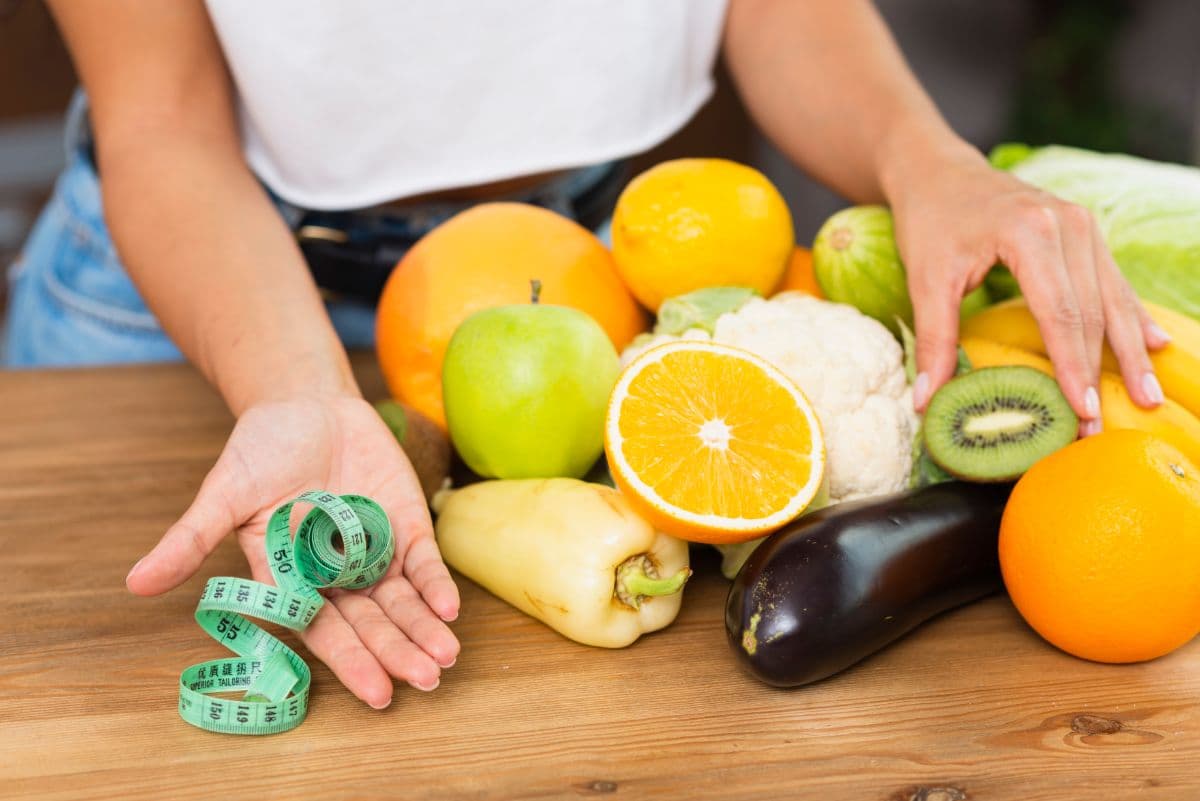
You’re not alone if your busy schedule leaves little time for cooking. Whether juggling work, family, or fitness goals, meal prepping with easy, nourishing ingredients can make all the difference. And when it comes to simplifying your routine, high protein crock pot recipes are a game-changer.
These recipes are perfect for boosting energy, supporting gut health, and maintaining a healthy weight. In this guide, you’ll discover delicious crock pot meals, make-ahead breakfasts, and hydrating smoothies designed for busy lives.
Why High-Protein Crock Pot Recipes Are Ideal for Meal Prep
Meal prepping is about working smarter, not harder—and that’s where the crock pot shines. With just a few ingredients and a slow cooker, you can create flavorful meals that cook while you work, sleep, or run errands.
Why go with high-protein crockpot recipes?
They promote satiety and help curb cravings.
Protein supports muscle repair, metabolism, and energy levels.
Crock pots allow for hands-free, batch-style cooking.
They’re perfect for clean eating on a budget.
By preparing meals in bulk, you’ll save time, money, and decision fatigue.
Make-Ahead Breakfasts to Fuel Your Morning
1. Crock Pot Protein Oatmeal
This make-ahead oatmeal is creamy, satisfying, and packed with protein.
Combine oats, almond milk, and cinnamon in the crock pot. Cook on low for 6–8 hours. Stir in protein powder after cooking. Top with berries and yoghurt before serving.
Why It Works:
This perfect high-protein breakfast supports gut health and provides sustained energy through fibre-rich oats and probiotics from yoghurt.
High Protein Crock Pot Recipes for Lunch & Dinner
Whether you’re prepping lunches for the week or looking for an easy dinner, these high protein crock pot recipes are perfect.
2. Slow Cooker Salsa Chicken
Ingredients:
1.5 lbs boneless, skinless chicken breasts
1 cup low-sodium salsa
1 tsp cumin
Salt & pepper to taste
Instructions:
Place chicken, salsa, and seasonings in the crock pot. Cook on low for 6 hours. Shred and serve in lettuce wraps, rice bowls, or tacos.
Benefits:
Each serving delivers over 30g of protein with minimal prep and ingredients.
3. Crock Pot White Bean & Turkey Chilli
Ingredients:
1 lb lean ground turkey
1 can of white beans, rinsed
1 onion, chopped
1 can of diced tomatoes
2 tsp chilli powder
½ cup chicken broth
Instructions:
Brown the turkey and add all ingredients to the crock pot. Cook on low for 6–7 hours.
Why You’ll Love It:
Loaded with fibre and lean protein, this chilli supports digestion and keeps you feeling full.
4. Slow Cooker Beef & Broccoli
Ingredients:
1 lb flank steak, thinly sliced
2 cups broccoli florets
1/3 cup coconut aminos or low-sodium soy sauce
2 tbsp honey
2 garlic cloves, minced
Instructions:
Add everything (except broccoli) to the crock pot and cook on low for 6 hours. Add broccoli 30 minutes before serving.
Nutrition Tip:
This is one of those high protein crockpot recipes that’s both comforting and nourishing—ideal for weeknight dinners or post-workout recovery.
Time-Saving Tips for Busy Meal Preppers
Pre-chop vegetables and store them in airtight containers.
Use freezer-friendly bags to assemble crockpot meal kits ahead of time.
Store cooked meals in portion-sized glass containers for grab-and-go lunches.
Label each container with the meal name and date for easy rotation.
Hydrating Smoothies & Drinks to Pair With Your Meals
Meal prep isn’t just about food—hydration matters, too. These drinks complement your meals and support digestion.
1. Gut-Loving Green Smoothie
Ingredients:
1 cup spinach
½ frozen banana
½ avocado
1 scoop vanilla protein powder
1 tbsp chia seeds
1 cup almond milk
Tip:
Chia and avocado help digestion and satiety, while protein keeps energy levels high.
2. Cucumber Citrus Detox Water
Infuse filtered water with cucumber slices, lemon wedges, and fresh mint. This is a refreshing, zero-calorie way to stay hydrated throughout the day.
Final Thoughts
Meal prep can feel overwhelming, but it doesn’t have to be. With the help of high protein crock pot recipes, you can create delicious, balanced meals that nourish your body, save time, and support your goals. Whether you’re a busy professional, parent, or student, these recipes and hydration ideas offer everything you need for a healthier lifestyle.
Get started today—and let your slow cooker do the heavy lifting.
Frequently Asked Questions (FAQs)
Can I freeze high-protein crockpot recipes?
Yes. Most crock pot meals freeze beautifully. Cool completely before storing in freezer-safe containers.
How many meals can I prep at once?
Depending on the size of your crock pot, you can make 6–8 servings of most meals. For variety, prepare two different recipes in a week.
How much protein should each meal have?
Aim for 20–35 grams of protein per meal to support energy and satiety.
In the ever-evolving world of nutrition and wellness, many people are turning to tailored eating plans to help them lose pounds, improve energy, and improve overall health. One such increasingly popular strategy is the metabolic diet plan. But and how can it help you transform your health?
What Is a Metabolic Diet Plan?
A metabolic diet plan, at its soul, focuses on optimizing your body’s metabolism to improve fat burning, manage weight, and enhance energy levels. “Metabolic” refers to how your body converts what you eat and drink into energy. A well-functioning metabolism ensures efficient calorie burning, better hormone regulation, and sustained vitality.
This diet aims to personalize your nutritional intake based on your metabolic type. By understanding how your body processes macronutrients (carbohydrates, proteins, and fats), you can adjust your food choices to align with your unique metabolic needs.
Unlock Your Body’s Potential with a Metabolism-Boosting Diet
A metabolism-boosting diet is designed to ignite your body’s natural fat-burning processes by providing the proper nutrients at the correct times. Unlike one-size-fits-all diets, this approach emphasizes personalized eating habits that align with your unique metabolic type. Enhancing metabolic efficiency, the body burns calories more effectively, improves hormonal balance, supports digestion, and elevates daily energy levels. The foundation of this plan lies in choosing whole, nutrient-rich foods that keep your metabolism active throughout the day.
Top Features That Define a Metabolic Diet Plan
Personalized Eating: Focuses on individual metabolic types
Macronutrient Balance: Adjusting carb, fat, and protein ratios
Meal Timing: Emphasizes when to eat for optimal metabolism
Energy Focus: Designed to maintain consistent energy levels
Types of Metabolic Diet Plans
There isn’t just one way to do a metabolic diet. Various programs exist, each with a slightly different focus:
A nutritious meal designed according to a metabolic diet plan, featuring clean proteins, healthy fats, and fiber-rich carbs.
1. High-Protein Metabolic Diet
Emphasizes lean proteins and low carbohydrates. Great for muscle building and fat loss.
2. Cyclical Ketogenic Metabolic Diet
Cycles between low-carb, high-fat eating and refeeding days. Targets improved insulin sensitivity.
3. Metabolic Typing Diet
A more customized version that categorizes individuals into metabolic types (e.g., protein types, carb types, or mixed types).
How Does It Work?
1:Identify Your Metabolic Type
Usually done through a questionnaire or with the help of a nutritionist
2.Adjust Macronutrient Ratios
Protein Type: Higher protein and fats, moderate carbs
Carbohydrate Type: High-carb, lower protein and fat
Mixed Type: Balanced intake of all macros
3.Optimize Meal Timing
Eat at intervals that match energy demands (every 3-4 hours)
4.Support with Supplements
It is commonly paired with metabolic support supplements found in curated collections like those in supplement section.
Foods to Include in a Metabolic Diet
Here are some core foods recommended:
Protein Sources
Chicken breast
Turkey
Salmon
Greek yoghurt
Healthy Fats
Avocados
Olive oil
Nuts and seeds
Complex Carbohydrates
Sweet potatoes
Quinoa
Brown rice
Leafy greens
Boost Your Metabolism Naturally: Foods That Fuel Fat Burn
Supporting a healthy metabolism goes beyond regular exercise—your diet plays a crucial role in how efficiently your body burns calories and manages energy. What is a metabolic diet plan? It’s a structured approach to eating that focuses on nutrient-dense foods designed to regulate hormones, enhance digestion, and promote sustainable fat loss. By including specific food groups—such as lean proteins, healthy fats, and complex carbohydrates—you can naturally boost your metabolic function and support long-term wellness.
Power Proteins for Muscle and Metabolism
Protein-rich foods are essential in any metabolic diet. They help repair and build muscle and increase your body’s thermic effect—meaning your body burns more calories digesting protein than other macronutrients.
A nutritious meal designed according to a metabolic diet plan, featuring clean proteins, healthy fats, and fiber-rich carbs.
Top Metabolism-Boosting Proteins:
Skinless chicken breast
Lean turkey
Omega-3 rich salmon
Low-fat Greek yogurt
These proteins help curb hunger, preserve lean muscle mass, and increase daily metabolism.
Benefits of a Metabolic Diet Plan
Weight Loss: Promotes fat loss by boosting metabolic rate
Balanced Hormones: Stabilizes insulin and cortisol levels
Increased Energy: Fuels the body efficiently throughout the day
So, what is a metabolic diet plan? It’s more than a trend—it’s a science-backed way to fuel your body based on how you uniquely process food. You can transform your soundness from the inside out by personalizing your macro ratios, prioritizing whole foods, and considering meal timing and supplements.
A metabolic diet plan offers a bearable path to weight loss, energy stabilization, or simply eating smarter.
About Save N Shine
We aim to empower your wellness journey at Save N Shine through science-backed nutrition guides, healthy recipes, and premium-quality supplements. Our nutrition categories, such as healthy recipes, superfoods, and supplements, are designed to help you live better every day. Visit us and explore your path to lasting vitality!
Ready to Boost Your Metabolism Naturally?
Start your journey toward better health today! Discover how a personalized metabolic diet plan can transform your energy, support weight loss, and balance your hormones—all through smarter food choices.
Frequently Asked Questions (FAQ)
Q1: What is a metabolic diet program, and who is it for?
A metabolic diet plan is a personalized eating strategy designed to optimize one’s metabolism. It suits people seeking weight management, enhanced energy, and hormonal balance.
Q2: How do I know my metabolic type?
You can determine your metabolic type through professional consultation or self-assessment tools based on symptoms, energy patterns, and dietary preferences.
Q3: Can I combine a metabolic diet with supplements?
Yes. Many followers use metabolism-boosting supplements such as green tea extract or omega-3 fatty acids. You can explore options at Save N Shine’s supplement collection.
Q4: Are there vegetarian or vegan metabolic diet options?
Absolutely. With careful planning, plant-based proteins and whole foods can be used effectively in a metabolic diet.
Q5: Is this diet safe long-term?
When done correctly and with balanced nutrition, the metabolic diet plan is sustainable and beneficial in the long term. Always consult a health professional.
Murgh Musallam, a celebrated gem of Mughlai cuisine, is a royal dish known for its complex flavours, opulent presentation, and deep cultural roots. This culinary masterpiece, meaning “whole chicken,” has graced the banquet tables of emperors and nobles. Today, it continues to captivate with its aromatic spices, nut-laced richness, and luscious gravy. This detailed Murgh Musallam recipe carefully walks you through each step, unveiling traditional techniques and time-honoured ingredients.
A Glimpse into the Origins of Murgh Musallam Recipe
Steeped in history, Murgh Musallam Recipe origins are in the royal kitchens of the Mughal Empire. The dish is believed to have been a favourite of Emperor Muhammad bin Tughlaq and was later refined during the height of Mughal rule. What sets it apart is its preparation of a whole chicken, marinated with layers of spices and slow-cooked to perfection, often stuffed and richly garnished.
Ingredients You Will Need
Ensure all components are ready before embarking on the preparation. The soul of this dish lies in the freshly ground spices and patient marination.
For the Marinade:
1 whole chicken (skinless, about 1.2–1.5 kg), cleaned and pat dried
¼ cup fresh cream (optional but enriches the gravy)
2 tbsp chopped fresh coriander leaves
A few strands of saffron soaked in 2 tbsp warm milk (optional, for finishing)
Step-by-Step Preparation
Step 1: Preparing the Marinade
Start by mixing the curd with turmeric, salt, half of the red chilli powder, garam masala, and the fresh ground paste of onion, ginger, and garlic. Coat the chicken thoroughly, ensuring the marinade seeps into the cuts on the bird’s surface. Allow it to rest for at least 30 minutes. For deeper infusion, marinate overnight under refrigeration.
Step 2: Toasting the Whole Spices
In dry pan over medium heat, gently roast cloves, peppercorns, cinnamon, cardamoms, almonds, cumin, coriander, and poppy seeds. Stir continuously for even toasting. Once fragrant, remove from heat & allow to cool slightly. Grind them into a fine paste using minimal water. This forms the core masala of the dish—robust, earthy, and intensely aromatic.
Step 3: Searing the Chicken
Heat 2 tablespoons of mustard oil or ghee in a large, deep pan. Lightly sear the marinated whole chicken on all sides until it develops a golden hue. Remove and set aside. This initial browning locks in moisture and adds depth to the flavour.
Step 4: Building the Gravy Base
In the same pan, add remaining oil. Sauté the finely sliced onions until caramelized—a process that can take up to 15 minutes on low flame. This slow caramelization is critical for the signature richness of Murgh Musallam Recipe. Stir in the prepared spice paste and cook for 7–8 minutes until oil separates and the rawness dissipates.
Now, add the tomato purée and the remaining red chilli powder. Cook until the mixture thickens & takes on a deep, luscious colour. Fold in the cream for added silkiness (optional).
Step 5: Simmering to Perfection
Place the seared whole chicken into the pan, spooning the masala. Add about ½ to ¾ cup water to adjust consistency. Cover and simmer over a low flame for 35–40 minutes, occasionally basting the chicken with the sauce. The meat should be tender, easily pierced with a fork, but not falling apart.
In the final five minutes, add saffron-infused milk and fresh coriander. Simmer uncovered for a richer colour and aroma.
Step 6: Resting and Garnishing
Once cooked, allow the Murgh Musallam Recipe to rest for 10 minutes before serving. This resting period allows flavours to settle and the gravy to thicken further. Garnish with silver leaf (varq), additional saffron strands, and a drizzle of ghee for that regal touch.
Serving Suggestions
Murgh Musallam Recipe is traditionally served with fragrant basmati rice or sheer mal (sweet saffron flatbread). However, it pairs equally well with naan or tandoori roti. To balance the richness, accompany it with a simple cucumber raita and onion salad.
Final Thoughts
This Murgh Musallam Recipe is more than a method—it’s a journey into a regal era where food was not merely sustenance but art. The layering of spices, the ceremonial preparation of a whole bird, and the final flourish of saffron and cream all signal a dish crafted with reverence. Murgh Musallam Recipe celebrates tradition, patience, and flavour for a festive table or a culinary challenge.
Frequently Asked Questions (FAQs)
What does “Murgh Musallam” mean?
“Murgh Musallam” is a Persian-origin term meaning “whole chicken.” In the culinary context, it refers to a regal dish in which an entire chicken is marinated, often stuffed, and cooked in a rich, aromatic gravy. It is traditionally served during festive or royal occasions.
Can I use boneless chicken for Murgh Musallam?
While it’s technically possible, using boneless chicken deviates from the essence of this dish. Murgh Musallam is traditionally prepared with a whole bird, which helps retain moisture and delivers the intended presentation and texture. For a flavor profile similar to boneless pieces, consider “Chicken Musallam” instead.
How long should the chicken be marinated?
A minimum of 30 minutes is essential for the spices to infuse, but marinating overnight (6–8 hours) in the refrigerator is highly recommended for optimal flavour. This allows the curd and spices acid to thoroughly tenderize and flavour the meat.
Is Murgh Musallam very spicy?
Murgh Musallam has a rich, bold flavour but is not necessarily overly spicy. The heat level can be adjusted by reducing the quantity of red chilli powder or using mild chilli varieties. Curd, cream, and nuts also naturally mellow the heat.
Can Murgh Musallam be made in an oven?
Yes. After marinating and optionally searing the chicken, place it in a covered oven-safe dish or Dutch oven & bake at 180°C (350°F) for about 45–55 minutes. Baste occasionally and uncover in the last 10 minutes for a slightly roasted finish.
Keeping your health in check isn’t always easy in today’s fast-paced world. Between long work hours, skipped meals, and over-processed foods, most people fall short of the nutrients they need daily. That’s where Chamagnga Multivitaminsare designed to bridge the gap between your lifestyle and your nutritional needs.
Multivitamins are no longer just for older adults or people with medical conditions. Whether you’re a busy professional, an active gym-goer, or simply trying to stay energised and healthy, Chamagnga Multivitaminscan help support your overall well-being, one capsule at a time.
Why Do You Need Multivitamins Today?
Even if you eat well most of the time, the modern diet often lacks essential nutrients. Soil depletion, stress, irregular sleep, and poor hydration can lead to key vitamins and minerals deficiencies.
Here are some common signs you may not be getting enough nutrients:
Constant fatigue
Brain fog
Weak immune system
Dull skin or hair loss
Poor digestion
Taking Chamagnga Multivitaminsdaily can help replenish these vital nutrients and restore your body’s natural balance.
What Makes Chamagnga Multivitamins Different?
Unlike generic formulas, Chamagnga Multivitaminsare crafted to meet the needs of modern individuals who face stress, nutrient gaps, and inconsistent eating patterns. This supplement combines a wide range of vitamins, minerals, and antioxidantsto support core body functions like:
The goal is not just to prevent deficiency—but to optimise your daily energy and performance.
Key Ingredients in Chamagnga Multivitamins
Here’s a breakdown of the powerhouse nutrients you’ll find in every dose of Chamagnga Multivitamins:
Nutrient
Function
Vitamin B Complex
Supports energy, nerve health, and stress management
Vitamin C
Powerful antioxidant, strengthens immunity
Vitamin D3
Crucial for bone health and mood regulation
Zinc
Promotes immune defense and wound healing
Iron
Essential for oxygen transport and stamina
Magnesium
Supports sleep quality and muscle relaxation
Biotin
Encourages healthy skin, nails, and hair
Folic Acid
Important for cell renewal and red blood cell production
This thoughtful blend ensures you’re meeting your daily nutritional needs and supporting long-term wellness.
Benefits of Taking Chamagnga Multivitamins Regularly
Taking Chamagnga Multivitaminsconsistently can offer a wide range of benefits, especially when paired with a healthy lifestyle:
1. Boosted Energy Levels
Many people experience reduced fatigue and improved stamina within weeks of consistent use. B-complex vitamins and iron are especially helpful for chronically tired people.
2. Improved Immune System
With nutrients like vitamin C, D3, and zinc, Chamagnga Multivitaminshelp your body stay resilient against colds, infections, and seasonal illnesses.
3. Healthier Hair, Skin, and Nails
The formula’s biotin and antioxidants support cell regeneration and collagen production, improving your skin glow and hair texture over time.
4. Mental Clarity and Mood Support
Magnesium and vitamin B6 contribute to a healthier nervous system and improved brain function, potentially easing stress and brain fog.
5. Convenient Nutrition
Let’s face it—eating perfectly every day isn’t realistic. Chamagnga Multivitaminsmake it easy to stay consistent with your wellness routine, even on your busiest days.
Who Can Benefit from Chamagnga Multivitamins?
Chamagnga Multivitaminsare suitable for:
Adults with busy lifestyles
College students under high stress
Athletes and fitness enthusiasts
Vegetarians or people with restricted diets
Individuals recovering from illness
Anyone wanting to fill dietary gaps naturally
However, it’s always best to consult a healthcare professional if you have pre-existing medical conditions or take prescription medications.
How to Take Chamagnga Multivitamins
Take one capsule daily with a meal and a full glass of water for best results. Avoid taking it on an empty stomach to minimise the chance of nausea, especially if the supplement contains iron or zinc.
Final Thoughts
Balanced nutrition is the foundation of a healthy life, but we all know how hard it can be to eat right every single day. That’s why Chamagnga Multivitaminsare a smart choice for anyone looking to maintain energy, strengthen their immune system, and support overall health without overwhelm.
By adding this supplement to your daily routine, you’re investing in long-term wellness—one day, one capsule at a time.
Frequently Asked Questions (FAQs)
1. What are Chamagnga Multivitamins used for?
Chamagnga Multivitamins support daily health by providing essential vitamins and minerals that may be lacking in a regular diet. They help boost energy, improve immunity, enhance skin and hair health, and fill nutritional gaps caused by modern lifestyle habits.
2. Who should take Chamagnga Multivitamins?
Chamagnga Multivitamins can benefit adults with busy schedules, low energy, weak immunity, or poor eating habits. They are invaluable for those with restricted diets, chronic fatigue, or individuals recovering from illness.
3. Can I take Chamagnga Multivitamins every day?
Yes, Chamagnga Multivitamins are formulated for daily use. One capsule a day with food and water is typically recommended. Always follow the product label and consult a healthcare professional if you have underlying medical conditions or take medications.
4. What ingredients are in Chamagnga Multivitamins?
Chamagnga Multivitamins usually contain a mix of Vitamin B complex, Vitamin C, Vitamin D3, Zinc, Iron, Magnesium, Folic Acid, and Biotin—nutrients essential for energy, immune defence, brain function, and skin health.
5. Are Chamagnga Multivitamins a replacement for healthy eating?
No, multivitamins should not replace a healthy diet. Chamagnga Multivitamins are meant to supplementyour nutrition, not substitute real, whole foods. A balanced diet with fruits, vegetables, lean protein, and fibre is essential for optimal health.
In the modern kitchen, convenience meets creativity—and nothing exemplifies this better than the rice cooker. Originally a staple for simply cooking fluffy white rice, today’s rice cookers have evolved into versatile kitchen allies capable of preparing various dishes. Whether you’re a college student, a busy parent, or someone new to cooking, exploring Rice Cooker Recipes can open up a world of flavor with minimal effort.
Why Rice Cooker Recipes Are Trending
The rising popularity of rice cooker recipes can be attributed to three key factors:
Time-saving efficiency – Set it and forget it. Most rice cookers operate on a one-button system and automatically shut off or switch to “keep warm” once cooking is done.
Minimal cleanup – One pot means fewer dishes and less mess.
Multifunctionality – Newer rice cooker models include soup, porridge, cake, steam, and even sautéing settings.
This combination of convenience and versatility makes rice cookers an ideal companion for households seeking nutritious and comforting meals without the hassle.
1. Rice Cooker Mac and Cheese
Ingredients:
2 cups elbow macaroni
2 ½ cups water
1 cup whole milk
2 cups shredded sharp cheddar cheese
1 tsp mustard powder
Salt and pepper to taste
Instructions:
Add macaroni and water to the rice cooker.
Cook on the “White Rice” setting until pasta is al dente (about 10–12 minutes).
Add milk, cheese, mustard powder, and seasoning.
Stir well & cook for an additional 5 minutes until creamy.
Why it works: Rice cookers distribute heat evenly, creating the perfect environment for silky cheese sauces to coat your pasta without sticking or burning.
2. Chicken and Rice One-Pot Meal
Ingredients:
1 cup jasmine or basmati rice
1 ½ cups chicken broth
2 boneless chicken thighs, diced
1 cup frozen peas and carrots
1 tsp garlic powder
1 tsp paprika
Salt and pepper
Instructions:
Add all ingredients to the rice cooker.
Stir to combine.
Set to “Cook” and wait until the switch flips (about 25–30 minutes).
Let sit for 5 minutes before serving.
Pro Tip: Use pre-cooked rotisserie chicken to cut cooking time and infuse deeper flavor.
3. Rice Cooker Banana Bread
Ingredients:
2 ripe bananas, mashed
2 eggs
1 cup sugar
1 ½ cups all-purpose flour
1 tsp baking soda
½ cup vegetable oil
Pinch of salt
Instructions:
Mix all wet & dry ingredients in a bowl.
Grease rice cooker pot with butter or oil spray.
Pour the batter into the pot and close the lid.
Cook on the “Cake” or “Cook” setting for 40–50 minutes.
Use a toothpick to check doneness.
Why it’s genius: Your rice cooker acts like a mini-oven, keeping moisture and ensuring even cooking.
Tips for Mastering Rice Cooker Recipes
Use the proper rice-to-liquid ratio: For dishes like pilaf or jambalaya, stick to 1:2 or 1:1.5.
Avoid overfilling: Most rice cookers have a “Max” line for a reason—overflow can ruin your meal.
Layer flavors: Sauté garlic and onions in a bit of oil in the cooker first (if your model allows) for richer depth.
Final Thoughts
Incorporating rice cooker recipes into your daily routine can revolutionize how you cook. From savory one-pot meals to unexpected desserts, this humble appliance proves it’s far more than a rice steamer. As the trend spreads across kitchens, more people are discovering how accessible, versatile, and delicious cooking can be.
Homemade biscuits are a staple of American comfort food, and the best part is You don’t need a long list of ingredients to make them. This 3 ingredient biscuit recipe is simple and produces flaky, tender biscuits that pair perfectly with butter, jam, or gravy. Whether making breakfast, serving a hearty dinner, or craving a warm treat, these biscuits are the ultimate go-to.
Why This 3 Ingredient Biscuit Recipe Works
A great biscuit should be soft on the inside, slightly crisp on the outside, and full of rich, buttery flavor. This recipe achieves that with just three basic ingredients:
Self-rising flour – Provides structure and the perfect amount of leavening.
Cold butter or heavy cream – Adds flakiness and a rich texture.
Milk or buttermilk – Binds the dough together and keeps the biscuits tender.
This 3 ingredient biscuit recipe is foolproof, meaning even beginners can create bakery-style biscuits at home.
Ingredients for 3 Ingredient Biscuit recipe
2 cups self-rising flour
1/2 cup (1 stick) cold butter or 3/4 cup heavy cream
3/4 cup whole milk or buttermilk
Optional Add-ins: While this is a 3 ingredient biscuit recipe, you can enhance the flavor with a pinch of salt, shredded cheese, or honey.
How to Make 3 Ingredient Biscuits
Step 1: Preheat & Prepare
Preheat your oven to 450°F (232°C). Line a baking sheet with parchment paper or lightly grease it.
Step 2: Mix the Dough
If using butter: Grate or cube cold butter and mix it into the self-rising flour using a fork or pastry cutter until mixture resembles coarse crumbs.
If using heavy cream: Mix the self-rising flour and heavy cream until a dough forms.
Slowly add milk or buttermilk, stirring until just combined. Do not overmix.
Step 3: Shape the Biscuits
Turn the dough onto lightly floured surface. Gently pat it to about ¾-inch thickness.
Use a biscuit cutter or a glass to cut out rounds. If you don’t have a cutter, shape the dough by hand.
Step 4: Bake to Perfection
Place biscuits on the prepared baking sheet, ensuring they touch slightly for soft edges. Bake for 10-12 minutes or until golden brown.
Keep ingredients cold – This helps create a flakier texture.
Avoid overmixing – Overworking the dough can lead to tough biscuits.
Use buttermilk for tangy flavor – It also helps with tenderness.
Space them correctly – Letting biscuits touch helps them rise taller.
Serving Ideas for Homemade Biscuits
Breakfast: Serve with scrambled eggs and bacon.
Dinner: Pair with fried chicken or beef stew.
Snacks: Spread with butter, jam, or honey.
Final Thoughts
This 3 ingredient biscuit recipe is an easy, no-fail way to make soft and delicious biscuits from scratch. With just a few simple ingredients & steps, anyone can enjoy fresh, homemade biscuits in under 20 minutes. Whether you’re a seasoned baker or beginner, this recipe is sure to become a household favorite.
A Green Tea Shot Recipe is a popular party drink known for its smooth, slightly sweet, and citrusy taste. Despite its name, this shot contains no green tea—it gets its name from the vibrant greenish-yellow color. Whether you’re hosting a gathering or just curious, here’s everything you need to know about making a green tea shot at home.
What is a Green Tea Shot?
The Green Tea Shot Recipe is a whiskey-based cocktail created initially by Jameson Irish Whiskey. It combines whiskey, peach schnapps, sour mix, and a splash of lemon-lime soda for a well-balanced drink with a fruity kick.
Ingredients You’ll Need
To make a classic green tea shot, gather the following ingredients:
½ ounce Jameson Irish Whiskey (or any smooth whiskey)
½ ounce Peach Schnapps (adds a sweet, fruity note)
½ ounce Sour Mix (for tangy balance)
A splash of Lemon-Lime Soda (similar as Sprite or 7Up)
Ice cubes
How to Make a Green Tea Shot
Follow these simple steps to prepare the perfect Green Tea Shot Recipe:
Fill a Cocktail Shaker with Ice – This helps chill the ingredients for a refreshing shot.
Add Whiskey, Peach Schnapps, and Sour Mix – Pour equal parts of each into the shaker.
Shake Well – Secure the lid & shake vigorously for about 10 seconds.
Strain into a Shot Glass – Use a strainer to pour the liquid smoothly into the glass.
Top with Lemon-Lime Soda – A tiny splash enhances the flavor and fizz.
Serve Immediately – Enjoy your green tea shot while it’s cold!
Variations & Customizations
Want to tweak your green tea shot recipe? Try these alternatives:
Green Tea Shot Without Whiskey: Replace whiskey with vodka for a milder taste.
Stronger Version: Add more whiskey if you prefer a boozier kick.
Sweeter Shot: Increase the peach schnapps or add a hint of honey.
Green Tea Cocktail: Instead of serving as a shot, pour over ice in a rocks glass for a full-sized drink.
Why is it Called a Green Tea Shot?
Many assume this drink contains honest green tea, but it doesn’t. The combination of whiskey and peach schnapps creates a golden-green hue that resembles brewed green tea, giving the drink its name.
Nutritional Information (Per Shot)
Nutrient
Amount
Calories
~90
Carbohydrates
7g
Sugar
6g
Alcohol Content
~15% ABV
Final Thoughts
A Green Tea Shot Recipeis a fun, flavorful drink that’s easy to make at home. With a balance of sweet, sour, & whiskey warmth, it’s a crowd-pleaser at parties and social gatherings. Try making one today and enjoy the refreshing taste!
Introducing solid foods to your baby is significant milestone, and preparing baby food recipes at home ensures they receive the best nutrition without additives or preservatives. Whether starting with purees or moving to textured meals, this guide will provide detailed, healthy, and easy-to-make baby food recipes for your child’s development stages.
Why Choose Homemade Baby Food?
Homemade baby food recipes allow parents to control ingredients, ensuring balanced nutrition and avoiding unnecessary sugars, salts, and artificial preservatives. Benefits include:
Better Nutritional Value – Fresh fruits, vegetables, and grains retain natural vitamins.
Customizable Textures – Adjust the consistency based on your baby’s age.
Allergy Awareness – Introduce one ingredient at a time to monitor allergic reactions.
Cost-Effective – Preparing meals at home is cheaper than store-bought options.
Best First Foods for Babies (4-6 Months)
When starting solids, opt for single-ingredient purees to check for allergies. Some excellent beginner foods include:
Banana Puree – Mash a ripe banana for a smooth, creamy texture.
Sweet Potato Puree – Steam, blend, and serve.
Apple Puree – Peel, steam, and blend apples to create a fine consistency.
Carrot Puree – Boil or steam carrots and blend them with water.
Avocado Mash – Rich in healthy fats; mash and serve fresh.
➡ Tip: Always introduce one new food at a time & wait three to five days before introducing another.
Stage 2 Baby Food (6-8 Months)
Babies are ready for thicker purees and mild food combinations at this stage. Try these nutritious baby food recipes:
1. Apple & Oatmeal Puree
✅ Ingredients:
½ cup rolled oats
1 apple, peeled and chopped
1 cup water or breast milk
🔹 Instructions:
Cook oats and apples together until soft.
Blend into a smooth puree.
Serve warm or refrigerate for later use.
2. Avocado & Banana Mash
✅ Ingredients:
½ ripe avocado
1 banana
🔹 Instructions:
Mash both ingredients together.
Serve immediately for a creamy and nutritious meal.
Stage 3 Baby Food (8-12 Months)
Babies now enjoy chunkier textures and a variety of flavors. Introduce finger foods and protein sources.
Homemade baby food recipes provide a nutritious, cost-effective, safe alternative to store-bought options. Using fresh ingredients & simple techniques, you can create meals supporting your baby’s development while catering to their growing taste preferences. Start experimenting with these baby food recipes, and enjoy making mealtime a delightful experience for your little one!
Mangoes are adored for their sweet, juicy flesh and vibrant flavour—but what about their skin? The question “Can you eat mango skin?” is one nutritionists and curious fruit lovers have explored. While many discard the peel without a second thought, mango skin is, in fact, edible and packed with potential health benefits.
However, consuming it isn’t always as straightforward as biting into the fruit. Let’s dive into the nutritional science, potential concerns, and innovative ways to enjoy mango skin safely.
Is Mango Skin Safe to Eat?
Yes, you can eat mango skin, and it’s entirely safe for most people. Like apple or pear peels, mango skin is natural source of dietary fibre, vitamins, and protective plant compounds. Despite this, it is often avoided due to its tough texture and slightly bitter or resinous taste.
Nutritional Benefits of Mango Skin
Mango skin holds many health-boosting compounds, often lost when peeled and discarded. Here’s what it contains:
Nutrient / Compound
Benefit
Dietary Fiber
Aids digestion, promotes gut health, and supports regularity
Vitamin C
Enhances immunity and supports collagen production
Beta-Carotene
Converts to Vitamin A, improves vision, and boosts skin health
Mangiferin
A powerful antioxidant with anti-inflammatory and anticancer potential
Polyphenols & Flavonoids
Reduce oxidative stress and protect cells from damage
So next time you wonder, “Can you eat mango skin?” remember it’s a treasure trove of antioxidants and immune-enhancing nutrients.
Possible Drawbacks of Eating Mango Skin
Despite its impressive nutritional profile, mango skin isn’t universally embraced. There are a few important considerations:
1. Taste and Texture
Mango skin can be leathery, fibrous, and slightly bitter, especially in certain varieties like Tommy Atkins. This texture can make it unpleasant to chew directly.
2. Allergic Reactions
Mango skin contains urushiol, a compound also found in poison ivy. People with sensitivities may experience:
Itching around the lips
Skin rash or inflammation
Tingling or burning sensation
Anyone allergic to cashews, poison oak, or ivy should be cautious before consuming mango skin.
3. Pesticide Residue
Non-organic mangoes may have pesticide traces on their surface. While washing reduces this risk, it’s still worth noting—especially if the skin will be eaten raw.
How to Eat Mango Skin Safely
If you’re interested in adding mango peel to your diet, here are safe and enjoyable ways to do so:
✔️ Wash Thoroughly
Scrub the mango under running water to remove dirt, bacteria, and pesticide residues. Soak it in baking soda solution for 10–15 minutes for extra protection.
✔️ Choose Thin-Skinned Varieties
Some mango types like Ataulfo, Honey, or Alphonso have smoother, less fibrous skin, making them easier to eat whole.
✔️ Blend Into Smoothies
Toss mango skin and flesh into a high-powered blender. Other fruits like bananas or pineapple mask the bitterness while retaining all the nutrients.
✔️ Cook or Bake With It
Cooking mango skin in chutneys, jams, or stir-fries softens its texture and reduces bitterness. It can also be dried, powdered, and added to spice mixes or teas.
✔️ Go Organic
Choosing organic mangoes minimizes your exposure to harmful chemical residues, which is especially important if you plan to eat the peel.
Who Should Avoid Mango Skin?
While most healthy adults can safely enjoy mango peel in moderation, the following groups should exercise caution:
Individuals with urushiol sensitivity
Children under 5 years, due to choking risk from tough peel
People with oral allergies to mango sap
Anyone undergoing immunosuppressive therapy, unless approved by a physician
If any adverse reactions occur after trying mango skin, discontinue use & consult a healthcare provider.
Final Thoughts
So, can you eat mango skin? Yes—mango skin is edible, nutritious, and offers powerful health benefits, thanks to its rich supply of fibre, antioxidants, and bioactive compounds. However, it’s not for everyone. Some may dislike the taste and texture or experience mild allergic reactions. To reap the benefits safely, choose organic mangoes, wash them well, and consider blending or cooking the skin into your meals.
Frequently Asked Questions (FAQs)
Can you eat mango skin raw?
Mango skin can be eaten raw, but it’s important to wash it thoroughly to remove pesticide residues and dirt. Due to its bitter taste and tough texture, many people prefer blending it into smoothies or cooking it.
Is mango skin good for you?
Absolutely. Mango skin is rich in fibre, vitamin C, beta-carotene, and powerful antioxidants like mangiferin and polyphenols. These nutrients support digestion, immunity, and skin health and help reduce inflammation.
Can eating mango skin cause allergies?
In some cases, yes. Mango skin contains urushiol, the same compound found in poison ivy, which can trigger itching, rashes, or allergic reactions in sensitive individuals. If you’re allergic to poison ivy or cashews, it’s best to avoid it.
Looking for a healthier frozen dessert option that doesn’t sacrifice flavor? This blog introduces a versatile vanilla ice cream base perfect for creating ninja creami recipes healthy enough to suit various dietary needs. Whether you’re interested in vegan alternatives, high-protein treats, or simply a creamier dessert with a twist, read on for a step-by-step guide to making your own delicious frozen desserts at home.
The Ultimate Vanilla Ice Cream Base
This base recipe serves as a foundation that can be easily adapted into countless flavor variations. By adjusting ingredients, you can make healthier versions of your favorite desserts without sacrificing taste.
Ingredients:
Cream Cheese: A unique addition that guarantees a creamy texture. Options include vegan, lactose-free, or low-fat varieties.
Heavy Cream: Often referred to as double cream. (Tip: Avoid heavy whipping cream as it might yield a thinner consistency.)
Milk: Whole milk is preferred, but almond milk, oat milk, or even non-fat milk work just fine.
Sugar: White or superfine sugar works well, though sugar substitutes like allulose or stevia can make the recipe even healthier.
Vanilla Extract: Alternatively, vanilla bean paste can be used for a richer flavor.
Step-by-Step Instructions
Follow these simple steps to transform your ingredients into a delightful frozen treat:
Prepare & Freeze:
Gently melt the cream cheese with a small amount of cream and whisk in the sugar until it dissolves.
Transfer this mixture to your Ninja Creami pint container.
Whisk in the remaining ingredients, secure the lid, and place the container in the freezer for at least 3 hours to ensure the base is thoroughly frozen.
Churn to Perfection:
Attach the frozen container to the Ninja Creami machine.
Select either “ice cream” or “lite ice cream” setting. Let the machine work its magic.
If the texture appears crumbly on top or isn’t as smooth as desired, simply re-spin it until you achieve a creamy consistency.
Serve & Enjoy:
Once churned, scoop your ice cream into bowls and enjoy immediately.
For extra flair, add your favorite mix-ins after the initial churn to ensure even distribution throughout the dessert.
Expert Tips for Consistency
Avoid Overfilling: Always fill your container at least 1/2 inch below the “max” line. Overfilling can make the machine struggle to churn evenly.
Mode Selection: Stick to the “ice cream” or “lite ice cream” modes for optimal creaminess. Other settings might result in a texture that’s more akin to a smoothie bowl or milkshake.
Timing Is Key: Freezing for a minimum of 3 hours generally provides a creamy consistency, even though some guidelines suggest 24 hours. Experiment with your freezer to see what works best.
Re-Churn as Needed: If the dessert isn’t perfectly smooth, don’t hesitate to churn a few more times until you’re satisfied with the texture.
Flavor Variations for Ninja Creami Recipes Healthy
Once you’ve mastered the base, consider experimenting with these creative and healthy flavor ideas:
Mixed Berry Sorbet: Combine 1 cup each of fresh raspberries, blueberries, and strawberries.
Cookies and Cream: Add a few sandwich or Oreo cookies for texture, along with an extra tablespoon of cream cheese.
Chocolate High-Protein Ice Cream: Use 1¾ cups of premade chocolate protein shake mixed with 2 tablespoons of chocolate pudding mix.
Banana Cream Pie: Incorporate one overripe banana and some crushed graham crackers.
Cinnamon Roll Protein: Blend 1¾ cups of premade cinnamon roll protein shake (or protein powder whisked with milk) with 2 tablespoons of vanilla pudding mix and ½ teaspoon cinnamon.
Mango or Pineapple Sorbet: Use canned or packaged fruit chunks (15 ounces) in their natural juices.
Frozen Yogurt: Swap in 16 ounces of your favorite flavored or vanilla yogurt.
Mint Chocolate Chip: Include 1 teaspoon of peppermint extract, few drops of green food coloring, and ¼ cup of chocolate chips.
Vegan Ice Cream: Replace the milk with coconut milk and use dairy-free cream for a delicious plant-based version.
These ideas ensure that you’re not only creating a delicious dessert but also keeping the options aligned with ninja creami recipes healthy goals.
Nutritional Considerations
While each variation’s nutritional profile may differ, a few general pointers include:
Dairy Alternatives: Using almond, oat, or coconut milk can lower the fat content and calories.
Sugar Substitutes: Opting for allulose or stevia reduces sugar intake without sacrificing sweetness.
Protein Boosts: Incorporating protein shakes or protein powders can enhance the nutritional value, making the dessert a more balanced treat.
For more detailed nutritional information, consider consulting nutritional databases or the official guidelines provided by your Ninja Creami machine manufacturer.
Storage and Re-Freezing Tips
If you can’t finish your pint in one sitting, don’t worry! Here are some quick storage tips:
Short-Term Storage: Enjoy your ice cream fresh for the best texture.
Re-Freezing: If needed, you can re-freeze your dessert. Treat it like a freshly frozen base and re-spin in the Ninja Creami machine to restore creaminess.
Conclusion
Creating ninja creami recipes healthy treats at home is easier than ever. With this versatile vanilla ice cream base and a host of flavor variations, you can enjoy a delicious dessert that aligns with your health goals. Experiment with different ingredients, share your favorite tweaks, and relish the joy of crafting a frozen treat that’s both nutritious and indulgent.