In the ever-evolving world of nutrition and wellness, many people are turning to tailored eating plans to help them lose pounds, improve energy, and improve overall health. One such increasingly popular strategy is the metabolic diet plan. But and how can it help you transform your health?
What Is a Metabolic Diet Plan?
A metabolic diet plan, at its soul, focuses on optimizing your body’s metabolism to improve fat burning, manage weight, and enhance energy levels. “Metabolic” refers to how your body converts what you eat and drink into energy. A well-functioning metabolism ensures efficient calorie burning, better hormone regulation, and sustained vitality.
This diet aims to personalize your nutritional intake based on your metabolic type. By understanding how your body processes macronutrients (carbohydrates, proteins, and fats), you can adjust your food choices to align with your unique metabolic needs.
Unlock Your Body’s Potential with a Metabolism-Boosting Diet
A metabolism-boosting diet is designed to ignite your body’s natural fat-burning processes by providing the proper nutrients at the correct times. Unlike one-size-fits-all diets, this approach emphasizes personalized eating habits that align with your unique metabolic type. Enhancing metabolic efficiency, the body burns calories more effectively, improves hormonal balance, supports digestion, and elevates daily energy levels. The foundation of this plan lies in choosing whole, nutrient-rich foods that keep your metabolism active throughout the day.
Top Features That Define a Metabolic Diet Plan
Personalized Eating: Focuses on individual metabolic types
Macronutrient Balance: Adjusting carb, fat, and protein ratios
Meal Timing: Emphasizes when to eat for optimal metabolism
Energy Focus: Designed to maintain consistent energy levels
Types of Metabolic Diet Plans
There isn’t just one way to do a metabolic diet. Various programs exist, each with a slightly different focus:
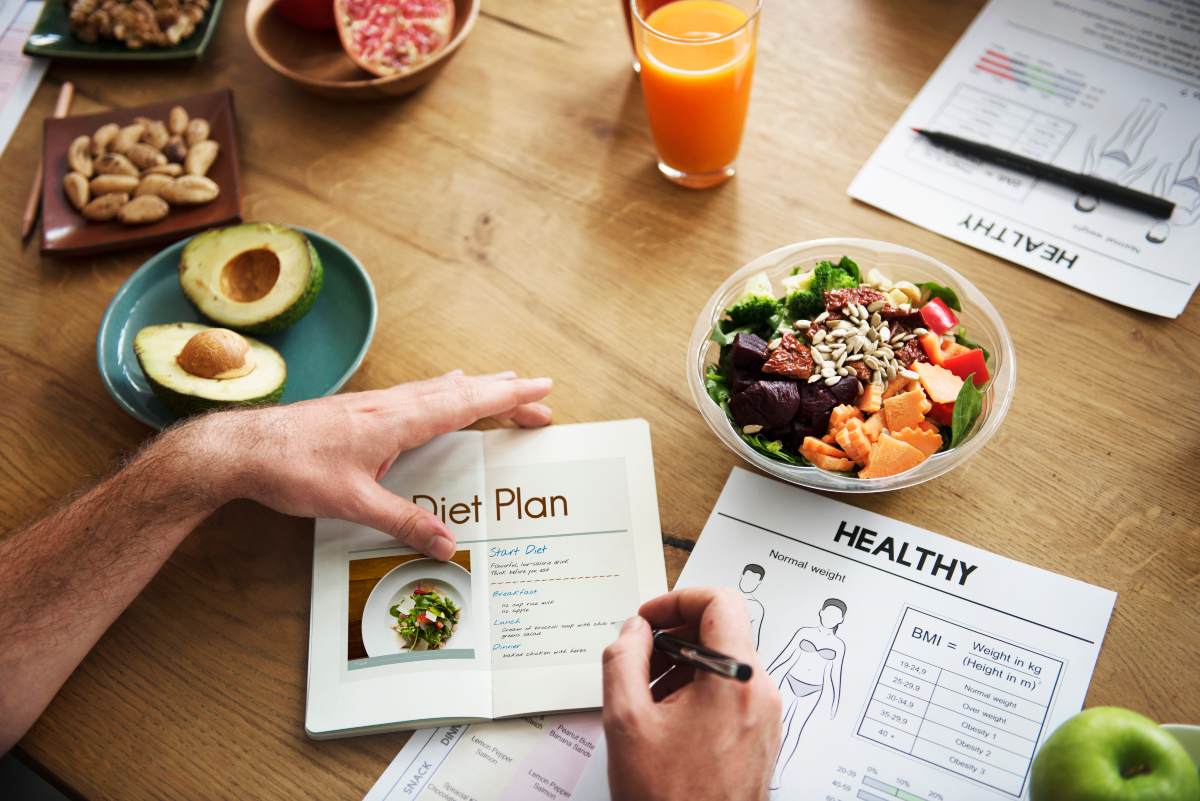
A nutritious meal designed according to a metabolic diet plan, featuring clean proteins, healthy fats, and fiber-rich carbs.
1. High-Protein Metabolic Diet
Emphasizes lean proteins and low carbohydrates. Great for muscle building and fat loss.
2. Cyclical Ketogenic Metabolic Diet
Cycles between low-carb, high-fat eating and refeeding days. Targets improved insulin sensitivity.
3. Metabolic Typing Diet
A more customized version that categorizes individuals into metabolic types (e.g., protein types, carb types, or mixed types).
How Does It Work?
1:Identify Your Metabolic Type
Usually done through a questionnaire or with the help of a nutritionist
2.Adjust Macronutrient Ratios
Protein Type: Higher protein and fats, moderate carbs
Carbohydrate Type: High-carb, lower protein and fat
Mixed Type: Balanced intake of all macros
3.Optimize Meal Timing
Eat at intervals that match energy demands (every 3-4 hours)
4.Support with Supplements
It is commonly paired with metabolic support supplements found in curated collections like those in supplement section.
Foods to Include in a Metabolic Diet
Here are some core foods recommended:
Protein Sources
Chicken breast
Turkey
Salmon
Greek yoghurt
Healthy Fats
Avocados
Olive oil
Nuts and seeds
Complex Carbohydrates
Sweet potatoes
Quinoa
Brown rice
Leafy greens
Boost Your Metabolism Naturally: Foods That Fuel Fat Burn
Supporting a healthy metabolism goes beyond regular exercise—your diet plays a crucial role in how efficiently your body burns calories and manages energy. What is a metabolic diet plan? It’s a structured approach to eating that focuses on nutrient-dense foods designed to regulate hormones, enhance digestion, and promote sustainable fat loss. By including specific food groups—such as lean proteins, healthy fats, and complex carbohydrates—you can naturally boost your metabolic function and support long-term wellness.
Power Proteins for Muscle and Metabolism
Protein-rich foods are essential in any metabolic diet. They help repair and build muscle and increase your body’s thermic effect—meaning your body burns more calories digesting protein than other macronutrients.
A nutritious meal designed according to a metabolic diet plan, featuring clean proteins, healthy fats, and fiber-rich carbs.
Top Metabolism-Boosting Proteins:
Skinless chicken breast
Lean turkey
Omega-3 rich salmon
Low-fat Greek yogurt
These proteins help curb hunger, preserve lean muscle mass, and increase daily metabolism.
Benefits of a Metabolic Diet Plan
Weight Loss: Promotes fat loss by boosting metabolic rate
Balanced Hormones: Stabilizes insulin and cortisol levels
Increased Energy: Fuels the body efficiently throughout the day
So, what is a metabolic diet plan? It’s more than a trend—it’s a science-backed way to fuel your body based on how you uniquely process food. You can transform your soundness from the inside out by personalizing your macro ratios, prioritizing whole foods, and considering meal timing and supplements.
A metabolic diet plan offers a bearable path to weight loss, energy stabilization, or simply eating smarter.
About Save N Shine
We aim to empower your wellness journey at Save N Shine through science-backed nutrition guides, healthy recipes, and premium-quality supplements. Our nutrition categories, such as healthy recipes, superfoods, and supplements, are designed to help you live better every day. Visit us and explore your path to lasting vitality!
Ready to Boost Your Metabolism Naturally?
Start your journey toward better health today! Discover how a personalized metabolic diet plan can transform your energy, support weight loss, and balance your hormones—all through smarter food choices.
Frequently Asked Questions (FAQ)
Q1: What is a metabolic diet program, and who is it for?
A metabolic diet plan is a personalized eating strategy designed to optimize one’s metabolism. It suits people seeking weight management, enhanced energy, and hormonal balance.
Q2: How do I know my metabolic type?
You can determine your metabolic type through professional consultation or self-assessment tools based on symptoms, energy patterns, and dietary preferences.
Q3: Can I combine a metabolic diet with supplements?
Yes. Many followers use metabolism-boosting supplements such as green tea extract or omega-3 fatty acids. You can explore options at Save N Shine’s supplement collection.
Q4: Are there vegetarian or vegan metabolic diet options?
Absolutely. With careful planning, plant-based proteins and whole foods can be used effectively in a metabolic diet.
Q5: Is this diet safe long-term?
When done correctly and with balanced nutrition, the metabolic diet plan is sustainable and beneficial in the long term. Always consult a health professional.
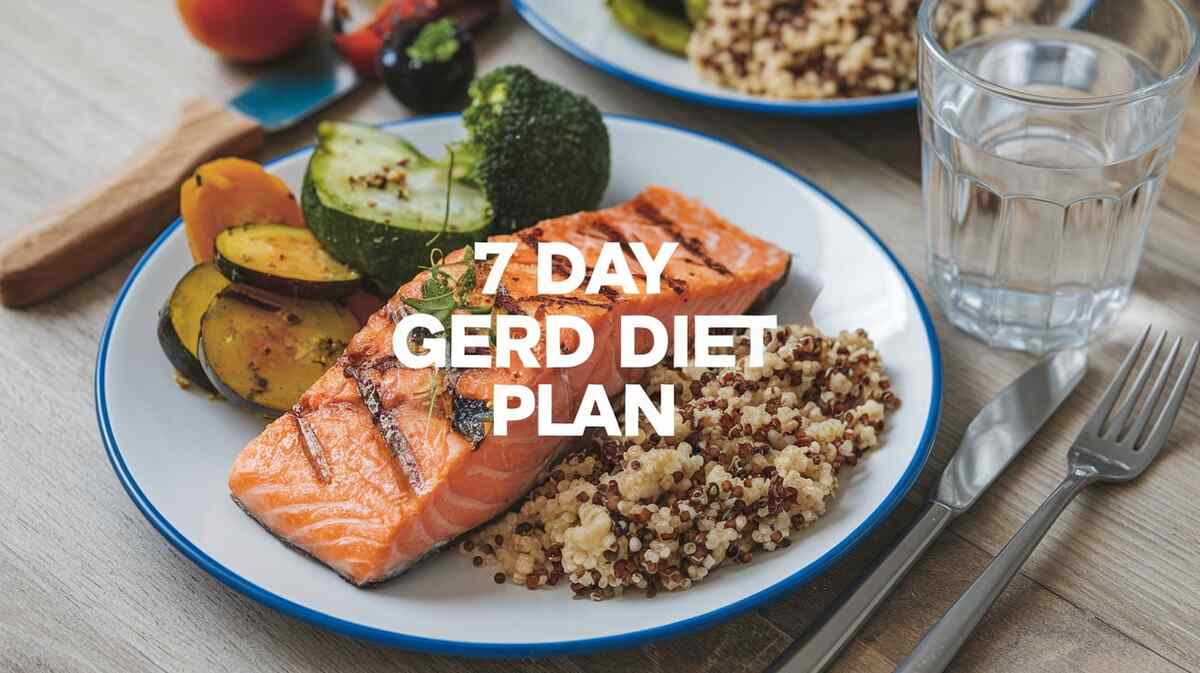
Gastroesophageal Reflux Disease (GERD) influence millions worldwide, causing discomfort & interrupting daily life with symptoms like heartburn, acid regurgitation, and indigestion. A carefully designed diet can be pivotal in managing GERD, reducing symptoms, and improving overall health. This 7 day GERD diet plan is tailored to help alleviate symptoms while promoting balanced nutrition.
Why a GERD Diet Plan Works
A GERD-friendly diet reduces triggers like high-fat, acidic, and spicy foods while incorporating low-fat, alkaline, and nutrient-rich options. Key principles include eating smaller, more frequent meals, avoiding lying down after eating, and maintaining hydration.
Post-Meal Habits: Avoid lying down for at least 2-3 hours after eating.
Cooking Methods: Opt for baking, grilling, and steaming over frying.
Portion Control: Small, frequent meals are better than large portions.
Conclusion
This 7 day GERD diet plan offers a practical guide to managing symptoms while enjoying flavorful and nutritious meals. Choosing the right foods and avoiding triggers can significantly improve your digestive health & quality of life. Start implementing this plan today and experience the benefits of a GERD-friendly lifestyle!
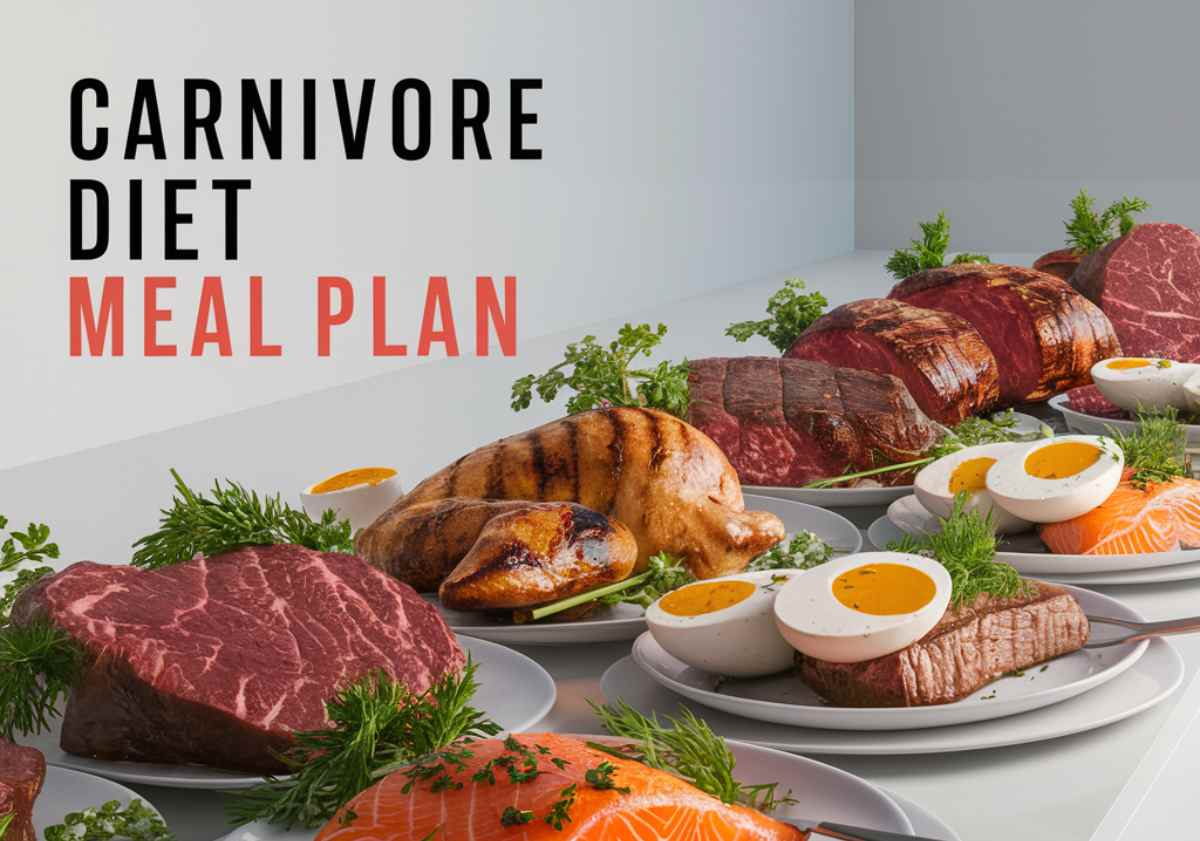
[vc_row][vc_column][vc_column_text]The carnivore diet is a restrictive plan that exclusively includes animal-based foods and eliminates all plant-based items. This guide provides beginners with a comprehensive carnivore diet meal plan, including various meals to help you transition smoothly into this all-meat regimen.
What Is the Carnivore Diet?
The carnivore diet, known as the all-meat diet, emphasizes eating exclusively animal-based foods. It is a zero-carb, high-protein, high-fat diet designed to shift the body into ketosis, where it burns fat for fuel instead of carbohydrates.
Core Principles of the Carnivore Diet
Exclusivity of Animal Products: The diet strictly prohibits all plant-based foods, focusing on meat, fish, eggs, and some dairy.
High Fat and Protein Intake: This diet emphasizes consuming high-fat cuts of meat and fatty fish to provide sustained energy and satiety.
Eliminating Carbohydrates: It ultimately aims to eliminate carbohydrates from the diet to induce ketosis.
Benefits of the Carnivore Diet
Improved Weight Management
The carnivore diet, high in protein & fat but without carbohydrates, can enhance feelings of fullness and satiety. This can lead to decrease overall calorie intake, making weight management more effortless. By stabilizing blood sugar levels & minimizing insulin spikes, the diet helps maintain consistent energy levels and curb cravings, which can further support weight loss and control.
Support for Mental Health
Many followers of the carnivore diet report improvements in mental health, including decrease symptoms of depression and anxiety. This is attributed to lower levels of inflammation and better nutrient intake, particularly from omega-3 fatty acids found in fatty fish. Additionally, the diet may boost cognitive function by providing a steady source of ketones, which the brain uses as an alternative energy source when carbohydrates are restricted.
Digestive Health Benefits
The carnivore diet can be favorable for individuals with digestive issues by reducing symptoms like bloating and gas. Excluding fiber and certain plant compounds eliminates common irritants, improving digestive comfort. This simplified diet can also alleviate symptoms of conditions such as irritable bowel syndrome (IBS) for some individuals.
Enhanced Muscle Mass and Strength
The carnivore diet provides a high protein intake, which is important for muscle repair and growth. This is particularly advantageous for athletes seeking to increase muscle mass or improve physical performance. Thanks to its focus on nutrient-dense animal products, the diet supports muscle recovery and reduces soreness from intense exercise.
Potential Autoimmune and Allergy Relief
By eliminating plant-based foods, the carnivore diet removes common allergens and irritants that can exacerbate autoimmune conditions and food sensitivities. Some individuals with autoimmune disorders report significant relief from symptoms on this diet, possibly due to reduced inflammation and the elimination of dietary triggers that aggravate autoimmune responses.
7-Day Carnivore Diet Meal Plan for Beginners
This carnivore diet meal plan provides a week’s worth of meals to help beginners start their journey quickly.
Day 1: Initial Steps
Breakfast: Beef liver sautéed in butter and scrambled eggs. The liver provides essential vitamins, and eggs offer protein and fat.
Lunch: Grilled chicken thighs with cheddar cheese. Chicken thighs are rich in fat, and cheddar adds flavor.
Dinner: Ribeye steak with a side of homemade bone broth. Ribeye is flavorful and fatty, while bone broth provides additional nutrients.
Day 2: Varied Choices
Breakfast: Bacon and eggs with a splash of heavy cream in coffee. This combination offers a high-fat start to the day.
Lunch: Baked salmon fillet with a side of beef broth. Salmon is high in omega-3s, and beef broth adds extra nutrients.
Dinner: Pork chops with crispy pork belly cracklings. Pork provides protein and fat, while cracklings add texture.
Day 3: Flavorful Options
Breakfast: Eggs Benedict with a hollandaise sauce made from butter and egg yolks. This rich breakfast is high in fat and protein.
Lunch: Beef burgers with a side of pickles (optional). Beef burgers are versatile and satisfying.
Dinner: Herb-seasoned roast lamb. Lamb provides a rich source of fat and flavor.
Day 4: Rich Meals
Breakfast: Cheese omelet with bone broth. Eggs and cheese offer protein and fat, while bone broth supports digestion.
Lunch: Shrimp skewers with beef broth. Shrimp adds protein and beef broth enhances the meal.
Dinner: Braised beef short ribs. Short ribs are tender and rich in fat.
Day 5: Incorporating Organ Meats
Breakfast: Full-fat Greek yogurt (if tolerated) with bone broth. Greek yogurt provides protein and fat.
Lunch: Chicken liver pâté with a side of bone broth. Chicken liver is nutrient-dense and can support health.
Dinner: Prime rib, slow-roasted for tenderness. Prime rib is flavorful and satisfying.
Day 6: Seafood Focus
Breakfast: Salmon roe with scrambled eggs. Salmon roe is rich in omega-3s and nutrients.
Lunch: Grilled pork ribs with a side of bone broth. Pork ribs are fatty and flavorful.
Dinner: T-Bone steak with beef broth. The T-Bone provides a mix of tenderloin and strip steak.
Day 7: Wrapping Up
Breakfast: Egg and cheese muffins with bone broth. These muffins offer a balanced breakfast of protein and fat.
Lunch: Thinly sliced roast beef with beef broth. Roast meat is rich and nutrient-dense.
The carnivore diet is an extremely restrictive eating plan that focuses solely on animal-based foods. To adhere to this diet, it’s essential to avoid all plant-based foods and substances that don’t fit the animal-based criteria. Here’s a detailed list of foods to avoid on the carnivore diet:
Milk, yogurt, cheese (except very low-carb cheeses)
Sugary Foods
Table sugar, honey, maple syrup, agave nectar, sweetened sauces
Processed Foods
Packaged snacks (chips, cookies), processed meats with added sugars or fillers, fast food items with breading
Beverages with Additives
Soft drinks, fruit juices, energy drinks, alcoholic beverages with mixers
Condiments and Sauces
Ketchup, mustard (check for sugars), salad dressings, soy sauce
Legume-Based Products
Hummus, lentil-based soups, bean salads
Can the Carnivore Diet Help You Lose Weight?
The carnivore diet can help with weight loss by leveraging several mechanisms. Its high protein and fat content promotes satiety, which helps reduce overall calorie intake and curb frequent snacking. By eliminating carbohydrates, the diet stabilizes insulin levels and induces ketosis, where the body burns fat for energy instead of carbohydrates.
This process can accelerate fat loss and reduce body weight. Additionally, the restrictive diet simplifies food choices, minimizing the risk of overeating and consuming processed high-calorie foods. However, individual results can vary, so consulting with a healthcare provider is advisable before making dietary changes.
Best Tips for Success on the Carnivore Diet
Plan and Prepare Your Meals
Meal preparation is essential to following the carnivore diet successfully. Batch cooking permits you to prepare large quantities of meat and animal products in advance, making it easier to adhere to the diet throughout the week. Incorporate a variety of meats, such as beef, pork, poultry, and seafood, to prevent dietary monotony and ensure a range of nutrients. By planning your meals in advance, you can avoid the temptation of non-compliant foods.
Stay Hydrated
Proper hydration is essential for the carnivore diet. Drinking plenty of water all through the day helps maintain hydration and supports overall bodily functions. Bone broth is a valuable addition, providing essential electrolytes and nutrients that aid in fluid balance and digestion. Adequate hydration also helps alleviate common symptoms of dietary transition, such as headaches and fatigue.
Monitor Your Health
Regularly monitoring your health is essential to ensure the carnivore diet benefits you. Keeping a journal to track physical or mental changes helps identify positive outcomes or potential issues early. Routine check-ups with your healthcare provider permits for assessing key health metrics such as cholesterol levels and kidney function. This proactive approach helps you achieve your health goals safely and effectively.
Ease Into the Diet
Gradually transitioning to the carnivore diet helps your body adjust more smoothly. Start by slowly reducing carbohydrate intake while progressively increasing animal products. This gradual approach minimizes potential digestive discomfort and allows your body to adapt to the new regimen. Listening to your body and making adjustments as needed supports a more comfortable transition.
Ensure Nutritional Adequacy
To avoid nutrient deficiencies, include various nutrient-dense animal products in your diet. Organ meats, like liver & kidney, are rich in essential vitamins & minerals that may be lacking in a restrictive diet. Consulting with a dietitian specializing in carnivore or low-carb diets ensures you meet all your nutritional needs. This expert guidance helps optimize your diet for overall health and well-being.
Potential Challenges and Solutions on the Carnivore Diet
Adopting the carnivore diet can present various challenges, particularly for those new to such a restrictive eating plan. Understanding these challenges and implementing solutions can help you navigate the diet more effectively and achieve your health goals. Here are some common challenges along with practical solutions:
Nutritional Deficiencies
Challenge: The carnivore diet eliminates all plant-based foods, rich sources of vitamins, minerals, and fiber. This restriction can lead to nutritional deficiencies, particularly in vitamins C and E, fiber, and certain antioxidants.
Solution: To address potential deficiencies, include various nutrient-dense animal products in your diet. Organ meats rich in essential nutrients, such as liver and kidney, should be incorporated. Regularly consult a healthcare provider or dietitian to monitor your nutrient levels and consider appropriate supplements.
Digestive Issues
Challenge: Transitioning to a diet that excludes fiber-rich foods can cause digestive issues, like bloating or diarrhea, especially in the initial stages. The lack of fiber can disrupt regular bowel movements for some individuals.
Solution: Gradually transition to the carnivore diet to allow your digestive system to adjust. Stay hydrated and consider incorporating bone broth to help digestion and gut health. If constipation occurs, ensure you consume enough fat to help regulate bowel movements.
Social and Lifestyle Adjustments
Challenge: Following a restrictive diet such as the carnivore diet can pose challenges in social settings, where meal options may be limited. This can lead to difficulties when dining out or attending social events.
Solution: Plan by preparing and bringing your meals to social gatherings. Communicate your dietary preferences to friends & family to foster understanding and support. When dining out, choose restaurants with flexible menus and meals that align with your nutritional needs, such as steak or grilled meat.
Initial Adjustment Period
Challenge: Transitioning to a carnivore diet can come with an adjustment period marked by symptoms such as fatigue, headaches, or irritability. These symptoms are frequently referred to as the “keto flu,” which is common when shifting to a low-carb, high-fat diet.
Solution: Gradually reduce carbohydrate intake rather than making an abrupt switch to ease the transition. Include foods rich in sodium, potassium, and magnesium to ensure you are consuming enough electrolytes, or consider supplements. Staying hydrated & getting adequate rest can also help mitigate initial discomfort.
Monotony and Meal Boredom
Challenge: Eating exclusively animal products can lead to meal monotony and boredom, potentially making it harder to stick with the diet over the long term.
Solution: Introduce variety into your diet by experimenting with different cuts of meat and preparation methods. To keep meals interesting, incorporate various animal products, such as eggs, fatty fish, and organ meats. Explore new recipes and cooking techniques to add diversity to your meals and maintain motivation.
Conclusion
The carnivore diet meal plan offers a structured approach to eating exclusively animal products, providing a diverse range of nutrient-dense meals. This detailed plan helps beginners start the carnivore diet smoothly while ensuring they meet their nutritional needs. Remember to monitor your health and consult a healthcare professional for personalized advice.[/vc_column_text][/vc_column][/vc_row][vc_row][vc_column width=”1/1″][us_separator][vc_column_text]
Frequently Asked Questions (FAQ)
[/vc_column_text][us_separator][vc_tta_accordion title_tag=”h3″][vc_tta_section title=”How do I start a Carnivore Diet Meal Plan?” tab_link=”%7B%22url%22%3A%22%22%7D”][vc_column_text]Begin by planning meals that include a variety of meats, fish, eggs, and high-fat dairy. Gradually transition by reducing carbohydrate intake and increasing animal-based foods. Use a meal plan to guide your choices for balanced nutrition.[/vc_column_text][/vc_tta_section][vc_tta_section title=”What are the benefits of following a Carnivore Diet Meal Plan?” tab_link=”%7B%22url%22%3A%22%22%7D”][vc_column_text]Benefits can include improved weight management, enhanced mental clarity, better digestive health, increased muscle mass, and potential relief from autoimmune symptoms. It stabilizes blood sugar levels and promotes ketosis.[/vc_column_text][/vc_tta_section][vc_tta_section title=”Can I eat vegetables on the Carnivore Diet?” tab_link=”%7B%22url%22%3A%22%22%7D”][vc_column_text]No, the Carnivore Diet excludes all plant-based foods, including vegetables, fruits, grains, and legumes. The focus is solely on animal products.[/vc_column_text][/vc_tta_section][vc_tta_section title=”Are there any risks associated with the Carnivore Diet?” tab_link=”%7B%22url%22%3A%22%22%7D”][vc_column_text]Potential risks include nutrient deficiencies (e.g., vitamins C and E), digestive issues, and social or lifestyle challenges. It’s important to monitor your health and consult with a healthcare provider before starting.[/vc_column_text][/vc_tta_section][vc_tta_section title=”Can I drink beverages other than water on the Carnivore Diet?” tab_link=”%7B%22url%22%3A%22%22%7D”][vc_column_text]You can drink animal-based beverages like bone broth and, if tolerated, dairy products like cream. Water should be your primary beverage, and it’s best to avoid sugary or plant-based drinks.[/vc_column_text][/vc_tta_section][vc_tta_section title=”How long should I follow a Carnivore Diet Meal Plan?” tab_link=”%7B%22url%22%3A%22%22%7D”][vc_column_text]The duration depends on individual goals and health conditions. Some may follow it for a few weeks to see initial benefits, while others might maintain it long-term. Regular health check-ups are advised to ensure it suits your needs.[/vc_column_text][/vc_tta_section][vc_tta_section title=”What is the 7 day carnivore diet?” tab_link=”%7B%22url%22%3A%22%22%7D”][vc_column_text]The 7-day carnivore diet is a one-week meal plan focused exclusively on consuming animal-based foods, including various meats, fish, eggs, and limited dairy. It aims to provide a structured approach to transitioning into or maintaining a carnivore lifestyle.[/vc_column_text][/vc_tta_section][vc_tta_section title=”How many meals a day on a carnivore diet?” tab_link=”%7B%22url%22%3A%22%22%7D”][vc_column_text]On a carnivore diet, most people typically eat 2 to 3 meals a day. Some individuals may also incorporate intermittent fasting or adjust meal frequency based on personal hunger cues and goals.[/vc_column_text][/vc_tta_section][/vc_tta_accordion][/vc_column][/vc_row]
[vc_row][vc_column][vc_column_text]One of the most frequently asked questions is, “When can I use a straw after wisdom teeth removal?” This blog addresses this concern and provides detailed guidance on the topic.
To answer “When Can I Use a Straw After Wisdom Teeth Removal” proper care after removing wisdom teeth is essential to smooth recovery and prevent complications. One such complication is a dry socket, which can occur if a blood clot at the extraction site is dislodged or dissolves too soon. Using a straw can raise the risk of dry sockets due to the suction force created when drinking.
Why You Should Avoid Straws Initially
Immediately after removing wisdom teeth, avoid using a straw for at least 24-48 hours. The suction action can disrupt the healing process by dislodging a blood clot that forms in the place. This blood clot is essential for proper healing and protecting underlying bone and nerve endings.
When Can I Use a Straw After Wisdom Teeth Removal?
Typically, dentists recommend waiting at least one week before using a straw after wisdom teeth removal. This waiting period allows the extraction site to stabilize and begin the healing process without the risk of dislodging the blood clot. It’s always best to follow your dentist’s instructions, which may vary depending on individual cases.
Signs You Can Start Using a Straw
No more bleeding: Ensure no active bleeding from the extraction site.
Minimal swelling: Swelling should have significantly reduced.
Pain management: Pain should be manageable with over-the-counter pain relief and no severe discomfort.
Healing progress: Check with your dentist to confirm the healing process is on track.
Tips for Using a Straw Safely
Once your dentist gives the green light, follow these tips to use a straw safely:
Avoid carbonated drinks: Stick to non-carbonated beverages to prevent irritation.
Monitor for discomfort: If you experience pain or notice any adverse effects, stop using the straw and consult your dentist.
Alternatives to Using a Straw
While waiting for the safe period to use a straw, consider these alternatives:
Drink from a cup: Sip slowly and carefully from a cup.
Use a spoon: For thicker beverages like smoothies, use a spoon to minimize disruption to the extraction site.
“When can I use a straw after wisdom teeth removal?” This is a critical question that affects your recovery process. To prevent complications like dry sockets, avoiding using a straw for at least the first-week post-surgery is essential. Always follow your dentist’s advice and monitor your healing progress to ensure a smooth recovery.
Adhering to these recommendations can help in a fast and uneventful recovery after wisdom teeth removal.
Postoperative Care and Best Practices
Proper postoperative care ensures a smooth and fast recovery after wisdom teeth removal. Here are some best practices to follow to minimize complications and promote healing.
Immediate Post-Surgery Care
Rest and Recovery
Rest for the first 24 hours after surgery.
Avoid strenuous activities to prevent increased bleeding and swelling.
Managing Bleeding
Bite softly on a gauze pad placed over the extraction site to control bleeding.
Change the gauze pad every 30-45 minutes or as your dentist directs.
Avoid spitting or rinsing vigorously, which can dislodge the blood clot.
Pain Management
Over-the-counter painkillers like ibuprofen can help manage pain and reduce inflammation.
Reducing Swelling
Apply Ice Packs
Use ice packs on your cheeks for 24-48 hours post-surgery.
Apply ice for 20 mins on and 20 mins off to minimize swelling.
Elevate Your Head
Keep head elevated with pillows while resting to reduce swelling and promote drainage.
Diet and Hydration
Stay Hydrated
Drink plenty of liquids and avoid using a straw for the first week to prevent blood clot dislodging.
Soft Foods
Eat soft foods such as yogurt, applesauce, mashed potatoes, and smoothies.
Gradually reintroduce solid foods as you heal and can tolerate them.
Avoid Irritating Foods
Steer clear of spicy, acidic, crunchy, or hard foods irritating the extraction site.
Oral Hygiene
Gentle Brushing
Brush your teeth carefully, avoiding the extraction site for the first few days.
Clean your mouth gently with warm salted water 24 hours after surgery to keep the area clean.
Avoid Mouthwash
Do not use commercial mouthwashes for the first week, as they can be too harsh on the healing site.
Monitoring for Complications
Watch for Signs of Infection
Redness, increased swelling, severe pain, or pus around the extraction site can indicate an infection.
Dry Socket Awareness
Be aware of symptoms such as severe pain radiating to the ear, foul odor, or taste in the mouth, which may indicate a dry socket.
Seek dental care if you suspect a dry socket.
Follow-Up Care
Attend Follow Up Appointment
Keep all scheduled follow-up appointments with your dentist to ensure proper healing. Discuss any concerns or unusual symptoms with your dentist during these visits.
Adhere to Your Dentist’s Instructions
Follow all care provided by your dentist to optimize your recovery. Adhering to these postoperative care best practices can significantly impact your recovery after wisdom teeth removal. Proper rest, pain management, diet, and hygiene prevent complications and promote healing. Always follow your dentist’s instructions and consult them if you have any concerns during your recovery process. By taking these steps, you can ensure a smoother, quicker recovery and avoid potential post-surgery issues.
The Healing Process After Wisdom Teeth Removal
Understanding the healing process after wisdom teeth removal Here’s a detailed look at what to expect during the different stages of healing and tips to ensure a smooth recovery.
The Initial 24 Hours
Formation of Blood Clotting: After extraction, a blood clot forms at the site, which is essential for proper healing. Avoid disturbing the clot by not rinsing your mouth vigorously, spitting, or using a strawhelpful in when Can I Use a Straw After Wisdom Teeth Removal.
Managing Bleeding and Swelling: Expect some bleeding for the first few hours. Bite gently on the gauze to control it. Swelling is normal and can be managed by applying ice packs to the outside of your cheek for 20-minute intervals.
The First 3 Days
Reducing Swelling and Pain: Swelling typically peaks within 48-72 hours. Continue using ice packs as needed. Take recommended pain medications as directed to manage discomfort.
Maintaining Oral Hygiene: Brush your teeth carefully, avoiding the extraction site. Begin gentle saltwater rinses 24 hours after surgery to keep the area clean knowing when Can I Use a Straw After Wisdom Teeth Removal.
Days 4-7
Healing Progress: Swelling should start to subside, and you may notice a reduction in pain. The tissue around the extraction site will begin to close.
Dietary Adjustments: Continue eating soft foods and staying hydrated.Avoid foods that could irritate or get stuck in the extraction site.
Avoiding Complications: Be cautious of dry sockets when the blood clot is dislodged. Signs include severe pain and a bad taste in the mouth. Contact your dentist if you experience dry socket or infection symptoms, such as persistent pain, swelling, or discharge.
Weeks 2-3
Tissue Healing: The socket will continue to fill in with new tissue, and the gum will gradually heal which is helpful in knowing when Can I Use a Straw After Wisdom Teeth Removal. Most patients return to everyday things and diet by this time.
Continued Care: Maintain optimal oral hygiene, but be gentle around the extraction site. Follow your dentist’s recommendations for any additional care or follow-up visits.
Months 1-3
Complete Healing: Total healing of the bone and tissue can take several months. You may have a follow-up appointment to ensure everything is healing correctly.
Long-Term Care: Maintain regular dental check-ups to monitor your oral health. Practice oral hygiene to prevent infections and ensure overall dental health.
Tips for a Smooth Healing Process
Follow Your Dentist’s Instructions: Adhere strictly to the care guidelines provided by your dentist to avoid complications.
Stay Hydrated: Drink plenty of water, but avoid beverages that irritate the site, such as alcohol and caffeine.
Rest and Recovery: Give your body ample time to heal by resting and avoiding strenuous activities.
Monitor Your Symptoms: Be alert for any signs of complications, and contact your dentist if anything seems amiss.
Maintain a Healthy Diet:Eat nutritious, soft foods to support your body’s healing process.
Conclusion
Returning to the main question “When Can I Use a Straw After Wisdom Teeth Removal” after wisdom teeth removal, the healing process involves several stages, from forming a blood clot in the initial hours to completing tissue healing over several months. You can successfully recover by following your dentist’s advice and looking for pain, swelling, and oral hygiene. Hope this answers “When Can I Use a Straw After Wisdom Teeth Removal”. Always consult your dentist if you have any concerns during the healing process.[/vc_column_text][us_separator size=”small”][/vc_column][/vc_row][vc_row][/vc_row][vc_column width=”1/1″][/vc_column][us_text text=”Frequently Asked Questions” link=”%7B%22url%22%3A%22%22%7D” tag=”h2″][us_separator size=”small”][vc_tta_accordion title_size=”1.2rem” title_tag=”h3″][vc_tta_section title=”When can I start eating solid foods again after wisdom teeth removal?” tab_link=”%7B%22url%22%3A%22%22%7D”][us_text text=”We can introduce solid food into your diet after the first week, once the extraction sites have started to heal and you feel comfortable chewing. It’s important to avoid hard, crunchy, and spicy foods until you’re fully healed to prevent irritation.” link=”%7B%22url%22%3A%22%22%7D”][/vc_tta_section][vc_tta_section title=”How long does swelling typically last after wisdom teeth removal?” tab_link=”%7B%22url%22%3A%22%22%7D”][us_text text=”Swelling usually comes within the first 48 to 72 hours after surgery and should begin to decrease after that. Applying ice packs during the first 24 to 48 hours can help minimize swelling.” link=”%7B%22url%22%3A%22%22%7D”][/vc_tta_section][vc_tta_section title=”What are the signs of a dry socket, and how can I prevent it?” tab_link=”%7B%22url%22%3A%22%22%7D”][us_text text=”Symptoms of a dry socket has severe pain that radiates to the ear, a foul odor, or a bad taste in the mouth. You can prevent dry socket by avoiding things that create suction in the mouth, such as using a straw, smoking, or spitting forcefully, for at least a week after surgery.” link=”%7B%22url%22%3A%22%22%7D”][/vc_tta_section][vc_tta_section title=”Is it normal to have some bleeding after wisdom teeth removal, and can I manage it?” tab_link=”%7B%22url%22%3A%22%22%7D”][us_text text=”Yes, some bleeding is normal for the first 24 hours after surgery. You can manage it gently biting on a gauze pad placed over the extraction site.” link=”%7B%22url%22%3A%22%22%7D”][/vc_tta_section][vc_tta_section title=”When should I contact my dentist after wisdom teeth removal?” tab_link=”%7B%22url%22%3A%22%22%7D”][us_text text=”You should contact your dentist if you experience severe pain that doesn’t improve with prescribed medications, or symptoms of a dry socket. Additionally, if you have any concerns about your healing process, it’s always best to consult your dentist.” link=”%7B%22url%22%3A%22%22%7D”][/vc_tta_section][/vc_tta_accordion]
Getting braces is a step towards achieving a beautiful smile, but it also brings some adjustments, especially regarding your diet. During the first week with braces, your mouth might be sore, so choosing gentle foods for your teeth and gums is essential. Here’s a guide on what to eat with braces the first week to ensure you stay comfortable and nourished.
The first week with braces can be challenging as your mouth adapts to the new appliances. Joint soreness and sensitivity are crucial, so opting for soft and easy foods is crucial. Here’s a breakdown of what to eat with braces during the first week to minimize discomfort and promote healing.
What to Eat with Braces the First Week: Breakfast Ideas
Smoothies
Smoothies are an excellent choice for breakfast during the first week with braces. They are soft, easy to consume, and packed with nutrients. Blend favorite fruits with yogurt or milk for a delicious and braces-friendly meal.
Scrambled Eggs
Scrambled eggs are another excellent option for what to eat with braces the first week. They are soft and can be flavored using various herbs and spices to satisfy your taste buds.
What to Eat with Braces the First Week: Lunch and Dinner Ideas
Mashed Potatoes
Mashed potatoes are a classic comfort food perfect for eating with braces during the first week. They are soft and can be mixed with gravy, cheese, or butter for added flavor.
Soups
Soups, especially those with a creamy base, are gentle on your teeth and gums. Opt for blended soups like tomato, pumpkin, or butternut squash to ensure a smooth texture that’s easy to consume during the first week with braces.
Pasta
Soft pasta dishes or spaghetti with marinara sauce, are excellent choices for what to eat with braces the first week. Please ensure the pasta is cooked until it’s very soft to avoid discomfort while eating.
What to Eat with Braces the First Week: Snack Ideas
Yogurt
Yogurt is a versatile snack that is gentle on teeth and gums. During the first week, choose plain or flavored yogurt without any crunchy mix-ins to keep it braces-friendly.
Applesauce
Applesauce is another great snack option for what to eat with braces the first week. It’s smooth, easy to eat, and provides a sweet treat without chewing.
Pudding and Jello
Both pudding and Jello are soft, easy-to-eat snacks with braces perfect for the first week. They come in various flavors so you won’t get bored with your options.
Tips for Eating with Braces the First Week
Take Small Bites
During the first week with braces, take small bites to make eating more accessible and to avoid putting too much pressure on your teeth.
Chew Slowly
Chewing slowly will help you get used to the sensation of having braces and prevent any additional discomfort.
Avoid Hard and Sticky Foods
During the first week, avoid hard and sticky foods to protect your braces and avoid unnecessary pain.
Conclusion
Adjusting braces can be challenging, but knowing what to eat with braces the first week can make the transition smoother. Stick to soft, easy-to-chew foods like smoothies, scrambled eggs, mashed potatoes, soups, pasta, yogurt, applesauce, pudding, and Jello. Take small bites, chew slowly, and avoid hard and sticky foods to ensure a comfortable and successful first week with braces.
Menopause is a changing phase in a woman’s life that can come with a variety of physical and emotional changes. One of the most challenging aspects of menopause is weight gain, which can affect your self-esteem and overall health. Fortunately, a targeted approach to diet and lifestyle can help manage weight and improve your quality of life. In this detailed guide, we will explore the menopause diet 5 day plan to lose weight, offering you a comprehensive strategy for effective weight management during this significant life stage.
Understanding Menopause and Its Impact on Weight
What Is Menopause?
Menopause represents the end of a woman’s menstrual cycles and fertility, typically between 45 and 55. It is a natural biological process characterized by a decline in reproducing hormones, primarily estrogen and progesterone. Menopause is divided into three distinct stages:
Perimenopause
This transitional period can begin several years before menopause. Hormone levels fluctuate, and you might experience irregular periods, hot flashes, and mood swings. Perimenopause is a time for women to start paying attention to their health and make lifestyle adjustments.
Menopause
Officially defined as the point when you have not had a period for 12 consecutive months, menopause marks the end of your reproductive years. Symptoms can consist of hot flashes, night sweats, and changes in mood and libido.
Postmenopause
This is the stage after menopause, where symptoms may persist but generally begin to stabilize. Women in postmenopause may continue to experience symptoms but can benefit from lifestyle changes made during earlier stages.
Understanding these stages helps you tailor your diet and lifestyle to address specific symptoms and health goals.
How Menopause Affects Weight
Menopause can significantly impact your weight due to a combination of hormonal, metabolic, and lifestyle changes:
Hormonal Fluctuations
During menopause, estrogen falls decrease, leading to changes in fat distribution. Estrogen helps regulate fat storage and metabolism. Instead of accumulating around the hips and thighs, lower amounts of this hormone can induce fat to gather around the belly. This change in fat distribution raises the risk of diabetes and cardiovascular illnesses in addition to being a cosmetic concern.
Additional Insight: Estrogen also affects how your body processes glucose and fat. With reduced estrogen levels, insulin sensitivity can decrease. This can make losing weight and lead to weight gain more challenging.
Metabolic Slowdown
A decrease in metabolism is a natural part of ageing, but menopause exacerbates this process. Your basal metabolic rate (BMR), which determines how many calories you burn at rest, decreases as you age. During menopause, this reduction can be more pronounced due to hormonal changes.
Additional Insight: Exercise and nutrition can control metabolic slowing. Strength training increases muscle mass, and since muscle burns more calories than fat, it can assist in boosting metabolism.
Changes in Muscle Mass
Estrogen is crucial for maintaining muscle mass. As estrogen levels drop throughout menopause, you can gradually lose muscle, which might impede your metabolism and lead to weight gain.
Additional Insight: Regular resistance exercises, such as weight lifting or body-weight workouts, can help maintain and build muscle mass, thereby supporting a healthy metabolism.
Lifestyle Factors
Changes in lifestyle, including reduced physical activity, increased stress, and poor dietary choices, can also contribute to weight gain during menopause.
Additional Insight: Adopting a balanced diet and a consistent exercise routine can counteract these lifestyle changes. Also, managing stress through mindfulness practices can improve emotional wellbeing and weight management.
Why a Specialized Diet Plan for Menopause?
A diet plan tailored for menopause addresses specific nutritional needs and aims to alleviate menopause symptoms while supporting weight loss. The menopause diet 5 day plan to lose weight offers a focused approach to help you achieve your health goals by incorporating:
Hormone Balance: meals high in nutrients that help with hormone regulation and reduce symptoms like mood swings and hot flashes.
Metabolism Support: Foods that boost metabolic rate and promote fat loss.
Satiety and Satisfaction: Meals are designed to keep you full and satisfied, reducing the likelihood of overeating.
Overall Health: A diet that supports cardiovascular health, bone strength, and general wellbeing.
Additional Insight: A specialized diet plan for menopause addresses weight loss and promotes a holistic approach to health. It focuses on reducing inflammation, supporting heart health, and preventing osteoporosis, common concerns during menopause.
The menopause diet 5 day plan to lose weight: Detailed Breakdown
Day 1: Kickstart Your Weight Loss Journey
Breakfast: Greek Yogurt with Berries and Almonds
Greek yoghurt is rich in probiotics and protein, which support digestion and muscle maintenance. Berries are high in antioxidants, which help combat oxidative stress and inflammation. Almonds offer protein and good fats, which help with satiety and energy levels.
Lunch: Mixed greens, avocado, and grilled chicken salad
This meal combines lean protein from chicken, healthy fats from avocado, and a variety of vitamins and minerals from mixed greens. The healthy fats and high protein content help regulate hormones and manage hunger.
Dinner: Steamed broccoli and Quinoa with Baked Salmon
Omega-3 fatty acids, suitable for the heart and reducing inflammation, are abundant in salmon. Quinoa is a complete protein and a good source of fibre, while broccoli provides essential vitamins and antioxidants.
Snacks:
A small handful of walnuts for healthy fats and protein supports brain health.
A piece of fruit, like an apple or pear, for natural sweetness and fibre.
Tip: Begin your day with a protein-rich breakfast to kickstart your metabolism. A protein-rich meal helps stabilize blood sugar levels and keeps you feeling full longer.
Day 2: Focus on Fiber and Protein
Breakfast: Scrambled Eggs with Spinach and Tomatoes
Eggs offer high-quality protein and essential nutrients, while spinach and tomatoes provide fibre and vitamins. This breakfast supports muscle maintenance and digestive health.
Lunch: A Side of Mixed Greens Salad with Lentil Soup
Plant-based fibre and protein like lentils help keep your digestive system healthy and satisfy your hunger. A side salad increases nutrient content and promotes better hydration.
Dinner: Turkey Meatballs with Pasta Squash and Marinara Sauce
Turkey meatballs are lean protein sources, and spaghetti squash is a low-carb alternative to pasta. Marinara sauce adds flavour without excessive calories or sugars.
Snacks:
Carrot sticks with hummus are used to combine fibre and protein.
A small serving of cottage cheese for additional protein and calcium.
Tip: Incorporate fibre-rich foods like lentils and vegetables to support digestion and manage hunger. Fibre also helps keep up stable blood sugar levels.
Day 3: Emphasize Healthy Fats and Hydration
Breakfast: Smoothie with Spinach, Banana, and Chia Seeds
Spinach and banana offer a nutrient-dense start to your day, while chia seeds provide omega-3 fatty acids, which support heart health and hormone balance.
Lunch: Quinoa Salad with Chickpeas, Cucumbers, and Feta Cheese
This salad combines protein and fibre from quinoa and chickpeas with the refreshing crunch of cucumbers and the flavour of feta cheese. It supports muscle maintenance and digestive health.
Dinner: Grilled Shrimp Tacos with Cabbage Slaw
Shrimp is a low-calorie, high-protein food, and cabbage slaw adds crunch and nutrients without calories. To increase fibre content, use whole-grain tortillas.
Snacks:
A handful of mixed nuts for healthy fats, protein, and essential nutrients.
A few slices of cucumber with a squeeze of lemon for a refreshing, hydrating snack.
Tip: Healthy fats from sources like avocados and nuts support hormonal balance and provide lasting energy. Additionally, maintaining weight and general health depends heavily on hydration.
Day 4: Incorporate Antioxidants and Lean Proteins
Breakfast: Chia seeds, almond milk, and fresh berries for overnight oats
Overnight oats are easy to prepare and provide a nutritious start to the day. Almond milk is low in calories, chia seeds offer omega-3 fatty acids, and berries are rich in antioxidants.
Lunch: Grilled Vegetable Wrap with Whole Grain Tortilla
Grilled vegetables offer a variety of vitamins and minerals, and a whole-grain tortilla adds fibre and nutrients. This wrap is a filling and nutritious lunch option.
Dinner: Baked Sweet Potato, Chicken Breast and Green Beans
Chicken breast provides lean protein, sweet potatoes offer complex carbohydrates and fibre, and green beans add essential vitamins and a satisfying crunch.
Snacks:
A combination of fibre, protein, and good fats can be found in an apple with a spoonful of almond butter.
A small handful of berries for a low-calorie, antioxidant-rich snack.
Tip: Incorporate antioxidant-rich foods to help combat oxidative stress and support overall health. Antioxidants play a crucial role in lowering inflammation and enhancing health.
Day 5: Balance and Recharge
Breakfast: Poached egg and avocado toast on whole-grain bread
Avocado toast combines healthy fats from avocado with protein from a poached egg and fibre from whole-grain bread. This balanced meal supports satiety and energy levels.
Lunch: Spinach and Feta-Puffed Chicken Breast with a Side of Roasted Vegetables
This meal provides lean protein and essential nutrients, with spinach and feta offering a flavorful and nutrient-dense stuffing. Roasted vegetables add vitamins, minerals, and fibre.
Dinner: Vegetable Stir-frying with Tofu and Brown Rice
Tofu is a versatile plant-based protein, and brown rice adds whole grains to your meal. The vegetable stir-fry provides a variety of nutrients and can be personalized with your favourite vegetables.
Snacks:
A small handful of pumpkin seeds for a nutrient-dense, protein-rich snack.
A cup of green tea for its metabolism-boosting properties and antioxidants.
Tip: Maintain balanced meals and snacks throughout the day to support steady blood sugar levels and prevent overeating. Consistency is critical for effective weight management.
Tips for Success on the Menopause Diet Plan
Stay Hydrated
Hydration is essential for weight management and overall health. Water aids in digestion helps control appetite and supports various bodily functions.
Hydration Tips:
Carry a Water Bottle: Carry a reusable water bottle with you at all times to constantly remind you to hydrate.
Infuse Water: To add a refreshing taste to your water without adding extra calories, add pieces of fruit, like lemon, lime, or berries.
Pre-Meal Hydration: Before meals, sip a glass of water to help manage portion sizes and avoid overindulging.
Additional Insight: Proper hydration supports healthy digestion and improves skin health and energy levels.
Exercise Regularly
Any effective weight loss program must include regular physical activity. Exercise promotes overall health, muscle growth, and calorie burning.
Exercise Recommendations:
Cardio Exercises: Participate in moderate-intense weekly exercise such as cycling, swimming, jogging, or walking for at least 150 minutes.
Strength Training: Include strength-training activities like resistance band or weightlifting at least twice weekly to build muscle and support a healthy metabolism.
Flexibility and Balance: Exercises like yoga and Pilates, balance, and stress management can increase flexibility.
Additional Insight: Combining cardio, strength training, and flexibility exercises offers a comprehensive fitness routine that addresses various aspects of health and wellbeing.
Get Enough Sleep
Getting enough sleep is essential for preserving a healthy weight and general wellbeing. Poor sleep can disrupt hormones related to hunger and metabolism.
Sleep Tips:
Consistent Schedule: Aim for seven to nine hours of sleep every night, and set your alarm for the same time every day.
Relaxing Routine: Establish a calming pre-sleep routine, such as reading a book, taking a warm bath, or practising deep-breathing exercises.
Comfortable Environment: Create a sleep-friendly environment by keeping your bedroom cool, dark, and quiet.
Additional Insight: Quality sleep supports various bodily functions, including hormone regulation, cognitive function, and emotional wellbeing.
Manage Stress
Remaining stress-free is crucial for both general health and a healthy weight. Weight gain and emotional eating are two consequences of chronic stress.
Stress Management Techniques:
Mindfulness Practices: To reduce stress, engage in mindfulness practices such as meditation, deep breathing, or progressive muscle relaxation.
Regular Exercise: Include exercise to reduce stress and release endorphins.
Hobbies and Interests: Choose activities that make you happy and calm, such as reading, gardening, or crafting.
Social Support: Contact friends, family, or support groups to share your experiences and receive emotional support.
Additional Insight: Use effective stress management practices to maintain a healthy lifestyle and enhance your mental wellbeing.
Conclusion
A major life shift, menopause can present both possibilities for growth and problems. Following the menopause diet 5 day plan to lose weight, you can take proactive steps towards managing your weight and enhancing your overall wellbeing. This plan offers a balanced approach to nutrition, focusing on hormone balance, metabolism support, and fullness to support your weight loss objectives.
Crab brulee offers a delightful fusion of creamy textures and savory flavors, making it a perfect choice for seafood enthusiasts looking to impress with a unique dish. This recipe combines the delicate sweetness of crab meat with a rich, creamy custard base, topped with a caramelized sugar crust for a luxurious finish.
Introduction to Crab Brulee
Inspired by the traditional French dessert creme brulee, this savory version substitutes sweet custard with a delicious mixture of crab meat, cream, and spices. The result is a sophisticated appetizer or main dish that balances creamy richness with a crispy, caramelized sugar topping, creating a memorable dining experience.
Ingredients for Crab Brulee Recipe
To prepare crab brulee, gather the following ingredients:
Fresh Crab Meat: Opt for high-quality lump crab meat for the best flavor and texture. Alternatively, canned crab meat can be used, ensuring it’s well-drained.
Heavy Cream: Provides a smooth foundation for the brulee, imparting richness and smooth texture.
Egg Yolks: Add richness and help bind the ingredients together to create a creamy consistency.
Parmesan Cheese: Enhances the depth of flavor and contributes to the creamy feel of the dish.
Salt and Pepper: Season the crab mixture.
Nutmeg: Adds a subtle warmth and complexity to the flavor profile.
Brown Sugar: Essential for caramelizing the top layer to create the signature brulee effect.
Fresh Herbs: Optional garnish for added freshness and visual appeal, such as parsley or chives.
Equipment Needed
Ramekins: Individual serving dishes for baking the crab brulee.
Baking Dish: Larger dish for creating a water bath during baking.
Culinary Torch: This is ideal for caramelizing the sugar crust on top of the brulee. Alternatively, a broiler can be used.
Instructions for Making Crab Brulee
Step 1: Prepare the Crab Mixture
Preheat Oven: Preheat your oven to 350°F (175°C) to ensure it’s ready for baking.
Mix Ingredients: In a large mixing bowl, mix the fresh crab meat (or drained canned crab meat), heavy cream, egg yolks, grated Parmesan cheese, salt, pepper, and a pinch of nutmeg. Gently fold the ingredients together until well combined. Be careful not to overmix, as you want to preserve the texture of the crab meat.
Step 2: Fill and Bake the Crab Mixture
Prepare Ramekins: Lightly grease individual ramekins or oven-safe dishes with butter or cooking spray to prevent sticking.
Fill Ramekins: Divide the crab mixture evenly among the prepared ramekins, filling them nearly to the top. Smooth the surface of each ramekin with the back of a spoon for even baking.
Create a Water Bath: Place the full ramekins in a larger baking dish. With caution, pour hot water into the baking dish, filling it about midway up the sides of the ramekins. The water bath helps ensure gentle and even cooking of the crab brulee, preventing the edges from overcooking.
Bake: Transfer the baking dish with the ramekins to the preheated oven. Bake for approximately 25-30 minutes, or until the crab brulee recipe is set but still slightly jiggly in the center. The edges should be firm, and the top should be lightly golden.
Step 3: Caramelize the Top
Add Brown Sugar: Once the crab brulee is baked and set, remove it from the oven. Sprinkle a thin, even layer of brown sugar over the top of each ramekin. When heated, the sugar will form a caramelized crust.
Use Torch or Broiler: To caramelize the sugar, use a culinary torch. Hold the torch about 2-3 inches away from the exterior and move it in circular motions until the sugar melts and caramelizes into a golden-brown crust. Alternatively, if you don’t have a torch, place the ramekins under a preheated broiler for a few minutes until the sugar caramelizes. Watch closely to prevent burning.
Step 4: Serve and Garnish
Cool Slightly: Allow the crab brulee to cool for a few minutes before serving. The sugar crust will harden slightly as it cools, creating a satisfying contrast with the creamy crab mixture beneath.
Garnish: Garnish each serving of crab brulee with chives or parsley, if desired. This enhances the dish’s look and flavor profile in addition to adding a splash of color.
Serving Suggestions
Crab brulee is best served immediately after caramelizing the sugar crust to preserve its crisp texture. It can be enjoyed as an elegant appetizer before a main course or as a luxurious main dish matched with a fresh salad or crusty bread. The combination of creamy crab custard and caramelized sugar creates a harmonious blend of savory and sweet flavors that is sure to impress guests or elevate a special meal at home.
Tips for Success
Quality Ingredients: Use fresh, high-quality crab meat for the best taste and texture.
Gentle Mixing: Be gentle when combining the crab brulee ingredients to avoid breaking up the crab meat too much.
Water Bath Technique: The water bath ensures even baking and prevents the edges from overcooking or curdling.
Caramelizing Tips: When caramelizing the sugar crust, aim for a thin, even layer to achieve a perfect balance of sweetness and savory flavors.
Conclusion
Crab brulee offers a unique twist on traditional crab brulee dishes, combining the delicate sweetness of crab meat with the creamy richness of a savory custard and the irresistible crunch of a caramelized sugar crust. With straightforward ingredients and easy-to-follow steps, you can create a gourmet dish that’s both sophisticated and delicious. Whether you’re hosting a dinner party or enjoying a special meal at home, crab brulee is sure to elevate any dining experience with its luxurious flavors and elegant presentation.
In today’s world, sugar seems omnipresent—hidden in processed snacks, drinks, and even savoury meals. Undertaking a no-sugar challenge can transform your health, offering benefits beyond the obvious. Removing added sugars from your diet is essential for weight loss, increased energy, and overall well-being. This blog explores a 14-Day No Sugar Diet Food List to guide you toward a healthier lifestyle.
Why Go Sugar-Free?
Reducing sugar isn’t just a trend; it’s a science-backed choice. Here are the key benefits of going sugar-free:
Root Vegetables: Carrots, turnips (in moderation).
Other Options: Bell peppers, cucumbers, zucchini.
Protein Sources
Protein helps you stay full and supports muscle repair:
Lean Meats: Chicken, turkey, lean beef.
Fish and Seafood: Salmon, cod, tuna.
Plant-Based Proteins: Lentils, chickpeas, tofu.
Eggs: Versatile and nutrient-dense.
Whole Grains
Ditch refined grains for these healthier options:
Quinoa: A protein-rich, gluten-free choice.
Brown Rice: Higher in fibre than white rice.
Oats: Choose unsweetened, plain varieties.
Healthy Fats
Fats provide long-lasting energy and satiety:
Avocados: Use in salads or as spreads.
Nuts and Seeds: Almonds, chia seeds, flaxseeds.
Olive Oil: Ideal for dressings and cooking.
Dairy and Alternatives
Stick to unsweetened options:
Plain Greek Yogurt: Rich in protein & probiotics.
Unsweetened Almond Milk: A versatile milk substitute.
Cheese: Choose natural, unprocessed varieties.
Beverages
Stay hydrated with these no-sugar drinks:
Water: Infuse with lemon or cucumber for variety.
Herbal Teas: Naturally sugar-free and caffeine-free.
Black Coffee: Skip the sugary syrups.
Snacks
Healthy snacking helps curb cravings:
Vegetable Sticks: Pair carrots or celery with hummus.
Nuts and Seeds: Handful of almonds or sunflower seeds.
Fruit Slices: Apple or pear slices with cinnamon.
Sample 7-Day No-Sugar Diet Meal Plan
Here’s an example meal plan to kick-start your journey:
Day 1
Breakfast: Greek yoghurt with berries and chia seeds.
Lunch: Grilled chicken salad with olive oil dressing.
Dinner: Baked salmon with quinoa and broccoli.
Snack: Apple slices with almond butter.
Day 2
Breakfast: Scrambled eggs with spinach.
Lunch: Lentil soup with roasted vegetables.
Dinner: Stir-fried tofu with brown rice.
Snack: Carrot sticks and hummus.
Tips for Success on a No-Sugar Journey
Read Labels: Look for hidden sugars in packaged foods.
Plan Meals: Stick to a meal plan to avoid temptations.
Stay Hydrated: Thirst can often be confused with hunger.
Keep Snacks Handy: Healthy options reduce the risk of unhealthy cravings.
Stay Positive: Focus on the benefits like better energy and mood.
Conclusion
A no-sugar diet is a decisive step toward a healthier, more energized lifestyle. You can embrace this challenge and experience lasting benefits with the correct food list and meal plan. Commit to your goals, and let this 14-day, no-sugar diet food list guide your success.
Enjoy the journey to better health and vitality—one sugar-free meal at a time!