[vc_row][vc_column][vc_column_text]Bologna, known for its rich history and vibrant culture, is equally famous for its great food. “Bologna food” is a catchall phrase that applies to many dishes and ingredients from the city’s deep culinary background. From filling pasta dishes to internationally known cured meats, Bologna food will tease the taste buds of every person who loves Italian cuisine.
Bologna Food History
The history of Bologna food is as rich and complex as the city itself. This strategic positioning as a medieval trading hub in Italy allowed Bologna to infuse tastes and techniques from other parts of the peninsula. This melting pot created the base for developing a culinary tradition—local ingredients and time-honored cooking techniques blended to create dishes that are at once comforting and sophisticated.
Bologna food origin
The origination of food in Bologna can be traced back to its Roman roots, where rich lands spawned early agriculture. Medieval trade brought varied spices and ingredients that enriched local gastronomy. This was further refined with the Renaissance’s sophisticated and delicate dishes and ingredients that improved the nutritional habits of the city and its surroundings, building the famous food culture of Bologna.
What’s the difference between bologna and baloney?
Aspect
Bologna
Baloney
Origin
Italian city of Bologna
Americanized pronunciation of “bologna”
Usage
Refers to the Italian-style cured meat product, often enjoyed as deli meat
Refers to the processed, often less expensive version commonly found in U.S. supermarkets
Appearance
Typically served as a traditional Italian sausage, sliced thinly for sandwiches or dishes
Pre-sliced deli meat, usually characterized by its smooth texture and mild flavor
Connotation
Denotes a more authentic and traditional Italian sausage
Can imply a lower-quality or industrially processed product
While both terms refer to a similar product, “bologna” tends to denote the traditional Italian sausage, whereas “baloney” is more commonly used in the U.S. to describe the processed lunch meat variant.
Bologna Food Recipes
Bologna Sandwich
Ingredients
Instructions
– 2 slices of bread
– 4-6 slices of Bologna
– 1-2 slices of cheese
– Lettuce leaves
– Tomato slices
– Pickles (optional)
– Mayonnaise or mustard
1. Spread mayonnaise or mustard on one side of each bread slice.
2. Layer the Bologna slices evenly over one slice of bread.
3. Add cheese, lettuce, tomato slices, and pickles.
4. Top with the second slice of bread.
5. Cut in half and serve.
Bologna Pasta Salad
Ingredients
Instructions
– 2 cups cooked pasta
– 1 cup diced Bologna
– 1/2 cup diced bell peppers
– 1/2 cup sliced black olives
– 1/2 cup shredded cheese
– 1/4 cup chopped fresh parsley
– 1/4 cup Italian dressing
1. Combine cooked pasta, diced Bologna, bell peppers, olives, cheese, and parsley in a large bowl.
2. Pour Italian dressing over the mixture and toss to coat evenly.
3. Chill in the refrigerator for at least 30 minutes before serving.
Bologna and Cheese Roll-Ups
Ingredients
Instructions
– 8 slices of Bologna
– 4 slices of cheese
– 1 tablespoon Dijon mustard (optional)
– Toothpicks
1. Place a slice of cheese on each Bologna slice.
2. Roll up each Bologna slice tightly with the cheese inside.
3. Secure with a toothpick.
4. If desired, spread Dijon mustard on the inside of the Bologna before rolling.
5. Serve as an appetizer or snack.
1. Heat vegetable oil in a large skillet or wok over medium-high heat.
2. Add onions and garlic, and sauté until fragrant.
3. Add bell peppers and broccoli, and stir-fry until vegetables are tender-crisp.
4. Add sliced Bologna and cook until heated through.
5. Stir in soy sauce and hoisin sauce, and cook for an additional 2-3 minutes.
6. Serve over rice or noodles.
Tagliatelle al Ragù, commonly known as Bolognese sauce, maybe the most famous dish associated with Bologna food. This iconic Italian pasta dish calls for tagliatelle—a pasta characterized by ribbon-like ribbons, quite ideal for carrying rich, meaty sauces. The ragù combines the finest quality minced beef and pork, slow-cooked with onions, carrots, and celery, right down to a tangy tomato and red wine base.
The very long cooking time allows the melding of flavors into a profoundly savory and aromatic sauce. This means that the dish is traditionally finished with a generous sprinkle of Parmigiano-Reggiano cheese to add a sharp, nutty flavor that offsets the richness of the ragù. In a nutshell, Tagliatelle al Ragù identifies the heart of Bolognese cuisine, bringing out the city’s dedication to creating comforting, flavorful dishes.
Lasagna alla Bolognese is another classic dish that puts forward the complexity and richness of Bologna food. This lasagna features layers of wide flat pasta sheets, ragù sauce, and creamy béchamel sauce, with grated Parmesan cheese on the top. The ragù sauce, rich with minced meat, onions, and tomatoes, is slow-cooked to develop a deep flavor that perfuses the lasagna. There is also béchamel—a smooth, velvety white sauce—that balances the richness of the ragù, lending it creaminess.
As the lasagna cooks, various layers bubble to the top, becoming a vibrant golden color, and it is a dish that would be most pleasing for special events or loved family gatherings. The judgment in representing the Bolognese culinary tradition is correct in that the simple ingredients combined in such a complex dish are characteristic of the tradition’s taste.
Another typical food heritage from Bolognese cuisine is Tortellini in Brodo; this dish reflects the subtlest but tastier eating. It is a traditional dish with small pasta forms in a little loop, filled with a mixture of different meats like pork and ham, and served in clear and specially flavored broth. The broth is prepared in a long process of simmering the beef or chicken bones flavored additionally by aromatic herbs and vegetables, from which the richness and saltness of the base stem.
These tortellini are well-designed to keep this savory filling inside, and the meal itself is often taken as a warming opening food during the colder seasons of the year or essential celebrations. This blending of tender pasta and the aromatic broth creates a balance so that the flavors come together harmoniously, reflecting the city’s tradition of using finer ingredients and taking time to prepare.
These are larger siblings of tortellini, usually filled with ricotta cheese mixed with spinach. Contrary to the tiny ones that are largely served in broth, the tortelloni are more liberally accompanied by a light sauce or even just sautéed with butter and sage. The addition of ricotta cheese made a slightly tangy creamy flavor, attaining notes of freshness and earthiness from the spinach.
Tortelloni can be dressed with many sauces- from the most classic to the most straightforward melted butter to a light tomato sauce. Tortelloni serves more than any other first course to highlight delicately flavorful fillings—lighter Bolognese fare in a vegetarian option that will satisfy and delight.
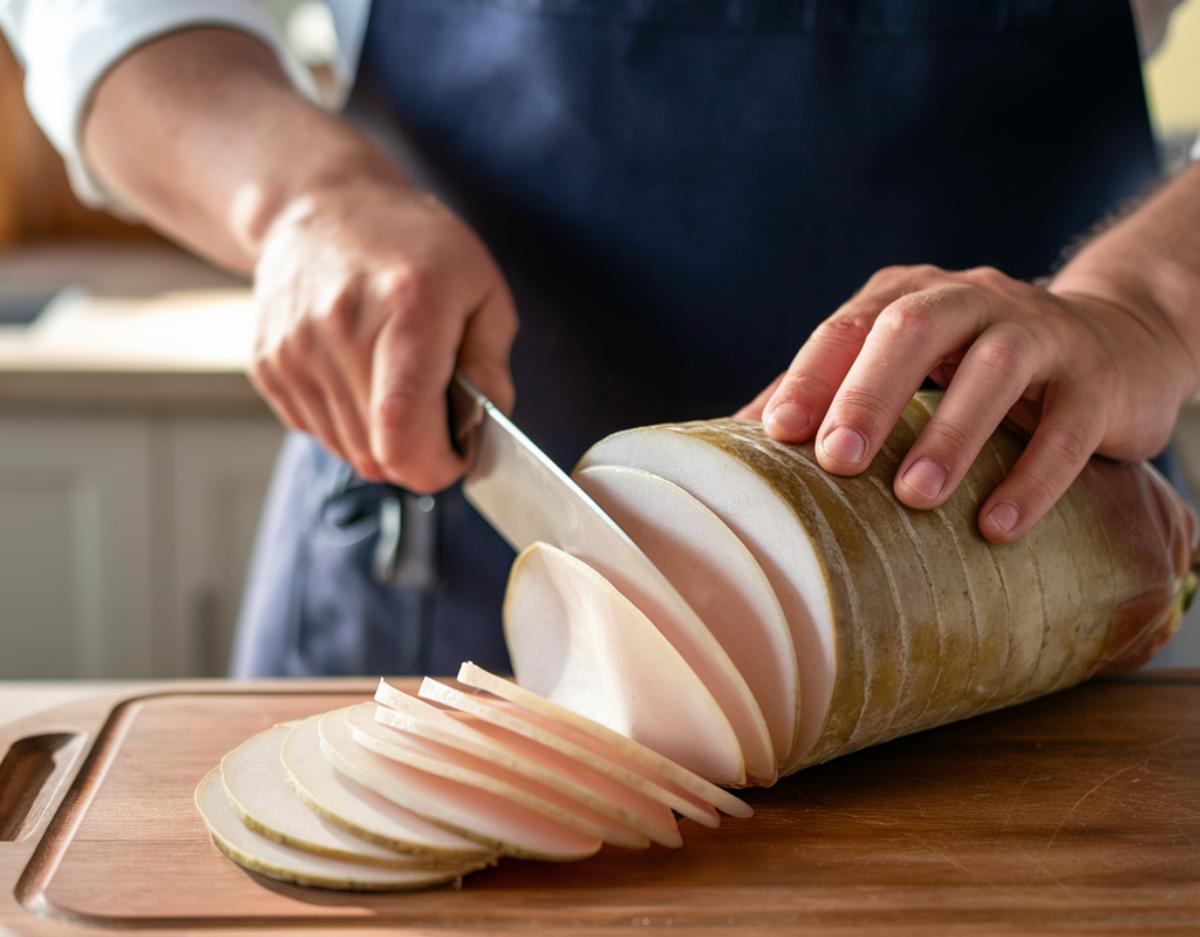
Mortadella di Bologna is a renowned cured meat of Italy, separated from Bologna food. This large and cylindrical sausage is made of finely ground pork spiced and studded inside with small dice of pork fat. The result brings smoothness, a distinct texture, and a slightly sweet, savory taste.
It’s usually sliced thin and served in various ways—sandwiches and Charcuterie. Its rich, full, aromatic taste is suitable for everyday and formal dining. Mortadella di Bologna represents a sort of badge for Carracci’s gastronomical inheritance, resulting from an enormous classic from Italian cured meats.
Crescentine (Tigelle)
Crescentine (Tigelle): savory Italian flatbreads perfect for stacking with your favorite fillings.
Crescentine, or Tigelle, are small, round bread rolls and one of the typical features of Bolognese cuisine. This bread is typically baked in a special cast-iron pan that promotes a crispy exterior and a soft, airy interior. These crescents are usually served warm, accompanied by various accompaniments, including cured meats, cheeses, and spreads.
This is all-purpose, and perfectly suitable bread for informal parties; it really makes a beautiful snack and even an appetizer. The simple but great flavor of Crescentine highlights a Bolognese tradition for fresh and suitable materials to make highly satisfactory and good food.
A type of flatbread born in Emilia-Romagna, piadina is distinguished by the versatility and simplicity of its preparation. It is a rolled-out thin dough cooked on a dry griddle until crispy and slightly charred. Piadina is usually filled with various fillings, including ham, cheese, arugula, and tomatoes, then folded or rolled into a sandwich.
The piadina is portable and an utterly contextual bread; it is a favorite street food in Bologna because it is quick and delightful to indulge in while savoring the traditional flavors. Simple but flavored, it mirrors the city’s love of food that fits everybody’s taste and whelm.
Bollito Misto is a classic Italian dish in which mixed meats—beef, pork, and sometimes chicken or veal—are simmered together to make flavorful beef broth. These meats are poached with vegetables and herbs to tender, tasty bits, often served with the most diverse sauces, like horseradish or green sauce. Mostly, the dish is cherished at special occasions and festive meetings.
The tender meats combined with the tasty sauces make Bollito Misto quite a meal and very satisfying, as well as part of the vibrant culinary heritage of Bologna.
A breaded and fried cutlet of veal to which ham and melted cheese have been added and baked until golden brown. This dish could be matched by the crunch of breaded veal with good ham and cheese; it’s hard to resist for a pleaser. Cotoletta alla Bolognese is a dish versatile enough to be usually accompanied by either a vegetable serving or a fresh salad; therefore, it can well serve as a light meal by itself or be part of a heavy meal. This dish shows the heritage of this town by cooking something flavored and fair with humble ingredients.
Anolini is the term for the small pasta stuffed in the same way as tortellini but with various fillings. Traditionally, they are filled and prepared with a combination of meats and cheeses and cooked in enriched broth or even in some sauce. The pasta is delicate, meant to balance the flavors most gently, and soon becomes a customary dish on festive occasions.
Anolini expresses the Bolognese commitment to preserving traditional recipes and methods, a win-glimpse into a city’s culinary heritage—the association of soft pasta with a tasty filling rendered this dish the most famous in Bolognese cuisine.
Cotechino con Lenticchie is typically associated with New Year’s Eve. It comprises cotechino, the large pork sausage simmered with lentils. The lentils symbolize prosperity and good luck in the New Year, while the cotechino provides a rich, meaty taste.
This luscious mix is palatable and full of meaning, which is why it is included in the festive courses. This is the epitome of the Bolognese way, infusing rich and decadent ingredients in the making of a particular course that stirs feelings.
Salame di Felino is a famous preserved sausage made in Emilia-Romagna territory, and its name is taken from Felino town. This salame is made from a coarsely ground pork base, spiced with aromatic spices, and then dry-aged until it develops its deep, umami flavor.
In this way, the Salame di Felino is a prime example of highly praised Bolognese food, focusing on the much-celebrated ability of the city to deliver exquisite charcuterie items. It has texture and flavor are considered a precious part of Bolognese gastronomy. This salami is another of the boons from Bologna’s bounty of Charcuterie.
The gnocchi Fritto is small square pieces of deep-fried dough until golden brown outside and puffed soft inside. This is a popular snack, ordinarily warm, and served with other charcuterie bites of cold cuts of meats, cheese, and many spreads. The light and airy texture of the gnocco fritto allows it to be accompanied by an overwhelming majority of savory foods accompaniments, thus making it popular and suitable for all foods. Simplicity in preparation describes the Bolognese way of making nutrient-palatable and delicious foods, combining high-quality, readily available inputs and low efforts during meal preparation.
Friggione is a slow-cooked mixture of onions and tomatoes that characterizes a traditional recipe of Bolognese. It’s meant as a garnish or as an accompaniment to other dishes. Caramelizing the onions gives the onions a very intense, sweet taste and marries this with the tomatoes to proffer a luscious, savory sauce. The mixture is then allowed to simmer to a low heat.
Hence, the flavors have time to blend and not overpower each other, resulting in an aromatic, simple, and strong-flavored dish typical of Bolognese cooking. Friggione is an excellent example of the city’s slow, meticulous cooking style, which allows the natural tastes of the ingredients to shine.
Zampone
Zampone: Italian pork masterpiece with tender, flavorful meat in every bite.
Zampone is a classic dish of Bologna and is made with cooked and stuffed lining of a pig’s leg. Inside the skin is ground pork, pork fat, and seasonings, and finally cooks gradually until it turns into a dark, rich taste. Zampone is more commonly consumed on festive occasions and served with lentils or other accompaniments.
Its delicious, tender meat and spiced filling form a unique and unforgettable dish typical in Bolognese cuisine. In this dish, one can see the city’s great care in preserving traditional recipes—a way to unveil how rich its culinary heritage is.
The pasticcio di carne, going for a very beefy pie, is a staple among all Bolognese recipes. This rich beef stew is baked in a light, flaky crust—tender pieces of savory meat cooked in a seasoned, spicy sauce. The pastry gives a crispy texture to the rich filling, making this a satiating, almost decadent dish. A few local people would mainly have Pasticcio di Carne as a primo piatto, typical of a city tradition of strongly flavored and rustic dishes showcasing the best local produce.
Bologna food menu
Category
Dish
Description
Antipasti (Starters)
Mortadella di Bologna
A finely ground pork sausage with small cubes of pork fat, seasoned with spices.
Antipasti (Starters)
Crostini with Lardo
Toasted bread topped with seasoned pork fat.
Primi (First Courses)
Tagliatelle al Ragù
Ribbon-like pasta served with a rich meat sauce made from minced beef and pork, tomatoes, and wine.
Primi (First Courses)
Tortellini in Brodo
Small, stuffed pasta served in a savory broth.
Primi (First Courses)
Lasagna alla Bolognese
Layered pasta with ragù, béchamel sauce, and Parmesan cheese.
Secondi (Main Courses)
Cotoletta alla Bolognese
Breaded veal cutlet topped with a rich Bolognese sauce and melted cheese.
Secondi (Main Courses)
Arrosto di Maiale
Roasted pork, often served with seasonal vegetables.
Contorni (Side Dishes)
Purea di Patate
Creamy mashed potatoes.
Contorni (Side Dishes)
Verdure Grigliate
Grilled seasonal vegetables.
Dolci (Desserts)
Torta di Riso
Rice cake flavored with lemon and vanilla.
Dolci (Desserts)
Zuppa Inglese
Italian trifle made with layers of sponge cake, custard, and liqueur.
Formaggi (Cheeses)
Parmigiano-Reggiano
A hard, aged cheese with a nutty flavor, often grated over dishes.
Nutrition Facts of Bologna Food
Bologna Food is a type of processed meat, often used in sandwiches and other dishes. Its nutritional content can vary depending on the brand and specific formulation, but here are general nutrition facts for a standard 2-ounce (56 grams) serving of Bologna:
Nutrient
Amount per 2 oz (56 g)
% Daily Value (DV)
Calories
150
8%
Total Fat
12 g
18%
– Saturated Fat
4 g
20%
– Trans Fat
0 g
–
Cholesterol
30 mg
10%
Sodium
480 mg
21%
Total Carbohydrates
1 g
0%
– Dietary Fiber
0 g
0%
– Sugars
1 g
–
Protein
6 g
12%
Vitamin D
0 IU
0%
Calcium
8 mg
1%
Iron
0.8 mg
4%
Key Points
Calories: A moderate amount of calories, contributing to daily energy intake.
Total Fat: High in fat, especially saturated fat, which should be consumed in moderation.
Cholesterol: Contains cholesterol, which can impact heart health if consumed excessively.
Sodium: High in sodium, which can contribute to high blood pressure if eaten in large quantities.
Protein: Provides a good source of protein, essential for muscle repair and growth.
Carbohydrates: Very low in carbohydrates, including fiber and sugars.
Note: The values can vary by brand, so it’s always a good idea to check the specific nutrition label of the Bologna you purchase.
What type of food is Bologna?
Bologna is famous for its savory Italian food, which is characterized by fresh, high-quality ingredients and prepared using traditional techniques. Some typical foods of the Bologna region include:
Meat-Based Dishes: Meat is the primary ingredient in Bolognese dishes, especially the most famous ones, such as tagliatelle al ragù. This dish is more famously known outside of Italy as Bolognese sauce, a long-cooked meat sauce containing ground beef and pork.
Stuffed Pastas: Tortellini and tortelloni are the two traditional types of stuffed pasta. Usually, meat fills them, cheese, or vegetables and served in broth or light sauces.
Cured Meats: Mortadella di Bologna is a symbol of cured sausage made from finely ground pork, spiced with spices and small cubes of fat.
Rich Sauces and Bakes: Lasagna alla Bolognese and other pasta bakes are very popular. They feature layers of pasta, meat sauce, béchamel, and cheese.
Bologna’s history and geography are deeply rooted in its cuisine, which is similar to a flavorful and satisfying dining experience.
Which meat is Bologna?
Bologna is the name of a cooked luncheon meat made from pork. Specifically, it refers to sausages made of finely ground or even minced pork meat, optionally mixed with pork fat and a myriad of seasonings. The mixture is then stuffed in a casing and cooked or cured. Normally, it is a smooth, cylindrical sausage with typical cooked sausage flavor and texture. It is delicious when thinly sliced as part of sandwiches or charcuterie boards.
What is so special about Bologna?
Bologna, sometimes known as Mortadella di Bologna, is special for various reasons.
Historical Significance: Bearing the name of the city from which this style of sausage first originated, Bologna, Italy, this product has a history of many centuries, with its undeclared origin dating back to at least Roman times.
Special Ingredients: Traditional Bologna comprises finely crushed pork and pork fat, spiced uniquely by a seasoning blend. Based on some recipes, pistachios are added, which provide even a further unique taste to the meat.
Safe Status: The European Union has awarded Mortadella di Bologna a PGI (Protected Geographical Indication); therefore, the branding of Bologna products is only allowed if the meat is traditionally made in Bologna.
Handcraft: The making of Bologna is a very delicate process. The meat mixture is slowly and caringly salted, spiced, and then put into casings. Slow cooking or curing takes place to develop the typically smooth texture and rich taste.
Culinary Versatility: Bologna is versatile and used in many recipes, from sandwiches to Charcuterie. It can also be used in salads and pasta recipes. Since the flavor can range from mild to savory, it has become a favorite among most people to use in all these culinary recipes.
These make Bologna one of the grandest and most distinctive products ever offered by Italian and global cuisine.
Key Components of Bologna Food
The very soul of Bologna food lies in the high basic quality of its components:
Parmigiano-Reggiano: Equally important in the Bologna cuisine is this hard cheese with nutty and umami flavors, notably used in Tagliatelle al Ragù and Lasagna alla Bolognese.
Pancetta: Cured pork belly gives a smoky saltiness to much of the food, from ragù to stew.
Balsamic Vinegar: Original Balsamic Vinegar from Modena, in particular, has a sweet and tart taste that goes perfectly against many savory dishes and has a variety of uses in cooking.
Conclusion
Bologna food is a living tapestry of a city’s taste, product, and food traditions committed to quality and authenticity. From the famous Tagliatelle al Ragù to the little-known Friggione, each dish sampled here says much about Bologna’s food culture and tradition of guarding old recipes. Exploring the food of Bologna means getting to the meat, or should I say the vast chunk, of the city’s culinary history. Therefore, it is one place a true food lover in the Italian tradition really can’t miss.[/vc_column_text][/vc_column][/vc_row][vc_row][vc_column width=”1/1″][us_separator][vc_column_text]
Frequently Asked Questions (FAQ)
[/vc_column_text][us_separator][vc_tta_accordion][vc_tta_section title=”Is it bologna or baloney? ” tab_link=”%7B%22url%22%3A%22%22%7D”][vc_column_text]“Bologna” refers to the Italian city known for its cuisine, while “baloney” is a term for a type of processed meat or slang for nonsense.[/vc_column_text][/vc_tta_section][vc_tta_section title=”Why is it called bologna? ” tab_link=”%7B%22url%22%3A%22%22%7D”][vc_column_text]The term “Bologna” refers to the city in Italy where the sausage originated. The name is derived from the Italian city Bologna, known for its rich culinary traditions.[/vc_column_text][/vc_tta_section][vc_tta_section title=”Which meat is bologna food?” tab_link=”%7B%22url%22%3A%22%22%7D”][vc_column_text]Bologna food, or mortadella, is a type of Italian cured meat made from finely ground pork. It includes fat cubes and often seasoned with spices and herbs.[/vc_column_text][/vc_tta_section][vc_tta_section title=”What do you eat with bologna?” tab_link=”%7B%22url%22%3A%22%22%7D”][vc_column_text]Bologna pairs well with fresh bread or rolls, often enjoyed as a sandwich. It also complements pasta dishes, salads, and charcuterie boards.[/vc_column_text][/vc_tta_section][vc_tta_section title=”What foods are famous in Bologna? ” tab_link=”%7B%22url%22%3A%22%22%7D”][vc_column_text]Bologna is renowned for its rich cuisine, especially tagliatelle al ragù (often called Bolognese sauce) and tortellini. The city is also famous for its cured meats, such as mortadella.[/vc_column_text][/vc_tta_section][vc_tta_section title=”Is bologna food good to eat? ” tab_link=”%7B%22url%22%3A%22%22%7D”][vc_column_text]Yes, Bologna’s food is widely praised for its rich, authentic flavors and high quality. The city’s culinary traditions, such as tagliatelle al ragù and mortadella, are celebrated for their deliciousness and depth.[/vc_column_text][/vc_tta_section][/vc_tta_accordion][/vc_column][/vc_row]
Lemon beurre blanc, a refined and flavorful sauce, epitomizes the elegance of French cuisine. Known for its creamy texture and tangy lemon notes, this sauce complements a variety of dishes, particularly seafood. Its name, which means “white butter” in French, refers to the rich, butter-based nature of the sauce. Originating from the Loire Valley, beurre blanc is a testament to the art of French cooking, combining simplicity with sophistication. In this complete guide, we will explore the origins, ingredients, preparation, and serving suggestions for lemon beurre blanc, ensuring you can recreate this culinary classic in your kitchen.
Ingredients for Lemon Beurre Blanc
To prepare a perfect lemon beurre blanc, gather the following ingredients:
White Wine Vinegar: Provides acidity, balancing the richness of the butter.
White Wine: Adds depth and complexity. Select a dry white wine for optimal effects.
Lemon Juice: Freshly squeezed lemon juice enhances the sauce with a bright, tangy flavour.
Shallots: Finely chopped shallots contribute a subtle, aromatic sweetness.
Salt and White Pepper: Essential for seasoning the sauce to taste.
Unsalted Butter: The key ingredient for a rich and creamy texture. Ensure it is cold and cut into small cubes.
Lemon Zest (Optional): Adds an extra layer of citrus flavour.
Preparation Steps For Lemon Beurre Blanc
Prepare the Base
The base of the lemon beurre blanc is created by combining acidic and aromatic components:
Combine Ingredients: In a small saucepan, combine 1/4 cup white wine vinegar, 1/4 cup white wine, 2 tablespoons of freshly squeezed lemon juice, and 2 tablespoons of finely chopped shallots. This mixture forms the foundation of the sauce, contributing both acidity and flavour.
Simmer and Reduce: Place the saucepan over medium heat & bring the mixture to a simmer. Allow it to reduce until approximately 2 tablespoons of liquid remain. This reduction concentrates the flavours and ensures that the sauce is not overly watery.
Emulsify the Sauce
The emulsification process is crucial for creating a smooth, creamy beurre blanc:
Add Cold Butter: With the heat on low, begin adding the cold butter cubes, one at a time. Whisk constantly to incorporate the butter into the reduced liquid. The gradual addition of butter is essential for achieving a stable emulsion.
Monitor the Heat: If the mixture starts to get too hot or begins to simmer, remove the pan from the heat momentarily to prevent the sauce from separating. The sauce should be kept warm but not hot, maintaining a temperature that allows the butter to melt slowly and evenly.
Season and Finish
Final touches elevate the flavour and presentation of the sauce:
Season to Taste: Add salt and white pepper to taste. These seasonings enhance the overall flavour without overpowering the delicate balance of the sauce.
Strain (Optional): To extract the shallots, pass the sauce through a fine-mesh strainer for an extra smooth texture. Although optional, this step is helpful if you want a smooth finish.
Add Lemon Zest (Optional): For an additional burst of citrus flavour, stir in some freshly grated lemon zest. This enhances the lemony notes and adds a touch of elegance to the sauce.
Nutrition Facts for Lemon Beurre Blanc
Serving Size: 2 tablespoons (about 30 grams)
Nutrient
Amount per Serving
% Daily Value
Calories
200
10%
Total Fat
22 grams
34%
– Saturated Fat
14 grams
70%
– Trans Fat
0 grams
0%
Cholesterol
60 mg
20%
Sodium
120 mg
5%
Total Carbohydrates
1 gram
0%
– Dietary Fiber
0 grams
0%
– Sugars
0 grams
0%
Protein
0 grams
0%
Vitamin D
0 IU
0%
Calcium
0 mg
0%
Iron
0 mg
0%
Serving Suggestions For Lemon Beurre Blanc
Lemon beurre blanc is incredibly versatile and pairs well with a variety of dishes. Here are some serving ideas:
Seafood
Beurre blanc is a classic accompaniment to seafood, where its rich and tangy profile complements delicate fish flavours:
Grilled Fish: Drizzle the sauce over grilled or poached fish such as salmon, halibut, or sole. The acidity of the lemon beurre blanc cuts through the fish’s richness, creating a balanced and flavorful dish.
Shellfish: Serve with shellfish like shrimp, scallops, or lobster. The sauce enhances the seafood’s natural sweetness while adding a layer of complexity.
Vegetables
Elevate simple vegetables with a touch of lemon beurre blanc:
Steamed Vegetables: Pour the sauce over steamed vegetables like asparagus, broccoli, or cauliflower. The buttery richness enhances the natural flavours, transforming everyday veggies into a gourmet side dish.
Roasted Vegetables: Drizzle over roasted vegetables for a creamy, citrusy twist that complements the caramelized flavours.
Poultry
Use lemon beurre blanc to add sophistication to poultry dishes:
Chicken: A drizzle of lemon beurre blanc can elevate a simple chicken breast or roasted chicken, adding a layer of richness and flavour.
Turkey: Pair with turkey dishes, especially those with mild seasonings, to enhance the overall taste and presentation.
Tips for Success
To achieve the best results with your lemon beurre blanc, consider the following tips:
Use Cold Butter: Cold butter is crucial for the emulsification process. It helps to create a stable and creamy sauce that doesn’t separate easily.
Whisk Constantly: Continuous whisking is essential for incorporating the butter evenly and preventing the sauce from breaking. This helps achieve a smooth & cohesive texture.
Monitor the Heat: Maintaining the right temperature is key. Overdoing it heat can cause the butter to separate, resulting in a greasy sauce. Keep the sauce warm and avoid overheating.
Serve Immediately: Lemon beurre blanc is best served immediately while still warm. It can thicken and lose its smooth texture if allowed to cool for too long. If required, gently reheat the sauce over low heat while whisking to restore its consistency.
Final Touches
To achieve the best results with your lemon beurre blanc, consider the following tips:
Use Cold Butter: Cold butter is crucial for the emulsification process. It helps to create a stable and creamy sauce that doesn’t separate easily.
Whisk Constantly: Continuous whisking is essential for incorporating the butter evenly and preventing the sauce from breaking. This helps achieve a smooth & cohesive texture.
Monitor the Heat: Maintaining the right temperature is key. Overdoing it heat can cause the butter to separate, resulting in a greasy sauce. Keep the sauce warm and avoid overheating.
Serve Immediately: Lemon beurre blanc is best served immediately while still warm. It can thicken and lose its smooth texture if allowed to cool for too long. If required, gently reheat the sauce over low heat while whisking to restore its consistency.
Troubleshooting Common Issues
Even with careful preparation, you might need some help with some issues. Here’s how to address common problems:
Separation: If the sauce starts to separate, it’s likely due to overheating. Remove the pan from the heat & whisk vigorously to reincorporate the butter. If necessary, add a small amount of cold butter to help stabilize the sauce.
Too Thick: If the sauce becomes too thick, whisk in a small amount of warm water or additional white wine to adjust the consistency. Be cautious not to add too much liquid, as this can dilute the flavour.
Too Sour: If the sauce is too tangy, balance it by whisking in a small amount of cream or additional butter. This can help mellow the acidity and improve the overall flavour.
Conclusion
Lemon beurre blanc is a classic French sauce that combines elegance and simplicity, making it a staple in gourmet cooking. Its rich, buttery texture and bright, tangy lemon flavour enhance a variety of dishes, from seafood and vegetables to poultry. By following the steps & tips outlined in this guide, you can master the art of making lemon beurre blanc, impressing your guests and adding a touch of sophistication to your meals. Whether you’re preparing a special dinner or looking to elevate everyday dishes, this versatile sauce is sure to become a favourite in your culinary repertoire.
Penne alla Vodka with Chicken is a popular Italian-American dish that combines tender chicken pieces with a creamy, tomato-based vodka sauce. This rich, flavorful dish is relatively simple to prepare, making it a favourite for weeknight dinners and special occasions. In this comprehensive guide, we’ll explore everything you need to know to make this delicious meal at home, from choosing the best ingredients to mastering the cooking techniques.
Introduction to Penne alla Vodka with Chicken
The Origins of Penne alla Vodka
Penne alla Vodka is a beloved dish with somewhat mysterious origins. While some attribute its creation to Italian immigrants in the United States, others believe it originated in Italy. Regardless of its origins, the dish has become a staple in Italian-American cuisine, known for its creamy, marginally tangy sauce that pairs perfectly with penne pasta. Adding vodka to the tomato and cream sauce creates a unique depth of flavour that sets this dish apart from other pasta recipes. When cooked down, the vodka helps release flavours in the tomatoes that are otherwise insoluble in water, creating a more complex and nuanced sauce.
Why Add Chicken?
Adding chicken to Penne alla Vodka makes the dish heartier and more filling, providing a good source of protein. The slight flavour of the chicken complements the rich, creamy sauce without overpowering it, making it a perfect addition to the dish. The chicken also adds texture and substance, transforming the pasta into a complete meal that is satisfying and well-balanced. Chicken is also a versatile protein that cooks relatively quickly, making it ideal for incorporating into various pasta dishes.
Ingredients for Penne alla Vodka with Chicken
Choosing the Right Pasta
Penne pasta is the traditional choice for this dish due to its shape and texture, which hold onto the sauce well. The tubular shape of penne allows it to catch and hold the creamy vodka sauce, ensuring that every bite is flavorful. Select high-quality brands that use durum wheat for the best texture and flavour when selecting pasta. Durum wheat pasta has a firm bite and is less likely to become mushy when cooked. Another option could be rigatoni or ziti, which also work well with thick, creamy sauces due to their shape and ridges that capture the sauce.
Fresh and Quality Ingredients
Use premium, fresh ingredients for optimal outcomes. What you’ll need is as follows:
Chicken Breasts: Skinless, boneless chicken breasts work best for this recipe. They are easy to chop into bite-sized pieces and cook rapidly. If you want a meat that is more tasty and juicy, you can also utilize chicken thighs.
Penne Pasta: High-quality penne pasta made from durum wheat. The pasta should be prepared al dente to ensure it holds its shape and texture when mixed with the sauce.
Olive Oil: Additional virgin olive oil is used to sauté the chicken and add flavour. Olive oil helps cook the chicken and adds a layer of richness to the sauce.
Garlic: Fresh garlic cloves for a robust, aromatic base. The garlic should be finely minced to distribute evenly throughout the sauce.
Onion: A finely chopped onion adds sweetness and depth to the sauce. Yellow or white onions work well, but shallots can also be used for a more delicate flavour.
Tomato Paste: Concentrated tomato paste for a rich tomato flavour. Tomato paste adds depth & intensity to the sauce.
Crushed Tomatoes: Canned crushed tomatoes or tomato sauce for the base of the sauce. Since San Marzano tomatoes have a sweeter, less acidic flavour, they are often suggested.
Heavy Cream: To produce the dish’s distinctive creamy texture. The sauce gains smoothness and richness from the heavy cream.
Vodka: Adds a subtle depth of flavour to the sauce. The vodka helps to release flavours from the tomatoes that are otherwise not soluble in water.
Parmesan Cheese: Newly grated Parmesan cheese for serving. Parmesan adds a nutty, salty flavour that complements the creamy sauce.
Fresh Basil or Parsley: For garnish and added freshness. Fresh herbs add a bright, aromatic element to the dish.
Red Pepper Flakes: Optional for a touch of heat. Red pepper flakes include a hint of spiciness that balances the sauce’s richness.
Salt and Pepper: To taste. Seasoning is crucial to bringing out the flavours of all the ingredients.
Preparing the Ingredients
Preparing the Chicken
Start by trimming excess fat from the chicken breasts and cutting them into bite-sized pieces. Season the chicken with salt & pepper to enhance its flavour. Letting the chicken come to room temperature before cooking can help it cook more evenly. Additionally, you can marinate the chicken in olive oil, garlic, and herbs for extra flavour.
Preparing the Sauce Ingredients
Finely chop the onion & mince the garlic cloves. Have your tomato paste, crushed tomatoes, and heavy cream measured and ready to go. If you’re using fresh basil or parsley, chop these herbs finely. Prepping all your ingredients before cooking can make the process smoother and more efficient. It also helps to measure your vodka and have it ready to pour into the sauce.
Cooking Penne alla Vodka with Chicken
Cooking the Chicken
Heat the Olive Oil: Heat the olive oil over medium-high heat in a large skillet. The skillet should be large enough to accommodate the sauce and pasta later.
Sauté the Chicken: Add the chicken pieces to the skillet and sauté until they are cooked through and golden brown, about 5-7 minutes. Remove the chicken from the pan & set it aside. If necessary, cooking the chicken in batches can help prevent overcrowding the pan and ensure that the chicken browns properly. Overcrowding the pan can lead to vaporizing instead of searing, affecting the chicken’s texture and flavour.
Making the Vodka Sauce
Sauté the Onion and Garlic: Add more olive oil, if needed, in the same skillet. Add the chopped onion and sauté until it becomes translucent, about 3-4 minutes. Add the minced garlic and sauté for another minute. Garlic can become bitter if burned, so do not burn it.
Add the Tomato Paste and Vodka: Stir in the tomato paste and cook for 2-3 minutes to develop its flavour. Carefully add the vodka, stirring to combine. Let the vodka cook down for about 2-3 minutes. This step allows the alcohol to evaporate, leaving behind a subtle depth of flavour. The alcohol in the vodka enhances the flavours of the tomatoes and creates a smoother sauce.
Add the Crushed Tomatoes and Simmer. Stir together after adding the smashed tomatoes to the skillet. Lower the heat and simmer the sauce for ten to fifteen minutes to give the flavours time to combine. Simmering the sauce allows the acidity of the tomatoes to mellow and the flavours to develop fully.
Stir in the Cream: Slowly stir the heavy cream, ensuring it is fully incorporated into the sauce. Simmer for another 5 minutes until the sauce is creamy and well-blended. The cream adds richness and smoothness to the sauce, balancing the acidity of the tomatoes.
Season the Sauce: Add salt, pepper, and red pepper flakes (if using) to taste. Adjust the seasoning as needed to attain a balanced flavour. Tasting the sauce as you go ensures you achieve the perfect balance of flavours.
Combining the Chicken and Sauce
Return the Chicken to the Skillet: Reintroduce the cooked chicken and vodka sauce to the pan. Stir to combine, ensuring the chicken is well-coated with the sauce. Let it simmer briefly to warm the chicken and melt the flavours. This step allows the chicken to absorb some of the sauce and become even more flavorful.
Cooking the Pasta
Boil the Penne: While the sauce simmers, Heat a big saucepan of water with salt until it boils. Pasta is al dente when added to the penne and cooked as directed on the package. Pasta that is al dente holds up nicely to the sauce and is firm to the bite. The pasta water should be well-salted, as it flavours the pasta from within.
Drain the Pasta: Drain the cooked pasta, reserving a cup of the pasta water if you need to thin the sauce. A cohesive and silky sauce can be made with starchy pasta water. The starch that keeps the sauce sticking to the pasta can be washed away if you rinse the pasta.
Combining Pasta with Sauce
Add the Pasta to the Sauce: Add the cooked and drained penne pasta to the skillet with the chicken and vodka sauce. Toss everything together to guarantee that the pasta is uniformly coated with sauce. Add some conserved pasta water to the sauce if it’s too thick until you have the right consistency. Tossing the pasta in the sauce for a few minutes allows it to absorb some flavours.
Transfer the Penne alla Vodka with Chicken to a serving dish. Garnish with finely sliced fresh basil or parsley and freshly grated Parmesan cheese for an added taste and colour boost. The fresh herbs balance the sauce’s richness with a crisp, fragrant accent. For even more richness, you can also use extra virgin olive oil.
Pairing Suggestions
Penne alla Vodka with Chicken pairs well with a simple green salad and crusty garlic bread. Consider a crisp white wine like Pinot Grigio or a light red wine like Chianti for a wine pairing. The acidity in these wines helps balance the richness of the creamy sauce. A slice of lemon and some sparkling water can also make a cool garnish.
Tips for Perfect Penne alla Vodka with Chicken
Adjusting the Heat
If you prefer a spicier dish, increase the red pepper flakes in the sauce. For a milder version, omit the red pepper flakes altogether. Adjusting the heat can alter the dish to suit your own tastes. You can add a pinch of cayenne pepper for a different heat level.
Making it Ahead
Penne alla Vodka with Chicken can be made ahead of time and reheated. Store the sauce & pasta separately to prevent the pasta from absorbing too much sauce. When ready to serve, combine and heat them together in a skillet. This is a great option for meal prep or for serving a crowd. Reheating the dish on the stovetop with a splash of pasta water or cream can help maintain its creamy texture.
Adding Vegetables
Consider adding vegetables to the dish for added nutrition and flavour. Spinach, bell peppers, or mushrooms can be sautéed and added to the sauce. Vegetables enhance the taste, flavour colour, and texcolourto the dish. You can also add peas or zucchini for a fresh springtime variation.
Using Different Proteins
Although chicken is a common option, shrimp, sausage, or tofu can also be used as alternative proteins in this dish. Each protein adds unique flavour and texture, making the dish versatile and adaptable to different dietary preferences. Shrimp can be cooked the same way as the chicken, while sausage can be crumbled and browned before being added to the sauce. Tofu should be pressed and sautéed to achieve a crispy texture.
Conclusion
This delicious dish, Penne alla Vodka with Chicken, mixes the flavorful richness of a creamy tomato vodka sauce with freshly cooked penne pasta and tender chicken. You can change the ingredients and amount of spice in this adaptable recipe to suit your preferences. Penne alla Vodka with Chicken is a fantastic dish for a special occasion or a weeknight supper. When you use premium products and basic culinary methods, you can prepare meals in your house that rival those in restaurants. Savour each bite of this delectable Italian-American classic while you prepare it.