

The internet is full of slang terms that can confuse or even mislead people about their health—and one of those is “Cream Pie Pregnancy.” While popular in online discussions and adult content, this phrase has no medical relevance and can trivialize the deeply personal and important topic of conception.
In this blog, we’ll clarify the facts vs. fiction behind this term and, more importantly, provide expert guidance on how to build a healthy, informed routine during pregnancy and postpartum recovery—including nutrition, safe workouts, emotional support, breastfeeding help, and healing tips.
What Does “Cream Pie Pregnancy” Really Mean?
“Cream Pie Pregnancy” is a slang term typically referring to pregnancy resulting from internal ejaculation during unprotected sex. While the phrase is colloquial and often sexualized, it’s essential to focus on the biological truths behind conception.
The Facts:
- Pregnancy can occur any time sperm enters the vagina, particularly during ovulation.
- The term itself is not a medically approved or accurate description of how pregnancy works.
- Conception is determined by timing, sperm viability, and ovulation, not the visual result of sex.
 How Pregnancy Happens: A Quick Biology Breakdown
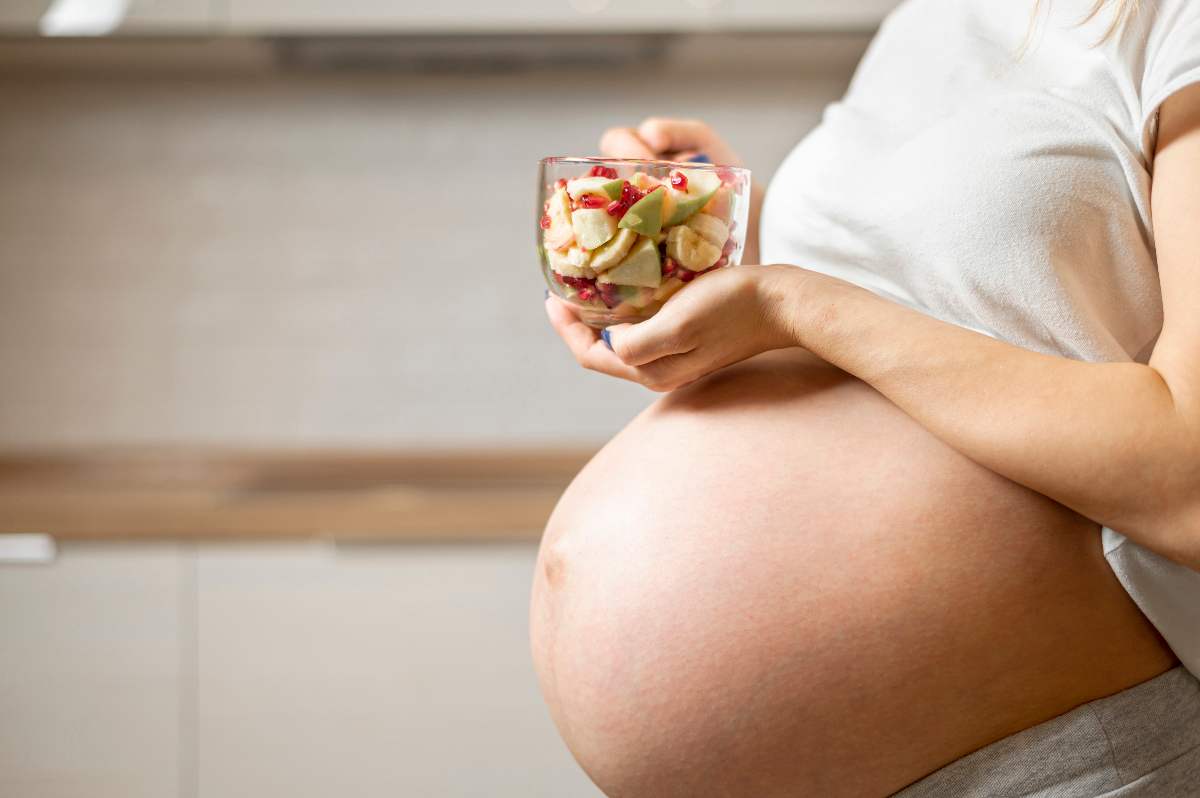 How Pregnancy Happens: A Quick Biology Breakdown
To understand fertility, let’s look at what truly causes pregnancy:
Steps in Conception:
- Ovulation: An egg is released from the ovary.
- Fertilization: Sperm meets egg in the fallopian tube.
- Implantation: A fertilized egg attaches to the uterine lining.
Note: Even pre-ejaculate (pre-cum) may contain sperm. Pregnancy doesn’t require a full ejaculation to occur.
Myth Buster:
- “Cream pie” does not guarantee pregnancy.
- Contraception, such as condoms or birth control, is essential if pregnancy is not desired.
Building a Healthy Pregnancy Routine (For First-Time & Experienced Moms)
Once pregnancy is confirmed, it’s time to shift focus from “how” to “how to stay healthy.” Here’s a complete guide:
1. Prenatal Nutrition: Eating for Two (Wisely)
What you eat plays a direct role in fetal development and your strength.
Nutrients to Prioritize:
- Folic Acid – Prevents neural tube defects
- Iron – Reduces the risk of anemia
- Calcium – Builds bones and teeth
- Omega-3s – Boost brain development
- Protein – Supports tissue growth
Healthy Foods:
- Leafy greens
- Legumes
- Whole grains
- Eggs & lean meats
- Low-mercury fish (e.g., salmon)
- Prenatal vitamins (as prescribed)
Source: American Pregnancy Association & ACOG
2. Safe Exercise During Pregnancy
Staying active improves mood, circulation, sleep, and even prepares your body for labor.
Safe Activities:
- Prenatal yoga or Pilates
- Swimming
- Walking
- Light strength training (with approval)
Avoid:
- High-impact or contact sports
- Lying flat on your back after the 1st trimester
- Exercises that risk falls or injury
ACOG recommends at least 150 minutes of moderate-intensity weekly exercise unless otherwise advised.
3. Emotional and Mental Wellness: It’s Okay Not to Be Okay
Hormonal changes can cause emotional fluctuations. Anxiety, mood swings, or sadness may occur. You’re not alone.
Mental Health Tips:
- Practice meditation or deep breathing
- Join a pregnancy support group
- Speak to a therapist
- Maintain open communication with your partner/family
1 in 5 women experience mood disorders during or after pregnancy. Early support is essential.
4. Sleep & Rest: Listening to Your Body
Fatigue is common, especially in the first and third trimesters.
Tips for Better Sleep:
- Sleep on your left side to improve blood flow
- Use pregnancy pillows for support
- Avoid caffeine late in the day
- Keep a consistent sleep schedule
Source: National Sleep Foundation
Postpartum Recovery: The Fourth Trimester
The 6–12 weeks after childbirth are just as important. Prioritize healing, emotional care, and support.
5. Pelvic Floor Recovery
Common Symptoms:
- Leaking urine when sneezing/laughing
- Pelvic heaviness or discomfort
- Pain during intercourse
What Helps:
- Kegel exercises
- Pelvic floor physical therapy
- Avoiding heavy lifting initially
Speak to your OB/GYN about your recovery at your 6-week checkup.
6. Emotional Health Postpartum
Baby Blues:
- Common and short-lived
- May include crying, mood swings, anxiety
- Usually resolves in 2 weeks
Postpartum Depression:
- Persistent sadness or anger
- Difficulty bonding with the baby
- Feeling worthless or hopeless
- Needs professional support
Reach out early. You deserve care, too.
7. Breastfeeding Support & Nutrition
Breastfeeding is natural, but not always easy.
Tips:
- Drink plenty of water
- Eat an extra 300–500 calories/day
- Seek a lactation consultant for latching or pain
- Try different positions: cradle, football hold, side-lying
Fed is best. If breastfeeding isn’t working, formula is a safe and healthy alternative.
Final Thoughts
While slang terms like “Cream Pie Pregnancy” might appear casually online, they oversimplify a complex biological and emotional experience. If you’re sexually active, understanding real fertility facts and safe practices is empowering.
Frequently Asked Questions (FAQs)
Can you get pregnant from a “cream pie”?
Yes—pregnancy can occur any time sperm enters the vagina, especially around ovulation. Internal ejaculation is one possible scenario, but not the only one.
How soon can you test for pregnancy?
Most tests detect pregnancy 7–10 days after ovulation. For more accuracy, wait until after a missed period.
When should prenatal care begin?
Your first OB visit should be scheduled by week 8 of pregnancy or as soon as you find out you’re pregnant.
When can I exercise postpartum?
Light walking can start within a few days after delivery, but intense workouts—especially after C-sections—should be delayed for 6+ weeks (or until OB clearance).

