Tag: ComfortFood

Crispy Chicken Tempura | A Delicious Japanese Inspired Dish

[vc_row][vc_column][vc_column_text]Chicken tempura is a delightful twist on the traditional Japanese tempura, which typically features vegetables and seafood. This dish offers a crispy, golden-brown exterior with tender, juicy chicken inside, making it a popular choice for those who love the texture and taste of deep-fried foods but prefer chicken over other proteins.

In this blog post, we’ll explore how to make chicken tempura at home, the key ingredients, the step-by-step process, and tips to ensure your tempura turns out perfect every time. Whether you’re new to tempura or looking to try a new variation, this guide will walk you through everything you need to know.

What is Chicken Tempura?

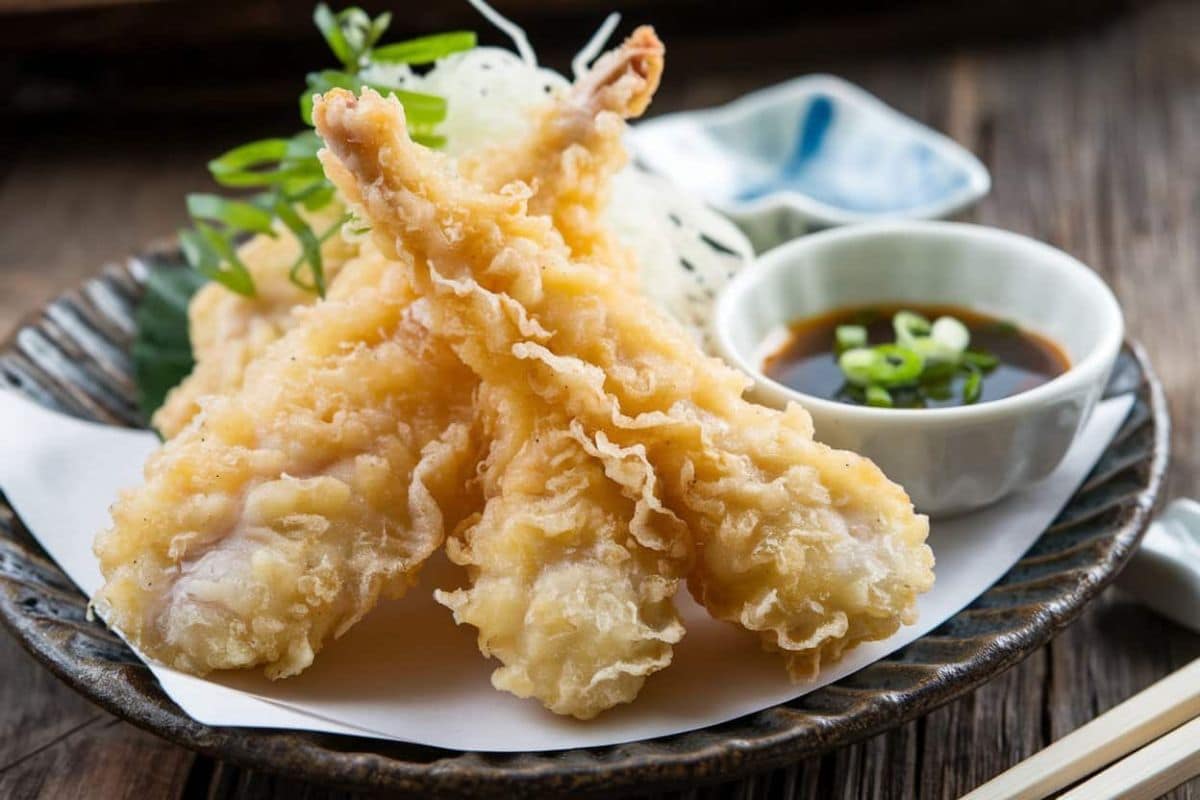
Tempura is a traditional Japanese cooking method that involves dipping ingredients in a light batter and frying them to achieve a delicate, crispy texture. While seafood and vegetables are most commonly used in tempura, chicken tempura has become a favorite for those who prefer meat. The batter is typically made from a mixture of flour, water, and eggs, creating a light and airy coating that crisps up beautifully when fried. Typically, a dipping sauce is served with chicken tempura, such as tentsuyu, which enhances the flavors of the dish.

Why Chicken Tempura?

Chicken tempura is not just another fried chicken dish; it brings together the unique qualities of Japanese tempura with the universal appeal of chicken. The light batter allows the natural flavors of the chicken to shine through, unlike heavier breading used in other fried chicken recipes. Because of this, it’s a flexible dish that works well as an appetizer, main course, or even a snack. Additionally, the simple and quick cooking process makes it a great option for weeknight dinners or when you want to impress guests with something special.

Ingredients Needed for Chicken Tempura

Ingredients for making chicken tempura laid out on a table, including raw chicken fillets, flour, an egg, water with ice, milk, and seasonings.
Ingredients for preparing chicken tempura: raw chicken fillets, flour, an egg, cold water, milk, and a mix of seasonings. ©Ideogram

To make chicken tempura at home, The following ingredients are required:

  • Chicken: The best chicken to use is skinless, boneless breasts or thighs. To ensure consistent cooking, cut the chicken into bite-sized pieces or thin strips.
  • Tempura Batter:
    • 1 cup of all-purpose flour
    • 1 large egg
    • 1 cup of ice-cold water
    • 1/2 teaspoon of baking powder (optional, for extra crispiness)
    • A pinch of salt
  • Oil for Frying: Vegetable, canola, or peanut oil are good options for frying tempura.
  • Dipping Sauce: Tentsuyu is the traditional dipping sauce for tempura, made from dashi, soy sauce, and mirin. You can also serve chicken tempura with ponzu sauce, a citrus-based soy sauce, or simply with soy sauce.

Also Read: Healthy Chicken Taco Recipe for a Delicious Meal

Step-by-Step Guide to Making Chicken Tempura

Prepare the Chicken

Cut the chicken into bite-sized chunks or thin strips to start. When the chicken is fried, this will help it cook more quickly and evenly. Season the chicken lightly with salt and set it aside.

Make the Tempura Batter

In a mixing bowl, whisk the egg lightly, then add the ice-cold water. Keeping it cold is essential for a light and airy batter, so you may want to place the mixing bowl over another bowl filled with ice. Gradually add the flour and baking powder (if using) to the egg mixture, and stir just until combined. Be careful not to overmix; the batter should be slightly lumpy. Overmixing can lead to a heavy and dense coating, rather than the desired light and crispy texture.

Heat the Oil

Pour oil into a deep pan or wok, ensuring it’s deep enough to fully submerge the chicken pieces. Preheat the oil to 175°C, or 350°F. A small bit of batter can be dropped into the oil to check the temperature; if it glows and floats to the top, the oil is ready.

Dip and Fry the Chicken

Before gently putting each piece of chicken into the heated oil, dip it into the tempura batter and let any extra batter drop off. Batch-fry the chicken to prevent packing the pan too full, which can lower the oil temperature and result in soggy tempura. Fry the chicken pieces for 2-3 minutes on each side, or until they are golden brown and cooked through. Use a slotted spoon to remove the chicken from the oil and place it on a dish covered with paper towels to remove any excess oil.

Chicken tempura frying in hot oil with a slotted spoon used for turning and removing pieces.
Frying chicken tempura to golden perfection in hot oil, with a slotted spoon for easy handling. ©Ideogram

Serve the Chicken Tempura

Serve the chicken tempura hot, alongside your choice of dipping sauce. Tentsuyu is a traditional option, but soy sauce with a squeeze of lemon or lime also works well. For a more complete meal, consider serving the chicken tempura with steamed rice, miso soup, and a side of pickled vegetables.

Tips for Perfect Chicken Tempura

  • Keep the Batter Cold: The key to a crispy tempura is keeping the batter as cold as possible. You can do this by using ice-cold water and placing the batter bowl in another bowl filled with ice.
  • Don’t Overmix the Batter: A few lumps in the batter are okay. Overmixing can result in a dense, heavy coating rather than the desired light, airy texture.
  • Maintain Oil Temperature: The oil needs to stay at a consistent temperature of 350°F (175°C) for the best results. If the temperature drops, the batter will absorb more oil and become greasy.
  • Fry in Batches: Frying too many pieces at once can lower the oil temperature, leading to soggy tempura. Fry in small batches, letting the oil reheat in between each batch.

Variations of Chicken Tempura

While the classic chicken tempura is delicious on its own, there are many ways you can add variety to this dish:

  • Spicy Chicken Tempura: Add a pinch of cayenne pepper or chili flakes to the batter for a spicy kick.
  • Herb-Infused Tempura: Mix chopped fresh herbs like parsley, cilantro, or green onions into the batter for an extra layer of flavor.
  • Vegetable Tempura Combo: Pair chicken tempura with tempura vegetables like sweet potatoes, bell peppers, or zucchini for a colorful and nutritious meal.

Also Read: Easy and Creamy Tuscan Chicken Pasta Recipe

Nutritional Information

Chicken tempura can be part of a balanced diet when enjoyed in moderation. Here’s a general idea of the nutritional content per serving (assuming a serving size of about 4-5 pieces of chicken tempura):

  • Calories: Approximately 350-400 calories
  • Protein: 20-25 grams
  • Fat: 20-25 grams (depending on the amount of oil absorbed during frying)
  • Carbohydrates: 15-20 grams

Whole chicken tempura is higher in calories due to the frying process, using lean chicken and a light batter helps keep it relatively low in fat compared to other fried dishes.

Crispy chicken tempura served on a white rectangular plate with dipping sauce, lemon wedges, and a parsley garnish.
Crispy chicken tempura served with dipping sauce and lemon wedges, perfect for an authentic Japanese-inspired meal. ©Ideogram

Pairing Suggestions

Chicken tempura pairs well with a variety of sides and beverages. Here are some ideas:

  • Sides: Steamed rice, miso soup, pickled vegetables, or a fresh salad with a light sesame dressing.
  • Beverages: Green tea, sake, or a crisp, light beer complement the flavors of chicken tempura nicely.

Conclusion

Crispy chicken tempura is a delicious and versatile dish that brings a unique Japanese twist to traditional fried chicken. With its light and airy batter and tender, juicy chicken, it’s sure to become a favorite in your household. By using the advice and procedures provided in this handbook, you can easily make chicken tempura at home and enjoy a restaurant-quality dish without the need for special ingredients or equipment.

Whether you’re cooking for yourself, your family, or entertaining guests, chicken tempura is a crowd-pleaser that can be enjoyed as an appetizer, main course, or even a snack. Try your hand at creating your own unique versions of dipping sauces for this dish, and savor the delicious flavors of this Japanese-inspired treat.[/vc_column_text][/vc_column][/vc_row][vc_row][vc_column width=”1/1″][us_separator size=”small”][us_text text=”Frequently Asked Questions (FAQs)” link=”%7B%22url%22%3A%22%22%7D” tag=”h2″][vc_tta_accordion][vc_tta_section title=”What is the key to making crispy chicken tempura?” tab_link=”%7B%22url%22%3A%22%22%7D”][vc_column_text]The key to achieving crispy chicken tempura is to use ice-cold water when making the batter and to avoid overmixing. The cold batter helps create a light, airy coating that crisps up beautifully when fried. Also, maintaining the oil temperature at 350°F (175°C) is crucial to avoid soggy tempura.[/vc_column_text][/vc_tta_section][vc_tta_section title=”Can I use other types of meat or vegetables for tempura?” tab_link=”%7B%22url%22%3A%22%22%7D”][vc_column_text]Yes! While this recipe focuses on chicken, you can easily substitute other meats like shrimp or fish. Vegetables such as sweet potatoes, zucchini, and bell peppers also work wonderfully in tempura. The same batter and frying method can be used for all these variations.[/vc_column_text][/vc_tta_section][vc_tta_section title=”What dipping sauce pairs best with chicken tempura?” tab_link=”%7B%22url%22%3A%22%22%7D”][vc_column_text]The traditional dipping sauce for tempura is tentsuyu, made from dashi, soy sauce, and mirin. However, you can also serve chicken tempura with ponzu sauce (a citrusy soy sauce) or simply soy sauce with a squeeze of lemon or lime for a fresh, tangy flavor.[/vc_column_text][/vc_tta_section][vc_tta_section title=”Can I prepare the batter in advance?” tab_link=”%7B%22url%22%3A%22%22%7D”][vc_column_text]It’s best to prepare the tempura batter just before frying to ensure it stays cold. If you need to prepare it in advance, store the batter in the refrigerator, but keep in mind that the texture may not be as light and crispy if it sits for too long.[/vc_column_text][/vc_tta_section][vc_tta_section title=”How can I keep the tempura crispy if I’m serving it later?” tab_link=”%7B%22url%22%3A%22%22%7D”][vc_column_text]To keep tempura crispy for a longer time, place the fried pieces on a wire rack instead of directly on a paper towel. This allows air to circulate around the tempura, preventing it from becoming soggy. If you need to reheat the tempura, do so in an oven at 350°F (175°C) for a few minutes to restore its crispiness.[/vc_column_text][/vc_tta_section][vc_tta_section title=”Section”][/vc_tta_section][/vc_tta_accordion][/vc_column][/vc_row]

Tags: , , , , , , , , ,

The Best Crab Brulee Recipe: Seafood Lovers Rejoice

Are you a seafood lover looking for a luxurious and unique dish to impress your guests? Look no further. This ultimate crab brulee recipe is a delightful fusion of creamy, savory custard and sweet, succulent crab meat, topped with a crispy caramelized sugar crust. It’s a gourmet twist on the classic creme brulee that is sure to become a favorite in your culinary repertoire. Let’s dive into the world of crab brulee and learn how to create this decadent dish step-by-step.

Why Crab Brulee?

Crab Brulee combines the best of both worlds: the elegance and richness of a classic French creme brulee with crab’s fresh, delicate flavor. It’s an unexpected and sophisticated appetizer or main course that will wow your family and friends. The creamy custard base perfectly complements the sweet and tender crab meat, while the caramelized sugar topping adds a delightful crunch.

The History of Crab Brulee

Crab Brulee is a modern twist on traditional creme brulee, a dessert enjoyed in France since the 17th century. Creme brulee, which means “burnt cream,” is known for its creamy custard base and crispy caramelized sugar top. Adding crab to this classic dessert might seem unconventional, but it creates a savory dish that highlights the delicate sweetness of crab meat.

Choosing the Right Ingredients

The success of your Crab Brulee Recipe depends on the standard of the ingredients you use. Here are some tips for selecting the best ingredients:

  1. Crab Meat: Fresh crab meat is essential for this dish. Look for lump crab meat, which has a sweet and delicate flavor. If fresh crab meat is unavailable, high-quality canned or frozen crab meat can be used as a substitute.
  2. Heavy Cream: Add heavy cream for a rich and velvety custard base. Avoid using light cream or milk, which will not provide the same creamy texture.
  3. Egg Yolks: Egg yolks are crucial to achieving the smooth and creamy consistency of the custard. Make sure to carefully separate the yolks from the whites to avoid any egg white in the mixture.
  4. Cheese: Gruyere cheese adds a nutty and slightly sweet flavor that compliments the crab meat. If you prefer, you can use another type of cheese like Parmesan or Gouda.
  5. Seasonings: Dijon mustard, Worcestershire sauce, salt, and white pepper add depth and flavor to the custard. Fresh herbs like chives and dill enhance the overall taste and presentation.

Step-by-Step Crab Brulee Recipe

Now that we have covered the basics, let’s start with the recipe. This step-by-step guidance will help you create the perfect Crab Brulee.

Ingredients:

  • Eight oz. fresh lump crab meat, picked over for shells
  • 1 cup heavy cream
  • Three large egg yolks
  • 1/2 cup grated Gruyere cheese
  • 1/4 cup finely chopped green onions
  • One tablespoon of Dijon mustard
  • One teaspoon of Worcestershire sauce
  • 1/2 teaspoon salt
  • 1/4 teaspoon white pepper
  • Two tablespoons finely chopped fresh chives
  • Two tablespoons finely chopped fresh dill
  • 1/4 cup granulated sugar (for the brulee topping)

Instructions:

  • Preheat the Oven: Preheat your oven to 325°F (160°C).
  • Prepare the Crab Mixture: Gently mix the crab meat, green onions, chives, and dill in a bowl. Be careful not to bust-up the crab meat too much.
  • Prepare the Custard Base: Heat the heavy cream on to medium heat in a medium saucepan until it simmers. Remove from heat. Whisk together the egg yolks, Gruyere cheese, Dijon mustard, Worcestershire sauce, salt, and white pepper in a separate bowl. Slowly pour the hot cream on the egg mixture, whisking constantly to intercept the eggs from curdling.
  • Combine and Fill: Add the crab mixture to the custard base and mix well. Divide the mixture evenly among 4-6 ramekins.
  • Bake: Place the ramekins in a baking dish and pour hot water into the dish until it arrive at halfway up the sides of the ramekins. Bake in the preheated oven for 30-35 minutes, or until the custards are set but still slightly jiggly in the center.
  • Cool and Chill: Remove the ramekins from the water bath and let them cool to room temperature. Cover and refrigerate for at least 2 hours or until well chilled.
  • Caramelize the Sugar Topping: Just before serving, sprinkle a thin, even layer of granulated sugar over the top of each custard. Use a kitchen torch to caramelize the sugar until it forms a crispy, golden-brown crust. Alternatively, you can place the ramekins under a broiler for 1-2 minutes, watching closely to avoid burning.
  • Serve: Allow the caramelized sugar to cool and harden for a minute before serving.

Also Read: Is Miso Soup Vegan? Everything You Need to Know

Tips for the Perfect Crab Brulee

Creating the perfect Crab Brulee requires attention to detail and a few expert tips:

  • Use a Water Bath: Baking the custards in a water bath confirms even cooking and prevents the custard from becoming rubbery. The water bath provides gentle and consistent heat, creating a smooth and creamy texture.
  • Avoid Overbaking: The custards should be set but still slightly jiggly in the center when you remove them from the oven. They will continue to cook and stabilize as they cool. Overbaking can lead to a grainy texture.
  • Chill Thoroughly: Chilling the custards allows the flavors to meld and the custard to set correctly. Refrigerate them for at least 2 hours before caramelizing the sugar topping.
  • Even Sugar Layer: For the best-caramelized topping, sprinkle an even layer of pulverized sugar over the custards. Use a kitchen torch to melt and caramelize the sugar slowly and evenly.
  • Experiment with Flavors: While this recipe uses Gruyere cheese, Dijon mustard, and Worcestershire sauce, feel free to experiment with different flavors and ingredients. For example, add a touch of cayenne pepper for a hint of heat, or use different herbs like tarragon or parsley.

Serving Suggestions

Crab Brulee is a versatile dish served as an appetizer, main course, or part of a seafood feast. Here are some serving recommendation to enhance your dining experience:

  • Appetizer: Serve Crab Brulee as an elegant appetizer for a dinner party. Pair it with a crisp white wine like Sauvignon Blanc or Chardonnay.
  • Main Course: For a luxurious main course, serve Crab Brulee with a fresh salad, crusty bread, and roasted vegetables. A glass of Champagne or sparkling wine complements the rich flavors.
  • Seafood Feast: Include Crab Brulee in a seafood feast, along with dishes like lobster tail, grilled shrimp, and seared scallops. A light and refreshing rosé wine pairs well with various seafood flavors.

Conclusion

This crab brulee recipe is a show-stopping dish that combines the creamy, indulgent texture of crème brûlée with the delicate sweetness of crab meat. It’s a sophisticated and flavorful dish that will impress any seafood lover. By following this step-by-step guidance and using high-quality ingredients, you can create the perfect crab brulee that will become a spotlight of your culinary repertoire.

So, seafood lovers, it’s time to celebrate! Dive into the world of gourmet cooking and treat yourself and your guests to the ultimate crab brulee experience. Whether you’re hosting a dinner party or simply indulging in a special meal at home, this crab brulee recipe is sure to delight and satisfy your taste buds. Enjoy!

Tags: , , , , , , , , , , , , , , ,