[vc_row][vc_column][vc_column_text]There’s nothing quite like the taste of fresh, homemade French bread – the crispy golden crust, soft fluffy interior, and that irresistible aroma that fills your kitchen. While French bread (commonly known as a baguette) is a staple in France, you don’t have to be a professional baker or travel to France to enjoy a delicious loaf. With the right technique and ingredients, you can bake authentic, bakery-quality French bread at home.
In this article, we’ll walk you through an easy homemade French bread recipe. We’ll cover everything from selecting ingredients to mastering the kneading process, shaping the dough, and achieving that perfect golden crust. Whether you’re new to baking or a seasoned pro, this guide will help you bake the best French bread with ease.
Introduction to French Bread
French bread, especially the baguette, has been a cherished part of French culture for centuries. Renowned for its crunchy crust and elongated form, and soft interior, French bread is often used in everything from sandwiches to dipping into soups and sauces. This bread’s simplicity is what makes it so beautiful – it’s made from basic ingredients like flour, water, yeast, and salt, yet yields such rich flavor and texture.
While French bread may seem intimidating to make, the process is actually quite simple. By following this easy French bread recipe, you’ll be able to bake your own loaves with confidence, and enjoy the satisfaction of creating this iconic bread from scratch.
Ingredients for Homemade French Bread
To create authentic French bread, you’ll only need a handful of ingredients. However, the quality and balance of these ingredients have an important effect on the final result. Here’s what you’ll need:
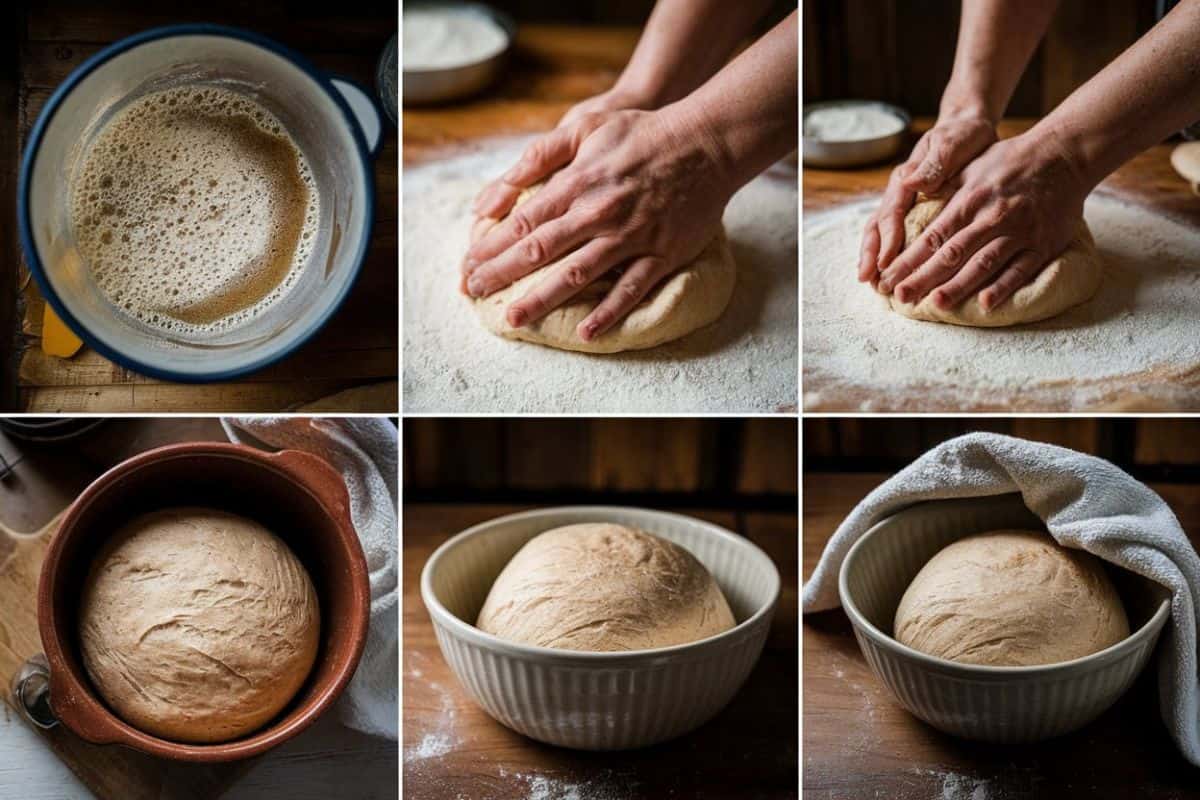
Begin by activating your yeast. Mix the sugar, yeast, and warm water in a small bowl. Stir it gently and let the mixture sit for about 5–10 minutes. You’ll know the yeast is activated when it becomes frothy and bubbly on the surface. If it doesn’t foam up, your yeast may have expired, and you’ll need to start with fresh yeast.
Mix the Dough
Pour in the yeast mixture slowly, stirring with a spoon or on low speed in a mixer. Slowly pour in the yeast mixture and stir with a spoon or use the mixer on low speed. Add the olive oil if you’re using it, which will give the bread a slightly richer flavor. Continue mixing until a dough forms.
Knead the Dough
Kneading is essential for developing gluten, which gives the bread its structure and chewiness. If you’re kneading by hand, turn the dough onto a lightly floured surface and knead for about 8–10 minutes. The dough should become smooth, elastic, and slightly tacky. When utilizing a stand mixer equipped with a dough hook, knead on medium speed for 5–7 minutes.
Let the Dough Rise
After kneading, roll the dough into a ball and put it in a bowl that has been lightly oiled. Cover the bowl with a clean kitchen towel and let the dough rise for one to one and a half hours, or until doubled in size, in a warm location.
Shape the Dough
After the dough has risen, punch it down to release any air bubbles. Turn the dough onto a floured surface and divide it into two equal portions (for two baguettes). Shape each portion into a long, baguette-like loaf. You can use a baguette pan to help maintain the shape, or place them on a baking sheet.
Second Rise
Once shaped, cover the loaves again with a towel and let them rise for another 30–40 minutes until they puff up slightly.
Preheat the Oven
While the loaves are undergoing their second rise, preheat your oven to 450°F (230°C). To achieve a bakery-style crust, place an empty metal tray or cast-iron skillet at the bottom of the oven. This will be used to create steam.
Score the Loaves
Before baking, use a sharp knife or bread lame to make 3–4 diagonal slashes on the top of each loaf. This allows the bread to expand properly in the oven.
Bake the Bread
Arrange the loaves on the middle rack of the oven. Immediately pour about 1 cup of water into the hot tray or skillet at the bottom of the oven. The steam will contribute to a crust that is crunchy. For 20 to 25 minutes, bake, or until the loaves are hollow when tapped on the bottom and have a golden brown color.
Cool and Enjoy
After taking the bread out of the oven, let it cool for at least 15 minutes before slicing. Enjoy your homemade French bread with butter, jam, or as a side to any meal!
Tips for Perfecting Your French Bread
Even though this is an easy French bread recipe, a few tips can help you achieve an even better result:
Use warm water: Water that’s too hot can kill the yeast, while cold water won’t activate it properly. Aim for water that’s around 110°F (45°C).
Don’t over-knead: Knead the dough just until it’s smooth and elastic. Over-kneading can make the bread too dense.
Create steam: The steam created by pouring water into a hot tray helps the bread form a crispy, crackly crust – a hallmark of good French bread.
Slash the dough properly: Scoring the dough before baking not only looks professional, but it also helps the bread expand evenly in the oven.
Variations of French Bread
While the traditional French bread recipe is delicious on its own, you can also experiment with variations:
Garlic French Bread: Add garlic and herbs to the dough for a flavorful twist.
Whole Wheat French Bread: Substitute half the flour with whole wheat flour for a more wholesome version.
Stuffed French Bread: Stuff the loaf with cheese or deli meats before baking for a savory snack.
French bread is incredibly versatile and pairs well with a variety of dishes:
Appetizer: Serve warm slices with olive oil and balsamic vinegar for dipping.
Soup or Stew: Use it to soak up the broth in your favorite soup or stew.
Sandwiches: Slice the bread lengthwise for a delicious sandwich base.
Toast: Make French toast or crostini with leftover slices.
Conclusion
French bread baking at home can be a rewarding and surprisingly straightforward process. With just a few basic ingredients and some simple techniques, you can create a loaf that rivals anything found in a bakery. This easy homemade French bread recipe ensures that even novice bakers can achieve a crispy golden crust and soft, fluffy interior, perfect for any meal. The key is patience, proper kneading, and understanding the importance of steps like creating steam in the oven, which helps to produce that signature crunchy crust.
Whether you’re making bread for a family dinner, a weekend brunch, or simply for the joy of baking, mastering this French bread recipe will open up a world of possibilities in your kitchen. Not only will you have the satisfaction of creating delicious, authentic bread, but you’ll also be able to experiment with different flavors, shapes, and uses. From savory sandwiches to dipping slices into rich soups, this recipe provides a versatile base that will quickly become a household favorite. So take your time, enjoy the process, and relish the reward of fresh, warm French bread made from scratch.[/vc_column_text][/vc_column][/vc_row][vc_row][vc_column width=”1/1″][us_separator size=”small”][us_text text=”Frequently Asked Questions (FAQs)” link=”%7B%22url%22%3A%22%22%7D” tag=”h2″][vc_tta_accordion][vc_tta_section title=”What is the best flour to use for French bread?” tab_link=”%7B%22url%22%3A%22%22%7D”][vc_column_text]All-purpose flour works well, but bread flour can be used for a chewier texture and better structure due to its higher protein content.[/vc_column_text][/vc_tta_section][vc_tta_section title=”How do I get a crispy crust on my French bread?” tab_link=”%7B%22url%22%3A%22%22%7D”][vc_column_text]To achieve a crispy crust, bake the bread with steam in the oven. You can create steam by placing a pan of water on the lower rack or misting the oven walls with water before baking.[/vc_column_text][/vc_tta_section][vc_tta_section title=”Can I make French bread without a stand mixer?” tab_link=”%7B%22url%22%3A%22%22%7D”][vc_column_text]Yes, French bread can be made entirely by hand. Kneading the dough by hand will take about 8-10 minutes until it’s smooth and elastic.[/vc_column_text][/vc_tta_section][vc_tta_section title=”How long does homemade French bread stay fresh?” tab_link=”%7B%22url%22%3A%22%22%7D”][vc_column_text]French bread is best eaten fresh on the day it’s baked, but it can be stored in a paper bag for 1-2 days. For longer storage, wrap and freeze it.[/vc_column_text][/vc_tta_section][vc_tta_section title=”Can I add flavorings or ingredients to this French bread recipe?” tab_link=”%7B%22url%22%3A%22%22%7D”][vc_column_text]Yes, you can customize the recipe by adding ingredients like garlic, herbs, or even cheese for a flavorful twist on the classic French bread.[/vc_column_text][/vc_tta_section][vc_tta_section title=”Section”][/vc_tta_section][/vc_tta_accordion][/vc_column][/vc_row]
[vc_row][vc_column][vc_column_text]There’s something comforting and special about homemade bread, particularly when it’s just taken out of the oven and has that tender, fluffy texture perfect for sandwiches. A well-made sandwich bread is the cornerstone of many meals, whether it’s a classic grilled cheese, a deli sandwich stacked high with meats and cheeses, or even something as simple as a peanut butter and jelly. With this simple sandwich bread recipe, you’ll be able to create homemade loaves that are not only easy to make but deliciously satisfying for any occasion.
In this article, we will walk you through every step of making the perfect sandwich bread at home. Whether you’re an experienced baker or a complete beginner, this recipe is designed to help you achieve consistently excellent results. From the basic ingredients you need to the right techniques for kneading and proofing, we’ll cover it all. Let’s dive into the process!
Why Make Your Own Sandwich Bread?
Before we get into the details of this sandwich bread recipe, let’s explore why you should consider making your own bread at home.
Healthier Ingredients
When you make bread at home, you control exactly what goes into it. Store-bought bread often contains preservatives, high amounts of sugar, and unnecessary additives. Homemade bread, on the other hand, is free of these extras.
Cost-Effective
Making your own sandwich bread is often more affordable than buying pre-packaged loaves. You can make great bread without going over budget if you have a few simple pantry supplies.
Freshness
There’s nothing quite like the taste and texture of freshly baked bread. The aroma that covers your kitchen alone is worth the effort, and the taste of bread straight from the oven is unbeatable.
Customization
When you make your own bread, The recipe can be tailored to fit your tastes. Want to add some whole grains? Go for it! Prefer a slightly sweeter loaf? Adjust the sugar content. The possibilities are endless.
Now that you know why making homemade bread is a great idea, let’s get to the actual sandwich bread recipe.
Ingredients for Homemade Sandwich Bread
One of the best parts of this sandwich bread recipe is its simplicity. You don’t need a lot of fancy ingredients—just basic kitchen staples. Here’s what you’ll need:
4 cups of bread flour: Compared to all-purpose flour, bread flour contains more protein, which helps give the bread structure and the deliciously chewy texture we associate with sandwich bread.
2 teaspoons of active dry yeast: The secret component that causes your bread to rise is yeast.
2 tablespoons of sugar: In addition to giving the bread a hint of sweetness, sugar feeds the yeast.
1 ½ teaspoons of salt: Salt enhances the flavor of the bread.
1 ½ cups of warm water (110°F to 115°F): The water should be just warm enough to kill the yeast, but not hot enough.
2 tablespoons of unsalted butter, melted: Butter adds richness to the bread, making it soft and tender.
Optional Ingredients
If you’d like to add more flavor or texture to your sandwich bread, here are some optional ingredients you can incorporate into the recipe:
1 tablespoon of honey: For a slightly sweeter loaf.
2 tablespoons of olive oil: This makes a lighter, more Mediterranean-style bread when it is used in place of the butter.
1 cup of whole wheat flour: You can use 1 cup of whole wheat flour in place of bread flour for a heartier, more healthy bread.
Easy steps break down this simple sandwich bread recipe so you can follow along at your own leisure.
Activate the Yeast
Begin by activating the yeast. Two teaspoons of active dry yeast and two tablespoons of sugar should dissolve in one and a half cups of warm water in a large mixing dish. Make sure the water is warm (between 110°F to 115°F) to help activate the yeast without killing it. Let this mixture sit for about 5-10 minutes until it becomes frothy and bubbly. This is a sign that your yeast is alive and active.
Mix the Dry Ingredients
While the yeast is activating, mix the dry ingredients in a separate bowl. Combine 4 cups of bread flour and 1 ½ teaspoons of salt. Stir them together to ensure that the salt is evenly distributed throughout the flour.
Combine Wet and Dry Ingredients
When the yeast mixture is ready, gradually incorporate the dry ingredients into it. Additionally, pour the melted butter into the bowl. Mix everything together using a wooden spoon or the dough hook on a stand mixer. Although sticky at first, the dough will start to come together.
Knead the Dough
The dough must be kneaded as a necessary step in developing the gluten structure that gives bread its chewy texture. If you’re kneading by hand, After dusting a clean area with flour, knead the dough for 8 to 10 minutes. You’ll know the dough is ready when it becomes smooth and elastic, and it no longer sticks to your hands.
Knead dough in a stand mixer fitted with a dough hook for five to six minutes on medium speed.
First Rise (Proofing the Dough)
Once your dough is well-kneaded, it’s time for the first rise. Once the dough has been placed in a lightly oiled basin, cover it with a fresh kitchen towel. Allow the dough to rise for one to one and a half hours, or until it’s in a warm, draft-free space, and has doubled in size.
Form the Dough
Punch down the dough carefully to release some of the trapped air bubbles once it has risen. Shape the dough into a loaf by transferring it on a sanitized surface. To do this, flatten the dough slightly into a rectangle and then roll it up tightly, tucking the ends under to create a smooth, loaf-like shape.
Second Rise
Shape the dough and then slide it to a 9 x 5-inch bread pan that has been oiled. The dough should rise for a further thirty to forty-five minutes, or until it is about one inch over the loaf pan’s border, before you cover it once more with the kitchen towel.
Bake the Bread
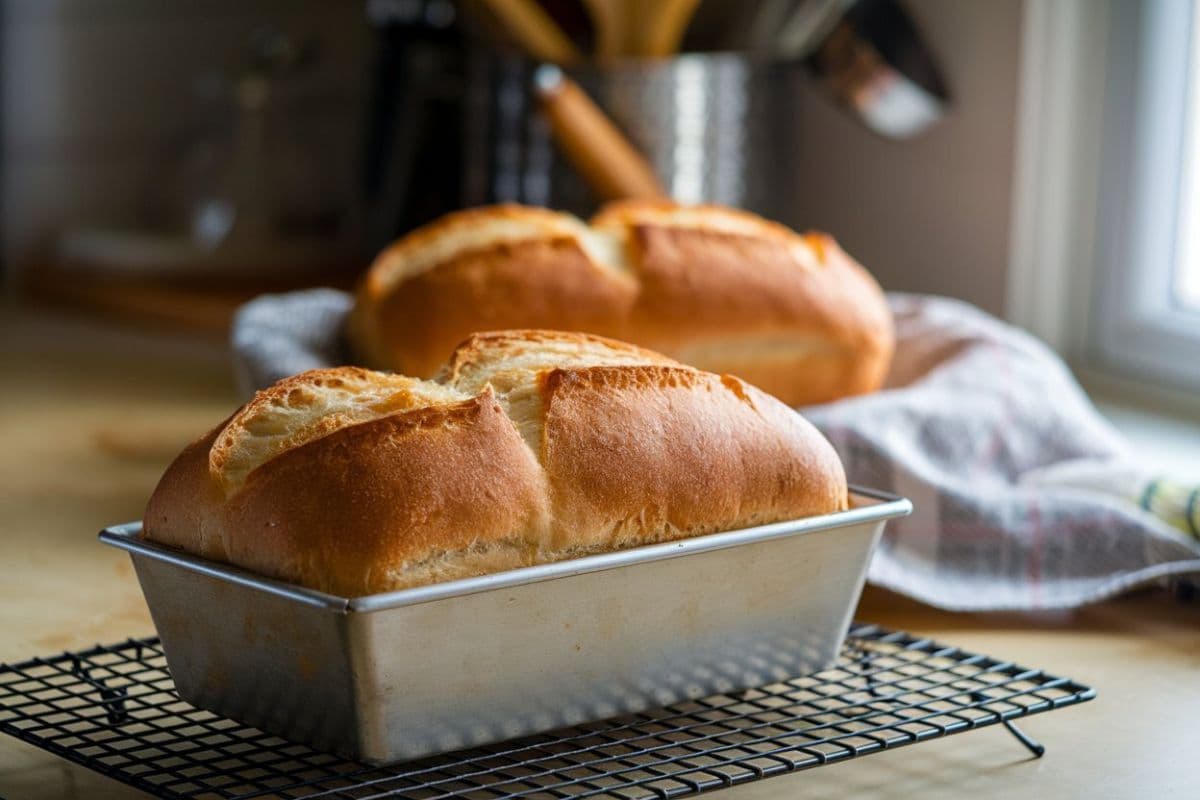
Set your oven to 375°F (190°C) while the dough is doing its second rise. After the dough has risen, After preheating the oven, place the loaf inside and bake it for 30 to 35 minutes, or until the loaf feels hollow to the touch and the top is golden brown.
After taking the bread out of the oven, allow it to cool for ten minutes or so in the pan. When the loaf is entirely cool, move it to a wire rack and cut into slices. It’s important to let the bread cool fully before slicing to ensure you get clean, even slices.
Tips for the Best Homemade Sandwich Bread
Use bread flour: Bread flour is key to achieving the ideal texture for sandwich bread. Its higher protein content helps develop the gluten that gives the bread its chewy yet soft crumb.
Don’t rush the proofing process: Allowing your dough to rise fully is crucial for achieving a light and airy loaf. Allow the dough to double in size throughout the two proving phases, and exercise patience.
Test your yeast: Always check the expiration date on your yeast, and if you’re unsure whether it’s still active, test it by adding a teaspoon of sugar to warm water and see if it bubbles after 5-10 minutes.
Keep the dough soft but manageable: If the dough feels too sticky while kneading, a tablespoon at a time, add tiny amounts of flour, until it becomes workable but still slightly tacky.
Classic Sandwiches: Use your freshly baked bread for ham and cheese, turkey club, or grilled vegetable sandwiches. The soft texture is perfect for absorbing sauces and holding ingredients together.
Toast: Spread butter, jam, or peanut butter on slices of your bread and toast them for a simple yet satisfying breakfast.
Grilled Cheese: The fluffy interior and crisp crust of this bread make it ideal for grilled cheese sandwiches.
French Toast: For a sweet twist, use this bread to make French toast. The thick slices absorb the egg mixture beautifully, resulting in rich and delicious French toast.
How to Store Your Own Sandwich Bread
To keep your homemade sandwich bread fresh, for up to three days, keep it at room temperature in an airtight container. You can freeze the bread to keep it fresh for longer by placing it in a freezer bag after securely wrapping it in plastic wrap. When you’re ready to use it, simply thaw the bread at room temperature or toast slices directly from the freezer.
Conclusion
Making your own sandwich bread at home is a rewarding experience that results in a delicious and versatile loaf. This simple sandwich bread recipe is perfect for beginners and seasoned bakers alike, offering a soft, fluffy loaf that’s perfect for sandwiches, toast, and more. With just a few basic ingredients and some time, you can enjoy fresh, homemade bread that’s healthier, more affordable, and tastier than anything you’ll find at the store.
Give this sandwich bread recipe a try, and you’ll never want to go back to store-bought bread again.[/vc_column_text][/vc_column][/vc_row][vc_row][vc_column width=”1/1″][us_separator size=”small”][us_separator size=”small”][us_text text=”Frequently Asked Questions (FAQs)” link=”%7B%22url%22%3A%22%22%7D” tag=”h2″][vc_tta_accordion][vc_tta_section title=”How long does it take to make homemade sandwich bread?” tab_link=”%7B%22url%22%3A%22%22%7D”][vc_column_text]On average, it takes about 3 hours, including time for mixing, kneading, proofing, and baking.[/vc_column_text][/vc_tta_section][vc_tta_section title=”Can I freeze homemade sandwich bread?” tab_link=”%7B%22url%22%3A%22%22%7D”][vc_column_text]Yes, you can freeze it. Just wrap the loaf or slices tightly in plastic wrap and store them in a freezer-safe bag for up to 3 months.[/vc_column_text][/vc_tta_section][vc_tta_section title=”What type of flour should I use for sandwich bread?” tab_link=”%7B%22url%22%3A%22%22%7D”][vc_column_text]Bread flour is ideal for a chewy, soft texture, but you can also use all-purpose flour for a lighter loaf.[/vc_column_text][/vc_tta_section][vc_tta_section title=”How can I tell when my sandwich bread is fully baked?” tab_link=”%7B%22url%22%3A%22%22%7D”][vc_column_text]The bread should be golden brown on top, and when tapped, it should sound hollow. You can also use a thermometer to check if the internal temperature reaches 190°F.[/vc_column_text][/vc_tta_section][vc_tta_section title=”Can I add seeds or herbs to the sandwich bread dough?” tab_link=”%7B%22url%22%3A%22%22%7D”][vc_column_text]Absolutely! You can mix in seeds like sesame or sunflower, or herbs such as rosemary, for added flavor and texture.[/vc_column_text][/vc_tta_section][vc_tta_section title=”Section”][/vc_tta_section][/vc_tta_accordion][/vc_column][/vc_row]