[vc_row][vc_column][vc_column_text]Chicken tempura is a delightful twist on the traditional Japanese tempura, which typically features vegetables and seafood. This dish offers a crispy, golden-brown exterior with tender, juicy chicken inside, making it a popular choice for those who love the texture and taste of deep-fried foods but prefer chicken over other proteins.
In this blog post, we’ll explore how to make chicken tempura at home, the key ingredients, the step-by-step process, and tips to ensure your tempura turns out perfect every time. Whether you’re new to tempura or looking to try a new variation, this guide will walk you through everything you need to know.
What is Chicken Tempura?
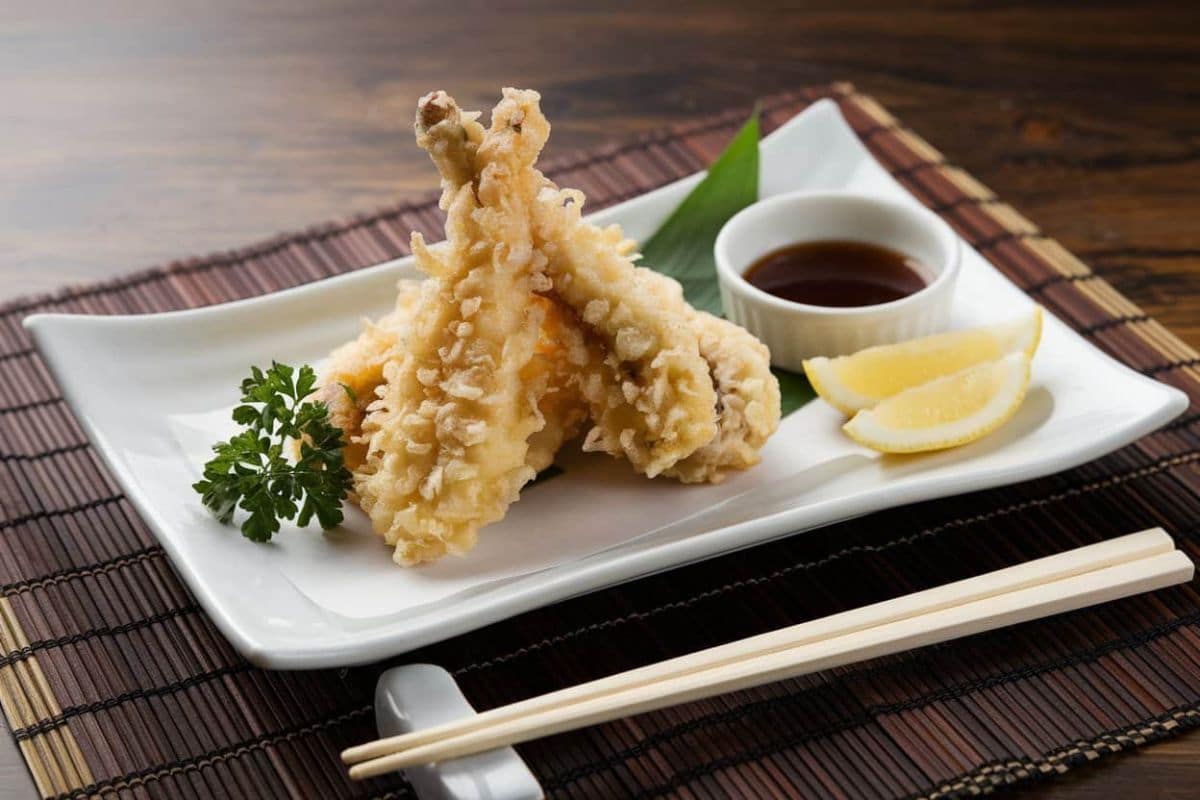
Tempura is a traditional Japanese cooking method that involves dipping ingredients in a light batter and frying them to achieve a delicate, crispy texture. While seafood and vegetables are most commonly used in tempura, chicken tempura has become a favorite for those who prefer meat. The batter is typically made from a mixture of flour, water, and eggs, creating a light and airy coating that crisps up beautifully when fried. Typically, a dipping sauce is served with chicken tempura, such as tentsuyu, which enhances the flavors of the dish.
Why Chicken Tempura?
Chicken tempura is not just another fried chicken dish; it brings together the unique qualities of Japanese tempura with the universal appeal of chicken. The light batter allows the natural flavors of the chicken to shine through, unlike heavier breading used in other fried chicken recipes. Because of this, it’s a flexible dish that works well as an appetizer, main course, or even a snack. Additionally, the simple and quick cooking process makes it a great option for weeknight dinners or when you want to impress guests with something special.
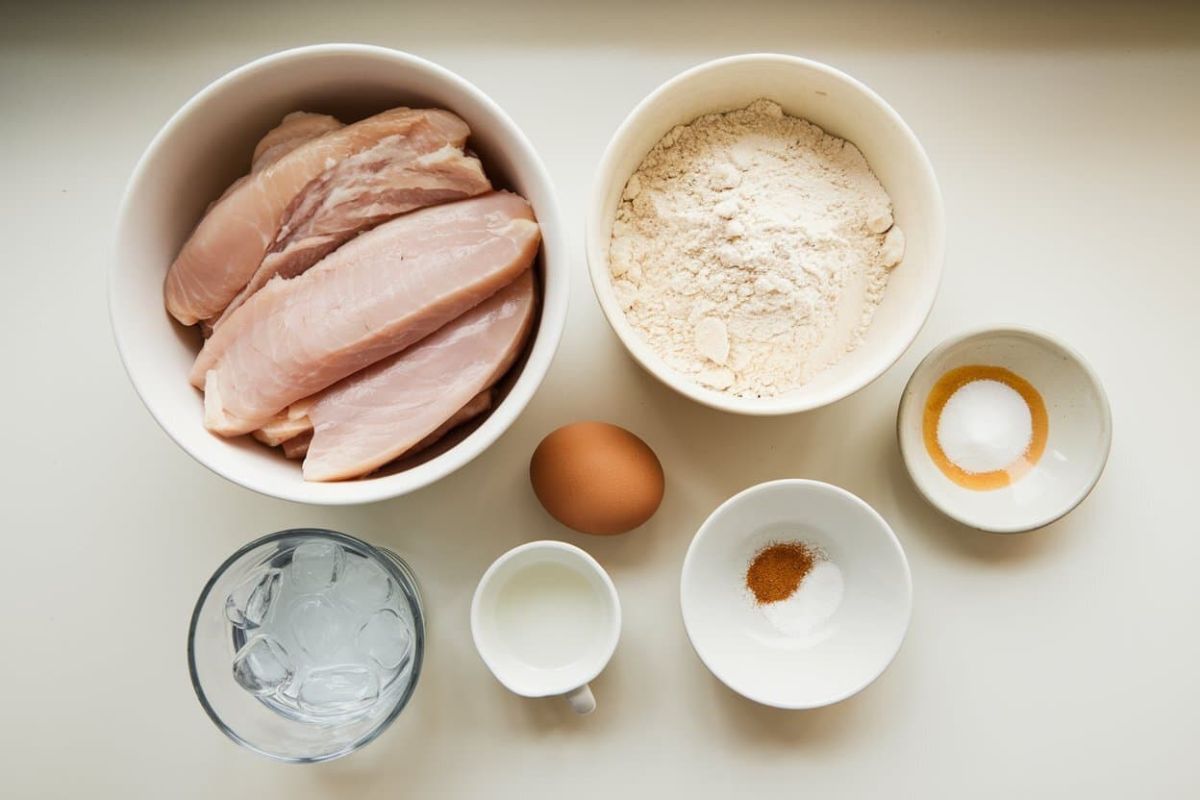
To make chicken tempura at home, The following ingredients are required:
Chicken: The best chicken to use is skinless, boneless breasts or thighs. To ensure consistent cooking, cut the chicken into bite-sized pieces or thin strips.
Tempura Batter:
1 cup of all-purpose flour
1 large egg
1 cup of ice-cold water
1/2 teaspoon of baking powder (optional, for extra crispiness)
A pinch of salt
Oil for Frying: Vegetable, canola, or peanut oil are good options for frying tempura.
Dipping Sauce: Tentsuyu is the traditional dipping sauce for tempura, made from dashi, soy sauce, and mirin. You can also serve chicken tempura with ponzu sauce, a citrus-based soy sauce, or simply with soy sauce.
Cut the chicken into bite-sized chunks or thin strips to start. When the chicken is fried, this will help it cook more quickly and evenly. Season the chicken lightly with salt and set it aside.
Make the Tempura Batter
In a mixing bowl, whisk the egg lightly, then add the ice-cold water. Keeping it cold is essential for a light and airy batter, so you may want to place the mixing bowl over another bowl filled with ice. Gradually add the flour and baking powder (if using) to the egg mixture, and stir just until combined. Be careful not to overmix; the batter should be slightly lumpy. Overmixing can lead to a heavy and dense coating, rather than the desired light and crispy texture.
Heat the Oil
Pour oil into a deep pan or wok, ensuring it’s deep enough to fully submerge the chicken pieces. Preheat the oil to 175°C, or 350°F. A small bit of batter can be dropped into the oil to check the temperature; if it glows and floats to the top, the oil is ready.
Dip and Fry the Chicken
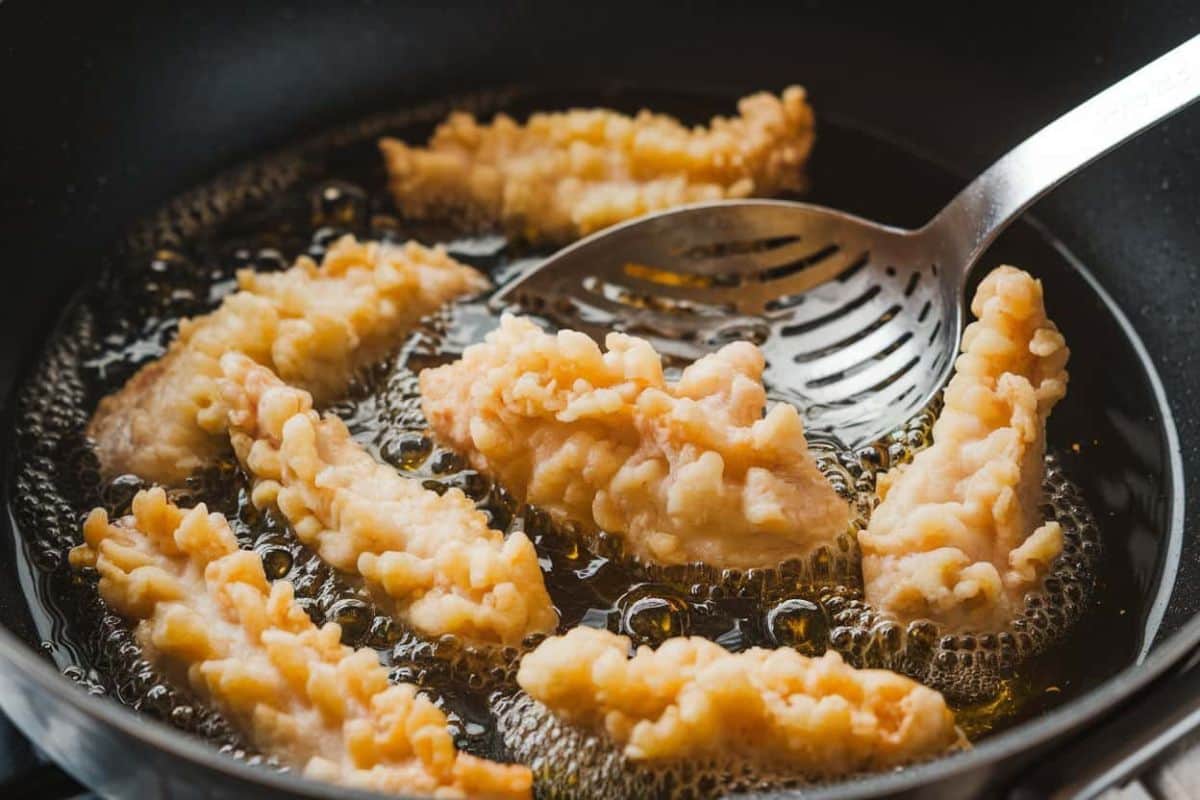
Before gently putting each piece of chicken into the heated oil, dip it into the tempura batter and let any extra batter drop off. Batch-fry the chicken to prevent packing the pan too full, which can lower the oil temperature and result in soggy tempura. Fry the chicken pieces for 2-3 minutes on each side, or until they are golden brown and cooked through. Use a slotted spoon to remove the chicken from the oil and place it on a dish covered with paper towels to remove any excess oil.
Serve the chicken tempura hot, alongside your choice of dipping sauce. Tentsuyu is a traditional option, but soy sauce with a squeeze of lemon or lime also works well. For a more complete meal, consider serving the chicken tempura with steamed rice, miso soup, and a side of pickled vegetables.
Tips for Perfect Chicken Tempura
Keep the Batter Cold: The key to a crispy tempura is keeping the batter as cold as possible. You can do this by using ice-cold water and placing the batter bowl in another bowl filled with ice.
Don’t Overmix the Batter: A few lumps in the batter are okay. Overmixing can result in a dense, heavy coating rather than the desired light, airy texture.
Maintain Oil Temperature: The oil needs to stay at a consistent temperature of 350°F (175°C) for the best results. If the temperature drops, the batter will absorb more oil and become greasy.
Fry in Batches: Frying too many pieces at once can lower the oil temperature, leading to soggy tempura. Fry in small batches, letting the oil reheat in between each batch.
Variations of Chicken Tempura
While the classic chicken tempura is delicious on its own, there are many ways you can add variety to this dish:
Spicy Chicken Tempura: Add a pinch of cayenne pepper or chili flakes to the batter for a spicy kick.
Herb-Infused Tempura: Mix chopped fresh herbs like parsley, cilantro, or green onions into the batter for an extra layer of flavor.
Vegetable Tempura Combo: Pair chicken tempura with tempura vegetables like sweet potatoes, bell peppers, or zucchini for a colorful and nutritious meal.
Chicken tempura can be part of a balanced diet when enjoyed in moderation. Here’s a general idea of the nutritional content per serving (assuming a serving size of about 4-5 pieces of chicken tempura):
Calories: Approximately 350-400 calories
Protein: 20-25 grams
Fat: 20-25 grams (depending on the amount of oil absorbed during frying)
Carbohydrates: 15-20 grams
Whole chicken tempura is higher in calories due to the frying process, using lean chicken and a light batter helps keep it relatively low in fat compared to other fried dishes.
Chicken tempura pairs well with a variety of sides and beverages. Here are some ideas:
Sides: Steamed rice, miso soup, pickled vegetables, or a fresh salad with a light sesame dressing.
Beverages: Green tea, sake, or a crisp, light beer complement the flavors of chicken tempura nicely.
Conclusion
Crispy chicken tempura is a delicious and versatile dish that brings a unique Japanese twist to traditional fried chicken. With its light and airy batter and tender, juicy chicken, it’s sure to become a favorite in your household. By using the advice and procedures provided in this handbook, you can easily make chicken tempura at home and enjoy a restaurant-quality dish without the need for special ingredients or equipment.
Whether you’re cooking for yourself, your family, or entertaining guests, chicken tempura is a crowd-pleaser that can be enjoyed as an appetizer, main course, or even a snack. Try your hand at creating your own unique versions of dipping sauces for this dish, and savor the delicious flavors of this Japanese-inspired treat.[/vc_column_text][/vc_column][/vc_row][vc_row][vc_column width=”1/1″][us_separator size=”small”][us_text text=”Frequently Asked Questions (FAQs)” link=”%7B%22url%22%3A%22%22%7D” tag=”h2″][vc_tta_accordion][vc_tta_section title=”What is the key to making crispy chicken tempura?” tab_link=”%7B%22url%22%3A%22%22%7D”][vc_column_text]The key to achieving crispy chicken tempura is to use ice-cold water when making the batter and to avoid overmixing. The cold batter helps create a light, airy coating that crisps up beautifully when fried. Also, maintaining the oil temperature at 350°F (175°C) is crucial to avoid soggy tempura.[/vc_column_text][/vc_tta_section][vc_tta_section title=”Can I use other types of meat or vegetables for tempura?” tab_link=”%7B%22url%22%3A%22%22%7D”][vc_column_text]Yes! While this recipe focuses on chicken, you can easily substitute other meats like shrimp or fish. Vegetables such as sweet potatoes, zucchini, and bell peppers also work wonderfully in tempura. The same batter and frying method can be used for all these variations.[/vc_column_text][/vc_tta_section][vc_tta_section title=”What dipping sauce pairs best with chicken tempura?” tab_link=”%7B%22url%22%3A%22%22%7D”][vc_column_text]The traditional dipping sauce for tempura is tentsuyu, made from dashi, soy sauce, and mirin. However, you can also serve chicken tempura with ponzu sauce (a citrusy soy sauce) or simply soy sauce with a squeeze of lemon or lime for a fresh, tangy flavor.[/vc_column_text][/vc_tta_section][vc_tta_section title=”Can I prepare the batter in advance?” tab_link=”%7B%22url%22%3A%22%22%7D”][vc_column_text]It’s best to prepare the tempura batter just before frying to ensure it stays cold. If you need to prepare it in advance, store the batter in the refrigerator, but keep in mind that the texture may not be as light and crispy if it sits for too long.[/vc_column_text][/vc_tta_section][vc_tta_section title=”How can I keep the tempura crispy if I’m serving it later?” tab_link=”%7B%22url%22%3A%22%22%7D”][vc_column_text]To keep tempura crispy for a longer time, place the fried pieces on a wire rack instead of directly on a paper towel. This allows air to circulate around the tempura, preventing it from becoming soggy. If you need to reheat the tempura, do so in an oven at 350°F (175°C) for a few minutes to restore its crispiness.[/vc_column_text][/vc_tta_section][vc_tta_section title=”Section”][/vc_tta_section][/vc_tta_accordion][/vc_column][/vc_row]
[vc_row][vc_column][vc_column_text]Chickpea pasta has emerged as a favorite among health-conscious individuals, offering a nutritious, protein-packed, and gluten-free alternative to traditional wheat pasta. Whether you’re looking for a healthy weeknight dinner or a satisfying meal for a gluten-free lifestyle, chickpea pasta provides a versatile base that fits into any diet. In this post, we’ll explore the nutritional benefits of chickpea pasta, share practical tips for cooking it, and offer culinary inspiration to enhance your enjoyment of this plant-based pasta in innovative ways.
Why Choose Chickpea Pasta?
Gluten-Free Alternative: Made from ground chickpeas, this pasta is naturally gluten-free. It’s an excellent option for people with celiac disease or gluten sensitivity while providing a satisfying pasta-like texture.
High in protein and dietary fiber: Chickpea pasta is a powerhouse of nutrients, Provides around 11-15 each serving contains 8 grams of dietary fiber and 16 grams of protein. This makes it ideal for those on plant-based diets or anyone seeking a protein boost without adding meat. Dietary fiber aids in the regulation of digestion and enhances satiety, which is key for maintaining healthy eating habits.
Low Glycemic Index: Since chickpea pasta is lower in carbs and has a low glycemic index, it acts to stabilize blood glucose levels, making it a great option for people managing diabetes or anyone wanting to avoid sugar spikes and crashes.
Vitamins and Minerals: Chickpeas are rich in essential nutrients such as iron, magnesium, potassium, and folate, all of which contribute to maintaining energy levels and overall health.
Tips for Cooking Chickpea Pasta
Cooking chickpea pasta is easy, but it does require a few adjustments to ensure the perfect texture. Follow these tips to avoid messiness and enjoy a well-cooked dish:
Use plenty of water: Chickpea pasta tends to foam more than traditional pasta, so be sure to use ample water—around 4-6 cups per 8 ounces of pasta. This helps reduce foam buildup and ensures the pasta cooks evenly without becoming sticky.
Cook to al dente: Chickpea pasta cooks faster than wheat-based varieties, so keep a close eye on it. Aim for al dente (firm to the bite) in about 7-9 minutes. Excessive cooking can result in a soft and mushy consistency, so taste test it a minute or two before the recommended time on the package.
Rinse after cooking: After draining, give your chickpea pasta a quick rinse with cold water. This step removes excess starch, which helps prevent clumping or stickiness, ensuring your pasta retains its structure and texture.
Recipe Spotlight: Garlic-Lover’s Mushroom Chickpea Pasta
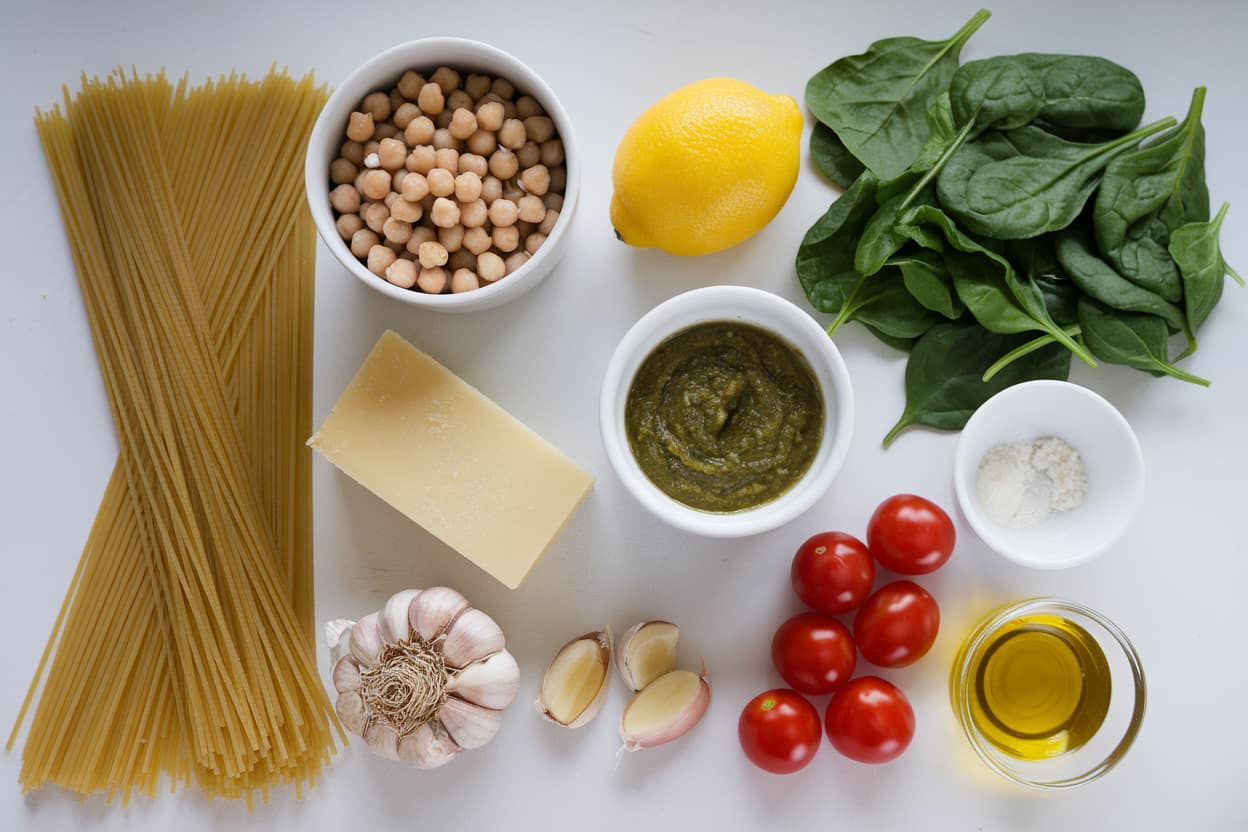
Ingredients laid out for a delicious Mediterranean pasta: spaghetti, chickpeas, spinach, cherry tomatoes, Parmesan cheese, pesto, garlic, and olive oil.
This recipe brings together garlic, mushrooms, and chickpea pasta for a quick and healthy dinner. The meal is plant-based and can be prepared in under 30 minutes, making it perfect for busy weeknights.
Ingredients:
8 oz chickpea pasta
2 tbsp olive oil
1 cup mushrooms, sliced
3-4 cloves garlic, minced
1/4 cup Parmesan cheese (optional)
Salt and pepper to taste
Fresh parsley for garnish
Instructions:
Pasta should be cooked as focused on the package and then set aside.
Garlic should be sautéed until fragrant in a skillet with heated olive oil over medium heat.
When the mushrooms are soft, add them and simmer, about 5 minutes.
Mix the cooked pasta with the mushrooms and garlic. Season with salt, pepper, and (if preferred) Parmesan cheese.
Garnish with parsley and serve hot.
This dish combines the savory flavor of mushrooms with the robust taste of garlic, while chickpea pasta adds a healthy twist. You can also add fresh spinach, grilled chicken, or roasted veggies to make the meal more substantial.
Other Recipe Ideas
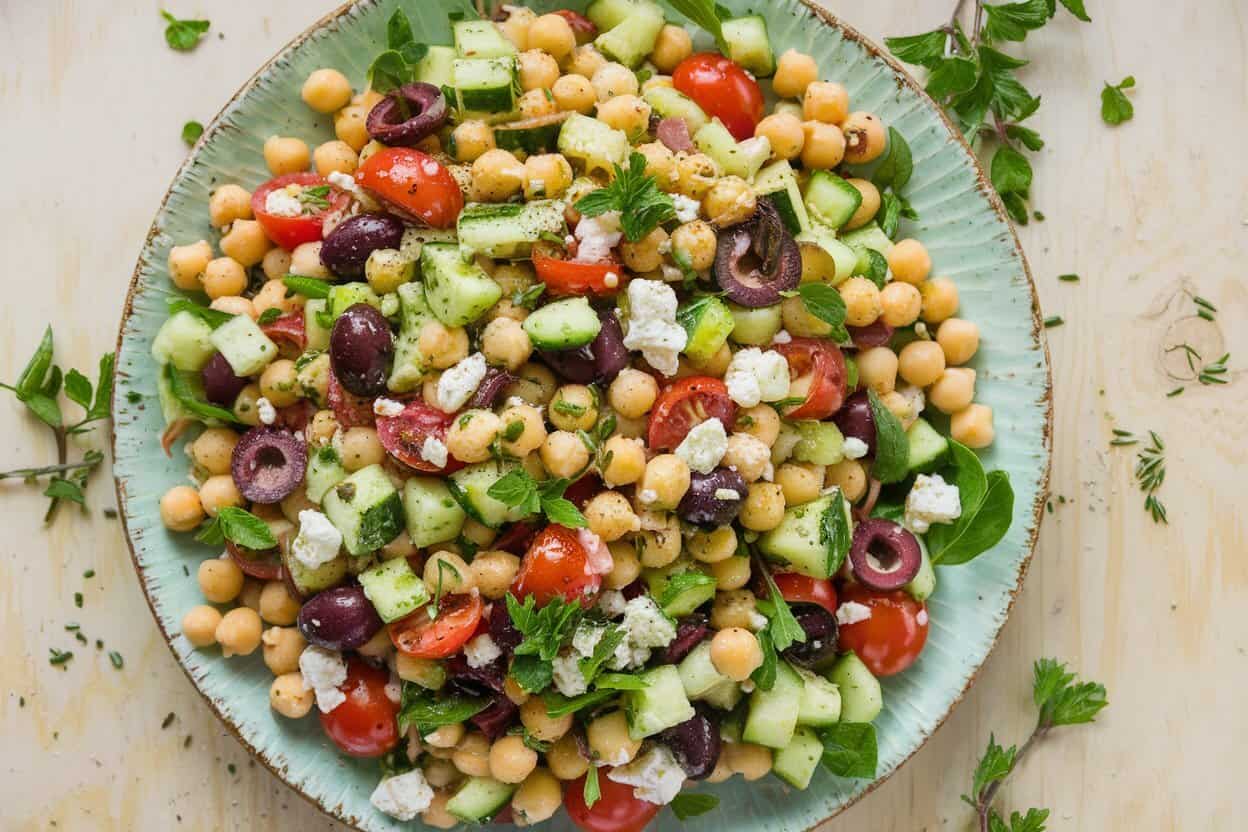
A refreshing Mediterranean chickpea salad with cucumbers, cherry tomatoes, Kalamata olives, feta cheese, and fresh herbs, perfect for a light and healthy meal.
Pesto Chickpea Rotini
This Mediterranean-inspired dish combines chickpea pasta with a vibrant pesto sauce, sautéed spinach, crunchy pistachios, and creamy feta. It delivers the perfect balance of plant-based protein, healthy fats, and antioxidants, making it both satisfying and nutritious. This recipe is a go-to for anyone craving bold flavors with a healthy twist.
Chickpea Pasta Salad
For a cool and refreshing option, toss chickpea pasta with diced cucumbers, juicy cherry tomatoes, and a light vinaigrette. Add in Kalamata olives and extra chickpeas for a protein boost, creating a perfect make-ahead meal that’s brimming with Mediterranean flavors and ready to enjoy at any time.
Spicy Chickpea Arrabbiata
Turn up the heat with this fiery chickpea pasta dish! Toss your pasta with a spicy arrabbiata sauce made from garlic, crushed tomatoes, and red pepper flakes. Add some sautéed spinach or roasted veggies for extra nutrition. This high-protein meal is perfect for spice lovers looking for a bold, energizing dinner.
Creamy Avocado Chickpea Pasta
Blend ripe avocados, garlic, lemon juice, and a little olive oil to make a silky sauce for your chickpea spaghetti for a rich and creamy touch. Toss with cherry tomatoes, fresh basil, and a sprinkle of red pepper flakes for a dish that’s bursting with healthy fats and bright flavors. This meal is a perfect mix of indulgence and nutrition.
Lemon Garlic Chickpea Spaghetti
Brighten up your dinner with a simple yet zesty lemon garlic chickpea spaghetti. Cook chickpea pasta to al dente and toss with a light sauce of olive oil, minced garlic, and freshly squeezed lemon juice. Add chopped parsley and grated Parmesan cheese for a fresh, citrusy dish that’s quick to prepare and packed with protein and flavor.
Chickpea Pasta and Sustainability
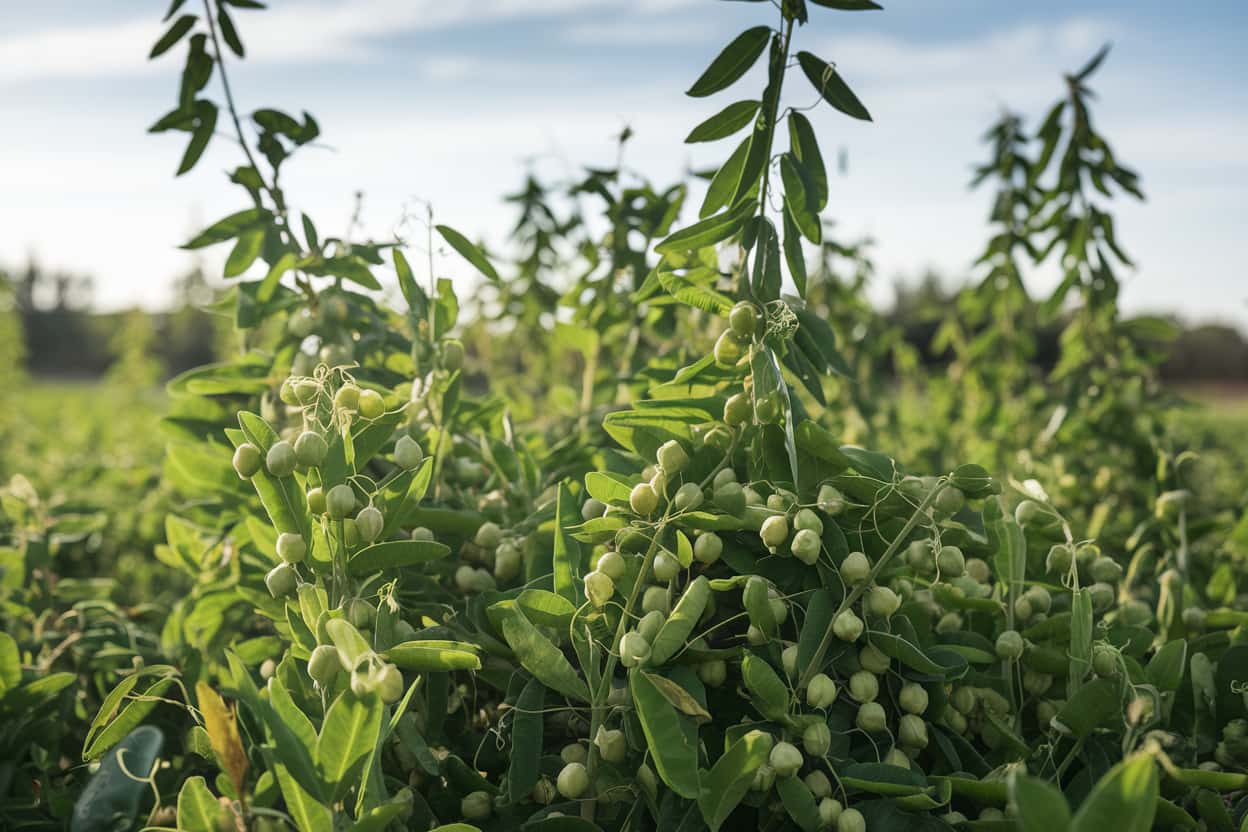
Climbing plants with green pods growing in a sunlit field.
Switching to chickpea pasta isn’t just a smart choice for your health—it’s also an environmentally friendly one. Chickpeas, the star ingredient in this pasta, are a member of the legume family, which plays a vital role in sustainable agriculture. Unlike traditional wheat, chickpeas require significantly less water to grow and are highly drought-tolerant, making them an ideal crop for areas facing water scarcity. This reduces the overall water footprint of your meal compared to wheat-based pasta.
Incorporating chickpea pasta into your diet also helps reduce the demand for resource-intensive crops like wheat and corn, contributing to a more diverse and resilient food system. Because chickpeas are a plant-based protein source, when compared to proteins derived from animals, they have a smaller carbon impact. Choosing chickpea pasta can therefore help decrease the environmental impact of your meals, making it a great option for those looking to align their food choices with eco-friendly values.
Ultimately, by opting for chickpea pasta, you’re not only nourishing your body with a nutritious, plant-based diet while simultaneously promoting more environmentally friendly farming methods and making the world a healthier place.
Conclusion
Chickpea pasta is a versatile, nutrient-rich option that fits into many dietary lifestyles, from gluten-free to plant-based and low-carb. Whether you want to cook a quick weeknight dinner like Garlic-Lover’s Mushroom Chickpea Pasta or prepare a meal-prepped salad, chickpea pasta delivers on taste, texture, and health benefits. By making the switch, you’re not only fueling your body with wholesome, plant-based nutrition but also contributing to a more sustainable future.[/vc_column_text][/vc_column][/vc_row][vc_row][vc_column width=”1/1″][us_separator size=”small”][us_text text=”Frequently Asked Questions (FAQ)” link=”%7B%22url%22%3A%22%22%7D” tag=”h2″][vc_tta_accordion][vc_tta_section title=”What is chickpea pasta made from?” tab_link=”%7B%22url%22%3A%22%22%7D”][vc_column_text]Chickpea pasta is made primarily from chickpea flour, which is made by grinding dried chickpeas into a fine powder. This makes it a gluten-free alternative to traditional wheat pasta.[/vc_column_text][/vc_tta_section][vc_tta_section title=”Is chickpea pasta a good source of protein?” tab_link=”%7B%22url%22%3A%22%22%7D”][vc_column_text]Yes, chickpea pasta is a great source of plant-based protein. It typically contains about 14-20 grams of protein per serving, compared to about 7 grams in traditional pasta.[/vc_column_text][/vc_tta_section][vc_tta_section title=”How does chickpea pasta compare to regular pasta in terms of taste and texture?” tab_link=”%7B%22url%22%3A%22%22%7D”][vc_column_text]Chickpea pasta has a slightly nutty flavor and a firmer texture than regular pasta. While it may taste a bit different, many people find it to be a satisfying and delicious alternative.[/vc_column_text][/vc_tta_section][vc_tta_section title=”How do you cook chickpea pasta?” tab_link=”%7B%22url%22%3A%22%22%7D”][vc_column_text]Chickpea pasta is cooked similarly to regular pasta. Boil it in salted water for about 7-10 minutes, or until it reaches your desired level of tenderness. It’s important to stir it occasionally to prevent sticking.[/vc_column_text][/vc_tta_section][vc_tta_section title=”Can chickpea pasta be used in all the same recipes as regular pasta?” tab_link=”%7B%22url%22%3A%22%22%7D”][vc_column_text]Yes, chickpea pasta can be used in most recipes that call for regular pasta. It works well in salads, stir-fries, and traditional pasta dishes. Just keep in mind that its unique flavor and texture might slightly alter the final dish.[/vc_column_text][/vc_tta_section][vc_tta_section title=”Section”][/vc_tta_section][/vc_tta_accordion][/vc_column][/vc_row]