Tag: Fitness

7 Health Benefits of Running with Scissors for Beginners

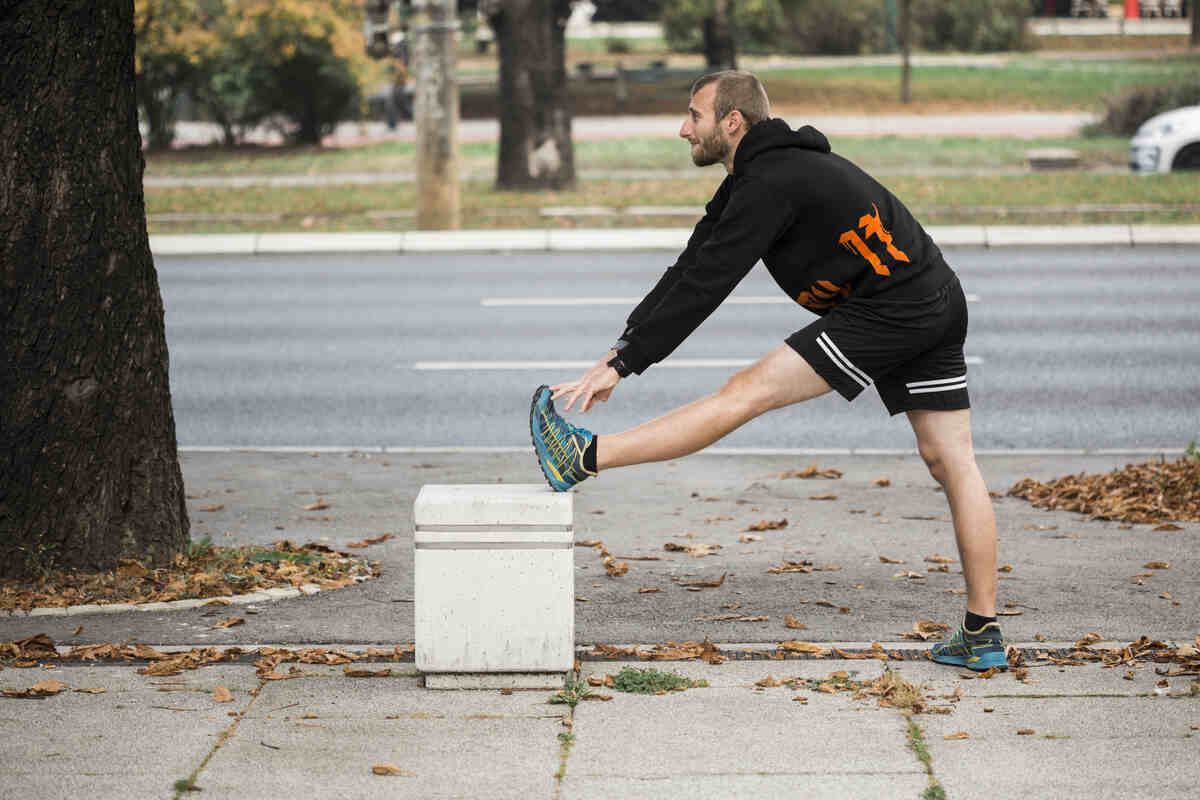
You’ve probably heard the phrase “Health Benefits of Running with Scissors” used as a warning—but in fitness, it’s gaining a new meaning. In this context, “Health Benefits of Running with Scissors” refers to moving your legs in a scissor-like motion—a technique often used in workouts such as scissor jumps, flutter kicks, and dynamic warm-ups.

This scissors motion is not only safe but highly beneficial when incorporated into a beginner-friendly fitness routine. If you’re new to working out or trying to establish sustainable health habits, this is a great place to start.

Let’s dive into the seven health benefits of this movement, how to use it, and how to create a long-term wellness plan around it.

What Is the Scissors Motion in Fitness?

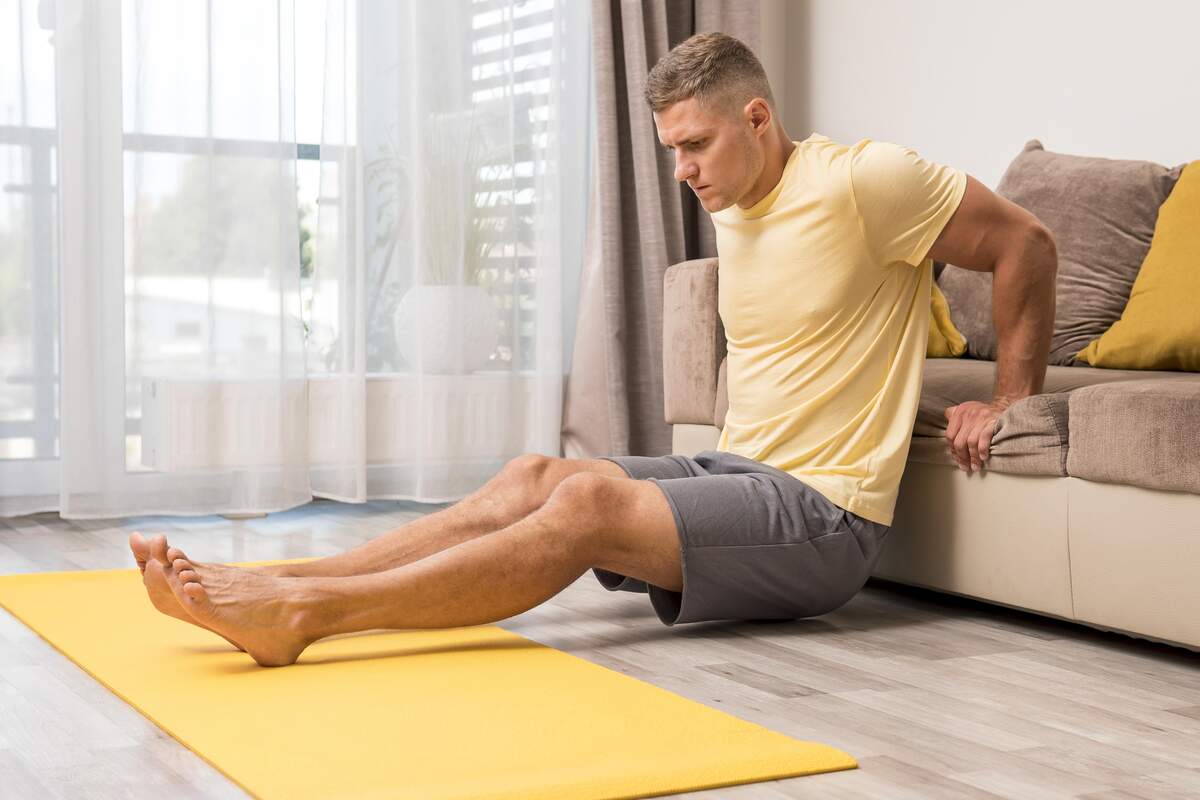
The scissors motion involves alternating the legs in a criss-cross motion—similar to the opening and closing of scissors. It can be performed while lying down (flutter kicks), standing (scissor jumps), or even in modified cardio routines. It’s a full-body, bodyweight movement ideal for all fitness levels.

Examples of Scissors Exercises:

  • Scissor Jumps: Alternating lunges with a jumping switch
  • Flutter Kicks: Lying down, rapidly kicking legs in a small range
  • Standing Leg Scissors: Controlled leg swings in front of the body

Health Benefits of Running with Scissors7 Health Benefits of Running with Scissors 

1. Increased Muscular Coordination

The constant alternation of limbs trains your body to synchronize muscle movements, improving coordination, which is especially beneficial for beginners and older adults.

2. Improved Core Stability

Every scissors movement engages the abdominals, particularly the lower abs and obliques. It builds a strong, supportive core—essential for posture and balance.

3. Enhanced Cardiovascular Efficiency

The rapid leg movement increases heart rate quickly, promoting heart health and stamina. It’s great for those looking to burn fat without high-impact running.

4. Boosted Flexibility and Mobility

Scissor motions stretch the hip flexors, glutes, and hamstrings. Consistent practice leads to a better range of motion, reducing stiffness associated with a sedentary lifestyle.

5. Improved Joint Health

Low-impact versions of scissors workouts help lubricate joints, support proper alignment, and reduce the risk of injury—making them perfect for beginners.

6. Better Overall Balance

Activating the stabiliser muscles strengthens your body’s ability to maintain equilibrium, thereby reducing the risk of falls and improving athletic performance.

7. High Caloric Burn

Quick, repetitive movements like scissor jumps are excellent for burning calories, helping to achieve weight management goals when paired with proper nutrition.

How to Run Like Scissors (Step-by-Step for Beginners)

Scissor Jump (Beginner-Friendly Version)

  1. Start in a standing position.
  2. Jump into a lunge: one leg forward, the other back.
  3. Quickly jump and switch leg positions in mid-air.
  4. Land softly with knees slightly bent.

Tip: Keep your core tight & avoid arching your back.

Start with three sets of 10 reps, resting 30 seconds between each.

Modify by stepping instead of jumping if you have joint sensitivity.

Scissor Jump (Beginner-Friendly Version)Creating a Sustainable Health and Fitness Routine for Beginners

Step 1: Set SMART Goals

Specific – “I want to improve my endurance.”

Measurable – “I will work out 4 days a week.”

Achievable – “I’ll start with 15-minute routines.”

Relevant – “I want to feel healthier and lose weight.”

Time-Bound – “In 30 days, I’ll evaluate my progress.”

Step 2: Weekly Workout Plan

Day Focus Workout
Mon Cardio + Core 10-min walk + 2 sets flutter kicks + 3 sets scissor jumps
Tue Strength Bodyweight squats, wall push-ups, glute bridges
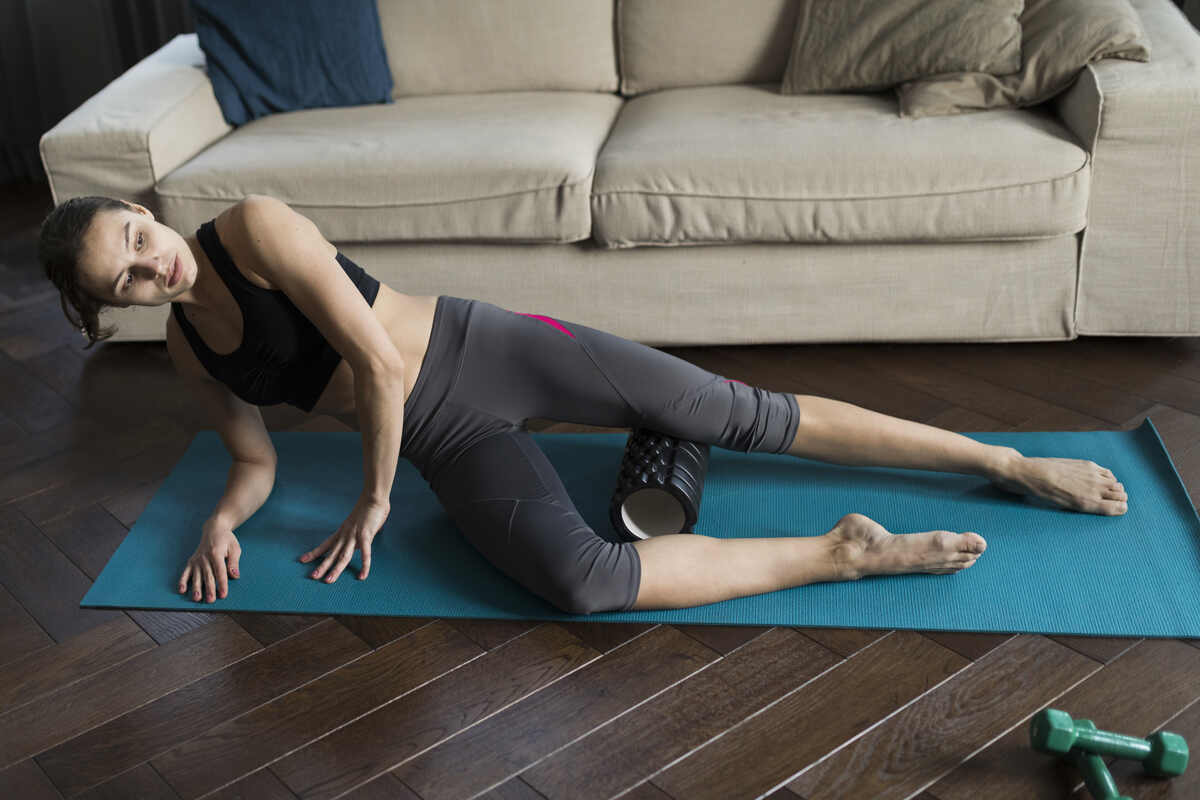
Wed Active Recovery Yoga, stretching, foam rolling
Thu HIIT 20-min circuit: jumping jacks, scissor kicks, mountain climbers
Fri Core Flutter kicks, scissors, planks
Sat Walk or Light Jog 30 minutes
Sun Rest Hydrate and stretch

Step 3: Eat for Performance

A good fitness routine needs fuel. Here’s a beginner nutrition breakdown:

  • Protein: Chicken, eggs, beans, tofu
  • Complex Carbs: Brown rice, quinoa, oats
  • Healthy Fats: Avocado, olive oil, almonds
  • Hydration: Aim for 8–10 glasses of water daily

Also Read: Top Beginner Nutrition Tips

Step 4: Prioritize Sleep and Recovery

  • Aim for 7–9 hours of sleep nightly
  • Avoid caffeine and screen time before bed
  • Stretch after workouts
  • Use Epsom salt baths or cold therapy for soreness

Real-Life Success Story: Meet Ayesha

Ayesha, a 28-year-old digital marketer, struggled to stay consistent with fitness. She began incorporating scissors motion exercises into her 15-minute home workouts, which she combined with walking and mindful eating.

Results after 4 weeks:

  • Lost 5 pounds
  • Improved core strength
  • Increased flexibility
  • I felt more energized and confident

Final Thoughts

The Health Benefits of Running with Scissors offers a potent mix of cardio, strength, flexibility, and core stability—perfect for beginners who want results without a gym membership or fancy gear.

By combining this fun movement with goal setting, mindful eating, hydration, recovery, and rest, you’ll be well on your way to creating a sustainable, healthy lifestyle that sticks.

Continue Your Journey:

Frequently Asked Questions (FAQs)

Is it safe to run like scissors?

Yes! The “scissors motion” is a safe and effective technique when performed correctly. Avoid holding actual scissors, of course!

Do I need equipment?

No. Scissors-based movements are bodyweight exercises—perfect for home workouts.

How often should I do these workouts?

3Three to four times per week is excellent. Alternate with other strength and recovery workouts.

Can this help me lose belly fat?

Scissors exercises help burn calories and strengthen the core, but results depend on nutrition and consistency.

Tags: , ,

Best Sacroiliac Joint Pain Exercises for Relief and Mobility

Sacroiliac joint pain Exercises  can cause persistent discomfort radiating through the lower back, buttocks, and hips, significantly hampering everyday movement. Often misdiagnosed or misunderstood, SI joint dysfunction arises from either hypo or hypermobility, creating instability at the sacrum where it meets the ilium of the pelvis. Fortunately, specific exercises targeting muscular support and joint flexibility can alleviate symptoms and promote stability.

The Role of Sacroiliac Joint Pain Exercises in Relief

Strengthening and stretching exercises are paramount in managing Sacroiliac Joint Pain Exercises. They reinforce the musculature surrounding the pelvis and core while releasing tension in tight or overcompensating muscle groups. Done consistently and with proper form, they can substantially improve daily function and long-term comfort.

Sacroiliac Joint Pain ExercisesStrengthening Exercises for SI Joint Stability

1. Pelvic Tilts

A subtle yet potent manoeuvre, pelvic tilts activate the deep transverse abdominis and lumbar stabilizers.

  • Lie supine with knees bent and feet grounded.
  • Engage the abdominal muscles to press the lower back into the floor gently.
  • Tilt the pelvis upward without lifting the hips.
  • Hold for 5 seconds, relax, & repeat 10–15 times.

2. Bridging

Targeting the gluteus maximus and hamstrings, bridging builds posterior chain strength critical for SI joint integrity.

  • Position yourself on your back, knees bent, feet flat.
  • Press through the heels to raise the hips while squeezing the glutes.
  • Maintain a straight line from shoulders to knees.
  • Hold for 5 seconds, then slowly descend. Repeat 10–15 times.

3. Bird-Dog Exercise

This cross-limb movement enhances spinal alignment and core engagement.

  • Begin in a tabletop position.
  • Extend the right arm and left leg simultaneously, maintaining a neutral spine.
  • Hold for 5 seconds without twisting the torso.
  • Switch sides and complete 10 repetitions per side.

4. Side Plank

A side plank fortifies obliques and hip abductors, reinforcing lateral pelvic stability.

  • Lie on your side with your legs stacked and knees bent.
  • Elevate the hips, forming a straight line from head to knees.
  • Hold for 15 seconds; repeat on the opposite side. Perform 2–3 sets.

5. Hip Abduction with Resistance Band

Gluteus medius activation is crucial to counter lateral instability of the pelvis.

  • Wrap a resistance band around your thighs.
  • Lie on your back with your knees bent.
  • Gently separate the knees, resisting the band.
  • Hold for 3 seconds and return. Complete 12–15 reps.

Stretching Exercises for SI Joint Pain Relief

6. Knee-to-Chest Stretch

Releases tension in the lumbar and gluteal regions.

  • Lie flat, legs extended.
  • Pull one knee toward the chest while the other remains on the floor.
  • Hold for 30 seconds, switch legs. Repeat 2–3 times.

7. Pelvic Rotation Stretch (Lower Trunk Rotation)

Enhances spinal mobility while gently mobilizing the SI joint.

  • Lie on your back, knees bent, feet flat.
  • Slowly rotate both knees to one side, keeping shoulders grounded.
  • Hold for 15 seconds, switch sides.

8. Child’s Pose

A calming posture to decompress the lumbar spine and sacrum.

  • Kneel with knees apart, and sit back on your heels.
  • Extend arms forward, bringing the forehead to the mat.
  • Hold for 30 seconds; repeat as needed.

9. Cat-Cow Stretch

This rhythmic spinal motion lubricates the vertebral joints and releases fascial restrictions.

  • Start on all fours.
  • Inhale to arch (cow), exhale to round the back (cat).
  • Perform 10–15 cycles.

10. Piriformis Stretch

A tight piriformis often mimics or aggravates SI joint pain.

  • Sit upright, cross one leg over the other.
  • Rotate the torso gently toward the top knee.
  • Hold for 30 seconds, then switch sides.

Additional Movements for Enhanced Relief

These exercises complement your SI joint routine:

Exercise Name Target Area Benefit
Triangle Pose Hips & Obliques Enhances hip openness and core engagement
Cobra Pose Lower Back Improves posture, lengthens spine
Dhanurasana (Bow Pose) Entire Spine & Legs Strengthens back, opens chest and shoulders
Hip Adductor Stretch Inner Thighs Increases groin flexibility
Lying Hip Adduction Inner Thigh Muscles Strengthens pelvic stabilizers
Hip Adductor Squeeze Pelvic Floor & Inner Thighs Activates crucial pelvic support structures
Low-Impact Aerobics Cardiovascular System Improves circulation without SI stress
Lower Abdominal Activation Core Supports lumbar spine and pelvis

Guidelines for Safe Exercise Practice

  • Warm-Up First: Begin with 5–10 minutes of gentle dynamic movement.
  • Form Over Force: Precision is more effective than intensity.
  • Use Props When Necessary: Resistance bands, yoga blocks, or bolsters enhance accessibility.
  • Avoid Aggravation: Cease any movement that produces sharp or radiating pain.
  • Progress Gradually: Increase repetitions or duration incrementally.

Sacroiliac Joint Pain ExercisesLifestyle and Therapeutic Considerations

  • Low-Impact Activities: Swimming and walking can aid circulation and mobility without undue stress on the SI joint.
  • Proper Sitting Posture: Sit with hips level, feet flat, and a lumbar support cushion to maintain a neutral spine.
  • Sleep Smart: Favor lying on the unaffected side with a pillow between the knees or on the back with a pillow beneath them.
  • Professional Guidance: Always consult a physiotherapist or osteopath for tailored treatment.
  • Pain Management: Under medical guidance, use ice, heat, or over-the-counter analgesics.

Final Thoughts

When performed with consistency, mindfulness, and precision, Sacroiliac Joint Pain Exercises can foster enduring relief and a return to functional movement. Individuals can reclaim control over their mobility and well-being by fortifying the core, releasing myofascial tension, and avoiding exacerbating activities.

Tags: , ,

Best Cable Back Exercises for Strength, Muscle Growth, and Definition

A well-developed back is more than just a symbol of physical prowess—it’s the epicentre of functional movement, posture control, and injury prevention. Cable machines are among the most effective tools for back training. Offering continuous tension, a variety of angles, and exceptional muscle isolation, cable back exercises are indispensable for anyone aiming to build a strong, sculpted, and symmetrical back.

This detailed guide explores the most effective cable back exercises, their execution, benefits, and how to incorporate them into your training program.

Why Choose Cable Machines for Back Training?

Cable machines provide unique form of resistance that ensures your muscles remain under tension throughout the entire range of motion. This creates a distinct advantage over free weights, particularly in hypertrophy-focused workouts.

cable back exercisesBenefits of Cable Back Exercises:

  • Constant Tension: Keeps muscles activated during both concentric and eccentric phases.
  • Joint-Friendly Motion: Reduces stress on the shoulders and spine.
  • Precision and Control: Ideal for slow, controlled repetitions and improved form.
  • Versatility: Allows for multiple grips and angles, targeting every back muscle.

Most Effective Cable Back Exercises

1. Seated Cable Row

  • Muscles Worked: Lats, rhomboids, traps
  • Execution: Sit upright, grasp the V-handle, and row the weight toward your abdomen. Squeeze your shoulder blades and avoid leaning backwards.
  • Tip: Use slow reps to amplify time under tension.

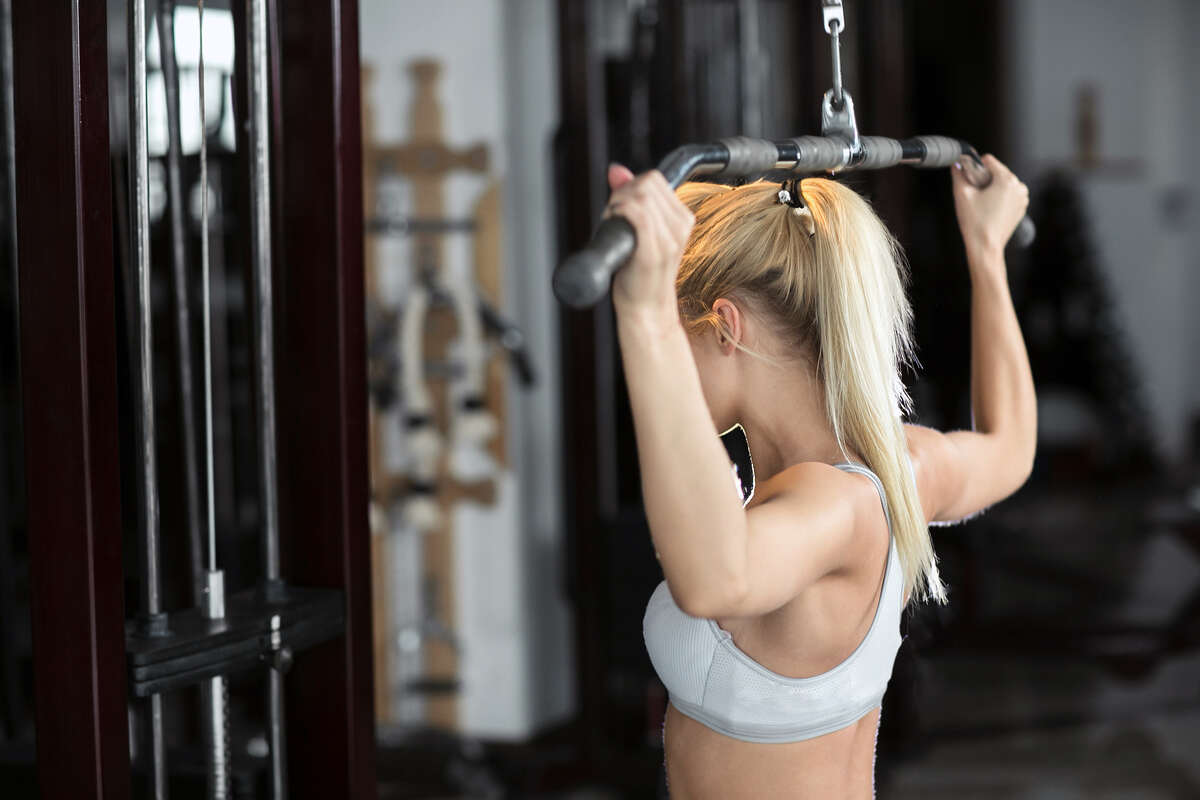
2. Wide-Grip Lat Pulldown

  • Muscles Worked: Latissimus dorsi, rear delts, biceps
  • Execution: Use a wide grip, pull the bar down to the top of your chest, and slowly return.
  • Tip: Avoid pulling behind the neck to protect shoulder joints.

3. Cable Face Pull

  • Muscles Worked: Rear delts, traps, rotator cuff
  • Execution: Set a rope at face level. Pull it towards your face, keeping elbows high and wide.
  • Tip: Excellent for posture correction and shoulder health.

4. Straight-Arm Pulldown

  • Muscles Worked: Lats, triceps, core
  • Execution: Stand upright, keep your arms straight, and pull the bar down to your thighs.
  • Tip: Keep a slight bend in the knees & a tight core.

5. Single-Arm Cable Row

  • Muscles Worked: Lats, rhomboids, obliques
  • Execution: Row with one arm at a time, keeping your torso stable and your back neutral.
  • Tip: Great for correcting imbalances between sides.

6. Cable Reverse Fly

  • Muscles Worked: Rear delts, traps, rhomboids
  • Execution: Cross-cable handles and pull them apart in a reverse fly motion.
  • Tip: Use light weight and focus on the squeeze.

7. Cable Pull Through

  • Muscles Worked: Lower back, glutes, hamstrings
  • Execution: Stand away from the machine, hinge at the hips, & pull the rope through your legs.
  • Tip: Keep your back flat & engage your core throughout the movement.

Sample Cable Back Workout Routine

Level Exercises Sets Reps
Beginner Seated Row, Lat Pulldown, Face Pull 3 12–15
Intermediate Wide-Grip Lat Pulldown, Reverse Fly, Straight-Arm Pulldown, Single-Arm Row 4 10–12
Advanced Cable Deadlift, Isometric Face Pull, Chest Supported Row, Cable Pull Through 5 8–10

Tips for Maximizing Cable Back Workouts

  • Focus on Form: Prioritize technique over weight. Controlled reps yield better results.
  • Use Full Range of Motion: Don’t cut reps short—this limits engagement and growth.
  • Include Variety: Rotate grips and angles to target all regions of the back.
  • Train with Intensity: Add supersets or drop sets for increased muscle fatigue.
  • Recover Properly: Allow 48 hours between intense back sessions for muscle repair.

cable back exercisesMuscles Targeted by Cable Back Exercises

Exercise Primary Muscles Activated
Seated Cable Row Lats, rhomboids, middle traps
Lat Pulldown (Wide & Close) Lats, biceps, posterior deltoids
Face Pull Rear delts, traps, rotator cuff
Reverse Fly Rhomboids, rear delts
Pull Through Hamstrings, glutes, spinal erectors
Straight Arm Pulldown Lats, triceps, obliques

Final Thoughts

Incorporating cable back exercises into your workout routine offers unparalleled control, adaptability, and muscular engagement. Whether a novice aiming to build foundational strength or an advanced athlete looking to fine-tune your physique, cable machines can elevate your training outcomes.

Tags: , ,

Serratus Anterior Exercises for Beginners to Build Shoulder Strength

When it comes to upper body strength, many beginners focus on the chest, shoulders, and back—but often overlook one essential muscle: the serratus anterior. This fan-shaped muscle wraps around the rib cage and plays a crucial role in maintaining shoulder stability, enhancing scapular mobility, and supporting core function.

Whether you’re a fitness newbie or looking to address poor posture and shoulder pain, incorporating serratus anterior exercises into your routine can significantly improve your physical foundation.

What Is the Serratus Anterior?

The serratus anterior originates at the first to the eighth or ninth ribs and inserts on the front of the scapula. It allows for:

  • Upward rotation of the scapula
  • Shoulder blade protraction (important in pushing motions)
  • Improved posture and breathing support

Without proper function of this muscle, you’re more prone to shoulder injuries, rounded shoulders, and scapular winging.
serratus anterior exercises

Goal Setting for Fitness Beginners

Before jumping into workouts, start with realistic and achievable goals:

  • Short-term goal: Strengthen serratus anterior for better shoulder health within 30 days.
  • Long-term goal: Develop a full-body sustainable routine for mobility, strength, and posture.
  • SMART strategy: Specific, Measurable, Achievable, Relevant, Time-bound.

Beginner-Friendly Serratus Anterior Exercises

Here are some low-impact, beginner-approved movements that focus on building strength in the serratus anterior:

1. Wall Slides

  • How: Stand against a wall, arms at 90°, and slide your hands upward while keeping your elbows and wrists in contact.
  • Benefits: Improves scapular upward rotation and posture.

2. Push-Up Plus

  • How: Perform a regular push-up, then add a “plus” by pushing further at the top to round your upper back.
  • Benefits: Excellent for scapular protraction and shoulder stability.

3. Scapular Push-Ups

  • How: Keep arms straight, let shoulder blades sink in, then push them apart without bending your elbows.
  • Benefits: Activates serratus anterior without stressing the chest.

4. Dumbbell Punch

  • How: Hold light dumbbells, punch forward with control and full extension.
  • Benefits: Engages the serratus and helps build range of motion.

5. Serratus Wall Slide (With Foam Roller)

  • How: Place a foam roller on the wall at shoulder height and roll it upward using your forearms.
  • Benefits: Stabilizes the scapula while improving motor control.

6. Band Pull Apart

  • How: Using a resistance band, pull it apart at chest height while keeping your arms straight.
  • Benefits: Strengthens upper back and serratus with scapular retraction.

7. Bear Crawl

  • How: Crawl forward on hands and toes with knees hovering off the ground.
  • Benefits: Activates core, serratus, and shoulder girdle.

8. Scapular Pull-Up

  • How: Hang from a bar and perform a mini pull-up using only your shoulders.
  • Benefits: Builds scapular strength and engages the serratus.

Weekly Beginner Workout Plan

Day Focus Exercises
Mon Activation + Core Wall Slides, Push-Up Plus, Dumbbell Punch, Planks
Tue Full Body Mobility + Rest Yoga or walking + foam rolling
Wed Strength + Scapular Movement Scapular Push-Ups, Band Pull-Apart, Bear Crawl
Thu Rest Day Focus on hydration and stretching
Fri Serratus Strength + Stability Serratus Wall Slides, Scapular Pull-Ups, Incline Raise
Sat Active Recovery Swimming, cycling, or a light hike
Sun Flexibility + Sleep Hygiene Guided stretching + quality sleep

Healthy Eating Tips to Support Muscle Activation

Proper nutrition is crucial for strengthening any muscle group, including the serratus anterior.

Nutrition Focus:

  • Lean protein: Chicken, tofu, lentils
  • Anti-inflammatory fats: Avocados, olive oil, nuts
  • Hydrating foods: Cucumbers, watermelon, spinach
  • Magnesium-rich foods: Dark chocolate, almonds, bananas

Also Read: Nutrition for Muscle Recovery Guide

Hydration & Sleep: The Foundation of Sustainable Fitness

Hydration Tips:

  • Drink 8–10 glasses of water per day.
  • Include electrolyte-rich fluids during intense workouts.
  • Limit caffeine and alcohol, which can dehydrate you.

Sleep Hygiene:

  • Aim for 7–9 hours of sleep.
  • Create a consistent bedtime routine.
  • Avoid screens 1 hour before sleep.

Recovery Tips for Shoulder and Upper Back Muscles

  • Foam roll your upper back and lats.
  • Stretch the chest to counterbalance tightness.
  • Use a massage ball around the rib cage and shoulder blade area.
  • Alternate intense days with less intense days to prevent burnout or injury.

Also Read: Post-Workout Recovery Techniques

How Sarah Fixed Her Shoulder Pain

Sarah, a 35-year-old graphic designer, dealt with years of shoulder tightness and winging scapula. She started incorporating serratus anterior exercises, such as push-ups and wall slides, three times a week, combined with improved hydration and sleep. Within 6 weeks, she noticed:

  1. Improved posture
  2. Less shoulder popping
  3. Stronger push-ups
  4. Better breathing during yoga

Build Your Fitness Foundation from the Inside Out

The serratus anterior muscle may be hidden, but its impact is enormous. By focusing on this often-neglected area with the right exercises, nutrition, and recovery, you’ll not only build better posture and strength—but you’ll create a more sustainable, injury-resistant health routine.

Frequently Asked Questions (FAQs)

What are the best serratus anterior exercises for beginners?

Wall slides, push-ups, scapular push-ups, and dumbbell punches are excellent starter exercises.

Can I train serratus anterior every day?

It’s best to alternate days, doing light activation daily and resistance training 2–3 times per week.

How long does it take to strengthen the serratus anterior?

With consistency, most people see improvements in posture and strength in 4–6 weeks.

Are serratus anterior exercises safe for shoulder injuries?

Yes, many of these are rehab-approved. However, always consult a physiotherapist if injured.

Does the serratus anterior affect breathing?

Absolutely. A strong serratus helps expand the rib cage, aiding in deeper breathing.

Tags: , ,

How to Tighten Skin After Weight Loss Naturally: 7 Proven Methods That Actually Work

Significant weight loss is remarkable achievement, but for many, it brings an unexpected and frustrating issue: loose or sagging skin. While surgery is an option, many individuals seek holistic ways to address this concern. Fortunately, there are practical and science-supported strategies available. Here’s a comprehensive guide on How to Tighten Skin After Weight Loss Naturally, helping your body heal and regenerate from within.

Understanding the Problem

When a person gains weight, skin stretches to accommodate the increased body mass. After weight loss—exceptionally rapid or massive—the skin may not shrink back immediately, or in some cases, at all. This is mainly due to reduced collagen & elastin fibres, which are essential for skin elasticity.

1. Rebuild Collagen Through Nutrition

A vital part of learning how to tighten skin after weight loss naturally is focusing on diet.

Key Nutrients That Support Skin Firmness:

  • Protein: Essential for muscle building and skin structure. Include lean meats, tofu, legumes, and eggs.
  • Vitamin C: Stimulates collagen production. It is found in citrus fruits, bell peppers, & strawberries.
  • Zinc: Helps tissue repair and inflammation control. Present in pumpkin seeds, chickpeas, and nuts.
  • Omega-3 Fatty Acids: Promote skin hydration & elasticity. Found in fatty fish, walnuts, and flaxseeds.

Tip: Drinking bone broth daily is a natural source of collagen peptides, which can help restore skin strength over time.

How to Tighten Skin After Weight Loss Naturally2. Strength Training and Muscle Building

Loose skin often appears more prominent when the underlying muscle is lacking. Incorporating resistance training is powerful way to support skin recovery.

Recommended Exercises:

  • Squats and lunges (for thighs and buttocks)
  • Push-ups and rows (for upper arms and chest)
  • Planks and core routines (for the abdominal area)

These exercises help fill the area beneath loose skin with firm muscle mass, providing a tighter appearance. This is a core method for naturally tightening skin after weight loss.

3. Hydration and Skin Elasticity

Water is vital for internal health, but it also plays a pivotal role in skin appearance and elasticity. Proper hydration allows your skin to function optimally, helping repair and tighten.

  • Aim for at least 8 to 10 glasses of water daily.
  • Eat water-rich foods like cucumbers, melons, oranges, and leafy greens.

Dehydrated skin tends to sag more, so staying hydrated is a simple yet effective natural method for improving firmness.

4. Natural Topical Treatments

Using the right ingredients topically can gradually help tighten and rejuvenate the skin.

Effective Natural Ingredients:

  • Aloe Vera Gel: Rich in antioxidants; apply twice daily for improved skin tone.
  • Coconut Oil: Moisturizes and improves elasticity; massage nightly into problem areas.
  • Vitamin E Oil: Supports collagen regeneration and smooth texture.
  • Coffee Scrubs: Stimulate blood flow and exfoliate dead skin cells.

Applying these treatments consistently is a key part of any regimen focused on naturally tightening skin after weight loss.

5. Dry Brushing and Massage Therapy

Dry brushing stimulates lymphatic flow, removes dead skin, and improves circulation—all factors in skin rejuvenation.

How to Dry Brush Properly:

  • Use natural bristle brush on dry skin before showering.
  • Brush in long upward strokes toward the heart.
  • Focus on thighs, abdomen, and arms.
  • Perform 3–4 times per week, followed by moisturizing.

Massage therapy, especially firming oils or tools like jade rollers, can stimulate collagen and improve skin tightness over time.

How to Tighten Skin After Weight Loss Naturally6. Lifestyle Enhancements That Matter

Long-term success in learning how to tighten skin after weight loss naturally depends on consistent, supportive habits.

What to Include:

  • Sleep 7–8 hours nightly to allow for cellular regeneration.
  • Avoid smoking and excess sun exposure—both degrade collagen.
  • Stay active with daily movements like walking, yoga, or swimming.

Additionally, stress management practices such as meditation and deep breathing can reduce cortisol levels, which helps prevent premature skin ageing.

7. Home Remedies and DIY Solutions

If you’re looking for cost-effective methods, natural DIY options can complement your efforts.

Examples:

  • Egg white masks (apply weekly for a natural skin-tightening effect)
  • Honey and lemon rub (hydrates and tones)
  • DIY firming coffee scrub (1 tbsp ground coffee + 1 tbsp coconut oil)

These homemade remedies can be repeated weekly and are excellent additions to your natural skincare approach.

Final Thoughts

Understanding how to naturally tighten skin after weight loss is not about quick fixes. It requires patience, consistency, and a holistic approach integrating nutrition, exercise, topical care, and lifestyle changes.

Frequently Asked Questions (FAQs)

Can loose skin naturally tighten after 2 years?

Yes, especially if weight loss was gradual and you’re under 40. Collagen rebuilding continues for years with the right support.

What is the best non-surgical method?

Strength training paired with collagen-rich nutrition yields the most noticeable results.

Is dry brushing scientifically backed?

While clinical evidence is limited, anecdotal reports suggest circulation and skin texture improvements.

Tags: , ,

Top Chest Exercises with Dumbbells: Build Strength and Definition

Whether you are starting your fitness journey or a seasoned lifter looking to enhance your chest workout, dumbbells are one of the most versatile tools for building upper body strength. Incorporating dumbbells into your routine not only increases the range of motion but also effectively targets various parts of your chest. This guide will explore the best Chest Exercises with Dumbbells, helping you develop a balanced chest workout.

Why Choose Dumbbells for Chest Training?

Dumbbells allow for more freedom of movement than barbells. By using dumbbells, each side of your body works independently, helping to correct muscle imbalances. Additionally, dumbbells enable a more significant stretch and contraction at the movement’s top, leading to improved muscle activation.

Below, we’ll break down some of the most effective dumbbell exercises for building your chest, from beginner moves to advanced techniques.

Chest Exercises with DumbbellsTop Dumbbell Chest Exercises

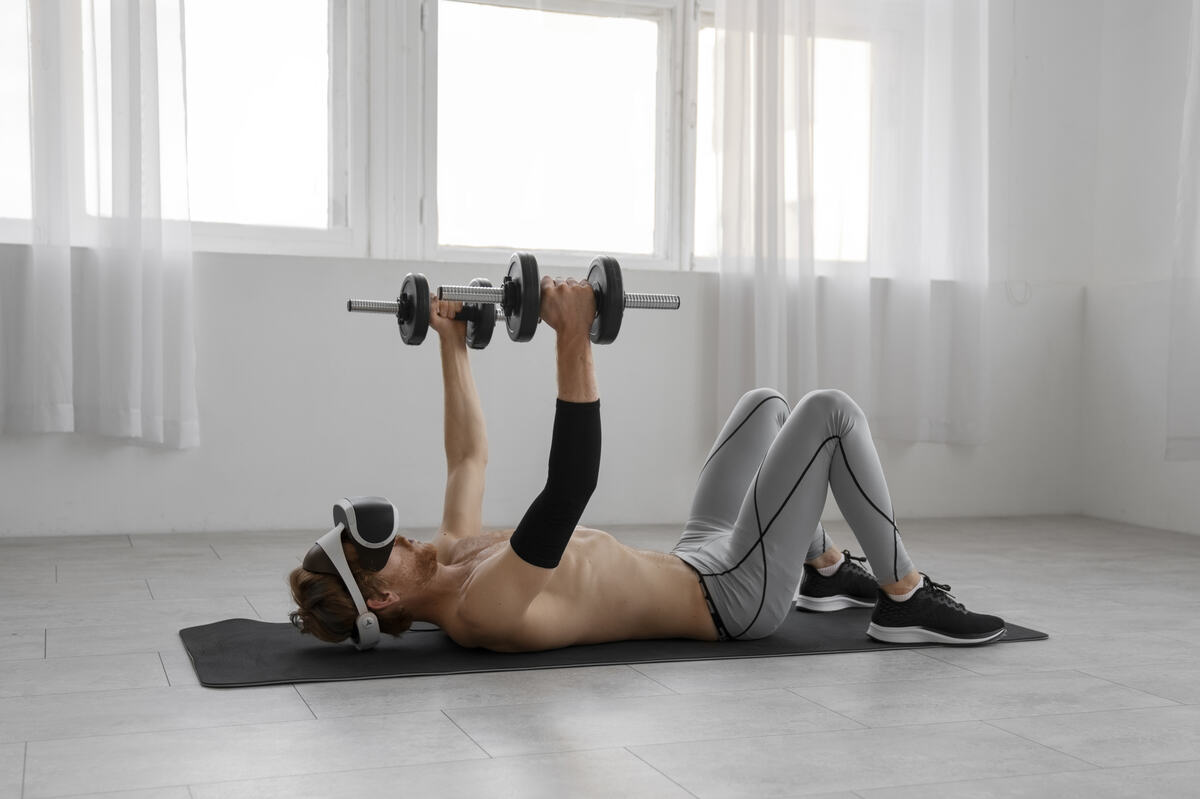
1. Dumbbell Bench Press

Dumbbell Bench Press is staple in any chest workout. This exercise targets the entire pectoral muscle group while engaging your shoulders and triceps. By using dumbbells, you can ensure both sides of your body are working independently, preventing muscle imbalances.

Form Tips:

  • Lie flat on bench with your feet firmly planted on ground.
  • Hold dumbbells at chest level with palms facing forward.
  • Lower the dumbbells to a 90-degree bend in your elbows, keeping your core engaged to protect your lower back.
  • Press the dumbbells back up until your arms are fully extended.

Benefits: Builds overall chest strength and size.

2. Dumbbell Flyes

Dumbbell Flyes are excellent isolation exercise for targeting pectorals. This movement stretches the chest muscle at the bottom of the motion, leading to better muscle definition.

Form Tips:

  • Begin by lying flat on bench, holding a dumbbell in each hand with slight bend in your elbows.
  • Lower dumbbells to the sides of your body in an arc, maintaining the slight elbow bend.
  • Squeeze your chest to bring dumbbells back together at the top.

Benefits: Excellent for chest isolation and muscle definition.

3. Incline Dumbbell Press

The Incline Dumbbell Press is your go-to move for targeting the upper part of the chest. It helps build the clavicular head of the pectorals, providing a well-rounded chest development.

Form Tips:

  • Set the bench at 30-45 degree angle.
  • Hold dumbbells above your chest, with your palms facing forward.
  • Lower weights slowly until your elbows are at about a 90-degree angle.
  • Press the dumbbells upward while keeping your shoulder blades pinched together.

Benefits: Focuses on the upper chest, helping to create a more defined and rounded look.

4. Dumbbell Pullover

A unique exercise that targets both the chest and back muscles, the Dumbbell Pullover helps expand your rib cage and enhance your chest development.

Form Tips:

  • Lie across bench with only your upper back and shoulders supported.
  • Hold a dumbbell with both hands and extend it over your chest.
  • Slowly lower dumbbell back over your head in a controlled motion, feeling a stretch in your chest.
  • Bring the dumbbell back to the starting position, engaging your chest muscles.

Benefits: Stretches the chest muscles and activates the lats.

5. Squeeze Press

This exercise isolates the inner chest, helping to build the muscle fibres responsible for chest thickness.

Form Tips:

  • Lie flat on a bench & hold two dumbbells with palms facing each other.
  • Squeeze the dumbbells as hard as you can while pressing them upward.
  • Lower the weights back to chest level, maintaining the squeeze throughout the movement.

Benefits: Targets the inner chest, promoting thickness and muscle engagement.

6. Dumbbell Push-up

Incorporating push-ups into your dumbbell workout adds a bodyweight element that enhances chest and core strength. Performing push-ups with hands-on dumbbells allows for a more excellent range of motion and profound muscle activation.

Form Tips:

  • Place a pair of dumbbells on the floor and get into a push-up position.
  • Lower your chest to the floor, ensuring your elbows stay at about a 45-degree angle to your body.
  • Push back up to starting position, keeping your body in straight line from head to heels.

Benefits: Combines the advantages of push-ups with increased range of motion and chest activation.

Additional Effective Dumbbell Chest Exercises

  • Decline Dumbbell Bench Press: Targets the lower part of the chest for a complete upper body workout.
  • One-Arm Dumbbell Bench Press: Adds an element of stability, forcing your core to engage more for balance.
  • Alternating Dumbbell Bench Press: Focuses on unilateral chest strength, allowing you to correct imbalances.
  • Dumbbell Floor Press: A safer alternative to the bench press, particularly for beginners or those with shoulder issues.

Chest Exercises with DumbbellsHow to Structure Your Dumbbell Chest Exercises

Consider structuring your workout with compound and isolation exercises for optimal chest development. Here’s a sample chest workout:

  1. Warm-up: 5-10 minutes of light cardio or dynamic stretching.
  2. Main Workout: Perform 3-4 sets of 8-12 reps for each of the following:
    • Dumbbell Bench Press (Compound Movement)
    • Incline Dumbbell Press (Upper Chest Focus)
    • Dumbbell Flyes (Isolation)
    • Dumbbell Pullover (Chest & Back Focus)
    • Dumbbell Push-ups (Bodyweight + Dumbbell)
  3. Cool Down: Stretch your chest and arms to increase flexibility and prevent soreness.

Rest Between Sets: 60-90 seconds for muscle growth or longer for strength-focused sets.

Final Thoughts

Incorporating these chest exercises into your routine will help you develop a muscular, defined chest. Whether you’re a beginner or an advanced lifter, dumbbells provide the flexibility to challenge your Chest Exercises in various ways. Start with basic exercises & gradually incorporate more advanced moves as you gain strength and confidence.

Tags: ,

Best Adductor Exercises to Strengthen Your Inner Thighs and Improve Mobility

The adductor muscles in the inner thigh play a crucial role in hip stability, mobility, and overall lower body strength. Whether you’re an athlete looking to enhance agility or someone aiming for balanced leg development, incorporating adductor exercises into your routine is essential. This guide will explore the best adductor exercises, their benefits, and how to incorporate them effectively.

Why Strengthen the Adductors?

Strong adductor muscles contribute to:

Enhanced Athletic Performance – Crucial for lateral soccer, basketball, and tennis movements.

Injury Prevention – Weak adductors are linked to groin strains and knee instability.

Improved Hip Mobility – Essential for deep squats, lunges, and dynamic movements.

Better Balance and Stability – Supports proper posture and movement mechanics.

Adductor ExercisesBest Adductor Exercises for Strength and Mobility

1. Bodyweight Adductor Exercises

🔹 Side Lunge: Step laterally, keeping one leg straight while bending the other knee. This exercise engages adductors while improving mobility.

🔹 Cossack Squat – A deep lateral squat that increases flexibility and strengthens the inner thighs.

🔹 Frog Stretch – A deep stretch targeting the adductors and groin, ideal for improving mobility.

🔹 Butterfly Stretch – Sit with the soles of your feet together and gently push your knees down.

2. Resistance-Based Adductor Exercises

🔹 Cable Hip Adduction – Attach an ankle strap and bring your leg toward your midline for isolated adductor engagement using a cable machine.

🔹 Sumo Deadlift – A more expansive stance deadlift variation that places more emphasis on inner thighs.

🔹 Dumbbell Sumo Squat – A deep squat with a wide stance that strengthens adductors and glutes.

🔹 Seated Leg Press (Wide Stance) – Position feet wider than shoulder-width apart to emphasize the adductors.

3. Dynamic and Stability Exercises

🔹 Copenhagen Plank – One of the best exercises for inner thighs, requiring you to support your weight on one leg while in a side plank.

🔹 Lateral Bound – Jump side to side, focusing on power and adductor activation.

🔹 Lateral Cone Hops – Quick, explosive lateral hops to improve agility.

🔹 Standing Leg Circles – Engages the adductors while enhancing hip mobility.

Sample Adductor Workout Routine

Exercise Sets Reps Equipment
Side Lunge 3 12 per leg Bodyweight
Cable Hip Adduction 3 10 per leg Cable Machine
Copenhagen Plank 3 30 sec per side Bodyweight
Dumbbell Sumo Squat 3 10-12 Dumbbells
Lateral Bound 3 10 per side Bodyweight
Frog Stretch 2 30 sec hold None

💡 Tip: Perform these exercises 2-3 times weekly, progressively increasing resistance for strength gains.

Common Mistakes to Avoid

🚫 Using Poor Form – Ensure knees track over toes during squats and lunges.

🚫 Neglecting Flexibility – Include dynamic and static stretches to prevent stiffness.

🚫 Skipping Unilateral Exercises – Single-leg movements help correct muscular imbalances.

🚫 Ignoring Progressive Overload – Increase resistance gradually to keep making progress.

Final Thoughts

Adductor exercises are essential for leg strength, mobility, and injury prevention. You can build muscular and functional inner thighs by incorporating a mix of Bodyweight, resistance-based, and dynamic movements. Whether you’re an athlete or a fitness enthusiast, these exercises will enhance hip stability, balance, and overall performance.

Tags: , ,

Fire Hydrant Exercises: Boost Glute Strength, Hip Mobility

Fire hydrant exercises, also known as quadruped hip abductions, are a deceptively simple yet profoundly effective movement that enhance gluteal strength, improve hip mobility, and build lower body stability. As a no-equipment, bodyweight exercise, fire hydrants are accessible to all, from beginners to seasoned athletes. Their primary target—the gluteus maximus—is pivotal for postural support, athletic functionality, and injury prevention.

How To Do Fire Hydrant Exercises

The fire hydrant exercise is grounded in biomechanical simplicity but demands precision for optimal effect.

Fire Hydrant ExerciseStep-By-Step Guide

1. Starting Position:

  • Position yourself on all fours (quadruped position).
  • Align hands directly beneath shoulders and knees beneath hips.
  • Maintain a neutral spine. Engage the core by slightly tucking the pelvis.
  • Eyes should face the floor to keep the cervical spine in alignment.

2. Lifting the Leg:

  • Bend one knee at 90 degrees.
  • Abduct (lift) the leg outward to the side to approximately a 45-degree angle.
  • Keep hips square; do not tilt or rotate the pelvis.

3. Returning to Start:

  • Lower the leg back with control.
  • Avoid sudden drops—this is where the muscle engagement is refined.

Recommended Reps and Sets:

  • 3 sets of 15 repetitions per leg are ideal for neuromuscular activation and strength development.

Key Form Tips

  • Engage the core: Prevents lumbar hyperextension and isolates the hip movement.
  • Do not rotate the torso: Rotation dilutes glute activation.
  • Foot orientation: Keep your foot slightly pointed down for correct glute engagement.

Benefits Of Fire Hydrant Exercises

Fire hydrant exercises deliver a multitude of performance and therapeutic advantages:

1. Glute Activation and Strength

The fire hydrant isolates the gluteus maximus, enhancing functional strength and muscular hypertrophy. Regular practice supports posture, athleticism, and aesthetic toning.

2. Improved Hip Mobility

The movement targets the hip abductors, including the gluteus medius and minimus, and amplifies lateral hip mobility. This is crucial for squatting, sprinting, and stair climbing.

3. Injury Prevention

Weak glutes are a common source of kinetic chain dysfunction. Strengthening this region:

  • Reduces knee valgus risk
  • Stabilizes pelvic alignment
  • Minimizes lumbar strain

4. Core Stability Enhancement

The static core engagement necessary during each rep enhances spinal integrity and builds deep abdominal strength, preventing back pain and promoting better balance.

Fire Hydrant Variations For Increased Challenge

To avoid muscular adaptation and plateaus, consider advancing your routine with these progressive fire hydrant modifications:

1. Fire Hydrant With Resistance Band

  • Loop a resistance band just above your knees.
  • Maintain constant tension during each rep.
  • This increases the mechanical load on the abductors and glutes.

2. Fire Hydrant With Ankle Weights

  • Strap on 1–2 lb ankle weights.
  • Progressively increase as strength improves.
  • Enhances muscular endurance and strength under isotonic resistance.

3. Fire Hydrant Kick

  • After lifting your leg, extend it fully outward in a controlled “kick.”
  • Engages hip flexors and outer thigh musculature.

4. Fire Hydrant Pulses

  • Keep the leg elevated at the peak position.
  • Perform rapid, small amplitude pulses.
  • Increases time under tension, leading to greater hypertrophy.

5. Fire Hydrant With Hand Lift

  • Remove the contralateral hand from the ground.
  • Challenges core and shoulder stability.
  • Improves proprioception and neuromuscular control.

6. Standing Fire Hydrant

  • Stand with knees slightly bent.
  • Lift one knee laterally while maintaining an upright posture.
  • Removes pressure from wrists and builds functional glute strength.

Alternative Exercises For Glute And Hip Activation

To maximize lower body development, incorporate a variety of exercises that stimulate similar muscular regions:

Fire Hydrant Exercise1. Bent Knee Hip Extensions

  • Start in the quadruped position.
  • Raise one leg with a 90-degree bent knee.
  • Emphasizes gluteal contraction at end range.

2. Clamshell Exercise

  • Lie on your side, knees bent.
  • Keep feet touching while lifting the top knee.
  • Activates gluteus medius and reinforces pelvic stability.

3. Side Leg Raise

  • Stand tall, then lift one leg laterally.
  • Keep the motion slow and controlled.
  • Enhances abductor strength and balance training.

Final Thoughts

The fire hydrant exercise remains one of the most potent, equipment-free strategies for building a stable, strong lower body. It transcends traditional gym routines by enhancing glute activation, hip mobility, and core stabilization in a single movement. Its adaptability—from resistance bands to advanced pulses—ensures continued progression and muscular development.

Tags: , ,

20 Different Types of Exercises to Boost Strength, Endurance, and Flexibility

Staying active is important for preserving good health, improving cardiovascular endurance, building muscle strength, and enhancing flexibility. Whether you prefer bodyweight exercises, weightlifting, or outdoor activities, incorporating a variety of movements into your routine ensures balanced fitness.

Below, we explore 20 Different Types of Exercises categorized into cardiovascular endurance, strength training, and flexibility workouts. Each exercise targets specific muscle groups & contributes to overall fitness.

20 Different Types of Exercises

Cardiovascular Endurance Workouts

Cardio exercises improve heart health, stamina, and lung capacity while burning calories. These workouts are great for weight loss and boosting endurance.

1. Jumping Rope

A classic and effective aerobic exercise, jumping rope strengthens the heart, improves coordination, and enhances agility. This high-intensity workout also aids in weight loss and increases bone density.

20 Different Types of Exercises2. Cycling

One of the best low-impact cardiovascular exercises, cycling strengthens the legs, improves joint mobility, and enhances endurance. Whether outdoors or on a stationary bike, it’s an excellent calorie-burning workout.

20 Different Types of Exercises3. Brisk Walking

Unlike casual strolling, brisk walking (around 3-4.5 mph) raises the heart rate, burns fat, and strengthens the lower body. It’s a tremendous beginner-friendly alternative to running.

20 Different Types of Exercises4. Stair Climbing

Taking the stairs makes it easy to engage multiple muscle groups while improving cardiovascular health. It enhances leg strength, glute activation, and endurance while reducing the risk of heart disease.

20 Different Types of Exercises5. Aerobics

High-energy aerobics workouts—like Zumba or step aerobics—improve cardiovascular fitness, flexibility, and balance while making exercise fun and engaging.

20 Different Types of Exercises6. Dancing

Whether salsa, hip-hop, or ballet, dancing improves coordination, burns calories, and enhances flexibility. It’s also a stress-relieving and enjoyable way to stay active.

20 Different Types of Exercises7. Swimming

Swimming is a full-body, low-impact cardio exercise that increases lung capacity, builds endurance, and strengthens muscles. It’s ideal for individuals with joint pain or arthritis.

20 Different Types of Exercises8. Mountain Climbers

This high-intensity bodyweight exercise mimics the movement of climbing and is excellent for cardio conditioning, core strength, and fat burning.

20 Different Types of Exercises9. Burpees

A staple in circuit training, burpees combine strength and endurance by incorporating squats, push-ups, and jumps into one explosive movement.

20 Different Types of Exercises10. Rowing

Using a rowing machine or engaging in water rowing provides a full-body workout, building endurance while strengthening the core, arms, and legs.

20 Different Types of ExercisesStrength Training Exercises

Building muscle is essential for boosting metabolism, enhancing bone density, and preventing injuries. Strength exercises can be done using bodyweight movements or lifting weights.

11. Chair Squat

Chair squats are a beginner-friendly squat variation that targets the glutes, hamstrings, and quadriceps while improving balance and mobility.

20 Different Types of Exercises12. Push-ups

Push-ups are among the best upper-body exercises, working the chest, shoulders, triceps, and core. Beginners can modify with knee push-ups.

20 Different Types of Exercises13. Bridge Exercise

The bridge exercise strengthens your glutes, hamstrings, and lower back. It also improves posture and core stability.

20 Different Types of Exercises14. Jumping Lunges

Adding a jump to traditional lunges increases intensity, improving lower-body power, balance, and agility.

20 Different Types of Exercises15. Squat Jumps

This explosive plyometric exercise builds lower-body strength, enhances speed, and boosts cardiovascular endurance.

20 Different Types of Exercises16. Lifting Weights

Weightlifting helps build muscle mass, increases metabolism, and strengthens bones. Beginners can start with dumbbells or resistance bands.

20 Different Types of Exercises17. Bird Dog Exercise

This core and stability exercise enhances coordination, strengthens the lower back, and improves posture.

20 Different Types of Exercises18. Dead Bug Exercise

A popular core-strengthening movement, the dead bug exercise improves stability and strengthens the abdominal muscles and lower back.

20 Different Types of Exercises19. The Contralateral Limb Raises

This full-body exercise improves balance and strengthens the core, back, and legs by engaging opposite limbs.

20 Different Types of ExercisesFlexibility and Balance Workouts

Improving flexibility prevents injuries and enhances overall movement. Balance exercises also help with coordination and stability.

20. Yoga

Yoga combines breath control, strength, and stretching to enhance flexibility and reduce stress. Poses like the plank to downward dog improve core strength and mobility.

20 Different Types of ExercisesHow to Incorporate These Exercises into Your Routine

For best results, combine different types of exercises throughout the week:

  • Cardio workouts (e.g., cycling, swimming, jumping rope) 3-5 times per week
  • Strength training (e.g., push-ups, squats, lifting weights) 2-3 times per week
  • Flexibility & balance exercises (e.g., yoga, Pilates) at least 2 times per week

Final Thoughts

Regular exercise improves physical and mental well-being, reduces the risk of chronic diseases, & enhances overall fitness. Whether you prefer circuit training, weightlifting, or outdoor activities, the key is staying consistent and choosing exercises that you enjoy.

Tags: , , , ,

Ultimate Guide to Pilates and Effective Types of Workouts for Strength, Flexibility, and Fitness

In the fitness world, trends come, but some workouts have stood the test of time. Among these, Pilates has gained significant attention in recent years, especially with social media platforms fueling the rise of what’s been coined “Pilates arms.” While getting caught up in these trends is easy, it’s essential to take a step back and focus on the broader landscape of workouts that can help you build strength, enhance flexibility, and improve overall fitness. In this blog, we’ll look deeper at Pilates while exploring other highly effective Types of Workouts, from yoga and strength training to high-intensity interval training (HIIT) and cardio exercises.

What Is Pilates and Why Has It Gained Popularity?

Pilates is a low-impact, resistance-based exercise routine that builds core strength, flexibility, and body awareness. It uses controlled movements and breathwork to engage the muscles, particularly the trunk and limbs. As seen in the case of celebrities like Miley Cyrus, Pilates can contribute to arm strength and muscle toning. However, it’s important to note that no single workout type will “target” specific body parts in the way many social media trends suggest. Much like strength training, Pilates helps build muscle and increase flexibility, but achieving visible results in any body area also requires a combination of fat loss and overall muscle growth.

Types of WorkoutsComplementing Pilates with Other Types of Workouts

While Pilates is beneficial for improving flexibility and strength, it’s even more effective when combined with other forms of exercise. Whether you aim to improve cardiovascular fitness, increase muscle mass, or boost overall endurance, incorporating a variety of workouts into your fitness routine is key to reaching your goals. Let’s dive into other popular types of workouts you can try alongside Pilates:

High-Intensity Interval Training (HIIT)

HIIT is workout method that alternates short bursts of intense exercise with periods of low-intensity exercises. It’s known for improving cardiovascular health, burning fat, and boosting endurance. When combined with Pilates, HIIT can provide a balanced fitness routine that improves strength and cardiovascular fitness. You can even incorporate HIIT intervals into Pilates routines for an added challenge.

Yoga

Yoga is ancient practice focusing on strength, mindfulness. Much like Pilates, yoga enhances flexibility, balance, and mental clarity. Incorporating yoga into your routine will complement Pilates’s flexibility benefits, improving your range of motion and helping to prevent injury. In addition, yoga’s focus on breathwork can enhance Pilates performance by teaching you to control your breath while performing movements.

Strength Training

Strength training aims to build muscle mass by using resistance exercises.While Pilates involves some resistance-based movements, incorporating more targeted strength training, such as weightlifting or resistance bands, can help you build stronger muscles, including those in your arms. Combining Pilates with strength training exercises will give you a well-rounded approach to toning your body and increasing muscle strength.

Cardio Workouts

Cardio exercises like running, cycling, swimming, and brisk walking are essential for improving heart health & burning calories. Though Pilates provides an excellent foundation for muscle development and flexibility, incorporating cardiovascular exercises into your routine will ensure you build muscle and burn fat, leading to a leaner physique. Cardio is an excellent addition to your Pilates regimen to help with fat loss and overall fitness.

Dance Workouts

Dance-based exercises, such as Zumba or other forms of dance fitness, are fun and incredibly effective for improving coordination, cardiovascular endurance, and flexibility. Many Pilates enthusiasts also enjoy dance to keep workouts fresh and exciting while working out to music. Adding dance to your routine can also help improve balance and coordination, which are crucial components of Pilates exercises.

Functional Training

Functional training focus on exercises that mimic everyday movements & enhance your body’s ability to perform daily tasks. These exercises, such as squats, lunges, and kettlebell swings, can complement Pilates by improving strength and balance. Functional training helps build overall muscle stability, making your Pilates workouts even more effective.

Aqua Aerobics

For those who prefer low-impact exercises, aqua aerobics can be a fantastic complement to Pilates. The water provides resistance, making it easier on the joints while providing a full-body workout. Aqua aerobics enhances cardiovascular health, flexibility, and muscle endurance without the high risk of injury that some other workouts may have.

Key Benefits of a Balanced Workout Routine

Combining different types of workouts into your fitness routine has several advantages:

  • Comprehensive Fitness: A well-rounded routine that includes Pilates, cardio, strength training, & flexibility exercises helps improve all aspects of fitness, from strength to endurance.
  • Variety and Enjoyment: Switching up your workout routine with different exercises keeps things exciting & prevents boredom, making it easier to stick to your goals.
  • Balanced Muscle Development: While Pilates builds muscle strength and flexibility, other workouts like strength training and HIIT focus on increasing muscle mass, improving fat loss, and boosting endurance.

Types of WorkoutsConclusion

No matter your fitness goal, embracing various types of workouts, including Pilates, will help you achieve a balanced, functional, and healthy body. While the concept of “Pilates arms” may seem appealing, it’s important to remember that the ideal body is unique to each person. Pilates can help you build strength & flexibility. Still, for a holistic approach to fitness, it’s essential to complement it with other forms of exercise like HIIT, cardio, strength training, and dance. With consistency and the right approach, you’ll be well on your way to achieving your fitness goals.

Tags: , ,