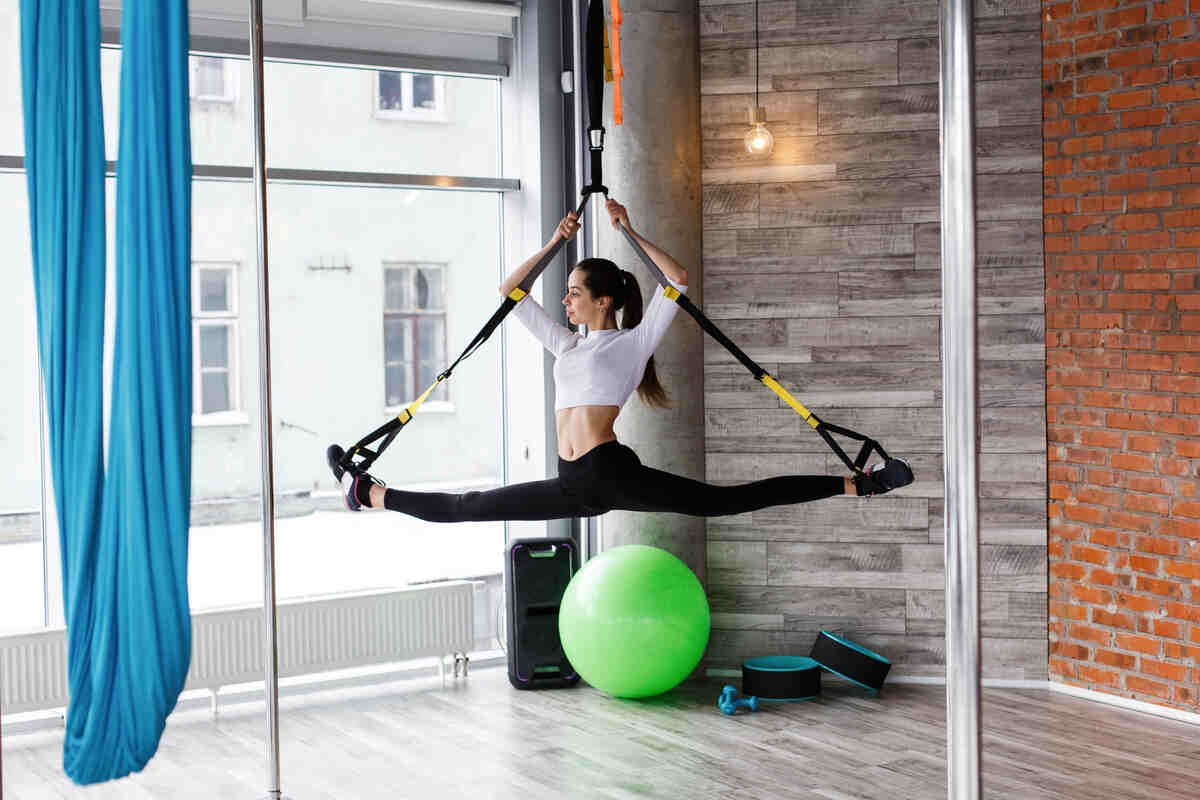
Tag: Fitness

Chandelier Exercise: A Fun Full-Body Workout to Boost Strength, Endurance, and Coordination

Are you seeking a fun, unique, and highly effective way to spice up your fitness routine? Look no further than chandelier exercise! No, it’s not about hanging from an actual chandelier but instead performing a dynamic, full-body move that tones muscles, improves coordination, and boosts cardiovascular endurance. Let’s explore everything you need to know about the chandelier exercise, its benefits, and how to incorporate it into your workout routine.

What is the Chandelier Exercise?

The chandelier exercise is a simple yet powerful move that targets multiple muscle groups in one fluid motion. It’s commonly used in functional training programs emphasizing core strength, flexibility, and full-body engagement. By mimicking a chandelier’s graceful, swaying motion, this exercise involves coordinated arm swings and body pivots that engage your core, arms, legs, and shoulders.

Chandelier ExerciseWhy Should You Add the Chandelier Exercise to Your Routine?

You might wonder, “Why should I bother with the chandelier exercise?” The answer is simple: it offers a full-body workout with numerous benefits. Here are a few reasons why you should consider adding this exercise to your fitness regime:

  • Full-Body Engagement: The chandelier exercise engages multiple muscle groups, including your arms, legs, shoulders, and core. This makes it efficient to work your entire body in one move.
  • Improved Coordination: The exercise involves fluid, controlled movements, so it’s perfect for improving your coordination and balance over time.
  • Boosted Endurance: This dynamic move gets your heart pumping, helping you build cardiovascular endurance while enhancing your stamina.
  • Low Impact: Unlike high-impact exercises such as jumping or running, the chandelier exercise is gentle on your joints, making it an good option for individuals looking for a low-impact full-body workout.

How to Perform the Chandelier Exercise

Ready to give the chandelier exercise a try? Follow these easy-to-follow steps to perform this dynamic move:

Step 1: Start in a Standing Position

Start by standing straight with your feet positioned shoulder-width apart. Extend your arms before you, keeping your posture straight and your core engaged.

Step 2: Swing Your Arms

Reach both arms overhead as if trying to touch a chandelier. Slowly and with control, bring your arms down, leading with your hands, lowering them to shoulder height.

Step 3: Pivot and Move Your Feet

As you lower your arms, pivot your feet and rotate your body in a smooth, circular motion. Your movement should feel fluid and graceful like a chandelier gently swaying in the wind.

Step 4: Repeat the Motion

Continue moving your arms and body in a circular, fluid pattern. Coordinate your arm and leg movements while maintaining good posture & engaging your core throughout the exercise.

Step 5: Increase Intensity (Optional)

You can add weights or increase your speed to intensify the chandelier exercise. This will help you build more strength & endurance over time.

Tips for Getting the Most Out of Your Chandelier Exercise

For the best results, here are a few tips to keep in mind as you practice the chandelier exercise:

  • Focus on Control: Instead of rushing through the movement, focus on controlled, deliberate motions. This will ensure you’re correctly engaging the target muscles.
  • Engage Your Core: Make sure your core remains active throughout the exercise. This will improve balance and help you maintain proper posture.
  • Start Slow: If you’re new to this exercise, start at a slow pace. Gradually increase speed & intensity as you become more comfortable with the movement.
  • Combine with Other Moves: To create a more challenging workout, combine the chandelier exercise with squats, lunges, or push-ups.

Benefits of the Chandelier Exercise

The chandelier exercise is more than just a fun move—it has various benefits for your fitness journey. Here’s why you should consider adding it to your routine:

  • Strengthens Key Muscle Groups: By engaging the upper and lower body, the chandelier exercise helps strengthen essential muscles, including your arms, legs, and core.
  • Improves Balance and Flexibility: The flowing, circular movements promote better balance and flexibility over time, making this exercise an excellent choice for individuals looking to improve their overall body control.
  • Boosts Cardiovascular Health: As a dynamic, full-body exercise, the chandelier move helps get your heart rate up, improving your cardiovascular endurance.
  • Low-Impact Alternative: If you’re seeking a low-impact exercise that still delivers great results, the chandelier exercise is an excellent option that puts less stress on your joints.

Chandelier ExerciseConclusion

The chandelier exercise is a fun and effective full-body workout that provides many benefits, from improved coordination and balance to strengthened muscles and increased cardiovascular endurance. Whether you’re beginner or seasoned fitness enthusiast, this exercise can be modified to suit your needs.

So why not give it a try? Add the chandelier exercise to your workout routine today and start enjoying the benefits of this dynamic, low-impact move. You’ll be amazed at how it challenges your body and leaves you feeling more potent than ever!

Tags: ,

Top 5 Tech Neck Exercises to Relieve Strain and Improve Posture Naturally

The term “tech neck” has become increasingly common in our technology-driven world. This modern ailment refers to the strain and premature aging of the neck caused by prolonged use of devices like smartphones, tablets, and laptops. If you look down at screens for hours each day, it’s time to pay attention to your posture and consider Tech Neck Exercises as part of your daily routine.

What is Tech Neck?

Tech neck, or text neck, occurs when you spend extended periods looking down at electronic devices. This repetitive strain can lead to:

  • Muscle stiffness and discomfort.
  • Premature skin aging, including fine lines and sagging.
  • A forward head posture puts additional stress on the cervical spine.

Fortunately, addressing tech neck doesn’t require invasive treatments or expensive gadgets. Regularly practicing tech neck exercises can alleviate discomfort and improve neck posture.

tech neck exercisesTop 5 Tech Neck Exercises to Restore Your Neck’s Health

Incorporating these simple exercises into your daily routine can help combat the effects of tech neck:

Chin Tucks

This foundational exercise strengthens neck muscles and promotes proper alignment.

  1. Sit or stand up straight with your shoulders relaxed.
  2. Gently tuck your chin as if making a double chin.
  3. Hold the position for 5 seconds and release.
  4. Repeat 10 times.

tech neck exercisesNeck Flexor Stretch

This exercise targets deep neck flexor muscles, reducing tension.

  1. Place your fingers on your chin.
  2. Push your chin gently backward while keeping your neck straight.
  3. Hold for 10 seconds & repeat 5 times.

tech neck exercisesThe “Kiss the Sky” Stretch

This movement strengthens the platysma muscle and improves skin elasticity.

  1. Tilt your head back to look up at the ceiling.
  2. Pucker your lips as if you’re trying to kiss the sky.
  3. Hold for 5 seconds and relax.
  4. Perform 10 repetitions daily.

tech neck exercisesSide Neck Stretch

This exercise alleviates tension caused by poor posture.

  1. Sit upright and tilt your head to one side, bringing your ear toward your shoulder.
  2. Hold for 15-20 seconds, feeling the stretch on the opposite side of your neck.
  3. Repeat on the other side, completing three sets per side.

tech neck exercisesScreen Eye Level Adjustment

Although not an exercise, adjusting the position of your devices can prevent tech neck from worsening. Ensure your screen is at eye level, and take regular breaks every 20 minutes to reset your posture.

tech neck exercisesThe Importance of Prevention and Ergonomics

In addition to practicing tech neck exercises, preventive measures play a crucial role:

  • Ergonomic Workstations: Set up your desk with an adjustable chair, monitor stand, and external keyboard.
  • Frequent Breaks: Practice the 20-20-20 rule: every 20 minutes, look at something 20 feet away for 20 seconds.
  • Supportive Sleep Position: Use a pillow that supports the natural curve of your neck.

Enhance Results with Neck Care and Lifestyle Changes

Combining exercises with a holistic neck care routine ensures the best results:

  • Hydration: Keep your skin supple and hydrated to reduce the appearance of fine lines.
  • Skincare: Use serums with peptides or retinol to boost collagen production in the neck area.
  • Massage: Incorporate gentle neck massages to improve circulation and relax strained muscles.

Why You Should Start Today

Ignoring tech neck can lead to chronic discomfort, decreased mobility, and early signs of aging. The good news? Incorporating tech neck exercises and making ergonomic adjustments can reverse the damage and strengthen your neck muscles. You can protect your posture and maintain a youthful, pain-free neckline in just a few minutes a day.

Tags: , ,

7 Exercises to Do EveryDay for Weight Loss, Fitness, and Mental Health

Staying active is essential for overall well-being, and finding ways to make exercise regular part of your life can have significant mental and physical health benefits. Whether you’re a beginner or an experienced athlete, creating workout routine that fits your lifestyle & goals is crucial. In this post, we’ll discuss some of the best 7 exercises to do everyday, how to build workout routine that works for you, & how exercise can improve your mental health.

7 Best Exercises for Beginners

Embarking on a fitness journey can feel overwhelming, but starting with simple and accessible exercises is key to building a strong foundation. Here are seven great exercises for beginners that will help you improve your overall fitness:

Brisk Walking

Walking is one of the easiest and most effective exercises to start with. It requires no special equipment and can be done virtually anywhere. Aim for 30 minutes of brisk walking. This exercise helps improve cardiovascular health, increases stamina, and is gentle on the joints.

7 Exercises to Do EveryDayCycling

Cycling outdoors or on stationary bike is a fantastic low-impact workout. It strengthens the leg muscles, improves endurance, and is a great cardiovascular exercise. Cycling is ideal for beginners because adjusting the intensity to match your fitness level is easy.

7 Exercises to Do EveryDayBodyweight Squats

Squats are a great bodyweight exercise that targets your lower body, particularly the quadriceps, hamstrings, and glutes. Start with basic squats and ensure proper form. As you build strength, you can increase number of repetitions or add variations like squat pulses.

7 Exercises to Do EveryDayPush-Ups

Push-ups are a fundamental bodyweight exercise that engages your upper body, including the chest, shoulders, and triceps. If regular push-ups feel challenging, modify them by performing them on your knees or against wall. Start with a few reps and gradually increase the number as you get stronger.

7 Exercises to Do EveryDayLunges

Lunges target the lower body, especially the thighs, and glutes while improving balance and coordination. Start with bodyweight lunges and ensure your knees do not extend beyond your toes. As you gain strength & confidence, you can add weights or increase the number of sets.

7 Exercises to Do EveryDayPlank

The plank is good exercise for building core strength & stability. Hold the position for 10-20 seconds & gradually increase the duration as you build endurance. A strong core is vital for supporting your daily movements and overall fitness.

7 Exercises to Do EveryDay

How to Build a Workout Routine

Building a workout routine that suits your needs is key to achieving your fitness goals. Start by setting small, goals that can gradually increase. Here’s a step-by-step guide on how to build a workout routine:

Step 1: Determine Your Goals

Are you aiming to lose weight, enhance strength, or increase endurance? Determine your fitness goals for more effective workouts.

Step 2: Choose a Mix of Exercises

A balanced routine should include both cardio exercises and strength training. For example, you can alternate between walking or running for cardio and weightlifting or bodyweight exercises for strength.

Step 3: Start Small

Don’t overwhelm yourself by trying to do too much too soon. Start with 20-30 minutes of daily exercise and gradually increase the duration and intensity.

Step 4: Stay Consistent

Consistency is key to seeing results. To start building a habit, try sticking to your routine for at least a few weeks.

Quick Exercises for Weight Loss

If weight loss is your goal, centring on exercises that boost your metabolism & burn calories quickly is essential. Here are some quick exercises that are effective for weight loss:

  • High-Intensity Interval Training (HIIT) involves alternating between short bursts of intense activity and rest periods. HIIT can be done with bodyweight exercises like jumping jacks, burpees, and mountain climbers.
  • Jump Rope: Great cardio workout that can burn many calories in 10-15 minutes.
  • Running or Brisk Walking: Both exercises are simple and effective for burning calories. You can vary your pace to increase the intensity and burn more calories.

Incorporating these quick exercises into your routine a few times a week will help you lose weight and improve cardiovascular health.

Best Exercises for Mental Health

Exercise doesn’t just benefit your body; it’s also essential for your mental health. Regular physical activity can reduce stress, anxiety, & symptoms of depression. Here are some of the best exercises for mental health:

  • Yoga: This ancient practice helps improve flexibility, reduce stress, and enhance mental clarity. Many studies show that yoga can be an effective tool for managing anxiety and depression.
  • Walking: A simple walk in nature can help clear your mind, reduce stress, & elevate your mood.
  • Tai Chi: Known for its slow, flowing movements, Tai Chi can help reduce anxiety & improve mindfulness.

These exercises are practical for improving mental health and gentle on the body, making them suitable for people of all fitness levels.

Exercises to Do Every Day

To experience the full benefits of regular exercise, aim to include some form of daily physical activity. Even if it’s just 15-30 minutes, a daily routine will improve your mood, energy levels, and overall health. Here are some examples of exercises to do every day:

  • Stretching: Start and end your day with stretches to increase flexibility and reduce muscle tension.
  • Core Workouts: Planks, sit-ups, and leg raises will help strengthen your core muscles.
  • Low-Impact Cardio: If you’re short on time, try low-impact cardio, like cycling or walking, to stay active without straining your joints.

Remember, the goal is to make exercise a part of your daily routine. Consistency is key to seeing long-term results.

Conclusion

Building a workout routine and incorporating the best exercises into daily life can significantly improve your mental and physical health. Start small, choose exercises that fit your fitness level, and stay consistent. Whether you aim to lose weight, reduce stress, or improve overall health, a balanced routine that includes cardio and strength exercises is essential.

By making exercise a daily habit, you’ll feel stronger physically and experience a boost in mental well-being. Don’t forget to listen to your body and adjust your routine as needed. Consistency is key to building long-term fitness and achieving your personal health goals.

Tags: , ,

Top Body Composition Exercises for Effective Fat Loss & Muscle Gain in 2025

As the new year approaches, many of us are setting fitness goals for 2025. Whether your goal is to lose weight or gain muscle, you may have heard of body recomposition. Unlike traditional approaches focusing solely on fat loss or muscle gain, body recomposition reduces body fat while increasing lean muscle mass. Achieving this balance requires thoughtful planning and specific body composition exercises to ensure you’re on the right track. In this blog, we’ll guide you through the fundamentals of body recomposition and highlight some essential exercises that will help you transform your physique in the new year.

What is Body Composition?

Body composition refers to the fat-mass ratio to lean mass. Lean mass includes everything that isn’t fat—muscles, bones, organs, and tissues. Understanding your body composition helps you get a clearer picture of your health beyond the number on the scale. Instead of focusing on weight loss, body composition exercises aim to decrease fat while increasing lean muscle, leading to a more toned and sculpted appearance.

What is Body CompositionThe Challenge of Body Recomposition

Achieving body recomposition isn’t easy. It involves two opposing goals: losing fat and gaining muscle. Fat loss requires a caloric deficit (burning more calories than you consume), while muscle gain requires caloric surplus (eating more calories than you burn). Balancing these can be tricky, but with the right approach, it’s entirely possible.

Key Components for Success:

  • Cardiovascular exercise: Helps burn fat and improve overall fitness.
  • Resistance (weight) training: Essential for building muscle and increasing strength.
  • Protein intake: Crucial for repairing & building muscle after strength training.

Why Weight Loss Isn’t the Goal—Fat Loss Is

When aiming for body recomposition, focusing on fat loss rather than weight loss is essential. This means you may gain some weight, but the goal is to reduce fat while building lean muscle. Muscle is denser than fat, meaning you could be physically more petite and toned while maintaining or increasing your weight. This is why the scale can be misleading—your body composition will change even if the number doesn’t shift significantly.

How Body Recomposition Works

Body recomposition is a gradual process that requires consistent effort. While traditional weight loss methods may involve extreme calorie deficits or long periods of cardio, body recomposition requires a balanced approach. Here’s how to achieve it:

  1. Cardiovascular Exercise for Fat Loss: Engaging in regular cardiovascular exercise, similar as running, cycling, or HIIT, helps burn calories and accelerate fat loss. Aim for 3–5 weekly cardio sessions to support your fat loss goals.
  2. Resistance Training to Build Muscle: Incorporating weight training into your routine is non-negotiable. Focus on compound movements similar as squats, deadlifts, and bench presses. These exercises target multiple muscle groups, ensuring maximum muscle growth.
  3. Protein Intake: Protein is essential for the recovery and growth of muscles. Aim to consume high-quality protein sources similar as chicken, fish, legumes, or protein powder to support muscle gain while losing fat. Aim to consume between 1.6 & 2.2 grams of protein per kilogram of body weight daily.

The Best Body Composition Exercises

While diet is crucial in body recomposition, exercise is just as important. Here are some effective body composition exercises to achieve your fitness goals:

Body Composition ExercisesSquats

Squats are a fundamental body composition exercise. They engage your lower body and core while also increasing overall strength. They target glutes, quadriceps, hamstrings, and lower back muscles. By adding weights, you challenge your muscles and stimulate muscle growth.

Deadlifts

Deadlifts are one of most effective exercises for building strength and muscle. They engage multiple muscle groups, legs, back, and core, and help to increase overall muscle mass. This compound movement will give you maximum fat loss and muscle gain benefits.

Push-Ups

Push-ups are great bodyweight exercise that targets the chest, shoulders, arms. Adding variations, similar as incline or decline push-ups, can increase the difficulty and challenge different muscle groups, making them a valuable part of any body composition plan.

Pull-Ups

Pull-ups are excellent for strengthening your back & arms. They work the latissimus dorsi, biceps, and forearms, helping to build lean muscle and increase upper body strength.

Lunges

Lunges help sculpt the legs and glutes, contributing to fat loss in the lower body while simultaneously building muscle. To increase the difficulty, add dumbbells for more resistance.

HIIT (High-Intensity Interval Training)

HIIT is a good way to burn fat while preserving muscle. This cardio-intensive workout combines short bursts of high-intensity exercise and brief rest periods. HIIT improves cardiovascular health, burns fat, and keeps your metabolism elevated after the workout.

Calorie Cycling: A Strategy for Body Recomposition

To successfully achieve body recomposition, you’ll need to implement calorie cycling, which involves adjusting your calorie intake based on your training and rest days. Here’s a breakdown:

  • Cardio Days: Consume maintenance-level calories to maintain a slight calorie deficit and promote fat loss.
  • Weight Training Days: Eat slightly above maintenance calories (5–15% more) to fuel muscle growth. Focus on increasing protein intake.
  • Rest Days: Consume fewer calories (5–10% below maintenance) to avoid fat storage.

Conclusion

Body recomposition is a long-term process that requires patience, consistency, and dedication. By focusing on body composition exercises such as squats, deadlifts, pull-ups, proper nutrition, and calorie cycling, you’ll be on your way to achieving your fitness goals in 2025. Remember, it’s not about the number on the scale; it’s about how your body changes and transforms over time.

Tags: , ,

2 Person Yoga Poses for Flexibility, Balance and Connection

Yoga has long been celebrated for its ability to harmonize the body and mind, but practicing yoga with a partner takes this ancient discipline to a new level. 2-person yoga poses are fun and engaging and strengthen trust, communication, and synchronization between participants. Whether you’re a beginner or an experienced yogi, partner yoga offers an enriching experience that blends fitness with bonding.

In this guide, we’ll explore a variety of 2 person yoga poses, highlighting the steps and benefits of each.

Why Practice 2 Person Yoga Poses?

Practicing yoga with a partner deepens physical and emotional connections while promoting mutual support. It requires participants to rely on each other for balance and alignment, fostering trust and teamwork.

Key benefits include:

  • Improved Flexibility: Leveraging a partner’s assistance helps achieve deeper stretches.
  • Enhanced Balance: Coordination with another person refines your equilibrium.
  • Strengthened Relationships: This practice builds communication and understanding.
  • Boosted Energy: The shared experience creates a sense of joy and motivation.

2 Person Yoga PosesBeginner-Friendly 2 Person Yoga Poses

Double Downward Dog

This pose is an excellent partner starting point, requiring cooperation and core strength.

Steps

  1. Partner 1 begins in a traditional downward dog position.
  2. Partner 2 places their hands on Partner 1’s lower back and carefully steps onto their hips to assume an inverted V-shape, aligning feet on their partner’s back.
  3. Both partners hold for 5–7 breaths before gently dismounting.

Benefits

  • Opens the shoulders and chest.
  • Strengthens the core and legs of both participants.

2 Person Yoga PosesSeated Forward Fold with Partner

This calming pose is ideal for stretching the hamstrings and lower back.

Steps

  1. Sit facing each other with your legs extended straight out in front of you and your feet touching.
  2. Hold hands and take turns leaning forward, gently pulling your partner into a deeper stretch.
  3. Switch roles after 5–7 breaths.

Benefits

  • Enhances flexibility in the hamstrings and spine.
  • Promotes relaxation and mindfulness.

2 Person Yoga PosesIntermediate 2 Person Yoga Poses

Partner Boat Pose

A playful pose that engages the core and improves balance.

Steps

  1. Sit facing each other, knees bent, with your toes touching.
  2. Hold hands and slowly lift your feet, bringing the soles together while extending your legs upward.
  3. Balance on your sit bones, maintaining the pose for 3–5 breaths.

Benefits

  • Strengthens the core and hip flexors.
  • Improves focus and synchronization.

2 Person Yoga PosesDouble Plank Pose

This poses challenges to strength and balance for both partners.

Steps

  1. Partner 1 assumes a standard plank position.
  2. Partner 2 carefully places their hands on Partner 1’s ankles and steps their feet onto Partner 1’s shoulders, forming an elevated plank.
  3. Hold the pose for 10 seconds before dismounting.

Benefits

  • Builds upper-body strength.
  • Enhances coordination and stability.

2 Person Yoga PosesAdvanced 2 Person Yoga Poses

Flying Bow Pose

An acrobatic pose requiring trust and precision.

Steps

  1. Partner 1 (the base) lies on their back and lifts their legs perpendicular to the floor.
  2. Partner 2 (the flyer) leans forward, placing their hips on Partner 1’s feet and extending their arms backward.
  3. The base supports the flyer’s weight while it lifts its chest and legs, resembling a bow shape.

Benefits

  • Enhances full-body strength.
  • Builds confidence and trust.

2 Person Yoga PosesDouble Warrior Pose

This standing pose emphasizes balance and symmetry.

Steps

  1. Stand side by side, facing the same direction, and hold each other’s wrists.
  2. Step forward with one leg into lunge position, making sure to keep your back leg straight.
  3. Extend your free arm overhead and gaze forward, maintaining the pose for five breaths before switching sides.

Benefits

  • Strengthens legs and arms.
  • Improves posture and coordination.

2 Person Yoga PosesTips to Enhance Your Partner Yoga Practice

  • Communication is Key: Talk through each movement to ensure mutual understanding.
  • Focus on Breathing: Synchronized breathing enhances flow and connection.
  • Practice Patience: Mastering partner poses takes time; enjoy the process.

Embrace Connection Through Partner Yoga

2 person yoga poses are more than just physical exercises—they’re opportunities to build deeper connections with a partner while enhancing strength, balance, and flexibility. From beginner-friendly stretches to advanced acrobatics, partner yoga offers something for everyone. Whether you’re practicing with a friend, family member, or significant other, these poses create a harmonious blend of fitness and fun.

Tags: , ,

Top Upper Body Cardio Exercises to Boost Your Heart Rate

When most people think of cardio, they picture running, cycling, or jumping jacks. But did you know that upper body cardio exercises can be just as practical for elevating your heart rate and improving your fitness? These exercises torch calories and build strength and endurance in your arms, shoulders, and chest. In this post, we’ll explore the top upper body cardio exercises that can help you reach your fitness goals while maintaining things new and exciting.

Why Upper Body Cardio?

Upper body cardio exercises offer a unique way to boost heart health and burn calories while focusing on the arms, shoulders, chest, and back. These workouts are ideal for diversifying your fitness routine and providing a full-body workout. They can also be especially beneficial for people with lower body injuries or limitations, allowing them to maintain cardiovascular fitness without straining their legs. 

Incorporating upper body cardio into your workout routine offers several benefits:

  • Heart Health: These exercises challenge your cardiovascular system, helping to enhance circulation and lower the risk of heart disease.
  • Burn More Calories: By engaging muscles in your upper body, you increase calorie burn, leading to faster fat loss.
  • Balanced Strength: Strengthening your upper body helps maintain a balanced physique and improve overall functional fitness.

Best Upper Body Cardio Exercises to Try

Speed Punching

Speed Punching

Speed punching is a great way to elevate your heart rate while working your shoulders, arms, and core.

  • How to do it: Stand with your feet shoulder-width apart. Throw rapid punches in front of you, alternating arms. Keep your core engaged and maintain speed.
  • Duration: Perform for 30-60 seconds, rest for 30 seconds, and repeat for 3-5 rounds.

Battle Ropes

Battle Ropes

Battle ropes are an explosive way to pump your heart and engage your upper body.

  • How to do it: Stand with your feet shoulder-width apart and grip the ropes firmly. Alternating arms slam the ropes onto the ground with as much force as possible.
  • Duration: Go all out for 20-30 seconds, rest for 30-45 seconds, and complete 4-6 rounds.

Mountain Climbers (Arms Focus)

Mountain Climbers (Arms Focus)

Mountain climbers are traditionally known for their leg involvement, but when done with an emphasis on the arms, they give a great upper body workout.

  • How to do it: Get into a plank position with your hands shoulder-width apart. Drive one knee toward your chest, alternating legs quickly. Focus on stabilizing your upper body and shoulders.
  • Duration: Perform for 30-60 seconds, rest for 30 seconds, and repeat for 3-4 rounds.

Jump Rope (Upper Body Engagement)

Jump Rope (Upper Body Engagement)

While jump rope mainly targets the legs, focusing on your arm movements can turn this into an upper body cardio exercise.

  • How to do it: Grip the handles firmly, engaging your forearms, shoulders, and upper arms. Swing the rope with controlled but rapid movements.
  • Duration: Skip for 30-60 seconds, rest for 30 seconds, and repeat for 4-6 rounds.

Rowing Machine (Upper Body Focus)

Rowing Machine (Upper Body Focus)

The rowing machine is often overlooked as a cardio tool for the upper body. When done correctly, it provides an intense workout for your arms, shoulders, and back.

  • How to do it: Set the rowing machine resistance to moderate. Focus on pulling with your upper body rather than relying solely on your legs.
  • Duration: Row for 500 meters at a fast pace, rest for 60-90 seconds, and repeat for 3-5 rounds.

Tips for Maximizing Your Upper Body Cardio Workouts

Warm-Up Properly: Always start with 5-10 minutes of dynamic stretching or light cardio to prepare your muscles.

Keep Good Form: Speed is essential in cardio; maintaining proper form ensures you target the right muscles and avoid injury.

Progress Gradually: Start with shorter intervals and fewer rounds, then increase the intensity and duration as you build stamina.

Conclusion

Upper body cardio exercises are an excellent way to diversify your fitness routine and ensure you work for all muscle groups while improving heart health. Whether you’re speed punching, mastering the rowing machine, or slamming battle ropes, these exercises can help you unlock your full fitness potential.

Frequently Asked Questions (FAQs)

[rank_math_rich_snippet id=”s-6716c035-5e99-4834-bc31-a91d1e1f8f57″]

Tags: , , , , , , , , , , , , , ,

The Menopause Diet 5 Day Plan to Lose Weight

Menopause is a changing phase in a woman’s life that can come with a variety of physical and emotional changes. One of the most challenging aspects of menopause is weight gain, which can affect your self-esteem and overall health. Fortunately, a targeted approach to diet and lifestyle can help manage weight and improve your quality of life. In this detailed guide, we will explore the menopause diet 5 day plan to lose weight, offering you a comprehensive strategy for effective weight management during this significant life stage.

Understanding Menopause and Its Impact on Weight

What Is Menopause?

Menopause represents the end of a woman’s menstrual cycles and fertility, typically between 45 and 55. It is a natural biological process characterized by a decline in reproducing hormones, primarily estrogen and progesterone. Menopause is divided into three distinct stages:

Perimenopause

This transitional period can begin several years before menopause. Hormone levels fluctuate, and you might experience irregular periods, hot flashes, and mood swings. Perimenopause is a time for women to start paying attention to their health and make lifestyle adjustments.

Menopause

Officially defined as the point when you have not had a period for 12 consecutive months, menopause marks the end of your reproductive years. Symptoms can consist of hot flashes, night sweats, and changes in mood and libido.

Postmenopause

This is the stage after menopause, where symptoms may persist but generally begin to stabilize. Women in postmenopause may continue to experience symptoms but can benefit from lifestyle changes made during earlier stages.

Understanding these stages helps you tailor your diet and lifestyle to address specific symptoms and health goals.

How Menopause Affects Weight

Menopause can significantly impact your weight due to a combination of hormonal, metabolic, and lifestyle changes:

Hormonal Fluctuations

During menopause, estrogen falls decrease, leading to changes in fat distribution. Estrogen helps regulate fat storage and metabolism. Instead of accumulating around the hips and thighs, lower amounts of this hormone can induce fat to gather around the belly. This change in fat distribution raises the risk of diabetes and cardiovascular illnesses in addition to being a cosmetic concern.

Additional Insight: Estrogen also affects how your body processes glucose and fat. With reduced estrogen levels, insulin sensitivity can decrease. This can make losing weight and lead to weight gain more challenging.

Metabolic Slowdown

A decrease in metabolism is a natural part of ageing, but menopause exacerbates this process. Your basal metabolic rate (BMR), which determines how many calories you burn at rest, decreases as you age. During menopause, this reduction can be more pronounced due to hormonal changes.

Additional Insight: Exercise and nutrition can control metabolic slowing. Strength training increases muscle mass, and since muscle burns more calories than fat, it can assist in boosting metabolism.

Changes in Muscle Mass

Estrogen is crucial for maintaining muscle mass. As estrogen levels drop throughout menopause, you can gradually lose muscle, which might impede your metabolism and lead to weight gain.

Additional Insight: Regular resistance exercises, such as weight lifting or body-weight workouts, can help maintain and build muscle mass, thereby supporting a healthy metabolism.

Lifestyle Factors

Changes in lifestyle, including reduced physical activity, increased stress, and poor dietary choices, can also contribute to weight gain during menopause.

Additional Insight: Adopting a balanced diet and a consistent exercise routine can counteract these lifestyle changes. Also, managing stress through mindfulness practices can improve emotional wellbeing and weight management.

Why a Specialized Diet Plan for Menopause?

A diet plan tailored for menopause addresses specific nutritional needs and aims to alleviate menopause symptoms while supporting weight loss. The menopause diet 5 day plan to lose weight offers a focused approach to help you achieve your health goals by incorporating:

  • Hormone Balance: meals high in nutrients that help with hormone regulation and reduce symptoms like mood swings and hot flashes.
  • Metabolism Support: Foods that boost metabolic rate and promote fat loss.
  • Satiety and Satisfaction: Meals are designed to keep you full and satisfied, reducing the likelihood of overeating.
  • Overall Health: A diet that supports cardiovascular health, bone strength, and general wellbeing.

Additional Insight: A specialized diet plan for menopause addresses weight loss and promotes a holistic approach to health. It focuses on reducing inflammation, supporting heart health, and preventing osteoporosis, common concerns during menopause.

The menopause diet 5 day plan to lose weight: Detailed Breakdown

Day 1: Kickstart Your Weight Loss Journey

Breakfast: Greek Yogurt with Berries and Almonds

Greek yoghurt is rich in probiotics and protein, which support digestion and muscle maintenance. Berries are high in antioxidants, which help combat oxidative stress and inflammation. Almonds offer protein and good fats, which help with satiety and energy levels.

Lunch: Mixed greens, avocado, and grilled chicken salad

This meal combines lean protein from chicken, healthy fats from avocado, and a variety of vitamins and minerals from mixed greens. The healthy fats and high protein content help regulate hormones and manage hunger.

Dinner: Steamed broccoli and Quinoa with Baked Salmon

Omega-3 fatty acids, suitable for the heart and reducing inflammation, are abundant in salmon. Quinoa is a complete protein and a good source of fibre, while broccoli provides essential vitamins and antioxidants.

Snacks:

  • A small handful of walnuts for healthy fats and protein supports brain health.
  • A piece of fruit, like an apple or pear, for natural sweetness and fibre.

Tip: Begin your day with a protein-rich breakfast to kickstart your metabolism. A protein-rich meal helps stabilize blood sugar levels and keeps you feeling full longer.

Day 2: Focus on Fiber and Protein

Breakfast: Scrambled Eggs with Spinach and Tomatoes

Eggs offer high-quality protein and essential nutrients, while spinach and tomatoes provide fibre and vitamins. This breakfast supports muscle maintenance and digestive health.

Lunch: A Side of Mixed Greens Salad with Lentil Soup

Plant-based fibre and protein like lentils help keep your digestive system healthy and satisfy your hunger. A side salad increases nutrient content and promotes better hydration.

Dinner: Turkey Meatballs with Pasta Squash and Marinara Sauce

Turkey meatballs are lean protein sources, and spaghetti squash is a low-carb alternative to pasta. Marinara sauce adds flavour without excessive calories or sugars.

Snacks:

  • Carrot sticks with hummus are used to combine fibre and protein.
  • A small serving of cottage cheese for additional protein and calcium.

Tip: Incorporate fibre-rich foods like lentils and vegetables to support digestion and manage hunger. Fibre also helps keep up stable blood sugar levels.

Day 3: Emphasize Healthy Fats and Hydration

Breakfast: Smoothie with Spinach, Banana, and Chia Seeds

Spinach and banana offer a nutrient-dense start to your day, while chia seeds provide omega-3 fatty acids, which support heart health and hormone balance.

Lunch: Quinoa Salad with Chickpeas, Cucumbers, and Feta Cheese

This salad combines protein and fibre from quinoa and chickpeas with the refreshing crunch of cucumbers and the flavour of feta cheese. It supports muscle maintenance and digestive health.

Dinner: Grilled Shrimp Tacos with Cabbage Slaw

Shrimp is a low-calorie, high-protein food, and cabbage slaw adds crunch and nutrients without calories. To increase fibre content, use whole-grain tortillas.

Snacks:

  • A handful of mixed nuts for healthy fats, protein, and essential nutrients.
  • A few slices of cucumber with a squeeze of lemon for a refreshing, hydrating snack.

Tip: Healthy fats from sources like avocados and nuts support hormonal balance and provide lasting energy. Additionally, maintaining weight and general health depends heavily on hydration.

Day 4: Incorporate Antioxidants and Lean Proteins

Breakfast: Chia seeds, almond milk, and fresh berries for overnight oats

Overnight oats are easy to prepare and provide a nutritious start to the day. Almond milk is low in calories, chia seeds offer omega-3 fatty acids, and berries are rich in antioxidants.

Lunch: Grilled Vegetable Wrap with Whole Grain Tortilla

Grilled vegetables offer a variety of vitamins and minerals, and a whole-grain tortilla adds fibre and nutrients. This wrap is a filling and nutritious lunch option.

Dinner: Baked Sweet Potato, Chicken Breast and Green Beans

Chicken breast provides lean protein, sweet potatoes offer complex carbohydrates and fibre, and green beans add essential vitamins and a satisfying crunch.

Snacks:

  • A combination of fibre, protein, and good fats can be found in an apple with a spoonful of almond butter.
  • A small handful of berries for a low-calorie, antioxidant-rich snack.

Tip: Incorporate antioxidant-rich foods to help combat oxidative stress and support overall health. Antioxidants play a crucial role in lowering inflammation and enhancing health.

Day 5: Balance and Recharge

Breakfast: Poached egg and avocado toast on whole-grain bread

Avocado toast combines healthy fats from avocado with protein from a poached egg and fibre from whole-grain bread. This balanced meal supports satiety and energy levels.

Lunch: Spinach and Feta-Puffed Chicken Breast with a Side of Roasted Vegetables

This meal provides lean protein and essential nutrients, with spinach and feta offering a flavorful and nutrient-dense stuffing. Roasted vegetables add vitamins, minerals, and fibre.

Dinner: Vegetable Stir-frying with Tofu and Brown Rice

Tofu is a versatile plant-based protein, and brown rice adds whole grains to your meal. The vegetable stir-fry provides a variety of nutrients and can be personalized with your favourite vegetables.

Snacks:

  • A small handful of pumpkin seeds for a nutrient-dense, protein-rich snack.
  • A cup of green tea for its metabolism-boosting properties and antioxidants.

Tip: Maintain balanced meals and snacks throughout the day to support steady blood sugar levels and prevent overeating. Consistency is critical for effective weight management.

Tips for Success on the Menopause Diet Plan

Stay Hydrated

Hydration is essential for weight management and overall health. Water aids in digestion helps control appetite and supports various bodily functions.

Hydration Tips:

  • Carry a Water Bottle: Carry a reusable water bottle with you at all times to constantly remind you to hydrate.
  • Infuse Water: To add a refreshing taste to your water without adding extra calories, add pieces of fruit, like lemon, lime, or berries.
  • Pre-Meal Hydration: Before meals, sip a glass of water to help manage portion sizes and avoid overindulging.

Additional Insight: Proper hydration supports healthy digestion and improves skin health and energy levels.

Exercise Regularly

Any effective weight loss program must include regular physical activity. Exercise promotes overall health, muscle growth, and calorie burning.

Exercise Recommendations:

  • Cardio Exercises: Participate in moderate-intense weekly exercise such as cycling, swimming, jogging, or walking for at least 150 minutes.  
  • Strength Training: Include strength-training activities like resistance band or weightlifting at least twice weekly to build muscle and support a healthy metabolism.
  • Flexibility and Balance: Exercises like yoga and Pilates, balance, and stress management can increase flexibility.

Additional Insight: Combining cardio, strength training, and flexibility exercises offers a comprehensive fitness routine that addresses various aspects of health and wellbeing.

Get Enough Sleep

Getting enough sleep is essential for preserving a healthy weight and general wellbeing. Poor sleep can disrupt hormones related to hunger and metabolism.

Sleep Tips:

  • Consistent Schedule: Aim for seven to nine hours of sleep every night, and set your alarm for the same time every day.
  • Relaxing Routine: Establish a calming pre-sleep routine, such as reading a book, taking a warm bath, or practising deep-breathing exercises.
  • Comfortable Environment: Create a sleep-friendly environment by keeping your bedroom cool, dark, and quiet.

Additional Insight: Quality sleep supports various bodily functions, including hormone regulation, cognitive function, and emotional wellbeing.

Manage Stress

Remaining stress-free is crucial for both general health and a healthy weight. Weight gain and emotional eating are two consequences of chronic stress.

Stress Management Techniques:

  • Mindfulness Practices: To reduce stress, engage in mindfulness practices such as meditation, deep breathing, or progressive muscle relaxation.
  • Regular Exercise: Include exercise to reduce stress and release endorphins.
  • Hobbies and Interests: Choose activities that make you happy and calm, such as reading, gardening, or crafting.
  • Social Support: Contact friends, family, or support groups to share your experiences and receive emotional support.

Additional Insight: Use effective stress management practices to maintain a healthy lifestyle and enhance your mental wellbeing.

Conclusion

A major life shift, menopause can present both possibilities for growth and problems. Following the menopause diet 5 day plan to lose weight, you can take proactive steps towards managing your weight and enhancing your overall wellbeing. This plan offers a balanced approach to nutrition, focusing on hormone balance, metabolism support, and fullness to support your weight loss objectives.

Tags: , , , , , , , , , , , , , , , , , , , , , , , , , , , , , , ,

Vitamin B12 Shots for Weight Loss: Effective or Hype?

In the quest for essential weight loss solutions, many have turned to various supplements and injections, with Vitamin B12 shots gaining notable attention. Promising to boost energy and metabolism, these injections are often touted as a secret weapon in the fight against excess weight. But do Vitamin B12 shots for weight loss really work? Let’s delve into the science, benefits, and potential drawbacks of this popular trend.

Understanding Vitamin B12

What is Vitamin B12?

Vitamin B12, also mention to as cobalamin, is a vital water-soluble vitamin that plays a major role in brain and nervous system function, as well as in the formation of red blood cells. It occurs naturally in animal-derived foods such as meat, fish, dairy, and eggs, and is essential for DNA synthesis and the producing of energy.

Functions of Vitamin B12

Vitamin B12’s primary functions include aiding in the production of red blood cells, maintaining neurological health, and supporting DNA synthesis. This vitamin is also implicate in the metabolism of every cell in the body, particularly influence DNA synthesis and regulation, fatty acid synthesis, and energy production.

The Association Between Vitamin B12 and Weight Loss

A colorful array of fruits, vegetables, and nuts arranged on a white surface, accompanied by the text "Association Between Vitamin B12 and Weight Loss.
Exploring the Association Between Vitamin B12 and Weight Loss: Benefits, Risks, and Evidence. © Freepik

The Hypothesis

The premise behind Vitamin B12 shots for weight loss lies in the vitamin’s role in energy production and metabolism. Proponents suggest that by enhancing energy levels and metabolic functions, Vitamin B12 injections can help the body burn calories more comfortably, potentially leading to weight loss. Additionally, higher energy levels might encourage more physical activity, further contributing to weight loss efforts.

Scientific Evidence

While the theory sounds promising, the scientific evidence directly linking Vitamin B12 shots to significant weight loss is limited. Some studies have shown that individuals with a Vitamin B12 deficiency might experience improved energy levels and metabolic rates after receiving B12 supplementation, which could indirectly support weight loss efforts. However, for individuals with normal B12 levels, the impact of additional B12 might be minimal.

Research primarily highlights the role of B12 in preventing fatigue and supporting overall health, which can be beneficial in a comprehensive weight loss plan but is not a standalone solution for weight loss.

Benefits of Vitamin B12 Shots

A variety of fresh fruits, juices, and ingredients displayed on a dark surface with the text "Benefits of Vitamin B12 Shots.
Discovering the Benefits of Vitamin B12 Shots: Enhancing Energy, Metabolism, and Overall Health. © Freepik

Energy Boost

One of the most outstanding benefits of Vitamin B12 shots is their potential to boost energy levels. Since Vitamin B12 is crucial for converting food into energy, adequate levels of this vitamin can help reduce feelings of fatigue and lethargy. This increase in power can make it easier to engage in regular physical activity, a critical component of any successful weight loss program.

Metabolic Boost

Vitamin B12 plays a role in metabolism by assisting in the reformation of fats and proteins into energy. A well-functioning metabolism is necessary for weight management, as it determines how efficiently the body can burn calories. By supporting metabolic processes, Vitamin B12 shots might help the body use energy more effectively, which can be valuable for weight loss, particularly for those who might be deficient in this vitamin.

Limitations and Risks

Lack of Direct Evidence

Despite the potential benefits, it’s important to note the lack of direct evidence supporting Vitamin B12 shots as a significant weight loss tool. Most studies focus on the vitamin’s role in energy production and metabolism rather than its direct impact on weight loss. Therefore, while B12 shots can enhance overall health and energy levels, they should not be viewed as a magic bullet for weight loss.

Potential Risks and Side Effects

As with any medical intervention, Vitamin B12 shots come with potential risks and side effects. While generally considered safe, some individuals might experience side effects for example pain or redness at the injection site, mild diarrhea, or itching. In rare cases, allergic reactions can occur. It’s major to consult with a healthcare provider before starting B12 injections, particularly for individuals with underlying health situation or those taking other medications.

Alternative Weight Loss Strategies

A person writing "Start Diet" on a piece of paper with a pencil. Next to the paper is a half pineapple filled with sliced fruits and a glass of orange juice. The scene also includes a laptop, a starfish, and a map on a zigzag patterned tablecloth.
A person preparing to start a diet plan, surrounded by healthy foods and a refreshing drink. © Freepik

Balanced Diet and Exercise

A balanced diet and regular exercise persist the cornerstones of effective weight loss. While Vitamin B12 shots can complement these efforts by boosting energy and metabolism, they should not replace foundational weight loss strategies. Incorporating a difference of nutrient-dense foods and engaging in consistent physical activity are essential for achieving and maintaining a healthy weight.

Other Nutrients and Supplements

Other vitamins and supplements, in addition to vitamin B12, can support weight loss efforts. For example, Vitamin D, iron, and magnesium are critical for energy production and overall health. Combining these nutrients with a balanced diet and exercise can create a comprehensive approach to weight loss.

Conclusion

Vitamin B12 shots offer several potential benefits, including increased energy levels and improved metabolic function, which can indirectly support weight loss efforts. However, the scientific evidence directly linking these injections to significant weight loss is limited.

So, do Vitamin B12 shots for weight loss really work? The answer is nuanced. For individuals with a Vitamin B12 deficiency, these injections can significantly improve energy levels and metabolic function, which might support weight loss efforts. However, for those with adequate B12 levels, the impact on weight loss might be minimal. Therefore, while B12 shots can be a helpful component of a broader weight loss strategy, they should not be relied upon as a sole solution.

Tags: , , , , , , , , , , ,