[vc_row][vc_column][vc_column_text]Pasta, a cornerstone of Italian cuisine, has become a culinary icon across the globe. Its adaptability makes it perfect for nearly any meal, Whether it’s a gourmet dish or a straightforward weeknight supper. With a vast variety of pasta shapes and sizes, each is designed to hold different types of sauces, textures, and ingredients. From long, delicate strands to small, hearty tubes, every pasta type brings its own unique flair to the table.
Understanding the different types of pasta can elevate your cooking, helping you select the right pasta to match your sauces and ingredients. In this guide, we’ll explore various pasta types, their ideal pairings, and share a unique recipe for each that you can try at home.
Spaghetti
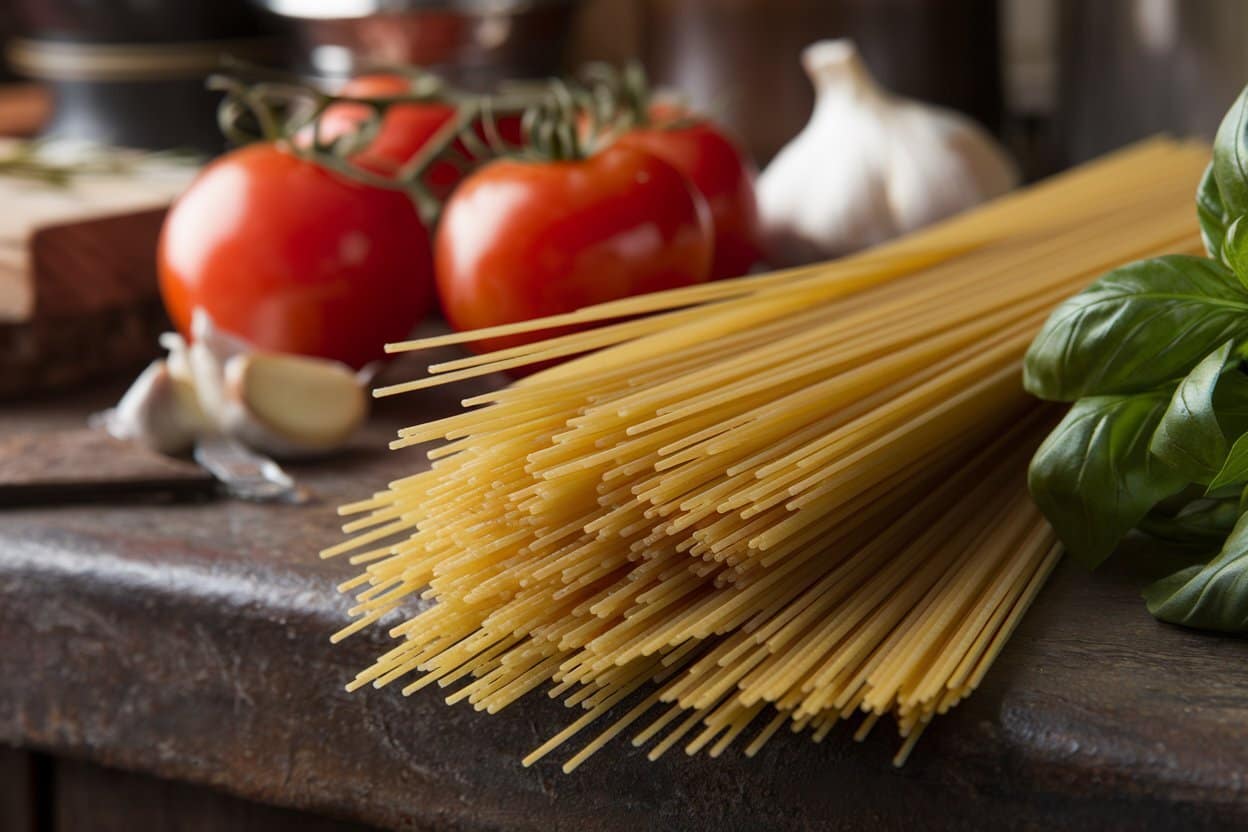
Uncooked spaghetti alongside fresh ingredients like tomatoes, garlic, and basil, representing the essentials for a delicious Italian pasta dish.
Spaghetti is one of the most famous pasta types, consisting of long, thin, and cylindrical strands. It’s the go-to pasta for many traditional Italian dishes and offers a pleasant balance between texture and flavor absorption. The smooth surface of spaghetti is perfect for sauces that cling lightly.
Best Uses
Spaghetti is perfect for light to medium-bodied sauces, such as tomato-based marinara, garlic and olive oil, or creamy carbonara. It’s also a great base for seafood dishes or simple vegetable pairings.
Unique Recipe
Spaghetti with Lemon Garlic Shrimp
Ingredients:
Spaghetti
Shrimp
Lemon zest and juice
Olive oil
Garlic, parsley, and red pepper flakes
Instructions:
Cook spaghetti until al dente. In a pan, sauté garlic and red pepper flakes in olive oil, then add shrimp and cook until pink. Toss the pasta in the shrimp mixture, and finish with lemon juice, zest, and parsley for a light, zesty dish.
Fettuccine
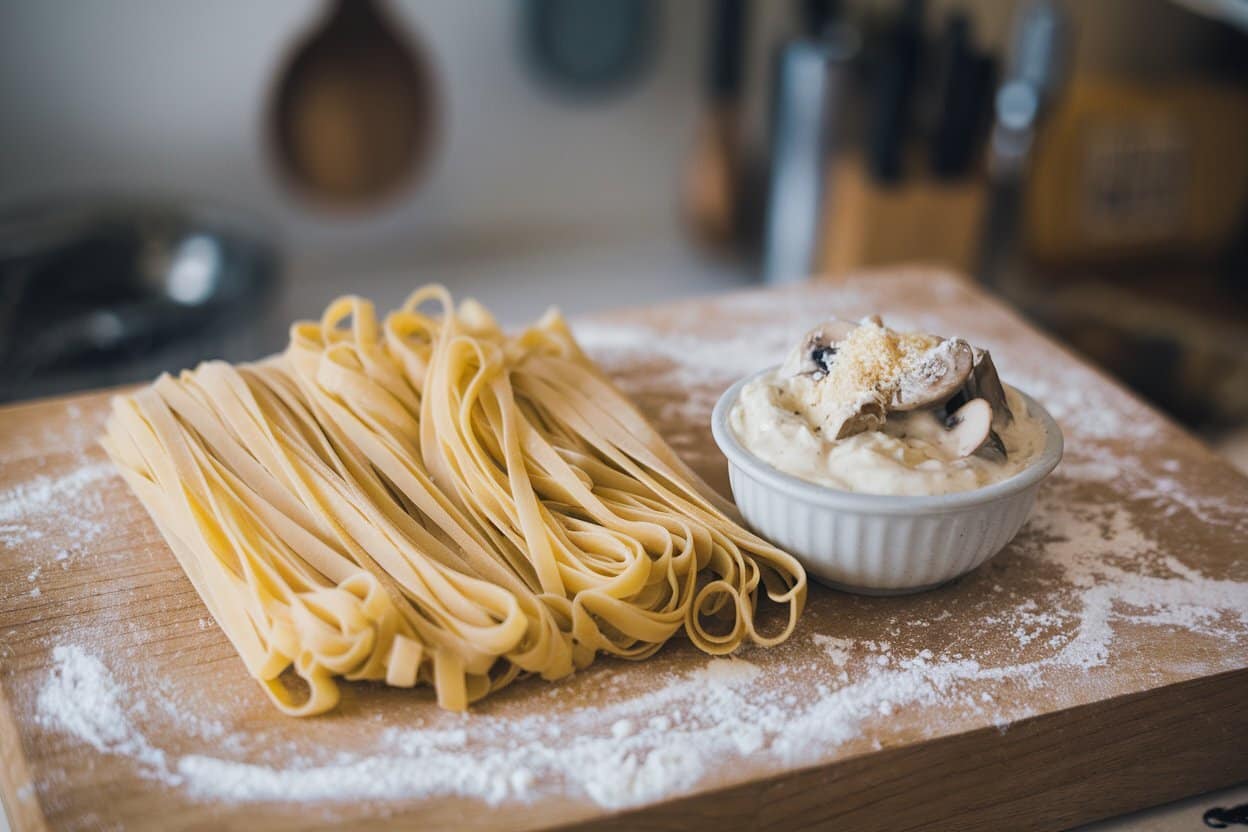
Fresh fettuccine pasta on a floured cutting board with a side of creamy mushroom sauce, ready to be cooked.
Fettuccine is a flat, ribbon-like pasta that’s slightly thicker than its cousin, tagliatelle. Its broad surface makes it ideal for soaking up creamy, rich sauces. Fettuccine is an indulgent pasta often used in heartier dishes due to its thickness.
Best Uses
Fettuccine pairs wonderfully with creamy sauces such as Alfredo, truffle, or mushroom-based sauces. Its thickness also makes it an excellent choice for ragùs or meat-based dishes.
Sauté mushrooms and garlic in butter until golden. Add cream and thyme, allowing the mixture to thicken slightly. Toss cooked fettuccine in the sauce, top with grated Parmesan, and served for a luxurious, earthy meal.
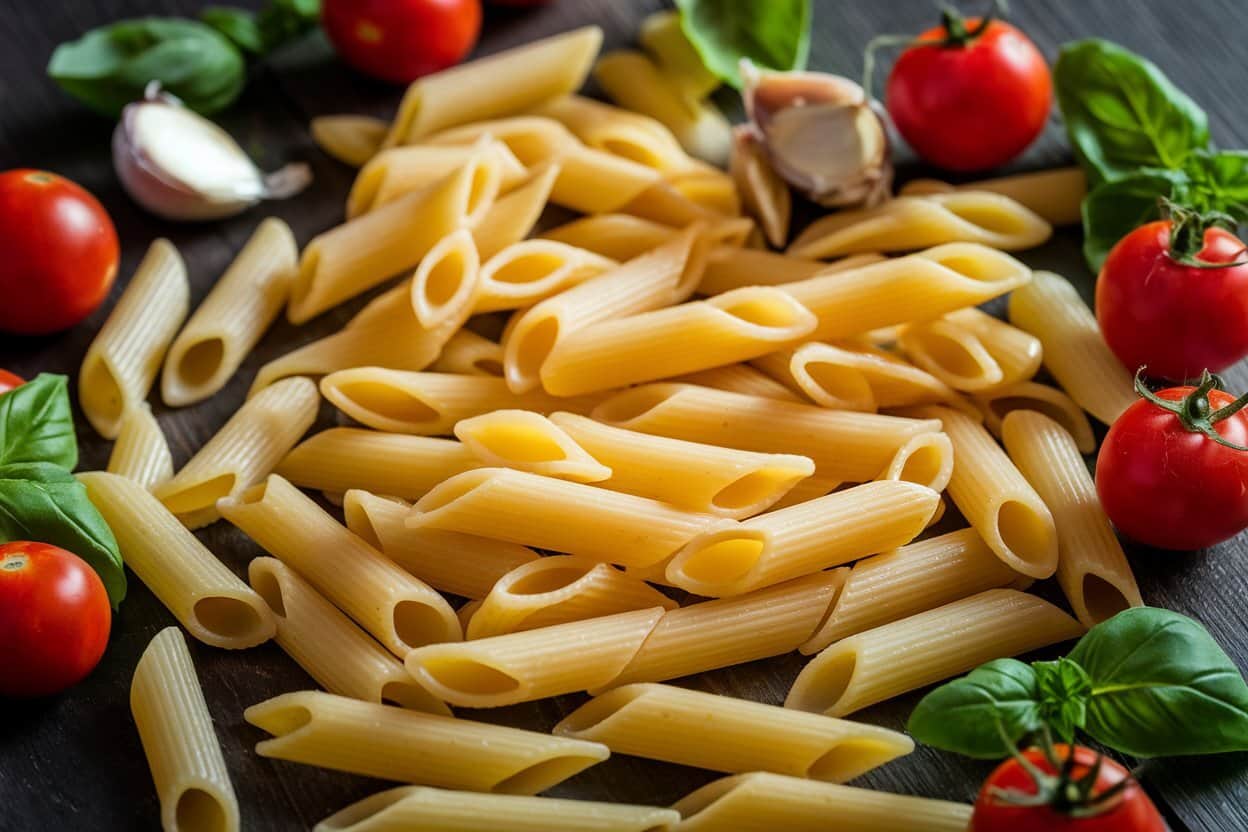
Fresh penne pasta with tomatoes, basil, and garlic – the perfect base for a delicious Italian dish.
Penne is a short, tube-shaped pasta with diagonal edges. Its ridges and hollow center make it perfect for grabbing onto thicker, chunkier sauces. The texture of penne ensures that it absorbs a generous amount of sauce in every bite, making each mouthful flavorful and rich.
Best Uses
Penne is great with hearty sauces like meat-based bolognese, arrabbiata, or even baked dishes such as penne al forno. The shape also works well in pasta salads.
Unique Recipe
Penne Arrabbiata
Ingredients:
Penne
Tomatoes (fresh or canned)
Garlic, chili flakes, and olive oil
Fresh basil
Instructions:
Add crushed tomatoes to olive oil and sauté garlic and chili flakes to make an arrabbiata sauce. Let it simmer until thickened. Toss in the cooked penne and finish with fresh basil for a spicy, tangy pasta dish.
Fusilli
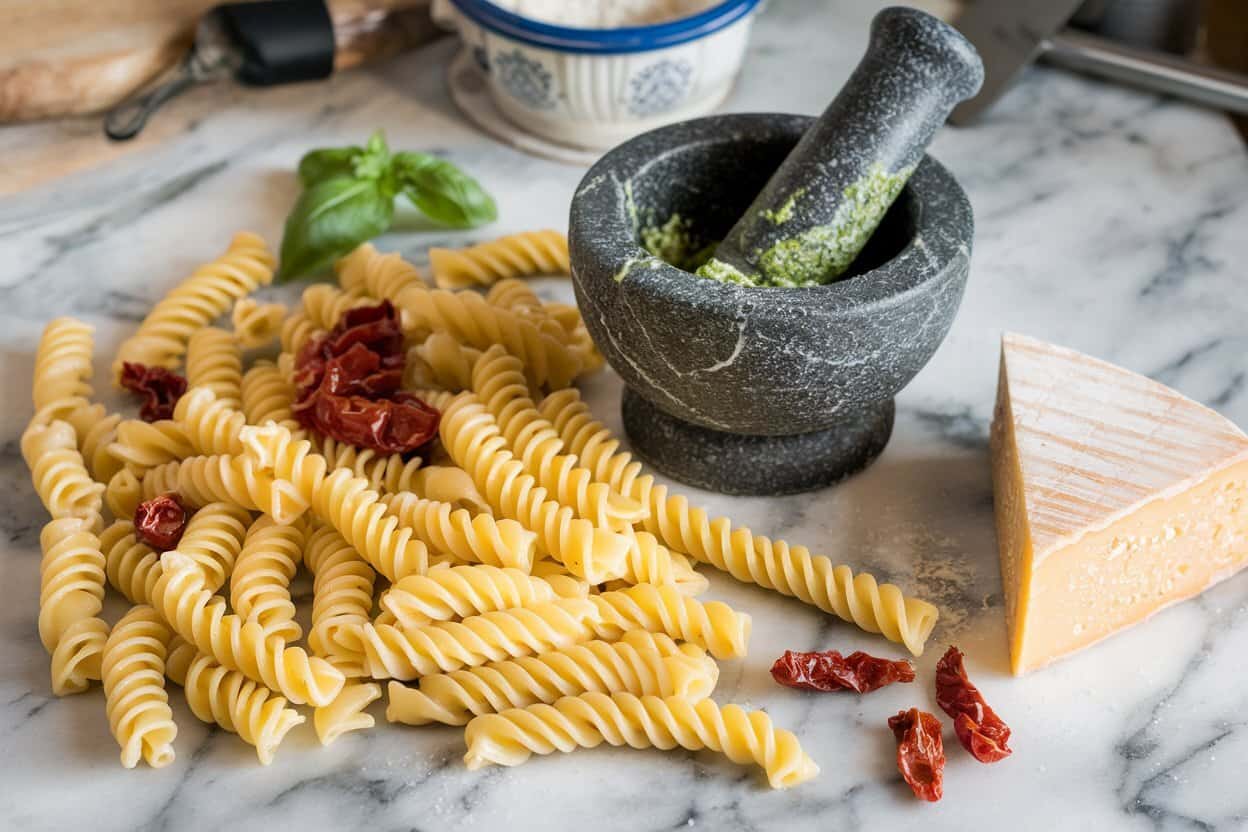
Fusilli pasta with sun-dried tomatoes, a block of cheese, and freshly made pesto in a mortar and pestle.
Fusilli is a spiral-shaped pasta that is designed to hold onto sauces in its twists and curls. This shape ensures that each piece of pasta catches plenty of sauce, making it ideal for rich or chunky sauces.
Best Uses
Fusilli is perfect for creamy sauces, like pesto, or for capturing vegetable-based sauces. It’s also a common choice for cold pasta salads due to its ability to maintain its shape and texture.
Unique Recipe
Fusilli with Basil Pesto and Sun-Dried Tomatoes
Ingredients:
Fusilli
Fresh basil pesto
Sun-dried tomatoes
Parmesan cheese and pine nuts
Instructions:
Toss cooked fusilli with a homemade basil pesto sauce, then add chopped sun-dried tomatoes for a burst of umami. For an additional crisp and flavorful layer, top with freshly grated Parmesan cheese and roasted pine nuts.
Rigatoni
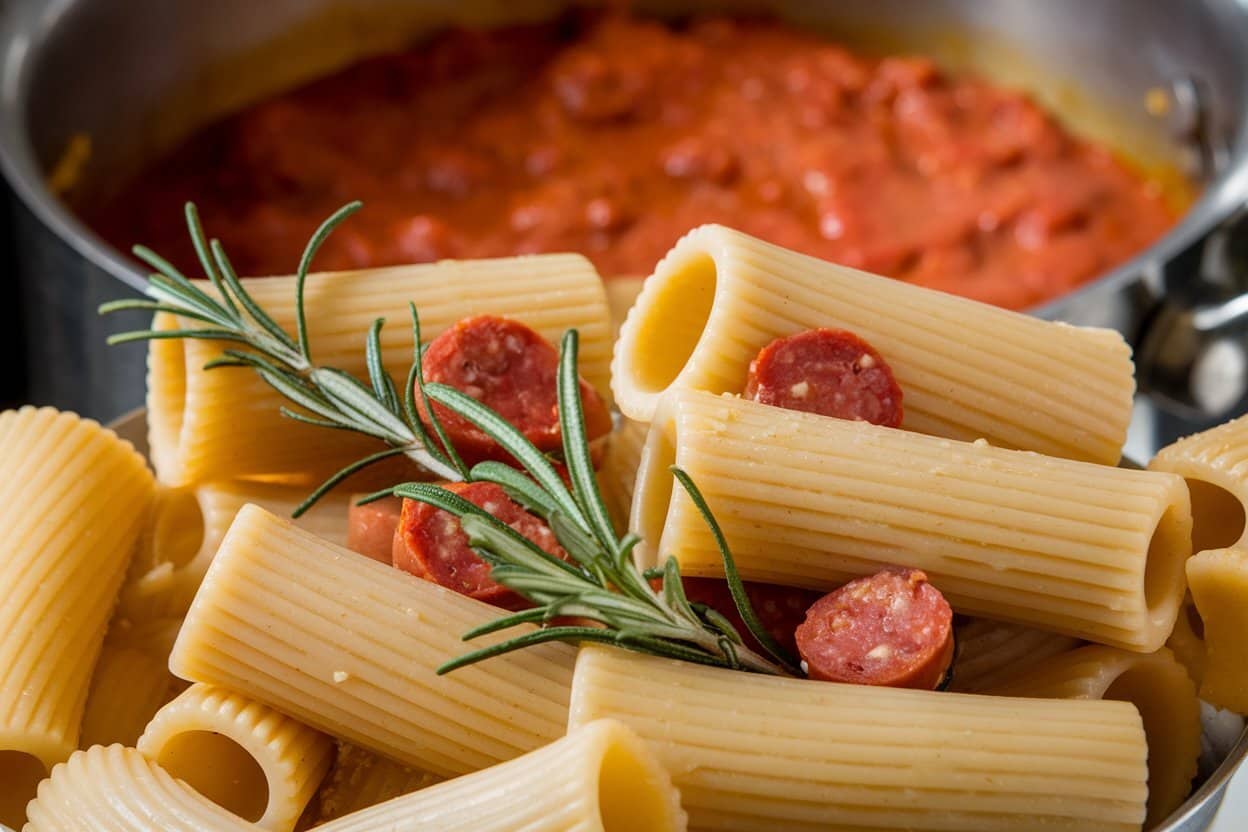
Rigatoni pasta served with savory sausage and fresh rosemary, paired with a rich tomato sauce.
Rigatoni is a large, rigid tube pasta that’s perfect for capturing thick, hearty sauces both inside and out. Its robust structure makes it a fantastic choice for baked dishes or ragù.
Best Uses
Rigatoni works well with chunky meat sauces or vegetable-loaded dishes. It’s also perfect for casseroles and baked pasta dishes, as the sauce coats the pasta thoroughly, ensuring every bite is flavorful.
Unique Recipe
Baked Rigatoni with Sausage and Ricotta
Ingredients:
Rigatoni
Italian sausage (crumbled)
Ricotta and mozzarella cheese
Tomato sauce and garlic
Instructions:
Brown sausage with garlic, then mix it into a rich tomato sauce. Toss with cooked rigatoni and dollops of ricotta, Arrange it with mozzarella in a baking dish, and bake until golden and bubbling.
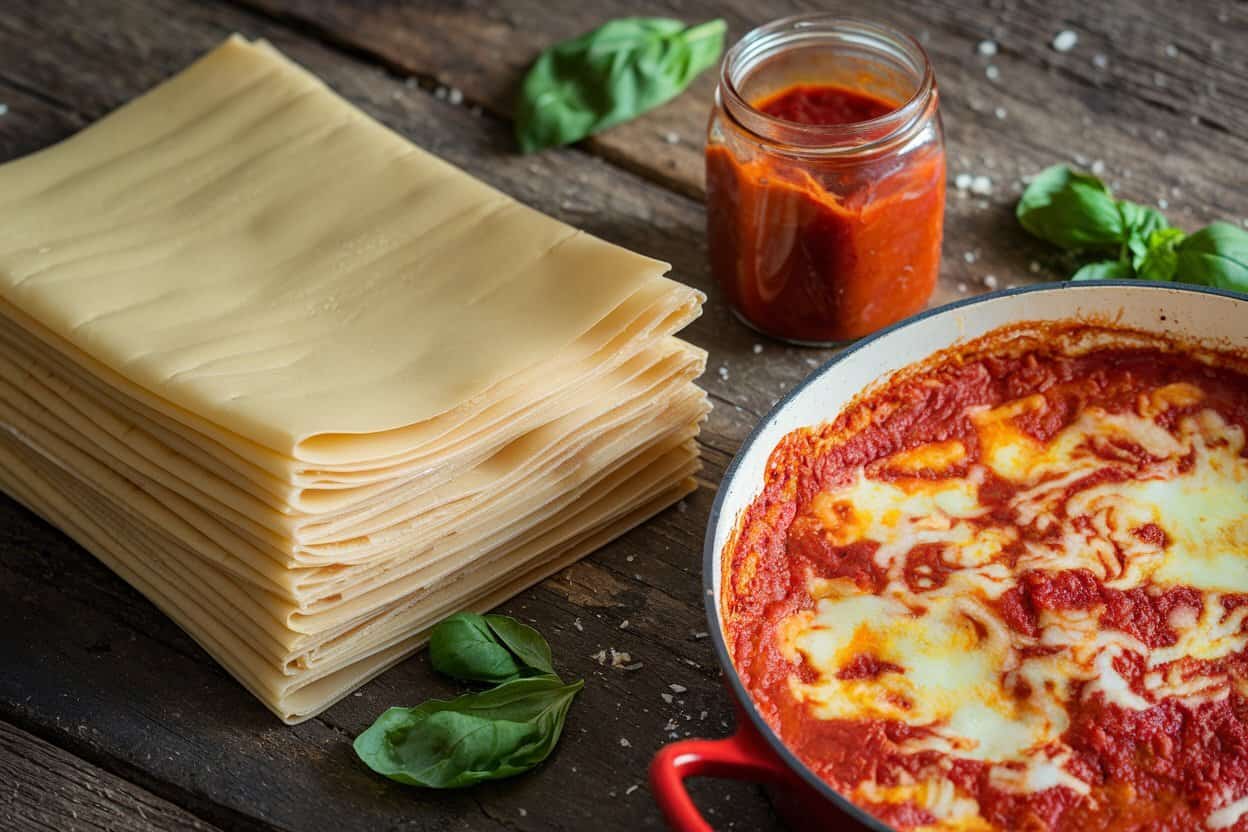
Uncooked lasagna sheets with homemade tomato sauce and freshly baked lasagna.
Lasagna sheets are wide and flat, traditionally used for layering in baked dishes. These pasta sheets are perfect for stacking sauces, cheese, meat, or vegetables into a hearty, multi-layered meal.
Best Uses
Lasagna is ideal for baked dishes, whether classic meat lasagna with béchamel and marinara, or vegetarian versions with roasted vegetables and cheese.
Unique Recipe
Classic Meat Lasagna
Ingredients:
Lasagna sheets
Ground beef
Tomato sauce and béchamel sauce
Mozzarella and Parmesan cheese
Instructions:
Layer cooked lasagna sheets with a rich meat sauce, béchamel, and mozzarella cheese. Repeat the layers and bake until the top is golden and bubbling. For a reassuring presentation, put some fresh parsley on top, crowd-pleasing dish.
Orecchiette
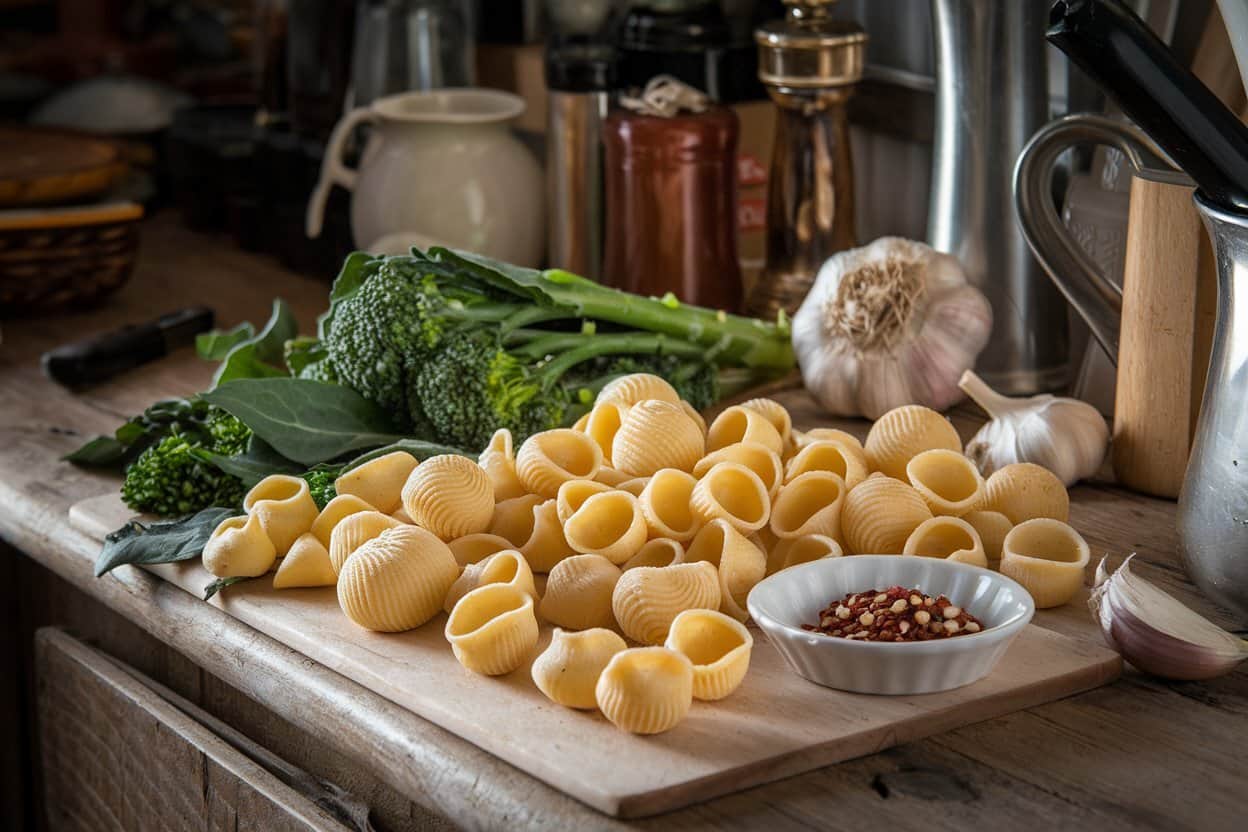
Orecchiette pasta with fresh broccoli, garlic, and red pepper flakes ready for cooking.
Orecchiette, meaning “little ears” in Italian, is a small, round, and slightly concave pasta. Its unique shape is ideal for catching sauces and small bits of meat or vegetables, making each bite flavorful.
Best Uses
Orecchiette is great for chunky sauces or sautéed vegetable dishes. It’s often used in southern Italian cuisine, particularly in combination with greens like broccoli rabe or sausage.
Unique Recipe
Orecchiette with Broccoli Rabe and Sausage
Ingredients:
Orecchiette
Italian sausage
Broccoli rabe
Garlic, olive oil, and chili flakes
Instructions:
Cook sausage until browned, then sauté garlic and chili flakes in olive oil. Add blanched broccoli rabe and toss with the cooked orecchiette for a flavorful, hearty dish with a balance of bitterness and savory sausage.
Tortellini
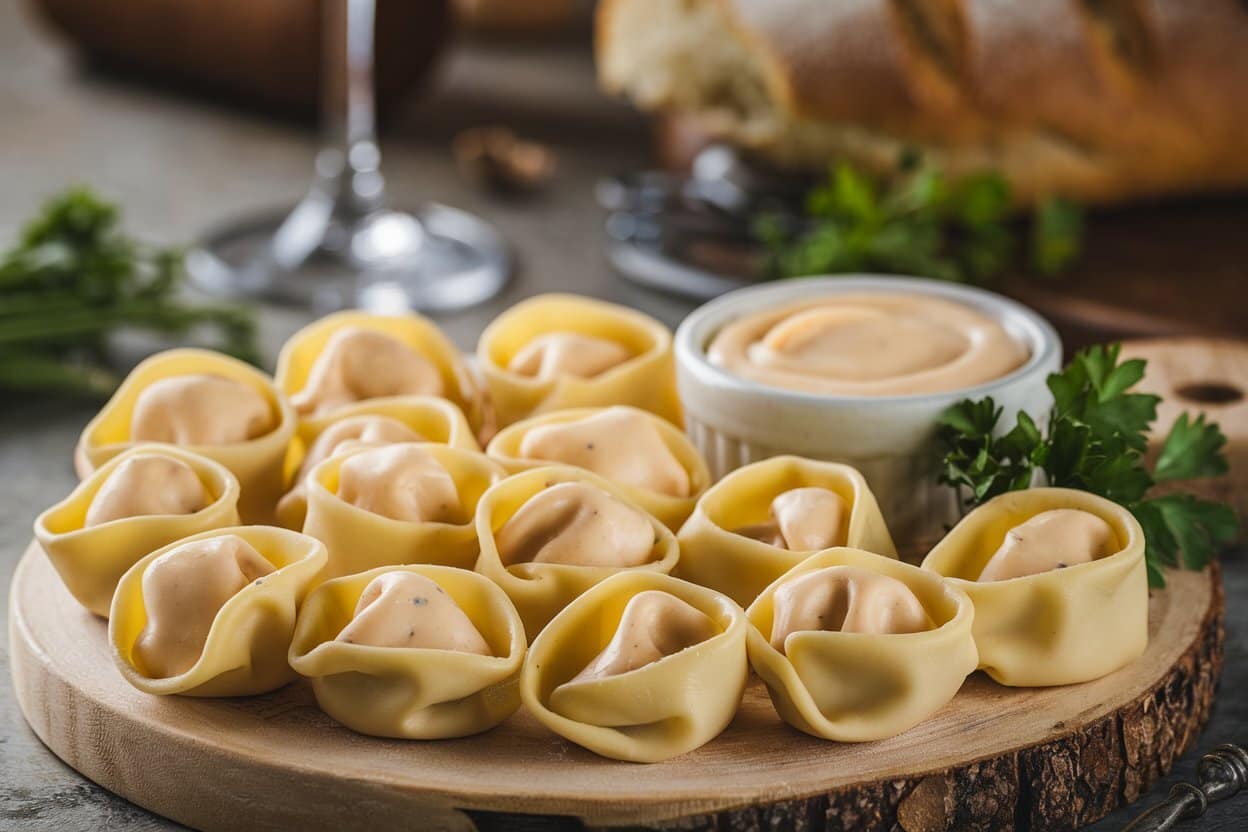
Tortellini pasta stuffed with a rich, creamy filling, served with a dipping sauce for a delicious appetizer.
Tortellini are small, ring-shaped pasta stuffed with cheese, meat, or vegetables. They are often enjoyed in soups or served with a light sauce that compliments their rich filling.
Best Uses
Tortellini is perfect for broths and creamy sauces. Its filling makes it hearty enough to be served with just a light drizzle of olive oil, or tossed in a creamy sauce.
Unique Recipe
Tortellini in Creamy Parmesan Sauce
Ingredients:
Cheese or meat-filled tortellini
Heavy cream
Parmesan cheese
Nutmeg and black pepper
Instructions:
Cook tortellini until al dente. In a saucepan, heat cream, nutmeg, and black pepper, then add Parmesan cheese and stir until melted. Toss the tortellini in the sauce and serve topped with extra cheese for a comforting, rich meal.
Farfalle (Bowtie Pasta)
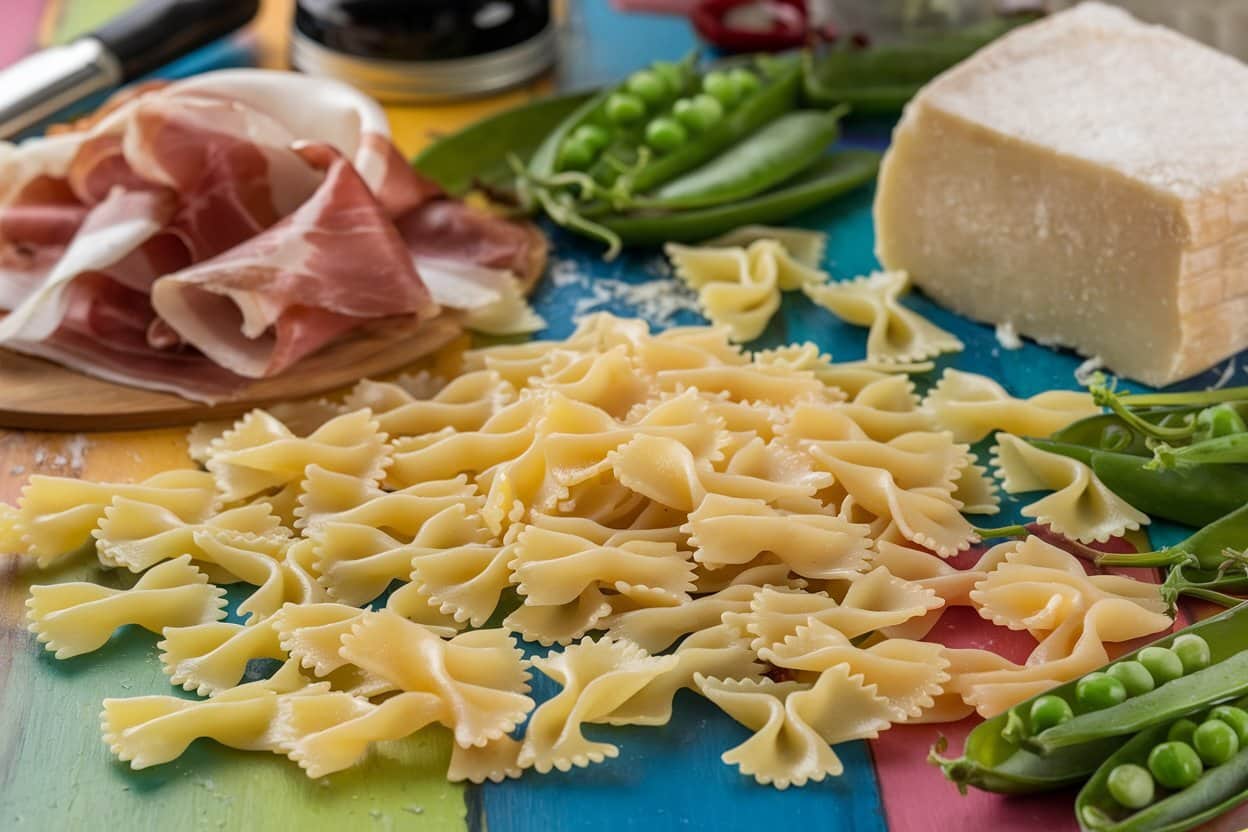
Farfalle pasta paired with fresh green peas, prosciutto, and Parmesan, ready to be turned into a delicious Italian meal.
Farfalle, also known as bowtie pasta, is shaped like small butterflies or bowties. Its unique shape makes it not only visually appealing but also practical for holding onto sauces.
Best Uses
Farfalle works well in both hot dishes with creamy or tomato-based sauces and cold pasta salads. It’s also a fun addition to kid-friendly meals.
Unique Recipe
Farfalle with Creamy Pea and Prosciutto
Ingredients:
Farfalle
Fresh peas
Prosciutto
Parmesan cheese and heavy cream
Instructions:
Cook farfalle and toss with a creamy sauce made from heavy cream and Parmesan. Add fresh peas and crispy prosciutto for a sweet and savory combination.
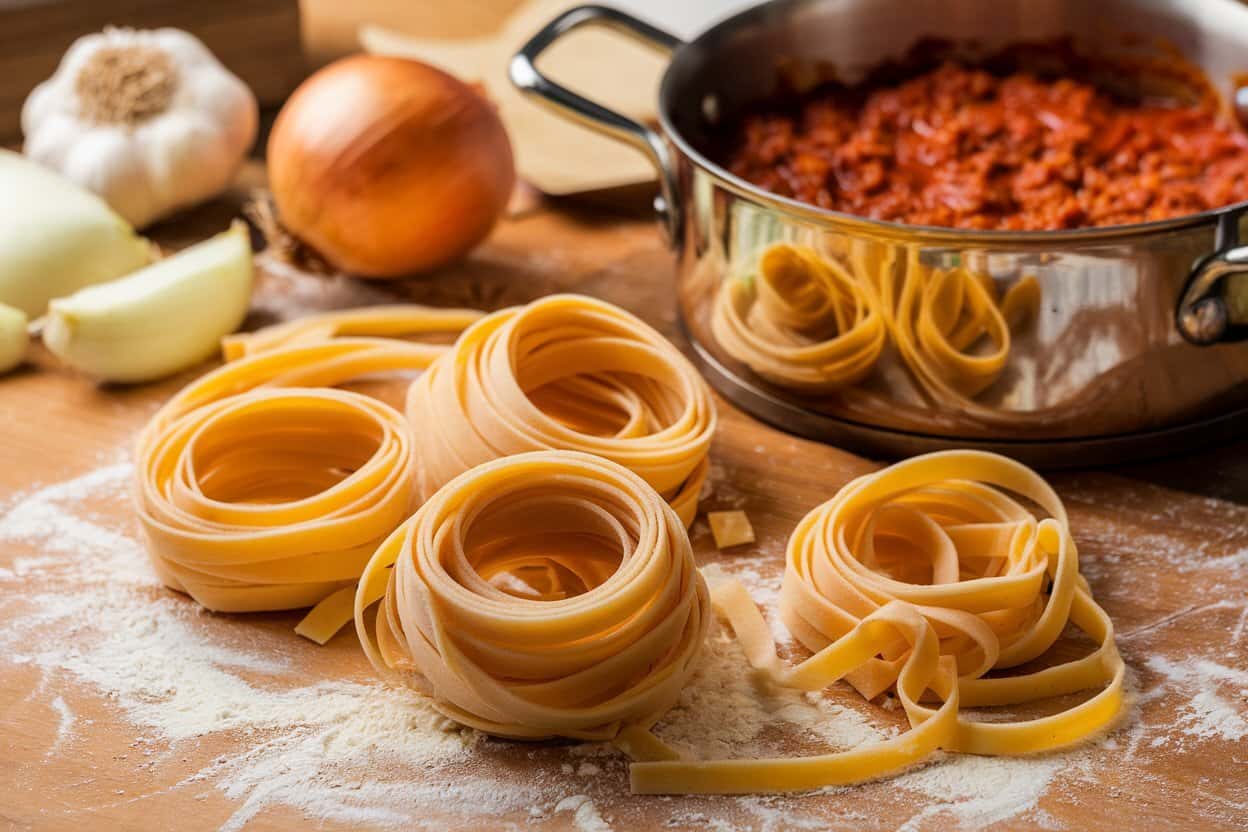
Homemade tagliatelle pasta ready to be cooked, served with a classic tomato sauce simmering in the background.
Tagliatelle is a long, flat ribbon pasta similar to fettuccine but often a bit thinner. This pasta is perfect for soaking up thick sauces, particularly ragù.
Best Uses
Tagliatelle is best paired with hearty sauces like bolognese, as its flat surface holds onto the sauce well.
Unique Recipe
Tagliatelle alla Bolognese
Ingredients:
Tagliatelle
Ground beef and pork
Tomato paste, onions, carrots, and celery
Red wine and milk
Instructions:
Sauté the ground meats with finely chopped onions, carrots, and celery. Add red wine, tomato paste, and a splash of milk for richness. Let it simmer for a few hours and serve with freshly cooked tagliatelle for a traditional Italian comfort food.
Conclusion
Exploring the many shapes and sizes of pasta opens up endless culinary possibilities. Whether you’re craving a creamy fettuccine dish or a hearty baked rigatoni, each type of pasta brings its unique qualities to the table. Experiment with these recipes and pasta shapes to discover your personal favorites, and enjoy the versatility and deliciousness that pasta has to offer.[/vc_column_text][/vc_column][/vc_row][vc_row][vc_column width=”1/1″][us_separator][us_text text=”Frequently Asked Questions (FAQs)” link=”%7B%22url%22%3A%22%22%7D” tag=”h2″][vc_tta_accordion title_size=”1.2rem” title_tag=”h3″][vc_tta_section title=”What are the different types of pasta?” tab_link=”%7B%22url%22%3A%22%22%7D”][vc_column_text]There are numerous types of pasta, including spaghetti, penne, fettuccine, farfalle, and lasagna, each with unique shapes and uses in various dishes.[/vc_column_text][/vc_tta_section][vc_tta_section title=”How do I choose the right pasta for a recipe?” tab_link=”%7B%22url%22%3A%22%22%7D”][vc_column_text]The choice of pasta depends on the sauce and ingredients. For heavier sauces, use thicker pasta like fettuccine, while lighter sauces pair well with thinner pasta like angel hair.[/vc_column_text][/vc_tta_section][vc_tta_section title=”Can I use whole wheat or gluten-free pasta in these recipes?” tab_link=”%7B%22url%22%3A%22%22%7D”][vc_column_text]Yes, you can substitute whole wheat or gluten-free pasta in most recipes. Just be mindful of the cooking times, as they may differ from traditional pasta.[/vc_column_text][/vc_tta_section][vc_tta_section title=”How do I cook pasta perfectly?” tab_link=”%7B%22url%22%3A%22%22%7D”][vc_column_text]Boil water with salt, add pasta, and cook according to package instructions until al dente. Remember to stir occasionally and reserve some pasta water before draining.[/vc_column_text][/vc_tta_section][vc_tta_section title=”What are some popular pasta dishes I can make?” tab_link=”%7B%22url%22%3A%22%22%7D”][vc_column_text]Popular dishes include spaghetti carbonara, penne arrabbiata, fettuccine Alfredo, and lasagna. Each has its own flavor profile and can be customized.[/vc_column_text][/vc_tta_section][vc_tta_section title=”Can I make pasta from scratch?” tab_link=”%7B%22url%22%3A%22%22%7D”][vc_column_text]Absolutely! Homemade pasta is made from flour, eggs, and water. There are various methods to roll and cut it into different shapes.[/vc_column_text][/vc_tta_section][vc_tta_section title=”How should I store leftover pasta?” tab_link=”%7B%22url%22%3A%22%22%7D”][/vc_tta_section][/vc_tta_accordion][/vc_column][/vc_row]
[vc_row][vc_column][vc_column_text]In today’s fast-paced world, keeping up with a healthy diet can be difficult. Whether you’re recovering from an illness, aiming to lose weight, or simply looking to give your digestive system a break, a liquid diet can be a fantastic solution. This type of diet typically consists of easily digestible foods that are in liquid form. The best part is you can prepare these delicious and nutritious liquid diet recipes right at home.
In this article, we’ll dive into ten of the best liquid diet recipes that you can easily whip up in your kitchen. These recipes are not only packed with essential nutrients but also flavorful and satisfying, making them perfect for anyone in the United States seeking to maintain a healthy lifestyle without sacrificing taste.
Why Choose a Liquid Diet?
A liquid diet can be beneficial for various reasons. It is often recommended for people who have difficulty chewing or swallowing, are recovering from surgery, or need to rest their digestive system. Additionally, liquid diets are commonly used for weight loss, detoxification, and maintaining hydration.
Liquid diet recipes are flexible and can be customized to suit individual nutritional requirements. Whether you need a high-protein option for muscle recovery or a low-calorie choice for weight loss, the following recipes can be customized to suit your goals.
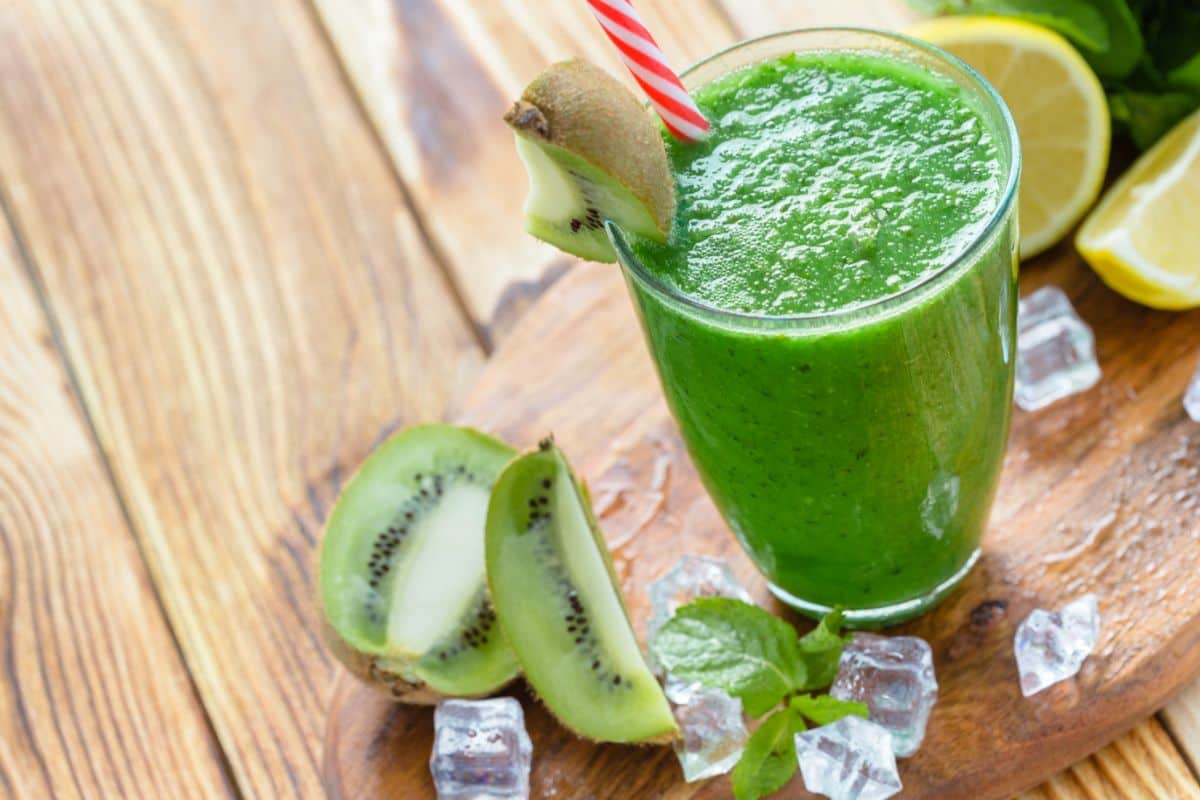
A perfect blend of nutrient-rich greens like spinach and kale, this classic green smoothie is not only delicious but also an excellent way to kick-start your day with essential vitamins and minerals. It’s easy to make and packed with energy-boosting ingredients.
Ingredients
1 cup spinach
1/2 cup kale
1 banana
1/2 cup Greek yogurt
1/2 cup water
1 tablespoon honey (optional)
Instructions
In a blender, combine spinach, kale, banana, and Greek yogurt.
Add water and blend until smooth.
Sweeten with honey if desired and enjoy!
Nutritional Benefits
This green smoothie is rich in vitamins A, C, and K, as well as iron and fiber. The combination of leafy greens with the creaminess of Greek yogurt provides a balanced and filling liquid diet recipe perfect for breakfast or a midday snack.
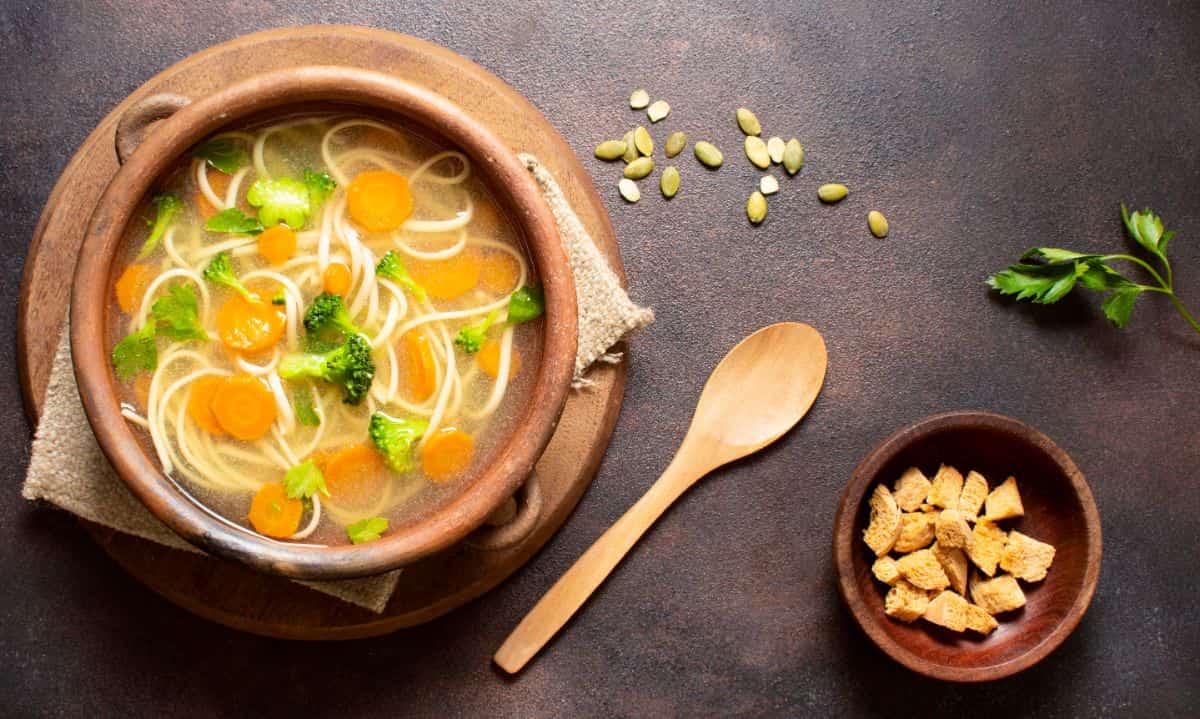
This simple yet flavorful vegetable broth is a comforting and nourishing liquid diet option. Made with fresh vegetables and aromatic herbs, it’s perfect for those times when you need something light yet satisfying.
Ingredients
2 carrots, chopped
2 celery stalks, chopped
1 onion, chopped
2 garlic cloves, minced
1 bay leaf
1 teaspoon peppercorns
8 cups water
Instructions
Combine all ingredients in a large pot.
Bring to a boil, then reduce to a simmer for 45 minutes.
Strain the broth and discard the solids.
Enjoy warm as a nourishing and light meal.
Nutritional Benefits
This vegetable broth is low in calories but packed with essential minerals like potassium, magnesium, and calcium. It’s an excellent choice for staying hydrated and keeping your sodium levels in check, especially when following a liquid diet.
Indulge in the rich taste of chocolate while getting a boost of protein with this smoothie. It’s ideal for post-workout recovery or whenever you need a filling and nutritious treat that doesn’t compromise on taste.
Ingredients
1 scoop chocolate protein powder
1 cup almond milk
1 tablespoon peanut butter
1 banana
1/2 cup ice
Instructions
Add all ingredients to a blender.
Blend until smooth and creamy.
Serve immediately.
Nutritional Benefits
This smoothie is perfect for those needing a protein boost. With the combination of protein powder, peanut butter, and banana, this liquid diet recipe provides sustained energy and aids in muscle recovery, making it ideal for post-workout consumption.
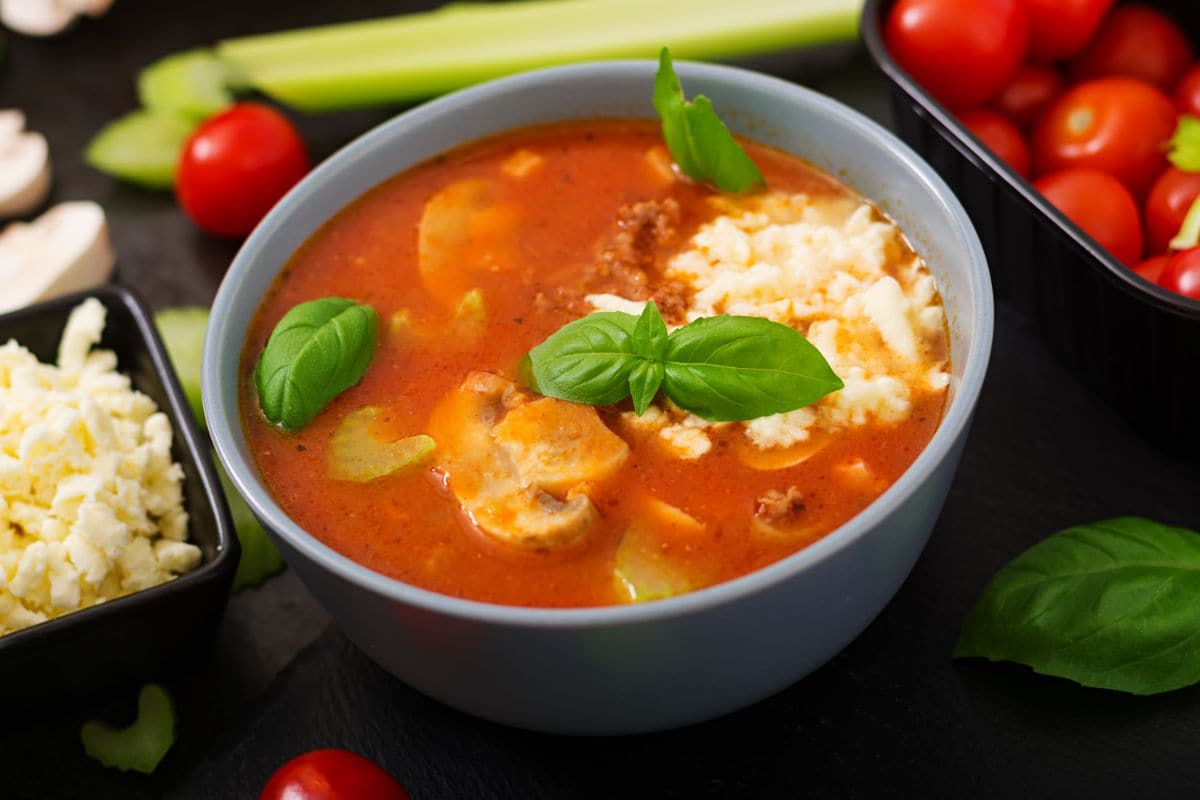
This classic tomato basil soup is a comforting favorite, combining the tangy sweetness of ripe tomatoes with the fresh aroma of basil. It’s a heartwarming option that’s perfect for lunch or dinner, offering a healthy dose of antioxidants.
Ingredients
6 large tomatoes, chopped
1 onion, chopped
2 garlic cloves, minced
2 cups vegetable broth
1/4 cup fresh basil leaves
1 tablespoon olive oil
Instructions
In a large pot, sauté onion and garlic in olive oil until soft.
Add tomatoes and vegetable broth, and bring to a simmer.
Cook for 20 minutes, then blend with basil leaves until smooth.
Serve hot.
Nutritional Benefits
Tomato basil soup is rich in antioxidants, particularly lycopene, which is known for its cancer-fighting properties. This liquid diet recipe is also low in calories and high in vitamins A and C, making it a healthy option for lunch or dinner.
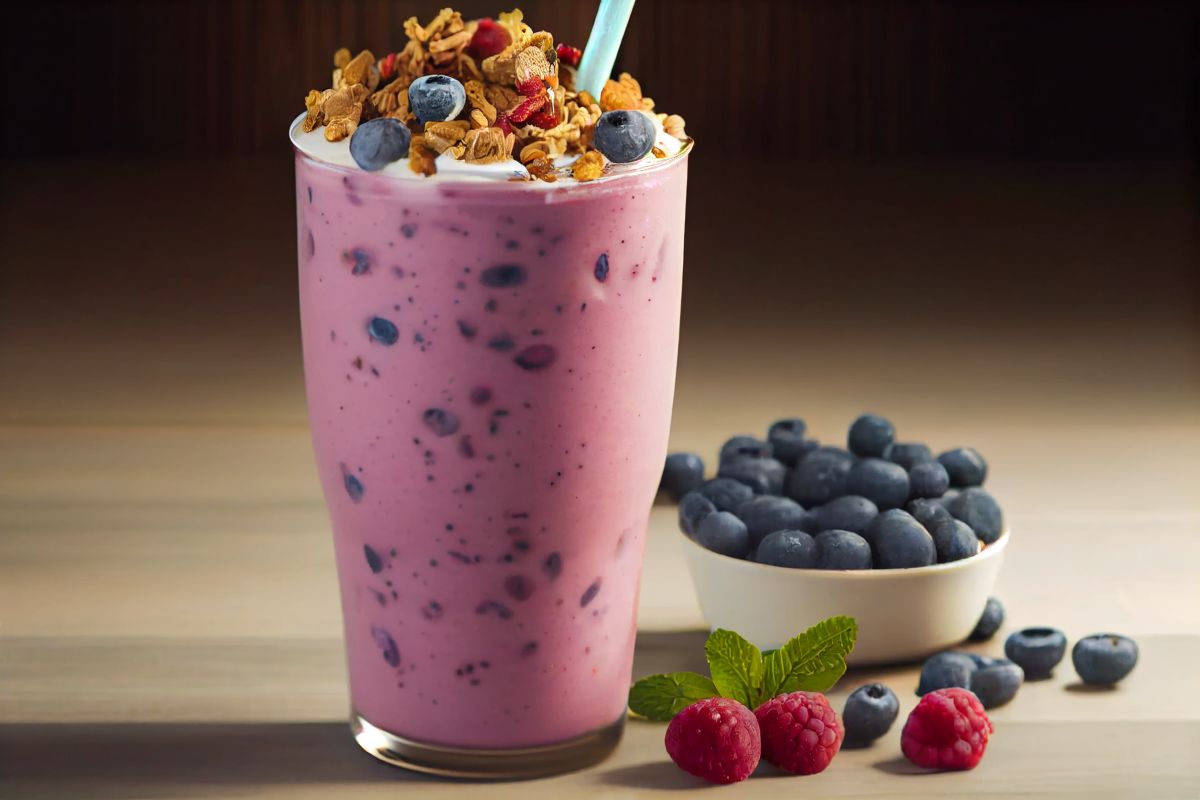
Bursting with the vibrant flavors of mixed berries, this smoothie is not only refreshing but also loaded with antioxidants and fiber. It’s a sweet and satisfying way to enjoy a nutritious meal on the go.
Ingredients
1/2 cup strawberries
1/2 cup blueberries
1/2 cup raspberries
1 cup plain yogurt
1/2 cup orange juice
Instructions
Combine all ingredients in a blender.
Blend until smooth and thick.
Pour into a glass and enjoy immediately.
Nutritional Benefits
Berries are loaded with antioxidants and fiber, making this smoothie a nutritious choice. The yogurt adds a good dose of probiotics, which support digestive health, while the orange juice provides a boost of vitamin C.
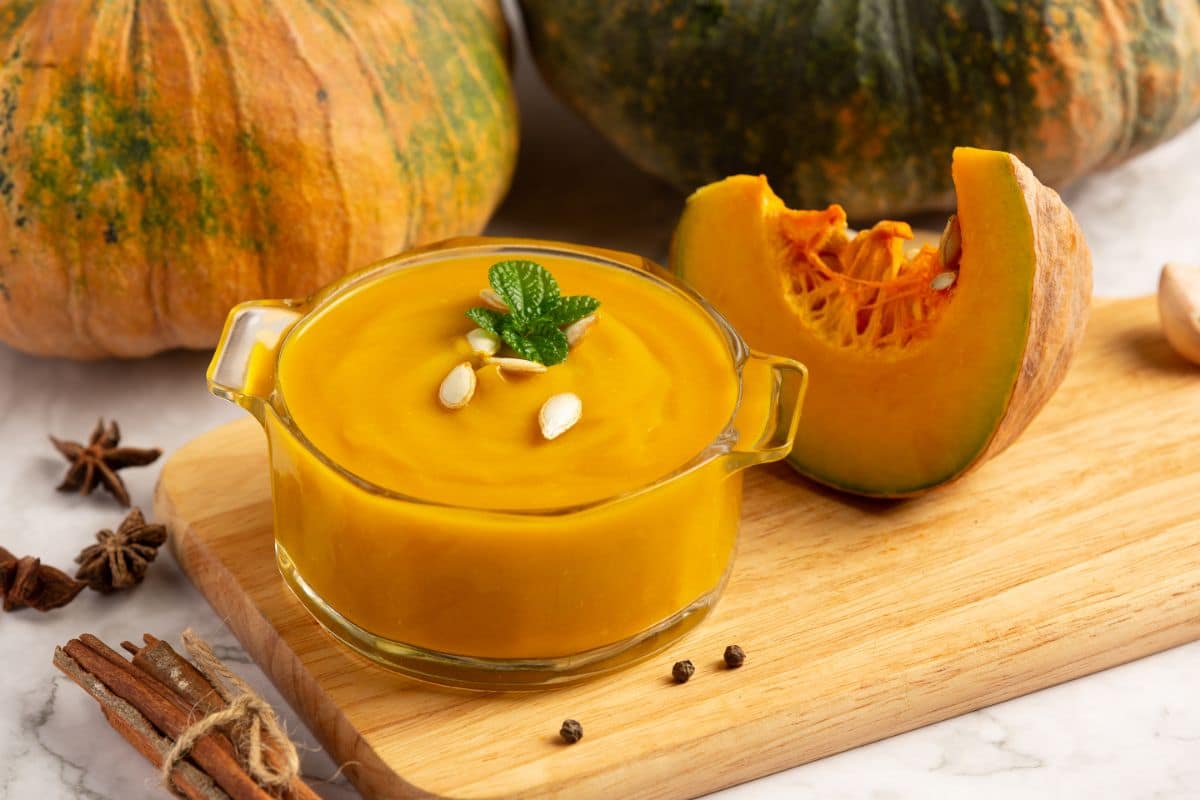
Rich and velvety, this creamy pumpkin soup is a fall favorite that’s both comforting and nutritious. Made with pumpkin puree and a hint of coconut milk, it’s a delightful way to warm up on cooler days.
Ingredients
2 cups pumpkin puree
1 onion, chopped
2 garlic cloves, minced
2 cups chicken or vegetable broth
1/2 cup coconut milk
1 teaspoon cinnamon
Instructions
Sauté onion and garlic in a pot until fragrant.
Add pumpkin puree and broth, and bring to a simmer.
Stir in coconut milk and cinnamon.
Blend until smooth and serve warm.
Nutritional Benefits
This pumpkin soup is creamy without being heavy, thanks to the coconut milk. It’s rich in vitamin A, which supports eye health, and the cinnamon adds a warming touch that’s perfect for fall or winter meals.
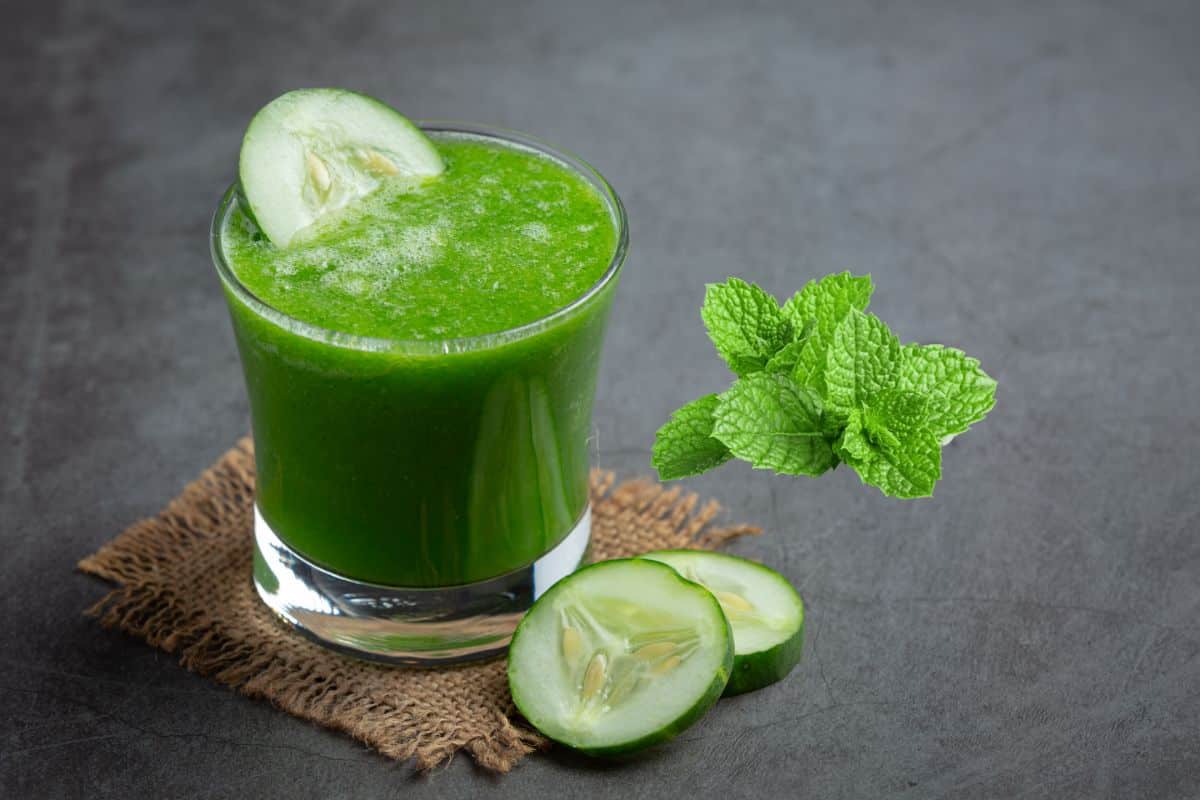
This cool and refreshing cucumber mint smoothie is perfect for hydration and detoxification. With its light and crisp flavors, it’s a great way to stay refreshed and energized throughout the day.
Ingredients
1 cucumber, peeled and chopped
1/2 cup mint leaves
1/2 cup Greek yogurt
1 tablespoon lemon juice
1/2 cup water
Instructions
Blend cucumber, mint leaves, Greek yogurt, lemon juice, and water until smooth.
Serve chilled.
Nutritional Benefits
This refreshing smoothie is hydrating and low in calories, making it an excellent choice for weight loss or detoxification. The cucumber is high in water content, while mint aids digestion and adds a burst of flavor.
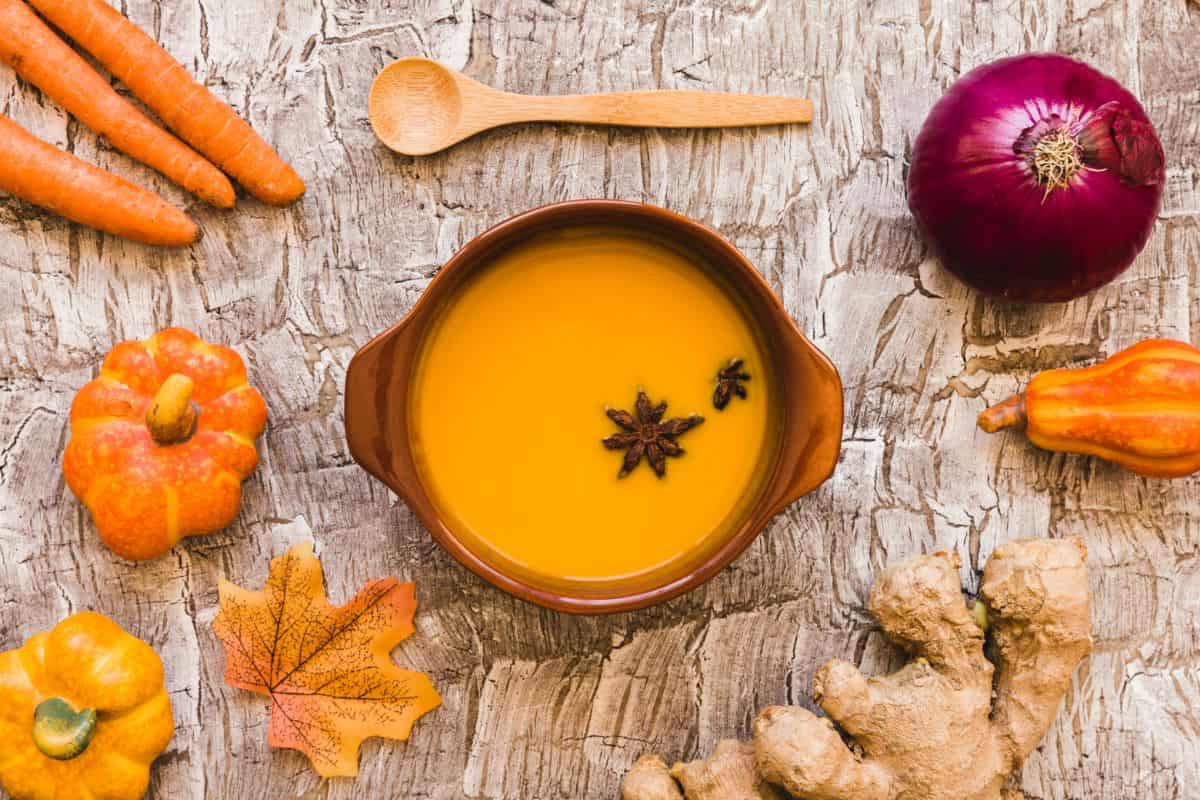
Packed with the natural sweetness of carrots and the warming spice of ginger, this soup is a soothing and nourishing option. It’s great for boosting immunity and supporting digestive health, making it an ideal choice during cold and flu season.
Ingredients
4 large carrots, chopped
1 onion, chopped
2 garlic cloves, minced
1 tablespoon grated ginger
4 cups vegetable broth
1 tablespoon olive oil
Instructions
Sauté onion, garlic, and ginger in olive oil until fragrant.
Add carrots and vegetable broth, then bring the mixture to a boil.
Reduce the heat and let it simmer until the carrots are tender.
Blend until smooth and serve hot.
Nutritional Benefits
Carrot ginger soup is rich in beta-carotene, which supports immune function and skin health. The ginger adds anti-inflammatory benefits, making this a comforting liquid diet recipe for cold and flu season.
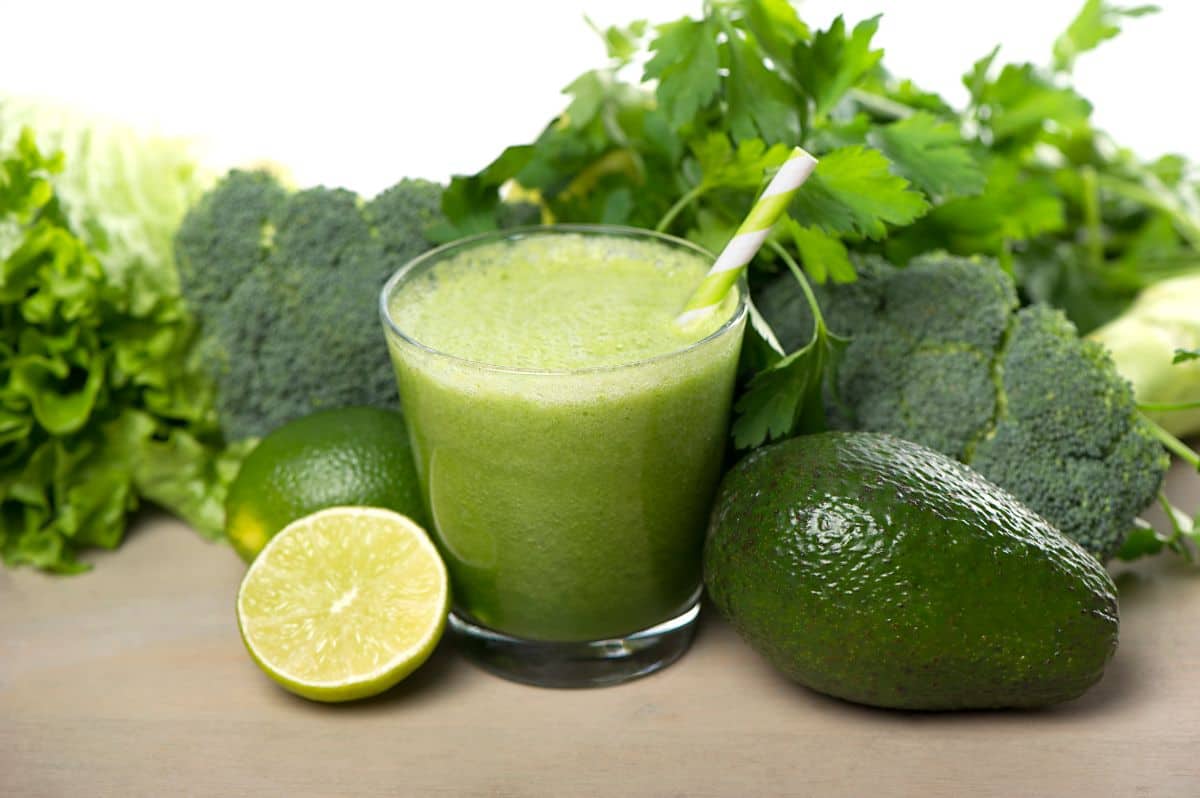
Creamy avocado and nutrient-dense spinach come together in this smoothie to create a satisfying and healthy liquid meal. It’s rich in healthy fats, vitamins, and minerals, providing a powerful nutritional punch.
Ingredients
1/2 avocado
1 cup spinach
1/2 banana
1 cup almond milk
1 tablespoon chia seeds
Instructions
Blend all ingredients until smooth.
Pour into a glass and enjoy immediately.
Nutritional Benefits
This smoothie is packed with healthy fats from avocado and chia seeds, which promote heart health and keep you feeling full longer. Spinach adds a boost of iron and fiber, making this a nutrient-dense option for any time of day.
Miso soup is a traditional Japanese dish known for its umami flavor and probiotic benefits. Made with miso paste, tofu, and green onions, it’s a light and nourishing soup that’s perfect for supporting gut health.
Ingredients
4 cups water
1/4 cup miso paste
1 cup tofu, cubed
1/2 cup green onions, chopped
1/4 cup seaweed (optional)
Instructions
Bring water to a boil, then reduce heat.
Stir in miso paste until dissolved.
Add tofu and green onions, and cook for a few minutes.
Serve warm with optional seaweed.
Nutritional Benefits
Miso soup is rich in probiotics, which support gut health. It’s also a good source of protein from the tofu and contains important vitamins and minerals from the miso paste, making it a nourishing and light liquid diet recipe.
Conclusion
Incorporating these liquid diet recipes into your daily routine can provide numerous health benefits, from improved digestion to weight management. Whether you’re looking for a quick and easy meal replacement or a nutritious snack, these recipes are not only delicious but also simple to prepare at home. By using fresh, wholesome ingredients, you can ensure that your liquid diet is as tasty as it is healthy.
So, the next time you’re considering a liquid diet, try out these recipes to enjoy the perfect balance of flavor and nutrition right from your kitchen. Whether you’re blending up a smoothie or simmering a soup, these liquid diet recipes will keep you satisfied and energized throughout the day.[/vc_column_text][/vc_column][/vc_row][vc_row][vc_column width=”1/1″][us_separator size=”small”][us_text text=”Frequently Asked Questions ( FAQs )” link=”%7B%22url%22%3A%22%22%7D” tag=”h2″][/vc_column][/vc_row][vc_row][vc_column width=”1/1″][vc_tta_accordion][vc_tta_section title=”What are the key benefits of a liquid diet?” tab_link=”%7B%22url%22%3A%22%22%7D”][vc_column_text]A liquid diet can aid in weight loss, detoxification, and improve digestive health. It’s also useful for people recovering from surgery or dealing with certain medical conditions. The diet is rich in nutrients and hydration, supporting overall well-being.[/vc_column_text][/vc_tta_section][vc_tta_section title=”Can I include smoothies in a liquid diet?” tab_link=”%7B%22url%22%3A%22%22%7D”][vc_column_text]Yes, smoothies are a great option for a liquid diet. They can be made with fruits, vegetables, yogurt, and protein powders, offering a balanced mix of nutrients while being easy to digest.[/vc_column_text][/vc_tta_section][vc_tta_section title=”How can I ensure I’m getting enough protein on a liquid diet?” tab_link=”%7B%22url%22%3A%22%22%7D”][vc_column_text]To maintain adequate protein intake, incorporate protein-rich liquids like bone broth, protein shakes, Greek yogurt-based smoothies, or add protein powders to your soups and beverages.[/vc_column_text][/vc_tta_section][vc_tta_section title=”Are there any risks associated with a liquid diet?” tab_link=”%7B%22url%22%3A%22%22%7D”][vc_column_text]While beneficial for short-term use, prolonged liquid diets may lead to nutrient deficiencies or muscle loss if not properly balanced. It’s important to consult a healthcare provider before starting a liquid diet, especially if you have underlying health conditions.[/vc_column_text][/vc_tta_section][vc_tta_section title=”What are some easy liquid diet recipes I can prepare at home?” tab_link=”%7B%22url%22%3A%22%22%7D”][vc_column_text]Some easy and nutritious liquid diet recipes include blended vegetable soups, fruit and vegetable smoothies, bone broth, and homemade juices. These can be customized with your favorite ingredients to suit your taste and nutritional needs.[/vc_column_text][/vc_tta_section][vc_tta_section title=”Section”][/vc_tta_section][/vc_tta_accordion][/vc_column][/vc_row]
Cottage cheese is a flexible and nutritious ingredient that can transform your meals with its creamy texture and mild flavor. Whether you want to incorporate more protein into your diet or enjoy experimenting with new recipes, cottage cheese can be a star ingredient in your kitchen. Its versatility allows it to shine in both sweet and savory dishes, making it a valuable addition to any meal plan.
In this article, we’ll explore some innovative cottage cheese recipes you can try this week. From breakfast to dinner, these recipes highlight the best ways to enjoy this wholesome ingredient. Get ready to discover delicious and nutritious meals that will make cottage cheese a staple in your diet.
Why Cottage Cheese is an Incredible Addition to Your Diet?
Before diving into the recipes, let’s explore why cottage cheese is an excellent choice for your diet:
High in Protein: Cottage cheese is a fantastic option for those looking to maintain a healthy weight or build muscle due to its high protein content.
Low in Fat: It’s available in various fat content levels, including low-fat and fat-free options, making it suitable for different dietary needs.
Rich in Nutrients: Cottage cheese provides essential nutrients like calcium, phosphorus, and B vitamins, contributing to overall health.
Versatile: It is adaptable and works well in both savory and sweet recipes, allowing for creative and varied meal options.
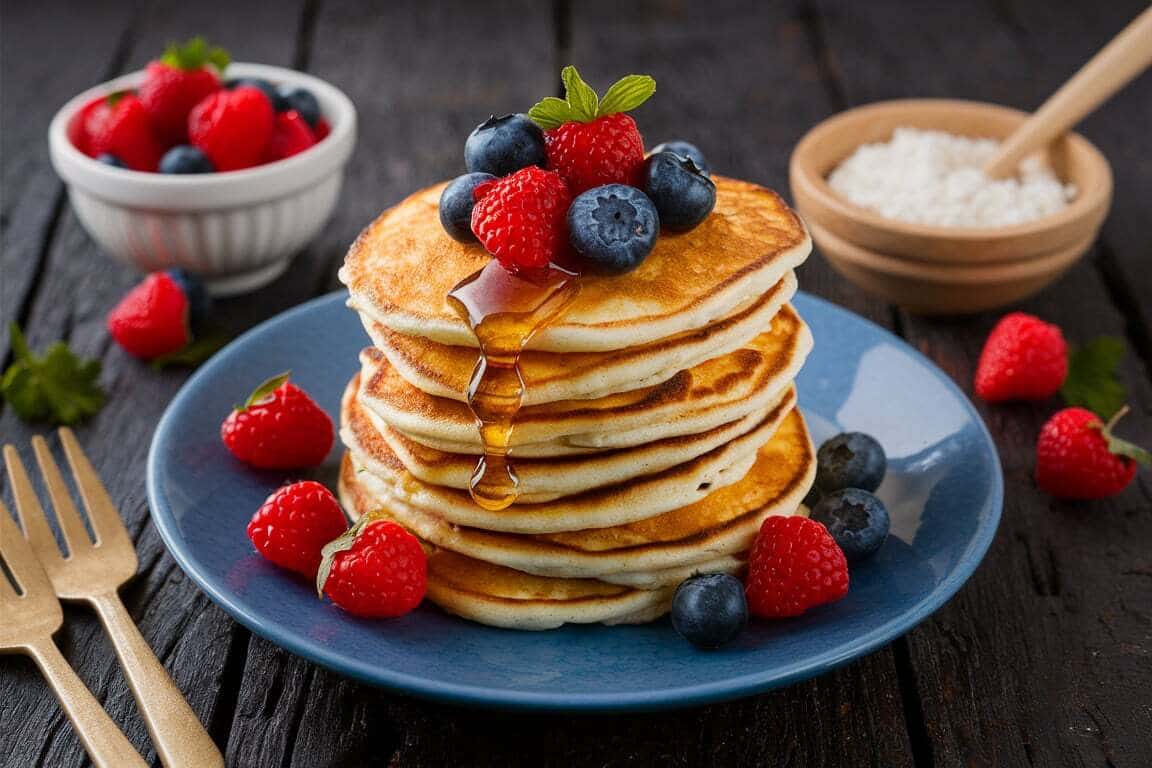
Cottage Cheese Pancakes
Fluffy Cottage Cheese Pancakes with Fresh Berries
These pancakes are fluffy, protein-packed, and perfect for breakfast or brunch. They are quick to make and a delicious way to start your day.
Ingredients
1 cup cottage cheese
1/2 cup rolled oats
Two eggs
1/2 teaspoon baking powder
One teaspoon of vanilla extract
1/4 teaspoon salt
Instructions
Blend Ingredients: In a blender, combine cottage cheese, eggs, rolled oats, baking powder, vanilla extract, and salt. Process till smooth.
Cook Pancakes: Grease a nonstick skillet with oil and heat it on medium heat. To make pancakes, ladle little portions of batter onto the skillet. Cook until surface bubbles appear, then turn and cook until golden brown.
Serve: Stack the pancakes and serve with fresh fruit and a drizzle of honey.
Tips: You can incorporate nutmeg or cinnamon into the batter for taste.
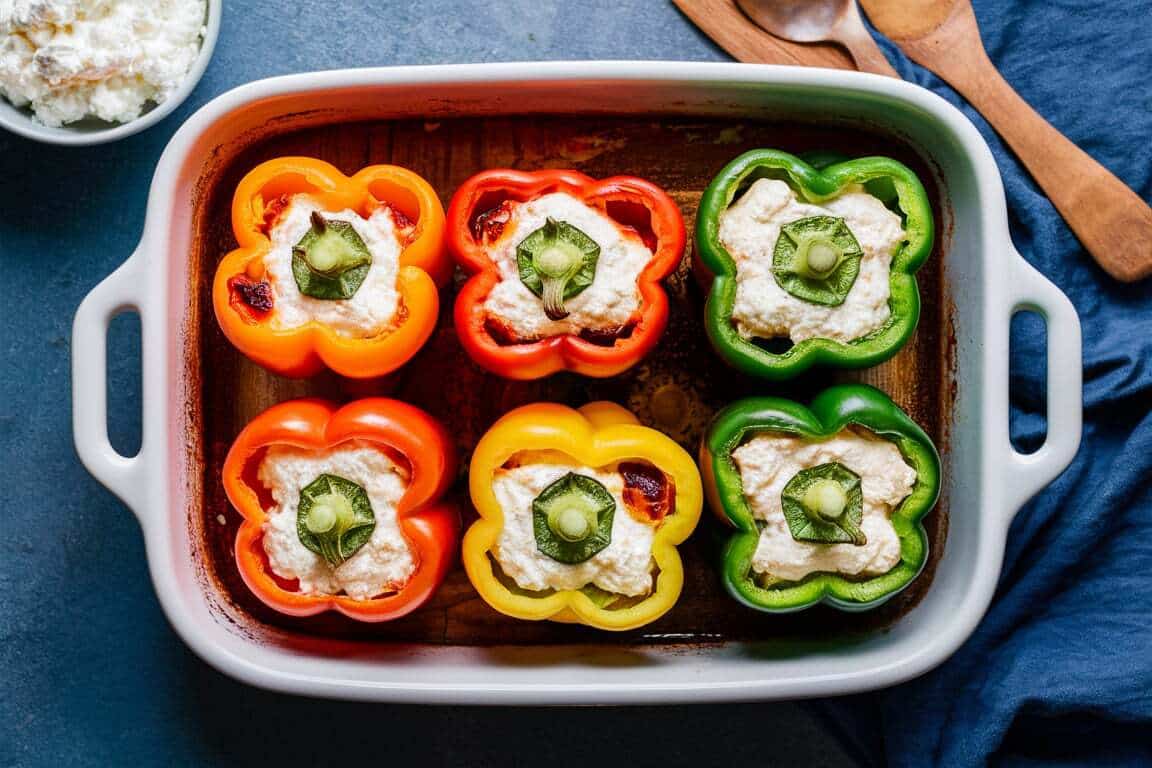
Savory Cottage Cheese and Spinach Stuffed Peppers
Savory Cottage Cheese and Spinach Stuffed Peppers
These stuffed peppers are a delightful dinner dish. They are loaded with protein and flavor and make a great main course or side dish.
Ingredients
Four bell peppers, halved and seeded
1 cup cottage cheese
1 cup fresh spinach, chopped
1/2 cup quinoa, cooked
1/4 cup grated Parmesan cheese
One clove of garlic, minced
Salt and pepper to taste
Instructions
Preheat Oven: Turn the oven on to 375°F, or 190°C.
Prepare Filling: In a large bowl, combine cottage cheese, cooked quinoa, minced garlic, Parmesan cheese, and chopped spinach. Season with pepper and salt.
Stuffed Peppers: Spoon the cottage cheese mixture into each side of a bell pepper.
Bake: The filled peppers should be covered with foil on a baking tray. After 30 minutes, take off the foil and continue baking for ten more minutes or until the peppers are soft and the tops turn brown.
Serve: Serve hot, garnished with fresh herbs if desired.
Tips: You can add some shredded chicken or turkey for extra protein.
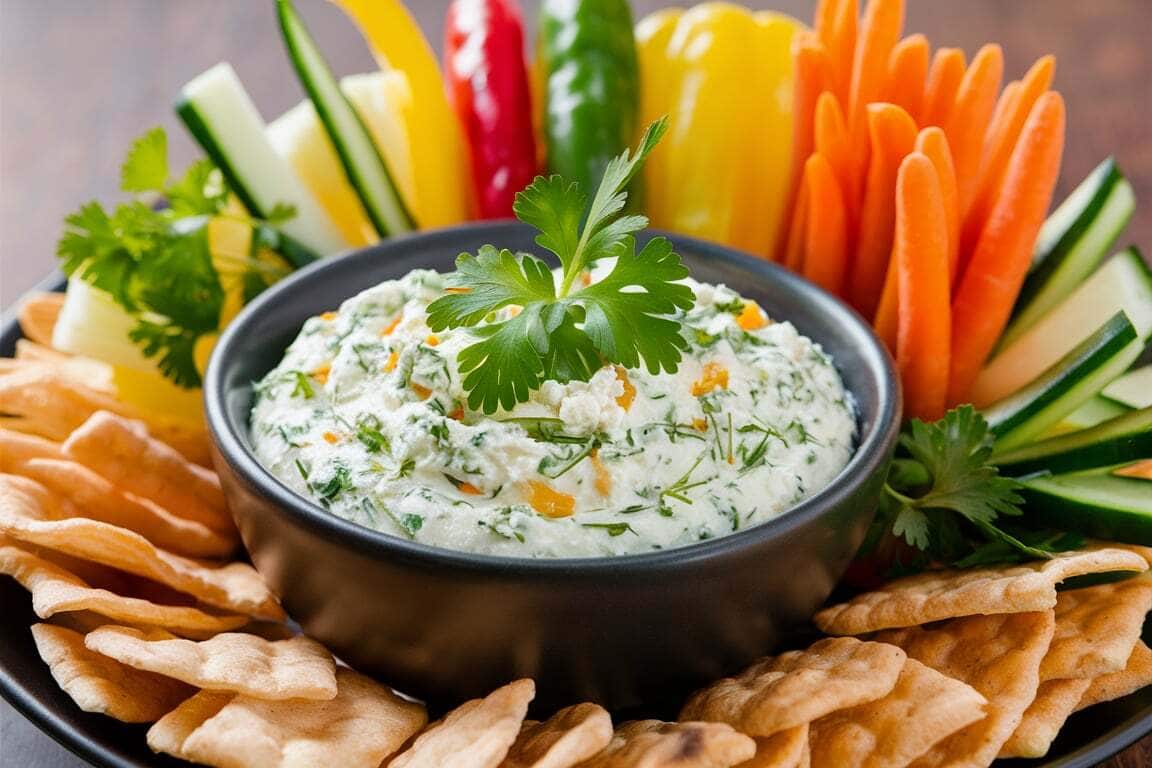
Cottage Cheese and Herb Dip
Fresh cottage cheese and herb dip, served with colorful vegetable sticks and crispy crackers.
This cool dip is great as a healthy snack or at celebrations. It tastes great as a spread on sandwiches, fresh veggies, or pita chips.
Ingredients
1 cup cottage cheese
1/4 cup Greek yogurt
Two tablespoons fresh chives, chopped
Two tablespoons fresh parsley, chopped
One tablespoon of fresh dill, chopped
One clove of garlic, minced
Salt and pepper to taste
Instructions
Blend Base: Blend the cottage cheese and Greek yogurt until smooth in a food processor.
Mix in Herbs: Spoon the mixture into a bowl, then mix with the chopped garlic and herbs.
Season: To taste, add salt and pepper for seasoning.
Serve: Serve with fresh vegetables and pita chips, or use them as a spread on sandwiches.
Tips: Add a small pinch of red pepper flakes for some heat.
Cottage cheese is not just delicious but also offers numerous health benefits:
Supports Weight Loss: High in protein and low in fat, it helps keep you full longer.
Promotes Muscle Gain: Its high protein content benefits muscle recovery and growth.
Bone Health: Rich in calcium and phosphorus, it supports strong bones.
Digestive Health: The probiotics in cottage cheese aid in maintaining a healthy gut.
Conclusion
Cottage cheese is a nutritious and versatile ingredient, ideal for a wide range of innovative recipes. From breakfast to dinner, and from sweet to savory, there are countless delicious cottage cheese recipes to incorporate into your meals. Its high protein content and rich nutrients make it a perfect addition to any diet. Experimenting with cottage cheese can add variety and excitement to your daily meals.
Try these cottage cheese recipes this week to discover new favorite dishes that not only taste great but also offer significant health benefits. Whether you’re looking to boost your protein intake or enjoy a healthy snack, cottage cheese recipes can be your go-to for delicious, nutritious meals. Embrace the versatility of cottage cheese and elevate your culinary creations.
[/vc_column_text][/vc_column][/vc_row][vc_row][vc_column width=”1/1″][us_separator size=”small”][us_text text=” Frequently Asked Questions (FAQs) ” link=”%7B%22url%22%3A%22%22%7D” tag=”h2″][vc_tta_accordion][vc_tta_section title=”What are some unique ways to use cottage cheese in recipes?” tab_link=”%7B%22url%22%3A%22%22%7D”][vc_column_text]Cottage cheese can be used in various innovative ways, such as in savory stuffed peppers, sweet cottage cheese pancakes, creamy pasta sauces, or as a base for healthy smoothies and dips.
[/vc_column_text][/vc_tta_section][vc_tta_section title=”Are cottage cheese recipes suitable for weight loss?” tab_link=”%7B%22url%22%3A%22%22%7D”][vc_column_text]Yes, cottage cheese is high in protein and low in fat, making it a great choice for weight loss. Incorporating it into your meals can help you feel full longer and support your weight management goals.[/vc_column_text][/vc_tta_section][vc_tta_section title=”Can I use cottage cheese in desserts?” tab_link=”%7B%22url%22%3A%22%22%7D”][vc_column_text]Absolutely! Cottage cheese can be used in desserts like cheesecake, pudding, or mixed with fruit for a healthy treat. Its mild flavor works well in both sweet and savory dishes.[/vc_column_text][/vc_tta_section][vc_tta_section title=”What are some quick cottage cheese recipes for busy weeknights?” tab_link=”%7B%22url%22%3A%22%22%7D”][vc_column_text]For quick meals, try cottage cheese with fresh fruit and nuts, savory cottage cheese and veggie wraps, or a simple cottage cheese and herb dip served with crackers or veggies.[/vc_column_text][/vc_tta_section][vc_tta_section title=”How can I make cottage cheese recipes more flavorful?” tab_link=”%7B%22url%22%3A%22%22%7D”][vc_column_text]Enhance the flavor of cottage cheese recipes by adding herbs, spices, or citrus zest. You can also mix in ingredients like garlic, onion, or fresh vegetables for added taste and texture.[/vc_column_text][/vc_tta_section][vc_tta_section title=”Section”][/vc_tta_section][/vc_tta_accordion][/vc_column][/vc_row]
Menopause is a changing phase in a woman’s life that can come with a variety of physical and emotional changes. One of the most challenging aspects of menopause is weight gain, which can affect your self-esteem and overall health. Fortunately, a targeted approach to diet and lifestyle can help manage weight and improve your quality of life. In this detailed guide, we will explore the menopause diet 5 day plan to lose weight, offering you a comprehensive strategy for effective weight management during this significant life stage.
Understanding Menopause and Its Impact on Weight
What Is Menopause?
Menopause represents the end of a woman’s menstrual cycles and fertility, typically between 45 and 55. It is a natural biological process characterized by a decline in reproducing hormones, primarily estrogen and progesterone. Menopause is divided into three distinct stages:
Perimenopause
This transitional period can begin several years before menopause. Hormone levels fluctuate, and you might experience irregular periods, hot flashes, and mood swings. Perimenopause is a time for women to start paying attention to their health and make lifestyle adjustments.
Menopause
Officially defined as the point when you have not had a period for 12 consecutive months, menopause marks the end of your reproductive years. Symptoms can consist of hot flashes, night sweats, and changes in mood and libido.
Postmenopause
This is the stage after menopause, where symptoms may persist but generally begin to stabilize. Women in postmenopause may continue to experience symptoms but can benefit from lifestyle changes made during earlier stages.
Understanding these stages helps you tailor your diet and lifestyle to address specific symptoms and health goals.
How Menopause Affects Weight
Menopause can significantly impact your weight due to a combination of hormonal, metabolic, and lifestyle changes:
Hormonal Fluctuations
During menopause, estrogen falls decrease, leading to changes in fat distribution. Estrogen helps regulate fat storage and metabolism. Instead of accumulating around the hips and thighs, lower amounts of this hormone can induce fat to gather around the belly. This change in fat distribution raises the risk of diabetes and cardiovascular illnesses in addition to being a cosmetic concern.
Additional Insight: Estrogen also affects how your body processes glucose and fat. With reduced estrogen levels, insulin sensitivity can decrease. This can make losing weight and lead to weight gain more challenging.
Metabolic Slowdown
A decrease in metabolism is a natural part of ageing, but menopause exacerbates this process. Your basal metabolic rate (BMR), which determines how many calories you burn at rest, decreases as you age. During menopause, this reduction can be more pronounced due to hormonal changes.
Additional Insight: Exercise and nutrition can control metabolic slowing. Strength training increases muscle mass, and since muscle burns more calories than fat, it can assist in boosting metabolism.
Changes in Muscle Mass
Estrogen is crucial for maintaining muscle mass. As estrogen levels drop throughout menopause, you can gradually lose muscle, which might impede your metabolism and lead to weight gain.
Additional Insight: Regular resistance exercises, such as weight lifting or body-weight workouts, can help maintain and build muscle mass, thereby supporting a healthy metabolism.
Lifestyle Factors
Changes in lifestyle, including reduced physical activity, increased stress, and poor dietary choices, can also contribute to weight gain during menopause.
Additional Insight: Adopting a balanced diet and a consistent exercise routine can counteract these lifestyle changes. Also, managing stress through mindfulness practices can improve emotional wellbeing and weight management.
Why a Specialized Diet Plan for Menopause?
A diet plan tailored for menopause addresses specific nutritional needs and aims to alleviate menopause symptoms while supporting weight loss. The menopause diet 5 day plan to lose weight offers a focused approach to help you achieve your health goals by incorporating:
Hormone Balance: meals high in nutrients that help with hormone regulation and reduce symptoms like mood swings and hot flashes.
Metabolism Support: Foods that boost metabolic rate and promote fat loss.
Satiety and Satisfaction: Meals are designed to keep you full and satisfied, reducing the likelihood of overeating.
Overall Health: A diet that supports cardiovascular health, bone strength, and general wellbeing.
Additional Insight: A specialized diet plan for menopause addresses weight loss and promotes a holistic approach to health. It focuses on reducing inflammation, supporting heart health, and preventing osteoporosis, common concerns during menopause.
The menopause diet 5 day plan to lose weight: Detailed Breakdown
Day 1: Kickstart Your Weight Loss Journey
Breakfast: Greek Yogurt with Berries and Almonds
Greek yoghurt is rich in probiotics and protein, which support digestion and muscle maintenance. Berries are high in antioxidants, which help combat oxidative stress and inflammation. Almonds offer protein and good fats, which help with satiety and energy levels.
Lunch: Mixed greens, avocado, and grilled chicken salad
This meal combines lean protein from chicken, healthy fats from avocado, and a variety of vitamins and minerals from mixed greens. The healthy fats and high protein content help regulate hormones and manage hunger.
Dinner: Steamed broccoli and Quinoa with Baked Salmon
Omega-3 fatty acids, suitable for the heart and reducing inflammation, are abundant in salmon. Quinoa is a complete protein and a good source of fibre, while broccoli provides essential vitamins and antioxidants.
Snacks:
A small handful of walnuts for healthy fats and protein supports brain health.
A piece of fruit, like an apple or pear, for natural sweetness and fibre.
Tip: Begin your day with a protein-rich breakfast to kickstart your metabolism. A protein-rich meal helps stabilize blood sugar levels and keeps you feeling full longer.
Day 2: Focus on Fiber and Protein
Breakfast: Scrambled Eggs with Spinach and Tomatoes
Eggs offer high-quality protein and essential nutrients, while spinach and tomatoes provide fibre and vitamins. This breakfast supports muscle maintenance and digestive health.
Lunch: A Side of Mixed Greens Salad with Lentil Soup
Plant-based fibre and protein like lentils help keep your digestive system healthy and satisfy your hunger. A side salad increases nutrient content and promotes better hydration.
Dinner: Turkey Meatballs with Pasta Squash and Marinara Sauce
Turkey meatballs are lean protein sources, and spaghetti squash is a low-carb alternative to pasta. Marinara sauce adds flavour without excessive calories or sugars.
Snacks:
Carrot sticks with hummus are used to combine fibre and protein.
A small serving of cottage cheese for additional protein and calcium.
Tip: Incorporate fibre-rich foods like lentils and vegetables to support digestion and manage hunger. Fibre also helps keep up stable blood sugar levels.
Day 3: Emphasize Healthy Fats and Hydration
Breakfast: Smoothie with Spinach, Banana, and Chia Seeds
Spinach and banana offer a nutrient-dense start to your day, while chia seeds provide omega-3 fatty acids, which support heart health and hormone balance.
Lunch: Quinoa Salad with Chickpeas, Cucumbers, and Feta Cheese
This salad combines protein and fibre from quinoa and chickpeas with the refreshing crunch of cucumbers and the flavour of feta cheese. It supports muscle maintenance and digestive health.
Dinner: Grilled Shrimp Tacos with Cabbage Slaw
Shrimp is a low-calorie, high-protein food, and cabbage slaw adds crunch and nutrients without calories. To increase fibre content, use whole-grain tortillas.
Snacks:
A handful of mixed nuts for healthy fats, protein, and essential nutrients.
A few slices of cucumber with a squeeze of lemon for a refreshing, hydrating snack.
Tip: Healthy fats from sources like avocados and nuts support hormonal balance and provide lasting energy. Additionally, maintaining weight and general health depends heavily on hydration.
Day 4: Incorporate Antioxidants and Lean Proteins
Breakfast: Chia seeds, almond milk, and fresh berries for overnight oats
Overnight oats are easy to prepare and provide a nutritious start to the day. Almond milk is low in calories, chia seeds offer omega-3 fatty acids, and berries are rich in antioxidants.
Lunch: Grilled Vegetable Wrap with Whole Grain Tortilla
Grilled vegetables offer a variety of vitamins and minerals, and a whole-grain tortilla adds fibre and nutrients. This wrap is a filling and nutritious lunch option.
Dinner: Baked Sweet Potato, Chicken Breast and Green Beans
Chicken breast provides lean protein, sweet potatoes offer complex carbohydrates and fibre, and green beans add essential vitamins and a satisfying crunch.
Snacks:
A combination of fibre, protein, and good fats can be found in an apple with a spoonful of almond butter.
A small handful of berries for a low-calorie, antioxidant-rich snack.
Tip: Incorporate antioxidant-rich foods to help combat oxidative stress and support overall health. Antioxidants play a crucial role in lowering inflammation and enhancing health.
Day 5: Balance and Recharge
Breakfast: Poached egg and avocado toast on whole-grain bread
Avocado toast combines healthy fats from avocado with protein from a poached egg and fibre from whole-grain bread. This balanced meal supports satiety and energy levels.
Lunch: Spinach and Feta-Puffed Chicken Breast with a Side of Roasted Vegetables
This meal provides lean protein and essential nutrients, with spinach and feta offering a flavorful and nutrient-dense stuffing. Roasted vegetables add vitamins, minerals, and fibre.
Dinner: Vegetable Stir-frying with Tofu and Brown Rice
Tofu is a versatile plant-based protein, and brown rice adds whole grains to your meal. The vegetable stir-fry provides a variety of nutrients and can be personalized with your favourite vegetables.
Snacks:
A small handful of pumpkin seeds for a nutrient-dense, protein-rich snack.
A cup of green tea for its metabolism-boosting properties and antioxidants.
Tip: Maintain balanced meals and snacks throughout the day to support steady blood sugar levels and prevent overeating. Consistency is critical for effective weight management.
Tips for Success on the Menopause Diet Plan
Stay Hydrated
Hydration is essential for weight management and overall health. Water aids in digestion helps control appetite and supports various bodily functions.
Hydration Tips:
Carry a Water Bottle: Carry a reusable water bottle with you at all times to constantly remind you to hydrate.
Infuse Water: To add a refreshing taste to your water without adding extra calories, add pieces of fruit, like lemon, lime, or berries.
Pre-Meal Hydration: Before meals, sip a glass of water to help manage portion sizes and avoid overindulging.
Additional Insight: Proper hydration supports healthy digestion and improves skin health and energy levels.
Exercise Regularly
Any effective weight loss program must include regular physical activity. Exercise promotes overall health, muscle growth, and calorie burning.
Exercise Recommendations:
Cardio Exercises: Participate in moderate-intense weekly exercise such as cycling, swimming, jogging, or walking for at least 150 minutes.
Strength Training: Include strength-training activities like resistance band or weightlifting at least twice weekly to build muscle and support a healthy metabolism.
Flexibility and Balance: Exercises like yoga and Pilates, balance, and stress management can increase flexibility.
Additional Insight: Combining cardio, strength training, and flexibility exercises offers a comprehensive fitness routine that addresses various aspects of health and wellbeing.
Get Enough Sleep
Getting enough sleep is essential for preserving a healthy weight and general wellbeing. Poor sleep can disrupt hormones related to hunger and metabolism.
Sleep Tips:
Consistent Schedule: Aim for seven to nine hours of sleep every night, and set your alarm for the same time every day.
Relaxing Routine: Establish a calming pre-sleep routine, such as reading a book, taking a warm bath, or practising deep-breathing exercises.
Comfortable Environment: Create a sleep-friendly environment by keeping your bedroom cool, dark, and quiet.
Additional Insight: Quality sleep supports various bodily functions, including hormone regulation, cognitive function, and emotional wellbeing.
Manage Stress
Remaining stress-free is crucial for both general health and a healthy weight. Weight gain and emotional eating are two consequences of chronic stress.
Stress Management Techniques:
Mindfulness Practices: To reduce stress, engage in mindfulness practices such as meditation, deep breathing, or progressive muscle relaxation.
Regular Exercise: Include exercise to reduce stress and release endorphins.
Hobbies and Interests: Choose activities that make you happy and calm, such as reading, gardening, or crafting.
Social Support: Contact friends, family, or support groups to share your experiences and receive emotional support.
Additional Insight: Use effective stress management practices to maintain a healthy lifestyle and enhance your mental wellbeing.
Conclusion
A major life shift, menopause can present both possibilities for growth and problems. Following the menopause diet 5 day plan to lose weight, you can take proactive steps towards managing your weight and enhancing your overall wellbeing. This plan offers a balanced approach to nutrition, focusing on hormone balance, metabolism support, and fullness to support your weight loss objectives.
In today’s world, sugar seems omnipresent—hidden in processed snacks, drinks, and even savoury meals. Undertaking a no-sugar challenge can transform your health, offering benefits beyond the obvious. Removing added sugars from your diet is essential for weight loss, increased energy, and overall well-being. This blog explores a 14-Day No Sugar Diet Food List to guide you toward a healthier lifestyle.
Why Go Sugar-Free?
Reducing sugar isn’t just a trend; it’s a science-backed choice. Here are the key benefits of going sugar-free:
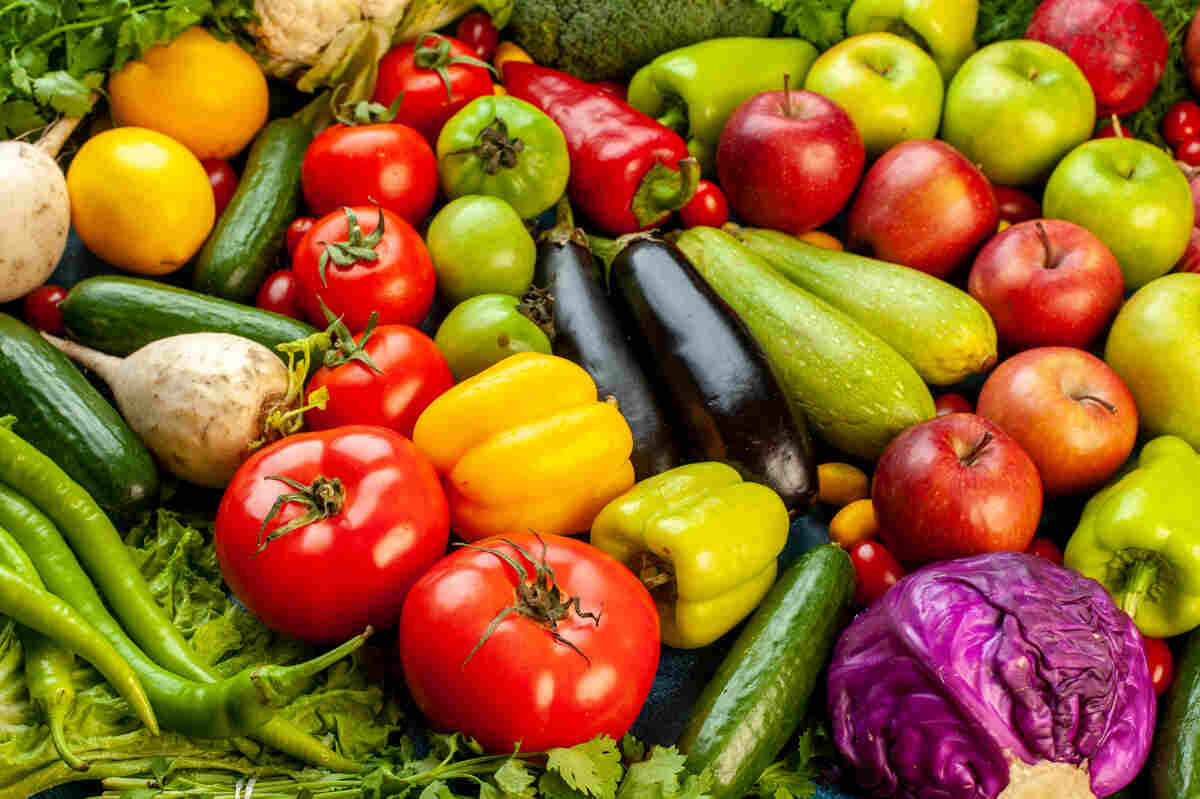
Root Vegetables: Carrots, turnips (in moderation).
Other Options: Bell peppers, cucumbers, zucchini.
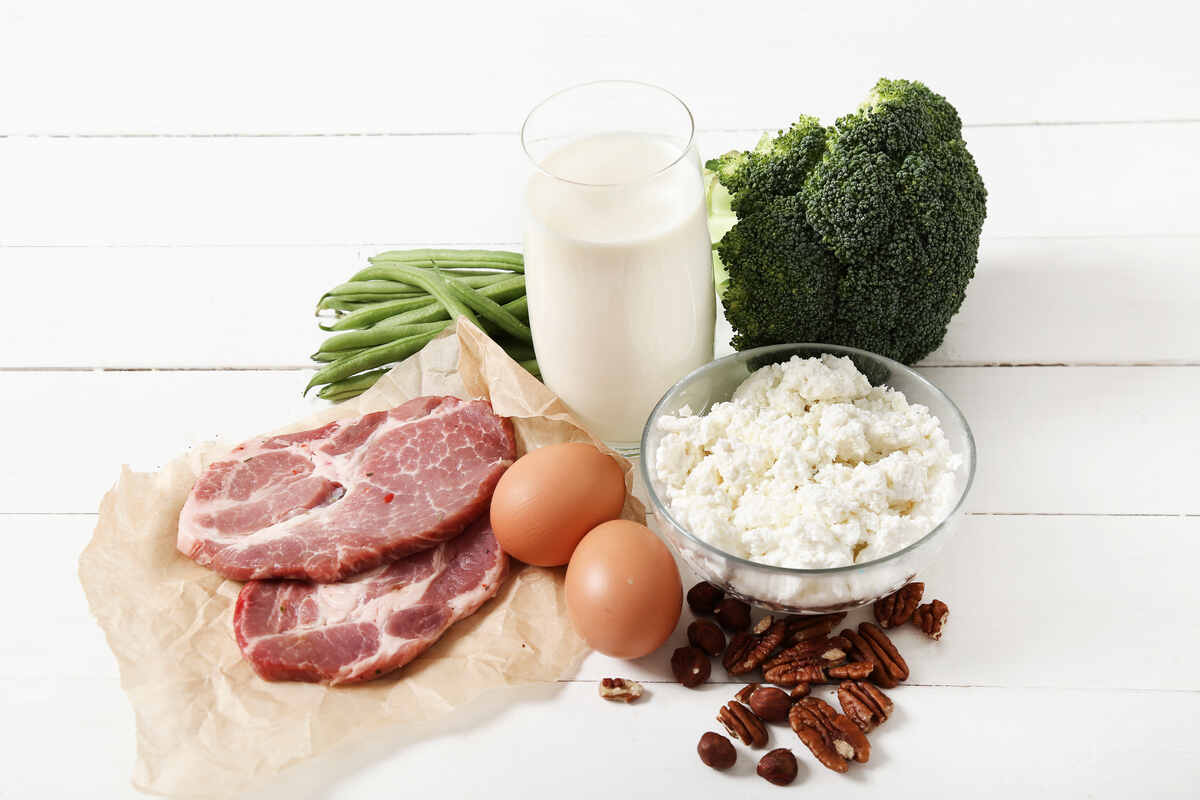
Protein Sources
Protein helps you stay full and supports muscle repair:
Lean Meats: Chicken, turkey, lean beef.
Fish and Seafood: Salmon, cod, tuna.
Plant-Based Proteins: Lentils, chickpeas, tofu.
Eggs: Versatile and nutrient-dense.
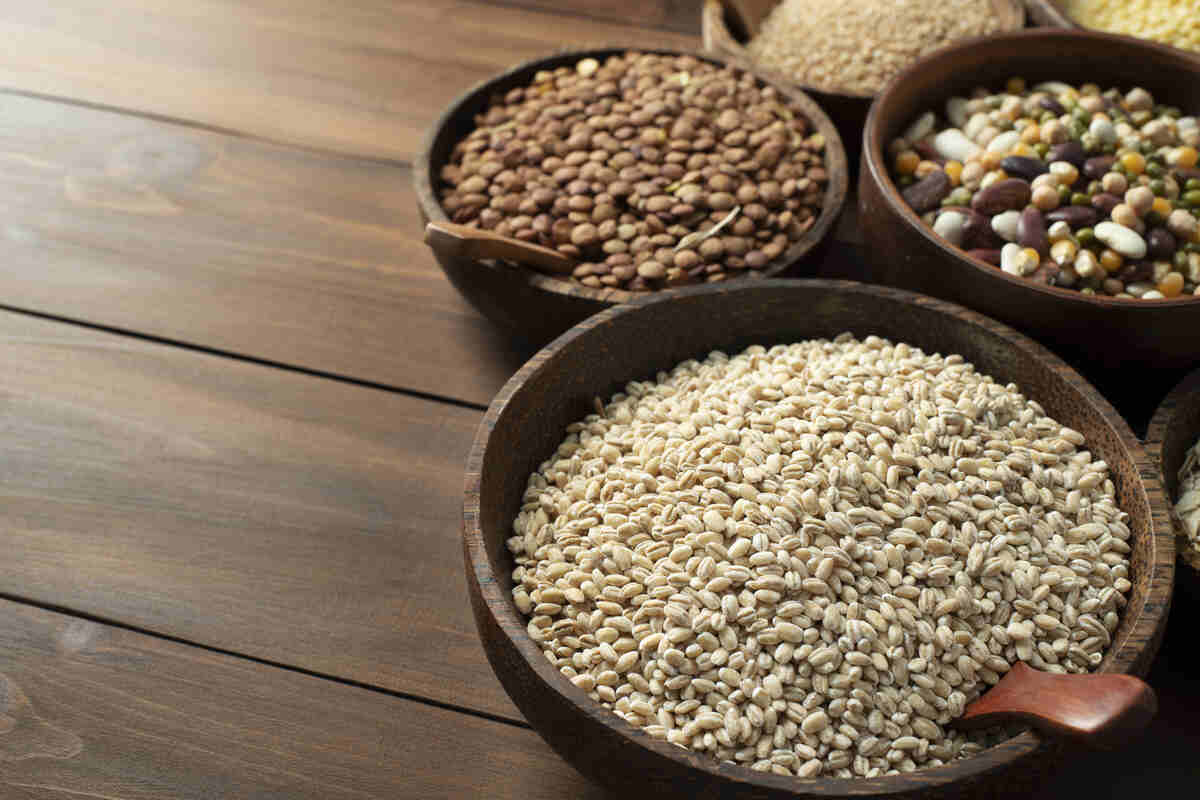
Whole Grains
Ditch refined grains for these healthier options:
Quinoa: A protein-rich, gluten-free choice.
Brown Rice: Higher in fibre than white rice.
Oats: Choose unsweetened, plain varieties.
Healthy Fats
Fats provide long-lasting energy and satiety:
Avocados: Use in salads or as spreads.
Nuts and Seeds: Almonds, chia seeds, flaxseeds.
Olive Oil: Ideal for dressings and cooking.
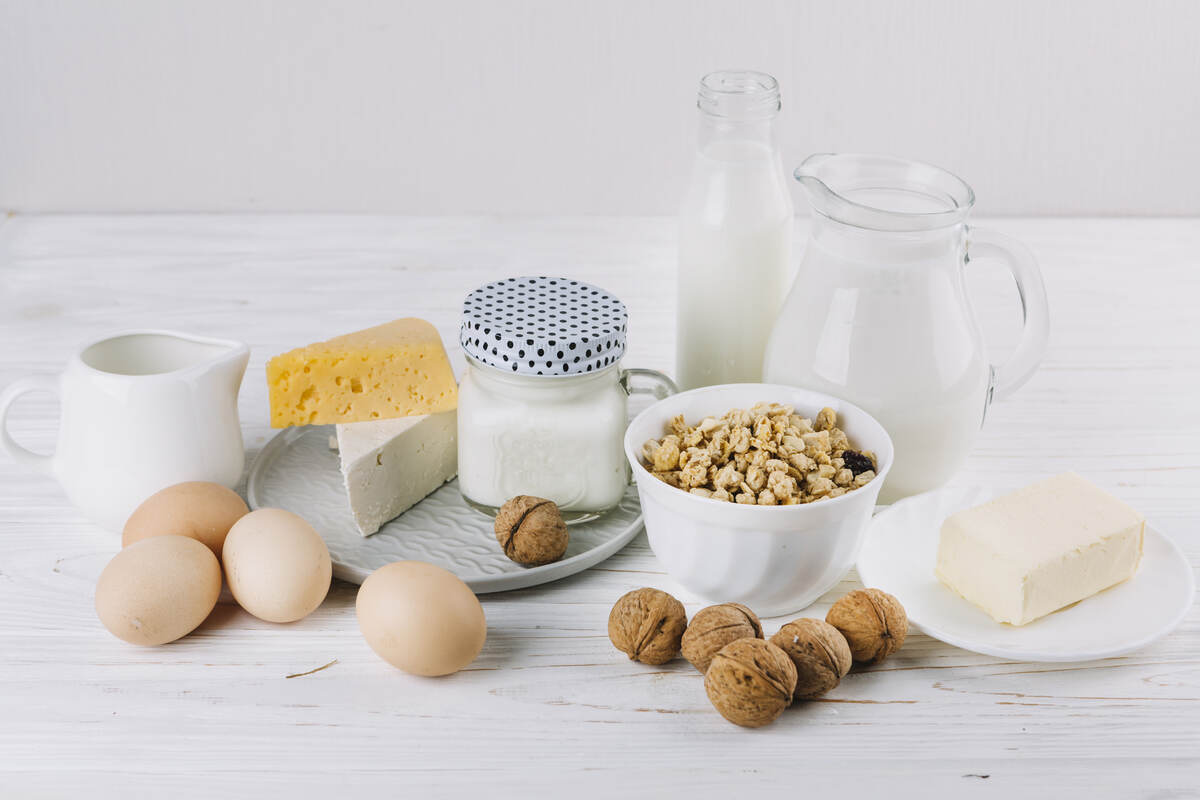
Dairy and Alternatives
Stick to unsweetened options:
Plain Greek Yogurt: Rich in protein & probiotics.
Unsweetened Almond Milk: A versatile milk substitute.
Cheese: Choose natural, unprocessed varieties.
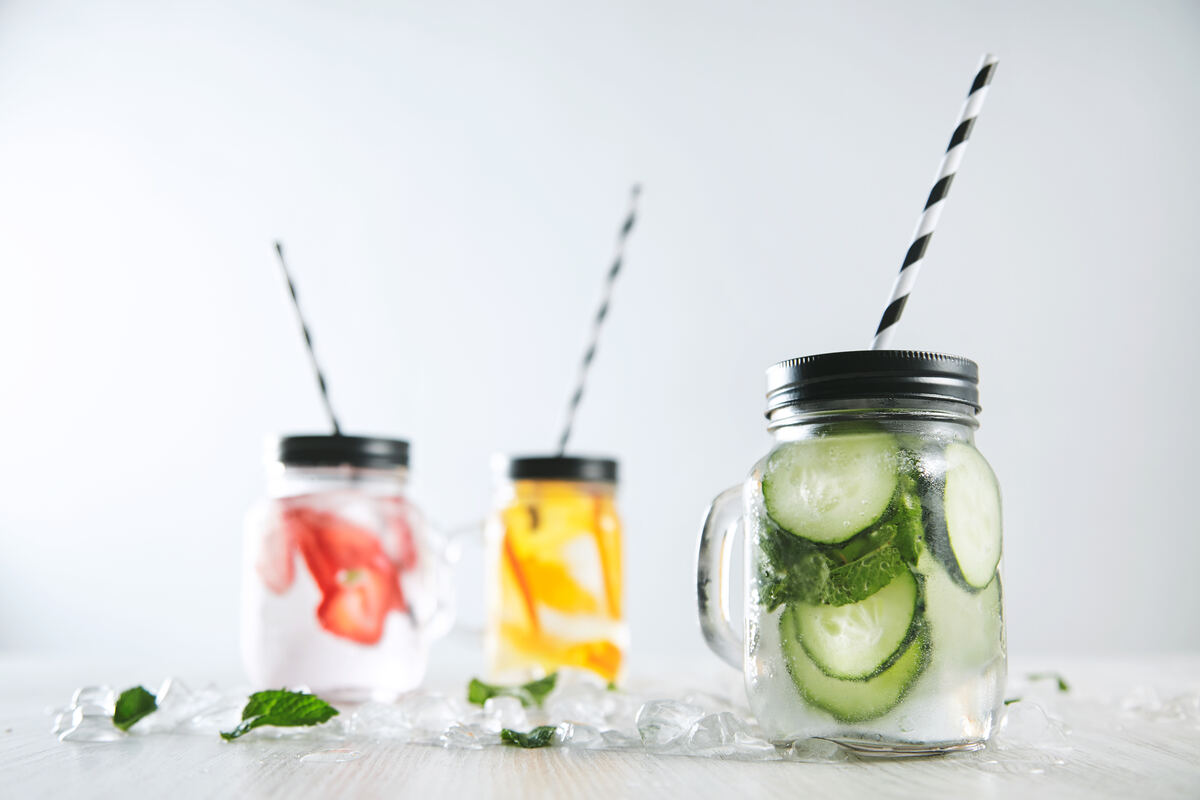
Beverages
Stay hydrated with these no-sugar drinks:
Water: Infuse with lemon or cucumber for variety.
Herbal Teas: Naturally sugar-free and caffeine-free.
Black Coffee: Skip the sugary syrups.
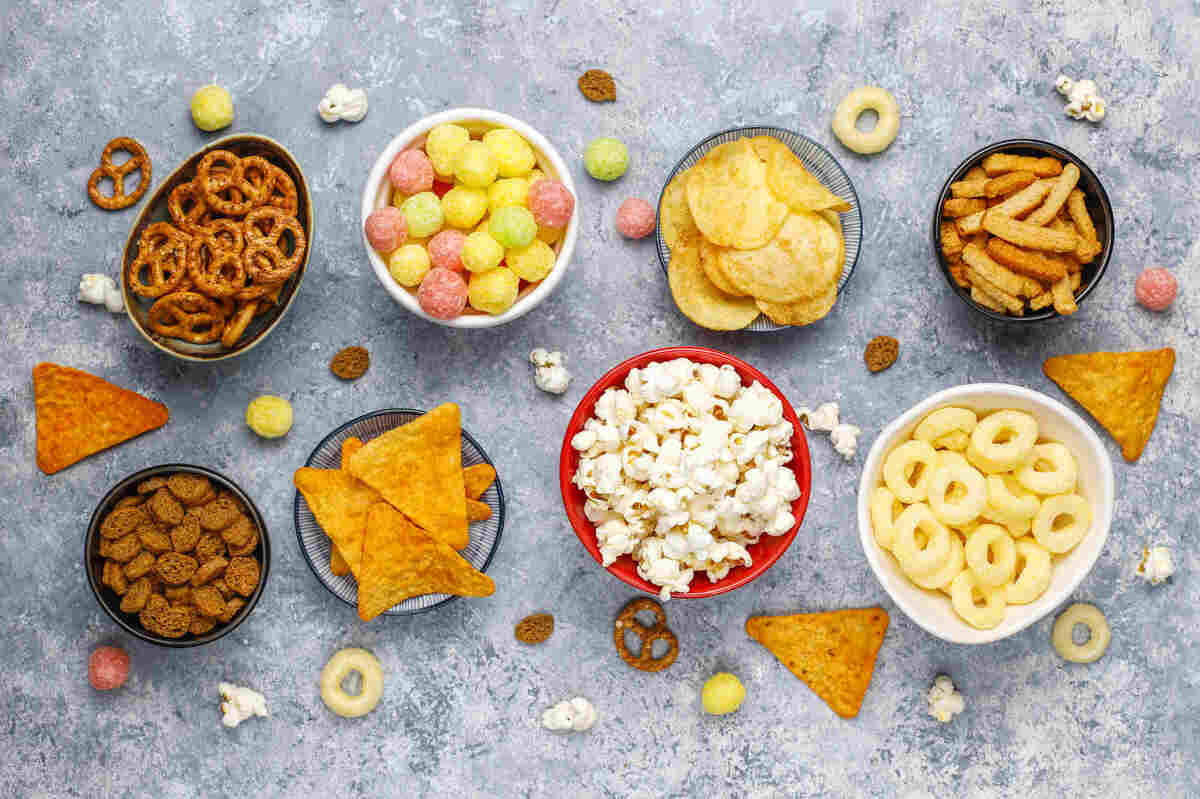
Snacks
Healthy snacking helps curb cravings:
Vegetable Sticks: Pair carrots or celery with hummus.
Nuts and Seeds: Handful of almonds or sunflower seeds.
Fruit Slices: Apple or pear slices with cinnamon.
Sample 7-Day No-Sugar Diet Meal Plan
Here’s an example meal plan to kick-start your journey:
Day 1
Breakfast: Greek yoghurt with berries and chia seeds.
Lunch: Grilled chicken salad with olive oil dressing.
Dinner: Baked salmon with quinoa and broccoli.
Snack: Apple slices with almond butter.
Day 2
Breakfast: Scrambled eggs with spinach.
Lunch: Lentil soup with roasted vegetables.
Dinner: Stir-fried tofu with brown rice.
Snack: Carrot sticks and hummus.
Tips for Success on a No-Sugar Journey
Read Labels: Look for hidden sugars in packaged foods.
Plan Meals: Stick to a meal plan to avoid temptations.
Stay Hydrated: Thirst can often be confused with hunger.
Keep Snacks Handy: Healthy options reduce the risk of unhealthy cravings.
Stay Positive: Focus on the benefits like better energy and mood.
Conclusion
A no-sugar diet is a decisive step toward a healthier, more energized lifestyle. You can embrace this challenge and experience lasting benefits with the correct food list and meal plan. Commit to your goals, and let this 14-day, no-sugar diet food list guide your success.
Enjoy the journey to better health and vitality—one sugar-free meal at a time!
 Vegetables
 Protein Sources
 Whole Grains
 Healthy Fats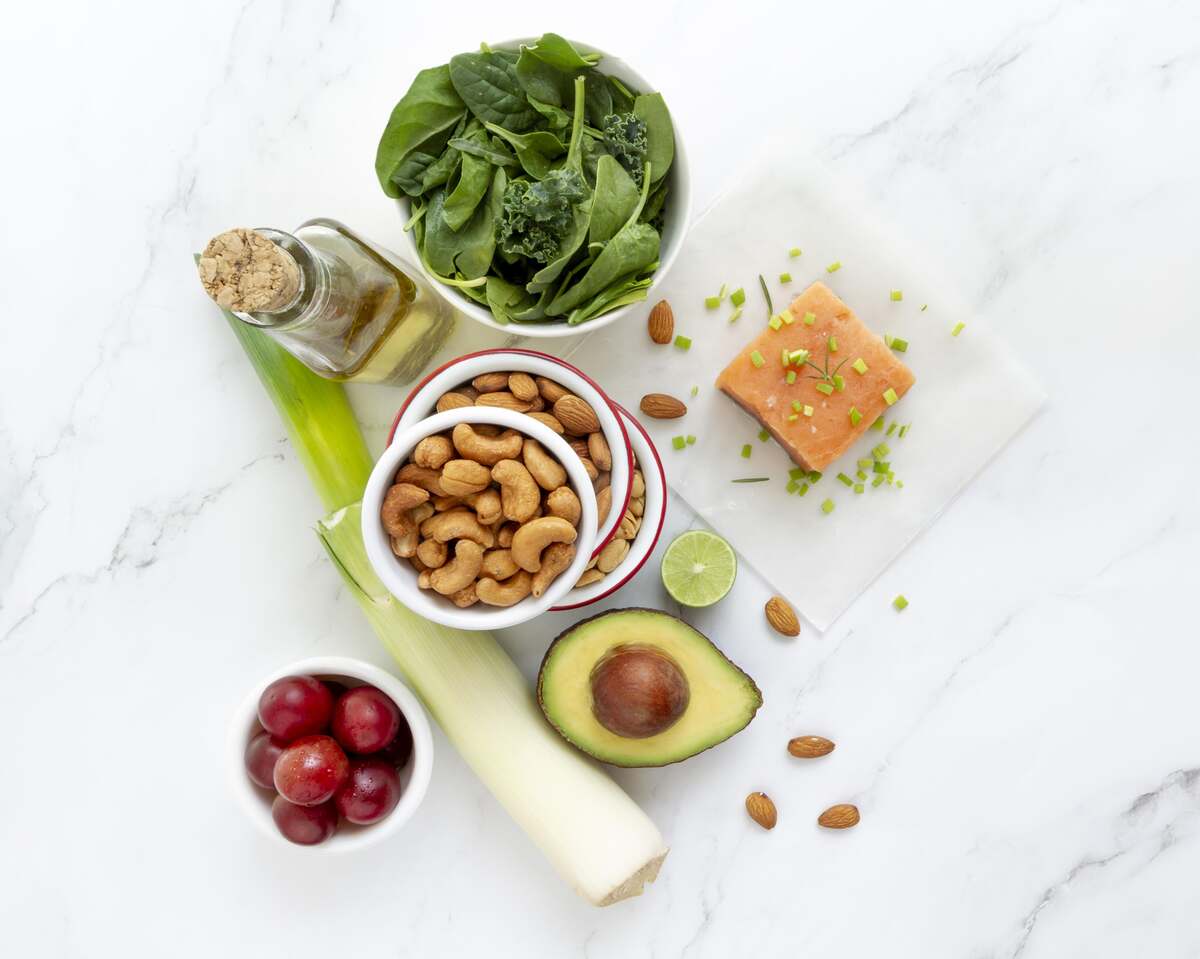
 Beverages
 Snacks
 Sample 7-Day No-Sugar Diet Meal Plan