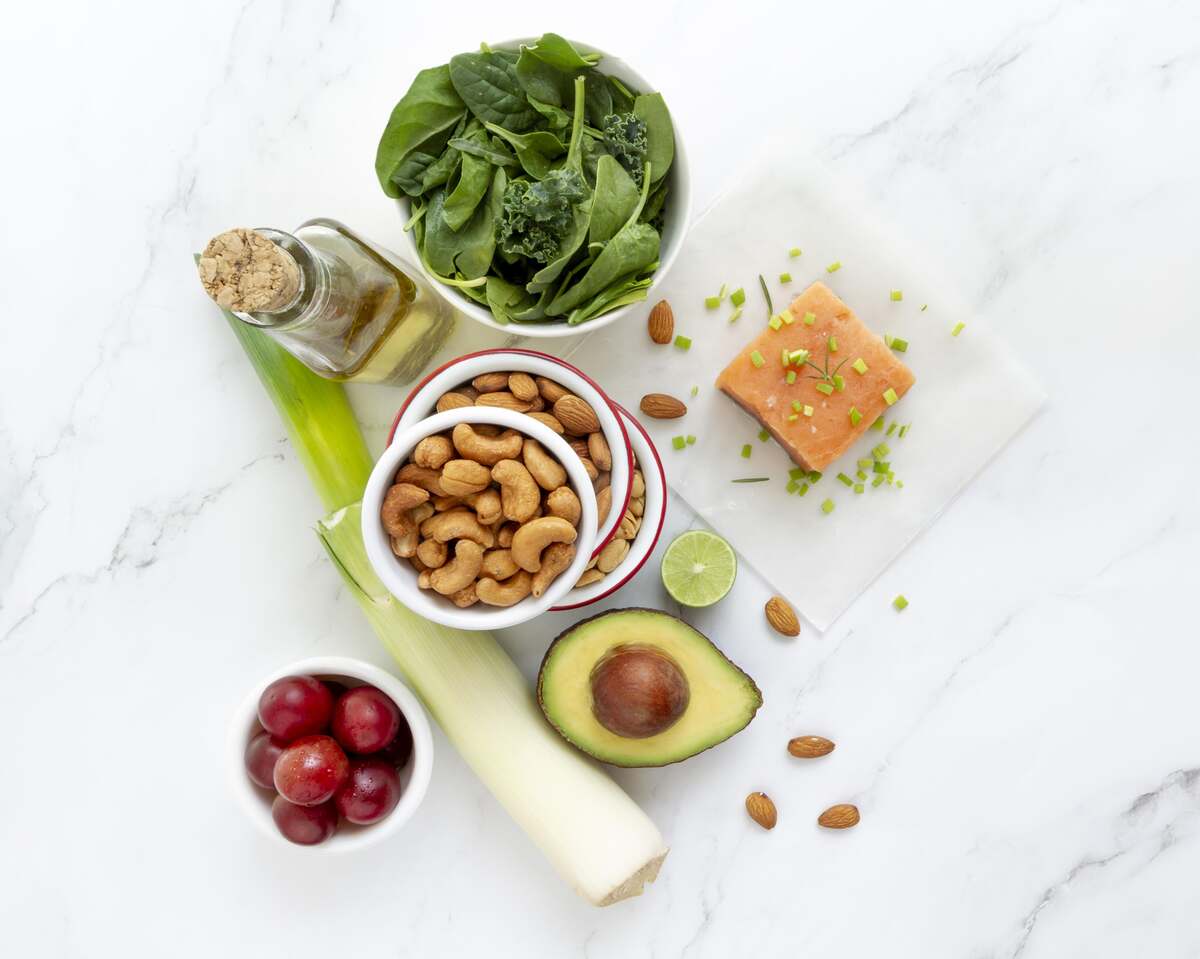
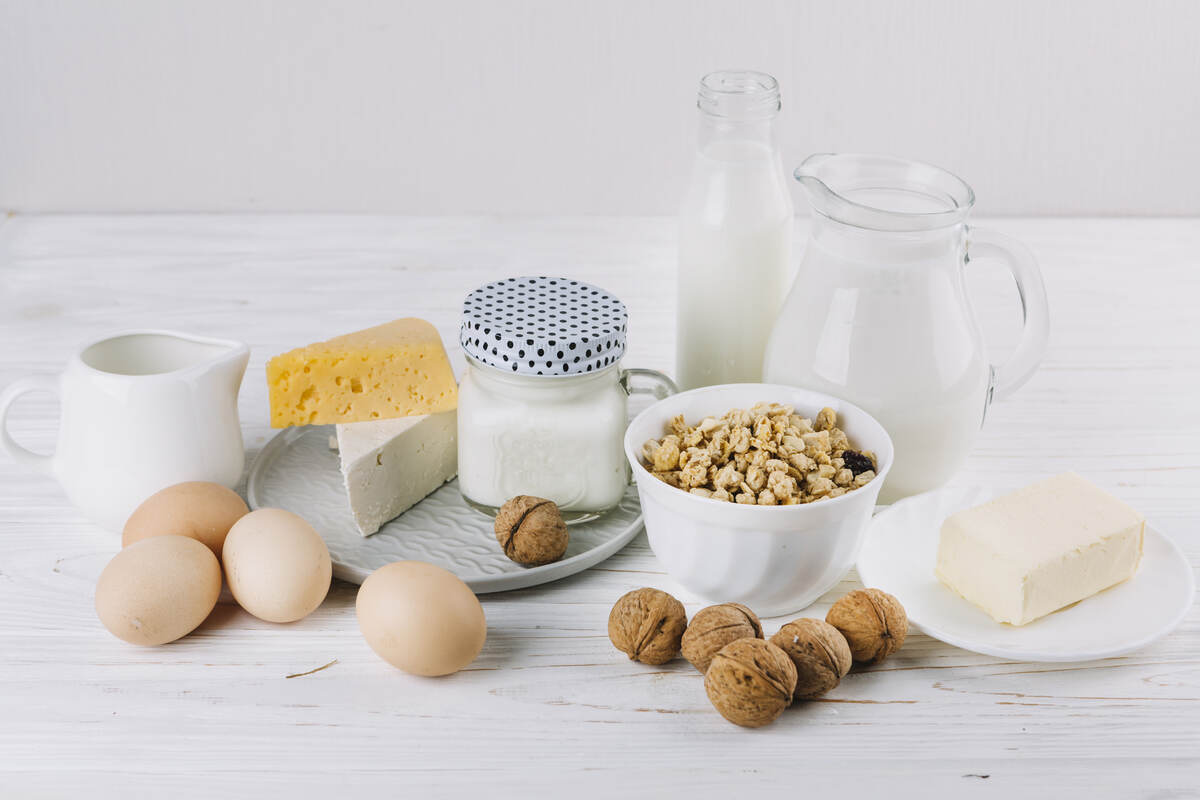
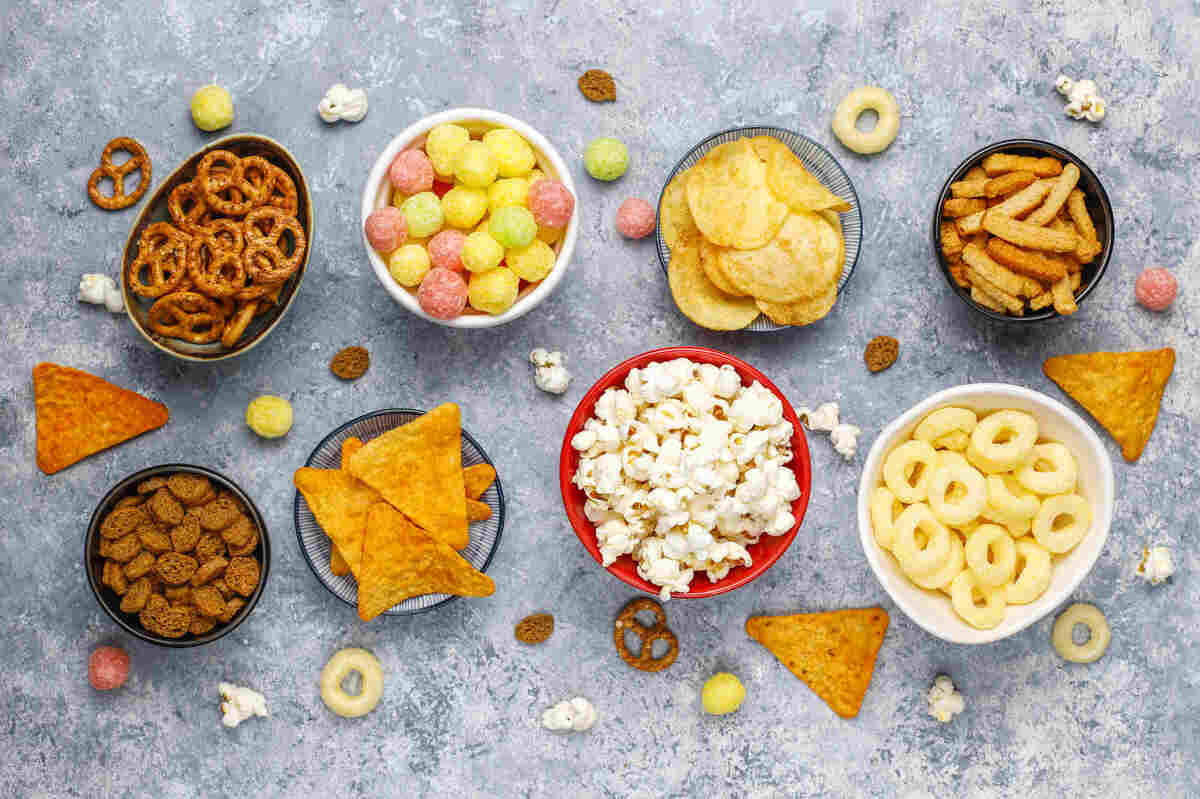
Tag: weight loss

The Menopause Diet 5 Day Plan to Lose Weight

Menopause is a changing phase in a woman’s life that can come with a variety of physical and emotional changes. One of the most challenging aspects of menopause is weight gain, which can affect your self-esteem and overall health. Fortunately, a targeted approach to diet and lifestyle can help manage weight and improve your quality of life. In this detailed guide, we will explore the menopause diet 5 day plan to lose weight, offering you a comprehensive strategy for effective weight management during this significant life stage.

Understanding Menopause and Its Impact on Weight

What Is Menopause?

Menopause represents the end of a woman’s menstrual cycles and fertility, typically between 45 and 55. It is a natural biological process characterized by a decline in reproducing hormones, primarily estrogen and progesterone. Menopause is divided into three distinct stages:

Perimenopause

This transitional period can begin several years before menopause. Hormone levels fluctuate, and you might experience irregular periods, hot flashes, and mood swings. Perimenopause is a time for women to start paying attention to their health and make lifestyle adjustments.

Menopause

Officially defined as the point when you have not had a period for 12 consecutive months, menopause marks the end of your reproductive years. Symptoms can consist of hot flashes, night sweats, and changes in mood and libido.

Postmenopause

This is the stage after menopause, where symptoms may persist but generally begin to stabilize. Women in postmenopause may continue to experience symptoms but can benefit from lifestyle changes made during earlier stages.

Understanding these stages helps you tailor your diet and lifestyle to address specific symptoms and health goals.

How Menopause Affects Weight

Menopause can significantly impact your weight due to a combination of hormonal, metabolic, and lifestyle changes:

Hormonal Fluctuations

During menopause, estrogen falls decrease, leading to changes in fat distribution. Estrogen helps regulate fat storage and metabolism. Instead of accumulating around the hips and thighs, lower amounts of this hormone can induce fat to gather around the belly. This change in fat distribution raises the risk of diabetes and cardiovascular illnesses in addition to being a cosmetic concern.

Additional Insight: Estrogen also affects how your body processes glucose and fat. With reduced estrogen levels, insulin sensitivity can decrease. This can make losing weight and lead to weight gain more challenging.

Metabolic Slowdown

A decrease in metabolism is a natural part of ageing, but menopause exacerbates this process. Your basal metabolic rate (BMR), which determines how many calories you burn at rest, decreases as you age. During menopause, this reduction can be more pronounced due to hormonal changes.

Additional Insight: Exercise and nutrition can control metabolic slowing. Strength training increases muscle mass, and since muscle burns more calories than fat, it can assist in boosting metabolism.

Changes in Muscle Mass

Estrogen is crucial for maintaining muscle mass. As estrogen levels drop throughout menopause, you can gradually lose muscle, which might impede your metabolism and lead to weight gain.

Additional Insight: Regular resistance exercises, such as weight lifting or body-weight workouts, can help maintain and build muscle mass, thereby supporting a healthy metabolism.

Lifestyle Factors

Changes in lifestyle, including reduced physical activity, increased stress, and poor dietary choices, can also contribute to weight gain during menopause.

Additional Insight: Adopting a balanced diet and a consistent exercise routine can counteract these lifestyle changes. Also, managing stress through mindfulness practices can improve emotional wellbeing and weight management.

Why a Specialized Diet Plan for Menopause?

A diet plan tailored for menopause addresses specific nutritional needs and aims to alleviate menopause symptoms while supporting weight loss. The menopause diet 5 day plan to lose weight offers a focused approach to help you achieve your health goals by incorporating:

  • Hormone Balance: meals high in nutrients that help with hormone regulation and reduce symptoms like mood swings and hot flashes.
  • Metabolism Support: Foods that boost metabolic rate and promote fat loss.
  • Satiety and Satisfaction: Meals are designed to keep you full and satisfied, reducing the likelihood of overeating.
  • Overall Health: A diet that supports cardiovascular health, bone strength, and general wellbeing.

Additional Insight: A specialized diet plan for menopause addresses weight loss and promotes a holistic approach to health. It focuses on reducing inflammation, supporting heart health, and preventing osteoporosis, common concerns during menopause.

The menopause diet 5 day plan to lose weight: Detailed Breakdown

Day 1: Kickstart Your Weight Loss Journey

Breakfast: Greek Yogurt with Berries and Almonds

Greek yoghurt is rich in probiotics and protein, which support digestion and muscle maintenance. Berries are high in antioxidants, which help combat oxidative stress and inflammation. Almonds offer protein and good fats, which help with satiety and energy levels.

Lunch: Mixed greens, avocado, and grilled chicken salad

This meal combines lean protein from chicken, healthy fats from avocado, and a variety of vitamins and minerals from mixed greens. The healthy fats and high protein content help regulate hormones and manage hunger.

Dinner: Steamed broccoli and Quinoa with Baked Salmon

Omega-3 fatty acids, suitable for the heart and reducing inflammation, are abundant in salmon. Quinoa is a complete protein and a good source of fibre, while broccoli provides essential vitamins and antioxidants.

Snacks:

  • A small handful of walnuts for healthy fats and protein supports brain health.
  • A piece of fruit, like an apple or pear, for natural sweetness and fibre.

Tip: Begin your day with a protein-rich breakfast to kickstart your metabolism. A protein-rich meal helps stabilize blood sugar levels and keeps you feeling full longer.

Day 2: Focus on Fiber and Protein

Breakfast: Scrambled Eggs with Spinach and Tomatoes

Eggs offer high-quality protein and essential nutrients, while spinach and tomatoes provide fibre and vitamins. This breakfast supports muscle maintenance and digestive health.

Lunch: A Side of Mixed Greens Salad with Lentil Soup

Plant-based fibre and protein like lentils help keep your digestive system healthy and satisfy your hunger. A side salad increases nutrient content and promotes better hydration.

Dinner: Turkey Meatballs with Pasta Squash and Marinara Sauce

Turkey meatballs are lean protein sources, and spaghetti squash is a low-carb alternative to pasta. Marinara sauce adds flavour without excessive calories or sugars.

Snacks:

  • Carrot sticks with hummus are used to combine fibre and protein.
  • A small serving of cottage cheese for additional protein and calcium.

Tip: Incorporate fibre-rich foods like lentils and vegetables to support digestion and manage hunger. Fibre also helps keep up stable blood sugar levels.

Day 3: Emphasize Healthy Fats and Hydration

Breakfast: Smoothie with Spinach, Banana, and Chia Seeds

Spinach and banana offer a nutrient-dense start to your day, while chia seeds provide omega-3 fatty acids, which support heart health and hormone balance.

Lunch: Quinoa Salad with Chickpeas, Cucumbers, and Feta Cheese

This salad combines protein and fibre from quinoa and chickpeas with the refreshing crunch of cucumbers and the flavour of feta cheese. It supports muscle maintenance and digestive health.

Dinner: Grilled Shrimp Tacos with Cabbage Slaw

Shrimp is a low-calorie, high-protein food, and cabbage slaw adds crunch and nutrients without calories. To increase fibre content, use whole-grain tortillas.

Snacks:

  • A handful of mixed nuts for healthy fats, protein, and essential nutrients.
  • A few slices of cucumber with a squeeze of lemon for a refreshing, hydrating snack.

Tip: Healthy fats from sources like avocados and nuts support hormonal balance and provide lasting energy. Additionally, maintaining weight and general health depends heavily on hydration.

Day 4: Incorporate Antioxidants and Lean Proteins

Breakfast: Chia seeds, almond milk, and fresh berries for overnight oats

Overnight oats are easy to prepare and provide a nutritious start to the day. Almond milk is low in calories, chia seeds offer omega-3 fatty acids, and berries are rich in antioxidants.

Lunch: Grilled Vegetable Wrap with Whole Grain Tortilla

Grilled vegetables offer a variety of vitamins and minerals, and a whole-grain tortilla adds fibre and nutrients. This wrap is a filling and nutritious lunch option.

Dinner: Baked Sweet Potato, Chicken Breast and Green Beans

Chicken breast provides lean protein, sweet potatoes offer complex carbohydrates and fibre, and green beans add essential vitamins and a satisfying crunch.

Snacks:

  • A combination of fibre, protein, and good fats can be found in an apple with a spoonful of almond butter.
  • A small handful of berries for a low-calorie, antioxidant-rich snack.

Tip: Incorporate antioxidant-rich foods to help combat oxidative stress and support overall health. Antioxidants play a crucial role in lowering inflammation and enhancing health.

Day 5: Balance and Recharge

Breakfast: Poached egg and avocado toast on whole-grain bread

Avocado toast combines healthy fats from avocado with protein from a poached egg and fibre from whole-grain bread. This balanced meal supports satiety and energy levels.

Lunch: Spinach and Feta-Puffed Chicken Breast with a Side of Roasted Vegetables

This meal provides lean protein and essential nutrients, with spinach and feta offering a flavorful and nutrient-dense stuffing. Roasted vegetables add vitamins, minerals, and fibre.

Dinner: Vegetable Stir-frying with Tofu and Brown Rice

Tofu is a versatile plant-based protein, and brown rice adds whole grains to your meal. The vegetable stir-fry provides a variety of nutrients and can be personalized with your favourite vegetables.

Snacks:

  • A small handful of pumpkin seeds for a nutrient-dense, protein-rich snack.
  • A cup of green tea for its metabolism-boosting properties and antioxidants.

Tip: Maintain balanced meals and snacks throughout the day to support steady blood sugar levels and prevent overeating. Consistency is critical for effective weight management.

Tips for Success on the Menopause Diet Plan

Stay Hydrated

Hydration is essential for weight management and overall health. Water aids in digestion helps control appetite and supports various bodily functions.

Hydration Tips:

  • Carry a Water Bottle: Carry a reusable water bottle with you at all times to constantly remind you to hydrate.
  • Infuse Water: To add a refreshing taste to your water without adding extra calories, add pieces of fruit, like lemon, lime, or berries.
  • Pre-Meal Hydration: Before meals, sip a glass of water to help manage portion sizes and avoid overindulging.

Additional Insight: Proper hydration supports healthy digestion and improves skin health and energy levels.

Exercise Regularly

Any effective weight loss program must include regular physical activity. Exercise promotes overall health, muscle growth, and calorie burning.

Exercise Recommendations:

  • Cardio Exercises: Participate in moderate-intense weekly exercise such as cycling, swimming, jogging, or walking for at least 150 minutes.  
  • Strength Training: Include strength-training activities like resistance band or weightlifting at least twice weekly to build muscle and support a healthy metabolism.
  • Flexibility and Balance: Exercises like yoga and Pilates, balance, and stress management can increase flexibility.

Additional Insight: Combining cardio, strength training, and flexibility exercises offers a comprehensive fitness routine that addresses various aspects of health and wellbeing.

Get Enough Sleep

Getting enough sleep is essential for preserving a healthy weight and general wellbeing. Poor sleep can disrupt hormones related to hunger and metabolism.

Sleep Tips:

  • Consistent Schedule: Aim for seven to nine hours of sleep every night, and set your alarm for the same time every day.
  • Relaxing Routine: Establish a calming pre-sleep routine, such as reading a book, taking a warm bath, or practising deep-breathing exercises.
  • Comfortable Environment: Create a sleep-friendly environment by keeping your bedroom cool, dark, and quiet.

Additional Insight: Quality sleep supports various bodily functions, including hormone regulation, cognitive function, and emotional wellbeing.

Manage Stress

Remaining stress-free is crucial for both general health and a healthy weight. Weight gain and emotional eating are two consequences of chronic stress.

Stress Management Techniques:

  • Mindfulness Practices: To reduce stress, engage in mindfulness practices such as meditation, deep breathing, or progressive muscle relaxation.
  • Regular Exercise: Include exercise to reduce stress and release endorphins.
  • Hobbies and Interests: Choose activities that make you happy and calm, such as reading, gardening, or crafting.
  • Social Support: Contact friends, family, or support groups to share your experiences and receive emotional support.

Additional Insight: Use effective stress management practices to maintain a healthy lifestyle and enhance your mental wellbeing.

Conclusion

A major life shift, menopause can present both possibilities for growth and problems. Following the menopause diet 5 day plan to lose weight, you can take proactive steps towards managing your weight and enhancing your overall wellbeing. This plan offers a balanced approach to nutrition, focusing on hormone balance, metabolism support, and fullness to support your weight loss objectives.

Tags: , , , , , , , , , , , , , , , , , , , , , , , , , , , , , , ,

14-Day No Sugar Diet Food List: The Ultimate Guide for Weight Loss and Health

In today’s world, sugar seems omnipresent—hidden in processed snacks, drinks, and even savoury meals. Undertaking a no-sugar challenge can transform your health, offering benefits beyond the obvious. Removing added sugars from your diet is essential for weight loss, increased energy, and overall well-being. This blog explores a 14-Day No Sugar Diet Food List to guide you toward a healthier lifestyle.

Why Go Sugar-Free?

Reducing sugar isn’t just a trend; it’s a science-backed choice. Here are the key benefits of going sugar-free:

  • Weight Loss: Lower sugar consumption leads to reduced calorie intake, helping shed excess weight.
  • Consistent Energy: Eliminate energy crashes by avoiding sugar spikes.
  • Improved Skin: A sugar-free diet can reduce breakouts and improve skin clarity.
  • Lower Risk of Chronic Diseases: Reducing sugar lowers chances of developing diabetes, heart disease, and more.
  • Better Mood: Stable blood sugar supports a more balanced emotional state.

What to Avoid on a No-Sugar Diet

Before diving into what you can eat, let’s address what you should skip. Avoid the following:

  • Added Sugars: Common in desserts, candies, and processed foods.
  • Sugary Beverages: This includes sodas, energy drinks, and sweetened teas.
  • Refined Carbohydrates: White bread, pasta, and rice can cause sugar spikes.
  • Hidden Sugars: Often found in sauces, dressings, and even savoury snacks.

14-Day No Sugar Diet Food List

Here’s a detailed list to help you navigate the next two weeks sugar-free:

Fruits (In Moderation)

While fruits contain natural sugars, their fibre content makes them a healthy choice:

  • Berries: Blueberries, raspberries, blackberries.
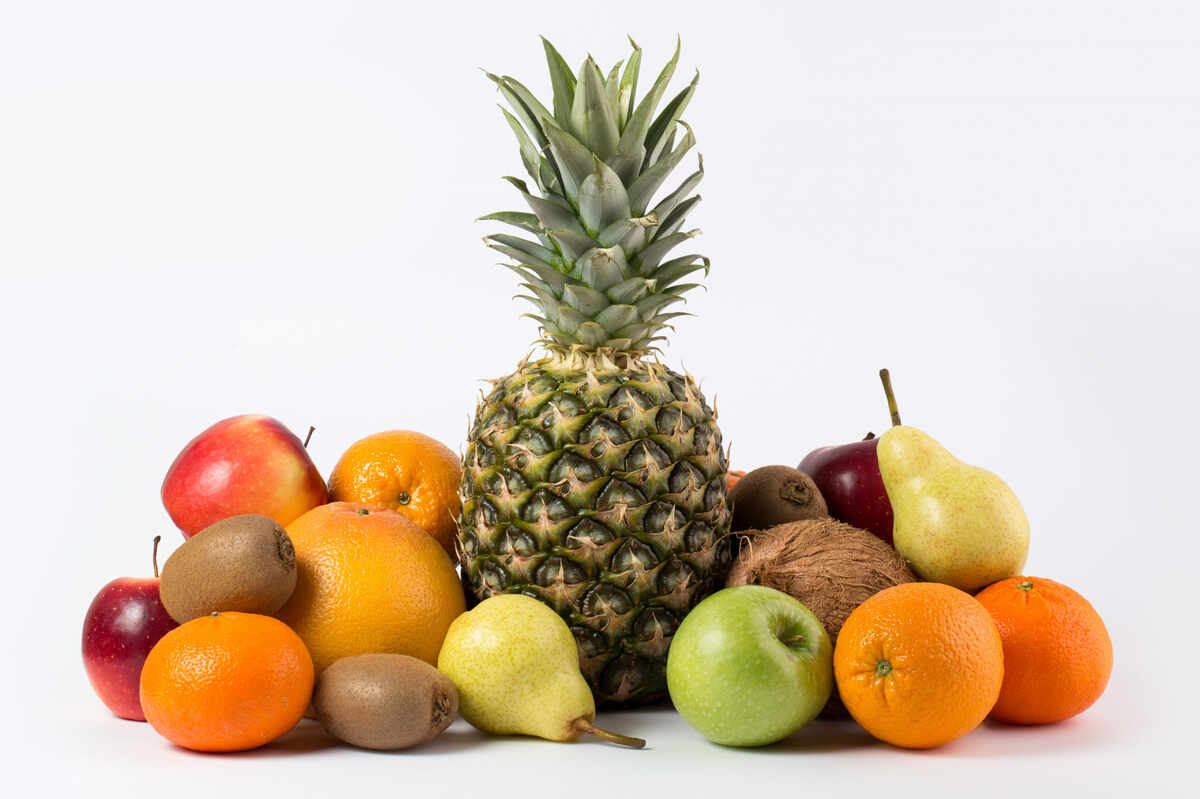
  • Citrus Fruits: Oranges, grapefruits, lemons.
  • Apples and Pears: Always opt for whole fruits instead of juice.

14-Day No Sugar Diet Food ListVegetables

These should form the cornerstone of your meals:

  • Leafy Greens: Kale, spinach, Swiss chard.
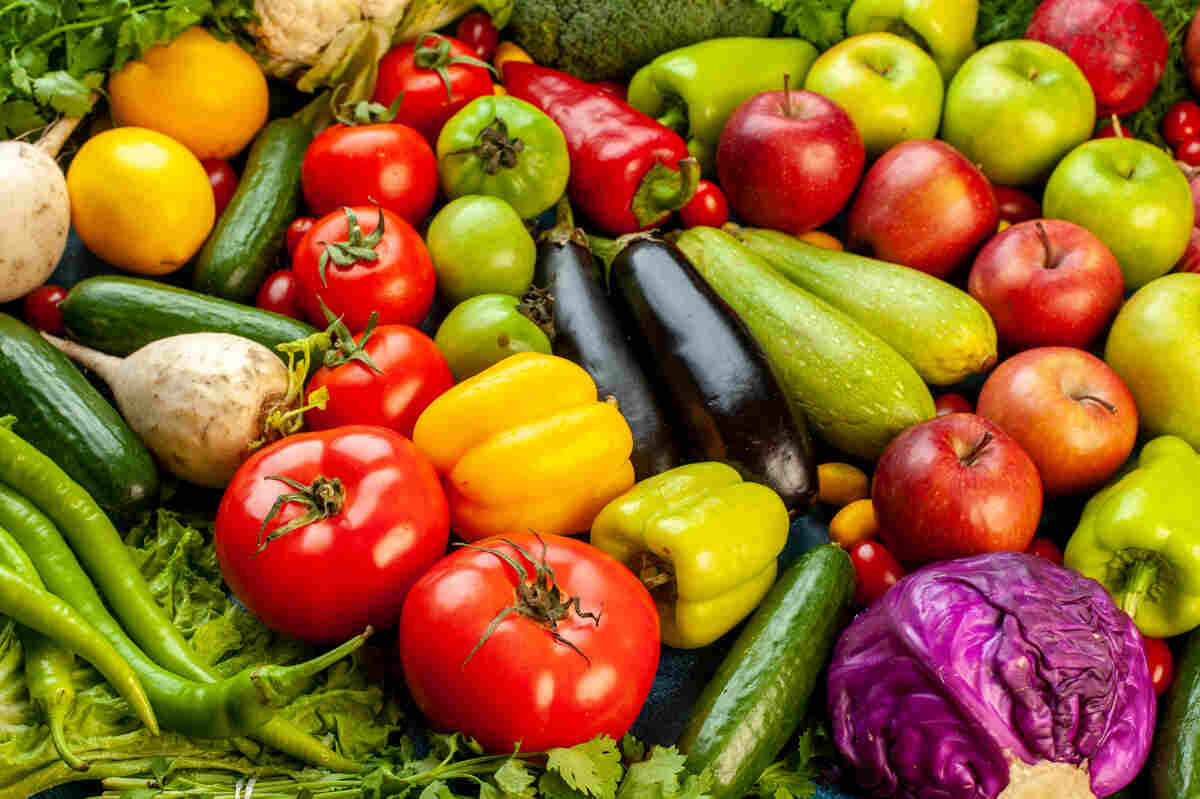
  • Cruciferous Vegetables: Broccoli, cauliflower, Brussels sprouts.
  • Root Vegetables: Carrots, turnips (in moderation).
  • Other Options: Bell peppers, cucumbers, zucchini.

14-Day No Sugar Diet Food ListProtein Sources

Protein helps you stay full and supports muscle repair:

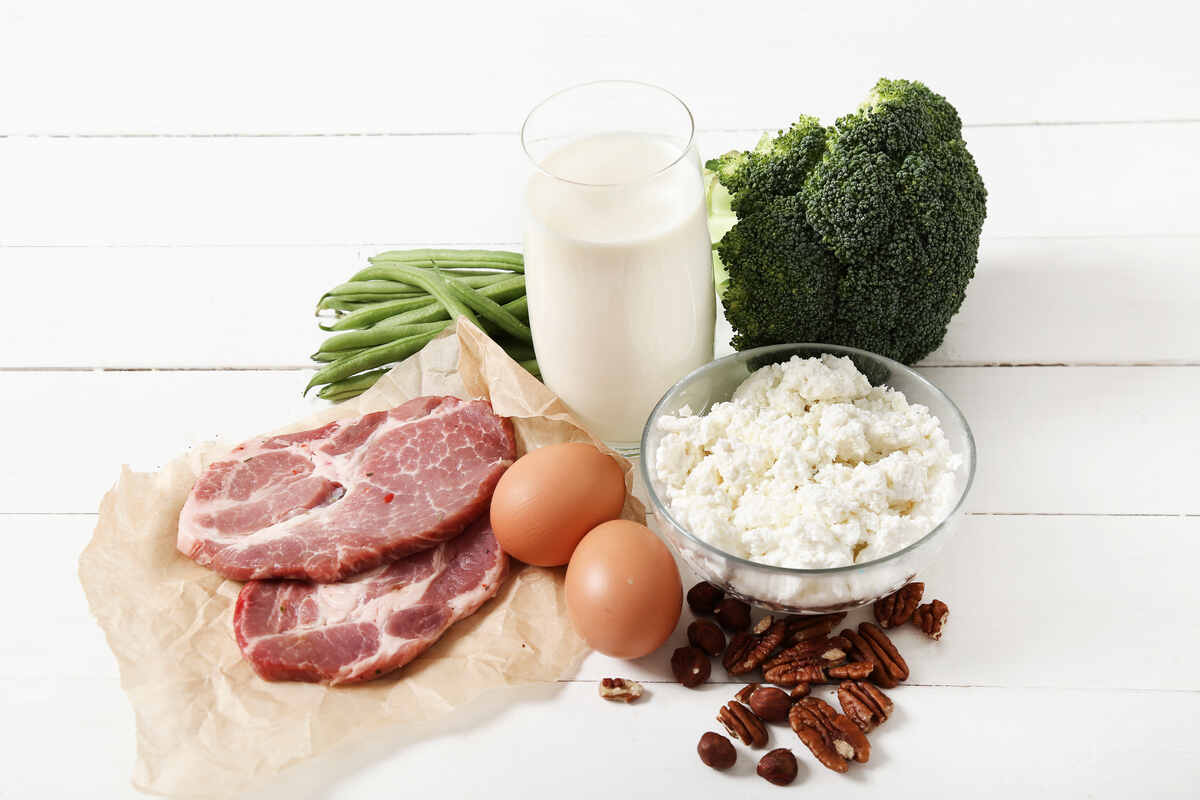
  • Lean Meats: Chicken, turkey, lean beef.
  • Fish and Seafood: Salmon, cod, tuna.
  • Plant-Based Proteins: Lentils, chickpeas, tofu.
  • Eggs: Versatile and nutrient-dense.

14-Day No Sugar Diet Food ListWhole Grains

Ditch refined grains for these healthier options:

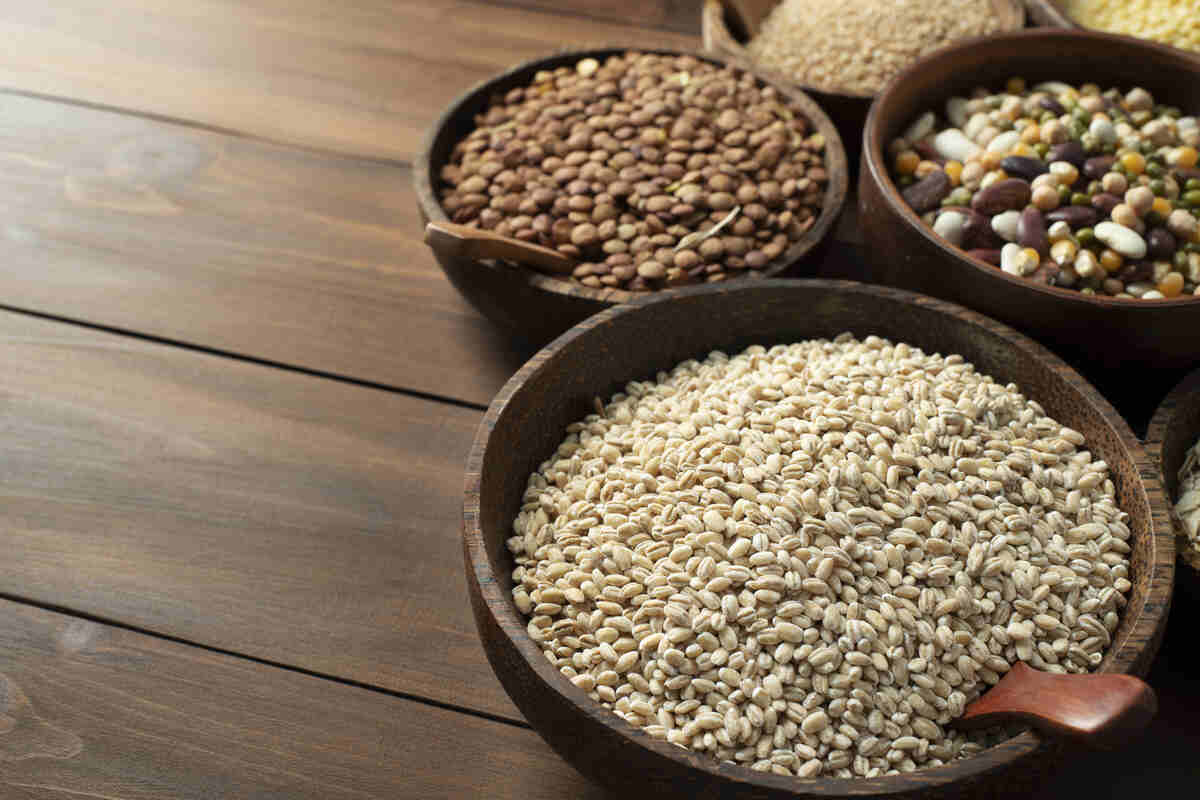
  • Quinoa: A protein-rich, gluten-free choice.
  • Brown Rice: Higher in fibre than white rice.
  • Oats: Choose unsweetened, plain varieties.

14-Day No Sugar Diet Food ListHealthy Fats

Fats provide long-lasting energy and satiety:

  • Avocados: Use in salads or as spreads.
  • Nuts and Seeds: Almonds, chia seeds, flaxseeds.
  • Olive Oil: Ideal for dressings and cooking.14-Day No Sugar Diet Food List

Dairy and Alternatives

Stick to unsweetened options:

  • Plain Greek Yogurt: Rich in protein & probiotics.
  • Unsweetened Almond Milk: A versatile milk substitute.
  • Cheese: Choose natural, unprocessed varieties.

14-Day No Sugar Diet Food ListBeverages

Stay hydrated with these no-sugar drinks:

  • Water: Infuse with lemon or cucumber for variety.
  • Herbal Teas: Naturally sugar-free and caffeine-free.
  • Black Coffee: Skip the sugary syrups.

14-Day No Sugar Diet Food ListSnacks

Healthy snacking helps curb cravings:

  • Vegetable Sticks: Pair carrots or celery with hummus.
  • Nuts and Seeds: Handful of almonds or sunflower seeds.
  • Fruit Slices: Apple or pear slices with cinnamon.

14-Day No Sugar Diet Food ListSample 7-Day No-Sugar Diet Meal Plan

Here’s an example meal plan to kick-start your journey:

Day 1

  • Breakfast: Greek yoghurt with berries and chia seeds.
  • Lunch: Grilled chicken salad with olive oil dressing.
  • Dinner: Baked salmon with quinoa and broccoli.
  • Snack: Apple slices with almond butter.

Day 2

  • Breakfast: Scrambled eggs with spinach.
  • Lunch: Lentil soup with roasted vegetables.
  • Dinner: Stir-fried tofu with brown rice.
  • Snack: Carrot sticks and hummus.

Tips for Success on a No-Sugar Journey

  • Read Labels: Look for hidden sugars in packaged foods.
  • Plan Meals: Stick to a meal plan to avoid temptations.
  • Stay Hydrated: Thirst can often be confused with hunger.
  • Keep Snacks Handy: Healthy options reduce the risk of unhealthy cravings.
  • Stay Positive: Focus on the benefits like better energy and mood.

Conclusion

A no-sugar diet is a decisive step toward a healthier, more energized lifestyle. You can embrace this challenge and experience lasting benefits with the correct food list and meal plan. Commit to your goals, and let this 14-day, no-sugar diet food list guide your success.

Enjoy the journey to better health and vitality—one sugar-free meal at a time!

Tags: , , , , , , , , ,

8 Stages of Noticing Weight Loss: A Guide to Your Journey and Success

Weight loss involves more than just numbers on a scale; it is a transformative journey characterized by distinct stages. Recognizing these phases can provide motivation, insight, and clarity to help you stay on track. In this guide, we’ll explore the stages of noticing weight loss, offering practical tips and addressing common challenges to support your path to a healthier you.

Stage 1: The Decision to Lose Weight

Every weight loss journey begins with the decision to make a change. This step often stems from health concerns, a desire to boost confidence, or the goal of improving overall well-being.

Key Actions:

  • Set Specific Goals: Clearly define your objectives. Set goal to lose 10 pounds in three months or to fit into a favorite outfit.
  • Consult a Professional: Collaborate with a healthcare provider or nutritionist to create a sustainable plan tailored to your needs.
  • Prepare Mentally: Embrace the understanding that weight loss is a gradual process requiring dedication and patience.

Stage 2: Initial Changes in Diet and Exercise

With determination in place, the next step involves modifying daily habits. This phase sets groundwork for long-term success.

Key Actions:

  • Diet Adjustments: Prioritize nutrient-dense foods such as fruits, vegetables, lean proteins, & whole grains while reducing processed foods.
  • Exercise Introduction: Begin with manageable workouts like walking, yoga, or light strength training. Gradually increase intensity as your endurance improves.
  • Hydration: Stay hydrated to support metabolism and manage hunger. Make it a priority to drink 8 to 10 glass of water daily for optimal health & hydration.

Stage 3: Noticing Early Physical Changes

In this phase, subtle yet encouraging changes appear, affirming your efforts.

Key Indicators:

  • Clothing Fit: Pants may feel looser around the waist and hips.
  • Energy Levels: Increased energy and reduced fatigue as your body adapts to healthier habits.
  • Initial Weight Loss: The scale might reflect a modest drop of 1–5 pounds, boosting confidence.

Stage 4: Visible Weight Loss

Progress becomes more evident in this stage, with noticeable appearance and overall health improvements.

Key Indicators:

  • Body Measurements: Marked reductions in waist, hips, and arms.
  • Facial Changes: Slimmer facial features with more defined cheekbones and jawlines.
  • Compliments: Friends and family may acknowledge and praise your transformation.

Stage 5: Plateau Phase

Plateaus are a common yet frustrating part of the journey, where weight loss slows or temporarily halts.

Key Strategies:

  • Reevaluate Routine: Adjust your diet or introduce new exercises like High-Intensity Interval Training (HIIT).
  • Focus on Non-Scale Victories: Celebrate improvements like better stamina or healthier skin.
  • Seek Support: Join a community or partner with a workout buddy to stay motivated.

Stage 6: Breaking Through the Plateau

Overcoming a plateau often requires persistence and strategic adjustments.

Key Actions:

  • Incorporate Strength Training: Build muscle to enhance your resting metabolic rate.
  • Monitor Macronutrients: Balance your intake of proteins, fats, and carbs to support your goals.
  • Switch Workouts: Introduce new activities to challenge your body and reignite progress.

Stage 7: Achieving Your Goal

Reaching your target weight is a milestone worth celebrating. This stage brings a sense of accomplishment and renewed self-confidence.

Key Actions:

  • Celebrate Wisely: Reward yourself with non-food treats like new clothes or a spa day.
  • Reflect on Progress: Take pride in how far you’ve come and your cultivated habits.
  • Set New Goals: Whether it’s maintaining your weight or pursuing fitness challenges, continue setting objectives.

Stage 8: Maintenance

Maintaining weight loss is an ongoing effort, emphasizing balance and consistency.

Key Tips:

  • Adopt Sustainable Habits: Continue eating a balanced diet with occasional indulgences.
  • Stay Active: Incorporate enjoyable physical activities like dancing, hiking, or swimming.
  • Monitor Progress: Regularly check your weight and adjust habits to prevent regain.

Conclusion

The stages of noticing weight loss are more than checkpoints—milestones reflecting your hard work and determination. By understanding these phases and embracing the challenges, you can stay motivated and achieve sustainable results. Remember, weight loss is more than aesthetics; it’s a journey toward improved health and well-being. Stay patient, celebrate your victories, and most importantly, be kind to yourself throughout this transformative process.

Tags: , , ,

Discover the Power of Cortisol Cocktail for Weight Loss

Using a “Cortisol Cocktail for Weight Loss” is gaining popularity in weight loss strategies. This innovative approach involves using a blend of natural ingredients to regulate cortisol levels, which aids in weight loss. If you’re curious about the science behind this, keep reading. This guide delves into how cortisol impacts weight and how incorporating a cortisol cocktail for weight loss can significantly improve your health. We’ll also reference scientific studies to back up our claims.

Understanding Cortisol: The Stress Hormone

The adrenal glands, found on top of the kidneys, make a hormone called cortisol. It’s commonly known as the “stress hormone” because its levels rise when you’re stressed. Cortisol is important for many body functions, like metabolism, immune system, blood sugar control, and stress handling. However, cortisol levels can remain elevated when stress becomes chronic, leading to negative health consequences, including weight gain.

The Role of Cortisol in the Body

Cortisol plays a vital role in several key bodily functions:

  • Metabolism: It helps regulate how the body converts carbohydrates, fats, and proteins into energy.
  • Immune Response: It modulates inflammation and the immune response.
  • Blood Sugar Levels: It assists in maintaining steady blood glucose levels by influencing insulin activity.
  • Stress Response: It primes the body for “fight or flight” responses, a survival mechanism during stressful situations.

However, when stress becomes chronic, consistently high cortisol levels can disrupt these processes, contributing to weight gain and other health issues.

The Relation Between High Cortisol Levels and Weight Gain

Increased Appetite and Cravings

Elevated cortisol levels can trigger increased appetite and cravings for high-calorie foods, particularly those rich in sugar and fat. This happens because cortisol disrupts the hormones that regulate hunger and fullness, such as ghrelin and leptin.

Fat Storage

Cortisol promotes the storage of fat, particularly visceral fat, which assembles around the organs in the abdominal cavity. This particular kind of fat poses a greater risk, as it raises the risk of metabolic syndrome, type 2 diabetes, and heart conditions. Additionally, cortisol can interfere with the body’s ability to split fat for energy, leading to weight gain.

Muscle Breakdown

High cortisol levels can cause your muscles to break down. This occurs because cortisol stimulates muscle protein breakdown into amino acids, which are then used to provide energy for the body. Because muscle tissue burns calories even when you are inactive, losing muscle can decrease your metabolism’s efficiency, making it harder to lose weight.

What is a Cortisol Cocktail for Weight Loss?

A Cortisol Cocktail for Weight Loss is a blend of natural ingredients specifically chosen to help manage and lower cortisol levels. By keeping cortisol in check, you can counteract cortisol’s negative effects on weight and overall health. With their stress-reducing and cortisol-lowering properties, these cocktails offer a promising solution for your health and weight management.

Key Ingredients in a Cortisol Cocktail for Weight Loss

A glass of a colorful drink with lime slices and mint, surrounded by various fresh fruits including lemon, orange, lime, and red berries, with a metal cocktail shaker and jigger on the side.
Key Ingredients in a Cortisol Cocktail for Weight Loss
©freepik
  • Ashwagandha: This adaptable herb has been shown to reduce cortisol levels, support thyroid function, and promote a sense of calm.
  • Magnesium: Magnesium is crucial for regulating the stress response and can help lower cortisol levels.
  • Vitamin C:  Vitamin C is popular for helping your immune system stay strong. It also helps reduce cortisol levels and combat the effects of stress.
  • Phosphatidylserine: This phospholipid can reduce cortisol levels, particularly after exercise, and improve cognitive function.
  • L-Theanine:  L-theanine is found in green tea, which promotes relaxation without causing fatigue and can help lower cortisol levels.
  • Omega-3 Fatty Acids: These essential fats in fish oil have anti-cranky properties and can help reduce cortisol levels.

How to Create Your Cortisol Cocktail for Weight Loss

Creating your Cortisol Cocktail for Weight Loss at Home is simple and can be a delicious addition to your daily routine. Here’s a straightforward recipe to get you started:

Recipe for a Cortisol-Lowering Smoothie

Ingredients:

  • 1 cup of almond milk (rich in magnesium)
  • One banana (contains B vitamins and magnesium)
  • One tablespoon of chia seeds (high in omega-3 fatty acids)
  • One scoop of protein powder (to help maintain muscle mass)
  • One teaspoon of ashwagandha powder
  • One handful of spinach (rich in magnesium and vitamin C)
  • One teaspoon of honey (natural sweetener)

Instructions:

  • Combine all ingredients in a blender.
  • Blend until smooth.
  • Pour into a glass and enjoy.

This smoothie is tasty and packed with ingredients to help manage cortisol levels and support weight loss.

Lifestyle Tips to Complement Your Cortisol Cocktail for Weight Loss

While a Cortisol Cocktail for Weight Loss can be a powerful equipment in your weight loss strategy, it’s important to remember that it’s not a magic solution. It’s best used in conjunction with a healthy lifestyle, including regular exercise, adequate sleep, mindfulness, and a balanced diet. Here are some tips to help you get the most out of your efforts:

Regular Exercise

Regular exercise can lower cortisol levels, boost your mood, and help with weight loss. Try to mix cardio workouts with strength training for the best outcome. Even simple activities like walking, swimming, or practicing yoga can make a big difference.

Adequate Sleep

Quality sleep is essential for maintaining balanced cortisol levels. Aim for 7-9 hours of sleep each night and practice good sleep hygiene by maintaining a consistent sleep schedule, creating a restful environment, and avoiding screens before bedtime.

Mindfulness and Relaxation Techniques

Add mindfulness activities like meditation, deep breaths, or yoga to your daily schedule to manage stress and lower cortisol levels. These techniques can improve your mental well-being and enhance your overall health.

Balanced Diet

A well-rounded diet with many whole foods, lean meats, good fats, and complex carbs can keep your blood sugar steady and stop cortisol from spiking. Ensure you have plenty of fruits, veggies, whole grains, and lean proteins.

Hydration

Staying hydrated is helpful for overall health and can help maintain balanced cortisol levels. Aim to drink at least eight glasses of water daily and limit consumption of caffeinated and sugary beverages.

Social Support

Building a strong social support network can help you manage stress more effectively. To enhance your emotional well-being, spend time with family and friends, join a support group, or engage in community activities.

Potential Side Effects and Considerations

While the ingredients in a Cortisol Cocktail are generally safe for most people, it’s important to consider potential side effects and medication interactions. For example, ashwagandha may interact with thyroid medications, and high doses of magnesium can cause digestive issues. Always remember to consult your healthcare consultant before starting any new supplement regimen. This step ensures your safety and the effectiveness of your health plan.

Monitoring Your Progress

Monitoring your health progress can help determine if your Cocktail for Weight Loss and lifestyle changes positively impact you. Consider maintaining a journal to record your daily activities, dietary intake, weight, mood, and stress changes. Regular consultation with a healthcare provider can also provide valuable insights and guidance.

Frequently Asked Questions (FAQs)

What time of day is best to take a cortisol cocktail?

The best time to take a cortisol cocktail can vary depending on the ingredients. Generally, it is recommended to take it in the morning or early afternoon to help manage cortisol levels throughout the day. Avoid taking it too late in the evening, as it may interfere with sleep.

Can I take a cortisol cocktail every day?

Yes, you can take a cortisol cocktail daily. However, it’s crucial to stick to the suggested amounts and talk to a healthcare professional to ensure it’s safe for you, considering your requirements and health conditions.

Are there any dietary restrictions while using a cortisol cocktail for weight loss?

There is no specific dietary restriction while using a Cortisol Cocktail for Weight Loss, but maintaining a balanced and nutritious diet can increase its effectiveness. Avoiding overly caffeine, alcohol, and processed foods can also help support your overall health and cortisol management.

Can a cortisol cocktail help with other health conditions?

While a Cortisol Cocktail for Weight Loss is primarily designed to manage cortisol levels and support weight loss, the ingredients may offer additional health benefits. For example, omega-3 fatty acids can improve cardiovascular health, and ashwagandha may help thyroid function. However, it is important to consult your healthcare provider for personalized advice.

How long does it take to see results from a cortisol cocktail?

The time it takes to see results from a Cortisol Cocktail for Weight Loss can vary depending on stress levels, diet, and lifestyle. Some people may notice improvements within a few weeks, while others may take longer. Achieving the best results requires both consistency and patience.

Conclusion

Managing cortisol levels is key for weight loss; a well-crafted Cortisol Cocktail and a healthy lifestyle are pivotal. Incorporating stress-reducing ingredients like ashwagandha, magnesium, and omega-3 fatty acids supports weight loss goals. While supplements aid, they’re not substitutes for a balanced diet and lifestyle. Understanding cortisol’s role and utilizing natural remedies are vital for holistic wellness and sustainable weight loss. Cheers to your journey toward better health with a Cortisol Cocktail for Weight Loss!


Tags: , , , , , , ,