A well-developed back is more than just a symbol of physical prowess—it’s the epicentre of functional movement, posture control, and injury prevention. Cable machines are among the most effective tools for back training. Offering continuous tension, a variety of angles, and exceptional muscle isolation, cable back exercises are indispensable for anyone aiming to build a strong, sculpted, and symmetrical back.
This detailed guide explores the most effective cable back exercises, their execution, benefits, and how to incorporate them into your training program.
Why Choose Cable Machines for Back Training?
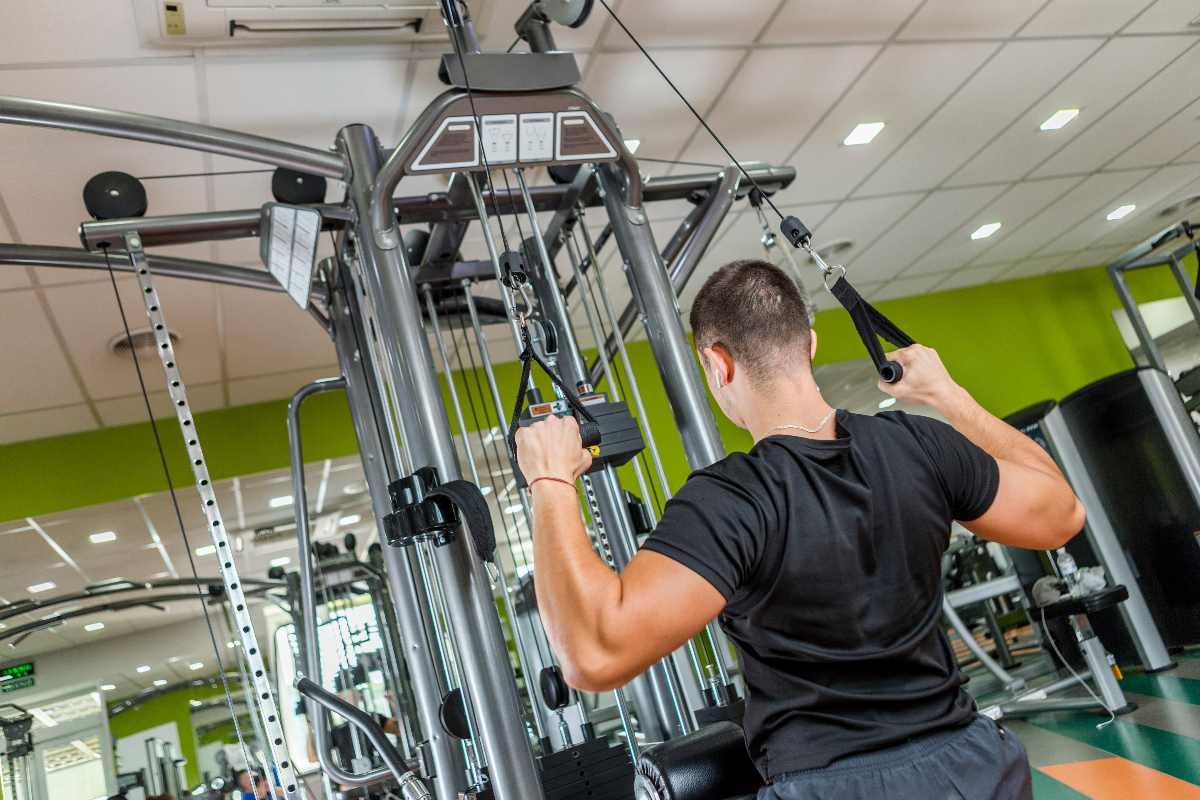
Cable machines provide unique form of resistance that ensures your muscles remain under tension throughout the entire range of motion. This creates a distinct advantage over free weights, particularly in hypertrophy-focused workouts.
Benefits of Cable Back Exercises:
Constant Tension: Keeps muscles activated during both concentric and eccentric phases.
Joint-Friendly Motion: Reduces stress on the shoulders and spine.
Precision and Control: Ideal for slow, controlled repetitions and improved form.
Versatility: Allows for multiple grips and angles, targeting every back muscle.
Most Effective Cable Back Exercises
1. Seated Cable Row
Muscles Worked: Lats, rhomboids, traps
Execution: Sit upright, grasp the V-handle, and row the weight toward your abdomen. Squeeze your shoulder blades and avoid leaning backwards.
Execution: Use a wide grip, pull the bar down to the top of your chest, and slowly return.
Tip: Avoid pulling behind the neck to protect shoulder joints.
3. Cable Face Pull
Muscles Worked: Rear delts, traps, rotator cuff
Execution: Set a rope at face level. Pull it towards your face, keeping elbows high and wide.
Tip: Excellent for posture correction and shoulder health.
4. Straight-Arm Pulldown
Muscles Worked: Lats, triceps, core
Execution: Stand upright, keep your arms straight, and pull the bar down to your thighs.
Tip: Keep a slight bend in the knees & a tight core.
5. Single-Arm Cable Row
Muscles Worked: Lats, rhomboids, obliques
Execution: Row with one arm at a time, keeping your torso stable and your back neutral.
Tip: Great for correcting imbalances between sides.
6. Cable Reverse Fly
Muscles Worked: Rear delts, traps, rhomboids
Execution: Cross-cable handles and pull them apart in a reverse fly motion.
Tip: Use light weight and focus on the squeeze.
7. Cable Pull Through
Muscles Worked: Lower back, glutes, hamstrings
Execution: Stand away from the machine, hinge at the hips, & pull the rope through your legs.
Tip: Keep your back flat & engage your core throughout the movement.
Sample Cable Back Workout Routine
Level
Exercises
Sets
Reps
Beginner
Seated Row, Lat Pulldown, Face Pull
3
12–15
Intermediate
Wide-Grip Lat Pulldown, Reverse Fly, Straight-Arm Pulldown, Single-Arm Row
4
10–12
Advanced
Cable Deadlift, Isometric Face Pull, Chest Supported Row, Cable Pull Through
5
8–10
Tips for Maximizing Cable Back Workouts
Focus on Form: Prioritize technique over weight. Controlled reps yield better results.
Use Full Range of Motion: Don’t cut reps short—this limits engagement and growth.
Include Variety: Rotate grips and angles to target all regions of the back.
Train with Intensity: Add supersets or drop sets for increased muscle fatigue.
Recover Properly: Allow 48 hours between intense back sessions for muscle repair.
Muscles Targeted by Cable Back Exercises
Exercise
Primary Muscles Activated
Seated Cable Row
Lats, rhomboids, middle traps
Lat Pulldown (Wide & Close)
Lats, biceps, posterior deltoids
Face Pull
Rear delts, traps, rotator cuff
Reverse Fly
Rhomboids, rear delts
Pull Through
Hamstrings, glutes, spinal erectors
Straight Arm Pulldown
Lats, triceps, obliques
Final Thoughts
Incorporating cable back exercises into your workout routine offers unparalleled control, adaptability, and muscular engagement. Whether a novice aiming to build foundational strength or an advanced athlete looking to fine-tune your physique, cable machines can elevate your training outcomes.
As the new year approaches, many of us are setting fitness goals for 2025. Whether your goal is to lose weight or gain muscle, you may have heard of body recomposition. Unlike traditional approaches focusing solely on fat loss or muscle gain, body recomposition reduces body fat while increasing lean muscle mass. Achieving this balance requires thoughtful planning and specific body composition exercises to ensure you’re on the right track. In this blog, we’ll guide you through the fundamentals of body recomposition and highlight some essential exercises that will help you transform your physique in the new year.
What is Body Composition?
Body composition refers to the fat-mass ratio to lean mass. Lean mass includes everything that isn’t fat—muscles, bones, organs, and tissues. Understanding your body composition helps you get a clearer picture of your health beyond the number on the scale. Instead of focusing on weight loss, body composition exercises aim to decrease fat while increasing lean muscle, leading to a more toned and sculpted appearance.
The Challenge of Body Recomposition
Achieving body recomposition isn’t easy. It involves two opposing goals: losing fat and gaining muscle. Fat loss requires a caloric deficit (burning more calories than you consume), while muscle gain requires caloric surplus (eating more calories than you burn). Balancing these can be tricky, but with the right approach, it’s entirely possible.
Key Components for Success:
Cardiovascular exercise: Helps burn fat and improve overall fitness.
Resistance (weight) training: Essential for building muscle and increasing strength.
Protein intake: Crucial for repairing & building muscle after strength training.
Why Weight Loss Isn’t the Goal—Fat Loss Is
When aiming for body recomposition, focusing on fat loss rather than weight loss is essential. This means you may gain some weight, but the goal is to reduce fat while building lean muscle. Muscle is denser than fat, meaning you could be physically more petite and toned while maintaining or increasing your weight. This is why the scale can be misleading—your body composition will change even if the number doesn’t shift significantly.
How Body Recomposition Works
Body recomposition is a gradual process that requires consistent effort. While traditional weight loss methods may involve extreme calorie deficits or long periods of cardio, body recomposition requires a balanced approach. Here’s how to achieve it:
Cardiovascular Exercise for Fat Loss: Engaging in regular cardiovascular exercise, similar as running, cycling, or HIIT, helps burn calories and accelerate fat loss. Aim for 3–5 weekly cardio sessions to support your fat loss goals.
Resistance Training to Build Muscle: Incorporating weight training into your routine is non-negotiable. Focus on compound movements similar as squats, deadlifts, and bench presses. These exercises target multiple muscle groups, ensuring maximum muscle growth.
Protein Intake: Protein is essential for the recovery and growth of muscles. Aim to consume high-quality protein sources similar as chicken, fish, legumes, or protein powder to support muscle gain while losing fat. Aim to consume between 1.6 & 2.2 grams of protein per kilogram of body weight daily.
The Best Body Composition Exercises
While diet is crucial in body recomposition, exercise is just as important. Here are some effective body composition exercises to achieve your fitness goals:
Squats
Squats are a fundamental body composition exercise. They engage your lower body and core while also increasing overall strength. They target glutes, quadriceps, hamstrings, and lower back muscles. By adding weights, you challenge your muscles and stimulate muscle growth.
Deadlifts
Deadlifts are one of most effective exercises for building strength and muscle. They engage multiple muscle groups, legs, back, and core, and help to increase overall muscle mass. This compound movement will give you maximum fat loss and muscle gain benefits.
Push-Ups
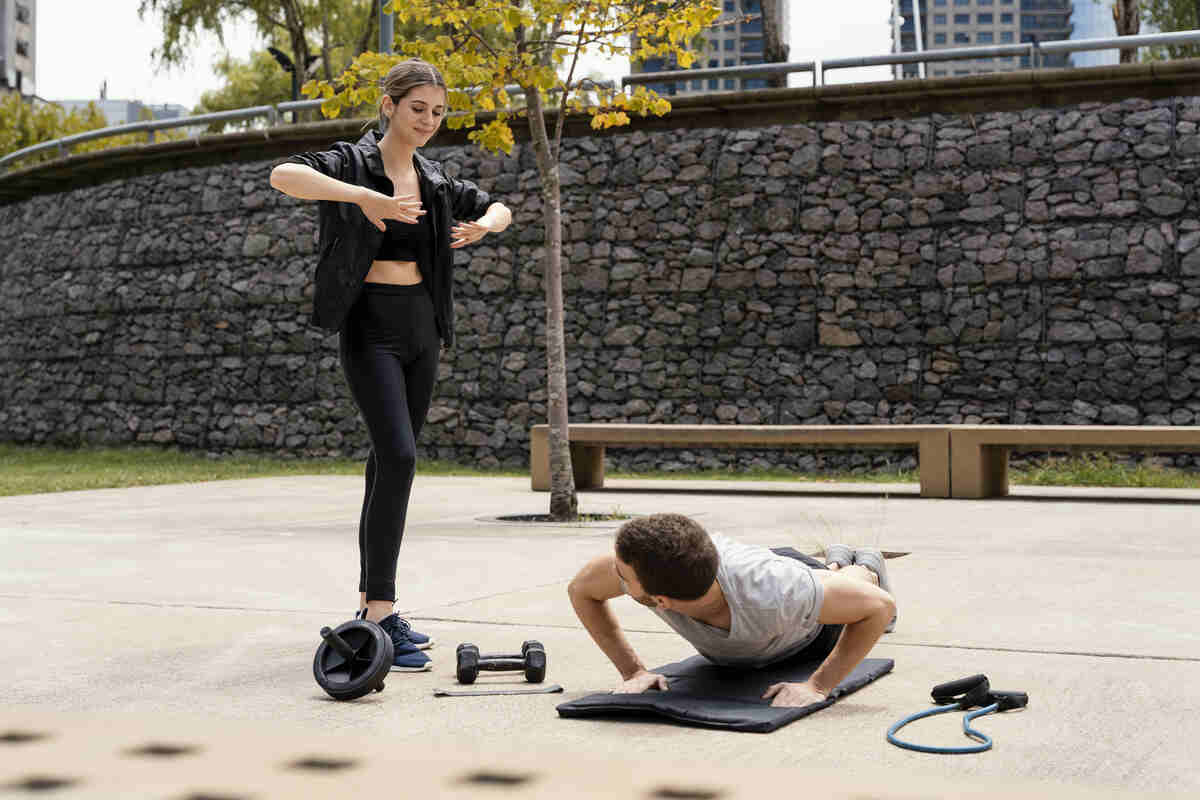
Push-ups are great bodyweight exercise that targets the chest, shoulders, arms. Adding variations, similar as incline or decline push-ups, can increase the difficulty and challenge different muscle groups, making them a valuable part of any body composition plan.
Pull-Ups
Pull-ups are excellent for strengthening your back & arms. They work the latissimus dorsi, biceps, and forearms, helping to build lean muscle and increase upper body strength.
Lunges
Lunges help sculpt the legs and glutes, contributing to fat loss in the lower body while simultaneously building muscle. To increase the difficulty, add dumbbells for more resistance.
HIIT (High-Intensity Interval Training)
HIIT is a good way to burn fat while preserving muscle. This cardio-intensive workout combines short bursts of high-intensity exercise and brief rest periods. HIIT improves cardiovascular health, burns fat, and keeps your metabolism elevated after the workout.
Calorie Cycling: A Strategy for Body Recomposition
To successfully achieve body recomposition, you’ll need to implement calorie cycling, which involves adjusting your calorie intake based on your training and rest days. Here’s a breakdown:
Cardio Days: Consume maintenance-level calories to maintain a slight calorie deficit and promote fat loss.
Weight Training Days: Eat slightly above maintenance calories (5–15% more) to fuel muscle growth. Focus on increasing protein intake.
Body recomposition is a long-term process that requires patience, consistency, and dedication. By focusing on body composition exercises such as squats, deadlifts, pull-ups, proper nutrition, and calorie cycling, you’ll be on your way to achieving your fitness goals in 2025. Remember, it’s not about the number on the scale; it’s about how your body changes and transforms over time.
 Benefits of Cable Back Exercises:
 Muscles Targeted by Cable Back Exercises
 The Challenge of Body Recomposition
 Squats