20 Different Types of Exercises to Boost Strength, Endurance, and Flexibility
Staying active is important for preserving good health, improving cardiovascular endurance, building muscle strength, and enhancing flexibility. Whether you prefer bodyweight exercises, weightlifting, or outdoor activities, incorporating a variety of movements into your routine ensures balanced fitness.
Below, we explore 20 Different Types of Exercises categorized into cardiovascular endurance, strength training, and flexibility workouts. Each exercise targets specific muscle groups & contributes to overall fitness.
20 Different Types of Exercises
Cardiovascular Endurance Workouts
Cardio exercises improve heart health, stamina, and lung capacity while burning calories. These workouts are great for weight loss and boosting endurance.
1. Jumping Rope
A classic and effective aerobic exercise, jumping rope strengthens the heart, improves coordination, and enhances agility. This high-intensity workout also aids in weight loss and increases bone density.
 2. Cycling
One of the best low-impact cardiovascular exercises, cycling strengthens the legs, improves joint mobility, and enhances endurance. Whether outdoors or on a stationary bike, it’s an excellent calorie-burning workout.
 3. Brisk Walking
Unlike casual strolling, brisk walking (around 3-4.5 mph) raises the heart rate, burns fat, and strengthens the lower body. It’s a tremendous beginner-friendly alternative to running.
 4. Stair Climbing
Taking the stairs makes it easy to engage multiple muscle groups while improving cardiovascular health. It enhances leg strength, glute activation, and endurance while reducing the risk of heart disease.
 5. Aerobics
High-energy aerobics workouts—like Zumba or step aerobics—improve cardiovascular fitness, flexibility, and balance while making exercise fun and engaging.
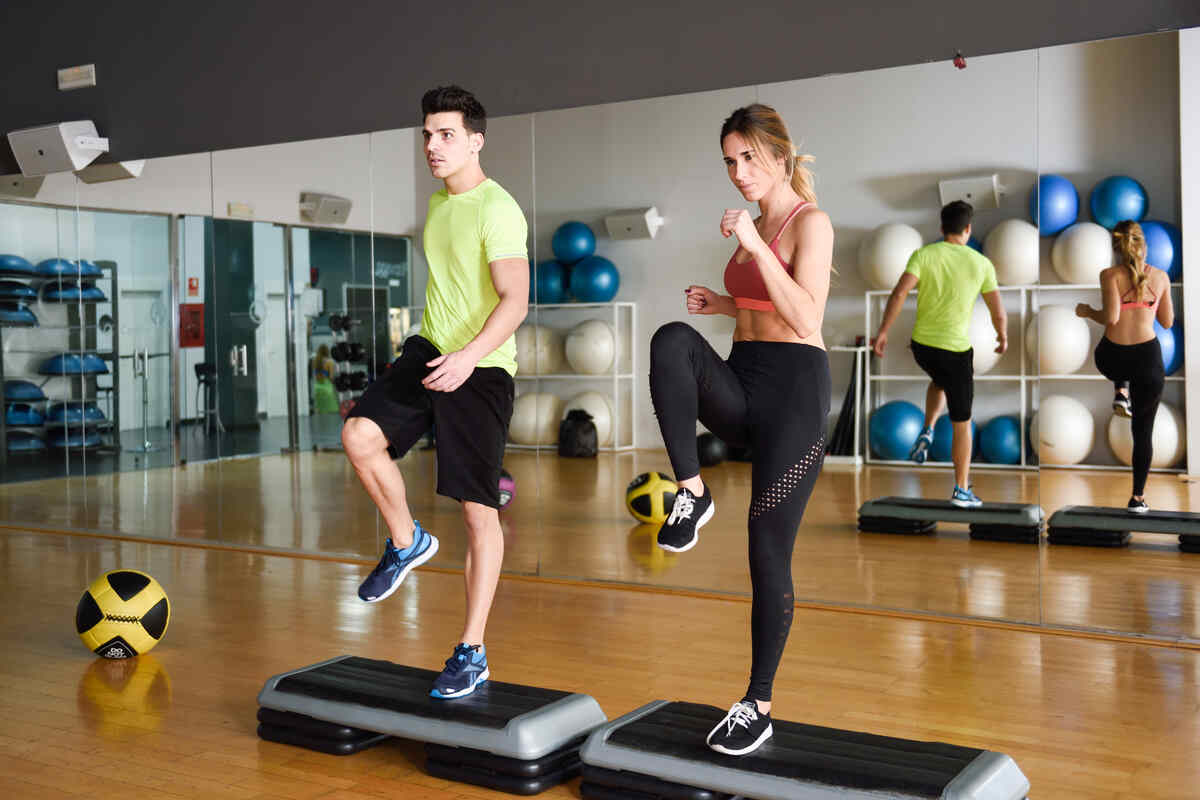 6. Dancing
Whether salsa, hip-hop, or ballet, dancing improves coordination, burns calories, and enhances flexibility. It’s also a stress-relieving and enjoyable way to stay active.
 7. Swimming
Swimming is a full-body, low-impact cardio exercise that increases lung capacity, builds endurance, and strengthens muscles. It’s ideal for individuals with joint pain or arthritis.
 8. Mountain Climbers
This high-intensity bodyweight exercise mimics the movement of climbing and is excellent for cardio conditioning, core strength, and fat burning.
 9. Burpees
A staple in circuit training, burpees combine strength and endurance by incorporating squats, push-ups, and jumps into one explosive movement.
 10. Rowing
Using a rowing machine or engaging in water rowing provides a full-body workout, building endurance while strengthening the core, arms, and legs.
 Strength Training Exercises
Building muscle is essential for boosting metabolism, enhancing bone density, and preventing injuries. Strength exercises can be done using bodyweight movements or lifting weights.
11. Chair Squat
Chair squats are a beginner-friendly squat variation that targets the glutes, hamstrings, and quadriceps while improving balance and mobility.
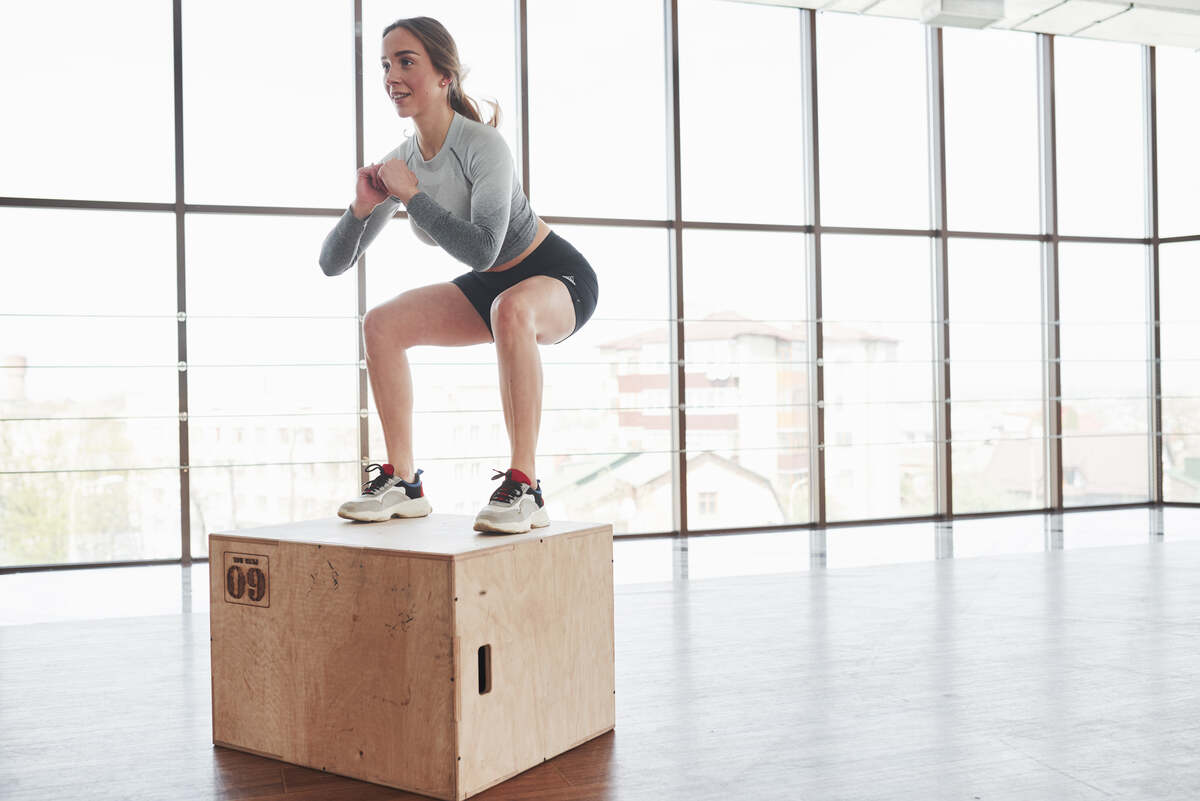 12. Push-ups
Push-ups are among the best upper-body exercises, working the chest, shoulders, triceps, and core. Beginners can modify with knee push-ups.
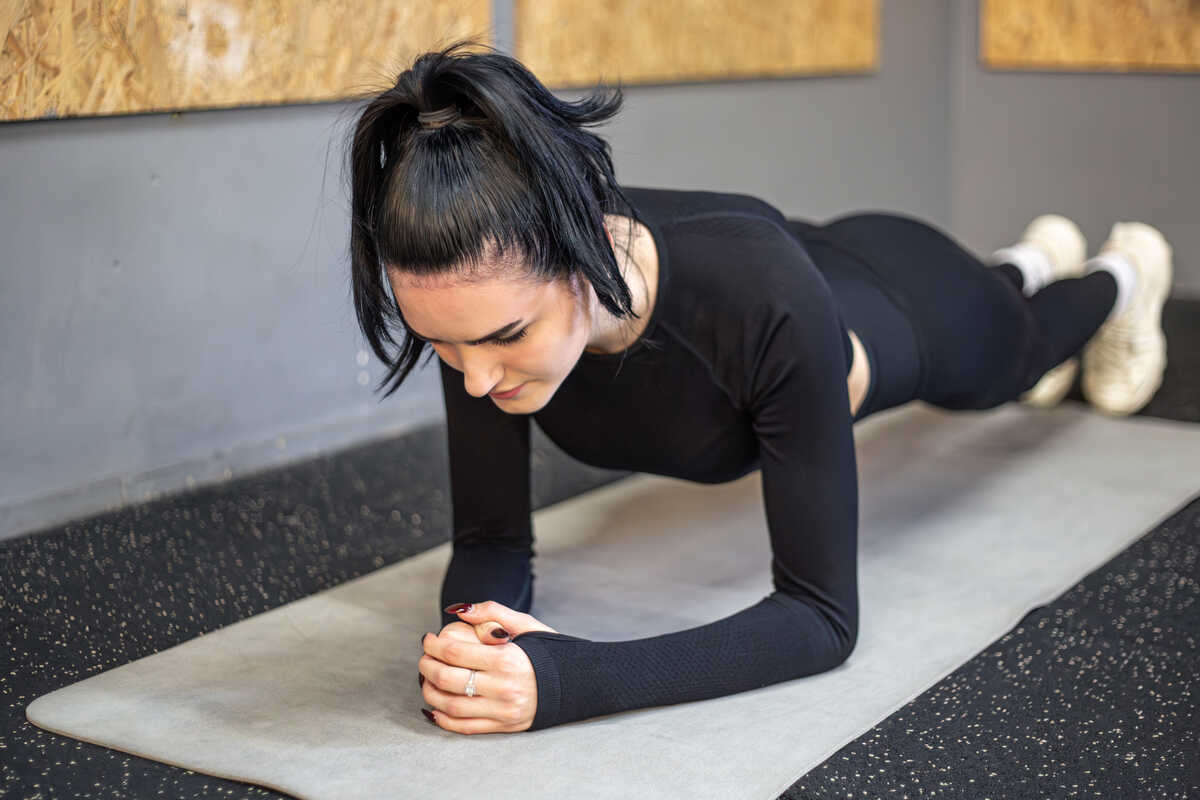 13. Bridge Exercise
The bridge exercise strengthens your glutes, hamstrings, and lower back. It also improves posture and core stability.
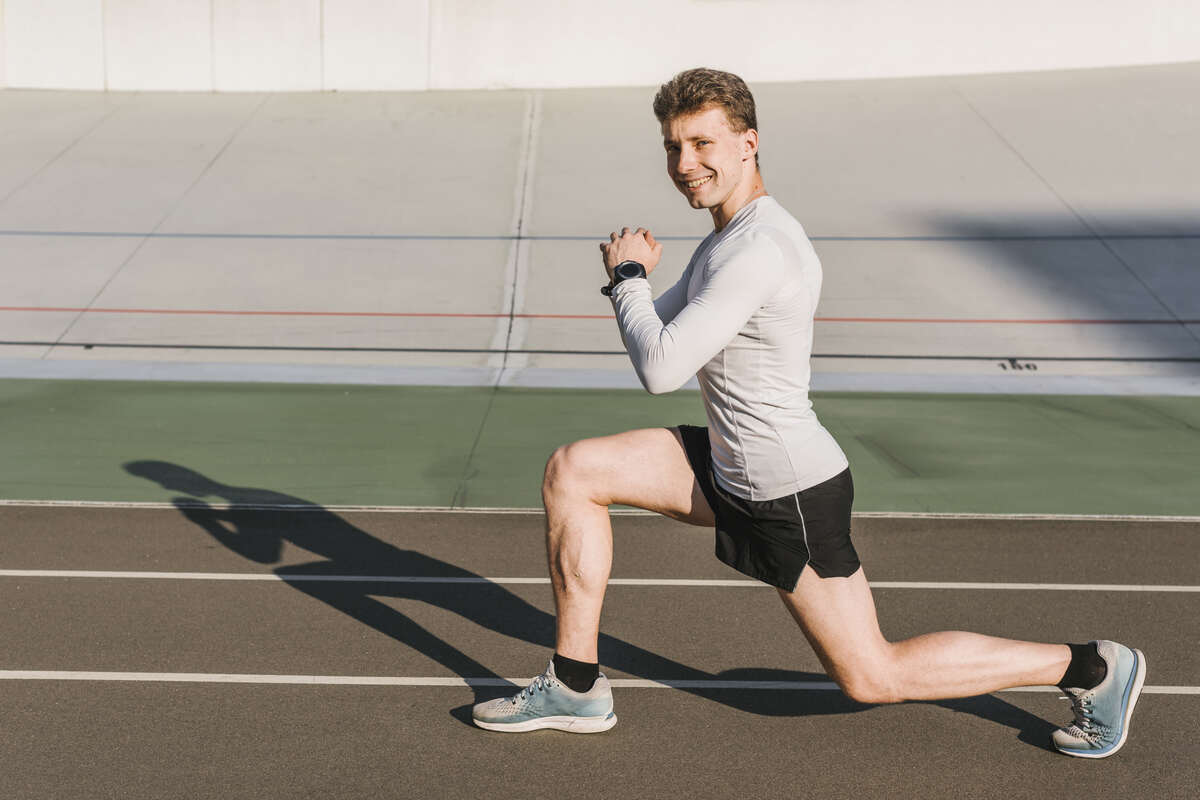
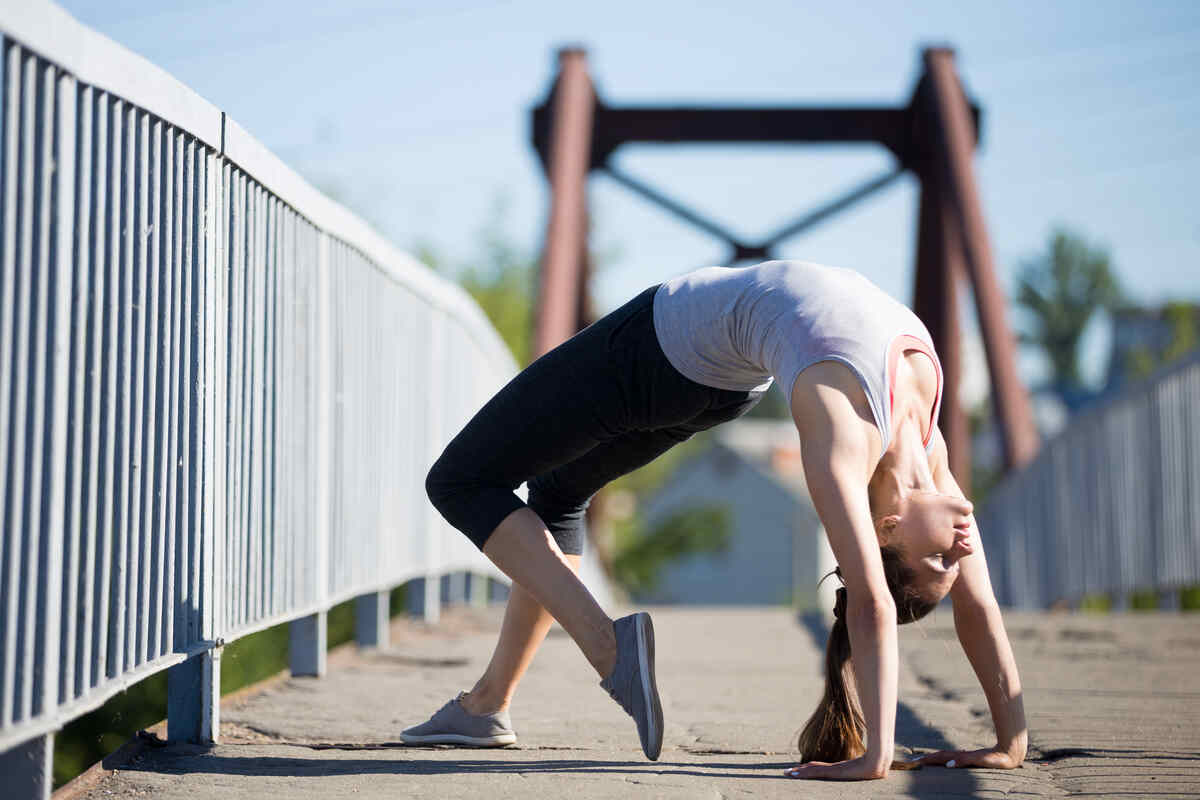 14. Jumping Lunges
Adding a jump to traditional lunges increases intensity, improving lower-body power, balance, and agility.
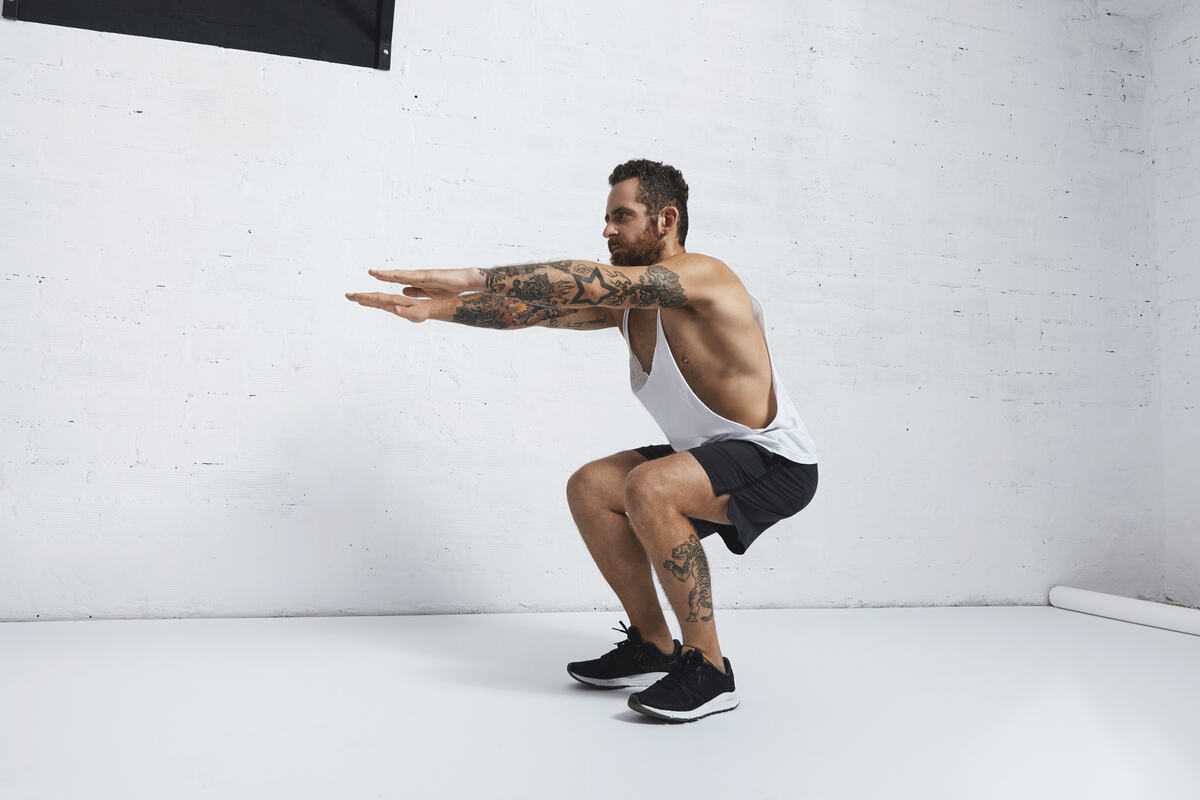
 15. Squat Jumps
This explosive plyometric exercise builds lower-body strength, enhances speed, and boosts cardiovascular endurance.
 16. Lifting Weights
Weightlifting helps build muscle mass, increases metabolism, and strengthens bones. Beginners can start with dumbbells or resistance bands.
 17. Bird Dog Exercise
This core and stability exercise enhances coordination, strengthens the lower back, and improves posture.
 18. Dead Bug Exercise
A popular core-strengthening movement, the dead bug exercise improves stability and strengthens the abdominal muscles and lower back.
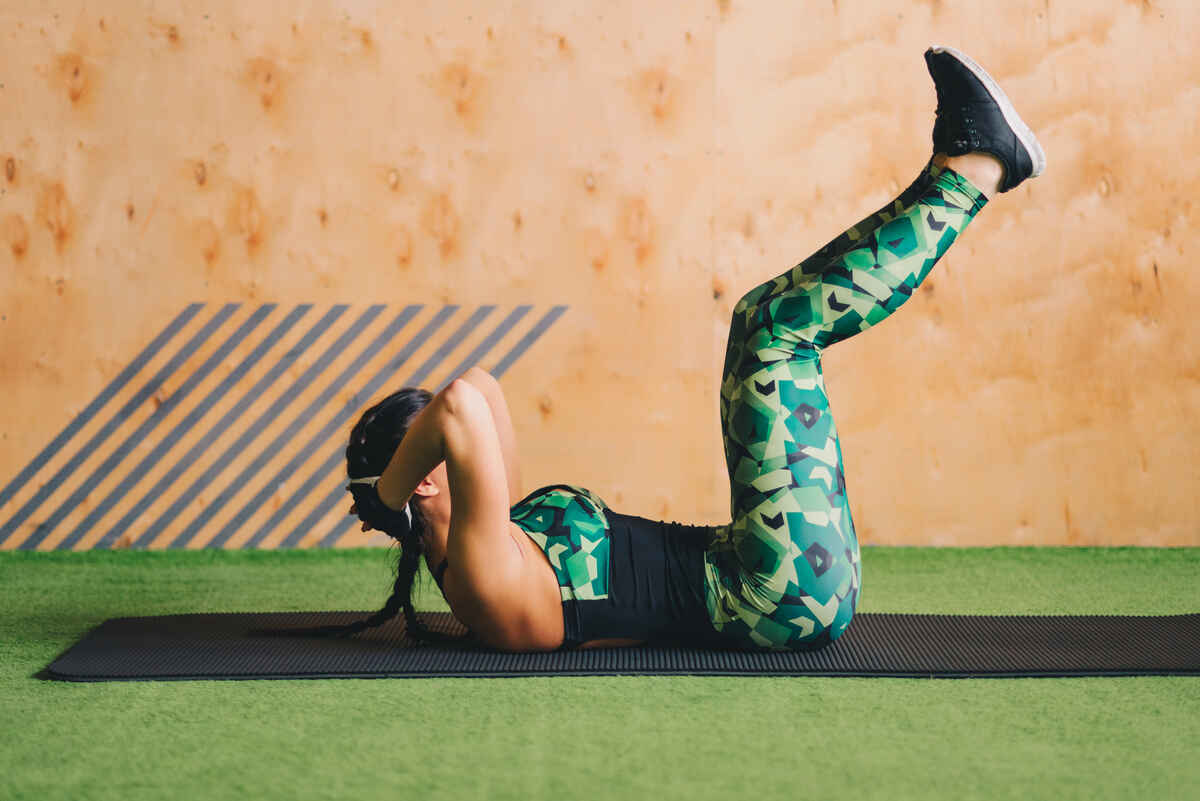 19. The Contralateral Limb Raises
This full-body exercise improves balance and strengthens the core, back, and legs by engaging opposite limbs.
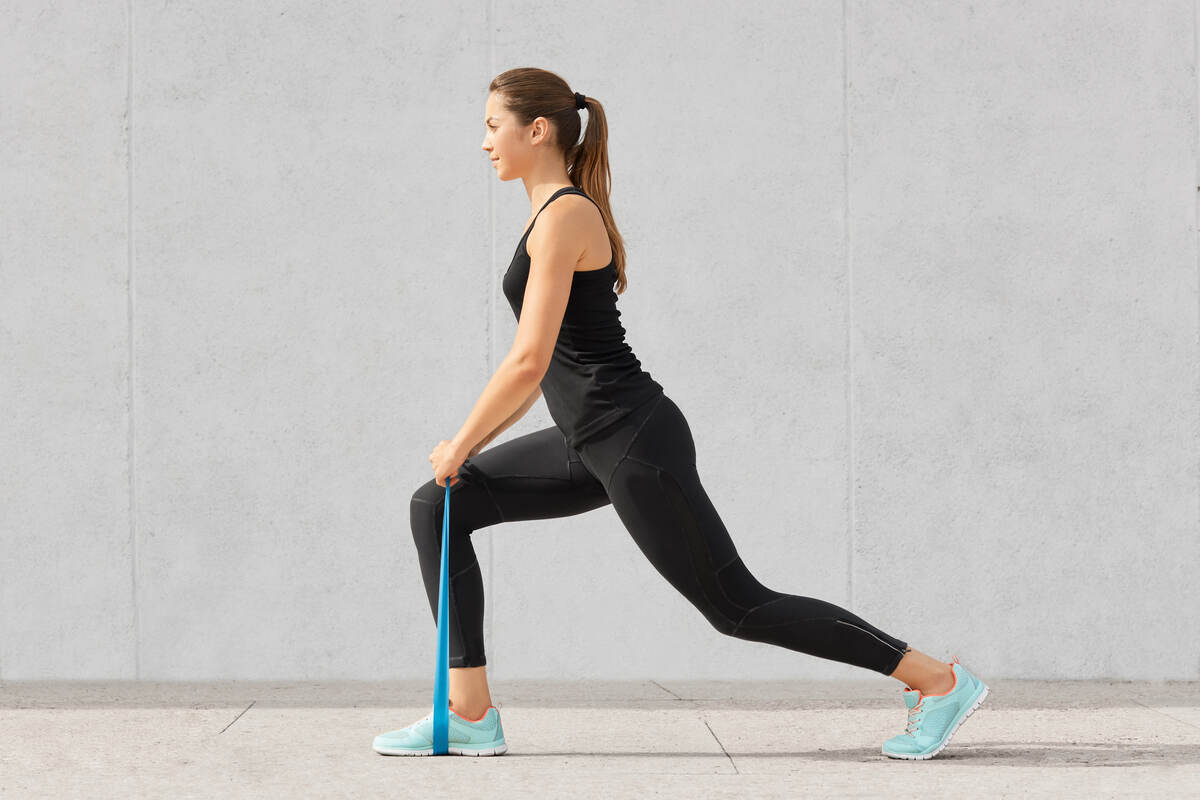 Flexibility and Balance Workouts
Improving flexibility prevents injuries and enhances overall movement. Balance exercises also help with coordination and stability.
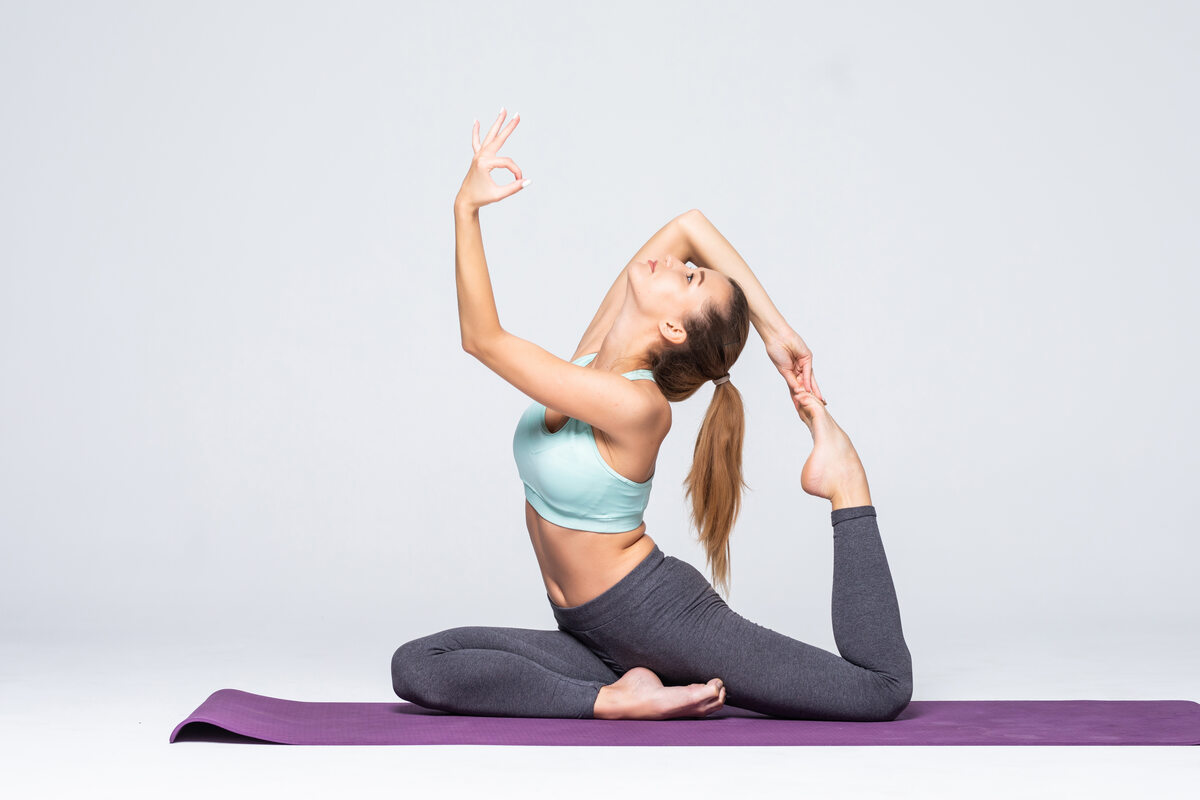
20. Yoga
Yoga combines breath control, strength, and stretching to enhance flexibility and reduce stress. Poses like the plank to downward dog improve core strength and mobility.
 How to Incorporate These Exercises into Your Routine
For best results, combine different types of exercises throughout the week:
- Cardio workouts (e.g., cycling, swimming, jumping rope) 3-5 times per week
- Strength training (e.g., push-ups, squats, lifting weights) 2-3 times per week
- Flexibility & balance exercises (e.g., yoga, Pilates) at least 2 times per week
Final Thoughts
Regular exercise improves physical and mental well-being, reduces the risk of chronic diseases, & enhances overall fitness. Whether you prefer circuit training, weightlifting, or outdoor activities, the key is staying consistent and choosing exercises that you enjoy.
Tags: 20 Different Types of Exercises, Cardio exercises, Fitness, Workout Routines, Yoga and Pilates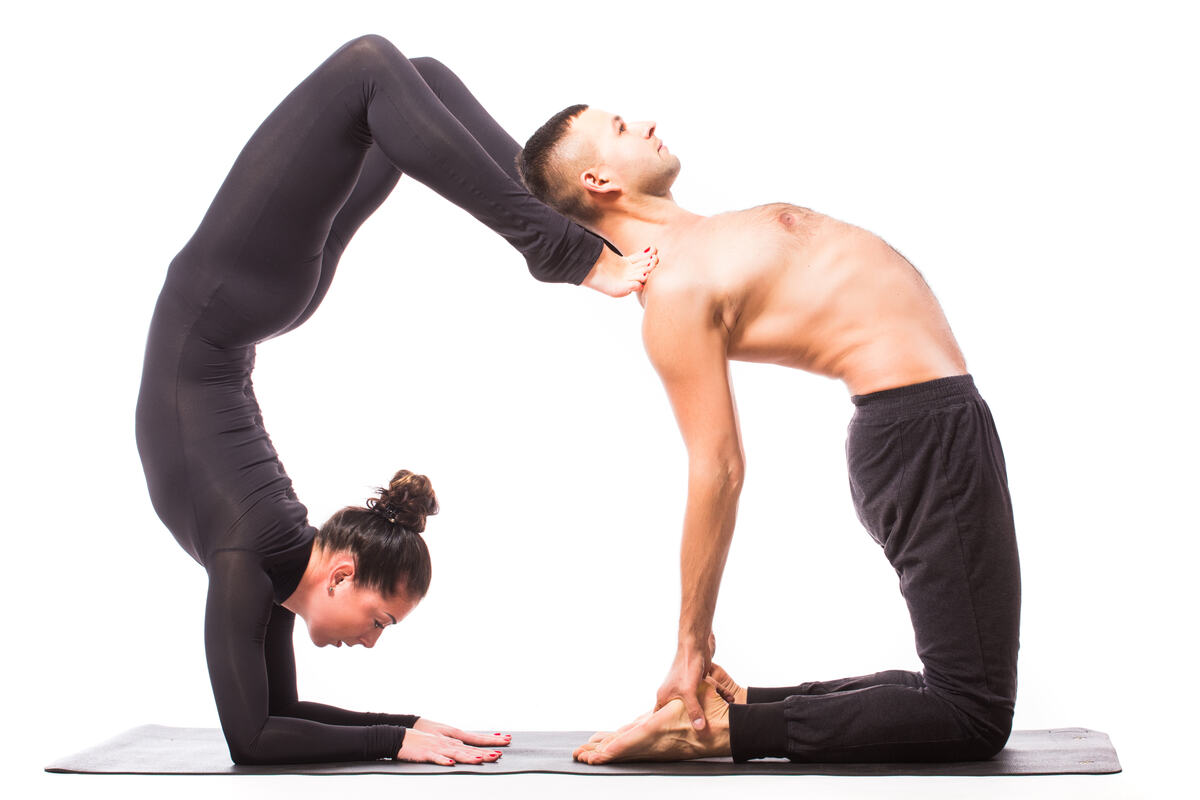 Beginner-Friendly 2 Person Yoga Poses
 Seated Forward Fold with Partner
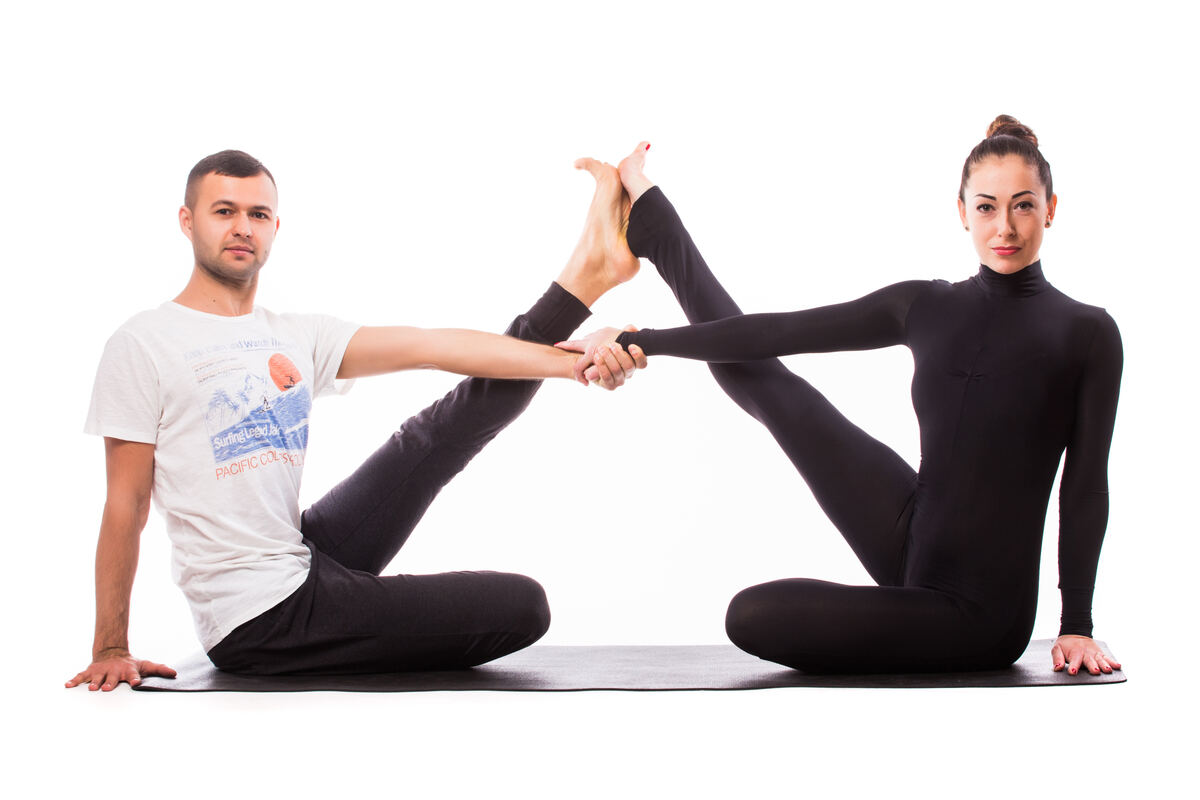 Intermediate 2 Person Yoga Poses
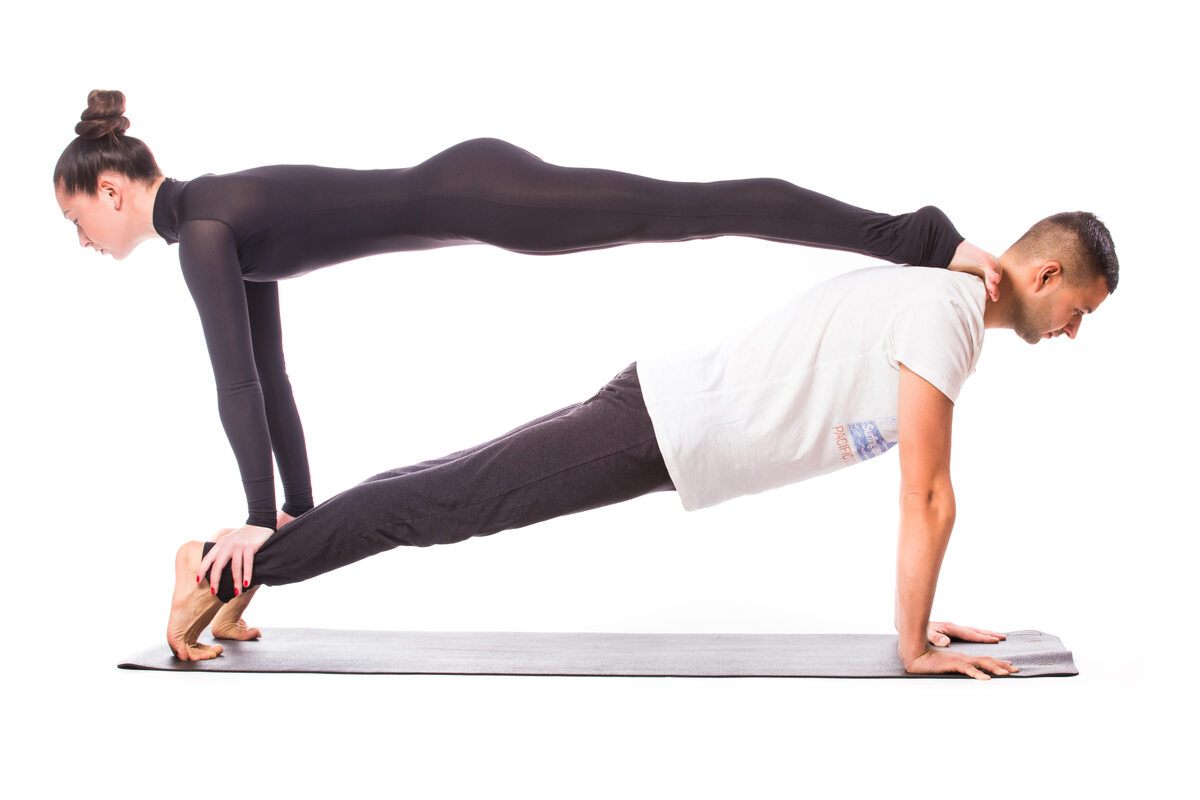
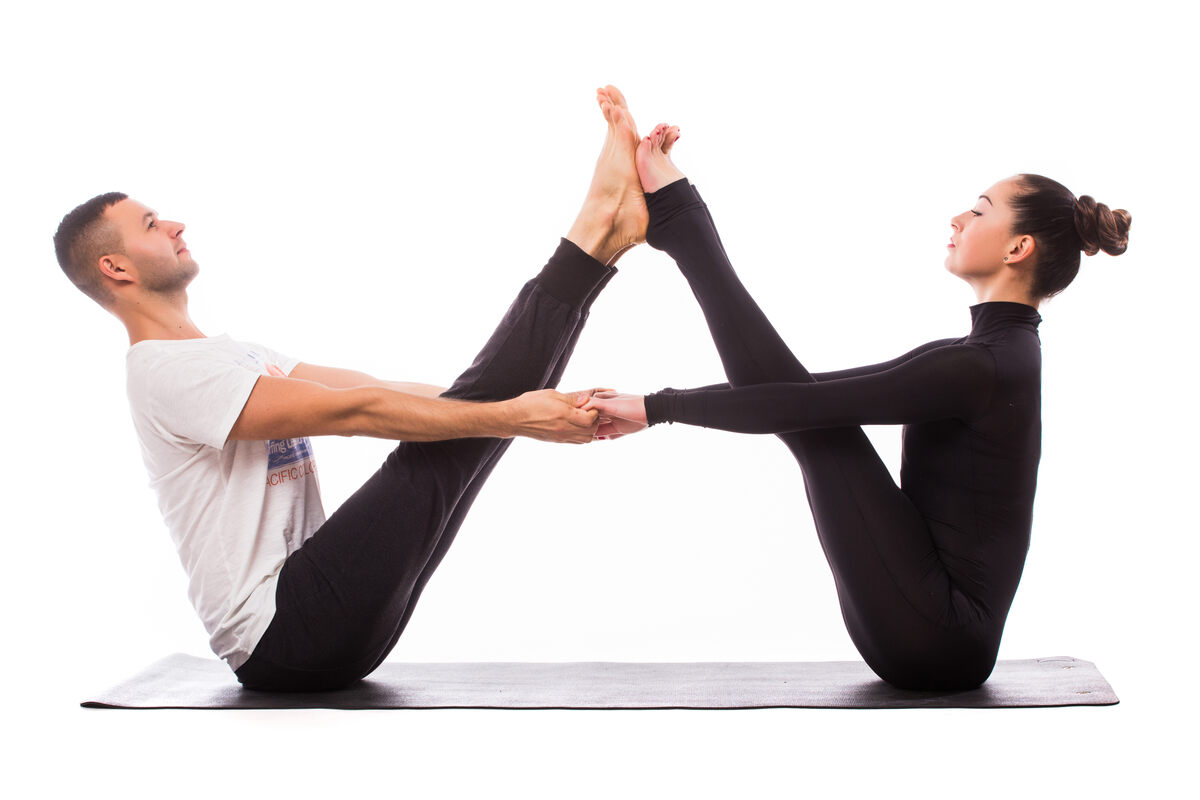 Double Plank Pose
 Advanced 2 Person Yoga Poses
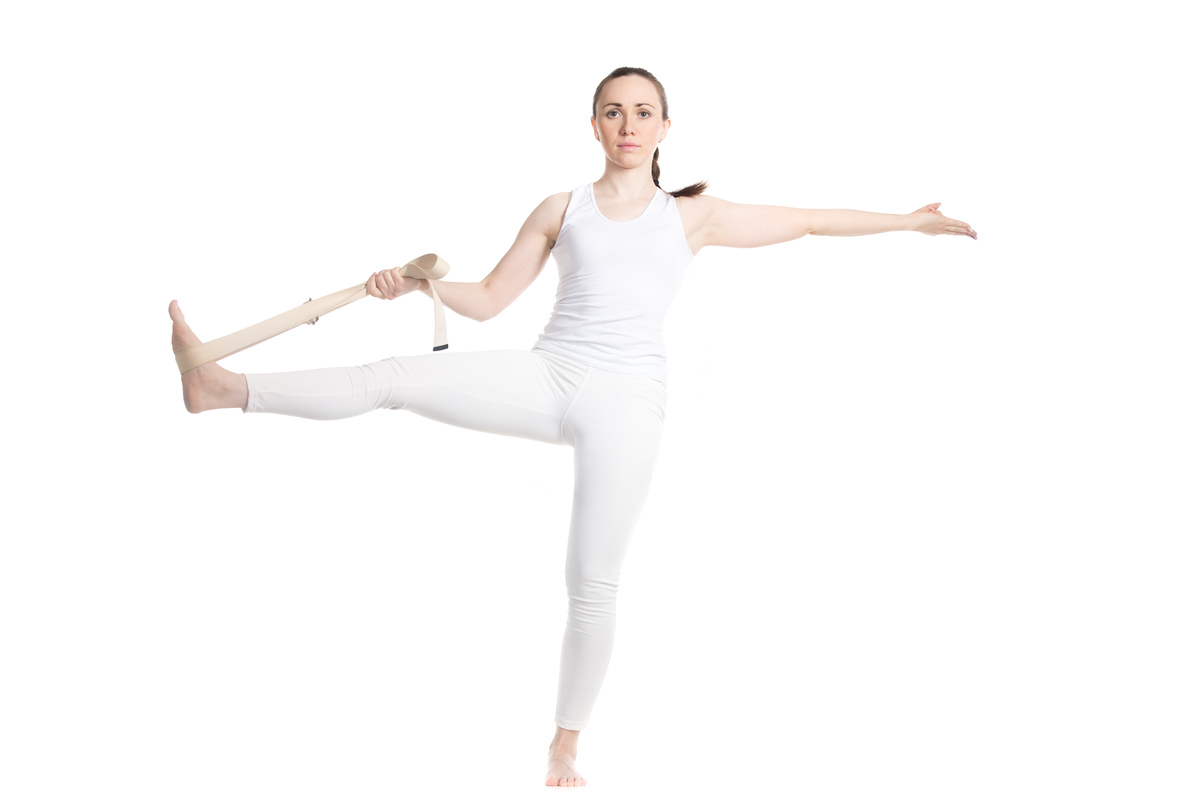 Double Warrior Pose
 Tips to Enhance Your Partner Yoga Practice