What Skin Toner Does: 5 Skin Saving Truths You Will Love
If you have ever stood in front of your skincare shelf wondering what skin toner does, you are not alone. Toner is one of the most misunderstood products in modern skincare. Some people swear by it, others skip it entirely, and many use it incorrectly without realizing it.
Part of the confusion comes from how toners used to work decades ago. Early formulas were often alcohol heavy, designed to strip oil aggressively. Today toners are very different. They are designed to support the skin barrier, refine texture, improve hydration, and prepare the skin to better absorb treatments.
Understanding the benefits of skin toner requires looking beyond marketing claims and examining how the skin functions on a biological level. When used correctly, toner is not an extra step, it is a functional bridge between cleansing and treatment that can dramatically improve how your skin behaves over time.
The Evolution of Toner: From Harsh to Skin Supporting
Before exploring the truths, it is important to understand how toner has evolved. Traditional toners were developed when cleansers were heavy and soap based. Their role was to remove leftover residue and oil. Modern cleansers are gentler, and modern toners have shifted from “stripping” to restoring balance.
Today toners can hydrate, calm, lightly exfoliate, support pH balance, and improve ingredient penetration. This shift explains why dermatologists now view toner as optional but highly beneficial when chosen correctly.
5 Skin Saving Truths You Will Love
Truth #1: What Skin Toner Does Is Restore Balance After Cleansing
One of the most important truths about what skin toner does is that it helps rebalance the skin after cleansing. Even gentle cleansers can temporarily disrupt the skin natural pH, which ideally sits slightly acidic.
When pH is off balance, the skin barrier becomes vulnerable. This can lead to dryness, sensitivity, breakouts, and increased water loss. A well formulated toner helps bring the skin back into its optimal range, creating an environment where the skin can function properly.
Balanced skin is better at defending itself, retaining moisture, and responding to active ingredients. This is why toner is especially helpful for people who feel tightness or discomfort after cleansing, even when using mild products.
Truth #2: Toner Improves Hydration, Not Just Cleanliness
 A major misconception is that toner exists only to “remove leftover dirt.” In reality, modern toners are often hydration focused. Hydrating toners contain humectants that draw water into the skin. When applied to freshly cleansed skin, toner increases surface hydration and reduces transepidermal water loss. This matters because hydrated skin functions better on every level, from texture to elasticity to barrier repair.
Understanding skin toner benefits in this context explains why many people notice smoother, plumper skin when they add toner consistently. Hydration also enhances how well serums and moisturizers perform, making your routine more effective overall.
Truth #3: What Skin Toner Does Is Prepare Skin for Better Absorption
Think of toner as a primer, not for makeup, but for skincare. When skin is freshly cleansed, it can be slightly dehydrated. Applying toner immediately rehydrates the surface, allowing subsequent products to spread more evenly and penetrate more efficiently. This is especially important for treatment products like antioxidants or corrective serums.
For example, applying a vitamin C serum on damp, toned skin often improves absorption and reduces irritation. This preparation step is subtle but powerful, and it’s one of the most overlooked benefits of toner.
Truth #4: Different Toners Serve Very Different Skin Needs
Not all toners are formed equal, and comprehending this truth prevents misuse.
Some toners are created to hydrate and settle, while others gently exfoliate or control oil. Using the wrong type can cause dryness or irritation, which is why toner has a mixed reputation.
This is also where toners support broader goals like how to brighten skin or improve uneven texture. A toner formulated for radiance can help improve dullness over time without the harshness of strong exfoliants.
Types of Skin Toners and Their Functions
| Toner Type | Primary Function | Best For |
| Hydrating Toner | Adds moisture, supports barrier | Dry, sensitive skin |
| Balancing Toner | Restores pH, calms skin | Normal, combination skin |
| Exfoliating Toner | Removes dead skin gently | Oily, textured skin |
| Soothing Toner | Reduces redness, irritation | Reactive, acne prone skin |
| Brightening Toner | Enhances radiance | Dull or uneven tone |
This comparison highlights why toner is not a one size fits all product and why choosing the right formula matters more than using one at all.
Truth #5: Toner Supports Long Term Skin Health, Not Instant Results
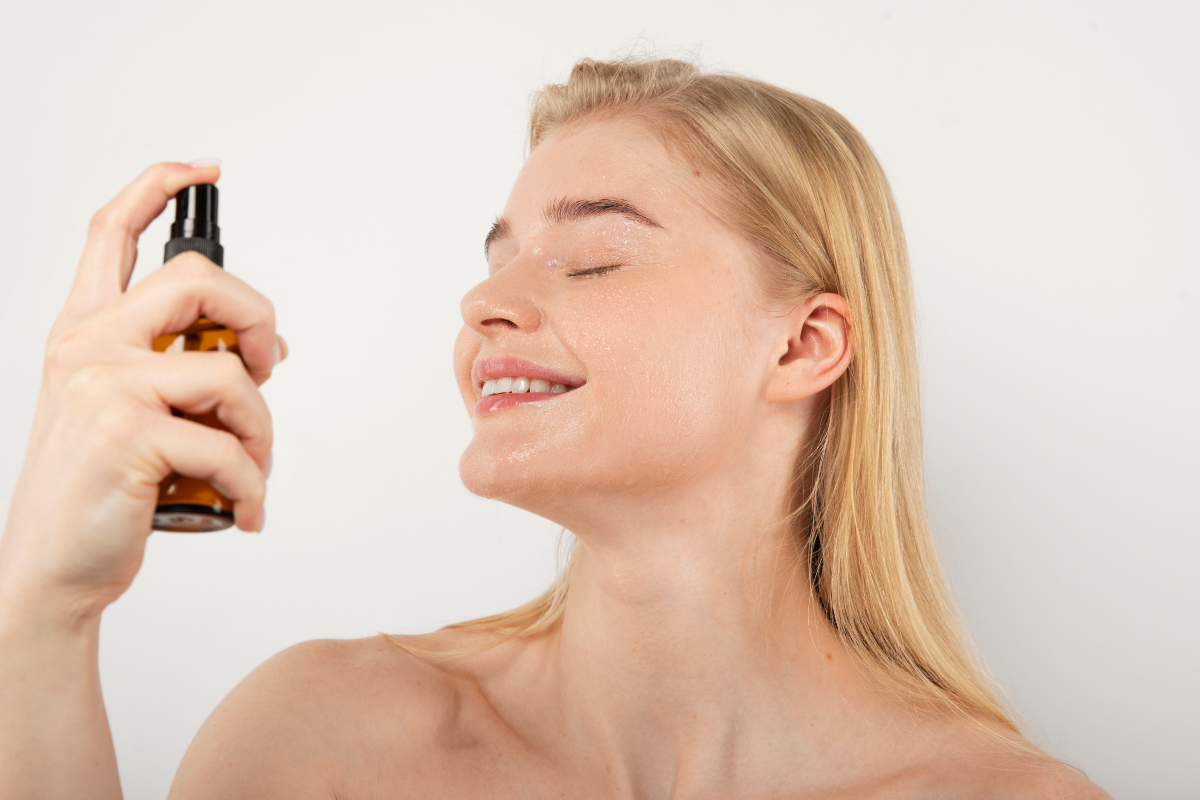 One of the most honest truths about toner is that its benefits are cumulative. You won’t see dramatic overnight changes, but over weeks and months, skin often becomes more resilient, hydrated, and even toned.
This long term support is why toner pairs well with treatments like a brightening serum or restorative moisturizers. It creates consistency and stability, which are critical for healthy skin.
Understanding this truth prevents unrealistic expectations and helps people stick with a routine long enough to see meaningful results.
How Toner Fits Into a Complete Skincare Routine
Toner works best when applied immediately after cleansing, while the skin is still slightly damp. It can be applied with hands or a cotton pad, depending on preference and formula.
Toner is not a replacement for exfoliation, moisturizer, or treatment products. Instead, it supports them. This is also why understanding what is a facial versus daily skincare is important. Facials offer periodic intensive care, while toner supports daily skin function.
Common Mistakes That Reduce Toner Effectiveness
Many people give up on toner because they do not see results, but the issue is often misuse.
Using toner on dry skin, choosing overly harsh formulas, or skipping moisturizer afterward can all reduce benefits. Toner works best as part of a system, not as a standalone solution.
Consistency matters more than intensity.
Conclusion:
So, what skin toner does is far more meaningful than most people realize. It restores balance, supports hydration, enhances absorption, and strengthens the skin ability to function well over time. Toner is not about perfection or instant transformation. It is about creating the right conditions for skin to thrive. When chosen thoughtfully and used consistently, toner becomes a quiet but powerful ally in long term skin health.
Frequently Asked Questions(FAQs)
What skin toner does for your face?
Skin toner restores balance, boosts hydration, and prepares the skin to absorb treatments more effectively. It supports the skin barrier and improves overall texture when used consistently.
Is toner necessary for everyone?
Toner isn’t mandatory, but it’s beneficial for many skin types. Those with dryness, dullness, or uneven texture often see noticeable improvements when toner is added correctly.
Can toner replace moisturizer?
No. Toner hydrates but does not seal moisture. Moisturizer is still necessary to lock in hydration and protect the skin barrier.
How often should toner be used?
Most toners can be used twice daily. Exfoliating toners may be limited to a few times per week depending on skin tolerance.
Does toner help with glowing skin?
Yes. By improving hydration and texture, toner enhances radiance and supports smoother, brighter looking skin over time.