[vc_row][vc_column][vc_column_text]A dry scalp is an uncomfortable and often frustrating condition that can negatively impact not only your scalp’s health but also your hair’s overall appearance. Many unknowingly suffer from dry scalp symptoms and attribute them to other issues such as dandruff or poor hair care. If untreated, a dry scalp can lead to persistent itching, flakiness, and even hair damage.
In this article, we’ll help you understand the symptoms and causes of dry scalp, how to diagnose it, and popular hair oil brands that can help alleviate this problem. By identifying your symptoms early and using the right products, you can restore moisture to your scalp and enjoy healthier, softer hair.
Red Flags of Dry Scalp
Recognizing the early signs of a dry scalp is the first step to finding relief. The scalp’s condition plays a vital role in the overall health of your hair, and neglecting it can lead to more severe problems. Here are the most common red flags to watch for when determining if you’re dealing with a dry scalp:
1. Itchiness and Flakiness
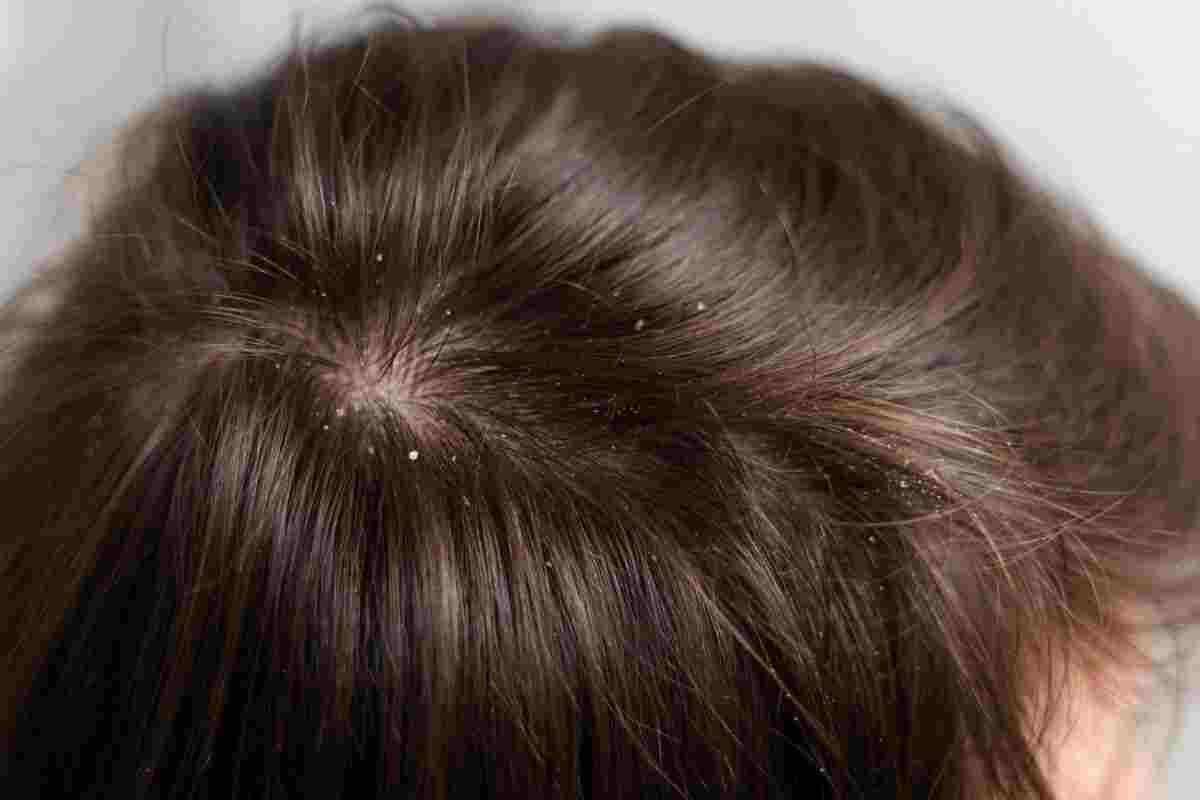
One of the most noticeable and uncomfortable symptoms of a dry scalp is persistent itchiness. When your scalp lacks moisture, the skin begins to dry out, resulting in irritation. You may find yourself scratching your scalp often, exacerbating the problem. This is usually accompanied by small white flakes that fall from your scalp. Unlike dandruff flakes, which tend to be larger and greasier, dry scalp flakes are finer and less oily.
This symptom is especially prevalent during colder months when the air is drier, but it can happen year-round depending on your hair care routine and other environmental factors. Persistent itching causes discomfort and can lead to scalp injuries or further irritation if left unaddressed.
2. Tightness or Discomfort
If your scalp feels tight or uncomfortable, especially after washing your hair, this could be a sign of dryness. This sensation often occurs because the scalp’s natural oils, which keep the skin hydrated, are depleted by environmental factors or harsh hair products. The scalp becomes parched when those oils are stripped away, leading to tightness.
The tightness is often more noticeable when hair is freshly washed because many shampoos contain ingredients that remove natural oils, dirt, and impurities. If this tightness is recurring, it indicates that your scalp may be dry and need extra moisture.
3. Dry, Brittle Hair
A dry scalp often leads to dry, brittle hair. Since the scalp produces the oils that nourish and moisturize hair, a lack of oil production results in hair that feels dry, frizzy, and prone to breakage. If your hair is dull, difficult to manage, and rough to the touch, your scalp may be the culprit.
Many people try to treat dry hair with conditioning treatments, but the root of the problem often lies in the scalp. Topical hair products will only provide temporary relief without addressing the dryness at the source.
Identification Methods of Dry Scalp
If you suspect you have a dry scalp, there are a few simple methods to confirm your diagnosis. Catching the problem early can help prevent further discomfort and damage to your scalp and hair.
1. Simple Tests
One of the easiest ways to determine if you have a dry scalp is to look for flakiness after brushing your hair or running your fingers through your scalp. If small, dry flakes disappear during this process, your scalp will likely dry. You might also notice these flakes on your clothes or pillowcases.
2. Scalp Check After Shampooing
Pay attention to how your scalp feels after you shampoo your hair. If it feels overly dry, tight, or irritated after washing, this could be a sign that your shampoo is stripping away too many natural oils. Many shampoos, especially those containing sulfates or alcohol, can exacerbate scalp dryness by removing the oils essential for maintaining hydration.
3. Consulting a Dermatologist
For more persistent or severe cases of dry scalp, it’s a good idea to consult a dermatologist. They can help determine if the issue is a dry scalp or relates to a more complex skin condition such as eczema or psoriasis. A dermatologist can also prescribe medicated treatments or recommend specialized products to help alleviate the symptoms.
Verified Problem: Dry Scalp vs. Dandruff
A common mistake is confusing dry scalp with dandruff, but these conditions require different treatments. Understanding the difference will help you choose the right products and treatment methods for your scalp.
1. Dry Scalp
A lack of moisture typically causes a dry scalp. The skin becomes dry, flaky, and itchy, leading to smaller, finer flakes that are less oily than dandruff. The most common causes of a dry scalp are environmental factors, such as cold weather or the overuse of hair products that strip natural oils. If your scalp feels tight, dry, and irritated, chances are it’s suiting from dehydration.
2. Dandruff
Dandruff, on the other hand, is often caused by excess oil production or fungal infections, such as Malassezia, which thrives in oily environments. Dandruff flakes are more prominent and oilier and have a yellowish tint. In contrast to a dry scalp, dandruff is often accompanied by greasiness and a persistent scalp odor. If your scalp feels oily and you notice larger flakes, you’re dealing with dandruff.
Origins of Dry Scalp
Understanding the causes of a dry scalp can help you take preventive measures and find the right solutions for your condition. Here are some of the most common causes:
1. Weather Conditions
Cold, dry air during winter is one of the most common causes of a dry scalp. The lack of humidity in the air strips moisture from the skin, leaving it feeling tight, flaky, and dry. Indoor heating can further dry out the scalp, exacerbating the problem. People who live in colder climates or experience harsh winters are more likely to suffer from this dryness.
2. Harsh Hair Products
Many hair products, particularly shampoos, contain sulfates, alcohol, or other harsh chemicals that can strip the scalp of its natural oils. Frequent use of such products can lead to scalp dryness and irritation. Sulfates, for example, are potent cleansers that are effective at removing dirt and oil but can also leave the scalp parched. If you use a shampoo that lathers excessively, it may contain sulfates contributing to your dry scalp.
3. Dehydration
If you need to drink more water, it can affect more than just your skin. Dehydration can lead to dryness, as your body doesn’t retain enough moisture to keep your scalp hydrated. Ensuring you drink enough water throughout the day is critical to maintaining a healthy scalp and preventing dryness.
4. Skin Conditions
Conditions like eczema, psoriasis, and contact dermatitis can all lead to scalp dryness. These conditions cause inflammation and irritation, resulting in flakiness and discomfort. If you have a history of skin issues or sensitive skin, it’s essential to take extra care of your scalp, as it may be more prone to dryness and irritation.
Popular Brands Offering Hair Oil for Dry Scalp
Now that you’ve identified the symptoms and causes of your dry scalp, it’s time to explore some of the most popular brands offering effective hair oil solutions. These hair oils can restore moisture to your scalp, alleviate dryness, and improve the overall health of your hair.
Brand
Key Ingredients
Moisturizing Properties
Best for
OGX
Coconut Oil
High
Dry scalp, brittle hair
Moroccanoil
Argan Oil
Very High
Dry, damaged hair
SheaMoisture
Jamaican Black Castor Oil
High
Scalp hydration & hair growth
Briogeo
Charcoal & Tea Tree Oil
Moderate
Flaky or sensitive scalp
Mielle Organics
Mint & Almond Oil
High
Dry, irritated scalp
[/vc_column_text][us_separator][us_cta title=”Find Scalp Relief Here!” title_size=”1.2rem” color=”light” btn_label=”Explore More” btn_link=”%7B%22url%22%3A%22https%3A%2F%2Fsavenshine.com%2Ffinding-the-right-solution-for-dry-scalp%2F%22%7D”]Ready to find relief and restore balance to your dry scalp? Check out our next article “Finding the Right Solution for Dry Scalp”, where we’ll guide you through top solutions tailored to your needs, from natural oils to expertly formulated treatments. Click on Explore More now![/us_cta][/vc_column][/vc_row]
[vc_row][vc_column width=”1/1″][vc_column_text]You’ve learned about the symptoms and causes of scalp issues and explored various solutions. Now, it’s time to take action and invest in the right products to transform your scalp health. Let’s focus on why choosing professional scalp detox products is the best decision for long-term hair health and how these solutions can help you achieve lasting results.
Why Should You Choose Scalp Detox Products?
Invest in Your Hair Health: Healthy hair starts with a healthy scalp. By incorporating scalp detox products into your routine, you’re not just washing away dirt and oil—you’re ensuring that your hair grows more robust, healthier, and more vibrant. These products unclog hair follicles, prevent buildup, and create an optimal environment for hair growth.
Long-Term Benefits: Regular use of scalp detox products offers significant long-term rewards. They help prevent buildup from styling products, environmental pollutants, and dead skin cells. By using them consistently, you’ll notice less irritation, fewer flakes, and a refreshed and balanced scalp.
Targeted Solutions: Unlike generic shampoos or DIY remedies, these products are specifically formulated to target common scalp issues like excess oil, dandruff, itchiness, and product buildup. They go beyond just cleaning—they treat the root causes of scalp discomfort and leave you with lasting results.
Expert Recommendations: Beauty experts and professionals trust Many of these products for their high-quality ingredients and proven results. When you use products favored by experts, you can feel confident you’re getting the best care for your scalp.
How These Products Can Help You Achieve Success
Enhanced Hair Growth: A detoxed scalp means cleaner, healthier follicles that promote thicker and stronger hair growth. These products might help you give your hair the best foundation to grow longer and fuller.
Reduction of Dandruff and Irritation: If you struggle with dandruff or scalp irritation, these products are formulated to target the underlying causes directly. Whether it’s excess oil, dead skin buildup, or an unbalanced pH, detoxing helps calm these issues for a healthier scalp.
Improved Absorption of Hair Products: Once your scalp is free from buildup, it can better absorb conditioners, oils, and other hair treatments. This makes your entire hair care routine more effective, ensuring that the products you invest in work at their maximum potential.
Elevated Confidence: Healthy hair isn’t just about looks—it’s about how you feel. A clean, healthy scalp leads to healthier hair, boosting confidence and self-esteem. Knowing that your hair is in its best condition enhances your well-being.
Top Recommended Scalp Detox Products on Amazon
Here are the products that can help you achieve these benefits. Each product is designed to tackle specific scalp concerns, making it easy to find the best fit for your needs. Plus, take advantage of the latest Amazon deals to save on your purchase![/vc_column_text][/vc_column][/vc_row][vc_row][vc_column width=”1/1″][vc_column_text]
This shampoo combines detoxifying binchotan charcoal with nutrient-rich coconut oil to deeply cleanse and hydrate the scalp. It’s formulated to remove dead skin cells, excess oils, and product buildup while soothing irritated or dry scalps with peppermint and tea tree oils.
How to Use: Put a small amount on wet hair, especially mindful of the scalp. Rinse well after massaging the scalp for one to two minutes. For best results, use 1-2 times per week.
This rejuvenating shampoo is ideal for oily scalps. Tea tree oil and peppermint extract regulate oil production and provide a cooling effect. The scalp is gently cleansed without being stripped of essential moisture, leaving it feeling revitalized.
How to Use: Apply a thick layer on damp hair. Massage the scalp after creating a lather. Rinse thoroughly. Use regularly for best results.
Price: $10
[/vc_column_text][us_separator][us_image image=”10863″ align=”center” link=”%7B%22url%22%3A%22https%3A%2F%2Fwww.amazon.com%2FOGX-Refresh-Balance-Shampoo-Ounce%2Fdp%2FB076RY54K1%2Fref%3Dsr_1_10%3Fcrid%3D1PAHOXTIBO1RX%26dib%3DeyJ2IjoiMSJ9.VMFXmRMLll84Avw0-WJ5bM7OAK3RsKMg–8ljaCHi0hi86a5lU10fMwLjVzBhW-Ww9ubWbIbzjvguEPlWYRogIKrl6W8JdR9jDGXEZR50UBsVqYpTuoQUHo3Yi6HQ4p-ANCO1FA8aRpcWkOx4Nc8VcsSL8ELCrM0NBJF5-NhBitDWj9Wmr5J5lCS91ep_h9nYp7cXeQlDo0bRVyBFA_snm0Eqvfn3VK-7SXnvM-xKnHXyfrIOkgPMI6HkG8bvqVa7XXXEt7S41Dtgev-Ftk1ByDJQ9cRfVz7D9OeDI4z_Aw.ZN9KkSqJRNkEvWnmokImck4yDM_glfDkxrEQ_Yd92nI%26dib_tag%3Dse%26keywords%3DOGX%2BTea%2BTree%2BMint%2BShampoo%26qid%3D1729672451%26sprefix%3Dogx%2Btea%2Btree%2Bmint%2Bshampoo%252Caps%252C563%26sr%3D8-10%22%7D”][us_separator size=”small”][us_btn label=”Buy Tea Tree Mint Shampoo Now” link=”%7B%22url%22%3A%22https%3A%2F%2Fwww.amazon.com%2FOGX-Refresh-Balance-Shampoo-Ounce%2Fdp%2FB076RY54K1%2Fref%3Dsr_1_10%3Fcrid%3D1PAHOXTIBO1RX%26dib%3DeyJ2IjoiMSJ9.VMFXmRMLll84Avw0-WJ5bM7OAK3RsKMg–8ljaCHi0hi86a5lU10fMwLjVzBhW-Ww9ubWbIbzjvguEPlWYRogIKrl6W8JdR9jDGXEZR50UBsVqYpTuoQUHo3Yi6HQ4p-ANCO1FA8aRpcWkOx4Nc8VcsSL8ELCrM0NBJF5-NhBitDWj9Wmr5J5lCS91ep_h9nYp7cXeQlDo0bRVyBFA_snm0Eqvfn3VK-7SXnvM-xKnHXyfrIOkgPMI6HkG8bvqVa7XXXEt7S41Dtgev-Ftk1ByDJQ9cRfVz7D9OeDI4z_Aw.ZN9KkSqJRNkEvWnmokImck4yDM_glfDkxrEQ_Yd92nI%26dib_tag%3Dse%26keywords%3DOGX%2BTea%2BTree%2BMint%2BShampoo%26qid%3D1729672451%26sprefix%3Dogx%2Btea%2Btree%2Bmint%2Bshampoo%252Caps%252C563%26sr%3D8-10%22%7D” align=”center”][/vc_column][/vc_row][vc_row][vc_column width=”1/1″][vc_column_text]
3. dpHUE Apple Cider Vinegar Hair Rinse
This gentle rinse is perfect for dry or color-treated hair. It uses apple cider vinegar to balance the scalp’s pH, gently cleanse, and remove buildup without stripping natural oils. It’s designed to replace shampoo and can be used between washes to refresh the scalp.
How to Use: Wet your hair, then squeeze the product directly onto the scalp. Massage it, let it sit for 1-3 minutes, then rinse thoroughly. Use 1-2 times per week.
Aveda’s plant-based scalp cleanser is perfect for those who prefer natural ingredients. It contains seaweed extract and babassu oil, which deeply cleanses and nourishes the scalp without irritating it. It is gentle enough for regular use and helps balance the scalp’s natural oils.
How to Use: Apply directly to the scalp before shampooing. Massage into the scalp for a few minutes, then rinse thoroughly. Follow with your regular shampoo and conditioner.
WOW Skin Science’s apple cider vinegar shampoo is formulated to detoxify dandruff-prone scalps and remove product buildup. It clarifies and balances the scalp while soothing it with aloe vera. This shampoo is perfect for a natural and affordable detox solution.
How to Use: Applying dampThe first step is to massage the hair into a lather. Massage into the scalp. Leave it on for 2-3 minutes, then rinse thoroughly. Use 2-3 times per week for best results.
To keep your hair healthy, you must take care of your scalp. Choosing the right scalp detox products can create a strong foundation for hair growth and overall scalp health. These specialized solutions not only cleanse but also nourish and protect your scalp, improving hair quality and reducing discomfort. Purchasing materials of professional quality might have a significant impact. They are helping you achieve the luscious, vibrant hair you desire. So, don’t hesitate to explore these options and elevate your hair care routine for lasting results![/vc_column_text][/vc_column][/vc_row][vc_row][vc_column width=”1/1″][us_cta title=”Invest in Hair Health!” color=”light” btn_label=”Buy Now” btn_link=”%7B%22url%22%3A%22%22%7D”]Take the next step toward healthier hair! Purchase our recommended scalp detox products today and experience the benefits of solutions tailored to your scalp’s needs. Click below to explore and buy the perfect product for you![/us_cta][/vc_column][/vc_row]
[vc_row][vc_column][vc_column_text]Now that you’ve recognized the importance of scalp health and the symptoms that indicate you may need a detox, it’s time to dive into potential solutions. In this stage, we’ll explore various methods to detox your scalp, highlight the benefits of doing so, and help you compare Amazon products to find the best fit for your specific needs.
How to Detox Your Scalp?
When detoxing your scalp, several approaches range from DIY home remedies to professional-grade products.
DIY Remedies
Many people prefer to start with natural solutions for scalp detoxification. Here are some popular DIY remedies:
Apple Cider Vinegar Rinse
Benefits: Apple cider vinegar (ACV) is known for its antimicrobial properties, helping to combat dandruff and scalp irritation. It also aids in balancing the scalp’s pH, enhancing hair shine and softness.
How to Use
Mix one part ACV with two parts a spray bottle filled with water.
Spray the mixture onto your scalp and gently massage it after shampooing.
Leave it on for 5-10 minutes, then rinse thoroughly with water.
Frequency: Use this rinse once a week for best results.
Baking Soda Scrub
Benefits: Baking soda is a natural exfoliant, removing product accumulation and dead skin cells from the scalp.
How to Use
Mix two tablespoons of baking soda and water to form a spreadable paste.
Directly apply the paste to the parts of your scalp that have accumulation.
Gently massage for a few minutes, then rinse thoroughly with water.
Frequency: Limit this treatment to once a month, as excessive use can lead to dryness.
Coconut Oil Treatment
Benefits: Coconut oil is a natural moisturizer that can hydrate the scalp and hair while providing antifungal properties.
How to Use
A few tablespoons of coconut oil should be heated till liquid.
After separating your hair, gently massage the oil into your scalp.
Leave it on for at least 30 minutes (or overnight) before washing it out with shampoo.
Frequency: Use this treatment once a week for hydration and detoxification.
Tea Tree Oil Treatment
Benefits: Tea tree oil works well to treat dandruff and scalp infections because of its well-known antifungal and antibacterial qualities.
How to Use
Add a few drops of tea tree oil to your regular shampoo or dilute it using a carrier oil, such as olive or coconut oil.
Apply to your scalp, massage gently, and leave it on for 5-10 minutes before rinsing.
Frequency: To prevent skin irritation, tea tree oil should only be applied once every two weeks due to its powerful potency.
Note: While DIY remedies may offer short-term relief, they may not be able to address more severe issues with the health of the scalp. If symptoms persist, consider using expert products for more comprehensive care.
Professional Products
For people looking for more reliable and practical outcomes, professional scalp detox products are designed to thoroughly and effectively cleanse the scalp. Professional product categories and examples include the following:
Scalp Detox Shampoos
Benefits: These shampoos tackle pollutants, excess oil, and product accumulation. They often contain salicylic acid, tea tree oil, and charcoal, which help cleanse and purify the scalp.
Recommended Products
Briogeo Scalp Revival Charcoal + Tea Tree Scalp Treatment Shampoo: This product uses charcoal to absorb impurities and oil from the tea tree to soothe the scalp.
Kérastase Specifique Bain Divalent Shampoo balances oil production while gently cleansing the scalp.
Exfoliating Scalp Scrubs
Benefits: Scalp scrubs provide physical exfoliation to remove dead skin cells and buildup while stimulating blood circulation.
Recommended Products
Christophe Robin Cleansing Purifying Scrub with Sea Salt: This scrub utilizes sea salt to exfoliate and cleanse the scalp, providing a refreshing sensation.
Dove Exfoliating Body Polish: While primarily for the body, this product can also be used on the scalp to provide gentle exfoliation.
Scalp Treatments and Masks
Benefits: These treatments are designed to penetrate the scalp deeply, providing nourishment and hydration while detoxifying. They often contain ingredients like aloe vera, jojoba oil, and vitamins.
Recommended Products:
Aveda Scalp Remedy Dandruff Solution: This treatment helps to relieve dryness and flakiness while balancing the scalp’s natural moisture.
dpHUE Apple Cider Vinegar Scalp Scrub: This product combines the benefits of ACV with exfoliating properties for a thorough detox.
Professional Treatments
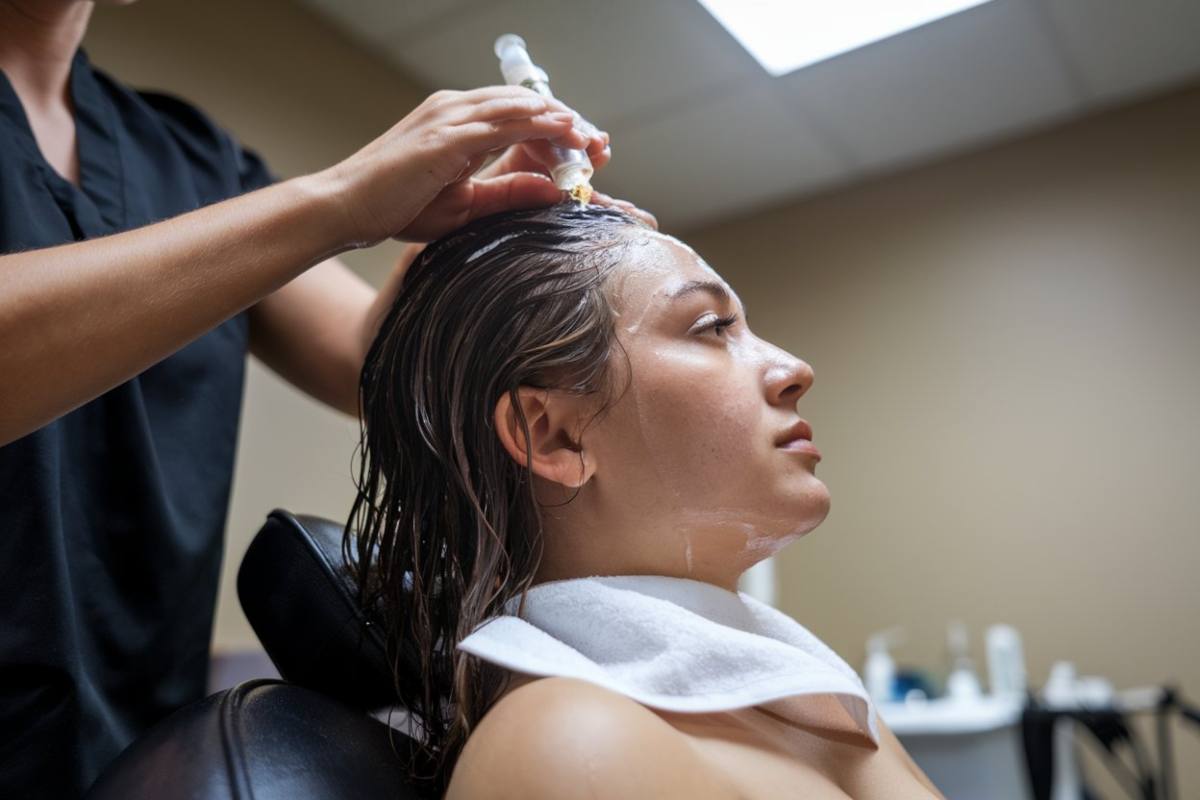
Benefits: Visiting a salon for professional scalp treatments can provide a more profound cleansing experience. These treatments often involve steam, specialized masks, and professional-grade products tailored to your scalp’s needs.
Recommendation: Look for salons that offer scalp detox treatments or consultations with a certified trichologist to receive personalized care and recommendations.
Critical Benefits of Scalp Detox
Unclogging Follicles: Scalp detoxing helps to clear away product buildup, dead skin, and excess oils, ensuring your hair follicles remain clear and ready for new growth. This leads to stronger, healthier hair over time.
Better Product Absorption: A clean scalp means that oils, serums, and treatments can be absorbed more effectively. Without layers of buildup blocking their way, these products can penetrate the scalp and deliver nutrients where they’re needed most.
Dandruff and Itch Relief: Detoxing your scalp can alleviate itching, flaking, and other irritation caused by excess oil and buildup, leaving your scalp feeling refreshed and comfortable.
Detailed Explanation of Scalp Detox Products on Amazon
Now that we’ve discussed the methods and benefits of scalp detoxing let’s look at some effective products available on Amazon that can help you achieve a healthy, balanced scalp.
Detox and exfoliate your scalp with Briogeo’s Charcoal + Coconut Oil Shampoo for refreshed, healthy hair!
Known for its gentle exfoliating properties, this shampoo cleanses the scalp while keeping it hydrated and refreshed.
Key Ingredients: Charcoal for deep cleansing, coconut oil for hydration, and peppermint for a refreshing feel
How it Works: Activated charcoal draws out impurities and excess oil, while coconut oil hydrates the scalp. Peppermint oil adds a cooling sensation, invigorating the scalp.
Benefits: Gently exfoliates, maintains moisture, and refreshes the scalp, making it ideal for sensitive scalps.
Application Tips: Apply a generous amount to damp hair, gently massage into the scalp, let sit for a few minutes, and then rinse well.
2. OGX Tea Tree Mint Shampoo
Refresh and revitalize your scalp with OGX Tea Tree Mint Shampoo for a clean, invigorated feel!
Known for its oil-balancing properties, this shampoo soothes the scalp while effectively cleansing it.
Key Ingredients: Tea tree oil for antibacterial properties, mint for soothing the scalp
How it Works: Tea tree oil provides antibacterial benefits, and mint soothes irritation while helping to balance oil production.
Benefits: Reduces scalp irritation and itchiness, controls oil, and refreshes hair.
Application Tips: Apply to wet hair, focusing on the scalp, massage until a lather forms, and then give it a good rinse. For best results, follow with a conditioner.
3. dpHUE Apple Cider Vinegar Hair Rinse
Cleanse and balance your hair with dpHUE Apple Cider Vinegar Hair Rinse for a soft, shiny finish!
Known for its gentle detoxifying properties, this rinse balances the scalp’s pH without stripping natural oils.
Key Ingredients: Apple cider vinegar to balance pH levels without stripping natural oils
How it Works: Apple cider vinegar restores pH balance and detoxifies hair while moisturizing properties prevent dryness.
Benefits: Provides a gentle detox for dry or color-treated hair, reduces frizz, and enhances shine.
Application Tips: Use in place of shampoo; apply to wet hair, massage into the scalp, leave for 3-5 minutes, then rinse thoroughly.
4. Aveda Pramāsana Purifying Scalp Cleanser
Purify and balance your scalp with Aveda Pramāsana Cleanser for healthier, revitalized hair!
This scalp cleanser is recognized for its natural ingredients, thoroughly purifying and keeping the scalp hydrated.
Key Ingredients: Seaweed extract and babassu oil for a thorough cleanse without irritation
How it Works: Seaweed extract cleanses impurities, while babassu oil provides hydration and balances moisture levels.
Benefits: Cleanses thoroughly without harsh chemicals, soothes the scalp, and promotes a healthy environment.
Application Tips: Apply to a dry scalp before shampooing, massage gently for a few minutes, then rinse and follow with your regular shampoo.
5. WOW Skin Science Apple Cider Vinegar Shampoo
Cleanse and restore shine with WOW Skin Science Apple Cider Vinegar Shampoo for healthier, vibrant hair!
This shampoo helps remove dirt and buildup from your scalp while moisturizing your hair. Made with apple cider vinegar, it fights dandruff and makes your hair healthy and shiny. Perfect for a gentle cleanse without drying out your hair.
Key Ingredients: Apple cider vinegar for clarifying, aloe vera for soothing
How it Works: Apple cider vinegar clarifies and detoxifies the scalp, while aloe vera soothes irritation and nourishes hair.
Benefits: Combats dandruff and itching, removes buildup and promotes a healthier scalp for hair growth.
Application Tips: Apply to wet hair, massage into the scalp, sit for a couple of minutes, then rinse thoroughly for best results.
How to Choose the Right Product Based on Scalp Concerns?
Selecting the right scalp detox product depends on your specific scalp issues. This little advice will assist you in making an informed choice, as well as tea tree oil to calm the scalp.
Oily Scalp: If your scalp gets greasy quickly, the OGX Tea Tree Mint Shampoo or WOW Skin Science Apple Cider Vinegar Shampoo will help control oil while keeping your scalp refreshed.
Dry, Flaky Scalp: For dryness or flakes, the Briogeo Scalp Revival or dpHUE Apple Cider Vinegar Hair Rinse are significant options that provide gentle moisture while cleansing the scalp.
Sensitive Scalp: If you have a sensitive scalp prone to irritation, the Aveda Pramāsana Purifying Scalp Cleanser offers a plant-based, soothing detox.
Key Ingredients to Look for in Scalp Detox Products
Understanding the ingredients in your scalp care products is essential to choosing the right one. Here’s a breakdown of some key ingredients found in scalp detox products:
Charcoal: renowned for its ability to deeply cleanse, charcoal helps remove dirt and toxins without irritating the scalp (found in Briogeo).
Tea Tree Oil: An antimicrobial and anti-inflammatory ingredient, tea tree oil helps control excess oil and reduce scalp irritation (found in OGX).
Apple Cider Vinegar: ACV balances the scalp’s pH and breaks down product buildup, leaving the scalp clean and healthy (found in dpHUE and WOW).
Peppermint: Soothes and refreshes the scalp while providing a cooling sensation (found in OGX and Briogeo).
Conclusion
To have beautiful hair, you must take care of your scalp. By trying different detox methods, whether homemade or store-bought, you can improve your scalp’s health and tackle shared problems like oiliness, dryness, and irritation. How your scalp feels and looks can be significantly improved by selecting the best products for your particular requirements. Make scalp care a regular part of your routine, and you’ll notice more vital, healthier hair over time. Remember, a happy scalp leads to happy hair![/vc_column_text][/vc_column][/vc_row][vc_row][vc_column width=”1/1″][us_cta title=”Discover Top Detox Products” color=”light” btn_label=”Explore More” btn_link=”%7B%22url%22%3A%22https%3A%2F%2Fsavenshine.com%2Ftop-scalp-detox-products-on-amazon-for-your-healthy-hair%2F%22%7D”]If you Still confused about which scalp detox products are the most effective? Check out our next blog, ‘Top Scalp Detox Products on Amazon for your Healthy Hair,’ and find the perfect product for your hair care routine![/us_cta][/vc_column][/vc_row]
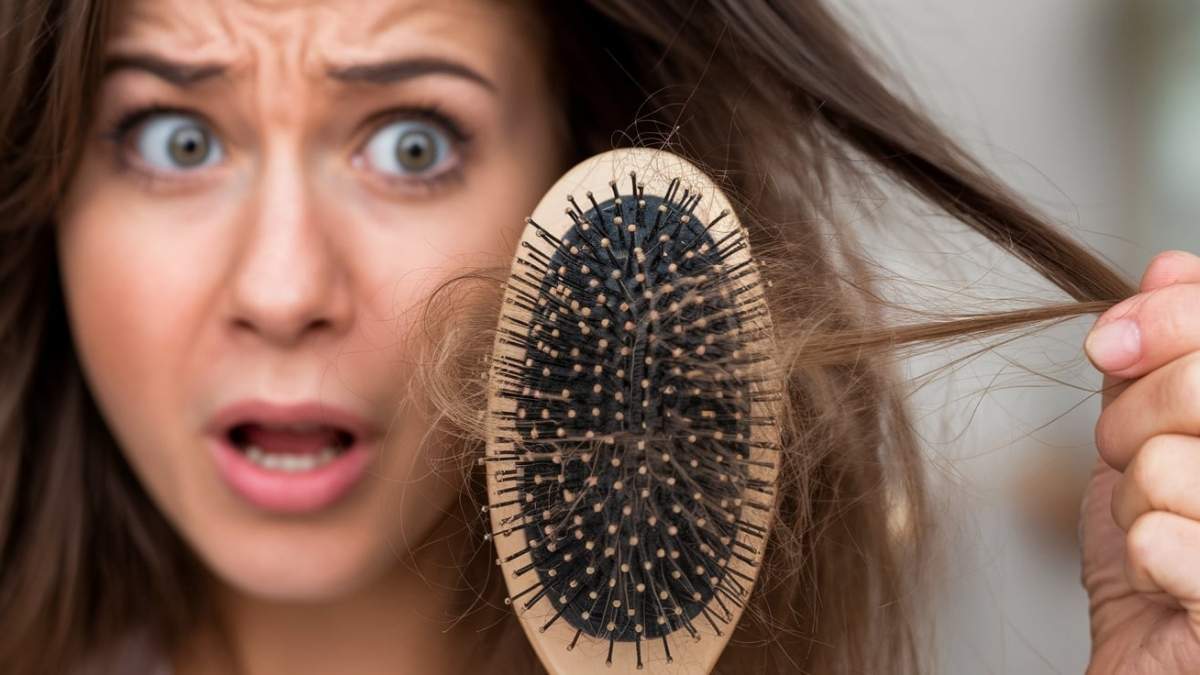
Hair loss in women is more common than many realize, and it can be a challenging experience. Several factors contribute to hair thinning or baldness, and it’s essential to understand them to find the right solution. Below, we’ll explore common causes of female hair loss and introduce hair transplant surgery as a potential solution.
Common Causes of Female Hair Loss
There are several causes of hair loss in women. Here are some of the most common causes:
Hormonal Changes: Events like pregnancy, menopause, and thyroid imbalances can disrupt hair growth cycles.
Stress: High-stress levels can lead to temporary A condition called telogen effluvium is responsible for hair loss.
Genetics: In some cases, a family history of hair loss plays a role, leading to gradual thinning over time.
Medical Conditions: Certain medical issues, such as autoimmune diseases and scalp infections, can result in hair thinning or loss.
Knowing the underlying reason behind your hair loss is the first step in finding the proper treatment.
What is a Hair Transplant for Women?
A hair transplant is a kind of surgery used to restore hair to thinning or balding areas. For women experiencing significant hair loss, this solution can be life-changing. Healthy hair follicles are extracted during the procedure from areas with dense hair growth (often the back or sides of the scalp) and transferring them to regions where hair is sparse or nonexistent. This technique allows the transplanted hair to grow naturally in the new area, offering long-lasting results. While traditionally more common in men, advancements in medical technology have made hair transplants an increasingly popular option for women seeking natural-looking hair restoration.
Signs You May Consider a Hair Transplant
Not every person who is losing their hair qualifies for a hair transplant, but here are some signs that you might benefit from the procedure:
Significant Hair Thinning: If your hair has thinned significantly across your scalp, other treatments have not worked.
Hairline Receding: Hair transplants can aid in the restoration of hair to a more natural, fuller-looking hairline.
Bald Spots: If you have localized bald spots that haven’t responded to medications or treatments, a hair transplant might be an option.
Speaking with an expert can help ascertain if a hair transplant is right based on the pattern and extent of your hair loss.
Benefits of Hair Transplants for Women
If you’re considering a hair transplant, here are some of the potential benefits:
Permanent Hair Restoration: Unlike temporary solutions, a hair transplant offers permanent results with proper care.
Natural-Looking Results: The transplanted hair grows at its new spot, growing organically and merging in with your natural hair.
Boosted Confidence: Many women report improved self-esteem and renewed confidence after restoring their hair.
Hair transplants may be a permanent remedy for those seeking a fuller, natural head of hair.
Alternative Hair Restoration Options
While hair transplants offer a permanent solution, there are other options to consider if surgery isn’t right for you:
PRP Therapy: Platelet-rich plasma (PRP) therapy uses your own blood to promote hair growth.
Medication: Over-the-counter or prescription drugs, such as Minoxidil, can aid in encouraging renewal and slowing hair loss in some cases.
Lifestyle Changes: Adjusting your diet, reducing stress, and addressing underlying health issues can sometimes improve hair health.
Each method has pros and cons; the best approach depends on the individual’s needs.
[us_separator][us_cta title=”Read Now” color=”light” btn_label=”Explore Now” btn_link=”%7B%22url%22%3A%22%22%7D”]If you’re interested in learning more about how a hair transplant can help you regain your confidence and restore your hair, explore our next blog. Stay informed with tips on managing and treating hair loss effectively![/us_cta]
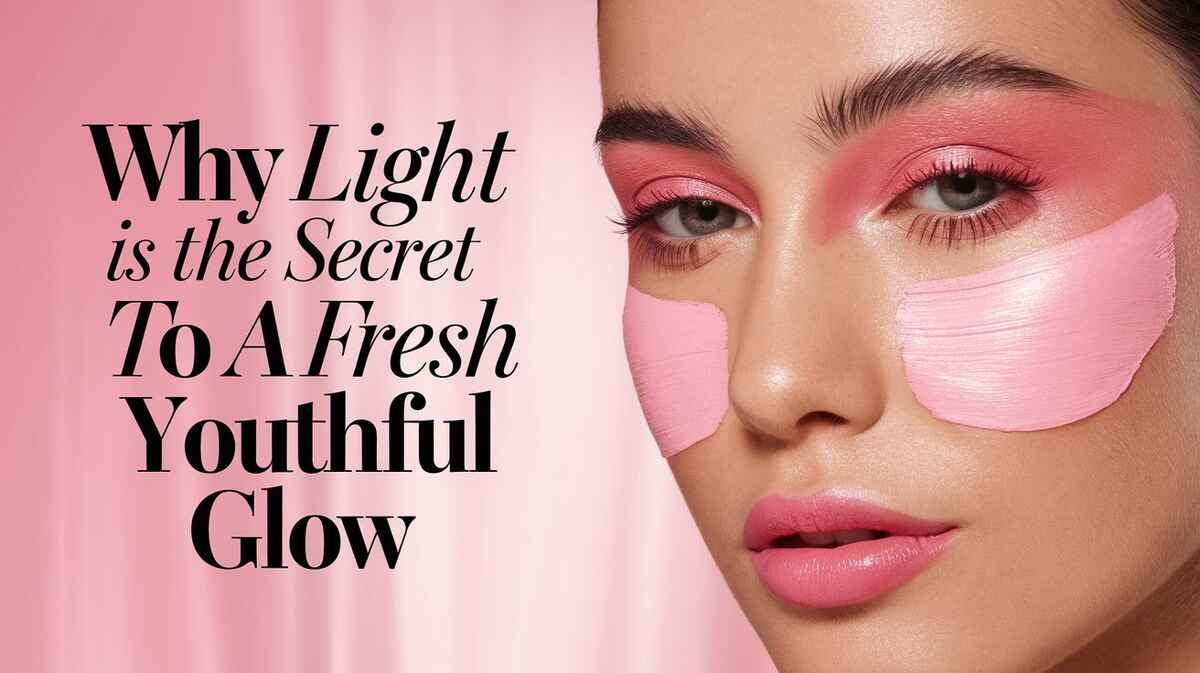
When achieving a youthful, radiant appearance, one color stands out as a timeless beauty secret light pink. Whether in makeup, fashion, or even home décor, this delicate hue can brighten your complexion, enhance your features, and give you a healthy, glowing look. But what about light pink? Does it make it so effective in creating a youthful vibe?
In this article, we’ll explore the magic behind light-pink, from its psychological impact to how it works with different skin tones. By the end, you’ll see why light-pink is more than just a pretty color, it’s a secret weapon for maintaining a fresh, vibrant appearance at any age.
The Psychology of Light Pink
Color plays a significant role in how we perceive ourselves and others. Light-pink is often associated with innocence, youth, and warmth. Its soft, pastel tone has a calming effect on both the wearer and the viewer, evoking feelings of kindness and serenity. Light-pink is often used in branding products that convey gentleness and care, like skincare or baby products.
From a psychological standpoint, light-pink can make you feel more relaxed and confident, which naturally translates to a more youthful appearance. You look good when you feel good; light pink subtly boosts your confidence.
Light Pink in Skincare
While we often think of light-pink in terms of fashion or makeup, it also has a place in skincare. Many beauty effects, such as serums and creams, are imbued with light-pink tones. This isn’t just a design choice—it serves a functional purpose, too.
For instance, light pink-tinted moisturizers or primers can help neutralize redness and uneven skin tone, giving your skin a smoother, more radiant appearance.
These subtle pigments instantly glow, making your skin look healthier and more vibrant.
Pink-based skincare products often contain ingredients that promote hydration and skin elasticity, essential for maintaining a youthful complexion.
Light Pink in Makeup
One of the easiest ways to harness the power of light-pink is through makeup. For several reasons, light-pink can be your go-to shade, whether you’re opting for a natural, everyday look or something more glam.
1. Blush
Adding a light-pink blush to your cheeks instantly brings life to your face. The soft hue mimics the natural flush of youthful skin, giving you a fresh, healthy appearance. Unlike harsher colors, light pink blends seamlessly into your skin, making it ideal for any occasion. For an even more youthful look, apply blush to the apples of your cheeks and incorporate upwards toward your temples.
2. Lipstick
Light pink lipstick is universally flattering and has a youthful, feminine charm. It’s perfect for creating a natural look that sweetens your lips without crushing the rest of your makeup. The subtle color adds just enough definition and can be modeled for any event, from an everyday day out to a more traditional evening event.
3. Eyeshadow
Light pink eyeshadow may not be the first choice for many, but it can do wonders for brightening your eyes. When applied lightly to the lids or the inner corners of the eyes, it gives an awake, refreshed look. Pairing it with neutral or brown tones can add depth and dimension while maintaining a soft, youthful appearance.
4. Light Pink and Skin Tones
One of the reasons light-pink works so well in beauty and fashion is that it complements a wide range of skin tones. Whether you have fair, medium, or deep skin, light-pink can enhance your natural beauty when used correctly.
Light pink offers a delicate touch for fair skin that enhances your natural complexion without overwhelming it.
Light-pink adds warmth and freshness to medium skin tones, creating a healthy glow.
Light-pink provides a beautiful contrast for darker skin tones, highlighting your features and adding a touch of softness.
The key is to find the right shade of light-pink that complements your undertones.
Cooler skin tones will benefit from light-pinks with blue undertones, while warmer skin tones will glow with peachier pinks.
Light Pink in Fashion
Beyond makeup and skincare, light-pink plays a significant role in fashion. This color is often associated with femininity and elegance but is also incredibly versatile. You can incorporate light-pink into your wardrobe in various ways, whether through accessories, clothing, or even shoes.
1. Dresses and Tops
Light pink dresses or tops can instantly elevate your look while keeping it soft and approachable. The color works well for casual and formal events, making you look polished without being too bold or loud. Whether you’re dressing for a wedding, a brunch, or a work meeting, light-pink is a versatile choice that exudes sophistication and youthfulness.
2. Accessories
If you’re hesitant to wear an entire outfit in light-pink, start with accessories. A light-pink scarf, handbag, or pair of shoes can add a touch of youthful elegance to any ensemble. It’s easy to incorporate the color into your wardrobe without committing to a head-to-toe look.
3. Outerwear
Light pink coats or jackets are perfect for adding a touch of softness to your outerwear. They keep you warm and give you a chic, youthful vibe, making even the coldest days feel slightly brighter.
Light Pink in Interior Design
Believe it or not, light pink can contribute to a youthful glow in your living space. Incorporating this color into your home décor can create a fresh, inviting, and serene environment. From throw pillows to wall paint, light-pink can make your home feel more open and bright, positively impacting your mood and overall well-being.
1.Soft Furnishings
Adding light pink through soft furnishings like cushions, blankets, or rugs is an easy way to bring warmth and comfort to any room. The color’s calming qualities make it perfect for relaxing and unwinding spaces like the bedroom or living room.
2. Accent Walls
For those looking to make a more significant impact, a light- pink accent wall can transform a room without overwhelming the space. It’s an excellent way to add character and charm while keeping the overall aesthetic light and airy.
Light Pink in Nail Art
Your nails are another area where light pink can shine. A light- pink manicure is classic clean and gives your hands a youthful appearance. Whether you prefer a simple pink polish or a more intricate design, light- pink nails are always in style and make your hands look soft and well-groomed.
Light Pink for All Ages
One of the best things about light pink is its ageless appeal. It’s not a color limited to any age group—people of all ages can enjoy its benefits. Whether in your 20s or 60s, lightpink can refresh your look and give you a natural, youthful glow.
How to Incorporate Light Pink Into Your Routine
Incorporating pink into your life doesn’t have to be overwhelming. Start small by adding key pieces to your wardrobe or beauty routine. Experiment with light-pink makeup, try a new skincare product with a pink tint or add a touch of pink to your home décor. Over time, you’ll notice how this simple color can make a big difference in how you look and feel.
Conclusion
Light pink is more than just a color. It’s a beauty and fashion secret that can help you achieve a fresh, youthful glow at any age. From makeup and skincare to fashion and home décor, this versatile hue can brighten your complexion, enhance your features, and give you a sense of vitality and confidence.
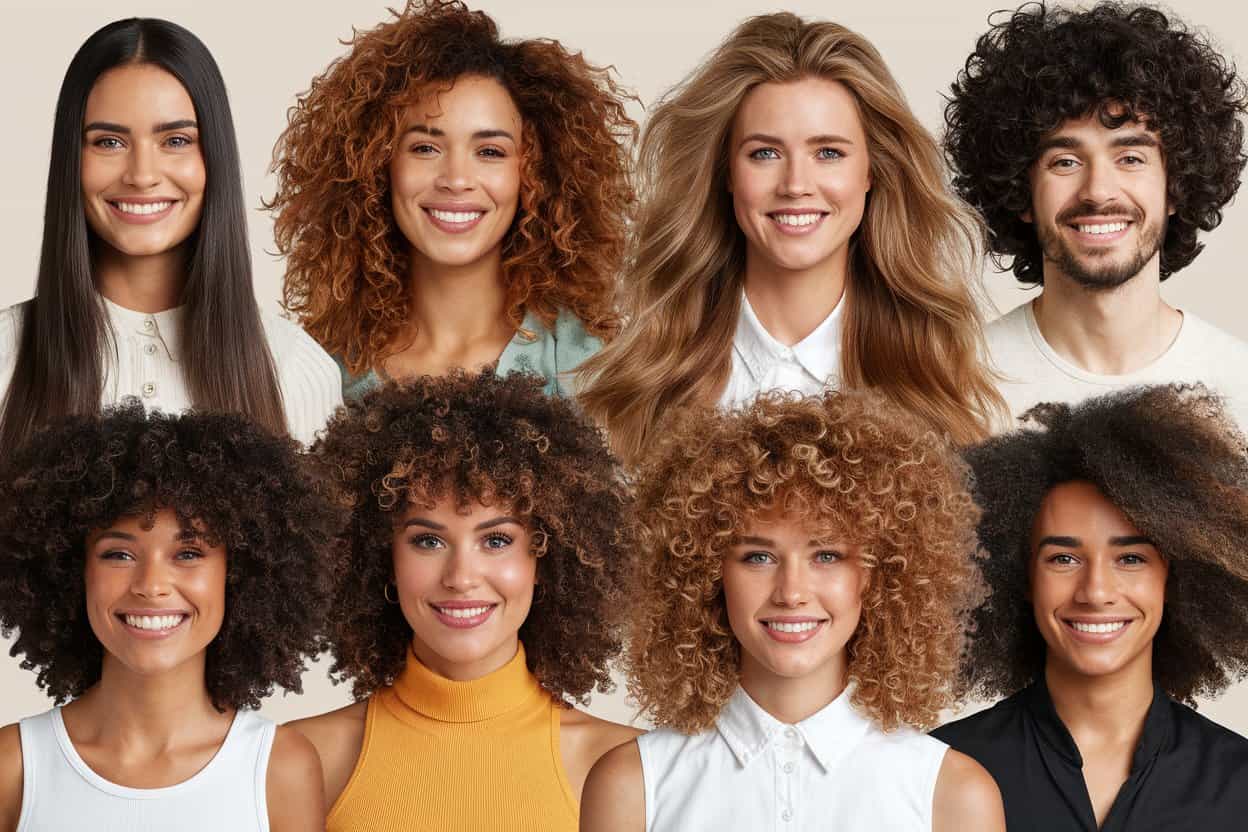
[vc_row][vc_column][vc_column_text]Everyone’s hair is unique, and identifying your specific hair type is the foundation of a helpful hair care routine. Your hair type determines its texture, behavior, and how it responds to different products and styling methods. From straight to wavy, curly to coily, each hair types requires customized care to maintain its health, shine, and manageability.
Hair type doesn’t just influence how your hair looks, but also how it behaves in various climates and with different treatments. By understanding your hair’s characteristics—whether it’s straight, wavy, curly, or coily—you can better meet its needs and avoid common issues like frizz, dryness, and breakage.
This diligent guide will help you determine your hair type, offer specific care tips, and address concerns related to hair texture and porosity, ensuring you can maintain healthy, beautiful hair that suits your natural style.
Why Hair Type Matters
Understanding your hair type is essential because it affects everything from the products you use to the hairstyles you can achieve. Hair types are defined based on the curl pattern, which is influenced by your hair follicle’s shape. The four main groups are straight, wavy, curly, and coily, and each type has its subtypes that further define the texture and behavior.
Knowing your hair type can help you:
Select the right products (shampoo, conditioner, styling creams)
Choose appropriate hairstyles
Better manage common hair concerns like frizz or dryness
How to Identify Your Hair Type
Straight Hair (Type 1)
Straight hair is defined as Type 1 and typically reflects light well, giving it a shiny appearance. However, it can often lack volume. Type 1 is divided into three subtypes:
Type 1A: Extremely straight, fine, and flat hair.
Type 1B: Straight but with a bit more body and medium texture.
Type 1C: Straight with coarse texture, tends to hold a wave.
Care Tips for Straight Hair:
Opt for volumizing shampoos to give your hair some lift.
Use lightweight conditioners to avoid weighing down the hair.
Avoid excessive oils that can make the hair greasy quickly.
Wavy Hair (Type 2)
Wavy hair falls between straight and curly, forming loose, defined waves.
Type 2A: Fine, barely noticeable waves, easy to manage.
Type 2B: More defined waves that may tend to frizz.
Type 2C: Thick, coarse waves that are prone to frizz and require more moisture.
Care Tips for Wavy Hair:
Use anti-frizz serums or creams to define waves without weighing them down.
Choose a light, hydrating conditioner.
Air-dry your hair to enhance natural wave patterns.
Curly Hair (Type 3)
Curly hair forms distinct ringlets and can range from loose to tight curls.
Type 3A: Large, loose curls.
Type 3B: Medium-sized curls with more volume.
Type 3C: Tight, corkscrew curls that have significant volume and can be prone to dryness.
Care Tips for Curly Hair:
Moisturizing products are essential to maintain curl definition.
Avoid heat styling as much as possible.
Use a diffuser when blow-drying to prevent frizz.
Coily/Kinky Hair (Type 4)
Coily hair, also known as kinky hair, features tight curls or zig-zag patterns.
Type 4A: Soft, tightly coiled hair with an S-pattern.
Type 4B: Tighter, more angular coils.
Type 4C: The most delicate texture with tight, zig-zag curls prone to shrinkage.
Care Tips for Coily Hair:
Opt for deep conditioning treatments to keep hair hydrated.
Use leave-in conditioners and creams for detangling.
Limit the use of heat tools and options for protective hairstyles.
In addition to curl patterns, understanding your hair’s porosity and texture is crucial for creating a customized hair care routine. Hair porosity involves how well your hair absorbs and retains moisture.
Porosity Type
Characteristics
Care Tips
Low Porosity
Hair cuticles are tight, moisture struggles to enter
Use lightweight oils, avoid heavy products
Medium Porosity
Balanced moisture absorption and retention
Regular conditioning, occasional deep conditioning
High Porosity
Easily absorbs moisture but struggles to retain it
Use heavier oils and butters, avoid frequent washing
Knowing your hair texture (fine, medium, coarse) and porosity helps in selecting the right hair treatments and avoiding product build-up.
The Importance of Hair Care Products Based on Hair Type
Using hair products specifically designed for your hair type can make a significant impact on managing frizz, enhancing shine, and enhancing overall hair health. Each hair type has unique characteristics that influence how it responds to products, and understanding these differences will help you select the best solutions for your needs.
Straight hair, due to its naturally smooth texture, tends to become oily faster. To maintain volume and prevent it from looking flat:
Volumizing sprays and mousses are ideal for adding lift and movement.
Dry shampoos can help manage oil buildup, especially at the roots.
Lightweight conditioners can keep the hair smooth without weighing it down.
Wavy Hair
Wavy hair is more sensitive to frizz but benefits from lightweight moisture:
Hydrating conditioners will keep waves defined without overwhelming them.
Use anti-frizz creams to tame unruly waves and add definition.
Avoid heavy oils that can flatten waves and make them look greasy.
Curly and Coily Hair
Curly and coily hair types require significant moisture to maintain their curl pattern and avoid breakage:
Leave-in conditioners are crucial for hydration and detangling.
Curl creams with ingredients like shea butter or coconut oil help define curls while locking in moisture.
Coily hair benefits from deep conditioning treatments to prevent dryness and brittleness.
Common Hair Concerns- Frizz, Breakage, and More
Regardless of hair type, certain issues tend to arise more frequently in some textures than others. Let’s explore common challenges and how to address them based on hair type.
Frizz is more common in wavy, curly, and coily hair, especially in humid environments where the hair absorbs excess moisture. It can result from dryness or damaged cuticles:
Combat frizz with anti-humidity sprays and hydrating leave-in conditioners that help seal moisture into the hair shaft.
Use serums or oils like argan oil to smooth down frizz and protect hair from humidity.
Breakage
Curly and coily hair types are more sensitive to breakage due to their structure, which tends to be more fragile:
To reduce breakage, detangle hair using a wide-tooth comb and avoid harsh brushing.
Limit heat styling and opt for protective hairstyles like braids or twists to minimize stress on the hair.
Incorporate regular protein treatments to strengthen hair strands.
Oily Roots
Straight hair is more prone to oily roots since the scalp’s natural oils travel more easily down the hair shaft:
Use dry shampoo to absorb excessive oil between washes and keep hair looking fresh.
Clarifying shampoos can help remove product build-up and excess oil.
Avoid heavy conditioners on the scalp and focus them on the ends of the hair to prevent weighing down your strands.
By using the correct hair care products and practices based on your specific hair type, you can address common concerns and keep your hair looking its best. Understanding the unique challenges of each hair type will allow you to create a routine that enhances your natural hair while keeping it healthy and manageable.
Conclusion
No matter your hair type—whether straight, wavy, curly, or coily—the foundation of healthy, beautiful hair is understanding its unique needs. By identifying your hair type, porosity, and texture, you can craft a hair care routine that nourishes and protects your strands, allowing them to thrive. Recognizing that every hair type has distinct characteristics means you can tailor your approach, from selecting the right products to incorporating best practices for daily care.
Embracing your natural hair isn’t just about using the right products—it’s about appreciating its beauty in every state. Each hair types brings its own versatility, challenges, and charm, and caring for it effectively can enhance its natural shine and vibrancy. Whether you’re managing frizz, enhancing curl definition, or adding volume, your routine can empower your hair to look and feel its best.[/vc_column_text][/vc_column][/vc_row][vc_row][vc_column width=”1/1″][us_separator size=”small”][us_text text=”Frequently Asked Questions (FAQs)” link=”%7B%22url%22%3A%22%22%7D” tag=”h2″][vc_tta_accordion][vc_tta_section title=”What are the different types of hair textures?” tab_link=”%7B%22url%22%3A%22%22%7D”][vc_column_text]Hair textures are generally categorized into four main types: straight (Type 1), wavy (Type 2), curly (Type 3), and coily/kinky (Type 4), with subcategories within each type to represent varying patterns and curl tightness.[/vc_column_text][/vc_tta_section][vc_tta_section title=”How can I determine my hair type?” tab_link=”%7B%22url%22%3A%22%22%7D”][vc_column_text]Hair type can be determined by examining the shape of your strands when they air-dry. Straight hair lies flat, wavy hair forms an “S” shape, curly hair has defined loops or spirals, and coily hair forms tight curls or zigzag patterns.[/vc_column_text][/vc_tta_section][vc_tta_section title=”What is the best way to care for curly or coily hair?” tab_link=”%7B%22url%22%3A%22%22%7D”][vc_column_text]Curly and coily hair thrive with moisture, so using sulfate-free shampoos, deep conditioners, and leave-in products are essential. Avoid excessive heat and opt for protective styles to minimize breakage.[/vc_column_text][/vc_tta_section][vc_tta_section title=”How often should I wash my hair based on my hair type?” tab_link=”%7B%22url%22%3A%22%22%7D”][vc_column_text]Straight and wavy hair types can be washed more frequently (every 2-3 days), while curly and coily hair benefit from less frequent washing (once a week or less), as they tend to be drier and require more moisture retention.[/vc_column_text][/vc_tta_section][vc_tta_section title=”What are some common hair care mistakes to avoid?” tab_link=”%7B%22url%22%3A%22%22%7D”][vc_column_text]Common mistakes include over-washing, using harsh shampoos with sulfates, applying excessive heat without protection, skipping regular trims, and not using products suited to your specific hair type and texture.[/vc_column_text][/vc_tta_section][vc_tta_section title=”Section”][/vc_tta_section][/vc_tta_accordion][/vc_column][/vc_row]
[vc_row][vc_column][vc_column_text]A healthy scalp is the foundation of vibrant, shiny hair, but many overlook its care. In today’s environment, pollution, product buildup, and even neglect can take a toll on your scalp, leading to issues like oiliness, flakiness, and even thinning hair. In this post, we’ll explore the importance of scalp detox, how to recognize when you need one, and introduce you to some top brands that offer effective scalp detox products. Let’s start with understanding what scalp detox is and why it matters.
What is Scalp Detox?
Scalp detox is thoroughly cleansing the scalp to remove excess oils, dead skin cells, and the buildup of hair products. Like your skin, your scalp can become congested with impurities, which block hair follicles and hinder healthy hair growth.
Why Does Scalp Detox It Matters?
Here are some simple bullet points explaining why scalp detox matters:
Removes Buildup: A scalp detox helps remove product buildup, dirt, and excess oil, making your scalp cleaner.
Promotes Hair Growth: A clean scalp encourages healthy growth by enabling healthy breathing and operation of hair follicles.
Balances Scalp pH: Detoxing can help balance the scalp’s pH levels, reducing issues like dryness or greasiness.
Improves Scalp Health: A detox can reduce inflammation and irritation, leading to a healthier scalp overall.
Enhances Absorption: With a detoxed scalp, hair care products can be better absorbed, making treatments more effective.
Boosts Confidence: A clean, healthy scalp can lead to shinier hair and improve your overall confidence in your hair’s appearance.
Common Causes of Scalp Issues
Product Buildup: Many people use styling products like gels, sprays, and dry shampoos without realizing how much residue they leave behind. Even regular shampoos can contribute to build up if not thoroughly rinsed, leading to clogged follicles.
Environmental Factors: Everyday exposure to pollution, dirt, and sweat can create an unhealthy environment for your scalp. These factors mix with oils and can cause scalp irritation, leading to flakiness and excessive oiliness.
Neglect: Often, scalp care is overlooked, with most people focusing solely on hair. Skipping regular scalp maintenance or washing too infrequently can result in problems like dandruff, excess oil, and even irritation.
Diet and Hydration: Poor nutrition and dehydration can affect your scalp’s health. A diet lacking essential nutrients can lead to dry skin and hair, while insufficient water intake can contribute to dryness.
Hormonal Changes: Changes in hormone levels, such as during puberty, menstruation, pregnancy, or menopause, can influence scalp health and oil production, often resulting in excessive oiliness or dryness.
Stress: High-stress levels can impact your overall health, including your scalp. Stress may lead to increased oil production or hair loss, making it essential to find effective stress-relief strategies.
Skin Conditions: Conditions like psoriasis, eczema, and seborrheic dermatitis can cause significant scalp issues, including redness, irritation, and flaking. If you suspect a skin condition, it’s best to consult a dermatologist for proper treatment.
Signs You Need a Scalp Detox
Recognizing when your scalp needs a detox is crucial for maintaining healthy hair. Here are some common signs that indicate it’s time for a cleanse:
Oily Scalp: An excess sebum production can result in a greasy appearance, often making hair feel weighed down and dirty.
Flakes: Dry, flaky skin is often a telltale sign of an unhealthy scalp. This can manifest as visible dandruff or simply as dryness on the scalp.
Itchiness: An itchy scalp may indicate irritation due to product buildup or an imbalanced scalp environment. This discomfort can be persistent and bothersome.
Thinning Hair: If you notice a decrease in hair density or thinning strands, it could be linked to clogged hair follicles caused by scalp neglect.
Importance of a Healthy Scalp
Hair Growth: Keeping your scalp free of buildup allows the hair follicles to function efficiently, promoting healthy hair growth. A clean and detoxed scalp is essential for maintaining the vibrancy and thickness of your hair.
Scalp Microbiome: The scalp’s microbiome, a delicate balance of microorganisms, plays a crucial role in its health. A disrupted microbiome can lead to conditions like dandruff or dermatitis. Regular detoxing helps maintain this balance and keeps the scalp healthy and irritation-free.
Diagnosis Techniques
To effectively address scalp problems, consider the following diagnostic techniques:
Self-Assessment: Start by examining your scalp at home. Look for visible flakes, oiliness, or irritation. Pay attention to your hair’s texture and volume.
Scalp Analysis: Inspect your scalp closely using a mirror or smartphone camera. Check for any areas of redness, irritation, or signs of buildup that may indicate a need for detox.
Consult a Professional: For a thorough evaluation, consult a dermatologist or trichologist. They can provide a professional assessment of your scalp health, helping to identify any underlying issues that may require treatment.
Top Scalp Care Products on Amazon
Now that you’re familiar with the signs and triggers of scalp issues, it’s time to look at practical solutions. Amazon provides a range of products aimed at profoundly cleansing the scalp, reducing buildup, and enhancing overall health. Here are some reputable brands:
Briogeo
Briogeo is known for using natural ingredients in hair care. They avoid harsh chemicals and create safe products for all hair types. They aim to make hair healthy and beautiful with gentle formulas that nourish the scalp and hair.
OGX
OGX provides a large selection of hair care items with unique ingredients worldwide. They focus on keeping hair hydrated and healthy without using strong chemicals, making their products great for everyday use. OGX encourages people to love their natural hair.
dpHUE
dpHUE specializes in hair care and uses apple cider vinegar to cleanse and balance the scalp. Their products are gentle and perfect for people with sensitive skin. They aim to remove buildup and make hair shiny without stripping it of natural oils.
Aveda
Aveda is all about natural and eco-friendly hair care. They make use of essential oils and plant-based substances. Hair and promote scalp health. Aveda cares for the environment and supports sustainable practices in its products.
WOW Skin Science
WOW Skin Science focuses on natural ingredients to clean and nourish hair. They use apple cider vinegar and essential oils to detoxify and add shine. WOW is committed to making safe, effective products without harmful chemicals that appeal to those who want a natural approach to hair care.
Conclusion
Taking care of your scalp is essential to your overall hair care routine. By understanding the causes of scalp issues and recognizing the signs that signal a need for detox, you can make informed choices for healthier hair. The right scalp care products can make a significant difference, helping to clear buildup and restore balance. Don’t overlook your scalp; it deserves as much attention as your hair. Embrace the power of a scalp detox and unlock the potential for beautiful, vibrant hair that truly shines[/vc_column_text][/vc_column][/vc_row][vc_row][vc_column width=”1/1″][us_cta title=”Discover Easy Detox Solutions!” color=”light” btn_label=”Explore More” btn_link=”%7B%22url%22%3A%22https%3A%2F%2Fsavenshine.com%2Fscalp-detox-effective-solutions%2F%22%7D”]Don’t stop at just understanding the importance of a scalp detox take action! In our next post on easy detox methods, amazing benefits, and top products for a healthier scalp. Get ready for beautiful, vibrant hair! Stay tuned![/us_cta][/vc_column][/vc_row]
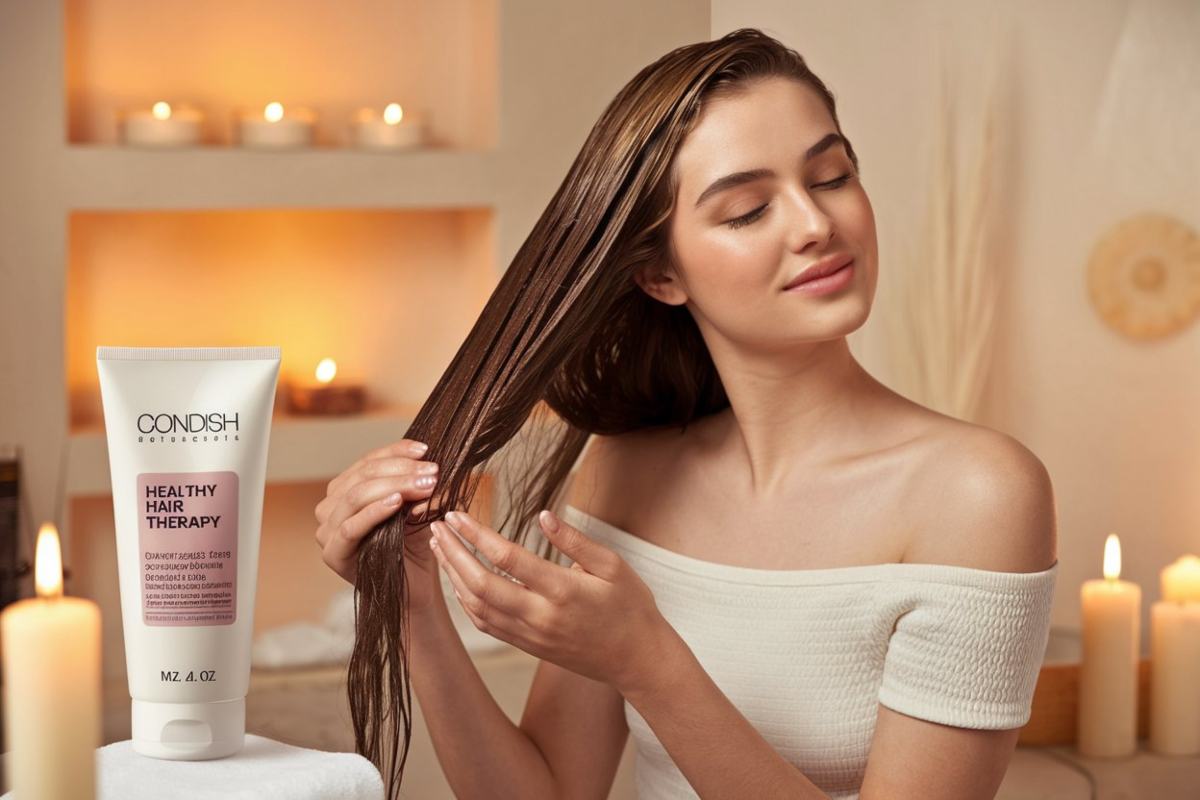
[vc_row][vc_column][vc_column_text]In today’s world, maintaining healthy, shiny, and strong hair is a common goal for many people. However, environmental stressors, poor dietary choices, and hectic lifestyles often lead to dull, weak, and lifeless hair. The solution to these problems lies in choosing the right hair care products to rejuvenate and restore your hair’s natural beauty. One such product that stands out in the market is Condish Healthy Hair Therapy. In this blog, we will look into the benefits, ingredients, usage, and effectiveness of Condish Healthy Hair Therapy and why it could be the perfect addition to your hair care regimen.
Understanding the Importance of Hair Health
Before diving into the specifics of Condish Healthy Hair Therapy, it’s essential to understand why hair health is so crucial. Hair is not just about aesthetics; it represents all health and well-being. Healthy hair indicates a well-nourished body, while dry, brittle, or thinning hair may signal nutritional deficiencies or other underlying health issues. Therefore, taking care of your hair is about looking good and maintaining your overall well-being and self-confidence.
Factors Affecting Hair Health
Several factors can negatively impact your hair health, including:
Environmental Pollution: Dust, dirt, and pollutants can clog hair follicles, leading to scalp issues and weakened hair. Exposure to pollution can strip hair of its natural oils and cause long-term damage.
Stress: Chronic stress can cause thinning hair and loss due to hormonal imbalances. The stress response can trigger conditions like telogen effluvium, which accelerates hair shedding.
Diet: A lack of essential nutrients, like vitamins and minerals, can lead to dullness, brittleness, and proneness to hair breakage. Nutritional deficiencies can also impair hair growth and overall hair health.
Heat Styling: Frequently using heat-styling tools like straighteners, curling irons, and blow dryers can cause important damage to the hair shaft. Excessive heat can weaken the hair structure and lead to dryness and breakage.
Chemical Treatments: Hair dyes, perms, and relaxers contain harsh chemicals that can diminish the hair structure over time. Regular chemical treatments can strip hair of its natural moisture and elasticity.
Given these factors, it’s clear why a comprehensive hair care solution like Condish Healthy Hair Therapy is necessary to maintain strong, shiny, and vibrant hair.
What Is Condish Healthy Hair Therapy?
Condish Healthy Hair Therapy is a scientifically formulated hair care product designed to address common hair issues such as dryness, breakage, dullness, and lack of luster. It combines a distinct blend of ingredients to strengthen, nourish, and revitalize your hair. Unlike numerous hair care products on the market, Condish is specifically tailored to meet the needs of individuals looking to restore their hair’s natural health and beauty.
Benefits of Condish Healthy Hair Therapy
Condish Healthy Hair Therapy offers a range of impressive benefits that make it a valuable addition to any hair care routine. Here’s an in-depth look at the top six advantages of using Condish Hair Therapy, highlighting how it can transform your hair.
Strengthens Hair Strands
Condish Hair Therapy is highly effective in strengthening hair strands, crucial for maintaining overall hair health. The formulation reinforces the hair from the roots to the tips, significantly reducing the risk of breakage and split ends. This enhanced strength helps your hair withstand daily stressors and environmental damage, ensuring it remains robust and resilient.
Nourishes the Scalp
A healthy scalp is the base for healthy hair growth, and Condish Hair Therapy excels at nourishing it. The therapy delivers essential nutrients that address common scalp issues such as dryness and flakiness. Condish creates an optimal environment for hair follicles to thrive by improving scalp health, leading to more robust, healthier hair growth.
Restores Shine and Luster
If your hair has lost its natural shine and vibrancy, Condish Hair Therapy can help restore it. The therapy deeply conditions and revitalizes each strand, reviving dull and lifeless hair. This restoration of shine and luster enhances the overall look of your hair, giving it a glossy, radiant look that reflects its health and vitality.
Reduces Hair Loss
Condish Hair Therapy is particularly beneficial for those concerned about hair loss. Strengthening hair follicles and improving scalp health effectively reduces hair shedding and thinning. This benefit is crucial for achieving a fuller and thicker hair appearance, making Condish an excellent choice for combating hair loss concerns.
Improves Manageability
Managing and styling hair can be challenging, especially if it is prone to tangling and frizz. Condish Hair Therapy improves hair manageability by smoothing the hair cuticle and controlling frizz. This makes hair easier to style, brush, and maintain, resulting in a more polished, well-groomed appearance and a smoother overall texture.
Deeply Hydrates and Moisturizes
Proper hydration is critical for maintaining healthy hair, and Condish Hair Therapy provides deep moisture. The therapy penetrates the hair shaft and scalp to lock in hydration, preventing dryness and brittleness. Regular use ensures that your hair remains soft, supple, and well-moisturized, enhancing its overall health and appearance.
The Science Behind Condish Healthy Hair Therapy
The effectiveness of Condish Healthy Hair Therapy lies in its scientifically-backed formulation. The product incorporates advanced technology and potent ingredients that synergistically enhance hair health. Here’s a closer look at how Condish works to improve your hair:
Strengthening Hair from Root to Tip
Many people experience hair breakage and split ends. These problems often result from weakened hair shafts that cannot withstand daily wear and tear. Condish Healthy Hair Therapy addresses this issue by fortifying the hair strands from the roots to the tips. The product’s unique formula strengthens the hair’s internal structure, making it more resilient and less prone to breakage. This leads to stronger, healthier hair that can withstand daily styling and environmental stress.
Nourishing the Scalp for Optimal Hair Growth
A healthy scalp is vital for healthy hair growth. If your scalp is dry, flaky, or clogged with dirt and oils, it can hinder hair growth and lead to dandruff and hair loss. Condish Healthy Hair Therapy is formulated to nourish the scalp, providing it with the critical nutrients it needs to stay healthy. This creates an optimal environment for hair follicles, promoting healthy hair growth and ensuring your hair thrives.
Restoring Shine and Vitality
Over time, hair can lose its organic shine and luster due to pollution, heat styling, and chemical treatments. Condish Healthy Hair Therapy helps restore your hair’s natural shine by deeply nourishing and moisturizing each strand. The product’s unique blend of ingredients rejuvenates dull and lifeless hair, giving it a vibrant, healthy appearance. This noticeable transformation makes your hair look radiant and full of life.
Key Ingredients in Condish Healthy Hair Therapy
The efficiency of any hair care product is primarily determined by its ingredients. Condish Healthy Hair Therapy is no exception. The product is formulated with a blend of high-quality ingredients, each chosen for its specific benefits to hair health. Here’s a breakdown of the critical ingredients in Condish Healthy Hair Therapy:
Biotin (Vitamin B7)
Biotin, or Vitamin B7, is crucial for hair growth and strength. It helps to reinforce hair follicles, reduce hair loss, and support the production of keratin, a vital protein that makes up the structure of your hair. Regular use of biotin can lead to thicker, stronger, and healthier hair. Biotin also plays a role in maintaining scalp health, which is essential for promoting hair growth.
Keratin
Keratin is the main protein that makes up the structure of your hair. Over time, the keratin in your hair can deplete due to heat styling, chemical treatments, and environmental exposure. Condish Healthy Hair Therapy replenishes the keratin in your hair, strengthening and fortifying each strand. This results in hair that is stronger, more elastic, and less prone to breakage. The added keratin helps to repair and restore damaged hair.
Vitamin E
Vitamin E is a stronge antioxidant that helps to protect hair from oxidative stress & damage caused by surroundings factors like pollution and UV rays. It also gets better blood circulation to the scalp, which can promote healthier hair growth. Additionally, Vitamin E helps to lock in moisture, keeping hair hydrated and preventing dryness and brittleness. Its antioxidant attributes also help to repair damaged hair follicles.
Argan Oil
Argan oil is called “liquid gold” for its incredible benefits for hair and skin. Rich in essential fatty acids & Vitamin E, it deeply sustains and hydrates the hair, leaving it soft, smooth, and shiny. It also helps to tame frizz and make hair more manageable. Regular use of argan oil can transform dry, damaged hair into healthy, vibrant locks. The oil’s hydrating properties ensure that your hair remains moisturized and healthy.
Hyaluronic Acid
Hyaluronic acid is a strong hydrator that can hold up to 1,000 times its weight in water. It helps maintain moisture levels in the hair and scalp, preventing dryness and flakiness. By keeping hair hydrated, hyaluronic acid improves its texture and elasticity, making it look healthier and more vibrant. Its profound moisturizing effects are essential for maintaining smooth and supple hair.
Panthenol (Vitamin B5)
Panthenol, a derivative of Vitamin B5, is known for improving hair strength and elasticity. It helps to retain dampness in the hair, making it softer and more resilient. Panthenol also smooths the hair cuticle, reducing frizz and improving shine. By enhancing moisture retention, panthenol contributes to healthier and more manageable hair.
How to Use Condish Healthy Hair Therapy for Best Results
To get the most out of Condish Healthy Hair Therapy, using the product correctly is essential. Here’s a step-by-step guide on how to incorporate Condish into your hair care routine:
Step 1: Start with Clean Hair
Before applying Condish Healthy Hair Therapy, make sure your hair is clean. Wash your hair with a soft shampoo that removes dirt, oils, and product buildup. This ensures that your hair is ready to absorb the nutrients and benefits of Condish. Use lukewarm water to Avert stripping your hair of its natural oils.
Step 2: Apply Condish Therapy
After washing your hair, apply Condish Healthy Hair Therapy to damp hair. Focus on the ends and any areas that are particularly damaged or prone to breakage. If you’re experiencing dryness or flakiness, apply a small amount to your scalp. Distribute the product evenly to ensure comprehensive coverage.
Step 3: Massage Gently
Gently massage the product within your scalp and hair. This not only helps distribute the therapy evenly but also encourages blood stream to the scalp, which can enhance the product’s benefits. Use your able to reach to massage in circular motions for a few minutes.
Step 4: Leave It On
Permit the product to sit on your hair for the time specified on the packaging. This gives the ingredients time to penetrate the hair shaft and scalp, providing maximum benefits. For deeper conditioning, you can leave it on for a little longer or use a heat cap to help the product penetrate more effectively.
Step 5: Rinse Thoroughly
After the suggested time has passed, scrub once your hair thoroughly with lukewarm water. Ensure that no traces remain of the product to avoid any buildup. Follow with a cool rinse to help seal the hair cuticle and lock in moisture.
Step 6: Style as Desired
Once your hair is rinsed & dried, style it as desired. You should notice that it is softer, shinier, and more manageable. Use Condish Healthy Hair Therapy regularly as part of your hair care regular for best results.
Tips for Maximizing the Benefits of Condish Healthy Hair Therapy
To ensure you get the most out of Condish Healthy Hair Therapy, consider the following tips:
Maintain a Consistent Routine
Consistency is key to reaching and preserving healthy hair. Incorporate Condish Healthy Hair Therapy into your regular hair care routine & use it as directed to see the best results. Consistent use will reinforce the product’s benefits and contribute to overall hair health.
Combine with a Balanced Diet
A healthy, vitamin-rich diet, minerals, and proteins that support hair health can enhance the effectiveness of Condish Healthy Hair Therapy. Foods like eggs, nuts, fish, and leafy greens are excellent choices for promoting healthy hair. Proper nutrition works hand-in-hand with your hair care products for the best results.
Avoid Excessive Heat Styling
While Condish Healthy Hair Therapy can help repair damage from heat styling, minimizing your use of heat tools is best to prevent further damage. When you do use heat styling implements, make sure to apply a heat shield to shield your hair from high temperatures. Reducing heat exposure will help maintain your hair’s health and integrity.
Protect Your Hair from Environmental Damage
Environmental factors like pollution, UV rays, and harsh weather conditions can damage hair. Protect your hair by donning a hat or scarf when spending time outdoors, & consider using products with UV protection. These safeguards will help protect your hair from external damage and keep it looking healthy and vibrant.
Why Choose Condish Healthy Hair Therapy Over Other Products?
With so numerous hair care products on the market, Condish Healthy Hair Therapy stands out. Here are a few reasons why Condish is a superior choice:
Scientifically Formulated
Condish Healthy Hair Therapy is backed by scientific research and formulated with ingredients proven to improve hair health. The product’s effectiveness is not based on marketing hype but on actual results. Its formulation is designed to address specific hair issues with scientifically-supported solutions.
High-Quality Ingredients
Condish is made with high-quality ingredients known for their hair-strengthening and nourishing properties. The product is free from harmful chemicals like sulfates, parabens, and silicones, making it safe for regular use. Its focus on natural and effective ingredients ensures that your hair receives the finest care possible.
Suitable for All Hair Types
Whether you have straight, curly, wavy, or oily hair, Condish Healthy Hair Therapy suits all hair types. The item is created to address a wide range of hair concerns, making it a versatile addition to any hair care routine. Its adaptability ensures that everyone can benefit from its nourishing properties.
Positive User Reviews
Many users have reported discernible improvements in their hair’s strength, shine, and overall health after using Condish Healthy Hair Therapy. The product has obtained positive reviews for its effectiveness and ease of use. These testimonials highlight the product’s real-world success and its impact on users’ hair health.
Real-Life Testimonials: Success Stories with Condish Healthy Hair Therapy
To give you a better idea of how Condish Healthy Hair Therapy can transform your hair, here are a few real-life testimonials from satisfied users:
Testimonial 1: Sarah’s Journey to Healthier Hair
A 32-year-old working professional, Sarah struggled with dry, brittle hair for years. Despite trying numerous products, she couldn’t find a solution that worked for her. After incorporating Condish Healthy Hair Therapy into her routine, she noticed a noteworthy improvement in her hair’s texture and strength. “My hair feels so much softer & stronger now. I’ve finally found a product that works!” says Sarah.
Testimonial 2: James’ Experience with Hair Loss
James, a 28-year-old man, started experiencing hair thinning and loss due to stress and poor diet. He was skeptical about trying another hair product, but Condish Healthy Hair Therapy exceeded his expectations. “I was losing hair rapidly, and it affected my confidence. Condish not only reduced my hair loss but also made my hair look fuller and healthier,” James shares.
Testimonial 3: Maria’s Transformation from Dull to Shiny Hair
Maria, a 40-year-old mother of two, noticed that her hair had lost its shine and vibrancy after years of heat styling & chemical treatments. She decided to try Condish Healthy Hair Therapy, and the results were impressive. “My hair was so dull and lifeless, but now it looks shiny and full of life. I’m so happy with the results!” Maria exclaims.
Conclusion
Your hair deserves the best care possible, and Condish Healthy Hair Therapy offers a comprehensive solution to all your hair care needs. Whether you’re dealing with dryness, breakage, dullness, or hair loss, Condish can help restore your hair’s natural health and beauty. With its scientifically-backed formula and high-quality ingredients, Condish Healthy Hair Therapy is the ultimate choice for anyone looking to achieve strong, shiny, and healthy hair.
Make Condish Healthy Hair Therapy a part of your hair care routine, & experience the transformation yourself. Your hair will thank you![/vc_column_text][/vc_column][/vc_row][vc_row][vc_column width=”1/1″][us_separator][vc_column_text]
Frequently Asked Questions (FAQ)
[/vc_column_text][us_separator][vc_tta_accordion title_size=”1.2rem” title_tag=”h3″][vc_tta_section title=”What is the Condish method for hair?” tab_link=”%7B%22url%22%3A%22%22%7D”][vc_column_text]
The Condish method involves applying a generous amount of conditioner to dry hair, leaving it in for 20-30 minutes to deeply nourish and moisturize. It helps improve hair’s softness and manageability while reducing dryness and damage.
[/vc_column_text][/vc_tta_section][vc_tta_section title=”Which hair treatment is best for healthy hair?” tab_link=”%7B%22url%22%3A%22%22%7D”][vc_column_text]
A balanced hair treatment regimen, including regular conditioning, moisturizing masks, and avoiding excessive heat or chemical treatments, is best for maintaining healthy hair. Incorporating natural oils and protein treatments can further enhance strength and shine.
Yes, hair therapy is generally safe when performed correctly and with quality products. However, it’s important to choose treatments that suit your hair type and avoid excessive use of harsh chemicals or overheating.
[/vc_column_text][/vc_tta_section][vc_tta_section title=”How to condition hair naturally?” tab_link=”%7B%22url%22%3A%22%22%7D”][vc_column_text]
To condition hair naturally, you can use ingredients like coconut oil, avocado, honey, or aloe vera. Apply the chosen ingredient to damp hair, leave it on for 20-30 minutes, then rinse thoroughly with lukewarm water for soft, nourished hair.
[/vc_column_text][/vc_tta_section][vc_tta_section title=”How to do deep conditioning for hair at home?” tab_link=”%7B%22url%22%3A%22%22%7D”][vc_column_text]
To deep condition at home, apply a rich conditioner to damp hair and cover with a shower cap. Leave it on for 20-30 minutes, then rinse thoroughly with lukewarm water.
[vc_row][vc_column][vc_column_text]Can you use a leaf blower with Heusphatian Tube Dysfunction? Did you ever think if it’s okay to use a leaf blower if you’re dealing with Eustachian tube dysfunction? Eustachian Tube Dysfunction (ETD) is a condition that affects the Eustachian tubes, which connect the central ear to the back of the throat. These tubes are essential for regulating ear pressure and ensuring proper drainage of fluids from the middle ear.
When the tubes do not function correctly, it can lead to uncomfortable symptoms, including ear pain, pressure, and hearing loss. Given the ears’ sensitivity in individuals with ETD, many wonder if using specific tools, such as leaf blowers, could exacerbate their symptoms. This article explores whether it is safe to use a leaf blower if you have Eustachian Tube Dysfunction and offers tips for minimizing potential risks.
What is Eustachian Tube Dysfunction?
The Eustachian tubes are small passages that connect the middle ear to the upper throat & back of the nasal cavity. Their primary functions are to regulate air pressure in the middle ear, drain any accumulated fluid, and protect the ear from pathogens. Eustachian Tube Dysfunction occurs when these tubes become blocked, inflamed, or fail to open correctly. This can result in various symptoms that impact the ears’ ability to maintain proper pressure and fluid balance.
Symptoms of Eustachian Tube Dysfunction
The symptoms of ETD can vary depending on the severity of the dysfunction, but common issues include:
Ear Pain or Discomfort: This can range from a mild ache to sharp, shooting pains, particularly during activities that change air pressure, such as flying or diving.
A Feeling of Fullness in the Ear: Many people with ETD report a sensation of fullness, similar to having water in the ear, which can be uncomfortable and persistent.
Muffled Hearing: ETD often causes sounds to be perceived as muffled or distant, making it difficult to understand conversations or hear clearly.
Tinnitus: A persistent ringing, buzzing, or hissing sound in the ear is another common symptom, which can vary in intensity and may be more noticeable in quiet environments.
Dizziness or Balance Problems: Because the inner ear maintains balance, ETD can sometimes lead to dizziness or feeling off-balance.
Popping or Clicking Sounds: You may experience popping or clicking noises in the ears, particularly when swallowing, yawning, or blowing your nose, as the Eustachian tubes attempt to equalize pressure.
Causes of Eustachian Tube Dysfunction
Several factors can cause or contribute to Eustachian Tube Dysfunction, including:
Allergies: Allergic reactions can cause inflammation & swelling in the nasal passages and Eustachian tubes, leading to blockage and dysfunction.
Upper Respiratory Infections: Colds, sinus infections, and other respiratory illnesses can lead to mucus buildup and congestion that blocks the Eustachian tubes.
Nasal Congestion: Congestion from colds, sinusitis, or allergic rhinitis can prevent the Eustachian tubes from opening correctly, trapping air and fluid in the middle ear.
Structural Abnormalities: Anatomical differences, such as a deviated septum, enlarged adenoids, or narrow Eustachian tubes, can make some people more prone to ETD.
Rapid Altitude Changes: Changes in air pressure, such as those experienced during airplane takeoff and landing, driving through mountains, or diving, can cause temporary ETD.
How a Leaf Blower Operates
A leaf blower uses a motor to power a high-speed fan, generating a solid air stream. This air is directed through a nozzle, creating a concentrated blast that can dislodge and move leaves, grass clippings, and other debris. The motor can be powered by gasoline, electricity, or a battery, depending on the model. Users can adjust the airflow speed to suit different tasks, from gentle blowing to more powerful clearing. The leaf blower’s design allows it to quickly and efficiently clear outdoor areas, making it a popular tool for maintaining lawns and gardens. The nozzle can often be modified to direct the airflow precisely where needed, enhancing its versatility.
How Leaf Blowers Affect Ear Health
Noise Levels and Hearing Risks
Leaf blowers are recognized for their loud operation, often generating noise levels between 90 and 110 decibels. For comparison, normal conversation occurs at about 60 decibels and extended exposure to noise above 85 decibels can potentially cause hearing damage. This makes leaf blowers a significant concern for anyone, but especially for individuals with pre-existing ear conditions like eustachian tube dysfunction. The high decibel levels produced by leaf blowers can lead to noise-induced hearing decline over time and can exacerbate symptoms like tinnitus.
Air Pressure and Its Impact on Eustachian Tubes
Leaf blowers move air at high speeds, creating significant air pressure. For someone with ETD, this increase in air pressure can be problematic. The additional force exerted by the leaf blower might further challenge the Eustachian tubes, which are already struggling to equalize pressure. This could lead to a worsening of symptoms such as ear fullness, pain, and pressure. In severe cases, it might even contribute to ear barotrauma, where the ear is damaged due to sudden changes in pressure.
Vibration and Its Effect on Balance
In addition to noise and air pressure, the vibration caused by using a leaf blower could also impact individuals with ETD. The inner ear, which houses the balance organs, can be sensitive to vibrations. If you already experience dizziness or balance issues due to ETD, the vibrations from a leaf blower might exacerbate these symptoms, making using the tool uncomfortable or even dangerous.
Risks of Using a Leaf Blower with Eustachian Tube Dysfunction
Increased Ear Pressure and Discomfort
One of the most immediate risks of using a leaf blower with ETD is the potential for increased ear pressure and discomfort. The combination of high decibel levels and air pressure changes can strain the Eustachian tubes, which may already be struggling to function properly. This can lead to a significant increase in the sensation of fullness in the ears, pain, and possibly temporary hearing loss.
Worsening of Tinnitus
For individuals who experience tinnitus as part of their ETD, the loud noise generated by a leaf blower can exacerbate the condition. Tinnitus can become more pronounced after exposure to loud sounds, making it harder to manage. The increased severity of tinnitus can sometimes lead to difficulty concentrating, sleep disturbances, and increased stress or anxiety.
Risk of Hearing Damage
Prolonged exposure to the high noise levels produced by a leaf blower can increase the risk of permanent hearing damage, particularly in individuals with ETD who may already have compromised hearing. Even with short-term use, the noise can lead to a temporary threshold shift, where hearing is dulled after exposure. Repeated exposure to noise levels without proper protection can lead to noise-induced hearing loss.
Balance and Safety Concerns
If your ETD causes balance issues, using a leaf blower could pose additional risks. The vibrations from the blower, combined with any existing dizziness or unsteadiness, could make it challenging to maintain balance while using the tool. This increases the likelihood of accidents or falls, mainly if you are working on uneven ground or under difficult conditions.
Safety Precautions for Using a Leaf Blower with Eustachian Tube Dysfunction
Consult with an ENT Specialist
Before using a leaf blower or any other loud, high-pressure tool, it is essential to consult with an ear, nose, & throat (ENT) specialist. They can assess the severity of your Eustachian Tube Dysfunction and provide personalized recommendations on whether using a leaf blower is safe. They may also suggest specific strategies or treatments to help manage your symptoms and reduce the impact of noise and pressure on your ears.
Use Noise-Canceling Ear Protection
Investing in high-quality noise-canceling ear protection is crucial if you decide to use a leaf blower. Earplugs or earmuffs designed to block out harmful noise levels can help preserve your hearing and reduce the effact of loud sounds on your Eustachian tubes. Ensure the ear protection fits snugly and is rated for high-noise environments. Combining earplugs and earmuffs for maximum security is also advisable if you use the leaf blower for an extended period.
Limit Exposure Time
Reducing the time you spend using a leaf blower can help minimize the risks associated with noise and air pressure. Break the task into smaller segments and take frequent breaks to Permit your ears to recover. This approach can also help prevent the buildup of pressure and reduce the strain on your eustachian tubes.
Choose a Leaf Blower with Adjustable Power Settings
If you must use a leaf blower, opt for a model that Permit you to adjust the power settings. Lowering the blower’s setting can reduce the noise level and air pressure generated, making it less likely to aggravate your ETD symptoms. Additionally, consider using a blower with a quieter motor, such as an electric or battery-powered model, which generally produces less noise than gasoline-powered versions.
Monitor Your Symptoms Closely
Pay close attention to how your ears and overall condition feel while using a leaf blower. If you notice increased discomfort, pain, or other symptoms related to your eustachian tube dysfunction, stop using the blower immediately. Listening to your body and avoiding pushing through discomfort is essential, as this could lead to further complications. If symptoms persist after stopping, consult your healthcare provider for further evaluation.
Eustachian tube dysfunction: How long does it last
Eustachian Tube Dysfunction typically lasts from a few days to several weeks, often depending on the underlying cause, such as infections or allergies. Acute cases generally resolve within a short period with appropriate treatment, while chronic ETD, linked to persistent conditions like allergies or sinus issues, may last for months or longer.
Effective management and treatment, including decongestants or nasal sprays, can help alleviate symptoms and reduce the duration of the condition. If symptoms persist beyond a few weeks, consulting a healthcare expert for further evaluation and treatment is recommended.
Is there a permanent solution for eustachian tube dysfunction?
There is no one-size-fits-all permanent solution for Eustachian Tube Dysfunction (ETD), as the effectiveness of treatment varies depending on the fundamental reason and severity of the condition. However, several approaches can offer long-term relief. For some, lifestyle changes such as managing allergies, avoiding irritants, or practicing regular nasal decongestion techniques can be effective.
Medical treatments like nasal steroids or allergy medications may help in more persistent cases. For structural issues, surgical options such as Eustachian tube dilation or tube placement might be recommended. Consulting with an ENT specialist can help determine the most appropriate course of action based on individual needs and symptoms.
Alternatives to Using a Leaf Blower
Manual Leaf Removal with a Rake
Manual leaf removal with a rake is one of the simplest and safest alternatives to using a leaf blower. Raking is a quieter, low-pressure method that poses no risk to your ears. While it may require more physical effort, it eliminates the concerns associated with noise and air pressure, making it a better option for individuals with Eustachian Tube Dysfunction.
Using a Leaf Vacuum
Another alternative is using a leaf vacuum instead of a blower. Leaf vacuums produce less noise and do not generate the same air pressure as blowers. They work by sucking leaves into a collection bag rather than blowing them away, which can be less disruptive to your ears. Be sure to choose a model with a lower decibel rating and consider using ear protection if the vacuum is still relatively loud.
Hiring Professional Lawn Care Services
If your Eustachian Tube Dysfunction is severe or you are concerned about the potential risks, hiring professional lawn care services to handle leaf removal may be the best option. Lawn care professionals have access to various tools and techniques and can manage the task without risking your ear health. This option lets you avoid exposure to loud noises and air pressure changes altogether.
Conclusion
Using a leaf blower when you have Eustachian Tube Dysfunction poses several risks, primarily due to the noise levels, air pressure, and vibrations associated with these tools. These factors can exacerbate symptoms such as ear pain, tinnitus, and balance issues, potentially leading to further complications.
If you must use a leaf blower, taking precautions, such as consulting with an ENT specialist, using noise-canceling ear protection, and limiting your exposure time is crucial. However, exploring alternatives, such as manual leaf removal, using a leaf vacuum, or hiring professional services, may be safer for those with severe ETD.
Ultimately, prioritizing your ear health and minimizing potential risks is essential. By doing so, you can manage your Eustachian Tube Dysfunction effectively while still maintaining your outdoor spaces.[/vc_column_text][/vc_column][/vc_row][vc_row][vc_column width=”1/1″][us_separator][vc_column_text]
Frequently Asked Questions (FAQ)
[/vc_column_text][us_separator][vc_tta_accordion title_size=”1.2rem” title_tag=”h3″][vc_tta_section title=”Will heat help Eustachian tube dysfunction? ” tab_link=”%7B%22url%22%3A%22%22%7D”][vc_column_text]Heat can help alleviate symptoms of Eustachian Tube Dysfunction by promoting drainage and reducing congestion. Applying a warm compress to the affected ear may relieve discomfort and encourage the Eustachian tubes to open more easily.[/vc_column_text][/vc_tta_section][vc_tta_section title=”How can I protect my ears if I need to use a leaf blower?” tab_link=”%7B%22url%22%3A%22%22%7D”][vc_column_text]To protect your ears when using a leaf blower, wear high-quality noise-canceling ear protection and limit your exposure time. Consult an ENT specialist for personalized advice and ensure the blower’s power settings are adjusted to minimize noise and pressure.[/vc_column_text][/vc_tta_section][vc_tta_section title=”How can I manage Eustachian Tube Dysfunction effectively?” tab_link=”%7B%22url%22%3A%22%22%7D”][vc_column_text]To manage Eustachian Tube Dysfunction effectively, consult an ENT specialist for personalized treatment and use nasal decongestants or steroids to reduce inflammation. Practicing Eustachian tube exercises, like swallowing or yawning, can also help improve function.[/vc_column_text][/vc_tta_section][vc_tta_section title=”Is it possible to use a leaf blower if my ETD symptoms are mild?” tab_link=”%7B%22url%22%3A%22%22%7D”][vc_column_text]If your ETD symptoms are mild, you might still be able to use a leaf blower with caution. It is essential to take appropriate precautions, such as using ear protection and limiting exposure time. However, it is always best to consult with a healthcare professional to ensure it is safe for your specific condition.[/vc_column_text][/vc_tta_section][vc_tta_section title=”What is the best spray for Eustachian tube dysfunction? ” tab_link=”%7B%22url%22%3A%22%22%7D”][vc_column_text]For Eustachian Tube Dysfunction, a nasal corticosteroid spray such as Flonase (fluticasone) is often recommended to reduce inflammation and promote better Eustachian tube function. Always consult your healthcare provider before starting any new medication.[/vc_column_text][/vc_tta_section][vc_tta_section title=”How do you fly with Eustachian tube dysfunction? ” tab_link=”%7B%22url%22%3A%22%22%7D”][vc_column_text]To fly with Eustachian Tube Dysfunction, use decongestants or nasal sprays before your flight to reduce congestion, and frequently yawn or swallow during ascent and descent to help equalize ear pressure.[/vc_column_text][/vc_tta_section][vc_tta_section title=”What medicine is good for Eustachian tube dysfunction? ” tab_link=”%7B%22url%22%3A%22%22%7D”][vc_column_text]For Eustachian Tube Dysfunction, decongestants like pseudoephedrine or nasal sprays such as fluticasone can help reduce inflammation and congestion. Always consult a healthcare provider before starting any medication.[/vc_column_text][/vc_tta_section][/vc_tta_accordion][/vc_column][/vc_row]
[vc_row][vc_column][vc_column_text]Lip neutralization is a transformative cosmetic procedure for individuals with relaxed or dark toned lips. Whether caused by genetics, hyperpigmentation, or environmental factors, dark lips can sometimes make people feel self-conscious, especially when they want to be makeup-free. Lip neutralization offers a solution by enhancing the natural color and symmetry of the lips, providing a more balanced and even appearance. This blog will explore everything you need about lip neutralization, including its benefits, process, and what to expect.
What is Lip Neutralization?
Lip neutralization is a specialized treatment that targets cool, dark, or unevenly toned lips. The procedure involves injecting neutralizing pigments into the lip area to balance out darker tones and enhance the natural color. Unlike traditional lip tattooing, which aims for more vibrant results, lip neutralization focuses on creating a natural look that complements your skin tone. Lip neutralization is viral among individuals with darker skin tones or those whose lips have darkened due to sun exposure, smoking, or hormonal changes.
Causes of Lip Darkening
Lip darkening can occur for various reasons, including lifestyle habits and medical conditions. Understanding the causes can help prevent further darkening and explore appropriate treatments. Here are some of the common causes of lip darkening:
Sun Exposure
Prolonged exposure to sun ultraviolet (UV) rays can cause hyperpigmentation, leading to the darkening of the lips. Like the skin, the lips can become darker when exposed to the sun without protection. Using the lip balm with SPF can help prevent this.
Smoking
Smoking is one of the leading causes of lip-darkening. Nicotine and tar in cigarettes can stain lips and cause them to darken over time. Smoking also reduces blood flow, making the lips appear dull and discolored.
Lip Neutralization smoking
Caffeine Consumption
Excessive consumption of caffeinated the beverages like coffee and tea can lead to lip-darkening. These drinks contain substances that can stain the lips and teeth, especially when consumed frequently.
Allergic Reactions
Allergic reactions to certain lip products, such as lipsticks, lip balms, or even toothpaste, can irritate and lead to darkening of the lips. Ingredients like fragrances, dyes, and preservatives are common culprits.
Hormonal Imbalances
Hormonal changes, especially during pregnancy, menstruation, or due to certain medical conditions, can lead to hyperpigmentation, including on the lips. This condition is often called melasma and can cause dark patches on the skin and lips.
Dehydration
Dehydration can cause the lips to dry, chapped, and darken. To prevent this, it’s essential to stay hydrated and keep the lips moisturized.
Vitamin Deficiency
A deficiency in specific vitamins, particularly B vitamins, can lead to lip darkening. Vitamin B12, in particular, is essential for the maintaining healthy skin and lips. A lack of this vitamin can result in dark, discolored lips.
Medications
Certain medications can cause lip darkening as a side effect. This includes some chemotherapy drugs, antimalarial medications, and others that can increase skin sensitivity to the sun or cause pigmentation changes.
Hyperpigmentation
Some individuals naturally have higher levels of melanin, the pigment responsible for skin color, in their lips. This can lead to naturally darker lips, especially in darker skin tones.
Trauma or Injury
Injury or trauma to the lips, such as biting, cutting, or burns, can lead to scarring and pigmentation changes that cause the lips to darken. This includes repeated friction or pressure on the lips.
Why Do People Opt for Lip Neutralization?
There are several reasons why someone might choose to undergo lip neutralization. One of the most common reasons is to address naturally dark or two-toned lips, which are often a result of genetics. Another reason could be external factors, such as trauma to the lips, smoking, excessive caffeine consumption, or certain medications that cause lip discoloration. Lip neutralization not only helps to restore a more uniform lip color but also boosts confidence by enhancing natural beauty of lips.
Lip Neutralization Process
The lip neutralization process typically involves multiple sessions, depending on the severity of the lip discoloration and the desired outcome. Here’s what you can expect during the treatment:
Initial Consultation: During the first visit, the technician will assess your lip color and determine the appropriate pigment for neutralization. This step is crucial as it ensures the final result looks natural and complements your overall appearance.
Pigment Application: The technician will apply the pigment to your lips using a fine needle. Depending on the complexity of the case, this process may take one to two hours.
Healing and Follow-Up: After the initial session, your lips will heal, which typically takes about six weeks. The pigment’s color will emerge during this time, and you may require additional sessions to achieve the desired look.
Touch-Up Sessions: Depending on the results of the first session, one or two touch-up sessions may be necessary to perfect the lip color and ensure long-lasting results.
Lip Neutralization vs. Lip Blushing
While lip neutralization and blushing are cosmetic procedures aimed at enhancing the lips, they serve different purposes. Lip neutralization is specifically designed for individuals with dark or cool-toned lips, focusing on correcting and balancing the lip color. Lip blushing, on the other hand, is more about adding a soft tint of color to the lips, similar to a natural lip stain. If you have dark or unevenly toned lips, lip neutralization is usually the recommended first step before considering lip blushing.
Who is a Good Candidate for Lip Neutralization?
Only some people are suitable candidates for lip neutralization. Those with excessive lip hyperpigmentation may not achieve desired results, and in some cases, lips may even darken further after treatment. Therefore, it’s essential to consult a highly trained and experienced technician who can assess your lips and determine if lip neutralization suits you.
Lip Neutralization Before and After: What to Expect
Lip neutralization is cosmetic procedure designed to even out the color of the lips, particularly for those with darker or uneven pigmentation. If you’re considering this treatment, understanding what to expect before and after procedure is crucial for a successful and satisfying outcome. Here’s a comprehensive guide on what to anticipate throughout the process.
Before Lip Neutralization
Consultation and Assessment
Before undergoing lip neutralization, you’ll have an initial consultation with a trained technician or artist. During this session, the technician will assess lip color, discuss your goals, and determine whether you are a good candidate for the procedure. They may also take before photos to track your progress.
Pre-Treatment Guidelines
You’ll receive pre-treatment instructions to prepare your lips for the procedure. These may include avoiding certain medications, supplements, or skincare products that can affect your skin’s sensitivity or healing ability. Staying hydrated and keeping your the lips moisturized are also essential steps in preparation.
Setting Realistic Expectations
Your technician will discuss the expected results, including the sessions required to achieve the desired outcome. Lip neutralization often requires multiple sessions, especially for those with intensely pigmented lips, so it’s essential to have realistic expectations about the process.
During the Lip Neutralization Procedure
Numbing and Preparation
On the day of the procedure, the applying cream is applied to lips to reduce ache. Once your lips are adequately numbed, the technician will begin the neutralization process using a specialized pigment that balances out the dark tones in your lips.
Application of Pigment
The technician will carefully apply the pigment to your lips, working to neutralize the darker areas and create an even, natural-looking lip color. Procedure often takes 1 to 3 hours, depends on complexity and the desired outcome.
Immediate Aftermath
After the procedure, your lips may appear slightly swollen and darker than the intended color. This is normal and part of the healing process. The initial darkness will fade as your lips heal, revealing the final color over the next few weeks.
After Lip Neutralization
Healing Process
The healing process is a crucial phase of lip neutralization. In the first few days, you may experience swelling, tenderness, and dryness. It’s essential to follow aftercare instructions provided by your the technician, which may include applying a healing balm, avoiding sun exposure, and steering clear of certain foods and beverages.
Color Development
As your lips heal, the color will gradually settle and lighten. Initially, your lips may appear darker or uneven, but this is temporary. The color will emerge over 4 to 6 weeks, revealing a more even and natural lip tone.
Touch-Up Sessions
Most clients will require at least one touch-up session to perfect the results. The first touch-up is typically scheduled 6 to 8 weeks after the initial procedure, allowing the technician to make any necessary adjustments to ensure the final result meets your expectations.
Long-Term Maintenance
The results of lip neutralization can last anywhere from 2 to 3 years, depending on our skin type, lifestyle, and how well you care for your lips. Over time, the pigment may fade, and you may need occasional touch-ups to maintain the desired color.
What to Expect from the Results
Enhanced Lip Color
After the healing process is complete, your lips will be more balanced and even in color. Lip neutralization aims to achieve a natural look that enhances your natural lip color, making them appear healthier and more uniform.
Improved Confidence
Many clients find that lip neutralization boosts their confidence, especially if they were previously self conscious about their lip color. The subtle enhancement can significantly affect your overall appearance, allowing you to feel more comfortable going makeup-free.
Minimal Maintenance
Unlike daily makeup applications, lip neutralization offers a long-lasting solution to uneven lip color with minimal maintenance. Once healed, your lips will require less daily effort to look their best
Dark Lip Neutralization Healing Process
Dark lip neutralization is a cosmetic procedure designed to lighten and even out the color of lips with hyperpigmentation or dark tones. Understanding the healing process is essential for achieving the best results and knowing what to expect after the treatment. Here’s a detailed guide on the dark lip neutralization healing process:
Immediate Aftercare: The First 24 Hours
Initial Appearance
Right after the procedure, your lips will likely appear darker than expected. This is normal and a part of the healing process. The pigment may seem more intense, and your lips may be slightly swollen. Don’t worry—this is a temporary stage.
Swelling and Tenderness
Swelling and tenderness are common in the first 24 hours. The lips are sensitive, and the procedure can cause mild irritation. A cold compress (wrapped in a cloth) can help reduce swelling. Avoid applying ice directly to your lips.
Avoid Touching or Licking
It’s crucial to avoid touching or licking your lips during the first day. Your lips need time to start healing, and introducing bacteria or saliva can increase the risk of infection and affect the healing process.
Days 1-3: Initial Healing Phase
Color Intensity
During the first few days, your lips will still appear darker than the final result. The pigment is fresh, and the skin is in the early stages of healing, which can make the color look more intense. The swelling should start to subside during this period.
Dryness and Flaking
As the healing progresses, you may notice your lips becoming dry and flaking or peeling. This is a normal part of the healing process as the skin regenerates. Avoid picking or peeling the flaking skin, leading to uneven healing and affecting the final results.
Moisturization
Your technician will likely recommend a specific aftercare balm or ointment to moisturize your lips. Apply this as directed to help keep your lips hydrated and promote smooth healing. This also helps reduce discomfort associated with dryness.
Days 4-7: Peeling and Color Changes
Peeling
By the fourth day, your lips will begin to peel more noticeably. This is when the darker outer layer of pigment sheds, revealing the lighter color underneath. Peeling can last for a few days and is a critical phase in the healing process.
Uneven Color
As your lips peel, you might notice some unevenness in color. This is temporary, as the healing process is still underway. The final color will gradually emerge as your lips heal and regenerate.
Continued Moisturization
Continue applying the recommended aftercare product to help with the peeling process and maintain hydration. Keeping your lips moisturized will also help minimize discomfort and prevent excessive peeling.
Weeks 2-4: Settling and Color Development
Final Peeling
By the second week, most of the peeling should be complete. Your lips will start to settle into a more natural state, with the color becoming less intense and more even.
Color Development
During this period, the color of your lip neutralization will begin to emerge. The initial darkness will have faded, revealing a softer, more natural lip color. This stage is crucial for assessing how well the pigment has settled.
Touch-Up Consideration
Depending on the results, your technician may recommend a touch-up session to refine the color and evenness. Touch-ups are typically scheduled 6-8 weeks after the initial treatment, allowing enough time for your lips to heal fully and for the color to stabilize.
After 4 Weeks: Final Results
Fully Healed Lips
Your lips should fully heal by the fourth week, with the final color and texture visible. The lips should feel smooth, and the color should be even and natural-looking.
Long-Term Care
Following any long-term care instructions your technician provides is essential to maintain the results. This may include using SPF on your lips to prevent sun damage, staying hydrated, and avoiding habits that could darken the lips again, such as smoking.
Periodic Touch-Ups
Although the results of dark lip neutralization can last 2-3 years, periodic touch-ups may be needed to maintain the desired color, especially if your lips start to darken again over time.
Choosing the Right Shade for Lip Neutralization
Selecting the right pigment shade for lip neutralization is a critical step that requires expertise. The technician will assess the natural undertones of your lips—whether they are greyish, purplish, or brownish—and choose a neutralizing color accordingly. The goal is to create a natural and harmonious shade with your overall complexion. Typically, the final color is a soft pinkish or peachy tone that enhances natural beauty without looking overly done.
Lip Neutralization Near Me: Finding a Qualified Technician
If you’re considering lip neutralization, finding a qualified technician who specializes in this procedure is essential. Look for professionals with extensive experience treating dark or cool-toned lips and a portfolio of successful before-and-after photos. You can start by searching for “lip neutralization near me” and reading reviews from past clients to find a reputable technician in your area.
Choosing the Right Salon for Lip Neutralization
Selecting the right salon for your lip neutralization treatment is a important decision that can significantly impact quality of your results. Given the specialized nature of this procedure, it’s essential to ensure that you choose a salon with experienced technicians who deeply understand lip pigmentation and the intricacies of working with dark or cool-toned lips. Here are new some key factors to consider when choosing the right salon:
Research and Reviews
You can start by researching salons in your area that offer lip neutralization services. Look for salons with strong reputations and read customer reviews to get an idea of past clients’ experiences. Positive reviews and testimonial can give you confidence in the salon’s expertise, while negative reviews may indicate potential red flags.
Portfolio and Before-and-After Photos
A reputable salon should have a portfolio of before-and-after photos showcasing its work, particularly with lip neutralization. These photos can give you a clear sense of the salon’s skill level and the quality of its results. Pay close attention to cases similar to yours, as this will help you gauge how well the salon can address your specific needs.
Technician Qualifications
The experience and qualifications of the technician performing the lip neutralization are paramount. Look for salons that employ certified technicians with specialized training in permanent makeup and lip neutralization. The technician must thoroughly understand color theory, skin undertones, and the nuances of working with darker lip pigments.
Consultation Process
A good salon offers a thorough consultation before the treatment. During this consultation, the technician should assess your lip color, discuss your goals, and explain the procedure in detail. This is also the time for you to ask any question and address any concerns you may have. The consultation should leave you feeling informed and confident in the technician’s abilities.
Hygiene and Safety Standards
Hygiene and safety are non-negotiable when it comes to any cosmetic procedure. Ensure the salon follows strict sanitation protocols, uses high-quality, sterile equipment, and meets safety standards. The treatment area should be clean, and the tools should be properly sterilized to prevent any risk of infection.
Pricing and Packages
While cost should not be sole deciding factor and it’s complementary to consider the pricing of the treatment. Compare prices among different salons, but be cautious of significantly lower prices, as this could indicate a compromise in quality. Some salons offer packages that include initial treatment and follow-up sessions, which can be more cost-effective in the long run.
Location and Convenience
The salon’s location is also worth considering, especially since lip neutralization may require multiple sessions. Choose a conveniently located salon to minimize travel time and make it easier for you to attend all necessary appointments.
Post-Treatment Care
A reputable salon will provide detailed aftercare instructions and support following your lip neutralization treatment. This is important for ensuring proper healing and optimal results. Make sure the salon offers clear guidance on how to care for your lips post-treatment and is available to answer any follow-up questions.
How Much Does a Dark Lips Session Cost?
The cost of a dark lips neutralization session can vary depending on salon, location, and technician’s expertise. An average session may range from $200 to $600. Some salons offer packages deals that include multiple sessions and touch-ups, which can be more cost-effective if you need additional treatments to achieve your desired results. It’s essential to consult with the salon to understand the pricing before committing to the procedure.
Is the Dark Lips Procedure Painful?
The pain level associated with dark lips neutralization can vary depending on person pain tolerance and techniques used by the technician. Generally, most clients report feeling some discomfort, similar to a mild scratching or tingling sensation, rather than intense pain. Many technicians apply a numbing cream to lips to minimize discomfort before starting the procedure. This helps to ensure that the experience is as comfortable as possible.
Does the Dark Lips Procedure Need Touching Up?
Yes, touch-ups are often necessary after the initial dark lips neutralization session. The healing process can affect how the pigment settles, and additional sessions may be needed to achieve the desired evenness and color. A touch-up session is typically scheduled about 6 to 8 weeks after first treatment to refine the results. In some cases, multiple touch-ups may be required, depending on the depth of the pigmentation and how your lips respond to the treatment.
Does the Dark Lips Procedure Look Natural?
When performed by a skilled technician, the dark lips neutralization procedure can result in a natural look. The goal is to subtly balance and enhance the natural lip color, creating a uniform and even tone. The pigments used are carefully selected to complement your natural lip color and skin tone, ensuring that final result looks soft and natural rather than overly dramatic. Proper aftercare is also crucial to a natural appearance as the lips heal.
How Long Does Dark Lips Neutralization Last?
The longevity of dark lips neutralization results can vary depending on skin type, lifestyle, and how well the aftercare instructions are followed. Generally, the results can last from 2 to 3 years. Over time, the pigment may gradually fade, and a touch-up may be required to maintain the desired color and evenness. Regular touch-ups can prolong the results and keep your lips looking their best.
Conclusion
Lip neutralization is a highly effective procedure for correcting dark or unevenly toned lips. Whether due to genetics, lifestyle factors, or environmental conditions, lip neutralization can help restore a balanced and natural lip color, boosting confidence and enhancing overall appearance. If you’re considering this treatment, consult a skilled technician who can guide you through the process and ensure the best possible results.[/vc_column_text][us_separator size=”small”][/vc_column][/vc_row][vc_row][vc_column width=”1/1″][us_text text=”Frequently Asked Questions (FAQS)” link=”%7B%22url%22%3A%22%22%7D” tag=”h2″][/vc_column][/vc_row][vc_row][vc_column width=”1/1″][us_separator size=”small”][/vc_column][/vc_row][vc_row][vc_column width=”1/1″][vc_tta_accordion][vc_tta_section title=”Lip Neutralization Near Me” tab_link=”%7B%22url%22%3A%22%22%7D”][us_text text=”Finding a reputable salon or specialist for lip neutralization near you is key to achieving the best results. It’s important to search for certified professionals with experience in this specific procedure. You can use online directories and search engines or ask for recommendations from friends or local beauty communities. Look for reviews and before-and-after photos to ensure you choose a skilled technician who understands the intricacies of lip neutralization.” link=”%7B%22url%22%3A%22%22%7D”][/vc_tta_section][vc_tta_section title=”Lip Neutralization Before and After” tab_link=”%7B%22url%22%3A%22%22%7D”][us_text text=”Before undergoing lip neutralization, lips may appear uneven, dark, or have hyperpigmentation. After the procedure and the healing process, the lips will generally appear more balanced in color, with a natural-looking tone that complements your complexion. Many clients report an enhanced, fuller lip appearance as a result of the procedure. Before and after photos are a great way to assess the potential outcomes and set realistic expectations.” link=”%7B%22url%22%3A%22%22%7D”][/vc_tta_section][vc_tta_section title=”Lip Neutralization at Home” tab_link=”%7B%22url%22%3A%22%22%7D”][us_text text=”While there are products marketed for at-home lip neutralization, it is not recommended to attempt this procedure on your own. Lip neutralization requires precise techniques and professional-grade pigments that should only be handled by a trained technician. At-home attempts can lead to unsatisfactory results or even harm your lips. For safe and effective results, it’s best to visit a certified professional.” link=”%7B%22url%22%3A%22%22%7D”][/vc_tta_section][/vc_tta_accordion][/vc_column][/vc_row]