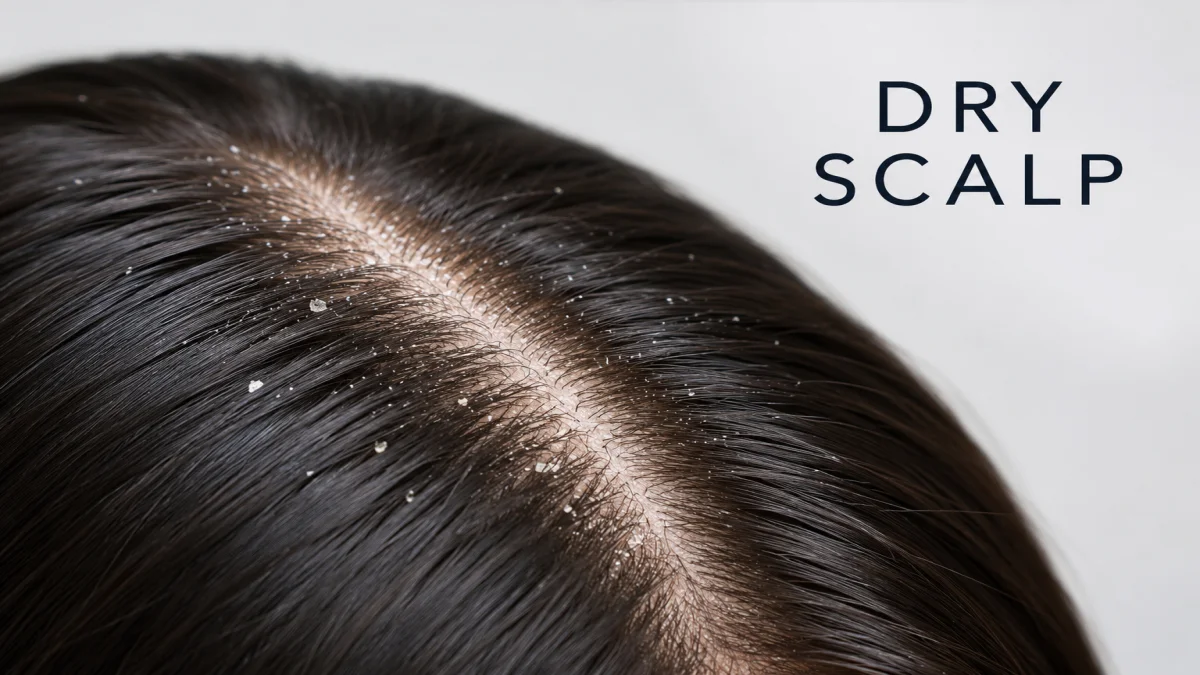
A dry scalp is more than just a minor beauty concern. It can cause constant itching, irritation, visible flakes, and discomfort, affecting both your confidence and your overall hair health. Many people mistake dry scalp for dandruff, but the two conditions are different and require different treatments. Understanding the causes, symptoms, and best remedies for dry scalp can help you restore moisture, soothe irritation, and maintain healthier hair in the long run.
What Is a Dry Scalp?
A dry scalp occurs when the scalp’s skin loses moisture and its natural oils. Just like dry skin on other parts of the body, the scalp can become flaky, itchy, and irritated when it lacks hydration. This condition can affect all hair types and may worsen with environmental changes, harsh hair products, dehydration, or underlying skin conditions. In many cases, a dry scalp also affects hair quality, leaving it dull, brittle, and more prone to breakage.
Common Symptoms of Dry Scalp
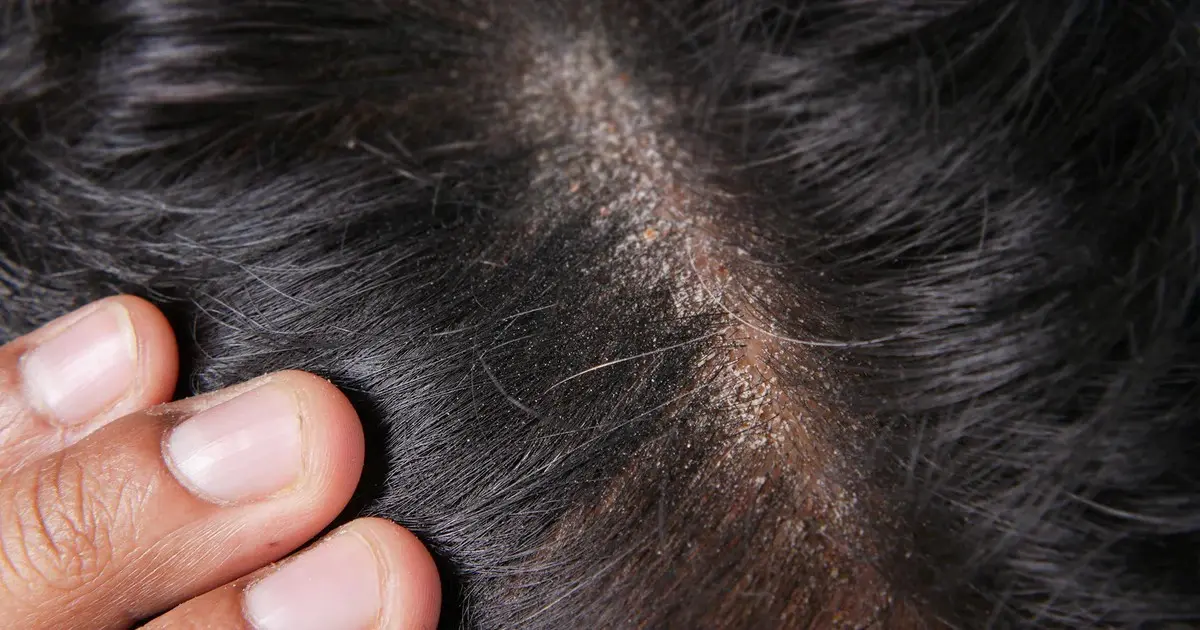
The symptoms of dry scalp often develop gradually and can worsen if left untreated. One of the most common signs is persistent itching, which occurs because the scalp’s protective barrier becomes weakened and irritated. Small white flakes may also appear on the scalp, hairbrush, shoulders, or pillowcases. Unlike dandruff flakes, dry scalp flakes are usually smaller, lighter, and less oily.
Many people with dry scalp also notice tightness or discomfort after washing their hair. This happens because shampoos can strip away the natural oils that keep the scalp moisturized. In addition, dry scalp may lead to rough, frizzy, or brittle hair because the scalp is no longer producing enough oil to properly nourish hair strands.
Major Causes of Dry Scalp
Several everyday factors can contribute to scalp dryness. Cold weather and low humidity are among the most common causes because dry air removes moisture from the skin and scalp. Indoor heating during winter can worsen the problem by creating an even drier environment.
Overwashing the hair is another major cause of dry scalp. Washing too frequently, especially with harsh shampoos containing sulfates or alcohol, strips the scalp of its natural oils. Heat styling tools, chemical treatments, and hair dyes can also weaken the scalp barrier and increase dryness over time.
Lifestyle factors also play an important role. Dehydration, poor nutrition, and lack of essential vitamins can affect scalp health from within. In some cases, dry scalp may be linked to skin conditions such as eczema, psoriasis, or contact dermatitis, which require more specialized treatment.
Dry Scalp vs. Dandruff
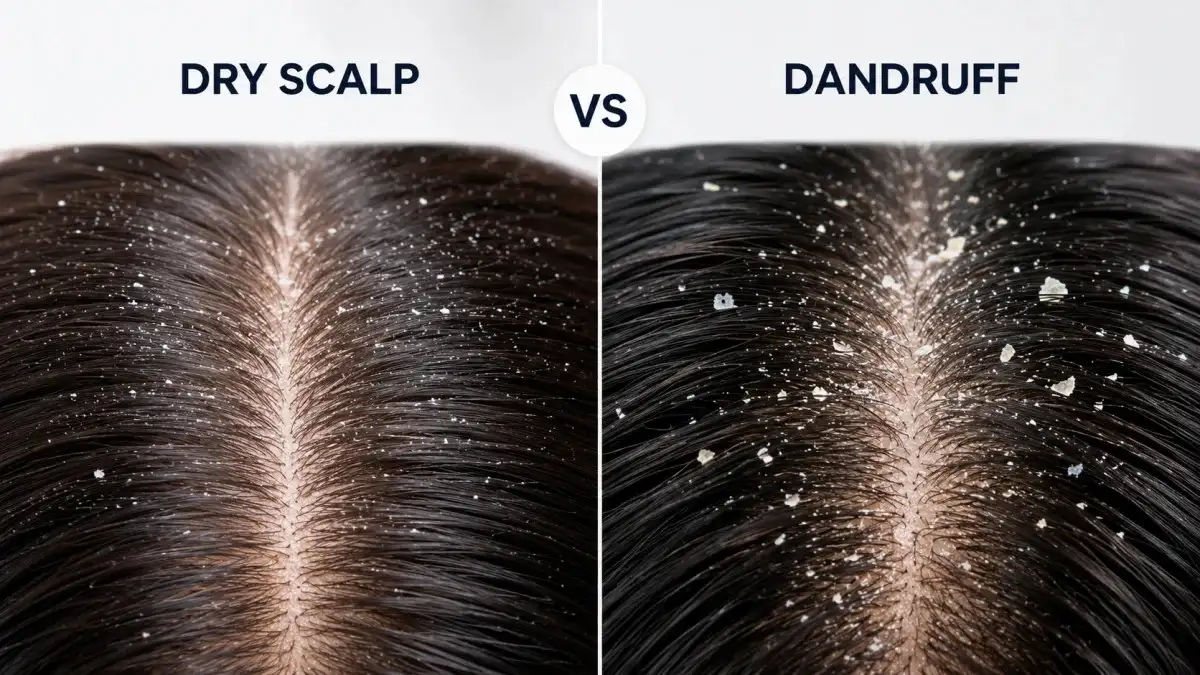
Although dry scalp and dandruff may look similar, they are caused by different issues. Dry scalp occurs when the scalp lacks moisture, while dandruff is usually associated with excess oil production and yeast overgrowth. Dry scalp flakes tend to be small, dry, and powdery, whereas dandruff flakes are often larger, yellowish, and oily.
The scalp itself also feels different in each condition. A dry scalp usually feels tight, rough, and irritated, while dandruff is more commonly linked with an oily or greasy scalp. Understanding this difference is important because using anti-dandruff products on a dry scalp can sometimes make the dryness even worse.
Best Treatments for Dry Scalp
Treating dry scalp starts with restoring moisture and protecting the scalp barrier. One of the most effective steps is switching to a gentle, sulfate-free hydrating shampoo. Products containing aloe vera, glycerin, coconut oil, oatmeal, or hyaluronic acid can help soothe irritation while keeping the scalp moisturized.
Scalp oils are also highly effective for relieving dryness. Coconut oil is popular for its deep moisturizing properties, while argan oil helps soften both the scalp and hair. Jojoba oil closely resembles the scalp’s natural oils, making it especially helpful for restoring balance. Tea tree oil may also help reduce itching and irritation when properly diluted.
Reducing heat styling, avoiding very hot water, and washing hair less frequently can further improve scalp health. Staying hydrated and eating foods rich in omega-3 fatty acids, vitamin E, and zinc may also support long-term scalp hydration.
Expert Home Remedies for Dry Scalp
Many natural remedies can help reduce irritation and relieve dry scalp symptoms. Aloe vera gel is one of the most effective options because it has soothing, anti-inflammatory properties that reduce redness and itching. Applying fresh aloe vera directly to the scalp for about 20 minutes before rinsing can leave the scalp feeling refreshed and hydrated.
Warm coconut oil massages are another popular home remedy. The oil penetrates deeply into the scalp, helping restore moisture and improve blood circulation. Leaving the oil on overnight can provide even better hydration benefits.
Apple cider vinegar rinses may help remove product buildup and rebalance the scalp when diluted with water. Honey and yogurt masks are also beneficial because honey naturally attracts moisture while yogurt helps soothe dryness and irritation.
Lifestyle Tips to Prevent Dry Scalp
Preventing dry scalp often comes down to maintaining a healthy scalp-care routine. Drinking enough water daily helps support hydration from within, while limiting heat styling reduces moisture loss. Washing hair with lukewarm instead of hot water can also prevent the scalp from becoming overly dry.
Using a humidifier during colder months may help restore moisture to the air and protect the scalp from dehydration. In addition, protecting the scalp from direct sunlight by wearing hats or using scalp-friendly UV products can help prevent further irritation.
Recommended Hair Oils for Dry Scalp
The right hair oil can significantly improve scalp hydration and comfort. Some oils are especially effective because they nourish the scalp while supporting healthier hair growth and texture.
| Brand | Main Oil | Benefits | Best For |
|---|---|---|---|
| OGX | Coconut Oil | Deep moisture and softness | Dry scalp and brittle hair |
| Moroccanoil | Argan Oil | Hydration and shine | Dry, damaged hair |
| SheaMoisture | Jamaican Black Castor Oil | Intense nourishment | Scalp hydration and hair strength |
| Briogeo | Tea Tree Oil & Charcoal | Soothes irritation and removes buildup | Sensitive or flaky scalp |
| Mielle Organics | Mint and Almond Oil | Cooling relief and moisture | Itchy, irritated scalp |
When to See a Dermatologist
While most cases of dry scalp improve with proper care, some symptoms may require professional treatment. Severe redness, painful patches, bleeding, thick scales, or noticeable hair loss can indicate an underlying skin condition that needs medical attention. If your symptoms continue despite using moisturizing treatments and gentle products, consulting a dermatologist can help identify the exact cause and provide more targeted solutions.
Final Thoughts
Dry scalp can be uncomfortable and frustrating, but it is usually manageable with the right combination of treatments, healthy habits, and consistent scalp care. Understanding the difference between dry scalp and dandruff, avoiding harsh products, and using nourishing ingredients can significantly improve scalp comfort and hair health.
Whether you choose hydrating shampoos, natural oils, or soothing home remedies, the key is consistency. A healthy scalp creates the foundation for stronger, shinier, and healthier hair, making scalp care just as important as the rest of your beauty routine.
Frequently Asked Questions (FAQs)
What is the main cause of dry scalp?
The main cause of dry scalp is a lack of moisture in the scalp skin. This can happen due to cold weather, harsh shampoos, overwashing, dehydration, heat styling, or underlying skin conditions such as eczema or psoriasis. Environmental factors and poor scalp care habits often worsen the condition.
How can I tell if I have dry scalp or dandruff?
Dry scalp usually causes small, white, dry flakes along with itching and scalp tightness. Dandruff, on the other hand, often produces larger, oily, yellowish flakes and is commonly linked to excess oil production. A dry scalp feels rough and dehydrated, while dandruff is often greasy.
Which oils are best for dry scalp relief?
Some of the best oils for dry scalp include coconut oil, argan oil, jojoba oil, and tea tree oil. These oils help restore moisture, reduce irritation, and improve scalp health. Coconut oil is especially popular because of its deep moisturizing and soothing properties.
Can a dry scalp lead to hair loss?
Dry scalp itself does not directly cause hair loss, but excessive itching, irritation, and inflammation can weaken hair roots and contribute to breakage or temporary shedding. Treating scalp dryness early can help maintain healthier and stronger hair.
What are the best home remedies for dry scalp?
Popular home remedies for dry scalp include aloe vera gel, warm coconut oil massages, apple cider vinegar rinses, and honey-based scalp masks. These natural treatments help soothe irritation, hydrate the scalp, and reduce flakiness when used consistently.