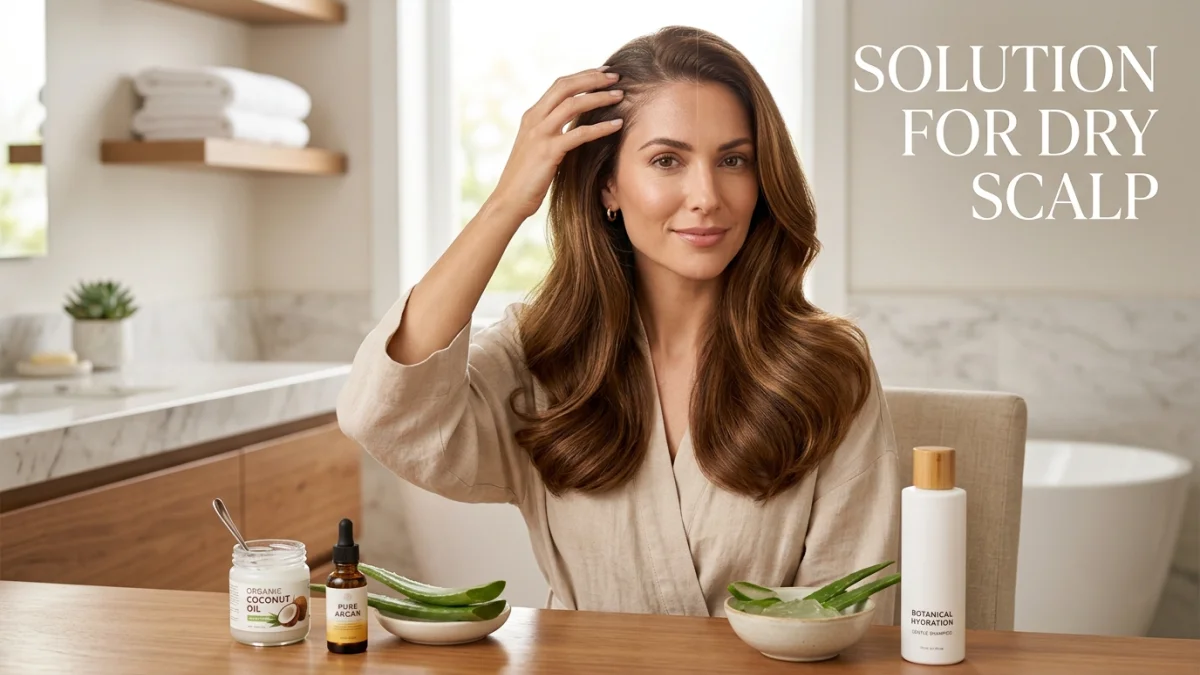
A dry scalp can be uncomfortable, frustrating, and difficult to manage, especially when it causes itching, flakes, tightness, and irritation. Many people struggle to find a long-term solution for dry scalp because several factors, including weather changes, harsh shampoos, dehydration, excessive heat styling, or underlying skin sensitivities, can trigger the condition. While dry scalp is common, the good news is that it can often be improved with the right at-home remedies and a healthier scalp care routine.
Dermatologists frequently recommend simple lifestyle changes and nourishing treatments to help restore scalp moisture while reducing irritation and flaking. From natural oils and soothing ingredients to hydration and scalp exfoliation, there are many effective ways to support a healthier scalp naturally. Understanding what causes dryness and how to treat it properly is the first step toward lasting relief.
What Causes Dry Scalp?
Dry scalp develops when the scalp lacks sufficient moisture to maintain its natural protective barrier. This moisture loss can lead to itchiness, sensitivity, and visible flakes. In many cases, environmental factors play a big role. Cold temperatures, indoor heating, and dry air can strip moisture from the scalp, making symptoms worse during the winter months.
Hair care habits can also contribute to scalp dryness. Washing hair too frequently, using shampoos containing sulfates or alcohol, and excessive heat styling can strip the scalp of its natural oils, which normally keep it hydrated. Some people may also experience dry scalp due to skin conditions such as eczema, psoriasis, or seborrheic dermatitis. Because dry scalp and dandruff can appear similar, it is important to identify the difference between them. Dry scalp flakes are usually small and dry, while dandruff flakes tend to be oily and associated with excess scalp oil production.
Read more: Dry Scalp Relief
Signs That You Need a Better Solution for Dry Scalp
Persistent Itching and Flaking
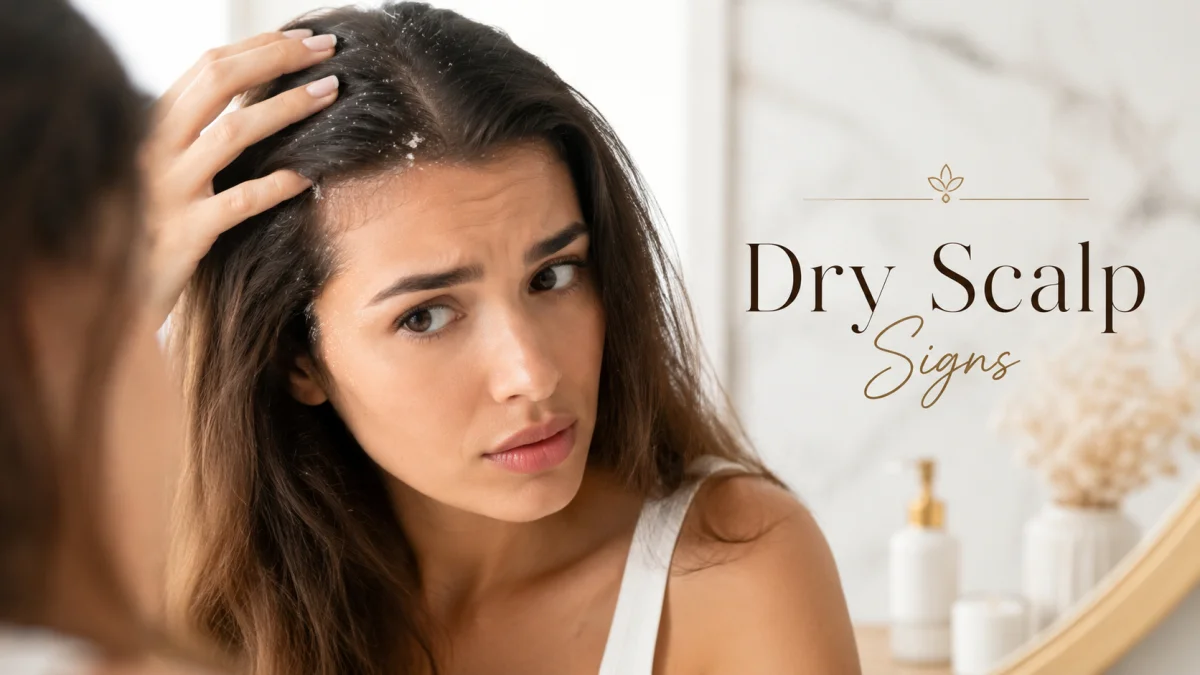
One of the most common signs of dry scalp is constant itching accompanied by small white flakes. These flakes often appear on clothing and can become more noticeable during colder seasons or after washing the hair.
Tightness and Irritation
A dry scalp may feel tight, sensitive, or uncomfortable after shampooing. Some people also experience redness or irritation, especially when using harsh hair products.
Dry and Dull Hair Texture
Because scalp health affects hair quality, dryness can also make hair appear rough, brittle, or dull. When the scalp is not properly moisturized, the hair may lose softness and become harder to manage.
1. Coconut Oil as a Natural Solution for Dry Scalp
Why Coconut Oil Works
Coconut oil is one of the most effective natural remedies for dry scalp because it deeply penetrates the skin and helps restore moisture. It contains fatty acids with moisturizing and anti-inflammatory properties that soothe irritation while reducing dryness and flaking.
How to Use Coconut Oil
Warm a small amount of coconut oil, then gently massage it into the scalp in circular motions. Leaving the oil on for at least 30 minutes before washing allows the scalp to absorb moisture more effectively. For deeper hydration, some people prefer to leave it on overnight.
Regular coconut oil treatments can improve scalp softness, reduce itchiness, and support healthier-looking hair.
2. Aloe Vera for Scalp Hydration
Benefits of Aloe Vera
Aloe vera is known for its cooling and calming properties, making it an excellent solution for dry scalp irritation. It helps hydrate the scalp without leaving a greasy residue and may also reduce redness and inflammation.
How to Apply Aloe Vera
Pure aloe vera gel can be applied directly to the scalp and left on for around 20 minutes before rinsing. Its lightweight texture makes it suitable for all hair types, including oily or fine hair.
People with sensitive scalps often find aloe vera particularly soothing because it provides hydration while calming discomfort.
Read more: Scalp Detox
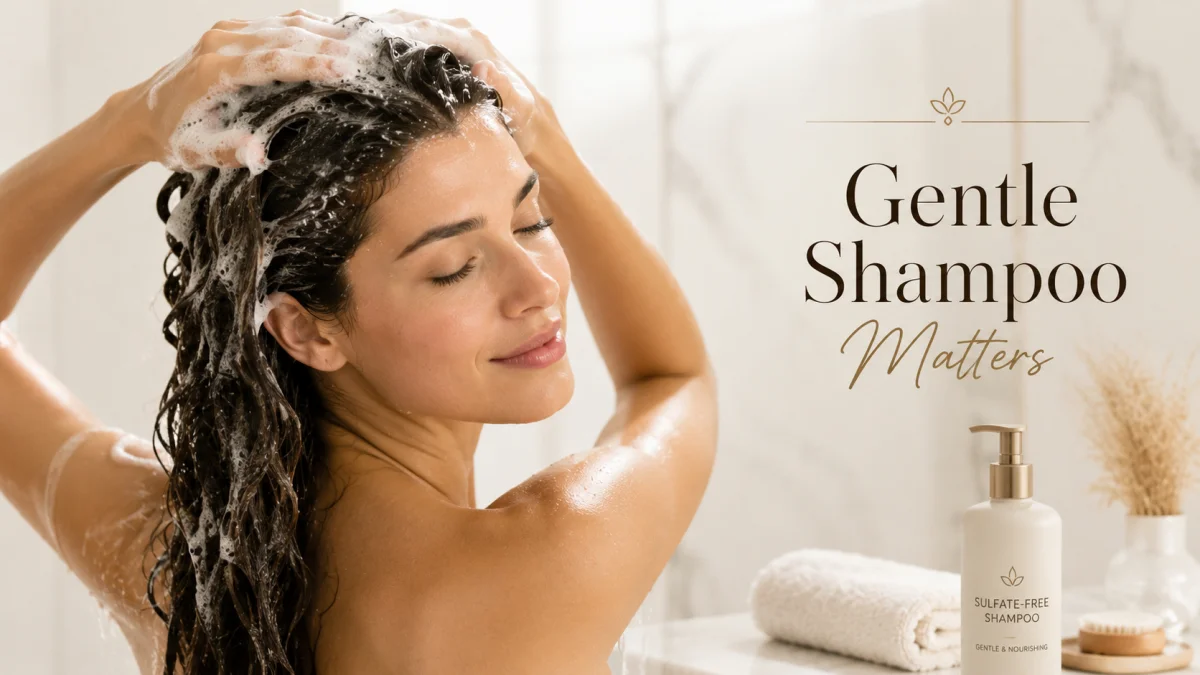
3. The Importance of Using a Gentle Shampoo
Avoid Harsh Ingredients
Many shampoos contain sulfates and strong cleansing agents that strip the scalp of its natural oils. While these products may create a deep-clean feeling, they can worsen dryness and irritation over time.
Choose Moisturizing Formulas
A gentle sulfate-free shampoo with nourishing ingredients such as shea butter, oat extract, ceramides, or hyaluronic acid can help maintain moisture balance while effectively cleansing the scalp. Using a mild shampoo consistently is one of the easiest long-term solutions for dry scalp.
4. Olive Oil for Overnight Moisture Repair
How Olive Oil Helps
Olive oil is rich in antioxidants and vitamin E, both of which help repair dry skin and protect the scalp barrier. Its thick consistency creates a protective layer that locks in moisture and prevents excessive dryness.
Best Way to Use It
Applying olive oil before bedtime and washing it out the next morning allows the scalp to receive extended hydration. Adding a few drops of tea tree oil can provide additional soothing benefits for irritated or flaky scalps.
5. Why Scalp Exfoliation Matters
Removing Buildup and Dead Skin
Dead skin cells and product buildup can prevent moisture from reaching the scalp properly. Exfoliating once a week helps remove impurities, unclog hair follicles, and improve the effectiveness of scalp treatments.
Ingredients That Support Scalp Health
Scalp scrubs containing salicylic acid, charcoal, tea tree oil, or natural sugar exfoliants can gently cleanse the scalp while reducing flakes and irritation. However, over-exfoliation should be avoided, as it may increase sensitivity.
Read more: The Complete Hair Care Guide
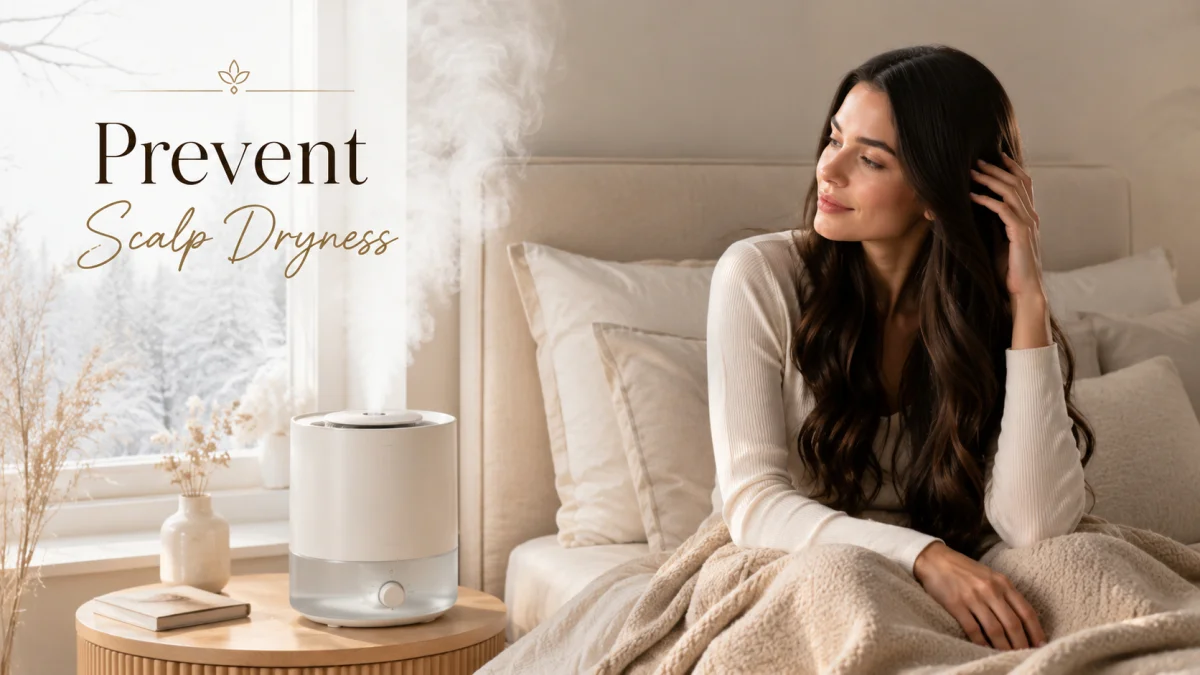
6. Using a Humidifier to Prevent Dryness
How Dry Air Affects the Scalp
Indoor heating and dry climates can remove moisture from both the skin and scalp. This often causes symptoms to worsen during colder months or in air-conditioned environments.
Benefits of a Humidifier
Using a humidifier adds moisture back into the air, helping the scalp stay hydrated throughout the day and night. This small lifestyle adjustment can significantly improve scalp comfort over time.
7. Argan Oil for Lightweight Hydration
Why Argan Oil Is Effective
Argan oil contains essential fatty acids and antioxidants that nourish the scalp while improving hair softness and shine. Unlike heavier oils, argan oil absorbs quickly and leaves no greasy feeling.
Best for Fine or Oily Hair
People with fine hair or oily scalps often prefer argan oil because it hydrates without weighing hair down. It can be used regularly to maintain moisture and reduce dryness.
Read more: Eyelash Extension Styles
8. Nutrition and Hydration for a Healthy Scalp
The Connection Between Diet and Scalp Health
A healthy scalp often begins from within. Dehydration and nutrient deficiencies can contribute to dryness, irritation, and weak hair health.
Nutrients That Support the Scalp
Foods rich in omega-3 fatty acids, vitamin E, zinc, and biotin help support skin hydration and maintain scalp balance. Drinking enough water daily is equally important because hydration affects the condition of both the skin and scalp.
| Nutrient | How It Helps Scalp | Best Food Sources |
|---|---|---|
| Omega-3 Fatty Acids | Help reduce dryness and inflammation | Salmon, flaxseeds, walnuts |
| Vitamin E | Supports skin repair and hydration | Almonds, sunflower seeds |
| Zinc | Helps maintain scalp balance | Lentils, pumpkin seeds |
| Biotin | Supports healthy hair and scalp | Eggs, avocados |
9. Reducing Heat Styling to Protect the Scalp
Heat Damage and Moisture Loss
Frequent use of blow dryers, straighteners, and curling irons can weaken the scalp barrier and increase dryness. High temperatures remove natural moisture from both the scalp and hair strands.
Healthier Styling Habits
Using heat-protectant products, lowering styling temperatures, and allowing hair to air-dry when possible can help prevent further damage. Limiting heat styling is a simple but highly effective solution for dry scalp.
Read more: Is Vaseline Good for Your Eyelashes?
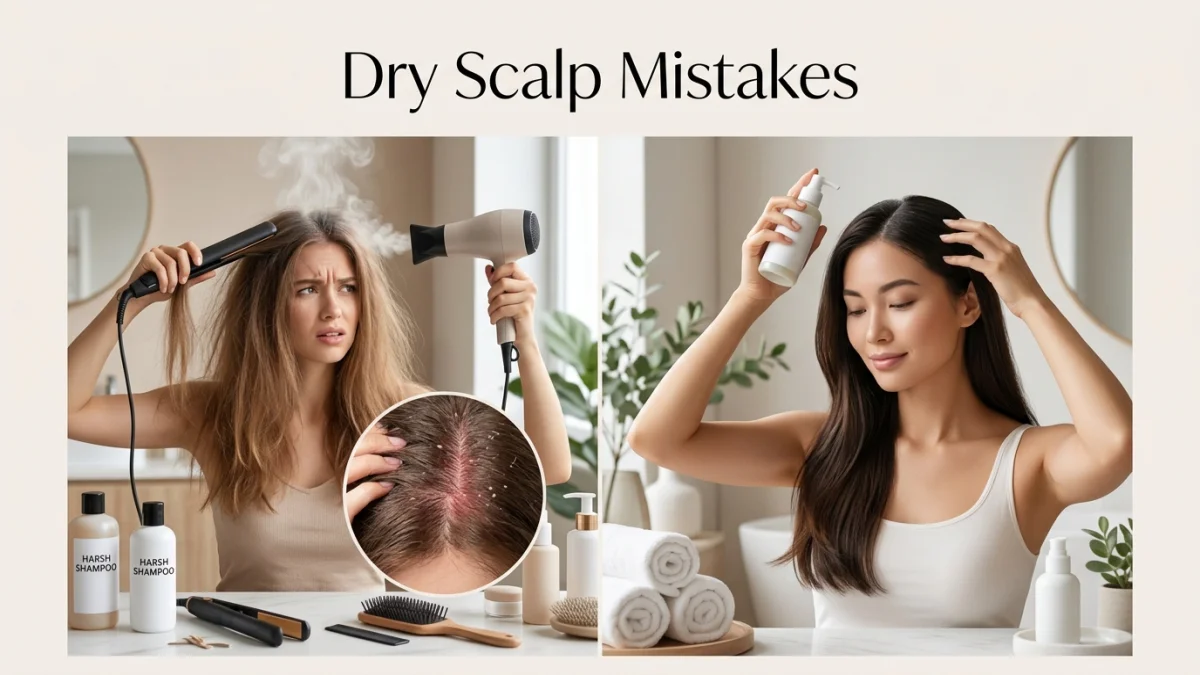
Common Mistakes That Make Dry Scalp Worse
Many people unknowingly worsen scalp dryness through everyday habits. Washing hair with very hot water, overusing styling products, aggressively scratching the scalp, or skipping conditioner can all contribute to irritation and moisture loss.
Building a gentle and consistent scalp care routine is often more effective than relying on harsh treatments or frequent product changes.
When to See a Dermatologist
Although home remedies can improve mild to moderate dryness, persistent symptoms may require professional evaluation. Severe redness, painful irritation, hair loss, thick flakes, or cracked skin could indicate an underlying scalp condition that needs medical treatment.
A dermatologist can help determine whether the problem is eczema, psoriasis, seborrheic dermatitis, or another scalp disorder and recommend the most effective treatment plan.
Final Thoughts
Finding the right solution for dry scalp involves more than simply treating flakes. Long-term relief comes from restoring moisture, protecting the scalp barrier, and using products and habits that support overall scalp health. Natural remedies such as coconut oil, aloe vera, olive oil, and argan oil can provide deep hydration and soothing benefits. At the same time, lifestyle changes like staying hydrated and reducing heat styling can help prevent recurring dryness.
Consistency is key when treating dry scalp naturally. With the right combination of gentle hair care, nourishing ingredients, and healthy daily habits, it is possible to improve scalp comfort, reduce irritation, and support healthier, stronger hair over time.
Read more: Step-by-Step Body Care Routine
Frequently Asked Questions (FAQs)
What is the best natural solution for dry scalp?
One of the best natural solutions for dry scalp is coconut oil, which deeply moisturizes the scalp and helps reduce irritation and flaking. Aloe vera, olive oil, and argan oil are also effective at soothing dryness and naturally restoring scalp hydration.
How often should I wash my hair if I have a dry scalp?
People with a dry scalp should avoid washing their hair too frequently, as over-shampooing can strip away natural oils. Washing the hair two to three times a week with a gentle sulfate-free shampoo is usually enough to keep the scalp clean without causing additional dryness.
Can a dry scalp go away on its own?
Mild dry scalp may improve on its own if it is caused by temporary weather changes or dehydration. However, persistent dryness usually requires proper scalp care, moisturizing treatments, and lifestyle adjustments to prevent and improve recurring symptoms fully.
What ingredients should I avoid if I have a dry scalp?
If you have a dry scalp, it is best to avoid products containing sulfates, alcohol-heavy formulas, and strong synthetic fragrances. These ingredients can strip moisture from the scalp, worsening irritation, itching, and flaking over time.
When should I see a dermatologist for a dry scalp?
You should consult a dermatologist if your dry scalp becomes painful or severely irritated, or if it does not improve with home remedies. Thick flakes, redness, cracked skin, or hair loss may indicate an underlying scalp condition such as eczema or psoriasis that requires professional treatment.