

Healthy, glowing skin is not just about the products you use on your face. Your entire body deserves the same level of attention and care. A consistent body care routine can help improve skin texture, prevent dryness, maintain hydration, and give your skin a naturally radiant appearance year-round.
Many people focus on facial skincare while neglecting the arms, legs, neck, and back. Over time, this can lead to dullness, rough patches, clogged pores, uneven tone, and premature signs of aging. The good news is that building an effective routine does not have to be complicated.
This guide breaks down a simple yet effective body care routine step by step, helping you achieve smoother, healthier-looking skin with practical habits that fit easily into daily life.
Why a Body Care Routine Matters
Your skin is constantly exposed to environmental stressors, including pollution, UV rays, harsh weather, sweat, and friction from clothing. Without proper care, these factors can weaken the skin barrier, leading to dehydration, irritation, and uneven texture. A well-balanced body care routine helps:
- Maintain moisture levels.
- Support the skin barrier.
- Improve skin texture and tone.
- Reduce dryness and flakiness.
- Prevent body acne and clogged pores.
- Enhance skin softness and glow.
Consistency is what truly makes the difference. Small daily habits often produce better long-term results than occasional intensive treatments.
Step 1: Start With Gentle Cleansing
Choose a Hydrating Body Wash
Cleansing removes sweat, oil, sunscreen, and other impurities that accumulate throughout the day. However, harsh soaps can strip the skin of its natural oils, leaving it tight and dry. When choosing a body cleanser, look for ingredients that help nourish and protect the skin, such as glycerin, ceramides, aloe vera, shea butter, and oat extract.
These ingredients support hydration, strengthen the skin barrier, and help soothe dryness or irritation. They are especially beneficial for maintaining soft, healthy-looking skin when used regularly. If you have sensitive skin, it’s best to avoid heavily fragranced products and harsh sulfates, as they can trigger irritation, dryness, or discomfort. Opting for gentle, skin-friendly formulas can help keep your skin calm and balanced.
Avoid Overwashing. Hot showers and excessive cleansing can damage the skin barrier. Use lukewarm water and keep showers between 5–10 minutes whenever possible. People with dry skin may benefit from cleansing once daily, focusing on sweat-prone areas during additional showers.
Step 2: Exfoliate to Remove Dead Skin Cells
Exfoliation is one of the most important steps in a glowing body care routine because it helps remove buildup that makes skin look dull and rough.
Physical vs Chemical Exfoliation

Physical Exfoliants
These products include scrubs, exfoliating gloves, and body brushes that manually remove dead skin cells from the skin’s surface. By physically exfoliating the body, they help reveal smoother, softer skin and improve overall texture.
They are especially effective for treating rough areas and enhancing skin appearance. This type of exfoliation works best for rough elbows and knees, dry patches, and areas that need extra smoothing. With regular use, it can leave the skin feeling cleaner, softer, and more refreshed.
Chemical Exfoliants
These exfoliating products use chemical ingredients like AHAs and BHAs to gently dissolve dead skin cells without scrubbing. Common ingredients include lactic acid, glycolic acid, and salicylic acid, all of which help improve skin texture and promote smoother, clearer skin.
Because they work beneath the surface, they can provide more even and consistent exfoliation. They are especially effective for concerns such as keratosis pilaris, body acne, uneven texture, and dull-looking skin. With regular use, chemical exfoliants can help the skin appear brighter, softer, and more refined.
How Often Should You Exfoliate?
Most skin types benefit from exfoliating 1–3 times weekly. Over-exfoliation can cause redness, sensitivity, and dryness, so pay attention to how your skin responds.
Step 3: Moisturize Immediately After Showering
Hydration is the foundation of healthy skin. Applying moisturizer while your skin is still slightly damp helps lock in moisture more effectively.
Best Moisturizer Ingredients for Healthy Skin
Different skin concerns benefit from different ingredients:
For Dry Skin
People with dry skin should look for deeply hydrating and nourishing ingredients that help restore moisture and protect the skin barrier. Ingredients such as shea butter, hyaluronic acid, squalane, and cocoa butter are especially effective because they lock in hydration and keep the skin soft and smooth. Regular use of products containing these ingredients can help reduce dryness, flakiness, and tightness.
For Sensitive Skin
Sensitive skin benefits from calming, barrier-supporting ingredients that help reduce irritation and discomfort. Colloidal oatmeal, ceramides, and chamomile are commonly recommended because they help soothe redness, strengthen the skin barrier, and provide gentle hydration. Using products containing these ingredients can help maintain balanced, comfortable skin without triggering sensitivity.
For Rough or Bumpy Skin
Rough or bumpy skin often responds well to ingredients that gently exfoliate and smooth uneven texture. Urea, lactic acid, and salicylic acid soften hardened skin, remove dead skin cells, and clear clogged pores.
These ingredients are especially helpful for conditions like keratosis pilaris and can leave the skin feeling smoother and more refined over time. Body lotions, creams, and body butters all serve different purposes. Lightweight lotions work well for normal skin, while thicker creams are ideal for very dry areas.
Step 4: Never Skip Sunscreen
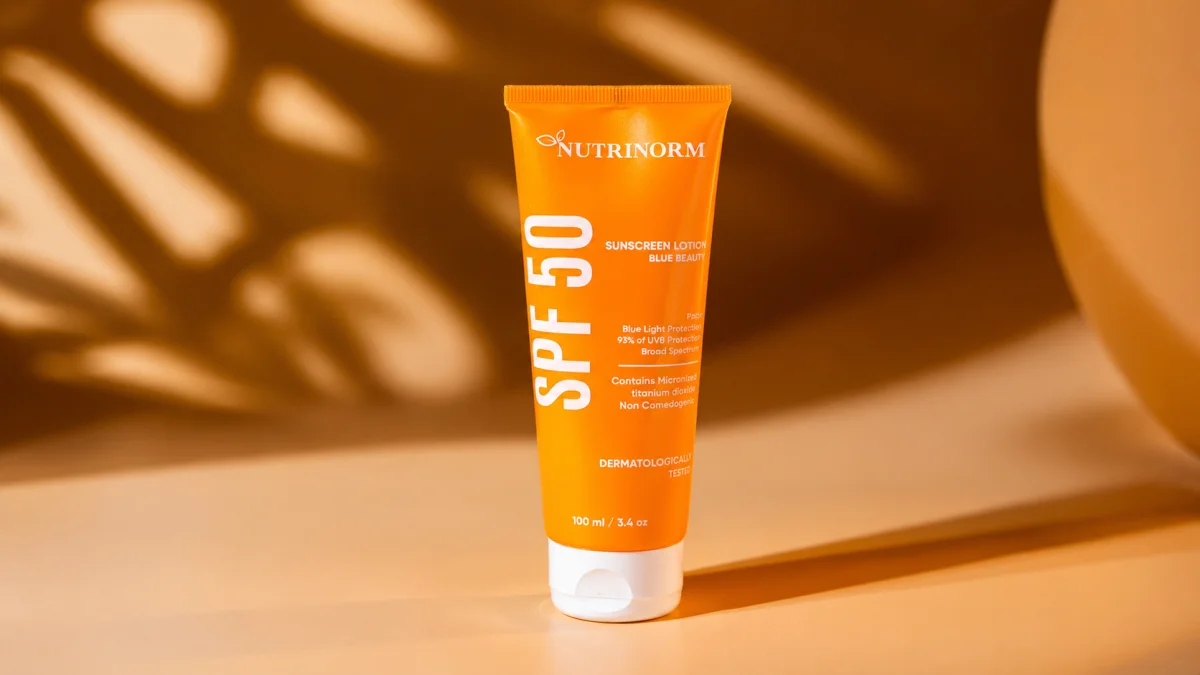
Many people forget that the skin on their bodies is also vulnerable to sun damage. UV exposure is one of the leading causes of premature aging, pigmentation, and loss of elasticity.
Where to Apply Body Sunscreen
Choose a broad-spectrum SPF 30 or higher and reapply if spending extended time outdoors. Daily sun protection helps preserve an even skin tone and supports long-term skin health. Do not forget commonly missed areas such as:
- Neck
- Chest
- Hands
- Shoulders
- Feet
- Arms
Step 5: Treat Specific Body Skin Concerns
Wear breathable fabrics and shower after sweating to help reduce clogged pores. Every person’s skin has unique needs. Adjust your body care routine based on your specific concerns.
For Dry and Flaky Skin
Dry, flaky skin requires a routine focused on hydration and skin barrier protection. Using rich moisturizers helps lock in moisture and prevent further dryness, while taking shorter showers can reduce moisture loss caused by prolonged exposure to hot water.
Fragrance-free products are also recommended because they are less likely to irritate sensitive or dry skin. During colder months, using a humidifier can add moisture to the air, helping keep the skin from becoming excessively dry.
For Body Acne
Body acne can be managed more effectively with targeted cleansers that help reduce breakouts and inflammation. Salicylic acid unclogs pores and removes excess oil, while benzoyl peroxide helps fight acne-causing bacteria. Niacinamide can also be beneficial because it calms redness, supports the skin barrier, and helps improve overall skin texture.
For Uneven Skin Tone
Look for products that contain ingredients such as vitamin C, niacinamide, and lactic acid, as these are known for their skin-brightening and smoothing benefits. Vitamin C helps improve radiance and reduce the appearance of dullness, while niacinamide helps promote an even skin tone and strengthen the skin barrier.
Lactic acid gently exfoliates dead skin cells, helping to reveal fresher, clearer skin over time. With regular use, these ingredients can gradually brighten dark or uneven areas and improve overall skin clarity and texture.
For Loss of Firmness
Products containing peptides, retinol, and collagen-supporting ingredients may gradually improve skin texture and elasticity.
Step 6: Support Your Skin From Within
Healthy skin is influenced by lifestyle habits just as much as skincare products.

Stay Hydrated
Staying hydrated is essential for maintaining healthy skin and supporting overall skin function. Water helps keep the skin balanced by maintaining proper moisture levels and reducing dryness. Consistent hydration can also improve the skin’s natural appearance and softness over time.
Eat Nutrient-Rich Foods
A skin-friendly diet should include fruits, vegetables, healthy fats, lean proteins, and foods rich in antioxidants. Nutrients such as vitamin C, omega-3 fatty acids, and zinc play an important role in supporting healthier-looking skin. Eating a balanced diet can help improve skin texture, radiance, and overall skin health from within.
Prioritize Sleep
Sleep is an important time for the skin to repair and regenerate itself. Poor sleep can lead to dullness, dryness, and a tired appearance, affecting overall skin quality. Getting enough restful sleep regularly helps the skin look fresher, healthier, and more energized.
Manage Stress
Chronic stress can negatively affect the skin and worsen conditions such as eczema, acne, and sensitivity. Managing stress through activities such as walking, meditation, and exercise can improve both mental wellness and skin health. A balanced lifestyle often contributes to calmer, clearer, and healthier-looking skin.
Step 7: Create a Consistent Weekly Body Care Routine
Keeping your routine simple makes it easier to maintain in the long term. Consistency matters more than perfection. Here is a simple structure you can follow:
Daily Routine
A consistent daily body care routine helps maintain healthy, balanced skin. This typically includes gentle cleansing to remove dirt and impurities without stripping moisture, followed by moisturizing to keep the skin soft and hydrated. Applying sunscreen is also essential to protect the skin from sun damage and premature aging.
Weekly Routine
A weekly routine focuses on deeper care and maintenance for smoother, healthier-looking skin. Exfoliating one to three times per week helps remove dead skin cells and improve texture, while hydrating body masks or treatments provide extra nourishment. If needed, shaving or hair removal care can also be included to help prevent irritation and maintain skin comfort.
Common Body Care Mistakes to Avoid
Even good skincare products may not deliver results if certain habits are damaging your skin.

Using Extremely Hot Water
Using extremely hot water can strip the skin of its natural oils and weaken the protective skin barrier. This often leads to dryness, tightness, and increased sensitivity over time. Lukewarm water is usually a gentler and healthier option for maintaining balanced skin.
Over-Exfoliating
Exfoliation can improve skin texture, but overdoing it can cause irritation and sensitivity. Over-exfoliating can damage the skin barrier, leaving the skin feeling dry or inflamed. It’s important to exfoliate in moderation and choose products suited to your skin type.
Ignoring Seasonal Changes
Your skin’s needs can change depending on the season and climate. During winter, richer and more hydrating products may be necessary, while lighter formulas often work better in warmer months. Adjusting your routine seasonally can help maintain healthier and more comfortable skin year-round.
Applying Products Inconsistently
Skin care results usually take time and do not happen overnight. Applying products inconsistently can slow progress and make it harder to see noticeable improvements. Maintaining a regular routine is essential for achieving long-term skin benefits.
Choosing the Right Products for Your Skin Type
Not every product works for everyone. Understanding your skin type helps you build a more effective body care routine.
Normal Skin
Normal skin typically responds well to balanced and lightweight body care products. Regular exfoliation combined with gentle lotions can help maintain smoothness and hydration. A simple, consistent routine is often enough to keep the skin healthy and comfortable.
Dry Skin
Dry skin benefits from rich creams, hydrating cleansers, and ingredients that support the skin barrier. These products help lock in moisture and reduce flakiness or tightness. Consistent hydration is important for keeping dry skin soft and nourished.
Oily Skin
Oily skin usually works best with lightweight and non-comedogenic formulations that do not clog pores. These products help manage excess oil while still maintaining proper hydration. Choosing gentle and breathable formulas can also help reduce breakouts and shine.
Sensitive Skin
Sensitive skin requires fragrance-free products with soothing ingredients and minimal irritants. Gentle formulations can help calm redness, dryness, and discomfort without triggering reactions. Maintaining a simple, gentle routine is often the best approach for sensitive skin.
Final Thoughts
Building a healthy body care routine does not require dozens of expensive products. The key is understanding your skin’s needs and following a consistent routine that supports hydration, protection, and gentle renewal.
By cleansing properly, exfoliating carefully, moisturizing daily, and protecting your skin from sun damage, you can noticeably improve your skin’s texture and overall glow over time. Healthy skin is built through daily care, patience, and simple habits that support your skin both inside and out.
Frequently Asked Questions (FAQs)
What is the best daily body care routine for glowing skin?
The best daily body care routine includes gentle cleansing, regular moisturizing, and daily sunscreen application. Consistently exfoliating one to three times per week also helps remove dead skin cells and improves skin texture, making your skin appear smoother, healthier, and naturally radiant over time.
How often should you exfoliate your body?
Most people should exfoliate their bodies one to three times weekly, depending on their skin type and sensitivity. Regular exfoliation helps unclog pores, remove dull skin buildup, and improve product absorption, but over-exfoliating can cause dryness and irritation.
Which ingredients are best for a healthy body care routine?
Ingredients such as hyaluronic acid, ceramides, shea butter, glycerin, and aloe vera are excellent for maintaining hydrated and healthy skin. For concerns like rough texture or body acne, ingredients like salicylic acid, lactic acid, and glycolic acid can help improve skin smoothness and clarity.
Why is sunscreen important in a body care routine?
Sunscreen protects the skin from harmful UV rays that contribute to premature aging, dark spots, dryness, and loss of elasticity. Applying broad-spectrum SPF daily to exposed areas of the body helps maintain an even skin tone and supports long-term skin health.
How long does it take to see results from a body care routine?
Most people notice softer and more hydrated skin within a few days of following a consistent body care routine. However, visible improvements in skin texture, brightness, and overall skin health usually become more noticeable after several weeks of regular care and healthy lifestyle habits.

