When most people think of cardio, they picture running, cycling, or jumping jacks. But did you know that upper body cardio exercises can be just as practical for elevating your heart rate and improving your fitness? These exercises torch calories and build strength and endurance in your arms, shoulders, and chest. In this post, we’ll explore the top upper body cardio exercises that can help you reach your fitness goals while maintaining things new and exciting.
Why Upper Body Cardio?
Upper body cardio exercises offer a unique way to boost heart health and burn calories while focusing on the arms, shoulders, chest, and back. These workouts are ideal for diversifying your fitness routine and providing a full-body workout. They can also be especially beneficial for people with lower body injuries or limitations, allowing them to maintain cardiovascular fitness without straining their legs.
Incorporating upper body cardio into your workout routine offers several benefits:
Heart Health: These exercises challenge your cardiovascular system, helping to enhance circulation and lower the risk of heart disease.
Burn More Calories: By engaging muscles in your upper body, you increase calorie burn, leading to faster fat loss.
Balanced Strength: Strengthening your upper body helps maintain a balanced physique and improve overall functional fitness.
Best Upper Body Cardio Exercises to Try
Speed Punching
Speed punching is a great way to elevate your heart rate while working your shoulders, arms, and core.
How to do it: Stand with your feet shoulder-width apart. Throw rapid punches in front of you, alternating arms. Keep your core engaged and maintain speed.
Duration: Perform for 30-60 seconds, rest for 30 seconds, and repeat for 3-5 rounds.
Battle Ropes
Battle ropes are an explosive way to pump your heart and engage your upper body.
How to do it: Stand with your feet shoulder-width apart and grip the ropes firmly. Alternating arms slam the ropes onto the ground with as much force as possible.
Duration: Go all out for 20-30 seconds, rest for 30-45 seconds, and complete 4-6 rounds.
Mountain Climbers (Arms Focus)
Mountain climbers are traditionally known for their leg involvement, but when done with an emphasis on the arms, they give a great upper body workout.
How to do it: Get into a plank position with your hands shoulder-width apart. Drive one knee toward your chest, alternating legs quickly. Focus on stabilizing your upper body and shoulders.
Duration: Perform for 30-60 seconds, rest for 30 seconds, and repeat for 3-4 rounds.
Jump Rope (Upper Body Engagement)
While jump rope mainly targets the legs, focusing on your arm movements can turn this into an upper body cardio exercise.
How to do it: Grip the handles firmly, engaging your forearms, shoulders, and upper arms. Swing the rope with controlled but rapid movements.
Duration: Skip for 30-60 seconds, rest for 30 seconds, and repeat for 4-6 rounds.
Rowing Machine (Upper Body Focus)
The rowing machine is often overlooked as a cardio tool for the upper body. When done correctly, it provides an intense workout for your arms, shoulders, and back.
How to do it: Set the rowing machine resistance to moderate. Focus on pulling with your upper body rather than relying solely on your legs.
Duration: Row for 500 meters at a fast pace, rest for 60-90 seconds, and repeat for 3-5 rounds.
Tips for Maximizing Your Upper Body Cardio Workouts
Warm-Up Properly:Always start with 5-10 minutes of dynamic stretching or light cardio to prepare your muscles.
Keep Good Form:Speed is essential in cardio; maintaining proper form ensures you target the right muscles and avoid injury.
Progress Gradually: Start with shorter intervals and fewer rounds, then increase the intensity and duration as you build stamina.
Conclusion
Upper body cardio exercises are an excellent way to diversify your fitness routine and ensure you work for all muscle groups while improving heart health. Whether you’re speed punching, mastering the rowing machine, or slamming battle ropes, these exercises can help you unlock your full fitness potential.
When we think of health, our minds often jump to physical well-being. We envision regular exercise, eating healthy, and avoiding harmful habits. However, wellness is a much more holistic concept. Proper health encompasses several key dimensions to create a balanced and fulfilling life. These dimensions include physical, mental, emotional, social, spiritual, and environmental health, all interconnected and contribute to overall wellness.
In this blog, we will explore how each component of health relates to wellness and why maintaining balance across these areas is crucial for living a healthier and more fulfilling life.
Understanding the Components of Health and Wellness
Physical Health
Physical health is often the first thing that comes to mind when discussing wellness. It requires taking care of your body through regular exercise, good nutrition, adequate sleep, & avoiding harmful behaviors similar as smoking or excessive alcohol consumption. Maintaining physical health improves your body’s function and supports other aspects of wellness.
For example, regular physical activity strengthens muscles, improves cardiovascular health, and enhances flexibility. It also promotes mental clarity & emotional stability by reducing stress and anxiety. On other hand, poor physical health can negatively affect mood, cognitive function, and social interactions, creating a ripple effect across different dimensions of health.
Key Aspects of Physical Health:
Regular exercise and physical activity
A balanced, nutritious diet
Adequate sleep and rest
Preventive care, including regular check-ups
Mental Health
Mental health focuses on our cognitive functioning, emotional regulation, and the way we process information. It is strongly linked to physical health because the mind and body are closely intertwined. Stress and anxiety can physically manifest as headaches, stomach problems, or high blood pressure. Conversely, maintaining a healthy body can lead to improved mental clarity and better cognitive function.
Mental health influences emotional stability and decision-making, affecting our overall well-being. By nurturing mental health, we can build resilience, enhance coping skills, and create positive interactions in our social and personal lives.
Key Strategies for Mental Health:
Stress management through mindfulness or relaxation techniques
Building Resilience Through Positive Thinking
Seeking professional help when needed (therapy, counseling)
Emotional Health
Emotional health involves understanding, managing, and expressing our emotions healthily and productively. This includes dealing with positive and negative emotions like joy, sadness, anger, and empathy. Emotional well-being is crucial for resilience, enabling us to cope with life’s challenges and build strong relationships.
Our emotional health can significantly impact our physical well-being. For instance, chronic emotional distress can weaken immune system, making us more susceptible to illness. On the other hand, positive emotions like gratitude and love can lower stress levels, improve mood, and enhance immune function.
Tips for Enhancing Emotional Well-being:
Express your emotions in healthy ways (e.g., journaling or talking to a friend)
Build emotional resilience by practicing gratitude or seeking therapy
Maintain a positive mindset & focus on the present moment
Social Health
Humans are inherently social creatures, and our social connections are crucial to our overall health. Social health involves communicating effectively, building and maintaining meaningful relationships, and engaging with a community. A strong social network provides emotional support, reduces stress, and extends your lifespan.
When emotional or mental health suffers, our social interactions may become strained, leading to isolation or conflict. Conversely, strong social bonds promote emotional and mental well-being, creating a positive feedback loop supporting all health aspects.
Ways to Foster Social Health:
Build strong, supportive relationships with family & friends
Engage in your community through volunteering or social groups
Improve communication and conflict resolution skills
Spiritual Health
Spiritual health is about finding purpose, meaning, and connection in life through religion, meditation, nature, or personal values. It doesn’t necessarily mean being religious; it’s more about nurturing your soul and connecting to something larger than yourself. Spirituality provides stability and peace, especially in times of challenge, and helps promote emotional and mental well-being.
Having a sense of purpose and aligning your actions with your values can improve motivation, clarity, and well-being. When we feel spiritually fulfilled, we are more likely to have healthy relationships and engage in practices that benefit our physical and emotional health.
Spiritual Practices for Wellness:
Meditation or mindfulness practices
Reflecting on personal values and beliefs
Engaging in activities that promote inner peace (e.g., spending time in nature, volunteer work)
Environmental Health
Environmental health focuses on the influence of our surroundings on our well-being. Clean air, safe drinking water, & a healthy environment are essential for physical health. However, environmental health goes beyond the physical and includes mental and emotional well-being. A cluttered, chaotic environment can increase stress, while a peaceful, organized space can promote relaxation and clarity.
Taking care of your environment through recycling, reducing pollution, or simply keeping your living space tidy contributes to both physical and mental wellness.
Aspects of Environmental Health:
Clean air and water
Safe, healthy living and working spaces
Access to green spaces or nature
The Interconnectedness of Health and Wellness
Each component of health is interlinked, creating a complex web of well-being. When one area suffers, it often impacts others. For example, neglecting physical health can contribute to mental health problems like anxiety or depression. Similarly, emotional struggles can strain social relationships, creating a cycle of stress and isolation. Achieving true wellness requires maintaining balance and nurturing each of these dimensions of health.
How to Maintain a Balanced State of Wellness
Establish a Regular Exercise Routine: Just a 30-minute walk a day can boost physical health and reduce stress.
Prioritize Mental Health: Practice mindfulness and meditation or seek support when needed.
Build Emotional Resilience: Journaling or therapy can help you process and manage emotions effectively.
Foster Strong Relationships: Make time for family, friends, and community, and communicate openly.
Cultivate Spiritual Practices: Reflect on your purpose and engage in activities that bring peace and clarity.
Create a Healthy Environment: Keep your surroundings clean, reduce your environmental footprint, and spend time outdoors.
Conclusion
Wellness encompasses more than simply the absence of illness. It is an ongoing process of growth and transformation in multiple areas of life. By nurturing each component of health—physical, mental, emotional, social, spiritual, and environmental—we create a balanced foundation for a fulfilling and vibrant life. Striving for balance in these areas will help us achieve true wellness and live our lives to the fullest.
By prioritizing holistic health, we set ourselves toward a healthier, more connected, and meaningful life. Embrace each aspect of wellness, and watch how it transforms your life from the inside out.
[vc_row][vc_column][vc_column_text]There’s nothing quite like the taste of fresh, homemade French bread – the crispy golden crust, soft fluffy interior, and that irresistible aroma that fills your kitchen. While French bread (commonly known as a baguette) is a staple in France, you don’t have to be a professional baker or travel to France to enjoy a delicious loaf. With the right technique and ingredients, you can bake authentic, bakery-quality French bread at home.
In this article, we’ll walk you through an easy homemade French bread recipe. We’ll cover everything from selecting ingredients to mastering the kneading process, shaping the dough, and achieving that perfect golden crust. Whether you’re new to baking or a seasoned pro, this guide will help you bake the best French bread with ease.
Introduction to French Bread
French bread, especially the baguette, has been a cherished part of French culture for centuries. Renowned for its crunchy crust and elongated form, and soft interior, French bread is often used in everything from sandwiches to dipping into soups and sauces. This bread’s simplicity is what makes it so beautiful – it’s made from basic ingredients like flour, water, yeast, and salt, yet yields such rich flavor and texture.
While French bread may seem intimidating to make, the process is actually quite simple. By following this easy French bread recipe, you’ll be able to bake your own loaves with confidence, and enjoy the satisfaction of creating this iconic bread from scratch.
Ingredients for Homemade French Bread
To create authentic French bread, you’ll only need a handful of ingredients. However, the quality and balance of these ingredients have an important effect on the final result. Here’s what you’ll need:
Begin by activating your yeast. Mix the sugar, yeast, and warm water in a small bowl. Stir it gently and let the mixture sit for about 5–10 minutes. You’ll know the yeast is activated when it becomes frothy and bubbly on the surface. If it doesn’t foam up, your yeast may have expired, and you’ll need to start with fresh yeast.
Mix the Dough
Pour in the yeast mixture slowly, stirring with a spoon or on low speed in a mixer. Slowly pour in the yeast mixture and stir with a spoon or use the mixer on low speed. Add the olive oil if you’re using it, which will give the bread a slightly richer flavor. Continue mixing until a dough forms.
Knead the Dough
Kneading is essential for developing gluten, which gives the bread its structure and chewiness. If you’re kneading by hand, turn the dough onto a lightly floured surface and knead for about 8–10 minutes. The dough should become smooth, elastic, and slightly tacky. When utilizing a stand mixer equipped with a dough hook, knead on medium speed for 5–7 minutes.
Let the Dough Rise
After kneading, roll the dough into a ball and put it in a bowl that has been lightly oiled. Cover the bowl with a clean kitchen towel and let the dough rise for one to one and a half hours, or until doubled in size, in a warm location.
Shape the Dough
After the dough has risen, punch it down to release any air bubbles. Turn the dough onto a floured surface and divide it into two equal portions (for two baguettes). Shape each portion into a long, baguette-like loaf. You can use a baguette pan to help maintain the shape, or place them on a baking sheet.
Second Rise
Once shaped, cover the loaves again with a towel and let them rise for another 30–40 minutes until they puff up slightly.
Preheat the Oven
While the loaves are undergoing their second rise, preheat your oven to 450°F (230°C). To achieve a bakery-style crust, place an empty metal tray or cast-iron skillet at the bottom of the oven. This will be used to create steam.
Score the Loaves
Before baking, use a sharp knife or bread lame to make 3–4 diagonal slashes on the top of each loaf. This allows the bread to expand properly in the oven.
Bake the Bread
Arrange the loaves on the middle rack of the oven. Immediately pour about 1 cup of water into the hot tray or skillet at the bottom of the oven. The steam will contribute to a crust that is crunchy. For 20 to 25 minutes, bake, or until the loaves are hollow when tapped on the bottom and have a golden brown color.
Cool and Enjoy
After taking the bread out of the oven, let it cool for at least 15 minutes before slicing. Enjoy your homemade French bread with butter, jam, or as a side to any meal!
Tips for Perfecting Your French Bread
Even though this is an easy French bread recipe, a few tips can help you achieve an even better result:
Use warm water: Water that’s too hot can kill the yeast, while cold water won’t activate it properly. Aim for water that’s around 110°F (45°C).
Don’t over-knead: Knead the dough just until it’s smooth and elastic. Over-kneading can make the bread too dense.
Create steam: The steam created by pouring water into a hot tray helps the bread form a crispy, crackly crust – a hallmark of good French bread.
Slash the dough properly: Scoring the dough before baking not only looks professional, but it also helps the bread expand evenly in the oven.
Variations of French Bread
While the traditional French bread recipe is delicious on its own, you can also experiment with variations:
Garlic French Bread: Add garlic and herbs to the dough for a flavorful twist.
Whole Wheat French Bread: Substitute half the flour with whole wheat flour for a more wholesome version.
Stuffed French Bread: Stuff the loaf with cheese or deli meats before baking for a savory snack.
French bread is incredibly versatile and pairs well with a variety of dishes:
Appetizer: Serve warm slices with olive oil and balsamic vinegar for dipping.
Soup or Stew: Use it to soak up the broth in your favorite soup or stew.
Sandwiches: Slice the bread lengthwise for a delicious sandwich base.
Toast: Make French toast or crostini with leftover slices.
Conclusion
French bread baking at home can be a rewarding and surprisingly straightforward process. With just a few basic ingredients and some simple techniques, you can create a loaf that rivals anything found in a bakery. This easy homemade French bread recipe ensures that even novice bakers can achieve a crispy golden crust and soft, fluffy interior, perfect for any meal. The key is patience, proper kneading, and understanding the importance of steps like creating steam in the oven, which helps to produce that signature crunchy crust.
Whether you’re making bread for a family dinner, a weekend brunch, or simply for the joy of baking, mastering this French bread recipe will open up a world of possibilities in your kitchen. Not only will you have the satisfaction of creating delicious, authentic bread, but you’ll also be able to experiment with different flavors, shapes, and uses. From savory sandwiches to dipping slices into rich soups, this recipe provides a versatile base that will quickly become a household favorite. So take your time, enjoy the process, and relish the reward of fresh, warm French bread made from scratch.[/vc_column_text][/vc_column][/vc_row][vc_row][vc_column width=”1/1″][us_separator size=”small”][us_text text=”Frequently Asked Questions (FAQs)” link=”%7B%22url%22%3A%22%22%7D” tag=”h2″][vc_tta_accordion][vc_tta_section title=”What is the best flour to use for French bread?” tab_link=”%7B%22url%22%3A%22%22%7D”][vc_column_text]All-purpose flour works well, but bread flour can be used for a chewier texture and better structure due to its higher protein content.[/vc_column_text][/vc_tta_section][vc_tta_section title=”How do I get a crispy crust on my French bread?” tab_link=”%7B%22url%22%3A%22%22%7D”][vc_column_text]To achieve a crispy crust, bake the bread with steam in the oven. You can create steam by placing a pan of water on the lower rack or misting the oven walls with water before baking.[/vc_column_text][/vc_tta_section][vc_tta_section title=”Can I make French bread without a stand mixer?” tab_link=”%7B%22url%22%3A%22%22%7D”][vc_column_text]Yes, French bread can be made entirely by hand. Kneading the dough by hand will take about 8-10 minutes until it’s smooth and elastic.[/vc_column_text][/vc_tta_section][vc_tta_section title=”How long does homemade French bread stay fresh?” tab_link=”%7B%22url%22%3A%22%22%7D”][vc_column_text]French bread is best eaten fresh on the day it’s baked, but it can be stored in a paper bag for 1-2 days. For longer storage, wrap and freeze it.[/vc_column_text][/vc_tta_section][vc_tta_section title=”Can I add flavorings or ingredients to this French bread recipe?” tab_link=”%7B%22url%22%3A%22%22%7D”][vc_column_text]Yes, you can customize the recipe by adding ingredients like garlic, herbs, or even cheese for a flavorful twist on the classic French bread.[/vc_column_text][/vc_tta_section][vc_tta_section title=”Section”][/vc_tta_section][/vc_tta_accordion][/vc_column][/vc_row]
Adderall is a pharmaceutical medication commonly used to treat Attention Deficit Hyperactivity Disorder and narcolepsy. It’s a stimulant composed of amphetamine salts that affect the brain’s neurotransmitters to improve focus, attention, and impulse control. Despite its therapeutic benefits, Adderall is also a substance that can be misused, leading to addiction and various health issues. One of the critical concerns for users, both prescribed and recreational, is how long dose Adderall stays in the system. In this article, we’ll discuss the factors affecting Adde,rall’s duration in the body, detection windows in various tests, and how it metabolizes.
What is Adderall?
Adderall combines two active ingredients amphetamine and dextroamphetamine. These ingredients work by increasing dopamine and norepinephrine levels in the brain. Available in immediate-release (IR) and extended-release (XR) formulations, Adderall is prescribed in various doses depending on the patient’s needs. Immediate-release versions take effect quickly but wear off faster, while extended-release forms release the medication gradually throughout the day.
How Adderall is Metabolized
Once taken, Adderall is interested in the gastrointestinal tract, enters the bloodstream, and then travels to the brain. The liver metabolizes the drug, converting it into several metabolites excreted primarily through urine.
The half-life of Adderall is the time it takes for half of the drug to be eliminated from the bloodstream. For immediate-release Adderall, the half-life is about 9 to 14 hours. The extended-release version’s half-life can extend up to 15 to 18 hours.
How Long Does Adderall Stay in the System?
Adderall’s duration in your system depends on several factors, including dosage, frequency of use, metabolism, and age. The drug is detectable in various parts of the body for different lengths of time:
Blood: Adderall can typically be detected within hours after ingestion and may remain detectable for up to 2–3 days after use.
Urine: In urine, Adderall can be detected for approximately 1–2 days after use. In some cases, it may be detectable for longer, especially in heavy or frequent users.
Saliva: Saliva testing can detect Adderall for a shorter window, usually within 24–48 hours after use.
Hair: Like many drugs, Adderall can be found in hair follicles for up to three months after the last dose. However, hair tests are not commonly used to detect Adderall.
Factors Influencing How Long Adderall Stays in Your System
Several factors can affect how long Adderall remains in the body:
Dosage and Frequency: Higher doses and regular use will naturally increase the drug’s duration in the system.
Metabolism: People with faster metabolisms will clear Adderall more quickly. Metabolism is influenced by age, weight, and genetics.
PH Levels: Your body’s urine pH can impact how quickly Adderall is excreted. Alkaline urine may prolong the presence of Adderall, while acidic urine speeds up excretion.
Liver and Kidney Function: Since Adderall is processed by the liver and excreted by the kidneys, any impairment in these organs can delay the drug’s elimination.
Age: Older adults may metabolize Adderall more slowly than younger people due to changes in liver function with age.
Adderall Detection in Drug Tests
Drug tests may be required in various contexts, from employment to legal situations, and can test for the presence of Adderall through different methods:
Urine Tests: The most common drug test for amphetamines. Adderall can be detected in urine for 1 to 4 days after use, depending on the user’s metabolism, dosage, and how frequently it was taken.
Blood Tests: Blood tests are slightly familiar but may be used to detect Adderall for up to 24 hours after the last dose.
Saliva Tests: Adderall can be found in saliva for about 48 hours.
Hair Tests: While not common, hair follicle tests can detect amphetamines up to 90 days behind the previous use.
How to Eliminate Adderall from Your System Faster
If you need to clear Adderall from your body more quickly, the only practical way is to stop taking the medication and allow your body to metabolize and eliminate it naturally. Here are a few tips to speed up the process:
Hydration: Drinking water helps your kidneys flush out toxins more efficiently. While it won’t drastically reduce the detection time, staying hydrated can support overall metabolism.
Exercise: Physical activity increases metabolism, helping to speed up the elimination process. However, this should be done carefully if you’re experiencing any side effects from Adderall.
PH Balance: As mentioned earlier, acidic urine can help flush Adderall from your system faster. Consuming vitamin C or cranberry juice may help acidify urine.
Healthy Diet: Eating a nutritious, balanced diet supports liver and kidney health, which can improve the elimination of Adderall and other substances from the body.
Risks of Misuse and Overuse
While Adderall is effective for treating ADHD and narcolepsy, misuse can lead to a range of adverse side effects. Taking Adderall without a prescription, using it to enhance academic or work performance, or taking higher doses than prescribed can result in:
Insomnia
Anxiety
Heart palpitations
Increased blood pressure
Dependence and addiction
Prolonged misuse can lead to more severe health outcomes, including cardiovascular issues and mental health issues like paranoia or hallucinations.
Conclusion
Adderall stays in the system for varying lengths depending on the formulation, dosage, and individual factors such as metabolism and urine pH. While urine tests can catch the pill for 1 to 4 days, blood and saliva tests have shorter detection windows, and hair tests can show traces for up to 3 months. If you are taking Adderall as prescribed, it’s essential to follow your doctor’s guidance and discuss any concerns about its duration in your system. Misusing Adderall can result in serious health risks, including dependence and addiction.
For those required to take a drug test, knowing how long Adderall stays in the body is crucial. Always ensure that any use of Adderall is within legal and medical guidelines.
[vc_row][vc_column][vc_column_text]Sourdough bread has captured the hearts of many with its rich flavor and chewy texture, but what happens to the sourdough discard that accumulates while maintaining your starter? Rather than tossing this valuable ingredient, consider its potential! Sourdough discard recipes is a versatile component that can be seamlessly incorporated into a variety of delicious recipes, enriching your dishes with a subtle tang and depth of flavor that is uniquely its own.
In this post, we’ll explore ten creative ways to use sourdough discard, transforming it into delightful meals and snacks that will not only reduce waste but also elevate your culinary creations. From breakfast favorites to satisfying desserts, each recipe showcases the incredible versatility of sourdough discard. So roll up your sleeves and get ready to make the most of your sourdough journey—your taste buds will thank you!
Sourdough Discard Pancakes
Start your day off on a delicious note with sourdough discard pancakes! These fluffy treats incorporate the tangy flavor of sourdough, making them a delightful twist on the classic breakfast favorite. The fermentation from the discard not only adds a unique taste but also enhances the texture, resulting in pancakes that are both light and airy. Whether topped with fresh fruit, maple syrup, or a dollop of yogurt, these pancakes are sure to become a breakfast staple in your home. Plus, they’re a fantastic way to make use of that sourdough discard you might otherwise throw away.
Whip up these fluffy pancakes that bring a delightful tang from the sourdough discard, making your breakfast extra special and deliciously unique.
Ingredients:
1 cup sourdough discard
1 cup flour
1 tablespoon sugar
1 teaspoon baking powder
1/2 teaspoon baking soda
1 egg
1 cup milk
2 tablespoons melted butter
Instructions:
Mix the remaining sourdough, flour, sugar, baking soda, baking powder, egg, milk, and melted butter together in a large bowl until just blended.
Let the batter rest for 5-10 minutes.
For each pancake, pour about 1/4 cup of batter onto a griddle that is medium-heat.
Cook until surface bubbles appear, then turn and continue cooking until golden brown.
Pro Tip: For extra fluffy pancakes, allow the batter to rest before cooking.
Crispy Sourdough Discard Crackers
Elevate your snacking game with crispy sourdough discard crackers! These delightful bites are not only easy to make but also provide a delicious canvas for your favorite toppings and dips. The sourdough discard lends a subtle tang that perfectly complements the crunchy texture, making them an addictive addition to any cheese platter or appetizer spread. With endless possibilities for seasoning, from herbs to spices, these crackers are a customizable treat that’s perfect for entertaining or enjoying on your own. Say goodbye to store-bought snacks and hello to homemade goodness.
Indulge in the comforting flavor of sourdough, discard banana bread, a delightful fusion of classic banana bread and the unique tang of sourdough. Overripe bananas are ideal for using up in this dish, transforming them into a moist and flavorful loaf that your family will adore. The taste depth is enhanced by the sourdough waste, creating a rich, tender crumb that’s simply irresistible. Whether enjoyed for breakfast, as an afternoon snack, or as a sweet dessert, this banana bread is sure to become a beloved favorite. Plus, it’s a great way to reduce waste while enjoying a homemade treat.
Overripe bananas can be turned into a tasty, moist bread, enhanced by the unique tang of sourdough discard for a comforting treat.
Ingredients:
1 cup sourdough discard
3 ripe bananas, mashed
1/2 cup sugar
1/3 cup melted butter
1 egg
1 teaspoon vanilla extract
1 teaspoon baking soda
1/2 teaspoon salt
1 1/2 cups flour
Instructions:
Oil a loaf pan and preheat the oven to 350°F (175°C).
Mash the bananas, add the sugar, melted butter, egg, vanilla, and sourdough to a basin.
Mix the flour, baking soda, and salt in another basin.
Mix the dry and wet components together until they are well blended.
After filling the loaf pan, bake it for 50 to 60 minutes.
Pro Tip: Add chocolate chips or walnuts for a delightful twist!
Sourdough Discard Pizza Crust
Transform your pizza night with a sourdough discard pizza crust that adds a delightful twist to your favorite pies. The natural fermentation in the sourdough gives the crust a unique flavor and texture, resulting in a crispy exterior and a chewy, airy interior. You can quickly prepare a great homemade pizza with this simple recipe, using whatever toppings you love. Whether you’re a fan of classic pepperoni or adventurous gourmet combinations, Impress your loved ones and up your pizza skills with this sourdough crust. Get ready to savor the difference.
Create a unique pizza crust with a perfect blend of crispy edges and chewy texture, all thanks to the sourdough discard.
Ingredients:
1 cup sourdough discard
1 cup flour
1 tablespoon olive oil
1 teaspoon salt
1/2 teaspoon baking powder
Instructions:
Set the oven warmth to 475°F (245°C).
The sourdough waste, flour, olive oil, baking powder, and salt should all be combined in a mixing basin until a dough forms.
To get the necessary thickness, roll out the dough on a surface dusted with flour.
Put on a baking pan and give it a five-minute prebake.
Take out of the oven, top with your preferred ingredients, and bake for a further ten to fifteen minutes.
Pro Tip: Pre-bake the crust for a crispier base.
Sourdough Discard Waffles
Treat yourself to a delightful breakfast experience with sourdough discard waffles that are both crispy on the outside and fluffy on the inside. This recipe takes the tangy goodness of sourdough and transforms it into a decadent treat that pairs perfectly with fresh fruit, syrup, or whipped cream. The fermentation from the sourdough discard adds complexity to the flavor, making each bite truly memorable. Ideal for leisurely weekend mornings or quick weekday breakfasts, these waffles are a fun and flavorful way to use up your sourdough discard. Enjoy a taste of homemade comfort.
Treat your sweet craving to a decadent and indulgent sourdough discard chocolate cake that blends the greatest features of both worlds: the traditional charm of chocolate and the unique tang of sourdough. This cake has an amazing flavor and moisture content, with a hint of depth that only sourdough can provide. Perfect for celebrations, family gatherings, or simply a treat for yourself, this chocolate cake is sure to impress everyone who tastes it. With simple directions, you can prepare this delightful dessert in no time. Prepare for a chocolate experience that’s both familiar and refreshingly unique.
Bake a rich and moist chocolate cake that surprises with its depth of flavor, thanks to the addition of sourdough discard.
Ingredients:
1 cup sourdough discard
1 cup sugar
1/2 cup unsweetened cocoa powder
1/2 cup butter, melted
2 eggs
1 teaspoon vanilla extract
1 cup flour
1 teaspoon baking soda
1/2 teaspoon salt
Instructions:
Preheat the oven to 350°F (175°C) and grease a cake pan.
In a bowl, mix the melted butter, sugar, eggs, and vanilla until well combined.
Stir in the sourdough, discard and mix until smooth.
In another bowl, whisk together the flour, cocoa powder, baking soda, and salt.
Combine the wet and dry ingredients and mix until just combined. Pour into the prepared cake pan.
To ensure a clean toothpick, bake for 30 to 35 minutes.
Pro Tip: Enhance the chocolate flavor with a pinch of instant coffee granules.
Sourdough Discard Focaccia Bread
This decadent and rich sourdough discard chocolate cake will satisfy your sweet craving by fusing the traditional appeal of chocolate with the distinct flavor of sourdough. This cake has an amazing flavor and moisture content, with a hint of depth that only sourdough can provide. Perfect for celebrations, family gatherings, or simply a treat for yourself, this chocolate cake is sure to impress everyone who tastes it. With simple directions, you can prepare this delightful dessert in no time. Prepare for a chocolate experience that’s both familiar and refreshingly unique.
Make this beautifully dimpled focaccia that’s elevated by the tangy notes of sourdough discard, perfect for any occasion.
Ingredients:
1 cup sourdough discard
2 cups flour
1 teaspoon salt
1/4 cup olive oil
Fresh rosemary and sea salt for topping
Instructions:
In a bowl, combine the sourdough discard, flour, salt, and 2 tablespoons of olive oil. Mix until a dough forms.
Knead the dough for a few minutes until smooth, then let it rise for 1-2 hours.
Preheat the oven to 425°F (220°C) and drizzle olive oil on a baking sheet.
Spread the dough onto the baking sheet and dimple the surface with your fingers. Drizzle with remaining olive oil, sprinkle with rosemary and sea salt.
Bake for 20-25 minutes until golden brown.
Pro Tip: Drizzle with extra olive oil before serving for extra flavor.
Sourdough Discard Muffins
Start your day right with fluffy and flavorful sourdough discard muffins that are sure to become a breakfast favorite! These muffins combine the delightful tang of sourdough with your choice of add-ins, such as fruits, nuts, or chocolate chips, creating a deliciously versatile treat. Not only does the sourdough refuse improve the flavor but also contributes to a tender crumb that melts in your mouth. Perfect as a snack or for hectic mornings throughout the day, these muffins are quick to get ready and guarantee that everyone will be requesting more. Embrace the delicious possibilities of sourdough discard with this delightful recipe.
Enjoy the simplicity and flavor of homemade sourdough discard flatbread, a versatile addition to any meal. This quick and easy recipe results in soft, chewy flatbreads that are perfect for wraps, sandwiches, or served alongside dips and spreads. The addition of sourdough discard enhances the flavor profile, giving the flatbread a delightful tang. Whether you’re making a quick lunch or planning a dinner spread, these flatbreads are sure to impress. With very little work and only a few components, you can enjoy fresh, warm flatbread that’s a perfect complement to your favorite dishes.
Quickly whip up this soft and chewy flatbread, a versatile companion for any meal, enhanced by the tang of sourdough discard.
Ingredients:
1 cup sourdough discard
1 cup flour
1/4 cup water
1 tablespoon olive oil
Salt to taste
Instructions:
In a bowl, mix the sourdough discard, flour, water, olive oil, and salt until a dough forms.
Divide the dough into small balls and roll them out into flatbreads.
Heat a skillet over medium heat and cook each flatbread for about 1-2 minutes on each side until golden.
Pro Tip: Add garlic or herbs to the dough for extra flavor.
Sourdough Discard Brownies
Indulge your sweet tooth with fudgy sourdough discard brownies that take your dessert game to the next level! These brownies are rich, chocolatey, and have a delightful hint of tang from the sourdough discard, which adds depth to the flavor. Perfect for chocolate lovers, they’re incredibly easy to make and can be whipped up in no time. Enjoyed warm or cold, with or without an ice cream scoop, these brownies are a delicious treat for any occasion. Plus, they’re a clever way to use your sourdough discard while satisfying your chocolate cravings.
Indulge in fudgy brownies that combine the richness of chocolate with a surprising hint of tang from sourdough discard for a unique dessert experience.
Ingredients:
1 cup sourdough discard
1/2 cup butter
1 cup sugar
2 eggs
1 teaspoon vanilla extract
1/2 cup cocoa powder
1 cup flour
1/2 teaspoon baking powder
1/4 teaspoon salt
Instructions:
Preheat the oven to 350°F (175°C) and grease a baking dish.
In a saucepan, melt the butter and stir in the sugar until combined.
Remove from heat and stir in the eggs and vanilla. Add the sourdough discard and mix well.
In a separate bowl, whisk together the cocoa powder, flour, baking powder, and salt.
Gradually add the dry ingredients to the wet mixture and stir until just combined. Pour into the prepared baking dish.
Bake for 20-25 minutes or until a toothpick comes out with moist crumbs.
Pro Tip: Sprinkle with sea salt before baking for a gourmet touch.
Conclusion
Sourdough discard is more than just a byproduct of maintaining your starter—it’s a versatile ingredient that can elevate your everyday recipes while helping you reduce kitchen waste. From fluffy pancakes to rich brownies and savory focaccia, these ten recipes showcase the unique tang and depth of flavor that sourdough discard can bring to your dishes.
We encourage you to get creative in the kitchen and explore new ways to incorporate sourdough discard recipes into your cooking. Whether you’re an experienced baker or a novice, these recipes are a great starting point for experimenting with sourdough discard. Have you tried any of these recipes, or do you have your own favorite ways to use discard? We’d love to hear about your experiences and see your delicious creations in the comments below.[/vc_column_text][/vc_column][/vc_row][vc_row][vc_column width=”1/1″][us_separator size=”small”][us_text text=”Frequently Asked Questions (FAQs)” link=”%7B%22url%22%3A%22%22%7D” tag=”h2″][vc_tta_accordion][vc_tta_section title=”What is sourdough discard?” tab_link=”%7B%22url%22%3A%22%22%7D”][vc_column_text]Sourdough discard is the portion of your sourdough starter that is removed when feeding the starter. Instead of throwing it away, you can use it in various recipes to reduce waste and add a subtle tang to your dishes.[/vc_column_text][/vc_tta_section][vc_tta_section title=”Can I use sourdough discard straight from the fridge?” tab_link=”%7B%22url%22%3A%22%22%7D”][vc_column_text]Yes, sourdough discard can be used directly from the fridge in most recipes. If your discard has been sitting for a while, it may have more tang, but it will still work perfectly in baked goods or other dishes.[/vc_column_text][/vc_tta_section][vc_tta_section title=”How long does sourdough discard last?” tab_link=”%7B%22url%22%3A%22%22%7D”][vc_column_text]Sourdough discard can last in the fridge for about 1-2 weeks. If you plan to store it longer, you can freeze it for several months and defrost it when ready to use in recipes.[/vc_column_text][/vc_tta_section][vc_tta_section title=”Is sourdough discard the same as active sourdough starter?” tab_link=”%7B%22url%22%3A%22%22%7D”][vc_column_text]No, sourdough discard is the portion of your starter that is removed before feeding. It is not as active as a fed starter and won’t be suitable for making bread that requires rising, but it’s perfect for quick breads, pancakes, and other recipes.[/vc_column_text][/vc_tta_section][vc_tta_section title=”What can I make with sourdough discard?” tab_link=”%7B%22url%22%3A%22%22%7D”][vc_column_text]You can make a wide variety of dishes with sourdough discard, such as pancakes, crackers, muffins, brownies, pizza crust, flatbread, and more! It’s a versatile ingredient that adds a unique tangy flavor to your cooking.[/vc_column_text][/vc_tta_section][/vc_tta_accordion][/vc_column][/vc_row]
[vc_row][vc_column][vc_column_text]There’s something comforting and special about homemade bread, particularly when it’s just taken out of the oven and has that tender, fluffy texture perfect for sandwiches. A well-made sandwich bread is the cornerstone of many meals, whether it’s a classic grilled cheese, a deli sandwich stacked high with meats and cheeses, or even something as simple as a peanut butter and jelly. With this simple sandwich bread recipe, you’ll be able to create homemade loaves that are not only easy to make but deliciously satisfying for any occasion.
In this article, we will walk you through every step of making the perfect sandwich bread at home. Whether you’re an experienced baker or a complete beginner, this recipe is designed to help you achieve consistently excellent results. From the basic ingredients you need to the right techniques for kneading and proofing, we’ll cover it all. Let’s dive into the process!
Why Make Your Own Sandwich Bread?
Before we get into the details of this sandwich bread recipe, let’s explore why you should consider making your own bread at home.
Healthier Ingredients
When you make bread at home, you control exactly what goes into it. Store-bought bread often contains preservatives, high amounts of sugar, and unnecessary additives. Homemade bread, on the other hand, is free of these extras.
Cost-Effective
Making your own sandwich bread is often more affordable than buying pre-packaged loaves. You can make great bread without going over budget if you have a few simple pantry supplies.
Freshness
There’s nothing quite like the taste and texture of freshly baked bread. The aroma that covers your kitchen alone is worth the effort, and the taste of bread straight from the oven is unbeatable.
Customization
When you make your own bread, The recipe can be tailored to fit your tastes. Want to add some whole grains? Go for it! Prefer a slightly sweeter loaf? Adjust the sugar content. The possibilities are endless.
Now that you know why making homemade bread is a great idea, let’s get to the actual sandwich bread recipe.
Ingredients for Homemade Sandwich Bread
One of the best parts of this sandwich bread recipe is its simplicity. You don’t need a lot of fancy ingredients—just basic kitchen staples. Here’s what you’ll need:
4 cups of bread flour: Compared to all-purpose flour, bread flour contains more protein, which helps give the bread structure and the deliciously chewy texture we associate with sandwich bread.
2 teaspoons of active dry yeast: The secret component that causes your bread to rise is yeast.
2 tablespoons of sugar: In addition to giving the bread a hint of sweetness, sugar feeds the yeast.
1 ½ teaspoons of salt: Salt enhances the flavor of the bread.
1 ½ cups of warm water (110°F to 115°F): The water should be just warm enough to kill the yeast, but not hot enough.
2 tablespoons of unsalted butter, melted: Butter adds richness to the bread, making it soft and tender.
Optional Ingredients
If you’d like to add more flavor or texture to your sandwich bread, here are some optional ingredients you can incorporate into the recipe:
1 tablespoon of honey: For a slightly sweeter loaf.
2 tablespoons of olive oil: This makes a lighter, more Mediterranean-style bread when it is used in place of the butter.
1 cup of whole wheat flour: You can use 1 cup of whole wheat flour in place of bread flour for a heartier, more healthy bread.
Easy steps break down this simple sandwich bread recipe so you can follow along at your own leisure.
Activate the Yeast
Begin by activating the yeast. Two teaspoons of active dry yeast and two tablespoons of sugar should dissolve in one and a half cups of warm water in a large mixing dish. Make sure the water is warm (between 110°F to 115°F) to help activate the yeast without killing it. Let this mixture sit for about 5-10 minutes until it becomes frothy and bubbly. This is a sign that your yeast is alive and active.
Mix the Dry Ingredients
While the yeast is activating, mix the dry ingredients in a separate bowl. Combine 4 cups of bread flour and 1 ½ teaspoons of salt. Stir them together to ensure that the salt is evenly distributed throughout the flour.
Combine Wet and Dry Ingredients
When the yeast mixture is ready, gradually incorporate the dry ingredients into it. Additionally, pour the melted butter into the bowl. Mix everything together using a wooden spoon or the dough hook on a stand mixer. Although sticky at first, the dough will start to come together.
Knead the Dough
The dough must be kneaded as a necessary step in developing the gluten structure that gives bread its chewy texture. If you’re kneading by hand, After dusting a clean area with flour, knead the dough for 8 to 10 minutes. You’ll know the dough is ready when it becomes smooth and elastic, and it no longer sticks to your hands.
Knead dough in a stand mixer fitted with a dough hook for five to six minutes on medium speed.
First Rise (Proofing the Dough)
Once your dough is well-kneaded, it’s time for the first rise. Once the dough has been placed in a lightly oiled basin, cover it with a fresh kitchen towel. Allow the dough to rise for one to one and a half hours, or until it’s in a warm, draft-free space, and has doubled in size.
Form the Dough
Punch down the dough carefully to release some of the trapped air bubbles once it has risen. Shape the dough into a loaf by transferring it on a sanitized surface. To do this, flatten the dough slightly into a rectangle and then roll it up tightly, tucking the ends under to create a smooth, loaf-like shape.
Second Rise
Shape the dough and then slide it to a 9 x 5-inch bread pan that has been oiled. The dough should rise for a further thirty to forty-five minutes, or until it is about one inch over the loaf pan’s border, before you cover it once more with the kitchen towel.
Bake the Bread
Set your oven to 375°F (190°C) while the dough is doing its second rise. After the dough has risen, After preheating the oven, place the loaf inside and bake it for 30 to 35 minutes, or until the loaf feels hollow to the touch and the top is golden brown.
After taking the bread out of the oven, allow it to cool for ten minutes or so in the pan. When the loaf is entirely cool, move it to a wire rack and cut into slices. It’s important to let the bread cool fully before slicing to ensure you get clean, even slices.
Tips for the Best Homemade Sandwich Bread
Use bread flour: Bread flour is key to achieving the ideal texture for sandwich bread. Its higher protein content helps develop the gluten that gives the bread its chewy yet soft crumb.
Don’t rush the proofing process: Allowing your dough to rise fully is crucial for achieving a light and airy loaf. Allow the dough to double in size throughout the two proving phases, and exercise patience.
Test your yeast: Always check the expiration date on your yeast, and if you’re unsure whether it’s still active, test it by adding a teaspoon of sugar to warm water and see if it bubbles after 5-10 minutes.
Keep the dough soft but manageable: If the dough feels too sticky while kneading, a tablespoon at a time, add tiny amounts of flour, until it becomes workable but still slightly tacky.
Classic Sandwiches: Use your freshly baked bread for ham and cheese, turkey club, or grilled vegetable sandwiches. The soft texture is perfect for absorbing sauces and holding ingredients together.
Toast: Spread butter, jam, or peanut butter on slices of your bread and toast them for a simple yet satisfying breakfast.
Grilled Cheese: The fluffy interior and crisp crust of this bread make it ideal for grilled cheese sandwiches.
French Toast: For a sweet twist, use this bread to make French toast. The thick slices absorb the egg mixture beautifully, resulting in rich and delicious French toast.
How to Store Your Own Sandwich Bread
To keep your homemade sandwich bread fresh, for up to three days, keep it at room temperature in an airtight container. You can freeze the bread to keep it fresh for longer by placing it in a freezer bag after securely wrapping it in plastic wrap. When you’re ready to use it, simply thaw the bread at room temperature or toast slices directly from the freezer.
Conclusion
Making your own sandwich bread at home is a rewarding experience that results in a delicious and versatile loaf. This simple sandwich bread recipe is perfect for beginners and seasoned bakers alike, offering a soft, fluffy loaf that’s perfect for sandwiches, toast, and more. With just a few basic ingredients and some time, you can enjoy fresh, homemade bread that’s healthier, more affordable, and tastier than anything you’ll find at the store.
Give this sandwich bread recipe a try, and you’ll never want to go back to store-bought bread again.[/vc_column_text][/vc_column][/vc_row][vc_row][vc_column width=”1/1″][us_separator size=”small”][us_separator size=”small”][us_text text=”Frequently Asked Questions (FAQs)” link=”%7B%22url%22%3A%22%22%7D” tag=”h2″][vc_tta_accordion][vc_tta_section title=”How long does it take to make homemade sandwich bread?” tab_link=”%7B%22url%22%3A%22%22%7D”][vc_column_text]On average, it takes about 3 hours, including time for mixing, kneading, proofing, and baking.[/vc_column_text][/vc_tta_section][vc_tta_section title=”Can I freeze homemade sandwich bread?” tab_link=”%7B%22url%22%3A%22%22%7D”][vc_column_text]Yes, you can freeze it. Just wrap the loaf or slices tightly in plastic wrap and store them in a freezer-safe bag for up to 3 months.[/vc_column_text][/vc_tta_section][vc_tta_section title=”What type of flour should I use for sandwich bread?” tab_link=”%7B%22url%22%3A%22%22%7D”][vc_column_text]Bread flour is ideal for a chewy, soft texture, but you can also use all-purpose flour for a lighter loaf.[/vc_column_text][/vc_tta_section][vc_tta_section title=”How can I tell when my sandwich bread is fully baked?” tab_link=”%7B%22url%22%3A%22%22%7D”][vc_column_text]The bread should be golden brown on top, and when tapped, it should sound hollow. You can also use a thermometer to check if the internal temperature reaches 190°F.[/vc_column_text][/vc_tta_section][vc_tta_section title=”Can I add seeds or herbs to the sandwich bread dough?” tab_link=”%7B%22url%22%3A%22%22%7D”][vc_column_text]Absolutely! You can mix in seeds like sesame or sunflower, or herbs such as rosemary, for added flavor and texture.[/vc_column_text][/vc_tta_section][vc_tta_section title=”Section”][/vc_tta_section][/vc_tta_accordion][/vc_column][/vc_row]
[vc_row][vc_column][vc_column_text]Chicken tempura is a delightful twist on the traditional Japanese tempura, which typically features vegetables and seafood. This dish offers a crispy, golden-brown exterior with tender, juicy chicken inside, making it a popular choice for those who love the texture and taste of deep-fried foods but prefer chicken over other proteins.
In this blog post, we’ll explore how to make chicken tempura at home, the key ingredients, the step-by-step process, and tips to ensure your tempura turns out perfect every time. Whether you’re new to tempura or looking to try a new variation, this guide will walk you through everything you need to know.
What is Chicken Tempura?
Tempura is a traditional Japanese cooking method that involves dipping ingredients in a light batter and frying them to achieve a delicate, crispy texture. While seafood and vegetables are most commonly used in tempura, chicken tempura has become a favorite for those who prefer meat. The batter is typically made from a mixture of flour, water, and eggs, creating a light and airy coating that crisps up beautifully when fried. Typically, a dipping sauce is served with chicken tempura, such as tentsuyu, which enhances the flavors of the dish.
Why Chicken Tempura?
Chicken tempura is not just another fried chicken dish; it brings together the unique qualities of Japanese tempura with the universal appeal of chicken. The light batter allows the natural flavors of the chicken to shine through, unlike heavier breading used in other fried chicken recipes. Because of this, it’s a flexible dish that works well as an appetizer, main course, or even a snack. Additionally, the simple and quick cooking process makes it a great option for weeknight dinners or when you want to impress guests with something special.
To make chicken tempura at home, The following ingredients are required:
Chicken: The best chicken to use is skinless, boneless breasts or thighs. To ensure consistent cooking, cut the chicken into bite-sized pieces or thin strips.
Tempura Batter:
1 cup of all-purpose flour
1 large egg
1 cup of ice-cold water
1/2 teaspoon of baking powder (optional, for extra crispiness)
A pinch of salt
Oil for Frying: Vegetable, canola, or peanut oil are good options for frying tempura.
Dipping Sauce: Tentsuyu is the traditional dipping sauce for tempura, made from dashi, soy sauce, and mirin. You can also serve chicken tempura with ponzu sauce, a citrus-based soy sauce, or simply with soy sauce.
Cut the chicken into bite-sized chunks or thin strips to start. When the chicken is fried, this will help it cook more quickly and evenly. Season the chicken lightly with salt and set it aside.
Make the Tempura Batter
In a mixing bowl, whisk the egg lightly, then add the ice-cold water. Keeping it cold is essential for a light and airy batter, so you may want to place the mixing bowl over another bowl filled with ice. Gradually add the flour and baking powder (if using) to the egg mixture, and stir just until combined. Be careful not to overmix; the batter should be slightly lumpy. Overmixing can lead to a heavy and dense coating, rather than the desired light and crispy texture.
Heat the Oil
Pour oil into a deep pan or wok, ensuring it’s deep enough to fully submerge the chicken pieces. Preheat the oil to 175°C, or 350°F. A small bit of batter can be dropped into the oil to check the temperature; if it glows and floats to the top, the oil is ready.
Dip and Fry the Chicken
Before gently putting each piece of chicken into the heated oil, dip it into the tempura batter and let any extra batter drop off. Batch-fry the chicken to prevent packing the pan too full, which can lower the oil temperature and result in soggy tempura. Fry the chicken pieces for 2-3 minutes on each side, or until they are golden brown and cooked through. Use a slotted spoon to remove the chicken from the oil and place it on a dish covered with paper towels to remove any excess oil.
Serve the chicken tempura hot, alongside your choice of dipping sauce. Tentsuyu is a traditional option, but soy sauce with a squeeze of lemon or lime also works well. For a more complete meal, consider serving the chicken tempura with steamed rice, miso soup, and a side of pickled vegetables.
Tips for Perfect Chicken Tempura
Keep the Batter Cold: The key to a crispy tempura is keeping the batter as cold as possible. You can do this by using ice-cold water and placing the batter bowl in another bowl filled with ice.
Don’t Overmix the Batter: A few lumps in the batter are okay. Overmixing can result in a dense, heavy coating rather than the desired light, airy texture.
Maintain Oil Temperature: The oil needs to stay at a consistent temperature of 350°F (175°C) for the best results. If the temperature drops, the batter will absorb more oil and become greasy.
Fry in Batches: Frying too many pieces at once can lower the oil temperature, leading to soggy tempura. Fry in small batches, letting the oil reheat in between each batch.
Variations of Chicken Tempura
While the classic chicken tempura is delicious on its own, there are many ways you can add variety to this dish:
Spicy Chicken Tempura: Add a pinch of cayenne pepper or chili flakes to the batter for a spicy kick.
Herb-Infused Tempura: Mix chopped fresh herbs like parsley, cilantro, or green onions into the batter for an extra layer of flavor.
Vegetable Tempura Combo: Pair chicken tempura with tempura vegetables like sweet potatoes, bell peppers, or zucchini for a colorful and nutritious meal.
Chicken tempura can be part of a balanced diet when enjoyed in moderation. Here’s a general idea of the nutritional content per serving (assuming a serving size of about 4-5 pieces of chicken tempura):
Calories: Approximately 350-400 calories
Protein: 20-25 grams
Fat: 20-25 grams (depending on the amount of oil absorbed during frying)
Carbohydrates: 15-20 grams
Whole chicken tempura is higher in calories due to the frying process, using lean chicken and a light batter helps keep it relatively low in fat compared to other fried dishes.
Chicken tempura pairs well with a variety of sides and beverages. Here are some ideas:
Sides: Steamed rice, miso soup, pickled vegetables, or a fresh salad with a light sesame dressing.
Beverages: Green tea, sake, or a crisp, light beer complement the flavors of chicken tempura nicely.
Conclusion
Crispy chicken tempura is a delicious and versatile dish that brings a unique Japanese twist to traditional fried chicken. With its light and airy batter and tender, juicy chicken, it’s sure to become a favorite in your household. By using the advice and procedures provided in this handbook, you can easily make chicken tempura at home and enjoy a restaurant-quality dish without the need for special ingredients or equipment.
Whether you’re cooking for yourself, your family, or entertaining guests, chicken tempura is a crowd-pleaser that can be enjoyed as an appetizer, main course, or even a snack. Try your hand at creating your own unique versions of dipping sauces for this dish, and savor the delicious flavors of this Japanese-inspired treat.[/vc_column_text][/vc_column][/vc_row][vc_row][vc_column width=”1/1″][us_separator size=”small”][us_text text=”Frequently Asked Questions (FAQs)” link=”%7B%22url%22%3A%22%22%7D” tag=”h2″][vc_tta_accordion][vc_tta_section title=”What is the key to making crispy chicken tempura?” tab_link=”%7B%22url%22%3A%22%22%7D”][vc_column_text]The key to achieving crispy chicken tempura is to use ice-cold water when making the batter and to avoid overmixing. The cold batter helps create a light, airy coating that crisps up beautifully when fried. Also, maintaining the oil temperature at 350°F (175°C) is crucial to avoid soggy tempura.[/vc_column_text][/vc_tta_section][vc_tta_section title=”Can I use other types of meat or vegetables for tempura?” tab_link=”%7B%22url%22%3A%22%22%7D”][vc_column_text]Yes! While this recipe focuses on chicken, you can easily substitute other meats like shrimp or fish. Vegetables such as sweet potatoes, zucchini, and bell peppers also work wonderfully in tempura. The same batter and frying method can be used for all these variations.[/vc_column_text][/vc_tta_section][vc_tta_section title=”What dipping sauce pairs best with chicken tempura?” tab_link=”%7B%22url%22%3A%22%22%7D”][vc_column_text]The traditional dipping sauce for tempura is tentsuyu, made from dashi, soy sauce, and mirin. However, you can also serve chicken tempura with ponzu sauce (a citrusy soy sauce) or simply soy sauce with a squeeze of lemon or lime for a fresh, tangy flavor.[/vc_column_text][/vc_tta_section][vc_tta_section title=”Can I prepare the batter in advance?” tab_link=”%7B%22url%22%3A%22%22%7D”][vc_column_text]It’s best to prepare the tempura batter just before frying to ensure it stays cold. If you need to prepare it in advance, store the batter in the refrigerator, but keep in mind that the texture may not be as light and crispy if it sits for too long.[/vc_column_text][/vc_tta_section][vc_tta_section title=”How can I keep the tempura crispy if I’m serving it later?” tab_link=”%7B%22url%22%3A%22%22%7D”][vc_column_text]To keep tempura crispy for a longer time, place the fried pieces on a wire rack instead of directly on a paper towel. This allows air to circulate around the tempura, preventing it from becoming soggy. If you need to reheat the tempura, do so in an oven at 350°F (175°C) for a few minutes to restore its crispiness.[/vc_column_text][/vc_tta_section][vc_tta_section title=”Section”][/vc_tta_section][/vc_tta_accordion][/vc_column][/vc_row]
Whether juggling work, parenting, or studies, quick and healthy meal prep can transform your energy levels and support long-term wellness goals. One underrated star of clean eating? Apple cider vinegar Recipe is a gut-friendly ingredient that can boost digestion, regulate blood sugar, and even aid weight management.
In this guide, you’ll learn:
How to make your apple cider vinegar from scratch
Balanced make-ahead meal prep ideas
Simple, energy-boosting recipes
Hydrating drinks to complement your plan
Let’s dive in and revitalize your wellness routine the smart way.
Homemade Apple Cider Vinegar Recipe
Apple cider vinegar is incredibly simple to make and requires minimal ingredients.
Ingredients:
Apple scraps (peels, cores – from 6–8 apples)
2 tablespoons of organic sugar or raw honey
Filtered water (enough to submerge apples)
A wide-mouth glass jar
Cheesecloth or breathable fabric & rubber band
Instructions:
Fill your jar with the apple scraps.
Mix sugar/honey with water and pour it over the apples until fully covered.
Cover the jar with cheesecloth and secure with a rubber band.
Store in a warm, dark place for 3–4 weeks, stirring every few days.
Strain out the apple solids and ferment for another 3–4 weeks until it smells tangy.
Use scraps: Apple cores and peels are perfect for homemade ACV
Meal plan weekly: Saves both money and stress
Meal Prep for Beginners: Tips to Succeed
Start small: Prep 1–2 meals a day to build consistency
Use clear containers: They help with portion control
Label everything: Reduces waste and keeps you organized
Stay flexible: Mix and match grains, proteins, and veggies
Final Thoughts
From gut-loving apple cider vinegar to balanced, budget-friendly meals, taking small, consistent steps can transform your health routine. Whether meal prepping overnight oats or sipping on an ACV electrolyte drink, the key is to fuel your body intentionally, not ideally.
Frequently Asked Questions (FAQs)
How often should I consume apple cider vinegar?
1–2 tablespoons a day, diluted in water or used in food, is considered safe for most people.
Can I drink ACV on an empty stomach?
Yes, but always dilute it. Straight ACV may harm tooth enamel or cause stomach discomfort.
How long does homemade ACV last?
Up to a year when stored in a cool, dark place. Once opened, refrigerate to prolong freshness.
[vc_row][vc_column][vc_column_text]Everyone’s hair is unique, and identifying your specific hair type is the foundation of a helpful hair care routine. Your hair type determines its texture, behavior, and how it responds to different products and styling methods. From straight to wavy, curly to coily, each hair types requires customized care to maintain its health, shine, and manageability.
Hair type doesn’t just influence how your hair looks, but also how it behaves in various climates and with different treatments. By understanding your hair’s characteristics—whether it’s straight, wavy, curly, or coily—you can better meet its needs and avoid common issues like frizz, dryness, and breakage.
This diligent guide will help you determine your hair type, offer specific care tips, and address concerns related to hair texture and porosity, ensuring you can maintain healthy, beautiful hair that suits your natural style.
Why Hair Type Matters
Understanding your hair type is essential because it affects everything from the products you use to the hairstyles you can achieve. Hair types are defined based on the curl pattern, which is influenced by your hair follicle’s shape. The four main groups are straight, wavy, curly, and coily, and each type has its subtypes that further define the texture and behavior.
Knowing your hair type can help you:
Select the right products (shampoo, conditioner, styling creams)
Choose appropriate hairstyles
Better manage common hair concerns like frizz or dryness
How to Identify Your Hair Type
Straight Hair (Type 1)
Straight hair is defined as Type 1 and typically reflects light well, giving it a shiny appearance. However, it can often lack volume. Type 1 is divided into three subtypes:
Type 1A: Extremely straight, fine, and flat hair.
Type 1B: Straight but with a bit more body and medium texture.
Type 1C: Straight with coarse texture, tends to hold a wave.
Care Tips for Straight Hair:
Opt for volumizing shampoos to give your hair some lift.
Use lightweight conditioners to avoid weighing down the hair.
Avoid excessive oils that can make the hair greasy quickly.
Wavy Hair (Type 2)
Wavy hair falls between straight and curly, forming loose, defined waves.
Type 2A: Fine, barely noticeable waves, easy to manage.
Type 2B: More defined waves that may tend to frizz.
Type 2C: Thick, coarse waves that are prone to frizz and require more moisture.
Care Tips for Wavy Hair:
Use anti-frizz serums or creams to define waves without weighing them down.
Choose a light, hydrating conditioner.
Air-dry your hair to enhance natural wave patterns.
Curly Hair (Type 3)
Curly hair forms distinct ringlets and can range from loose to tight curls.
Type 3A: Large, loose curls.
Type 3B: Medium-sized curls with more volume.
Type 3C: Tight, corkscrew curls that have significant volume and can be prone to dryness.
Care Tips for Curly Hair:
Moisturizing products are essential to maintain curl definition.
Avoid heat styling as much as possible.
Use a diffuser when blow-drying to prevent frizz.
Coily/Kinky Hair (Type 4)
Coily hair, also known as kinky hair, features tight curls or zig-zag patterns.
Type 4A: Soft, tightly coiled hair with an S-pattern.
Type 4B: Tighter, more angular coils.
Type 4C: The most delicate texture with tight, zig-zag curls prone to shrinkage.
Care Tips for Coily Hair:
Opt for deep conditioning treatments to keep hair hydrated.
Use leave-in conditioners and creams for detangling.
Limit the use of heat tools and options for protective hairstyles.
In addition to curl patterns, understanding your hair’s porosity and texture is crucial for creating a customized hair care routine. Hair porosity involves how well your hair absorbs and retains moisture.
Porosity Type
Characteristics
Care Tips
Low Porosity
Hair cuticles are tight, moisture struggles to enter
Use lightweight oils, avoid heavy products
Medium Porosity
Balanced moisture absorption and retention
Regular conditioning, occasional deep conditioning
High Porosity
Easily absorbs moisture but struggles to retain it
Use heavier oils and butters, avoid frequent washing
Knowing your hair texture (fine, medium, coarse) and porosity helps in selecting the right hair treatments and avoiding product build-up.
The Importance of Hair Care Products Based on Hair Type
Using hair products specifically designed for your hair type can make a significant impact on managing frizz, enhancing shine, and enhancing overall hair health. Each hair type has unique characteristics that influence how it responds to products, and understanding these differences will help you select the best solutions for your needs.
Straight hair, due to its naturally smooth texture, tends to become oily faster. To maintain volume and prevent it from looking flat:
Volumizing sprays and mousses are ideal for adding lift and movement.
Dry shampoos can help manage oil buildup, especially at the roots.
Lightweight conditioners can keep the hair smooth without weighing it down.
Wavy Hair
Wavy hair is more sensitive to frizz but benefits from lightweight moisture:
Hydrating conditioners will keep waves defined without overwhelming them.
Use anti-frizz creams to tame unruly waves and add definition.
Avoid heavy oils that can flatten waves and make them look greasy.
Curly and Coily Hair
Curly and coily hair types require significant moisture to maintain their curl pattern and avoid breakage:
Leave-in conditioners are crucial for hydration and detangling.
Curl creams with ingredients like shea butter or coconut oil help define curls while locking in moisture.
Coily hair benefits from deep conditioning treatments to prevent dryness and brittleness.
Common Hair Concerns- Frizz, Breakage, and More
Regardless of hair type, certain issues tend to arise more frequently in some textures than others. Let’s explore common challenges and how to address them based on hair type.
Frizz is more common in wavy, curly, and coily hair, especially in humid environments where the hair absorbs excess moisture. It can result from dryness or damaged cuticles:
Combat frizz with anti-humidity sprays and hydrating leave-in conditioners that help seal moisture into the hair shaft.
Use serums or oils like argan oil to smooth down frizz and protect hair from humidity.
Breakage
Curly and coily hair types are more sensitive to breakage due to their structure, which tends to be more fragile:
To reduce breakage, detangle hair using a wide-tooth comb and avoid harsh brushing.
Limit heat styling and opt for protective hairstyles like braids or twists to minimize stress on the hair.
Incorporate regular protein treatments to strengthen hair strands.
Oily Roots
Straight hair is more prone to oily roots since the scalp’s natural oils travel more easily down the hair shaft:
Use dry shampoo to absorb excessive oil between washes and keep hair looking fresh.
Clarifying shampoos can help remove product build-up and excess oil.
Avoid heavy conditioners on the scalp and focus them on the ends of the hair to prevent weighing down your strands.
By using the correct hair care products and practices based on your specific hair type, you can address common concerns and keep your hair looking its best. Understanding the unique challenges of each hair type will allow you to create a routine that enhances your natural hair while keeping it healthy and manageable.
Conclusion
No matter your hair type—whether straight, wavy, curly, or coily—the foundation of healthy, beautiful hair is understanding its unique needs. By identifying your hair type, porosity, and texture, you can craft a hair care routine that nourishes and protects your strands, allowing them to thrive. Recognizing that every hair type has distinct characteristics means you can tailor your approach, from selecting the right products to incorporating best practices for daily care.
Embracing your natural hair isn’t just about using the right products—it’s about appreciating its beauty in every state. Each hair types brings its own versatility, challenges, and charm, and caring for it effectively can enhance its natural shine and vibrancy. Whether you’re managing frizz, enhancing curl definition, or adding volume, your routine can empower your hair to look and feel its best.[/vc_column_text][/vc_column][/vc_row][vc_row][vc_column width=”1/1″][us_separator size=”small”][us_text text=”Frequently Asked Questions (FAQs)” link=”%7B%22url%22%3A%22%22%7D” tag=”h2″][vc_tta_accordion][vc_tta_section title=”What are the different types of hair textures?” tab_link=”%7B%22url%22%3A%22%22%7D”][vc_column_text]Hair textures are generally categorized into four main types: straight (Type 1), wavy (Type 2), curly (Type 3), and coily/kinky (Type 4), with subcategories within each type to represent varying patterns and curl tightness.[/vc_column_text][/vc_tta_section][vc_tta_section title=”How can I determine my hair type?” tab_link=”%7B%22url%22%3A%22%22%7D”][vc_column_text]Hair type can be determined by examining the shape of your strands when they air-dry. Straight hair lies flat, wavy hair forms an “S” shape, curly hair has defined loops or spirals, and coily hair forms tight curls or zigzag patterns.[/vc_column_text][/vc_tta_section][vc_tta_section title=”What is the best way to care for curly or coily hair?” tab_link=”%7B%22url%22%3A%22%22%7D”][vc_column_text]Curly and coily hair thrive with moisture, so using sulfate-free shampoos, deep conditioners, and leave-in products are essential. Avoid excessive heat and opt for protective styles to minimize breakage.[/vc_column_text][/vc_tta_section][vc_tta_section title=”How often should I wash my hair based on my hair type?” tab_link=”%7B%22url%22%3A%22%22%7D”][vc_column_text]Straight and wavy hair types can be washed more frequently (every 2-3 days), while curly and coily hair benefit from less frequent washing (once a week or less), as they tend to be drier and require more moisture retention.[/vc_column_text][/vc_tta_section][vc_tta_section title=”What are some common hair care mistakes to avoid?” tab_link=”%7B%22url%22%3A%22%22%7D”][vc_column_text]Common mistakes include over-washing, using harsh shampoos with sulfates, applying excessive heat without protection, skipping regular trims, and not using products suited to your specific hair type and texture.[/vc_column_text][/vc_tta_section][vc_tta_section title=”Section”][/vc_tta_section][/vc_tta_accordion][/vc_column][/vc_row]
Tacos are universally loved, and their versatility makes them a fantastic meal option for any occasion. But if you’re aiming to maintain a healthy diet without sacrificing taste, chicken tacos can easily fit into your nutritious meal plan. With lean protein, healthy fats, & plenty of fresh vegetables, healthy chicken tacos perfectly balance flavor and nutrition.
This blog will walk you through a Healthy Chicken Taco Recipe that is quick, easy, and customizable. Whether you’re looking to meal prep or create a light dinner, these tacos check all the boxes: delicious, nutritious, and satisfying.
Why Choose Chicken for Tacos?
Chicken is a lean protein, offering numerous health benefits while keeping the calorie count in check. It’s lower in fat than other meats, making it an excellent choice for anyone looking to eat healthily while still enjoying the rich flavors of tacos. Plus, chicken is incredibly versatile, allowing it to adapt to different seasonings, cooking methods, and taco variations.
Healthy Chicken Taco Recipe
Ingredients:
For the Chicken:
1 lb (450g) boneless, skinless chicken breasts (organic or free-range if possible)
One tablespoon of olive oil
Two teaspoons taco seasoning (paprika, cumin, chili powder, garlic powder, onion powder, cayenne)
One tablespoon of fresh lime juice
Salt and pepper to taste
For the Toppings:
1 cup shredded lettuce (romaine or spinach for added vitamins)
1/2 cup diced tomatoes (rich in antioxidants)
1/2 cup diced avocado (heart-healthy fats)
1/4 cup diced red onion (for crunch)
1/4 cup chopped cilantro (for fresh flavor)
1/4 cup plain low-fat Greek yogurt (a protein-packed alternative to sour cream)
Tortillas (whole wheat, corn, or low-carb options)
Step-by-Step Instructions:
Prepare the Chicken
Begin by trimming any excess fat from chicken breasts. For more even cooking, place the chicken breasts between two sheets of plastic wrap & use meat mallet or rolling pin to quid them to an thickness.
Marinate the Chicken
Combine the taco seasoning, lime juice, olive oil, salt, and pepper in a small bowl. Coat the chicken breasts with this mixture. Allow the chicken to marinate for at least 15 minutes, but for best flavor, let it marinate in the refrigerator for up to 2 hours.
Cook the Chicken
Heat non-stick skillet or grill pan over medium-high heat. Heat the pan, then add the chicken breasts and cook for 6 to 7 minutes on each side, or until the internal temperature reaches 165°F (75°C). Be cautious not to overcook, as this can cause the chicken to become dry. After cooking, remove the chicken from the heat and let it rest for 5 minutes before slicing it into thin strips.
Warm the Tortillas
While the chicken rests, heat the tortillas. Place them on the stove burner for a few seconds on each side for a slight char, or heat them in a dry skillet for a softer option. Choose whole wheat or corn tortillas to keep things healthier and add more fiber.
Assemble the Tacos
Now comes the fun part! Take a tortilla and layer it with a few strips of chicken—top with shredded lettuce, diced tomatoes, avocado, red onion, and cilantro. For creaminess, add a spoonful of Greek yogurt. To enhance the flavor, squeeze fresh lime juice over the top.
Tips for Perfect Healthy Chicken Tacos
Use Lean Chicken Breast: Skinless chicken breast is low in fat, making it the healthiest option. For variety, you can also use lean turkey or ground chicken.
Add Extra Veggies: Enhance the nutritional value of your tacos by adding bell peppers, cucumbers, or even a light slaw for crunch.
Go Light on the Cheese: While cheese adds flavor, it’s calorie-dense. If you want cheese, opt for a small amount of sharp cheddar or feta, which have more muscular flavors and don’t require much.
Greek Yogurt vs. Sour Cream: Swap sour cream for plain low-fat Greek yogurt. It’s packed with protein and cuts down on calories without losing creaminess.
Make it Spicy: If you enjoy spice, add jalapeños or drizzle on your favorite hot sauce to elevate the flavor profile.
Nutritional Benefits of Healthy Chicken Tacos
This chicken taco recipe isn’t just tasty—it’s also packed with nutritional benefits. Here’s a quick breakdown of why this recipe is a healthy choice:
Chicken Breast: High in lean protein, promoting muscle repair and satiety.
Avocado: Full of heart-healthy monounsaturated fats and essential nutrients like potassium and fiber.
Tomatoes are great source of vitamins C & K and lycopene, supporting heart health.
Greek Yogurt: A protein powerhouse packed with probiotics for gut health.
Whole Wheat Tortillas: Higher in fiber than regular flour tortillas, supporting digestion and keeping you full longer.
Variations of the Healthy Chicken Taco Recipe
Low-Carb Option: Swap tortillas for lettuce wraps or serve the chicken and toppings over a bed of mixed greens to make a fresh taco salad.
Grilled Chicken Tacos: Grill the chicken for a smoky, outdoorsy flavor. This reduces the need for extra oil and enhances the taste.
Spicy Chicken Tacos: Add extra cayenne, chili flakes, or hot sauce to the chicken marinade for a spicy kick.
Gluten-Free Option: Choose corn tortillas or go grain-free with cauliflower or almond flour alternatives.
Why These Tacos Are Great for Meal Prep
These healthy chicken tacos are quick and easy to make and perfect for meal prepping. Cook chicken in advance & store it in the refrigerator for up to three days. When ready to eat, warm the tortillas, reheat the chicken, and assemble your tacos with fresh toppings. You can even pack these tacos for lunch by storing the chicken and toppings separately to prevent sogginess.
Conclusion
These Healthy Chicken Tacos are the ultimate balance of flavor, health, and ease. You’re creating a delicious, satisfying, and nutritious meal by focusing on lean chicken, fresh vegetables, and healthier toppings like Greek yogurt and avocado. Whether you’re preparing meals for the week or seeking a quick, nutritious dinner, this recipe will quickly become a staple in your kitchen.
So, the next time you’re craving tacos, skip the greasy takeout and try this healthy chicken taco recipe instead! It’s the perfect way to enjoy a flavorful meal without compromising on your health goals.









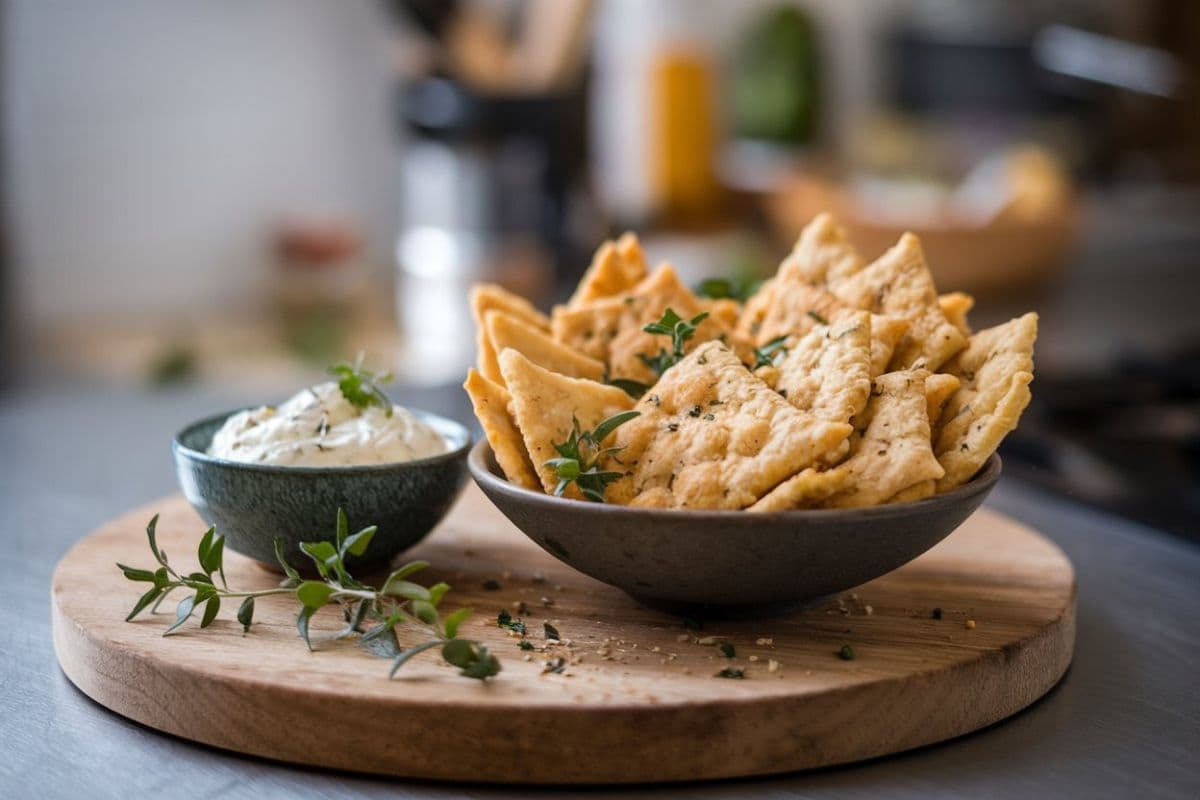
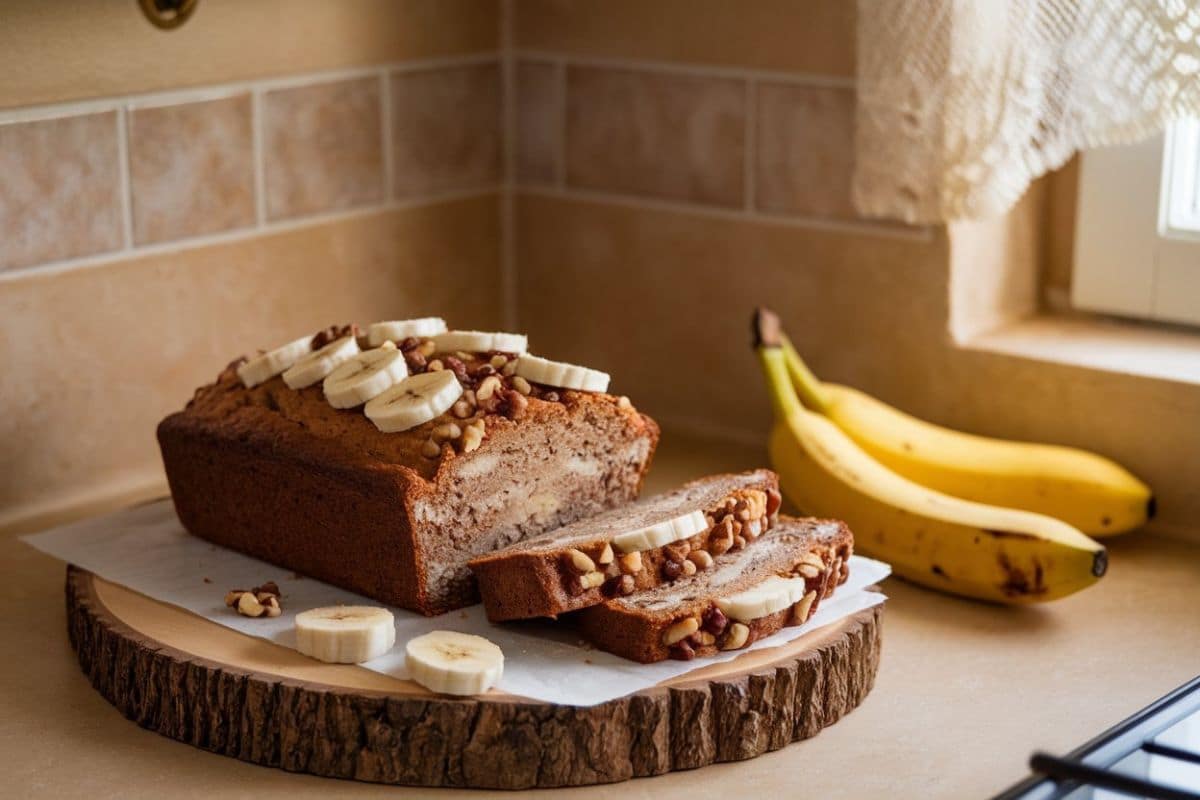



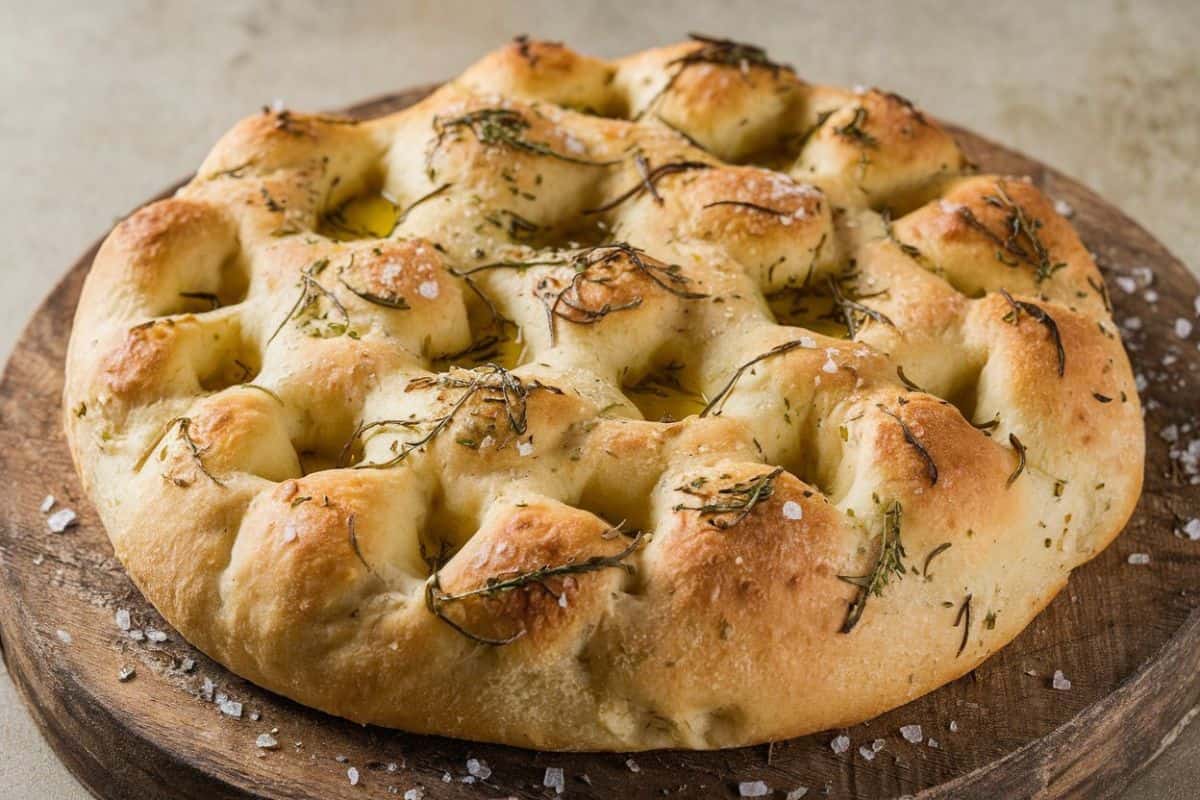



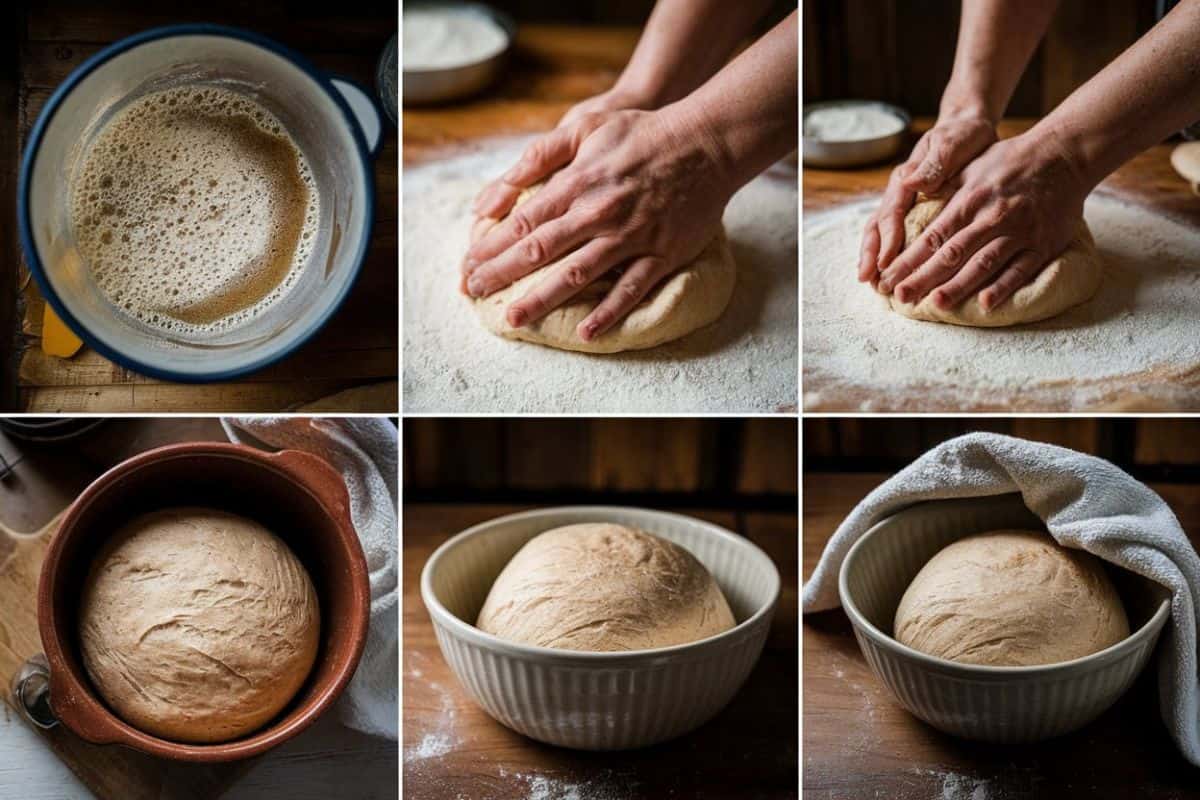
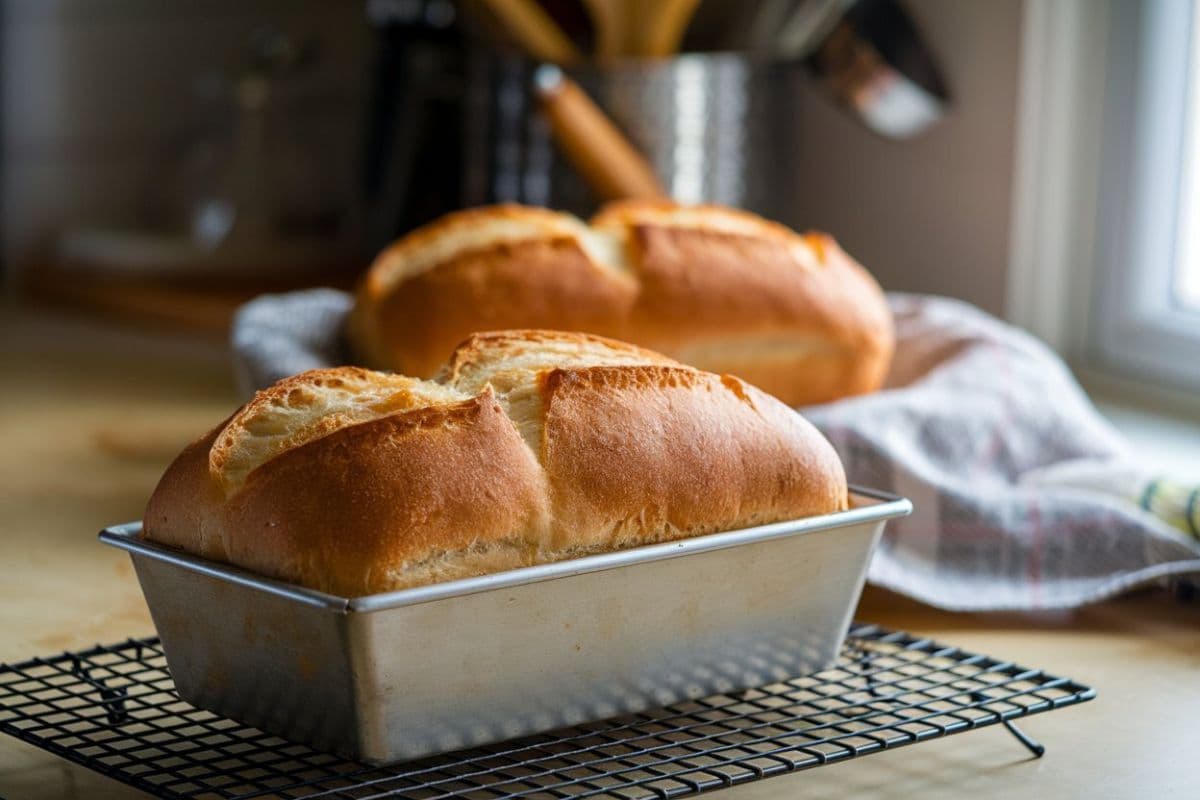

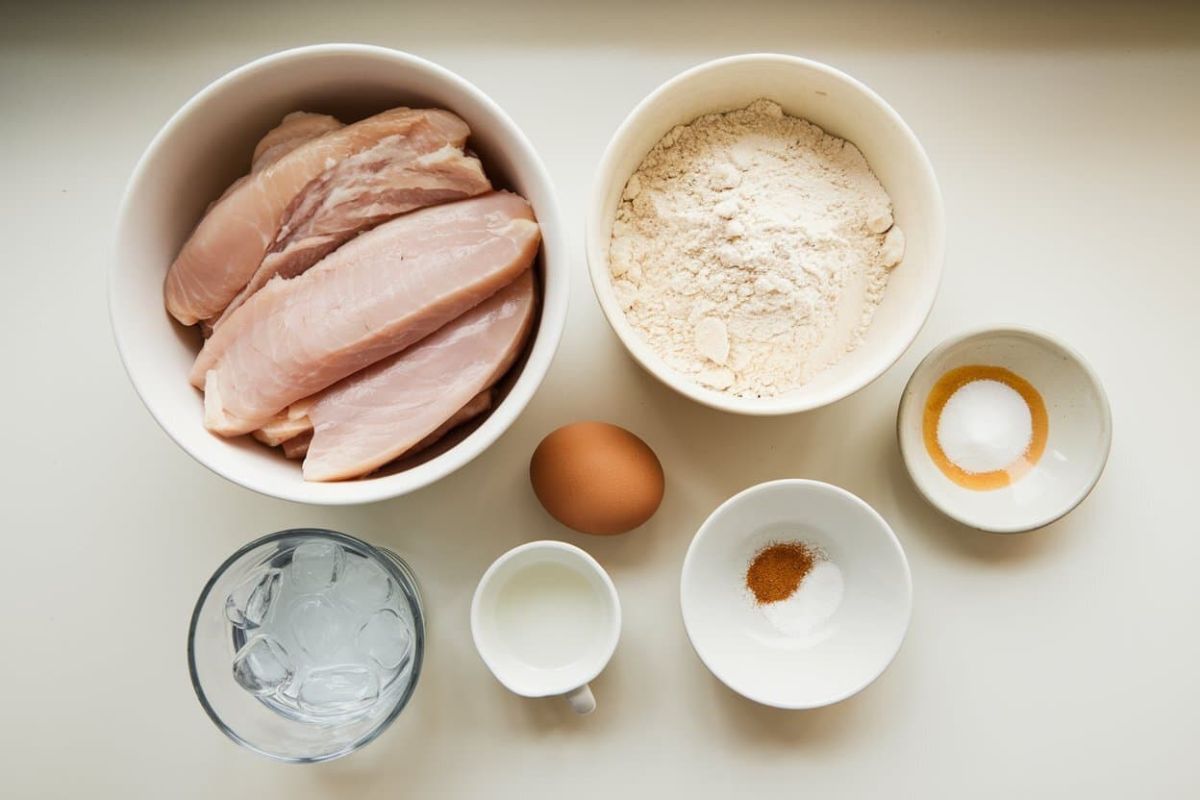


 Instructions:
 1. Gut-Friendly ACV Lemonade

 Healthy Chicken Taco Recipe
 Conclusion