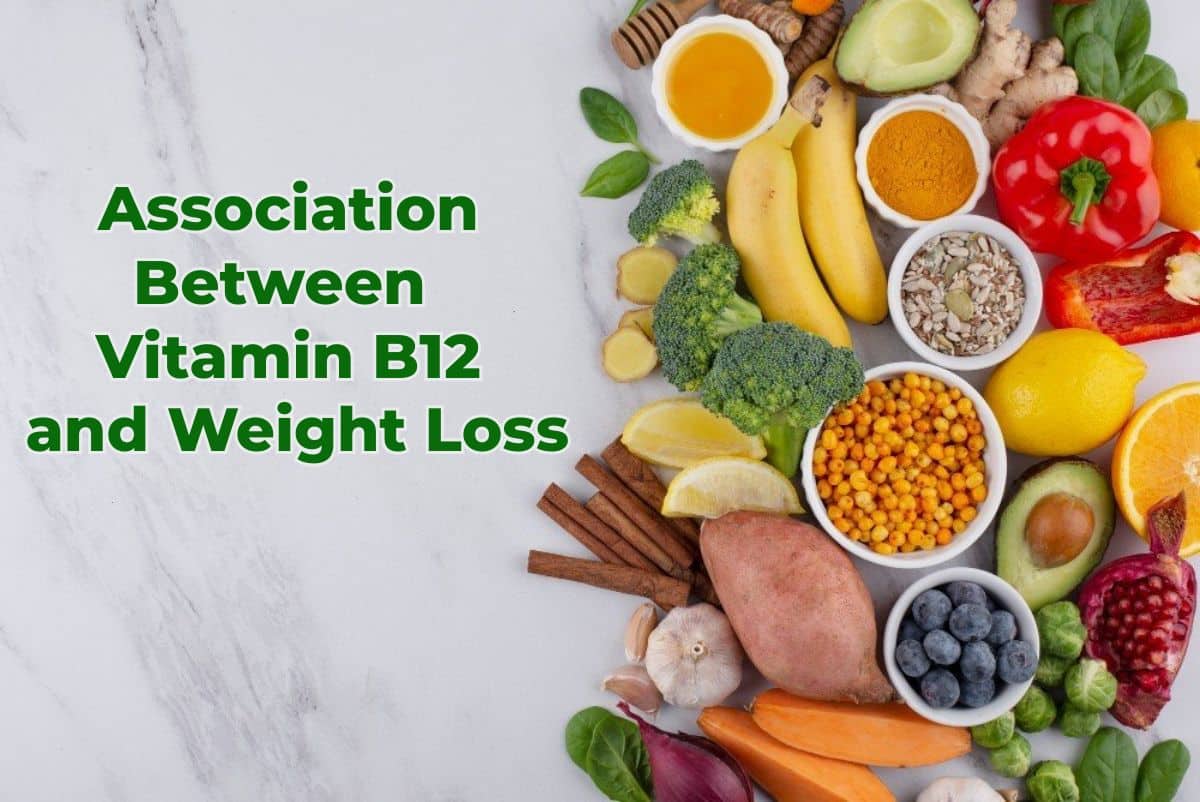
In the quest for essential weight loss solutions, many have turned to various supplements and injections, with Vitamin B12 shots gaining notable attention. Promising to boost energy and metabolism, these injections are often touted as a secret weapon in the fight against excess weight. But do Vitamin B12 shots for weight loss really work? Let’s delve into the science, benefits, and potential drawbacks of this popular trend.
Understanding Vitamin B12
What is Vitamin B12?
Vitamin B12, also mention to as cobalamin, is a vital water-soluble vitamin that plays a major role in brain and nervous system function, as well as in the formation of red blood cells. It occurs naturally in animal-derived foods such as meat, fish, dairy, and eggs, and is essential for DNA synthesis and the producing of energy.
Functions of Vitamin B12
Vitamin B12’s primary functions include aiding in the production of red blood cells, maintaining neurological health, and supporting DNA synthesis. This vitamin is also implicate in the metabolism of every cell in the body, particularly influence DNA synthesis and regulation, fatty acid synthesis, and energy production.
The Association Between Vitamin B12 and Weight Loss
The premise behind Vitamin B12 shots for weight loss lies in the vitamin’s role in energy production and metabolism. Proponents suggest that by enhancing energy levels and metabolic functions, Vitamin B12 injections can help the body burn calories more comfortably, potentially leading to weight loss. Additionally, higher energy levels might encourage more physical activity, further contributing to weight loss efforts.
Scientific Evidence
While the theory sounds promising, the scientific evidence directly linking Vitamin B12 shots to significant weight loss is limited. Some studies have shown that individuals with a Vitamin B12 deficiency might experience improved energy levels and metabolic rates after receiving B12 supplementation, which could indirectly support weight loss efforts. However, for individuals with normal B12 levels, the impact of additional B12 might be minimal.
Research primarily highlights the role of B12 in preventing fatigue and supporting overall health, which can be beneficial in a comprehensive weight loss plan but is not a standalone solution for weight loss.
One of the most outstanding benefits of Vitamin B12 shots is their potential to boost energy levels. Since Vitamin B12 is crucial for converting food into energy, adequate levels of this vitamin can help reduce feelings of fatigue and lethargy. This increase in power can make it easier to engage in regular physical activity, a critical component of any successful weight loss program.
Metabolic Boost
Vitamin B12 plays a role in metabolism by assisting in the reformation of fats and proteins into energy. A well-functioning metabolism is necessary for weight management, as it determines how efficiently the body can burn calories. By supporting metabolic processes, Vitamin B12 shots might help the body use energy more effectively, which can be valuable for weight loss, particularly for those who might be deficient in this vitamin.
Limitations and Risks
Lack of Direct Evidence
Despite the potential benefits, it’s important to note the lack of direct evidence supporting Vitamin B12 shots as a significant weight loss tool. Most studies focus on the vitamin’s role in energy production and metabolism rather than its direct impact on weight loss. Therefore, while B12 shots can enhance overall health and energy levels, they should not be viewed as a magic bullet for weight loss.
Potential Risks and Side Effects
As with any medical intervention, Vitamin B12 shots come with potential risks and side effects. While generally considered safe, some individuals might experience side effects for example pain or redness at the injection site, mild diarrhea, or itching. In rare cases, allergic reactions can occur. It’s major to consult with a healthcare provider before starting B12 injections, particularly for individuals with underlying health situation or those taking other medications.
A balanced diet and regular exercise persist the cornerstones of effective weight loss. While Vitamin B12 shots can complement these efforts by boosting energy and metabolism, they should not replace foundational weight loss strategies. Incorporating a difference of nutrient-dense foods and engaging in consistent physical activity are essential for achieving and maintaining a healthy weight.
Other Nutrients and Supplements
Other vitamins and supplements, in addition to vitamin B12, can support weight loss efforts. For example, Vitamin D, iron, and magnesium are critical for energy production and overall health. Combining these nutrients with a balanced diet and exercise can create a comprehensive approach to weight loss.
Conclusion
Vitamin B12 shots offer several potential benefits, including increased energy levels and improved metabolic function, which can indirectly support weight loss efforts. However, the scientific evidence directly linking these injections to significant weight loss is limited.
So, do Vitamin B12 shots for weight loss really work? The answer is nuanced. For individuals with a Vitamin B12 deficiency, these injections can significantly improve energy levels and metabolic function, which might support weight loss efforts. However, for those with adequate B12 levels, the impact on weight loss might be minimal. Therefore, while B12 shots can be a helpful component of a broader weight loss strategy, they should not be relied upon as a sole solution.
Crab brulee offers a delightful fusion of creamy textures and savory flavors, making it a perfect choice for seafood enthusiasts looking to impress with a unique dish. This recipe combines the delicate sweetness of crab meat with a rich, creamy custard base, topped with a caramelized sugar crust for a luxurious finish.
Introduction to Crab Brulee
Inspired by the traditional French dessert creme brulee, this savory version substitutes sweet custard with a delicious mixture of crab meat, cream, and spices. The result is a sophisticated appetizer or main dish that balances creamy richness with a crispy, caramelized sugar topping, creating a memorable dining experience.
Ingredients for Crab Brulee Recipe
To prepare crab brulee, gather the following ingredients:
Fresh Crab Meat: Opt for high-quality lump crab meat for the best flavor and texture. Alternatively, canned crab meat can be used, ensuring it’s well-drained.
Heavy Cream: Provides a smooth foundation for the brulee, imparting richness and smooth texture.
Egg Yolks: Add richness and help bind the ingredients together to create a creamy consistency.
Parmesan Cheese: Enhances the depth of flavor and contributes to the creamy feel of the dish.
Salt and Pepper: Season the crab mixture.
Nutmeg: Adds a subtle warmth and complexity to the flavor profile.
Brown Sugar: Essential for caramelizing the top layer to create the signature brulee effect.
Fresh Herbs: Optional garnish for added freshness and visual appeal, such as parsley or chives.
Equipment Needed
Ramekins: Individual serving dishes for baking the crab brulee.
Baking Dish: Larger dish for creating a water bath during baking.
Culinary Torch: This is ideal for caramelizing the sugar crust on top of the brulee. Alternatively, a broiler can be used.
Instructions for Making Crab Brulee
Step 1: Prepare the Crab Mixture
Preheat Oven: Preheat your oven to 350°F (175°C) to ensure it’s ready for baking.
Mix Ingredients: In a large mixing bowl, mix the fresh crab meat (or drained canned crab meat), heavy cream, egg yolks, grated Parmesan cheese, salt, pepper, and a pinch of nutmeg. Gently fold the ingredients together until well combined. Be careful not to overmix, as you want to preserve the texture of the crab meat.
Step 2: Fill and Bake the Crab Mixture
Prepare Ramekins: Lightly grease individual ramekins or oven-safe dishes with butter or cooking spray to prevent sticking.
Fill Ramekins: Divide the crab mixture evenly among the prepared ramekins, filling them nearly to the top. Smooth the surface of each ramekin with the back of a spoon for even baking.
Create a Water Bath: Place the full ramekins in a larger baking dish. With caution, pour hot water into the baking dish, filling it about midway up the sides of the ramekins. The water bath helps ensure gentle and even cooking of the crab brulee, preventing the edges from overcooking.
Bake: Transfer the baking dish with the ramekins to the preheated oven. Bake for approximately 25-30 minutes, or until the crab brulee recipe is set but still slightly jiggly in the center. The edges should be firm, and the top should be lightly golden.
Step 3: Caramelize the Top
Add Brown Sugar: Once the crab brulee is baked and set, remove it from the oven. Sprinkle a thin, even layer of brown sugar over the top of each ramekin. When heated, the sugar will form a caramelized crust.
Use Torch or Broiler: To caramelize the sugar, use a culinary torch. Hold the torch about 2-3 inches away from the exterior and move it in circular motions until the sugar melts and caramelizes into a golden-brown crust. Alternatively, if you don’t have a torch, place the ramekins under a preheated broiler for a few minutes until the sugar caramelizes. Watch closely to prevent burning.
Step 4: Serve and Garnish
Cool Slightly: Allow the crab brulee to cool for a few minutes before serving. The sugar crust will harden slightly as it cools, creating a satisfying contrast with the creamy crab mixture beneath.
Garnish: Garnish each serving of crab brulee with chives or parsley, if desired. This enhances the dish’s look and flavor profile in addition to adding a splash of color.
Serving Suggestions
Crab brulee is best served immediately after caramelizing the sugar crust to preserve its crisp texture. It can be enjoyed as an elegant appetizer before a main course or as a luxurious main dish matched with a fresh salad or crusty bread. The combination of creamy crab custard and caramelized sugar creates a harmonious blend of savory and sweet flavors that is sure to impress guests or elevate a special meal at home.
Tips for Success
Quality Ingredients: Use fresh, high-quality crab meat for the best taste and texture.
Gentle Mixing: Be gentle when combining the crab brulee ingredients to avoid breaking up the crab meat too much.
Water Bath Technique: The water bath ensures even baking and prevents the edges from overcooking or curdling.
Caramelizing Tips: When caramelizing the sugar crust, aim for a thin, even layer to achieve a perfect balance of sweetness and savory flavors.
Conclusion
Crab brulee offers a unique twist on traditional crab brulee dishes, combining the delicate sweetness of crab meat with the creamy richness of a savory custard and the irresistible crunch of a caramelized sugar crust. With straightforward ingredients and easy-to-follow steps, you can create a gourmet dish that’s both sophisticated and delicious. Whether you’re hosting a dinner party or enjoying a special meal at home, crab brulee is sure to elevate any dining experience with its luxurious flavors and elegant presentation.
In today’s world, sugar seems omnipresent—hidden in processed snacks, drinks, and even savoury meals. Undertaking a no-sugar challenge can transform your health, offering benefits beyond the obvious. Removing added sugars from your diet is essential for weight loss, increased energy, and overall well-being. This blog explores a 14-Day No Sugar Diet Food List to guide you toward a healthier lifestyle.
Why Go Sugar-Free?
Reducing sugar isn’t just a trend; it’s a science-backed choice. Here are the key benefits of going sugar-free:
Root Vegetables: Carrots, turnips (in moderation).
Other Options: Bell peppers, cucumbers, zucchini.
Protein Sources
Protein helps you stay full and supports muscle repair:
Lean Meats: Chicken, turkey, lean beef.
Fish and Seafood: Salmon, cod, tuna.
Plant-Based Proteins: Lentils, chickpeas, tofu.
Eggs: Versatile and nutrient-dense.
Whole Grains
Ditch refined grains for these healthier options:
Quinoa: A protein-rich, gluten-free choice.
Brown Rice: Higher in fibre than white rice.
Oats: Choose unsweetened, plain varieties.
Healthy Fats
Fats provide long-lasting energy and satiety:
Avocados: Use in salads or as spreads.
Nuts and Seeds: Almonds, chia seeds, flaxseeds.
Olive Oil: Ideal for dressings and cooking.
Dairy and Alternatives
Stick to unsweetened options:
Plain Greek Yogurt: Rich in protein & probiotics.
Unsweetened Almond Milk: A versatile milk substitute.
Cheese: Choose natural, unprocessed varieties.
Beverages
Stay hydrated with these no-sugar drinks:
Water: Infuse with lemon or cucumber for variety.
Herbal Teas: Naturally sugar-free and caffeine-free.
Black Coffee: Skip the sugary syrups.
Snacks
Healthy snacking helps curb cravings:
Vegetable Sticks: Pair carrots or celery with hummus.
Nuts and Seeds: Handful of almonds or sunflower seeds.
Fruit Slices: Apple or pear slices with cinnamon.
Sample 7-Day No-Sugar Diet Meal Plan
Here’s an example meal plan to kick-start your journey:
Day 1
Breakfast: Greek yoghurt with berries and chia seeds.
Lunch: Grilled chicken salad with olive oil dressing.
Dinner: Baked salmon with quinoa and broccoli.
Snack: Apple slices with almond butter.
Day 2
Breakfast: Scrambled eggs with spinach.
Lunch: Lentil soup with roasted vegetables.
Dinner: Stir-fried tofu with brown rice.
Snack: Carrot sticks and hummus.
Tips for Success on a No-Sugar Journey
Read Labels: Look for hidden sugars in packaged foods.
Plan Meals: Stick to a meal plan to avoid temptations.
Stay Hydrated: Thirst can often be confused with hunger.
Keep Snacks Handy: Healthy options reduce the risk of unhealthy cravings.
Stay Positive: Focus on the benefits like better energy and mood.
Conclusion
A no-sugar diet is a decisive step toward a healthier, more energized lifestyle. You can embrace this challenge and experience lasting benefits with the correct food list and meal plan. Commit to your goals, and let this 14-day, no-sugar diet food list guide your success.
Enjoy the journey to better health and vitality—one sugar-free meal at a time!
Yoga is often a solo practice focused on mindfulness, flexibility, and physical health. But have you ever considered transforming your yoga session into a group experience? Practicing yoga with others, particularly in groups of four, can significantly enhance individual connection while improving flexibility and strength. Whether it’s with family, friends, or even a group of colleagues, 4 person yoga poses are a fun and powerful way to deepen relationships, enhance physical well-being, and experience yoga in a completely new way.
Why 4-Person Yoga Poses Are a Great Idea
Yoga has long been known for its ability to help individuals relax, improve flexibility, and build strength. However, when practiced in a group, yoga becomes more than just physical exercise—a bonding experience.
Strengthening Relationships
Practicing yoga in a group requires trust, communication, and collaboration. This fosters a unique bond as you work together toward a common goal—executing poses successfully. When practicing 4 person yoga poses, every individual is both a participant and a supporter, which builds a sense of unity and shared accomplishment.
Enhanced Support and Motivation
Some yoga poses can be challenging, especially when done individually. However, having three other people around to lend a hand or provide moral support makes even the most challenging poses more achievable. This collective effort encourages a sense of support and camaraderie among group members, making the experience fun and motivating.
Improved Flexibility and Strength
4-person yoga poses are designed to stretch and strengthen muscles while focusing on coordination and balance. These poses challenge individuals to trust not only their own body but also the strength and stability of their group members.
Building Trust and Inclusivity
In 4-person yoga, each person’s role is crucial. Each participant contributes to the success of the pose, and this shared responsibility fosters inclusivity and mutual respect. It’s an opportunity to practice mindfulness together and develop stronger social connections through trust and teamwork.
Warm-Up Exercises for Group Yoga
Before diving into complex poses, it’s essential to warm up properly. This helps prevent injuries, enhances performance, and ensures your muscles are prepared for workout. Here are some warm up exercises that you can do with your group:
Shoulder and Neck Warm-Ups
Start by standing in a circle and rolling your shoulders backward and forward for 30 seconds each. Next, gently turn your head from side to side for 1 minute to loosen your neck muscles.
Leg and Full-Body Warm-Ups
In a line, bend forward at your waist & reach for your toes, holding for 20 seconds to warm up your hamstrings and lower back. Follow this up with a group jumping jack routine for 2 minutes to get your blood flowing.
Spine and Arm Warm-Ups
Stand back-to-back with a partner and gently twist from side to side for 15 seconds to warm up your spine. Extend your arms outward and rotate them in small circles forward for 30 seconds, then reverse the direction for another 30 seconds to activate your shoulders and arms.
4 Person Yoga Poses to Try
These poses are perfect for groups of four, fostering a supportive environment and enhancing physical fitness while promoting trust, flexibility, and connection.
Four-Legged Table Pose
How to Do It: Sit on the floor facing each other. Place your hands behind you and lift your hips, forming a “table” shape with your body. Link arms with the person across from you to form a stable base.
Benefits: Strengthens the core, arms, and back while promoting teamwork.
Group Tree Pose
How to Do It: Stand in a circle and hold hands. Lift one leg, placing the sole against the inner thigh of your supporting leg. Balance as a group, breathing together. Switch legs and repeat.
Benefits: Improves balance, coordination, and group harmony.
Quadruple Downward Dog
How to Do It: Form a square with your bodies in a downward dog position. Walk your feet toward the center, creating a stable pyramid shape.
Benefits: Enhances flexibility in the back and legs while strengthening the arms.
Circle of Trust Pose
How to Do It: Sit in a circle, extend your legs, and lean back into a V-shape. Hold hands with the person across from you to form a stable circle.
Benefits: Builds core strength, trust, and unity.
Synchronized Seated Forward Bend
How to Do It: Sit in a row, legs extended forward. Reach for the toes of the person in front of you while they reach for yours.
Benefits: Increases flexibility in the hamstrings and lower back.
Quad Chair Pose
How to Do It: Stand facing each other in a squat position, with thighs parallel to the ground. Lean back and link arms to create a stable, connected “chair.”
Benefits: Strengthens the legs & core and improves balance.
Group Cobra Pose
How to Do It: Lie down in a line, hands under your shoulders. As a group, lift your chest off the ground, creating a backbend.
Benefits: Stretches the chest and abdomen while strengthening the back.
Partner Plank Tower
How to Do It: One person is in a plank position on the floor, two people form the middle layer, and one person lies on top.
Benefits: Strengthens the core and upper body.
Common Mistakes to Avoid
When practicing 4 person yoga poses, keep these tips in mind to ensure a smooth and safe experience:
Lack of Communication: Always discuss poses with your group before starting. Clear communication is key to make suring everyone is on the same page.
Skipping Warm-Ups: Never skip the warm-up! Warming up prepares your muscles and joints, preventing injuries and improving performance.
Ignoring Abilities: Choose poses that everyone in the group can comfortably perform. Adapt as needed for flexibility and fitness levels.
Neglecting Support: Always support one another during poses to ensure stability and prevent injuries.
Rushing Between Poses: Sit between poses to maintain balance and control.
Forgetting to Breathe: Remember to breathe deeply throughout the practice to promote relaxation and focus.
Lack of Fun: Don’t forget to enjoy the experience! Yoga should be a fun and rewarding practice for everyone involved.
Conclusion
Practicing 4 person yoga poses is more than just a workout; it’s an opportunity to connect, support one another, and strengthen your relationships. Whether you want to improve flexibility, build trust, or have fun with your group, these dynamic poses can elevate your yoga experience. You can ensure a successful & enjoyable group yoga session by incorporating the proper warm-ups, being mindful of your team’s abilities, and avoiding common mistakes. So, gather your friends or family, step onto your mats, and start building strength, flexibility, and connection together!
Yoga, a time-honoured practice with roots in ancient India, has grown into a global phenomenon. While often associated with women, yoga has become increasingly popular among men, offering transformative physical, mental, and emotional benefits. This article delves into top 10 benefits of yoga for men, showcasing how this ancient discipline can enhance modern lifestyles.
Improved Flexibility and Mobility
Enhancing Range of Motion
Men engaged in weight training or sports often experience tight muscles and limited range of motion. Yoga poses like Downward Dog & Warrior II gently stretch and lengthen muscles, improving flexibility and enhancing joint mobility over time.
Preventing Injuries
Increased flexibility reduces risk of strains, sprains, and other injuries. Regular yoga ensures that muscles and joints remain supple and resilient, providing a protective buffer during intense physical activity.
Strength Building
Functional Strength
Yoga isn’t just a gentle practice—it builds functional strength. Poses such as Plank, Chaturanga, and the Warrior series require sustained muscle engagement, developing strength without heavy weights.
Core Strength
A strong core is essential for stability and athletic performance. Yoga emphasizes core engagement through postures like Boat Pose and balancing poses, creating a stable foundation for the entire body.
Enhanced Mental Clarity and Focus
Mindfulness and Concentration
Yoga integrates mindfulness techniques, including breathing exercises and meditation, to calm the mind & sharpen focus. Practices like Pranayama promote mental clarity, making it easier to tackle daily challenges.
Stress Reduction
Chronic stress can wreak havoc on mental and physical health. Yoga helps lower cortisol levels, the body’s primary stress hormone, fostering a sense of calm & relaxation. This is especially valuable for men juggling demanding careers or personal responsibilities.
Better Cardiovascular Health
Heart Health
Yoga supports cardiovascular well-being by lowering blood pressure, improving circulation, and enhancing heart rate variability. Poses such as Bridge Pose and Fish Pose stimulate the cardiovascular system, contributing to long-term heart health.
Weight Management
By boosting metabolic rate and promoting mindful eating, yoga aids in maintaining a healthy weight. This can help prevent common heart-related conditions like hypertension and atherosclerosis.
Increased Stamina and Energy Levels
Boosting Endurance
Dynamic yoga sequences, such as Sun Salutations and Vinyasa flows, elevate heart rate and build stamina. This increased endurance translates to better performance in daily activities and workouts.
Improved Energy Flow
Yoga enhances energy flow throughout the body by opening the chest and spine. Poses like Cobra Pose and Camel Pose improve respiratory function, increasing oxygen intake and overall vitality.
Enhanced Athletic Performance
Complementary Training
Yoga complements other forms of physical training, improving flexibility, strength, and focus—all essential for peak athletic performance.
Recovery and Rehabilitation
Gentle yoga poses promote blood circulation and reduce muscle soreness, aiding recovery after workouts. This also prevents the buildup of lactic acid, which can cause stiffness.
Improved Balance and Coordination
Body Awareness
Yoga improves proprioception, or the body’s sense of positioning. Balancing poses like Tree Pose and Eagle Pose develop stability and coordination, which are crucial for athletes and men in physically demanding jobs.
Injury Prevention
Enhanced balance reduces the risk of falls & injuries, making yoga an invaluable practice for maintaining long-term physical health.
Enhanced Respiratory Function
Deep Breathing Techniques
Yoga emphasizes deep, controlled breathing, improving lung capacity and oxygen intake. Techniques such as Ujjayi and Kapalabhati strengthen the diaphragm and enhance respiratory health.
Respiratory Health
Men dealing with respiratory issues, such as asthma or bronchitis, can benefit from improved breathing techniques, which alleviate symptoms and promote healthier lung function.
Better Posture and Spinal Health
Postural Alignment
Modern lifestyles frequently result in poor posture because of extended periods of sitting and screen time.Y oga encourages proper postural alignment with poses like Mountain Pose and Cat-Cow, strengthening the spine and supporting good posture.
Spinal Flexibility
Spinal twists and backbends, such as the child’s pose, improve spinal flexibility, alleviate back pain, and reduce the risk of degenerative conditions.
Enhanced Sexual Health
Increased Libido
Yoga improves blood flow, reduces stress, and enhances body awareness, contributing to better sexual performance and increased libido.
Pelvic Floor Strength
Poses like Bridge Pose and hip openers strengthen pelvic floor muscles, which are critical for sexual health and performance.
Incorporating Yoga into Your Routine
If you’re new to yoga, start with basic poses like Child’s Pose or Cat-Cow to build confidence and flexibility. Gradually explore more advanced sequences, such as Sun Salutations, to experience the full spectrum of benefits.
Key Yoga Poses and Their Benefits
Pose
Primary Benefit
Target Area
Downward Dog
Flexibility and mobility
Hamstrings, shoulders
Boat Pose
Core strength
Abdominals, hip flexors
Warrior II
Lower body strength
Legs, glutes
Cobra Pose
Improved energy flow
Chest, spine
Tree Pose
Balance and coordination
Core, lower body
Conclusion
Yoga is a holistic practice that offers men many benefits, from enhanced physical health to improved mental clarity. Whether you’re an athlete, a professional dealing with stress, or someone looking to improve your quality of life, yoga provides the tools to achieve overall well-being. Start your yoga journey today and unlock its transformative potential.
Trigeminal neuralgia (TN) is chronic condition characterized by intense, sharp pain along the trigeminal nerve, responsible for facial sensation. The pain can be triggered by simple movements such as chewing, talking, or touching the face. While medical treatments such as medications and surgery are commonly used, specific exercises can offer significant relief by promoting relaxation, reducing tension, and improving circulation. This article explores some practical exercises that may help alleviate the discomfort caused by TN.
Understanding Trigeminal Neuralgia
Before diving into specific exercises, it’s essential to understand the nature of trigeminal neuralgia. The condition occurs when the trigeminal nerve is irritated or compressed, causing intense shooting pain that can be both debilitating and unpredictable. It often affects one side of the face and can lead to muscle spasms, weakness, and hypersensitivity in the affected area.
While there is no one-size-fits-all solution for managing TN, incorporating specific exercises into your daily routine may help reduce pain & enhance overall well-being.
Facial Relaxation Techniques
Facial relaxation is one of the most effective ways to relieve the tension contributing to TN pain. Simple techniques, such as progressive muscle relaxation (PMR), help reduce the pain’s intensity and promote muscle relaxation.
How to Perform Facial Relaxation:
Sit in a comfortable position and close your eyes.
Gently tense the muscles of your face (eyebrows, eyes, cheeks, mouth) for about 5 seconds.
Relax the muscles for 10 seconds.
Repeat this process 3–5 times.
This technique helps to release facial tension, particularly around the jaw, eyes, and forehead, which can help alleviate discomfort.
Jaw Stretching and Massage
Jaw pain is common in individuals with trigeminal neuralgia, and stretching exercises can help relieve discomfort by promoting the relaxation of the jaw muscles. Massage can further aid in reducing muscle tension and improving circulation.
How to Perform Jaw Stretches:
Open your mouth as wide as possible, but avoid straining.
Open your mouth for 5 to 10 seconds, then slowly close it.
Repeat process 5 times.
Additionally, gently massaging the jawline with your fingers in small circular motions can help relieve stiffness and improve blood flow to the area.
Neck and Shoulder Stretches
Since tension in the neck and shoulders can exacerbate facial pain, incorporating neck stretches into your routine can be beneficial. Tightness in the neck can place added pressure on the trigeminal nerve, leading to more intense pain.
How to Perform Neck Stretches:
Sit up straight with your shoulders relaxed.
Slowly tilt your head toward your right shoulder, holding for 15 seconds.
Repeat on the left side.
Perform gentle neck rotations by slowly turning your head to the right, hold for 10 seconds, and then rotate to the left.
These stretches help release tension in neck & shoulders, which may reduce the frequency and intensity of TN pain.
Yoga for Trigeminal Neuralgia
Yoga can be valuable addition to a TN management routine, combining physical movement with deep breathing techniques that help calm nervous system. Gentle poses that stretch and relax the face, neck, and shoulders can offer relief.
Recommended Yoga Poses for TN Relief:
Child’s Pose: Sit on your knees and slowly bend forward, resting your forehead on ground. Extend your arms in front or beside your body.
Cat-Cow Stretch: Begin on all fours, alternating between arching your back (Cow) and rounding it (Cat) while breathing deeply.
Seated Forward Fold: Sit with your legs expand front of you & gently lean forward, reaching towards your toes.
When done gently, these poses can release tension, improve flexibility, and relieve facial pain.
Deep Breathing and Relaxation
Stress is a known trigger for trigeminal neuralgia, making deep breathing and relaxation techniques essential for pain management. Slow, diaphragmatic breathing helps activate the parasympathetic nervous system, promoting relaxation and reducing stress that may exacerbate TN pain.
How to Practice Deep Breathing:
Sit or lie down in comfortable position.
Breathe in slowly through your nose for count of 4.
Hold your breath for count of 4.
Exhale slowly through your mouth for count of 4.
Repeat for 5 minutes.
This simple practice can help reduce the impact of stress on the nervous system and, in turn, decrease the frequency of TN flare-ups.
General Physical Activity
Engaging in general physical activity, similar as walking, swimming, or low-impact aerobics, can improve overall circulation, boost endorphin levels, and reduce pain perception. Regular exercise helps alleviate tension throughout the body and can be particularly beneficial for those with TN.
Conclusion
Although there is no cure for trigeminal neuralgia, integrating targeted exercises into your daily routine may help alleviate pain, reduce muscle tension, & enhance your overall quality of life. Always consult a healthcare professional before beginning any new exercise regimen, especially if you have other underlying conditions. Combining these exercises with medical treatments may effectively provide the best approach to managing trigeminal neuralgia.
Weight loss involves more than just numbers on a scale; it is a transformative journey characterized by distinct stages. Recognizing these phases can provide motivation, insight, and clarity to help you stay on track. In this guide, we’ll explore the stages of noticing weight loss, offering practical tips and addressing common challenges to support your path to a healthier you.
Stage 1: The Decision to Lose Weight
Every weight loss journey begins with the decision to make a change. This step often stems from health concerns, a desire to boost confidence, or the goal of improving overall well-being.
Key Actions:
Set Specific Goals: Clearly define your objectives. Set goal to lose 10 pounds in three months or to fit into a favorite outfit.
Consult a Professional: Collaborate with a healthcare provider or nutritionist to create a sustainable plan tailored to your needs.
Prepare Mentally: Embrace the understanding that weight loss is a gradual process requiring dedication and patience.
Stage 2: Initial Changes in Diet and Exercise
With determination in place, the next step involves modifying daily habits. This phase sets groundwork for long-term success.
Key Actions:
Diet Adjustments: Prioritize nutrient-dense foods such as fruits, vegetables, lean proteins, & whole grains while reducing processed foods.
Exercise Introduction: Begin with manageable workouts like walking, yoga, or light strength training. Gradually increase intensity as your endurance improves.
Hydration: Stay hydrated to support metabolism and manage hunger. Make it a priority to drink 8 to 10 glass of water daily for optimal health & hydration.
Stage 3: Noticing Early Physical Changes
In this phase, subtle yet encouraging changes appear, affirming your efforts.
Key Indicators:
Clothing Fit: Pants may feel looser around the waist and hips.
Energy Levels: Increased energy and reduced fatigue as your body adapts to healthier habits.
Initial Weight Loss: The scale might reflect a modest drop of 1–5 pounds, boosting confidence.
Stage 4: Visible Weight Loss
Progress becomes more evident in this stage, with noticeable appearance and overall health improvements.
Key Indicators:
Body Measurements: Marked reductions in waist, hips, and arms.
Facial Changes: Slimmer facial features with more defined cheekbones and jawlines.
Compliments: Friends and family may acknowledge and praise your transformation.
Stage 5: Plateau Phase
Plateaus are a common yet frustrating part of the journey, where weight loss slows or temporarily halts.
Key Strategies:
Reevaluate Routine: Adjust your diet or introduce new exercises like High-Intensity Interval Training (HIIT).
Focus on Non-Scale Victories: Celebrate improvements like better stamina or healthier skin.
Seek Support: Join a community or partner with a workout buddy to stay motivated.
Stage 6: Breaking Through the Plateau
Overcoming a plateau often requires persistence and strategic adjustments.
Key Actions:
Incorporate Strength Training: Build muscle to enhance your resting metabolic rate.
Monitor Macronutrients: Balance your intake of proteins, fats, and carbs to support your goals.
Switch Workouts: Introduce new activities to challenge your body and reignite progress.
Stage 7: Achieving Your Goal
Reaching your target weight is a milestone worth celebrating. This stage brings a sense of accomplishment and renewed self-confidence.
Key Actions:
Celebrate Wisely: Reward yourself with non-food treats like new clothes or a spa day.
Reflect on Progress: Take pride in how far you’ve come and your cultivated habits.
Set New Goals: Whether it’s maintaining your weight or pursuing fitness challenges, continue setting objectives.
Stage 8: Maintenance
Maintaining weight loss is an ongoing effort, emphasizing balance and consistency.
Key Tips:
Adopt Sustainable Habits: Continue eating a balanced diet with occasional indulgences.
Stay Active: Incorporate enjoyable physical activities like dancing, hiking, or swimming.
Monitor Progress: Regularly check your weight and adjust habits to prevent regain.
Conclusion
The stages of noticing weight loss are more than checkpoints—milestones reflecting your hard work and determination. By understanding these phases and embracing the challenges, you can stay motivated and achieve sustainable results. Remember, weight loss is more than aesthetics; it’s a journey toward improved health and well-being. Stay patient, celebrate your victories, and most importantly, be kind to yourself throughout this transformative process.
You’ve probably heard of prenatal vitamins before, but they are only for pregnant women, right? Indeed, these vitamins are typically marketed toward women expecting a baby. However, did you know that men can also benefit from these supplements? Prenatal vitamins—packed with essential nutrients like folic acid, DHA, and iron—offer significant health benefits beyond pregnancy.
The question is: Can men take prenatal vitamins? The short answer is yes! In this article, we’ll explore why more men consider adding prenatal vitamins to their daily routine. Whether you aim to boost your fertility, improve energy levels, or support heart health, prenatal vitamins might be just what you need.
What’s in Prenatal Vitamins, and Why Do They Matter to Men?
When considering prenatal vitamins, you probably picture pregnancy-related nutrients like folic acid and DHA. But these nutrients do far more than support fetal development—they can also enhance overall health for men. Let’s break down the main components of prenatal vitamins and see why they matter:
Folic Acid: Widely known for preventing congenital disabilities, it supports male fertility. Studies show that folic acid can improve sperm health and motility. If you’re looking to conceive, this nutrient is essential.
DHA (Docosahexaenoic Acid): An Omega-3 fatty acid promoting brain and heart health. DHA is a powerhouse nutrient that supports cognitive function and reduces inflammation—key for maintaining overall vitality.
Iron: Men typically need less iron than women, but this nutrient is still crucial for energy levels. For men experiencing fatigue, prenatal vitamins with iron can help replenish reserves and improve stamina.
You see, prenatal vitamins are about more than just pregnancy—they are a combination of powerhouse nutrients that support your health in multiple ways.
Can Prenatal Vitamins Boost Men’s Fertility?
Here’s a question that might be on your mind: Can prenatal vitamins improve male fertility? The answer is yes. Folic acid is one of key ingredients that can positively affect sperm production and quality.
But why is that important?
As men age, sperm quality can decline, and fertility can become an issue. Folic acid is linked to increased sperm motility and overall reproductive health. So, if you’re trying to start a family or just looking to improve your chances, a prenatal vitamin might be a good place to start.
Think about it
Imagine you’re trying to conceive and want to give your body every chance to succeed. Taking prenatal vitamins with folic acid can support sperm health & increase the likelihood of conception. It’s one small change that could make a significant impact.
How Prenatal Vitamins Support Energy and Mental Clarity
If you’re constantly tired or mentally drained, prenatal vitamins might be the answer you didn’t know you were looking for.
Energy Boost: Prenatal vitamins often contain more B vitamins than standard multivitamins. These B vitamins help boost energy levels, improve metabolism, and revitalise you throughout the day.
Cognitive Function: DHA, an Omega-3 fatty acid, is essential for brain health. It supports cognitive functions like memory, focus, and overall mental clarity. This is especially important as you age or juggle a busy, high-stress lifestyle.
Pause for a moment
What if you could feel energised daily and experience a sharper mind? Imagine the difference that could make to your work, relationships, and overall well-being. Prenatal vitamins might be the key.
Prenatal Vitamins: Heart Health and Inflammation Reduction
Did you know? Prenatal vitamins are also packed with Omega-3 fatty acids like DHA, which can significantly reduce inflammation and support heart health.
DHA is crucial in maintaining healthy cholesterol levels, improving circulation, and preventing cardiovascular disease. For men in their 30s and 40s, cardiovascular health becomes increasingly important—and adding DHA-rich prenatal vitamins to your routine can provide long-term benefits.
Are There Any Risks for Men Taking Prenatal Vitamins?
Okay, so you’re intrigued, but are there any risks involved in taking prenatal vitamins as a man?
While there are many benefits, iron is one thing to be cautious about. During pregnancy and menstruation, women need higher levels of iron, which is why prenatal vitamins often contain more iron. However, men typically don’t need as much iron, and taking too much can lead to health issues like digestive problems or iron overload.
Tip: If you’re not iron-deficient, consider choosing a prenatal vitamin with lower iron content or consult a healthcare professional before starting.
Can Prenatal Vitamins Be Part of Your Daily Routine?
Adding prenatal vitamins to your routine is pretty straightforward. If you’re looking for a supplement that supports multiple aspects of health—fertility, energy, cognitive function, and heart health—prenatal vitamins may be just what you need.
But how do you choose the right one? Should you go with a brand you already trust? Here’s where brand reputation comes in.
Why Choose Nature Made?
Choosing a trusted, reliable brand is essential if you’re considering starting your prenatal vitamin journey. Nature Made is a supplement industry leader known for its commitment to quality and purity. With a long history of providing science-backed products, Nature Made ensures that its prenatal vitamins are crafted to the highest standards.
While we’re not diving into specific products yet, know that Nature Made offers a range of prenatal options, from soft gels to gummies, all designed with your wellness in mind.
What’s Next?
Now that you know the basics about prenatal vitamins for men, you’re ready to explore how they can specifically benefit your health. In the next section, we’ll dive into a range of prenatal supplements designed to support your unique health needs—whether you’re focused on improving fertility, boosting energy, or enhancing overall wellness.
Embarking on a new vitamin regimen can be an exciting step towards better health, but it’s natural to wonder how long does it take for vitamins to work. Whether ingested through diet or supplements, vitamins are crucial for maintaining overall wellness. However, the timeline for seeing noticeable changes can vary widely. This comprehensive article will explore the factors influencing vitamin effectiveness, how vitamins are absorbed, and how to create an effective vitamin routine.
Understanding Vitamin Absorption
Vitamins are absorbed through the digestive system like food. When you take a vitamin supplement, it passes through your stomach and into the small intestine, where it is broken down and absorbed into the bloodstream. The absorption process can differ depending on the type of vitamin—whether it is water-soluble or fat-soluble.
Water-Soluble Vitamins
Water-soluble vitamins, i.e B vitamins and vitamin C, absorbed directly into the bloodstream from the small intestine. These vitamins are not stored in the body, and any excess amounts are excreted in urine. This means they need to be replenished regularly to maintain adequate levels.
Fat-Soluble Vitamins
Fat-soluble vitamins, including A, D, E, and K, require dietary fat for proper absorption. They stored in the liver and fatty tissues, meaning they don’t need to be consumed as frequently as water-soluble vitamins. However, they can build up in the body and potentially reach toxic levels if taken in excessive amounts.
Factors Influencing Vitamin Effectiveness
There are several factors that can impact how long it takes for vitamins to start working. Understanding these factors, can help you to manage your expectations and optimize your vitamin regimen.
Current Vitamin Levels
If you have a significant deficiency, you may notice the effects of supplementation more quickly. For example, if your vitamin D levels are very low, taking a supplement can lead to noticeable changings in energy and mood within a few weeks to months.
Type of Vitamin
The type of vitamin and its solubility significantly affect how quickly it can start working. Water-soluble vitamins are generally absorbed more rapidly but also need to be replenished more frequently. Fat-soluble vitamins take longer to be absorbed and utilized by the body.
Diet
Your diet can significantly impact vitamin absorption. Consuming vitamins with foods that enhance their absorption can make them more effective. For example, vitamin C improves iron absorption, while fat-soluble vitamins must be taken with a fat source to effectively absorb.
Age
As our age increase, our bodies’ ability to absorb certain nutrients declines. This can affect how quickly we see the benefits of vitamin supplementation. For instance, older adults may need higher vitamin B12 or vitamin D doses to maintain optimal levels.
Consistency
Consistency is the main reason when it comes to vitamin supplementation. Taking your vitamins sporadically or forgetting doses can delay their effectiveness. To maximize benefits, establish a daily routine that includes your vitamin supplements.
Bioavailability
Bioavailability refers to the specific quantity of a nutrient that is absorbed and utilized by the body. This can be affected by the form of the vitamin (e.g., liquid vs. tablet) and the timing of ingestion. For instance, some vitamins should be taken on an empty stomach, while others should be taken with food.
Creating an Effective Vitamin Regimen
To ensure you get the most out of your vitamins, creating a consistent and personalized routine is essential. Here’s how you can do it:
Choose the Right Vitamins
Selecting high-quality vitamins from reputable brands is crucial. Go for supplements that are third-party tested for purity and potency. Nature Made® vitamins, for example, are a trusted brand recommended by pharmacists.
Make a Daily Schedule
Incorporate your vitamin intake into your daily routine. This could be in the morning with breakfast or in the evening with dinner. Placing your vitamins in a visible location can also remind you to take them.
Consult with a Healthcare Provider
Before starting any new vitamin regimen, it’s wise to consult with a healthcare provider. They can provide best recommendations based on your health needs, current vitamin levels, and lifestyle.
How Long Does It Take for Different Vitamins to Start Working?
The timeline for seeing the benefits of vitamin supplementation can vary depending on the specific vitamin and individual factors.
Vitamin C
Vitamin C is also known for playing main role in boosting the immune system. Regular intake of supliments that contain vitamin C can help reduce the duration of the common cold. You may notice improvements in your immune function and skin health within one to two weeks.
Vitamin B12
Vitamin B12 play a key role in red blood cell production and neurological function. If you’re deficient in B12, supplementation can improve symptoms of anemia and boost energy levels within a few weeks to months.
Vitamin D
Vitamin D deficiency is common, especially in areas with limited sunlight. Supplementing with vitamin D can improve bone health, immune function, and mood. It may take six weeks to several months to notice significant improvements.
Biotin
Biotin, a B vitamin, supports healthy hair, skin, and nails. If you’re deficient, biotin supplements can start showing results in improved skin clarity, reduced hair loss, and stronger nails within six weeks to three months.
Vitamin E
Vitamin E supports brain, skin, and eye health. Suppose you’re taking vitamin E for its antioxidant properties. In that case, notice any changes may take several weeks to a few months, especially if you address deficiencies or specific health concerns.
Conclusion
So, How long does it take for vitamins to work? The timeline varies based on vitamin type, current levels, dietary factors, age, and the quality of supplements. While some vitamins may produce noticeable effects within weeks, others require several months of consistent use. To maximize benefits, select high-quality supplements, maintain a daily regimen, and consult healthcare professionals for personalized guidance. Patience is essential; vitamins contribute gradually to overall health and well-being when used consistently and strategically.
Are you looking for a hydrating beverage that offers a nutrient boost without the caffeine jitters? Vitamin Water, the popular drink from Glacéau (a subsidiary of The Coca-Cola Company), is often considered a go-to option for health-conscious individuals. However, a common question arises: Does Vitamin Water Have Caffeine? In this article, we’ll explore the caffeine content of Vitamin Water, its key ingredients, and why it could be an ideal choice for those seeking a flavorful way to stay hydrated.
What Is Vitamin Water?
Vitamin Water is a fortified beverage designed to hydrate and provide essential nutrients. It combines water with vitamins, minerals, and natural flavours, making it an appealing choice for those who want more than just plain water. It is marketed as a functional drink, offering a variety of health benefits such as immune support, energy boosts, and recovery aids.
Vitamin Water is available in various flavours, each designed to serve a different purpose. Some varieties focus on energy, while others prioritize hydration, immunity, or general wellness. Despite the wide range of options, many people are left wondering whether these drinks contain caffeine, particularly for those who want to avoid stimulants.
The Caffeine Question: Does Vitamin Water Have Caffeine?
The caffeine content in Vitamin Water varies depending on the specific variety. Most Vitamin Water flavours are caffeine-free, making them an excellent option for staying hydrated without worrying about caffeine intake. However, there is one key exception to this rule.
Vitamin Water Energy, a popular variety, contains caffeine. Each 591 ml bottle of Vitamin Water Energy provides about 50 mg of caffeine derived from natural sources such as green tea extract. This is significantly lower than caffeine content in typical coffee cup (usually around 95 mg). As such, Vitamin Water Energy can provide a subtle energy boost without the strong stimulant effects of a more traditional energy drink or coffee.
For those avoiding caffeine altogether, there are plenty of options. Most other flavours of Vitamin Water, including Vitamin Water XXX and Vitamin Water Revive, are completely caffeine-free, allowing you to enjoy the hydrating and nutritional benefits without any unwanted stimulation.
The Nutritional Benefits of Caffeine-Free Vitamin Water
One of the major appeals of Vitamin Water is its ability to hydrate and deliver essential vitamins and minerals. Even without caffeine, these drinks can be a valuable part of your hydration routine. Here are some key nutritional benefits of caffeine-free Vitamin Water:
Vitamin C: A potent antioxidant that supports the immune system and helps maintain healthy skin.
B Vitamins (B3, B5, B6, B12): Essential for energy production, metabolism, and overall health.
Electrolytes (potassium, magnesium): Crucial for proper hydration and muscle function, particularly beneficial for those who engage in physical activity.
These nutrients help nourish and energise your body, making Vitamin Water an excellent choice for anyone leading an active lifestyle.
The Sugar Content of Vitamin Water
While Vitamin Water offers a wide span of health benefits, it’s important to be mindful of its sugar content. Some varieties of Vitamin Water contain added sugars to enhance flavour, which can be a concern for those looking to manage their sugar intake. Excessive sugar consumption is linked to many health issues, including weight gain, insulin resistance, and increased risk of chronic diseases.
Vitamin Water offers an alternative for those watching their sugar intake: Vitamin Water Zero. This variety contains no added sugars and is sweetened with stevia and erythritol, providing the same refreshing flavours and nutritional benefits without the calorie count or sugar-related concerns.
If you’re not keen on artificial sweeteners, you can dilute regular Vitamin Water with water to reduce sweetness while still enjoying the vitamins and electrolytes.
Exploring the Variety of Flavors
Vitamin Water offers various flavours, each tailored to specific health goals. Whether you need an energy boost, want to support your immune system, or are looking for a post-workout recovery drink, there’s a flavour for you. Here are some popular caffeine-free varieties:
Vitamin Water XXX (Acai-Blueberry-Pomegranate): Rich in antioxidants and vitamins, this flavour supports overall health and wellness.
Vitamin Water Revive (Fruit Punch): Packed with electrolytes and B vitamins, it’s perfect for replenishing nutrients after exercise.
Vitamin Water Focus (Kiwi-Strawberry): Loaded with vitamins A and C, this option promotes immune health and skin vitality.
These caffeine-free varieties allow you to customize your Vitamin Water experience based on your health needs and preferences.
How to Incorporate Vitamin Water into Your Hydration Routine
Vitamin Water can be a great addition to your daily hydration routine but should not replace your primary water intake. Here are a few tips for using Vitamin Water in your lifestyle:
Balance Your Fluids: While Vitamin Water provides essential nutrients, it should complement your daily water intake, not replace it. Make sure you’re drinking plain water regularly for optimal hydration.
Read the Labels: Always check the labels to understand the nutritional content of your chosen flavour. This will help you choose the right variety based on your health goals.
Monitor Sugar Intake: If you’re trying to limit sugar, opt for Vitamin Water Zero or dilute regular Vitamin Water with water to reduce the sweetness and sugar content.
Conclusion
So, does Vitamin Water have caffeine? In short, most varieties are caffeine-free, except Vitamin Water Energy, which contains a modest amount of caffeine (50 mg per bottle). Whether you’re looking for a hydrating, nutrient-packed drink or a subtle energy boost, Vitamin Water offers variety of options to suit your needs.
For those concerned about caffeine or sugar intake, plenty of flavorful, nutritious, and refreshing options are available to help you stay hydrated throughout the day. Remember to balance your intake with plain water for optimal hydration and health.


 Vegetables
 Protein Sources
 Whole Grains
 Healthy Fats
 Beverages
 Snacks
 Sample 7-Day No-Sugar Diet Meal Plan
 Jaw Stretching and Massage
 Neck and Shoulder Stretches
 Yoga for Trigeminal Neuralgia
 The Caffeine Question: Does Vitamin Water Have Caffeine?
 The Sugar Content of Vitamin Water