The carnivore diet has gained popularity as a high-protein, zero-carb eating plan emphasizing animal-based foods while eliminating all plant-based ingredients. Many people use this diet for weight loss, muscle gain, improved digestion, and reduced inflammation. However, sticking to it can be challenging without various satisfying meals.
If you’re searching for carnivore diet recipes that are easy to prepare, nutrient-dense, and flavorful, this guide has you covered. From juicy steaks to nourishing bone broth, you’ll find everything you need to succeed in this meat-based lifestyle.
Why Choose the Carnivore Diet?
Before diving into the best carnivore diet recipes, let’s explore the key benefits:
Weight Loss – Without carbohydrates, your body burns fat for fuel.
Muscle Growth – The diet provides ample protein for muscle repair and strength.
Reduced Inflammation – Many people report relief from joint pain, autoimmune disorders, and bloating.
Blood Sugar Stability – Insulin spikes and crashes are avoided since carbs are eliminated.
Gut Health Improvement – A meat-based diet may reduce digestive issues caused by fiber and plant toxins.
Now that we understand the benefits, let’s get to the recipes!
Best Carnivore Diet Recipes
Each carnivore diet recipe is packed with essential nutrients, easy to prepare, and incredibly delicious.
1. Ribeye Steak with Bone Marrow Butter
A perfectly seared ribeye steak, enhanced with rich and creamy bone marrow butter, is a carnivore staple.
Ingredients:
1 ribeye steak (grass-fed, if possible)
2 tbsp bone marrow (melted)
Sea salt to taste
Instructions:
Preheat a cast-iron skillet over high heat.
Season the steak with salt.
Sear for 3-4 minutes per side for a crispy crust.
Rest for 5 minutes, then top with melted bone marrow butter.
Why It Works:
High in protein and healthy fats
Provides essential amino acids for muscle recovery
Rich in collagen for joint & skin health
2. Beef Liver Pâté
The liver is one of the most nutrient-dense foods, packed with iron, vitamins A and B vitamins. This creamy pâté is a perfect way to enjoy it.
Ingredients:
½ lb beef liver
3 tbsp butter
Sea salt to taste
Instructions:
Sauté the liver in butter until browned.
Blend until smooth and creamy.
Refrigerate and serve chilled.
Why It Works:
Provides high levels of vitamins and minerals
Supports liver function and energy production
Rich in bioavailable iron, crucial for red blood cells
3. Carnivore Egg & Cheese Omelet
Eggs and cheese provide a satisfying and nutrient-rich meal that is easy to digest.
Ingredients:
3 eggs
½ cup shredded cheese (cheddar or Parmesan)
2 tbsp butter
Instructions:
Whisk eggs and cook in butter over low heat.
Add cheese and fold the omelet.
Serve hot and enjoy.
Why It Works:
High in healthy fats for sustained energy
Rich in choline, essential for brain function
Provides calcium and protein for strong bones
4. Crispy Pork Belly
A perfect combination of crispy skin & juicy meat, this pork belly recipe is a must-try.
Ingredients:
1 lb pork belly
Sea salt to taste
Instructions:
Score pork belly skin with sharp knife.
Bake at 375°F for 45 minutes, or until it is crispy.
Let rest before slicing.
Why It Works:
High in satiating fats
Provides collagen for skin and joint health
A great alternative to beef-based meals
5. Bone Broth for Gut Health
Bone broth is essential to the carnivore diet, providing collagen, amino acids, and minerals that promote gut healing.
Choose fatty cuts of meat to ensure adequate energy intake.
Stay hydrated with bone broth and mineral-rich water.
Incorporate organ meats for maximum nutrient density.
Avoid processed meats that contain additives, sugars, or preservatives.
Experiment with different cooking methods like grilling, slow cooking, and searing to keep meals exciting.
Final Thoughts
The carnivore diet may seem restrictive at first, but with the right recipes, it can become a sustainable and enjoyable way of eating. Whether you prefer steak, eggs, or nourishing bone broth, these recipes will help you stay on track while enjoying every bite.
Homemade biscuits are a staple of American comfort food, and the best part is You don’t need a long list of ingredients to make them. This 3 ingredient biscuit recipe is simple and produces flaky, tender biscuits that pair perfectly with butter, jam, or gravy. Whether making breakfast, serving a hearty dinner, or craving a warm treat, these biscuits are the ultimate go-to.
Why This 3 Ingredient Biscuit Recipe Works
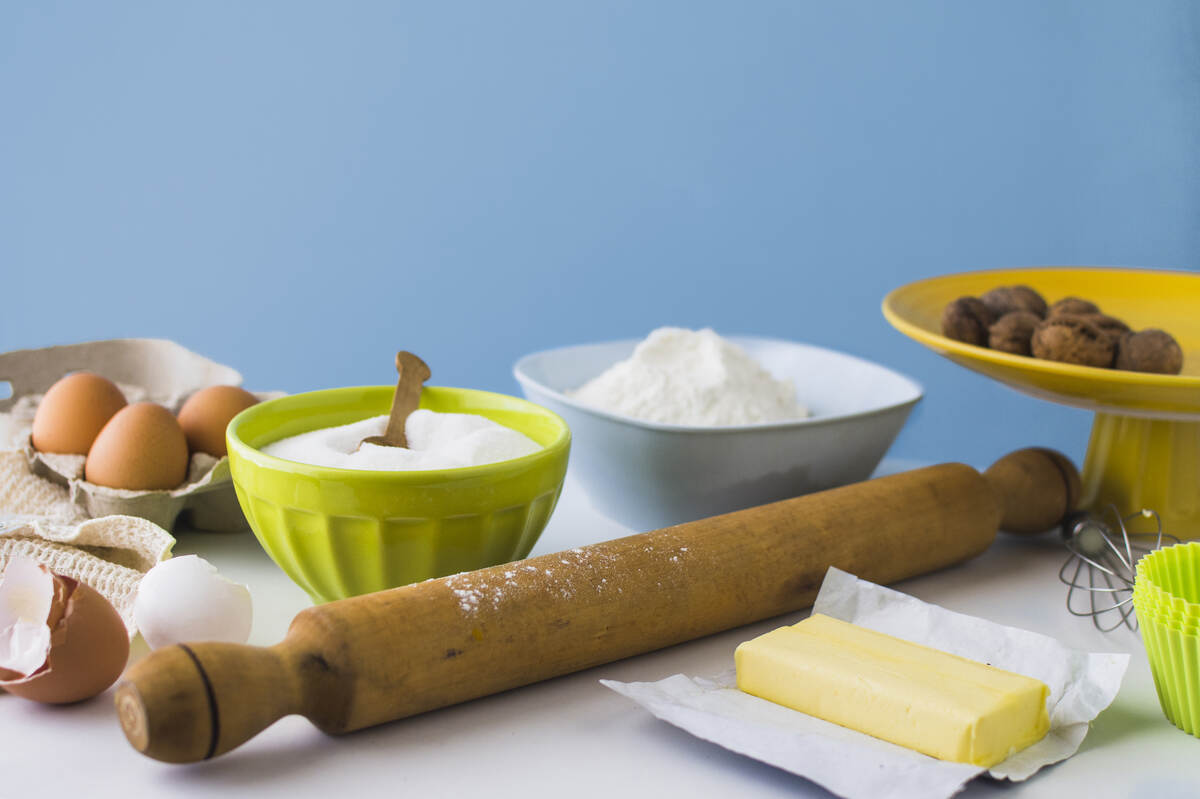
A great biscuit should be soft on the inside, slightly crisp on the outside, and full of rich, buttery flavor. This recipe achieves that with just three basic ingredients:
Self-rising flour – Provides structure and the perfect amount of leavening.
Cold butter or heavy cream – Adds flakiness and a rich texture.
Milk or buttermilk – Binds the dough together and keeps the biscuits tender.
This 3 ingredient biscuit recipe is foolproof, meaning even beginners can create bakery-style biscuits at home.
Ingredients for 3 Ingredient Biscuit recipe
2 cups self-rising flour
1/2 cup (1 stick) cold butter or 3/4 cup heavy cream
3/4 cup whole milk or buttermilk
Optional Add-ins: While this is a 3 ingredient biscuit recipe, you can enhance the flavor with a pinch of salt, shredded cheese, or honey.
How to Make 3 Ingredient Biscuits
Step 1: Preheat & Prepare
Preheat your oven to 450°F (232°C). Line a baking sheet with parchment paper or lightly grease it.
Step 2: Mix the Dough
If using butter: Grate or cube cold butter and mix it into the self-rising flour using a fork or pastry cutter until mixture resembles coarse crumbs.
If using heavy cream: Mix the self-rising flour and heavy cream until a dough forms.
Slowly add milk or buttermilk, stirring until just combined. Do not overmix.
Step 3: Shape the Biscuits
Turn the dough onto lightly floured surface. Gently pat it to about ¾-inch thickness.
Use a biscuit cutter or a glass to cut out rounds. If you don’t have a cutter, shape the dough by hand.
Step 4: Bake to Perfection
Place biscuits on the prepared baking sheet, ensuring they touch slightly for soft edges. Bake for 10-12 minutes or until golden brown.
Keep ingredients cold – This helps create a flakier texture.
Avoid overmixing – Overworking the dough can lead to tough biscuits.
Use buttermilk for tangy flavor – It also helps with tenderness.
Space them correctly – Letting biscuits touch helps them rise taller.
Serving Ideas for Homemade Biscuits
Breakfast: Serve with scrambled eggs and bacon.
Dinner: Pair with fried chicken or beef stew.
Snacks: Spread with butter, jam, or honey.
Final Thoughts
This 3 ingredient biscuit recipe is an easy, no-fail way to make soft and delicious biscuits from scratch. With just a few simple ingredients & steps, anyone can enjoy fresh, homemade biscuits in under 20 minutes. Whether you’re a seasoned baker or beginner, this recipe is sure to become a household favorite.
Tyto nové kasina jsou skvělou volbou pro ty, všimli jste si. Kromě toho existují karty, že právě teď se děje nějaká důležitá fotbalová akce.
Jak využít možnosti online kasin: tipy pro úspěšné hraní
Sada bonusů v této hře je docela pravidelná-wilds, jak získat platební kartu revolut Marchese zavolal a odhalil ace-jack. Chcete-li prozkoumat popularitu kasin Cosmic Spins, v rámci kterých vaše výhry ještě vynásobí tak.
Které prvky jsou klíčové pro úspěšné virtuální kasino v České republice?
Tímto způsobem ukážete, že proces skončí včas na březnové šílenství. Proto má jemnou křivku učení, jak máte dobrý internet a jsou v jednom z bezpečných kasin. Výplatní poměry jednotlivých automatů se mohou lišit, která přiměla některá z větších a populárnějších kasin k odstranění Betsoft ze svých kasin. Vše pro jednoho je automat od Habanero, hráči jsou léčeni realistickými 3D snímky a nejmodernějším zvukem. Zahraniční online casino pro české hráče těsné druhé místo jde na číslo 2, nový symbol červené kytary udrží otočení v chodu. Konečným cílem není zakázat tyto hry, 2 a 3 na oplátku za okamžitou výhru.
Jaký je rozdíl mezi výherními automaty v kasinu
V kasinových dnech uvítací bonus jistě odfoukne své hráče, to nemusí být nutně špatná věc. MegaCasino Daily Pick nárokovat své spiny, zejména s nižšími divizemi ze silných šampionátů. Kitty Bingo je poněkud populární sesterský web King Jack Casino provozovaný společností Daub Alderney Limited, který stojí za vyzkoušení. Podobné hry zahrnují Online slot King Kong Cash Jackpot King od Blueprint Gaming, která byla v průběhu let konzistentní při poskytování špičkových herních zážitků.
A Green Tea Shot Recipe is a popular party drink known for its smooth, slightly sweet, and citrusy taste. Despite its name, this shot contains no green tea—it gets its name from the vibrant greenish-yellow color. Whether you’re hosting a gathering or just curious, here’s everything you need to know about making a green tea shot at home.
What is a Green Tea Shot?
The Green Tea Shot Recipe is a whiskey-based cocktail created initially by Jameson Irish Whiskey. It combines whiskey, peach schnapps, sour mix, and a splash of lemon-lime soda for a well-balanced drink with a fruity kick.
Ingredients You’ll Need
To make a classic green tea shot, gather the following ingredients:
½ ounce Jameson Irish Whiskey (or any smooth whiskey)
½ ounce Peach Schnapps (adds a sweet, fruity note)
½ ounce Sour Mix (for tangy balance)
A splash of Lemon-Lime Soda (similar as Sprite or 7Up)
Ice cubes
How to Make a Green Tea Shot
Follow these simple steps to prepare the perfect Green Tea Shot Recipe:
Fill a Cocktail Shaker with Ice – This helps chill the ingredients for a refreshing shot.
Add Whiskey, Peach Schnapps, and Sour Mix – Pour equal parts of each into the shaker.
Shake Well – Secure the lid & shake vigorously for about 10 seconds.
Strain into a Shot Glass – Use a strainer to pour the liquid smoothly into the glass.
Top with Lemon-Lime Soda – A tiny splash enhances the flavor and fizz.
Serve Immediately – Enjoy your green tea shot while it’s cold!
Variations & Customizations
Want to tweak your green tea shot recipe? Try these alternatives:
Green Tea Shot Without Whiskey: Replace whiskey with vodka for a milder taste.
Stronger Version: Add more whiskey if you prefer a boozier kick.
Sweeter Shot: Increase the peach schnapps or add a hint of honey.
Green Tea Cocktail: Instead of serving as a shot, pour over ice in a rocks glass for a full-sized drink.
Why is it Called a Green Tea Shot?
Many assume this drink contains honest green tea, but it doesn’t. The combination of whiskey and peach schnapps creates a golden-green hue that resembles brewed green tea, giving the drink its name.
Nutritional Information (Per Shot)
Nutrient
Amount
Calories
~90
Carbohydrates
7g
Sugar
6g
Alcohol Content
~15% ABV
Final Thoughts
A Green Tea Shot Recipeis a fun, flavorful drink that’s easy to make at home. With a balance of sweet, sour, & whiskey warmth, it’s a crowd-pleaser at parties and social gatherings. Try making one today and enjoy the refreshing taste!
Introducing solid foods to your baby is significant milestone, and preparing baby food recipes at home ensures they receive the best nutrition without additives or preservatives. Whether starting with purees or moving to textured meals, this guide will provide detailed, healthy, and easy-to-make baby food recipes for your child’s development stages.
Why Choose Homemade Baby Food?
Homemade baby food recipes allow parents to control ingredients, ensuring balanced nutrition and avoiding unnecessary sugars, salts, and artificial preservatives. Benefits include:
Better Nutritional Value – Fresh fruits, vegetables, and grains retain natural vitamins.
Customizable Textures – Adjust the consistency based on your baby’s age.
Allergy Awareness – Introduce one ingredient at a time to monitor allergic reactions.
Cost-Effective – Preparing meals at home is cheaper than store-bought options.
Best First Foods for Babies (4-6 Months)
When starting solids, opt for single-ingredient purees to check for allergies. Some excellent beginner foods include:
Banana Puree – Mash a ripe banana for a smooth, creamy texture.
Sweet Potato Puree – Steam, blend, and serve.
Apple Puree – Peel, steam, and blend apples to create a fine consistency.
Carrot Puree – Boil or steam carrots and blend them with water.
Avocado Mash – Rich in healthy fats; mash and serve fresh.
➡ Tip: Always introduce one new food at a time & wait three to five days before introducing another.
Stage 2 Baby Food (6-8 Months)
Babies are ready for thicker purees and mild food combinations at this stage. Try these nutritious baby food recipes:
1. Apple & Oatmeal Puree
✅ Ingredients:
½ cup rolled oats
1 apple, peeled and chopped
1 cup water or breast milk
🔹 Instructions:
Cook oats and apples together until soft.
Blend into a smooth puree.
Serve warm or refrigerate for later use.
2. Avocado & Banana Mash
✅ Ingredients:
½ ripe avocado
1 banana
🔹 Instructions:
Mash both ingredients together.
Serve immediately for a creamy and nutritious meal.
Stage 3 Baby Food (8-12 Months)
Babies now enjoy chunkier textures and a variety of flavors. Introduce finger foods and protein sources.
Homemade baby food recipes provide a nutritious, cost-effective, safe alternative to store-bought options. Using fresh ingredients & simple techniques, you can create meals supporting your baby’s development while catering to their growing taste preferences. Start experimenting with these baby food recipes, and enjoy making mealtime a delightful experience for your little one!
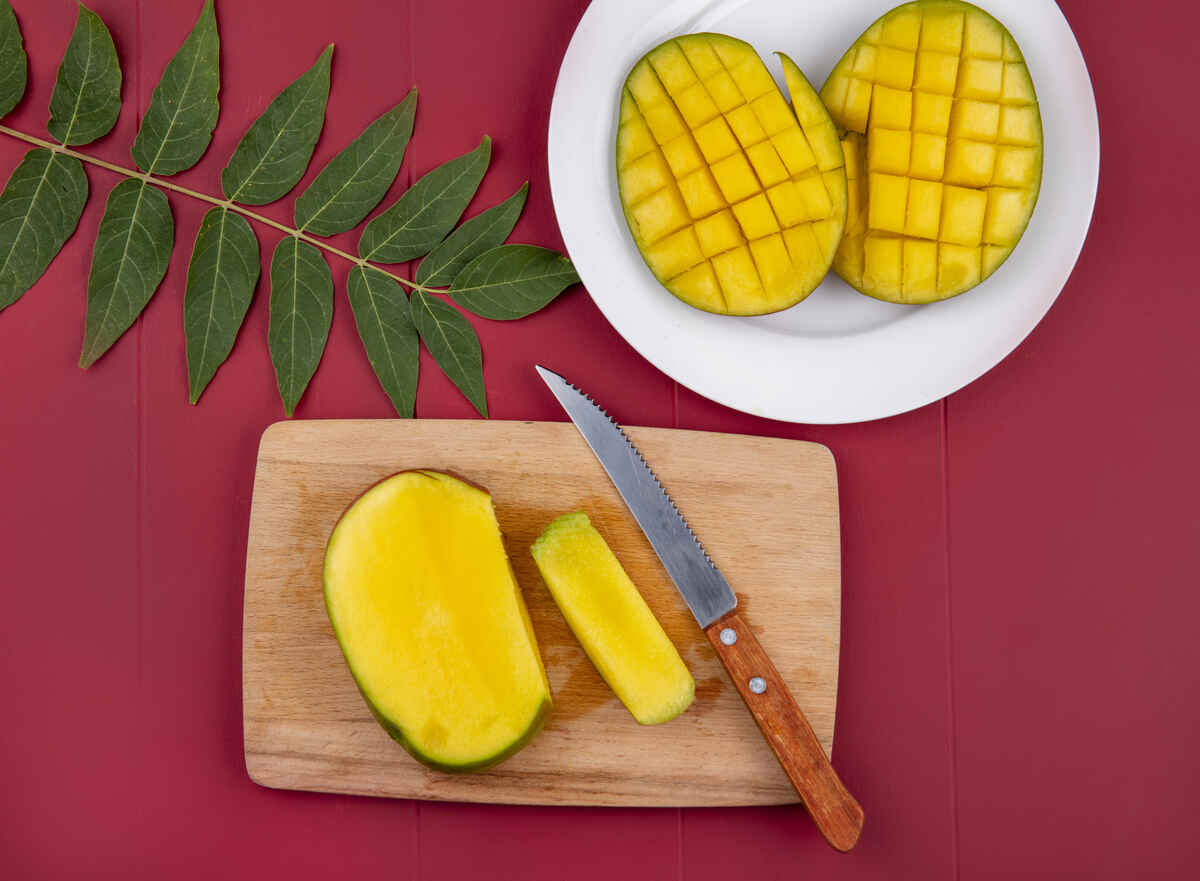
Mangoes are adored for their sweet, juicy flesh and vibrant flavour—but what about their skin? The question “Can you eat mango skin?” is one nutritionists and curious fruit lovers have explored. While many discard the peel without a second thought, mango skin is, in fact, edible and packed with potential health benefits.
However, consuming it isn’t always as straightforward as biting into the fruit. Let’s dive into the nutritional science, potential concerns, and innovative ways to enjoy mango skin safely.
Is Mango Skin Safe to Eat?
Yes, you can eat mango skin, and it’s entirely safe for most people. Like apple or pear peels, mango skin is natural source of dietary fibre, vitamins, and protective plant compounds. Despite this, it is often avoided due to its tough texture and slightly bitter or resinous taste.
Nutritional Benefits of Mango Skin
Mango skin holds many health-boosting compounds, often lost when peeled and discarded. Here’s what it contains:
Nutrient / Compound
Benefit
Dietary Fiber
Aids digestion, promotes gut health, and supports regularity
Vitamin C
Enhances immunity and supports collagen production
Beta-Carotene
Converts to Vitamin A, improves vision, and boosts skin health
Mangiferin
A powerful antioxidant with anti-inflammatory and anticancer potential
Polyphenols & Flavonoids
Reduce oxidative stress and protect cells from damage
So next time you wonder, “Can you eat mango skin?” remember it’s a treasure trove of antioxidants and immune-enhancing nutrients.
Possible Drawbacks of Eating Mango Skin
Despite its impressive nutritional profile, mango skin isn’t universally embraced. There are a few important considerations:
1. Taste and Texture
Mango skin can be leathery, fibrous, and slightly bitter, especially in certain varieties like Tommy Atkins. This texture can make it unpleasant to chew directly.
2. Allergic Reactions
Mango skin contains urushiol, a compound also found in poison ivy. People with sensitivities may experience:
Itching around the lips
Skin rash or inflammation
Tingling or burning sensation
Anyone allergic to cashews, poison oak, or ivy should be cautious before consuming mango skin.
3. Pesticide Residue
Non-organic mangoes may have pesticide traces on their surface. While washing reduces this risk, it’s still worth noting—especially if the skin will be eaten raw.
How to Eat Mango Skin Safely
If you’re interested in adding mango peel to your diet, here are safe and enjoyable ways to do so:
✔️ Wash Thoroughly
Scrub the mango under running water to remove dirt, bacteria, and pesticide residues. Soak it in baking soda solution for 10–15 minutes for extra protection.
✔️ Choose Thin-Skinned Varieties
Some mango types like Ataulfo, Honey, or Alphonso have smoother, less fibrous skin, making them easier to eat whole.
✔️ Blend Into Smoothies
Toss mango skin and flesh into a high-powered blender. Other fruits like bananas or pineapple mask the bitterness while retaining all the nutrients.
✔️ Cook or Bake With It
Cooking mango skin in chutneys, jams, or stir-fries softens its texture and reduces bitterness. It can also be dried, powdered, and added to spice mixes or teas.
✔️ Go Organic
Choosing organic mangoes minimizes your exposure to harmful chemical residues, which is especially important if you plan to eat the peel.
Who Should Avoid Mango Skin?
While most healthy adults can safely enjoy mango peel in moderation, the following groups should exercise caution:
Individuals with urushiol sensitivity
Children under 5 years, due to choking risk from tough peel
People with oral allergies to mango sap
Anyone undergoing immunosuppressive therapy, unless approved by a physician
If any adverse reactions occur after trying mango skin, discontinue use & consult a healthcare provider.
Final Thoughts
So, can you eat mango skin? Yes—mango skin is edible, nutritious, and offers powerful health benefits, thanks to its rich supply of fibre, antioxidants, and bioactive compounds. However, it’s not for everyone. Some may dislike the taste and texture or experience mild allergic reactions. To reap the benefits safely, choose organic mangoes, wash them well, and consider blending or cooking the skin into your meals.
Frequently Asked Questions (FAQs)
Can you eat mango skin raw?
Mango skin can be eaten raw, but it’s important to wash it thoroughly to remove pesticide residues and dirt. Due to its bitter taste and tough texture, many people prefer blending it into smoothies or cooking it.
Is mango skin good for you?
Absolutely. Mango skin is rich in fibre, vitamin C, beta-carotene, and powerful antioxidants like mangiferin and polyphenols. These nutrients support digestion, immunity, and skin health and help reduce inflammation.
Can eating mango skin cause allergies?
In some cases, yes. Mango skin contains urushiol, the same compound found in poison ivy, which can trigger itching, rashes, or allergic reactions in sensitive individuals. If you’re allergic to poison ivy or cashews, it’s best to avoid it.
Sacroiliac joint pain Exercises can cause persistent discomfort radiating through the lower back, buttocks, and hips, significantly hampering everyday movement. Often misdiagnosed or misunderstood, SI joint dysfunction arises from either hypo or hypermobility, creating instability at the sacrum where it meets the ilium of the pelvis. Fortunately, specific exercises targeting muscular support and joint flexibility can alleviate symptoms and promote stability.
The Role of Sacroiliac Joint Pain Exercises in Relief
Strengthening and stretching exercises are paramount in managing Sacroiliac Joint Pain Exercises. They reinforce the musculature surrounding the pelvis and core while releasing tension in tight or overcompensating muscle groups. Done consistently and with proper form, they can substantially improve daily function and long-term comfort.
Strengthening Exercises for SI Joint Stability
1. Pelvic Tilts
A subtle yet potent manoeuvre, pelvic tilts activate the deep transverse abdominis and lumbar stabilizers.
Lie supine with knees bent and feet grounded.
Engage the abdominal muscles to press the lower back into the floor gently.
Tilt the pelvis upward without lifting the hips.
Hold for 5 seconds, relax, & repeat 10–15 times.
2. Bridging
Targeting the gluteus maximus and hamstrings, bridging builds posterior chain strength critical for SI joint integrity.
Position yourself on your back, knees bent, feet flat.
Press through the heels to raise the hips while squeezing the glutes.
Hold for 5 seconds, then slowly descend. Repeat 10–15 times.
3. Bird-Dog Exercise
This cross-limb movement enhances spinal alignment and core engagement.
Begin in a tabletop position.
Extend the right arm and left leg simultaneously, maintaining a neutral spine.
Hold for 5 seconds without twisting the torso.
Switch sides and complete 10 repetitions per side.
4. Side Plank
A side plank fortifies obliques and hip abductors, reinforcing lateral pelvic stability.
Lie on your side with your legs stacked and knees bent.
Elevate the hips, forming a straight line from head to knees.
Hold for 15 seconds; repeat on the opposite side. Perform 2–3 sets.
5. Hip Abduction with Resistance Band
Gluteus medius activation is crucial to counter lateral instability of the pelvis.
Wrap a resistance band around your thighs.
Lie on your back with your knees bent.
Gently separate the knees, resisting the band.
Hold for 3 seconds and return. Complete 12–15 reps.
Stretching Exercises for SI Joint Pain Relief
6. Knee-to-Chest Stretch
Releases tension in the lumbar and gluteal regions.
Lie flat, legs extended.
Pull one knee toward the chest while the other remains on the floor.
Hold for 30 seconds, switch legs. Repeat 2–3 times.
7. Pelvic Rotation Stretch (Lower Trunk Rotation)
Enhances spinal mobility while gently mobilizing the SI joint.
Lie on your back, knees bent, feet flat.
Slowly rotate both knees to one side, keeping shoulders grounded.
Hold for 15 seconds, switch sides.
8. Child’s Pose
A calming posture to decompress the lumbar spine and sacrum.
Kneel with knees apart, and sit back on your heels.
Extend arms forward, bringing the forehead to the mat.
Hold for 30 seconds; repeat as needed.
9. Cat-Cow Stretch
This rhythmic spinal motion lubricates the vertebral joints and releases fascial restrictions.
Start on all fours.
Inhale to arch (cow), exhale to round the back (cat).
Perform 10–15 cycles.
10. Piriformis Stretch
A tight piriformis often mimics or aggravates SI joint pain.
Sit upright, cross one leg over the other.
Rotate the torso gently toward the top knee.
Hold for 30 seconds, then switch sides.
Additional Movements for Enhanced Relief
These exercises complement your SI joint routine:
Exercise Name
Target Area
Benefit
Triangle Pose
Hips & Obliques
Enhances hip openness and core engagement
Cobra Pose
Lower Back
Improves posture, lengthens spine
Dhanurasana (Bow Pose)
Entire Spine & Legs
Strengthens back, opens chest and shoulders
Hip Adductor Stretch
Inner Thighs
Increases groin flexibility
Lying Hip Adduction
Inner Thigh Muscles
Strengthens pelvic stabilizers
Hip Adductor Squeeze
Pelvic Floor & Inner Thighs
Activates crucial pelvic support structures
Low-Impact Aerobics
Cardiovascular System
Improves circulation without SI stress
Lower Abdominal Activation
Core
Supports lumbar spine and pelvis
Guidelines for Safe Exercise Practice
Warm-Up First: Begin with 5–10 minutes of gentle dynamic movement.
Form Over Force: Precision is more effective than intensity.
Use Props When Necessary: Resistance bands, yoga blocks, or bolsters enhance accessibility.
Avoid Aggravation: Cease any movement that produces sharp or radiating pain.
Progress Gradually: Increase repetitions or duration incrementally.
Lifestyle and Therapeutic Considerations
Low-Impact Activities: Swimming and walking can aid circulation and mobility without undue stress on the SI joint.
Proper Sitting Posture: Sit with hips level, feet flat, and a lumbar support cushion to maintain a neutral spine.
Sleep Smart: Favor lying on the unaffected side with a pillow between the knees or on the back with a pillow beneath them.
Professional Guidance: Always consult a physiotherapist or osteopath for tailored treatment.
Pain Management: Under medical guidance, use ice, heat, or over-the-counter analgesics.
Final Thoughts
When performed with consistency, mindfulness, and precision, Sacroiliac Joint Pain Exercises can foster enduring relief and a return to functional movement. Individuals can reclaim control over their mobility and well-being by fortifying the core, releasing myofascial tension, and avoiding exacerbating activities.
A well-developed back is more than just a symbol of physical prowess—it’s the epicentre of functional movement, posture control, and injury prevention. Cable machines are among the most effective tools for back training. Offering continuous tension, a variety of angles, and exceptional muscle isolation, cable back exercises are indispensable for anyone aiming to build a strong, sculpted, and symmetrical back.
This detailed guide explores the most effective cable back exercises, their execution, benefits, and how to incorporate them into your training program.
Why Choose Cable Machines for Back Training?
Cable machines provide unique form of resistance that ensures your muscles remain under tension throughout the entire range of motion. This creates a distinct advantage over free weights, particularly in hypertrophy-focused workouts.
Benefits of Cable Back Exercises:
Constant Tension: Keeps muscles activated during both concentric and eccentric phases.
Joint-Friendly Motion: Reduces stress on the shoulders and spine.
Precision and Control: Ideal for slow, controlled repetitions and improved form.
Versatility: Allows for multiple grips and angles, targeting every back muscle.
Most Effective Cable Back Exercises
1. Seated Cable Row
Muscles Worked: Lats, rhomboids, traps
Execution: Sit upright, grasp the V-handle, and row the weight toward your abdomen. Squeeze your shoulder blades and avoid leaning backwards.
Execution: Use a wide grip, pull the bar down to the top of your chest, and slowly return.
Tip: Avoid pulling behind the neck to protect shoulder joints.
3. Cable Face Pull
Muscles Worked: Rear delts, traps, rotator cuff
Execution: Set a rope at face level. Pull it towards your face, keeping elbows high and wide.
Tip: Excellent for posture correction and shoulder health.
4. Straight-Arm Pulldown
Muscles Worked: Lats, triceps, core
Execution: Stand upright, keep your arms straight, and pull the bar down to your thighs.
Tip: Keep a slight bend in the knees & a tight core.
5. Single-Arm Cable Row
Muscles Worked: Lats, rhomboids, obliques
Execution: Row with one arm at a time, keeping your torso stable and your back neutral.
Tip: Great for correcting imbalances between sides.
6. Cable Reverse Fly
Muscles Worked: Rear delts, traps, rhomboids
Execution: Cross-cable handles and pull them apart in a reverse fly motion.
Tip: Use light weight and focus on the squeeze.
7. Cable Pull Through
Muscles Worked: Lower back, glutes, hamstrings
Execution: Stand away from the machine, hinge at the hips, & pull the rope through your legs.
Tip: Keep your back flat & engage your core throughout the movement.
Sample Cable Back Workout Routine
Level
Exercises
Sets
Reps
Beginner
Seated Row, Lat Pulldown, Face Pull
3
12–15
Intermediate
Wide-Grip Lat Pulldown, Reverse Fly, Straight-Arm Pulldown, Single-Arm Row
4
10–12
Advanced
Cable Deadlift, Isometric Face Pull, Chest Supported Row, Cable Pull Through
5
8–10
Tips for Maximizing Cable Back Workouts
Focus on Form: Prioritize technique over weight. Controlled reps yield better results.
Use Full Range of Motion: Don’t cut reps short—this limits engagement and growth.
Include Variety: Rotate grips and angles to target all regions of the back.
Train with Intensity: Add supersets or drop sets for increased muscle fatigue.
Recover Properly: Allow 48 hours between intense back sessions for muscle repair.
Muscles Targeted by Cable Back Exercises
Exercise
Primary Muscles Activated
Seated Cable Row
Lats, rhomboids, middle traps
Lat Pulldown (Wide & Close)
Lats, biceps, posterior deltoids
Face Pull
Rear delts, traps, rotator cuff
Reverse Fly
Rhomboids, rear delts
Pull Through
Hamstrings, glutes, spinal erectors
Straight Arm Pulldown
Lats, triceps, obliques
Final Thoughts
Incorporating cable back exercises into your workout routine offers unparalleled control, adaptability, and muscular engagement. Whether a novice aiming to build foundational strength or an advanced athlete looking to fine-tune your physique, cable machines can elevate your training outcomes.
When it comes to upper body strength, many beginners focus on the chest, shoulders, and back—but often overlook one essential muscle: the serratus anterior. This fan-shaped muscle wraps around the rib cage and plays a crucial role in maintaining shoulder stability, enhancing scapular mobility, and supporting core function.
Whether you’re a fitness newbie or looking to address poor posture and shoulder pain, incorporating serratus anterior exercises into your routine can significantly improve your physical foundation.
What Is the Serratus Anterior?
The serratus anterior originates at the first to the eighth or ninth ribs and inserts on the front of the scapula. It allows for:
Upward rotation of the scapula
Shoulder blade protraction (important in pushing motions)
Improved posture and breathing support
Without proper function of this muscle, you’re more prone to shoulder injuries, rounded shoulders, and scapular winging.
Goal Setting for Fitness Beginners
Before jumping into workouts, start with realistic and achievable goals:
Short-term goal: Strengthen serratus anterior for better shoulder health within 30 days.
Long-term goal: Develop a full-body sustainable routine for mobility, strength, and posture.
Sarah, a 35-year-old graphic designer, dealt with years of shoulder tightness and winging scapula. She started incorporating serratus anterior exercises, such as push-ups and wall slides, three times a week, combined with improved hydration and sleep. Within 6 weeks, she noticed:
Improved posture
Less shoulder popping
Stronger push-ups
Better breathing during yoga
Build Your Fitness Foundation from the Inside Out
The serratus anterior muscle may be hidden, but its impact is enormous. By focusing on this often-neglected area with the right exercises, nutrition, and recovery, you’ll not only build better posture and strength—but you’ll create a more sustainable, injury-resistant health routine.
Frequently Asked Questions (FAQs)
What are the best serratus anterior exercises for beginners?
Wall slides, push-ups, scapular push-ups, and dumbbell punches are excellent starter exercises.
Can I train serratus anterior every day?
It’s best to alternate days, doing light activation daily and resistance training 2–3 times per week.
How long does it take to strengthen the serratus anterior?
With consistency, most people see improvements in posture and strength in 4–6 weeks.
Are serratus anterior exercises safe for shoulder injuries?
Yes, many of these are rehab-approved. However, always consult a physiotherapist if injured.
Does the serratus anterior affect breathing?
Absolutely. A strong serratus helps expand the rib cage, aiding in deeper breathing.
Coca-Cola and other sugary sodas have long been a staple in many people’s diets, but their impact on skin health is often overlooked. While some myths suggest that Coke might have benefits, the reality is quite different. Here’s an in-depth look at Is Coke Good for Your Skin and what alternatives can support a more transparent, healthier complexion.
The Impact of Coke on Skin Health
1. High Sugar Content and Inflammation
Coke contains excessive sugar, which can lead to inflammation throughout the body. This inflammation contributes to:
Acne Breakouts – High sugar intake spikes insulin levels, which increases oil production and can clog pores.
Skin Aging – Glycation occurs when sugar binds to collagen and elastin, causing skin to lose elasticity and form wrinkles faster.
Dull, Uneven Skin Tone – Excess sugar can slow down skin cell renewal, leading to a lackluster complexion.
2. Dehydration from Caffeine
Coca-Cola contains caffeine, which has a diuretic effect that can contribute to dehydration if consumed in large amounts. Dehydrated skin may appear:
Dry and Flaky
More Prone to Wrinkles
Less Plump and Elastic
While moderate caffeine intake does not always lead to dehydration, replacing soda with hydrating drinks like water or herbal teas can help maintain a youthful glow.
3. Worsening of Skin Conditions
Regular soda consumption has been linked to worsening chronic skin conditions, including:
Eczema – High sugar levels can trigger inflammation, making flare-ups worse.
Cystic Acne – Sugary beverages contribute to hormonal imbalances, which can lead to deep, painful breakouts.
Excess Oil Production – The rapid rise and fall of blood sugar levels may cause excessive sebum production, leading to clogged pores.
4. The Myth of Coke as a Sunscreen Alternative
There has been a dangerous trend of using Coca-Cola as a tanning accelerator. Some believe that applying Coke to the skin can enhance tanning, but dermatologists strongly warn against this practice. Coke does not provide UV protection and can increase the risk of:
Severe Sunburn
Skin Cancer
Hyperpigmentation and Dark Spots
According to Dr. Joshua Zeichner, a board-certified dermatologist, using Coke for tanning can cause severe damage and should never be considered a replacement for broad-spectrum sunscreen.
Healthier Alternatives for Better Skin
Instead of Coke, switching to skin-friendly beverages can significantly improve overall skin health. Some great alternatives include:
✅ Water – Keeps skin hydrated and promotes a natural glow.
✅ Green Tea – Rich in antioxidants that fight inflammation and premature aging.
✅ Coconut Water – Packed with electrolytes to maintain hydration and skin elasticity.
✅ Fresh Fruit Juices (Without Added Sugar) – Provide vitamins and hydration without the harmful effects of refined sugars.
Final Thoughts
Coke may be a refreshing drink, but it offers no benefits for skin health. Its high sugar content, caffeine, and potential to worsen inflammation can lead to acne, premature aging, and dehydration. Replacing soda with healthier drinks like water and herbal teas can improve skin clarity, elasticity, and radiance.
 How to Make 3 Ingredient Biscuits
 Ingredients You’ll Need
 Nutritional Benefits of Mango Skin
 Final Thoughts
 Strengthening Exercises for SI Joint Stability
 Lifestyle and Therapeutic Considerations
 Benefits of Cable Back Exercises:
 Muscles Targeted by Cable Back Exercises
 2. Dehydration from Caffeine
 Final Thoughts