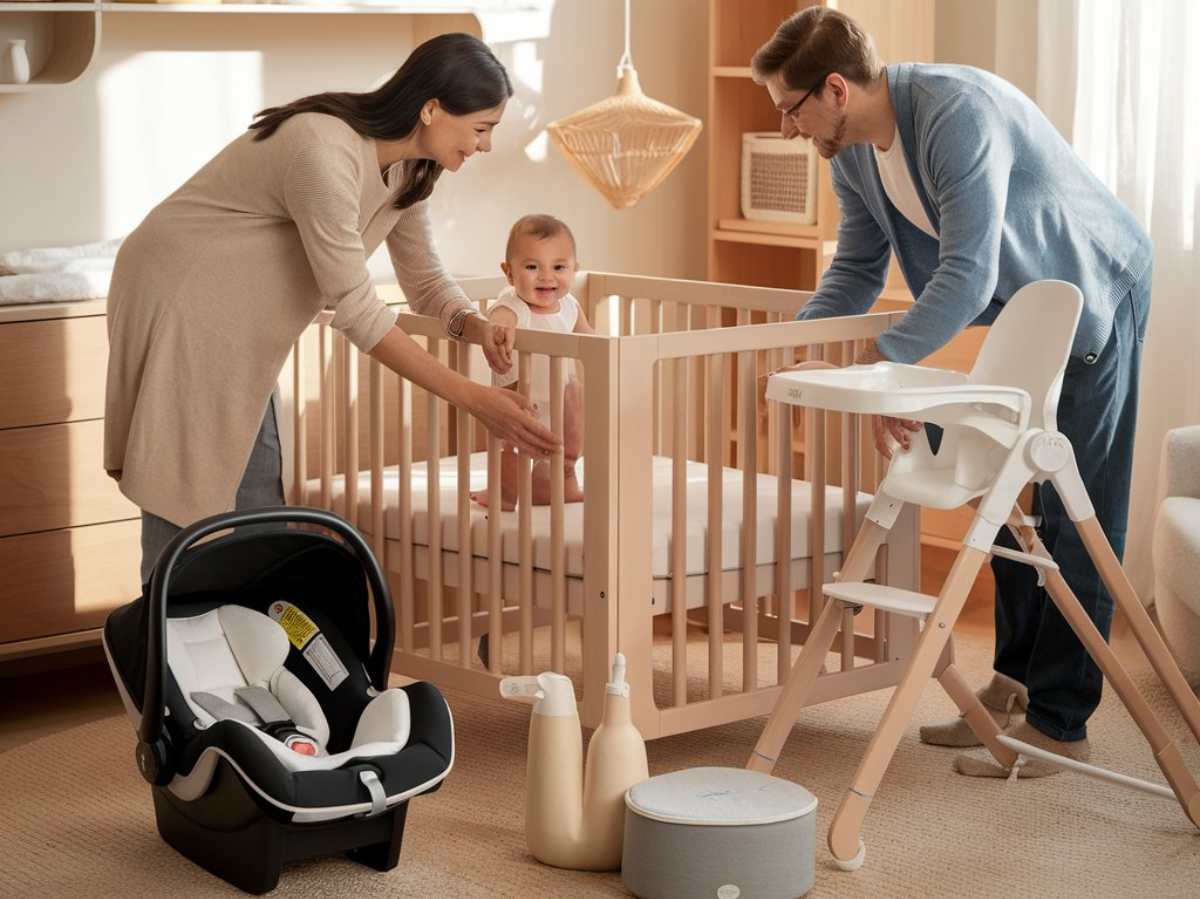
The experience of welcoming a new baby into the family is transformative, and having the appropriate gear makes the adjustment more accessible for both the parents and the infant. With the myriad of products marketed to new parents, it can be daunting to sift through options. Focusing on essential baby and toddler equipment Lumolog is a brilliant starting point. This guide will walk you through the crucial baby gear, covering everything from safety and travel gear to sleep and eating essentials, ensuring you feel confident in your choices.
Safe Sleep Environment for Your Baby
Establishing a safe sleeping environment is one of the top priorities for newborn care. The proper sleep setup ensures your baby gets restful, uninterrupted sleep, which is crucial for their development and well-being.
Cribs
When selecting a crib, prioritize safety and comfort. Choose cribs that either fulfill or above safety requirements established by agencies like the Consumer Product Safety Commission (CPSC). When your baby develops and becomes more mobile, look for features like adjustable mattress heights that let you lower the mattress. Convertible cribs that can transition into toddler beds are also a wise investment, as they provide long-term usability.
Mattresses
Choose a firm, flat mattress that fits snugly in the crib without any gaps. A mattress that is far too soft can pose a risk of suffocation, while gaps can cause entrapment. Ensure the mattress is made from non-toxic materials and is easy to clean.
Bassinets
Bassinets are ideal for babies in their first few months when they are smaller and need frequent nighttime feedings. Many bassinets have features like a rocking motion or soothing sounds to help serene your baby. Ensure the bassinet meets current safety standards with a firm mattress and no soft bedding.
Sleep Safety Tips
Back to Sleep: If you want to lower your baby’s risk of SIDS, always put them to sleep on their back.
Keep it Clear: Keep the sleep area free from pillows, blankets, and stuffed animals. Use a fitted sheet on the mattress and avoid any loose bedding.
Room Sharing: Consider placing the crib or bassinet in your room for the first six months to facilitate nighttime feedings and reduce the risk of SIDS.
Travel Necessities: Car Seats and Strollers
Traveling with your baby requires careful consideration of safety and convenience. The right car seat and stroller will ensure that your baby is safe and comfortable on the go.
Car Seats
Selecting the appropriate car seat is crucial for your baby’s safety. Infant car seats are created to be rear-facing, which is the safest position for newborns. Look for car seats with a 5-point harness system and a base, allowing easy installation and removal. Some models come with an adjustable canopy for sun protection and additional padding for comfort.
Convertible Car Seats
Convertible car seats offer long-term value by transitioning from rear-facing to forward-facing as your child grows. Many models also include a booster seat function, making them a cost-effective choice. Look for seats with multiple recline positions, easy-to-adjust harness systems, and machine-washable covers.
Strollers
Strollers come in various styles, each catering to different needs. When choosing a stroller, consider factors such as size, weight, and ease of maneuverability. Travel systems that consist of an infant car seat and stroller are convenient for parents who frequently move their baby between the car and stroller. If you need a stroller for jogging or rough terrain, a jogging stroller with suspension and larger wheels might be the best option.
Travel Accessories
Car Seat Protectors: These can help protect your car’s upholstery from spills and stains.
Stroller Organizer: A stroller organizer or caddy can keep essential items like diapers, bottles, and wipes within easy reach.
Feeding Equipment for Growing Babies
Feeding your baby is a central part of early parenting, and having the right tools can make the process more enjoyable and less stressful.
Bottles and Nipples
When choosing bottles, select BPA-free ones made from materials like glass or high-quality plastic. Different nipples are designed to mimic the natural flow of breast milk and accommodate your baby’s feeding preferences. Some bottles are created to reduce colic and gas with unique anti-colic systems.
Breast Pumps
A breast pump is a useful instrument for breastfeeding mothers. Electric pumps are often preferred for their efficiency and speed. Consider features like adjustable suction levels, ease of cleaning, and portability. Manual pumps are also a good option for occasional use or travel.
High Chairs
As soon as your child begins solid food, a high chair becomes essential. Look for a high chair with a sturdy frame, adjustable height, and an easy-to-clean tray. Features like a reclining seat and removable dishwasher-safe tray can make mealtimes more convenient. Some high chairs also convert into booster seats for later use.
Feeding Accessories
Bottle Warmers: These can heat breast milk or formula to the optimal temperature.
Baby Food Makers: If you plan to make your baby food, a baby food maker can simplify the process of pureeing fruits, vegetables, and other foods.
Diapering and Hygiene Essentials
Diapering is a frequent task in early parenthood, so having the right supplies can make it more manageable.
Diapers
Choosing between disposable & cloth diapers depends on your preferences and lifestyle. Disposable diapers are convenient and come in a range of sizes and absorbencies. Cloth diapers are eco-friendly and cost-effective but require regular washing and maintenance.
Baby Wipes and Diaper Cream
Select hypoallergenic baby wipes free of fragrances to prevent skin irritation. Diaper cream helps prevent & treat diaper rash; look for creams with natural ingredients, and consult your pediatrician if you have concerns about your baby’s skin.
Changing Tables
A changing table provides a devoted space for diaper changes and helps keep essential items organized. Choose a table with safety features like raised sides to prevent falls, and ensure it has ample storage for diapers, wipes, & other necessities.
Additional Diapering Tips
Changing Pad Covers: Have several covers on hand to make cleaning easier.
Diaper Disposal System: Consider a diaper pail with an odor-control system to manage diaper waste effectively.
Monitoring Your Baby’s Safety
A baby monitor offers tranquility of mind by allowing you to monitor your baby’s safety from another room.
Audio Monitors
Basic audio monitors allow you to hear when your baby wakes up or cries. Look for models with adjustable volume controls and a reliable range. Some audio monitors also have features like a built-in nightlight or soothing sounds.
Video Monitors
Video monitors provide a picture connection to your baby’s sleeping area. Features to look for include vision at night, two-way communication, and temperature monitoring. Smart video monitors can connect to your smartphone, offering real-time updates and additional functionalities like motion detection alerts.
Additional Monitoring Tips
Camera Placement: Ensure the camera is placed in a safe spot where your baby won’t easily reach it.
Regular Checks: Even with a monitor, periodically check on your baby to make certain their safety and comfort.
Comfort and Mobility: Baby Carriers
Baby carriers are a practical solution for keeping your baby close while managing other tasks. They offer various benefits, including comfort and convenience.
Types of Baby Carriers
Wrap Carriers: These carriers wrap a long fabric around your body and baby. They are versatile and can be adjusted to fit different carrying positions.
Structured Carriers: These carriers have padded straps and a supportive frame, making them easier to use and adjust. They often offer multiple carrying positions, including front, hip, and back carries.
Slings: Slings are adjustable and quick to use, making them ideal for shorter periods of babywearing.
Choosing a Carrier
Ensure the carrier supports proper hip development and comforts you and your baby. Follow the manufacturer’s rules for safe use and make adjustments to ensure a snug fit.
Conclusion
Preparing for your baby’s arrival requires thoughtful planning and attention to detail, particularly when it comes to choosing the right equipment. From creating a safe sleep environment with a crib or bassinet to managing daily tasks like feeding, traveling, and diapering, having the right gear ensures both safety and convenience. Focusing on essential baby and toddler equipment Lumolog helps support your baby’s growth and development while making parenting more manageable. Each item plays a crucial role in creating a nurturing and well-organized environment that benefits you and your child.
Frequently Asked Questions (FAQ)
What are the most important items for a newborn?
Key items include a crib or bassinet for safe sleeping, a car seat for travel, and diapers and wipes for hygiene. Feeding supplies like bottles and a breast pump are also essential.
How do I choose the right crib for my baby?
Look for a crib that meets safety standards with no sharp edges. Choose one with adjustable mattress heights and consider convertible designs for long-term use.
What should I look for in a baby car seat?
Ensure the car seat is rear-facing for newborns and easy to install with a base or LATCH system. Convertible options that grow with your child offer extended use.
What are the benefits of a travel system stroller?
Travel system strollers integrate a car seat and stroller, allowing for easy transitions. They are convenient and cost-effective compared to separate purchases.
When should I start using a high chair?
Start using a high chair when your baby begins eating solids, around 6 months old. Look for one with adjustable heights and easy-to-clean features.
Are cloth diapers a good option compared to disposable diapers?
Cloth diapers are eco-friendly and cost-effective over time, but they require more maintenance. Disposable diapers offer convenience and ease of use.
How do baby carriers benefit both the parent and the baby?
Baby carriers allow for close bonding while keeping your hands free. They offer comfort for the baby and convenience for the parent during daily activities.
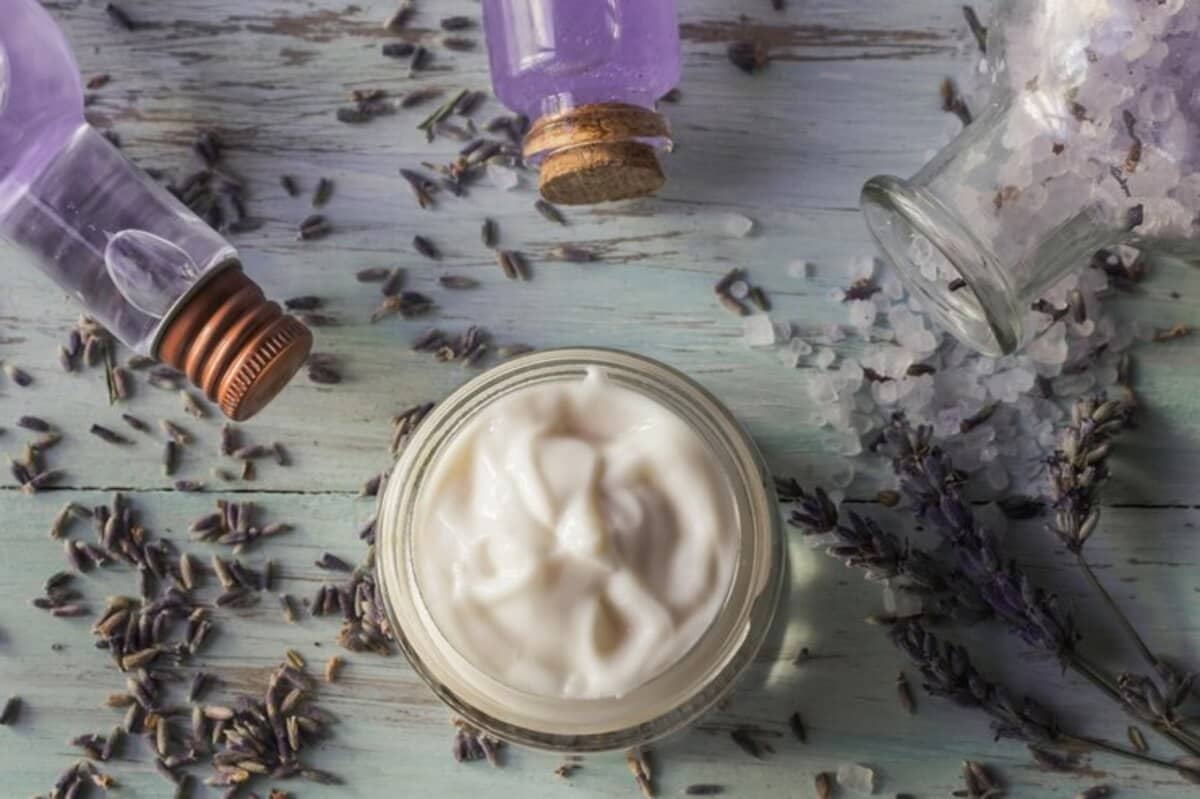
[vc_row][vc_column][vc_column_text]Breast milk lotion has long been recognized for its many health benefits for babies, but did you know it can also be transformed into a nourishing lotion for your skin? Breast milk lotion is a natural, chemical-free moisturizer that will help soothe and heal various skin conditions. We’ll guide you through the steps to make your breast milk lotion at home.
Breast milk lotion is packed with natural antibodies, vitamins, and minerals that benefit the skin. Here are some of the key benefits:
Moisturizes the Skin: Breast milk lotion is a fantastic moisturizer keeps our skin hydrated and soft.
Soothes Skin Conditions: It can help with eczema, diaper rash, and minor cuts or scrapes.
Natural and Chemical Free: Unlike many store-bought lotions, breast milk lotions contain no artificial ingredients or preservatives.
Nutrients and Beneficial Ingredients in Breast Milk Lotion
Breast milk lotion is renowned for its natural and nourishing properties, derived from the rich composition of breast milk and other beneficial ingredients. Here’s a breakdown of the critical vitamins and ingredients found in breast milk lotion and their benefits for the skin:
Vitamins in Breast Milk
Vitamin A: Important for skin maintenance, vitamin A cell turnover, helping to keep skin smooth and healthy. It also has anti-inflammatory properties that can help with redness and inflammation in the skin.
Vitamin D: Helps skin cell growth, repair, and metabolism. It enhances the skin’s immune system and destroys free radicals that can cause premature aging.
Vitamin E: Known for antioxidant properties, vitamin E helps skin from damage caused by free UV exposure. It also has moisturizing and healing benefits, making it great for dry and damaged skin.
Vitamin K: This vitamin is essential for healing wounds and bruises. It also helps decrease the stretch marks, and dark circles.
Vitamins (B6, B12, and Folate): These vitamins are crucial for skin health, promoting cell growth and repair. They also help maintain the overall health of the skin, reduce dryness, and improve texture.
Ingredients and Supplies
To make breast milk lotion, you’ll need the following ingredients and supplies:
1/2 cup breast milk: Fresh or frozen breast milk that has been thawed.
1/2 cup coconut oil: Provides additional moisturizing properties.
One tablespoon beeswax: This helps to solidify the lotion.
One tablespoon of shea butter: Adds extra nourishment to the skin.
Essential oils (optional): For fragrance and additional skin benefits.
Microwave safe bowl: For melting the ingredients.
Whisk or hand blender: Mix the ingredients thoroughly.
Sterilized container: For storing the lotion.
Step-by-Step Guide to Making Breast Milk Lotion
Creating your breast milk lotion at home is rewarding and straightforward. Following these detailed steps can produce a nourishing and effective moisturizer.
Prepare Your Ingredients
Gather all the necessary ingredients before making breast milk lotion, and ensure your tools are clean and sterilized. This step is important to prevent any impurities that could spoil the lotion. You’ll need 1/2 cup of breast milk, which can be fresh or previously frozen and thawed to room temperature. Coconut oil (1/2 cup) is chosen for its excellent moisturizing properties, while one tablespoon of beeswax acts as a natural thickener.
Additionally, one tablespoon of shea butter adds a rich, nourishing quality to the lotion. Optional essential oils like lavender can be included for fragrance and extra skin benefits. Equip yourself with a double boiler or a microwave-safe bowl, a whisk or hand blender, and sterilized containers for storing the finished lotion.
Melt the Oils and Beeswax
Mix coconut oil, beeswax, and shea butter in a double boiler or a microwave-safe bowl. Place the ingredients in the top section of the double boiler and gently heat over simmering water, stirring occasionally until thoroughly melted and blended. Heat the ingredients for 15-20 seconds for the microwave method, stirring between intervals until everything is completely melted. Be careful not to overheat, which can degrade the ingredients’ beneficial properties.
Combine the Breast Milk
Once the oils and beeswax mixture is melted and well combined, remove it from the heat source. Allow it to cool slightly to avoid scalding the breast milk, but ensure it remains warm enough to mix smoothly. Slowly add the room-temperature breast milk to the mixture, whisking continuously. This step is important to prevent the mixture from separating. If separation occurs, keep whisking until the ingredients blend uniformly.
Add Essential Oils (Optional)
If you wish to incorporate essential oils for added fragrance and skin benefits, now is the time. A few drops of oils like chamomile can enhance the soothing properties of your breast milk lotion. Stir the essential oils into the mixture thoroughly to ensure even distribution.
Blend Until Smooth
Use a hand blender to mix the ingredients for a smoother consistency. This blending process helps emulsify the mixture, ensuring that the breast milk lotion remains well combined and does not separate over time. Continue blending until you achieve a creamy, homogeneous texture.
Pour into Containers
Once your breast milk lotion is well-mixed and smooth, carefully pour it into sterilized containers. Allow the lotion to cool completely before sealing the containers with their lids. Proper storage is essential to maintain the lotion’s quality and extend its shelf life.
Storage and Shelf Life
Store your breast milk lotion in the refrigerator to prolong its freshness and effectiveness. When refrigerated, homemade breast milk lotion can last about two weeks. For more extended storage, consider freezing the lotion in small, single-use portions that can be thawed as needed.
Usage Tips
Breast milk lotion can be used as a daily moisturizer to keep skin hydrated and soft. It’s also practical for soothing eczema, diaper rash, or minor cuts, promoting healing with its natural properties. Additionally, breast milk lotion makes a thoughtful and personal gift for new mothers, showcasing the versatility and benefits of breast milk beyond breastfeeding.
Troubleshooting Common Issues with Breast Milk Lotion
Making breast milk lotion at home can be a rewarding experience, but some common issues might arise. Here’s how to troubleshoot and resolve them:
Separation of Ingredients
One frequent problem is the separation of ingredients. If your lotion isn’t combining well, ensure that the melted oils and breast milk are at similar temperatures. Let the melted oils cool slightly, but stay warm enough to blend smoothly with the breast milk. Whisk continuously and vigorously during mixing, or use a hand blender to achieve a smoother, more stable emulsion. Ensure you’re using the correct amount of beeswax, which helps bind the ingredients together. If separation persists, try adding more beeswax and re-melting the mixture.
Grainy Texture
If the shea butter or beeswax does not melt properly, the lotion can have a grainy texture. To avoid this, ensure all ingredients are completely melted and thoroughly mixed. Let the mixture cool slowly at room temperature before placing it in the refrigerator, as rapid cooling can cause the fats to crystallize, resulting in a grainy texture.
Odor Issues
Since breast milk has a distinct smell, the lotion can sometimes carry this odor, which might be unpleasant for some. Add a few drops of essential oils like lavender, chamomile, or citrus to mask the natural scent. These not only improve the fragrance but also offer additional skin benefits. Additionally, ensure the breast milk you use is fresh and properly stored. Using old or improperly stored milk can result in an unpleasant odor.
Short Shelf Life
Breast milk lotion has a shorter shelf life than commercial lotions because it lacks preservatives. To extend its shelf life, always store the lotion in the refrigerator, which can last up to two weeks. For extended storage, freeze the cream in small, single-use portions to thaw as needed. Ensure all tools and containers are thoroughly sterilized before use to prevent contaminants that could cause the lotion to spoil faster.
Inconsistent Consistency
If your breast milk lotion is inconsistent in consistency, being too thick or too runny, you can adjust the ingredients accordingly. If the lotion is too thick, reduce the amount of beeswax slightly. If it’s too runny, add a bit more beeswax to thicken it. After making these adjustments, melt and mix the ingredients thoroughly again. A hand blender can help achieve a more consistent texture by thoroughly blending the mixture until smooth and uniform.
Conclusion
Making your breast milk lotion is a beautiful way to utilize the nourishing properties of breast milk beyond breastfeeding. You can create a natural, effective lotion that benefits you and your baby’s skin with just a few simple ingredients and steps. Enjoy the soothing effects of this homemade breast milk lotion, and share the love with friends and family.
[/vc_column_text][us_separator size=”small”][vc_row_inner][vc_column_inner width=”1/1″][us_text text=”Frequently Asked Questions” link=”%7B%22url%22%3A%22%22%7D” tag=”h2″][/vc_column_inner][/vc_row_inner][vc_tta_accordion][vc_tta_section title=”How long does breast milk lotion last?” tab_link=”%7B%22url%22%3A%22%22%7D”][us_text text=” Homemade breast milk lotion can last about two weeks when stored in the refrigerator. For more extended storage, consider freezing the lotion in small, single-use portions that can be thawed.” link=”%7B%22url%22%3A%22%22%7D”][/vc_tta_section][vc_tta_section title=”Can I use any breast milk to make the lotion?” tab_link=”%7B%22url%22%3A%22%22%7D”][us_text text=” You can use fresh or frozen and thawed breast milk to make the lotion. Ensure the breast milk is stored at room temperature before mixing it with the melted oils and beeswax.” link=”%7B%22url%22%3A%22%22%7D”][/vc_tta_section][vc_tta_section title=”What should I do if my lotion has a grainy texture?” tab_link=”%7B%22url%22%3A%22%22%7D”][us_text text=” If the lotion has a grainy texture, it may be due to the shea butter or beeswax not melting correctly. Ensure all ingredients are completely melted and thoroughly mixed. Allow the mixture to cool slowly at room temperature before placing it in the refrigerator to prevent the fats from crystallizing.” link=”%7B%22url%22%3A%22%22%7D”][/vc_tta_section][vc_tta_section title=”Can I add essential oils to my breast milk lotion?” tab_link=”%7B%22url%22%3A%22%22%7D”][us_text text=”You can add essential oils for added fragrance and skin benefits. A few drops of oils like lavender, chamomile, or citrus can enhance the lotion’s soothing properties and mask the natural scent of breast milk.” link=”%7B%22url%22%3A%22%22%7D”][/vc_tta_section][/vc_tta_accordion][/vc_column][/vc_row]