Category: Parenting Tips

Can Dehydration Cause Back Pain? Understanding the Silent Link to Spinal Discomfort

Back pain is one of the most common health complaints across all age groups. While poor posture, muscle strain, and medical conditions often get the blame, there is a lesser-known but important factor that may contribute to back discomfort: dehydration. So, can dehydration cause back pain? The answer is yes, especially when water loss begins to affect spinal discs, kidneys, and muscles.

The Role of Water in Spinal Health

Your spine consists of 33 vertebrae cushioned by intervertebral discs. These discs are composed mainly of water—up to 80% in early adulthood. They function as shock absorbers, helping you bend, twist, and move easily. When dehydrated, the discs begin to shrink and lose flexibility. This can lead to:

  • Increased pressure between vertebrae
  • Irritation of nearby nerves
  • Reduced shock absorption
  • Heightened susceptibility to pain and stiffness

This connection makes it plausible that dehydration can cause back pain, especially in lower back, where the spinal load is the greatest.

Muscle Cramps and Spinal Discomfort

Another critical way dehydration contributes to back pain is through muscle tension. Electrolyte imbalance, which occurs when you’re not consuming enough water, can lead to spasms or cramps in muscles surrounding the spine. The muscles try to compensate for instability in the spinal column, resulting in strain and pain.

Chronic tightness and recurring backaches may follow when this process is left unchecked—particularly during physical activity or prolonged sitting.

Kidney Function and Lower Back Pain

In more severe cases, dehydration can affect kidney performance. Kidneys regulate fluid balance in the lower back, just below the rib cage. When fluid intake is insufficient, it can lead to:

  • Kidney stones
  • Urinary tract infections
  • Reduced detoxification
  • Inflammation in the renal region

These conditions often present as sharp, localized pain in the lower back. Thus, another pathway through which dehydration can cause back pain lies in kidney-related complications.

Signs You’re Dehydrated (and May Not Realize It)

Not all signs of dehydration are obvious. You may be mildly or moderately dehydrated if you experience:

  • Dry mouth or bad breath
  • Persistent headaches
  • Fatigue or lightheadedness
  • Dark-colored urine
  • Constipation
  • Joint or back discomfort

Many people don’t associate these symptoms with fluid loss. Yet, addressing dehydration early could prevent back pain from developing or worsening.

How Much Water Do You Need?

There isn’t a universal guideline, but a common suggestion is to drink half of your body weight in ounces each day. For example, weighing 160 pounds, you should aim for around 80 ounces of water daily. Factors like exercise, climate, and health conditions may increase your needs.

To avoid asking, “Can dehydration cause back pain?” again in the future, establish these hydration habits:

  • Start your day with water
  • Limit caffeine and alcohol, which are dehydrating
  • Eat water-rich foods like cucumbers and oranges
  • Carry a refillable bottle to track intake

When to See a Doctor

If you hydrate consistently and still suffer from persistent or worsening back pain, it’s crucial to consult a healthcare professional. The cause could be a structural issue or an underlying condition requiring medical treatment.

Remember, dehydration can cause back pain, but it’s also a symptom you can take control of with the proper lifestyle habits.

Final Thoughts

So, can dehydration cause back pain? Undoubtedly, yes. While not the sole cause of back discomfort, it’s a significant and often overlooked contributor. Proper hydration supports the integrity of your spinal discs, muscles, and kidneys—three vital components of a pain-free back.

Tags: ,

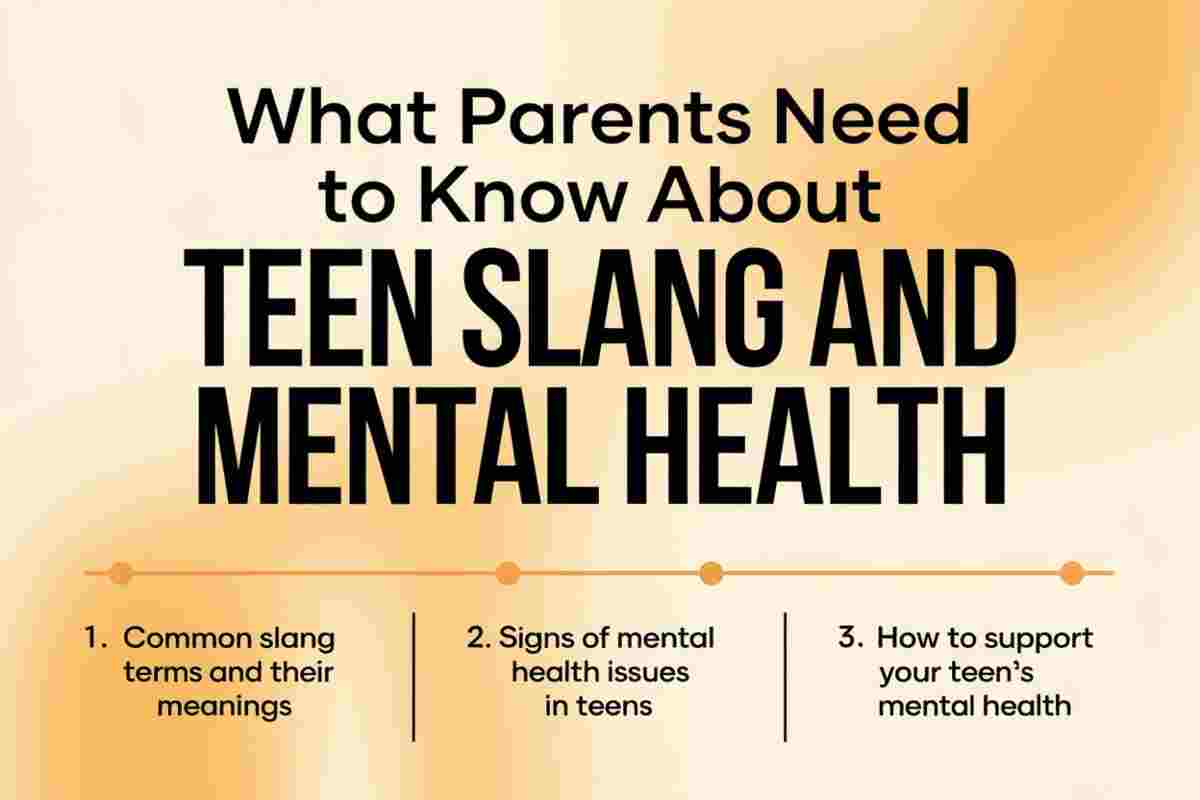
What Parents Need to Know About Teen Slang and Mental Health

[vc_row][vc_column][vc_column_text]As parents, understanding and connecting with our teens can sometimes feel like navigating a different world, especially regarding language. The teen years are marked by rapid changes, intense emotions, and a search for identity, all of which influence how teens express themselves. One way they do this is through a unique set of slang terms and abbreviations that might sound utterly foreign to parents. Understanding this language can be a crucial step in opening up communication, especially when discussing sensitive issues like mental health and depression.

Let’s explore some standard slang terms teens use, why they use them, and how a little insight into their language can help you become a more understanding and supportive parent.

Why Teens Use Slang

Teens use slang for many reasons, including:

  • Creating a sense of identity and belonging: Slang helps teens connect to their peer group and sets them apart from other generations.
  • Expressing themselves uniquely: Sometimes, there are simply no words in adult language that capture the feelings and experiences of growing up today.
  • Guarding privacy: Slang can act as a code to shield their conversations from prying ears, including parents.

Standard Slang Terms Parents Might Hear

Here’s a quick guide to some popular teen slang that you may come across:

  • APN – Stands for Antidepressant Prescribing Nurse, a term that teens might casually refer to when discussing mental health support with friends. It reflects how some teens are navigating conversations about mental health treatments.
  • Vibe Check – This term is used when someone’s trying to gauge a friend’s emotional or mental state. If a teen says, I failed my vibe check, it may indicate they’re not feeling their best.
  • Low-key or High-key – Teens often use these terms to describe the intensity of their feelings or experiences. For example, I’m low-key stressed suggests they’re trying to downplay their emotions, while high-key means fully embracing them.
  • Triggered – This term has roots in discussions about mental health and PTSD but is used more casually by teens to indicate that something has provoked an emotional response. It could be a sign they feel frustrated or upset.
  • Mood – When teens say mood, they identify with something on a personal level. For instance, saying, That’s a mood could mean they relate strongly to the situation or feeling.
  • Ghosting refers to suddenly cutting off communication without explanation. If a teen mentions someone ghosted them, it’s often in the context of a friend or even a potential romantic interest ignoring them, which can be hurtful.

Why Understanding Teen Slang Matters for Parents

Familiarizing yourself with teen slang can have several benefits:

  • Improved communication: When parents understand teens’ language, they are better equipped to engage in meaningful conversations.
  • Strengthened trust: Teens are more likely to open up if they feel their parents are trying to understand their world without judgment.
  • Insight into emotional health: Some slang terms provide clues about a teen’s mental state, which can help parents recognize when their child might be struggling with anxiety, depression, or other issues.

Understanding and connecting through language is fundamental regarding topics like mental health. Teens are becoming more open about discussing mental health challenges, but they often express it in their way.

How to Start Conversations with Your Teen About Mental Health

Here are a few tips for starting the conversation about mental health with your teen:

  • Learn without judgment: Ask your teen to explain specific terms, even if you already know them. Teens often appreciate the chance to teach you something about their world.
  • Show empathy: If your teen uses phrases like I’m low-key anxious or I need a vibe check, ask open-ended questions like, Do you want to talk about what’s making you feel that way?
  • Be an active listener: Give them space to speak without immediately responding. Listen actively, and avoid advising unless they ask for it.
  • Educate yourself: Becoming familiar with terms related to mental health can help you respond thoughtfully. For instance, if they mention someone is ghosting them, you could ask how it makes them feel and if they’d like to discuss it further.

Where to Find Help

While understanding slang can open doors for communication, you may find that your teen needs additional support. If you’re concerned about your teen’s mental health, consider reaching out to a mental health professional. Sometimes, teens feel more comfortable talking to an Antidepressant Prescribing Nurse (APN) or a counselor, someone who can provide a safe and understanding environment for them to discuss their feelings.

Final Thoughts

Teen slang may initially seem confusing, but it’s also a powerful tool for connection. By familiarizing yourself with the language of today’s teens, you can better understand their world, recognize when they might need support, and become a trusted ally as they navigate the challenges of growing up. So, the next time your teen drops a new term, take it as an opportunity to learn—and let the conversation flow from there.[/vc_column_text][/vc_column][/vc_row][vc_row][vc_column width=”1/1″][us_cta title=”Decode Teen Slang Today!” color=”light” btn_label=”Read More” btn_link=”%7B%22url%22%3A%22https%3A%2F%2Fsavenshine.com%2Fadvanced-guide-for-parents-to-understand-teen-slang%2F%22%7D”]Still don’t understand your teen’s language? Check out our next article that breaks down popular phrases, what they mean, and how they can help you communicate better. Stay in the loop, read more![/us_cta][/vc_column][/vc_row]

Tags: , , , ,

Understanding Teen Slang and the Best Products to Help Parents Connect

[vc_row][vc_column width=”1/1″][vc_column_text]As a parent, understanding the language of today’s teens can feel like an impossible task. From new slang words to online trends, the world of teen communication is constantly evolving. But learning this second language doesn’t just help you understand what they’re saying—it opens the door for more robust communication, better empathy, and deeper connections with your child.

Fortunately, there are fantastic resources available to help you navigate this journey. Books, apps, and even specialized supplements can give you the tools to decode slang, understand your teen’s challenges, and support their overall well-being. Here’s an in-depth look at some of the top products to help you connect with your teen, all available on Amazon for convenient shopping.

Why Learning Teen Slang is Important

Teen slang is more than just trendy language; it’s a way for teens to express themselves, find belonging, and communicate emotions. When parents take the time to learn and understand this language, it offers some significant benefits:

  • Builds Trust: When teens see you trying to understand their world, they’re more likely to open up and share what’s going on in their lives.
  • Promotes Empathy: Understanding their words can give you insight into their feelings, struggles, and relationships, helping you become a more empathetic listener.
  • Encourages Open Communication: Knowing a little about teen slang can reduce misunderstandings and create a more comfortable environment for honest conversations.

Now, let’s dive into the top products available on Amazon to help you crack the code and get closer to your teen.

Top Products for Parents Wanting to Understand Teen Slang

Slanguage: A Dictionary of Slang Words and Phrases

Description: This book is a comprehensive dictionary of current slang terms, complete with examples, definitions, and the context in which each term is used. It’s ideal for parents who want a quick and accessible reference.

How It Helps: With Slanguage on hand, you can decode terms you hear in real-time. It’s an excellent tool for improving your understanding and boosting your confidence when talking to your teen. Plus, it’s a fun resource to flip through together.

Available on Amazon: You can easily order your copy from Amazon and have it shipped to your door. Look for the paperback or Kindle edition for convenience.[/vc_column_text][/vc_column][/vc_row][vc_row][vc_column width=”1/1″][vc_column_text]

Urban Dictionary Official Book: Freshest Street Slang Defined

Description: Based on the popular website, the Urban Dictionary book provides an entertaining and informative guide to the latest slang. It covers everything from internet acronyms to pop culture references and is constantly updated with the latest trends.

How It Helps: This book is packed with modern slang, so you’ll always be in the loop. Teens love it because it captures the terms they use. It’s an excellent resource for parents wanting to understand the online culture influencing much of teen slang.

Available on Amazon: Find it in the books section on Amazon with options for paperback and digital editions.

[/vc_column_text][us_separator][us_image image=”10907″ link=”%7B%22url%22%3A%22https%3A%2F%2Famzn.to%2F3AcH9wK%22%7D”][us_separator size=”small”][us_btn label=”Buy Slanguage Dictionary Now” link=”%7B%22url%22%3A%22https%3A%2F%2Famzn.to%2F3AcH9wK%22%7D” align=”center”][/vc_column][/vc_row][vc_row][vc_column width=”1/1″][vc_column_text]

The Conversation Code: How to Talk to Your Teen (and Decode Their Language)

Description: This book goes beyond slang, teaching you how to engage in meaningful conversations with your teen. It includes sections on decoding standard slang terms and provides conversation starters for today’s youth.

How It Helps: Not only will this book help you understand slang, but it will also guide you in using that knowledge to start engaging conversations. It’s ideal for parents who want to strengthen their communication skills and build a closer bond with their teens.

Available on Amazon: Look for this book in paperback or as an ebook on Amazon, which is perfect for those who want instant access.

[/vc_column_text][/vc_column][/vc_row][vc_row][vc_column width=”1/1″][vc_column_text]

Wellness Products to Support Your Teen’s Mental Health and Well-Being

Alongside these resources, some supplements support mental clarity, focus, and stress management, especially during the teenage years. If you’re noticing signs of stress or lack of focus, consider these top-rated products available on Amazon.

Olly Teen Girl Multi Gummy Vitamins

Description: Formulated specifically for teens, these gummies contain essential vitamins like A, C, D, and B that support energy, immunity, and skin health. They’re also designed to taste great, so your teen won’t resist taking them.

How It Helps: These vitamins can help your teen feel more balanced, energetic, and focused, which can improve their overall mood. Healthier teens are often happier, so providing nutritional support is integral to fostering a positive environment.

Available on Amazon: You can purchase them directly on Amazon with options for single bottles or bundles for long-term wellness support.

[/vc_column_text][us_separator][us_image image=”10910″ link=”%7B%22url%22%3A%22https%3A%2F%2Famzn.to%2F48is89c%22%7D”][us_separator size=”small”][us_btn label=”Buy Teen Girl Multi Gummy Now” link=”%7B%22url%22%3A%22https%3A%2F%2Famzn.to%2F48is89c%22%7D” align=”center”][/vc_column][/vc_row][vc_row][vc_column width=”1/1″][vc_column_text]

Nature Made Teen Energy Gummies

Description: Packed with B vitamins and L-theanine, these gummies are formulated to promote mental energy and focus. They’re an excellent option for teens stressed about schoolwork and social pressures.

How It Helps: Mental clarity and energy can make a big difference in your teen’s ability to navigate their busy lives. These gummies support cognitive health, which can help them handle stress more effectively, ultimately improving communication with you.

Available on Amazon: Check out this product on Amazon for fast shipping and easy ordering.

[/vc_column_text][us_separator][us_image image=”10912″ align=”center” link=”%7B%22url%22%3A%22https%3A%2F%2Famzn.to%2F4fjLSMf%22%7D”][us_separator size=”small”][us_btn label=”Buy Teen Energy Gummies Now” link=”%7B%22url%22%3A%22https%3A%2F%2Famzn.to%2F4fjLSMf%22%7D” align=”center”][/vc_column][/vc_row][vc_row][vc_column width=”1/1″][vc_column_text]

Havasu Nutrition Stress & Anxiety Relief

Description: This herbal supplement contains Ashwagandha and L-theanine, both known for their stress-relieving properties. It’s designed to promote calm and relaxation, which is ideal for teens experiencing anxiety.

How It Helps: If your teen is dealing with anxiety or struggling to manage stress, this supplement can offer gentle support. By helping them feel more balanced, you’re setting the stage for healthier interactions and better conversations.

Available on Amazon: This product comes in convenient capsules, with options for one-time purchases or subscriptions for ongoing support.

[/vc_column_text][us_separator][us_image image=”10913″ align=”center” link=”%7B%22url%22%3A%22https%3A%2F%2Famzn.to%2F3BTbLns%22%7D”][us_separator size=”small”][us_btn label=”Buy Stress & Anxiety Relief Now” link=”%7B%22url%22%3A%22https%3A%2F%2Famzn.to%2F3BTbLns%22%7D” align=”center”][/vc_column][/vc_row][vc_row][vc_column width=”1/1″][vc_column_text]

Tips for Using These Products to Connect with Your Teen

Once you’ve stocked up on these resources, here are a few tips on how to make the most of them in building a closer relationship with your teen:

  • Read Together: Books like Slanguage and the Urban Dictionary guide are fun to flip through with your teen. Ask them about their favorite terms or how they use certain words. You might even share a laugh as you both learn something new.
  • Start Conversations with The Conversation Code: This book provides prompts that make it easy to start meaningful discussions. You could make it a weekly tradition to pick a prompt and discuss it over dinner. It’s a great way to learn more about each other in a relaxed setting.
  • Encourage Wellness with Supplements: Supplements can provide gentle support if you’ve noticed signs of stress or lack of focus in your teen. Encourage them to try the vitamins or supplements, and let them know why you think they’d be helpful. Frame it to support their overall health so they can feel and perform their best.
  • Use the Resources Consistently: Slang and teen trends evolve quickly, so make an effort to stay updated. Keep the books and apps on hand for quick reference, and encourage ongoing conversations about new terms and what they mean.
  • Lead by Example: Show your teen that you’re invested in their world by trying to understand it. When they see you using these resources, they’ll likely feel more comfortable opening up, knowing you’re genuinely trying to understand them.

[/vc_column_text][/vc_column][/vc_row][vc_row][vc_column width=”1/1″][us_cta title=”Strengthen Your Teen Bond!” color=”light” btn_label=”Buy Now” btn_link=”%7B%22url%22%3A%22%22%7D”]Ready to transform the way you connect with your teen? Our ultimate guide breaks down teen slang and features must-have products that make it easier than ever to stay in the loop and build a stronger bond. Don’t miss out—get the tools you need today!

Discover the top products every parent needs to understand teen slang and improve communication here.[/us_cta][/vc_column][/vc_row]

Tags: , , , ,

The Advanced Guide for Parents to Understand Teen Slang and Strengthen Communication

[vc_row][vc_column][vc_column_text]By the time your child reaches their teenage years, they’re likely speaking a language of their own—a language of slang and acronyms that might seem incomprehensible at times. But this secret code isn’t just for fun; it’s an influential tool teens use to express themselves, bond with friends, and navigate their world. As a parent, understanding this language can unlock a new level of communication with your teen, allowing you to connect, empathize, and even guide them in ways that show you’re tuned into their world.

In this advanced guide, we’ll dive into why slang is so significant for teens, explore more complex slang terms, and share practical tips on using this knowledge to improve your relationship with your teen. This isn’t just about learning words; it’s about cracking the code to build a stronger bond.

Why Understanding Teen Slang Matters

Teen slang is more than just a fun way to speak. For teens, it serves multiple essential functions:

  1. Fostering a Sense of Identity: Slang allows teens to feel part of a unique community that sets them apart from adults. It helps them bond with friends and create a sense of belonging.
  2. Expressing Emotions and Ideas Quickly: Teens often use slang to express complex emotions or ideas that traditional language might not capture. It gives them a quick and efficient way to share how they feel.
  3. Creating a Safe Space for Communication: Using slang, teens can communicate openly with friends while sometimes shielding their conversations from adults. This gives them a sense of autonomy and control over their world.

Understanding this language can help you build a stronger relationship with your teen. It shows that you’re interested in their world and can make them feel comfortable coming to you with other topics. Let’s dive into some ordinary and advanced slang terms you may hear and how they can guide you in supporting your teen.

Advanced Teen Slang Terms and Their Meanings

Here’s a rundown of more nuanced slang terms that teens use today and what they might reveal about your teen’s emotions, values, and relationships.

1. Drip

  • Meaning: Refers to someone’s style, especially if they wear trendy or flashy clothes. It’s like saying, That person has a great style.
  • Example: Did you see his drip? He was looking fresh.
  • How to Use It: When your teen talks about drip they’re likely expressing admiration for someone’s fashion. You could say, Who do you think has the best drip in your school?This opens up a conversation about their style preferences, helping you understand what they value in self-expression.

2. Salty

  • Meaning: Describes someone irritated, bitter, or upset about something, often in a lighthearted or teasing way.
  • Example: She was salty because she didn’t win the game.”
  • How to Use It: If your teen feels salty it signals that they may be annoyed or disappointed. Rather than dismissing it, you could ask, What happened that made you feel salty?This encourages them to open up about what’s bothering them, even if it seems minor.

3. Cap/No Cap

  • Meaning: Cap means lying or exaggerating, while no cap means being honest or severe.
  • Example: She said she ran five miles this morning, but that’s a cap.
  • How to Use It: This term offers an opportunity to discuss honesty and transparency. If you hear cap often, you could ask, Do you feel like people at school cap a lot?It opens the door to discussing how honesty plays a role in their friendships.

4. Woke

  • Meaning: Originally used to describe social and political awareness, wokenow refers to being informed and aware, especially about social issues.
  • Example: He’s really worried about environmental issues.
  • How to Use It: If your teen uses this term, it may indicate they care about social issues. Ask them what topics they feel wokeabout and have a meaningful conversation about what matters to them. It’s a great way to discuss values and the causes they feel passionate about.

5. Fire

  • Meaning: Used to describe something impressive or extraordinary, often about music, fashion, or experiences.
  • Example: That new song is fire!”
  • How to Use It: When your teen says something is on fire you can ask them to share it. For instance, What’s a song you think is fire right now?Listening to it together can show that you’re interested in what they enjoy.

6. Throw Shade

  • Meaning: This means subtly criticizing or disrespecting someone, often in a non-immediately obvious way.
  • Example: She was throwing shade with that comment.
  • How to Use It: Shade can signal underlying conflicts or frustrations. If your teen mentions throwing shade you could ask about the situation and how it made them feel. This is a way to explore their relationships and help them process emotions around friendship and respect.

7. Receipts

  • Meaning: Refers to evidence used to back up a claim, often in screenshots or messages.
  • Example: I’ve got the receipts to prove it.
  • How to Use It: When your teen talks about receipts it might be an opportunity to discuss the importance of evidence and honesty. Ask them, When do you think it’s okay to ask for receipts?This can lead to a conversation about trust and accountability in friendships.

[/vc_column_text][us_separator size=”small”][us_text text=”👉Explore our top recommended products for parents to connect with their teens here!👈” link=”%7B%22url%22%3A%22https%3A%2F%2Fsavenshine.com%2Funderstanding-teen-slang-and-the-best-products-to-help-parents-connect%2F%22%7D” tag=”h6″][/vc_column][/vc_row][vc_row][vc_column][vc_column_text]

Practical Strategies for Engaging with Teen Slang

Understanding slang can help you build rapport with your teen, but how you use this knowledge matters. Here are some practical strategies for navigating these conversations:

Show Curiosity, Not Judgment

When you hear a new term, ask them to explain it. You could say, I heard you mention ‘throwing shade’—what does that mean to you?Showing curiosity without judgment encourages them to share more openly.

Create a Safe Space for Conversation

Understanding slang can provide a safe space for your teen to talk about friends, school, and even more profound issues. Use the words they’re familiar with to ask gentle, open-ended questions that invite them to share their experiences. For example, if they mention someone being salty, ask, “How often do people get salty at school, and how do you deal with it?”

Listen Actively and Reflect Back

When your teen uses slang, listen actively and respond thoughtfully. If they say something is fire, reflect by asking more about it. Sounds like you’re really into that song—what do you love about it?This approach shows that you value their interests and experiences.

Connect on Values

Specific terms, like weak or no cap provide opportunities to discuss values. Ask them to explain more if they express enthusiasm about being woken by a social issue. You could say, What makes you passionate about that issue?These conversations help you understand their values and support them in becoming socially aware individuals.

Recognize Emotional Cues

Slang can sometimes reveal emotions that teens might not express directly. Terms like salty throwing shade or low-key stress can hint at their feelings. If you pick up on these cues, gently ask if they want to discuss their thoughts. This helps build trust and shows that you can support them emotionally.

Don’t Overuse Their Slang

While trying out these words yourself can be tempting, it’s often best to leave most of them for your teen to use. However, dropping a term occasionally can show that you’re listening and engaged. For example, if your teen mentions drip you might say, Show me your best drip sometime. Using slang sparingly shows respect for their language without trying too hard.[/vc_column_text][us_separator][us_cta title=”Upgrade Your Slang Knowledge!” title_size=”1.2rem” color=”light” btn_label=”Read More” btn_link=”%7B%22url%22%3A%22https%3A%2F%2Fsavenshine.com%2Funderstanding-teen-slang-and-the-best-products-to-help-parents-connect%2F%22%7D”]Want to take your understanding of teen slang to the next level with tools that make it easy? Check out our detailed guide on the best products to help you crack the code, from slang dictionaries to conversation starters.
Click on read more now![/us_cta][/vc_column][/vc_row]

Tags: , , ,

Is Vitamin Water Good for You? The Surprising Truth You Need to Know

You’ve probably seen it on store shelves: a brightly colored bottle of vitamin water promising hydration, added vitamins, and electrolytes to support your health. It’s marketed as a healthier alternative to sugary sodas, but is it as good for you as it seems? Is vitamin water a great way to stay hydrated, or could it do more harm than good?

This article will explore what’s inside vitamin water, its potential benefits, and the hidden risks you might not be aware of. By the end, you’ll have a clearer understanding of whether vitamin water belongs in your daily routine—or if there’s something better for you.

What’s Inside Vitamin Water? The Truth Behind the Ingredients

At first glance, vitamin water seems bright: water with a twist. But the reality is a bit more complicated. Most vitamin waters, including popular options like Propel, contain more than just water and flavor. Here’s what you’ll typically find:

  • Vitamins and Minerals: Essential nutrients like Vitamin C and Vitamin B12, as well as electrolytes like potassium and sodium, are often added. But do these added vitamins make a difference in your health? Is it enough to replace a balanced diet?
  • Sweeteners: Here’s the tricky part. Some versions are sweetened with artificial sweeteners like stevia or sucralose, while others contain added sugars. The sweetener you choose can drastically affect your drink’s calorie count and overall healthfulness. So, are you making a healthy choice?
  • Electrolytes: For those who are active, electrolytes are a great addition to replenishment. But could consuming too many electrolytes through vitamin water cause more harm than good? The truth may surprise you.

Are these ingredients genuinely beneficial, or could they be masking hidden risks?

The Benefits of Vitamin Water: What’s the Catch?

Vitamin water provides several key benefits that make it an attractive choice for many individuals, particularly those seeking to stay hydrated while enhancing their nutrient intake. But are these benefits all they’re cracked up to be?

  1. Convenient Hydration: Let’s face it—plain water can sometimes feel a bit… boring. Vitamin water offers an easy way to stay hydrated, especially on the go. But is it the best option for everyone, or are there more effective, natural ways to hydrate?
  2. Added Nutrients: From Vitamin C to magnesium and calcium, the added nutrients in vitamin water are a draw for people looking to supplement their diet. But can a bottle of flavored water replace the benefits of fresh fruits and vegetables, or are you better off getting these nutrients from whole foods?
  3. Zero-Calorie Options: Many vitamin waters, like Propel, offer a zero-calorie or low-calorie version, making it an appealing option for those looking to stay hydrated without consuming extra calories. But does the absence of calories and sugar mean you’re sacrificing taste or health benefits?

So, while vitamin water has several health benefits, is it the best solution for your hydration needs? Or are there hidden concerns you should know about before making it a regular diet?

Why You Should Be Cautious

Before you make vitamin water your go-to beverage, it’s essential to understand the risks & potential downsides that come with it. Is these seemingly healthy drinks possibly doing more harm than good?

  1. Excessive Sugar Content: Even if you opt for the “healthier” versions, some vitamin waters still contain a surprising amount of sugar. Did you know that some bottles contain more sugar than a can of soda? This excess sugar could be contributing to weight gain, spikes in blood sugar, or an increased risk of chronic conditions like diabetes.
  2. Artificial Sweeteners: You’ll likely encounter artificial sweeteners if you choose the sugar-free or low-calorie versions. While generally considered safe, the long-term health effects of these sweeteners are still debated. Do they help with weight loss, or could they have unintended consequences?
  3. Overconsumption of Certain Nutrients: Vitamin water may give you a quick boost of vitamins and electrolytes, but could consuming too many of these added nutrients lead to adverse effects? Overdosing vitamins and minerals, especially when combined with a diet already rich in nutrients, can cause unwanted side effects. Could you be overdoing it without even realizing it?
  4. Not a Replacement for Whole Foods: While relying on vitamin water for your nutrient fix may be tempting, it’s crucial to remember that no beverage can replace the benefits of a well-rounded diet. Are you using vitamin water as a quick fix or neglecting the whole foods your body needs?

Who Should Consider Vitamin Water?

If you’re constantly on the move, struggling to stay hydrated, or looking for a little extra nutritional boost, vitamin water may offer some benefits. But before you grab that bottle, it’s worth considering whether it’s the best option for your lifestyle. Should you reach for a flavored beverage when plain water might be just as adequate?

Is Vitamin Water Right for You?

At this stage, the question remains: Is vitamin water good for you? The answer isn’t as simple as it might seem. It depends on your health needs, dietary goals, and personal preferences. While vitamin water offers hydration and some added nutrients, it comes with its considerations.

So, is vitamin water the solution to your hydration needs? Or are there better, more natural ways to hydrate and supplement your diet? Let’s move to the next stage to find out how to optimize your hydration and nutrition.

Ready to Explore Your Options?

If you’re intrigued by the potential benefits of vitamin water but unsure about which option is best for you, stay tuned for Finding Solutions with Vitamin Water: Benefits, Features & Top Picks. We’ll dive deeper into practical solutions and help you navigate the different types of available vitamin water and hydration options. Whether you’re looking for a low-calorie option or something more nutrient-dense, we’ll guide you through your choices to find the best fit for your needs.

Key Players in the Vitamin Water Industry

As you explore your hydration options, you may encounter several key players in the market. One of the most recognized names is Propel, known for offering zero-calorie, electrolyte-infused hydration drinks designed to support active lifestyles. While Propel is one of the most well-known brands, there are other choices on the market, each with unique offerings.

While we won’t dive into specific product recommendations yet, it’s helpful to know that brands like Propel are widely regarded for their focus on fitness and hydration, making them a popular choice for those seeking electrolyte-rich beverages. But before committing, you must understand which options best suit your health goals and preferences.

Tags: , , , , , , , , , , , , ,

Can Dehydration Cause Lower Back Pain? Exploring the Connection

Dehydration is a condition many overlook, but it can significantly affect the body, contributing to lower back pain. While most people associate back pain with factors like poor posture, muscle strain, or injury, dehydration can also play a key part in causing or exacerbating lower back discomfort. This article will explore how dehydration can affect your back, why it might lead to pain, and how to prevent or alleviate this issue.

What Is Dehydration and How Does It Affect the Body?

Dehydration happens when your body loses more fluids than it takes in, resulting in water deficiency. Since water is crucial for various bodily functions, including temperature regulation, nutrient transport, and waste elimination, dehydration can affect almost every system in the body.

When you’re dehydrated, your body begins to conserve water, which can lead to symptoms like:

  • Fatigue
  • Dizziness or lightheadedness
  • Dry mouth and skin
  • Headaches
  • Muscle cramps

However, one of the often overlooked consequences of dehydration is its impact on the spine and lower back. The discs between your vertebrae, which provide cushioning and support, rely heavily on hydration to maintain their structure and function. Let’s explore how dehydration can cause Lower Back Pain.

Can Dehydration Cause Lower Back Pain?

Yes, dehydration can contribute to lower back pain. To understand why, we need to examine the role hydration plays in spinal health.

1. Impact on Spinal Discs

The spinal discs are made up of about 80% water. These discs act as cushions between the vertebrae, stopping them from irritating together and causing friction. When your body is dehydrated, the discs lose their ability to retain water and begin to shrink. As the discs lose hydration, they become less effective at absorbing shocks and maintaining the necessary space between vertebrae. This can cause tension on the spinal nerves, leading to pain, immobility, and distress in the lower back.

2. Dehydration and Muscle Function

Muscles, including those in the back, rely on hydration to function optimally. When dehydrated, your muscles become more prone to cramping, tension, and spasms. This can directly affect the muscles in the lower back, leading to pain and discomfort. Additionally, dehydrated muscles may be more prone to strain, which can contribute to chronic or acute back pain.

3. Dehydration and Inflammation

Dehydration can also lead to increased inflammation in the body. Inflammation in the spine’s muscles, joints, or discs can exacerbate lower back pain. Chronic dehydration can contribute to ongoing inflammation, making it more difficult for the body to heal from injuries or wear-and-tear damage.

4. Dehydration and Joint Lubrication

Your joints rely on synovial fluid to stay lubricated. Dehydration can reduce the display of this fluid, affecting the joints in your spine and lower back. The joints can become stiff and painful without sufficient lubrication, leading to increased discomfort and mobility issues in the lower back area.

The Relationship Between Hydration and Chronic Back Pain

Chronic back pain is a condition that affects millions of people worldwide. While there are many causes, dehydration is often an overlooked factor. Over time, if you consistently fail to hydrate adequately, the spine’s discs and muscles may weaken, increasing the risk of long-term back pain. This is especially true for individuals who are already prone to back problems due to factors like poor posture, sedentary lifestyles, or previous injuries.

How Dehydration Worsens Existing Back Conditions

If you already suffer from conditions like a herniated disc, sciatica, or spinal stenosis, dehydration can make these conditions worse. When the discs between the vertebrae become dehydrated and lose their cushioning effect, pressure can be placed on nerves and surrounding tissues, exacerbating pain and discomfort. Dehydration may also slow down the healing process of any existing injuries to the back, making recovery more complex.

How to Prevent Dehydration-Related Back Pain

The good news is that dehydration-related lower back pain is preventable. Staying adequately hydrated can significantly reduce your risk of developing or worsening back pain. Here are a few tips to ensure you’re getting the hydration you need to keep your back healthy:

1. Drink Plenty of Water

Drinking enough water throughout the day is the most straightforward way to prevent dehydration. A general approach is to drink at small eight 8-ounce glasses of water daily, but this can vary depending on your workout station, environment, and overall health. If you are experiencing back pain, aim to drink more water to help restore hydration levels in your spine and muscles.

2. Eat Hydrating Foods

In addition to drinking water, eating hydrating foods can help keep your hydration levels. Cucumbers, watermelon, strawberries, and celery contain high amounts of water and can contribute to your daily hydration intake. Adding these meals to your diet can complement your water consumption and help maintain healthy hydration levels.

3. Avoid Dehydrating Substances

Certain substances can dehydrate the body, so limiting their consumption is essential. Alcohol, caffeinated beverages, and sugary drinks can all lead to fluid loss and raise the risk of dehydration. If you’re experiencing back pain, minimizing these drinks in favor of water and hydrating beverages like herbal tea is best.

4. Practice Good Posture

In addition to staying hydrated, practicing good posture can help alleviate lower back pain. Poor posture puts undue strain on the spine, which dehydration can exacerbate. Be mindful of your posture when sitting, standing, and lifting objects to lower the risk of strain on your back.

5. Stay Active and Stretch Regularly

Regular physical activity and extension help maintain spinal health and prevent back pain. Walking, swimming, or yoga can promote circulation, strengthen muscles, and keep your back flexible. Stretching can also help relieve tension and reduce the risk of muscle cramps, which dehydration can exacerbate.

The Importance of Staying Hydrated for Back Health

Dehydration is a common cause of lower back pain that is often overlooked. The health of your backbone, muscles, and joints all depends on adequate hydration to function optimally. Dehydration can lead to the shrinking of spinal discs, muscle cramps, inflammation, and joint stiffness, all contributing to back pain.

If you’re experiencing lower back pain, consider evaluating your hydration levels as part of your overall treatment strategy. Drinking plenty of water, eating hydrating foods, and staying active can go a long way in preventing and managing dehydration-related back pain.

By understanding the connection between dehydration and lower back pain, you can proactively protect your spine and improve your general health. Remember, remaining hydrated is a simple yet powerful way to keep your back pain-free and functioning at its best.

Tags: , , , , , , , , , , , , , , ,

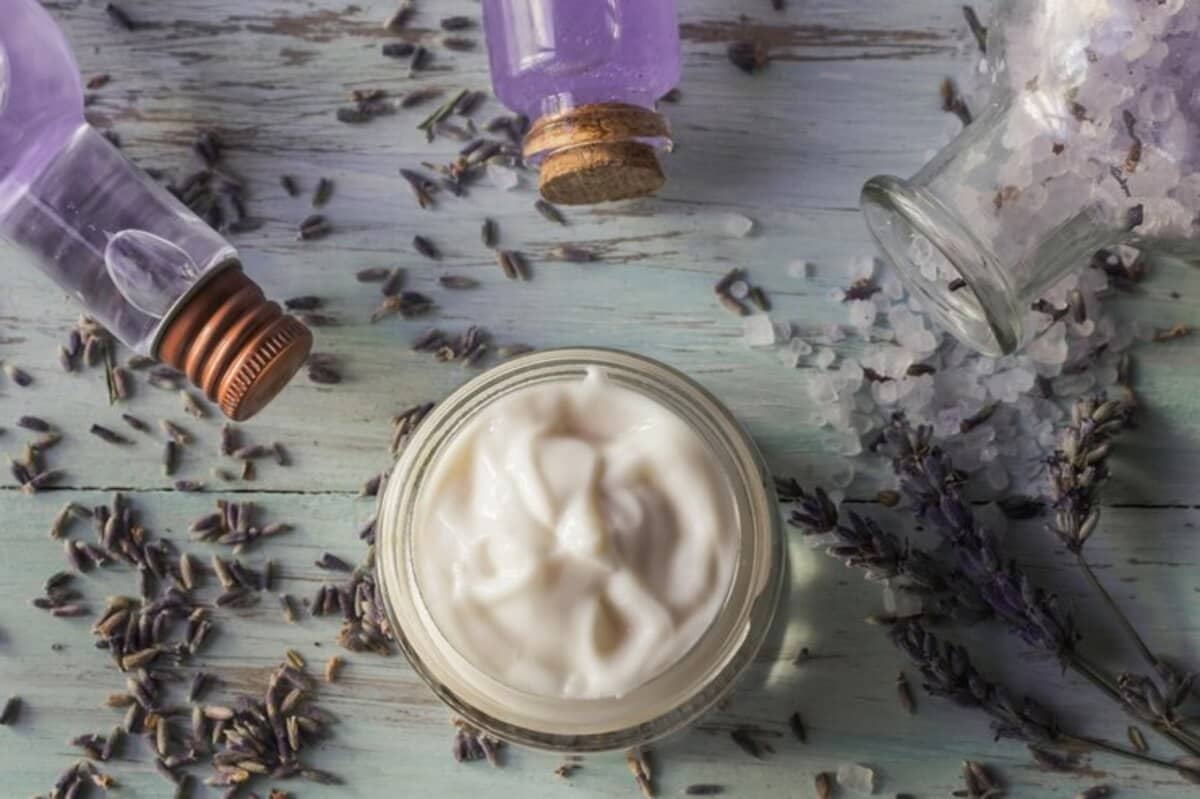
Breast Milk Lotion Recipe: An Easy Guide

[vc_row][vc_column][vc_column_text]Breast milk lotion has long been recognized for its many health benefits for babies, but did you know it can also be transformed into a nourishing lotion for your skin? Breast milk lotion is a natural, chemical-free moisturizer that will help soothe and heal various skin conditions. We’ll guide you through the steps to make your breast milk lotion at home.

Contents Overview

Why Choose Breast Milk Lotion?

Breast milk lotion is packed with natural antibodies, vitamins, and minerals that benefit the skin. Here are some of the key benefits:

  • Moisturizes the Skin: Breast milk lotion is a fantastic moisturizer keeps our skin hydrated and soft.
  • Soothes Skin Conditions: It can help with eczema, diaper rash, and minor cuts or scrapes.
  • Natural and Chemical Free: Unlike many store-bought lotions, breast milk lotions contain no artificial ingredients or preservatives.

Nutrients and Beneficial Ingredients in Breast Milk Lotion

Breast milk lotion is renowned for its natural and nourishing properties, derived from the rich composition of breast milk and other beneficial ingredients. Here’s a breakdown of the critical vitamins and ingredients found in breast milk lotion and their benefits for the skin:

Vitamins in Breast Milk

  • Vitamin A: Important for skin maintenance, vitamin A cell turnover, helping to keep skin smooth and healthy. It also has anti-inflammatory properties that can help with redness and inflammation in the skin.
  • Vitamin D: Helps skin cell growth, repair, and metabolism. It enhances the skin’s immune system and destroys free radicals that can cause premature aging.
  • Vitamin E: Known for antioxidant properties, vitamin E helps skin from damage caused by free UV exposure. It also has moisturizing and healing benefits, making it great for dry and damaged skin.
  • Vitamin K: This vitamin is essential for healing wounds and bruises. It also helps decrease the stretch marks, and dark circles.
  • Vitamins (B6, B12, and Folate): These vitamins are crucial for skin health, promoting cell growth and repair. They also help maintain the overall health of the skin, reduce dryness, and improve texture.

Ingredients and Supplies

To make breast milk lotion, you’ll need the following ingredients and supplies:

  • 1/2 cup breast milk: Fresh or frozen breast milk that has been thawed.
  • 1/2 cup coconut oil: Provides additional moisturizing properties.
  • One tablespoon beeswax: This helps to solidify the lotion.
  • One tablespoon of shea butter: Adds extra nourishment to the skin.
  • Essential oils (optional): For fragrance and additional skin benefits.
  • Microwave safe bowl: For melting the ingredients.
  • Whisk or hand blender: Mix the ingredients thoroughly.
  • Sterilized container: For storing the lotion.

Step-by-Step Guide to Making Breast Milk Lotion

Creating your breast milk lotion at home is rewarding and straightforward. Following these detailed steps can produce a nourishing and effective moisturizer.

Prepare Your Ingredients

Gather all the necessary ingredients before making breast milk lotion, and ensure your tools are clean and sterilized. This step is important to prevent any impurities that could spoil the lotion. You’ll need 1/2 cup of breast milk, which can be fresh or previously frozen and thawed to room temperature. Coconut oil (1/2 cup) is chosen for its excellent moisturizing properties, while one tablespoon of beeswax acts as a natural thickener.

Additionally, one tablespoon of shea butter adds a rich, nourishing quality to the lotion. Optional essential oils like lavender can be included for fragrance and extra skin benefits. Equip yourself with a double boiler or a microwave-safe bowl, a whisk or hand blender, and sterilized containers for storing the finished lotion.

Melt the Oils and Beeswax

Mix coconut oil, beeswax, and shea butter in a double boiler or a microwave-safe bowl. Place the ingredients in the top section of the double boiler and gently heat over simmering water, stirring occasionally until thoroughly melted and blended. Heat the ingredients for 15-20 seconds for the microwave method, stirring between intervals until everything is completely melted. Be careful not to overheat, which can degrade the ingredients’ beneficial properties.

Combine the Breast Milk

Once the oils and beeswax mixture is melted and well combined, remove it from the heat source. Allow it to cool slightly to avoid scalding the breast milk, but ensure it remains warm enough to mix smoothly. Slowly add the room-temperature breast milk to the mixture, whisking continuously. This step is important to prevent the mixture from separating. If separation occurs, keep whisking until the ingredients blend uniformly.

Add Essential Oils (Optional)

If you wish to incorporate essential oils for added fragrance and skin benefits, now is the time. A few drops of oils like chamomile can enhance the soothing properties of your breast milk lotion. Stir the essential oils into the mixture thoroughly to ensure even distribution.

Blend Until Smooth

Use a hand blender to mix the ingredients for a smoother consistency. This blending process helps emulsify the mixture, ensuring that the breast milk lotion remains well combined and does not separate over time. Continue blending until you achieve a creamy, homogeneous texture.

Pour into Containers

Once your breast milk lotion is well-mixed and smooth, carefully pour it into sterilized containers. Allow the lotion to cool completely before sealing the containers with their lids. Proper storage is essential to maintain the lotion’s quality and extend its shelf life.

Storage and Shelf Life

Store your breast milk lotion in the refrigerator to prolong its freshness and effectiveness. When refrigerated, homemade breast milk lotion can last about two weeks. For more extended storage, consider freezing the lotion in small, single-use portions that can be thawed as needed.

Usage Tips

Breast milk lotion can be used as a daily moisturizer to keep skin hydrated and soft. It’s also practical for soothing eczema, diaper rash, or minor cuts, promoting healing with its natural properties. Additionally, breast milk lotion makes a thoughtful and personal gift for new mothers, showcasing the versatility and benefits of breast milk beyond breastfeeding.

Troubleshooting Common Issues with Breast Milk Lotion

Making breast milk lotion at home can be a rewarding experience, but some common issues might arise. Here’s how to troubleshoot and resolve them:

Separation of Ingredients

One frequent problem is the separation of ingredients. If your lotion isn’t combining well, ensure that the melted oils and breast milk are at similar temperatures. Let the melted oils cool slightly, but stay warm enough to blend smoothly with the breast milk. Whisk continuously and vigorously during mixing, or use a hand blender to achieve a smoother, more stable emulsion. Ensure you’re using the correct amount of beeswax, which helps bind the ingredients together. If separation persists, try adding more beeswax and re-melting the mixture.

Grainy Texture

If the shea butter or beeswax does not melt properly, the lotion can have a grainy texture. To avoid this, ensure all ingredients are completely melted and thoroughly mixed. Let the mixture cool slowly at room temperature before placing it in the refrigerator, as rapid cooling can cause the fats to crystallize, resulting in a grainy texture.

Odor Issues

Since breast milk has a distinct smell, the lotion can sometimes carry this odor, which might be unpleasant for some. Add a few drops of essential oils like lavender, chamomile, or citrus to mask the natural scent. These not only improve the fragrance but also offer additional skin benefits. Additionally, ensure the breast milk you use is fresh and properly stored. Using old or improperly stored milk can result in an unpleasant odor.

Short Shelf Life

Breast milk lotion has a shorter shelf life than commercial lotions because it lacks preservatives. To extend its shelf life, always store the lotion in the refrigerator, which can last up to two weeks. For extended storage, freeze the cream in small, single-use portions to thaw as needed. Ensure all tools and containers are thoroughly sterilized before use to prevent contaminants that could cause the lotion to spoil faster.

Inconsistent Consistency

If your breast milk lotion is inconsistent in consistency, being too thick or too runny, you can adjust the ingredients accordingly. If the lotion is too thick, reduce the amount of beeswax slightly. If it’s too runny, add a bit more beeswax to thicken it. After making these adjustments, melt and mix the ingredients thoroughly again. A hand blender can help achieve a more consistent texture by thoroughly blending the mixture until smooth and uniform.

Conclusion

Making your breast milk lotion is a beautiful way to utilize the nourishing properties of breast milk beyond breastfeeding. You can create a natural, effective lotion that benefits you and your baby’s skin with just a few simple ingredients and steps. Enjoy the soothing effects of this homemade breast milk lotion, and share the love with friends and family.

[/vc_column_text][us_separator size=”small”][vc_row_inner][vc_column_inner width=”1/1″][us_text text=”Frequently Asked Questions” link=”%7B%22url%22%3A%22%22%7D” tag=”h2″][/vc_column_inner][/vc_row_inner][vc_tta_accordion][vc_tta_section title=”How long does breast milk lotion last?” tab_link=”%7B%22url%22%3A%22%22%7D”][us_text text=” Homemade breast milk lotion can last about two weeks when stored in the refrigerator. For more extended storage, consider freezing the lotion in small, single-use portions that can be thawed.” link=”%7B%22url%22%3A%22%22%7D”][/vc_tta_section][vc_tta_section title=”Can I use any breast milk to make the lotion?” tab_link=”%7B%22url%22%3A%22%22%7D”][us_text text=” You can use fresh or frozen and thawed breast milk to make the lotion. Ensure the breast milk is stored at room temperature before mixing it with the melted oils and beeswax.” link=”%7B%22url%22%3A%22%22%7D”][/vc_tta_section][vc_tta_section title=”What should I do if my lotion has a grainy texture?” tab_link=”%7B%22url%22%3A%22%22%7D”][us_text text=” If the lotion has a grainy texture, it may be due to the shea butter or beeswax not melting correctly. Ensure all ingredients are completely melted and thoroughly mixed. Allow the mixture to cool slowly at room temperature before placing it in the refrigerator to prevent the fats from crystallizing.” link=”%7B%22url%22%3A%22%22%7D”][/vc_tta_section][vc_tta_section title=”Can I add essential oils to my breast milk lotion?” tab_link=”%7B%22url%22%3A%22%22%7D”][us_text text=”You can add essential oils for added fragrance and skin benefits. A few drops of oils like lavender, chamomile, or citrus can enhance the lotion’s soothing properties and mask the natural scent of breast milk.” link=”%7B%22url%22%3A%22%22%7D”][/vc_tta_section][/vc_tta_accordion][/vc_column][/vc_row]

Teens Slangy Term for Parents: Cracking Modern Youth Language

Understanding the Teens Slangy Term for Parents

In today’s digital age, the way teens communicate has evolved rapidly, giving rise to a unique set of slang terms. Among these, the “teens slangy term for parents” stands out as a fascinating linguistic phenomenon. These terms, often humorous and sometimes baffling to older generations, provide insight into the dynamic relationship between teens and their parents.

Common Teens Slangy Terms for Parents

Teens have a knack for creativity, and this is evident in the myriad of slang terms they use to refer to their parents. Here are a few popular “teens slangy term for parents”:

  • Rents: A shortened version of parents, this term is widely used and easily recognizable.
  • Folks: A casual and affectionate term that teens often use.
  • P-units: A playful and slightly tech-savvy term that reflects the influence of the digital age.

Teens have a unique way of creating and using language, especially when it comes to referring to their parents. Here are some of the most common “teens slangy terms for parents,” along with explanations for each term:

Rents

‘Rents is a widely used slang term that shortens the word “parents.” It’s a casual and concise way for teens to refer to their parents without the formality of the full word. This abbreviation reflects the trend of brevity and efficiency in modern teen communication.

Folks

‘Folks is another popular term that teens use to refer to their parents. It’s an informal and affectionate way of addressing them, often used in a friendly and casual context. This term can sometimes extend to other family members or older adults, but in the context of teens, it specifically refers to their parents.

P-units’

‘P-units is a playful and somewhat tech-savvy term for parents. The “P” stands for parents, and “units” reflects a more modern and slightly detached way of referring to them. This term is influenced by the digital age and the way teens interact with technology, often using jargon that mimics tech language.

Parental Units

‘Parental Units is a more formal but still slangy term used by teens. This term often has a humorous connotation, as it sounds like something out of a science fiction movie or a tech manual. It’s a way for teens to refer to their parents in a way that feels both respectful and irreverent.

Ancestors

‘Ancestors is a term that teens use humorously to refer to their parents. It plays on the generational gap and often carries a tone of mock reverence. While it might sound like a serious term, in teen slang, it’s used to emphasize the age difference and the perceived old-fashioned nature of their parents.

Olds

‘Olds is a term that teens use to refer to their parents, highlighting the generational gap. It’s a straightforward and slightly cheeky way to acknowledge the age difference. This term can be used affectionately or playfully, depending on the context.

Why Teens Use Slangy Terms for Parents

The usage of a “teens slangy term for parents” is more than just a trend; it’s a way for teens to express their individuality and to navigate their social world. Using these terms can help teens feel more in control and less formal when talking about their parents. It also serves as a way to bond with peers who understand and use the same slang.

 ©Teens Slangy Term for Parents
Teens Slangy Term for Parents © Freepik

The Evolution of the Teens Slangy Term for Parents

Language is always evolving, and the “teens slangy term for parents” is no exception. What might be popular today can quickly change as new cultural influences emerge. Social media platforms, movies, and music all play significant roles in shaping the language teens use, including the terms they use for their parents.

How Parents Can Keep Up with Teens Slangy Terms

For parents wanting to stay connected with their teens, understanding the “teens slangy term for parents” can be beneficial. Here are some tips:

  • Stay Informed: Follow popular teen influencers and social media platforms to keep up with the latest slang.
  • Communicate: Talk to your teens about the terms they use and what they mean. This can open up a dialogue and help bridge the generational gap.
  • Be Open-Minded: Remember that slang is a natural part of language evolution. Embrace the creativity and have fun with it.

The Cultural Significance of Teens Slangy Terms for Parents

The “teens slangy term for parents” reflects broader cultural trends and attitudes. It shows how teens navigate their identities and relationships in a rapidly changing world. The ways in which language adapts to meet the needs of its users.

Conclusion

In conclusion, the “teens slangy term for parents” is a fascinating aspect of modern language that highlights the ever-changing nature of communication. As teens continue to innovate and create new slang, staying attuned to these changes can help parents and older generations connect with and understand the younger generation better. Embracing these terms can lead to a more harmonious and connected family dynamic.