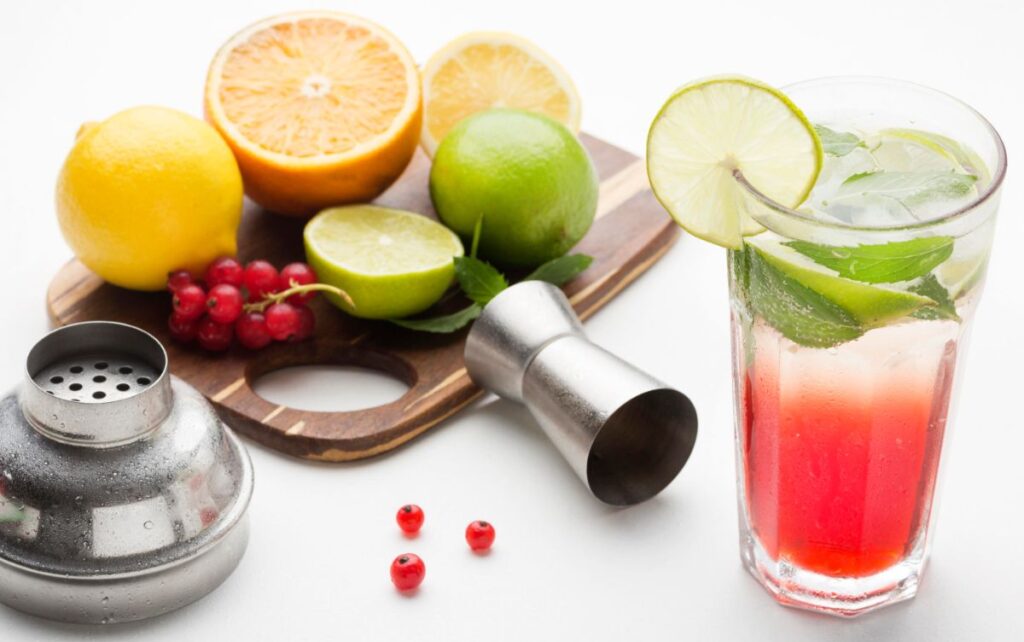
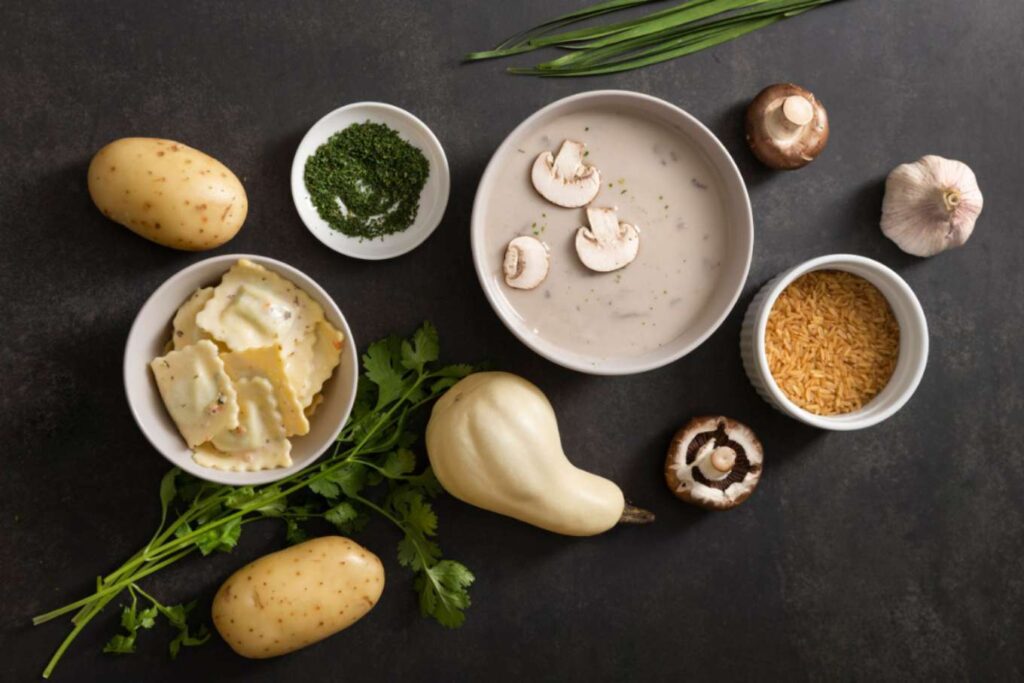
Crab brulee offers a delightful fusion of creamy textures and savory flavors, making it a perfect choice for seafood enthusiasts looking to impress with a unique dish. This recipe combines the delicate sweetness of crab meat with a rich, creamy custard base, topped with a caramelized sugar crust for a luxurious finish.
Introduction to Crab Brulee
Inspired by the traditional French dessert creme brulee, this savory version substitutes sweet custard with a delicious mixture of crab meat, cream, and spices. The result is a sophisticated appetizer or main dish that balances creamy richness with a crispy, caramelized sugar topping, creating a memorable dining experience.
Ingredients for Crab Brulee Recipe
To prepare crab brulee, gather the following ingredients:
Fresh Crab Meat: Opt for high-quality lump crab meat for the best flavor and texture. Alternatively, canned crab meat can be used, ensuring it’s well-drained.
Heavy Cream: Provides a smooth foundation for the brulee, imparting richness and smooth texture.
Egg Yolks: Add richness and help bind the ingredients together to create a creamy consistency.
Parmesan Cheese: Enhances the depth of flavor and contributes to the creamy feel of the dish.
Salt and Pepper: Season the crab mixture.
Nutmeg: Adds a subtle warmth and complexity to the flavor profile.
Brown Sugar: Essential for caramelizing the top layer to create the signature brulee effect.
Fresh Herbs: Optional garnish for added freshness and visual appeal, such as parsley or chives.
Equipment Needed
Ramekins: Individual serving dishes for baking the crab brulee.
Baking Dish: Larger dish for creating a water bath during baking.
Culinary Torch: This is ideal for caramelizing the sugar crust on top of the brulee. Alternatively, a broiler can be used.
Instructions for Making Crab Brulee
Step 1: Prepare the Crab Mixture
Preheat Oven: Preheat your oven to 350°F (175°C) to ensure it’s ready for baking.
Mix Ingredients: In a large mixing bowl, mix the fresh crab meat (or drained canned crab meat), heavy cream, egg yolks, grated Parmesan cheese, salt, pepper, and a pinch of nutmeg. Gently fold the ingredients together until well combined. Be careful not to overmix, as you want to preserve the texture of the crab meat.
Step 2: Fill and Bake the Crab Mixture
Prepare Ramekins: Lightly grease individual ramekins or oven-safe dishes with butter or cooking spray to prevent sticking.
Fill Ramekins: Divide the crab mixture evenly among the prepared ramekins, filling them nearly to the top. Smooth the surface of each ramekin with the back of a spoon for even baking.
Create a Water Bath: Place the full ramekins in a larger baking dish. With caution, pour hot water into the baking dish, filling it about midway up the sides of the ramekins. The water bath helps ensure gentle and even cooking of the crab brulee, preventing the edges from overcooking.
Bake: Transfer the baking dish with the ramekins to the preheated oven. Bake for approximately 25-30 minutes, or until the crab brulee recipe is set but still slightly jiggly in the center. The edges should be firm, and the top should be lightly golden.
Step 3: Caramelize the Top
Add Brown Sugar: Once the crab brulee is baked and set, remove it from the oven. Sprinkle a thin, even layer of brown sugar over the top of each ramekin. When heated, the sugar will form a caramelized crust.
Use Torch or Broiler: To caramelize the sugar, use a culinary torch. Hold the torch about 2-3 inches away from the exterior and move it in circular motions until the sugar melts and caramelizes into a golden-brown crust. Alternatively, if you don’t have a torch, place the ramekins under a preheated broiler for a few minutes until the sugar caramelizes. Watch closely to prevent burning.
Step 4: Serve and Garnish
Cool Slightly: Allow the crab brulee to cool for a few minutes before serving. The sugar crust will harden slightly as it cools, creating a satisfying contrast with the creamy crab mixture beneath.
Garnish: Garnish each serving of crab brulee with chives or parsley, if desired. This enhances the dish’s look and flavor profile in addition to adding a splash of color.
Serving Suggestions
Crab brulee is best served immediately after caramelizing the sugar crust to preserve its crisp texture. It can be enjoyed as an elegant appetizer before a main course or as a luxurious main dish matched with a fresh salad or crusty bread. The combination of creamy crab custard and caramelized sugar creates a harmonious blend of savory and sweet flavors that is sure to impress guests or elevate a special meal at home.
Tips for Success
Quality Ingredients: Use fresh, high-quality crab meat for the best taste and texture.
Gentle Mixing: Be gentle when combining the crab brulee ingredients to avoid breaking up the crab meat too much.
Water Bath Technique: The water bath ensures even baking and prevents the edges from overcooking or curdling.
Caramelizing Tips: When caramelizing the sugar crust, aim for a thin, even layer to achieve a perfect balance of sweetness and savory flavors.
Conclusion
Crab brulee offers a unique twist on traditional crab brulee dishes, combining the delicate sweetness of crab meat with the creamy richness of a savory custard and the irresistible crunch of a caramelized sugar crust. With straightforward ingredients and easy-to-follow steps, you can create a gourmet dish that’s both sophisticated and delicious. Whether you’re hosting a dinner party or enjoying a special meal at home, crab brulee is sure to elevate any dining experience with its luxurious flavors and elegant presentation.
In today’s world, sugar seems omnipresent—hidden in processed snacks, drinks, and even savoury meals. Undertaking a no-sugar challenge can transform your health, offering benefits beyond the obvious. Removing added sugars from your diet is essential for weight loss, increased energy, and overall well-being. This blog explores a 14-Day No Sugar Diet Food List to guide you toward a healthier lifestyle.
Why Go Sugar-Free?
Reducing sugar isn’t just a trend; it’s a science-backed choice. Here are the key benefits of going sugar-free:
Root Vegetables: Carrots, turnips (in moderation).
Other Options: Bell peppers, cucumbers, zucchini.
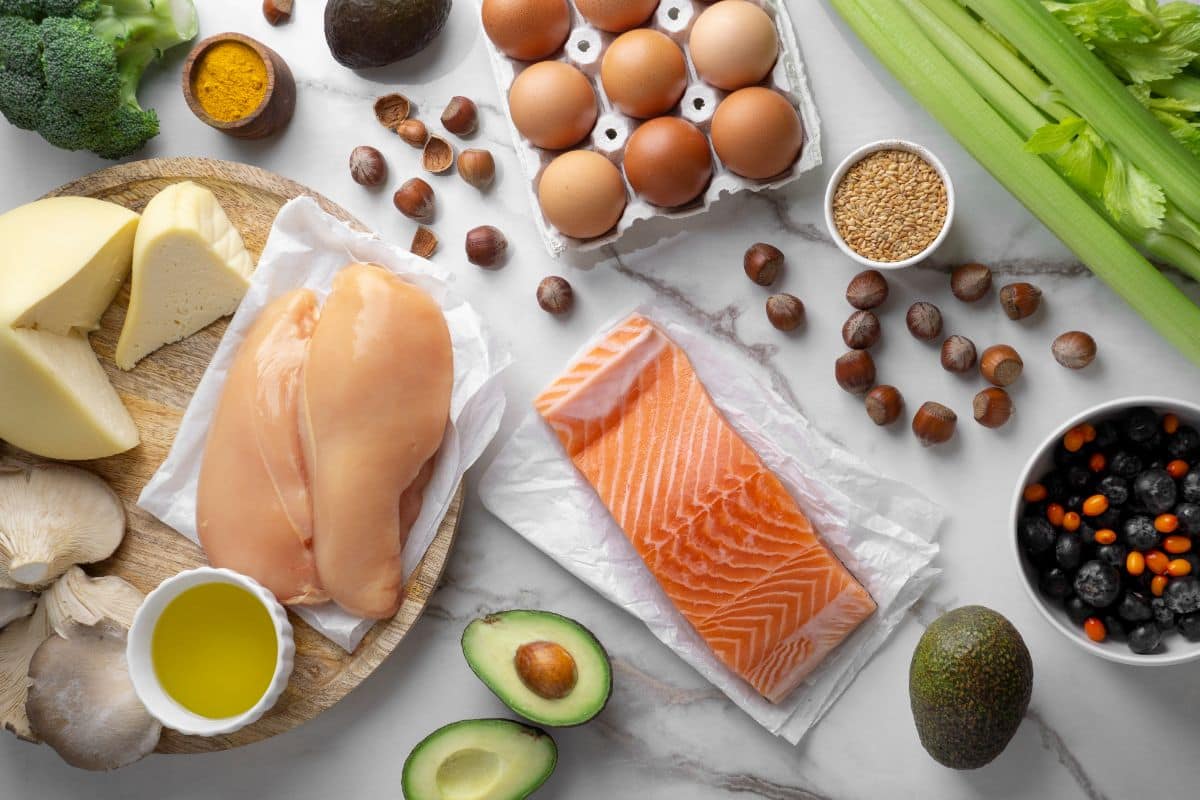
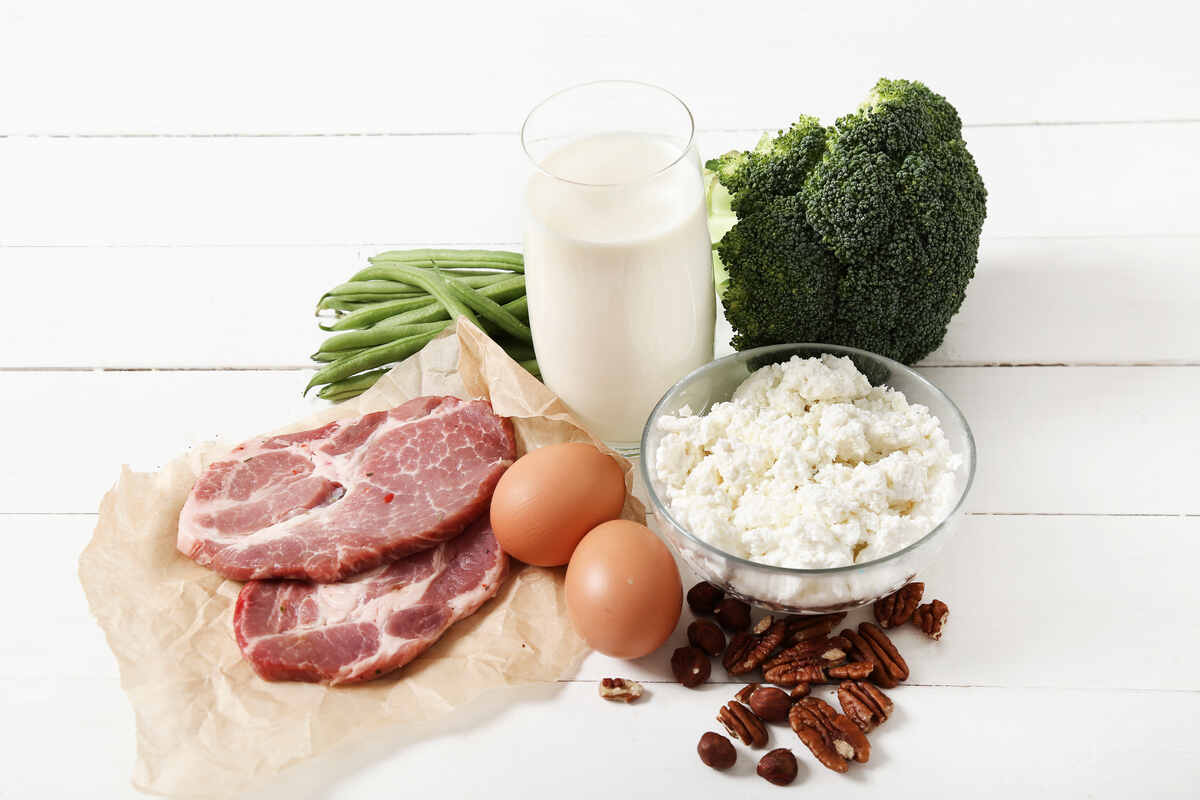
Protein Sources
Protein helps you stay full and supports muscle repair:
Lean Meats: Chicken, turkey, lean beef.
Fish and Seafood: Salmon, cod, tuna.
Plant-Based Proteins: Lentils, chickpeas, tofu.
Eggs: Versatile and nutrient-dense.
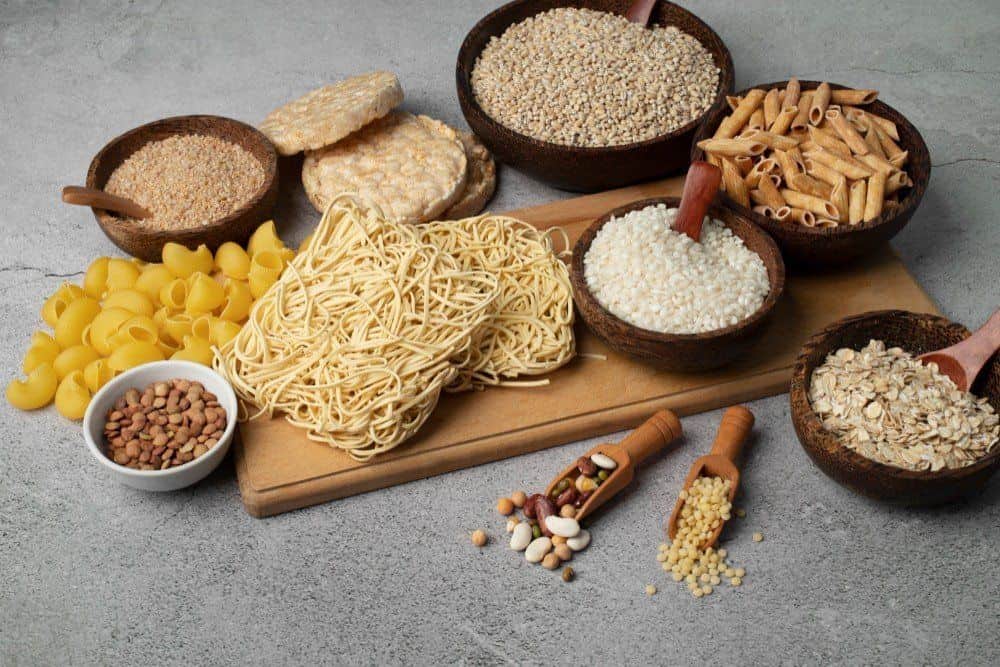
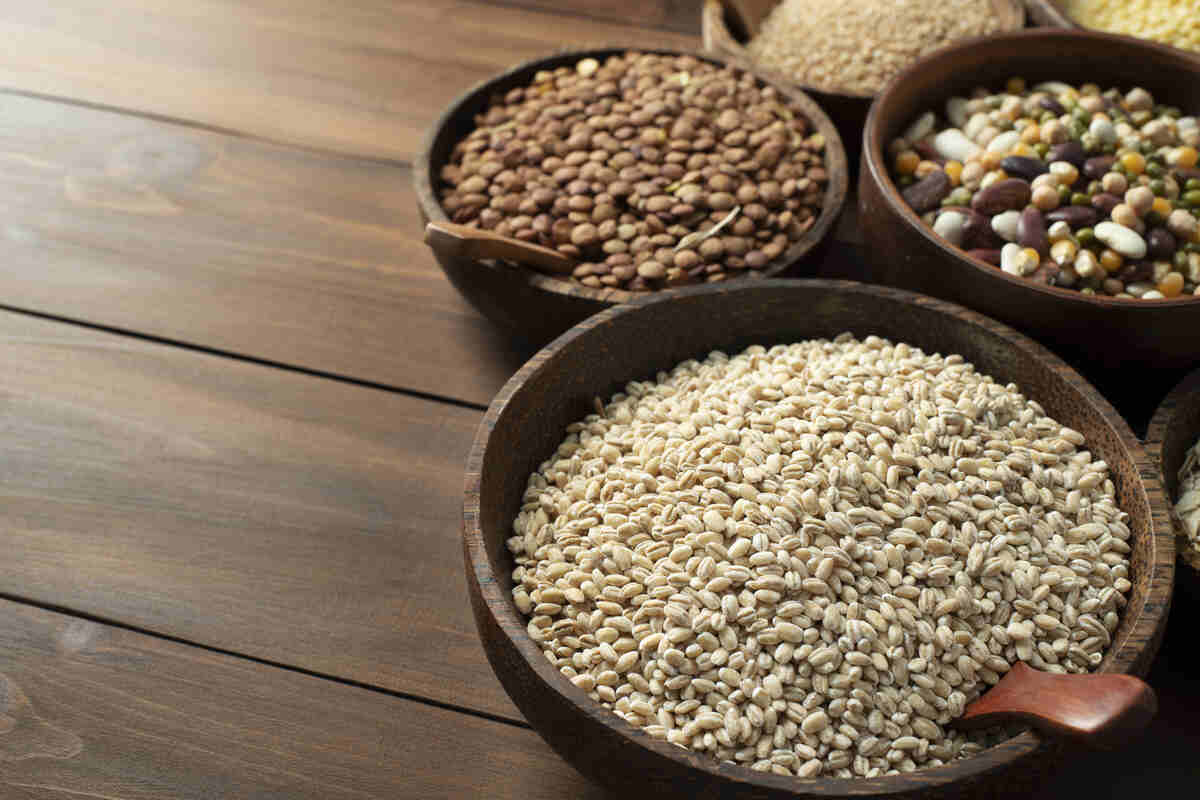
Whole Grains
Ditch refined grains for these healthier options:
Quinoa: A protein-rich, gluten-free choice.
Brown Rice: Higher in fibre than white rice.
Oats: Choose unsweetened, plain varieties.
Healthy Fats
Fats provide long-lasting energy and satiety:
Avocados: Use in salads or as spreads.
Nuts and Seeds: Almonds, chia seeds, flaxseeds.
Olive Oil: Ideal for dressings and cooking.
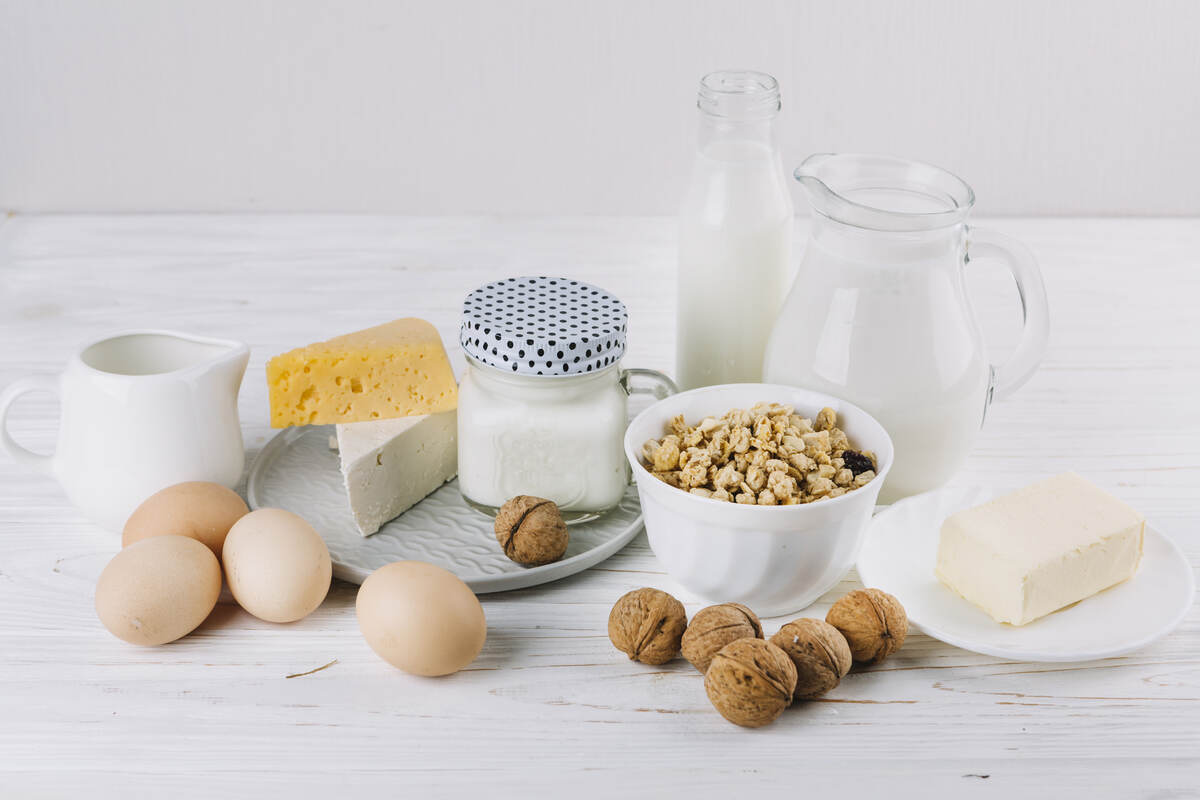
Dairy and Alternatives
Stick to unsweetened options:
Plain Greek Yogurt: Rich in protein & probiotics.
Unsweetened Almond Milk: A versatile milk substitute.
Cheese: Choose natural, unprocessed varieties.
Beverages
Stay hydrated with these no-sugar drinks:
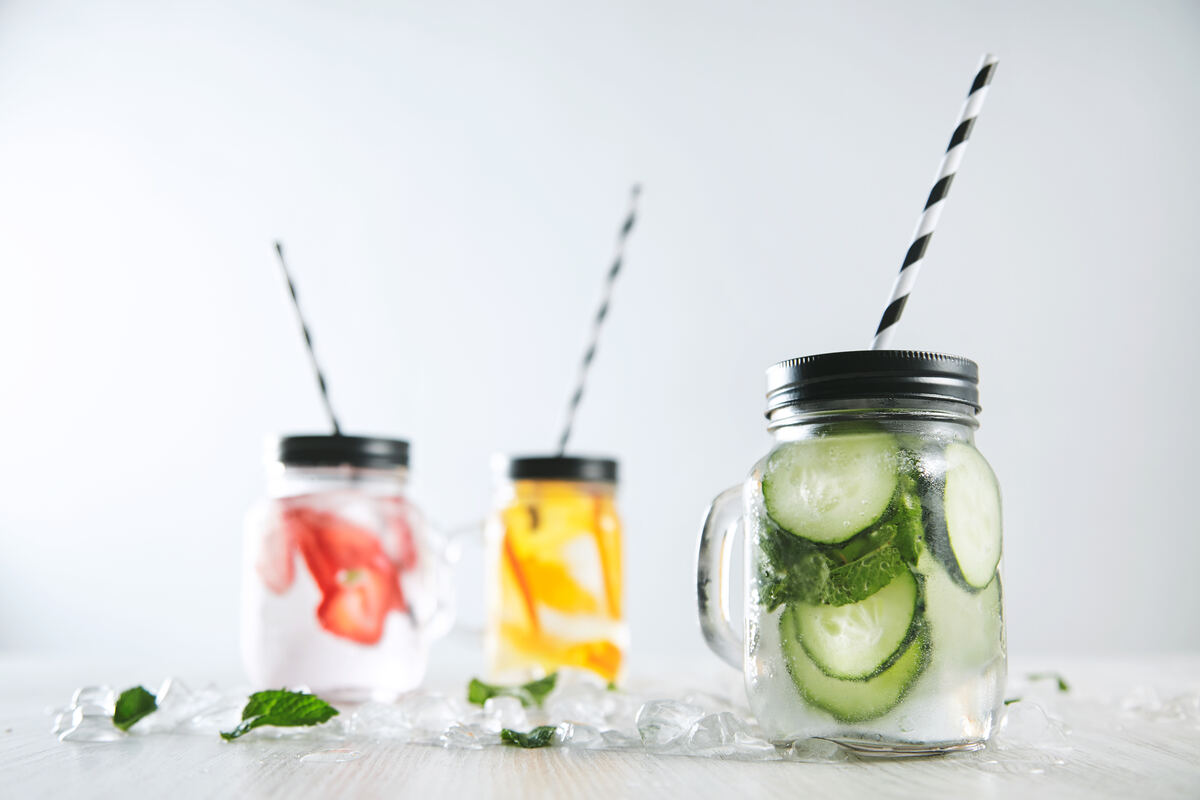
Water: Infuse with lemon or cucumber for variety.
Herbal Teas: Naturally sugar-free and caffeine-free.
Black Coffee: Skip the sugary syrups.
Snacks
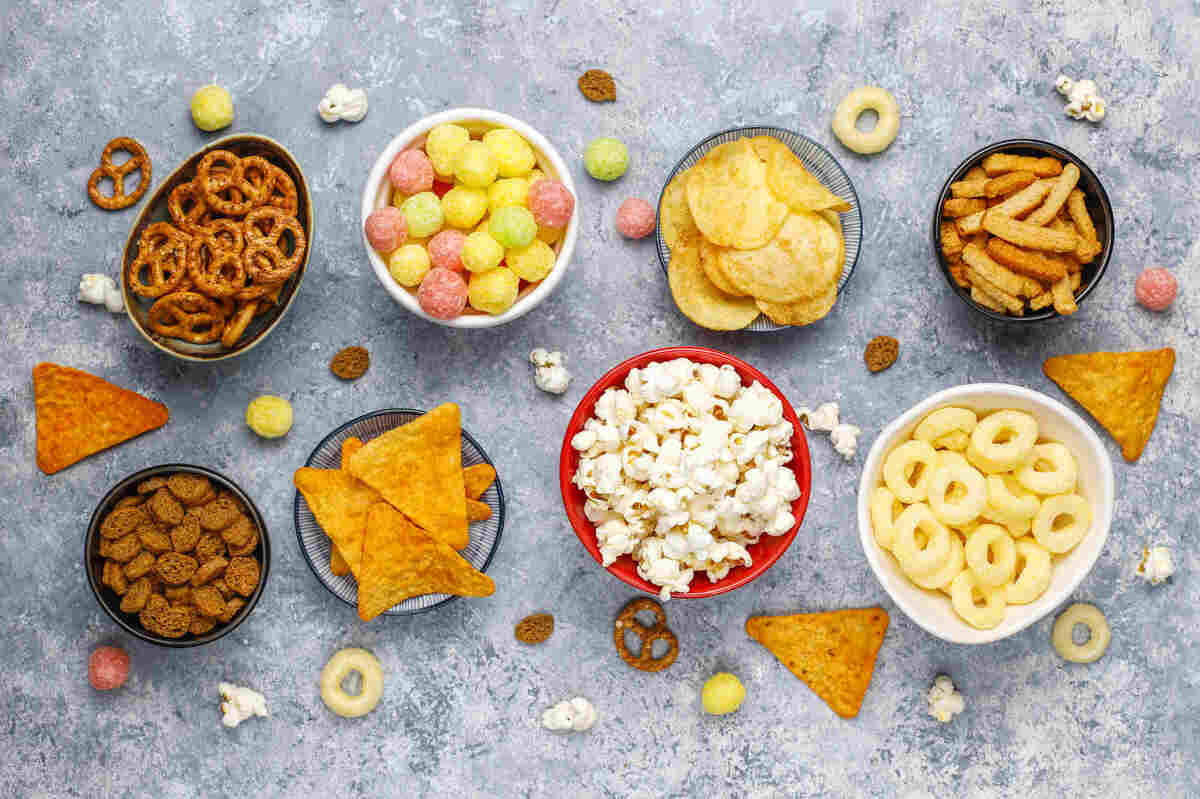
Healthy snacking helps curb cravings:
Vegetable Sticks: Pair carrots or celery with hummus.
Nuts and Seeds: Handful of almonds or sunflower seeds.
Fruit Slices: Apple or pear slices with cinnamon.
Sample 7-Day No-Sugar Diet Meal Plan
Here’s an example meal plan to kick-start your journey:
Day 1
Breakfast: Greek yoghurt with berries and chia seeds.
Lunch: Grilled chicken salad with olive oil dressing.
Dinner: Baked salmon with quinoa and broccoli.
Snack: Apple slices with almond butter.
Day 2
Breakfast: Scrambled eggs with spinach.
Lunch: Lentil soup with roasted vegetables.
Dinner: Stir-fried tofu with brown rice.
Snack: Carrot sticks and hummus.
Tips for Success on a No-Sugar Journey
Read Labels: Look for hidden sugars in packaged foods.
Plan Meals: Stick to a meal plan to avoid temptations.
Stay Hydrated: Thirst can often be confused with hunger.
Keep Snacks Handy: Healthy options reduce the risk of unhealthy cravings.
Stay Positive: Focus on the benefits like better energy and mood.
Conclusion
A no-sugar diet is a decisive step toward a healthier, more energized lifestyle. You can embrace this challenge and experience lasting benefits with the correct food list and meal plan. Commit to your goals, and let this 14-day, no-sugar diet food list guide your success.
Enjoy the journey to better health and vitality—one sugar-free meal at a time!
Weight loss involves more than just numbers on a scale; it is a transformative journey characterized by distinct stages. Recognizing these phases can provide motivation, insight, and clarity to help you stay on track. In this guide, we’ll explore the stages of noticing weight loss, offering practical tips and addressing common challenges to support your path to a healthier you.
Stage 1: The Decision to Lose Weight
Every weight loss journey begins with the decision to make a change. This step often stems from health concerns, a desire to boost confidence, or the goal of improving overall well-being.
Key Actions:
Set Specific Goals: Clearly define your objectives. Set goal to lose 10 pounds in three months or to fit into a favorite outfit.
Consult a Professional: Collaborate with a healthcare provider or nutritionist to create a sustainable plan tailored to your needs.
Prepare Mentally: Embrace the understanding that weight loss is a gradual process requiring dedication and patience.
Stage 2: Initial Changes in Diet and Exercise
With determination in place, the next step involves modifying daily habits. This phase sets groundwork for long-term success.
Key Actions:
Diet Adjustments: Prioritize nutrient-dense foods such as fruits, vegetables, lean proteins, & whole grains while reducing processed foods.
Exercise Introduction: Begin with manageable workouts like walking, yoga, or light strength training. Gradually increase intensity as your endurance improves.
Hydration: Stay hydrated to support metabolism and manage hunger. Make it a priority to drink 8 to 10 glass of water daily for optimal health & hydration.
Stage 3: Noticing Early Physical Changes
In this phase, subtle yet encouraging changes appear, affirming your efforts.
Key Indicators:
Clothing Fit: Pants may feel looser around the waist and hips.
Energy Levels: Increased energy and reduced fatigue as your body adapts to healthier habits.
Initial Weight Loss: The scale might reflect a modest drop of 1–5 pounds, boosting confidence.
Stage 4: Visible Weight Loss
Progress becomes more evident in this stage, with noticeable appearance and overall health improvements.
Key Indicators:
Body Measurements: Marked reductions in waist, hips, and arms.
Facial Changes: Slimmer facial features with more defined cheekbones and jawlines.
Compliments: Friends and family may acknowledge and praise your transformation.
Stage 5: Plateau Phase
Plateaus are a common yet frustrating part of the journey, where weight loss slows or temporarily halts.
Key Strategies:
Reevaluate Routine: Adjust your diet or introduce new exercises like High-Intensity Interval Training (HIIT).
Focus on Non-Scale Victories: Celebrate improvements like better stamina or healthier skin.
Seek Support: Join a community or partner with a workout buddy to stay motivated.
Stage 6: Breaking Through the Plateau
Overcoming a plateau often requires persistence and strategic adjustments.
Key Actions:
Incorporate Strength Training: Build muscle to enhance your resting metabolic rate.
Monitor Macronutrients: Balance your intake of proteins, fats, and carbs to support your goals.
Switch Workouts: Introduce new activities to challenge your body and reignite progress.
Stage 7: Achieving Your Goal
Reaching your target weight is a milestone worth celebrating. This stage brings a sense of accomplishment and renewed self-confidence.
Key Actions:
Celebrate Wisely: Reward yourself with non-food treats like new clothes or a spa day.
Reflect on Progress: Take pride in how far you’ve come and your cultivated habits.
Set New Goals: Whether it’s maintaining your weight or pursuing fitness challenges, continue setting objectives.
Stage 8: Maintenance
Maintaining weight loss is an ongoing effort, emphasizing balance and consistency.
Key Tips:
Adopt Sustainable Habits: Continue eating a balanced diet with occasional indulgences.
Stay Active: Incorporate enjoyable physical activities like dancing, hiking, or swimming.
Monitor Progress: Regularly check your weight and adjust habits to prevent regain.
Conclusion
The stages of noticing weight loss are more than checkpoints—milestones reflecting your hard work and determination. By understanding these phases and embracing the challenges, you can stay motivated and achieve sustainable results. Remember, weight loss is more than aesthetics; it’s a journey toward improved health and well-being. Stay patient, celebrate your victories, and most importantly, be kind to yourself throughout this transformative process.
You’ve probably heard of prenatal vitamins before, but they are only for pregnant women, right? Indeed, these vitamins are typically marketed toward women expecting a baby. However, did you know that men can also benefit from these supplements? Prenatal vitamins—packed with essential nutrients like folic acid, DHA, and iron—offer significant health benefits beyond pregnancy.
The question is: Can men take prenatal vitamins? The short answer is yes! In this article, we’ll explore why more men consider adding prenatal vitamins to their daily routine. Whether you aim to boost your fertility, improve energy levels, or support heart health, prenatal vitamins might be just what you need.
What’s in Prenatal Vitamins, and Why Do They Matter to Men?
When considering prenatal vitamins, you probably picture pregnancy-related nutrients like folic acid and DHA. But these nutrients do far more than support fetal development—they can also enhance overall health for men. Let’s break down the main components of prenatal vitamins and see why they matter:
Folic Acid: Widely known for preventing congenital disabilities, it supports male fertility. Studies show that folic acid can improve sperm health and motility. If you’re looking to conceive, this nutrient is essential.
DHA (Docosahexaenoic Acid): An Omega-3 fatty acid promoting brain and heart health. DHA is a powerhouse nutrient that supports cognitive function and reduces inflammation—key for maintaining overall vitality.
Iron: Men typically need less iron than women, but this nutrient is still crucial for energy levels. For men experiencing fatigue, prenatal vitamins with iron can help replenish reserves and improve stamina.
You see, prenatal vitamins are about more than just pregnancy—they are a combination of powerhouse nutrients that support your health in multiple ways.
Can Prenatal Vitamins Boost Men’s Fertility?
Here’s a question that might be on your mind: Can prenatal vitamins improve male fertility? The answer is yes. Folic acid is one of key ingredients that can positively affect sperm production and quality.
But why is that important?
As men age, sperm quality can decline, and fertility can become an issue. Folic acid is linked to increased sperm motility and overall reproductive health. So, if you’re trying to start a family or just looking to improve your chances, a prenatal vitamin might be a good place to start.
Think about it
Imagine you’re trying to conceive and want to give your body every chance to succeed. Taking prenatal vitamins with folic acid can support sperm health & increase the likelihood of conception. It’s one small change that could make a significant impact.
How Prenatal Vitamins Support Energy and Mental Clarity
If you’re constantly tired or mentally drained, prenatal vitamins might be the answer you didn’t know you were looking for.
Energy Boost: Prenatal vitamins often contain more B vitamins than standard multivitamins. These B vitamins help boost energy levels, improve metabolism, and revitalise you throughout the day.
Cognitive Function: DHA, an Omega-3 fatty acid, is essential for brain health. It supports cognitive functions like memory, focus, and overall mental clarity. This is especially important as you age or juggle a busy, high-stress lifestyle.
Pause for a moment
What if you could feel energised daily and experience a sharper mind? Imagine the difference that could make to your work, relationships, and overall well-being. Prenatal vitamins might be the key.
Prenatal Vitamins: Heart Health and Inflammation Reduction
Did you know? Prenatal vitamins are also packed with Omega-3 fatty acids like DHA, which can significantly reduce inflammation and support heart health.
DHA is crucial in maintaining healthy cholesterol levels, improving circulation, and preventing cardiovascular disease. For men in their 30s and 40s, cardiovascular health becomes increasingly important—and adding DHA-rich prenatal vitamins to your routine can provide long-term benefits.
Are There Any Risks for Men Taking Prenatal Vitamins?
Okay, so you’re intrigued, but are there any risks involved in taking prenatal vitamins as a man?
While there are many benefits, iron is one thing to be cautious about. During pregnancy and menstruation, women need higher levels of iron, which is why prenatal vitamins often contain more iron. However, men typically don’t need as much iron, and taking too much can lead to health issues like digestive problems or iron overload.
Tip: If you’re not iron-deficient, consider choosing a prenatal vitamin with lower iron content or consult a healthcare professional before starting.
Can Prenatal Vitamins Be Part of Your Daily Routine?
Adding prenatal vitamins to your routine is pretty straightforward. If you’re looking for a supplement that supports multiple aspects of health—fertility, energy, cognitive function, and heart health—prenatal vitamins may be just what you need.
But how do you choose the right one? Should you go with a brand you already trust? Here’s where brand reputation comes in.
Why Choose Nature Made?
Choosing a trusted, reliable brand is essential if you’re considering starting your prenatal vitamin journey. Nature Made is a supplement industry leader known for its commitment to quality and purity. With a long history of providing science-backed products, Nature Made ensures that its prenatal vitamins are crafted to the highest standards.
While we’re not diving into specific products yet, know that Nature Made offers a range of prenatal options, from soft gels to gummies, all designed with your wellness in mind.
What’s Next?
Now that you know the basics about prenatal vitamins for men, you’re ready to explore how they can specifically benefit your health. In the next section, we’ll dive into a range of prenatal supplements designed to support your unique health needs—whether you’re focused on improving fertility, boosting energy, or enhancing overall wellness.
Embarking on a new vitamin regimen can be an exciting step towards better health, but it’s natural to wonder how long does it take for vitamins to work. Whether ingested through diet or supplements, vitamins are crucial for maintaining overall wellness. However, the timeline for seeing noticeable changes can vary widely. This comprehensive article will explore the factors influencing vitamin effectiveness, how vitamins are absorbed, and how to create an effective vitamin routine.
Understanding Vitamin Absorption
Vitamins are absorbed through the digestive system like food. When you take a vitamin supplement, it passes through your stomach and into the small intestine, where it is broken down and absorbed into the bloodstream. The absorption process can differ depending on the type of vitamin—whether it is water-soluble or fat-soluble.
Water-Soluble Vitamins
Water-soluble vitamins, i.e B vitamins and vitamin C, absorbed directly into the bloodstream from the small intestine. These vitamins are not stored in the body, and any excess amounts are excreted in urine. This means they need to be replenished regularly to maintain adequate levels.
Fat-Soluble Vitamins
Fat-soluble vitamins, including A, D, E, and K, require dietary fat for proper absorption. They stored in the liver and fatty tissues, meaning they don’t need to be consumed as frequently as water-soluble vitamins. However, they can build up in the body and potentially reach toxic levels if taken in excessive amounts.
Factors Influencing Vitamin Effectiveness
There are several factors that can impact how long it takes for vitamins to start working. Understanding these factors, can help you to manage your expectations and optimize your vitamin regimen.
Current Vitamin Levels
If you have a significant deficiency, you may notice the effects of supplementation more quickly. For example, if your vitamin D levels are very low, taking a supplement can lead to noticeable changings in energy and mood within a few weeks to months.
Type of Vitamin
The type of vitamin and its solubility significantly affect how quickly it can start working. Water-soluble vitamins are generally absorbed more rapidly but also need to be replenished more frequently. Fat-soluble vitamins take longer to be absorbed and utilized by the body.
Diet
Your diet can significantly impact vitamin absorption. Consuming vitamins with foods that enhance their absorption can make them more effective. For example, vitamin C improves iron absorption, while fat-soluble vitamins must be taken with a fat source to effectively absorb.
Age
As our age increase, our bodies’ ability to absorb certain nutrients declines. This can affect how quickly we see the benefits of vitamin supplementation. For instance, older adults may need higher vitamin B12 or vitamin D doses to maintain optimal levels.
Consistency
Consistency is the main reason when it comes to vitamin supplementation. Taking your vitamins sporadically or forgetting doses can delay their effectiveness. To maximize benefits, establish a daily routine that includes your vitamin supplements.
Bioavailability
Bioavailability refers to the specific quantity of a nutrient that is absorbed and utilized by the body. This can be affected by the form of the vitamin (e.g., liquid vs. tablet) and the timing of ingestion. For instance, some vitamins should be taken on an empty stomach, while others should be taken with food.
Creating an Effective Vitamin Regimen
To ensure you get the most out of your vitamins, creating a consistent and personalized routine is essential. Here’s how you can do it:
Choose the Right Vitamins
Selecting high-quality vitamins from reputable brands is crucial. Go for supplements that are third-party tested for purity and potency. Nature Made® vitamins, for example, are a trusted brand recommended by pharmacists.
Make a Daily Schedule
Incorporate your vitamin intake into your daily routine. This could be in the morning with breakfast or in the evening with dinner. Placing your vitamins in a visible location can also remind you to take them.
Consult with a Healthcare Provider
Before starting any new vitamin regimen, it’s wise to consult with a healthcare provider. They can provide best recommendations based on your health needs, current vitamin levels, and lifestyle.
How Long Does It Take for Different Vitamins to Start Working?
The timeline for seeing the benefits of vitamin supplementation can vary depending on the specific vitamin and individual factors.
Vitamin C
Vitamin C is also known for playing main role in boosting the immune system. Regular intake of supliments that contain vitamin C can help reduce the duration of the common cold. You may notice improvements in your immune function and skin health within one to two weeks.
Vitamin B12
Vitamin B12 play a key role in red blood cell production and neurological function. If you’re deficient in B12, supplementation can improve symptoms of anemia and boost energy levels within a few weeks to months.
Vitamin D
Vitamin D deficiency is common, especially in areas with limited sunlight. Supplementing with vitamin D can improve bone health, immune function, and mood. It may take six weeks to several months to notice significant improvements.
Biotin
Biotin, a B vitamin, supports healthy hair, skin, and nails. If you’re deficient, biotin supplements can start showing results in improved skin clarity, reduced hair loss, and stronger nails within six weeks to three months.
Vitamin E
Vitamin E supports brain, skin, and eye health. Suppose you’re taking vitamin E for its antioxidant properties. In that case, notice any changes may take several weeks to a few months, especially if you address deficiencies or specific health concerns.
Conclusion
So, How long does it take for vitamins to work? The timeline varies based on vitamin type, current levels, dietary factors, age, and the quality of supplements. While some vitamins may produce noticeable effects within weeks, others require several months of consistent use. To maximize benefits, select high-quality supplements, maintain a daily regimen, and consult healthcare professionals for personalized guidance. Patience is essential; vitamins contribute gradually to overall health and well-being when used consistently and strategically.
Are you looking for a hydrating beverage that offers a nutrient boost without the caffeine jitters? Vitamin Water, the popular drink from Glacéau (a subsidiary of The Coca-Cola Company), is often considered a go-to option for health-conscious individuals. However, a common question arises: Does Vitamin Water Have Caffeine? In this article, we’ll explore the caffeine content of Vitamin Water, its key ingredients, and why it could be an ideal choice for those seeking a flavorful way to stay hydrated.
What Is Vitamin Water?
Vitamin Water is a fortified beverage designed to hydrate and provide essential nutrients. It combines water with vitamins, minerals, and natural flavours, making it an appealing choice for those who want more than just plain water. It is marketed as a functional drink, offering a variety of health benefits such as immune support, energy boosts, and recovery aids.
Vitamin Water is available in various flavours, each designed to serve a different purpose. Some varieties focus on energy, while others prioritize hydration, immunity, or general wellness. Despite the wide range of options, many people are left wondering whether these drinks contain caffeine, particularly for those who want to avoid stimulants.
The Caffeine Question: Does Vitamin Water Have Caffeine?
The caffeine content in Vitamin Water varies depending on the specific variety. Most Vitamin Water flavours are caffeine-free, making them an excellent option for staying hydrated without worrying about caffeine intake. However, there is one key exception to this rule.
Vitamin Water Energy, a popular variety, contains caffeine. Each 591 ml bottle of Vitamin Water Energy provides about 50 mg of caffeine derived from natural sources such as green tea extract. This is significantly lower than caffeine content in typical coffee cup (usually around 95 mg). As such, Vitamin Water Energy can provide a subtle energy boost without the strong stimulant effects of a more traditional energy drink or coffee.
For those avoiding caffeine altogether, there are plenty of options. Most other flavours of Vitamin Water, including Vitamin Water XXX and Vitamin Water Revive, are completely caffeine-free, allowing you to enjoy the hydrating and nutritional benefits without any unwanted stimulation.
The Nutritional Benefits of Caffeine-Free Vitamin Water
One of the major appeals of Vitamin Water is its ability to hydrate and deliver essential vitamins and minerals. Even without caffeine, these drinks can be a valuable part of your hydration routine. Here are some key nutritional benefits of caffeine-free Vitamin Water:
Vitamin C: A potent antioxidant that supports the immune system and helps maintain healthy skin.
B Vitamins (B3, B5, B6, B12): Essential for energy production, metabolism, and overall health.
Electrolytes (potassium, magnesium): Crucial for proper hydration and muscle function, particularly beneficial for those who engage in physical activity.
These nutrients help nourish and energise your body, making Vitamin Water an excellent choice for anyone leading an active lifestyle.
The Sugar Content of Vitamin Water
While Vitamin Water offers a wide span of health benefits, it’s important to be mindful of its sugar content. Some varieties of Vitamin Water contain added sugars to enhance flavour, which can be a concern for those looking to manage their sugar intake. Excessive sugar consumption is linked to many health issues, including weight gain, insulin resistance, and increased risk of chronic diseases.
Vitamin Water offers an alternative for those watching their sugar intake: Vitamin Water Zero. This variety contains no added sugars and is sweetened with stevia and erythritol, providing the same refreshing flavours and nutritional benefits without the calorie count or sugar-related concerns.
If you’re not keen on artificial sweeteners, you can dilute regular Vitamin Water with water to reduce sweetness while still enjoying the vitamins and electrolytes.
Exploring the Variety of Flavors
Vitamin Water offers various flavours, each tailored to specific health goals. Whether you need an energy boost, want to support your immune system, or are looking for a post-workout recovery drink, there’s a flavour for you. Here are some popular caffeine-free varieties:
Vitamin Water XXX (Acai-Blueberry-Pomegranate): Rich in antioxidants and vitamins, this flavour supports overall health and wellness.
Vitamin Water Revive (Fruit Punch): Packed with electrolytes and B vitamins, it’s perfect for replenishing nutrients after exercise.
Vitamin Water Focus (Kiwi-Strawberry): Loaded with vitamins A and C, this option promotes immune health and skin vitality.
These caffeine-free varieties allow you to customize your Vitamin Water experience based on your health needs and preferences.
How to Incorporate Vitamin Water into Your Hydration Routine
Vitamin Water can be a great addition to your daily hydration routine but should not replace your primary water intake. Here are a few tips for using Vitamin Water in your lifestyle:
Balance Your Fluids: While Vitamin Water provides essential nutrients, it should complement your daily water intake, not replace it. Make sure you’re drinking plain water regularly for optimal hydration.
Read the Labels: Always check the labels to understand the nutritional content of your chosen flavour. This will help you choose the right variety based on your health goals.
Monitor Sugar Intake: If you’re trying to limit sugar, opt for Vitamin Water Zero or dilute regular Vitamin Water with water to reduce the sweetness and sugar content.
Conclusion
So, does Vitamin Water have caffeine? In short, most varieties are caffeine-free, except Vitamin Water Energy, which contains a modest amount of caffeine (50 mg per bottle). Whether you’re looking for a hydrating, nutrient-packed drink or a subtle energy boost, Vitamin Water offers variety of options to suit your needs.
For those concerned about caffeine or sugar intake, plenty of flavorful, nutritious, and refreshing options are available to help you stay hydrated throughout the day. Remember to balance your intake with plain water for optimal hydration and health.
Ganglion cysts, the fluid-filled lumps that typically form around joints or tendons, especially in the wrists and hands, are relatively common but often misunderstood. While they are usually benign, ganglion cysts can cause discomfort, affect mobility, and sometimes lead to pain if they press on nearby nerves. Though the exact cause of these cysts remains unclear, recent research has suggested a potential link between Ganglion Cyst Vitamin Deficiency. This blog will explore how the absence of key vitamins might contribute to developing ganglion cysts and how maintaining a balanced diet may offer a proactive approach to their prevention and management.
What Are Ganglion Cysts?
A ganglion cyst is non-cancerous, fluid-filled sac that often forms along the tendons or joints in the hands or wrists but can also appear on the ankles and feet. These cysts contain a thick, jelly-like fluid known as synovial fluid, which serves to lubricate the joints. While ganglion cysts vary in size and can change with activity—growing larger during movement and shrinking during rest—they are usually painless. However, if they press on surrounding nerves, they can cause pain, tingling, or weakness.
The Role of Vitamins in Joint and Tendon Health
Vitamins are essential for maintaining overall health, including the health of our tendons, ligaments, and joints. A deficiency in specific vitamins can impair the structure & function of connective tissues, leading to musculoskeletal problems. This raises the question: Could a vitamin deficiency be a factor in developing ganglion cysts?
Vitamin D: Vital for Bone and Tendon Health
Vitamin D is important nutrient for maintaining bone and joint health. It helps regulate calcium & phosphorus levels in blood, ensuring that bones remain strong and stable. Recent studies have propose that vitamin D deficiency could contribute to formation of ganglion cysts.
Vitamin D plays critical role in maintaining structural integrity of connective tissues, including tendons & ligaments. If these tissues are compromised due to low vitamin D levels, it could lead to inflammation, irritation, and the production of excess synovial fluid, which may trigger the formation of ganglion cysts.
Vitamin D-rich foods include:
Fatty fish like salmon, mackerel, and sardines
Fortified dairy products
Egg yolks
Mushrooms (exposed to sunlight)
Spending time in sunlight also helps the body naturally produce vitamin D.
Vitamin B6: Supporting Tendon Health
Vitamin B6 (pyridoxine) plays key role in protein metabolism and the production of neurotransmitters, making it vital for tendon health. A deficiency in vitamin B6 can weaken connective tissues, increasing the risk of tendon injuries and disorders, including ganglion cysts.
Some research indicates that sufficient levels of vitamin B6 may decrease the risk of developing ganglion cysts. Healthy tendons are less likely to become irritated and produce the excess synovial fluid that leads to cyst formation.
Vitamin B6-rich foods include:
Poultry
Fish
Potatoes
Chickpeas
Bananas
Fortified cereals
Vitamin C: The Collagen Booster
Vitamin C is important for synthesizing collagen, a protein in connective tissues like tendons, ligaments, and skin. Collagen provides strength and elasticity to tissues, allowing them to withstand stress and strain. A deficiency in vitamin C can weaken connective tissues, making them more susceptible to injury and slower to heal. This can increase the likelihood of conditions like ganglion cysts forming.
Ensuring an adequate vitamin C intake through diet or supplements can support tendon health and potentially reduce the risk of ganglion cysts.
Vitamin C-rich foods include:
Oranges and citrus fruits
Strawberries
Bell peppers
Broccoli
Kale
A Balanced Diet for Joint and Tendon Health
While research on the exact link between vitamin deficiencies and ganglion cysts is still ongoing, it’s clear that proper nutrition plays key role in maintaining healthy tendons and joints. A well-balanced diet rich in essential vitamins can support your overall health & help reduce the risk of ganglion cysts.
Here are some dietary tips to ensure you’re getting the proper nutrients for tendon and joint health:
Vitamin D: Include fatty fish similar as salmon, mackerel, & sardines, along with fortified dairy products and egg yolks. Spend time in the sunlight to support natural vitamin D production.
Vitamin B6: Incorporate poultry, fish, potatoes, chickpeas, bananas, and fortified cereals into your meals.
Vitamin C: Add citrus fruits, strawberries, bell peppers, broccoli, and kale to your diet for optimal vitamin C intake.
Managing Ganglion Cysts Through Nutrition
If you already have a ganglion cyst, focusing on nutrition may help prevent further cyst formation and improve the overall health of your tendons and joints. While dietary changes alone may not eliminate existing cysts, they can support your body’s resilience and reduce the risk of additional cysts forming. Addressing vitamin deficiencies through balanced diet is a proactive step in managing this condition and promoting overall joint health.
Other Preventive Measures
In addition to maintaining balanced diet, there are other steps you can take to prevent or manage ganglion cysts:
Regular Exercise: Engage in physical activity to muscles & joints, reducing risk of injuries that could lead to ganglion cysts.
Proper Ergonomics: Set up your workspace to avoid repetitive strain on your wrists and hands.
Stretching and Warm-Up: Stretch before engaging in activities that stress your joints and tendons.
Hydration: Stay hydrated to maintain the elasticity and resilience of connective tissues.
Conclusion
Understanding the relationship between ganglion cysts and vitamin deficiencies can empower you to take proactive steps to prevent and manage this common condition. Make suring an adequate intake of vitamins like Vitamin D, B6, and C can support the health of your joints and tendons, potentially reducing the risk of ganglion cysts. However, consulting with healthcare provider before making significant dietary changes or starting new supplements is essential, as everyone’s health needs are unique.
Menopause marks an important transition in life, often accompanied by various physiological changes that can impact weight and energy levels. The hormonal shifts during menopause can slow metabolism, leading to weight gain and decreased energy. To support women through this phase, The Menopause Diet 5 Day Plan for Weight Loss offers a structured, nutrient-rich approach to energize the body and promote healthy weight loss. This comprehensive guide provides a detailed five-day plan to kickstart metabolism, balance hormones, and enhance overall well-being.
Oatmeal is rich in fiber, which significantly aids in digestion and helps maintain a feeling of fullness throughout the day. By adding berries, you introduce a burst of antioxidants that help reduce inflammation. This combination supports overall health and provides a nutritious, balanced start to your day, contributing to both digestive health and long-term wellness.
Lunch – Grilled chicken salad with a diversity of vegetables
Lean protein, such as grilled chicken, plays a crucial role in enhancing metabolism and preserving muscle mass, which are key goals of The Menopause Diet 5 Day Plan for Weight Loss. Incorporating a variety of vegetables into your meals ensures you receive essential vitamins and minerals necessary for overall health and well-being. This balanced approach to eating supports your body’s nutritional needs and promotes optimal functioning, making it an effective strategy for maintaining a healthy weight during menopause.
Dinner – Baked salmon with quinoa and Warming broccoli
Salmon is stuffed up with omega-3 fatty acids, which are known to reduce discomfort and support heart health. Quinoa is a complete protein that adds fiber and essential nutrients, while steamed broccoli provides a healthy dose of vitamins and minerals.
Snack – Greek yogurt with a couple of almonds
Greek yogurt is rich in probiotics, which promote gut health, while almonds offer healthy fats and protein to help keep you full and energized. This combination supports digestion and provides sustained energy throughout the day.
Tips: Starting your day with a big glass of water can aid in digestion and help keep you hydrated throughout the day. Eating a healthy breakfast sets a favorable tone for the day and can help jumpstart your metabolism.
Avocado is an excellent source of healthy fats, helping to keep you full and satisfied. Poached eggs provide high-quality protein, sustaining energy levels throughout the morning. This combination ensures a nutritious and filling start to your day.
Lunch – Tuna salad with combined greens and olive oil dressing
Tuna is an excellent choice for those following The Menopause Diet 5 Day Plan for Weight Loss, providing high-protein, low-fat nutrition that promotes satiety without unnecessary calories. Pairing tuna with mixed greens and olive oil dressing enhances its nutritional value, offering a variety of vitamins and healthy fats crucial for overall health. This combination not only satisfies hunger but also supports a balanced and nutritious eating plan tailored to weight loss and health goals during menopause.
Dinner – Stir-fried tofu with blended vegetables and brown rice
Tofu, rich in plant-based protein, aids in hormone balance during menopause. Mixed vegetables offer a spectrum of vital nutrients, while brown rice provides healthy carbohydrates. Together, they create a well-rounded meal that supports overall health and wellness.
Snack – Apple slices with peanut butter
Apples are packed with fiber and essential vitamins, promoting digestive health and overall well-being. Pairing them with peanut butter adds protein and healthy fats, which contribute to sustained energy levels and satiety between meals. This combination makes for a nutritious and satisfying snack or addition to any balanced diet.
Tips: Balancing meals with a mix of proteins and healthy fats can sustain energy levels throughout the day and diminish cravings for unhealthy snacks.
Breakfast – Smoothie with spinach, banana, and flaxseeds
Spinach is rich in iron and vitamins, supporting overall health and vitality. Bananas offer potassium, crucial for maintaining healthy blood pressure levels. Additionally, flaxseeds provide omega-3 fatty acids, known for their anti-inflammatory properties, making this trio beneficial for a well-rounded diet that promotes cardiovascular health and reduces inflammation.
Lunch – Lentil soup with whole grain bread
Lentils are rich in both protein and fiber, promoting satiety and supporting healthy digestion, which are key aspects of The Menopause Diet 5 Day Plan for Weight Loss. Pairing them with whole-grain bread provides complex carbohydrates that release energy gradually, helping to sustain energy levels throughout the day. This combination makes for a nutritious meal that supports overall health and provides lasting satisfaction.
Dinner – Grilled turkey breast with sweet potato and green beans
Turkey breast offers lean protein essential for muscle maintenance and repair. Sweet potatoes provide fiber, vitamins, and minerals, contributing to overall health. Green beans, a low-calorie and nutrient-dense side dish, complement this meal with additional vitamins and minerals, making it a balanced and nutritious choice for supporting muscle health and overall well-being.
Snack – Carrot sticks with hummus
Carrots are a rich source of beta-carotene, fiber, vitamin K1, potassium, and antioxidants, promoting eye health and overall well-being. Pairing them with hummus provides protein and healthy fats, creating a satisfying and nutritious snack that supports energy levels and satiety. This combination makes for a delicious and health-conscious choice for any time of day.
Tips: Anti-inflammatory foods can help alleviate menopausal symptoms such as joint pain and hot flashes. Incorporating these foods into your nutrition can enhance overall well-being and make you feel more comfortable during this transition.
Breakfast – Whole grain cereal served with almond milk and fresh fruit
Whole grain cereals are rich in fiber, promoting healthy digestion and prolonging satiety. Almond milk serves as a dairy-free alternative rich in calcium and vitamins, supporting bone health. When paired with fruits, which offer natural sweetness and essential nutrients, this combination creates a balanced and nutritious meal or snack that contributes to overall well-being and sustained energy levels.
Lunch – Quinoa bowl topped with black beans, corn, and avocado
Quinoa stands out as a complete protein, containing all nine essential amino acids necessary for the body. When combined with black beans and corn, this dish becomes rich in fiber and essential nutrients, supporting digestive health and overall well-being. Avocado adds healthy fats and a creamy texture, enhancing both flavor and nutritional value. Together, these ingredients create a balanced and satisfying meal that nourishes the body with a variety of beneficial nutrients.
Dinner – Lean beef stir fry with bell peppers and brown rice
Lean beef provides essential protein and iron, crucial for maintaining muscle mass and sustaining energy levels. Bell peppers are rich in vitamin C and antioxidants, supporting immune function and overall health. Brown rice serves as a wholesome source of carbohydrates, contributing to sustained energy release throughout the day. This nutritious and balanced meal supports muscle maintenance, immune health, and overall well-being, making it an excellent choice for those following The Menopause Diet 5 Day Plan for Weight Loss.
Snack – Berries with cottage cheese
Berries are packed with antioxidants, vitamins, and fiber, supporting overall health and well-being. Cottage cheese offers a high-protein, low-fat option that helps promote satiety and muscle maintenance. Together, this combination makes for a nutritious and satisfying snack or meal, providing a balance of nutrients that support energy levels and overall health.
Tips: Incorporating a variety of whole grains and high-fiber foods into your diet can support digestive health and help you feel full longer, aiding in weight management.
Breakfast – Lemon Water Followed By A Green Smoothie
Starting the day with lemon water can aid digestion and promote detoxification by stimulating the liver. A green smoothie packed with leafy greens such as spinach or kale provides a substantial nutrient boost, delivering vitamins, minerals, and antioxidants to kickstart your day with vitality and health benefits. This combination sets a refreshing and nutritious tone for the day ahead, supporting overall well-being and energy levels. It’s an ideal start for those following The Menopause Diet 5 Day Plan for Weight Loss.
Lunch – Spinach And Chickpea Salad With Lemon-Tahini Dressing
Spinach serves as an excellent base for salads due to its nutrient density and low calorie count. Chickpeas provide added protein and fiber, enhancing satiety and supporting digestive health. The lemon-tahini dressing not only adds flavor but also offers a nutritious source of healthy fats, completing this salad with a satisfying and balanced combination of nutrients essential for overall well-being. This nutrient-rich salad fits perfectly into The Menopause Diet 5 Day Plan for Weight Loss, supporting your health goals with each delicious bite.
Dinner – Baked Cod Accompanied By Roasted Brussels Sprouts
Cod is a lean protein choice that is low in calories but rich in essential vitamins and minerals, supporting overall health without adding excess calories. Roasted Brussels sprouts complement this meal with their high fiber content, vitamins, and antioxidants, contributing to digestive health and providing additional nutritional benefits. Together, they create a balanced and nutritious dish that supports a healthy lifestyle and well-rounded diet.
Snack – Mixed nuts and seeds
Nuts and seeds are nutritional powerhouses, combining protein, healthy fats, and fiber. They are also packed with vitamins and minerals, making them not only satisfying but also beneficial for overall health. Incorporating nuts and seeds into your diet as snacks provides a convenient and nutritious way to support energy levels, promote satiety, and contribute to a balanced intake of essential nutrients.
Tips: Staying hydrated is crucial, especially during menopause. Water assists flush out toxins, supports metabolism, and improves overall bodily functions. Consuming detoxifying foods can enhance these effects and promote overall health.
Exercise and Lifestyle Tips
Alongside dietary adjustments, integrating consistent physical activity into your daily routine is crucial for sustaining weight and energy levels throughout menopause. The Menopause Diet 5 Day Plan for Weight Loss emphasizes the importance of aiming for at least 30 minutes of exercise daily, including walking, yoga, or strength training. These exercises can help build muscle, boost metabolism, and improve overall fitness.
Stress management techniques are also important during menopause. Practices like meditation, deep breathing exercises, or any relaxing activity can help reduce stress and its negative impact on weight and health. Managing stress effectively, as recommended in The Menopause Diet 5 Day Plan for Weight Loss, can also improve sleep quality, which is crucial for overall well-being.
Ensuring sufficient sleep is vital for both weight management and general well-being. Aim to obtain 7-8 hours of quality sleep nightly. Establishing a steady sleep schedule and cultivating a serene bedtime atmosphere can enhance sleep quality and facilitate progress towards your weight loss objectives.
Additional Tips and Strategies
Meal Planning and Preparation: Meal planning aids in staying aligned with the menopause diet. Prepare ingredients in large quantities and portion them for convenient storage, saving time throughout the week. This method streamlines adherence to the diet plan and guarantees readily available healthy choices..
Practicing mindful: Eating involves being attentive to both what and how you consume, a principle emphasized in The Menopause Diet 5 Day Plan for Weight Loss. Taking your time to relish each mouthful and paying attention to your body’s signals of hunger and satiety can greatly influence your weight loss endeavors. This approach not only helps deter overeating but also fosters a more positive connection with food, promoting overall well-being and successful weight management during menopause.
Hydration: In addition to drinking water, consider incorporating herbal teas into your daily routine. Herbal teas like chamomile, peppermint, and ginger offer added health advantages, such as enhancing digestion and alleviating inflammation.
Support System: Surround yourself with a supportive community, whether friends, family, or online groups. Sharing your journey and challenges with others can provide motivation and encouragement, making it easier to stick to your goals.
Flexibility and Adaptation: Following the 5-day plan, adapt it to your needs. Listen to your body and make adjustments as necessary. If certain foods don’t agree with you, find alternatives that provide similar nutritional benefits.
Monitor Progress: Track your progress by maintaining a food journal or using a tracking app. Keeping track of your dietary intake, your emotional state, and any fluctuations in your weight or energy levels can offer valuable insights and aid in maintaining accountability.
Educate Yourself: Continuously seek knowledge about nutrition and wellness. Grasping the nutritional content of various foods and their impact on your body enables you to make informed decisions aligning with your health objectives.
Acknowledge small victories: Recognize your accomplishments, regardless of size. Celebrating and rewarding your progress can heighten motivation and solidify beneficial habits.
Conclusion
The Menopause Diet 5 Day Plan for Weight Loss offers a comprehensive, balanced approach to managing weight and boosting energy during menopause. By adhering to this plan, anticipate enhancements in overall well-being, ranging from heightened energy levels to improved weight management. The key to long-term achievement is consistency and making sustainable lifestyle changes.
Menopause is a natural part of aging, and while it brings changes, it also provides an opportunity to focus on health and wellness. Taking Up a diet rich in whole foods, lean proteins, healthy fats, and anti-inflammatory ingredients can support your body through this transition and beyond.
Using a “Cortisol Cocktail for Weight Loss” is gaining popularity in weight loss strategies. This innovative approach involves using a blend of natural ingredients to regulate cortisol levels, which aids in weight loss. If you’re curious about the science behind this, keep reading. This guide delves into how cortisol impacts weight and how incorporating a cortisol cocktail for weight loss can significantly improve your health. We’ll also reference scientific studies to back up our claims.
Understanding Cortisol: The Stress Hormone
The adrenal glands, found on top of the kidneys, make a hormone called cortisol. It’s commonly known as the “stress hormone” because its levels rise when you’re stressed. Cortisol is important for many body functions, like metabolism, immune system, blood sugar control, and stress handling. However, cortisol levels can remain elevated when stress becomes chronic, leading to negative health consequences, including weight gain.
The Role of Cortisol in the Body
Cortisol plays a vital role in several key bodily functions:
Metabolism: It helps regulate how the body converts carbohydrates, fats, and proteins into energy.
Immune Response: It modulates inflammation and the immune response.
Blood Sugar Levels: It assists in maintaining steady blood glucose levels by influencing insulin activity.
Stress Response: It primes the body for “fight or flight” responses, a survival mechanism during stressful situations.
However, when stress becomes chronic, consistently high cortisol levels can disrupt these processes, contributing to weight gain and other health issues.
The Relation Between High Cortisol Levels and Weight Gain
Increased Appetite and Cravings
Elevated cortisol levels can trigger increased appetite and cravings for high-calorie foods, particularly those rich in sugar and fat. This happens because cortisol disrupts the hormones that regulate hunger and fullness, such as ghrelin and leptin.
Fat Storage
Cortisol promotes the storage of fat, particularly visceral fat, which assembles around the organs in the abdominal cavity. This particular kind of fat poses a greater risk, as it raises the risk of metabolic syndrome, type 2 diabetes, and heart conditions. Additionally, cortisol can interfere with the body’s ability to split fat for energy, leading to weight gain.
Muscle Breakdown
High cortisol levels can cause your muscles to break down. This occurs because cortisol stimulates muscle protein breakdown into amino acids, which are then used to provide energy for the body. Because muscle tissue burns calories even when you are inactive, losing muscle can decrease your metabolism’s efficiency, making it harder to lose weight.
What is a Cortisol Cocktail for Weight Loss?
A Cortisol Cocktail for Weight Loss is a blend of natural ingredients specifically chosen to help manage and lower cortisol levels. By keeping cortisol in check, you can counteract cortisol’s negative effects on weight and overall health. With their stress-reducing and cortisol-lowering properties, these cocktails offer a promising solution for your health and weight management.
Key Ingredients in a Cortisol Cocktail for Weight Loss
Ashwagandha: This adaptable herb has been shown to reduce cortisol levels, support thyroid function, and promote a sense of calm.
Magnesium: Magnesium is crucial for regulating the stress response and can help lower cortisol levels.
Vitamin C: Vitamin C is popular for helping your immune system stay strong. It also helps reduce cortisol levels and combat the effects of stress.
Phosphatidylserine: This phospholipid can reduce cortisol levels, particularly after exercise, and improve cognitive function.
L-Theanine: L-theanine is found in green tea, which promotes relaxation without causing fatigue and can help lower cortisol levels.
Omega-3 Fatty Acids: These essential fats in fish oil have anti-cranky properties and can help reduce cortisol levels.
How to Create Your Cortisol Cocktail for Weight Loss
Creating your Cortisol Cocktail for Weight Loss at Home is simple and can be a delicious addition to your daily routine. Here’s a straightforward recipe to get you started:
Recipe for a Cortisol-Lowering Smoothie
Ingredients:
1 cup of almond milk (rich in magnesium)
One banana (contains B vitamins and magnesium)
One tablespoon of chia seeds (high in omega-3 fatty acids)
One scoop of protein powder (to help maintain muscle mass)
One teaspoon of ashwagandha powder
One handful of spinach (rich in magnesium and vitamin C)
One teaspoon of honey (natural sweetener)
Instructions:
Combine all ingredients in a blender.
Blend until smooth.
Pour into a glass and enjoy.
This smoothie is tasty and packed with ingredients to help manage cortisol levels and support weight loss.
Lifestyle Tips to Complement Your Cortisol Cocktail for Weight Loss
While a Cortisol Cocktail for Weight Loss can be a powerful equipment in your weight loss strategy, it’s important to remember that it’s not a magic solution. It’s best used in conjunction with a healthy lifestyle, including regular exercise, adequate sleep, mindfulness, and a balanced diet. Here are some tips to help you get the most out of your efforts:
Regular Exercise
Regular exercise can lower cortisol levels, boost your mood, and help with weight loss. Try to mix cardio workouts with strength training for the best outcome. Even simple activities like walking, swimming, or practicing yoga can make a big difference.
Adequate Sleep
Quality sleep is essential for maintaining balanced cortisol levels. Aim for 7-9 hours of sleep each night and practice good sleep hygiene by maintaining a consistent sleep schedule, creating a restful environment, and avoiding screens before bedtime.
Mindfulness and Relaxation Techniques
Add mindfulness activities like meditation, deep breaths, or yoga to your daily schedule to manage stress and lower cortisol levels. These techniques can improve your mental well-being and enhance your overall health.
Balanced Diet
A well-rounded diet with many whole foods, lean meats, good fats, and complex carbs can keep your blood sugar steady and stop cortisol from spiking. Ensure you have plenty of fruits, veggies, whole grains, and lean proteins.
Hydration
Staying hydrated is helpful for overall health and can help maintain balanced cortisol levels. Aim to drink at least eight glasses of water daily and limit consumption of caffeinated and sugary beverages.
Social Support
Building a strong social support network can help you manage stress more effectively. To enhance your emotional well-being, spend time with family and friends, join a support group, or engage in community activities.
Potential Side Effects and Considerations
While the ingredients in a Cortisol Cocktail are generally safe for most people, it’s important to consider potential side effects and medication interactions. For example, ashwagandha may interact with thyroid medications, and high doses of magnesium can cause digestive issues. Always remember to consult your healthcare consultant before starting any new supplement regimen. This step ensures your safety and the effectiveness of your health plan.
Monitoring Your Progress
Monitoring your health progress can help determine if your Cocktail for Weight Loss and lifestyle changes positively impact you. Consider maintaining a journal to record your daily activities, dietary intake, weight, mood, and stress changes. Regular consultation with a healthcare provider can also provide valuable insights and guidance.
Frequently Asked Questions (FAQs)
What time of day is best to take a cortisol cocktail?
The best time to take a cortisol cocktail can vary depending on the ingredients. Generally, it is recommended to take it in the morning or early afternoon to help manage cortisol levels throughout the day. Avoid taking it too late in the evening, as it may interfere with sleep.
Can I take a cortisol cocktail every day?
Yes, you can take a cortisol cocktail daily. However, it’s crucial to stick to the suggested amounts and talk to a healthcare professional to ensure it’s safe for you, considering your requirements and health conditions.
Are there any dietary restrictions while using a cortisol cocktail for weight loss?
There is no specific dietary restriction while using a Cortisol Cocktail for Weight Loss, but maintaining a balanced and nutritious diet can increase its effectiveness. Avoiding overly caffeine, alcohol, and processed foods can also help support your overall health and cortisol management.
Can a cortisol cocktail help with other health conditions?
While a Cortisol Cocktail for Weight Loss is primarily designed to manage cortisol levels and support weight loss, the ingredients may offer additional health benefits. For example, omega-3 fatty acids can improve cardiovascular health, and ashwagandha may help thyroid function. However, it is important to consult your healthcare provider for personalized advice.
How long does it take to see results from a cortisol cocktail?
The time it takes to see results from a Cortisol Cocktail for Weight Loss can vary depending on stress levels, diet, and lifestyle. Some people may notice improvements within a few weeks, while others may take longer. Achieving the best results requires both consistency and patience.
Conclusion
Managing cortisol levels is key for weight loss; a well-crafted Cortisol Cocktail and a healthy lifestyle are pivotal. Incorporating stress-reducing ingredients like ashwagandha, magnesium, and omega-3 fatty acids supports weight loss goals. While supplements aid, they’re not substitutes for a balanced diet and lifestyle. Understanding cortisol’s role and utilizing natural remedies are vital for holistic wellness and sustainable weight loss. Cheers to your journey toward better health with a Cortisol Cocktail for Weight Loss!
Miso soup is cherished in Japanese culinary tradition for its rich umami flavor and comforting warmth. As more people adopt a vegan lifestyle, a common question arises: “Is miso soup vegan?” The answer is more complicated than one might think. In this blog post, we’ll explore the ingredients of miso soup, examine what makes a dish vegan, and provide tips on enjoying this delicious soup while adhering to a plant-based diet.
Understanding Miso Soup
Miso soup typically consists of a few basic ingredients: miso paste, dashi (broth), tofu, seaweed, and green onions. These ingredients combine to create a harmonious flavor balance that makes miso soup irresistible. However, the vegan status of miso soup largely depends on the type of dashi used and the specific ingredients included. So, is miso soup vegan?
What is Vegan?
Before discussing the specifics of miso soup, it’s essential to define veganism. A vegan diet omits all animal products, including meat, dairy, eggs, and honey. Vegans also avoid animal-derived ingredients like gelatin and certain additives. The primary motivation behind veganism can vary from ethical issues about animal welfare to environmental sustainability to health reasons, including the weight loss benefits of a plant-based diet.
To determine if miso soup is vegan, let’s break down its primary components:
Miso Paste: Fermented soybeans, salt, and occasionally rice or barley are used to make miso paste. It comes in various types, such as white, yellow, and red miso, each offering a different flavor profile. Miso paste itself is naturally vegan.
Dashi: Dashi, a traditional Japanese broth, often uses bonito flakes (dried fish) and kombu, making it non-vegan. However, vegan alternatives like kombu dashi or shiitake dashi exist. So, is miso soup vegan with these alternatives? Yes, it can be!
Tofu: Tofu is a plant-based protein made by soybeans. This ingredient is widely used in vegan and vegetarian diets, making it a suitable addition to vegan miso soup.
Seaweed: Seaweed, often in the form of wakame, is a nutrient-rich plant from the ocean. It is naturally vegan and adds a distinct flavor and texture to miso soup.
Green Onions: Green onions or scallions are garnished in miso soup. They are entirely plant-based and vegan-friendly.
Traditional Miso Soup and Veganism
In traditional Japanese cuisine, miso soup is usually made with dashi containing bonito flakes, making it non-vegan. This is the primary reason why not all miso soup is vegan. However, you can easily make or find vegan-friendly versions with a few adjustments. So, is miso soup vegan? With the right ingredients, it certainly can be!
How to Make Vegan Miso Soup?
If you want to enjoy miso soup while sticking to a vegan diet, here’s a simple recipe for vegan miso soup:
Ingredients
4 cups water
One piece of kombu (dried seaweed)
1/2 cup dried shiitake mushrooms
Three tablespoons white or yellow miso paste
1/2 cup diced tofu
1/4 cup chopped green onions
1/4 cup rehydrated wakame seaweed
Instructions
Prepare the Dashi: Combine water, kombu, and dried shiitake mushrooms in a pot. Let it infuse for 30 minutes, then simmer gently for 10 minutes to create vegan dashi. Remove the kombu and shiitake mushrooms before use.
Add Miso Paste: In a small bowl, mix the miso paste with a little hot dashi until it dissolves. Then, add this mixture back to the pot of dashi, stirring well.
Add Tofu and Seaweed: Add the diced and rehydrated wakame to the pot. Let the soup heat through without boiling, as boiling can destroy some beneficial bacteria in the miso.
Serve: ladle the soup into bowls and garnish with chopped green onions. Enjoy your homemade vegan miso soup!
Is miso soup vegan when you follow this recipe? Absolutely!
Store-Bought Vegan Miso Soup
Many brands offer vegan options if you prefer the convenience of store-bought miso soup. Look for labels that specify “vegan” or check the ingredient list for any animal products. Some brands even use plant-based dashi to cater to vegan customers. When shopping, ask yourself, “Is miso soup vegan?” and check the ingredients to be sure.
Choosing vegan miso soup comes with several benefits:
Health: Vegan miso soup is generally lower in calories and fat than its non-vegan counterpart. It’s also rich in protein from tofu and packed with vitamins and minerals from seaweed and green onions.
Ethical Considerations: By choosing vegan miso soup, you are supporting a lifestyle that avoids the exploitation of animals. This aligns with ethical vegan principles.
Environmental Impact: A vegan diet has a lower ecological footprint than one that includes animal products. Consuming vegan miso soup reduces the demand for fish and other animal-derived ingredients, which can help preserve marine ecosystems.
Customizing Your Vegan Miso Soup
One of the great things about miso soup is its versatility. Here are some ideas to customize your vegan miso soup:
Add Vegetables: For added nutrition and flavor, enhance your soup with additional vegetables like spinach, bok choy, carrots, or mushrooms.
Spice It Up: To make it spicy, add a dash of Sriracha, chili oil, or freshly grated ginger.
Grains: Add cooked rice, quinoa, or noodles to fill your soup.
Herbs: Incorporating fresh herbs such as cilantro or basil can offer a distinctive flavor variation to traditional miso soup.
When customizing, ask yourself, “Is miso soup vegan with these additions?” as it will help ensure you stick to vegan-friendly ingredients.
Common Misconceptions About Miso Soup
There are a few misconceptions about miso soup that are worth addressing:
All Miso Soup is Vegan: As we’ve discussed, traditional miso soup is not vegan due to the use of bonito flakes in the dashi. Always check the ingredients or ask about the preparation method when dining out.
Miso Paste Contains Fish: Miso paste is typically vegan, but the dashi used in the soup can contain fish. Be sure to distinguish between the two.
Miso Soup is Only for Winter: While it’s a warm and comforting dish, miso soup can be enjoyed year-round. It’s light and nutritious, making it suitable for any season.
Dining Out: Is Miso Soup Vegan?
When dining out, especially at Japanese restaurants, it’s essential to ask about the ingredients in their miso soup. Many establishments use traditional dashi made with bonito flakes. However, some may offer vegan alternatives upon request. Don’t hesitate to ask your server, “Is miso soup vegan here?” for the necessary information.
Conclusion
So, is miso soup vegan? It can be, but you must consider the ingredients, particularly the dashi. You can enjoy a delicious bowl of vegan miso soup using plant-based dashi and ensuring all other components are vegan. Whether you make it at home or find a vegan-friendly option at a restaurant, vegan miso soup is a delightful and nourishing choice that aligns with a plant-based lifestyle.
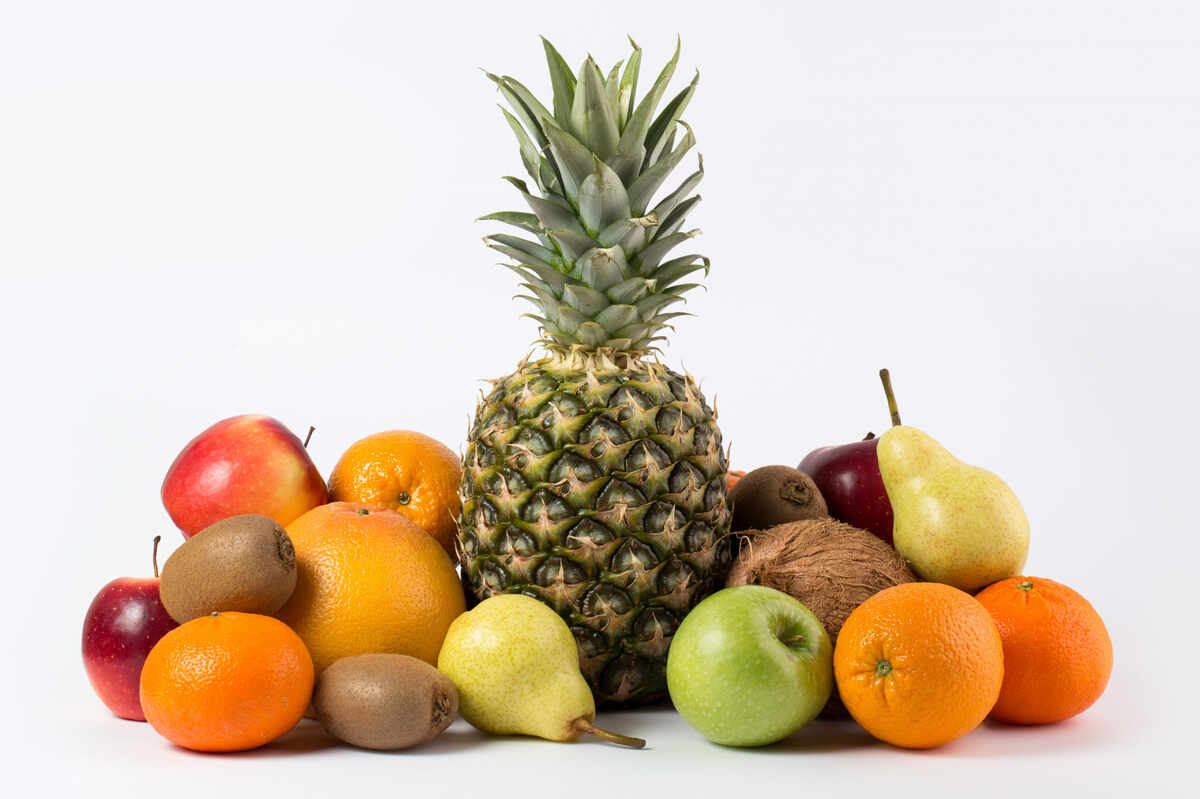 Vegetables
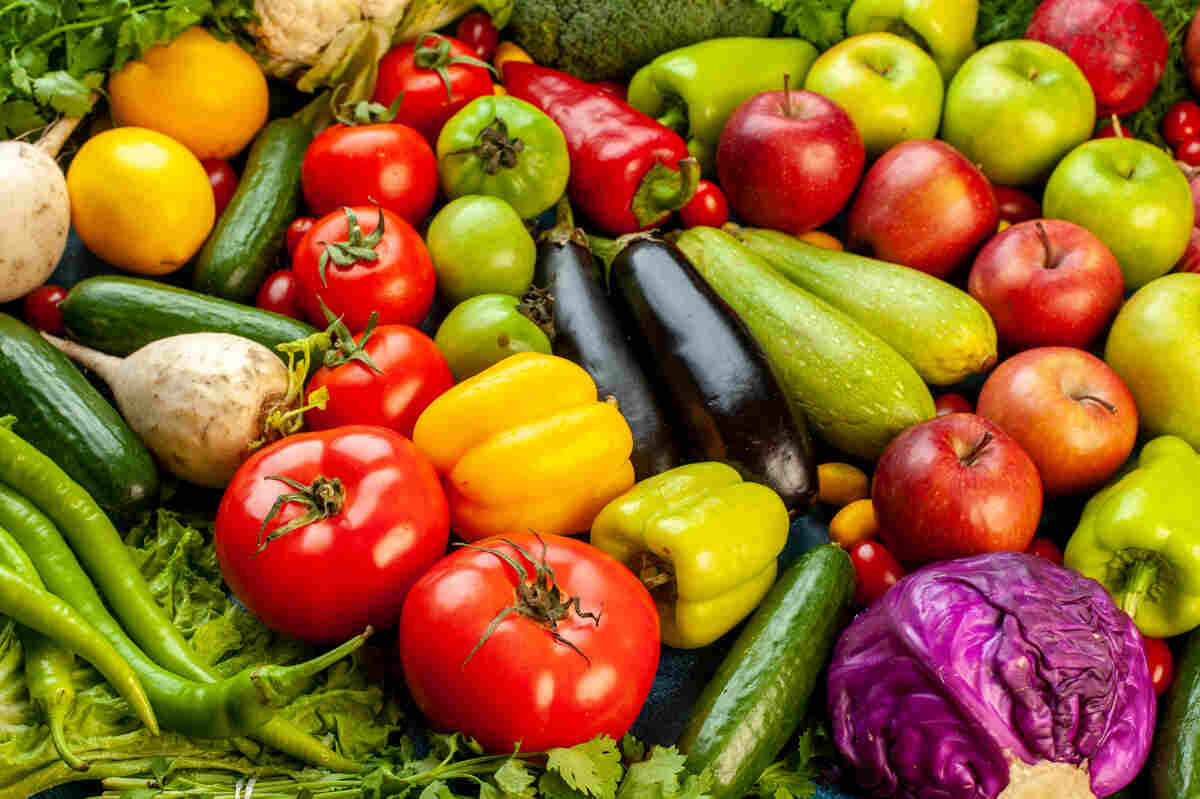 Protein Sources
 Whole Grains
 Healthy Fats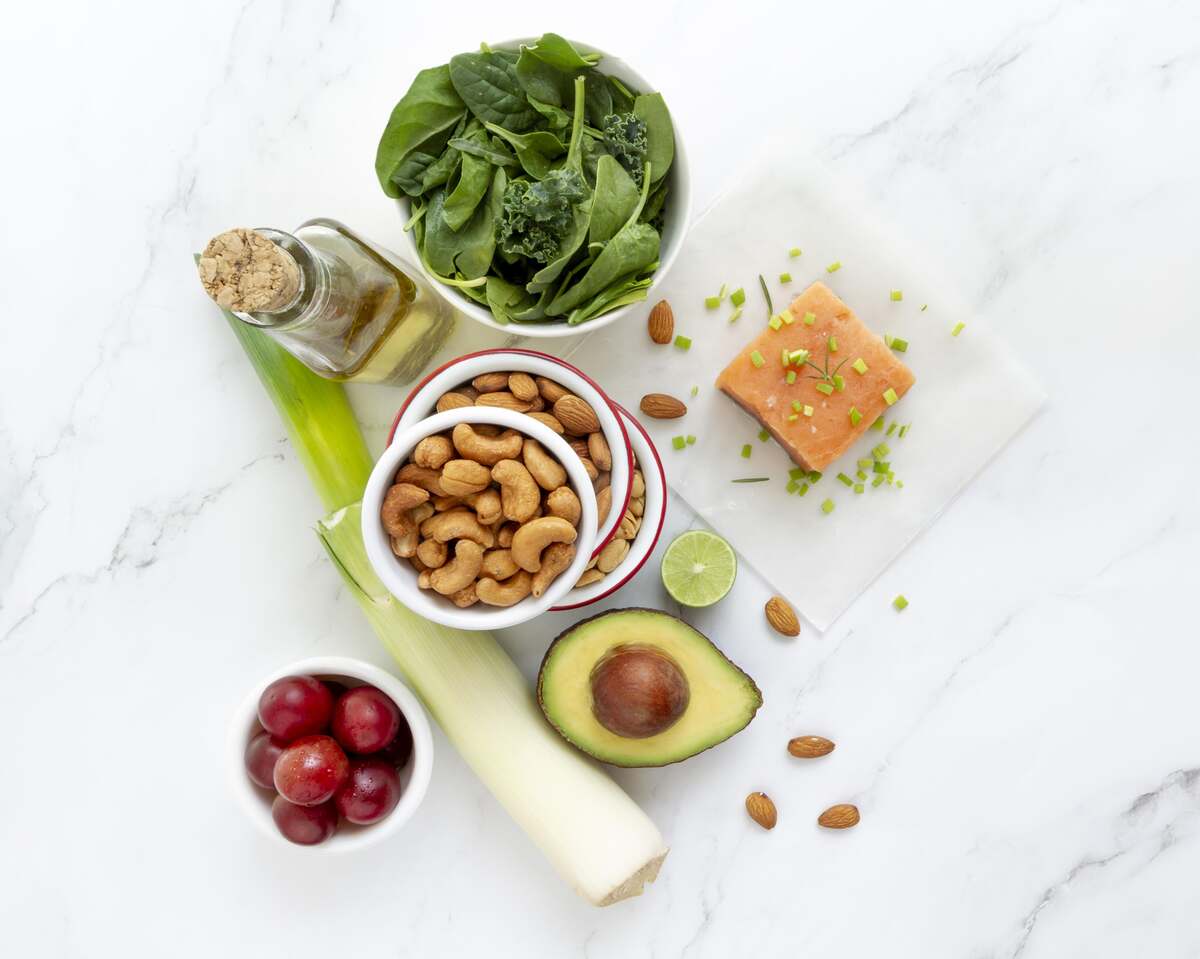
 Beverages
 Snacks
 Sample 7-Day No-Sugar Diet Meal Plan
 The Caffeine Question: Does Vitamin Water Have Caffeine?
 The Sugar Content of Vitamin Water
 The Role of Vitamins in Joint and Tendon Health
 Vitamin C: The Collagen Booster
 Managing Ganglion Cysts Through Nutrition