[vc_row][vc_column][vc_column_text]Tramadol is a medication commonly used to manage moderate to severe pain. Understanding how long it stays in your system is essential for various reasons, including adhering to prescribed dosages, avoiding drug interactions, and preparing for drug tests. This article provides an in-depth look at tramadol, its effects, and factors influencing its duration in the body.
What Is Tramadol?
Tramadol is a prescription medication used primarily to manage moderate to severe pain. It is categorized as an opioid analgesic but has a unique mechanism of action compared to other opioids. Tramadol is available in various forms, such as tablets with instant release, extended-release tablets, and capsules, making it versatile for pain management.
How Does Tramadol Work?
Tramadol functions through a dual mechanism to relieve pain:
Opioid Receptor Binding: Tramadol binds to opioid receptors in the brain and spinal cord. These receptors are part of the body’s natural pain control system. By attaching to these receptors, tramadol helps block the transmission of pain signs from the body to the brain, thus decreasing the pain sensation.
Neurotransmitter Modulation: Besides its opioid effects, tramadol influences neurotransmitters, particularly serotonin and norepinephrine. It inhibits the reacquisition of these neurotransmitters, increasing their levels in the brain. This action can enhance overall pain relief by improving the modulation of pain signals and contributing to the analgesic effects.
How Long Does Tramadol Stay in Your System?
Testing Method
Detection Time
Description
Half-Life
6 to 7 hours (Immediate-Release)
7 to 8 hours (Extended-Release)
The time it takes for the concentration of tramadol in the bloodstream to reduce by half.
Urine
2 to 4 days
Commonly used for drug testing due to its ability to detect a range of drugs and their metabolites.
Blood
Up to 24 hours
Less standard for routine drug screening but used in specific situations.
Saliva
1 to 2 days
Less invasive and often used for immediate drug testing.
Hair
Up to 90 days
Provides a long-term view of drug use as tramadol is incorporated into hair shafts as they grow.
The table above provides a clear and organized view of how long tramadol can be detected by different testing methods. This visual representation can help you quickly understand the detection windows and their implications. Whether you’re dealing with drug testing or simply monitoring tramadol’s presence in your system, this table offers a concise summary of critical information. If you have any concerns or questions, it’s always best to consult a healthcare professional for personalized advice and support.
What Can Impact How Long Tramadol Stays in Your System?
Several factors can influence the duration tramadol remains detectable in your body. Understanding these factors can help you manage medication schedules, avoid potential interactions, and prepare for drug testing.
Dosage and Frequency
The amount of tramadol taken and how often it is used play a significant role in how long it stays in your system. Higher doses & more frequent use can extend the time the drug remains detectable. When introduced in larger quantities or over a more extended period, the body requires more time to process and eliminate tramadol. This is due to the cumulative effects of the drug in the system, which can lead to prolonged retention.
Metabolism
Metabolism is critical in how tramadol is processed and cleared from the body. Individuals with faster metabolisms can break down and eliminate tramadol more swiftly than those with slower metabolisms. Several factors, including genetic predispositions, age, and overall health, can influence metabolic rates. Faster metabolic rates facilitate quicker drug clearance, while slower metabolism can result in a longer duration of the drug in the system.
Age
Age significantly impacts drug metabolism and clearance. Older adults often experience slower drug clearance due to decreased liver and kidney function, which can affect how tramadol is processed and eliminated. As people age, the efficiency of these organs tends to diminish, leading to a longer retention time for tramadol in the body. Consequently, older individuals may need to be more cautious with dosage and duration of use.
Health Conditions
Pre-existing health conditions, particularly those affecting the liver and kidneys, can significantly influence tramadol metabolism and excretion. Both the liver and kidneys play essential roles in breaking down and removing drugs from the body. Impaired liver function can decelerate the metabolism of tramadol, while compromised kidney function can hinder its excretion. This can lead to a extended presence of tramadol in the body, potentially increasing the risk of side effects.
Hydration and Diet
Hydration and diet also impact how effectively tramadol is eliminated from the body. Adequate hydration supports kidney function, which is crucial for the excretion of tramadol through urine. Drinking enough fluids helps to maintain proper kidney function and facilitates the removal of the drug from the system. A balanced diet supports overall health and can indirectly affect drug metabolism and elimination.
Other Medications
Other medications can influence how tramadol is processed and how long it stays in the system. Certain drugs can interact with tramadol, affecting its metabolism and clearance. For example, some antidepressants and other opioids can alter tramadol’s metabolic pathways, leading to changes in how long it remains detectable. It would help to inform your healthcare provider about all medications & supplements you are taking to avoid potential interactions that could impact tramadol’s duration in your system.
Side Effects of Tramadol
While effective for pain management, tramadol can cause a range of side effects. These side effects can differ from mild and manageable to severe and potentially life-threatening. It’s essential to be aware of these effects to use the medication safely, and to seek medical attention when necessary.
Common Side Effects
Dizziness: A frequent side effect of tramadol, dizziness can affect balance and coordination. It is often temporary and may subside as your body adjusts to the medication.
Nausea: Tramadol can cause gastrointestinal discomfort, including nausea, which may sometimes lead to vomiting. Taking the medication with food may help reduce this effect.
Constipation: Opioid medications, including tramadol, can slow down the digestive system, leading to constipation. Staying hydrated and incorporating fiber-rich foods into your diet can help manage this side effect.
Headache: Some individuals may experience headaches while on tramadol. These headaches can differ in intensity and may diminish as your body becomes accustomed to the drug.
Drowsiness: Tramadol can cause drowsiness or fatigue, which may impair your capacity to perform tasks that require alertness, like driving. It is advisable to avoid activities that could be hazardous until you know how tramadol affects you.
Serious Side Effects
Seizures: Although rare, tramadol can increase the risk of seizures, particularly at higher doses or when used in conjunction with certain other medications. Convulsions, loss of consciousness, and muscle contractions can characterize seizures. If you experience any symptoms of a seizure, such as unusual muscle activity or loss of control, seek immediate medical attention.
Respiratory Depression: This severe side effect involves slowed or difficult breathing. Respiratory depression is further likely to occur with higher doses or when tramadol is combined with other central nervous system depressants. Symptoms may include shallow breathing, extreme drowsiness, or difficulty waking up. This condition requires urgent medical intervention.
Serotonin Syndrome: This potentially life-threatening circumstances can occur when tramadol is taken with other drugs that increase serotonin levels, such as certain antidepressants. Symptoms of serotonin syndrome consist of agitation, confusion, rapid heartbeat, high blood pressure, dilated pupils, muscle rigidity, and tremors. Immediate medical help is necessary if you suspect serotonin syndrome.
Precautionary Measures
Monitoring and Dose Adjustment: Regular monitoring by a healthcare provider is essential to manage & mitigate side effects. Dose adjustments possibly necessary if side effects become problematic.
Drug Interactions: Inform your healthcare provider of all medications and supplements you are taking to avoid interactions that could exacerbate side effects. Combining tramadol with other drugs, particularly those affecting serotonin levels or central nervous system depressants, can increase the risk of severe side effects.
Conclusion
Tramadol is an effective medication for controlling pain, but its duration in the system varies based on several factors. Typically, tramadol stays in the body for about 1 to 2 days, but individual factors such as dosage, metabolism, and health conditions can influence this duration. Understanding and discussing these factors with your healthcare provider can help manage tramadol use effectively and safely.[/vc_column_text][/vc_column][/vc_row][vc_row][vc_column width=”1/1″][us_separator][vc_column_text]
Frequently Asked Questions (FAQ)
[/vc_column_text][us_separator][vc_tta_accordion title_size=”1.2rem” title_tag=”h3″][vc_tta_section title=”How long is safe to take tramadol?” tab_link=”%7B%22url%22%3A%22%22%7D”][vc_column_text]Tramadol should be taken as prescribed by your healthcare provider, typically for short-term use to manage acute pain. Long-term use requires careful monitoring due to risks of dependence and side effects. Always follow your doctor’s guidance on duration and dosage.[/vc_column_text][/vc_tta_section][vc_tta_section title=”How long does it take for one tramadol to wear off?” tab_link=”%7B%22url%22%3A%22%22%7D”][vc_column_text]One tramadol dose typically wears off in about 6 to 8 hours, as the drug’s effects gradually diminish. The exact duration can vary based on individual factors like metabolism and dosage.[/vc_column_text][/vc_tta_section][vc_tta_section title=”How long does it take to wash out tramadol?” tab_link=”%7B%22url%22%3A%22%22%7D”][vc_column_text]Tramadol generally takes about 1 to 2 days to wash out of your system, depending on factors like dosage and metabolism. It can be detected in urine for up to 2 to 4 days and in hair for up to 90 days.[/vc_column_text][/vc_tta_section][vc_tta_section title=”How does tramadol interact with other medications?” tab_link=”%7B%22url%22%3A%22%22%7D”][vc_column_text]Tramadol can interact with other medications, including antidepressants and other opioids, potentially increasing the risk of serious side effects. Always inform your healthcare provider about all medications you are taking.
[/vc_column_text][/vc_tta_section][vc_tta_section title=”Can tramadol use affect drug test results?” tab_link=”%7B%22url%22%3A%22%22%7D”][vc_column_text]Yes, tramadol can affect drug test results, especially if the test is designed to detect a wide range of substances. It is important to inform the testing facility of any prescription medications you are using.
[/vc_column_text][/vc_tta_section][vc_tta_section title=”What should I do if I have concerns about tramadol in my system?” tab_link=”%7B%22url%22%3A%22%22%7D”][vc_column_text]
If you have concerns about how long tramadol stays in your system or its effects, consult your healthcare provider. They can provide personalized advice based on your medical history and current health status.
[/vc_column_text][/vc_tta_section][vc_tta_section title=”What is the half-life of tramadol?” tab_link=”%7B%22url%22%3A%22%22%7D”][vc_column_text]The elimination half-life of tramadol is approximately 6 to 7 hours for immediate-release forms and 7 to 8 hours for extended-release forms. This means it takes this amount of time for the concentration of tramadol in the bloodstream to reduce by half.[/vc_column_text][/vc_tta_section][/vc_tta_accordion][/vc_column][/vc_row]
In the quest for essential weight loss solutions, many have turned to various supplements and injections, with Vitamin B12 shots gaining notable attention. Promising to boost energy and metabolism, these injections are often touted as a secret weapon in the fight against excess weight. But do Vitamin B12 shots for weight loss really work? Let’s delve into the science, benefits, and potential drawbacks of this popular trend.
Understanding Vitamin B12
What is Vitamin B12?
Vitamin B12, also mention to as cobalamin, is a vital water-soluble vitamin that plays a major role in brain and nervous system function, as well as in the formation of red blood cells. It occurs naturally in animal-derived foods such as meat, fish, dairy, and eggs, and is essential for DNA synthesis and the producing of energy.
Functions of Vitamin B12
Vitamin B12’s primary functions include aiding in the production of red blood cells, maintaining neurological health, and supporting DNA synthesis. This vitamin is also implicate in the metabolism of every cell in the body, particularly influence DNA synthesis and regulation, fatty acid synthesis, and energy production.
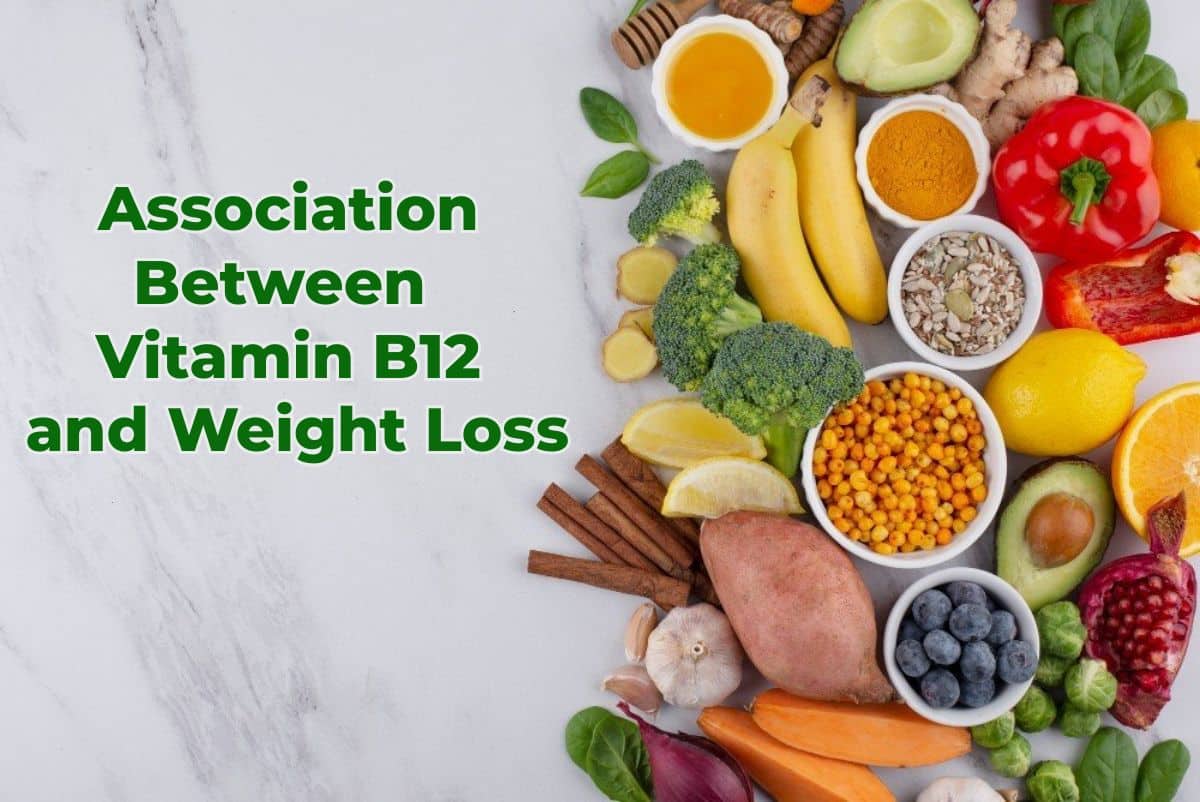
The Association Between Vitamin B12 and Weight Loss
The premise behind Vitamin B12 shots for weight loss lies in the vitamin’s role in energy production and metabolism. Proponents suggest that by enhancing energy levels and metabolic functions, Vitamin B12 injections can help the body burn calories more comfortably, potentially leading to weight loss. Additionally, higher energy levels might encourage more physical activity, further contributing to weight loss efforts.
Scientific Evidence
While the theory sounds promising, the scientific evidence directly linking Vitamin B12 shots to significant weight loss is limited. Some studies have shown that individuals with a Vitamin B12 deficiency might experience improved energy levels and metabolic rates after receiving B12 supplementation, which could indirectly support weight loss efforts. However, for individuals with normal B12 levels, the impact of additional B12 might be minimal.
Research primarily highlights the role of B12 in preventing fatigue and supporting overall health, which can be beneficial in a comprehensive weight loss plan but is not a standalone solution for weight loss.
One of the most outstanding benefits of Vitamin B12 shots is their potential to boost energy levels. Since Vitamin B12 is crucial for converting food into energy, adequate levels of this vitamin can help reduce feelings of fatigue and lethargy. This increase in power can make it easier to engage in regular physical activity, a critical component of any successful weight loss program.
Metabolic Boost
Vitamin B12 plays a role in metabolism by assisting in the reformation of fats and proteins into energy. A well-functioning metabolism is necessary for weight management, as it determines how efficiently the body can burn calories. By supporting metabolic processes, Vitamin B12 shots might help the body use energy more effectively, which can be valuable for weight loss, particularly for those who might be deficient in this vitamin.
Limitations and Risks
Lack of Direct Evidence
Despite the potential benefits, it’s important to note the lack of direct evidence supporting Vitamin B12 shots as a significant weight loss tool. Most studies focus on the vitamin’s role in energy production and metabolism rather than its direct impact on weight loss. Therefore, while B12 shots can enhance overall health and energy levels, they should not be viewed as a magic bullet for weight loss.
Potential Risks and Side Effects
As with any medical intervention, Vitamin B12 shots come with potential risks and side effects. While generally considered safe, some individuals might experience side effects for example pain or redness at the injection site, mild diarrhea, or itching. In rare cases, allergic reactions can occur. It’s major to consult with a healthcare provider before starting B12 injections, particularly for individuals with underlying health situation or those taking other medications.
A balanced diet and regular exercise persist the cornerstones of effective weight loss. While Vitamin B12 shots can complement these efforts by boosting energy and metabolism, they should not replace foundational weight loss strategies. Incorporating a difference of nutrient-dense foods and engaging in consistent physical activity are essential for achieving and maintaining a healthy weight.
Other Nutrients and Supplements
Other vitamins and supplements, in addition to vitamin B12, can support weight loss efforts. For example, Vitamin D, iron, and magnesium are critical for energy production and overall health. Combining these nutrients with a balanced diet and exercise can create a comprehensive approach to weight loss.
Conclusion
Vitamin B12 shots offer several potential benefits, including increased energy levels and improved metabolic function, which can indirectly support weight loss efforts. However, the scientific evidence directly linking these injections to significant weight loss is limited.
So, do Vitamin B12 shots for weight loss really work? The answer is nuanced. For individuals with a Vitamin B12 deficiency, these injections can significantly improve energy levels and metabolic function, which might support weight loss efforts. However, for those with adequate B12 levels, the impact on weight loss might be minimal. Therefore, while B12 shots can be a helpful component of a broader weight loss strategy, they should not be relied upon as a sole solution.
You’ve probably heard of prenatal vitamins before, but they are only for pregnant women, right? Indeed, these vitamins are typically marketed toward women expecting a baby. However, did you know that men can also benefit from these supplements? Prenatal vitamins—packed with essential nutrients like folic acid, DHA, and iron—offer significant health benefits beyond pregnancy.
The question is: Can men take prenatal vitamins? The short answer is yes! In this article, we’ll explore why more men consider adding prenatal vitamins to their daily routine. Whether you aim to boost your fertility, improve energy levels, or support heart health, prenatal vitamins might be just what you need.
What’s in Prenatal Vitamins, and Why Do They Matter to Men?
When considering prenatal vitamins, you probably picture pregnancy-related nutrients like folic acid and DHA. But these nutrients do far more than support fetal development—they can also enhance overall health for men. Let’s break down the main components of prenatal vitamins and see why they matter:
Folic Acid: Widely known for preventing congenital disabilities, it supports male fertility. Studies show that folic acid can improve sperm health and motility. If you’re looking to conceive, this nutrient is essential.
DHA (Docosahexaenoic Acid): An Omega-3 fatty acid promoting brain and heart health. DHA is a powerhouse nutrient that supports cognitive function and reduces inflammation—key for maintaining overall vitality.
Iron: Men typically need less iron than women, but this nutrient is still crucial for energy levels. For men experiencing fatigue, prenatal vitamins with iron can help replenish reserves and improve stamina.
You see, prenatal vitamins are about more than just pregnancy—they are a combination of powerhouse nutrients that support your health in multiple ways.
Can Prenatal Vitamins Boost Men’s Fertility?
Here’s a question that might be on your mind: Can prenatal vitamins improve male fertility? The answer is yes. Folic acid is one of key ingredients that can positively affect sperm production and quality.
But why is that important?
As men age, sperm quality can decline, and fertility can become an issue. Folic acid is linked to increased sperm motility and overall reproductive health. So, if you’re trying to start a family or just looking to improve your chances, a prenatal vitamin might be a good place to start.
Think about it
Imagine you’re trying to conceive and want to give your body every chance to succeed. Taking prenatal vitamins with folic acid can support sperm health & increase the likelihood of conception. It’s one small change that could make a significant impact.
How Prenatal Vitamins Support Energy and Mental Clarity
If you’re constantly tired or mentally drained, prenatal vitamins might be the answer you didn’t know you were looking for.
Energy Boost: Prenatal vitamins often contain more B vitamins than standard multivitamins. These B vitamins help boost energy levels, improve metabolism, and revitalise you throughout the day.
Cognitive Function: DHA, an Omega-3 fatty acid, is essential for brain health. It supports cognitive functions like memory, focus, and overall mental clarity. This is especially important as you age or juggle a busy, high-stress lifestyle.
Pause for a moment
What if you could feel energised daily and experience a sharper mind? Imagine the difference that could make to your work, relationships, and overall well-being. Prenatal vitamins might be the key.
Prenatal Vitamins: Heart Health and Inflammation Reduction
Did you know? Prenatal vitamins are also packed with Omega-3 fatty acids like DHA, which can significantly reduce inflammation and support heart health.
DHA is crucial in maintaining healthy cholesterol levels, improving circulation, and preventing cardiovascular disease. For men in their 30s and 40s, cardiovascular health becomes increasingly important—and adding DHA-rich prenatal vitamins to your routine can provide long-term benefits.
Are There Any Risks for Men Taking Prenatal Vitamins?
Okay, so you’re intrigued, but are there any risks involved in taking prenatal vitamins as a man?
While there are many benefits, iron is one thing to be cautious about. During pregnancy and menstruation, women need higher levels of iron, which is why prenatal vitamins often contain more iron. However, men typically don’t need as much iron, and taking too much can lead to health issues like digestive problems or iron overload.
Tip: If you’re not iron-deficient, consider choosing a prenatal vitamin with lower iron content or consult a healthcare professional before starting.
Can Prenatal Vitamins Be Part of Your Daily Routine?
Adding prenatal vitamins to your routine is pretty straightforward. If you’re looking for a supplement that supports multiple aspects of health—fertility, energy, cognitive function, and heart health—prenatal vitamins may be just what you need.
But how do you choose the right one? Should you go with a brand you already trust? Here’s where brand reputation comes in.
Why Choose Nature Made?
Choosing a trusted, reliable brand is essential if you’re considering starting your prenatal vitamin journey. Nature Made is a supplement industry leader known for its commitment to quality and purity. With a long history of providing science-backed products, Nature Made ensures that its prenatal vitamins are crafted to the highest standards.
While we’re not diving into specific products yet, know that Nature Made offers a range of prenatal options, from soft gels to gummies, all designed with your wellness in mind.
What’s Next?
Now that you know the basics about prenatal vitamins for men, you’re ready to explore how they can specifically benefit your health. In the next section, we’ll dive into a range of prenatal supplements designed to support your unique health needs—whether you’re focused on improving fertility, boosting energy, or enhancing overall wellness.
Embarking on a new vitamin regimen can be an exciting step towards better health, but it’s natural to wonder how long does it take for vitamins to work. Whether ingested through diet or supplements, vitamins are crucial for maintaining overall wellness. However, the timeline for seeing noticeable changes can vary widely. This comprehensive article will explore the factors influencing vitamin effectiveness, how vitamins are absorbed, and how to create an effective vitamin routine.
Understanding Vitamin Absorption
Vitamins are absorbed through the digestive system like food. When you take a vitamin supplement, it passes through your stomach and into the small intestine, where it is broken down and absorbed into the bloodstream. The absorption process can differ depending on the type of vitamin—whether it is water-soluble or fat-soluble.
Water-Soluble Vitamins
Water-soluble vitamins, i.e B vitamins and vitamin C, absorbed directly into the bloodstream from the small intestine. These vitamins are not stored in the body, and any excess amounts are excreted in urine. This means they need to be replenished regularly to maintain adequate levels.
Fat-Soluble Vitamins
Fat-soluble vitamins, including A, D, E, and K, require dietary fat for proper absorption. They stored in the liver and fatty tissues, meaning they don’t need to be consumed as frequently as water-soluble vitamins. However, they can build up in the body and potentially reach toxic levels if taken in excessive amounts.
Factors Influencing Vitamin Effectiveness
There are several factors that can impact how long it takes for vitamins to start working. Understanding these factors, can help you to manage your expectations and optimize your vitamin regimen.
Current Vitamin Levels
If you have a significant deficiency, you may notice the effects of supplementation more quickly. For example, if your vitamin D levels are very low, taking a supplement can lead to noticeable changings in energy and mood within a few weeks to months.
Type of Vitamin
The type of vitamin and its solubility significantly affect how quickly it can start working. Water-soluble vitamins are generally absorbed more rapidly but also need to be replenished more frequently. Fat-soluble vitamins take longer to be absorbed and utilized by the body.
Diet
Your diet can significantly impact vitamin absorption. Consuming vitamins with foods that enhance their absorption can make them more effective. For example, vitamin C improves iron absorption, while fat-soluble vitamins must be taken with a fat source to effectively absorb.
Age
As our age increase, our bodies’ ability to absorb certain nutrients declines. This can affect how quickly we see the benefits of vitamin supplementation. For instance, older adults may need higher vitamin B12 or vitamin D doses to maintain optimal levels.
Consistency
Consistency is the main reason when it comes to vitamin supplementation. Taking your vitamins sporadically or forgetting doses can delay their effectiveness. To maximize benefits, establish a daily routine that includes your vitamin supplements.
Bioavailability
Bioavailability refers to the specific quantity of a nutrient that is absorbed and utilized by the body. This can be affected by the form of the vitamin (e.g., liquid vs. tablet) and the timing of ingestion. For instance, some vitamins should be taken on an empty stomach, while others should be taken with food.
Creating an Effective Vitamin Regimen
To ensure you get the most out of your vitamins, creating a consistent and personalized routine is essential. Here’s how you can do it:
Choose the Right Vitamins
Selecting high-quality vitamins from reputable brands is crucial. Go for supplements that are third-party tested for purity and potency. Nature Made® vitamins, for example, are a trusted brand recommended by pharmacists.
Make a Daily Schedule
Incorporate your vitamin intake into your daily routine. This could be in the morning with breakfast or in the evening with dinner. Placing your vitamins in a visible location can also remind you to take them.
Consult with a Healthcare Provider
Before starting any new vitamin regimen, it’s wise to consult with a healthcare provider. They can provide best recommendations based on your health needs, current vitamin levels, and lifestyle.
How Long Does It Take for Different Vitamins to Start Working?
The timeline for seeing the benefits of vitamin supplementation can vary depending on the specific vitamin and individual factors.
Vitamin C
Vitamin C is also known for playing main role in boosting the immune system. Regular intake of supliments that contain vitamin C can help reduce the duration of the common cold. You may notice improvements in your immune function and skin health within one to two weeks.
Vitamin B12
Vitamin B12 play a key role in red blood cell production and neurological function. If you’re deficient in B12, supplementation can improve symptoms of anemia and boost energy levels within a few weeks to months.
Vitamin D
Vitamin D deficiency is common, especially in areas with limited sunlight. Supplementing with vitamin D can improve bone health, immune function, and mood. It may take six weeks to several months to notice significant improvements.
Biotin
Biotin, a B vitamin, supports healthy hair, skin, and nails. If you’re deficient, biotin supplements can start showing results in improved skin clarity, reduced hair loss, and stronger nails within six weeks to three months.
Vitamin E
Vitamin E supports brain, skin, and eye health. Suppose you’re taking vitamin E for its antioxidant properties. In that case, notice any changes may take several weeks to a few months, especially if you address deficiencies or specific health concerns.
Conclusion
So, How long does it take for vitamins to work? The timeline varies based on vitamin type, current levels, dietary factors, age, and the quality of supplements. While some vitamins may produce noticeable effects within weeks, others require several months of consistent use. To maximize benefits, select high-quality supplements, maintain a daily regimen, and consult healthcare professionals for personalized guidance. Patience is essential; vitamins contribute gradually to overall health and well-being when used consistently and strategically.
Are you looking for a hydrating beverage that offers a nutrient boost without the caffeine jitters? Vitamin Water, the popular drink from Glacéau (a subsidiary of The Coca-Cola Company), is often considered a go-to option for health-conscious individuals. However, a common question arises: Does Vitamin Water Have Caffeine? In this article, we’ll explore the caffeine content of Vitamin Water, its key ingredients, and why it could be an ideal choice for those seeking a flavorful way to stay hydrated.
What Is Vitamin Water?
Vitamin Water is a fortified beverage designed to hydrate and provide essential nutrients. It combines water with vitamins, minerals, and natural flavours, making it an appealing choice for those who want more than just plain water. It is marketed as a functional drink, offering a variety of health benefits such as immune support, energy boosts, and recovery aids.
Vitamin Water is available in various flavours, each designed to serve a different purpose. Some varieties focus on energy, while others prioritize hydration, immunity, or general wellness. Despite the wide range of options, many people are left wondering whether these drinks contain caffeine, particularly for those who want to avoid stimulants.
The Caffeine Question: Does Vitamin Water Have Caffeine?
The caffeine content in Vitamin Water varies depending on the specific variety. Most Vitamin Water flavours are caffeine-free, making them an excellent option for staying hydrated without worrying about caffeine intake. However, there is one key exception to this rule.
Vitamin Water Energy, a popular variety, contains caffeine. Each 591 ml bottle of Vitamin Water Energy provides about 50 mg of caffeine derived from natural sources such as green tea extract. This is significantly lower than caffeine content in typical coffee cup (usually around 95 mg). As such, Vitamin Water Energy can provide a subtle energy boost without the strong stimulant effects of a more traditional energy drink or coffee.
For those avoiding caffeine altogether, there are plenty of options. Most other flavours of Vitamin Water, including Vitamin Water XXX and Vitamin Water Revive, are completely caffeine-free, allowing you to enjoy the hydrating and nutritional benefits without any unwanted stimulation.
The Nutritional Benefits of Caffeine-Free Vitamin Water
One of the major appeals of Vitamin Water is its ability to hydrate and deliver essential vitamins and minerals. Even without caffeine, these drinks can be a valuable part of your hydration routine. Here are some key nutritional benefits of caffeine-free Vitamin Water:
Vitamin C: A potent antioxidant that supports the immune system and helps maintain healthy skin.
B Vitamins (B3, B5, B6, B12): Essential for energy production, metabolism, and overall health.
Electrolytes (potassium, magnesium): Crucial for proper hydration and muscle function, particularly beneficial for those who engage in physical activity.
These nutrients help nourish and energise your body, making Vitamin Water an excellent choice for anyone leading an active lifestyle.
The Sugar Content of Vitamin Water
While Vitamin Water offers a wide span of health benefits, it’s important to be mindful of its sugar content. Some varieties of Vitamin Water contain added sugars to enhance flavour, which can be a concern for those looking to manage their sugar intake. Excessive sugar consumption is linked to many health issues, including weight gain, insulin resistance, and increased risk of chronic diseases.
Vitamin Water offers an alternative for those watching their sugar intake: Vitamin Water Zero. This variety contains no added sugars and is sweetened with stevia and erythritol, providing the same refreshing flavours and nutritional benefits without the calorie count or sugar-related concerns.
If you’re not keen on artificial sweeteners, you can dilute regular Vitamin Water with water to reduce sweetness while still enjoying the vitamins and electrolytes.
Exploring the Variety of Flavors
Vitamin Water offers various flavours, each tailored to specific health goals. Whether you need an energy boost, want to support your immune system, or are looking for a post-workout recovery drink, there’s a flavour for you. Here are some popular caffeine-free varieties:
Vitamin Water XXX (Acai-Blueberry-Pomegranate): Rich in antioxidants and vitamins, this flavour supports overall health and wellness.
Vitamin Water Revive (Fruit Punch): Packed with electrolytes and B vitamins, it’s perfect for replenishing nutrients after exercise.
Vitamin Water Focus (Kiwi-Strawberry): Loaded with vitamins A and C, this option promotes immune health and skin vitality.
These caffeine-free varieties allow you to customize your Vitamin Water experience based on your health needs and preferences.
How to Incorporate Vitamin Water into Your Hydration Routine
Vitamin Water can be a great addition to your daily hydration routine but should not replace your primary water intake. Here are a few tips for using Vitamin Water in your lifestyle:
Balance Your Fluids: While Vitamin Water provides essential nutrients, it should complement your daily water intake, not replace it. Make sure you’re drinking plain water regularly for optimal hydration.
Read the Labels: Always check the labels to understand the nutritional content of your chosen flavour. This will help you choose the right variety based on your health goals.
Monitor Sugar Intake: If you’re trying to limit sugar, opt for Vitamin Water Zero or dilute regular Vitamin Water with water to reduce the sweetness and sugar content.
Conclusion
So, does Vitamin Water have caffeine? In short, most varieties are caffeine-free, except Vitamin Water Energy, which contains a modest amount of caffeine (50 mg per bottle). Whether you’re looking for a hydrating, nutrient-packed drink or a subtle energy boost, Vitamin Water offers variety of options to suit your needs.
For those concerned about caffeine or sugar intake, plenty of flavorful, nutritious, and refreshing options are available to help you stay hydrated throughout the day. Remember to balance your intake with plain water for optimal hydration and health.
Ganglion cysts, the fluid-filled lumps that typically form around joints or tendons, especially in the wrists and hands, are relatively common but often misunderstood. While they are usually benign, ganglion cysts can cause discomfort, affect mobility, and sometimes lead to pain if they press on nearby nerves. Though the exact cause of these cysts remains unclear, recent research has suggested a potential link between Ganglion Cyst Vitamin Deficiency. This blog will explore how the absence of key vitamins might contribute to developing ganglion cysts and how maintaining a balanced diet may offer a proactive approach to their prevention and management.
What Are Ganglion Cysts?
A ganglion cyst is non-cancerous, fluid-filled sac that often forms along the tendons or joints in the hands or wrists but can also appear on the ankles and feet. These cysts contain a thick, jelly-like fluid known as synovial fluid, which serves to lubricate the joints. While ganglion cysts vary in size and can change with activity—growing larger during movement and shrinking during rest—they are usually painless. However, if they press on surrounding nerves, they can cause pain, tingling, or weakness.
The Role of Vitamins in Joint and Tendon Health
Vitamins are essential for maintaining overall health, including the health of our tendons, ligaments, and joints. A deficiency in specific vitamins can impair the structure & function of connective tissues, leading to musculoskeletal problems. This raises the question: Could a vitamin deficiency be a factor in developing ganglion cysts?
Vitamin D: Vital for Bone and Tendon Health
Vitamin D is important nutrient for maintaining bone and joint health. It helps regulate calcium & phosphorus levels in blood, ensuring that bones remain strong and stable. Recent studies have propose that vitamin D deficiency could contribute to formation of ganglion cysts.
Vitamin D plays critical role in maintaining structural integrity of connective tissues, including tendons & ligaments. If these tissues are compromised due to low vitamin D levels, it could lead to inflammation, irritation, and the production of excess synovial fluid, which may trigger the formation of ganglion cysts.
Vitamin D-rich foods include:
Fatty fish like salmon, mackerel, and sardines
Fortified dairy products
Egg yolks
Mushrooms (exposed to sunlight)
Spending time in sunlight also helps the body naturally produce vitamin D.
Vitamin B6: Supporting Tendon Health
Vitamin B6 (pyridoxine) plays key role in protein metabolism and the production of neurotransmitters, making it vital for tendon health. A deficiency in vitamin B6 can weaken connective tissues, increasing the risk of tendon injuries and disorders, including ganglion cysts.
Some research indicates that sufficient levels of vitamin B6 may decrease the risk of developing ganglion cysts. Healthy tendons are less likely to become irritated and produce the excess synovial fluid that leads to cyst formation.
Vitamin B6-rich foods include:
Poultry
Fish
Potatoes
Chickpeas
Bananas
Fortified cereals
Vitamin C: The Collagen Booster
Vitamin C is important for synthesizing collagen, a protein in connective tissues like tendons, ligaments, and skin. Collagen provides strength and elasticity to tissues, allowing them to withstand stress and strain. A deficiency in vitamin C can weaken connective tissues, making them more susceptible to injury and slower to heal. This can increase the likelihood of conditions like ganglion cysts forming.
Ensuring an adequate vitamin C intake through diet or supplements can support tendon health and potentially reduce the risk of ganglion cysts.
Vitamin C-rich foods include:
Oranges and citrus fruits
Strawberries
Bell peppers
Broccoli
Kale
A Balanced Diet for Joint and Tendon Health
While research on the exact link between vitamin deficiencies and ganglion cysts is still ongoing, it’s clear that proper nutrition plays key role in maintaining healthy tendons and joints. A well-balanced diet rich in essential vitamins can support your overall health & help reduce the risk of ganglion cysts.
Here are some dietary tips to ensure you’re getting the proper nutrients for tendon and joint health:
Vitamin D: Include fatty fish similar as salmon, mackerel, & sardines, along with fortified dairy products and egg yolks. Spend time in the sunlight to support natural vitamin D production.
Vitamin B6: Incorporate poultry, fish, potatoes, chickpeas, bananas, and fortified cereals into your meals.
Vitamin C: Add citrus fruits, strawberries, bell peppers, broccoli, and kale to your diet for optimal vitamin C intake.
Managing Ganglion Cysts Through Nutrition
If you already have a ganglion cyst, focusing on nutrition may help prevent further cyst formation and improve the overall health of your tendons and joints. While dietary changes alone may not eliminate existing cysts, they can support your body’s resilience and reduce the risk of additional cysts forming. Addressing vitamin deficiencies through balanced diet is a proactive step in managing this condition and promoting overall joint health.
Other Preventive Measures
In addition to maintaining balanced diet, there are other steps you can take to prevent or manage ganglion cysts:
Regular Exercise: Engage in physical activity to muscles & joints, reducing risk of injuries that could lead to ganglion cysts.
Proper Ergonomics: Set up your workspace to avoid repetitive strain on your wrists and hands.
Stretching and Warm-Up: Stretch before engaging in activities that stress your joints and tendons.
Hydration: Stay hydrated to maintain the elasticity and resilience of connective tissues.
Conclusion
Understanding the relationship between ganglion cysts and vitamin deficiencies can empower you to take proactive steps to prevent and manage this common condition. Make suring an adequate intake of vitamins like Vitamin D, B6, and C can support the health of your joints and tendons, potentially reducing the risk of ganglion cysts. However, consulting with healthcare provider before making significant dietary changes or starting new supplements is essential, as everyone’s health needs are unique.



 The Caffeine Question: Does Vitamin Water Have Caffeine?
 The Sugar Content of Vitamin Water
 The Role of Vitamins in Joint and Tendon Health
 Vitamin C: The Collagen Booster
 Managing Ganglion Cysts Through Nutrition