Tag: Food & Drink

Crab Brulee Recipe: A Savory Twist on Classic Crème Brûlée

If you’re looking to elevate your culinary repertoire with a sophisticated and unique dish, look no further than Crab Brulee Recipe. This savoury take on the traditional crème brûlée combines the rich, creamy texture of the classic dessert with the delicate, sweet flavour of crab meat, offering an unexpected and luxurious dining experience.

What is Crab Brulee?

Crab Brulee is a savoury version of the beloved French dessert, crème brûlée. Traditionally made with a custard base of heavy cream, eggs, and sugar, crème brûlée gets its signature crispy caramelized top using a small propane torch. In this variation, the rich custard is infused with fresh crab meat, resulting in a savory & dish that can served as either an appetizer or a main course.

This unique recipe retains the creamy, velvety texture of crème brûlée but replaces the sweetness with the delicate flavor of fresh crab. The result? A luxurious, mouth-watering creation that’s perfect for occasions or simply when you want to impress your guests.

Crab Brulee RecipeCrab Brulee Ingredients

To make this creamy delicacy, you’ll need a few simple ingredients that combine harmoniously to create an unforgettable dish. Here’s a breakdown of the essentials:

1. Fresh Crab Meat

Crab meat is star of dish. While you can use canned or frozen crab meat if fresh isn’t available, fresh crab meat will elevate the flavor. Lump crab meat works best, offering a tender & delicate texture that pairs perfectly with rich custard.

2. Heavy Cream

Heavy cream is key ingredient in creating the smooth, velvety texture of the custard. It brings richness and indulgence to the dish. It is the base that makes this dish creamy and decadent.

3. Eggs

Eggs act as binding agent in this recipe, helping to form the custard and contribute to the perfect texture. The right balance of eggs ensures the dish is set without being too firm or runny.

4. Lemon Zest (Optional)

A touch of lemon zest can brighten dish and offer a hint of acidity that cuts through the richness of the cream and crab. This ingredient is optional, allowing you to adjust the flavour profile to your liking.

5. Sugar (for the Brûlée Top)

Like the classic crème brûlée, the final touch is the caramelized sugar topping. The sugar creates a crunchy, sweet contrast to the savory custard underneath, completing the dish in true brûlée fashion.

How to Make Crab Brulee Recipe

Making Crab Brulee is easier than you might think. Follow these simple steps to create dish that’s sure to wow your guests:

1. Prepare the Crab Mixture

Start by cooking your fresh crab meat (if it’s not already pre-cooked). Once it’s ready, mix it into the creamy custard base. Combine heavy cream, eggs, a pinch of salt, and lemon zest (if using). Stir gently to ensure the crab is well distributed throughout the mixture.

2. Bake the Custard

Pour the crab mixture into individual ramekins. Place the ramekins in a water bath (a baking pan filled with hot water) & bake in the oven at a low temperature (around 300°F) until the custard is set but still jiggly in the centre. This step ensures that the custard is cooked evenly without becoming overdone.

3. Chill the Crab Brulee

Once the custard is baked, let it cool to room temperature before refrigerating for at least a few hours. Cooling is essential to achieving the perfect texture. If you skip this step, you may have a soupy custard when you try to brûlée the top.

4. Brûlée the Sugar Top

Once your Crab Brulee has set in the fridge, it’s time to add the signature brûlée topping. Sprinkle thin layer of sugar on top of the custard. Use a kitchen torch or place the ramekins under the broiler in your oven to melt the sugar, forming a crispy, golden-brown crust.

5. Serve and Enjoy

Let the brûlée cool slightly before serving. When tapped, the crispy sugar layer should crack, revealing the creamy, savory crab custard underneath. For an extra flavour boost, garnish with fresh herbs like chives and dill or even a sprinkle of Old Bay seasoning.

Variations to Try

While the basic Crab Brulee recipe is delicious, there are several ways to tweak it to suit your taste. Here are some creative variations to try:

  • Spicy Kick: Add pinch of cayenne pepper or dash of hot sauce to crab mixture for an extra zing.
  • Herb Infusion: Fresh herbs like tarragon, dill, or chives can be mixed into the custard base for a more aromatic flavour.
  • Cheesy Delight: Sprinkle some grated parmesan cheese before broiling for a cheesy twist that pairs perfectly with the crab.

Pro Tips for the Perfect Crab Brulee

  • Fresh Crab: Always opt for fresh crab meat for the best flavor. If the fresh crab is unavailable, the frozen crab can work but may not have the same delicate flavor.
  • Avoid Overcooking: Be careful not to overcook custard. Follow the recommended baking time & temperature to achieve a smooth, velvety texture.
  • Chill Before Serving: Allow the Crab Brulee to chill in the refrigerator for several hours, ideally overnight, to ensure the custard is set correctly before caramelizing the sugar topping.
  • Sugar Crust: If using a kitchen torch, be patient when brûléeing the sugar to avoid burning the custard. If using the oven’s broiler, keep a close eye on the sugar to ensure it doesn’t burn.

Why You’ll Love Crab Brulee Recipe

Crab Brulee Recipe offers a unique twist on the traditional crème brûlée, turning a beloved dessert into a savoury dish perfect for any special occasion. Whether you’re hosting dinner party, celebrating a holiday, or just craving something different, crab brulee will impress your guests with its rich flavour, creamy texture, and crispy sugar top.

If you love crab and enjoy exploring new takes on classic recipes, this dish is a must-try. So why not give it a go? Your taste buds will thank you!

Crab Brulee RecipeConclusion

Crab Brulee Recipe is a versatile, sophisticated dish that brings a delightful new spin to the traditional crème brûlée. It’s a unique, savoury alternative that’s rich and creamy and sure to impress. With just a few simple ingredients and a few basic steps, you can create a luxurious, restaurant-quality dish in comfort of your kitchen. Don’t forget to try some of the variations and pro tips to make the dish your own. Happy cooking!

Tags: ,

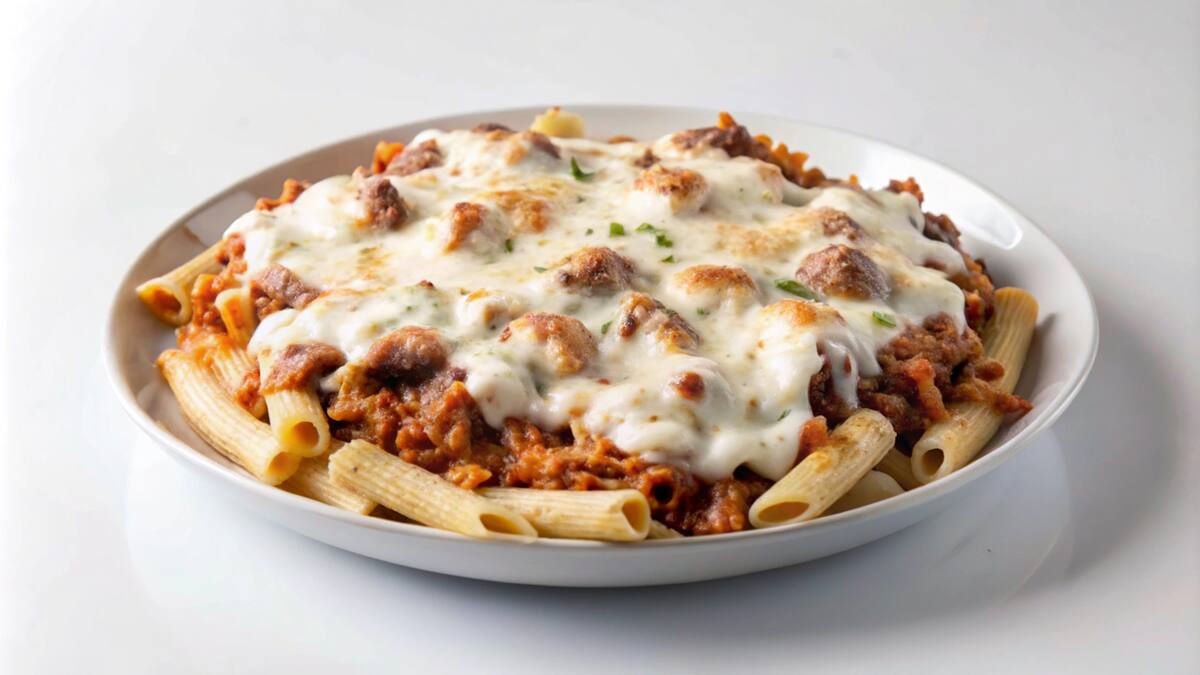
Philly Cheesesteak Pasta Recipe – Easy, Cheesy & One-Pan Comfort Food

Few dishes capture a Philly cheesesteak’s indulgent, savory satisfaction, but finding an authentic one outside Philadelphia can be a challenge. Enter Philly cheesesteak pasta—a creamy, cheesy, and flavor-packed alternative that delivers the same bold taste in an easy one-pan meal. This dish combines tender steak, sautéed vegetables, and gooey provolone with perfectly cooked pasta for a quick yet hearty dinner.

Why You’ll Love This Recipe

One-pan meal – Fewer dishes, maximum flavor.

Bold flavors – Classic cheesesteak ingredients in pasta form.

Quick & easy – Ready in under 30 minutes, this dish is perfect for busy nights.

Ingredients You’ll Need

To create this ultimate Philly cheesesteak pasta recipe, gather the following:

Main Ingredients

  • 1 lb. skirt steak or ribeye – Thinly sliced across the grain for tenderness.
  • 8 oz. cavatappi pasta – Holds onto the creamy sauce beautifully.
  • 8 oz. mushrooms – Cremini or white, sliced.
  • 1 medium yellow onion – Thinly sliced for authentic flavor.
  • 1 green bell pepper – Adds sweetness and color.
  • 4 cloves garlic – Chopped for a fragrant punch.
  • 3 ½ cups low-sodium beef broth – Enhances the meaty depth.
  • 1 cup half-and-half – Adds creamy richness.
  • 6 oz. shredded provolone – The signature cheese of a classic cheesesteak.

Seasonings & Oils

  • 2 Tbsp. Neutral oil – For cooking the steak and veggies.
  • 1 tsp. Italian seasoning – Adds a subtle herbal touch.
  • Kosher salt & black pepper – To taste.

Step-by-Step Instructions

Step 1: Sear the Steak

  1. Heat 1 tablespoon oil in a large stainless-steel skillet over medium-high heat.
  2. Toss the thinly sliced steak with Italian seasoning, salt, and pepper.
  3. Arrange in a single layer and cook undisturbed for about 2 minutes until browned.
  4. Stir occasionally and cook for another 1-2 minutes until no longer pink.
  5. Transfer to a bowl and set aside.

👉 Pro Tip: Place steak in the freezer for 10 minutes before slicing—it helps achieve ultra-thin slices!

Philly Cheesesteak PastaStep 2: Sauté the Veggies

  1. In same skillet, heat one tablespoon of oil over medium heat.
  2. Add mushrooms, stirring occasionally for 8-10 minutes until golden brown.
  3. Transfer to the bowl with the steak.
  4. Add onions & bell peppers to skillet; season with a pinch of salt.
  5. Cook, stirring frequently, until softened (8-10 minutes).
  6. Stir in garlic & cook for one more minute. Transfer everything to the bowl with the steak and mushrooms.

Step 3: Simmer the Pasta

  1. Increase heat to medium-high and pour in beef broth, scraping up any browned bits.
  2. Stir in half-and-half and bring to a gentle simmer.
  3. Add cavatappi pasta in a single layer and cook, stirring occasionally, for 10-12 minutes, until al dente and sauce thickens.

👉 Shortcut Option: Swap cavatappi for penne, rotini, or even egg noodles!

Step 4: Bring It All Together

  1. Stir in shredded provolone until melted and creamy.
  2. Return the steak and veggies to the skillet, tossing until fully coated.
  3. Serve immediately with extra provolone on top!

Serving Suggestions

  • Pair with garlic bread or a side salad for a complete meal.
  • Add dash of hot sauce for an extra kick.
  • Swap provolone for white American cheese if you prefer a milder melt.

Philly Cheesesteak PastaFinal Thoughts

This one-pan Philly cheesesteak pasta is the ultimate comfort food—savory, cheesy, and flavorful. It’s the perfect way to enjoy the taste of a classic cheesesteak in an easy, fuss-free meal.

Tags: ,

Is Bone Marrow a Paste? Exploring Its Texture, Benefits, and Culinary Uses

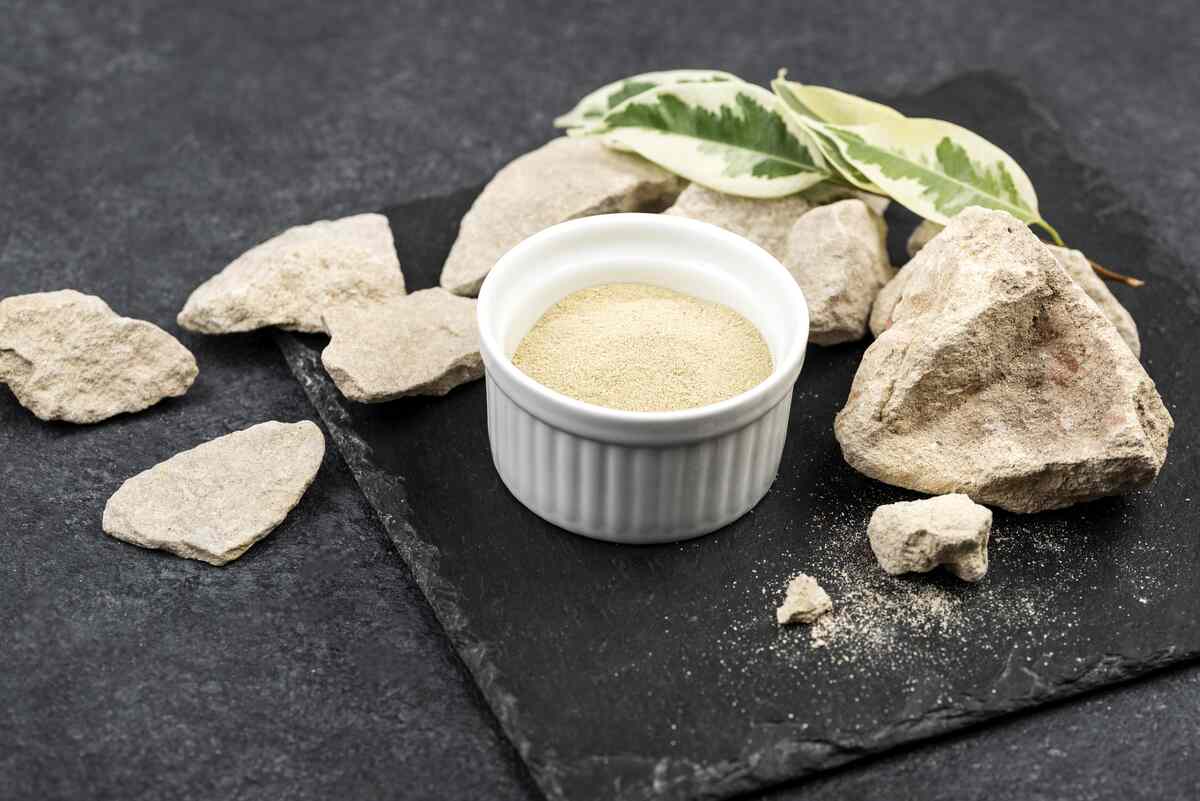
Bone marrow has been a staple in traditional diets for centuries, prized for its rich texture and nutritional value. In recent years, it has gained renewed popularity due to the rise of high-fat diets like keto, paleo, and carnivore. As people seek nutrient-dense, whole foods, one question often arises: Is bone marrow a paste? This simple question opens the door to a deeper understanding of bone marrow’s unique texture, culinary applications, and health benefits.

What Exactly Is Bone Marrow?

Bone marrow is soft, fatty tissue found within the hollow cavities of bones, particularly in large bones such as the femur, tibia, and shank. It’s an essential part of the body’s hematopoietic system, producing stem cells that form red blood cells and other vital components. Beyond its biological function, bone marrow is rich in fats, collagen, gelatin, and essential nutrients like iron and zinc, making it a powerful addition to any diet.

But is bone marrow a paste? Let’s explore this question further and see how its texture changes depending on how it’s prepared.

Is Bone Marrow a Paste

Is Bone Marrow a Paste?

When raw, bone marrow does indeed have a paste-like consistency. It is creamy, spreadable, and fat-rich, which makes it resemble a luxurious, animal-based paste. The smooth, soft texture allows it to be easily scooped out of bones, spread onto toast, or incorporated into dishes.

However, whether the bone marrow is a paste becomes even more intriguing when cooked. As bone marrow heats up, it transforms into a silky, melt-in-your-mouth delicacy with a buttery texture. This makes it even more versatile for culinary applications, as it can be used as a spread, incorporated into sauces, or enjoyed in its own right as part of a hearty meal.

While the raw form of bone marrow is undoubtedly paste-like, the cooked version retains a rich, velvety texture that some may describe as savoury fat more than a traditional paste. Whether roasted, simmered, or blended into broths, the answer is bone marrow. A paste can depend on how it’s prepared.

Nutritional Benefits of Bone Marrow

Beyond its unique texture, bone marrow has nutritional benefits that make it valuable addition to any diet. Here are some of the key health benefits of consuming bone marrow:

  • Healthy Fats: Bone marrow is rich in monounsaturated fats, which supports heart health and helps reduce inflammation. It provides an excellent alternative to processed oils or spreads, aligning well with high-fat diets like keto and paleo.
  • Collagen and Gelatin are crucial for supporting joint health, skin elasticity, and gut health. Bone marrow is considered a natural source of collagen, making it an excellent food for maintaining healthy connective tissues.
  • Iron and Zinc: These two vital minerals are essential in immune function, red blood cell production, and overall health. Bone marrow is an excellent source of iron and zinc, making it an excellent food for boosting energy levels & supporting the immune system.
  • Amino Acids: Bone marrow contains essential amino acids like glycine and proline, aiding digestion, tissue repair, and overall bodily functions. These amino acids are particularly beneficial for those recovering from injury or illness.

How Does Bone Marrow Fit Into Modern Diets?

Bone marrow’s rich nutrient profile makes it a valuable addition to several modern dietary trends. So, is bone marrow a paste that can be included in high-fat diets? Absolutely. It fits seamlessly into:

  • Keto Diets: Bone marrow is an excellent source of high-quality fats with minimal carbohydrates. It helps provide satiety and sustained energy, making it an ideal food for those following a keto lifestyle.
  • Paleo and AIP Diets: Many adherents to the paleo and autoimmune protocols (AIP) view bone marrow as a superfood that supports gut healing and nourishes the body with essential nutrients from ancestral sources.
  • Carnivore Diet: For those following a carnivore diet, bone marrow is a valuable fat source that enhances meals and boosts nutrient intake from animal-based foods alone.

Is Bone Marrow a PasteIs Bone Marrow a Paste? Exploring Culinary Uses

If you’ve ever wondered if the bone marrow is a paste in culinary applications, the answer is yes! It can be used in various delicious ways to add richness and flavour to your meals. Here are some of the best ways to enjoy bone marrow:

1. Roasted Bone Marrow

Roasting bone marrow is one of the most popular ways to prepare it. When roasted, the marrow becomes incredibly soft and melt-in-your-mouth tender. Cut the bones in half, season with salt & pepper, & roast in the oven until the marrow is golden and bubbly. You can scoop it out and spread it on toast for a gourmet snack or serve it alongside a hearty dish.

2. Bone Broth

Another great way to enjoy bone marrow is by making bone broth. By simmering bones for several hours, the marrow releases its nutrients into the liquid, creating a nutrient-rich broth that can be used as base for soups, stews, or a standalone beverage.

3. Marrow as a Spread

If you’re looking for a way to replace butter or margarine, roasted bone marrow makes an excellent alternative. Its creamy, spreadable consistency makes it the perfect addition to your favourite baked goods. Spread it on toast or drizzle it over roasted vegetables for a savoury twist.

4. Blended Into Sauces and Soups

Bone marrow can also be blended into sauces and soups to enhance the richness and depth of flavour. Its creamy texture adds a luxurious mouthfeel to dishes, making it favourite in gourmet cooking.

Conclusion

So, is bone marrow a paste? In short, yes, it is—especially when raw. Bone marrow has a soft, spreadable consistency that resembles a paste. When cooked, it transforms into a rich, buttery substance that can still be described as a luxurious, paste-like fat. Whether you use it as a spread on toast, blend it into broths and soups, or enjoy it in roasted form, bone marrow offers a creamy, nutrient-dense option that enhances both the flavour and health benefits of your meals.

Frequently Asked Questions (FAQs)

Is bone marrow a paste?

Yes, bone marrow has a paste-like consistency when raw. It is creamy, smooth, and spreadable, resembling a rich, animal-based paste. It softens even more when cooked, taking on a buttery, melt-in-your-mouth texture often used as a spread or in various dishes.

How do you prepare bone marrow?

Bone marrow can be prepared in a variety of ways:

  • Roasting the bones to create a tender, spreadable paste.
  • Making bone broth by simmering the bones allows the marrow to infuse the broth with nutrients.
  • Use it as a toast spread or blend it into soups and sauces for extra richness.

Can bone marrow be consumed raw?

Yes, bone marrow can be consumed raw, and when it’s in its natural state, it has a smooth, paste-like consistency. However, it is typically recommended to cook bone marrow to enhance its flavour and make it safer for consumption by reducing any potential bacteria.

Tags: , ,

Best Cajun Shrimp Pasta Recipe: Creamy, Spicy, and Easy Weeknight Dinner

Cajun Shrimp Pasta is an all-time favorite when it comes to comfort food with kick. This dish combines succulent shrimp, a velvety cream sauce, and a bold blend of Cajun spices to create a meal that’s as indulgent as it is flavorful. Whether looking for a quick weeknight dinner or a dish to impress guests, this pasta recipe delivers a restaurant-quality experience in just 30 minutes.

Why You’ll Love This Recipe

Rich, Creamy Sauce – A luscious Alfredo-style sauce coats every bite.

Bold Cajun Flavors – Smoked paprika, cayenne, and garlic create a spicy, savory punch.

Quick & Easy – Ready in 30 minutes with minimal prep.

Highly Adaptable – Use different pasta, adjust spice levels, or add extra ingredients like sausage.

Cajun Shrimp PastaIngredients You’ll Need

This one-pot Cajun shrimp pasta requires simple pantry staples:

For the Pasta & Shrimp

  • 12 oz penne pasta (or any pasta of choice)
  • 1 lb large shrimp (peeled and deveined)
  • 1 tbsp olive oil
  • 1 tbsp Cajun seasoning (adjust to taste)

For the Creamy Cajun Sauce

  • 2 tbsp butter
  • 3 cloves garlic, minced
  • 1 cup heavy cream
  • 1 cup Parmesan cheese, grated
  • ½ cup chicken broth (or reserved pasta water)
  • 1 tsp smoked paprika
  • ½ tsp cayenne pepper (optional, for extra heat)
  • Salt & black pepper to taste

Optional Add-ins

  • ½ cup diced tomatoes
  • ½ cup sliced andouille sausage
  • ½ cup bell peppers (red or green)

How to Make Cajun Shrimp Pasta

Step 1: Cook the Pasta

  1. Bring pot of salted water to a boil.
  2. Cook penne pasta according to package order until al dente.
  3. Reserve ½ cup of pasta water before draining.

Step 2: Cook the Shrimp

  1. In large skillet over medium-high heat, add olive oil.
  2. Toss the shrimp with Cajun seasoning and sauté for 2-3 minutes per side until pink and opaque.
  3. Remove shrimp from pan and set aside.

Step 3: Make the Creamy Cajun Sauce

  1. In the same skillet, melt butter and sauté garlic until fragrant (about 30 seconds).
  2. Pour in heavy cream and chicken broth.
  3. Add Parmesan cheese, smoked paprika, and cayenne pepper. Stir until smooth.

Step 4: Combine & Serve

  1. Add the cooked pasta & shrimp back into the skillet.
  2. Stir to coat everything in creamy sauce. If needed, use the reserved pasta water to adjust the consistency.
  3. Taste & adjust seasoning with salt & black pepper.
  4. Serve hot, garnished with fresh parsley & extra Parmesan.

Tips for the Best Cajun Shrimp Pasta

Use Freshly Grated Parmesan – It melts better than pre-shredded cheese.

Don’t Overcook the Shrimp – They cook quickly and become rubbery if overdone.

Adjust the Spice Level – Add more or less Cajun seasoning to your preference.

Make It a One-Pot Meal – Cook everything in one skillet for easy cleanup.

Cajun Shrimp PastaVariations & Substitutions

🔹 Cajun Shrimp Pasta with Sausage – Add andouille sausage for smoky flavor.

🔹 Cajun Shrimp Pasta Without Cream: For a lighter option, Substitute heavy cream with Greek yogurt or coconut milk.

🔹 Gluten-Free Version – Use gluten-free pasta and ensure your Cajun seasoning is GF-certified.

🔹 Extra Veggies – Add spinach, mushrooms, or zucchini for more nutrients.

Final Thoughts

This creamy Cajun shrimp pasta is a must-try for anyone who loves bold flavors and rich, satisfying meals. Its quick preparation and easy adaptability make it perfect for weeknights, date nights, or special occasions.

Tags: ,

Quick and Easy Ditalini Pasta with Peas and Parmesan – Perfect Weeknight Dinner

Looking for a simple, satisfying dish that’s perfect for busy nights? Ditalini pasta with peas and Parmesan is the ultimate comfort meal. With only seven ingredients and less than 20 minutes of cooking time, this recipe combines convenience and flavor for a delightful dinner.

Why Choose Ditalini Pasta?

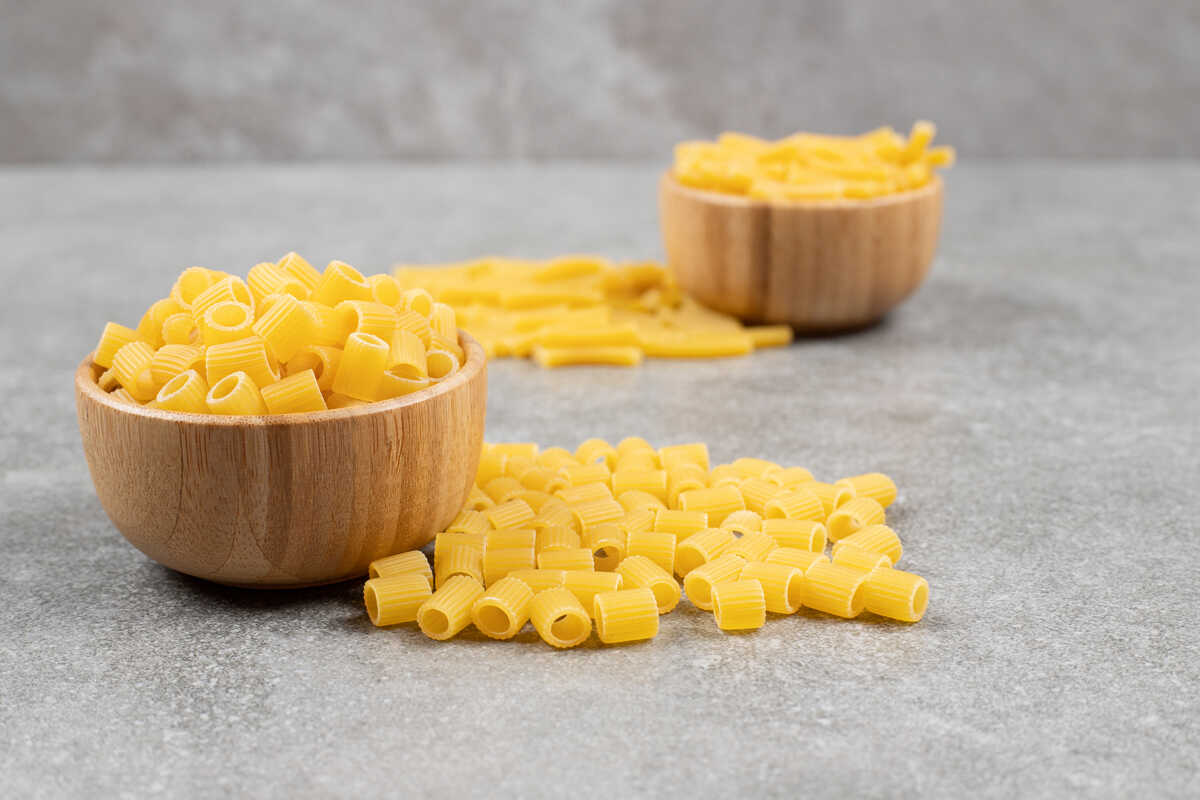
Ditalini pasta, meaning “little thimbles” in Italian, is a small, tubular pasta that absorbs sauces and flavors. Its bite-sized shape makes it ideal for soups, salads, and quick skillet dishes like this one. Not only is it versatile, but it also cooks quickly, making it a favorite for easy meals.

Ditalini PastaIngredients for Ditalini Pasta with Peas and Parmesan

Here’s everything you’ll need to whip up this dish:

  • 1 cup ditalini pasta
  • 1 cup frozen peas
  • ½ cup freshly grated Parmesan cheese
  • 1 medium onion, diced
  • 2 tablespoons butter
  • 1 tablespoon olive oil
  • Salt and pepper to taste

These pantry-friendly ingredients combine to create a creamy and flavorful dish that will impress.

How to Cook Ditalini Pasta with Peas and Parmesan

1. Caramelize the Onions

In large skillet, heat butter & olive oil over medium heat. Once the butter melts, add diced onion & a pinch of salt and pepper. Cook until onions are soft, golden, and caramelized—this will take about 8–10 minutes.

2. Cook the Ditalini Pasta

While onions cook, bring large pot of salted water to a rolling boil. Add the ditalini pasta & cook until al dente, typically around 10 minutes.

3. Blanch the Peas

Toss the frozen peas directly into the boiling water two minutes before the pasta is done. Let them cook until bright green and tender. This step saves time and reduces the number of pots to clean!

4. Combine Ingredients

Drain the pasta and peas, then transfer them to the skillet with the caramelized onions. Toss everything over low heat until well combined.

5. Finish with Parmesan

Sprinkle freshly grated Parmesan cheese into the skillet. Stir gently until the cheese melts, forming a creamy coating over the pasta and peas.

6. Serve and Enjoy

Plate the pasta immediately, garnishing with extra Parmesan and twist of freshly cracked black pepper. Serve warm, and savor the flavors!

What to Add to Ditalini Pasta

This dish is highly versatile, and you can customize it with ingredients to suit your taste. Here are some ideas:

  • Pesto or marinara sauce for added depth.
  • Sundried tomatoes and garlic for a Mediterranean flair.
  • Feta or Asiago cheese as a substitute for Parmesan.
  • Artichokes and olives elevate the dish.

Tips for the Perfect Ditalini Pasta

  • Cook ditalini pasta al dente to maintain its shape and texture.
  • Use high-quality Parmesan cheese for best flavor.
  • For healthier version, substitute olive oil for butter or whole-grain ditalini.
  • Leftovers? Store in an airtight container in the fridge for up to three days and reheat with a splash of water or broth.

Ditalini PastaWhy This Recipe Works

Ditalini pasta pairs beautifully with the sweetness of peas and the nutty richness of Parmesan. The caramelized onions add depth, while the butter and olive oil create a luscious base for the dish. It’s simple yet elegant meal that’s perfect for any occasion.

Conclusion

Whether you’re a busy professional or a home chef looking for inspiration, ditalini pasta with peas and Parmesan is a must-try. It’s quick, delicious, and endlessly customizable, making it a staple in any kitchen. Give it a try tonight, & enjoy the flavors of this comforting dish!

Tags: ,

Caldo de Pollo Recipe: Authentic Mexican Chicken Soup for Comfort and Nutrition

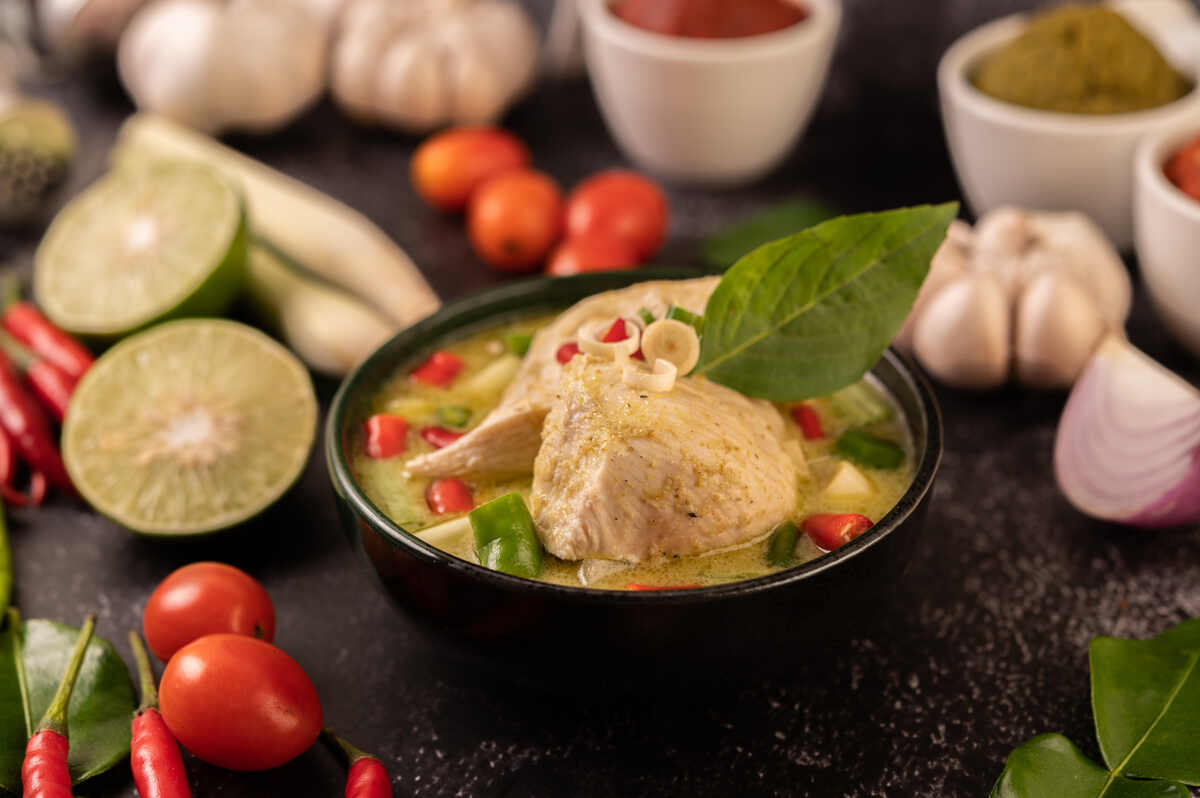
Caldo de pollo, a beloved Mexican chicken soup, stands out for its hearty ingredients and comforting flavor. Unlike other Latin American chicken soups, this dish uses whole chicken pieces, creating a rich and satisfying meal. Whether craving something warm on a chilly day or seeking a nutritious dish, this Caldo de Pollo Recipe delivers on all fronts.

What Is Caldo de Pollo?

Caldo de pollo, translating to “chicken broth,” is a staple in Mexican households. Packed with large chunks of vegetables and tender chicken, it’s a versatile dish tailored to personal preferences. Traditionally, it includes simple yet flavorful ingredients like carrots, potatoes, zucchini, and cilantro, simmered to perfection.

Caldo de Pollo RecipeIngredients for Caldo de Pollo Recipe

This caldo de pollo recipe features wholesome ingredients, ensuring flavor and nourishment. Here’s what you’ll need:

  • 5 pounds of chicken leg quarters: Provides rich flavor and tender meat.
  • 2 gallons of water: Forms the base of the broth.
  • Seasonings: 2 tablespoons minced garlic, two tablespoons salt, one tablespoon garlic powder, and one chicken bouillon cube.
  • Vegetables: 4 large carrots, four large potatoes, four zucchini, 1 chayote, and one large white onion, all cut into hearty chunks.
  • Fresh cilantro: Adds burst of freshness to the dish.

How to Make Caldo de Pollo

Follow these simple steps to create warm & delicious bowl of caldo de pollo:

Prepare the Chicken:

Place chicken leg quarters in a large stockpot. Add water, minced garlic, salt, and garlic powder.

Caldo de Pollo RecipeSimmer the Broth:

Cover the pot &bring the mixture to boil. Reduce heat & simmer for 2 hours until chicken is tender & begins to fall off the bone.

Add Vegetables:

Stir in the bouillon cube until dissolved, then add the carrots, potatoes, zucchini, chayote, and onion. Simmer over medium-low heat for 1 hour or until vegetables are soft.

Finish with Cilantro:

Stir in freshly chopped cilantro and let it simmer for another 5 minutes.

Serve Hot:

Ladle the caldo de pollo into bowls, ensuring each serving has generous amount of chicken and vegetables.

Tips and Variations

  • Customization: Add corn on the cob, cabbage, or celery for extra texture and flavor.
  • Serving Suggestions: Pair with warm tortillas, a side of Spanish rice, or a squeeze of lime for a complete meal.
  • Storage: Store leftovers in an container in refrigerator for up to one week. Reheat on the stove or microwave before serving.

Why You’ll Love This Caldo de Pollo Recipe

This caldo de pollo recipe isn’t just a meal—it’s an experience. The tender chicken, vibrant vegetables, and aromatic broth create a hearty and nutritious dish. It’s perfect for family gatherings, a soothing remedy during cold seasons, or simply when you want a taste of Mexican tradition.

Tags: , ,

Dubai Chocolate Bar Recipe: Make the Viral Pistachio Dessert at Home

The Dubai chocolate bar recipe has taken the internet—and dessert lovers—by storm. Born in the luxurious kitchens of Fix Dessert Chocolatier in Dubai, this indulgent bar is a masterpiece of textures and flavours: a velvety chocolate shell, crunchy kataifi pastry, and a luscious pistachio cream filling. While the original bars are sold at premium prices ranging from $30 to $60 each, you can now recreate this viral sensation at home with simple ingredients and no fancy equipment.

Why Is the Dubai Chocolate Bar Recipe So Popular?

The Dubai chocolate bar recipe owes its fame to its Instagram-worthy presentation and the sensory overload it delivers in every bite. It’s the perfect balance of creamy, crunchy, sweet, and nutty layered inside a glossy chocolate mould. It’s a feast for the palate and the eyes—perfect for special occasions, gifting, or satisfying personal cravings.

Dubai Chocolate Bar RecipeHere’s a complete guide to making your own in your kitchen.

Ingredients You’ll Need

To recreate the Dubai chocolate bar recipe, gather the following:

Ingredient Quantity Notes
Dark chocolate chips 1 cup Use 70% or higher for deep flavor
Coconut oil or butter 2 tbsp Helps melt chocolate and toast kataifi
Kataifi pastry 1 cup (chopped) Shredded phyllo dough (found in Middle Eastern stores)
Pistachio butter ½ cup Homemade or store-bought
Tahini (optional) 1 tbsp Adds nutty depth
White chocolate chips ¼ cup (optional) For decoration and drizzling
Sea salt Pinch Enhances flavor contrast

Step-By-Step Instructions

1. Prepare the Chocolate Mold

  • Melt white chocolate (if using) in 20-second microwave intervals, stirring in between.
  • Drizzle designs into silicone molds for a decorative touch. Allow to set.
  • Melt dark chocolate with one tablespoon of coconut oil until silky.
  • Spoon 2 tablespoons of chocolate into each mold. Coat the base and sides evenly.
  • Refrigerate moulds for 10–15 minutes until set.

2. Toast the Kataifi

  • Chop kataifi pastry into small bits.
  • Heat one tablespoon of coconut oil in a skillet over medium heat.
  • Toast kataifi, stirring frequently, until golden and crisp.
  • Remove from heat and let cool.

3. Make the Pistachio Filling

  • In a bowl, combine toasted kataifi, pistachio butter, and tahini.
  • Mix well to form a thick, spreadable paste.

4. Assemble the Bars

  • Fill each chocolate-lined mold with pistachio mixture, pressing gently to compact.
  • Cover with remaining melted chocolate, smoothing the surface.
  • Chill in the fridge for 30 minutes or freezer for 10 minutes until fully set.
  • Pop out of moulds and enjoy your homemade Dubai chocolate bar recipe masterpiece.

Tips for Perfect Results

  • Choose quality chocolate: The better the chocolate, the more luxurious your bars will taste.
  • Don’t skip the toasting: Properly toasted kataifi adds the signature crunch.
  • Use deep moulds To ensure a good chocolate-to-filling ratio.
  • Balance the flavours: A pinch of sea salt beautifully brings out the nutty and sweet components.
  • Get creative: Add a layer of crushed pistachios, rose petals, or edible gold leaf for luxury flair.

Dubai Chocolate Bar RecipeNutritional Insight

While indulgent, these bars can be tailored to your preferences. Swap dark chocolate for sugar-free versions, or use natural pistachio butter without added sugars. Each bar is packed with good fats and offers a unique fusion of Middle Eastern ingredients.

Final Thoughts

There’s a reason the Dubai chocolate bar recipe has gone viral—it truly delivers an elevated dessert experience. Instead of splurging on a luxury shipment, you can enjoy the same decadent treat at home for a fraction of the price. Whether you’re entertaining guests, creating content for social media, or simply treating yourself, this recipe is guaranteed to impress.

Tags: , , , , , ,

Ultimate Taco Dip Recipe: Easy, Creamy, and Perfect for Any Party

If you want a quick, flavorful, and versatile appetizer, try this taco dip recipe.With its creamy base, zesty seasoning, and colorful toppings, this dish is the life of any party. Whether you’re hosting a backyard barbecue, game night, or a casual family gathering, this Taco Dip Recipe will keep everyone coming back for seconds (or even thirds!).

Why This Taco Dip Recipe is a Must-Try

This recipe combines the rich creaminess of sour cream and cream cheese with the bold, savory kick of taco seasoning. Topped with vibrant vegetables and gooey cheese, it’s delicious and visually stunning. What makes it even better? It takes just minutes to prepare!

Another reason this dish stands out is its versatility. You can customize it to your liking—skip the olives, double the tomatoes, or even add a layer of guacamole for extra flavor. It’s a recipe that can cater to everyone’s taste preferences.

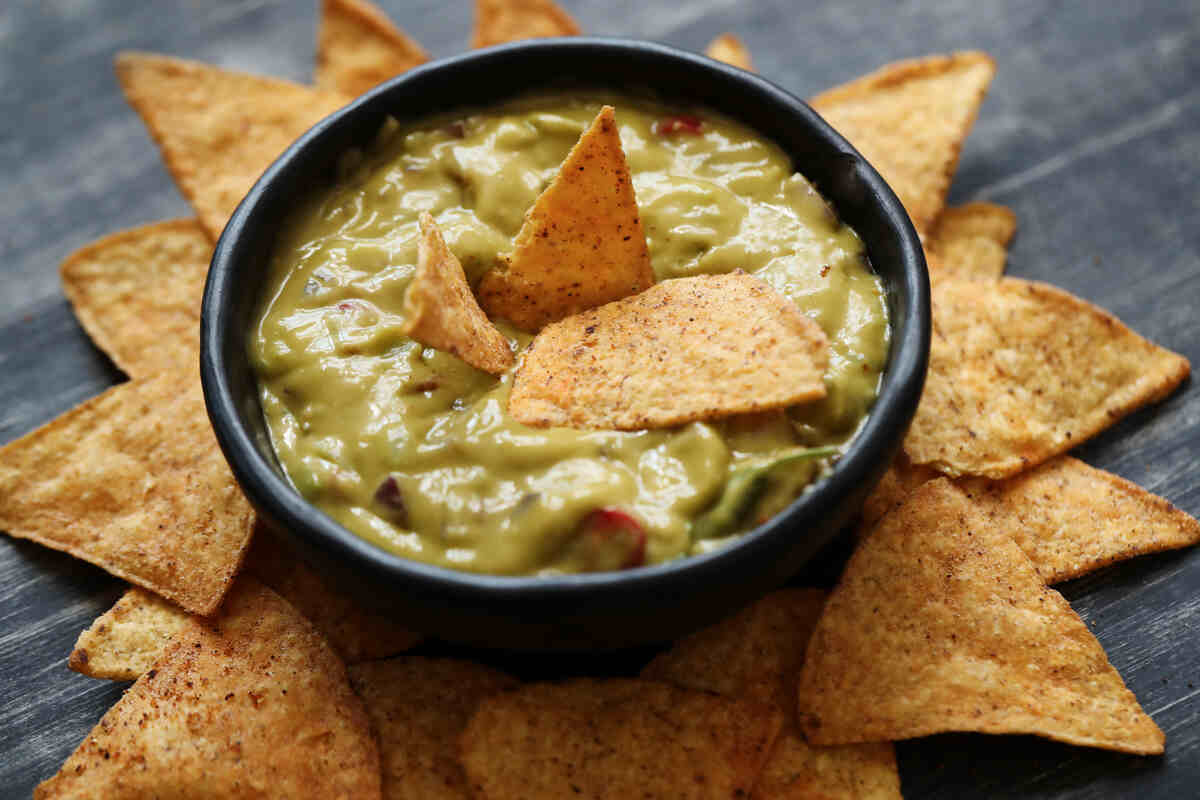
Taco Dip RecipeIngredients You’ll Need

Here’s what you need to whip up this easy and delicious taco dip recipe:

  • 16 ounces sour cream (non-fat or regular)
  • 8 ounces cream cheese, softened
  • 1.25 ounces taco seasoning mix (store-bought or homemade)
  • 1 cup shredded Cheddar cheese
  • ¼ head iceberg lettuce, rinsed, dried, and shredded
  • 3 medium Roma tomatoes, chopped
  • 1 medium green bell pepper, diced
  • 1 (2.25 ounces) can of black olives, drained

How to Make the Perfect Taco Dip Recipe

Follow these simple steps to create an appetizer that is sure to please a crowd:

  1. Prepare the Base: In medium bowl, mix sour cream, softened cream cheese, & taco seasoning until smooth and well combined. This creamy mixture forms the flavorful foundation of the dish.
  2. Assemble the Dip: Spread the mixture evenly in a 9- or 10-inch round serving or pie dish.
  3. Add the Toppings: Layer the shredded lettuce on the base, followed by a generous sprinkling of Cheddar cheese.
  4. Finish with Vegetables: Add the chopped tomatoes, diced bell pepper, and black olives for a colorful and flavorful finish.
  5. Serve and Enjoy: Pair the dip with tortilla chips, pita chips, or fresh vegetable sticks like carrots and celery for a refreshing crunch.

Tips for the Best Taco Dip

  • Make It Ahead: Prepare the cream cheese mixture a day in advance and store it in the refrigerator. Add the toppings right before serving to keep everything fresh and crisp.
  • Customize Your Toppings: Don’t like black olives? Swap them for green onions, jalapeños, or even diced avocado.
  • Prevent Soggy Tomatoes: Remove the seeds and pulp from the tomatoes before chopping to avoid excess moisture in your dip.
  • Layer Strategically: If adding extra toppings like salsa or guacamole, layer them between the creamy base and the shredded lettuce for a neat presentation.

What to Serve With Taco Dip

This taco dip pairs beautifully with the following:

  • Tortilla Chips: A classic choice for scooping up all the layers.
  • Pita Chips: For a slightly different texture and flavor.
  • Veggie Sticks: Carrots, celery, or cucumber slices for a lighter, gluten-free option.

Why You’ll Love This Recipe

Not only is this taco dip recipe easy to make, but it’s also packed with flavor and adaptable to various dietary needs. It’s vegetarian-friendly, and you can adjust gluten-free or low-fat preferences.

This dish is the ultimate party pleaser. The creamy base, combined with crunchy vegetables and bold seasoning, creates a balanced and addictive flavor profile that will have everyone asking for recipe.

Taco Dip RecipeFinal Thoughts

This easy taco dip recipe is a guaranteed hit for any occasion. With its creamy base, vibrant toppings, and endless customization options, it’s a dish you’ll want to make again and again. Perfect for sharing, this appetizer will quickly become a staple at your gatherings.

Tags: , ,

Best Homemade Baked Beans Recipe: Easy & Delicious British-Style Baked Beans

When it comes to comfort food, hearty baked beans recipe tops the list. Whether you’re craving a traditional British-style dish or a homemade twist on canned beans, this guide will provide everything you need to create flavorful, wholesome baked beans in your kitchen. Say goodbye to artificial flavors & hello to decadent, savory goodness made from scratch.

Why Choose a Homemade Baked Beans Recipe?

While canned baked beans are convenient, they often contain preservatives and lack the depth of flavor that homemade recipes can provide. A homemade baked beans recipe gives you complete control over the ingredients, making it healthier, tastier, and customizable to suit your preferences.

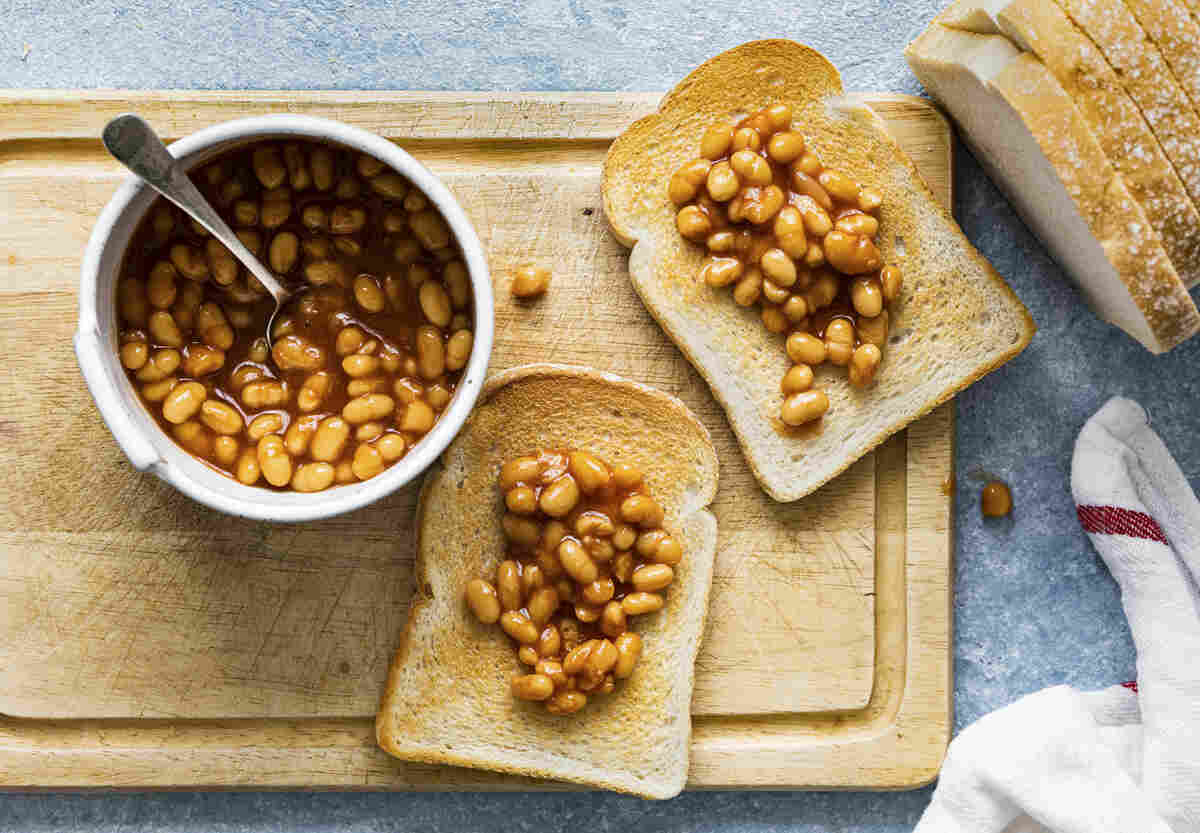
Baked Beans RecipeIngredients You’ll Need

To prepare this classic baked beans recipe, gather the following ingredients:

  • Navy beans (or haricot beans): The star of the dish, providing a creamy texture.
  • Onion and garlic: For a robust, savory base.
  • Tomato paste: Adds depth and enhances the sauce’s flavor.
  • Brown sugar: Balances the tanginess with a touch of sweetness.
  • Molasses or honey: Traditional sweeteners for an authentic taste.
  • Dijon mustard: Adds a mild kick and rounds out the flavors.
  • Worcestershire sauce: For a subtle umami touch.
  • Chicken or vegetable stock: The liquid base for the beans.
  • Cornflour (optional): Helps thicken the sauce for a glossy finish.

Step-by-Step Baked Beans Recipe

Step 1: Prepare the Beans

If using dried beans, soak them overnight in water and cook until tender (approximately 1–2 hours). For convenience, canned beans can be rinsed and used directly.

Step 2: Sauté Aromatics

Heat some oil and sauté chopped onions and garlic until fragrant in a large pot or Dutch oven.

Step 3: Build the Sauce

Add tomato paste, brown sugar, molasses, Dijon mustard, and Worcestershire sauce to the pot. Stir well to combine, creating a thick and flavorful base.

Step 4: Add Beans and Stock

Pour in the beans and stock, ensuring the beans are fully submerged. Simmer on low heat for 30–40 minutes, permitting flavors to meld together.

Step 5: Thicken the Sauce

If the sauce is too thin, dissolve cornflour in water and stir it into the pot. Cook for an additional 5 minutes until the sauce thickens.

Step 6: Serve and Enjoy

Serve the baked beans warm with crusty bread, baked potatoes, or grilled meats.

Tips for Perfect Baked Beans

  1. Use the right beans: Navy or haricot beans work best due to their creamy texture.
  2. Don’t rush the simmering process: Slow cooking allows the flavors to develop fully.
  3. Customize sweetness: Adjust the amount of brown sugar and molasses to suit your taste.

Serving Suggestions

This versatile baked beans recipe can be enjoyed in numerous ways:

  • Spread on toast for a classic British-style breakfast.
  • As a side dish with grilled chicken or sausages.
  • Stuffed into baked sweet potatoes for a hearty vegetarian meal.
  • Served at barbecues as a crowd-pleasing addition.

Baked Beans RecipeNutritional Benefits of Homemade Baked Beans

Homemade baked beans are rich in protein, fiber, and essential vitamins. By controlling the ingredients, you can reduce added sugars and sodium compared to store-bought options, making it a healthy choice for the whole family.

Tags: , ,

6 Easy Apple Cider Vinegar Recipes for Flavorful Meals and Health Benefits

Apple cider vinegar is one of the pantry staples that has stood the test of time & is praised for its potential health benefits and culinary versatility. While many people are familiar with its use in health tonics or as a natural remedy, there’s so much more this humble ingredient can do. Whether you’re looking for a tangy vinaigrette, a flavorful marinade, or a way to elevate your vegetable dishes, there’s an apple cider vinegar recipe for every occasion. Let’s dive into how to incorporate Apple Cider Vinegar Recipe into your cooking.

1. Simple Apple Cider Vinegar Salad Dressing

A classic apple cider vinegar recipe is a basic salad dressing. This quick and easy recipe has just a few ingredients and is an excellent way to bring out the flavors of fresh greens & vegetables.

Ingredients:

  • 1 part Bragg Apple Cider Vinegar (with the mother)
  • 1 part olive oil
  • Salt and pepper to taste

Instructions:

  1. Whisk together apple cider vinegar & olive oil in a small bowl.
  2. Season with salt & pepper, adjusting to taste.
  3. Drizzle over your favorite salad or greens.

This tangy, slightly sweet vinaigrette pairs perfectly with simple salads, but you can also use it to dress cole slaw, pasta salads, or even warm potato salad.

2. Apple Cider Vinegar Marinade for Meat

Apple cider vinegar is a fantastic marinade ingredient because it tenderizes meat while adding a unique depth of flavor. You can use it to marinate chicken, or beef.

Ingredients:

  • 3 tbsp Bragg Apple Cider Vinegar
  • 2 tbsp olive oil
  • 1 tbsp honey
  • 1 tsp cayenne pepper
  • Salt and pepper to taste

Instructions:

  1. Whisk together all ingredients in a bowl.
  2. Pour over your choice of meat, ensuring it’s well coated.
  3. Allow it to marinate for at least 30 minutes before grilling, roasting, or pan-searing.

This apple cider vinegar marinade adds a spicy, tangy kick to meats and is especially great for grilling or barbecuing.

3. Quick Pickled Vegetables

Quick pickles are one of easiest ways to enjoy the flavor and benefits of apple cider vinegar. In minutes, you can pickle various vegetables, such as cucumbers, carrots, onions, or radishes.

Ingredients:

  • 1 cup Bragg Apple Cider Vinegar
  • 1 cup water
  • 1 tbsp sugar
  • 1 tsp salt
  • Sliced vegetables (cucumbers, carrots, onions)

Instructions:

  1. Combine apple cider vinegar, water, sugar, salt in a pot & bring to a simmer.
  2. Pour the hot brine over the sliced vegetables in a jar.
  3. Let the mixture sit for about 10 minutes before draining the vinegar.

These quick pickles can be stored in fridge and enjoyed as a crunchy side dish, topping, or snack.

4. Apple Cider Vinegar for Roasted Vegetables

Apple cider vinegar is also an excellent addition when roasting vegetables. Adding a splash of ACV to your oil mixture enhances the flavors and helps to caramelize the veggies beautifully in the oven.

Apple Cider Vinegar RecipeIngredients:

  • 1 tbsp Bragg Apple Cider Vinegar
  • 2 tbsp olive oil
  • Your favorite vegetables (carrots, Brussels sprouts, potatoes)
  • Salt and pepper to taste

Instructions:

  1. Preheat oven to 400°F (200°C).
  2. In bowl, combine olive oil, apple cider vinegar, salt, and pepper.
  3. Toss your vegetables in the mixture until well-coated.
  4. Roast for 30 minutes, stirring halfway through, vegetables are tender & slightly crispy.

Adding apple cider vinegar adds a tangy richness to the vegetables, making them irresistible.

5. Apple Cider Vinegar for Detox Water

While apple cider vinegar is known for its health benefits, it also makes a refreshing addition to a detox water recipe. This is an excellent option if you’re looking for a simple way to incorporate ACV into your daily routine.

Ingredients:

  • 1-2 tbsp Bragg Apple Cider Vinegar
  • 1 cup water
  • 1 tsp honey (optional)
  • Lemon slices (optional)

Instructions:

  1. Mix the apple cider vinegar with water.
  2. Stir in honey if desired for sweetness.
  3. Add few slices of lemon for extra flavor.

Drinking this ACV water in the morning or throughout the day is a popular way to support digestion and metabolism, making it a perfect addition to your wellness routine.

6. Apple Cider Vinegar Detox Smoothie

If you’re looking for an apple cider vinegar recipe that blends health benefits with flavor, try adding it to a smoothie—the vinegar’s acidity pairs surprisingly well with fruits like apples and berries.

Apple Cider Vinegar RecipeIngredients:

  • 1 tbsp Bragg Apple Cider Vinegar
  • 1 cup water or almond milk
  • 1 banana
  • 1/2 cup mixed berries (blueberries, strawberries)
  • 1 tsp honey (optional)

Instructions:

  1. Add ingredients to blender & blend until smooth.
  2. Adjust sweetness by adding honey if necessary.

This refreshing smoothie can kickstart your day and boost your digestion, making it an excellent healthy option.

Conclusion

Apple cider vinegar is more than just trendy health tonic—it’s a versatile ingredient that can enhance a variety of dishes in your kitchen. From salad dressings to marinades and even detox drinks, there are countless apple cider vinegar recipes to try. By incorporating it into your cooking routine, you’ll boost flavor and potentially reap the health benefits of this powerhouse ingredient. So why not explore how apple cider vinegar can elevate your meals and wellness today?

Tags: , ,