Whether juggling work, parenting, or studies, quick and healthy meal prep can transform your energy levels and support long-term wellness goals. One underrated star of clean eating? Apple cider vinegar Recipe is a gut-friendly ingredient that can boost digestion, regulate blood sugar, and even aid weight management.
In this guide, you’ll learn:
How to make your apple cider vinegar from scratch
Balanced make-ahead meal prep ideas
Simple, energy-boosting recipes
Hydrating drinks to complement your plan
Let’s dive in and revitalize your wellness routine the smart way.
Homemade Apple Cider Vinegar Recipe
Apple cider vinegar is incredibly simple to make and requires minimal ingredients.
Ingredients:
Apple scraps (peels, cores – from 6–8 apples)
2 tablespoons of organic sugar or raw honey
Filtered water (enough to submerge apples)
A wide-mouth glass jar
Cheesecloth or breathable fabric & rubber band
Instructions:
Fill your jar with the apple scraps.
Mix sugar/honey with water and pour it over the apples until fully covered.
Cover the jar with cheesecloth and secure with a rubber band.
Store in a warm, dark place for 3–4 weeks, stirring every few days.
Strain out the apple solids and ferment for another 3–4 weeks until it smells tangy.
Use scraps: Apple cores and peels are perfect for homemade ACV
Meal plan weekly: Saves both money and stress
Meal Prep for Beginners: Tips to Succeed
Start small: Prep 1–2 meals a day to build consistency
Use clear containers: They help with portion control
Label everything: Reduces waste and keeps you organized
Stay flexible: Mix and match grains, proteins, and veggies
Final Thoughts
From gut-loving apple cider vinegar to balanced, budget-friendly meals, taking small, consistent steps can transform your health routine. Whether meal prepping overnight oats or sipping on an ACV electrolyte drink, the key is to fuel your body intentionally, not ideally.
Frequently Asked Questions (FAQs)
How often should I consume apple cider vinegar?
1–2 tablespoons a day, diluted in water or used in food, is considered safe for most people.
Can I drink ACV on an empty stomach?
Yes, but always dilute it. Straight ACV may harm tooth enamel or cause stomach discomfort.
How long does homemade ACV last?
Up to a year when stored in a cool, dark place. Once opened, refrigerate to prolong freshness.
[vc_row][vc_column][vc_column_text]In today’s health-conscious world, Vitamin Water has become popular among consumers seeking a refreshing alternative to sugary sodas. Marketed as a drink that not only hydrates but also provides essential vitamins, Vitamin Water is an ideal option. However, looking closer at the facts about vitamin water nutrition facts, you might be surprised by what you find. We’ll go into great detail about Vitamin Water’s nutritional makeup in this blog post, its potential health benefits, and the concerns associated with it.
What is Vitamin Water?
Vitamin Water is a flavored water beverage brand introduced by Glacéau, a subsidiary of The Coca-Cola Company. It was launched as a beverage that quenches thirst and supplies various vitamins and minerals. Over the years, Vitamin Water now comes in a wider choice of tastes and formulas, some of which are marketed as zero-calorie options or energy-boosting drinks.
However, the question remains: Is Vitamin Water a healthier option, or is it another sugary drink with a healthy halo? To answer this, we need to delve into the facts about vitamin water nutrition and understand what each bottle contains.
Breaking Down the Vitamin Water Nutrition Facts
Nutrient
Amount per Serving (20 FL Oz / 591 ml)
% Daily Value
Calories
120
–
Total Fat
0g
0%
Sodium
0mg
0%
Total Carbohydrates
32g
11%
Dietary Fiber
0g
0%
Total Sugars
32g
–
Added Sugars
32g
64%
Protein
0g
0%
Vitamin C
90mg
100%
Vitamin B3 (Niacin)
20mg
125%
Vitamin B5 (Pantothenic Acid)
10mg
200%
Vitamin B6
2mg
120%
Vitamin B12
6mcg
250%
Potassium
60mg
2%
Magnesium
20mg
5%
When examining the facts about vitamin water nutrition, It’s crucial to remember that the amount can change based on the particular flavor and kind of vitamin water. For the purpose of this analysis, we’ll focus on the standard 20 FL Oz (591 ml) bottle, which is the most common serving size.
Calories and Sugar Content
One of the first things you’ll notice on the Vitamin Water nutrition facts label is the calorie content. A typical 20 FL Oz bottle contains approximately 120 calories. The majority of these calories come from sugars, which is a significant aspect to consider.
Each bottle usually contains about 30-32 grams of sugar, equivalent to around 7-8 teaspoons. To put this in perspective, males should not consume more added sugar than Nine teaspoons (36 grams) of additional sugar each day. In comparison, women should limit their intake to 25 grams (6 teaspoons). This means that just one bottle of Vitamin Water can exceed or nearly meet the daily sugar limit, depending on your gender.
Vitamins and Minerals
Despite the high sugar content, Vitamin Water offers significant vitamins. One of its main selling points of the typical vitamins and minerals found in a standard Vitamin Water bottle:
Vitamin C: Typically, a bottle provides 100% of the daily suggested value of Vitamin C. This vitamin is necessary for iron absorption, skin health, and immune system function.
B Vitamins: Vitamin Water is usually fortified with several B vitamins, including B3 (Niacin), B5 (Pantothenic Acid), B6 (Pyridoxine), and B12 (Cobalamin). These vitamins are essential for the production of red blood cells, cognitive function, and energy metabolism.
Electrolytes: Some varieties of Vitamin Water include electrolytes like potassium and magnesium, essential for maintaining hydration, especially during or after exercise.
While these vitamins and minerals are beneficial, it’s important to remember that they are readily available from a balanced diet, often without added sugars.
Other Ingredients
In addition to the vitamins and minerals, the Vitamin Water nutrition facts label reveals other ingredients such as:
Crystalline Fructose and Cane Sugar: These are the primary sources of sugar in Vitamin Water. Corn is the source of the sweetener crystalline fructose, and cane sugar is a more natural sweetener.
Citric Acid: Used for taste and as a preservative, citric acid gives Vitamin Water its tangy taste.
Natural Flavors: These are flavoring agents derived from natural sources, often fruit extracts.
Color Additives: Vitamin Water may contain color additives to enhance its aesthetic appeal depending on the flavor.
Health Benefits of Vitamin Water
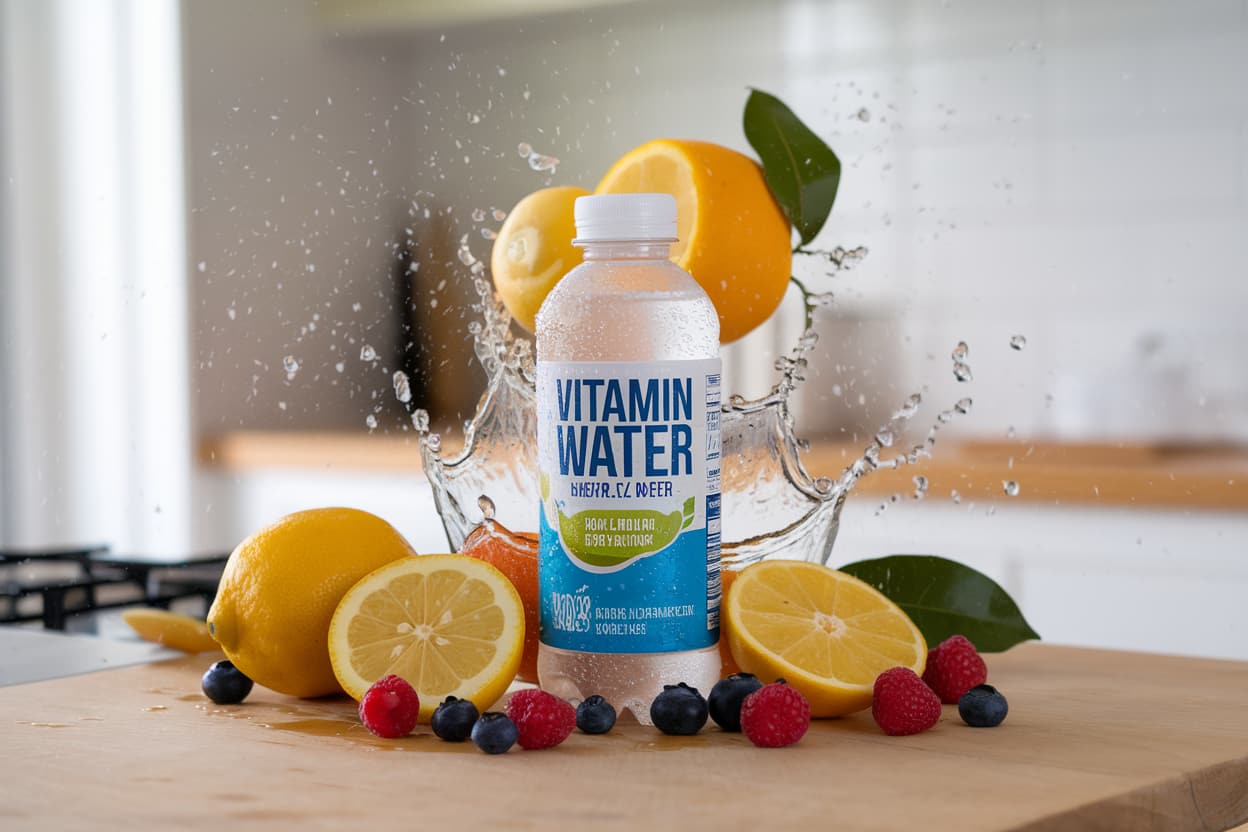
Refreshing vitamin water with a burst of citrus and berries for a revitalizing, healthy drink.
Vitamin Water offers some health benefits, given the vitamins and minerals it contains. However, these benefits must be weighed against the high sugar content and the overall nutritional profile.
Vitamin Supplementation
For individuals who have difficulty obtaining sufficient vitamins from their diet, Vitamin Water can be a convenient way to supplement their intake. This is particularly true for the B vitamins and Vitamin C, essential for energy production, immune function, and overall health.
Hydration with Electrolytes
Certain types of Vitamin Water, such as those labeled as “Energy” or “Recover,” contain added electrolytes like potassium and magnesium. These can help replenish lost electrolytes after intense physical activity, making Vitamin Water a potential option for post-workout hydration.
A Healthier Alternative to Soda?
When comparing the Vitamin Water nutrition facts to those of traditional sodas, it’s clear that Vitamin Water contains fewer calories and more nutrients. However, this doesn’t necessarily make it a “healthy” beverage. While it may be a slightly better choice than soda, the high sugar content still poses significant health risks.
Health Concerns and Risks
While Vitamin Water has some benefits, several health concerns are associated with its consumption, largely due to its sugar content.
High Sugar Content
As mentioned earlier, a standard bottle of Vitamin Water contains about 30-32 grams of sugar. Frequent intake of high-sugar beverages has been connected to a number of health problems, such as heart disease, type 2 diabetes, and obesity. The empty calories from sugar can also contribute to weight gain, as they add to your daily caloric intake without providing significant nutritional value beyond the added vitamins.
Misleading Marketing
Vitamin Water is often marketed as a healthy beverage, which can be misleading. The term “vitamin” in the name might lead consumers to believe that the drink is a healthful choice, but the high sugar content tells a different story. It’s important to read the Vitamin Water nutrition facts and understand that the vitamins and minerals provided can be easily obtained from whole foods without the added sugars.
Artificial Ingredients in Low-Calorie Versions
Vitamin Water Zero, the zero-calorie version of the drink, contains artificial sweeteners like erythritol and stevia. While these sweeteners are generally considered safe, The implications of these on long-term health are still up for dispute. Some people may experience digestive issues from consuming erythritol, and the impact of long-term consumption of artificial sweeteners is still being studied.
Comparing Vitamin Water to Other Beverages
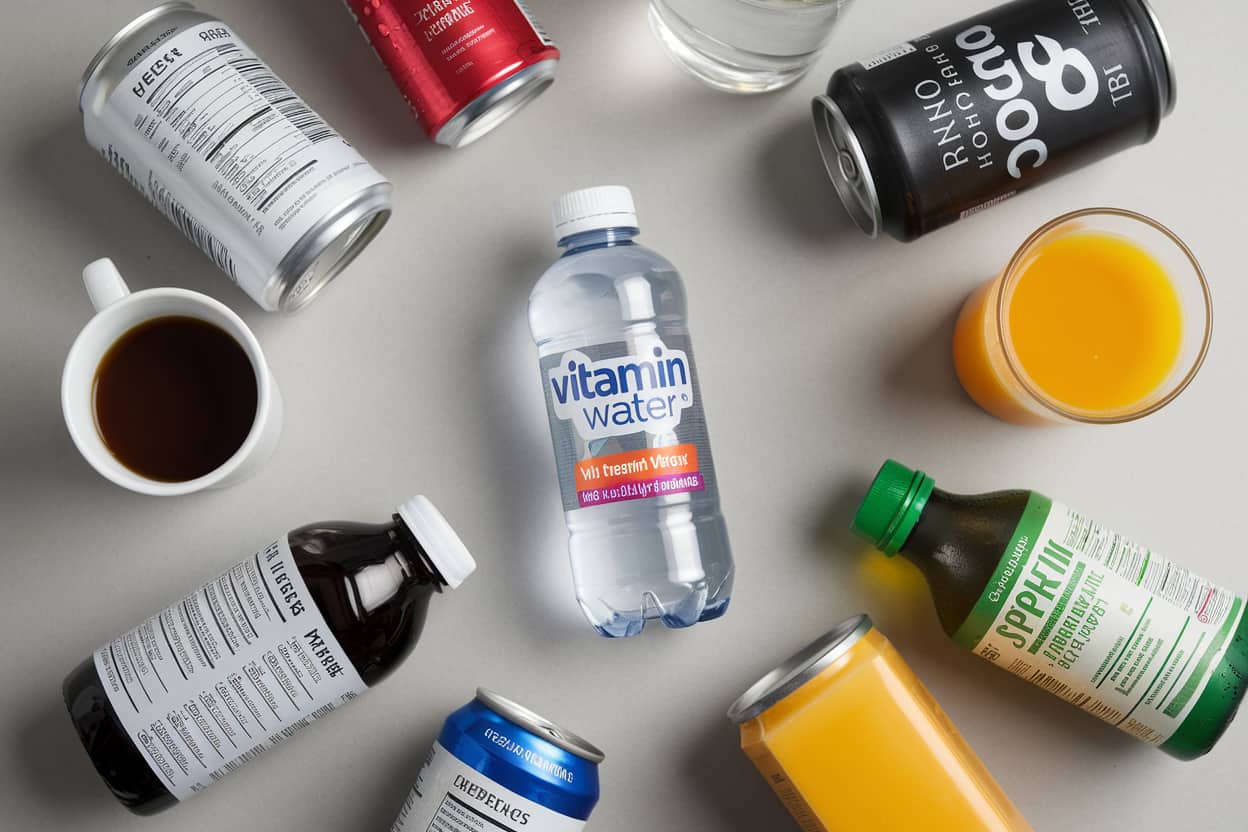
Comparing Vitamin Water to Other Beverages: A variety of drinks showcasing different nutritional choices.
Comparing vitamin water nutrition with that of other popular beverages can help one better understand the facts about vitamin water nutrition.
Vitamin Water vs Plain Water
For hydration, plain water is the best option. It contains no calories, sugars, or artificial ingredients. While Vitamin Water provides vitamins and electrolytes, these nutrients can easily be obtained from a balanced diet. For daily hydration, plain water remains the healthiest choice.
Vitamin Water vs Sports Drinks
Sports drinks like Gatorade are designed to replenish electrolytes lost during intense exercise. They often contain similar amounts of sugar as Vitamin Water but typically have higher levels of electrolytes like sodium and potassium. A sports drink might be more beneficial if you engage in prolonged or high-intensity exercise. However, the added sugars in sports drinks and Vitamin Water can be excessive for casual hydration.
Vitamin Water vs Sodas
Vitamin Water has an edge over sodas in terms of nutrient content. Sodas are typically loaded with sugar and offer no nutritional benefits. However, the high sugar content in Vitamin Water makes it an ideal choice, especially for those who want to reduce their sugar intake.
Tips for Consumers- Making Healthier Choices
If you enjoy Vitamin Water but are concerned about the sugar content, here are a few tips to help you make healthier choices:
Choose Vitamin Water Zero: If you’re looking to reduce sugar intake, opt for the zero-calorie version. While it contains artificial sweeteners, it eliminates the added sugars found in regular Vitamin Water.
Dilute with Water: You can dilute Vitamin Water with plain water to reduce the sugar content per serving while still enjoying the flavor and vitamins.
Limit Consumption: Treat Vitamin Water as an occasional drink rather than a daily hydration solution. This way, you can enjoy the benefits without overloading with sugar.
Make Your Own Infused Water: Create vitamin-infused water by using slices of fruits like lemon, cucumber, or berries to plain water. This provides a refreshing, low-calorie alternative with natural flavors.
Conclusion
Vitamin Water may seem like a health-conscious choice at first glance, but a closer look at the facts about Vitamin Water Nutrition reveals a more complex picture. While it does provide essential vitamins and can serve as a better alternative to sodas, its high sugar content makes it less than perfect for daily consumption.
For most people, the vitamins found in Vitamin Water can be easily obtained from a balanced diet without the added sugars. If you do choose to drink Vitamin Water, it’s best to do so in moderation and with a full understanding of its nutritional profile. Ultimately, plain water remains the best choice for hydration, with the occasional Vitamin Water serving as a treat rather than a staple.[/vc_column_text][/vc_column][/vc_row][vc_row][vc_column width=”1/1″][us_separator size=”small”][us_text text=”Frequently Asked Questions (FAQs)” link=”%7B%22url%22%3A%22%22%7D” tag=”h2″][vc_tta_accordion][vc_tta_section title=”What is Vitamin Water?” tab_link=”%7B%22url%22%3A%22%22%7D”][vc_column_text]Vitamin Water is a flavored water beverage that is fortified with vitamins and minerals. It is designed to provide hydration while offering additional nutrients, often in the form of added vitamins such as B vitamins and vitamin C.[/vc_column_text][/vc_tta_section][vc_tta_section title=”How many calories are in a bottle of Vitamin Water?” tab_link=”%7B%22url%22%3A%22%22%7D”][vc_column_text]A standard 20 fl oz (591 ml) bottle of Vitamin Water contains approximately 120 calories.[/vc_column_text][/vc_tta_section][vc_tta_section title=”Does Vitamin Water contain sugar?” tab_link=”%7B%22url%22%3A%22%22%7D”][vc_column_text]Yes, Vitamin Water contains sugar. A 20 fl oz bottle typically contains around 32 grams of sugar, which includes both natural and added sugars.[/vc_column_text][/vc_tta_section][vc_tta_section title=”Are there any zero-calorie or sugar-free options for Vitamin Water?” tab_link=”%7B%22url%22%3A%22%22%7D”][vc_column_text]Yes, there are zero-calorie and sugar-free options available, such as Vitamin Water Zero, which uses artificial sweeteners instead of sugar.[/vc_column_text][/vc_tta_section][vc_tta_section title=”What vitamins are commonly found in Vitamin Water?” tab_link=”%7B%22url%22%3A%22%22%7D”][vc_column_text]Vitamin Water commonly includes vitamins such as Vitamin C, B vitamins (B3, B5, B6, and B12), and occasionally other nutrients like potassium and magnesium.[/vc_column_text][/vc_tta_section][vc_tta_section title=”Is Vitamin Water a healthy drink?” tab_link=”%7B%22url%22%3A%22%22%7D”][vc_column_text]While Vitamin Water does provide certain vitamins and minerals, it also contains sugar and calories, which can contribute to weight gain if consumed in excess. It’s important to read the label and consider Vitamin Water as part of a balanced diet.[/vc_column_text][/vc_tta_section][vc_tta_section title=”Can Vitamin Water help with hydration?” tab_link=”%7B%22url%22%3A%22%22%7D”][vc_column_text]Yes, Vitamin Water can help with hydration as it provides fluids. However, it should not replace plain water, especially for those monitoring their sugar intake.[/vc_column_text][/vc_tta_section][vc_tta_section title=”Is there any fiber in Vitamin Water?” tab_link=”%7B%22url%22%3A%22%22%7D”][vc_column_text]No, Vitamin Water does not contain dietary fiber. It is primarily a source of hydration and vitamins, not fiber.[/vc_column_text][/vc_tta_section][vc_tta_section title=”How does Vitamin Water compare to sports drinks?” tab_link=”%7B%22url%22%3A%22%22%7D”][vc_column_text]Vitamin Water and sports drinks both provide hydration and some nutrients, but sports drinks typically contain electrolytes like sodium and potassium, which are designed to replenish what is lost through sweat during exercise. Vitamin Water focuses more on vitamins and has varying amounts of sugar depending on the product line.[/vc_column_text][/vc_tta_section][vc_tta_section title=”Who should drink Vitamin Water?” tab_link=”%7B%22url%22%3A%22%22%7D”][vc_column_text]Vitamin Water may be suitable for individuals looking to add some vitamins to their diet or those who prefer flavored beverages. However, people with specific dietary needs or those managing their sugar intake should consume it in moderation or opt for sugar-free versions.[/vc_column_text][/vc_tta_section][vc_tta_section title=”Section”][/vc_tta_section][/vc_tta_accordion][/vc_column][/vc_row]
In the quest for essential weight loss solutions, many have turned to various supplements and injections, with Vitamin B12 shots gaining notable attention. Promising to boost energy and metabolism, these injections are often touted as a secret weapon in the fight against excess weight. But do Vitamin B12 shots for weight loss really work? Let’s delve into the science, benefits, and potential drawbacks of this popular trend.
Understanding Vitamin B12
What is Vitamin B12?
Vitamin B12, also mention to as cobalamin, is a vital water-soluble vitamin that plays a major role in brain and nervous system function, as well as in the formation of red blood cells. It occurs naturally in animal-derived foods such as meat, fish, dairy, and eggs, and is essential for DNA synthesis and the producing of energy.
Functions of Vitamin B12
Vitamin B12’s primary functions include aiding in the production of red blood cells, maintaining neurological health, and supporting DNA synthesis. This vitamin is also implicate in the metabolism of every cell in the body, particularly influence DNA synthesis and regulation, fatty acid synthesis, and energy production.
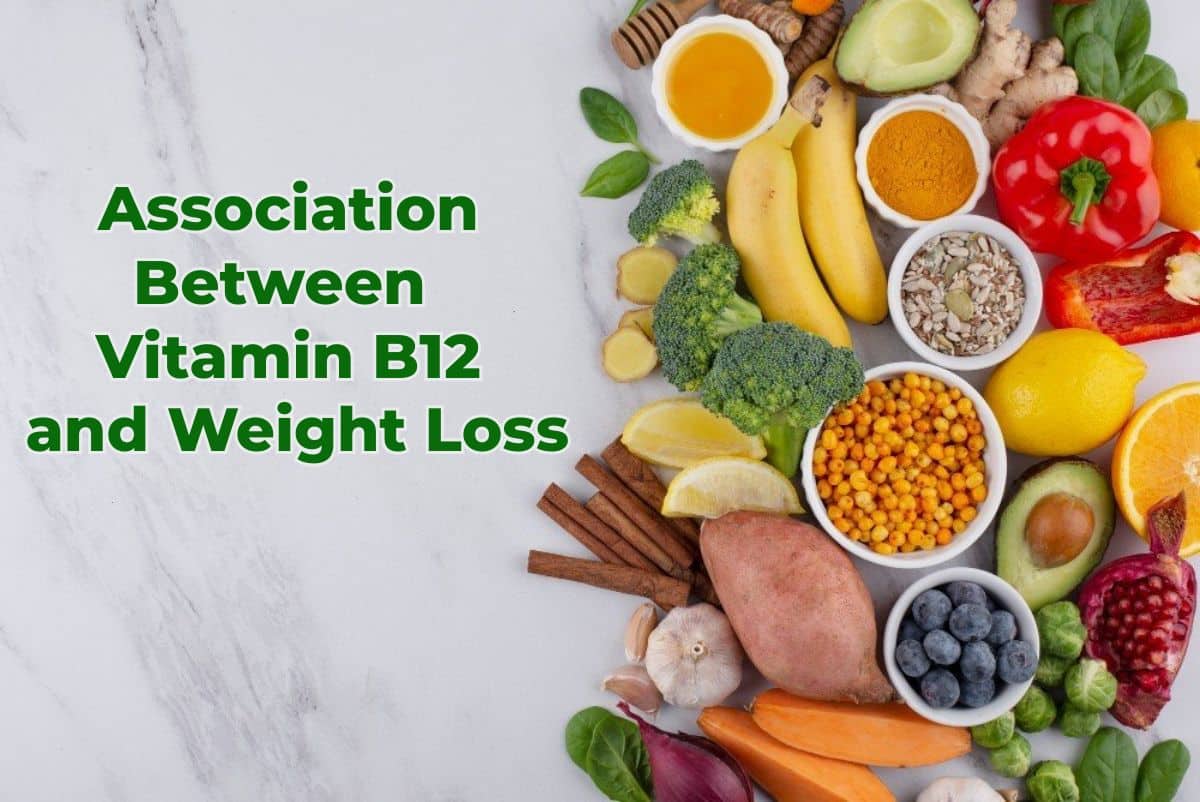
The Association Between Vitamin B12 and Weight Loss
The premise behind Vitamin B12 shots for weight loss lies in the vitamin’s role in energy production and metabolism. Proponents suggest that by enhancing energy levels and metabolic functions, Vitamin B12 injections can help the body burn calories more comfortably, potentially leading to weight loss. Additionally, higher energy levels might encourage more physical activity, further contributing to weight loss efforts.
Scientific Evidence
While the theory sounds promising, the scientific evidence directly linking Vitamin B12 shots to significant weight loss is limited. Some studies have shown that individuals with a Vitamin B12 deficiency might experience improved energy levels and metabolic rates after receiving B12 supplementation, which could indirectly support weight loss efforts. However, for individuals with normal B12 levels, the impact of additional B12 might be minimal.
Research primarily highlights the role of B12 in preventing fatigue and supporting overall health, which can be beneficial in a comprehensive weight loss plan but is not a standalone solution for weight loss.
One of the most outstanding benefits of Vitamin B12 shots is their potential to boost energy levels. Since Vitamin B12 is crucial for converting food into energy, adequate levels of this vitamin can help reduce feelings of fatigue and lethargy. This increase in power can make it easier to engage in regular physical activity, a critical component of any successful weight loss program.
Metabolic Boost
Vitamin B12 plays a role in metabolism by assisting in the reformation of fats and proteins into energy. A well-functioning metabolism is necessary for weight management, as it determines how efficiently the body can burn calories. By supporting metabolic processes, Vitamin B12 shots might help the body use energy more effectively, which can be valuable for weight loss, particularly for those who might be deficient in this vitamin.
Limitations and Risks
Lack of Direct Evidence
Despite the potential benefits, it’s important to note the lack of direct evidence supporting Vitamin B12 shots as a significant weight loss tool. Most studies focus on the vitamin’s role in energy production and metabolism rather than its direct impact on weight loss. Therefore, while B12 shots can enhance overall health and energy levels, they should not be viewed as a magic bullet for weight loss.
Potential Risks and Side Effects
As with any medical intervention, Vitamin B12 shots come with potential risks and side effects. While generally considered safe, some individuals might experience side effects for example pain or redness at the injection site, mild diarrhea, or itching. In rare cases, allergic reactions can occur. It’s major to consult with a healthcare provider before starting B12 injections, particularly for individuals with underlying health situation or those taking other medications.
A balanced diet and regular exercise persist the cornerstones of effective weight loss. While Vitamin B12 shots can complement these efforts by boosting energy and metabolism, they should not replace foundational weight loss strategies. Incorporating a difference of nutrient-dense foods and engaging in consistent physical activity are essential for achieving and maintaining a healthy weight.
Other Nutrients and Supplements
Other vitamins and supplements, in addition to vitamin B12, can support weight loss efforts. For example, Vitamin D, iron, and magnesium are critical for energy production and overall health. Combining these nutrients with a balanced diet and exercise can create a comprehensive approach to weight loss.
Conclusion
Vitamin B12 shots offer several potential benefits, including increased energy levels and improved metabolic function, which can indirectly support weight loss efforts. However, the scientific evidence directly linking these injections to significant weight loss is limited.
So, do Vitamin B12 shots for weight loss really work? The answer is nuanced. For individuals with a Vitamin B12 deficiency, these injections can significantly improve energy levels and metabolic function, which might support weight loss efforts. However, for those with adequate B12 levels, the impact on weight loss might be minimal. Therefore, while B12 shots can be a helpful component of a broader weight loss strategy, they should not be relied upon as a sole solution.
Menopause marks an important transition in life, often accompanied by various physiological changes that can impact weight and energy levels. The hormonal shifts during menopause can slow metabolism, leading to weight gain and decreased energy. To support women through this phase, The Menopause Diet 5 Day Plan for Weight Loss offers a structured, nutrient-rich approach to energize the body and promote healthy weight loss. This comprehensive guide provides a detailed five-day plan to kickstart metabolism, balance hormones, and enhance overall well-being.
Oatmeal is rich in fiber, which significantly aids in digestion and helps maintain a feeling of fullness throughout the day. By adding berries, you introduce a burst of antioxidants that help reduce inflammation. This combination supports overall health and provides a nutritious, balanced start to your day, contributing to both digestive health and long-term wellness.
Lunch – Grilled chicken salad with a diversity of vegetables
Lean protein, such as grilled chicken, plays a crucial role in enhancing metabolism and preserving muscle mass, which are key goals of The Menopause Diet 5 Day Plan for Weight Loss. Incorporating a variety of vegetables into your meals ensures you receive essential vitamins and minerals necessary for overall health and well-being. This balanced approach to eating supports your body’s nutritional needs and promotes optimal functioning, making it an effective strategy for maintaining a healthy weight during menopause.
Dinner – Baked salmon with quinoa and Warming broccoli
Salmon is stuffed up with omega-3 fatty acids, which are known to reduce discomfort and support heart health. Quinoa is a complete protein that adds fiber and essential nutrients, while steamed broccoli provides a healthy dose of vitamins and minerals.
Snack – Greek yogurt with a couple of almonds
Greek yogurt is rich in probiotics, which promote gut health, while almonds offer healthy fats and protein to help keep you full and energized. This combination supports digestion and provides sustained energy throughout the day.
Tips: Starting your day with a big glass of water can aid in digestion and help keep you hydrated throughout the day. Eating a healthy breakfast sets a favorable tone for the day and can help jumpstart your metabolism.
Avocado is an excellent source of healthy fats, helping to keep you full and satisfied. Poached eggs provide high-quality protein, sustaining energy levels throughout the morning. This combination ensures a nutritious and filling start to your day.
Lunch – Tuna salad with combined greens and olive oil dressing
Tuna is an excellent choice for those following The Menopause Diet 5 Day Plan for Weight Loss, providing high-protein, low-fat nutrition that promotes satiety without unnecessary calories. Pairing tuna with mixed greens and olive oil dressing enhances its nutritional value, offering a variety of vitamins and healthy fats crucial for overall health. This combination not only satisfies hunger but also supports a balanced and nutritious eating plan tailored to weight loss and health goals during menopause.
Dinner – Stir-fried tofu with blended vegetables and brown rice
Tofu, rich in plant-based protein, aids in hormone balance during menopause. Mixed vegetables offer a spectrum of vital nutrients, while brown rice provides healthy carbohydrates. Together, they create a well-rounded meal that supports overall health and wellness.
Snack – Apple slices with peanut butter
Apples are packed with fiber and essential vitamins, promoting digestive health and overall well-being. Pairing them with peanut butter adds protein and healthy fats, which contribute to sustained energy levels and satiety between meals. This combination makes for a nutritious and satisfying snack or addition to any balanced diet.
Tips: Balancing meals with a mix of proteins and healthy fats can sustain energy levels throughout the day and diminish cravings for unhealthy snacks.
Breakfast – Smoothie with spinach, banana, and flaxseeds
Spinach is rich in iron and vitamins, supporting overall health and vitality. Bananas offer potassium, crucial for maintaining healthy blood pressure levels. Additionally, flaxseeds provide omega-3 fatty acids, known for their anti-inflammatory properties, making this trio beneficial for a well-rounded diet that promotes cardiovascular health and reduces inflammation.
Lunch – Lentil soup with whole grain bread
Lentils are rich in both protein and fiber, promoting satiety and supporting healthy digestion, which are key aspects of The Menopause Diet 5 Day Plan for Weight Loss. Pairing them with whole-grain bread provides complex carbohydrates that release energy gradually, helping to sustain energy levels throughout the day. This combination makes for a nutritious meal that supports overall health and provides lasting satisfaction.
Dinner – Grilled turkey breast with sweet potato and green beans
Turkey breast offers lean protein essential for muscle maintenance and repair. Sweet potatoes provide fiber, vitamins, and minerals, contributing to overall health. Green beans, a low-calorie and nutrient-dense side dish, complement this meal with additional vitamins and minerals, making it a balanced and nutritious choice for supporting muscle health and overall well-being.
Snack – Carrot sticks with hummus
Carrots are a rich source of beta-carotene, fiber, vitamin K1, potassium, and antioxidants, promoting eye health and overall well-being. Pairing them with hummus provides protein and healthy fats, creating a satisfying and nutritious snack that supports energy levels and satiety. This combination makes for a delicious and health-conscious choice for any time of day.
Tips: Anti-inflammatory foods can help alleviate menopausal symptoms such as joint pain and hot flashes. Incorporating these foods into your nutrition can enhance overall well-being and make you feel more comfortable during this transition.
Breakfast – Whole grain cereal served with almond milk and fresh fruit
Whole grain cereals are rich in fiber, promoting healthy digestion and prolonging satiety. Almond milk serves as a dairy-free alternative rich in calcium and vitamins, supporting bone health. When paired with fruits, which offer natural sweetness and essential nutrients, this combination creates a balanced and nutritious meal or snack that contributes to overall well-being and sustained energy levels.
Lunch – Quinoa bowl topped with black beans, corn, and avocado
Quinoa stands out as a complete protein, containing all nine essential amino acids necessary for the body. When combined with black beans and corn, this dish becomes rich in fiber and essential nutrients, supporting digestive health and overall well-being. Avocado adds healthy fats and a creamy texture, enhancing both flavor and nutritional value. Together, these ingredients create a balanced and satisfying meal that nourishes the body with a variety of beneficial nutrients.
Dinner – Lean beef stir fry with bell peppers and brown rice
Lean beef provides essential protein and iron, crucial for maintaining muscle mass and sustaining energy levels. Bell peppers are rich in vitamin C and antioxidants, supporting immune function and overall health. Brown rice serves as a wholesome source of carbohydrates, contributing to sustained energy release throughout the day. This nutritious and balanced meal supports muscle maintenance, immune health, and overall well-being, making it an excellent choice for those following The Menopause Diet 5 Day Plan for Weight Loss.
Snack – Berries with cottage cheese
Berries are packed with antioxidants, vitamins, and fiber, supporting overall health and well-being. Cottage cheese offers a high-protein, low-fat option that helps promote satiety and muscle maintenance. Together, this combination makes for a nutritious and satisfying snack or meal, providing a balance of nutrients that support energy levels and overall health.
Tips: Incorporating a variety of whole grains and high-fiber foods into your diet can support digestive health and help you feel full longer, aiding in weight management.
Breakfast – Lemon Water Followed By A Green Smoothie
Starting the day with lemon water can aid digestion and promote detoxification by stimulating the liver. A green smoothie packed with leafy greens such as spinach or kale provides a substantial nutrient boost, delivering vitamins, minerals, and antioxidants to kickstart your day with vitality and health benefits. This combination sets a refreshing and nutritious tone for the day ahead, supporting overall well-being and energy levels. It’s an ideal start for those following The Menopause Diet 5 Day Plan for Weight Loss.
Lunch – Spinach And Chickpea Salad With Lemon-Tahini Dressing
Spinach serves as an excellent base for salads due to its nutrient density and low calorie count. Chickpeas provide added protein and fiber, enhancing satiety and supporting digestive health. The lemon-tahini dressing not only adds flavor but also offers a nutritious source of healthy fats, completing this salad with a satisfying and balanced combination of nutrients essential for overall well-being. This nutrient-rich salad fits perfectly into The Menopause Diet 5 Day Plan for Weight Loss, supporting your health goals with each delicious bite.
Dinner – Baked Cod Accompanied By Roasted Brussels Sprouts
Cod is a lean protein choice that is low in calories but rich in essential vitamins and minerals, supporting overall health without adding excess calories. Roasted Brussels sprouts complement this meal with their high fiber content, vitamins, and antioxidants, contributing to digestive health and providing additional nutritional benefits. Together, they create a balanced and nutritious dish that supports a healthy lifestyle and well-rounded diet.
Snack – Mixed nuts and seeds
Nuts and seeds are nutritional powerhouses, combining protein, healthy fats, and fiber. They are also packed with vitamins and minerals, making them not only satisfying but also beneficial for overall health. Incorporating nuts and seeds into your diet as snacks provides a convenient and nutritious way to support energy levels, promote satiety, and contribute to a balanced intake of essential nutrients.
Tips: Staying hydrated is crucial, especially during menopause. Water assists flush out toxins, supports metabolism, and improves overall bodily functions. Consuming detoxifying foods can enhance these effects and promote overall health.
Exercise and Lifestyle Tips
Alongside dietary adjustments, integrating consistent physical activity into your daily routine is crucial for sustaining weight and energy levels throughout menopause. The Menopause Diet 5 Day Plan for Weight Loss emphasizes the importance of aiming for at least 30 minutes of exercise daily, including walking, yoga, or strength training. These exercises can help build muscle, boost metabolism, and improve overall fitness.
Stress management techniques are also important during menopause. Practices like meditation, deep breathing exercises, or any relaxing activity can help reduce stress and its negative impact on weight and health. Managing stress effectively, as recommended in The Menopause Diet 5 Day Plan for Weight Loss, can also improve sleep quality, which is crucial for overall well-being.
Ensuring sufficient sleep is vital for both weight management and general well-being. Aim to obtain 7-8 hours of quality sleep nightly. Establishing a steady sleep schedule and cultivating a serene bedtime atmosphere can enhance sleep quality and facilitate progress towards your weight loss objectives.
Additional Tips and Strategies
Meal Planning and Preparation: Meal planning aids in staying aligned with the menopause diet. Prepare ingredients in large quantities and portion them for convenient storage, saving time throughout the week. This method streamlines adherence to the diet plan and guarantees readily available healthy choices..
Practicing mindful: Eating involves being attentive to both what and how you consume, a principle emphasized in The Menopause Diet 5 Day Plan for Weight Loss. Taking your time to relish each mouthful and paying attention to your body’s signals of hunger and satiety can greatly influence your weight loss endeavors. This approach not only helps deter overeating but also fosters a more positive connection with food, promoting overall well-being and successful weight management during menopause.
Hydration: In addition to drinking water, consider incorporating herbal teas into your daily routine. Herbal teas like chamomile, peppermint, and ginger offer added health advantages, such as enhancing digestion and alleviating inflammation.
Support System: Surround yourself with a supportive community, whether friends, family, or online groups. Sharing your journey and challenges with others can provide motivation and encouragement, making it easier to stick to your goals.
Flexibility and Adaptation: Following the 5-day plan, adapt it to your needs. Listen to your body and make adjustments as necessary. If certain foods don’t agree with you, find alternatives that provide similar nutritional benefits.
Monitor Progress: Track your progress by maintaining a food journal or using a tracking app. Keeping track of your dietary intake, your emotional state, and any fluctuations in your weight or energy levels can offer valuable insights and aid in maintaining accountability.
Educate Yourself: Continuously seek knowledge about nutrition and wellness. Grasping the nutritional content of various foods and their impact on your body enables you to make informed decisions aligning with your health objectives.
Acknowledge small victories: Recognize your accomplishments, regardless of size. Celebrating and rewarding your progress can heighten motivation and solidify beneficial habits.
Conclusion
The Menopause Diet 5 Day Plan for Weight Loss offers a comprehensive, balanced approach to managing weight and boosting energy during menopause. By adhering to this plan, anticipate enhancements in overall well-being, ranging from heightened energy levels to improved weight management. The key to long-term achievement is consistency and making sustainable lifestyle changes.
Menopause is a natural part of aging, and while it brings changes, it also provides an opportunity to focus on health and wellness. Taking Up a diet rich in whole foods, lean proteins, healthy fats, and anti-inflammatory ingredients can support your body through this transition and beyond.
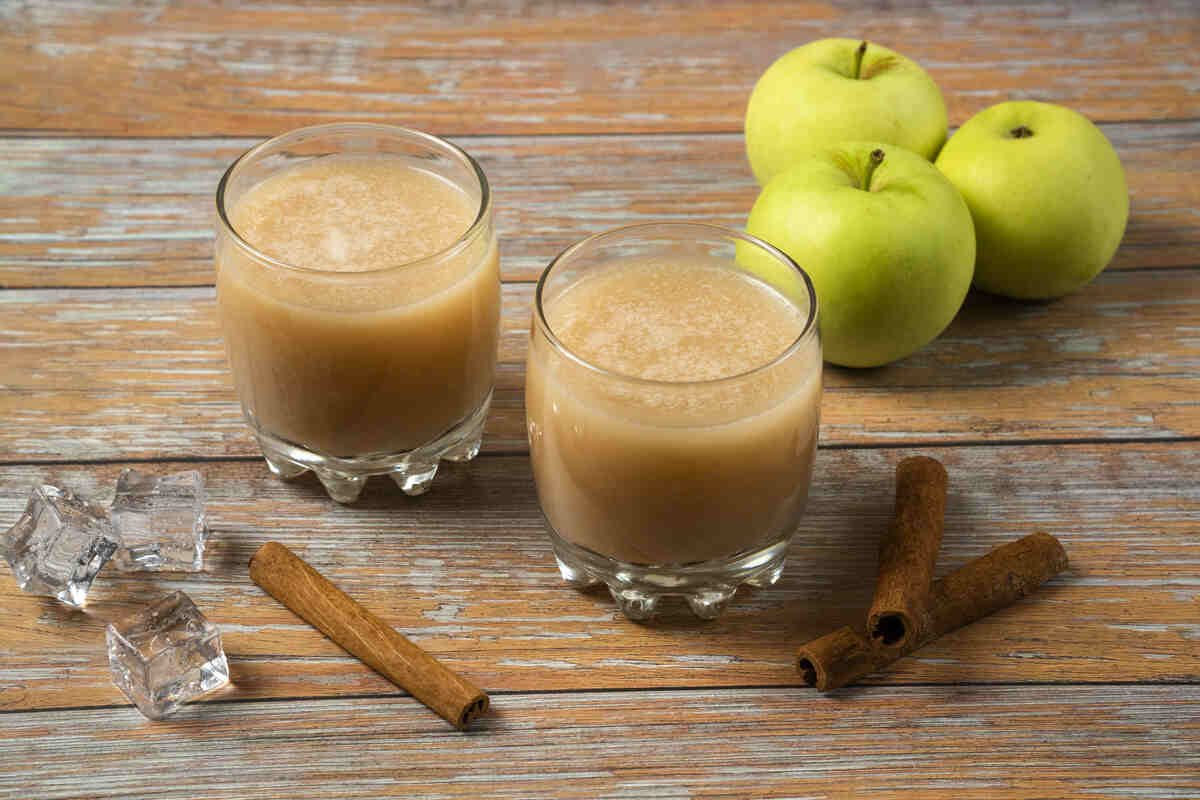 Instructions:
 1. Gut-Friendly ACV Lemonade