
Have you ever noticed persistent redness in your cheeks, nose, or chin that does not quite fade, no matter how carefully you treat your skin? That flushed, uneven appearance is often described as ruddy skin, and it is one of the most misunderstood skin concerns. Unlike temporary redness from exercise or cold weather, ruddy skin tends to linger. It can make the complexion look irritated, overheated, or uneven, even when the skin feels otherwise healthy. Many people respond by trying aggressive treatments, but that often makes the problem worse.
The good news is this skin usually improves when the skin is treated gently, consistently, and with a focus on long term balance rather than quick fixes. In this guide, we will explore what causes skin redness, why it behaves the way it does, and six natural, skin respecting ways to calm redness and restore a more even tone, without overwhelming your skin. It refers to persistent facial redness caused by factors such as weakened skin barrier, inflammation, broken capillaries, or environmental triggers. It often appears on the cheeks and nose and improves with gentle skincare, barrier repair, sun protection, and lifestyle adjustments rather than harsh treatments.
What Is Ruddy Skin, and How Is It Different From Temporary Redness?
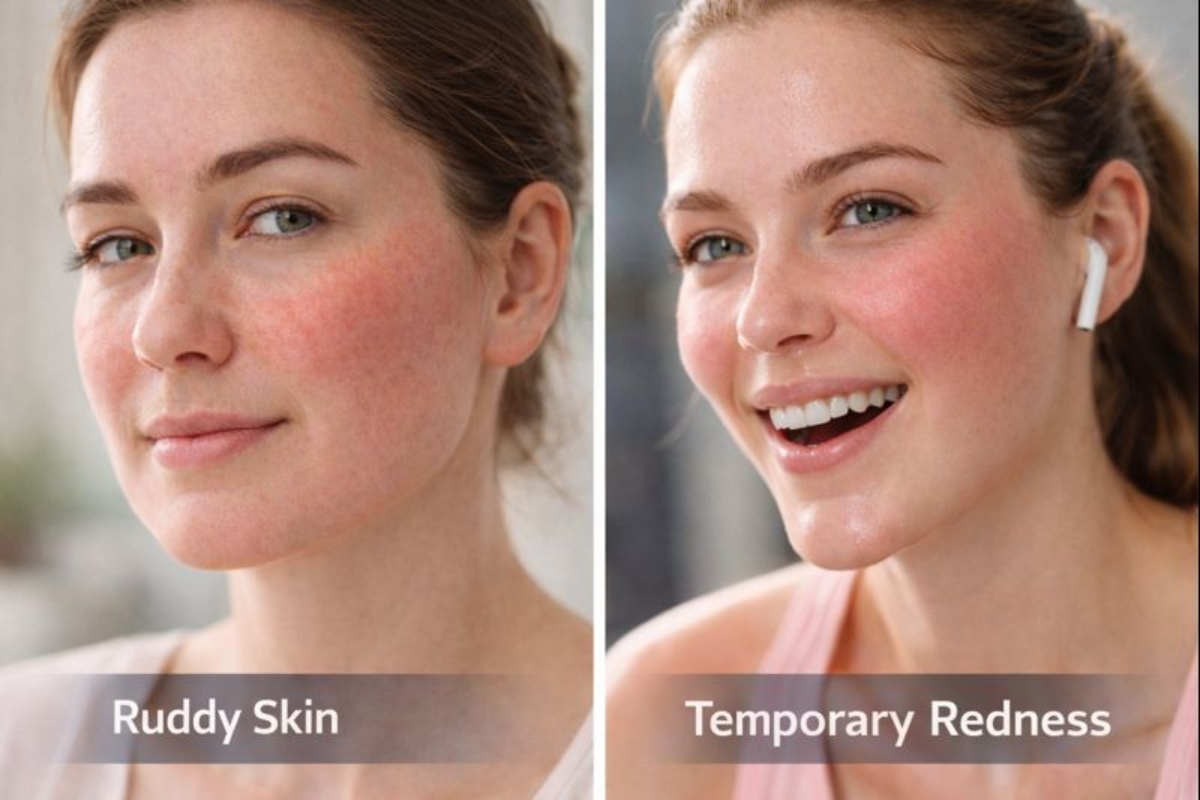
It is not a single condition but a visible skin state that reflects how the skin is responding beneath the surface. It is generally characterized by a flushed or reddish tone that remains present even when the skin feels calm and untouched. This redness may appear in patches or across broader areas and often becomes more noticeable with temperature changes, emotional stress, skincare misuse, or flare ups of Acne Around Mouth, where repeated inflammation can intensify surrounding redness.
Unlike temporary redness that fades quickly, this type tends to persist because the skin barrier or underlying blood vessels are compromised. When the protective layer is weakened, irritants and environmental stressors trigger inflammation more easily, making redness harder to calm. Skin redness is often confused with rosacea or general sensitivity, but it does not always meet the criteria of a medical condition. However, when left unmanaged, ongoing irritation, especially around breakout prone areas, can gradually progress into chronic inflammation and uneven tone over time.
Common Causes Behind Such Skin Condition
Understanding what fuels skin redness is essential before trying to correct it. Most cases are linked to a combination of internal and external stressors rather than a single trigger.A damaged or overworked skin barrier is one of the most frequent causes. Over exfoliation, potent actives, or harsh cleansers can thin the Barrier, allowing redness to show through more easily. Environmental exposure, especially sun, wind, and extreme temperatures, can also dilate blood vessels, making redness more visible.Lifestyle factors play a role as well. Stress, poor sleep, dehydration, alcohol consumption, and spicy foods may all contribute to flushing by increasing circulation and inflammation in already reactive skin.
6 Ways to Heal Ruddy Skin
1. Restore the Skin Barrier Before Chasing Fast Outcomes
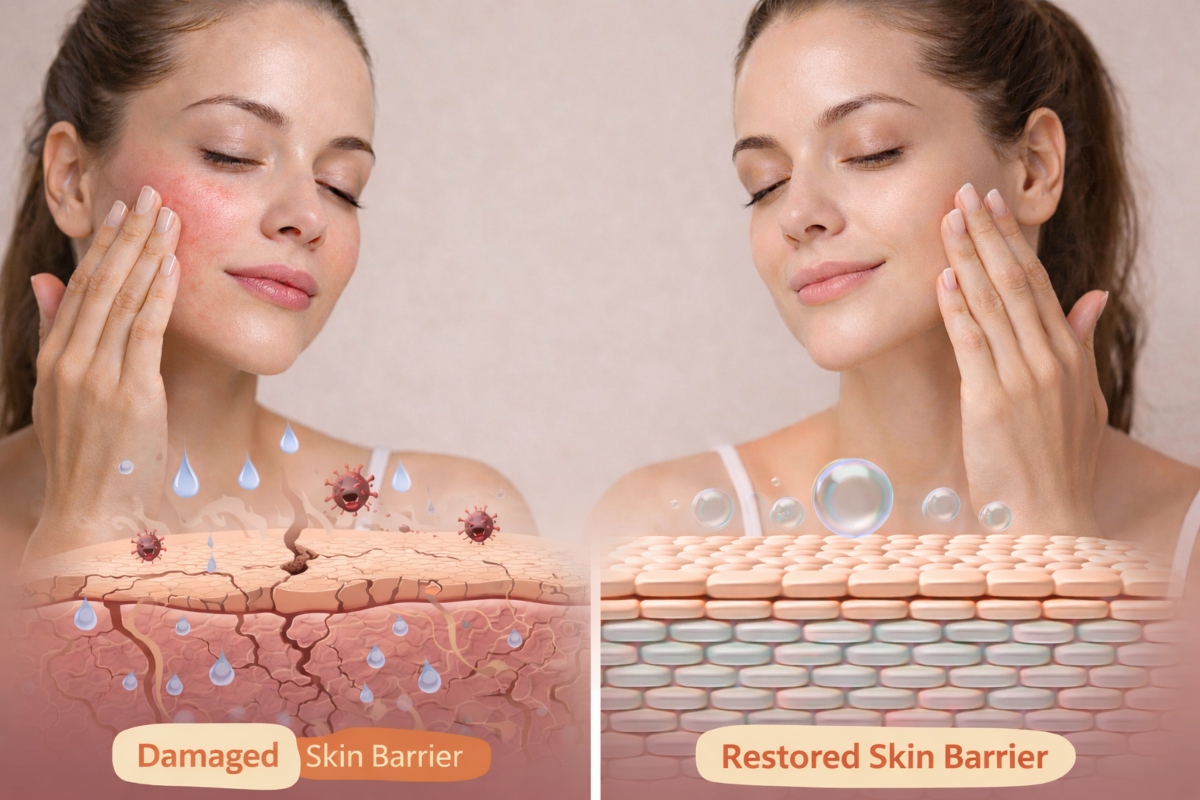 A healthy skin barrier is the basis of calm, balanced skin, especially for those struggling with redness. When this barrier is weakened, moisture escapes easily, and irritants penetrate more deeply, triggering ongoing redness and sensitivity. This is why skin often feels tight, reactive, or uncomfortable even without visible breakouts. Focusing on barrier repair allows the skin to protect itself more effectively and reduces the constant inflammatory response that keeps redness visible.
Rather than chasing quick results with potent activities or corrective treatments, prioritising barrier supporting care leads to more sustainable improvement. Ingredients that reinforce the skin natural defences help improve moisture retention, enhance tolerance, and gradually reduce flushing. As the barrier becomes stronger, the skin appears more even toned and less reactive, making this step one of the most impactful ways to soften skin redness over time naturally.
2. Cleanse Without Triggering Inflammation
Cleansing is a daily habit that can either support healing or quietly worsen skin conditions when mishandled. Many traditional cleansers rely on strong foaming agents that strip away the skin protective oils, leaving it vulnerable and reactive. When this barrier is disrupted, redness becomes more visible as blood vessels respond more easily to irritation, especially in areas where ruddy tones naturally appear. Just as understanding Sunscreen or Moisturizer First helps protect the skin barrier during the day, choosing the right cleansing approach is essential for keeping inflammation under control.
Gentle cleansing respects the skin natural balance while still removing impurities, sunscreen residue, and environmental buildup. A mild, low lather cleanser used with lukewarm water helps prevent unnecessary stimulation of blood flow that can worsen flushing. When cleansing stays soft, consistent, and non aggressive, the skin gradually becomes less reactive, creating a calmer foundation that allows redness to ease rather than intensify as the day goes on.
3. Calm Redness With Targeted, Low Irritation Care
Skin benefits far more from calming and supportive care than from aggressive treatments aimed at rapid transformation. Harsh exfoliants, strong acids, or high concentrations of actives often increase inflammation, prolonging redness instead of resolving it. The goal should be to reduce irritation and help the skin regulate its inflammatory response rather than forcing visible change too quickly.
Carefully formulated products designed to soothe redness can support healthier circulation and improve overall skin comfort. In some routines, a low strength vitamin C serum may be helpful when paired with calming ingredients, as it supports skin vitality without overstimulation. This balanced approach allows the skin to improve gradually, resulting in a more even appearance and reduced sensitivity over time.
4. Protect Against Environmental Triggers Daily
Environmental direction plays an important role in the persistence of redness on skin, even when it is not immediately apparent. Sun exposure weakens capillary walls beneath the skin’s surface, making redness more noticeable and more problematic to fade. Daily UV exposure, even in small amounts, contributes to cumulative damage that intensifies ruddy tones over time.
Consistent sun protection is essential for preventing redness from becoming deeper or more permanent. While mineral sunscreens are often better tolerated by sensitive skin, the most important factor is regular use and proper application. In addition to sun protection, shielding the skin from wind, cold air, and pollution helps minimize daily triggers that can cause flushing and irritation, supporting long term skin stability.
5. Avoid Over Exfoliation and Product Overload
One of the most common mistakes people make when treating this skin condition is trying to do too much at once. Frequent exfoliation or layering multiple active ingredients can overwhelm the skin, disrupting its barrier and increasing inflammation. This constant stimulation often leads to worsening redness rather than improvement, creating a cycle that is difficult to break.
Skin responds best to simplicity and restraint. Occasional, very gentle exfoliation may help refine texture, but it should never be the focus of the routine. Reducing product overload allows the skin time to stabilise, recover, and rebuild its natural defences. In many cases, using fewer products leads to calmer skin and more noticeable improvements in redness.
6. Support Skin Health From the Inside Out
The appearance of redness is closely linked to what is happening inside the body. Poor hydration, chronic stress, irregular sleep, and dietary triggers can all influence circulation and inflammatory responses, making redness more pronounced. When internal balance is disrupted, even the best skincare products may struggle to deliver results.
Supporting overall wellness plays a decisive role in calming skin naturally. Staying well hydrated helps regulate blood flow, while constant sleep allows the skin to fix itself overnight. Managing stress, limiting alcohol intake, and maintaining steady daily routines can reduce flushing triggers and improve how the skin responds to topical care. Over time, these internal adjustments often enhance skin clarity and comfort from the inside out.
Ruddy Skin vs Temporary Redness
| Feature | Ruddy Skin | Temporary Redness |
| Duration | Persistent | Short lived |
| Triggers | Barrier damage, inflammation | Exercise, heat |
| Skin Sensitivity | Often reactive | Usually normal |
| Improvement | Gradual with care | Fades naturally |
| Treatment Focus | Barrier repair | No treatment needed |
When to Seek Professional Help
Ruddy Skin often improves with gentle care, there are situations where professional guidance is essential.
Consider seeing a dermatologist if:
- Redness worsens over time instead of improving.
- Burning, stinging, or swelling accompanies redness.
- Flushing becomes painful or persistent.
- Redness spreads beyond the face.
- Over the counter care no longer helps.
Early evaluation can prevent long term skin damage and rule out conditions that require medical treatment.
Conclusion:
Ruddy skin does not respond well to harsh correction, it responds to understanding and patience. When the focus shifts to repairing the skin barrier, following gentle routines, protecting against environmental stressors, and supporting internal balance, redness often begins to soften naturally. This approach also helps prevent ruddy tones from turning into dull skin, which can happen when irritation disrupts healthy circulation and renewal.
The most lasting results come from respecting the skin limits rather than pushing them with aggressive treatments. When skincare works in harmony with the skin’s natural processes instead of fighting them, calmness returns, clarity improves, and the complexion gradually looks healthier, more even, and more resilient over time.
Frequently Asked Questions
1. Can ruddy skin go away completely?
Yes, in many cases, it improves significantly with consistent barrier repair, gentle skincare, and trigger management.
2. Is it the same as rosacea?
Not always. It can exist without rosacea, though the two may overlap in some people.
3. Does the weather affect this skin condition?
Yes. Cold, heat, wind, and sun exposure commonly worsen redness in reactive skin.
4. Should I exfoliate if I have such a skin condition?
Exfoliation should be minimal and gentle. Overdoing it often worsens redness.
5. How long does it take to see improvement?
Visible improvement usually occurs gradually over several weeks with consistent, gentle care.