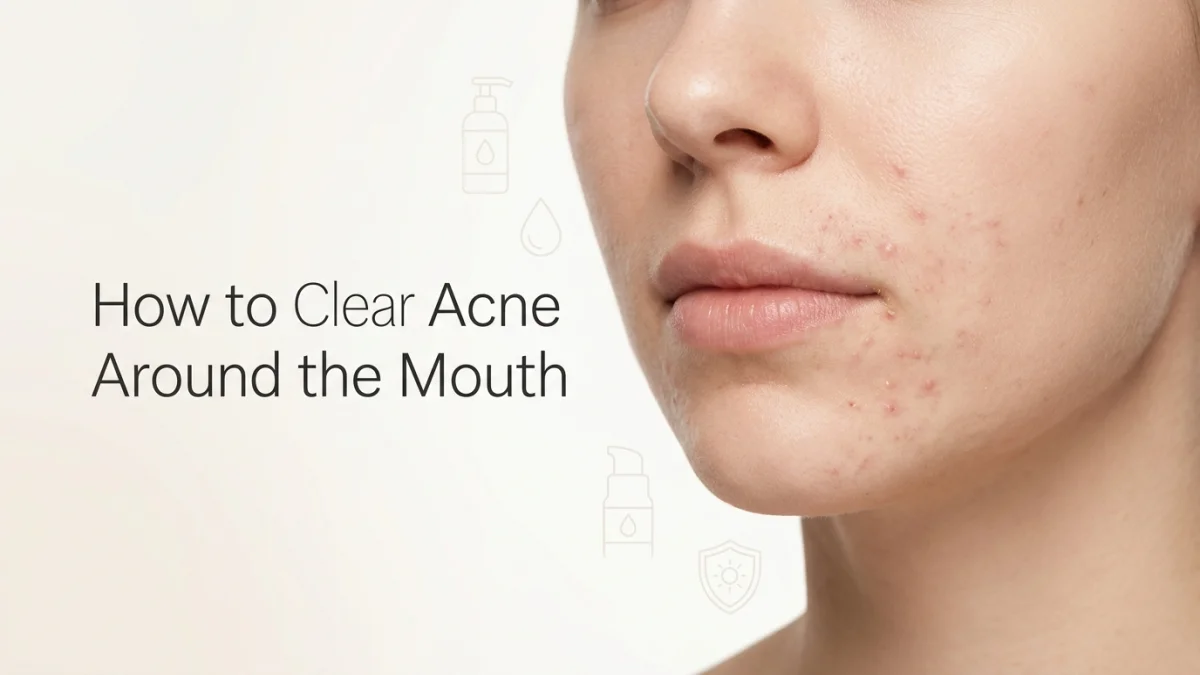
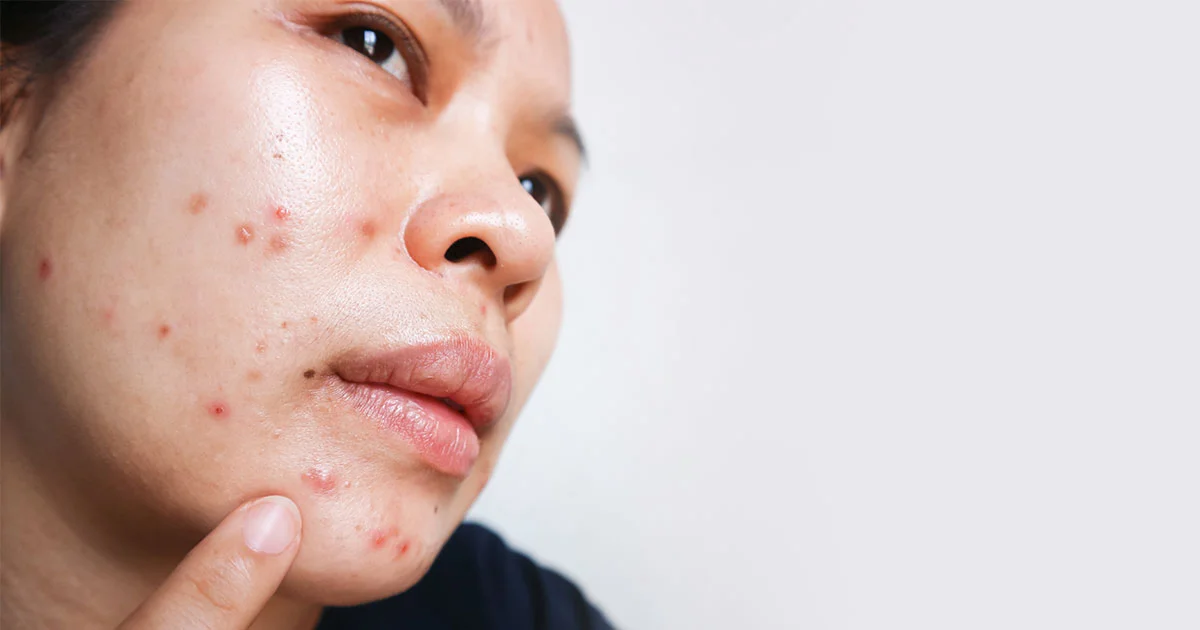
Breakouts around the lips, chin, and jawline are often more persistent than acne elsewhere on the face. This pattern, commonly referred to as acne around the mouth, is influenced by a combination of hormonal activity, daily skincare habits, product irritation, and a highly sensitive skin environment. Unlike other facial zones, the mouth area is constantly exposed to movement, moisture, food residue, and friction, which makes it more reactive and prone to recurring breakouts. Understanding these underlying factors is essential for achieving long-term skin clarity rather than temporary improvement.
What Makes the Mouth Area More Prone to Acne
The skin around the mouth behaves differently because it is exposed to continuous physical activity and environmental triggers throughout the day. Talking, eating, smiling, and even touching the face repeatedly place stress on this area. In addition, saliva, toothpaste residue, lip products, and external bacteria frequently come into contact with the skin, weakening its natural barrier. This combination of constant exposure and reduced barrier strength makes acne around the mouth more stubborn and slower to heal compared to acne on the forehead or cheeks.
Read more: Sunscreen or Moisturizer First?
Main Causes of Acne Around the Mouth
Hormonal Fluctuations
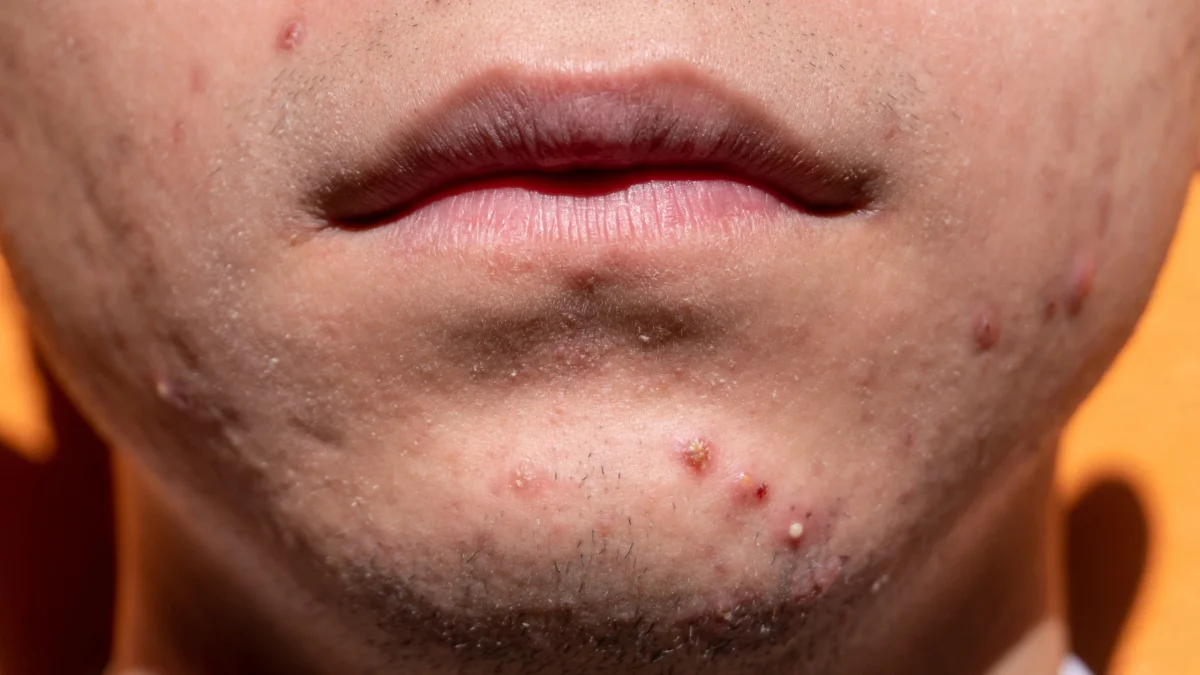
Hormonal changes are among the strongest contributors to breakouts in the mouth and chin areas. Increased androgen activity can stimulate excess oil production, leading to clogged pores and deeper inflammatory acne. Many people notice flare-ups during menstrual cycles, periods of stress, or after hormonal changes such as starting or stopping birth control. These breakouts tend to be more painful, persistent, and slow to resolve, often requiring consistent care rather than quick treatments.
Everyday Habits That Trigger Breakouts
Daily habits often play a silent but significant role in worsening acne around the mouth. Frequent face touching, resting the chin on the hands, or keeping a phone close to the face can transfer bacteria and oil to the skin. Wearing masks for long hours can also trap sweat and friction in the lower face area. Over time, these repeated micro-irritations create a cycle of inflammation that leads to recurring breakouts in the same region.
Irritation from Toothpaste and Lip Products
Oral care products and lip cosmetics can also contribute to breakouts in the mouth area. Ingredients such as fluoride, strong mint oils, artificial fragrance, and heavy waxes may irritate the surrounding skin or clog pores. When these products repeatedly come into contact with the skin, they can cause small, inflamed bumps or redness that resembles acne. In many cases, switching to gentler, fragrance-free formulations helps reduce irritation and improve skin clarity.
Over-Treating the Skin
Using too many acne treatments or overly strong active ingredients can damage the skin barrier rather than improve it. Over-exfoliation or frequent use of drying products can strip the skin of essential moisture, leading to increased sensitivity and inflammation. When the skin barrier is compromised, breakouts often become more frequent and take longer to heal, making a gentle, balanced approach far more effective.
Diet and Internal Imbalance
Internal health and diet can also contribute to acne around the mouth, though they are rarely the sole cause. High intake of sugar, dairy, and processed foods may increase inflammation in some individuals, while dehydration can disrupt the skin’s oil balance. When the body lacks proper hydration and nutrition, the skin may become more reactive, leading to congestion and breakouts in sensitive areas such as the chin and mouth.
Read more: How to Calm Ruddy Skin?
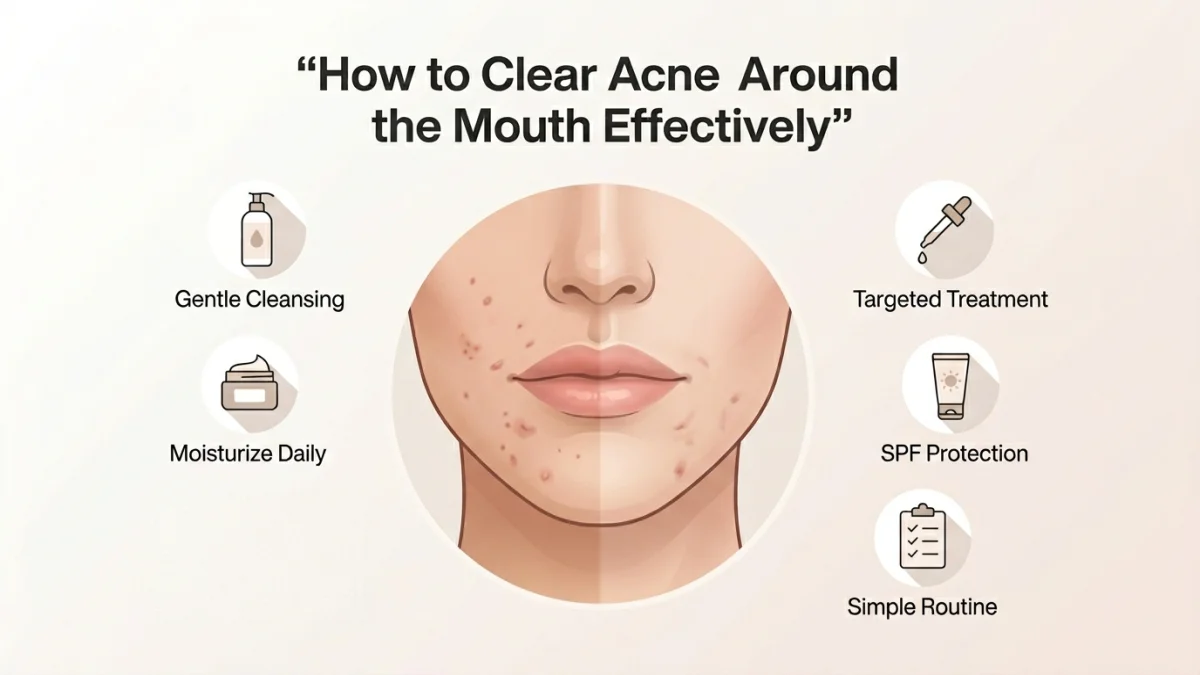
How to Clear Acne Around the Mouth Effectively
Gentle Cleansing for Balance
A gentle cleansing routine is essential for managing acne in the mouth area. Harsh cleansers can strip the skin and trigger excess oil production, while mild, non-irritating cleansers help maintain balance. Washing the face twice daily is usually enough to remove impurities, sweat, and product buildup without damaging the skin barrier.
Strengthening the Skin Barrier with Moisturizer
Moisturizing is a crucial step that is often overlooked in acne-prone skin. Even oily skin requires hydration to function properly. Lightweight, non-comedogenic moisturizers help restore the skin barrier, reduce irritation, and support faster healing. When the barrier is strong, the skin becomes less reactive and better able to resist external triggers.
Smart Use of Acne Treatments
Targeted treatments can be effective when used correctly and in moderation. Ingredients like salicylic acid, niacinamide, or benzoyl peroxide can help reduce inflammation and unclog pores. However, overuse or layering multiple active ingredients can lead to dryness and sensitivity. A controlled, minimal approach ensures the skin improves without unnecessary stress.
Daily Sun Protection
Sun exposure can worsen inflammation and slow down healing, making post-acne marks more visible. Using a gentle, non-greasy sunscreen every day protects the skin from UV damage and supports long-term clarity. Consistent sun protection also helps prevent pigmentation and maintains an even skin tone.
Keeping the Routine Simple
A simplified skincare routine is often the most effective way to manage acne around the mouth. When the skin is not overloaded with products, it can repair itself naturally. A basic routine that includes cleansing, moisturizing, targeted treatment when needed, and sunscreen is usually enough to support healthy skin.
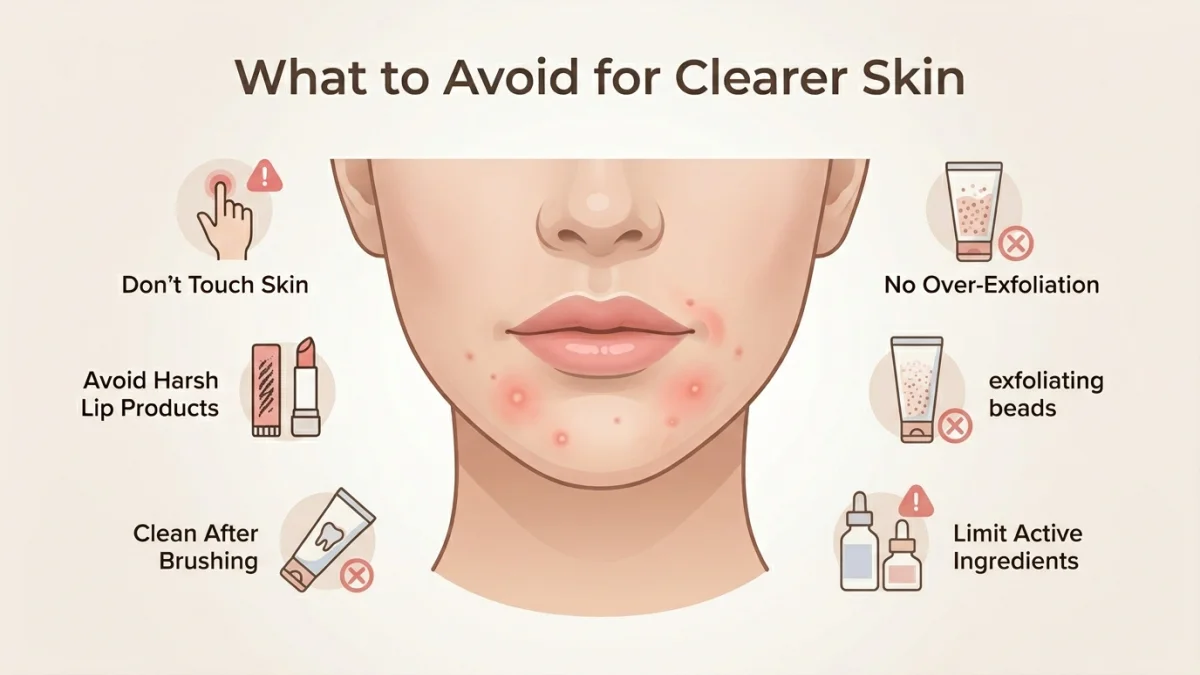
What to Avoid for Clearer Skin
Avoid Picking or Touching the Skin
Touching or picking at breakouts can push bacteria deeper into the skin and worsen inflammation. This not only prolongs healing but also increases the risk of dark spots and scarring. Allowing the skin to heal naturally is essential for preventing long-term damage.
Avoid Heavy or Fragranced Lip Products
Lip products that contain heavy oils, waxes, or fragrances can easily spread onto surrounding skin and clog pores. This can trigger or worsen breakouts around the mouth. Choosing lightweight, non-comedogenic alternatives significantly reduces this risk.
Avoid Over-Exfoliation
Excessive exfoliation weakens the skin barrier and increases sensitivity. When the barrier is damaged, the skin becomes more prone to redness and breakouts. Limiting exfoliation and allowing recovery time between treatments supports healthier skin renewal.
Avoid Overloading Active Ingredients
Using too many active ingredients at once can overwhelm the skin and lead to irritation. Instead of combining multiple strong treatments, it is better to introduce them gradually and focus on consistency over intensity.
Avoid Leaving Toothpaste Residue on Skin
Toothpaste residue around the mouth can irritate the skin and contribute to breakouts. Rinsing thoroughly and gently cleaning the area after brushing helps prevent buildup and reduces the risk of flare-ups.
Read more: Powerful Vitamin C Serum
When to See a Dermatologist
If acne around the mouth becomes persistent, painful, or resistant to consistent skincare, professional evaluation is recommended. Conditions such as cystic acne or perioral dermatitis may require medical treatment. A dermatologist can accurately diagnose the underlying cause and provide targeted solutions that address the root issue rather than just surface symptoms. Early intervention can significantly improve outcomes and prevent long-term skin damage.
Conclusion
Acne around the mouth is a complex skin concern influenced by multiple internal and external factors. Rather than relying on harsh or quick-fix treatments, lasting improvement comes from understanding triggers, protecting the skin barrier, and maintaining a consistent routine. When skincare is gentle, balanced, and supported by healthy habits, the skin becomes more stable and less reactive over time, leading to clearer and healthier-looking skin.
Read more: Amazing Charcoal Face Mask Results
Frequently Asked Questions (FAQs)
What causes acne around the mouth in adults?
It is commonly caused by a combination of hormonal changes, product irritation, lifestyle habits, and bacterial transfer from daily activities.
Is acne around the mouth hormonal?
In many cases, yes. Hormonal fluctuations often contribute to deeper and recurring breakouts in this area, especially around stress or menstrual cycles.
How long does it take to clear acne around the mouth?
With consistent skincare and trigger control, noticeable improvement is usually seen within 3 to 6 weeks.
Should I stop using lip balm if I have acne around the mouth?
Not necessarily. Switching to a lightweight, fragrance-free, non-comedogenic lip balm is usually enough to prevent irritation.
Can diet affect acne around the mouth?
Yes, in some individuals. Diets high in sugar, dairy, and processed foods may contribute to inflammation and breakouts.