

Dull skin can make your complexion look tired, uneven, and lifeless, even when you are following a regular skincare routine. Many people assume dullness is only due to dryness or aging, but the reality is much more complex. Factors such as dehydration, pollution, stress, poor sleep, sun exposure, and a weakened skin barrier can all contribute to skin that lacks radiance. Even oily skin types can experience dullness when dead skin cells build up or hydration levels become unbalanced.
The good news is that restoring your natural glow does not require harsh treatments or complicated routines. With the right combination of gentle skincare, hydration, barrier repair, and healthy lifestyle habits, dull skin can gradually become smoother, brighter, and healthier-looking. This guide explains exactly how to revive dull skin step by step while helping you build a routine that supports long-term skin health.
What Is Dull Skin?
Dull skin refers to a complexion that lacks brightness and natural light reflection. Instead of looking fresh and smooth, the skin may appear rough, uneven, grayish, or fatigued. This usually happens when dead skin cells accumulate on the surface, hydration levels drop, or the skin barrier becomes compromised.
Unlike dry skin, dull skin is not always related to oil production. A person with oily or combination skin can still struggle with a tired-looking complexion if congestion, dehydration, or environmental stress affects the skin’s surface. In many cases, dullness develops gradually, making the skin appear less vibrant.
Read more: Body Care Routine
Why Does Skin Lose Its Natural Glow?
There are several reasons dull skin develops, and most people experience a combination of factors rather than a single cause. One of the biggest contributors is slow skin cell turnover. As skin renewal slows, dead skin cells remain on the surface longer, creating a rough texture and uneven tone that prevents light from reflecting evenly.
Dehydration is another major factor. When the skin lacks water, it loses its plumpness and starts to look flat or tired. Environmental stressors such as pollution and UV exposure can also weaken the skin barrier, leading to irritation, uneven texture, and moisture loss.
Lifestyle habits also play a significant role. Poor sleep, stress, smoking, dehydration, and an unbalanced diet can slow the skin’s natural repair process. Over-exfoliating or using harsh skincare products may further damage the barrier, worsening dullness rather than improving it.
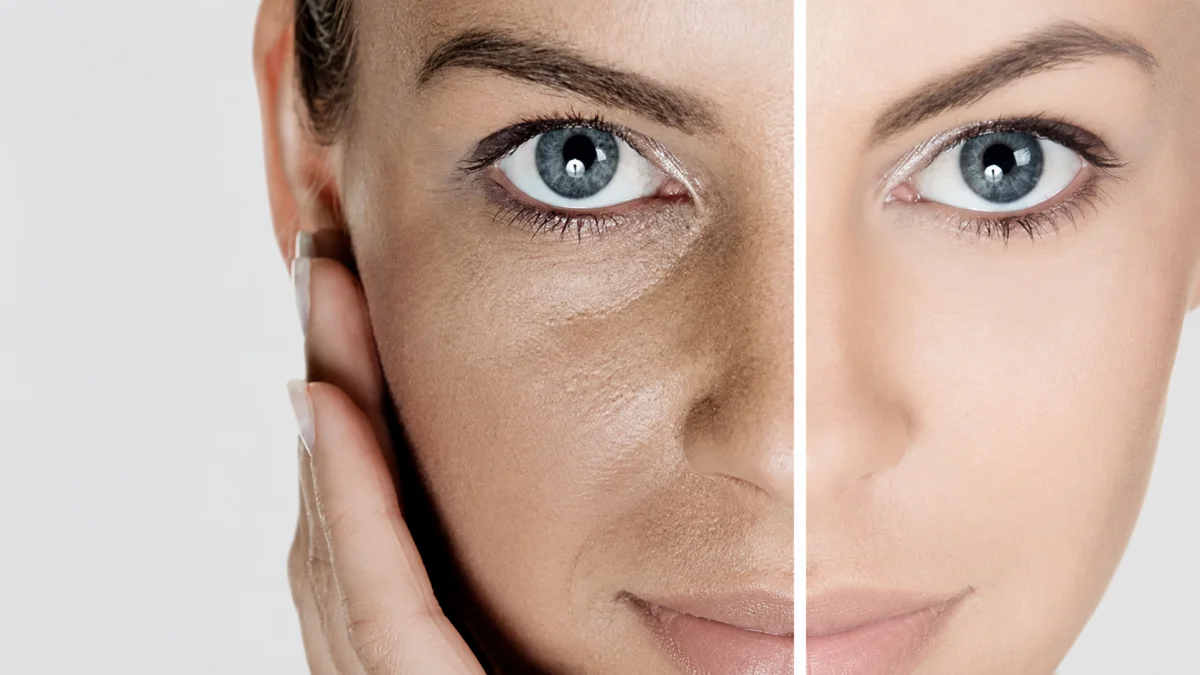
Step 1: Cleanse Your Skin Gently
The first step in reviving dull skin is proper cleansing. Throughout the day, dirt, oil, sunscreen, pollution, and makeup residue build up on the skin’s surface. If these impurities are not effectively removed, they can clog pores, making the complexion look heavy and lifeless.
Using a gentle cleanser helps remove buildup without stripping the skin of its natural moisture. Harsh cleansers can damage the barrier and leave the skin feeling tight or irritated, which often increases dullness over time. Cleansing twice daily with lukewarm water is usually enough to keep the skin clean and balanced while maintaining hydration.
Step 2: Peel to Remove Dead Skin Cells
Exfoliation is one of the most effective ways to improve dull skin because it helps remove the dead cells on the surface. Once these cells are removed, the skin appears smoother, brighter, and more refreshed.
Gentle chemical exfoliants, such as glycolic acid, lactic acid, or fruit enzymes, tend to work better than harsh physical scrubs. They gradually dissolve dead skin without causing unnecessary irritation. Over-exfoliation should always be avoided, as it can damage the skin barrier, leading to redness, dryness, and even further dullness.
Most skin types benefit from exfoliating one to three times weekly, depending on sensitivity and the type of exfoliant being used.
Read more: How to Clear Acne Around the Mouth
Step 3: Restore Hydration for a Healthy Glow
Hydration plays a major role in maintaining radiant skin. When skin becomes dehydrated, it often looks rough, flat, and tired, even if oil production is normal. Proper hydration helps improve elasticity, smoothness, and natural light reflection.
A layered hydration routine usually works best for dull skin. Lightweight hydrating serums applied before moisturizer help replenish skin moisture, while creams or lotions help lock in hydration and prevent water loss. Ingredients like hyaluronic acid, glycerin, ceramides, and panthenol are especially helpful for restoring moisture and supporting barrier function.
Consistent hydration can make the complexion appear softer, plumper, and noticeably more refreshed over time.

Step 4: Add Antioxidants to Your Routine
Environmental stress is one of the biggest causes of dull skin, which is why antioxidants are important in any glow-focused skincare routine. Antioxidants help protect the skin against free radical damage from UV rays, pollution, and other external aggressors.
Vitamin C is one of the most popular ingredients for dull skin because it helps brighten uneven tone, support collagen production, and improve overall radiance. When applied consistently in the morning alongside sunscreen, vitamin C can help the skin appear clearer and more energized.
Niacinamide is another beneficial ingredient that supports skin barrier repair while improving tone and texture. Together, antioxidants help maintain a healthier and more vibrant complexion over time.
Step 5: Protect Your Skin With Daily Sunscreen
Sun exposure is one of the leading causes of dullness, uneven pigmentation, and premature aging. UV damage weakens the skin barrier and slows the skin’s ability to maintain a smooth, radiant appearance.
Wearing sunscreen every day helps protect the skin from further damage while preserving the results of your skincare routine. A broad-spectrum sunscreen with SPF 30 or higher is generally recommended for daily use. Consistent sun protection helps prevent discoloration, dehydration, and rough texture that can make skin look tired.
Even on cloudy days or while indoors near windows, sunscreen remains an essential step for maintaining healthy-looking skin.
Read more: How to Calm Ruddy Skin
Step 6: Strengthen the Skin Barrier
A healthy skin barrier is essential for long-term radiance because it helps the skin retain moisture and protect against irritants and environmental stressors. When the barrier becomes damaged, the skin often appears rough, sensitive, inflamed, and dull.
Barrier repair starts with simplifying the skincare routine and avoiding overly harsh products. Ingredients such as ceramides, squalane, fatty acids, and panthenol help reinforce the skin’s protective layer and improve moisture retention.
As the barrier becomes stronger, the skin typically appears calmer, smoother, and more balanced. This also allows brightening products and hydrating ingredients to work more effectively.

Step 7: Improve Circulation Naturally
Healthy circulation plays an important role in maintaining a naturally radiant complexion. Good blood flow helps deliver oxygen and nutrients to the skin, supporting repair and renewal processes.
Simple habits such as facial massage, exercise, stress management, and adequate sleep can help improve circulation and reduce the tired appearance associated with dull skin. Even gently massaging the face while applying skincare products can temporarily boost freshness and support lymphatic drainage.
Although circulation alone will not completely transform dull skin, it can contribute to a healthier, more energized appearance over time.
Step 8: Support Glow From the Inside Out
Skincare products work best when they are supported by healthy lifestyle habits. Internal factors such as hydration, nutrition, sleep quality, and stress levels directly affect the skin’s appearance.
Drinking enough water supports skin hydration and elasticity, while nutrient-rich foods provide antioxidants and essential fatty acids that help maintain healthy skin function. Sleep is equally important because the skin repairs itself overnight. Chronic stress, on the other hand, can increase inflammation and slow the skin’s natural recovery process.
Taking care of your body from the inside often leads to noticeable improvements in brightness, texture, and overall skin vitality.
Read more: Sunscreen or Moisturizer First?
Daily Routine Guide for Dull Skin
This simple routine focuses on hydration, protection, gentle renewal, and barrier support, which are all essential for improving dull skin over time.
| Step | Morning (AM) Routine | Night (PM) Routine |
|---|---|---|
| 1 | Gentle cleanser | Double cleanse or gentle cleanser |
| 2 | Hydrating serum | Gentle exfoliant (2–3 times weekly) |
| 3 | Vitamin C serum | Hydrating serum |
| 4 | Moisturizer | Barrier-repair moisturizer |
| 5 | Sunscreen SPF 30+ | Optional overnight mask or cream |
Common Mistakes That Make Dull Skin Worse
Many people unintentionally worsen dull skin by overloading their routine with harsh products or constantly switching skincare items. Over-exfoliating can damage the skin barrier and increase irritation, while skipping moisturizer may leave the skin dehydrated and unbalanced.
Using rough scrubs too frequently can create micro-irritation that weakens the skin’s surface. Another common mistake is neglecting sunscreen, which allows UV damage to persist and affect skin tone and texture.
Consistency is one of the most important factors in achieving healthier-looking skin. Sticking to a balanced routine often produces better long-term results than constantly chasing quick fixes.

How Long Does It Take to Improve Dull Skin?
The timeline for improving dull skin depends on the underlying cause and the consistency of your routine. Some people notice a smoother texture and better hydration within a few days, while more visible improvements in brightness and overall skin tone may take 4 to 8 weeks.
Long-term changes such as barrier repair and improved texture require patience and regular care. Results are usually more sustainable when skincare is combined with healthy lifestyle habits.
Conclusion
Dull skin is often a sign that the skin needs more hydration, protection, and balance rather than aggressive treatments. By focusing on gentle cleansing, regular exfoliation, deep hydration, antioxidant protection, sunscreen, and barrier repair, you can gradually restore your skin’s natural glow.
Consistency is the key to seeing lasting results. Small daily habits can make a major difference in how your skin looks and feels over time. Instead of relying on quick fixes, building a supportive skincare routine and healthy lifestyle can help your complexion look brighter, smoother, and healthier in a natural, sustainable way.
Frequently Asked Questions (FAQs)
Can oily skin still look dull?
Yes, oily skin can still appear dull when pores become congested or the skin lacks proper hydration. Excess oil does not automatically create healthy radiance.
How often should I exfoliate dull skin?
Most people benefit from exfoliating one to three times per week, depending on their skin type and sensitivity.
Does drinking water help improve dull skin?
Staying hydrated supports overall skin health and helps maintain smoother, healthier-looking skin over time.
Is vitamin C good for dull skin?
Vitamin C is one of the best ingredients for dull skin because it helps brighten uneven tone, support collagen production, and protect against environmental stress.
Can lack of sleep cause dull skin?
Yes, poor sleep can slow the skin’s repair process and affect circulation, often leading to a tired, less radiant complexion.