

Why Charcoal Face Masks Have Become So Popular
If your skin often looks dull, feels oily, or develops clogged pores despite regular cleansing, a charcoal face mask may help improve your skincare routine. These masks have become increasingly popular because they target one of the most common causes of breakouts and rough texture: pore congestion.
Throughout the day, oil, sweat, pollution, sunscreen, and makeup residue can accumulate in pores. Regular face cleansers remove surface dirt, but they may not always deeply cleanse the skin. A charcoal face mask is designed to draw out impurities from deeper within the pores, helping skin feel cleaner, smoother, and more refreshed.
When used correctly and in moderation, charcoal masks can support clearer-looking skin, reduce excess shine, and improve overall skin texture without overly disrupting the skin barrier.
What Is a Charcoal Face Mask?
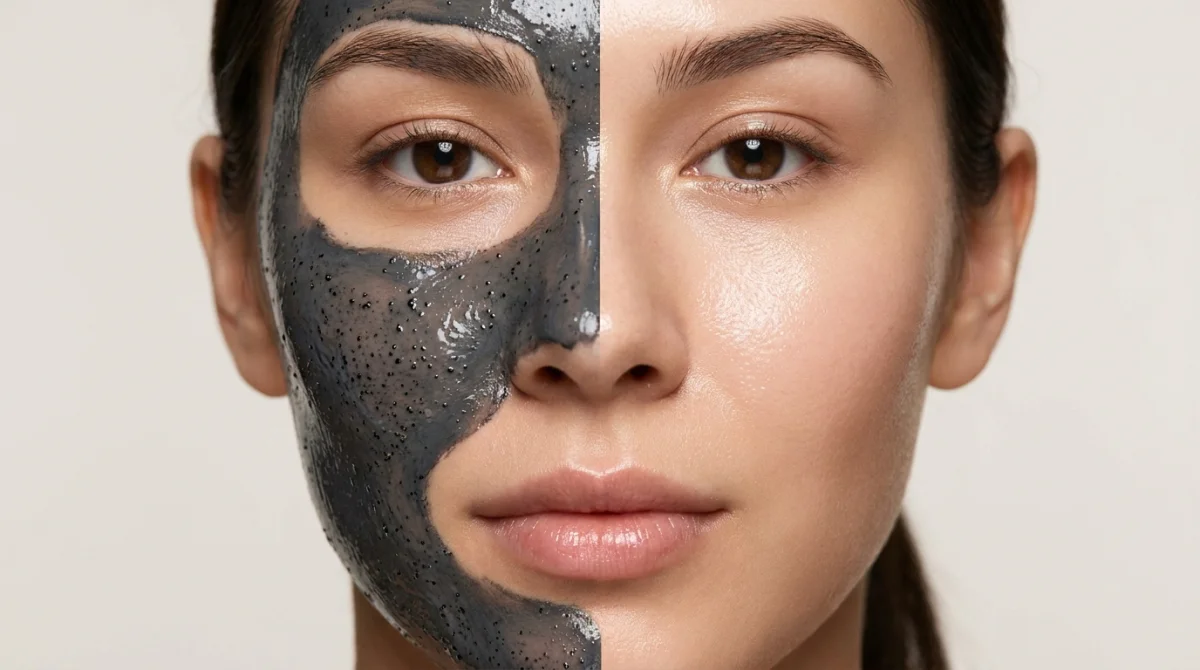
A charcoal face mask is a skincare treatment made with activated charcoal, a specially processed form of carbon known for its high absorbency. Activated charcoal has tiny pores that help trap dirt, oil, and impurities on the skin’s surface and within pores.
Unlike harsh physical scrubs that exfoliate by friction, activated charcoal works by attracting and lifting buildup away from the skin. This makes charcoal masks especially useful for people with oily, combination, or acne-prone skin.
Many modern charcoal masks also combine ingredients such as clay, salicylic acid, niacinamide, aloe vera, and vitamin C to enhance cleansing while keeping the skin balanced and comfortable.
Read more: How to Revive Dull Skin?
How Activated Charcoal Helps Deep-Clean Pores
One of the main reasons people use a charcoal face mask is for deep pore cleansing. Over time, pores can become clogged with excess oil, dead skin cells, makeup residue, and environmental pollutants. When pores stay congested, they may appear larger and can lead to blackheads, whiteheads, and breakouts.
Activated charcoal helps absorb this buildup and remove impurities from the skin’s surface. After rinsing away the mask, many people notice their skin feels cleaner, lighter, and less greasy.
Although charcoal masks cannot permanently shrink pores, keeping them cleaner can make them appear less visible and smoother over time.
Key Benefits of Using a Charcoal Face Mask
Helps Control Excess Oil
Excess oil production is one of the leading causes of clogged pores and shiny skin. A charcoal face mask helps absorb excess sebum without leaving the skin feeling overly stripped when used properly.
This oil-balancing effect can help reduce midday shine and leave the complexion looking fresher throughout the day.
Reduces the Appearance of Blackheads
Blackheads form when oil and dead skin cells become trapped inside pores and oxidize. Charcoal masks help loosen and remove some of this buildup, making blackheads less noticeable with consistent use. Areas such as the nose, forehead, and chin often benefit most from regular masking.
Brightens Dull-Looking Skin
When dead skin cells and impurities accumulate on the surface, the complexion can begin to look tired and uneven. By removing buildup and improving skin clarity, charcoal masks help skin appear cleaner and more radiant. Some brightening charcoal masks also contain vitamin C or gentle exfoliating ingredients to further support glow and even tone.
Improves Skin Texture
Clogged pores and rough buildup can cause uneven skin texture. Regular use of a charcoal face mask may help smooth rough areas and refine the skin’s appearance. Smoother skin can also improve makeup application and help other skincare products absorb more effectively.
Read more: How to Clear Acne Around the Mouth?
Who Should Use a Charcoal Face Mask?
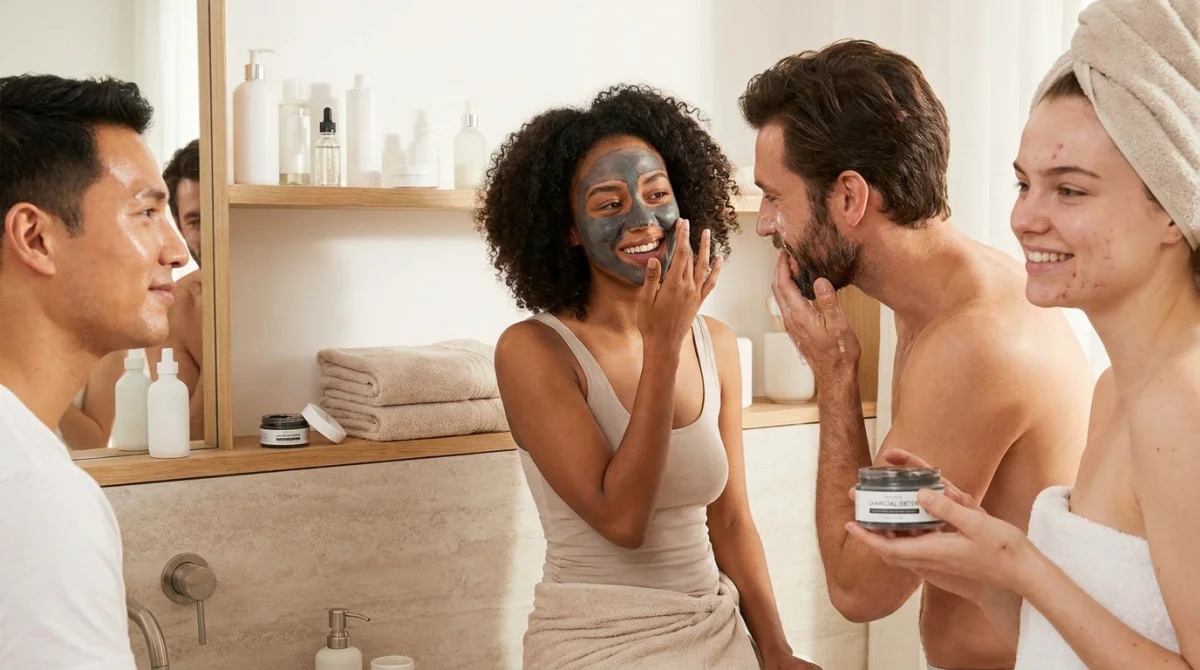
A charcoal face mask is generally best for people with oily or congested skin. It can be especially helpful for individuals dealing with blackheads, enlarged pores, frequent buildup, or excess shine. People who wear makeup daily or live in areas with high pollution levels may also benefit from occasional deep-cleansing treatments. However, not every skin type responds well to charcoal masks, particularly those with highly sensitive or very dry skin.
Who Should Avoid Charcoal Face Masks?
While charcoal masks offer several skincare benefits, they may not be appropriate for everyone. Because activated charcoal is highly absorbent, overuse can disrupt the skin barrier, leading to dryness or irritation.
Avoid Using a Charcoal Mask If You Have:
Very Dry or Dehydrated Skin
Charcoal can absorb moisture along with excess oil, potentially worsening dryness, flaking, and tightness.
Irritated or Inflamed Skin
If your skin is already red, sensitive, or inflamed, charcoal masks may intensify irritation and discomfort.
Sunburned Skin
Applying a detoxifying mask to sunburned skin can increase stinging, peeling, and sensitivity.
Skin Healing After Treatments
Avoid charcoal masks after chemical peels, laser procedures, microneedling, or waxing until the skin barrier has recovered.
Sensitive Skin Conditions
People with rosacea, eczema, or dermatitis may experience flare-ups from strong cleansing masks.
Read more: Sunscreen or Moisturizer First?
How to Use a Charcoal Face Mask Correctly
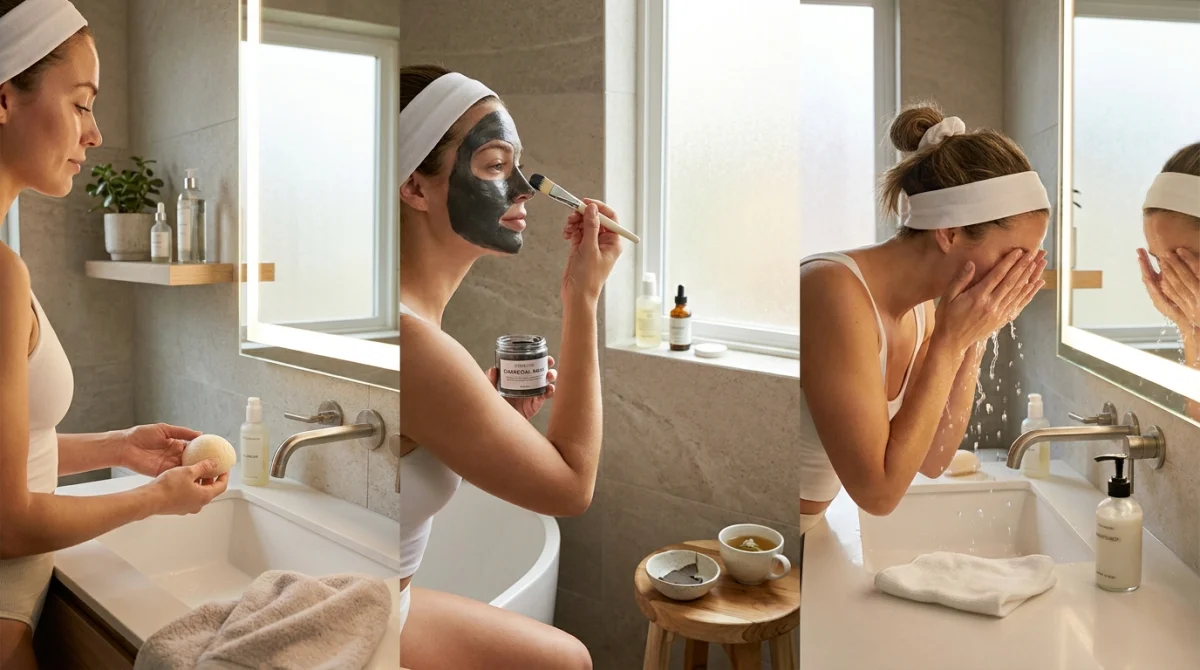
Using a charcoal face mask properly is essential for achieving good results without irritating the skin. Start by washing your face with a gentle cleanser to remove makeup and surface dirt. Apply a thin, even layer of the mask while avoiding the eye and lip areas. Most charcoal masks should remain on the skin for about 10 to 15 minutes.
Avoid leaving the mask on for too long, especially if it becomes excessively tight or uncomfortable. Once ready, rinse thoroughly with lukewarm water and gently pat the skin dry. After masking, always apply a hydrating moisturizer or soothing serum to restore moisture and support the skin barrier.
Peel-Off vs Wash-Off Charcoal Masks
There are two common types of charcoal masks: peel-off and wash-off. Each works differently and suits different skin types.
Peel-Off Charcoal Masks
Peel-off masks physically lift away dead skin cells, surface debris, and oil as they are removed from the skin. While they can temporarily leave the skin feeling smooth, aggressive peel-off formulas may irritate sensitive skin or weaken the skin barrier if used too often.
Wash-Off Charcoal Masks
Wash-off masks are generally gentler and better suited to regular skincare routines. They cleanse the skin without pulling or tugging during removal. For most skin types, wash-off charcoal masks are considered the safer and more comfortable option.
Read more: How to Calm Ruddy Skin?
How Often Should You Use a Charcoal Face Mask?
| Skin Type | Exfoliation Frequency | Important Note / Tip |
|---|---|---|
| Oily Skin | 1–2 times weekly | Helps manage excess shine and congestion |
| Combination Skin | Once weekly | Balances oily areas without over-drying |
| Sensitive Skin | Every 10–14 days | Use gentle formulas only |
| Dry Skin | Occasionally | Follow with intensive hydration |
Best Ingredients to Pair With a Charcoal Face Mask
Hyaluronic Acid for Hydration
After deep cleansing, hyaluronic acid helps attract moisture back into the skin and reduce tightness.
Niacinamide for Oil Balance
Niacinamide supports balanced oil production while helping improve the appearance of pores and uneven texture.
Vitamin C for Brightening
Vitamin C helps support a brighter complexion and protects the skin from environmental stressors.
Ceramides for Barrier Support
Ceramides strengthen the skin barrier and help prevent moisture loss after masking.
Aloe Vera for Soothing
Aloe vera can calm temporary redness and keep the skin feeling comfortable after deep cleansing.
Common Mistakes to Avoid
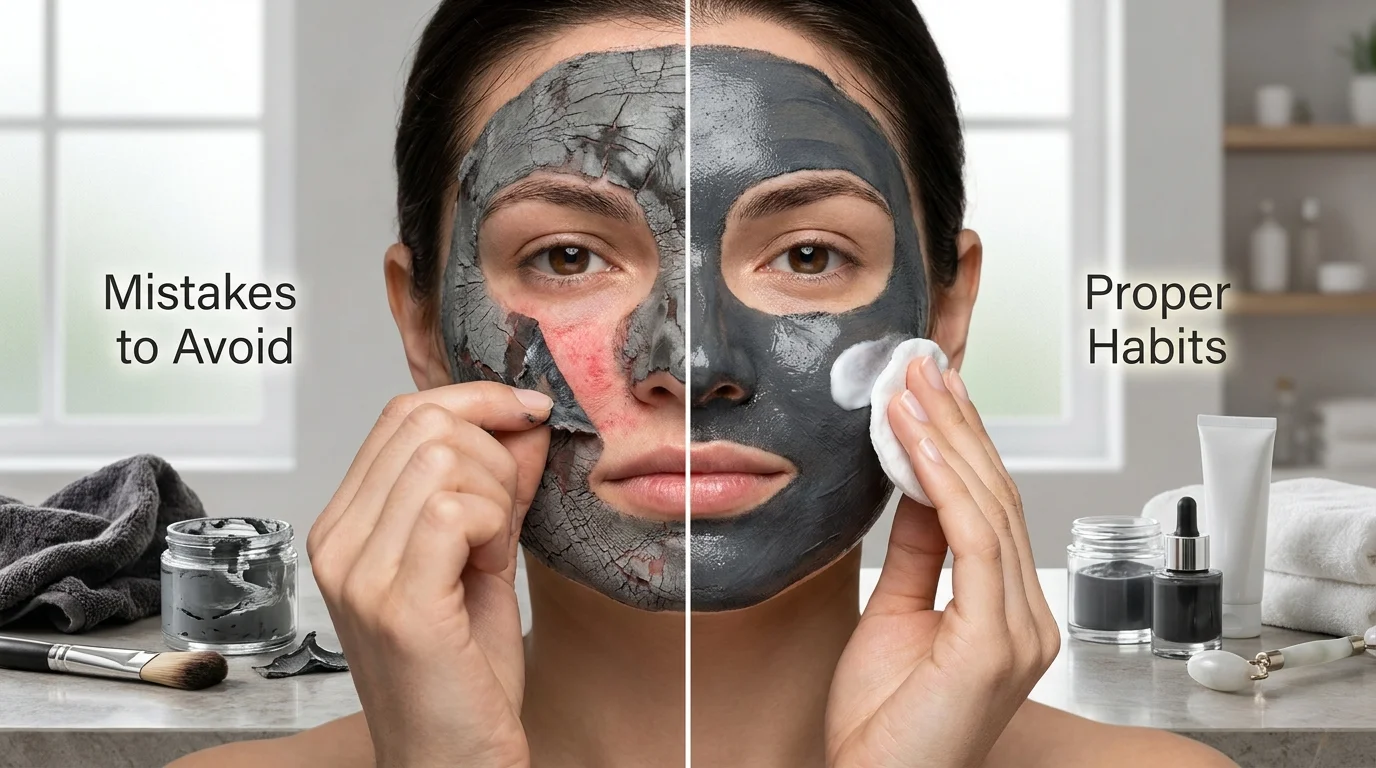
One of the biggest mistakes people make is using a charcoal face mask too often. Over-cleansing can strip the skin of healthy oils and damage the moisture barrier. Another common mistake is leaving the mask on for too long. A mask does not become more effective simply because it dries completely. In fact, excessive drying may increase irritation.
Skipping moisturizer afterwards can also leave skin feeling tight and uncomfortable. Hydration is essential after any deep-cleansing treatment. Finally, avoid applying charcoal masks to broken, sunburned, or highly irritated skin, as this can worsen inflammation.
What Results Can You Expect?
After one use, many people notice cleaner-feeling skin, reduced oiliness, and smoother texture. Over time, consistent use may help improve skin clarity, reduce congestion, and minimize the appearance of blackheads. The best results usually come from using charcoal masks in moderation as part of a balanced skincare routine rather than relying on them as a quick fix.
Final Thoughts
A charcoal face mask can be an effective addition to a skincare routine focused on deep cleansing, oil control, and improving skin clarity. By helping remove pore buildup and reduce excess oil, charcoal masks support smoother, fresher, and brighter-looking skin.
The key is choosing the right formula for your skin type and using it correctly. Gentle, consistent use paired with hydration and barrier-supporting skincare can help maximize benefits while minimizing irritation. When combined with healthy skincare habits, a charcoal face mask can help maintain a cleaner, more balanced complexion over time.
Frequently Asked Questions (FAQs)
Can a charcoal face mask permanently remove blackheads?
No, charcoal masks cannot permanently remove blackheads. However, they can help reduce buildup and make blackheads less noticeable with regular use.
Is a charcoal face mask good for acne-prone skin?
Yes, charcoal masks may help acne-prone skin by reducing excess oil and pore congestion that contribute to breakouts.
Should I moisturize after using a charcoal face mask?
Yes. Moisturizing after masking helps restore hydration and protect the skin barrier.
Are peel-off charcoal masks better than wash-off masks?
Not necessarily. Wash-off masks are generally gentler and safer for regular use, while peel-off masks can sometimes irritate sensitive skin.
Can I use a charcoal face mask every day?
Daily use is not recommended. Most skin types only need a charcoal face mask once or twice weekly.