Hair concerns today extend well beyond simple hair fall. Many people notice gradual thinning, reduced volume, or strands that feel limp and lifeless even after styling. Learning how to make your hair thicker is not just about using a single product, it requires understanding the entire hair scalp ecosystem, including follicle health, scalp condition, and lifestyle factors that influence growth.
Just as modern skincare routines have become more sophisticated, with people appreciating the benefits of steps like what skin toner does, hair care has similarly evolved toward preventive and restorative practices. Achieving thicker hair involves more than promoting new growth; it’s about protecting existing strands, nourishing follicles, and creating an environment where hair can reach its full density and shine naturally.
Understanding Hair Thickness at a Deeper Level
Hair thickness is influenced by genetics, lifestyle, and environmental exposure. While genetics sets the baseline, external and internal factors decide whether your hair reaches or falls short of that potential.
Hair Fibre Strength and Follicle Health
Each strand of hair develops from a follicle that depends on oxygen, nutrients, and proper circulation. When follicles are compromised, hair may still grow but becomes weaker, finer, and more prone to breakage. This is why people often confuse hair thinning with hair loss.
Environmental damage, excessive styling, and buildup on the scalp can interfere with healthy growth, similar to how clogged pores affect dull skin by preventing proper cell turnover.
10 Powerful Growth Tips For Hair
1. Scalp Care Is the Foundation of Thicker Hair
Healthy hair begins at the scalp. Many people focus heavily on conditioners and serums but overlook the importance of scalp hygiene.Oil, sweat, dead skin cells, and styling residue can accumulate and block follicles.
Over time, this congestion weakens hair roots and slows growth. Gentle scalp exfoliation once a week can significantly improve follicle performance by clearing buildup and improving blood flow. A clean scalp also allows treatments and oils to penetrate better, just as properly cleansed skin absorbs skincare products more effectively.
2. Nourish Hair from Within for Visible Density
Hair is a non essential tissue, meaning your body prioritises vital organs over hair when nutrients are limited. This makes diet one of the most critical yet underestimated factors in hair thickness.
Protein intake supports keratin production, while iron and zinc play a key role in oxygen delivery to hair follicles. Omega-3 fatty acids support scalp hydration and reduce inflammation, which can otherwise disrupt growth cycles.
Poor nutrition often shows up not just as thinning hair, but also as dryness and brittleness, similar to how nutritional deficiencies contribute to ruddy skin and uneven tone.
3. Prevent Breakage to Maintain Volume
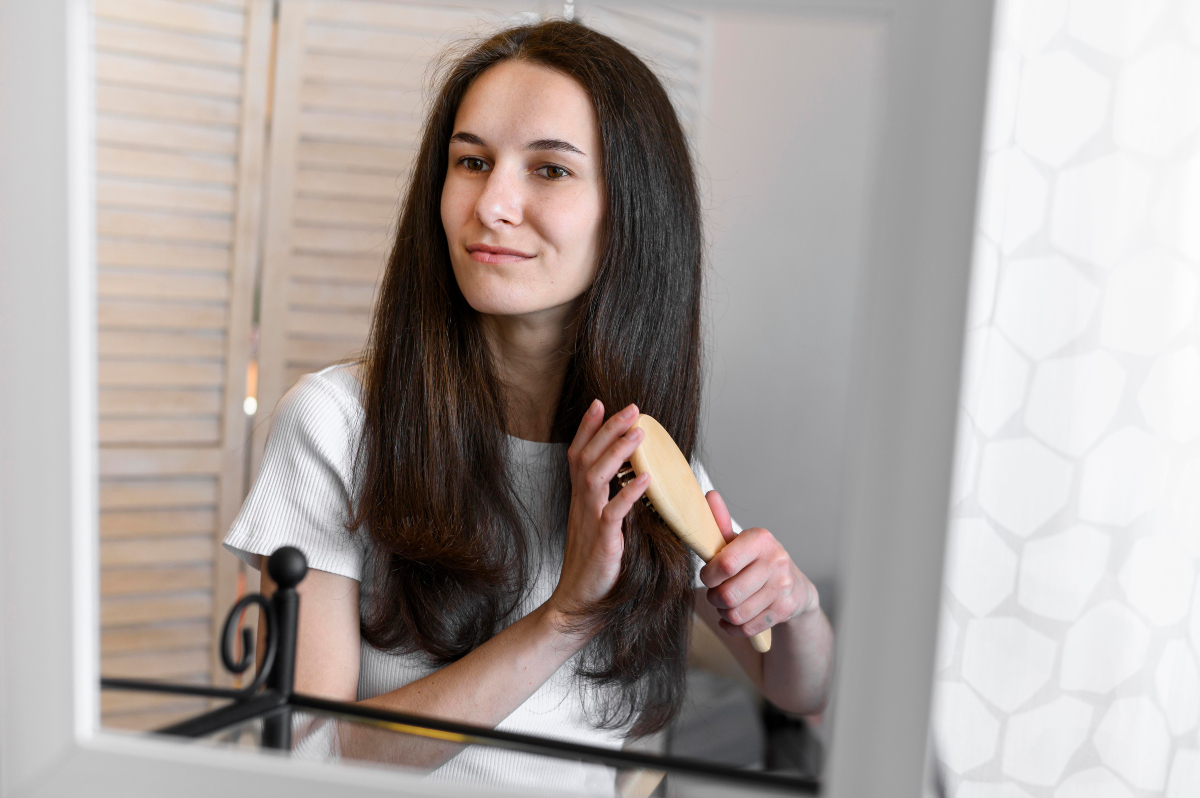 Breakage silently robs hair of thickness. Even if new hair grows, constant snapping at the mid lengths prevents hair from ever appearing full. Frequent heat styling, aggressive towel drying, and tight hairstyles weaken the hair shaft over time.
Switching to microfiber towels, lowering heat settings, and reducing mechanical stress can dramatically improve hair fullness within weeks. Protecting existing hair is often faster and more effective than trying to stimulate new growth alone.
4. Choose Products That Support Hair Structure
Not all hair products contribute to thickness. Some formulas coat the hair temporarily, while others strengthen it from within.
Look for products that:
- Reinforce the hair cuticle
- Improve elasticity
- Reduce protein loss during washing
Ingredients such as peptides, hydrolysed proteins, and caffeine support hair structure without weighing it down. Lightweight formulas are especially important for fine hair types.
5. Scalp Massage and Circulation Support
Regular scalp massage improves blood flow, delivering oxygen and nutrients to follicles more efficiently. Over time, this simple routine can play a key role in how to make your hair thicker by supporting the growth phase of the hair cycle and strengthening existing strands. This practice is especially beneficial for people experiencing stress-related thinning, where circulation to the scalp may be compromised.
6. Stress, Hormones, and Their Impact on Thickness
Chronic stress makes hair follicles into a resting stage, leading to increased shedding and slower regrowth. Hormonal fluctuations can further disrupt this cycle.
Managing stress through better sleep, physical activity, and balanced routines indirectly supports hair density. This approach mirrors holistic skin care strategies, where addressing internal imbalance improves external appearance.
7. Oils and Treatments: Use with Precision
 Hair oils can be powerful tools for improving hair thickness, but their effectiveness depends entirely on how they’re used. Lightweight oils help reduce dryness, strengthen the hair shaft, and support scalp comfort, creating an environment where follicles can function optimally. However, applying too much oil or using heavy formulations too frequently can coat the scalp, trap debris, and interfere with follicle activity rather than support it.
The most effective approach is targeted and minimal use. Applying a small amount of oil to the scalp once or twice a week, followed by gentle massage, helps stimulate blood flow and improve nutrient delivery to the follicles. Oils should be left on just long enough to nourish the scalp, then washed out thoroughly to prevent buildup. When used correctly, oils enhance elasticity, reduce breakage, and support long term thickness without overwhelming the scalp.
8. Styling Habits That Preserve Follicle Strength
Daily styling choices have a greater impact on hair thickness than many people realize. Tight ponytails, braids, buns, and extensions place constant tension on the hair roots, especially around the hairline and crown. Over time, this repeated stress can weaken follicles, slow growth, and make it harder to achieve your goal of how to make your hair thicker.
Protective styling focuses on reducing strain rather than eliminating styling entirely. Looser hairstyles, softer hair ties, and rotating parting positions help distribute tension evenly across the scalp. Allowing hair to rest between styled days also gives follicles time to recover. These small adjustments play a significant role in preserving follicle strength and supporting long term density naturally.
9. Realistic Growth Expectations Matter
One of the most common reasons people abandon hair-thickening routines is unrealistic expectations. Hair grows in cycles, and visible changes take time. While improvements such as reduced shedding or better texture may appear within a few weeks, noticeable thickness usually develops over several months of consistent care.
Consistency is far more important than intensity. Using multiple products sporadically or frequently changing routines rarely delivers results. Instead, steady habits, proper nutrition, gentle care, scalp support, and protective styling, compound gradually. Understanding this timeline helps set realistic goals, reduces frustration, and makes long term success far more achievable.
10. When to Seek Professional Support
If thinning persists despite lifestyle improvements, professional evaluation may help identify underlying causes. Early intervention is critical for preserving follicle health. Just as persistent skin issues sometimes require guidance beyond home remedies, like knowing how to remove super glue from skin safely, hair concerns may benefit from expert input rather than trial and error.
Conclusion:
Learning how to make your hair thicker is a long term investment, not a quick fix. When scalp health, nutrition, stress management, and protective styling work together, hair naturally becomes stronger, fuller, and more resilient over time. Sustainable results come from understanding your hair needs and supporting them consistently, just as with skin, long term care always outperforms shortcuts.
Frequently Asked Questions(FAQs)
1. Can thin hair really become thick again?
Yes, thin hair can regain thickness depending on the underlying cause. With consistent scalp care, proper nutrition, and gentle styling, hair often strengthens and appears fuller over time.
2. How long does it take to see thicker hair?
Visible improvement usually occurs within 3–6 months of steady care. Patience and consistency with treatments, oils, and protective styling are key for long term results.
3. Does shampoo choice affect hair thickness?
Absolutely. Using lightweight, strengthening shampoos helps improve strand resilience and supports scalp health, which is essential for achieving thicker looking hair.
4. Is hair thinning always genetic?
Not always. While genetics play a role, lifestyle habits, hormonal changes, stress, and diet significantly influence hair density and overall health.
5. Can hair oils and treatments really help?
Yes, when applied correctly, oils and targeted treatments nourish follicles, reduce breakage, and improve scalp circulation, creating a better environment for thicker, healthier hair.