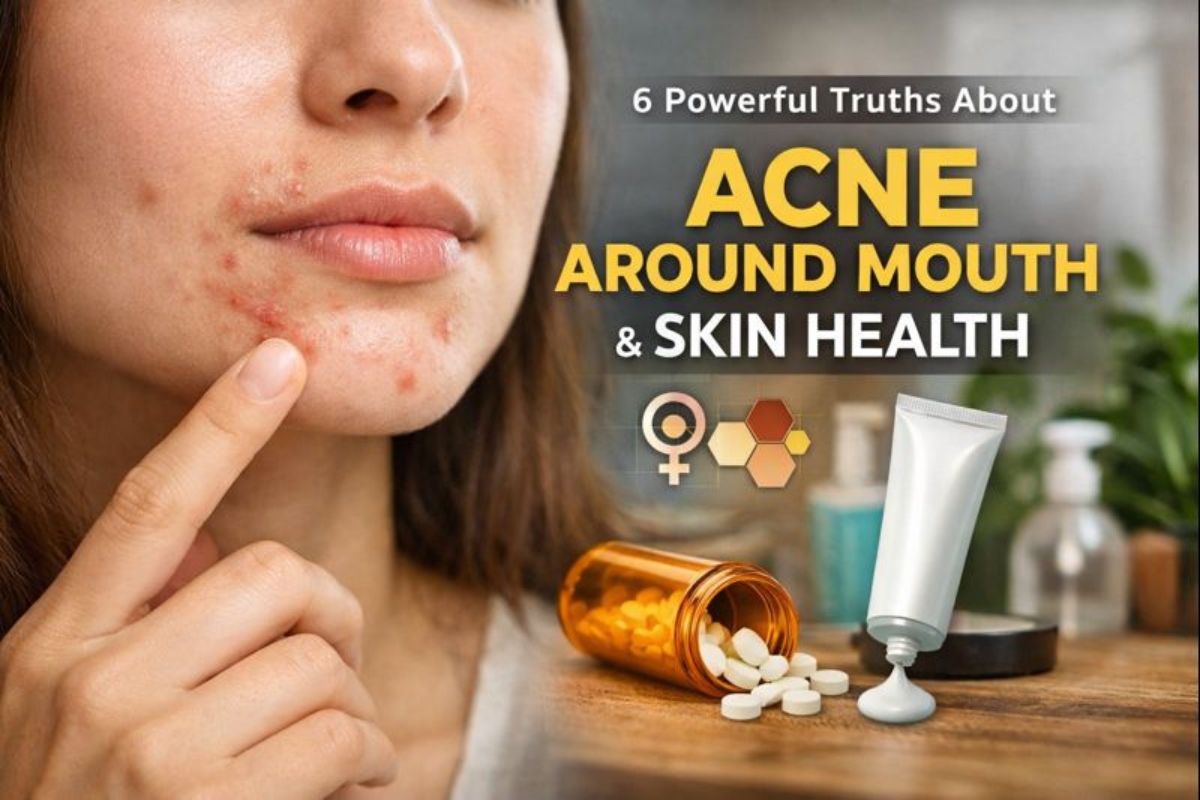
Have you noticed stubborn breakouts that keep showing up around your lips, chin, or jawline, even when the rest of your face looks clear? This pattern is more common than most people realise and often signals something more profound than surface level skin issues. Acne Around Mouth is influenced by a mix of internal factors, daily habits, and skin reactions that are easy to overlook. From hormonal shifts and oral care products to diet and repetitive skin contact, this area is uniquely sensitive and reactive.
In this guide, we’ll uncover six powerful truths behind these recurring breakouts, explain what’s really happening beneath the skin, and share practical, skin safe ways to manage and prevent them without overwhelming your routine. Acne around the mouth is commonly triggered by hormonal fluctuations, irritation from certain products, bacterial transfer, and clogged pores in a sensitive facial area. Consistent skincare, avoiding irritants, and addressing internal triggers can significantly reduce breakouts within a few weeks.
What Is Acne and Why Is the Mouth Area Different
Acne develops when pores become clogged with oil, dead skin cells, and bacteria, triggering inflammation. Although this process can occur anywhere on the face, the area around the mouth reacts differently due to constant movement, moisture, and exposure, often leaving the surrounding skin prone to irritation and dull skin.
Everyday actions like talking, eating, shaving, wearing masks, or even resting your hand near your lips create repeated friction. This area is also frequently exposed to toothpaste, lip products, food residue, and saliva, all of which can weaken the skin barrier and disrupt its natural balance. Because of these ongoing triggers, acne around the mouth tends to behave differently than breakouts on the forehead or cheeks, making a gentle, targeted approach far more effective than harsh or aggressive treatments.
6 Powerful Truths About Acne Around the Mouth
Truth #1: Hormones Play a Bigger Role Than You Think
Hormonal fluctuations are one of the most common underlying causes of breakouts around the mouth and chin. This type of acne is often linked to androgen hormones, which stimulate oil production and make pores more prone to clogging.
Many adults notice flare ups:
- Around menstrual cycles
- During periods of high stress
- After stopping or starting hormonal birth control
These breakouts tend to be deeper, slower to heal, and more persistent than surface level pimples. Treating them requires consistency and patience rather than harsh spot treatments that can worsen irritation.
Truth #2: Daily Habits Can Trigger Acne Without You Realising
Not all breakouts are directly linked to skincare products or hormones. In many cases, small everyday habits quietly contribute to irritation and clogged pores around the mouth. Actions such as touching the face while working, resting the chin on the hands, or holding a phone close to the mouth can repeatedly transfer bacteria, oil, and dirt onto sensitive skin. Over time, this constant contact creates the perfect environment for inflammation to develop.
Mask use can also play a role, especially when moisture and friction build up along the lower face. When fabric rubs against the skin for extended periods, it can trap sweat and oil, leading to recurring breakouts in the same areas. These patterns often persist even when a skincare routine is otherwise well balanced. Becoming aware of these subtle habits and reducing unnecessary contact with the mouth area is usually one of the most effective first steps toward clearer skin.
Truth #3: Oral and Lip Products Can Disrupt Skin Balance
Toothpaste, lip balms, and even mouthwash can contribute to breakouts around the mouth. Ingredients like fluoride, strong mint oils, artificial flavours, and heavy waxes may irritate the surrounding skin or clog pores.
This irritation can lead to redness, small bumps, or inflamed pimples that resemble acne but do not respond to typical treatments. If breakouts consistently appear near the corners of the mouth or upper lip, switching to gentler oral care products and non comedogenic lip formulas may make a noticeable difference within weeks.
Truth #4: Over Treating Makes Acne Around Mouth Worse
Because this area is sensitive, aggressive treatments often do more harm than good. Over exfoliating, using too many actives at once, or applying drying acne products daily can weaken the skin barrier.
When the barrier is compromised:
- Skin becomes more inflamed
- Healing slows down
- Breakouts appear more frequently
A balanced routine that focuses on calming inflammation and supporting skin recovery often delivers better long term results than harsh spot treatments.
Truth #5: Diet and Internal Health Affect This Area More Than Others
The mouth and chin area tend to reflect internal balance more visibly than other parts of the face, which is why breakouts often appear here when something is off internally. While diet alone does not instantly cause acne, specific eating patterns can influence inflammation and oil production in this region. Diets high in sugar, frequent dairy intake, or heavily processed foods may contribute to flare ups for some individuals, especially when consumed consistently over time.
Hydration also plays a crucial role in how the skin behaves around the mouth. When the body is dehydrated, the skin may produce excess oil to compensate, increasing the risk of clogged pores in an area that already has active oil glands. Supporting digestive health, maintaining balanced nutrition, and staying properly hydrated often lead to gradual improvements in skin clarity. Over time, these internal adjustments can reflect externally through calmer, more balanced looking skin.
Truth #6: Long Term Skin Health Requires Consistency, Not Quick Fixes
There is no overnight solution for recurring breakouts. The most effective approach focuses on consistency, gentle care, and identifying personal triggers. A simple, balanced routine that avoids irritation, supports hydration, and protects the skin barrier often leads to gradual but lasting improvement. Once inflammation reduces, the skin becomes more resilient and less reactive to daily stressors.
Acne Around Mouth: Before and After Care
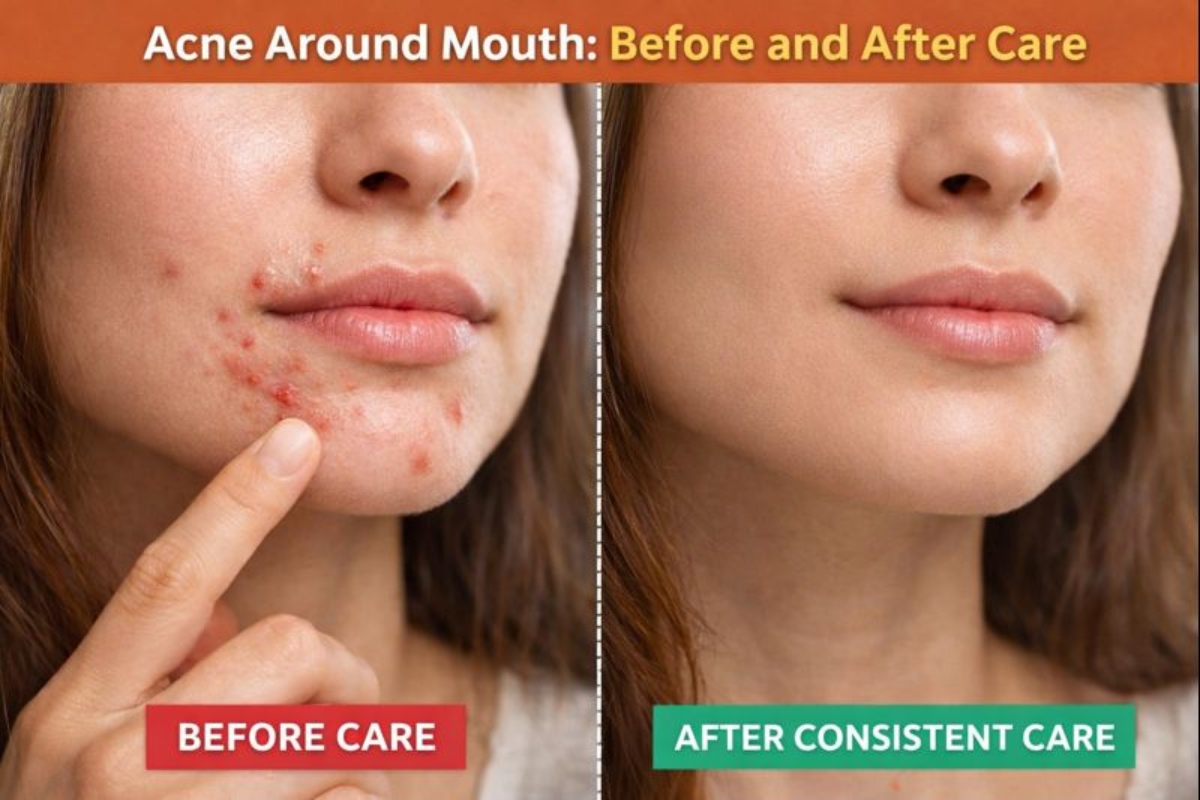
| Skin Condition | Before Care | After Consistent Care |
| Inflammation | Frequent redness | Calmer skin tone |
| Breakout Frequency | Recurrent flare ups | Fewer new pimples |
| Healing Time | Slow recovery | Faster resolution |
| Texture | Uneven and irritated | Smoother surface |
| Skin Comfort | Sensitive and reactive | Balanced and resilient |
How to Care for Skin Prone to Mouth Area Breakouts
1. Cleanse gently without stripping the skin
The skin around the mouth is more delicate than it appears and can react quickly to harsh cleansing. Using strong foaming cleansers or products with high alcohol content may remove surface oil, but they also strip the skin of essential moisture. This disruption often triggers increased oil production, which can worsen breakouts. A mild, low irritation cleanser used morning and evening consistently helps maintain balance while removing sweat, residue, and bacteria.
2. Be consistent rather than aggressive
Frequent switching of cleansers or overwashing the area can weaken the skin barrier. Gentle consistency allows the skin to regulate itself naturally. Cleansing twice daily is usually enough to keep the area clean without causing dryness or sensitivity.
3. Moisturise daily to protect the skin barrier
Many people skip moisturiser when dealing with breakouts, but this often leads to more irritation. Even oily or acne prone skin needs hydration to function properly. A lightweight, non comedogenic moisturizer helps reinforce the skin barrier, reduce redness, and support faster healing. When the barrier is healthy, skin becomes less reactive and better able to recover from inflammation.
4. Use treatments with restraint and intention
Targeted treatments can be helpful, but applying them too frequently or over large areas can cause dryness and peeling. Instead of strong, fast acting formulas, choose calming ingredients that reduce inflammation without stressing the skin. Occasional deep cleansing support, such as using a Charcoal Face Mask no more than once a week, can help clear buildup without overwhelming sensitive skin in the mouth area.
5. Protect the area with daily sunscreen
Sun exposure can quietly worsen mouth area breakouts by increasing inflammation and slowing down the healing process. Using a gentle, non greasy sunscreen daily helps protect compromised skin and prevents post breakout marks from becoming more noticeable. Consistent sun protection also supports long term skin clarity and resilience.
6. Support healing with a simple routine
Keeping the routine minimal helps avoid unnecessary irritation. Fewer, well chosen products allow the skin to recover more efficiently and lower the risk of triggering new breakouts around the mouth.
What to Avoid When Dealing With Mouth Area Acne
1. Avoid picking, squeezing, or touching blemishes
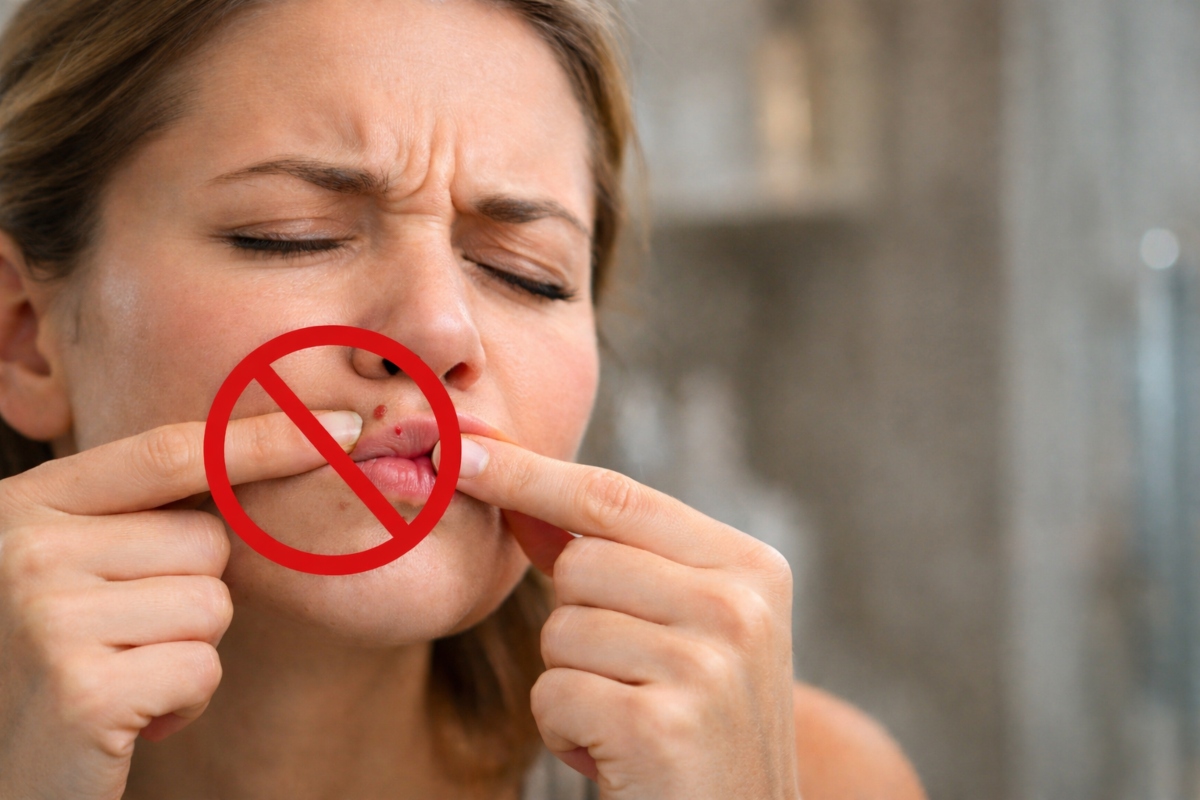 It can be tempting to pop pimples around the mouth, mainly because they are so visible. However, applying pressure to inflamed skin pushes bacteria deeper into the pore and increases irritation. This often leads to prolonged healing, darker post acne marks, and a higher risk of scarring. Keeping hands away from the area allows breakouts to calm and resolve more naturally.
2. Stay away from heavy or fragranced lip products
Lip balms, lipsticks, and glosses that contain heavy waxes, oils, or artificial fragrance can easily migrate onto the surrounding skin. When this happens, pores around the mouth may become clogged, triggering breakouts or worsening existing ones. Choosing lighter, fragrance free lip products and applying them carefully helps reduce unnecessary pore congestion.
3. Limit frequent or aggressive exfoliation
Over exfoliating the mouth area can damage the skin barrier and increase sensitivity. When the barrier is compromised, skin becomes more prone to inflammation and breakouts. Chemical exfoliants and physical scrubs should be used sparingly and never layered excessively. Giving skin time to recover between exfoliation sessions supports healthier renewal.
4. Avoid layering too many active ingredients at once
Using multiple strong treatments together, such as acids, retinoids, and spot treatments, can overwhelm the delicate skin in the mouth area. This often leads to redness, peeling, and irritation rather than clearer skin. A simpler routine with well spaced active ingredients allows the skin to adjust and heal more effectively.
5. Be mindful of toothpaste residue and oral products
Toothpaste foam and residue can linger around the mouth after brushing, especially along the corners of the lips. Certain ingredients may irritate sensitive skin and trigger breakouts. Rinsing the mouth area thoroughly and gently wiping the skin clean after brushing can help reduce irritation and prevent recurring flare ups.
6. Avoid neglecting the skin barrier
Skipping moisturiser or relying only on drying treatments can worsen mouth area acne over time. When skin lacks proper hydration and barrier support, it becomes more reactive and prone to inflammation. Avoiding this mistake helps maintain balance and reduces the likelihood of repeated breakouts.
When to See a Doctor for Mouth Area Acne
While mild breakouts around the mouth often improve with consistent skincare and lifestyle adjustments, there are times when professional guidance is essential. If acne around this area becomes persistent, painful, cystic, or continues to worsen despite using gentle, well structured routines, it may signal an underlying issue such as hormonal imbalance, perioral dermatitis, or a reaction to topical products. Recurring flare ups that leave dark marks or scarring are also a reason to seek medical advice. A dermatologist can properly diagnose the cause, rule out conditions that mimic acne, and recommend targeted treatments that discourse the root issue rather than just the symptoms. Early intervention often prevents long term skin damage and speeds up recovery.
Conclusion:
Acne around the mouth is more than a surface level issue, it reflects how your skin responds to internal changes, daily habits, and repeated exposure. By understanding the unique triggers of this area and treating it with patience and balance, clearer skin becomes achievable. Incorporating targeted treatments, such as a Vitamin C serum to support overall skin health, along with gentle care, barrier reinforcement, and attention to both interior and external factors, can show to lasting advancements without resorting to harsh or aggressive treatments.
Frequently Asked Questions (FAQs)
What causes acne around the mouth in adults?
It is commonly triggered by hormones, irritation from products, friction, and bacteria transfer from daily habits.
Is acne around the mouth hormonal?
In many cases, yes, especially when breakouts are deep, recurring, and linked to stress or menstrual cycles.
How long does it take to clear acne around the mouth?
With consistent care and trigger avoidance, visible improvement often appears within 3–6 weeks.
Should I stop using lip balm if I have breakouts?
Not constantly, but switching to non comedogenic, fragrance free options can help reduce irritation.
Can diet affect breakouts near the mouth?
Yes, dietary patterns may influence inflammation and oil production in this area.