Super glue accidents do not just happen during major DIY projects, they often occur in everyday moments. A quick nail fix, a broken accessory, a loose shoe sole, or a rushed household repair can leave you staring at fingers stuck together within seconds. When that happens, most people instinctively panic, and that panic is exactly what leads to skin damage. The real concern isn’t the adhesive itself, but how to remove super glue from skin without tearing, burning, or excessively drying the surface. Skin is a living barrier made up of delicate layers, natural oils, and moisture, and any aggressive attempt, pulling, scraping, or cutting, can disrupt this balance in the same way harsh routines interfere when people try to figure out how to get rid of clogged pores too aggressively.
What makes this topic especially important is that advice online is often fragmented. Some guides jump straight to harsh solvents, while others oversimplify the process without explaining why certain methods work or when they should be avoided. This can create confusion, particularly for individuals with sensitive, dry, or compromised skin. This guide takes a different approach. Instead of quick hacks alone, it focuses on safe sequencing, skin science, and real world practicality. You will learn not just what removes super glue quickly, but how to do it in a way that protects your skin barrier, minimizes irritation, and supports proper healing afterward. Whether the glue is on your fingers, near your nails, or on a sensitive area, this article is designed to help you act calmly, confidently, and correctly.
What Happens When Super Glue Touches Skin?
Super glue hardens rapidly because it reacts with moisture. Since human skin naturally contains water and oils, the adhesive sets almost instantly. While this bond feels strong, it is temporary and can be reversed safely with the right approach.
Problems usually occur when people panic and pull, scrape, or cut the glued area. That mechanical stress, not the glue, is what damages skin.
When You Should NOT Attempt Home Removal
If super glue is stuck in highly sensitive or risky areas, home removal is not recommended. These include:
- Around or inside the eyes
- On the lips or inside the mouth
- Inside the nose
- On open wounds or broken skin
In these cases, professional medical assistance is the safest option.
How to Remove Super Glue from Skin: The Smart Sequence
Instead of jumping straight to harsh solutions, successful removal follows a progressive approach. Always begin with the gentlest option and increase strength only if needed. This protects the skin barrier and reduces recovery time.
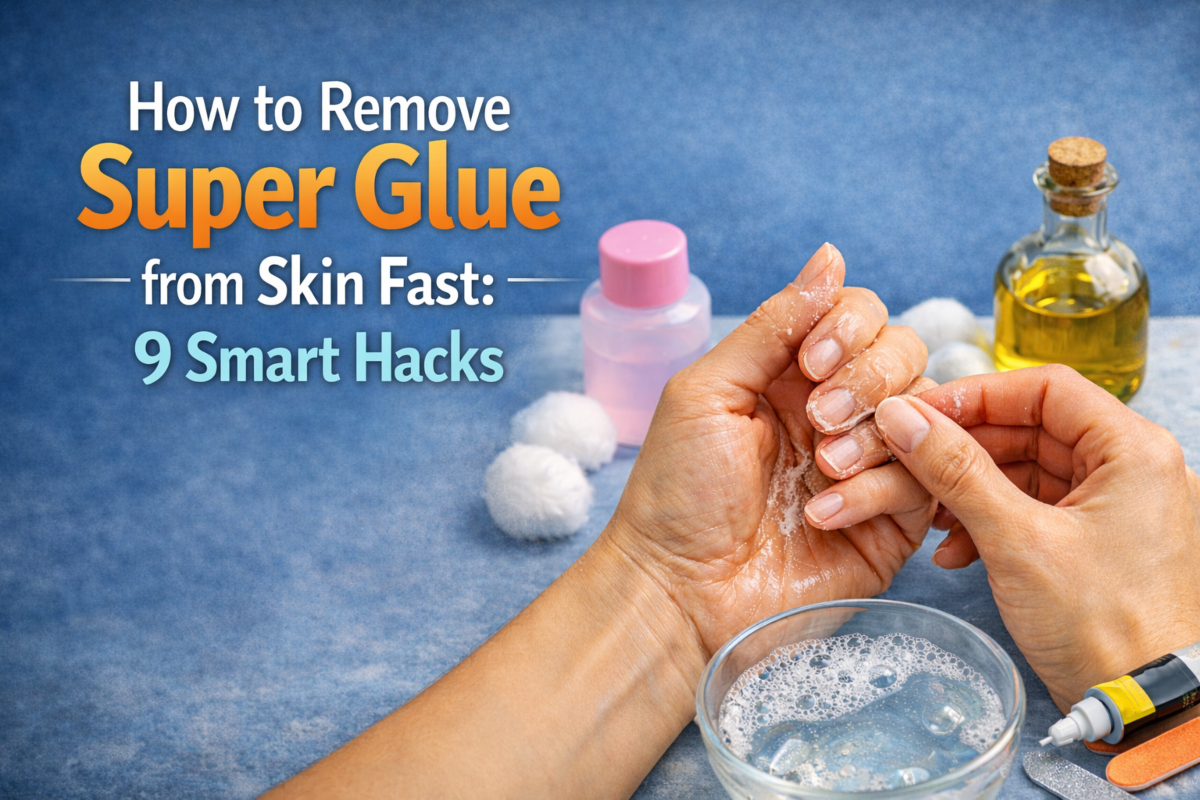
9 Smart Hacks to Remove Super Glue from Skin
1. Warm Soapy Water (Gentle Softening)
Washing the affected area in warm water mixed with mild soap for 10–15 minutes is often the safest first step. The warm water hydrates the skin and loosens the glue at the edges, making it easier to lift gently.
Massage the area in small circular motions rather than pulling, which can tear skin. This method works best for thin layers of glue on fingers, palms, or other small areas. For those with ruddy skin, this gentle approach also reduces irritation and redness while preserving the natural oils that protect your skin barrier.
2. Natural Oils (Lubrication and Penetration)
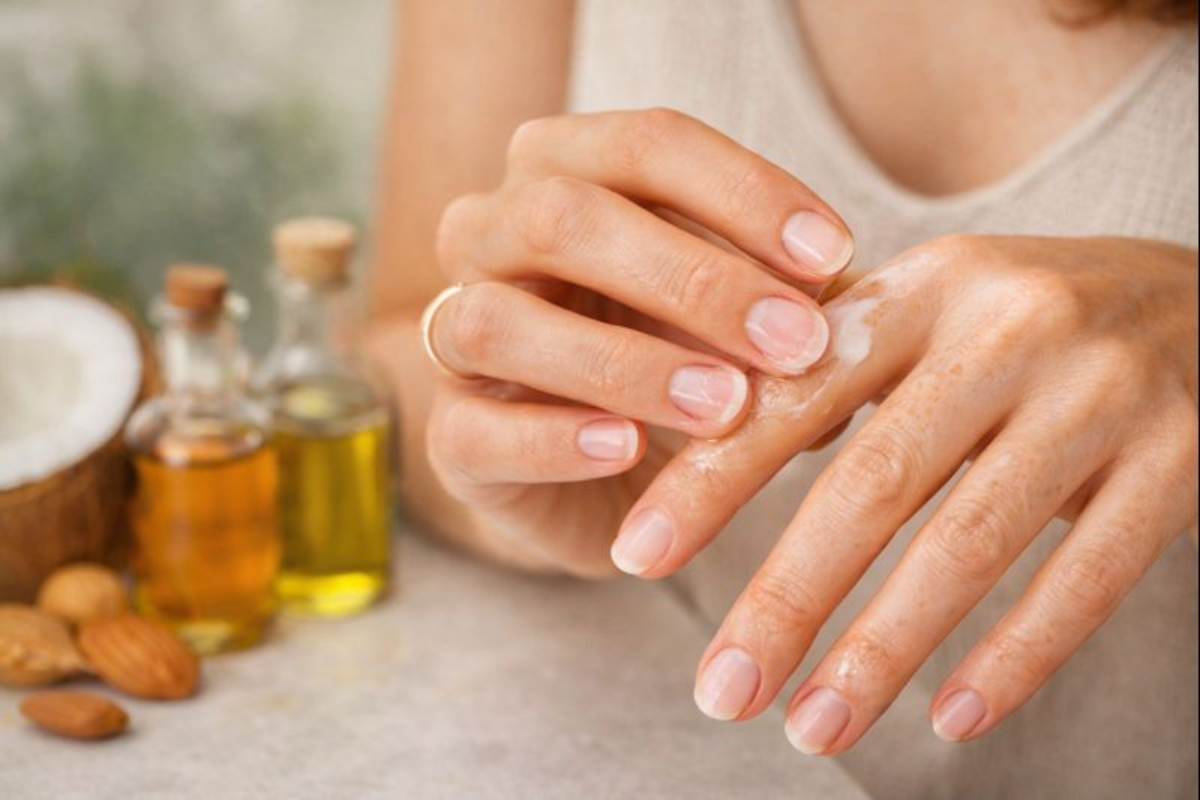 Oils such as coconut, olive, or almond oil can penetrate hardened glue and reduce adhesion. Spread the oil well and let it sit for a few minutes before gently massaging the area. This method is particularly effective around sensitive spots like nails or joints.
Not only does it help remove glue, but incorporating natural oils can also subtly improve skin hydration, which is similar to the benefits people experience when using castor oil for eyebrows for gentle nourishment.
3. Petroleum Jelly (Controlled Loosening)
Petroleum jelly works by providing both moisture and slip to the skin. Apply a thick layer over the glue and massage gently for several minutes. For stubborn glue, you can cover the area with plastic wrap for 10–20 minutes to help the jelly penetrate deeper. This method is particularly helpful for delicate areas, such as the skin around your cuticles, without risking dryness or peeling.
4. Acetone or Acetone Based Nail Polish Remover (Fast Dissolving)
Acetone is extremely effective for dissolving cyanoacrylate adhesives but should be used carefully. Apply a small amount on a cotton swab and dab it directly onto the glue, avoiding surrounding skin as much as possible. Leave it for a minute or two, then gently roll the glue off.
After removal, wash thoroughly and apply moisturizer to prevent dehydration. Avoid using acetone on broken skin or on sensitive areas like lips or face. This step is ideal for thick or stubborn glue layers that resist oil or water methods.
5. Baking Soda and Oil Paste (Mild Abrasion)
Mix a baking soda with a few driblets of olive oil or coconut to create a paste. Rub this mixture gently over the affected area. Baking soda acts as a gentle abrasive to lift residue while the oil prevents irritation.
This technique works well on fingertips or areas with stubborn glue patches. It’s gentle enough that it won’t cause micro tears in the skin, similar to how mild exfoliation is recommended for maintaining skin health when learning how to get rid of clogged pores.
6. Lemon Juice (Natural Acid Softening)
Lemon juice contains citric acid, which helps weaken the glue without harsh chemicals. Dampen a cotton ball in lemon juice and press it over the glue for 5–10 minutes. Then, rinse and massage gently.
This method works best for small spots or areas where other chemicals may be too strong. It also helps refresh the skin after removal, offering a mild brightening effect.
7. Gentle Exfoliation (Removing Residue Safely)
If glue remains after soaking or oiling, you can utilize a soothing cloth or soft bristled toothbrush to exfoliate lightly. Apply gentle pressure only, scrubbing aggressively can damage the skin.
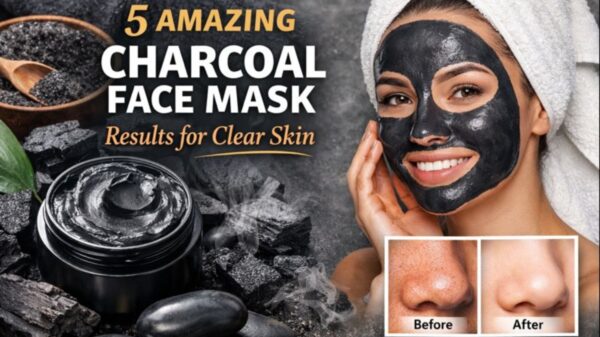
For delicate areas, keep in mind that gentle exfoliation can be combined with hydration to prevent irritation, much like using a Charcoal Face Mask to clear impurities without over drying the skin.
8. Patience and Natural Skin Renewal (Letting It Shed)
Sometimes the safest approach is simply letting the glue loosen naturally over 24–48 hours. The skin constantly renews itself, and minor glue patches will flake off as the epidermis regenerates.
While this method requires patience, it is ideal for extremely sensitive skin or areas where chemical methods may irritate. Think of it like the natural fading process for freckles go away, it is slow, but gentle and effective over time.
9. Professional Help (When to Stop and Seek Advice)
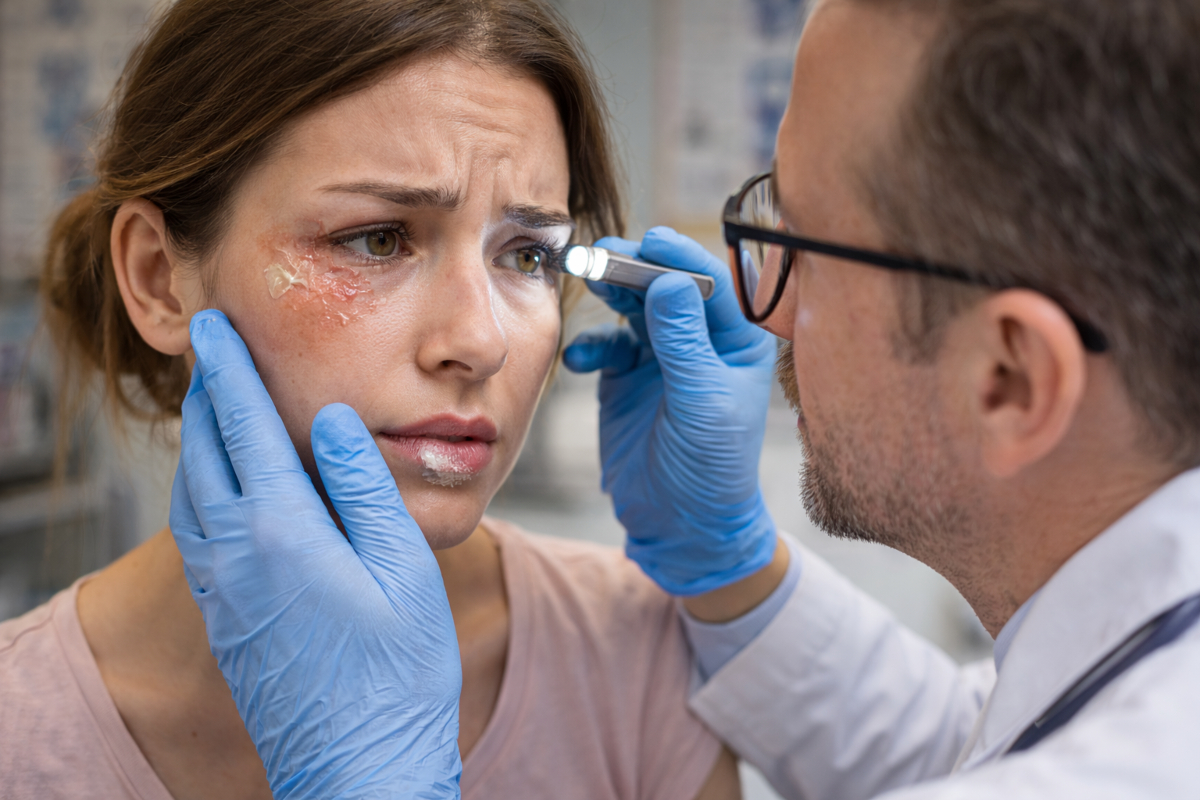 If the glue is particularly thick, stuck near delicate areas, or causing pain, redness, or swelling, it’s best to consult a healthcare professional. Persistent irritation or skin reaction may require medical guidance.
This is also true for people with compromised or sensitive skin who cannot tolerate even gentle DIY methods. Seeking expert advice ensures your skin heals safely without scarring or long term damage.
Choosing the Right Method
| Method | Speed | Skin Safety | Best Use Case |
| Warm Soapy Water | Slow | Very High | First attempt |
| Natural Oils | Medium | High | Sensitive skin |
| Petroleum Jelly | Medium | High | Dry skin |
| Acetone | Fast | Medium | Thick glue |
| Baking Soda Paste | Medium | Medium | Fingertips |
| Lemon Juice | Medium | Medium | Small areas |
Common Mistakes That Cause Skin Damage
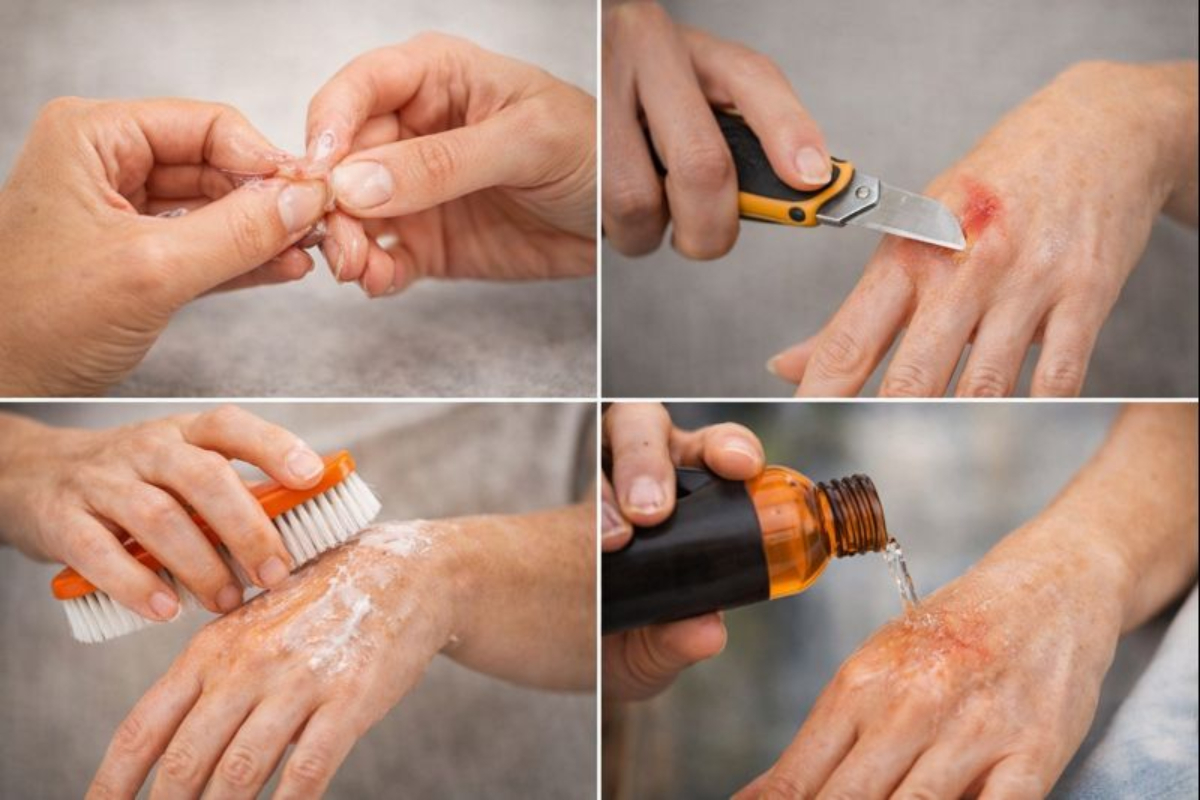 Avoiding these mistakes prevents most skin injuries:
- Pulling glued skin apart forcefully
- Using sharp tools or blades
- Scrubbing dry glue aggressively
- Applying industrial solvents
Aftercare: Helping Skin Recover Fully
Once the glue is removed, wash the area gently and apply a fragrance free moisturizer. Avoid exfoliation, alcohol based products, or strong activities for at least 24 hours. If dryness occurs, barrier repair creams or aloe based gels help restore comfort.
Conclusion:
Knowing how to remove super glue from skin safely is about patience, proper sequencing, and protecting your skin barrier. Gentle methods like warm water, oils, and petroleum jelly should always be tried first, while stronger solutions like acetone or exfoliation should be reserved for stubborn glue. Following these steps reduces the risk of irritation, tearing, or long term dryness. Additionally, proper aftercare, including moisturizing and avoiding harsh products, helps your skin recover fully and maintain its natural resilience. By understanding both the science behind adhesive removal and the needs of your skin, you can handle accidents calmly and confidently, ensuring quick recovery without compromising skin health.
Frequently Asked Questions(FAQs)
Can super glue permanently damage skin?
In most cases, no. Skin damage usually occurs due to improper removal rather than the glue itself.
Is acetone safe for removing super glue from skin?
Yes, when used sparingly and rinsed off promptly. Overuse may cause dryness or irritation.
How long does super glue stay on skin naturally?
Without intervention, it typically loosens and falls off within one to three days.
What should I do if glue gets near my eyes?
Do not attempt removal. Seek professional medical help immediately.
Can I remove super glue from skin without chemicals?
Yes. Warm water, oils, petroleum jelly, and time are effective non chemical options.