Have you ever looked in the mirror and wondered why wrinkles show up under your eyes before anywhere else? The under eye area is delicate, thin, and constantly in motion, making it one of the first places to show signs of aging. If you’re searching for how to rid wrinkles under the eyes, you are not alone. This is one of the most commonly searched skincare concerns worldwide, and for good reason. Under eye wrinkles affect how rested, youthful, and healthy we appear, even when we feel great.
The good news? While you can not stop aging entirely, you can dramatically improve under eye wrinkles with the right combination of skincare, habits, and treatments. This guide breaks down 10 game changing, evidence based strategies, from dermatologist approved skincare to lifestyle shifts and professional treatments, so you can make informed decisions and see real results.
Wrinkles under the eyes can be reduced by improving hydration, boosting collagen with targeted ingredients, protecting the skin from UV damage, improving sleep habits, and using professional treatments when needed. Consistency, gentle care, and prevention are key to visible improvement over time.
Causes of Wrinkles Under the Eyes
Wrinkles under the eyes do not develop for a single reason. They are usually the result of several overlapping factors that weaken the skin structure over time.
Loss of Collagen and Elastin
One of the primary causes of wrinkles under the eyes is the natural decline of collagen and elastin. These proteins are responsible for keeping the skin firm, elastic, and resilient. As we age, collagen production slows down, and existing collagen fibers break down more easily. Because under eye skin is thinner than the rest of the face, this loss becomes visible much earlier in the form of fine lines and creases.
Dehydration and Moisture Loss
The under eye area has fewer oil glands, making it more prone to dryness. When the skin lacks moisture, fine lines become more visible and deeper wrinkles develop more quickly. Chronic dehydration weakens the skin barrier, which is why understanding how to rid wrinkles under eyes and incorporating supportive products like a brightening serum can help improve hydration, strengthen the barrier, and protect the delicate area from external stressors.
Sun Exposure and UV Damage
Repeated exposure to ultraviolet rays is one of the most damaging factors for under eye skin. UV radiation breaks down collagen and accelerates skin aging, even on cloudy days. Over time, unprotected sun exposure leads to thinner skin, increased pigmentation, and deeper wrinkles around the eyes.
Repetitive Facial Movements
Every blink, smile, squint, and facial expression causes micro folds in the skin. While facial movement is natural and unavoidable, constant repetition over the years contributes to the formation of dynamic wrinkles that eventually become permanent. Squinting due to sunlight or screen strain can speed up this process significantly.
Poor Sleep and Lifestyle Habits
Lack of quality sleep affects skin repair and regeneration. During sleep, the body restores damaged skin cells and produces new collagen. Poor sleep habits, smoking, excessive alcohol consumption, and chronic stress increase cortisol levels, which further break down collagen and slow skin healing.
10 Effective Ways to Reduce Wrinkles Under the Eyes
1. Focus on Deep and Consistent Hydration
Hydration is one of the most important yet underestimated steps in improving wrinkles under the eyes. When the skin lacks moisture, it becomes thinner, less elastic, and more prone to creasing. Dehydrated under eye skin reflects light poorly, making fine lines appear deeper and more prominent. Restoring hydration helps plump the skin, allowing it to appear smoother and more refreshed almost immediately.
Long term hydration also strengthens the skin barrier, which is essential for preventing ongoing moisture loss. Using hydrating eye creams regularly helps maintain a balanced moisture level throughout the day and night. Over time, well hydrated skin becomes more resilient, reducing the likelihood of wrinkles becoming permanently etched into the delicate under eye area.
2. Support Collagen Production Early and Consistently
Collagen is the structural foundation of youthful skin, and its gradual decline is a major reason wrinkles form under the eyes. As collagen levels drop, the skin loses firmness and begins to sag slightly, causing fine lines to deepen and contributing to uneven tone often associated with ruddy skin. Supporting collagen production early can significantly slow this process and help preserve a smoother, more balanced skin texture.
Using ingredients that stimulate collagen allows the skin to rebuild itself gradually. These treatments work best when applied consistently over several weeks, as collagen renewal is a slow biological process. When collagen support becomes a long term habit rather than a quick fix, the under eye area appears firmer, smoother, and more youthful over time.
3. Protect the Under Eye Area from Sun Damage Daily
Sun exposure is one of the fastest ways to accelerate under eye aging. Ultraviolet rays penetrate deeply into the skin, breaking down collagen and elastin fibers that keep the under eye area smooth. Because this skin is thinner, sun damage appears sooner and more visibly compared to other areas of the face.
Knowing how to rid wrinkles under eyes like daily sun protection prevents cumulative damage that often goes unnoticed until wrinkles become pronounced. Wearing sunglasses and applying a gentle sunscreen around the eyes reduces both UV exposure and squinting, which further contributes to wrinkle formation. Over time, consistent protection helps preserve skin thickness and slows visible aging.
4. Improve Sleep Quality and Nighttime Skin Repair
Sleep plays a vital role in skin regeneration, especially for delicate areas like under the eyes. During deep sleep, the body increases blood flow to the skin and accelerates cellular repair. When sleep is disrupted or insufficient, this repair process is compromised, leading to dull skin, dryness, and increased wrinkle formation.
Improving sleep quality allows the skin to recover more efficiently from daily stressors. Proper sleep positioning, such as sleeping slightly elevated, also reduces fluid buildup that can stretch the skin and exaggerate wrinkles. Over time, consistent, high quality sleep supports healthier skin texture and a more refreshed under eye appearance.
5. Reduce Eye Strain and Repetitive Movements
The under-eye area is constantly in motion due to blinking, facial expressions, and screen use. While these movements are natural, excessive squinting or prolonged screen time can accelerate wrinkle formation. Eye strain forces the skin to crease repeatedly, eventually leading to fine lines that become permanent.
Reducing strain through simple habits such as adjusting screen brightness, increasing font size, and taking regular breaks can significantly reduce stress on the under eye area. These small lifestyle changes may seem minor, but over time, they help prevent unnecessary skin folding and slow the development of expression related wrinkles.
6. Use Antioxidants to Defend Against Environmental Damage
Environmental factors such as pollution and oxidative stress silently damage under eye skin every day. Free radicals weaken collagen fibers and accelerate skin aging, making wrinkles appear sooner and deeper. Antioxidants help neutralize these harmful molecules before they can cause long term damage.
Regular use of antioxidant rich treatments strengthens the skin’s defense system. Over time, this protection helps maintain skin clarity, firmness, and elasticity. Antioxidants are especially effective when used in the morning, as they provide an extra layer of defense against daily environmental exposure.
7. Practice Gentle Under Eye Massage and Circulation Boosting
Poor circulation under the eyes can make wrinkles more visible by causing puffiness and fluid retention. Gentle massage encourages lymphatic drainage, reduces swelling, and improves blood flow to the area. When circulation improves, the skin appears smoother and more even in texture.
Massage must be performed gently, as excessive pressure can damage fragile skin fibers. Consistent, light massage over time helps relax facial tension and supports healthier looking under eye skin. When done correctly, it enhances the effects of skincare products by improving absorption.
8. Support Skin Health Through Nutrition and Hydration
What you consume has a direct impact on how your skin ages. Nutrients that support skin elasticity and repair help maintain a smoother under eye area from within. Dehydration, poor diet, and nutrient deficiencies can accelerate wrinkle formation and slow skin recovery.
Maintaining proper hydration and a balanced diet supports collagen production and skin resilience. To get clear skin, it is important to have knowledge, how to rid wrinkles under eyes. When the body receives adequate nutrients, the skin is better equipped to repair daily damage. Over time, internal support enhances the effectiveness of topical skincare and contributes to more noticeable improvements.
9. Avoid Skincare Habits That Weaken Under Eye Skin
Many people unknowingly worsen under eye wrinkles through improper skincare habits. Rubbing the eyes, aggressively applying products, or overusing strong treatments weakens the skin barrier. This leads to increased sensitivity, dryness, and accelerated wrinkle formation.
Using gentle techniques and products specifically designed for the eye area helps preserve skin integrity. Consistency and moderation are far more effective than harsh or frequent treatments. By protecting the under eye area from unnecessary stress, the skin remains stronger and more resistant to aging.
10. Consider Professional Treatments When Needed
In some cases, topical skincare alone may not be enough to improve deeper under eye wrinkles significantly. Professional treatments can help stimulate collagen production at a deeper level, providing more noticeable and long lasting results. These options are particularly useful for individuals with advanced signs of aging.
Professional procedures should always be approached carefully and performed by qualified experts. When combined with a consistent home care routine, professional treatments can enhance skin quality, improve texture, and restore a smoother under eye appearance over time.
Home Remedies to Deal With Wrinkles Under the Eyes
Understanding how to rid wrinkles under the eyes, often developed due to dehydration, reduced collagen, repeated facial movements, and environmental stress. While home remedies cannot eliminate deep set wrinkles, they can significantly soften fine lines, improve skin texture, and support long term skin health when used consistently and gently.
1. Cold Compress Therapy
Cold compresses work by temporarily tightening the skin and constricting blood vessels, which helps reduce puffiness and smooth the appearance of fine lines. When swelling is reduced, wrinkles appear less pronounced, giving the under eye area a firmer and more refreshed look.
Using a cold compress also improves circulation once the skin warms back up, which supports nutrient delivery to delicate under eye skin. For best results, apply a clean, cold cloth or chilled spoons under the eyes for 5–10 minutes in the morning. This remedy is especially helpful for wrinkles that appear more noticeable after waking up or during periods of fatigue.
2. Aloe Vera Gel Application
Aloe vera gel is rich in antioxidants, enzymes, and moisture retaining compounds that help hydrate and soothe the under eye area. Proper hydration plumps the skin, making fine lines less visible while improving overall skin elasticity over time. Using a thin coating of pure aloe vera gel before bedtime allows the skin to absorb moisture overnight, when cellular repair is most active. With regular use, aloe vera can help strengthen the skin barrier, reduce dryness related wrinkles, and improve the smoothness of the under eye area without causing heaviness or irritation.
3. Cucumber Slices or Juice
Cucumber is naturally high in water content and contains soothing compounds that calm stressed skin. When applied under the eyes, it delivers instant hydration while providing a cooling effect that reduces inflammation and puffiness, both of which can exaggerate wrinkles.
Chilled cucumber slices or cotton pads soaked in cucumber juice can be placed under the eyes for 10–15 minutes. Over time, consistent use helps improve skin softness and tone, making fine lines appear less defined. This remedy is particularly beneficial for tired looking eyes caused by dehydration or prolonged screen exposure.
4. Coconut Oil Massage
Coconut oil is a natural ingredient that deeply nourishes the under eye skin and prevents moisture loss. When the skin remains well lubricated, it becomes more flexible and less prone to developing fine creases that turn into wrinkles. Massaging a small quantity of coconut oil under the eyes before bed helps relax facial tension and improve blood flow. This nightly ritual supports skin repair and keeps the under eye area soft and supple. Over time, consistent use can reduce dryness related fine lines and improve overall skin smoothness.
5. Egg White Tightening Mask
Egg whites are known for their temporary skin tightening effect, which can make wrinkles appear less noticeable almost immediately. This tightening sensation helps smooth the surface of the skin and enhances the formation of fine lines before special occasions. Although the effect is short lived, using egg white masks occasionally can help improve skin firmness and tone when combined with proper hydration afterward. It is important to follow up with a gentle moisturizer, as egg whites can be slightly drying if used too frequently.
6. Green Tea Compress
Green tea contains powerful antioxidants that shield under eye skin. These antioxidants help reduce inflammation and support collagen preservation, which is essential for maintaining smooth skin texture. Using cooled green tea bags or cotton pads soaked in brewed green tea under the eyes for 10 minutes helps calm the skin and improve circulation. With consistent use, green tea compresses can soften fine lines, reduce dullness, and promote a healthier looking under eye area.
7. Honey and Milk Blend
Honey works in drawing moisture into the skin, while milk contains nourishing compounds that help soften and condition delicate under eye skin. Together, they create a gentle treatment that improves hydration and skin texture. Applying a small amount of this mixture under the eyes for a few minutes allows the skin to absorb moisture and nutrients. Over time, this remedy helps reduce dryness and supports smoother skin, making fine lines less visible and the under-eye area more supple.
8. Rose Water Soothing Treatment
Rose water has calming and refreshing properties that help reduce irritation and dryness under the eyes. It also supports skin hydration and improves overall skin tone, which can make wrinkles appear less pronounced. Applying rose water with cotton pads provides a cooling effect that relaxes tired eyes and refreshes the skin. When used regularly, it helps maintain moisture balance and supports a smoother, more even under eye appearance.
Best Products to Use to Reduce Wrinkles Under the Eyes
Choosing the right products is essential, as under eye skin reacts differently from the rest of the face. Below are effective product options along with their key specifications.
CeraVe Eye Repair Cream
This formula contains ceramides and hyaluronic acid, designed to restore the skin barrier and maintain long lasting hydration. It is lightweight, fragrance free, and suitable for sensitive skin.
La Roche Posay Redermic R Eyes
A targeted eye treatment formulated with retinol derivatives to improve fine lines while minimizing irritation. It supports skin renewal and helps smooth under eye texture over time.
The Ordinary Caffeine Solution 5% + EGCG
Designed to reduce puffiness and early fine lines, this serum uses caffeine and antioxidant compounds to improve circulation and protect delicate skin from environmental stress.
Olay Retinol24 Night Eye Cream
This nighttime eye cream combines retinol with hydrating agents to support collagen production and improve skin smoothness without excessive dryness.
Neutrogena Hydro Boost Eye Gel Cream
A water based gel cream enriched with hyaluronic acid that delivers intense hydration and helps reduce the appearance of dehydration lines.
Myths and Facts About Wrinkles Under the Eyes
Wrinkles under the eyes are often misunderstood, leading many people to follow ineffective skincare routines or expect instant results. Although aging does contribute to fine lines, under eye wrinkles can develop much earlier due to dehydration, sun exposure, lack of sleep, frequent squinting, and poor skincare habits. These lifestyle factors play a major role in determining when wrinkles first appear, sometimes even in the early twenties.
Many believe that eye creams can completely remove wrinkles, but this is not entirely true. While eye creams cannot permanently erase deep lines, they are highly effective at softening fine wrinkles, improving hydration, and supporting collagen production over time. Consistent use of a high quality eye cream can slow wrinkle progression and noticeably improve the appearance of the undereye area.
Another common misconception is that wrinkles under the eyes are caused only by dry skin. Although dryness can make fine lines more visible, wrinkles also form due to collagen loss, sun damage, and repeated facial movements. Even well hydrated skin can develop wrinkles as the underlying skin structure changes with time and environmental exposure.
Some people assume that rubbing the eyes has no long term impact, but frequent rubbing actually stretches the delicate under eye skin and weakens collagen fibers. Over time, this repeated stress accelerates wrinkle formation and increases sensitivity. Treating the eye area gently is essential for maintaining smoother, healthier looking skin.
Natural remedies are often expected to work instantly, but lasting results require patience and consistency. While home treatments may temporarily hydrate or smooth the skin, real improvement happens gradually as the skin repairs itself. Long term care and consistent routines are key to reducing the appearance of wrinkles under the eyes.
Things to Avoid If You Want Smoother Under Eye Skin
Even the best products cannot work effectively if harmful habits continue. Avoiding common mistakes is just as important as following a good routine to avoid to.Understanding how to rid wrinkles under eyes, rubbing or pulling the under eye area should be avoided at all costs. This weakens the skin structure and accelerates wrinkle formation. Applying products with excessive pressure can cause long term damage.
Overusing strong active ingredients near the eyes often leads to irritation, dryness, and increased sensitivity. Harsh exfoliants and high strength retinoids not formulated for the eye area can worsen fine lines instead of improving them. Skipping sunscreen is another critical mistake. Many people protect their face but neglect the eye area, allowing UV damage to accumulate silently over time.Finally, inconsistent routines limit results. Switching products frequently or abandoning treatments too early prevents the skin from adapting and responding properly.
Conclusion:
If you have been wondering how to rid wrinkles under eyes, the answer lies in consistency, prevention, and informed choices, not quick fixes. Under eye skin responds best to gentle care, sun protection, hydration, and long term collagen support. Wrinkles do not form overnight, and they will not disappear overnight either. But with the right strategy, you can soften lines, restore brightness, and maintain youthful looking eyes well into the future.
Frequently Asked Questions (FAQs)
Can under eye wrinkles be reversed naturally?
While deep wrinkles cannot be fully reversed naturally, consistent skincare, hydration, sun protection, and lifestyle improvements can significantly reduce their appearance and slow progression.
At what age do under eye wrinkles start?
Fine lines can begin as early as the mid 20s due to collagen loss, dehydration, and sun exposure.
Is retinol safe for under eye wrinkles?
Yes, when formulated specifically for the eye area and used sparingly. Overuse can be irritating.
How long does it take to see results?
Most topical improvements appear within 4–12 weeks, depending on consistency and product quality.
Do eye creams really work?
Yes, when they contain proven ingredients and are used correctly over time.
Have you ever noticed your skin looking uneven, tired, or lacking its natural glow despite following a consistent skincare routine? While dull skin is often blamed on aging, it is more commonly linked to slow cell turnover, dehydration, prolonged sun exposure, pollution, and uneven pigmentation. These factors can cause dead skin cells to build up on the surface, preventing light from reflecting evenly and making the complexion appear flat and lifeless. Understanding what a brightening serum is and how it works can be a turning point, as it focuses on correcting these underlying issues instead of simply covering them up.
Unlike basic moisturizers that mainly seal in hydration, a brightening serum is formulated with concentrated active ingredients that penetrate deeper into the skin. These ingredients work to promote cell renewal, improve tone, and support overall skin clarity over time. When used consistently and correctly, a serum can help refine texture, boost radiance, and restore a smoother, more luminous complexion. In this guide, we will explore how brightening serums work, the realistic results you can expect with regular use, and why they have become an essential step in both professional skincare treatments and effective at home routines.
What Is a Brightening Serum?
It is a lightweight, concentrated skincare treatment designed to improve uneven skin tone, reduce dullness, and increase overall radiance. It delivers active ingredients into the skin to support cell renewal, regulate excess pigmentation, and improve skin clarity over time.
Unlike creams that focus mainly on hydration, serums are treatment driven products. Their smaller molecular structure helps them to penetrate layers of the skin, making them more effective for targeted concerns such as discoloration, rough texture, and lack of luminosity.
Benefits Of Using A Serum
Result 1: A Serum Addresses the True Causes of Dull Skin
Why Dullness Is More Than a Surface Problem
Dull looking skin rarely stems from a single cause. In most cases, it develops due to various causes such as dead skin cell buildup, uneven pigment distribution, daily exposure to pollution, and weakened moisture retention. These issues work together to make skin appear flat, rough, and lacking vitality. A serum is formulated to handle these underlying causes instead of simply adding surface shine.
How Cellular Support Restores Natural Radiance
It works by supporting gentle exfoliation at a cellular level and encouraging healthy skin turnover. This process helps fresh, newer skin cells move to the surface more efficiently, replacing the dull, uneven layer that builds up over time. With consistent use, skin appears clearer, smoother, and naturally reflective, creating radiance that comes from skin health, not temporary glow enhancers. This ability to work under the surface is what genuinely distinguishes brightening serums from products that offer only short lived brightness.
Result 2: Brightening Serums Improve Skin Tone Without Altering Natural Color
Clearing the Biggest Misconception About Brightening
One of the most common concerns people have is whether brightening products will lighten their skin unnaturally. In reality, a good serum does not bleach or change your natural skin tone. Its purpose is correction and balance, not alteration.
How Tone Correction Actually Works
Brightening ingredients function by regulating excess melanin production and helping existing pigment disperse more consistently over the skin. When pigment is balanced, discoloration becomes less noticeable, and the overall tone looks more uniform.
Over time, this leads to skin that looks clearer and more refined, with dark spots gradually fading and dull patches softening. The result is healthy looking skin that appears radiant because it is balanced, hydrated, and functioning correctly, not because it has been artificially lightened.
Result 3: Key Ingredients That Make a Serum Truly Effective
Why Formulation Matters More Than Marketing
Not all serums deliver the same results, and the difference lies in formulation. While many products claim to brighten, only those with carefully selected and well balanced ingredients can provide visible, lasting upgrades without irritating the skin.
Ingredients That Support Safe and Effective Brightening
Vitamin C derivatives are widely used to enhance radiance and protect skin from environmental stress that contributes to dullness. Niacinamide plays a dual role by strengthening the skin barrier while helping even out tone. Ingredients such as alpha arbutin and licorice extract gently calm pigmentation concerns, rendering them appropriate for long term use. Tranexamic acid is often included to help boost clarity in areas of stubborn discoloration. When these ingredients are combined thoughtfully, they work together to improve tone gradually and safely, without burdening the skin or triggering sensitivity.
Result 4: Gradual Results That Build and Last Over Time
Why Brightening Is a Process, Not a Quick Fix
It is not meant to deliver instant transformation, and that is actually a sign of quality. Skin renewal follows a natural biological rhythm, and meaningful improvement takes time to develop.
What Most People Notice With Continued Use
In the early stages, skin commonly feels better hydrated and looks slightly more refreshed. As use continues, the uneven tone begins to soften, and the dull areas appear less pronounced. With long term consistency, skin texture becomes smoother, clarity improves, and overall radiance looks more even and refined. These changes reflect healthier skin function, not a temporary reaction to surface level ingredients.
Result 5: Improved Skin Barrier Leads to Healthier, More Natural Radiance
The Connection Between Barrier Health and Glow
Actual brightness comes from strong, resilient skin, not from stripping or over exfoliating it. Modern serums are formulated to support the skin barrier while tackling tone concerns, making sure that skin maintains comfort and protection.
How Barrier Support Enhances Appearance
When the skin barrier is intact, it retains moisture more effectively and reacts less to environmental stressors like pollution and weather changes. This creates a smoother surface that reflects light evenly, giving the skin a naturally luminous look rather than an oily or artificial shine. Over time, stronger barrier function also means fewer flare ups, less sensitivity, and more consistent radiance.
Result 6: Serums Work Across Multiple Skin Types
Why Versatility Is a Major Advantage
Another reason glow serums are so widely used is their capability to adapt. With the correct formulation, they can benefit nearly every skin type without causing imbalance.
Dry skin often experiences improved hydration along with enhanced glow. Oily skin benefits from better clarity as well as tone correction without heaviness. Sensitive skin reacts well to gentle brighteners that calm uneven tone rather than aggravating it. Combination skin gains overall balance, with both dry and oily areas improving over time. Choosing a radiance serum that corresponds with your specific skin type maintains comfort, consistency, and long term enhancement rather than short lived results.
Result 7: Consistency Delivers Better Results Than Strength Alone
Why Regular Use Matters More Than High Concentrations
When it comes to a brightening serum, consistency is far more important than using the most potent formula available. Applying a serum occasionally may create a temporary glow, but it rarely leads to important improvement in skin tone or clarity. Brightening ingredients work gradually by supporting healthy cell renewal and regulating pigment production, processes that require time and regular exposure.
Using a well formulated serum daily allows active ingredients to interact with the skin consistently, encouraging steady enhancement rather than sudden, short lived changes. This method decreases the chance of irritation and helps the skin adapt naturally, making results longer lasting in the long term.
How Gentle, Ongoing Treatment Improves Skin Balance
Aggressive treatments can overwhelm the skin, disrupt the protective barrier, and trigger sensitivity, redness, or rebound pigmentation, especially in those with ruddy skin. In contrast, consistent use of a moderate strength glow serum works in harmony with the skin natural rhythm. Over time, this balanced approach helps even out skin tone, smooth texture, and restore a healthy radiance without placing unnecessary stress on the skin. Brightening is most effective when it becomes part of a daily routine, not a reactionary solution. A calm, patient approach delivers healthier, more reliable results than harsh correction methods.
Result 8: Enhance Your Entire Skincare Routine
Acting as the Core Treatment Step
It plays a central role in any effective skincare routine. Applied after cleansing and before moisturizing, it acts as a treatment foundation that prepares the skin to receive subsequent products. Because serums are lightweight and highly concentrated, they penetrate efficiently, delivering active ingredients where they can have the most impact.
By improving skin radiance and texture, the serum enhances how moisturizers and treatments perform, making the entire routine more effective rather than relying on a single product for results.
Protecting Results Through Smart Layering
When used in the morning, pairing a glow serum with sunscreen is essential. Exposure to the sun is one of the basic causes of pigmentation and dullness, and without protection, newly improved skin can quickly revert to a blotchy tone.
Sunscreen helps preserve the progress achieved by the serum, preventing new discoloration and maintaining long term clarity. Together, this combination supports brighter, healthier looking skin while strengthening the benefits of every step in your skincare routine.
Brightening Serum vs Other Skincare Products
Product
Primary Role
Treatment Depth
Best Use
Cleanser
Cleans surface
Surface
Daily cleansing
Toner
Preps skin
Light
Routine support
Brightening Serum
Improves tone & glow
Deep
Targeted treatment
Moisturizer
Locks hydration
Moderate
Barrier care
Face Oil
Seals moisture
Surface
Nourishment
Best Serums To Use
Below are five highly recommended glow serums available in the United States, carefully chosen for proven performance, buyer confidence, and targeted benefits. These include dermatologist backed formulations and are from reputable skincare authorities.
1. La Roche Posay Mela B3 Dark Spot Serum
Overview & Key Ingredients
La Roche Posay Mela B3 Dark Spot Serum is one of the top dermatologist recommended serums for tackling dullness and uneven tone, free of irritation. It combines niacinamide with patented Melasyl™, designed to help fade dark spots and reduce pigment irregularities.
Why It is Great
This is especially effective for hyperpigmentation caused by sun exposure, acne marks, or age spots. The formula is combination of calming niacinamide and targeted pigment correcting ingredients makes it suitable even for sensitive skin types, limiting the possibility of irritation while advancing overall tone.
2. Drunk Elephant C Luma Hydrabright Serum
Overview & Key Ingredients
Drunk Elephant C Luma Hydrabright Serum is often recognized in beauty awards for its balanced brightening performance. Featuring vitamin C, squalane, and other antioxidants, this formula not only works on tone as well as improves hydration and skin texture.
Why It is Great
This serum blends brightening power with skin safe moisture support, making it a top pick for those whose dullness is worsened by dryness or rough texture. The addition of squalane helps reinforce skin barrier function while vitamin C fights environmental dulling causes, including pollution and UV exposure.
3. BeautyStat Universal C Skin Refiner
Overview & Key Ingredients
BeautyStat Universal C Skin Refiner is widely praised due to its powerful form of stabilized L ascorbic acid (20%), supported by peptides and pomegranate sterols. This combination boosts skin’s luminosity while also offering anti aging benefits.
Why It is Great
Unlike many vitamin C serums that oxidize quickly or irritate sensitive skin, this formulation stays stable and bioavailable, helping with both brightness and skin texture. Many users mention visible enhancements in clarity, smoothness, and even tone within weeks.
4. Allies of Skin Tranexamic & Arbutin Advanced Radiance serum
Overview & Key Ingredients
The Allies of Skin Tranexamic & Arbutin Advanced Serum combines several top brightening agents, tranexamic acid, alpha arbutin, niacinamide, and nourishing plant extracts. This well planned mix targets stubborn dark spots and uneven tone more comprehensively.
Why to Use it
This serum stands out for its multi active approach, which means it tackles hyperpigmentation, boosts clarity, and strengthens the skin barrier simultaneously. The formula absorbs quickly and works well even with retinoids or exfoliating acids for more advanced routines.
5. Vichy LiftActiv 16% Pure Vitamin C Brightening Serum
Overview & Key Ingredients
Vichy LiftActiv 16% Pure Vitamin C Brightening Serum harnesses a high concentration of vitamin C in a stable, allergy tested formula. Often recommended by skincare professionals, it is designed to brighten and boost skin texture without irritating sensitive skin.
Why to Use it
This serum uses an innovative applicator to protect the vitamin C from oxidation, preserving potency and lowering the possibility of degradation. It is ideal for those wanting to incorporate a high strength antioxidant boost to their routine, especially in the morning.
Choosing the Best Brightening Serum for Your Skin
When selecting a serum, consider your particular issues (e.g., dark spots, uneven tone, or dryness), skin type, and routine compatibility. Some serums are gentle and hydrating, while others are more potent and ideal for multi step regimens. Regardless of your choice, pairing a serum with sunscreen is essential to protect results and prevent new pigmentation from forming.
How to Use a Glow Serums for Best Results
Apply some drops of it to clean, slightly damp skin. Press it gently into the face and neck rather than rubbing. Follow with moisturizer, and always apply sunscreen during daytime use to protect results and prevent pigmentation from returning.
Conclusion:
A brightening serum is not about chasing unrealistic glow, it is about restoring balance, clarity, and long term skin health. When used consistently, it improves how skin functions, not just how it looks. For individuals and brands alike, understanding the science and strategy behind these serums helps set realistic expectations and build trust. Radiant skin is not created overnight, it is built via careful, steady maintenance.
Frequently Asked Questions (FAQs)
Is a brightening serum safe for daily use?
Yes, most are designed for daily use when applied as directed.
How long before I see visible results?
Glow often improves within weeks, while tone correction develops gradually.
Can I apply it with other skincare products?
Yes, when used correctly and without overloading active ingredients.
Does it help with dark spots?
Consistent use supports fading of dark spots over time.
If you already cleanse, exfoliate, and moisturize at home, you might still find yourself asking what is a facial, and why is it considered such an essential part of professional skincare? Why do dermatologists, estheticians, and beauty experts consistently recommend facials for maintaining healthy, glowing skin? The reality is that everyday skincare routines, while essential, only work on the surface. Over time, dead skin cells, oil buildup, pollution, and lifestyle stressors accumulate beneath the skin surface, slowing down cell turnover and dulling your complexion. A facial is invented to address these deeper problems in a structured, ordered way that home routines just can not duplicate. This guide breaks down what is a facial in practical, easy to understand terms. You will learn how facials work, why they are effective, the different types available, and how they fit into a long term skincare strategy. Whether you are a skincare enthusiast, content creator, or business owner, this article provides clarity backed by expertise, not hype.
Fact 1: What Is a Facial and What Happens During One?
A Practical Definition You Can Trust
So, what is a facial in practical terms? A facial is a professional, multi step skincare treatment performed by a trained esthetician or skincare specialist to improve the health, appearance, and function of the skin. It goes far beyond basic cleansing by working on the skin at multiple levels, surface, pores, and hydration balance, while targeting specific concerns such as dryness, breakouts, uneven texture, dullness, or early signs of ageing.
Unlike a single skincare product or a quick home remedy, a facial follows a methodical, step by step process. Each stage is carefully designed to prepare the skin for the next, allowing active ingredients to penetrate more effectively and work where they are needed most. This structured approach helps minimize irritation, support the skin barrier, and deliver more consistent results over time.
What Actually Happens During a Professional Facial?
Most professional facials follow a structured sequence, although the exact steps may vary depending on skin type and treatment goals. The process generally begins with a thorough wash to clear makeup, extra oil, and surface impurities. This initial step ensures the skin is clean and ready for deeper treatment.
Next comes exfoliation, which helps remove dead skin cells that can clog pores and dull the complexion. For those wondering how to use a body scrub, it is typically applied in gentle, circular motions to slough off buildup without irritating the skin. After exfoliation, gentle steam is often used to relax the skin and open pores, making it easier to safely remove impurities. If needed, extractions are performed carefully to clear congestion without causing damage.
Facial massage is another key component, helping improve circulation and promote relaxation while encouraging oxygen and nutrients to reach the skin. A targeted mask is then used to address specific concerns, such as hydration, calming sensitivity, or boosting radiance. The treatment is usually finished with serums and moisturizers selected to lock in benefits and protect the skin.
Why This Process Matters
This layered, professional approach is what truly separates a facial from at home skincare routines. Rather than delivering short lived results, a facial is designed to support healthier skin function over time. With regular treatments, the skin becomes better balanced, more receptive to daily skincare products, and visibly smoother and more radiant.
Fact 2: Why Facials Are So Effective for Glowing Skin
Understanding what is a facial goes beyond knowing the steps involved, it also means understanding why this treatment delivers such visible and long lasting results. Facials work with the skin natural biology, enhancing its ability to renew, repair, and protect itself rather than forcing short term cosmetic changes.
Supporting the Skin Natural Renewal Cycle
Your skin is designed to shed dead cells and replace them with new ones, but this renewal process can slow over time due to factors like aging, stress, sun exposure, and daily environmental pollutants. When dead skin cells accumulate on the surface, they block light reflection and prevent skincare products from absorbing effectively.
Facials gently remove this buildup through professional exfoliation, helping fresh skin cells rise to the surface more efficiently. This is why skin often appears instantly brighter, smoother, and more even toned after a facial. Over time, consistent treatments can help maintain a healthier renewal rhythm, reducing dullness and rough texture.
Enhancing Blood Circulation and Oxygen Delivery
One of the most underrated benefits of a facial is improved circulation. Facial massage techniques stimulate blood flow, allowing oxygen and essential nutrients to reach skin cells more effectively. This increased circulation supports cellular repair and gives the skin its natural, healthy glow. Improved oxygen delivery also helps the skin recover faster from daily stressors. That refreshed, radiant look many people notice after a professional facial isn’t just surface level, it is the result of better nourishment at the cellular level.
Boosting Product Absorption and Treatment Effectiveness
Another reason facials are so effective is that they prepare the skin to receive active ingredients. After cleansing and exfoliation, the skin becomes more receptive to serums, masks, and moisturizers used during the treatment. This enhanced absorption means beneficial ingredients can penetrate deeper and work more efficiently than when applied to unprepared skin at home. In essence, a facial amplifies the effectiveness of skincare products rather than relying on them alone.
Strengthening the Skin Barrier for Long Term Health
Beyond immediate glow, facials play a critical role in supporting long term skin health. Proper hydration and targeted treatments help reinforce the skin barrier, the protective layer responsible for locking in moisture and keeping irritants out. When the skin barrier is strong, it becomes better resilient to environmental stressors such as pollution, temperature changes, and dry air. This resilience helps reduce sensitivity, prevent moisture loss, and maintain a balanced, healthy complexion over time.
Fact 3: Different Types of Facials and Their Benefits
Not all facials are created to achieve the same goal, which is why understanding the different types of treatments is essential when deciding what’s right for your skin. One of the most critical aspects of understanding what is a facial is is recognising that it is not a one size fits all service. Each facial is designed with specific techniques, ingredients, and treatment goals to address individual skin concerns safely and effectively.
Classic Facial: The Foundation of Skincare Maintenance
A classic facial is often recommended for first time clients or those with generally balanced skin. This treatment concentrates on deep cleansing, gentle exfoliation, light extractions if needed, and hydration. The goal is to maintain overall skin health rather than target a specific concern.
This sort of facial benefits keep pores clear, keeps healthy circulation, and preserves moisture balance. It also serves as an excellent baseline treatment, allowing estheticians to observe how your skin responds before recommending more targeted therapies.
Hydrating Facial: Restoring Moisture and Comfort
Hydrating facials are designed for skin that feels tight, dry, or depleted. These treatments focus on replenishing moisture levels using humectants, nourishing masks, and barrier supporting serums. By restoring hydration, this facial helps improve skin softness, elasticity, and overall comfort. It is particularly beneficial for people exposed to dry climates, air conditioning, or frequent cleansing routines that strip the skin of natural oils.
Acne Facial: Balancing Oil and Clearing Congestion
Acne facials are tailored for oily or breakout prone skin and focus on managing excess oil, clearing clogged pores, and calming inflammation. These treatments often include deeper cleansing, targeted exfoliation, and careful extractions, followed by soothing products to reduce redness. Rather than aggressively drying the skin, acne facials aim to restore balance. When done correctly, they help reduce breakouts while supporting the skin barrier, which is crucial for long term clarity.
Anti Ageing Facial: Supporting Firmness and Texture
Anti ageing facials are designed for mature skin or those concerned with fine lines, uneven texture, or loss of firmness. These treatments typically incorporate advanced massage techniques, targeted exfoliation, and rejuvenating masks or serums. The focus is on improving circulation, encouraging skin renewal, and enhancing hydration to create a smoother, more refined appearance. Over time, these facials can help improve skin resilience and overall tone.
Brightening Facial: Enhancing Radiance and Clarity
Brightening facials are ideal for dull, uneven, or tired looking skin. They focus on removing surface buildup and delivering ingredients that promote clarity and luminosity. By improving exfoliation and hydration, this facial helps skin reflect light more evenly, resulting in a refreshed, radiant complexion. It’s often recommended before special occasions or as part of a routine to maintain an even skin tone.
Why Personalisation Makes All the Difference
A key part of understanding what a facial lies in recognising the importance of professional skin assessment. Before any treatment begins, estheticians evaluate your skin type, sensitivity level, and specific concerns to determine the most suitable approach.
This personalised process helps minimise the risk of irritation and ensures the facial delivers meaningful results. By tailoring products and techniques to your skin needs, professional facials offer both effectiveness and safety, something generic, at home treatments can not always guarantee.
Fact 4: How Often Should You Get a Facial for Best Results?
One of the most common questions people ask when learning what is a facial is how often it should be done to see real, lasting benefits. The answer relies on your skin type, problems, and overall skincare goals, but timing plays a critical role in effectiveness.
Steps in a Facial Treatment
A facial is a structured skincare treatment designed to cleanse, nourish, and rejuvenate the skin deeply. Each step plays a specific role in improving skin health and appearance.
1. Cleansing
The facial begins with gentle cleansing to remove makeup, excess oil, dirt, and environmental impurities. This step preps the skin for more in depth treatments and ensures that active ingredients can penetrate more effectively.
2. Skin Analysis
After cleansing, the skin is carefully examined to assess skin type, texture, sensitivity, hydration levels, and specific concerns. This analysis helps customise the treatment to suit individual needs.
3. Exfoliation
Exfoliation removes dead skin cells that dull the complexion and clog pores. This step smooths the skin’s surface, promotes cell revival, and improves the absorption of skincare products.
4. Steam
Facial steam is utilised to ease the skin and open pores. It helps loosen debris and oil buildup, making extractions easier and more effective while improving circulation.
5. Extractions
When necessary, extractions are performed to remove blackheads, whiteheads, and congestion. This step is accomplished carefully to avoid irritation or damage to the skin.
6. Massage
A facial massage enhances blood circulation, calms facial muscles, and helps lymphatic drainage. It also enhances relaxation and contributes to healthier, more radiant skin.
7. Mask Application
A treatment mask is applied based on the skin needs, such as hydration, calming, purifying, or brightening. Masks help restore balance and address specific concerns.
8. Toning
Toner helps rebalance the skin pH, refine pores, and prepare the skin for moisturizing products. It also removes any remaining particles from previous steps.
9. Moisturizing
Moisturizer is applied to seal in hydration, strengthen the skin barrier, and keep the skin soft and supple after treatment, preparing it to better absorb targeted products such as vitamin c serum for enhanced radiance and protection.
10. Sun Protection
The final step is sunscreen application, especially for daytime facials. This protects freshly treated skin from UV damage and helps maintain results.
Finding the Right Facial Frequency for Your Skin
Most skincare professionals recommend scheduling a facial every four to six weeks. This timing aligns with the skin’s natural renewal process, allowing each treatment to support and enhance the progress made by the previous one. When facials are properly spaced, the skin has sufficient time to recover, regenerate, and respond to active ingredients without becoming overstressed. For oily or acne prone skin, slightly more frequent facials can help keep pores clear, manage excess oil, and reduce buildup that leads to breakouts. In contrast, dry, sensitive, or ruddy skin typically benefits from gentler, less frequent sessions that prioritize hydration, soothing ingredients, and barrier repair.
Adjusting Frequency Based on Lifestyle and Skin Changes
Your facial schedule should also adapt to changes in your lifestyle, environment, or skin condition. Seasonal shifts, stress levels, and hormonal changes can all affect how your skin behaves. A professional esthetician can adjust treatment frequency and techniques accordingly, ensuring your skin receives the right level of care at the right time. This flexibility is one of the key advantages of professional facials over rigid, at home routines. As your skin evolves, so should your treatment plan.
Fact 5: At Home Skincare vs Professional Facials
When exploring what is a facial, it is essential to understand how professional treatments differ from daily at home skincare routines. While both play crucial roles in skin health, they serve very different purposes and deliver results at various levels of intensity and depth.
What At Home Skincare Can Realistically Achieve
At-home skincare practices form the foundation of healthy skin. Daily cleansing removes surface dirt and excess oil, moisturiser helps maintain hydration, and sunscreen protects the skin from environmental damage. When practised consistently, these steps preserve skin balance and help keep the results of professional treatments.
However, at home care is naturally limited. Consumer skincare products are formulated to be safe for daily use, which means active ingredients are less concentrated. In addition, most people lack the tools and training needed to exfoliate deeply or address stubborn concerns like congestion, uneven texture, or persistent dullness without risking irritation.
What Professional Facials Do Differently and Why It Matters
Professional facials operate on a completely different level. These treatments use advanced formulations, specialised tools, and expert techniques that are not suitable for unsupervised home use. Estheticians are trained to assess skin conditions accurately and adjust treatments in real time, ensuring both safety and effectiveness.
Professional facials allow for deeper exfoliation, more precise extractions, and targeted hydration that penetrates beyond the surface layer of the skin. They also address issues at the root level, such as impaired barrier function or chronic congestion, rather than just managing symptoms.
How the Two Work Best Together
Understanding what is a facial helps set realistic expectations, at home skincare maintains daily balance, while professional facials drive visible change. Home routines protect and support the skin between treatments, but professional care is what transforms skin health over time. When combined strategically, these two approaches create a complete skincare system, one that maintains consistency, prevents recurring issues, and delivers long term improvements in texture, clarity, and radiance.
Why Consistency Makes a Difference
While a single facial can improve how your skin looks and feels, regular treatments help create lasting change. Consistent care supports steady renewal, balanced hydration, and improved skin function, making facials an essential part of a well rounded skincare routine, not just an occasional indulgence. In short, facials work because they enhance what your skin is naturally designed to do, helping it look clearer, healthier, and more radiant from the inside out.
Conclusion:
Understanding what is a facial allows you to see it not as a luxury but as a strategic investment in skin health. Facials work because they combine expertise, structure, and targeted care, something daily routines alone can not fully achieve. When done consistently and correctly, facials help maintain balance, enhance glow, and support skin resilience over time. Whether you are educating an audience, optimising content for search, or improving your own skincare approach, knowing the true purpose of a facial empowers smarter decisions and better results.
Frequently Asked Questions (FAQs)
What is a facial in simple terms?
A facial is a professional skincare treatment that cleanses, exfoliates, hydrates, and improves the overall health and appearance of the skin.
Are facials safe for all skin types?
Yes, when properly customized. Professionals adjust products and techniques to suit sensitive, oily, dry, or combination skin.
How long do facial results last?
Immediate results may last several days, while long term improvements develop with consistent treatments and good home care.
Can facials replace a skincare routine?
No. Facials enhance results, but daily skincare is still essential for protection and maintenance.
Do facials help with long term skin health?
Yes. Regular facials support healthy skin function, improved texture, and balanced hydration over time.
Have you ever noticed that your skin still feels rough, dry, or lifeless even though you regularly use a body scrub? Or wondered why some people walk away with that smooth, spa like glow while others end up dealing with irritation, redness, or tightness? The difference often lies not in the product, but in the technique.
The reality is that most people do not truly understand how to use body scrub correctly. Exfoliation is far more than simply rubbing textured particles onto the skin. It is a science backed skincare practice that influences cell turnover, moisture retention, circulation, and overall skin texture. When done incorrectly, it can disrupt the skin barrier, when done right, it can transform dull skin into soft, radiant, and healthy looking skin.
In this in depth guide, you will explore seven powerful, dermatologist aligned ways to use body scrub for silky skin, supported by real world examples, professional insights, and up to date skincare research. Whether you are a content creator, digital marketer, skincare enthusiast, or brand owner, this guide is designed to help you understand exfoliation on a deeper level and apply it in a way that delivers visible, long lasting results.
What Is a Body Scrub?
A body scrub is a physical exfoliant formulated with natural or synthetic exfoliating particles that clear dead skin cells, unclog pores, and enhance skin texture. When used correctly, it enhances skin smoothness, boosts circulation, and improves the absorption of moisturizers.
Why Learning How to Use Body Scrub Correctly Matters
Understanding how to use body scrub correctly is essential because exfoliation plays a direct role in the skin natural renewal process. Human skin sheds dead cells on a regular cycle, but everyday factors such as pollution, sun exposure, dry weather, and stress can slow this process. When dead skin cells build up on the surface, the skin can appear dull, uneven, and rough, and developruddy skin, even when a consistent body care routine is followed.
Misusing a body scrub can create more harm than benefit. Scrubbing too harshly or exfoliating too frequently may damage the skin barrier, cause tiny surface tears, and trigger irritation, sensitivity, or redness. Over time, this weakens the skin ability to maintain moisture and protect itself against environmental stressors. Learning the correct exfoliation technique ensures dead skin is removed gently without harming healthy skin underneath, helping restore smoothness, balance, and a naturally radiant appearance.
Which Scrub Is Best For Me
For Dry Skin
If your skin grows to feel tight, flaky, or rough, a cream based scrub is ideal. These scrubs combine gentle exfoliating particles with oils or butters, such as shea butter, coconut oil, or almond oil, which hydrate as they remove dead skin. Cream based scrubs are gentle enough to avoid further dryness while exiting your skin soft and supple.
For Sensitive Skin
Sensitive skin reacts easily to harsh textures or strong ingredients. Fine grain, natural scrubs like oatmeal, rice powder, or jojoba beads are the best choice. They exfoliate gently without causing irritation, redness, or micro tears, making them safe for delicate areas such as the neck, chest, and inner arms.
For Oily or Combination Skin
If your skin tends to get oily or clogged, gel based scrubs with ingredients like sea salt, charcoal, or volcanic ash are highly effective. These scrubs help absorb excess oil, clear clogged pores, and reduce the likelihood of breakouts while smoothing rough patches.
For Acne Prone Skin
Acne prone skin needs a mild exfoliant that targets dead skin and excess oil without aggravating breakouts. Look for scrubs with salicylic acid, sugar, or gentle fruit enzymes. These ingredients help prevent clogged pores, reduce bumps, and improve texture safely.
For Normal Skin
If your skin has no major concerns and is well balanced, almost any scrub type can work, but a moderate, natural sugar or salt based scrub is perfect for maintaining smoothness and glow. Use it once or twice a week to keep your skin fresh and radiant.
Benefits of Using a Body Scrub
Promotes Smoother and Softer Skin
One of the most noticeable benefits of using a body scrub is smoother, softer skin. By removing dead skin cells from the surface, a body scrub helps reveal fresher skin underneath. This process reduces rough patches and uneven texture, making the skin feel noticeably more refined after each use.
Enhances Natural Skin Glow
Dead skin buildup often makes the skin look dull and tired. Regular exfoliation with a body scrub improves surface clarity and brightness, allowing light to reflect more evenly off the skin. Over time, this leads to a healthier, more radiant glow without relying on makeup or artificial shimmer.
Improves Absorption of Skincare Products
When dead skin cells are removed, moisturisers, body oils, and serums can penetrate more effectively. This means your skincare products work better and deliver deeper hydration. Using a body scrub helps you get maximum value and results from the rest of your body care routine.
Helps Prevent Ingrown Hairs
Body scrubs play an essential role in reducing ingrown hairs by clearing away debris and dead skin that can trap hair follicles. This is especially beneficial before shaving or waxing, as exfoliation allows hair to grow back more smoothly and evenly.
Supports Even Skin Tone and Texture
Consistent exfoliation helps improve uneven skin texture and tone over time. By encouraging regular skin renewal, body scrubs can reduce the appearance of dry patches and surface discoloration, allowing the skin look more balanced and uniform.
Boosts Circulation and Skin Vitality
The massaging action involved in using a body scrub stimulates blood flow to the skin. Improved circulation supports skin vitality by delivering oxygen and nutrients more efficiently, which can enhance overall skin health and resilience.
Contributes to a Relaxing Self Care Routine
Beyond its physical benefits, using a body scrub can be a calming and rejuvenating experience. The gentle massage and sensory elements transform a simple shower into a mindful self care ritual, similar to the consistency seen in Vitamin C Serum Before and After results, where regular use enhances both skin appearance and overall well being. This intentional approach helps reduce stress while nurturing the skin.
7 Ways to Use Body Scrub for Silky Skin
Preparing Your Skin Properly with Warm Water
The first step to effective exfoliation is preparing your skin. Start by taking a shower with lukewarm water for several minutes. Warm water softens dead skin cells and opens your pores slightly, allowing the scrub to work more effectively. Avoid hot water, as it can dispossess your skin of natural oils, exiting it dry and sensitive. Applying the scrub on damp skin rather than soaking wet skin helps the exfoliating particles adhere better, ensuring even coverage without over rubbing. Proper preparation not only protects your skin but also makes the exfoliation process more efficient and comfortable.
Mastering the Right Scrubbing Technique
Using the appropriate technique is crucial to avoid harming the skin. Apply the body scrub with light to medium pressure, and massage in small circular motions. Focus on rougher areas such as the elbows, knees, and heels, but be gentle on delicate zones like the chest and neck. This method stimulates circulation and supports lymphatic drainage, enhancing skin vitality while preventing irritation. Avoid scrubbing too hard, as excessive pressure can create tiny tears in the skin and compromise the natural barrier, leading to redness or sensitivity.
Choosing the Right Body Scrub for Your Skin Type
Not all body scrubs are suitable for every skin type, and selecting the right formula is critical. For dry skin, cream based scrubs enriched with shea butter or coconut oil provide gentle hydration while exfoliating. Sensitive skin benefits from fine grain scrubs made with oatmeal or rice powder to prevent irritation. Oily skin often responds well to gel based scrubs containing ingredients like charcoal or sea salt, while acne prone skin needs mild exfoliants with salicylic acid or sugar. Using the correct scrub ensures safe and effective exfoliation, while the wrong product may worsen dryness, irritation, or breakouts.
Knowing How Often to Exfoliate
Frequency is just as important as technique. Over exfoliating can weaken the skin barrier, disrupt the natural microbiome, and cause dryness, redness, or breakouts. Most skin types benefit from exfoliating once or twice a week, while sensitive or dry skin may only need weekly exfoliation. Monitoring your skin response and adjusting frequency accordingly helps maintain balance, ensuring you remove dead cells without harming the skin protective layer.
Rinsing and Moisturizing After Exfoliation
After using a body scrub, your skin is highly receptive to hydration. Wash entirely with lukewarm water to clear all scrub particles, and gently pat your skin dry, avoiding rubbing, which can irritate newly exfoliated skin. Directly apply a moisturizer or body oil to lock in hydration, a technique sometimes called moisture sealing. This step is crucial for maintaining softness, preventing dryness, and enhancing the benefits of exfoliation. Consistently moisturizing after scrubbing ensures your skin stays smooth and supple.
Adjusting Scrubbing Pressure for Different Body Areas
Different areas of the body have varying skin thickness, and adjusting your pressure accordingly prevents irritation while maximizing smoothness. Delicate zones such as the neck and chest require a gentle touch, while arms and legs can tolerate moderate pressure. Thicker areas like the elbows and feet can handle firmer massage. Adapting your technique to each zone ensures that every part of your body benefits from exfoliation safely and effectively, which is an essential part of mastering how to use body scrub.
Combining Body Scrubs with Other Skincare Steps
To maximise results, a body scrub should be part of a complete body care routine. Exfoliating before shaving helps prevent ingrown hairs, while scrubbing before self tanning ensures an even, streak free finish. Pairing exfoliation with hydrating serums or body oils amplifies softness and radiance. Integrating a scrub into a broader skincare ritual turns a simple step into a holistic, results driven practice that promotes smoother, healthier, and more luminous skin over time.
Common Mistakes to Avoid When Using a Body Scrub
Using a body scrub can improve skin texture and smoothness, but incorrect use often causes irritation rather than benefits. One of the most common mistakes is scrubbing the skin daily. Over exfoliation strips away natural oils and weakens the skin barrier, which may trigger dryness, sensitivity, and inflammation, factors that can worsen breakouts, including Acne Around Mouth, when exfoliating too aggressively around sensitive areas.
Another frequent error is using facial scrubs on the body. Facial exfoliants are designed for delicate skin and may be ineffective for thicker body skin, while some formulas contain active ingredients that can irritate larger surface areas. Applying a body scrub on broken, irritated, or sunburned skin is also harmful. Exfoliating compromised skin can intensify inflammation, delay healing, and increase discomfort.
Skipping moisturizer after exfoliation is another critical mistake. Exfoliation temporarily removes dead skin cells, leaving the skin more vulnerable to moisture loss. Applying a nourishing moisturiser afterwards helps restore hydration and protect the skin from further irritation. Avoiding these common mistakes is just as important as choosing the proper body scrub. When exfoliation is done gently and followed by adequate hydration, the skin remains healthier, smoother, and more resilient over time.
How Body Scrubs Compare to Other Exfoliation Methods
Method
Effectiveness
Skin Safety
Best For
Body Scrub
High
Moderate–High
Normal skin
Dry Brushing
Medium
Medium
Circulation
Chemical Exfoliation
High
High (when controlled)
Sensitive skin
Loofah
Low
Low
Occasional use
Best Body Scrubs to Use
1. Dove Exfoliating Body Polish
Dove Exfoliating Body Polish is a gentle yet effective body scrub widely used in the USA. It combines fine exfoliating particles with moisturising ingredients that allow clear dead skin cells without stripping the skin. This scrub is perfect for individuals with dry or sensitive skin, as it leaves the body feeling soft, smooth, and hydrated rather than tight or irritated. Its creamy texture makes it suitable for regular use without damaging the skin barrier.
2. Tree Hut Shea Sugar Scrub
Tree Hut Shea Sugar Scrub is one of the most popular body scrubs in the U.S. market. It uses natural sugar crystals to exfoliate while shea butter and nourishing oils deeply moisturise the skin. This scrub is especially effective for rough areas like elbows, knees, and heels. It helps improve skin texture, enhance smoothness, and restore a healthy glow without excessive harshness.
3. First Aid Beauty KP Bump Eraser Body Scrub
This scrub is formulated for rough, uneven skin and clogged pores. It combines physical exfoliants with gentle chemical exfoliation to help smooth texture and reduce buildup. The formula is scent free and appropriate for sensitive skin types, making it a good choice for those prone to irritation. With uniform use, it aids refine skin texture and supports long term skin comfort.
4. Frank Body Original Coffee Scrub
Frank Body Original Coffee Scrub is a well known exfoliator in the U.S. skincare market. Made with ground coffee beans and hydrating oils, it helps buff away dead skin while promoting smoother looking skin. It is particularly popular for improving the appearance of rough patches and dull skin. Due to its coarse texture, it is best used gently and followed with a moisturizer.
5. Cetaphil Extra Gentle Daily Scrub
Cetaphil Extra Gentle Daily Scrub is designed for people who prefer mild exfoliation. It uses ultra fine exfoliating particles that cleanse without damaging the skin barrier. This scrub works well for sensitive and acne prone skin and helps maintain softness without causing redness or dryness. It is a reliable option for those looking for a low irritation exfoliating product.
Conclusion:
Learning how to use body scrub correctly is not about adding an extra step to your routine, it is about mastering a single step so it delivers maximum results. When exfoliation is done with the correct technique, the appropriate frequency, and proper aftercare, it goes far beyond just removing dead skin cells. Body scrubs can improve circulation, stimulate skin renewal, and prep your skin to soak moisturizers and serums more effectively. Over time, this transforms dull, rough, or uneven skin into a smooth, radiant, and silky complexion. Beyond the physical benefits, incorporating body scrubbing mindfully also elevates your self care routine, making your skincare ritual not only effective but also relaxing and rejuvenating. The key lies in consistency, gentle technique, and using the proper products tailored to your skin type, turning a simple scrub into a powerful tool for long lasting skin health and glow.
Frequently Asked Questions (FAQs)
How often should I use a body scrub?
Most skin types benefit from exfoliating 1–2 times per week. Overuse can harm the skin barrier and cause sensitivity.
Can body scrub remove tan?
Yes, exfoliation helps remove surface level dead skin cells, which can make tan appear lighter and skin brighter over time.
Is body scrub good for ingrown hairs?
Absolutely. Using a body scrub before shaving reduces ingrown hairs and razor bumps significantly.
Should I use body scrub before or after soap?
Always use body scrub after cleansing so it works on clean skin without oil buildup.
Can sensitive skin use body scrub?
Yes, but only fine grain, fragrance free scrubs once a week with gentle pressure.
Have you ever noticed persistent redness in your cheeks, nose, or chin that does not quite fade, no matter how carefully you treat your skin? That flushed, uneven appearance is often described as ruddy skin, and it is one of the most misunderstood skin concerns. Unlike temporary redness from exercise or cold weather, ruddy skin tends to linger. It can make the complexion look irritated, overheated, or uneven, even when the skin feels otherwise healthy. Many people respond by trying aggressive treatments, but that often makes the problem worse.
The good news is this skin usually improves when the skin is treated gently, consistently, and with a focus on long term balance rather than quick fixes. In this guide, we will explore what causes skin redness, why it behaves the way it does, and six natural, skin respecting ways to calm redness and restore a more even tone, without overwhelming your skin. It refers to persistent facial redness caused by factors such as weakened skin barrier, inflammation, broken capillaries, or environmental triggers. It often appears on the cheeks and nose and improves with gentle skincare, barrier repair, sun protection, and lifestyle adjustments rather than harsh treatments.
What Is Ruddy Skin, and How Is It Different From Temporary Redness?
It is not a single condition but a visible skin state that reflects how the skin is responding beneath the surface. It is generally characterized by a flushed or reddish tone that remains present even when the skin feels calm and untouched. This redness may appear in patches or across broader areas and often becomes more noticeable with temperature changes, emotional stress, skincare misuse, or flare ups of Acne Around Mouth, where repeated inflammation can intensify surrounding redness.
Unlike temporary redness that fades quickly, this type tends to persist because the skin barrier or underlying blood vessels are compromised. When the protective layer is weakened, irritants and environmental stressors trigger inflammation more easily, making redness harder to calm. Skin redness is often confused with rosacea or general sensitivity, but it does not always meet the criteria of a medical condition. However, when left unmanaged, ongoing irritation, especially around breakout prone areas, can gradually progress into chronic inflammation and uneven tone over time.
Common Causes Behind Such Skin Condition
Understanding what fuels skin redness is essential before trying to correct it. Most cases are linked to a combination of internal and external stressors rather than a single trigger.A damaged or overworked skin barrier is one of the most frequent causes. Over exfoliation, potent actives, or harsh cleansers can thin the Barrier, allowing redness to show through more easily. Environmental exposure, especially sun, wind, and extreme temperatures, can also dilate blood vessels, making redness more visible.Lifestyle factors play a role as well. Stress, poor sleep, dehydration, alcohol consumption, and spicy foods may all contribute to flushing by increasing circulation and inflammation in already reactive skin.
6 Ways to Heal Ruddy Skin
1. Restore the Skin Barrier Before Chasing Fast Outcomes
A healthy skin barrier is the basis of calm, balanced skin, especially for those struggling with redness. When this barrier is weakened, moisture escapes easily, and irritants penetrate more deeply, triggering ongoing redness and sensitivity. This is why skin often feels tight, reactive, or uncomfortable even without visible breakouts. Focusing on barrier repair allows the skin to protect itself more effectively and reduces the constant inflammatory response that keeps redness visible.
Rather than chasing quick results with potent activities or corrective treatments, prioritising barrier supporting care leads to more sustainable improvement. Ingredients that reinforce the skin natural defences help improve moisture retention, enhance tolerance, and gradually reduce flushing. As the barrier becomes stronger, the skin appears more even toned and less reactive, making this step one of the most impactful ways to soften skin redness over time naturally.
2. Cleanse Without Triggering Inflammation
Cleansing is a daily habit that can either support healing or quietly worsen skin conditions when mishandled. Many traditional cleansers rely on strong foaming agents that strip away the skin protective oils, leaving it vulnerable and reactive. When this barrier is disrupted, redness becomes more visible as blood vessels respond more easily to irritation, especially in areas where ruddy tones naturally appear. Just as understanding Sunscreen or Moisturizer First helps protect the skin barrier during the day, choosing the right cleansing approach is essential for keeping inflammation under control.
Gentle cleansing respects the skin natural balance while still removing impurities, sunscreen residue, and environmental buildup. A mild, low lather cleanser used with lukewarm water helps prevent unnecessary stimulation of blood flow that can worsen flushing. When cleansing stays soft, consistent, and non aggressive, the skin gradually becomes less reactive, creating a calmer foundation that allows redness to ease rather than intensify as the day goes on.
3. Calm Redness With Targeted, Low Irritation Care
Skin benefits far more from calming and supportive care than from aggressive treatments aimed at rapid transformation. Harsh exfoliants, strong acids, or high concentrations of actives often increase inflammation, prolonging redness instead of resolving it. The goal should be to reduce irritation and help the skin regulate its inflammatory response rather than forcing visible change too quickly.
Carefully formulated products designed to soothe redness can support healthier circulation and improve overall skin comfort. In some routines, a low strength vitamin C serum may be helpful when paired with calming ingredients, as it supports skin vitality without overstimulation. This balanced approach allows the skin to improve gradually, resulting in a more even appearance and reduced sensitivity over time.
4. Protect Against Environmental Triggers Daily
Environmental direction plays an important role in the persistence of redness on skin, even when it is not immediately apparent. Sun exposure weakens capillary walls beneath the skin’s surface, making redness more noticeable and more problematic to fade. Daily UV exposure, even in small amounts, contributes to cumulative damage that intensifies ruddy tones over time.
Consistent sun protection is essential for preventing redness from becoming deeper or more permanent. While mineral sunscreens are often better tolerated by sensitive skin, the most important factor is regular use and proper application. In addition to sun protection, shielding the skin from wind, cold air, and pollution helps minimize daily triggers that can cause flushing and irritation, supporting long term skin stability.
5. Avoid Over Exfoliation and Product Overload
One of the most common mistakes people make when treating this skin condition is trying to do too much at once. Frequent exfoliation or layering multiple active ingredients can overwhelm the skin, disrupting its barrier and increasing inflammation. This constant stimulation often leads to worsening redness rather than improvement, creating a cycle that is difficult to break.
Skin responds best to simplicity and restraint. Occasional, very gentle exfoliation may help refine texture, but it should never be the focus of the routine. Reducing product overload allows the skin time to stabilise, recover, and rebuild its natural defences. In many cases, using fewer products leads to calmer skin and more noticeable improvements in redness.
6. Support Skin Health From the Inside Out
The appearance of redness is closely linked to what is happening inside the body. Poor hydration, chronic stress, irregular sleep, and dietary triggers can all influence circulation and inflammatory responses, making redness more pronounced. When internal balance is disrupted, even the best skincare products may struggle to deliver results.
Supporting overall wellness plays a decisive role in calming skin naturally. Staying well hydrated helps regulate blood flow, while constant sleep allows the skin to fix itself overnight. Managing stress, limiting alcohol intake, and maintaining steady daily routines can reduce flushing triggers and improve how the skin responds to topical care. Over time, these internal adjustments often enhance skin clarity and comfort from the inside out.
Ruddy Skin vs Temporary Redness
Feature
Ruddy Skin
Temporary Redness
Duration
Persistent
Short lived
Triggers
Barrier damage, inflammation
Exercise, heat
Skin Sensitivity
Often reactive
Usually normal
Improvement
Gradual with care
Fades naturally
Treatment Focus
Barrier repair
No treatment needed
When to Seek Professional Help
Ruddy Skinoften improves with gentle care, there are situations where professional guidance is essential.
Consider seeing a dermatologist if:
Redness worsens over time instead of improving.
Burning, stinging, or swelling accompanies redness.
Flushing becomes painful or persistent.
Redness spreads beyond the face.
Over the counter care no longer helps.
Early evaluation can prevent long term skin damage and rule out conditions that require medical treatment.
Conclusion:
Ruddy skin does not respond well to harsh correction, it responds to understanding and patience. When the focus shifts to repairing the skin barrier, following gentle routines, protecting against environmental stressors, and supporting internal balance, redness often begins to soften naturally. This approach also helps prevent ruddy tones from turning into dull skin, which can happen when irritation disrupts healthy circulation and renewal.
The most lasting results come from respecting the skin limits rather than pushing them with aggressive treatments. When skincare works in harmony with the skin’s natural processes instead of fighting them, calmness returns, clarity improves, and the complexion gradually looks healthier, more even, and more resilient over time.
Frequently Asked Questions
1. Can ruddy skin go away completely?
Yes, in many cases, it improves significantly with consistent barrier repair, gentle skincare, and trigger management.
2. Is it the same as rosacea?
Not always. It can exist without rosacea, though the two may overlap in some people.
3. Does the weather affect this skin condition?
Yes. Cold, heat, wind, and sun exposure commonly worsen redness in reactive skin.
4. Should I exfoliate if I have such a skin condition?
Exfoliation should be minimal and gentle. Overdoing it often worsens redness.
5. How long does it take to see improvement?
Visible improvement usually occurs gradually over several weeks with consistent, gentle care.
If you have ever stood in front of your mirror wondering whether to use sunscreen or moisturizer first, you are not alone. This question continues to perplex beginners and seasoned skincare users alike, yet it plays a crucial role in determining the true effectiveness of your routine. The order in which products are applied directly affects hydration, sun protection, and the performance of active ingredients.
When products are layered incorrectly, sunscreen coverage can become uneven, hydration may feel insufficient, and the skin barrier can weaken over time. Understanding the correct order is not about following trends, it is about working with how skincare formulations are designed to function. Once this foundation is clear, the entire routine becomes more effective and easier to maintain.
Moisturizer should be applied before sunscreen in a daytime skincare routine. Moisturizer hydrates the skin and supports barrier health, while sunscreen is designed to sit on top of the skin and form a protective layer against UV damage. Applying sunscreen last ensures consistent coverage and reliable sun protection throughout the day.
Why Layering Order Matters in Skincare
Every skincare product serves a specific function, and the order of application directly affects how well each one works. Moisturizers are designed to absorb into the skin, strengthen the protective barrier, and improve concerns like dull skin, while sunscreens are formulated to stay on the surface to block or absorb harmful ultraviolet rays.
When sunscreen is applied too early or disrupted by other products, its protective layer can become uneven or weakened. Likewise, applying moisturizer over sunscreen can break this layer and reduce overall effectiveness. Proper layering ensures hydration reaches the skin where it is needed and sun protection remains intact, resulting in healthier skin over time and more consistent, visible results.
8 Skincare Secrets of Applying Sunscreen or Moisturizer First
Secret #1: Moisturizer Creates the Right Base for Sun Protection
Moisturizer plays a far more critical role than simply preventing dryness. Hydrated skin is smoother, more flexible, and better able to hold sunscreen evenly across the surface. When skin lacks moisture, sunscreen may cling to dry areas, settle unevenly, or feel uncomfortable throughout the day.
Applying moisturizer first helps soften the skin and reduce flakiness, allowing sunscreen to glide on smoothly and stay in place. This step is crucial for those exposed to air conditioning, heating, or dry environments, where dehydration can quietly compromise both comfort and protection.
Secret #2: Sunscreen Works Best as the Final Skincare Step
The question sunscreen or moisturizer first matters because sunscreen is fundamentally different from other skincare products. Unlike treatments that absorb into the skin, sunscreen works by creating a protective shield on the surface. Whether mineral or chemical, it needs to create a smooth, continuous layer to effectively defend the skin against harmful UV radiation.
Applying additional skincare products after sunscreen can disturb this protective film, creating gaps that reduce coverage and weaken protection. That is why dermatologists consistently advise applying sunscreen as the final step in a daytime routine, after cleansing, treatments, and moisturizing. Once sunscreen is in place, it should remain undisturbed until makeup is applied, allowing its barrier to stay intact and fully effective throughout the day.
Secret #3: Sunscreen Type Changes Texture, Not Application Order
The difference between chemical and mineral sunscreen affects how the product feels on the skin, but it does not change the order in which it should be applied. Chemical sunscreens tend to feel lighter and absorb more quickly, while mineral sunscreens sit on the surface and may feel thicker or more visible.
Despite these differences, both types require a moisturized base and should always be applied last. Adjusting your moisturizer texture can help improve how sunscreen wears, but the sequence itself should remain consistent.
Secret #4: A Logical Morning Routine Improves Results
A well structured morning routine ensures that each product can perform its role without interference. Cleansing removes residue and oil, Vitamin C Serum addresses specific skin concerns while providing antioxidant support, moisturizer supports hydration, and sunscreen provides essential protection.
When this order is followed consistently, products absorb more effectively and the skin responds better over time. Skipping steps or changing the order often leads to irritation, reduced protection, or products failing to deliver visible benefits.
Although many foundations and tinted products contain SPF, they are not reliable substitutes for sunscreen. Most people apply far less makeup than needed to reach the labelled SPF level, resulting in insufficient UV protection.
Sunscreen must always be applied as a separate step before makeup. Makeup enhances appearance, while sunscreen protects skin health. Treating them as interchangeable often leads to long term damage that becomes visible years later.
Secret #6: Skin Type Affects Formula Choice, Not Layering Order
Different skin types require different product textures, but the layering sequence remains the same. Lightweight moisturizers work well for oily or acne prone skin, while richer creams better support dry or compromised skin barriers.Regardless of skin type, moisturizer should always come before sunscreen. Choosing the right formulas ensures comfort and consistency, while maintaining the correct order ensures effectiveness.
Secret #7: Allowing Time Between Layers Makes a Difference
Rushing through skincare can lead to pilling, uneven application, and reduced performance. Allowing moisturizer to absorb for about a minute before applying sunscreen helps prevent product mixing and improves how sunscreen adheres to the skin.This short pause supports even coverage and helps sunscreen form a stable protective layer. Minor adjustments like this often lead to noticeably better results without adding complexity to the routine.
Secret #8: Daily Consistency Matters More Than Perfection
Even the most carefully layered routine is ineffective if it is not followed consistently. Daily sunscreen use is far more critical than finding the “perfect” product or technique. UV exposure accumulates gradually, meaning small daily habits have a significant long term impact.A simple routine practised every day protects the skin more effectively than an elaborate routine followed occasionally. Consistency is what ultimately preserves skin health and appearance.
Sunscreen or Moisturizer First
Step
Purpose
Why It Matters
Moisturizer
Hydration & barrier support
Creates smooth base for sunscreen
Sunscreen
UV protection
Forms protective film against sun damage
Makeup
Cosmetic coverage
Enhances appearance without replacing SPF
Practical Tips for Using Sunscreen or Moisturizer Correctly
Using sunscreen or moisturizer correctly isn’t just about the order, it’s about timing, quantity, and technique. Even high quality products can underperform if they’re misapplied or rushed through in a daily routine.
Begin with freshly cleansed skin that’s free from leftover makeup, oil, or cleanser residue. Clean skin allows moisturizer to absorb more effectively and prevents sunscreen from sliding or separating. If your skin feels tight after cleansing, apply moisturiser while it’s still slightly damp. This helps trap water in the skin, supports barrier repair, and improves long term hydration rather than just surface softness.
When applying moisturizer, focus on even distribution across the face, neck, and jawline. These areas are often exposed equally to environmental stress but are commonly neglected. Use gentle, upward motions and allow at least 30–60 seconds for absorption. Rushing this step can cause sunscreen to mix unevenly with moisturizer, reducing both hydration and protection.
Sunscreen should always be applied generously and intentionally. Most adults need approximately two fingers length of product for the face and neck combined. Applying too little dramatically reduces SPF effectiveness, even if the label claims high protection. Instead of aggressively rubbing, gently spread and press the sunscreen into the skin to form a uniform protective layer.
Pay extra attention to high risk zones such as the hairline, sides of the nose, lips, chin, and ears. These areas are often missed but are highly prone to sun damage. Allow sunscreen to set for at least one to two minutes before applying makeup to prevent pilling and maintain even coverage.
Common Mistakes That Reduce Sun Protection
Many people unintentionally reduce the effectiveness of their sunscreen through everyday habits that seem harmless. One of the most common issues is applying too little product. Sunscreen needs to be used in a generous amount to form an even protective layer, and using less than recommended leaves parts of the skin exposed without obvious signs.Incorrect layering is another frequent problem. Applying sunscreen before moisturiser or mixing sunscreen directly into moisturiser can dilute its protective strength and prevent it from forming a consistent shield. While combining products may feel convenient, it often results in uneven coverage and reduced SPF performance.
Another overlooked mistake is failing to reapply sunscreen during extended sun exposure. Even when sunscreen is applied correctly in the morning, it gradually breaks down due to sweat, oil, and environmental exposure. Without timely reapplication, protection weakens significantly, increasing the risk of sun damage throughout the day.Addressing these habits and applying sunscreen intentionally helps ensure consistent coverage and reliable protection over time.
Long Term Impact of Correct Layering
Correctly layering moisturizer and sunscreen plays a critical role in maintaining long term skin health. When sunscreen is applied as the final step, it forms a stable protective barrier that helps preserve collagen levels, which are essential for keeping the skin firm and resilient. This consistent protection also supports a more even skin tone and can help reduce flare ups such asAcne Around Mouth, which may worsen with irritation and sun-induced sensitivity.
UV damage does not occur all at once; it builds gradually through small, daily exposures. Incorrect layering can weaken sunscreen performance just enough to allow this damage to accumulate, even when a routine appears consistent. Over time, this may lead to premature fine lines, uneven texture, and increased sensitivity.By following the correct order each day, the skin is better equipped to defend itself and recover naturally. This proactive approach promotes smoother, healthier-looking skin and reduces the need for corrective treatments.
Conclusion:
The question sunscreen or moisturizer first has a clear, science based answer. Moisturizer nourishes and prepares the skin, while sunscreen seals in protection as the final step. When layered correctly and used consistently, this simple routine protects your skin daily and helps maintain its health and appearance for years to come.
Frequently Asked Questions (FAQs)
1. Should I apply sunscreen or moisturizer first in the morning?
Moisturizer first, sunscreen last.
2. Can I skip moisturizer if my sunscreen feels hydrating?
Some sunscreens hydrate, but a separate moisturizer often provides better barrier support.
3. Does sunscreen go before or after serum?
Serums come before moisturizer, sunscreen is always last.
4. Can I reapply sunscreen over moisturizer during the day?
Yes, using sunscreen sprays or powders designed for reapplication.
5. Is sunscreen necessary indoors?
Yes, UVA rays penetrate glass and contribute to aging.
Have you noticed persistent breakouts appearing around your lips, chin, or jawline, even when the rest of your face looks clear? This pattern is far more common than many people realize and often points to deeper triggers rather than simple surface level skin issues.
Acne around mouth is influenced by hormonal changes, daily habits, product irritation, and repeated skin contact, making it one of the most misunderstood yet common adult acne patterns. Because this area is constantly exposed to movement, moisture, and external substances, it reacts differently compared to other parts of the face.
In this guide, we uncover six powerful truths behind recurring mouth area breakouts, explain what is happening beneath the skin, and share practical, skin safe ways to manage and prevent them without overwhelming your routine. Understanding basic skincare principles, includingwhat is a facial and how treatments support barrier health, can also help prevent irritation in sensitive areas like the mouth.
What Causes Acne Around the Mouth?
Acne around the mouth typically develops due to a combination of hormonal fluctuations, skin barrier disruption, repeated friction, oral product irritation, and bacterial transfer. Because this area experiences constant movement and exposure, even mild triggers can lead to persistent inflammation when not properly addressed.
Unlike breakouts on the forehead or cheeks, mouth area acne often reflects both internal changes and external habits, making targeted care essential.
What Is Acne and Why Is the Mouth Area Different?
Acne forms when pores become clogged with excess oil, dead skin cells, and bacteria, directing to inflammation. While this process can occur anywhere on the face, the area around the mouth behaves differently due to constant motion, friction, moisture, and frequent exposure to irritants.
Everyday actions such as talking, eating, shaving, wearing masks, or resting hands near the mouth create repeated friction. This area is also frequently exposed to toothpaste residue, lip products, food particles, and saliva, all of which can weaken the skin barrier and contribute to irritation, redness, anddull skin.
Because of these ongoing triggers, acne around the mouth often responds better to gentle, targeted care rather than harsh treatments that may worsen sensitivity.
Acne Around Mouth vs Perioral Dermatitis
Breakouts around the mouth are sometimes mistaken for acne when they may actually be perioral dermatitis, a condition characterized by clusters of small red bumps, irritation, and dryness around the mouth.
According to the American Academy of Dermatology, perioral dermatitis often worsens with heavy creams or topical steroids. If bumps persist despite gentle acne care, professional evaluation is recommended.
6 Powerful Truths About Acne Around Mouth
Truth #1: Hormones Play a Bigger Role Than You Think
Hormonal fluctuations are one of the most common triggers of acne around the mouth and chin. Androgen hormones stimulate oil production, increasing the likelihood of clogged pores.
Flare ups are often noticed:
Around menstrual cycles
During prolonged stress
After starting or stopping hormonal birth control
These breakouts tend to be deeper, slower to heal, and more persistent, requiring patience and barrier focused care rather than aggressive spot treatments.
Truth #2: Daily Habits Can Trigger Acne Without You Realising
Small, repetitive habits often contribute silently to mouth area breakouts. Touching the face, resting the chin on hands, or holding a phone close to the mouth transfers bacteria and oil onto sensitive skin.
Mask use can also worsen breakouts due to friction and trapped moisture along the lower face. In many cases, acne around mouth improves once friction and product residue are reduced, without adding stronger treatments.
Truth #3: Oral and Lip Products Can Disrupt Skin Balance
Toothpaste, lip balms, and mouthwash can significantly impact skin health around the mouth. Ingredients such as fluoride, strong mint oils, artificial flavors, and heavy waxes may irritate the surrounding skin or clog pores.
When breakouts repeatedly appear near the lips, reassessing oral care habits and understandingsunscreen or moisturizer first in a routine can help minimize irritation and improve overall skin balance.
Truth #4: Over Treating Makes Acne Around Mouth Worse
Because the mouth area is sensitive, aggressive treatments often do more harm than good. Over exfoliating or layering multiple active ingredients weakens the skin barrier.
When the barrier is compromised:
Inflammation increases
Healing slows
Breakouts appear more frequently
Focusing on hydration and repair, including the use of a gentlebrightening serum to support skin recovery, often delivers better long term results.
Truth #5: Diet and Internal Health Affect This Area More Than Others
The mouth and chin area often reflect internal balance more visibly than other facial zones. Diets high in sugar, dairy, or heavily processed foods may increase inflammation in some individuals.
Hydration also plays a vital role. Supporting internal balance can reduce redness and irritation often associated with conditions likeruddy skin and recurring mouth area breakouts.
Truth #6: Long Term Skin Health Requires Consistency, Not Quick Fixes
There is no overnight solution for recurring mouth area acne. The most effective approach emphasizes gentle care, consistency, and identifying personal triggers.
Once inflammation is reduced and the skin barrier is supported, the skin becomes more resilient and less reactive to daily stressors.
Acne Around Mouth: Before and After Consistent Care
Skin Condition
Before Care
After Consistent Care
Inflammation
Frequent redness
Calmer skin tone
Breakouts
Recurrent flare ups
Fewer new pimples
Healing Time
Slow recovery
Faster resolution
Texture
Uneven and irritated
Smoother surface
Skin Comfort
Sensitive and reactive
Balanced and resilient
How to Care for Skin Prone to Mouth Area Breakouts
1. Cleanse gently without stripping the skin
Use a mild, low irritation cleanser twice daily to remove residue while preserving the skin barrier.
2. Be consistent rather than aggressive
Frequent product switching or over cleansing can worsen irritation. Gentle consistency allows the skin to regulate itself naturally.
3. Moisturise daily to protect the skin barrier
Even acne prone skin needs hydration. A lightweight, non comedogenic moisturiser reduces redness and supports healing.
4. Use treatments with restraint
Learninghow to use body scrub correctly helps prevent over exfoliation in sensitive areas.
5. Protect the area with daily sunscreen
Sun exposure increases inflammation and slows healing. A gentle, non greasy sunscreen helps prevent post acne marks.
6. Keep the routine simple
Using fewer, well chosen products allows the skin to recover more efficiently.
When to See a Doctor
If acne around mouth becomes persistent, painful, or cystic, professional guidance is recommended. According toHealthline’s dermatology review, persistent mouth area breakouts may require medical evaluation to rule out hormonal imbalance or perioral dermatitis.
Medical Disclaimer
This content is for informational purposes only and does not replace professional medical advice. For ongoing or severe skin concerns, consult a qualified dermatologist.
Conclusion
Acne around mouth is more than a surface level concern. It reflects how the skin responds to internal changes, daily habits, and repeated exposure. With gentle care, barrier support, and consistency, clearer skin becomes achievable without harsh treatments.
Written by:
Skincare Research & Beauty Content Specialist
Focused on evidence based skincare education, skin barrier health, and long term skin wellness through gentle, science backed routines.
When your skin looks tired even when you are not?There are days when your skin does not reflect how well you are taking care of it. You are cleansing, moisturising, and maybe even applying serums, yet the mirror shows a complexion that looks flat, uneven, or lifeless. This is the reality of dull skin, and it is one of the most searched skincare concerns in the United States.
Dullness is not solely about age, and it is not always a sign of neglect. In many cases, it is the result of slow skin renewal, dehydration beneath the surface, environmental stress, or routines that do not fully support the skin barrier. The encouraging part is that skin responds well to the right changes. When care is consistent and intentional, visible improvement often happens faster than expected.
This guide breaks down seven powerful, realistic fixes that help revive skin without harsh treatments or unrealistic promises. Each fix targets a specific cause of dullness, creating a routine that works with your skin, not against it.
What exactly is dull skin?
It refers to a lack of natural brightness and smooth light reflection. Instead of appearing fresh and even, the complexion may look greyish, uneven, or tired. This happens when the surface of the skin becomes rough or dehydrated, preventing light from bouncing back evenly. It is important to note that the skin is not the same as dry skin. You can have oily or mixed skin and still experience dullness. The issue is usually related to surface buildup, dehydration, and a weakened barrier rather than oil production alone.
Why does skin lose its glow over time?
Skin dullness is rarely caused by one single factor. Most people experience it due to a combination of changes that happen gradually. As cell turnover slows, dead skin cells stay on the surface longer than they should. This forms a rough texture and blocks radiance. At the same time, dehydration declines the skin natural plumpness, making fine lines and uneven tone more visible. Daily exposure to sunlight, pollution, and indoor climate control weakens the skin barrier, allowing moisture to escape and irritation to build.
Over cleansing or bold exfoliation can make the problem worse by denying protective oils and disrupting the barrier. Lifestyle habits such as irregular sleep, stress, and low water intake also affect how fast skin can repair itself.Understanding these reasons makes it clear why skin needs a balanced, layered approach rather than a single quick fix.
7 Powerful Fixes to Revive Dull Skin
1. Rebuild hydration where it matters most
Restoring glow begins with useful hydration, but true hydration is more than applying a rich cream and hoping for the best. Skin needs water at deeper levels before it can remember light evenly. When dehydrated, the surface seems tight, rough, and flat, even if oil is present.
A layered hydration approach works best. Lightweight hydrating formulas applied first help refill moisture within the skin, while a moisturiser on top seals that hydration in and stops water loss. When done consistently, this method enhances skin elasticity, softness, and natural luminosity. It is especially effective for people exposed to air conditioning, indoor heating, or long hours in dry environments where moisture loss happens quickly.
2. Clear away dead skin without stressing the barrier
One of the most common reasons skin loses its glow is the accumulation of dead skin cells on the surface. These cells scatter light unevenly, making the complexion appear rough and tired. They also prevent active ingredients from penetrating properly, reducing the effectiveness of even the best skincare products.
Instead of forceful scrubs that can damage the skin barrier, gentle exfoliation actually works more over time. Mild exfoliating acids or enzyme based formulas help reduce dead cells gradually, allowing them to shed naturally. When used correctly, exfoliation smooths texture, improves tone clarity, and exposes fresher looking skin without causing irritation or sensitivity.
3. Defend brightness with antioxidant care
Daily exposure to environmental stressors slowly smashes down the ability of skin to maintain brightness. Antioxidants play an important role in slowing this process by balancing damage before it becomes visible in the texture.
A vitamin C serum is generally used in brightening practices because it supports collagen, improves the appearance of uneven tone, and enhances overall radiance. Applied in the morning and pursued by sunscreen, it helps defend skin throughout the day while encouraging a clearer, more energised look over time. USA based options such as SkinCeuticals C E Ferulic and TULA Brightening Treatment Drops are often selected for their role in keeping consistent tone and supporting long term skin vitality.
4. Detox congestion when skin feels heavy
Dullness is not always caused by dryness. In many cases, it develops when pores become blocked with oil, sunscreen residue, pollution particles, and dead skin. This buildup can leave the complexion looking muted, uneven, and heavy.
An occasional charcoal face mask can help when skin is linked to congestion rather than dehydration. Charcoal works by drawing impurities from the surface, assisting pores to appear clearer and the skin to feel lighter. When used in moderation and followed with soothing hydration, it can noticeably improve texture and brightness. Products like Biore Charcoal Instant Warming Clay Mask and Dermalogica Charcoal Rescue Masque are commonly used in U.S. routines for this purpose.
5. Strengthen the skin barrier for lasting results
No glow routine works long term without a healthy skin barrier. The barrier is responsible for locking in moisture and protecting against irritants that cause inflammation and uneven tone. When it is compromised, skin loses hydration quickly and becomes more prone to sensitivity and dullness.
Supporting the barrier allows skin to recover faster and hold onto hydration more effectively. As barrier strength improves, the complexion looks calmer, smoother, and more uniform. This also allows brightening and exfoliating products to work more efficiently, reducing the chances of recurring dullness.
6. Encourage circulation for a healthier tone
Healthy circulation plays a direct role in how skin looks. When blood flow is sluggish, the complexion can take on a grey or tired appearance due to reduced oxygen and nutrient delivery.
Simple daily practices can help stimulate circulation naturally. Facial massage during cleansing or moisturiser application encourages blood flow and supports a healthier tone. Regular movement, adequate sleep, and stress management also contribute to better circulation, helping skin maintain a naturally refreshed appearance without relying solely on topical products.
7. Support glow from the inside out
External skincare works best when internal health is also supported. Dehydration, poor sleep, and chronic stress slow skin renewal and interfere with its ability to maintain brightness.
Drinking enough water, eating balanced meals, and allowing the body proper rest give skin the resources it needs to repair itself efficiently. When internal stress is reduced, skin often appears more transparent and more radiant with less effort. This internal balance helps preserve visible results and prevents dullness from returning once improvements are achieved.
Dull Skin Before and After Care
Skin Condition
Before Routine
After Consistent Care
Hydration
Tight or flat appearance
Plump, refreshed look
Texture
Rough, uneven
Smoother surface
Tone
Gray or tired
Brighter, more even
Pores
Congested
Cleaner appearance
Overall Glow
Dull complexion
Healthy radiance
Products Commonly Used to Target Dull Skin
For readers in the United States, skincare routines often focus on products that are both effective and easy to repurchase from trusted retailers. When addressing uneven tone and lack of radiance, many people gravitate toward formulas that combine proven ingredients with gentle, consistent results rather than harsh, quick fixes.
SkinCeuticals C E Ferulic is widely recognised in glow focused routines for its ability to support brightness while improving overall skin resilience. It is commonly used in the morning to help enhance the formation of uneven tone and support a healthier looking complexion over time. Many users incorporate it as a long term treatment rather than a short term solution, which aligns well with routines designed to restore radiance gradually.
TULA Brightening Treatment Drops are often chosen by those looking for a lightweight option that layers easily with moisturisers or makeup. These drops are typically used to add instant luminosity while supporting long term clarity. Their appeal lies in being versatile working well for busy routines where products need to multitask without feeling heavy on the skin.
La Roche Posay Mela B3 Serum is frequently used by individuals dealing with uneven tone and areas of discoloration that contribute to a tired appearance. It fits easily into both morning and evening routines and is often paired with sunscreen during the day to help maintain visible results. Many U.S. users prefer this type of serum for its balance between performance and skin comfort.
For deeper cleansing and removal of buildup, masks containing charcoal remain popular. Biore Charcoal Instant Warming Clay Mask is commonly used as a weekly treatment to help clear surface impurities that can make skin appear flat or congested. Its warming sensation is often associated with a more refreshed look immediately after use, making it a go to option before special occasions.
Dermalogica Charcoal Rescue Masque is typically used as a more targeted treatment, especially for skin that feels congested or stressed by environmental exposure. It is often applied once or twice a week to support clarity and smoother texture, which can help restore a more even, healthy appearance over time.
Together, these products reflect what many U.S. consumers look for when addressing dullness accessibility, consistency, and formulas that support gradual improvement rather than temporary brightness. When combined with good hydration, gentle exfoliation, and daily sun protection, they fit naturally into glow focused routines designed for long term skin health.
Conclusion
Dull skin does not need aggressive treatments or overly complicated routines. What it truly benefits from is thoughtful care that restores hydration, supports natural renewal, shields against daily stress, and strengthens the skin barrier. Incorporating a vitamin C serum into your regimen can enhance brightness, even tone, and protect the skin from environmental damage. When skincare works with your skin natural processes instead of overwhelming them, radiance gradually returns and lasts.
Frequently Asked Questions (FAQs)
1. What causes skin to lose its natural glow?
Skin often loses its glow due to a combination of slow cell turnover, dehydration, environmental exposure, and a weakened skin barrier. When dead cells build up and moisture levels drop, the surface becomes uneven, preventing light from reflecting properly and making the complexion look tired.
2. How long does it take to see improvement once a routine is fixed?
Visible improvement usually appears within two to four weeks of consistent care. Hydration and gentle exfoliation tend to show results first, while tone and texture improvements develop gradually as the skin barrier strengthens and renewal cycles normalise.
3. Can oily or acne-prone skin still look dull?
Yes, excess oil does not guarantee radiance. Oily or acne prone skin can still appear flat when pores are congested or hydration is lacking. Balancing oil, clearing buildup, and supporting moisture levels are key to restoring brightness.
4. Is exfoliation essential for improving dull skin?
Exfoliation plays a crucial role because it clears dead surface cells that clog radiance. However, it should be gentle and limited to a few times per week. Over-exfoliating can damage the barrier and make dullness worse instead of better.
5. Can lifestyle habits really affect dull skin?
Absolutely. Poor sleep, dehydration, stress, and an unbalanced diet all slow skin repair and renewal. When internal health improves, the skin often responds with better tone, smoother texture, and a more vibrant appearance, even without changing products.
Сексуальная свобода и легализация проституции изменили стандарты интимного досуга во многих странах. В условиях, когда люди ищут способы расслабиться и избавиться от давления повседневной жизни, многие сталкиваются с вопросом: как же найти куртизанку, которая предложит именно то, что нужно, без лишнего флирта и театральности? Этот аспект интимных отношений становится все более актуальным, так как многие ищут в нем не только физическое удовлетворение, но и эмоциональный комфорт, возможность быть самими собой. В данной статье мы детально разберем, каким образом можно найти куртизанку, которая сосредоточится на выполнении ваших желаний и предпочтений без лишних сантиментов и манипуляций, предлагаем полезные советы и практические рекомендации.
Понять свои желания и ожидания
Прежде чем начать поиски куртизанки, очень важно четко понять, чего именно вы хотите от интимной встречи. Это поможет вам не только найти подходящую партнершу, но и избежать недоразумений и разочарований. Установление своих ожиданий — это первый шаг на пути к гармоничным и удовлетворяющим отношениям.
Прозрачность в ожиданиях
На этом этапе стоит задать себе ряд вопросов. Что для вас означает “интимный досуг”? Ищете ли вы физическую близость, эмоциональную связь, или просто момент беззаботности? Что именно вас привлекает: общение, конкретные физические активности или что-то другое? Ответив на эти вопросы, вы сможете сформулировать свои желания и запросы более четко.
Составьте список критериев
Также полезно создать список критериев, которым будет соответствовать ваша “идеальная” куртизанка. Это могут быть такие факторы, как:
Возраст
Опыт и профессионализм
Внешний вид и стиль
Виды услуг, которые она предлагает
Такой подход поможет вам найти точное соответствие своим ожиданиям и избежать ненужных переживаний.
Ресурсы для поиска куртизанок
Существует множество ресурсов, на которых можно найти куртизанок. Сайты, приложения и специализированные агентства могут помочь в этом вопросе. Однако каждый из этих методов имеет свои особенности и нюансы.
Онлайн-платформы и сайты знакомств
Современные технологии сделали процесс поиска куртизанок намного более удобным. Многие используют специальные сайты, где можно найти индивидуалок или даже аппарт-услуги. Но на что следует обращать внимание:
Отзывы клиентов: уделите внимание мнению других пользователей, это поможет избежать неприятных ситуаций.
Подтверждение документов: обратите внимание на то, проводятся ли проверки личных данных и документов куртизанки.
Детальное описание услуг: изучите, что именно входит в предлагаемые ими услуги.
Воспользуйтесь различными фильтрами для выбора подходящей партнерши, например, местоположение, тип услуг и т.д.
Специализированные агентства
Если вы хотите избежать рисков, связанных с поисками онлайн, стоит рассмотреть возможность обращения в специализированные агентства. Они предоставляют широкий спектр услуг и могут гарантировать безопасность и качество.
Преимущества агентств: зачастую они работают только с профессионалами и проверенными куртизанками.
Личное общение: многие агентства предлагают предварительное собеседование, что позволит вам оценить индивидуалку еще до встречи.
Разнообразие выбора: агентства предлагают широкий спектр услуг — от простой физической близости до более сложных сценариев, учитывающих ваши предпочтения.
В таком случае вы также получите дополнительные гарантии и защиту от неприятных ситуаций.
Как избежать флирта и шоу?
При поиске куртизанки многие мужчины сталкиваются с тем, что некоторые из них могут пытаться создать атмосферу флирта или театральности. Чтобы избежать этого, важно заранее установить границы и сообщить о своих ожиданиях.
Установите четкие рамки
Перед встречей стоит обозначить, что вам не интересны флирт или излишние манипуляции. Напрямую объясните куртизанке, что заинтересованы исключительно в физической близости или узком круге услуг.
Словесное соглашение
Если возможно, попробуйте провести предварительное обсуждение с куртизанкой на предмет вашего взаимодействия. Начните с простого вопроса о том, комфортно ли ей действовать в режиме “без флирта”. Это поможет установить доверие и упростить общение.
Как создать комфортную атмосферу
Чтобы встреча прошла гладко, крайне важно создать комфортную атмосферу, в которой обе стороны смогут расслабиться и сосредоточиться на взаимодействии.
Выбор места
Обратите внимание на место, где пройдет ваша встреча. Это может быть уютный отель или апартаменты, где вы сможете наслаждаться интимом без лишнего внимания и помех. Убедитесь, что место полностью соответствует вашим требованиям.
Продуманные детали
Некоторые люди предпочитают вечернюю обстановку с приглушенным светом и музыкой, другие — более строгую обстановку. Важно продумать детали, чтобы все это способствовало комфортному взаимодействию. Возможно, заранее стоит подготовить напитки или легкие закуски.
Безопасность и здоровье
При выборе куртизанки важно помнить о безопасности и здоровье. Это должно стать приоритетом для обеих сторон.
Использование средств защиты
Как бы ни была близка атмосфера, нельзя забывать о правилах безопасности. Использование средств защиты — это обязательное условие для предотвращения распространения инфекций и болезней. Будьте откровенны насчет согласия на использование защиты.
Забота о своем благополучии
Также важно сохранять собственное здоровье. Не стоит стесняться говорить о своих предпочтениях и возможных ограничениях. Это поможет избежать недоразумений и сделает встречу комфортной.
Мифы и реальность интимного досуга
Существует множество мифов касательно куртизанок и интимных услуг. Развейте их, опираясь на факты и личный опыт.
Миф 1: Все куртизанки работают только ради денег
На самом деле многие женщины, предлагающие интимные услуги, могут искренне наслаждаться своей работой, рассматривая ее как способ самовыражения и общения.
Миф 2: Все куртизанки пытаются манипулировать клиентами
Многое зависит от профессионализма куртизанки. Четкие рамки и прямое общение помогут минимизировать манипуляции и грязные трюки.
Этика и отношения с куртизанками
Нельзя забывать и о социальной ответственности. Взаимоотношения с куртизанками — это не просто момент удовольствия, но и аспект человеческих отношений.
Уважение и взаимопонимание
Общение на равных — основа любых отношений, в том числе и в интимной сфере. Уважайте свою партнершу, ее границы и желания, так же как и она будет уважать ваши.
Возможные эмоциональные последствия
После интимной встречи могут возникнуть эмоциональные последствия, и это нормально. Обе стороны должны быть готовы к этим нюансам и обсуждать их, если это потребуется.
Обратите внимание на эти аспекты, чтобы ваши встречи с куртизанками стали не только физически, но и эмоционально комфортными и удовлетворяющими.
Can a Face Mask Really Clear Your Skin? If clogged pores, excess oil, or recurring breakouts keep coming back despite regular cleansing, it’s natural to wonder whether a charcoal face mask can genuinely improve your skin or if it is just another skincare trend. Many people turn to charcoal masks after noticing that traditional cleansers alone aren’t enough to keep pores clear.
Charcoal face masks are widely utilized because they target one of the most common causes of breakouts and dull skin, pore congestion. Instead of working only on the surface, these masks are invented to draw impurities out of the pores, helping the skin feel cleaner and look clearer over time. When used correctly, they can become a reliable part of a balanced skincare routine.
In this guide, we will explore five powerful mask results for clear skin. You will also learn how activated charcoal works, how to use it safely, when it may not be suitable, and how to support your results with daily skincare essentials like a vitamin C serum. It can help improve skin clarity when used consistently and in moderation. They work by absorbing excess oil, removing buildup from pores, and reducing congestion that leads to breakouts. Many users notice smoother, clearer skin within a few weeks when charcoal masks are used once or twice per week.
What Is Activated Charcoal and Why Is It Utilized in Skincare?
Activated charcoal is a refined form of carbon that has been processed to make a porous structure. This structure allows it to bind to oil, dirt, and impurities, making it especially useful in skincare products designed for deep cleansing.Unlike physical scrubs that rely on friction, activated charcoal works by attracting impurities from within the pores. This makes it a popular choice for people with oily or combination skin, as well as those who experience frequent congestion from makeup, sunscreen, or environmental exposure.
Advantages of Using a Charcoal Face Mask
A mask offers more than just a temporary clean feeling. Its deep cleansing action helps remove impurities that build up throughout the day, including excess oil and residue that regular cleansers may not entirely eliminate. Over time, this can reduce the frequency of clogged pores and breakouts.
These masks are also effective at balancing oil levels on the skin. When used correctly, they help control shine without completely stripping moisture. To preserve skin comfort, many skincare practices pair charcoal masks with hydrating products and antioxidant care, such as a vitamin C serum, which sustains skin brightness and overall skin health.
5 Excellent Charcoal Face Mask Results for Clear Skin
1. Deep Pore Cleansing and Detoxification
One of the most noticeable results of using a mask is how deeply cleansed the skin feels afterwards. Activated charcoal draws impurities out of the pores, helping remove buildup caused by oil, makeup, and daily exposure to pollutants.With regular use, pores appear less congested, and the skin feels lighter and more refreshed. This benefit is invaluable for those who experience frequent buildup in areas like the nose and forehead.
2. Diminish Blackheads and Whiteheads
Blackheads and whiteheads form when pores become clogged with oil and dead skin cells. These masks help absorb this buildup, making it more comfortable to keep pores clear over time.While charcoal masks do not permanently eliminate blackheads, consistent use can seriously reduce their appearance and slow their return, especially when blended with soft cleansing and proper hydration.
3. Oil Control Without Over Drying
One of the key advantages of a it is its ability to manage excess oil without the skin feeling tight or irritated. This balance is essential for preserving a healthy skin barrier.To avoid dryness, it is best to use it with a lightweight moisturiser after masking and maintain daily antioxidant protection with products like a Vitamin C Serum, which helps support skin resilience and radiance.
4. Smoother Skin Texture and Refined Appearance
By clearing pores and removing surface dullness, masks help improve skin texture over time. Skin feels smoother to the touch, and uneven areas become less noticeable.This improved texture also allows other skincare products to absorb more effectively and helps makeup apply more evenly, enhancing the overall appearance of the skin.
5. Clearer, Healthier Looking Skin Over Time
As pores remain cleaner and oil levels stay balanced, the skin becomes less prone to breakouts and irritation. With continued use, many people notice a more even looking complexion and improved skin clarity.When used as part of a consistent routine, thesemasks contribute to healthier looking skin rather than offering only short term effects.
Charcoal Face Mask Before and After
Skin Concern
Before Use
After Regular Use
Clogged Pores
Visible congestion
Cleaner pores
Blackheads
Frequent buildup
Reduced appearance
Oily Skin
Excess shine
More balanced skin
Skin Texture
Rough or uneven
Smoother surface
Overall Clarity
Dull complexion
Clearer appearance
Best Charcoal Face Masks To Use
Here are 5 of the best face masks to use in the USA, with detailed descriptions to help you choose the right one for your skin:
1. GLAMGLOW Supermud Clearing Treatment
This is a cult favorite mask that combines activated charcoal with multiple clays and exfoliating acids to purify the skin. It’s especially useful at targeting blackheads, excess oil, and congestion, making it ideal for oily or breakout prone skin. It helps shrink enlarged pores while gently smoothing texture, and many users see clearer skin with regular use.
2. Origins Clear Improvement Active Charcoal Mask
A classic choice with bamboo charcoal and white china clay, this mask works to draw out deep seated dirt, pollutants, and impurities without overly stripping the skin. It is excellent for combination skin or those who experience frequent dullness and congestion. After rinsing, your skin feels fresher, more balanced, and less weighed down by buildup.
3. Biore Self Heating One Minute Mask
This unique mask develops gentle heat on contact, helping to open pores so that dirt, oil, and makeup residue can be lifted away more easily. It only needs about a minute to work, making it flawless for busy routines or as a quick deep clean before special events. Ideal for oily or congested skin, it leaves pores visibly cleaner.
4. L’Oréal Paris Pure Clay Detox & Brighten Mask
A popular drugstore favourite, this mask pairs charcoal with three types of clay to intensively detoxify the skin and absorb oil while also improving radiance. It is a good choice if you want a mask that both clarifies and brightens dull, tired skin. It’s gentle enough for regular use and delivers noticeable results without a high price tag.
5. POND’S Pure Detox Mineral Clay Mask with Charcoal
This mask combines charcoal with mineral rich clay to pull out contaminants and extra oil from the surface of skin. It is particularly suitable for normal to oily skin types and functions well as a weekly treatment. With constant use, it can help reduce the appearance of clogged pores and leave your complexion feeling refreshed and balanced.
Pro tip:
Use masks 1–2 times per week and always follow up with a hydrating moisturiser to keep your skin comfortable and healthy.
How to Use a Charcoal Face Mask Correctly
Start with clean, dry skin.
Apply an even layer of the face mask, avoiding the eyes and lips.
Leave it on for about 10 to 15 minutes, then rinse thoroughly with lukewarm water.
After masking, apply a moisturiser to restore hydration.
On days when you are not masking, using a vitamin C serum in the morning can help protect the skin and maintain brightness.
How to Peel Off a Charcoal Face Mask Correctly
Peeling off a mask the right way is important to avoid skin irritation and to get the best effects. Once fully dry, gently lift the edges starting from the chin or jawline and slowly peel upward toward the forehead. Use regular, gentle movements rather than dragging quickly. If any spaces feel stuck, moisten them a little with warm water and remove the mask instead of forcing it.
After removal, rinse your face with lukewarm water to clear away residue, then apply a soothing toner and a lightweight moisturiser. If your routine includes vitamin C serum, wait until your skin has fully calmed before using it, preferably later in the day or the following morning, to prevent sensitivity.
Essential Tips to Avoid Skin Damage
Do not peel off the mask aggressively
Do not use peel off masks more than once a week
Skip use if your skin is rubbed, sunburned, or very dry
Constantly use with hydration to restore the skin barrier
When used properly, a peel off face mask can assist in clearing surface impurities and leave your skin feeling softer and restored without causing undue stress to the skin.
Best Time to Use a Charcoal Face Mask
Evening is the ideal time to use a charcoal face mask. Applying it at night allows the mask to work on skin that is free from makeup and daily buildup, while giving the skin time to recover overnight.
When to Avoid Using a Charcoal Face Mask
This face masks should not be used if your skin is dehydrated, irritated, sunburned, or healing from professional treatments. Using charcoal masks too frequently can weaken the skin barrier and lead to sensitivity, so moderation is essential.
Avoid If Your Skin Is Dehydrated or Overly Dry
These masks are highly absorbent and can pull moisture from the skin. If your skin is dehydrated or naturally dry, using a charcoal mask may increase tightness, flakiness, and discomfort instead of enhancing skin health.
Avoid on Irritated, Red, or Inflamed Skin
If your skin is already irritated, red, itchy, or inflamed, masks can worsen these symptoms. The detoxifying action may be too harsh, leading to increased sensitivity and prolonged irritation.
Avoid If You Have Sunburned Skin
Sunburned skin is damaged and vulnerable. Applying a face mask on sunburn can intensify stinging, dryness, and peeling, delaying the healing process and causing further irritation.
Avoid During Skin Healing or After Professional Treatments
Somebody should not be using masks while your skin is healing from treatments such as chemical peels, laser therapy, microneedling, waxing, or microdermabrasion. These processes temporarily weaken the skin barrier, and charcoal can disrupt recovery.
Avoid If You Have Sensitive Skin Conditions
People with eczema, rosacea, dermatitis, or highly sensitive skin should avoid charcoal masks, as they may trigger flare ups, redness, and burning sensations.
Avoid on Open Wounds or Active Breakouts
Masks should not be applied to open cuts, wounds, or inflamed acne lesions. Doing so can aggravate inflammation and increase the risk of irritation or infection.
Avoid Overusing Face Masks
Using these masks too frequently, more than once a week, can strip the skin of natural oils, deplete the skin barrier, and lead to dryness, sensitivity, and imbalance. Moderation is essential for maintaining healthy skin.
Listen to Your Skin Condition
If your skin feels tight, itchy, or irritated after cleansing, it probably needs hydration and barrier restoration rather than deep detoxification. Opt for gentle and moisturising treatments instead of charcoal masks in such cases.
Conclusion:
When used correctly, a charcoal face mask can be a valuable addition to a skincare practice concentrated on clear skin. From deep pore cleansing and oil control to softer texture and improved clarity, the benefits are prominent and reliable. It work best when used once or twice a week and paired with hydration and antioxidant care. Combined with daily necessities like a vitamin C serum, they help clear, balance, and maintain healthy looking skin without irritation.
Frequently Asked Questions (FAQs)
1. How often should I use a charcoal face mask?
For most skin types, using a face mask once or twice a week is sufficient to cleanse pores, reduce excess oil, and maintain a clear complexion. Overuse may cause dryness or irritation.
2. Can a mask help with blackheads and whiteheads?
Yes, a mask can help minimise blackheads and whiteheads by drawing out impurities from clogged pores. Consistent weekly use often leads to smoother, clearer skin over time.
3. Is it safe to use a mask on sensitive skin?
Sensitive skin can tolerate masks if the formula is gentle and free of harsh additives. Start with a short application time and always moisturise afterwards to protect the skin barrier.
4. Can a mask replace daily cleansing?
No, a face mask is not a replacement for your daily cleanser. It works as a weekly deep-cleansing treatment to complement your regular skincare routine.
5. Should I use other skincare products with a mask?
Yes, pairing a mask with hydrating products, moisturisers, or antioxidant serums like vitamin C can enhance results, maintain skin balance, and support overall skin health.
 Sleep plays a vital role in skin regeneration, especially for delicate areas like under the eyes. During deep sleep, the body increases blood flow to the skin and accelerates cellular repair. When sleep is disrupted or insufficient, this repair process is compromised, leading to dull skin, dryness, and increased wrinkle formation.
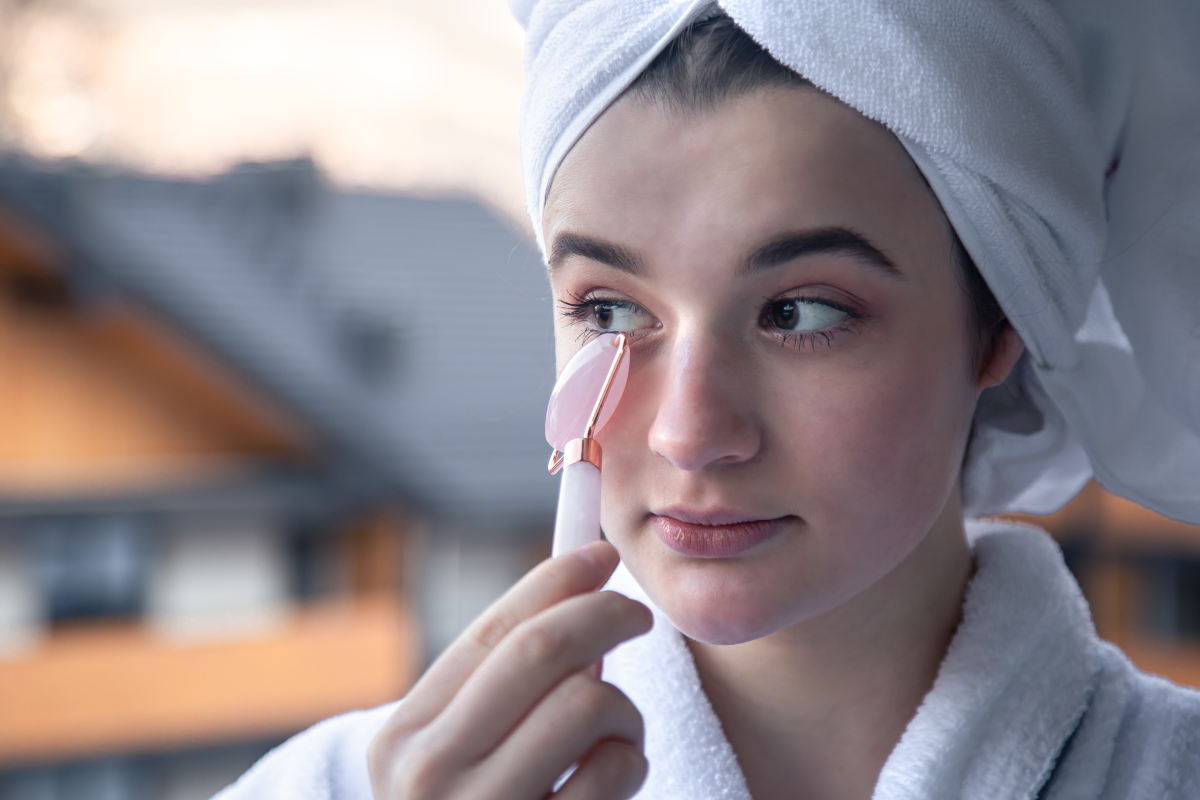 Poor circulation under the eyes can make wrinkles more visible by causing puffiness and fluid retention. Gentle massage encourages lymphatic drainage, reduces swelling, and improves blood flow to the area. When circulation improves, the skin appears smoother and more even in texture.
 Green tea contains powerful antioxidants that shield under eye skin. These antioxidants help reduce inflammation and support collagen preservation, which is essential for maintaining smooth skin texture. Using cooled green tea bags or cotton pads soaked in brewed green tea under the eyes for 10 minutes helps calm the skin and improve circulation. With consistent use, green tea compresses can soften fine lines, reduce dullness, and promote a healthier looking under eye area.
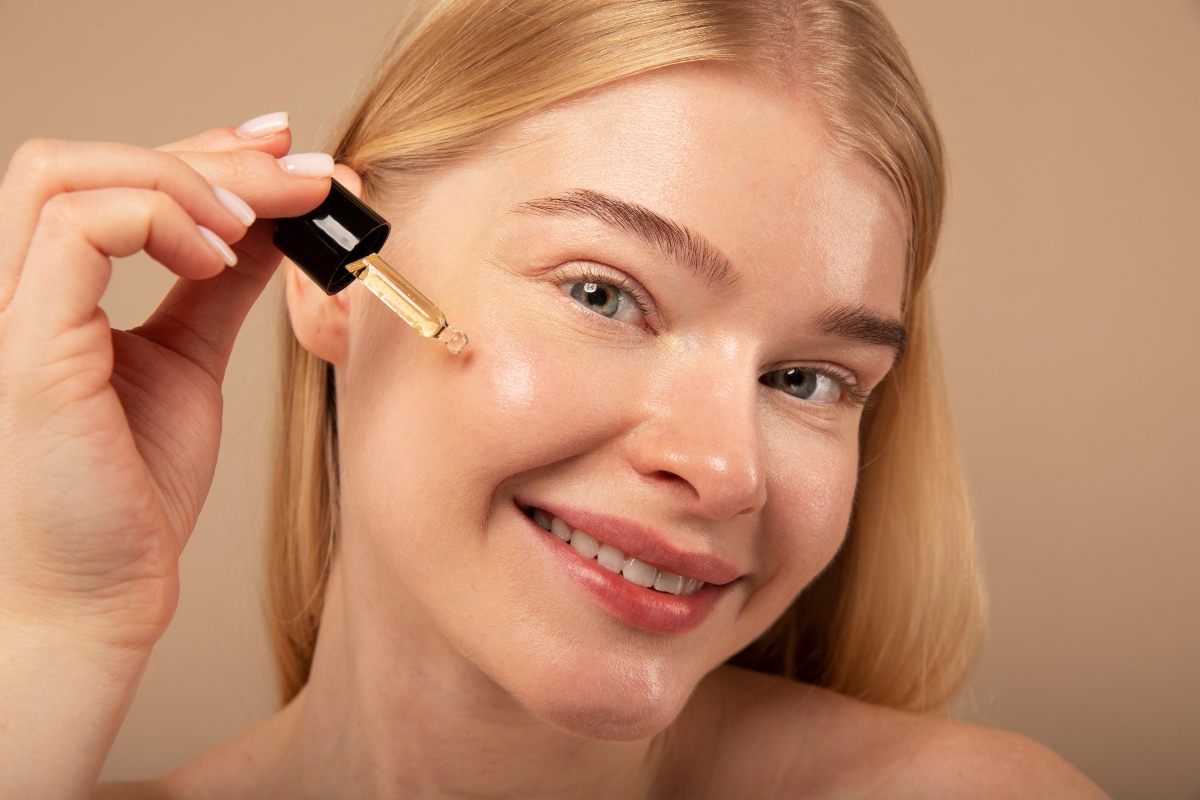 It works by supporting gentle exfoliation at a cellular level and encouraging healthy skin turnover. This process helps fresh, newer skin cells move to the surface more efficiently, replacing the dull, uneven layer that builds up over time. With consistent use, skin appears clearer, smoother, and naturally reflective, creating radiance that comes from skin health, not temporary glow enhancers. This ability to work under the surface is what genuinely distinguishes brightening serums from products that offer only short lived brightness.
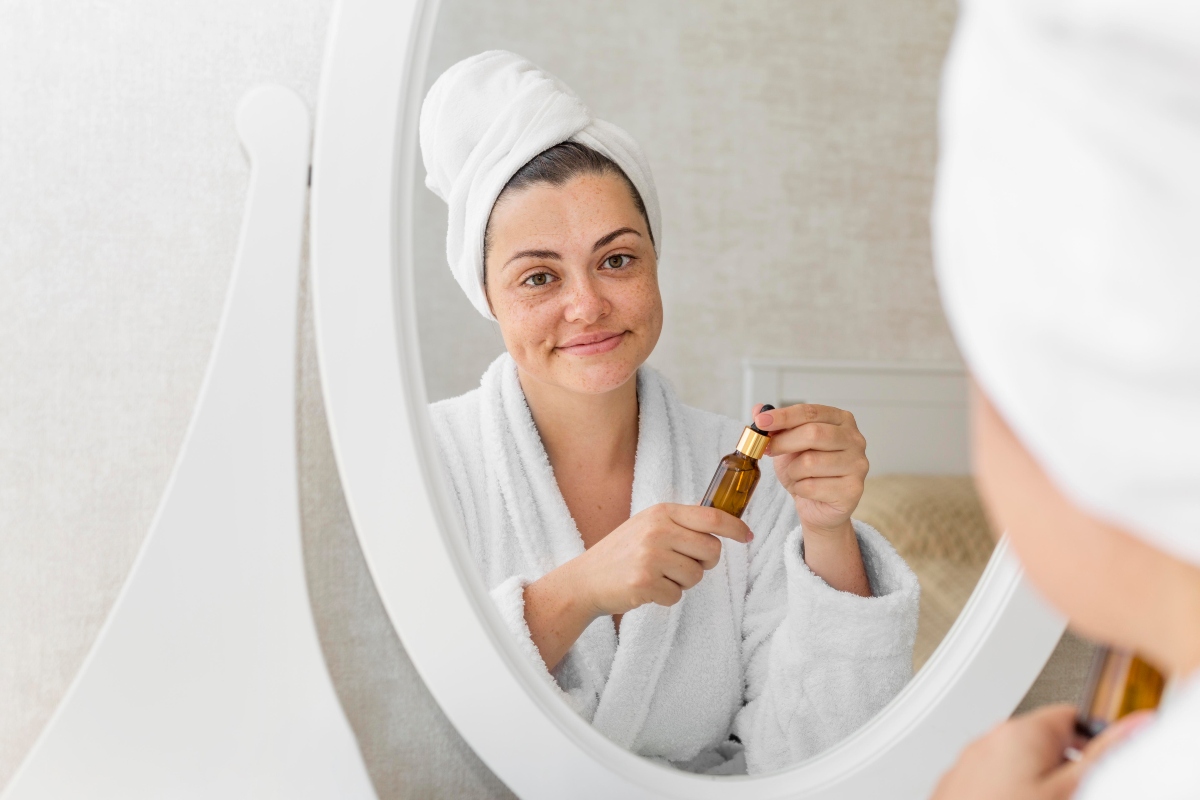 It plays a central role in any effective skincare routine. Applied after cleansing and before moisturizing, it acts as a treatment foundation that prepares the skin to receive subsequent products. Because serums are lightweight and highly concentrated, they penetrate efficiently, delivering active ingredients where they can have the most impact.
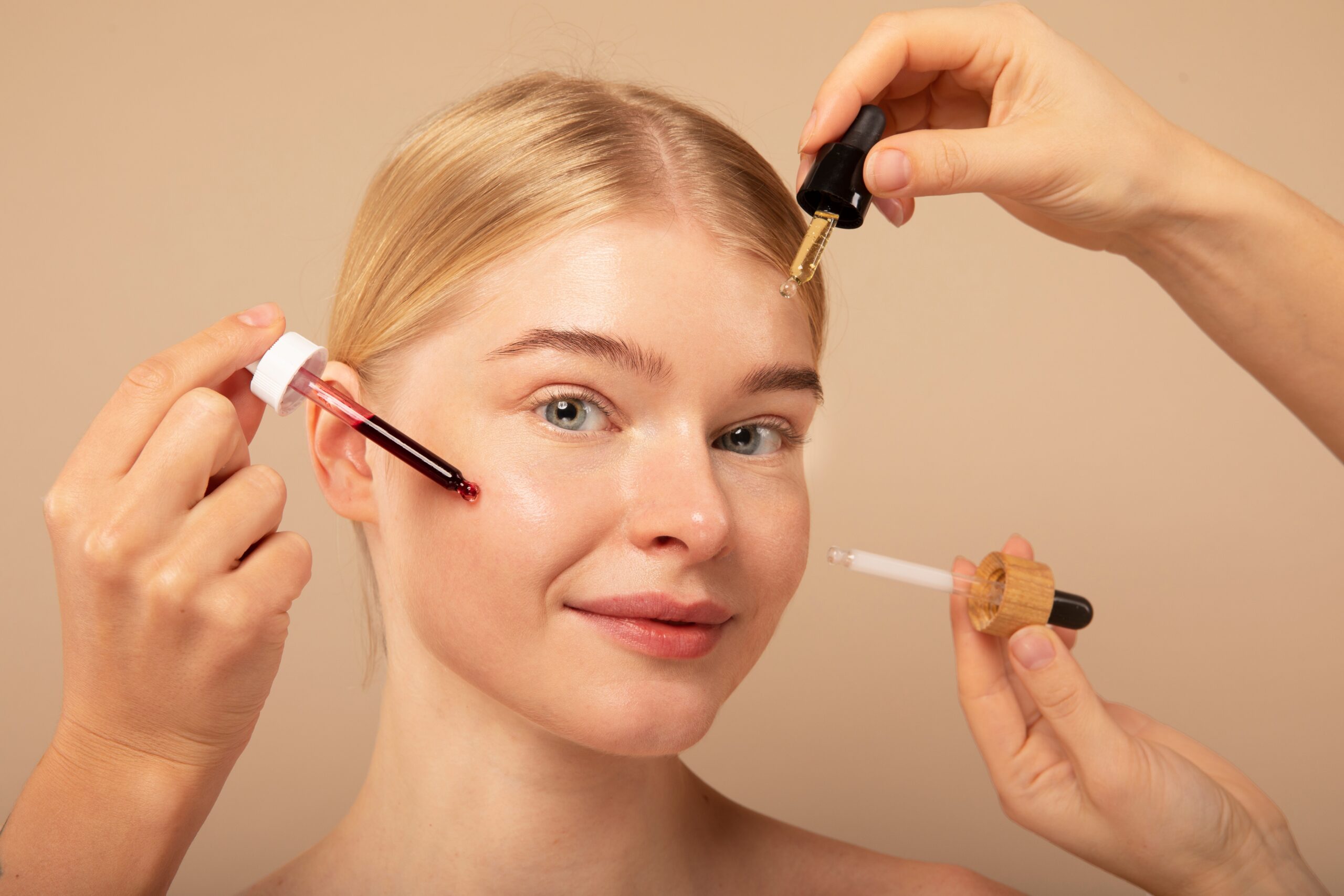 When selecting a serum, consider your particular issues (e.g., dark spots, uneven tone, or dryness), skin type, and routine compatibility. Some serums are gentle and hydrating, while others are more potent and ideal for multi step regimens. Regardless of your choice, pairing a serum with sunscreen is essential to protect results and prevent new pigmentation from forming.
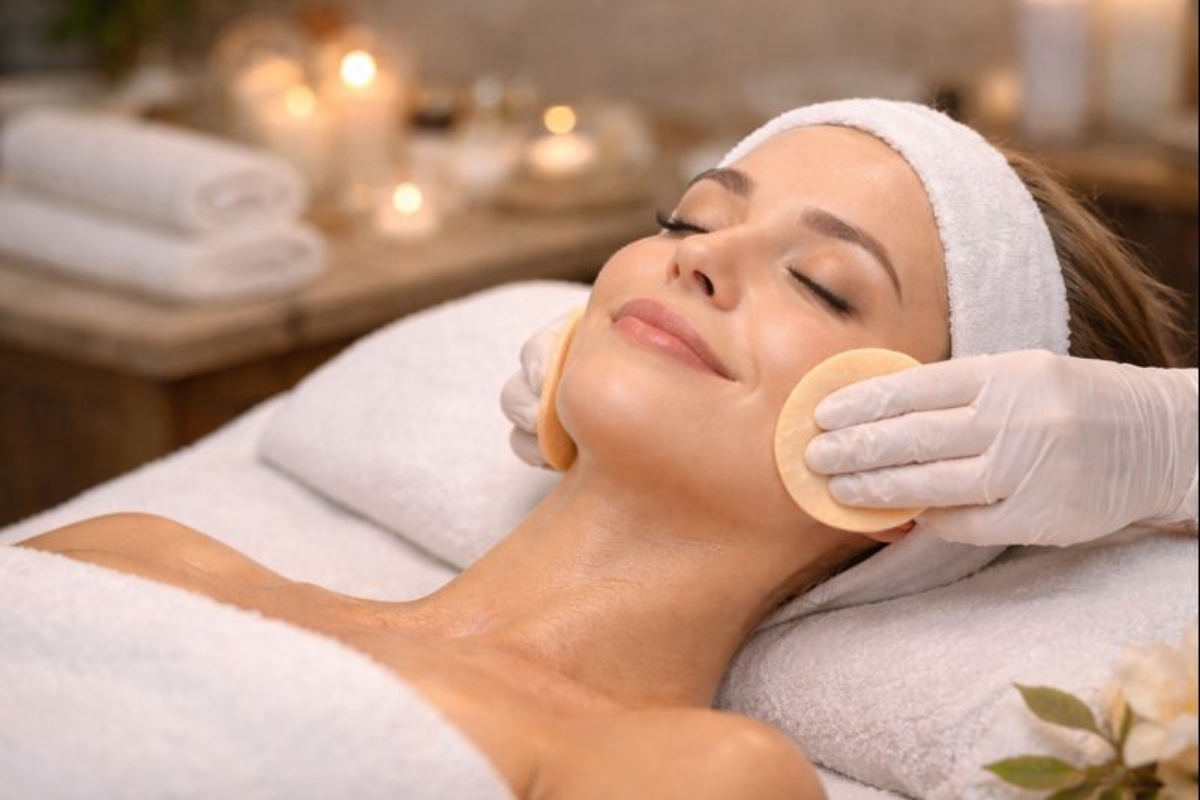 Understanding what is a facial
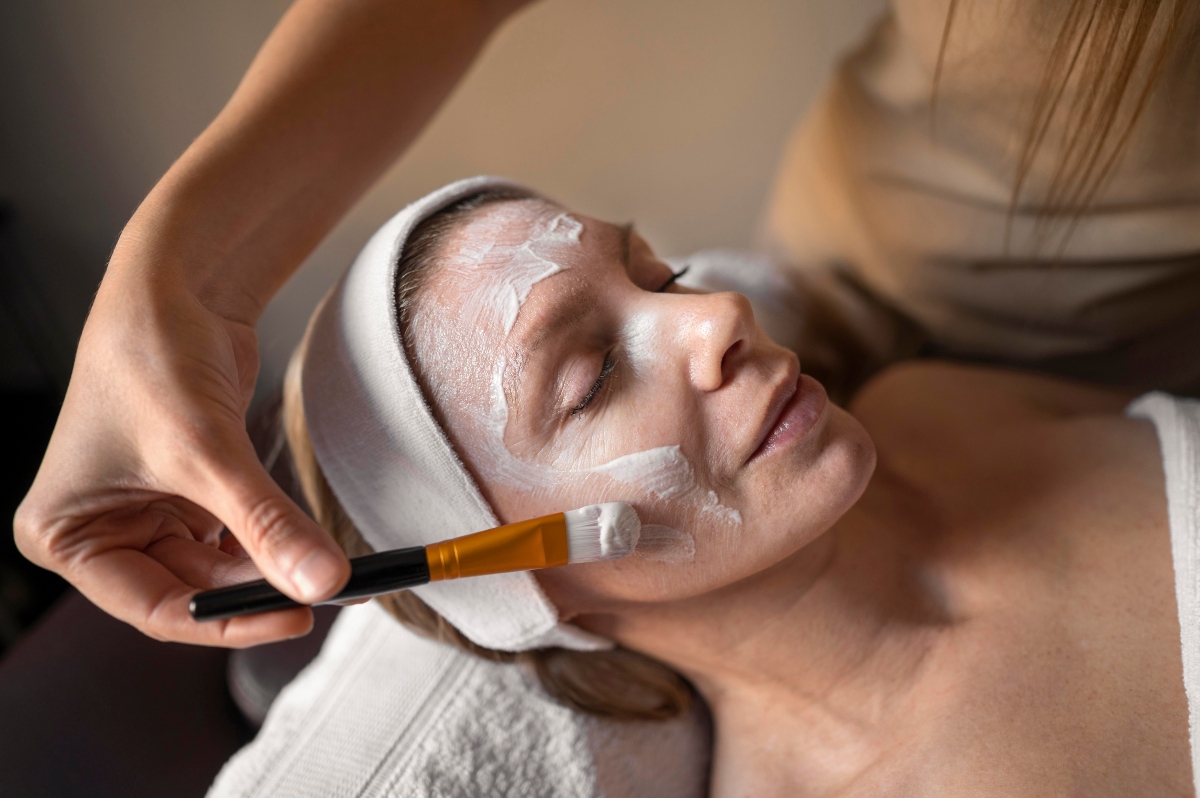 Brightening facials are ideal for dull, uneven, or tired looking skin. They focus on removing surface buildup and delivering ingredients that promote clarity and luminosity. By improving exfoliation and hydration, this facial helps skin reflect light more evenly, resulting in a refreshed, radiant complexion. It’s often recommended before special occasions or as part of a routine to maintain an even skin tone.
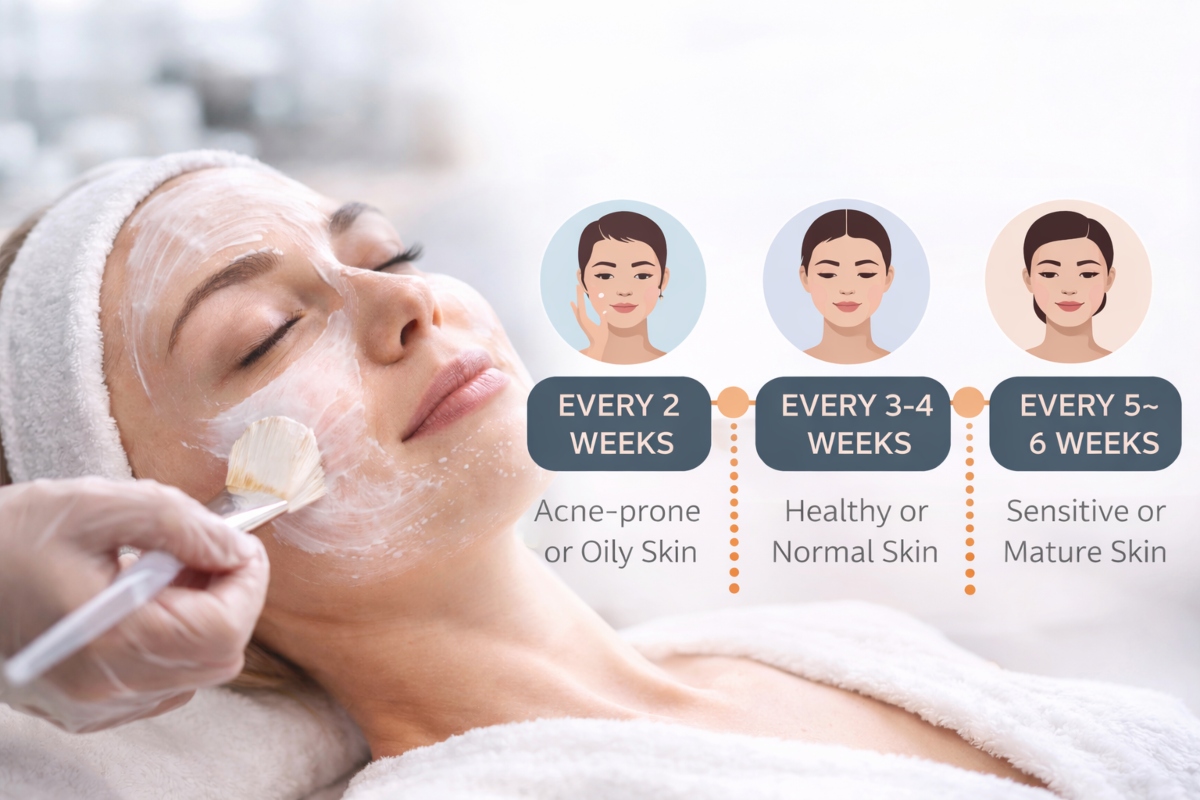 Most skincare professionals recommend scheduling a facial every four to six weeks. This timing aligns with the skin’s natural renewal process, allowing each treatment to support and enhance the progress made by the previous one. When facials are properly spaced, the skin has sufficient time to recover, regenerate, and respond to active ingredients without becoming overstressed. For oily or acne prone skin, slightly more frequent facials can help keep pores clear, manage excess oil, and reduce buildup that leads to breakouts. In contrast, dry, sensitive, or
 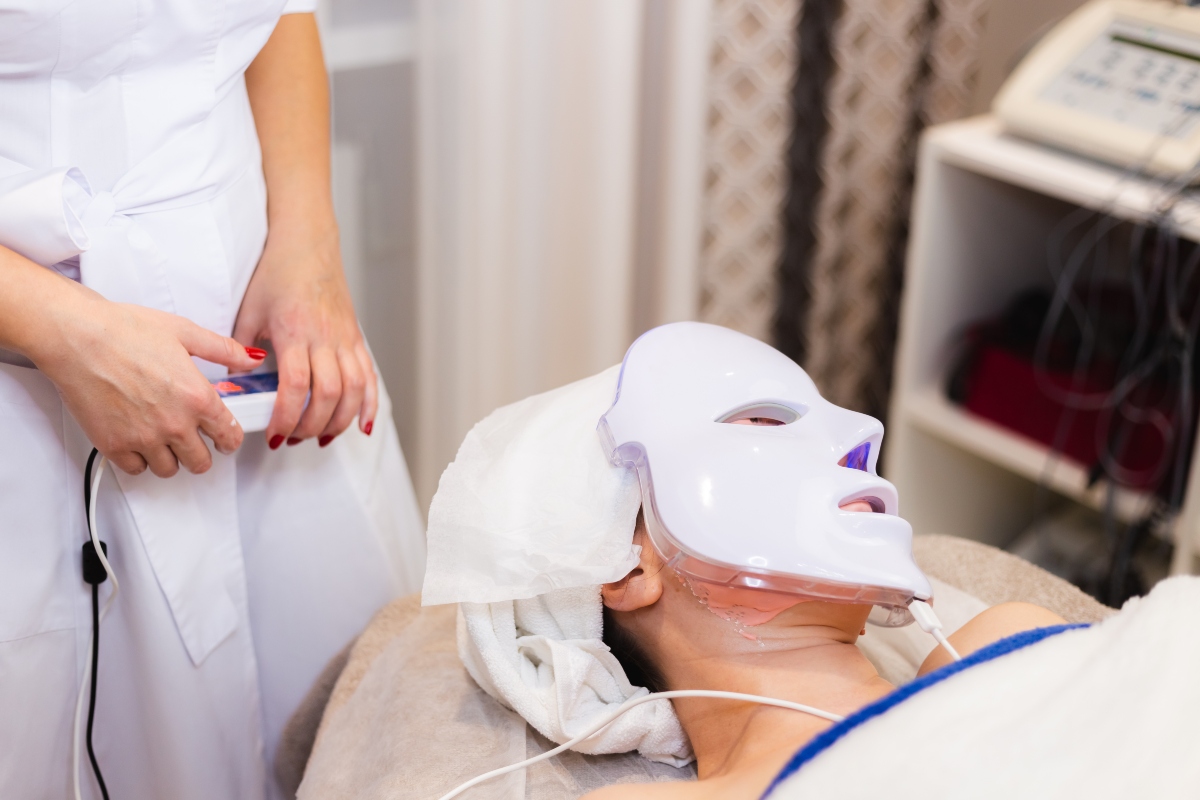 Professional facials operate on a completely different level. These treatments use advanced formulations, specialised tools, and expert techniques that are not suitable for unsupervised home use. Estheticians are trained to assess skin conditions accurately and adjust treatments in real time, ensuring both safety and effectiveness.
  Using the appropriate technique is crucial to avoid harming the skin. Apply the body scrub with light to medium pressure
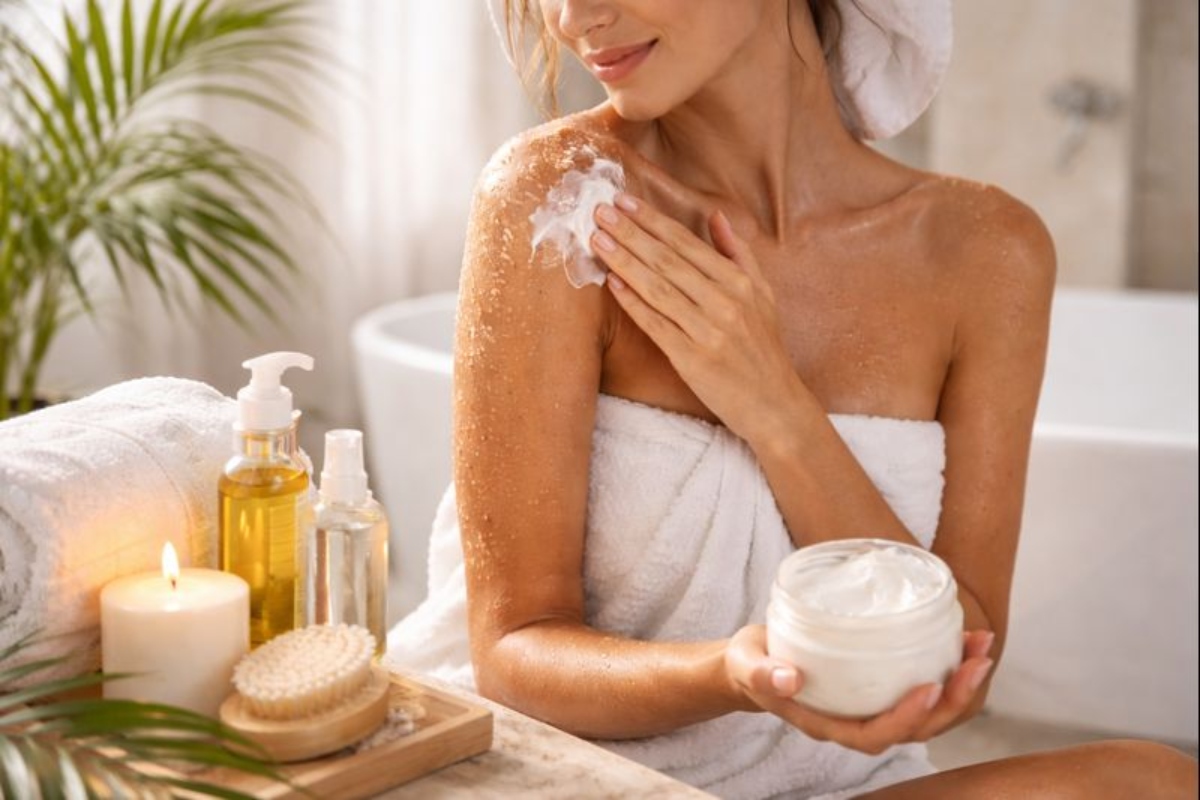 After using a body scrub, your skin is highly receptive to hydration. Wash entirely with lukewarm water to clear all scrub particles, and gently pat your skin dry, avoiding rubbing, which can irritate newly exfoliated skin. Directly apply a moisturizer or body oil
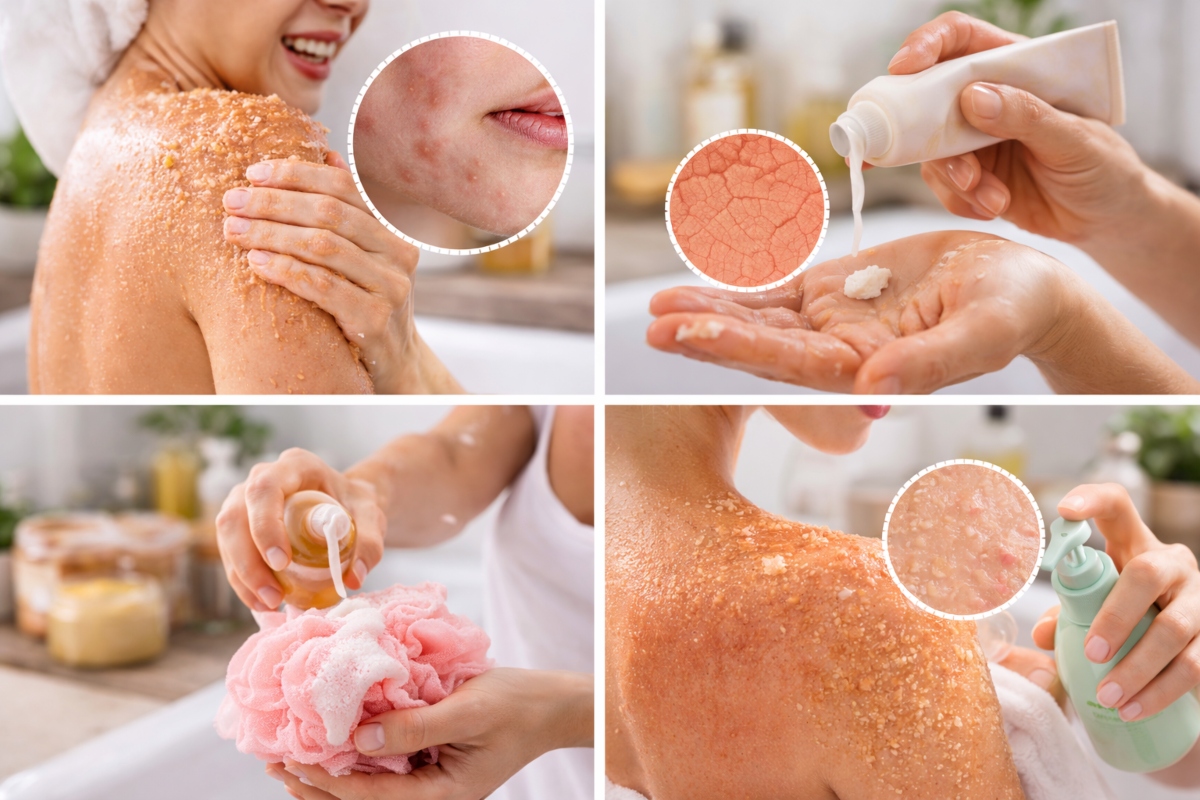 Using a body scrub can improve skin texture and smoothness, but incorrect use often causes irritation rather than benefits. One of the most common mistakes is scrubbing the skin daily. Over exfoliation strips away natural oils and weakens the skin barrier, which may trigger dryness, sensitivity, and inflammation, factors that can worsen breakouts, including
 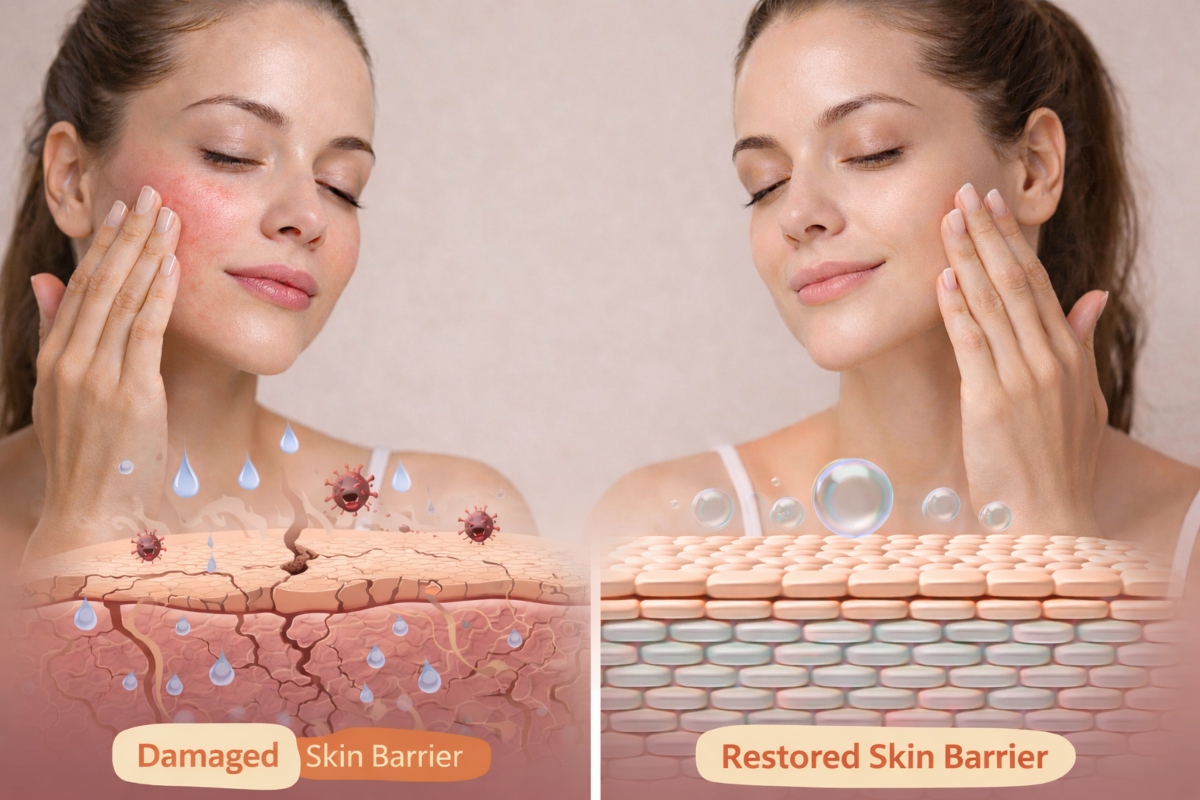 A healthy skin barrier is the basis of calm, balanced skin, especially for those struggling with redness. When this barrier is weakened, moisture escapes easily, and irritants penetrate more deeply, triggering ongoing redness and sensitivity. This is why skin often feels tight, reactive, or uncomfortable even without visible breakouts. Focusing on barrier repair allows the skin to protect itself more effectively and reduces the constant inflammatory response that keeps redness visible.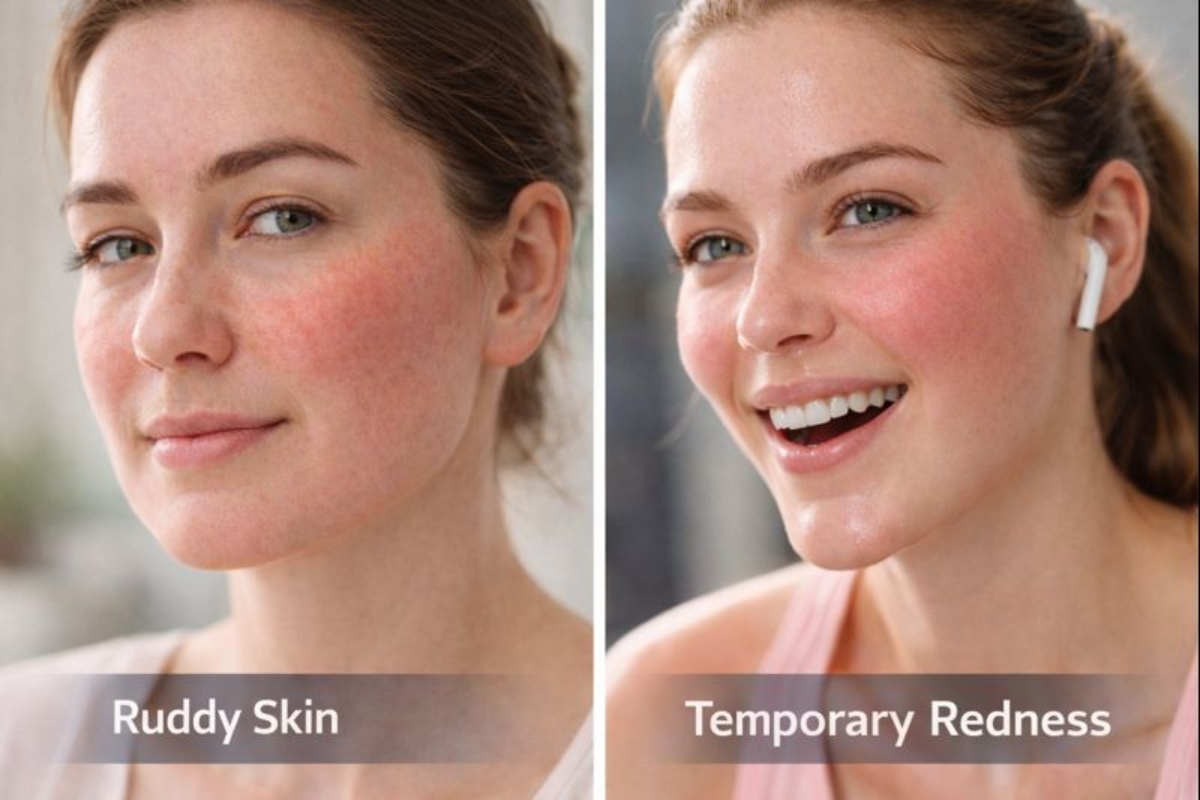
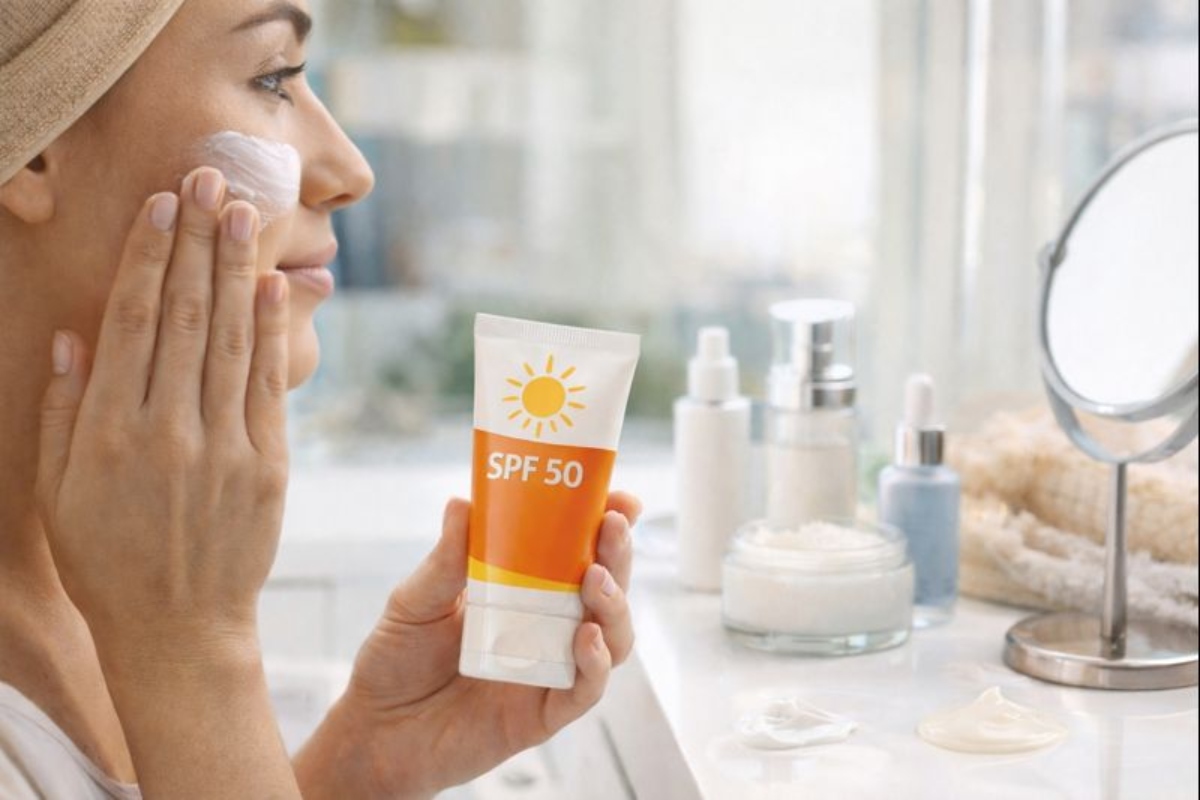 The question
  Correctly layering moisturizer and sunscreen plays a critical role in maintaining long term skin health. When sunscreen is applied as the final step, it forms a stable protective barrier that helps preserve collagen levels, which are essential for keeping the skin firm and resilient. This consistent protection also supports a more even skin tone and can help reduce flare ups such as
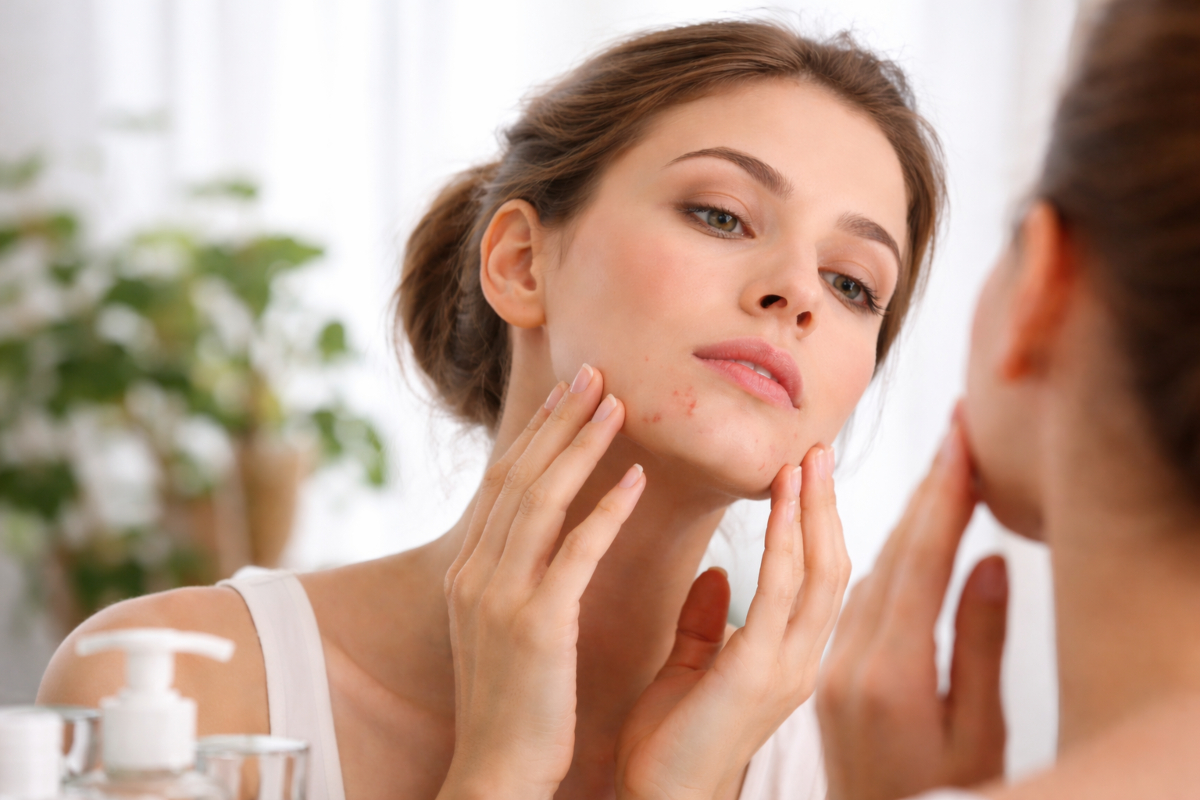 Hormonal fluctuations are one of the most common triggers of acne around the mouth and chin. Androgen hormones stimulate oil production, increasing the likelihood of clogged pores.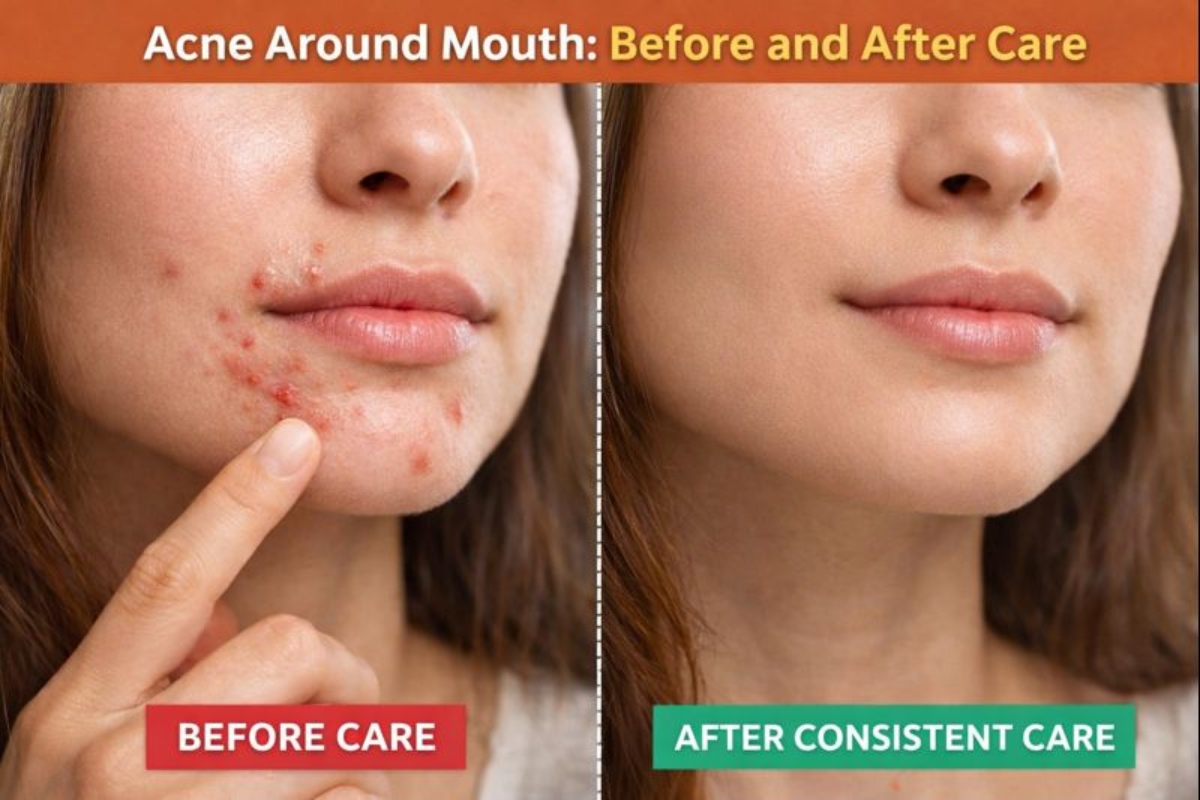
 Daily exposure to environmental stressors slowly smashes down the ability of skin to maintain brightness. Antioxidants play an important role in slowing this process by balancing damage before it becomes visible in the texture.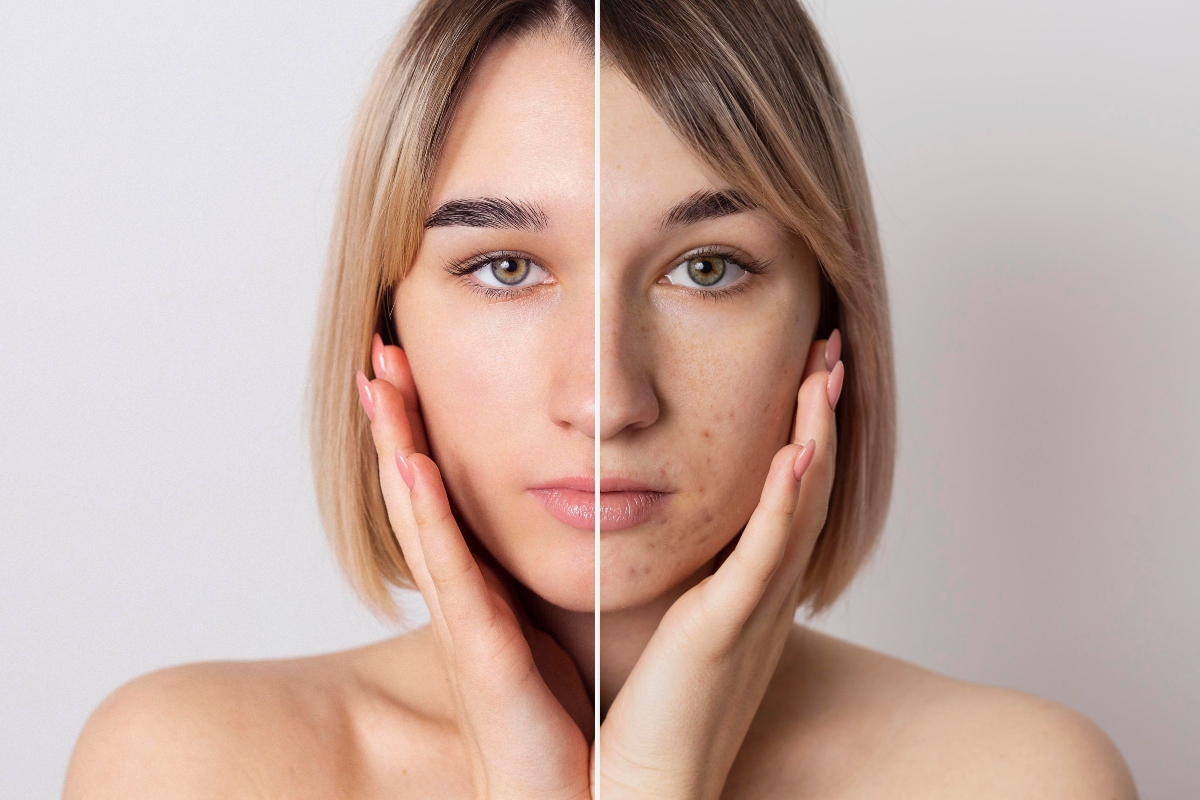


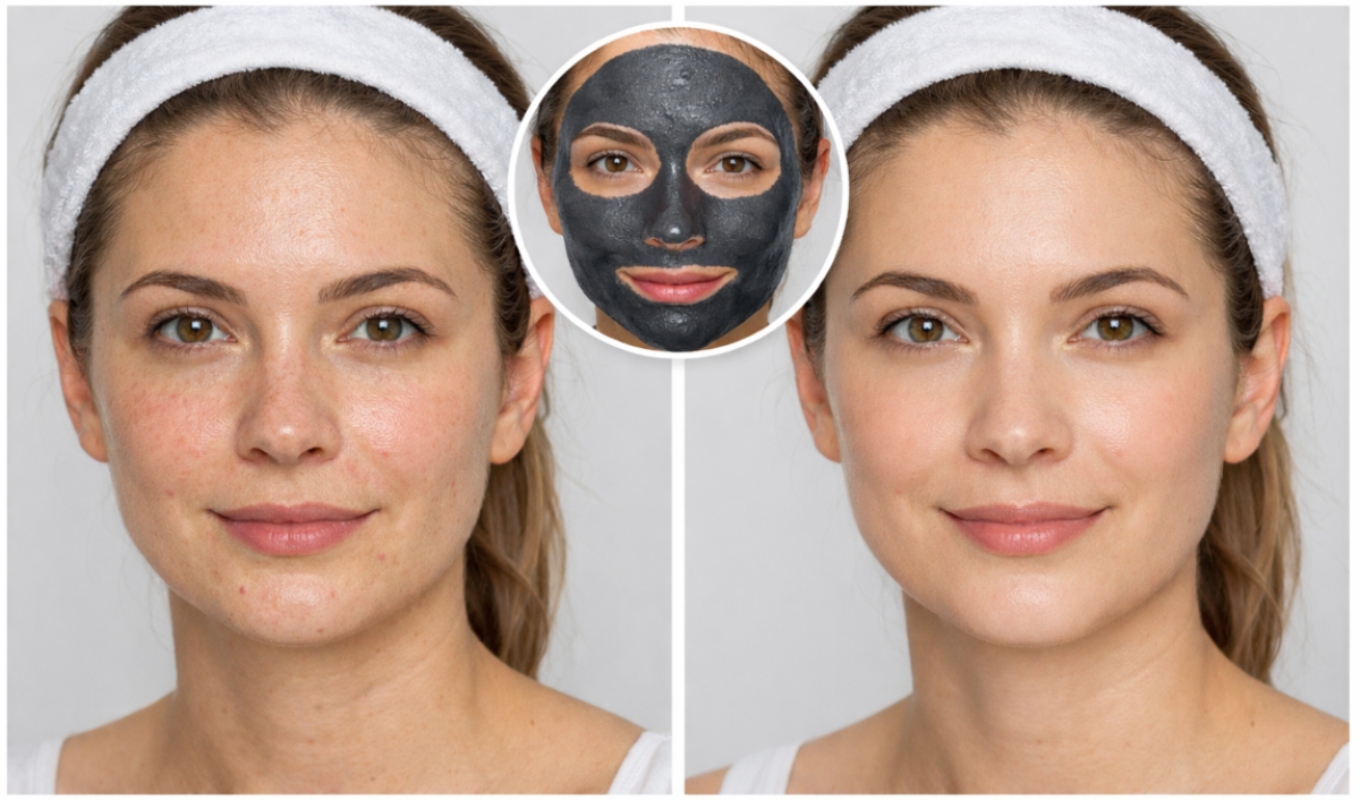 A mask offers more than just a temporary clean feeling. Its deep cleansing action helps remove impurities that build up throughout the day, including excess oil and residue that regular cleansers may not entirely eliminate. Over time, this can reduce the frequency of clogged pores and breakouts.
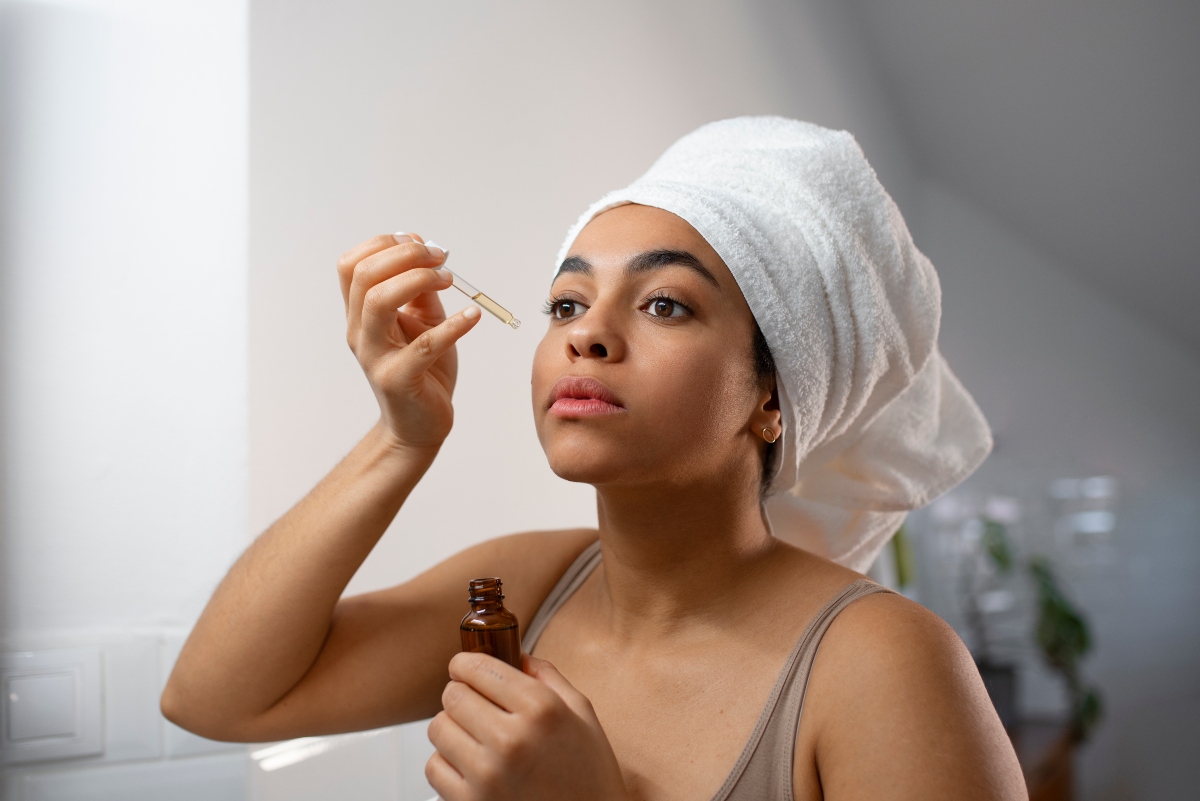 One of the key advantages of a