Have you ever noticed persistent redness in your cheeks, nose, or chin that does not quite fade, no matter how carefully you treat your skin? That flushed, uneven appearance is often described as ruddy skin, and it is one of the most misunderstood skin concerns. Unlike temporary redness from exercise or cold weather, ruddy skin tends to linger. It can make the complexion look irritated, overheated, or uneven, even when the skin feels otherwise healthy. Many people respond by trying aggressive treatments, but that often makes the problem worse.
The good news is this skin usually improves when the skin is treated gently, consistently, and with a focus on long term balance rather than quick fixes. In this guide, we will explore what causes skin redness, why it behaves the way it does, and six natural, skin respecting ways to calm redness and restore a more even tone, without overwhelming your skin. It refers to persistent facial redness caused by factors such as weakened skin barrier, inflammation, broken capillaries, or environmental triggers. It often appears on the cheeks and nose and improves with gentle skincare, barrier repair, sun protection, and lifestyle adjustments rather than harsh treatments.
What Is Ruddy Skin, and How Is It Different From Temporary Redness?
It is not a single condition but a visible skin state that reflects how the skin is responding beneath the surface. It is generally characterized by a flushed or reddish tone that remains present even when the skin feels calm and untouched. This redness may appear in patches or across broader areas and often becomes more noticeable with temperature changes, emotional stress, skincare misuse, or flare ups of Acne Around Mouth, where repeated inflammation can intensify surrounding redness.
Unlike temporary redness that fades quickly, this type tends to persist because the skin barrier or underlying blood vessels are compromised. When the protective layer is weakened, irritants and environmental stressors trigger inflammation more easily, making redness harder to calm. Skin redness is often confused with rosacea or general sensitivity, but it does not always meet the criteria of a medical condition. However, when left unmanaged, ongoing irritation, especially around breakout prone areas, can gradually progress into chronic inflammation and uneven tone over time.
Common Causes Behind Such Skin Condition
Understanding what fuels skin redness is essential before trying to correct it. Most cases are linked to a combination of internal and external stressors rather than a single trigger.A damaged or overworked skin barrier is one of the most frequent causes. Over exfoliation, potent actives, or harsh cleansers can thin the Barrier, allowing redness to show through more easily. Environmental exposure, especially sun, wind, and extreme temperatures, can also dilate blood vessels, making redness more visible.Lifestyle factors play a role as well. Stress, poor sleep, dehydration, alcohol consumption, and spicy foods may all contribute to flushing by increasing circulation and inflammation in already reactive skin.
6 Ways to Heal Ruddy Skin
1. Restore the Skin Barrier Before Chasing Fast Outcomes
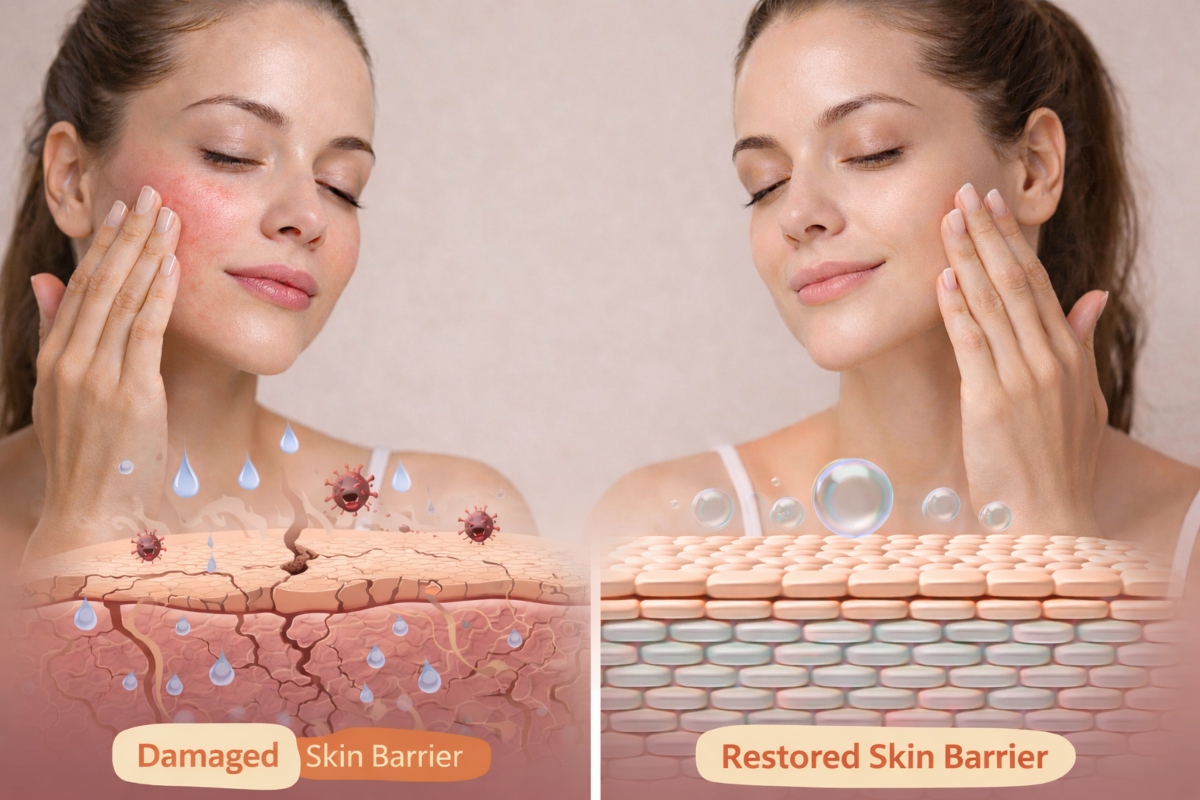
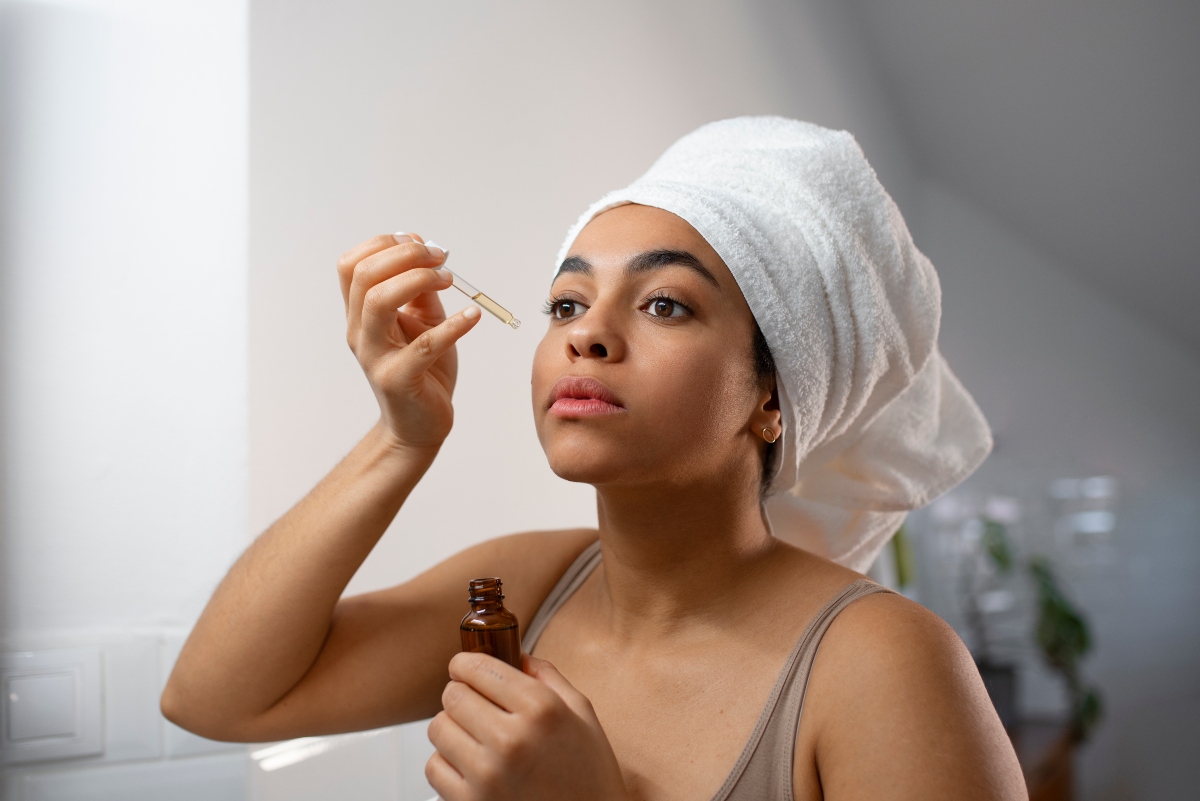
A healthy skin barrier is the basis of calm, balanced skin, especially for those struggling with redness. When this barrier is weakened, moisture escapes easily, and irritants penetrate more deeply, triggering ongoing redness and sensitivity. This is why skin often feels tight, reactive, or uncomfortable even without visible breakouts. Focusing on barrier repair allows the skin to protect itself more effectively and reduces the constant inflammatory response that keeps redness visible.
Rather than chasing quick results with potent activities or corrective treatments, prioritising barrier supporting care leads to more sustainable improvement. Ingredients that reinforce the skin natural defences help improve moisture retention, enhance tolerance, and gradually reduce flushing. As the barrier becomes stronger, the skin appears more even toned and less reactive, making this step one of the most impactful ways to soften skin redness over time naturally.
2. Cleanse Without Triggering Inflammation
Cleansing is a daily habit that can either support healing or quietly worsen skin conditions when mishandled. Many traditional cleansers rely on strong foaming agents that strip away the skin protective oils, leaving it vulnerable and reactive. When this barrier is disrupted, redness becomes more visible as blood vessels respond more easily to irritation, especially in areas where ruddy tones naturally appear. Just as understanding Sunscreen or Moisturizer First helps protect the skin barrier during the day, choosing the right cleansing approach is essential for keeping inflammation under control.
Gentle cleansing respects the skin natural balance while still removing impurities, sunscreen residue, and environmental buildup. A mild, low lather cleanser used with lukewarm water helps prevent unnecessary stimulation of blood flow that can worsen flushing. When cleansing stays soft, consistent, and non aggressive, the skin gradually becomes less reactive, creating a calmer foundation that allows redness to ease rather than intensify as the day goes on.
3. Calm Redness With Targeted, Low Irritation Care
Skin benefits far more from calming and supportive care than from aggressive treatments aimed at rapid transformation. Harsh exfoliants, strong acids, or high concentrations of actives often increase inflammation, prolonging redness instead of resolving it. The goal should be to reduce irritation and help the skin regulate its inflammatory response rather than forcing visible change too quickly.
Carefully formulated products designed to soothe redness can support healthier circulation and improve overall skin comfort. In some routines, a low strength vitamin C serum may be helpful when paired with calming ingredients, as it supports skin vitality without overstimulation. This balanced approach allows the skin to improve gradually, resulting in a more even appearance and reduced sensitivity over time.
4. Protect Against Environmental Triggers Daily
Environmental direction plays an important role in the persistence of redness on skin, even when it is not immediately apparent. Sun exposure weakens capillary walls beneath the skin’s surface, making redness more noticeable and more problematic to fade. Daily UV exposure, even in small amounts, contributes to cumulative damage that intensifies ruddy tones over time.
Consistent sun protection is essential for preventing redness from becoming deeper or more permanent. While mineral sunscreens are often better tolerated by sensitive skin, the most important factor is regular use and proper application. In addition to sun protection, shielding the skin from wind, cold air, and pollution helps minimize daily triggers that can cause flushing and irritation, supporting long term skin stability.
5. Avoid Over Exfoliation and Product Overload
One of the most common mistakes people make when treating this skin condition is trying to do too much at once. Frequent exfoliation or layering multiple active ingredients can overwhelm the skin, disrupting its barrier and increasing inflammation. This constant stimulation often leads to worsening redness rather than improvement, creating a cycle that is difficult to break.
Skin responds best to simplicity and restraint. Occasional, very gentle exfoliation may help refine texture, but it should never be the focus of the routine. Reducing product overload allows the skin time to stabilise, recover, and rebuild its natural defences. In many cases, using fewer products leads to calmer skin and more noticeable improvements in redness.
6. Support Skin Health From the Inside Out
The appearance of redness is closely linked to what is happening inside the body. Poor hydration, chronic stress, irregular sleep, and dietary triggers can all influence circulation and inflammatory responses, making redness more pronounced. When internal balance is disrupted, even the best skincare products may struggle to deliver results.
Supporting overall wellness plays a decisive role in calming skin naturally. Staying well hydrated helps regulate blood flow, while constant sleep allows the skin to fix itself overnight. Managing stress, limiting alcohol intake, and maintaining steady daily routines can reduce flushing triggers and improve how the skin responds to topical care. Over time, these internal adjustments often enhance skin clarity and comfort from the inside out.
Ruddy Skin vs Temporary Redness
Feature
Ruddy Skin
Temporary Redness
Duration
Persistent
Short lived
Triggers
Barrier damage, inflammation
Exercise, heat
Skin Sensitivity
Often reactive
Usually normal
Improvement
Gradual with care
Fades naturally
Treatment Focus
Barrier repair
No treatment needed
When to Seek Professional Help
Ruddy Skinoften improves with gentle care, there are situations where professional guidance is essential.
Consider seeing a dermatologist if:
Redness worsens over time instead of improving.
Burning, stinging, or swelling accompanies redness.
Flushing becomes painful or persistent.
Redness spreads beyond the face.
Over the counter care no longer helps.
Early evaluation can prevent long term skin damage and rule out conditions that require medical treatment.
Conclusion:
Ruddy skin does not respond well to harsh correction, it responds to understanding and patience. When the focus shifts to repairing the skin barrier, following gentle routines, protecting against environmental stressors, and supporting internal balance, redness often begins to soften naturally. This approach also helps prevent ruddy tones from turning into dull skin, which can happen when irritation disrupts healthy circulation and renewal.
The most lasting results come from respecting the skin limits rather than pushing them with aggressive treatments. When skincare works in harmony with the skin’s natural processes instead of fighting them, calmness returns, clarity improves, and the complexion gradually looks healthier, more even, and more resilient over time.
Frequently Asked Questions
1. Can ruddy skin go away completely?
Yes, in many cases, it improves significantly with consistent barrier repair, gentle skincare, and trigger management.
2. Is it the same as rosacea?
Not always. It can exist without rosacea, though the two may overlap in some people.
3. Does the weather affect this skin condition?
Yes. Cold, heat, wind, and sun exposure commonly worsen redness in reactive skin.
4. Should I exfoliate if I have such a skin condition?
Exfoliation should be minimal and gentle. Overdoing it often worsens redness.
5. How long does it take to see improvement?
Visible improvement usually occurs gradually over several weeks with consistent, gentle care.
If you have ever stood in front of your mirror wondering whether to use sunscreen or moisturizer first, you are not alone. This question continues to perplex beginners and seasoned skincare users alike, yet it plays a crucial role in determining the true effectiveness of your routine. The order in which products are applied directly affects hydration, sun protection, and the performance of active ingredients.
When products are layered incorrectly, sunscreen coverage can become uneven, hydration may feel insufficient, and the skin barrier can weaken over time. Understanding the correct order is not about following trends, it is about working with how skincare formulations are designed to function. Once this foundation is clear, the entire routine becomes more effective and easier to maintain.
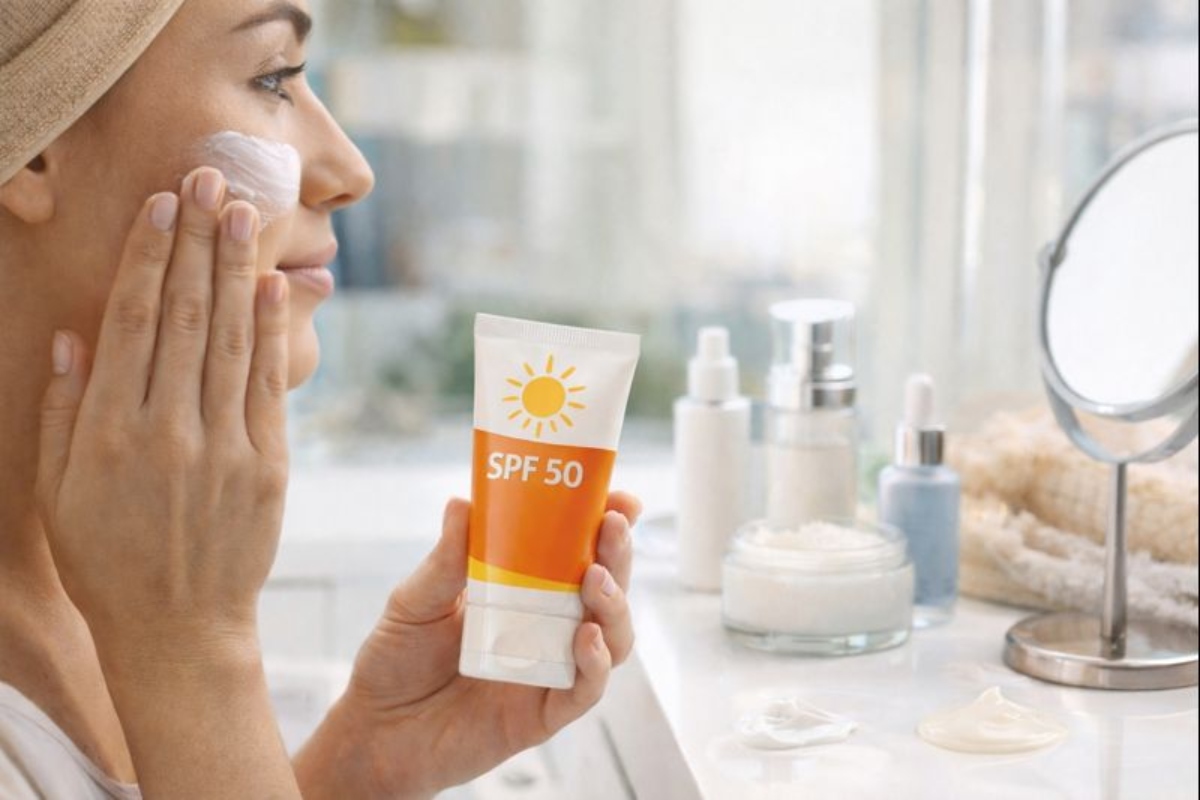
Moisturizer should be applied before sunscreen in a daytime skincare routine. Moisturizer hydrates the skin and supports barrier health, while sunscreen is designed to sit on top of the skin and form a protective layer against UV damage. Applying sunscreen last ensures consistent coverage and reliable sun protection throughout the day.
Why Layering Order Matters in Skincare
Every skincare product serves a specific function, and the order of application directly affects how well each one works. Moisturizers are designed to absorb into the skin, strengthen the protective barrier, and improve concerns like dull skin, while sunscreens are formulated to stay on the surface to block or absorb harmful ultraviolet rays.
When sunscreen is applied too early or disrupted by other products, its protective layer can become uneven or weakened. Likewise, applying moisturizer over sunscreen can break this layer and reduce overall effectiveness. Proper layering ensures hydration reaches the skin where it is needed and sun protection remains intact, resulting in healthier skin over time and more consistent, visible results.
8 Skincare Secrets of Applying Sunscreen or Moisturizer First
Secret #1: Moisturizer Creates the Right Base for Sun Protection
Moisturizer plays a far more critical role than simply preventing dryness. Hydrated skin is smoother, more flexible, and better able to hold sunscreen evenly across the surface. When skin lacks moisture, sunscreen may cling to dry areas, settle unevenly, or feel uncomfortable throughout the day.
Applying moisturizer first helps soften the skin and reduce flakiness, allowing sunscreen to glide on smoothly and stay in place. This step is crucial for those exposed to air conditioning, heating, or dry environments, where dehydration can quietly compromise both comfort and protection.
Secret #2: Sunscreen Works Best as the Final Skincare Step
The question sunscreen or moisturizer first matters because sunscreen is fundamentally different from other skincare products. Unlike treatments that absorb into the skin, sunscreen works by creating a protective shield on the surface. Whether mineral or chemical, it needs to create a smooth, continuous layer to effectively defend the skin against harmful UV radiation.
Applying additional skincare products after sunscreen can disturb this protective film, creating gaps that reduce coverage and weaken protection. That is why dermatologists consistently advise applying sunscreen as the final step in a daytime routine, after cleansing, treatments, and moisturizing. Once sunscreen is in place, it should remain undisturbed until makeup is applied, allowing its barrier to stay intact and fully effective throughout the day.
Secret #3: Sunscreen Type Changes Texture, Not Application Order
The difference between chemical and mineral sunscreen affects how the product feels on the skin, but it does not change the order in which it should be applied. Chemical sunscreens tend to feel lighter and absorb more quickly, while mineral sunscreens sit on the surface and may feel thicker or more visible.
Despite these differences, both types require a moisturized base and should always be applied last. Adjusting your moisturizer texture can help improve how sunscreen wears, but the sequence itself should remain consistent.
Secret #4: A Logical Morning Routine Improves Results
A well structured morning routine ensures that each product can perform its role without interference. Cleansing removes residue and oil, Vitamin C Serum addresses specific skin concerns while providing antioxidant support, moisturizer supports hydration, and sunscreen provides essential protection.
When this order is followed consistently, products absorb more effectively and the skin responds better over time. Skipping steps or changing the order often leads to irritation, reduced protection, or products failing to deliver visible benefits.
Although many foundations and tinted products contain SPF, they are not reliable substitutes for sunscreen. Most people apply far less makeup than needed to reach the labelled SPF level, resulting in insufficient UV protection.
Sunscreen must always be applied as a separate step before makeup. Makeup enhances appearance, while sunscreen protects skin health. Treating them as interchangeable often leads to long term damage that becomes visible years later.
Secret #6: Skin Type Affects Formula Choice, Not Layering Order
Different skin types require different product textures, but the layering sequence remains the same. Lightweight moisturizers work well for oily or acne prone skin, while richer creams better support dry or compromised skin barriers.Regardless of skin type, moisturizer should always come before sunscreen. Choosing the right formulas ensures comfort and consistency, while maintaining the correct order ensures effectiveness.
Secret #7: Allowing Time Between Layers Makes a Difference
Rushing through skincare can lead to pilling, uneven application, and reduced performance. Allowing moisturizer to absorb for about a minute before applying sunscreen helps prevent product mixing and improves how sunscreen adheres to the skin.This short pause supports even coverage and helps sunscreen form a stable protective layer. Minor adjustments like this often lead to noticeably better results without adding complexity to the routine.
Secret #8: Daily Consistency Matters More Than Perfection
Even the most carefully layered routine is ineffective if it is not followed consistently. Daily sunscreen use is far more critical than finding the “perfect” product or technique. UV exposure accumulates gradually, meaning small daily habits have a significant long term impact.A simple routine practised every day protects the skin more effectively than an elaborate routine followed occasionally. Consistency is what ultimately preserves skin health and appearance.
Sunscreen or Moisturizer First
Step
Purpose
Why It Matters
Moisturizer
Hydration & barrier support
Creates smooth base for sunscreen
Sunscreen
UV protection
Forms protective film against sun damage
Makeup
Cosmetic coverage
Enhances appearance without replacing SPF
Practical Tips for Using Sunscreen or Moisturizer Correctly
Using sunscreen or moisturizer correctly isn’t just about the order, it’s about timing, quantity, and technique. Even high quality products can underperform if they’re misapplied or rushed through in a daily routine.
Begin with freshly cleansed skin that’s free from leftover makeup, oil, or cleanser residue. Clean skin allows moisturizer to absorb more effectively and prevents sunscreen from sliding or separating. If your skin feels tight after cleansing, apply moisturiser while it’s still slightly damp. This helps trap water in the skin, supports barrier repair, and improves long term hydration rather than just surface softness.
When applying moisturizer, focus on even distribution across the face, neck, and jawline. These areas are often exposed equally to environmental stress but are commonly neglected. Use gentle, upward motions and allow at least 30–60 seconds for absorption. Rushing this step can cause sunscreen to mix unevenly with moisturizer, reducing both hydration and protection.
Sunscreen should always be applied generously and intentionally. Most adults need approximately two fingers length of product for the face and neck combined. Applying too little dramatically reduces SPF effectiveness, even if the label claims high protection. Instead of aggressively rubbing, gently spread and press the sunscreen into the skin to form a uniform protective layer.
Pay extra attention to high risk zones such as the hairline, sides of the nose, lips, chin, and ears. These areas are often missed but are highly prone to sun damage. Allow sunscreen to set for at least one to two minutes before applying makeup to prevent pilling and maintain even coverage.
Common Mistakes That Reduce Sun Protection
Many people unintentionally reduce the effectiveness of their sunscreen through everyday habits that seem harmless. One of the most common issues is applying too little product. Sunscreen needs to be used in a generous amount to form an even protective layer, and using less than recommended leaves parts of the skin exposed without obvious signs.Incorrect layering is another frequent problem. Applying sunscreen before moisturiser or mixing sunscreen directly into moisturiser can dilute its protective strength and prevent it from forming a consistent shield. While combining products may feel convenient, it often results in uneven coverage and reduced SPF performance.
Another overlooked mistake is failing to reapply sunscreen during extended sun exposure. Even when sunscreen is applied correctly in the morning, it gradually breaks down due to sweat, oil, and environmental exposure. Without timely reapplication, protection weakens significantly, increasing the risk of sun damage throughout the day.Addressing these habits and applying sunscreen intentionally helps ensure consistent coverage and reliable protection over time.
Long Term Impact of Correct Layering
Correctly layering moisturizer and sunscreen plays a critical role in maintaining long term skin health. When sunscreen is applied as the final step, it forms a stable protective barrier that helps preserve collagen levels, which are essential for keeping the skin firm and resilient. This consistent protection also supports a more even skin tone and can help reduce flare ups such asAcne Around Mouth, which may worsen with irritation and sun-induced sensitivity.
UV damage does not occur all at once; it builds gradually through small, daily exposures. Incorrect layering can weaken sunscreen performance just enough to allow this damage to accumulate, even when a routine appears consistent. Over time, this may lead to premature fine lines, uneven texture, and increased sensitivity.By following the correct order each day, the skin is better equipped to defend itself and recover naturally. This proactive approach promotes smoother, healthier-looking skin and reduces the need for corrective treatments.
Conclusion:
The question sunscreen or moisturizer first has a clear, science based answer. Moisturizer nourishes and prepares the skin, while sunscreen seals in protection as the final step. When layered correctly and used consistently, this simple routine protects your skin daily and helps maintain its health and appearance for years to come.
Frequently Asked Questions (FAQs)
1. Should I apply sunscreen or moisturizer first in the morning?
Moisturizer first, sunscreen last.
2. Can I skip moisturizer if my sunscreen feels hydrating?
Some sunscreens hydrate, but a separate moisturizer often provides better barrier support.
3. Does sunscreen go before or after serum?
Serums come before moisturizer, sunscreen is always last.
4. Can I reapply sunscreen over moisturizer during the day?
Yes, using sunscreen sprays or powders designed for reapplication.
5. Is sunscreen necessary indoors?
Yes, UVA rays penetrate glass and contribute to aging.
Have you noticed persistent breakouts appearing around your lips, chin, or jawline, even when the rest of your face looks clear? This pattern is far more common than many people realize and often points to deeper triggers rather than simple surface level skin issues.
Acne around mouth is influenced by hormonal changes, daily habits, product irritation, and repeated skin contact, making it one of the most misunderstood yet common adult acne patterns. Because this area is constantly exposed to movement, moisture, and external substances, it reacts differently compared to other parts of the face.
In this guide, we uncover six powerful truths behind recurring mouth area breakouts, explain what is happening beneath the skin, and share practical, skin safe ways to manage and prevent them without overwhelming your routine. Understanding basic skincare principles, includingwhat is a facial and how treatments support barrier health, can also help prevent irritation in sensitive areas like the mouth.
What Causes Acne Around the Mouth?
Acne around the mouth typically develops due to a combination of hormonal fluctuations, skin barrier disruption, repeated friction, oral product irritation, and bacterial transfer. Because this area experiences constant movement and exposure, even mild triggers can lead to persistent inflammation when not properly addressed.
Unlike breakouts on the forehead or cheeks, mouth area acne often reflects both internal changes and external habits, making targeted care essential.
What Is Acne and Why Is the Mouth Area Different?
Acne forms when pores become clogged with excess oil, dead skin cells, and bacteria, directing to inflammation. While this process can occur anywhere on the face, the area around the mouth behaves differently due to constant motion, friction, moisture, and frequent exposure to irritants.
Everyday actions such as talking, eating, shaving, wearing masks, or resting hands near the mouth create repeated friction. This area is also frequently exposed to toothpaste residue, lip products, food particles, and saliva, all of which can weaken the skin barrier and contribute to irritation, redness, anddull skin.
Because of these ongoing triggers, acne around the mouth often responds better to gentle, targeted care rather than harsh treatments that may worsen sensitivity.
Acne Around Mouth vs Perioral Dermatitis
Breakouts around the mouth are sometimes mistaken for acne when they may actually be perioral dermatitis, a condition characterized by clusters of small red bumps, irritation, and dryness around the mouth.
According to the American Academy of Dermatology, perioral dermatitis often worsens with heavy creams or topical steroids. If bumps persist despite gentle acne care, professional evaluation is recommended.
6 Powerful Truths About Acne Around Mouth
Truth #1: Hormones Play a Bigger Role Than You Think
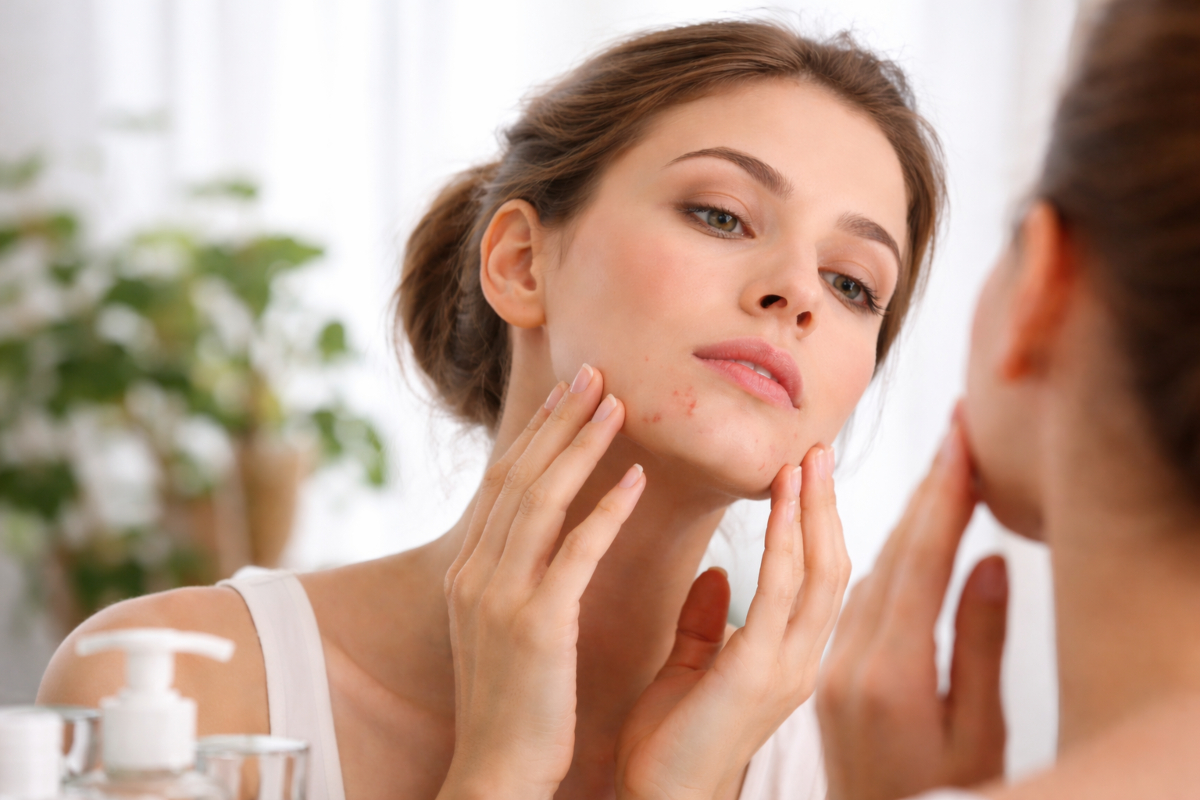
Hormonal fluctuations are one of the most common triggers of acne around the mouth and chin. Androgen hormones stimulate oil production, increasing the likelihood of clogged pores.
Flare ups are often noticed:
Around menstrual cycles
During prolonged stress
After starting or stopping hormonal birth control
These breakouts tend to be deeper, slower to heal, and more persistent, requiring patience and barrier focused care rather than aggressive spot treatments.
Truth #2: Daily Habits Can Trigger Acne Without You Realising
Small, repetitive habits often contribute silently to mouth area breakouts. Touching the face, resting the chin on hands, or holding a phone close to the mouth transfers bacteria and oil onto sensitive skin.
Mask use can also worsen breakouts due to friction and trapped moisture along the lower face. In many cases, acne around mouth improves once friction and product residue are reduced, without adding stronger treatments.
Truth #3: Oral and Lip Products Can Disrupt Skin Balance
Toothpaste, lip balms, and mouthwash can significantly impact skin health around the mouth. Ingredients such as fluoride, strong mint oils, artificial flavors, and heavy waxes may irritate the surrounding skin or clog pores.
When breakouts repeatedly appear near the lips, reassessing oral care habits and understandingsunscreen or moisturizer first in a routine can help minimize irritation and improve overall skin balance.
Truth #4: Over Treating Makes Acne Around Mouth Worse
Because the mouth area is sensitive, aggressive treatments often do more harm than good. Over exfoliating or layering multiple active ingredients weakens the skin barrier.
When the barrier is compromised:
Inflammation increases
Healing slows
Breakouts appear more frequently
Focusing on hydration and repair, including the use of a gentlebrightening serum to support skin recovery, often delivers better long term results.
Truth #5: Diet and Internal Health Affect This Area More Than Others
The mouth and chin area often reflect internal balance more visibly than other facial zones. Diets high in sugar, dairy, or heavily processed foods may increase inflammation in some individuals.
Hydration also plays a vital role. Supporting internal balance can reduce redness and irritation often associated with conditions likeruddy skin and recurring mouth area breakouts.
Truth #6: Long Term Skin Health Requires Consistency, Not Quick Fixes
There is no overnight solution for recurring mouth area acne. The most effective approach emphasizes gentle care, consistency, and identifying personal triggers.
Once inflammation is reduced and the skin barrier is supported, the skin becomes more resilient and less reactive to daily stressors.
Acne Around Mouth: Before and After Consistent Care
Skin Condition
Before Care
After Consistent Care
Inflammation
Frequent redness
Calmer skin tone
Breakouts
Recurrent flare ups
Fewer new pimples
Healing Time
Slow recovery
Faster resolution
Texture
Uneven and irritated
Smoother surface
Skin Comfort
Sensitive and reactive
Balanced and resilient
How to Care for Skin Prone to Mouth Area Breakouts
1. Cleanse gently without stripping the skin
Use a mild, low irritation cleanser twice daily to remove residue while preserving the skin barrier.
2. Be consistent rather than aggressive
Frequent product switching or over cleansing can worsen irritation. Gentle consistency allows the skin to regulate itself naturally.
3. Moisturise daily to protect the skin barrier
Even acne prone skin needs hydration. A lightweight, non comedogenic moisturiser reduces redness and supports healing.
4. Use treatments with restraint
Learninghow to use body scrub correctly helps prevent over exfoliation in sensitive areas.
5. Protect the area with daily sunscreen
Sun exposure increases inflammation and slows healing. A gentle, non greasy sunscreen helps prevent post acne marks.
6. Keep the routine simple
Using fewer, well chosen products allows the skin to recover more efficiently.
When to See a Doctor
If acne around mouth becomes persistent, painful, or cystic, professional guidance is recommended. According toHealthline’s dermatology review, persistent mouth area breakouts may require medical evaluation to rule out hormonal imbalance or perioral dermatitis.
Medical Disclaimer
This content is for informational purposes only and does not replace professional medical advice. For ongoing or severe skin concerns, consult a qualified dermatologist.
Conclusion
Acne around mouth is more than a surface level concern. It reflects how the skin responds to internal changes, daily habits, and repeated exposure. With gentle care, barrier support, and consistency, clearer skin becomes achievable without harsh treatments.
Written by:
Skincare Research & Beauty Content Specialist
Focused on evidence based skincare education, skin barrier health, and long term skin wellness through gentle, science backed routines.
When your skin looks tired even when you are not?There are days when your skin does not reflect how well you are taking care of it. You are cleansing, moisturising, and maybe even applying serums, yet the mirror shows a complexion that looks flat, uneven, or lifeless. This is the reality of dull skin, and it is one of the most searched skincare concerns in the United States.
Dullness is not solely about age, and it is not always a sign of neglect. In many cases, it is the result of slow skin renewal, dehydration beneath the surface, environmental stress, or routines that do not fully support the skin barrier. The encouraging part is that skin responds well to the right changes. When care is consistent and intentional, visible improvement often happens faster than expected.
This guide breaks down seven powerful, realistic fixes that help revive skin without harsh treatments or unrealistic promises. Each fix targets a specific cause of dullness, creating a routine that works with your skin, not against it.
What exactly is dull skin?
It refers to a lack of natural brightness and smooth light reflection. Instead of appearing fresh and even, the complexion may look greyish, uneven, or tired. This happens when the surface of the skin becomes rough or dehydrated, preventing light from bouncing back evenly. It is important to note that the skin is not the same as dry skin. You can have oily or mixed skin and still experience dullness. The issue is usually related to surface buildup, dehydration, and a weakened barrier rather than oil production alone.
Why does skin lose its glow over time?
Skin dullness is rarely caused by one single factor. Most people experience it due to a combination of changes that happen gradually. As cell turnover slows, dead skin cells stay on the surface longer than they should. This forms a rough texture and blocks radiance. At the same time, dehydration declines the skin natural plumpness, making fine lines and uneven tone more visible. Daily exposure to sunlight, pollution, and indoor climate control weakens the skin barrier, allowing moisture to escape and irritation to build.
Over cleansing or bold exfoliation can make the problem worse by denying protective oils and disrupting the barrier. Lifestyle habits such as irregular sleep, stress, and low water intake also affect how fast skin can repair itself.Understanding these reasons makes it clear why skin needs a balanced, layered approach rather than a single quick fix.
7 Powerful Fixes to Revive Dull Skin
1. Rebuild hydration where it matters most
Restoring glow begins with useful hydration, but true hydration is more than applying a rich cream and hoping for the best. Skin needs water at deeper levels before it can remember light evenly. When dehydrated, the surface seems tight, rough, and flat, even if oil is present.
A layered hydration approach works best. Lightweight hydrating formulas applied first help refill moisture within the skin, while a moisturiser on top seals that hydration in and stops water loss. When done consistently, this method enhances skin elasticity, softness, and natural luminosity. It is especially effective for people exposed to air conditioning, indoor heating, or long hours in dry environments where moisture loss happens quickly.
2. Clear away dead skin without stressing the barrier
One of the most common reasons skin loses its glow is the accumulation of dead skin cells on the surface. These cells scatter light unevenly, making the complexion appear rough and tired. They also prevent active ingredients from penetrating properly, reducing the effectiveness of even the best skincare products.
Instead of forceful scrubs that can damage the skin barrier, gentle exfoliation actually works more over time. Mild exfoliating acids or enzyme based formulas help reduce dead cells gradually, allowing them to shed naturally. When used correctly, exfoliation smooths texture, improves tone clarity, and exposes fresher looking skin without causing irritation or sensitivity.
3. Defend brightness with antioxidant care
Daily exposure to environmental stressors slowly smashes down the ability of skin to maintain brightness. Antioxidants play an important role in slowing this process by balancing damage before it becomes visible in the texture.
A vitamin C serum is generally used in brightening practices because it supports collagen, improves the appearance of uneven tone, and enhances overall radiance. Applied in the morning and pursued by sunscreen, it helps defend skin throughout the day while encouraging a clearer, more energised look over time. USA based options such as SkinCeuticals C E Ferulic and TULA Brightening Treatment Drops are often selected for their role in keeping consistent tone and supporting long term skin vitality.
4. Detox congestion when skin feels heavy
Dullness is not always caused by dryness. In many cases, it develops when pores become blocked with oil, sunscreen residue, pollution particles, and dead skin. This buildup can leave the complexion looking muted, uneven, and heavy.
An occasional charcoal face mask can help when skin is linked to congestion rather than dehydration. Charcoal works by drawing impurities from the surface, assisting pores to appear clearer and the skin to feel lighter. When used in moderation and followed with soothing hydration, it can noticeably improve texture and brightness. Products like Biore Charcoal Instant Warming Clay Mask and Dermalogica Charcoal Rescue Masque are commonly used in U.S. routines for this purpose.
5. Strengthen the skin barrier for lasting results
No glow routine works long term without a healthy skin barrier. The barrier is responsible for locking in moisture and protecting against irritants that cause inflammation and uneven tone. When it is compromised, skin loses hydration quickly and becomes more prone to sensitivity and dullness.
Supporting the barrier allows skin to recover faster and hold onto hydration more effectively. As barrier strength improves, the complexion looks calmer, smoother, and more uniform. This also allows brightening and exfoliating products to work more efficiently, reducing the chances of recurring dullness.
6. Encourage circulation for a healthier tone
Healthy circulation plays a direct role in how skin looks. When blood flow is sluggish, the complexion can take on a grey or tired appearance due to reduced oxygen and nutrient delivery.
Simple daily practices can help stimulate circulation naturally. Facial massage during cleansing or moisturiser application encourages blood flow and supports a healthier tone. Regular movement, adequate sleep, and stress management also contribute to better circulation, helping skin maintain a naturally refreshed appearance without relying solely on topical products.
7. Support glow from the inside out
External skincare works best when internal health is also supported. Dehydration, poor sleep, and chronic stress slow skin renewal and interfere with its ability to maintain brightness.
Drinking enough water, eating balanced meals, and allowing the body proper rest give skin the resources it needs to repair itself efficiently. When internal stress is reduced, skin often appears more transparent and more radiant with less effort. This internal balance helps preserve visible results and prevents dullness from returning once improvements are achieved.
Dull Skin Before and After Care
Skin Condition
Before Routine
After Consistent Care
Hydration
Tight or flat appearance
Plump, refreshed look
Texture
Rough, uneven
Smoother surface
Tone
Gray or tired
Brighter, more even
Pores
Congested
Cleaner appearance
Overall Glow
Dull complexion
Healthy radiance
Products Commonly Used to Target Dull Skin
For readers in the United States, skincare routines often focus on products that are both effective and easy to repurchase from trusted retailers. When addressing uneven tone and lack of radiance, many people gravitate toward formulas that combine proven ingredients with gentle, consistent results rather than harsh, quick fixes.
SkinCeuticals C E Ferulic is widely recognised in glow focused routines for its ability to support brightness while improving overall skin resilience. It is commonly used in the morning to help enhance the formation of uneven tone and support a healthier looking complexion over time. Many users incorporate it as a long term treatment rather than a short term solution, which aligns well with routines designed to restore radiance gradually.
TULA Brightening Treatment Drops are often chosen by those looking for a lightweight option that layers easily with moisturisers or makeup. These drops are typically used to add instant luminosity while supporting long term clarity. Their appeal lies in being versatile working well for busy routines where products need to multitask without feeling heavy on the skin.
La Roche Posay Mela B3 Serum is frequently used by individuals dealing with uneven tone and areas of discoloration that contribute to a tired appearance. It fits easily into both morning and evening routines and is often paired with sunscreen during the day to help maintain visible results. Many U.S. users prefer this type of serum for its balance between performance and skin comfort.
For deeper cleansing and removal of buildup, masks containing charcoal remain popular. Biore Charcoal Instant Warming Clay Mask is commonly used as a weekly treatment to help clear surface impurities that can make skin appear flat or congested. Its warming sensation is often associated with a more refreshed look immediately after use, making it a go to option before special occasions.
Dermalogica Charcoal Rescue Masque is typically used as a more targeted treatment, especially for skin that feels congested or stressed by environmental exposure. It is often applied once or twice a week to support clarity and smoother texture, which can help restore a more even, healthy appearance over time.
Together, these products reflect what many U.S. consumers look for when addressing dullness accessibility, consistency, and formulas that support gradual improvement rather than temporary brightness. When combined with good hydration, gentle exfoliation, and daily sun protection, they fit naturally into glow focused routines designed for long term skin health.
Conclusion
Dull skin does not need aggressive treatments or overly complicated routines. What it truly benefits from is thoughtful care that restores hydration, supports natural renewal, shields against daily stress, and strengthens the skin barrier. Incorporating a vitamin C serum into your regimen can enhance brightness, even tone, and protect the skin from environmental damage. When skincare works with your skin natural processes instead of overwhelming them, radiance gradually returns and lasts.
Frequently Asked Questions (FAQs)
1. What causes skin to lose its natural glow?
Skin often loses its glow due to a combination of slow cell turnover, dehydration, environmental exposure, and a weakened skin barrier. When dead cells build up and moisture levels drop, the surface becomes uneven, preventing light from reflecting properly and making the complexion look tired.
2. How long does it take to see improvement once a routine is fixed?
Visible improvement usually appears within two to four weeks of consistent care. Hydration and gentle exfoliation tend to show results first, while tone and texture improvements develop gradually as the skin barrier strengthens and renewal cycles normalise.
3. Can oily or acne-prone skin still look dull?
Yes, excess oil does not guarantee radiance. Oily or acne prone skin can still appear flat when pores are congested or hydration is lacking. Balancing oil, clearing buildup, and supporting moisture levels are key to restoring brightness.
4. Is exfoliation essential for improving dull skin?
Exfoliation plays a crucial role because it clears dead surface cells that clog radiance. However, it should be gentle and limited to a few times per week. Over-exfoliating can damage the barrier and make dullness worse instead of better.
5. Can lifestyle habits really affect dull skin?
Absolutely. Poor sleep, dehydration, stress, and an unbalanced diet all slow skin repair and renewal. When internal health improves, the skin often responds with better tone, smoother texture, and a more vibrant appearance, even without changing products.
Can a Face Mask Really Clear Your Skin? If clogged pores, excess oil, or recurring breakouts keep coming back despite regular cleansing, it’s natural to wonder whether a charcoal face mask can genuinely improve your skin or if it is just another skincare trend. Many people turn to charcoal masks after noticing that traditional cleansers alone aren’t enough to keep pores clear.
Charcoal face masks are widely utilized because they target one of the most common causes of breakouts and dull skin, pore congestion. Instead of working only on the surface, these masks are invented to draw impurities out of the pores, helping the skin feel cleaner and look clearer over time. When used correctly, they can become a reliable part of a balanced skincare routine.
In this guide, we will explore five powerful mask results for clear skin. You will also learn how activated charcoal works, how to use it safely, when it may not be suitable, and how to support your results with daily skincare essentials like a vitamin C serum. It can help improve skin clarity when used consistently and in moderation. They work by absorbing excess oil, removing buildup from pores, and reducing congestion that leads to breakouts. Many users notice smoother, clearer skin within a few weeks when charcoal masks are used once or twice per week.
What Is Activated Charcoal and Why Is It Utilized in Skincare?
Activated charcoal is a refined form of carbon that has been processed to make a porous structure. This structure allows it to bind to oil, dirt, and impurities, making it especially useful in skincare products designed for deep cleansing.Unlike physical scrubs that rely on friction, activated charcoal works by attracting impurities from within the pores. This makes it a popular choice for people with oily or combination skin, as well as those who experience frequent congestion from makeup, sunscreen, or environmental exposure.
Advantages of Using a Charcoal Face Mask
A mask offers more than just a temporary clean feeling. Its deep cleansing action helps remove impurities that build up throughout the day, including excess oil and residue that regular cleansers may not entirely eliminate. Over time, this can reduce the frequency of clogged pores and breakouts.
These masks are also effective at balancing oil levels on the skin. When used correctly, they help control shine without completely stripping moisture. To preserve skin comfort, many skincare practices pair charcoal masks with hydrating products and antioxidant care, such as a vitamin C serum, which sustains skin brightness and overall skin health.
5 Excellent Charcoal Face Mask Results for Clear Skin
1. Deep Pore Cleansing and Detoxification
One of the most noticeable results of using a mask is how deeply cleansed the skin feels afterwards. Activated charcoal draws impurities out of the pores, helping remove buildup caused by oil, makeup, and daily exposure to pollutants.With regular use, pores appear less congested, and the skin feels lighter and more refreshed. This benefit is invaluable for those who experience frequent buildup in areas like the nose and forehead.
2. Diminish Blackheads and Whiteheads
Blackheads and whiteheads form when pores become clogged with oil and dead skin cells. These masks help absorb this buildup, making it more comfortable to keep pores clear over time.While charcoal masks do not permanently eliminate blackheads, consistent use can seriously reduce their appearance and slow their return, especially when blended with soft cleansing and proper hydration.
3. Oil Control Without Over Drying
One of the key advantages of a it is its ability to manage excess oil without the skin feeling tight or irritated. This balance is essential for preserving a healthy skin barrier.To avoid dryness, it is best to use it with a lightweight moisturiser after masking and maintain daily antioxidant protection with products like a Vitamin C Serum, which helps support skin resilience and radiance.
4. Smoother Skin Texture and Refined Appearance
By clearing pores and removing surface dullness, masks help improve skin texture over time. Skin feels smoother to the touch, and uneven areas become less noticeable.This improved texture also allows other skincare products to absorb more effectively and helps makeup apply more evenly, enhancing the overall appearance of the skin.
5. Clearer, Healthier Looking Skin Over Time
As pores remain cleaner and oil levels stay balanced, the skin becomes less prone to breakouts and irritation. With continued use, many people notice a more even looking complexion and improved skin clarity.When used as part of a consistent routine, thesemasks contribute to healthier looking skin rather than offering only short term effects.
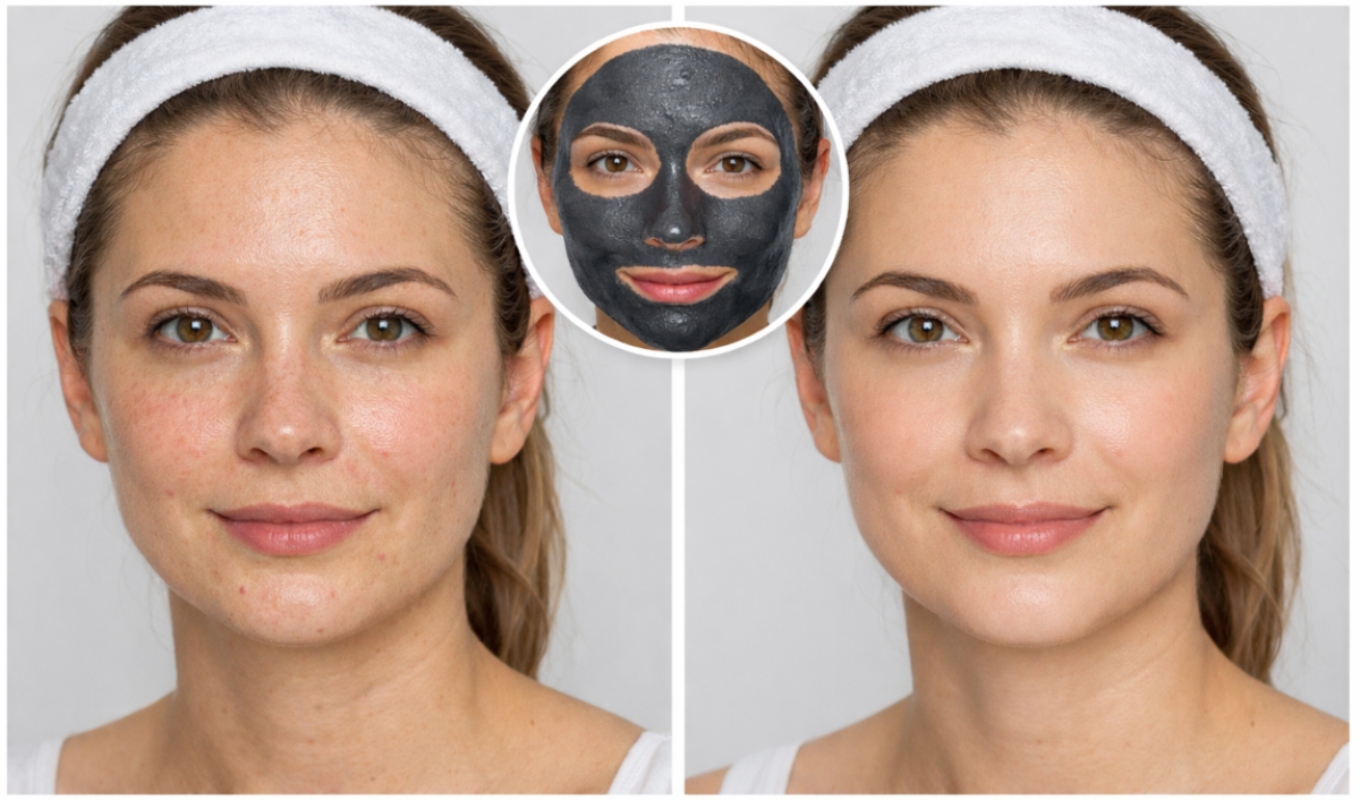
Charcoal Face Mask Before and After
Skin Concern
Before Use
After Regular Use
Clogged Pores
Visible congestion
Cleaner pores
Blackheads
Frequent buildup
Reduced appearance
Oily Skin
Excess shine
More balanced skin
Skin Texture
Rough or uneven
Smoother surface
Overall Clarity
Dull complexion
Clearer appearance
Best Charcoal Face Masks To Use
Here are 5 of the best face masks to use in the USA, with detailed descriptions to help you choose the right one for your skin:
1. GLAMGLOW Supermud Clearing Treatment
This is a cult favorite mask that combines activated charcoal with multiple clays and exfoliating acids to purify the skin. It’s especially useful at targeting blackheads, excess oil, and congestion, making it ideal for oily or breakout prone skin. It helps shrink enlarged pores while gently smoothing texture, and many users see clearer skin with regular use.
2. Origins Clear Improvement Active Charcoal Mask
A classic choice with bamboo charcoal and white china clay, this mask works to draw out deep seated dirt, pollutants, and impurities without overly stripping the skin. It is excellent for combination skin or those who experience frequent dullness and congestion. After rinsing, your skin feels fresher, more balanced, and less weighed down by buildup.
3. Biore Self Heating One Minute Mask
This unique mask develops gentle heat on contact, helping to open pores so that dirt, oil, and makeup residue can be lifted away more easily. It only needs about a minute to work, making it flawless for busy routines or as a quick deep clean before special events. Ideal for oily or congested skin, it leaves pores visibly cleaner.
4. L’Oréal Paris Pure Clay Detox & Brighten Mask
A popular drugstore favourite, this mask pairs charcoal with three types of clay to intensively detoxify the skin and absorb oil while also improving radiance. It is a good choice if you want a mask that both clarifies and brightens dull, tired skin. It’s gentle enough for regular use and delivers noticeable results without a high price tag.
5. POND’S Pure Detox Mineral Clay Mask with Charcoal
This mask combines charcoal with mineral rich clay to pull out contaminants and extra oil from the surface of skin. It is particularly suitable for normal to oily skin types and functions well as a weekly treatment. With constant use, it can help reduce the appearance of clogged pores and leave your complexion feeling refreshed and balanced.
Pro tip:
Use masks 1–2 times per week and always follow up with a hydrating moisturiser to keep your skin comfortable and healthy.
How to Use a Charcoal Face Mask Correctly
Start with clean, dry skin.
Apply an even layer of the face mask, avoiding the eyes and lips.
Leave it on for about 10 to 15 minutes, then rinse thoroughly with lukewarm water.
After masking, apply a moisturiser to restore hydration.
On days when you are not masking, using a vitamin C serum in the morning can help protect the skin and maintain brightness.
How to Peel Off a Charcoal Face Mask Correctly
Peeling off a mask the right way is important to avoid skin irritation and to get the best effects. Once fully dry, gently lift the edges starting from the chin or jawline and slowly peel upward toward the forehead. Use regular, gentle movements rather than dragging quickly. If any spaces feel stuck, moisten them a little with warm water and remove the mask instead of forcing it.
After removal, rinse your face with lukewarm water to clear away residue, then apply a soothing toner and a lightweight moisturiser. If your routine includes vitamin C serum, wait until your skin has fully calmed before using it, preferably later in the day or the following morning, to prevent sensitivity.
Essential Tips to Avoid Skin Damage
Do not peel off the mask aggressively
Do not use peel off masks more than once a week
Skip use if your skin is rubbed, sunburned, or very dry
Constantly use with hydration to restore the skin barrier
When used properly, a peel off face mask can assist in clearing surface impurities and leave your skin feeling softer and restored without causing undue stress to the skin.
Best Time to Use a Charcoal Face Mask
Evening is the ideal time to use a charcoal face mask. Applying it at night allows the mask to work on skin that is free from makeup and daily buildup, while giving the skin time to recover overnight.
When to Avoid Using a Charcoal Face Mask
This face masks should not be used if your skin is dehydrated, irritated, sunburned, or healing from professional treatments. Using charcoal masks too frequently can weaken the skin barrier and lead to sensitivity, so moderation is essential.
Avoid If Your Skin Is Dehydrated or Overly Dry
These masks are highly absorbent and can pull moisture from the skin. If your skin is dehydrated or naturally dry, using a charcoal mask may increase tightness, flakiness, and discomfort instead of enhancing skin health.
Avoid on Irritated, Red, or Inflamed Skin
If your skin is already irritated, red, itchy, or inflamed, masks can worsen these symptoms. The detoxifying action may be too harsh, leading to increased sensitivity and prolonged irritation.
Avoid If You Have Sunburned Skin
Sunburned skin is damaged and vulnerable. Applying a face mask on sunburn can intensify stinging, dryness, and peeling, delaying the healing process and causing further irritation.
Avoid During Skin Healing or After Professional Treatments
Somebody should not be using masks while your skin is healing from treatments such as chemical peels, laser therapy, microneedling, waxing, or microdermabrasion. These processes temporarily weaken the skin barrier, and charcoal can disrupt recovery.
Avoid If You Have Sensitive Skin Conditions
People with eczema, rosacea, dermatitis, or highly sensitive skin should avoid charcoal masks, as they may trigger flare ups, redness, and burning sensations.
Avoid on Open Wounds or Active Breakouts
Masks should not be applied to open cuts, wounds, or inflamed acne lesions. Doing so can aggravate inflammation and increase the risk of irritation or infection.
Avoid Overusing Face Masks
Using these masks too frequently, more than once a week, can strip the skin of natural oils, deplete the skin barrier, and lead to dryness, sensitivity, and imbalance. Moderation is essential for maintaining healthy skin.
Listen to Your Skin Condition
If your skin feels tight, itchy, or irritated after cleansing, it probably needs hydration and barrier restoration rather than deep detoxification. Opt for gentle and moisturising treatments instead of charcoal masks in such cases.
Conclusion:
When used correctly, a charcoal face mask can be a valuable addition to a skincare practice concentrated on clear skin. From deep pore cleansing and oil control to softer texture and improved clarity, the benefits are prominent and reliable. It work best when used once or twice a week and paired with hydration and antioxidant care. Combined with daily necessities like a vitamin C serum, they help clear, balance, and maintain healthy looking skin without irritation.
Frequently Asked Questions (FAQs)
1. How often should I use a charcoal face mask?
For most skin types, using a face mask once or twice a week is sufficient to cleanse pores, reduce excess oil, and maintain a clear complexion. Overuse may cause dryness or irritation.
2. Can a mask help with blackheads and whiteheads?
Yes, a mask can help minimise blackheads and whiteheads by drawing out impurities from clogged pores. Consistent weekly use often leads to smoother, clearer skin over time.
3. Is it safe to use a mask on sensitive skin?
Sensitive skin can tolerate masks if the formula is gentle and free of harsh additives. Start with a short application time and always moisturise afterwards to protect the skin barrier.
4. Can a mask replace daily cleansing?
No, a face mask is not a replacement for your daily cleanser. It works as a weekly deep-cleansing treatment to complement your regular skincare routine.
5. Should I use other skincare products with a mask?
Yes, pairing a mask with hydrating products, moisturisers, or antioxidant serums like vitamin C can enhance results, maintain skin balance, and support overall skin health.
Vitamin C serum has evolved one of the most widespread skincare products today due to its ability to brighten skin, reduce pigmentation, and improve overall skin health. Many people, however, are frustrated when they do not see results immediately. Understanding theVitamin C Serum Before and After process helps manage expectations and ensures consistent use produces visible improvements.
Vitamin C functions on a cellular level to boost collagen production, reduce post acne marks, and protect against environmental damage. When used alongside complementary products like moisturizers and sunscreens, it can transform dull or uneven skin into a brighter, healthier looking complexion.
What is Vitamin C Serum?
Vitamin C serum is a concentrated antioxidant formula prepared to infiltrate in depth into the skin and balance free radicals induced by UV rays, pollution, and other environmental stressors. Unlike typical moisturizers, it delivers highly potent forms of vitamin C, such as L ascorbic acid, sodium ascorbyl phosphate, and magnesium ascorbyl phosphate. The effectiveness of a serum depends on its concentration, pH, and packaging, which protect the formula from oxidation.
How Vitamin C Serum Benefits Skin
Vitamin C serum addresses multiple skin concerns at once:
Brightens dull skin and enhances natural radiance
Stimulates collagen production, improving firmness and elasticity
Reduces hyperpigmentation and post acne marks
Protects against environmental damage and oxidative stress
When paired with complementary routines likeHow to Brighten Skin, the benefits of vitamin C are amplified, helping users achieve a radiant and even complexion.
How Vitamin C Serum Works Beneath the Skin
Collagen Stimulation
Vitamin C promotes collagen synthesis, which maintains skin elasticity and reduces fine lines. Collagen naturally declines with age, but vitamin C activates fibroblasts, helping counteract sagging and early wrinkles. This is particularly effective when used alongside gentle moisturizers or treatments forhow to rid wrinkles under eyes.
Antioxidant Protection
Vitamin C balances free radicals induced by sun exposure, pollution, and other environmental factors. Free radicals accelerate aging, causing dark spots, dullness, and reduced elasticity.
Melanin Regulation
Vitamin C regulates melanin production, helping fade dark spots and post acne marks. It gradually evens out skin tone and promotes a more radiant complexion.
These mechanisms explain why visible before and after results appear gradually. Early improvements focus on hydration and radiance, while structural changes like improved texture, reduced pigmentation, and firmer skin appear over weeks to months.
Vitamin C Serum Before and After Timeline
Short Term Results (1–2 Weeks)
Users may notice hydrated, smoother skin and a subtle glow. Fine lines appear slightly softened, and dullness begins to fade.
Mid Term Results (4–6 Weeks)
Post acne marks and pigmentation start to diminish. Skin tone evens out, redness reduces, and minor improvements in firmness appear.
Long Term Results (8–12 Weeks)
Skin appears firmer, smoother, and more resilient. Pigmentation and post acne marks fade further, leaving skin radiant and refreshed. Daily use of sunscreen or moisturizerhelps to protect results and prevent new spots from forming.
Vitamin C Serum Before and After
Time Period
Visible Changes
Skin Benefits
Tips to Maximize Results
1–2 Weeks
Slight glow, hydrated skin
Fine lines appear softer, dullness reduces
Use serum consistently, apply moisturizer, avoid harsh cleansers
4–6 Weeks
Post acne marks begin to fade, tone evens out
Minor firmness improvement, reduced redness
Combine with Brightening Serum, drink water, protect from sun
Use a cleanser to extract dirt, oil, and makeup residue. Avoid harsh foaming cleansers that strip moisture.
Step 2: Apply Serum
Use a few drops of vitamin C serum on dry skin, massaging gently across the face and neck. Avoid applying over wet skin, which can dilute its potency.
Step 3: Lock in Moisture
Follow with a lightweight, non comedogenic moisturizer to lock in hydration and support the skin barrier.
Step 4: Protect from Sun
Always apply broad spectrum sunscreen during the day. UV exposure can reduce serum effectiveness and cause new pigmentation.
Common Mistakes That Delay Results
Even the most potent serums can underperform if used incorrectly. Common errors include using expired or oxidized products, skipping sunscreen, overapplying, layering multiple active ingredients, or inconsistent use. Correcting these mistakes ensures the serum works efficiently and supports long term skin health. Combining vitamin C with complementary brightening serums enhances tone and radiance.
Who Can Benefit from Vitamin C Serum?
Vitamin C serum is suitable for nearly every skin type. It is especially beneficial for:
Dull or tired looking skin
Uneven tone or hyperpigmentation
Post acne marks
Early signs of aging, such as fine lines and reduced elasticity
Sensitive skin types should start with lower concentrations and gradually increase use. Pairing vitamin C with otherhydrating or brightening serums maximizes results and supports the skin barrier.
Safety and Storage Recommendations
A mild tingling is normal at first, but persistent redness or irritation indicates sensitivity. Store vitamin C serum in a cool, dark place to prevent oxidation. Avoid sun exposure immediately after application without sunscreen, as UV rays reduce serum effectiveness (Healthline Vitamin C Tips).
Expert Tips for Maximizing Vitamin C Results
Be patient: results appear after 4–6 weeks.
Support your skin barrier with gentle cleansers and moisturizers.
Apply sunscreen daily to protect results.
Avoid overloading your routine with multiple strong active ingredients simultaneously.
Lifestyle Factors That Enhance Results
Hydration
Adequate water intake is crucial for maximizing the benefits of vitamin C serum. Well hydrated skin allows the serum to penetrate more effectively, enhancing absorption of active ingredients. Water also helps to wash out toxins and supports cellular repair, which can improve overall skin tone and reduce dryness, making results from your vitamin C serum more noticeable over time.
Nutrition
What you consume instantly affects how your skin responds to skincare. Diets rich in antioxidants, vitamin E, vitamin C, and omega 3 fatty acids support collagen synthesis, reduce inflammation, and protect against oxidative stress. Foods like berries, leafy greens, nuts, seeds, and fatty fish not only nourish your skin from the inside but also complement topical vitamin C, enhancing brightness and helping fade postacne marks.
Sleep and Stress Management
Sleep and manage stress hormone imbalances and increase cortisol, which worsens acne, dullness, and inflammation. Prioritizing 7–9 hours of quality sleep and using stress reducing practices like meditation, yoga, or mindful breathing supports the serum effects and helps maintain a balanced, radiant complexion.
Environmental Protection
Shielding your skin from environmental damage is critical to preserve the benefits of vitamin C. UV exposure, pollution, and smoking generate free radicals that break down collagen and accelerate aging. Using a broad spectrum sunscreen daily, avoiding prolonged sun exposure, and using antioxidants in your diet or skincare routine helps maintain results and prevents new pigmentation. Limiting exposure to pollutants and smoke also ensures that the skin barrier remains strong, allowing vitamin C to work optimally.
These daily habits complement your skincare routine and accelerate visible improvement in yourVitamin C Serum Before and After results. By combining proper hydration, nutrition, rest, stress control, and environmental protection, your skin becomes healthier, more resilient, and noticeably brighter over time.
Conclusion
A consistent Vitamin C Serum Before and After routine can transform skin brightness, tone, and overall health. Patience, proper application, sunscreen, and barrier supportive products are key. Pairing withbrightening serumsand maintaining healthy lifestyle habits ensures lasting results without irritation. Vitamin C remains one of the most effective ways to achieve radiant, healthy skin naturally.
Written by:
Skincare Research & Beauty Content Specialist
Focused on evidence based skincare education, skin barrier health, and long term skin wellness through gentle, science backed routines.
 A healthy skin barrier is the basis of calm, balanced skin, especially for those struggling with redness. When this barrier is weakened, moisture escapes easily, and irritants penetrate more deeply, triggering ongoing redness and sensitivity. This is why skin often feels tight, reactive, or uncomfortable even without visible breakouts. Focusing on barrier repair allows the skin to protect itself more effectively and reduces the constant inflammatory response that keeps redness visible.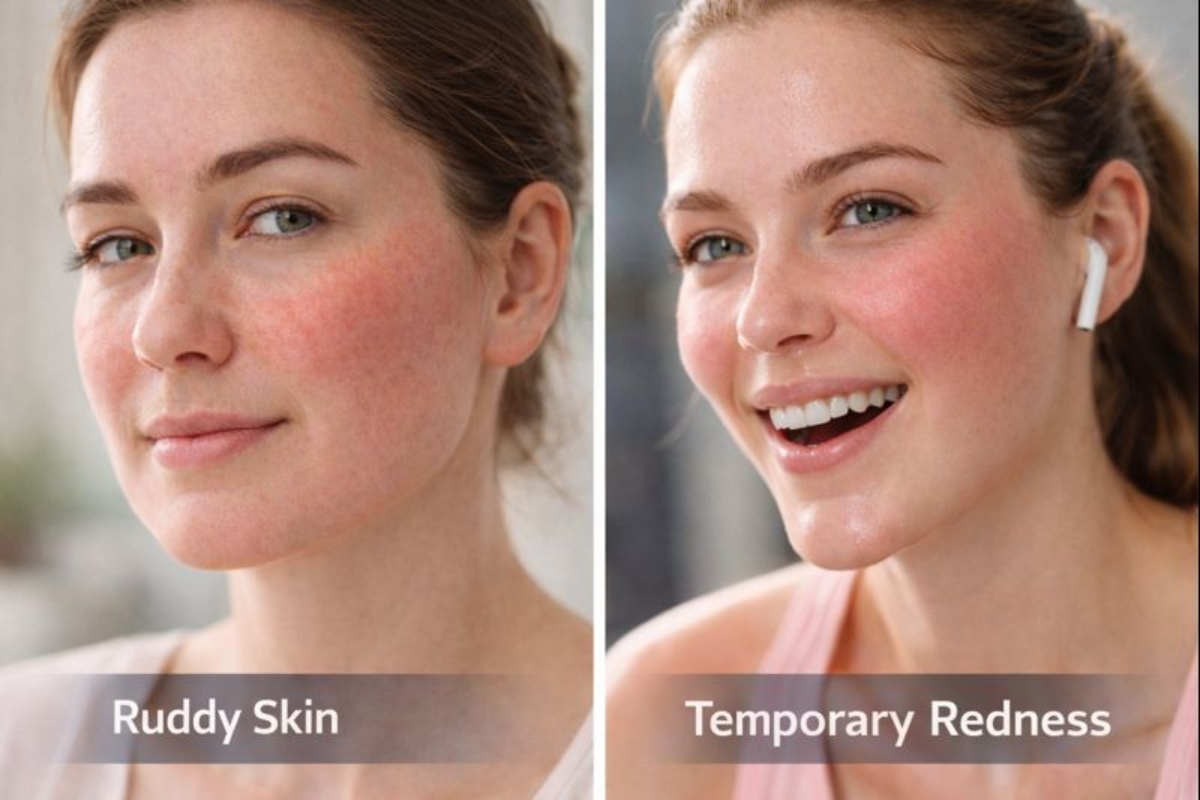
 The question
  Correctly layering moisturizer and sunscreen plays a critical role in maintaining long term skin health. When sunscreen is applied as the final step, it forms a stable protective barrier that helps preserve collagen levels, which are essential for keeping the skin firm and resilient. This consistent protection also supports a more even skin tone and can help reduce flare ups such as
 Hormonal fluctuations are one of the most common triggers of acne around the mouth and chin. Androgen hormones stimulate oil production, increasing the likelihood of clogged pores.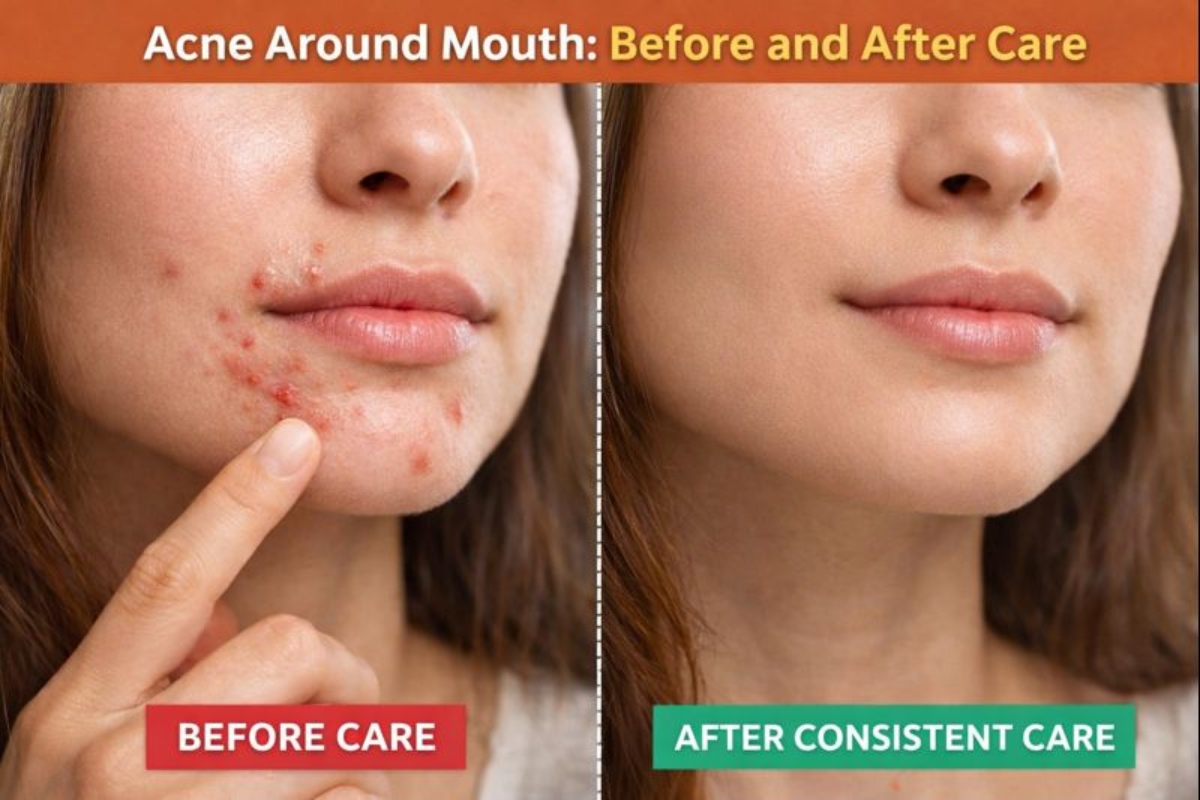
 Daily exposure to environmental stressors slowly smashes down the ability of skin to maintain brightness. Antioxidants play an important role in slowing this process by balancing damage before it becomes visible in the texture.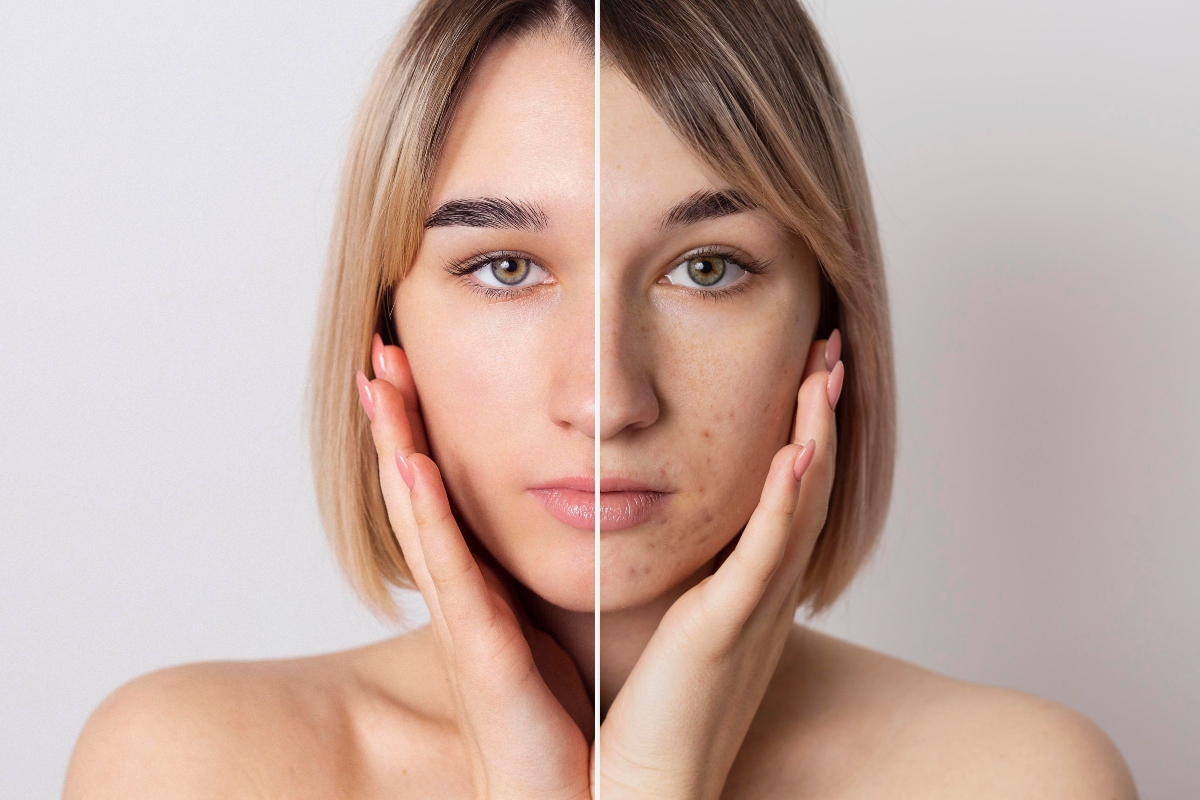
 A mask offers more than just a temporary clean feeling. Its deep cleansing action helps remove impurities that build up throughout the day, including excess oil and residue that regular cleansers may not entirely eliminate. Over time, this can reduce the frequency of clogged pores and breakouts.
 One of the key advantages of a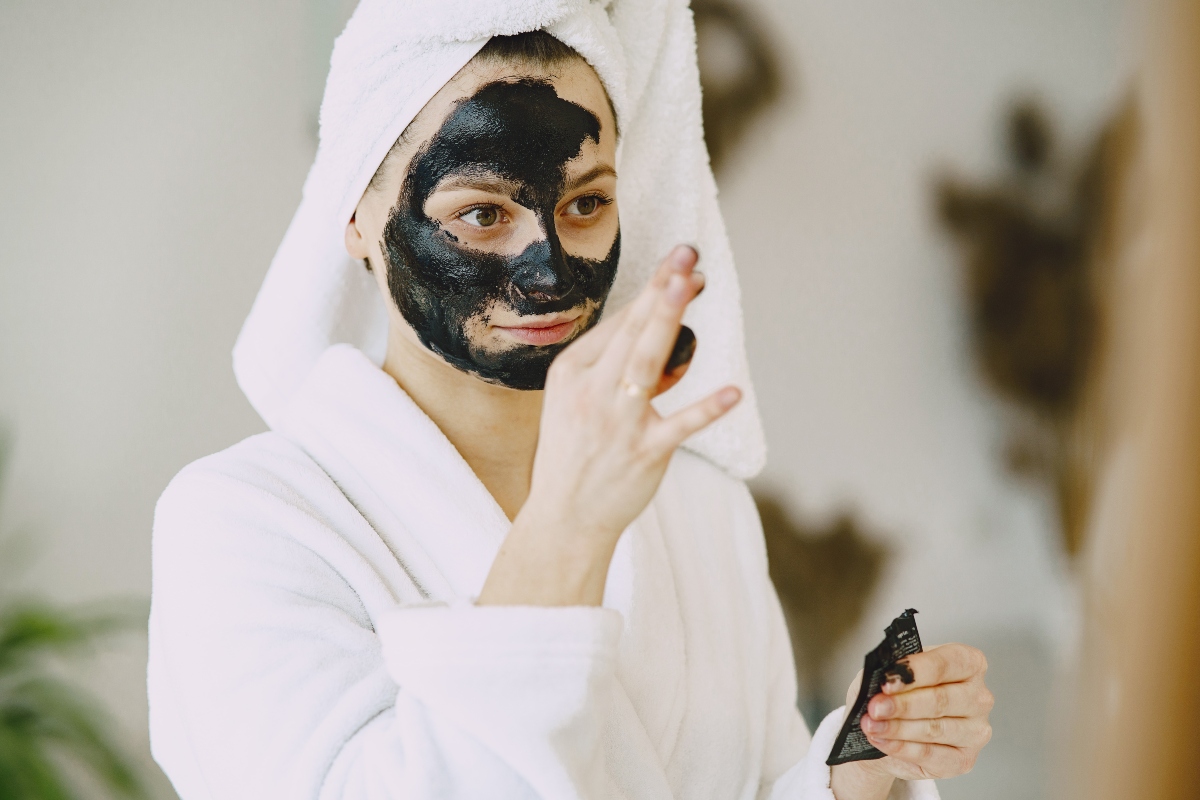
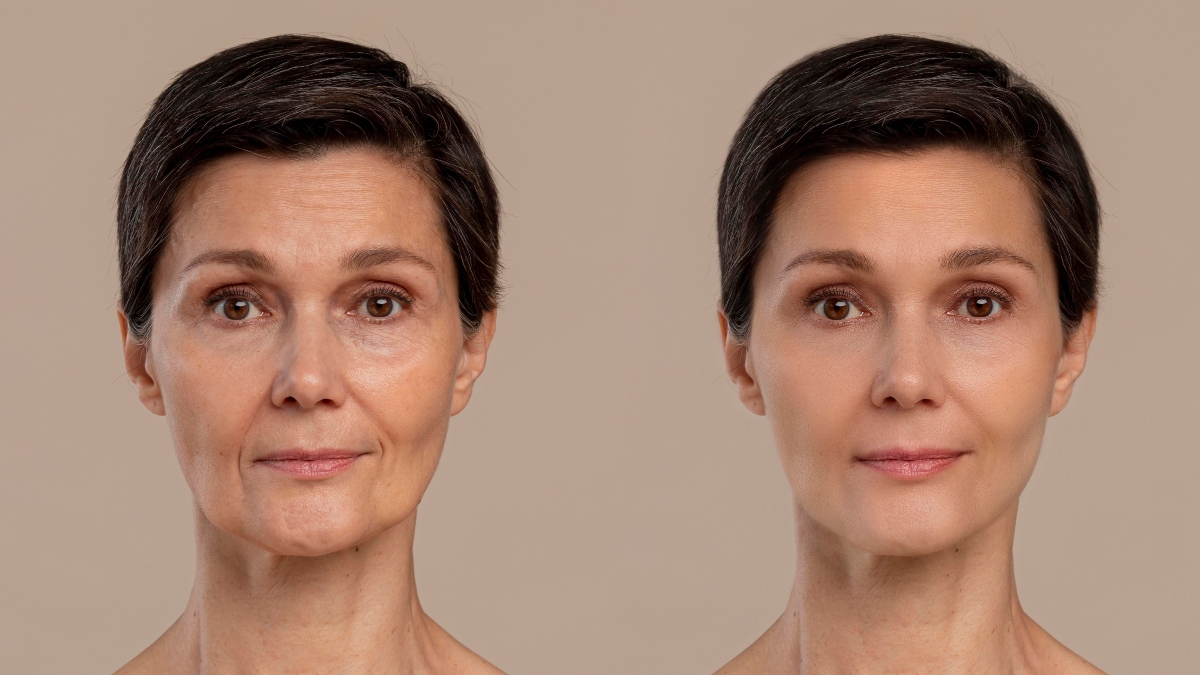
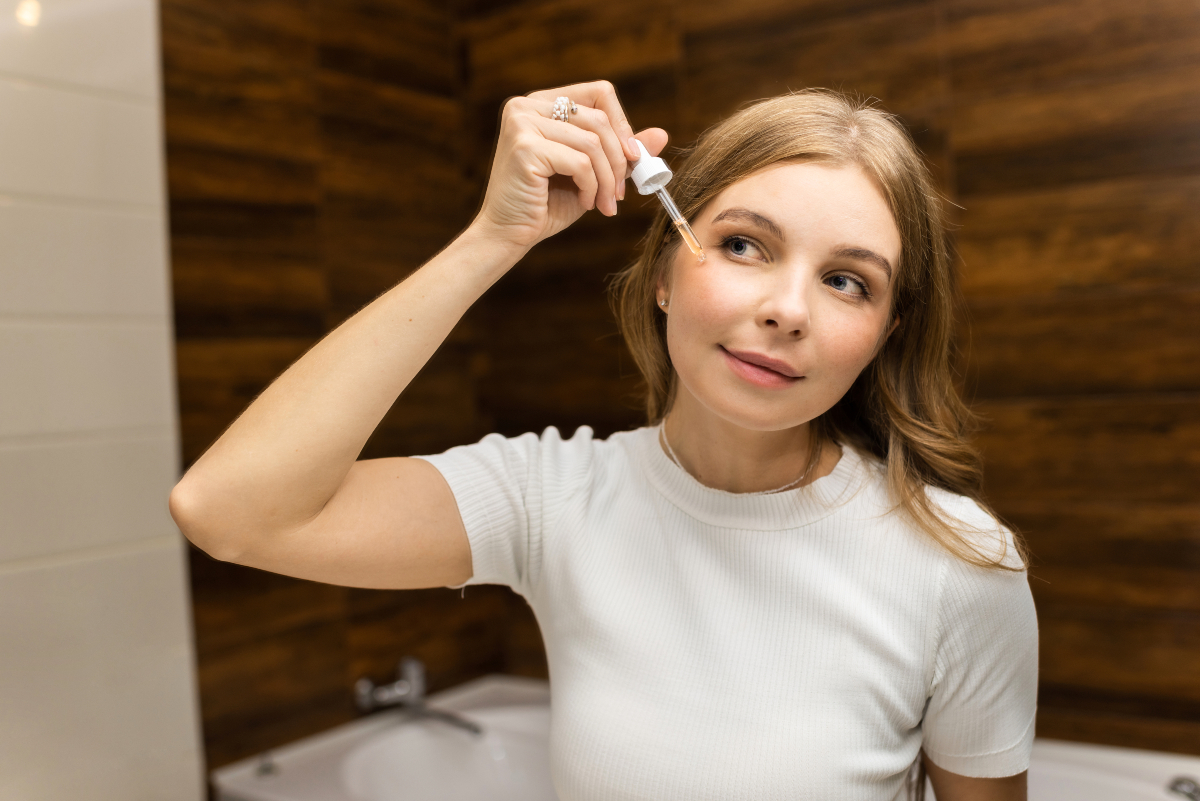 Use a few drops of vitamin C serum on dry skin, massaging gently across the face and neck. Avoid applying over wet skin, which can dilute its potency.
 Adequate water intake is crucial for maximizing the benefits of vitamin C serum. Well hydrated skin allows the serum to penetrate more effectively, enhancing absorption of active ingredients. Water also helps to wash out toxins and supports cellular repair, which can improve overall skin tone and reduce dryness, making results from your vitamin C serum more noticeable over time.