
Have you ever noticed that your skin still feels rough, dry, or lifeless even though you regularly use a body scrub? Or wondered why some people walk away with that smooth, spa like glow while others end up dealing with irritation, redness, or tightness? The difference often lies not in the product, but in the technique.
The reality is that most people do not truly understand how to use body scrub correctly. Exfoliation is far more than simply rubbing textured particles onto the skin. It is a science backed skincare practice that influences cell turnover, moisture retention, circulation, and overall skin texture. When done incorrectly, it can disrupt the skin barrier, when done right, it can transform dull skin into soft, radiant, and healthy looking skin.
In this in depth guide, you will explore seven powerful, dermatologist aligned ways to use body scrub for silky skin, supported by real world examples, professional insights, and up to date skincare research. Whether you are a content creator, digital marketer, skincare enthusiast, or brand owner, this guide is designed to help you understand exfoliation on a deeper level and apply it in a way that delivers visible, long lasting results.
What Is a Body Scrub?
A body scrub is a physical exfoliant formulated with natural or synthetic exfoliating particles that clear dead skin cells, unclog pores, and enhance skin texture. When used correctly, it enhances skin smoothness, boosts circulation, and improves the absorption of moisturizers.
Why Learning How to Use Body Scrub Correctly Matters
Understanding how to use body scrub correctly is essential because exfoliation plays a direct role in the skin natural renewal process. Human skin sheds dead cells on a regular cycle, but everyday factors such as pollution, sun exposure, dry weather, and stress can slow this process. When dead skin cells build up on the surface, the skin can appear dull, uneven, and rough, and develop ruddy skin, even when a consistent body care routine is followed.
Misusing a body scrub can create more harm than benefit. Scrubbing too harshly or exfoliating too frequently may damage the skin barrier, cause tiny surface tears, and trigger irritation, sensitivity, or redness. Over time, this weakens the skin ability to maintain moisture and protect itself against environmental stressors. Learning the correct exfoliation technique ensures dead skin is removed gently without harming healthy skin underneath, helping restore smoothness, balance, and a naturally radiant appearance.
Which Scrub Is Best For Me
For Dry Skin
If your skin grows to feel tight, flaky, or rough, a cream based scrub is ideal. These scrubs combine gentle exfoliating particles with oils or butters, such as shea butter, coconut oil, or almond oil, which hydrate as they remove dead skin. Cream based scrubs are gentle enough to avoid further dryness while exiting your skin soft and supple.
For Sensitive Skin
Sensitive skin reacts easily to harsh textures or strong ingredients. Fine grain, natural scrubs like oatmeal, rice powder, or jojoba beads are the best choice. They exfoliate gently without causing irritation, redness, or micro tears, making them safe for delicate areas such as the neck, chest, and inner arms.
For Oily or Combination Skin
If your skin tends to get oily or clogged, gel based scrubs with ingredients like sea salt, charcoal, or volcanic ash are highly effective. These scrubs help absorb excess oil, clear clogged pores, and reduce the likelihood of breakouts while smoothing rough patches.
For Acne Prone Skin
Acne prone skin needs a mild exfoliant that targets dead skin and excess oil without aggravating breakouts. Look for scrubs with salicylic acid, sugar, or gentle fruit enzymes. These ingredients help prevent clogged pores, reduce bumps, and improve texture safely.
For Normal Skin
If your skin has no major concerns and is well balanced, almost any scrub type can work, but a moderate, natural sugar or salt based scrub is perfect for maintaining smoothness and glow. Use it once or twice a week to keep your skin fresh and radiant.
Benefits of Using a Body Scrub
Promotes Smoother and Softer Skin
One of the most noticeable benefits of using a body scrub is smoother, softer skin. By removing dead skin cells from the surface, a body scrub helps reveal fresher skin underneath. This process reduces rough patches and uneven texture, making the skin feel noticeably more refined after each use.
Enhances Natural Skin Glow
Dead skin buildup often makes the skin look dull and tired. Regular exfoliation with a body scrub improves surface clarity and brightness, allowing light to reflect more evenly off the skin. Over time, this leads to a healthier, more radiant glow without relying on makeup or artificial shimmer.
Improves Absorption of Skincare Products
When dead skin cells are removed, moisturisers, body oils, and serums can penetrate more effectively. This means your skincare products work better and deliver deeper hydration. Using a body scrub helps you get maximum value and results from the rest of your body care routine.
Helps Prevent Ingrown Hairs
Body scrubs play an essential role in reducing ingrown hairs by clearing away debris and dead skin that can trap hair follicles. This is especially beneficial before shaving or waxing, as exfoliation allows hair to grow back more smoothly and evenly.
Supports Even Skin Tone and Texture
Consistent exfoliation helps improve uneven skin texture and tone over time. By encouraging regular skin renewal, body scrubs can reduce the appearance of dry patches and surface discoloration, allowing the skin look more balanced and uniform.
Boosts Circulation and Skin Vitality
The massaging action involved in using a body scrub stimulates blood flow to the skin. Improved circulation supports skin vitality by delivering oxygen and nutrients more efficiently, which can enhance overall skin health and resilience.
Contributes to a Relaxing Self Care Routine
Beyond its physical benefits, using a body scrub can be a calming and rejuvenating experience. The gentle massage and sensory elements transform a simple shower into a mindful self care ritual, similar to the consistency seen in Vitamin C Serum Before and After results, where regular use enhances both skin appearance and overall well being. This intentional approach helps reduce stress while nurturing the skin.
7 Ways to Use Body Scrub for Silky Skin
Preparing Your Skin Properly with Warm Water
The first step to effective exfoliation is preparing your skin. Start by taking a shower with lukewarm water for several minutes. Warm water softens dead skin cells and opens your pores slightly, allowing the scrub to work more effectively. Avoid hot water, as it can dispossess your skin of natural oils, exiting it dry and sensitive. Applying the scrub on damp skin rather than soaking wet skin helps the exfoliating particles adhere better, ensuring even coverage without over rubbing. Proper preparation not only protects your skin but also makes the exfoliation process more efficient and comfortable.
Mastering the Right Scrubbing Technique
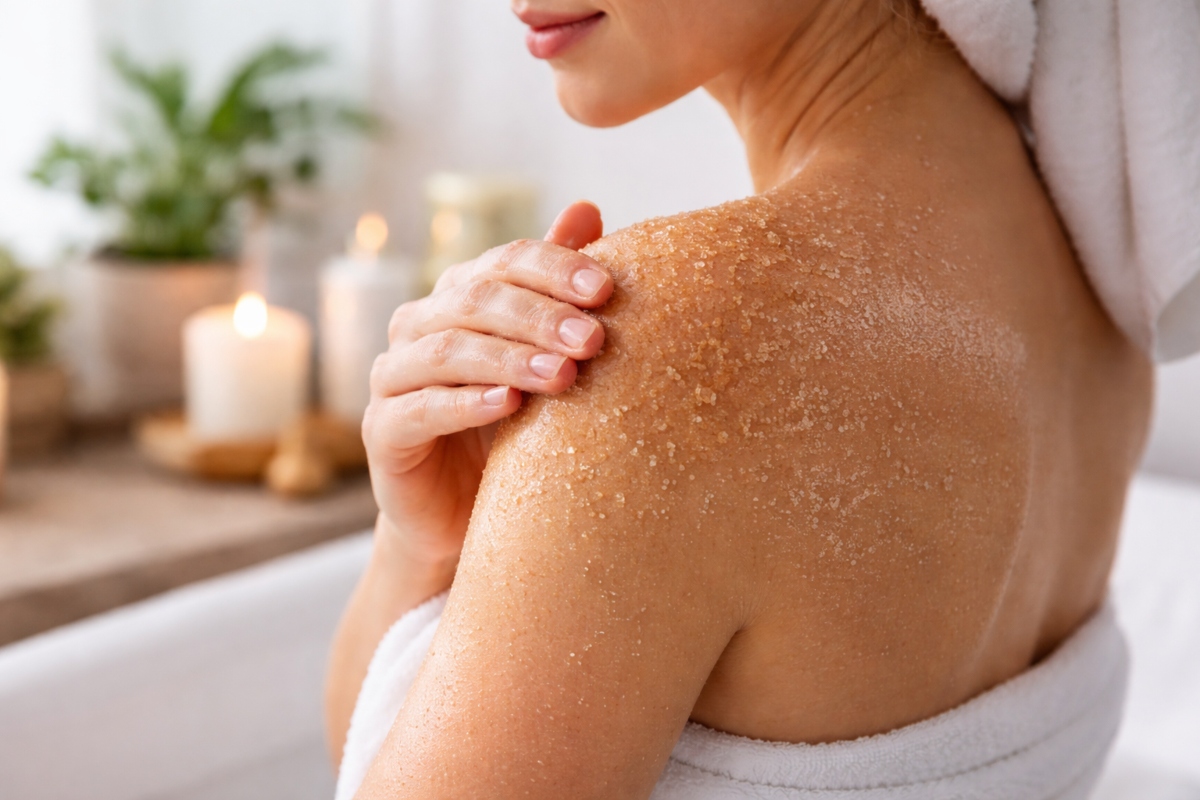 Using the appropriate technique is crucial to avoid harming the skin. Apply the body scrub with light to medium pressure, and massage in small circular motions. Focus on rougher areas such as the elbows, knees, and heels, but be gentle on delicate zones like the chest and neck. This method stimulates circulation and supports lymphatic drainage, enhancing skin vitality while preventing irritation. Avoid scrubbing too hard, as excessive pressure can create tiny tears in the skin and compromise the natural barrier, leading to redness or sensitivity.
Choosing the Right Body Scrub for Your Skin Type
Not all body scrubs are suitable for every skin type, and selecting the right formula is critical. For dry skin, cream based scrubs enriched with shea butter or coconut oil provide gentle hydration while exfoliating. Sensitive skin benefits from fine grain scrubs made with oatmeal or rice powder to prevent irritation. Oily skin often responds well to gel based scrubs containing ingredients like charcoal or sea salt, while acne prone skin needs mild exfoliants with salicylic acid or sugar. Using the correct scrub ensures safe and effective exfoliation, while the wrong product may worsen dryness, irritation, or breakouts.
Knowing How Often to Exfoliate
Frequency is just as important as technique. Over exfoliating can weaken the skin barrier, disrupt the natural microbiome, and cause dryness, redness, or breakouts. Most skin types benefit from exfoliating once or twice a week, while sensitive or dry skin may only need weekly exfoliation. Monitoring your skin response and adjusting frequency accordingly helps maintain balance, ensuring you remove dead cells without harming the skin protective layer.
Rinsing and Moisturizing After Exfoliation
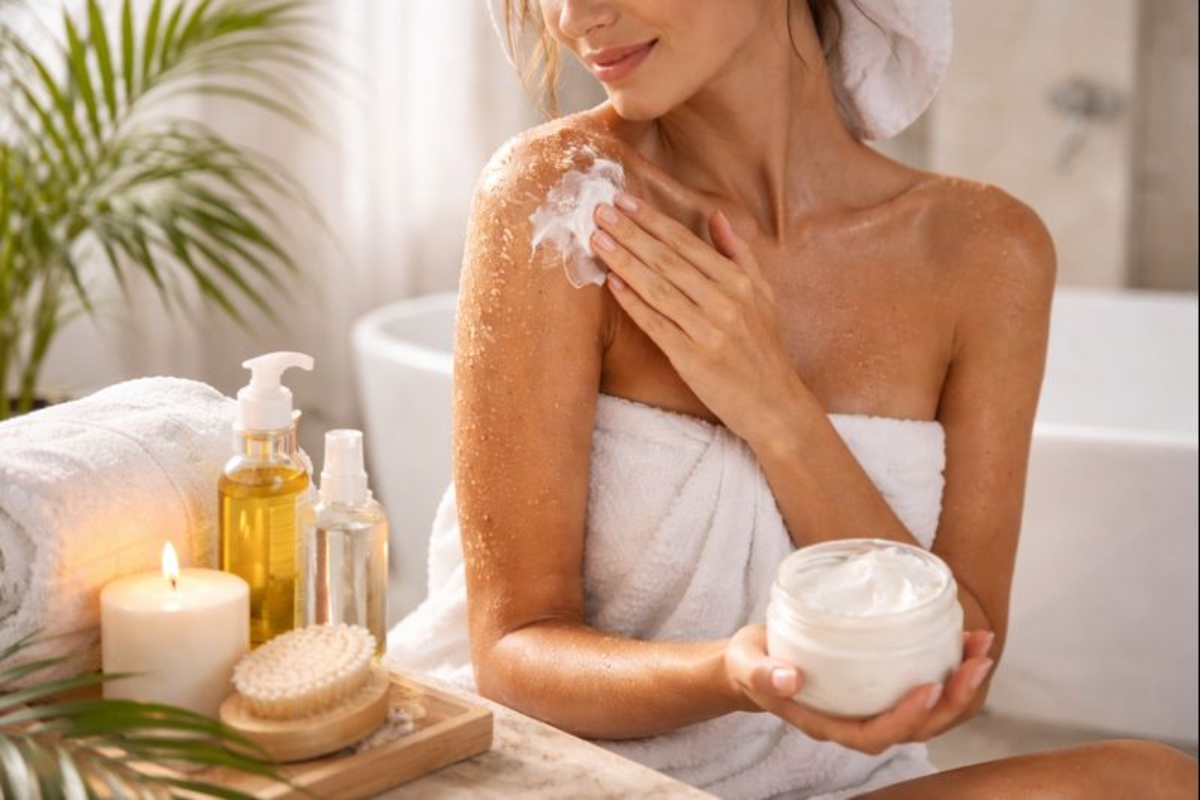 After using a body scrub, your skin is highly receptive to hydration. Wash entirely with lukewarm water to clear all scrub particles, and gently pat your skin dry, avoiding rubbing, which can irritate newly exfoliated skin. Directly apply a moisturizer or body oil to lock in hydration, a technique sometimes called moisture sealing. This step is crucial for maintaining softness, preventing dryness, and enhancing the benefits of exfoliation. Consistently moisturizing after scrubbing ensures your skin stays smooth and supple.
Adjusting Scrubbing Pressure for Different Body Areas
Different areas of the body have varying skin thickness, and adjusting your pressure accordingly prevents irritation while maximizing smoothness. Delicate zones such as the neck and chest require a gentle touch, while arms and legs can tolerate moderate pressure. Thicker areas like the elbows and feet can handle firmer massage. Adapting your technique to each zone ensures that every part of your body benefits from exfoliation safely and effectively, which is an essential part of mastering how to use body scrub.
Combining Body Scrubs with Other Skincare Steps
To maximise results, a body scrub should be part of a complete body care routine. Exfoliating before shaving helps prevent ingrown hairs, while scrubbing before self tanning ensures an even, streak free finish. Pairing exfoliation with hydrating serums or body oils amplifies softness and radiance. Integrating a scrub into a broader skincare ritual turns a simple step into a holistic, results driven practice that promotes smoother, healthier, and more luminous skin over time.
Common Mistakes to Avoid When Using a Body Scrub
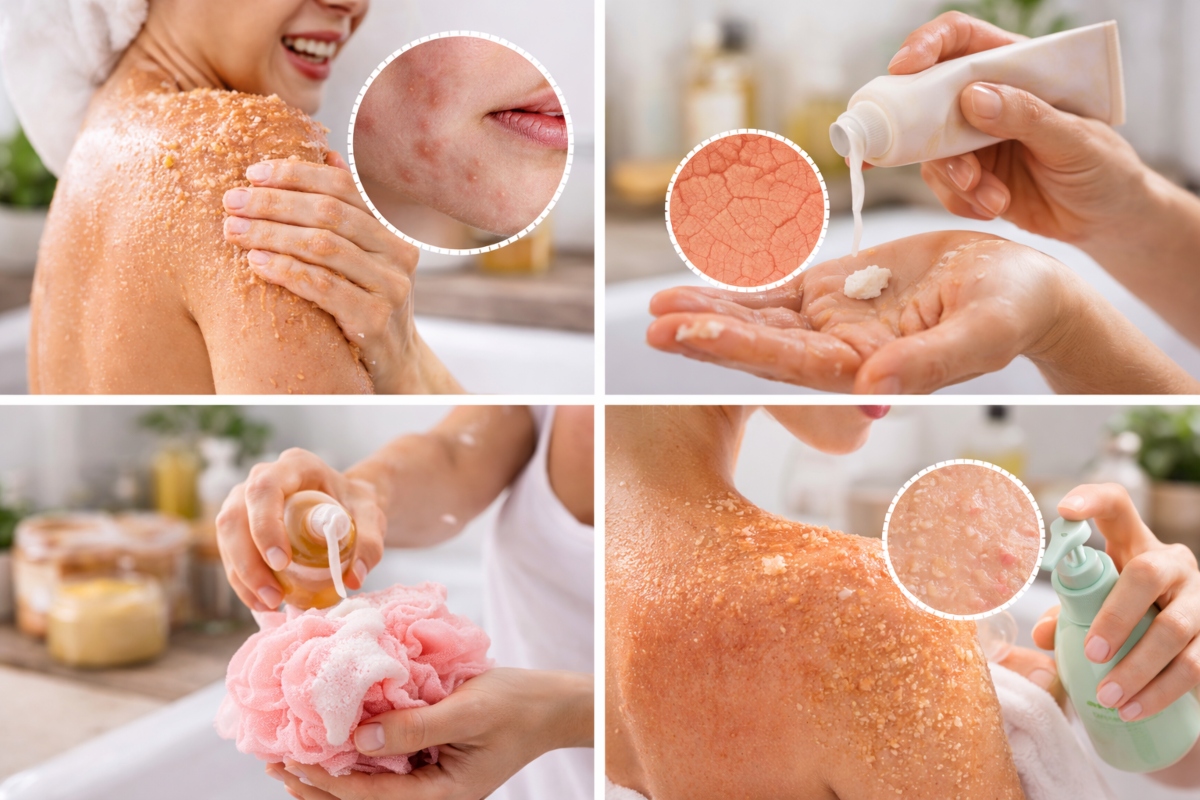 Using a body scrub can improve skin texture and smoothness, but incorrect use often causes irritation rather than benefits. One of the most common mistakes is scrubbing the skin daily. Over exfoliation strips away natural oils and weakens the skin barrier, which may trigger dryness, sensitivity, and inflammation, factors that can worsen breakouts, including Acne Around Mouth, when exfoliating too aggressively around sensitive areas.
Another frequent error is using facial scrubs on the body. Facial exfoliants are designed for delicate skin and may be ineffective for thicker body skin, while some formulas contain active ingredients that can irritate larger surface areas. Applying a body scrub on broken, irritated, or sunburned skin is also harmful. Exfoliating compromised skin can intensify inflammation, delay healing, and increase discomfort.
Skipping moisturizer after exfoliation is another critical mistake. Exfoliation temporarily removes dead skin cells, leaving the skin more vulnerable to moisture loss. Applying a nourishing moisturiser afterwards helps restore hydration and protect the skin from further irritation. Avoiding these common mistakes is just as important as choosing the proper body scrub. When exfoliation is done gently and followed by adequate hydration, the skin remains healthier, smoother, and more resilient over time.
How Body Scrubs Compare to Other Exfoliation Methods
| Method | Effectiveness | Skin Safety | Best For |
| Body Scrub | High | Moderate–High | Normal skin |
| Dry Brushing | Medium | Medium | Circulation |
| Chemical Exfoliation | High | High (when controlled) | Sensitive skin |
| Loofah | Low | Low | Occasional use |
Best Body Scrubs to Use
1. Dove Exfoliating Body Polish
Dove Exfoliating Body Polish is a gentle yet effective body scrub widely used in the USA. It combines fine exfoliating particles with moisturising ingredients that allow clear dead skin cells without stripping the skin. This scrub is perfect for individuals with dry or sensitive skin, as it leaves the body feeling soft, smooth, and hydrated rather than tight or irritated. Its creamy texture makes it suitable for regular use without damaging the skin barrier.
2. Tree Hut Shea Sugar Scrub
Tree Hut Shea Sugar Scrub is one of the most popular body scrubs in the U.S. market. It uses natural sugar crystals to exfoliate while shea butter and nourishing oils deeply moisturise the skin. This scrub is especially effective for rough areas like elbows, knees, and heels. It helps improve skin texture, enhance smoothness, and restore a healthy glow without excessive harshness.
3. First Aid Beauty KP Bump Eraser Body Scrub
This scrub is formulated for rough, uneven skin and clogged pores. It combines physical exfoliants with gentle chemical exfoliation to help smooth texture and reduce buildup. The formula is scent free and appropriate for sensitive skin types, making it a good choice for those prone to irritation. With uniform use, it aids refine skin texture and supports long term skin comfort.
4. Frank Body Original Coffee Scrub
Frank Body Original Coffee Scrub is a well known exfoliator in the U.S. skincare market. Made with ground coffee beans and hydrating oils, it helps buff away dead skin while promoting smoother looking skin. It is particularly popular for improving the appearance of rough patches and dull skin. Due to its coarse texture, it is best used gently and followed with a moisturizer.
5. Cetaphil Extra Gentle Daily Scrub
Cetaphil Extra Gentle Daily Scrub is designed for people who prefer mild exfoliation. It uses ultra fine exfoliating particles that cleanse without damaging the skin barrier. This scrub works well for sensitive and acne prone skin and helps maintain softness without causing redness or dryness. It is a reliable option for those looking for a low irritation exfoliating product.
Conclusion:
Learning how to use body scrub correctly is not about adding an extra step to your routine, it is about mastering a single step so it delivers maximum results. When exfoliation is done with the correct technique, the appropriate frequency, and proper aftercare, it goes far beyond just removing dead skin cells. Body scrubs can improve circulation, stimulate skin renewal, and prep your skin to soak moisturizers and serums more effectively. Over time, this transforms dull, rough, or uneven skin into a smooth, radiant, and silky complexion. Beyond the physical benefits, incorporating body scrubbing mindfully also elevates your self care routine, making your skincare ritual not only effective but also relaxing and rejuvenating. The key lies in consistency, gentle technique, and using the proper products tailored to your skin type, turning a simple scrub into a powerful tool for long lasting skin health and glow.
Frequently Asked Questions (FAQs)
How often should I use a body scrub?
Most skin types benefit from exfoliating 1–2 times per week. Overuse can harm the skin barrier and cause sensitivity.
Can body scrub remove tan?
Yes, exfoliation helps remove surface level dead skin cells, which can make tan appear lighter and skin brighter over time.
Is body scrub good for ingrown hairs?
Absolutely. Using a body scrub before shaving reduces ingrown hairs and razor bumps significantly.
Should I use body scrub before or after soap?
Always use body scrub after cleansing so it works on clean skin without oil buildup.
Can sensitive skin use body scrub?
Yes, but only fine grain, fragrance free scrubs once a week with gentle pressure.