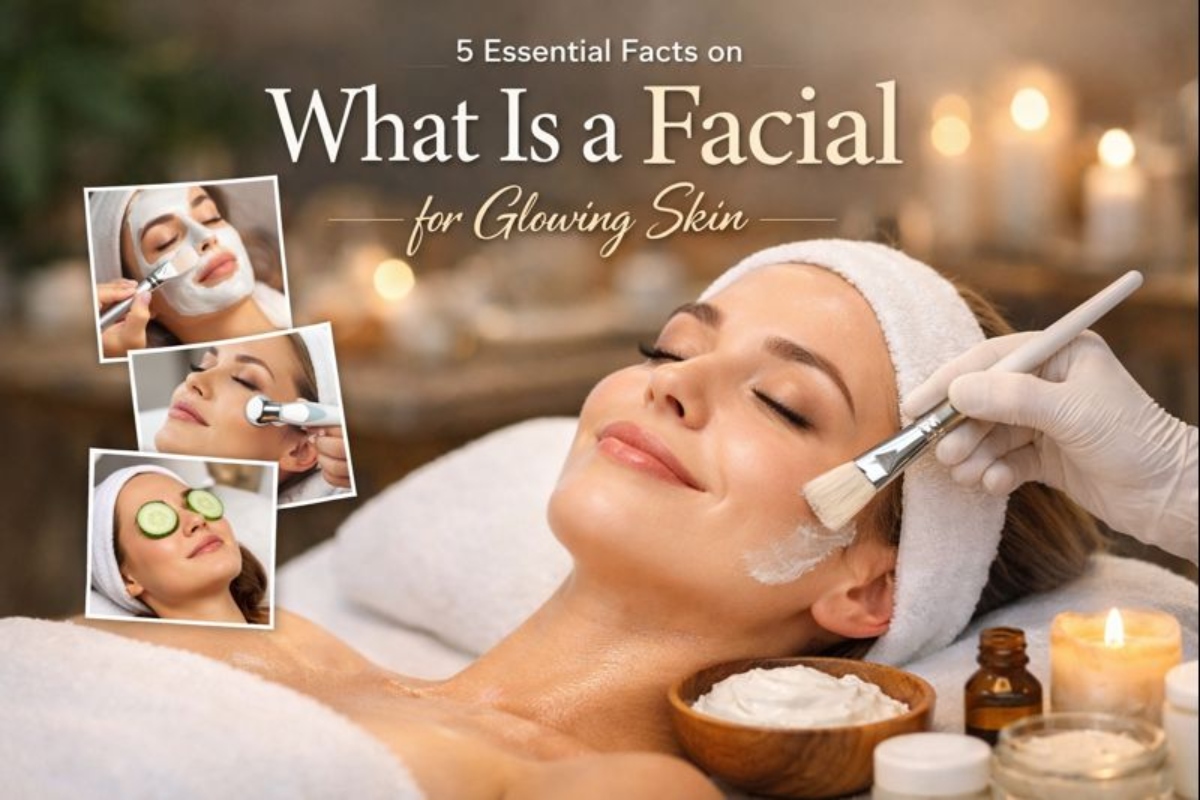
If you already cleanse, exfoliate, and moisturize at home, you might still find yourself asking what is a facial, and why is it considered such an essential part of professional skincare? Why do dermatologists, estheticians, and beauty experts consistently recommend facials for maintaining healthy, glowing skin? The reality is that everyday skincare routines, while essential, only work on the surface. Over time, dead skin cells, oil buildup, pollution, and lifestyle stressors accumulate beneath the skin surface, slowing down cell turnover and dulling your complexion. A facial is invented to address these deeper problems in a structured, ordered way that home routines just can not duplicate. This guide breaks down what is a facial in practical, easy to understand terms. You will learn how facials work, why they are effective, the different types available, and how they fit into a long term skincare strategy. Whether you are a skincare enthusiast, content creator, or business owner, this article provides clarity backed by expertise, not hype.
Fact 1: What Is a Facial and What Happens During One?
A Practical Definition You Can Trust
So, what is a facial in practical terms? A facial is a professional, multi step skincare treatment performed by a trained esthetician or skincare specialist to improve the health, appearance, and function of the skin. It goes far beyond basic cleansing by working on the skin at multiple levels, surface, pores, and hydration balance, while targeting specific concerns such as dryness, breakouts, uneven texture, dullness, or early signs of ageing.
Unlike a single skincare product or a quick home remedy, a facial follows a methodical, step by step process. Each stage is carefully designed to prepare the skin for the next, allowing active ingredients to penetrate more effectively and work where they are needed most. This structured approach helps minimize irritation, support the skin barrier, and deliver more consistent results over time.
What Actually Happens During a Professional Facial?
Most professional facials follow a structured sequence, although the exact steps may vary depending on skin type and treatment goals. The process generally begins with a thorough wash to clear makeup, extra oil, and surface impurities. This initial step ensures the skin is clean and ready for deeper treatment.
Next comes exfoliation, which helps remove dead skin cells that can clog pores and dull the complexion. For those wondering how to use a body scrub, it is typically applied in gentle, circular motions to slough off buildup without irritating the skin. After exfoliation, gentle steam is often used to relax the skin and open pores, making it easier to safely remove impurities. If needed, extractions are performed carefully to clear congestion without causing damage.
Facial massage is another key component, helping improve circulation and promote relaxation while encouraging oxygen and nutrients to reach the skin. A targeted mask is then used to address specific concerns, such as hydration, calming sensitivity, or boosting radiance. The treatment is usually finished with serums and moisturizers selected to lock in benefits and protect the skin.
Why This Process Matters
This layered, professional approach is what truly separates a facial from at home skincare routines. Rather than delivering short lived results, a facial is designed to support healthier skin function over time. With regular treatments, the skin becomes better balanced, more receptive to daily skincare products, and visibly smoother and more radiant.
Fact 2: Why Facials Are So Effective for Glowing Skin
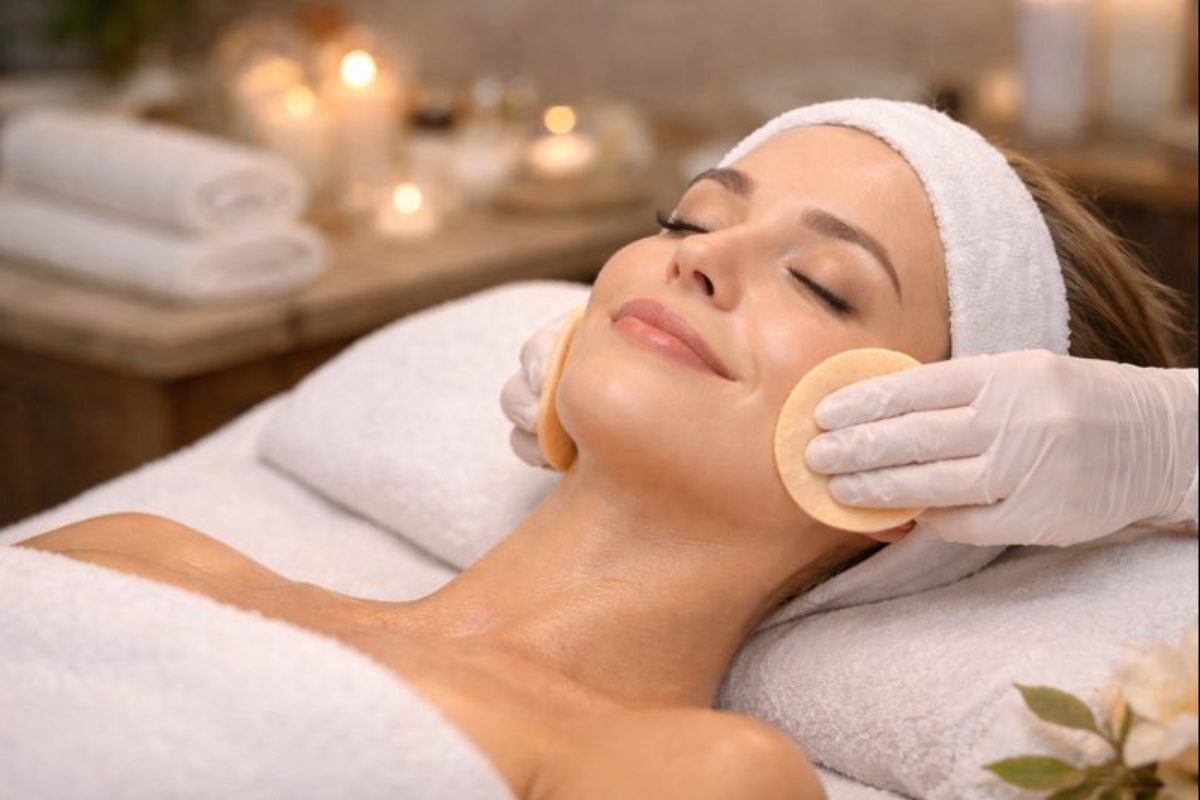 Understanding what is a facial goes beyond knowing the steps involved, it also means understanding why this treatment delivers such visible and long lasting results. Facials work with the skin natural biology, enhancing its ability to renew, repair, and protect itself rather than forcing short term cosmetic changes.
Supporting the Skin Natural Renewal Cycle
Your skin is designed to shed dead cells and replace them with new ones, but this renewal process can slow over time due to factors like aging, stress, sun exposure, and daily environmental pollutants. When dead skin cells accumulate on the surface, they block light reflection and prevent skincare products from absorbing effectively.
Facials gently remove this buildup through professional exfoliation, helping fresh skin cells rise to the surface more efficiently. This is why skin often appears instantly brighter, smoother, and more even toned after a facial. Over time, consistent treatments can help maintain a healthier renewal rhythm, reducing dullness and rough texture.
Enhancing Blood Circulation and Oxygen Delivery
One of the most underrated benefits of a facial is improved circulation. Facial massage techniques stimulate blood flow, allowing oxygen and essential nutrients to reach skin cells more effectively. This increased circulation supports cellular repair and gives the skin its natural, healthy glow. Improved oxygen delivery also helps the skin recover faster from daily stressors. That refreshed, radiant look many people notice after a professional facial isn’t just surface level, it is the result of better nourishment at the cellular level.
Boosting Product Absorption and Treatment Effectiveness
Another reason facials are so effective is that they prepare the skin to receive active ingredients. After cleansing and exfoliation, the skin becomes more receptive to serums, masks, and moisturizers used during the treatment. This enhanced absorption means beneficial ingredients can penetrate deeper and work more efficiently than when applied to unprepared skin at home. In essence, a facial amplifies the effectiveness of skincare products rather than relying on them alone.
Strengthening the Skin Barrier for Long Term Health
Beyond immediate glow, facials play a critical role in supporting long term skin health. Proper hydration and targeted treatments help reinforce the skin barrier, the protective layer responsible for locking in moisture and keeping irritants out. When the skin barrier is strong, it becomes better resilient to environmental stressors such as pollution, temperature changes, and dry air. This resilience helps reduce sensitivity, prevent moisture loss, and maintain a balanced, healthy complexion over time.
Fact 3: Different Types of Facials and Their Benefits
Not all facials are created to achieve the same goal, which is why understanding the different types of treatments is essential when deciding what’s right for your skin. One of the most critical aspects of understanding what is a facial is is recognising that it is not a one size fits all service. Each facial is designed with specific techniques, ingredients, and treatment goals to address individual skin concerns safely and effectively.
Classic Facial: The Foundation of Skincare Maintenance
A classic facial is often recommended for first time clients or those with generally balanced skin. This treatment concentrates on deep cleansing, gentle exfoliation, light extractions if needed, and hydration. The goal is to maintain overall skin health rather than target a specific concern.
This sort of facial benefits keep pores clear, keeps healthy circulation, and preserves moisture balance. It also serves as an excellent baseline treatment, allowing estheticians to observe how your skin responds before recommending more targeted therapies.
Hydrating Facial: Restoring Moisture and Comfort
Hydrating facials are designed for skin that feels tight, dry, or depleted. These treatments focus on replenishing moisture levels using humectants, nourishing masks, and barrier supporting serums. By restoring hydration, this facial helps improve skin softness, elasticity, and overall comfort. It is particularly beneficial for people exposed to dry climates, air conditioning, or frequent cleansing routines that strip the skin of natural oils.
Acne Facial: Balancing Oil and Clearing Congestion
Acne facials are tailored for oily or breakout prone skin and focus on managing excess oil, clearing clogged pores, and calming inflammation. These treatments often include deeper cleansing, targeted exfoliation, and careful extractions, followed by soothing products to reduce redness. Rather than aggressively drying the skin, acne facials aim to restore balance. When done correctly, they help reduce breakouts while supporting the skin barrier, which is crucial for long term clarity.
Anti Ageing Facial: Supporting Firmness and Texture
Anti ageing facials are designed for mature skin or those concerned with fine lines, uneven texture, or loss of firmness. These treatments typically incorporate advanced massage techniques, targeted exfoliation, and rejuvenating masks or serums. The focus is on improving circulation, encouraging skin renewal, and enhancing hydration to create a smoother, more refined appearance. Over time, these facials can help improve skin resilience and overall tone.
Brightening Facial: Enhancing Radiance and Clarity
 Brightening facials are ideal for dull, uneven, or tired looking skin. They focus on removing surface buildup and delivering ingredients that promote clarity and luminosity. By improving exfoliation and hydration, this facial helps skin reflect light more evenly, resulting in a refreshed, radiant complexion. It’s often recommended before special occasions or as part of a routine to maintain an even skin tone.
Why Personalisation Makes All the Difference
A key part of understanding what a facial lies in recognising the importance of professional skin assessment. Before any treatment begins, estheticians evaluate your skin type, sensitivity level, and specific concerns to determine the most suitable approach.
This personalised process helps minimise the risk of irritation and ensures the facial delivers meaningful results. By tailoring products and techniques to your skin needs, professional facials offer both effectiveness and safety, something generic, at home treatments can not always guarantee.
Fact 4: How Often Should You Get a Facial for Best Results?
One of the most common questions people ask when learning what is a facial is how often it should be done to see real, lasting benefits. The answer relies on your skin type, problems, and overall skincare goals, but timing plays a critical role in effectiveness.
Steps in a Facial Treatment
A facial is a structured skincare treatment designed to cleanse, nourish, and rejuvenate the skin deeply. Each step plays a specific role in improving skin health and appearance.
1. Cleansing
The facial begins with gentle cleansing to remove makeup, excess oil, dirt, and environmental impurities. This step preps the skin for more in depth treatments and ensures that active ingredients can penetrate more effectively.
2. Skin Analysis
After cleansing, the skin is carefully examined to assess skin type, texture, sensitivity, hydration levels, and specific concerns. This analysis helps customise the treatment to suit individual needs.
3. Exfoliation
Exfoliation removes dead skin cells that dull the complexion and clog pores. This step smooths the skin’s surface, promotes cell revival, and improves the absorption of skincare products.
4. Steam
Facial steam is utilised to ease the skin and open pores. It helps loosen debris and oil buildup, making extractions easier and more effective while improving circulation.
5. Extractions
When necessary, extractions are performed to remove blackheads, whiteheads, and congestion. This step is accomplished carefully to avoid irritation or damage to the skin.
6. Massage
A facial massage enhances blood circulation, calms facial muscles, and helps lymphatic drainage. It also enhances relaxation and contributes to healthier, more radiant skin.
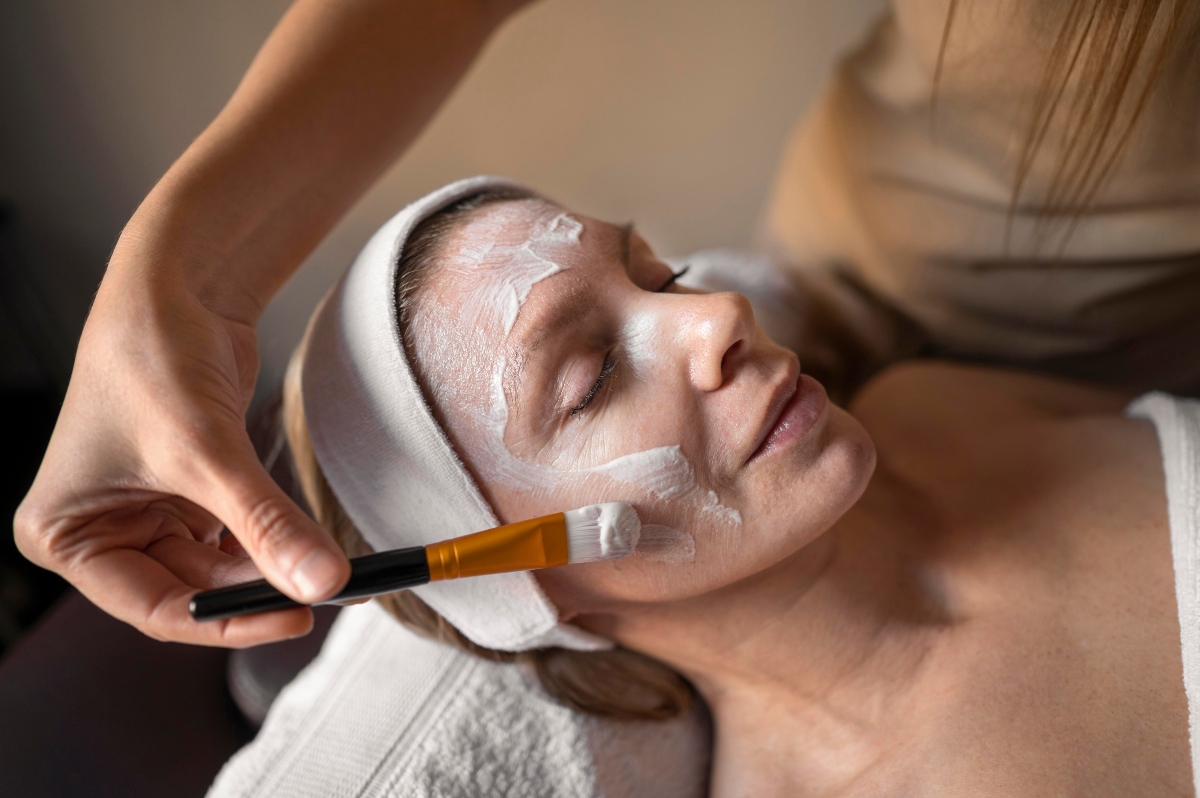
7. Mask Application
A treatment mask is applied based on the skin needs, such as hydration, calming, purifying, or brightening. Masks help restore balance and address specific concerns.
8. Toning
Toner helps rebalance the skin pH, refine pores, and prepare the skin for moisturizing products. It also removes any remaining particles from previous steps.
9. Moisturizing
Moisturizer is applied to seal in hydration, strengthen the skin barrier, and keep the skin soft and supple after treatment, preparing it to better absorb targeted products such as vitamin c serum for enhanced radiance and protection.
10. Sun Protection
The final step is sunscreen application, especially for daytime facials. This protects freshly treated skin from UV damage and helps maintain results.
Finding the Right Facial Frequency for Your Skin
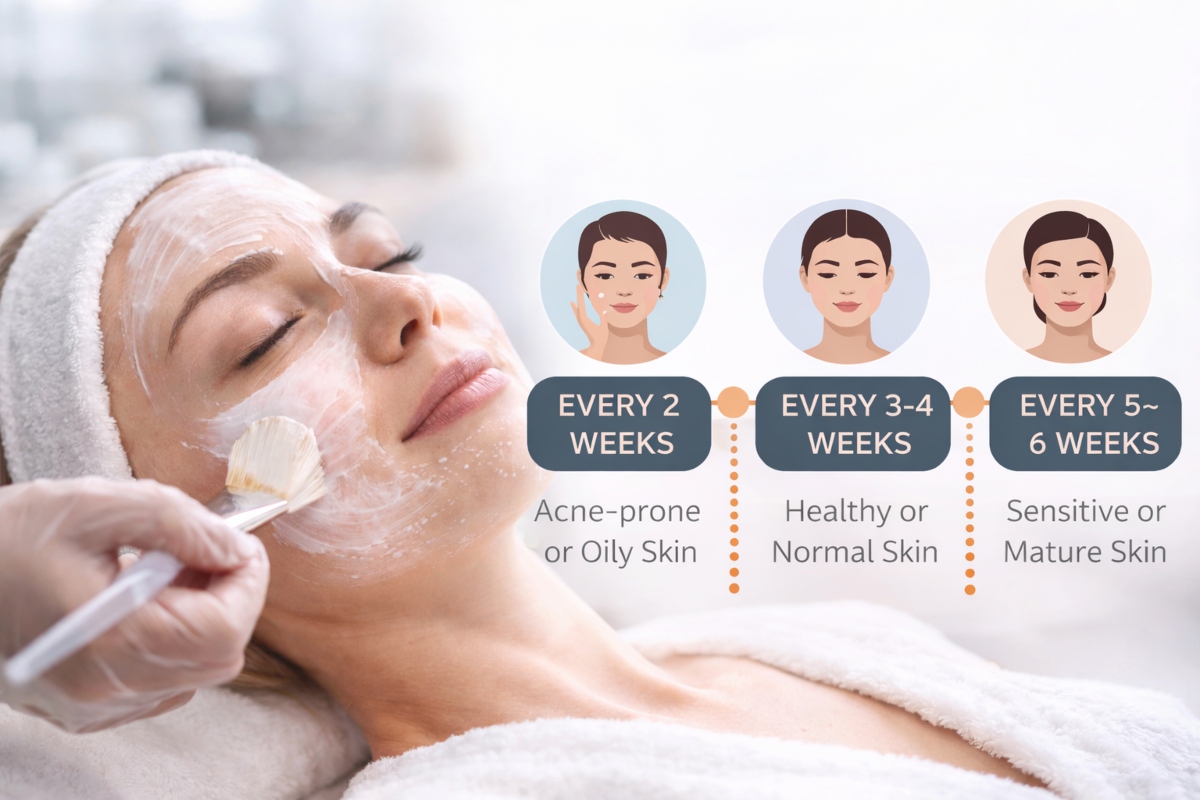 Most skincare professionals recommend scheduling a facial every four to six weeks. This timing aligns with the skin’s natural renewal process, allowing each treatment to support and enhance the progress made by the previous one. When facials are properly spaced, the skin has sufficient time to recover, regenerate, and respond to active ingredients without becoming overstressed. For oily or acne prone skin, slightly more frequent facials can help keep pores clear, manage excess oil, and reduce buildup that leads to breakouts. In contrast, dry, sensitive, or ruddy skin typically benefits from gentler, less frequent sessions that prioritize hydration, soothing ingredients, and barrier repair.
Adjusting Frequency Based on Lifestyle and Skin Changes
Your facial schedule should also adapt to changes in your lifestyle, environment, or skin condition. Seasonal shifts, stress levels, and hormonal changes can all affect how your skin behaves. A professional esthetician can adjust treatment frequency and techniques accordingly, ensuring your skin receives the right level of care at the right time. This flexibility is one of the key advantages of professional facials over rigid, at home routines. As your skin evolves, so should your treatment plan.
Fact 5: At Home Skincare vs Professional Facials
When exploring what is a facial, it is essential to understand how professional treatments differ from daily at home skincare routines. While both play crucial roles in skin health, they serve very different purposes and deliver results at various levels of intensity and depth.
What At Home Skincare Can Realistically Achieve
At-home skincare practices form the foundation of healthy skin. Daily cleansing removes surface dirt and excess oil, moisturiser helps maintain hydration, and sunscreen protects the skin from environmental damage. When practised consistently, these steps preserve skin balance and help keep the results of professional treatments.
However, at home care is naturally limited. Consumer skincare products are formulated to be safe for daily use, which means active ingredients are less concentrated. In addition, most people lack the tools and training needed to exfoliate deeply or address stubborn concerns like congestion, uneven texture, or persistent dullness without risking irritation.
What Professional Facials Do Differently and Why It Matters
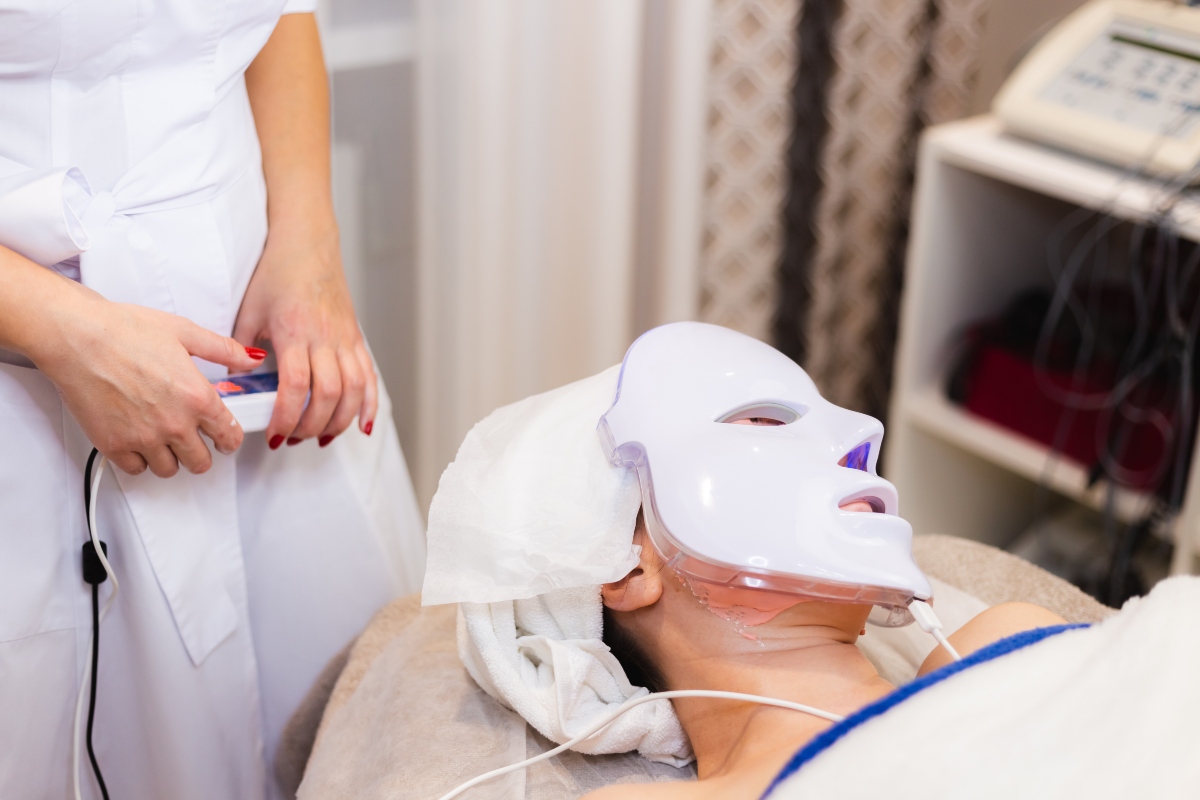 Professional facials operate on a completely different level. These treatments use advanced formulations, specialised tools, and expert techniques that are not suitable for unsupervised home use. Estheticians are trained to assess skin conditions accurately and adjust treatments in real time, ensuring both safety and effectiveness.
Professional facials allow for deeper exfoliation, more precise extractions, and targeted hydration that penetrates beyond the surface layer of the skin. They also address issues at the root level, such as impaired barrier function or chronic congestion, rather than just managing symptoms.
How the Two Work Best Together
Understanding what is a facial helps set realistic expectations, at home skincare maintains daily balance, while professional facials drive visible change. Home routines protect and support the skin between treatments, but professional care is what transforms skin health over time. When combined strategically, these two approaches create a complete skincare system, one that maintains consistency, prevents recurring issues, and delivers long term improvements in texture, clarity, and radiance.
Why Consistency Makes a Difference
While a single facial can improve how your skin looks and feels, regular treatments help create lasting change. Consistent care supports steady renewal, balanced hydration, and improved skin function, making facials an essential part of a well rounded skincare routine, not just an occasional indulgence. In short, facials work because they enhance what your skin is naturally designed to do, helping it look clearer, healthier, and more radiant from the inside out.
Conclusion:
Understanding what is a facial allows you to see it not as a luxury but as a strategic investment in skin health. Facials work because they combine expertise, structure, and targeted care, something daily routines alone can not fully achieve. When done consistently and correctly, facials help maintain balance, enhance glow, and support skin resilience over time. Whether you are educating an audience, optimising content for search, or improving your own skincare approach, knowing the true purpose of a facial empowers smarter decisions and better results.
Frequently Asked Questions (FAQs)
What is a facial in simple terms?
A facial is a professional skincare treatment that cleanses, exfoliates, hydrates, and improves the overall health and appearance of the skin.
Are facials safe for all skin types?
Yes, when properly customized. Professionals adjust products and techniques to suit sensitive, oily, dry, or combination skin.
How long do facial results last?
Immediate results may last several days, while long term improvements develop with consistent treatments and good home care.
Can facials replace a skincare routine?
No. Facials enhance results, but daily skincare is still essential for protection and maintenance.
Do facials help with long term skin health?
Yes. Regular facials support healthy skin function, improved texture, and balanced hydration over time.